


Overview
Pocket knives have evolved from ancient utility tools to modern collectibles and art pieces. Their rich history includes advancements in design, the rise of custom knives, and a strong collector culture. Pocket knives serve practical purposes for outdoor enthusiasts while holding sentimental value for many. As technology and sustainability trends shape their future, pocket knives continue to blend functionality with craftsmanship.
Table of Contents
- The Origin of Pocket Knives
- The Evolution of Design
- The Birth of the Modern Pocket Knife
- The Rise of Custom Pocket Knives
- The Artisans Behind Handmade Knives
- The Culture of Collecting Pocket Knives
- What to Look for in Collectible Pocket Knives
- The Role of Pocket Knives in Outdoor Culture
- Adapting to Modern Needs
- Popular Styles of Pocket Knives
- Folding Knives
- Multi-tools
- Fixed Blade Knives
- Maintaining and Caring for Your Pocket Knife
- The Emotional Connection to Pocket Knives
- Gifting Pocket Knives
- Where to Find the Perfect Pocket Knife
- Online Marketplaces vs. Artisan Shops
- The Future of Pocket Knives
- Embracing Sustainability
- The Lasting Legacy of Pocket Knives
Key Takeaways
- Historical Significance: Pocket knives date back to 3000 B.C., evolving from simple utility tools to complex designs.
- Modern Innovations: Today's pocket knives incorporate advanced materials and technologies, enhancing durability and functionality.
- Custom Craftsmanship: Handmade pocket knives are highly valued for their unique designs and the skill of the artisans who create them.
- Collectibility: Antique and limited edition pocket knives can fetch high prices in auctions, attracting a dedicated community of collectors.
- Practical Uses: Pocket knives serve essential roles in outdoor activities, providing utility for tasks like camping and hunting.
- Maintenance Tips: Regular cleaning, oiling, and sharpening are crucial for maintaining the performance and longevity of pocket knives.
- Sustainability Trends: The knife-making industry is increasingly focusing on sustainable practices and ethically sourced materials.
Pocket knives have been an essential tool for humans for centuries, evolving from simple utility tools to sought-after collectibles and art pieces. This journey showcases the remarkable versatility of pocket knives and their enduring appeal. In this article, we'll examine the rich history of these small yet powerful tools and explore why they continue to captivate enthusiasts and collectors alike.
The Origin of Pocket Knives
The pocket knife's origin can be traced back to ancient civilizations. Early versions were crafted from stone, bone, or metal and were primarily used as utility tools. The earliest known pocket knives date back to 3000 B.C. in the region of modern-day Mesopotamia. These rudimentary tools often featured a fixed blade that was easily carried, providing essential functionality for daily tasks.
The Evolution of Design
As civilizations advanced, so did the design of pocket knives. The Greeks and Romans began to create more sophisticated tools, often with folding blades that could fit neatly into a pocket. By 500 A.D., pocket knives had become a staple among soldiers, travelers, and tradespeople, who recognized their practicality and portability.
The Birth of the Modern Pocket Knife
Fast forward to the 19th century, and the pocket knife began to resemble what we know today. During this time, the first mass-produced pocket knives emerged, particularly in Europe and the United States. Companies like the Swiss Army and various American manufacturers started to offer knives that featured multiple blades and tools, catering to a wide range of practical needs.
The Rise of Custom Pocket Knives
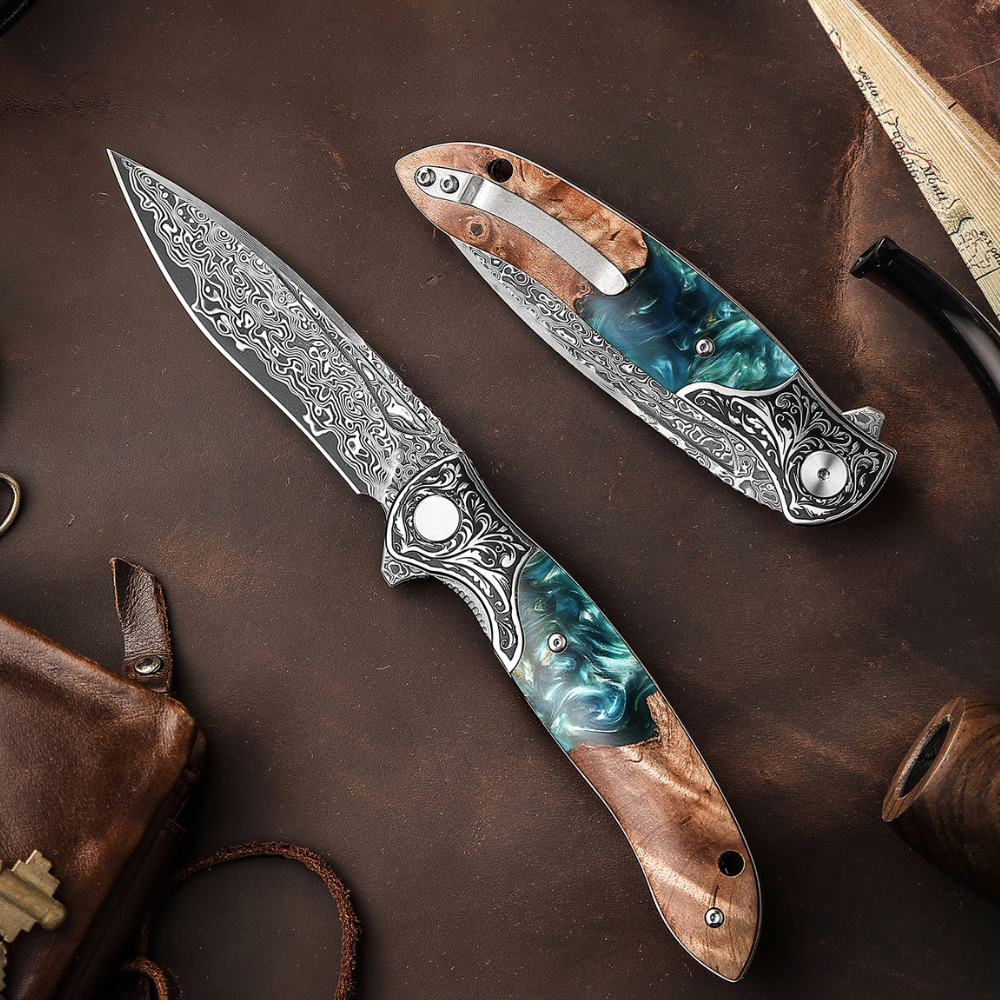
With the growing popularity of pocket knives, the market also saw a rise in demand for custom pocket knives. Handmade knives became increasingly sought after by collectors and outdoor enthusiasts who valued craftsmanship and individuality. These knives often featured unique designs, high-quality materials, and meticulous attention to detail, making them stand out from mass-produced options.
The Artisans Behind Handmade Knives
Creating a custom pocket knife involves skilled artisans who dedicate their time and expertise to crafting each piece. These craftsmen often work with various materials, including high-grade steel for blades and exotic woods or synthetic materials for handles. The result is a knife that is not just a tool but a work of art that reflects the personality of its creator and owner.
The Culture of Collecting Pocket Knives
As pocket knives became collectible items, a robust community of enthusiasts formed around them. Collectors began to focus on specific brands, eras, or types of knives, leading to a vast and diverse array of options. Antique pocket knives, for instance, are highly sought after, with some pieces fetching thousands of dollars at auctions.
What to Look for in Collectible Pocket Knives
- Brand: The reputation of the maker can significantly influence a knife's value. Famous brands like Case, Victorinox, and Buck are often sought after.
- Condition: The overall condition, including blade sharpness and handle integrity, plays a critical role in valuation.
- Rarity: Limited edition knives or those with unique features can be particularly valuable to collectors.
- History: Knives with historical significance or unique backstories are often considered more desirable.
The Role of Pocket Knives in Outdoor Culture
Outside of collecting, pocket knives play a crucial role in outdoor culture. For hunters, campers, and adventurers, these tools are indispensable. The functionality of a custom pocket knife can enhance the outdoor experience, whether for general utility or more specific tasks like skinning game or preparing food. The blend of craftsmanship and utility makes these knives perfect companions in the wild.
Adapting to Modern Needs
As technology continues to evolve, so too do the designs and functionalities of pocket knives. Many modern knives now incorporate advanced materials and technologies that enhance their use and durability. From stainless steel blades to ergonomic designs, contemporary pocket knives cater to today's consumers without sacrificing their essential roots.
Popular Styles of Pocket Knives
The variety of pocket knife styles available today is astonishing. Each design serves different purposes, and understanding these can help you find the perfect knife for your needs.
Folding Knives
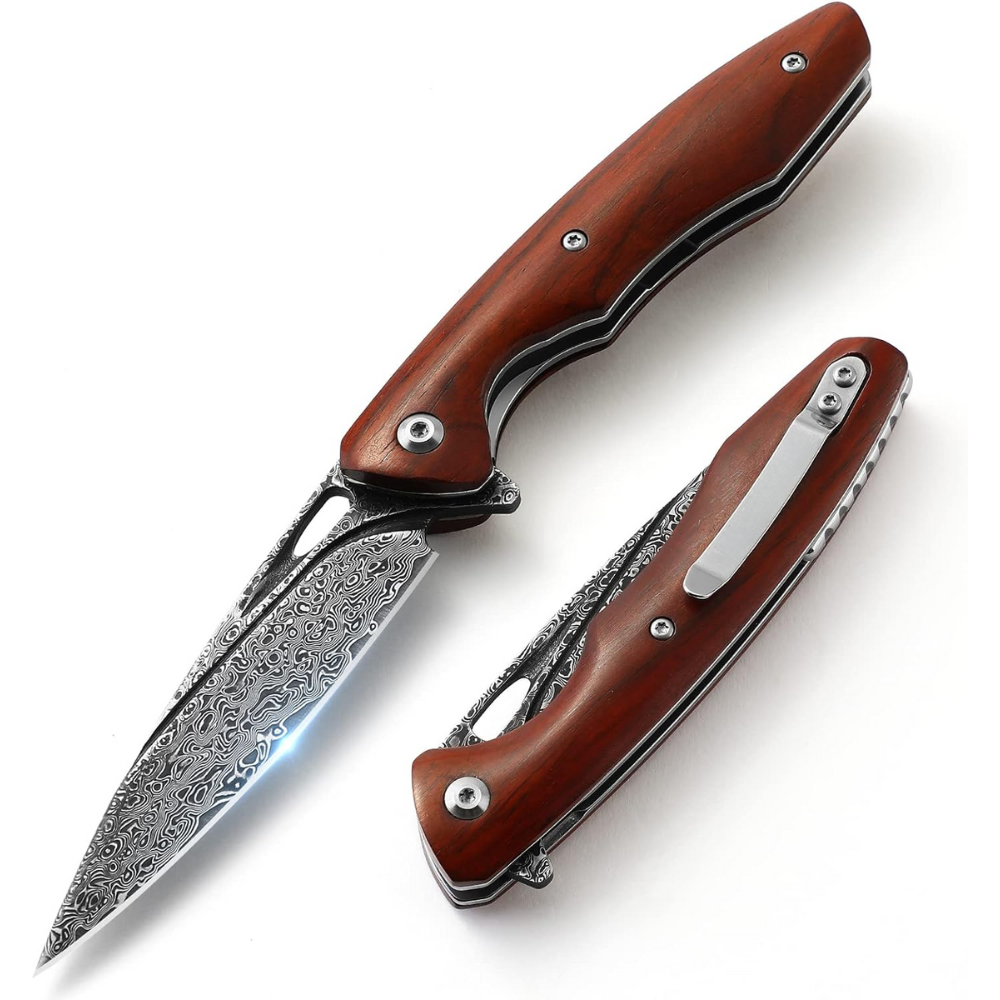
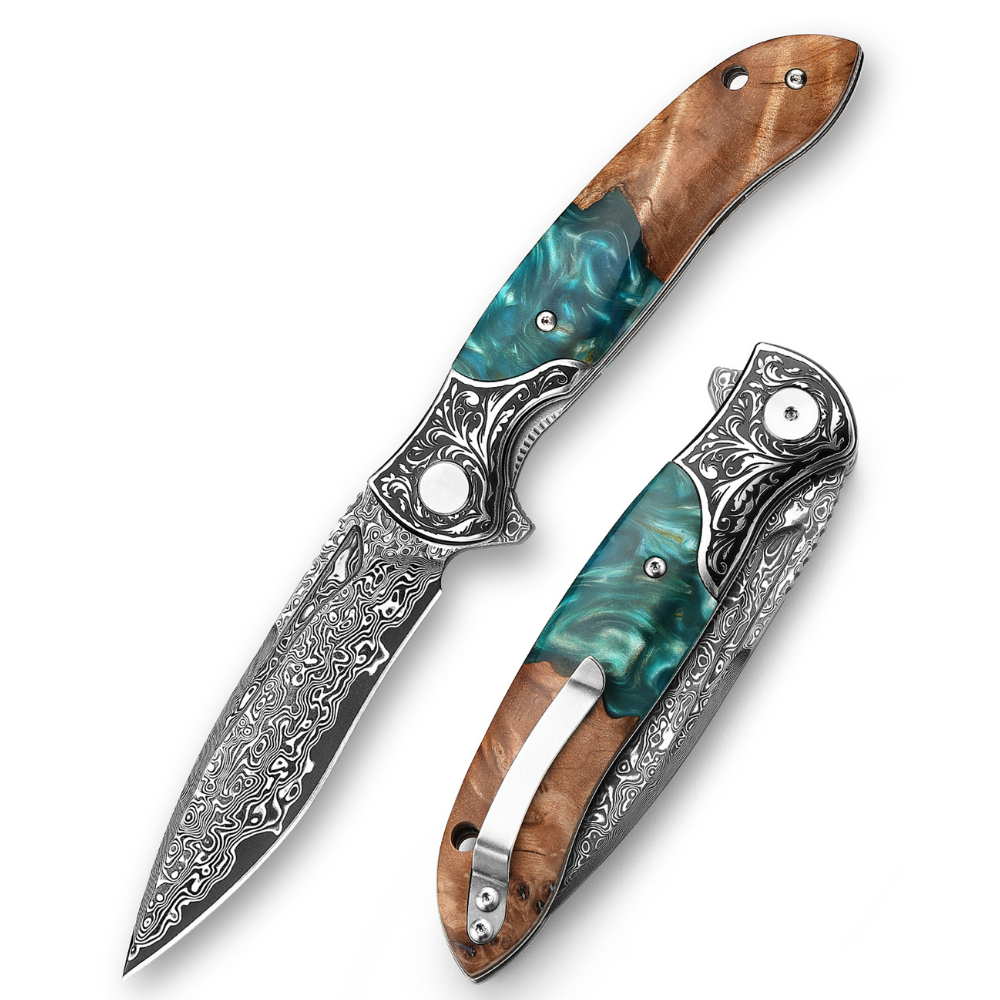
Folding knives are perhaps the most common type of pocket knife. Known for their compact design, they feature a folding blade that fits neatly within the handle, making them easy to carry. Different locking mechanisms enhance safety and usability, allowing for quick deployment when necessary.
Multi-tools
Multi-tools take versatility to a whole new level, as they often include various implements such as screwdrivers, scissors, and even pliers, along with the blade. For outdoor enthusiasts or those needing a variety of tools at hand, multi-tools are an excellent choice.
Fixed Blade Knives
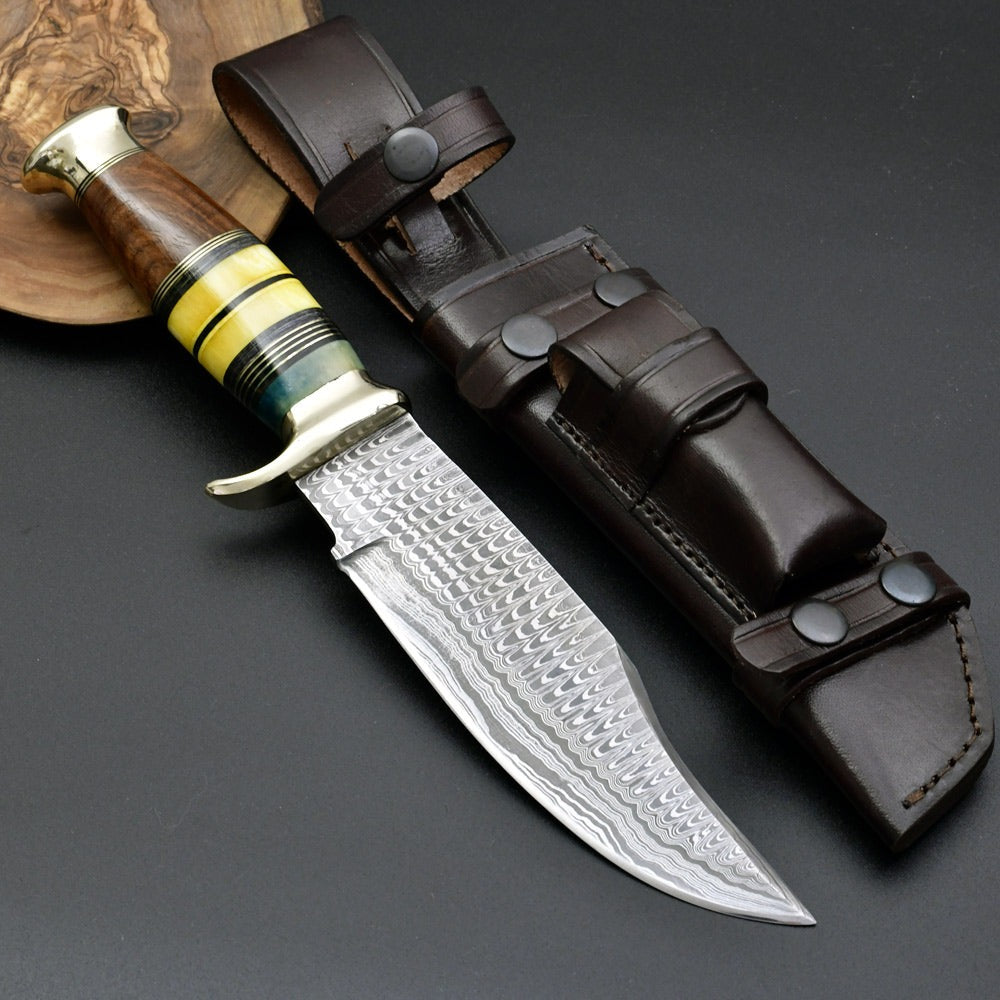
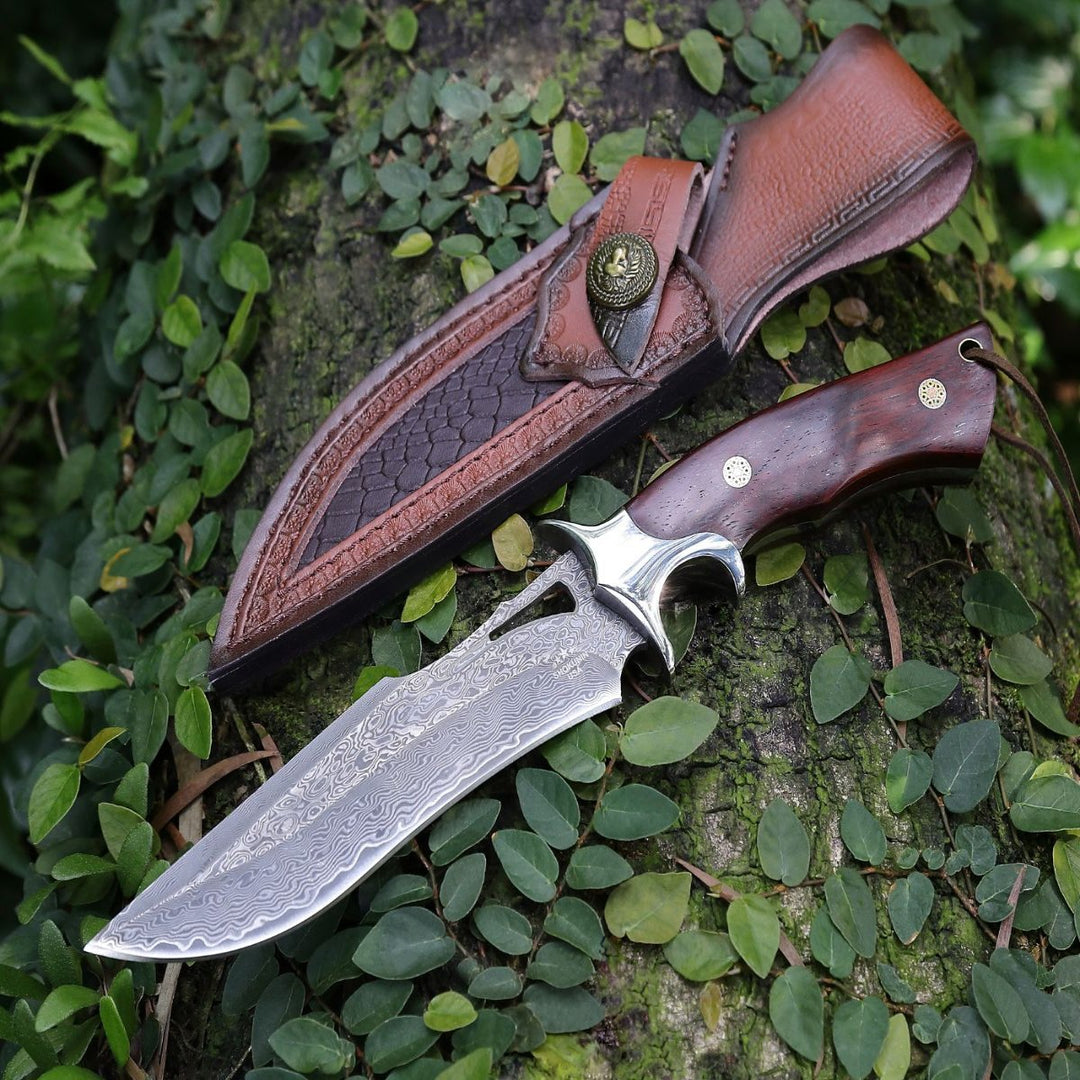
While not always classified as a pocket knife, fixed blade knives are popular for those seeking durability and strength. Often used in more rugged outdoor settings, they typically boast larger blades without the folding mechanism, providing strength and reliability.
Maintaining and Caring for Your Pocket Knife
To ensure that your pocket knife functions well and lasts a long time, proper maintenance is crucial. Here are some essential tips for caring for your custom pocket knife:
- Cleaning: Regularly clean your knife after use. Make sure to remove dirt, grime, and moisture to avoid corrosion.
- Oiling: Apply a few drops of oil to the joints or any moving parts to ensure smooth operation and prevent rust.
- Sharpening: Keep the blade sharp using a whetstone or knife sharpener. A sharp blade not only performs better but is also safer to use.
- Storage: Store your knife in a dry place. Consider a protective pouch or sheath to prevent scratches and damage.
The Emotional Connection to Pocket Knives
Beyond their practical uses and collectability, pocket knives often hold sentimental value. Many people receive their first knife as a gift or rite of passage, creating a lifelong attachment. These knives often tell stories, preserving memories of adventures and experiences throughout the owner’s lifetime.
Gifting Pocket Knives
Giving a pocket knife as a gift can be a meaningful gesture. Whether it’s for a birthday, graduation, or holiday, a custom pocket knife can serve as an emblem of friendship and support. Personalizing the knife with engravings or unique details adds to its significance, making it a cherished possession for years to come.
Where to Find the Perfect Pocket Knife
Finding the right pocket knife to suit your style and needs can be a rewarding experience. Online retailers, specialty knife shops, and artisan workshops are fantastic places to explore. When searching for a custom pocket knife or handmade knives, consider factors like craftsmanship, materials, and the story behind the piece.
Online Marketplaces vs. Artisan Shops
Shopping online for pocket knives offers convenience and variety. However, visiting artisan shops allows you to experience the quality and craftsmanship up close. Supporting local artisans not only provides you with a unique piece but also contributes to the preservation of traditional knife-making techniques.
The Future of Pocket Knives
The future of pocket knives is bright, with continual innovation in design and materials. As consumer preferences shift, manufacturers and artisans alike will adapt while remaining true to the traditions that have made pocket knives beloved tools for millennia.
Embracing Sustainability
There is also a growing trend towards sustainability within the knife-making industry. Many artisans are sourcing materials responsibly and focusing on environmental practices, which appeals to the environmentally-conscious consumer. This shift makes the ownership of a pocket knife not just practical but also ethically sound.
The Lasting Legacy of Pocket Knives
In summary, the journey of pocket knives from utility tools to coveted collectibles showcases their timeless allure. Pocket knives are more than just tools; they are pieces of craftsmanship, personal history, and cultural significance. As technology and design continue to evolve, the heart of what makes a pocket knife special remains unchanged—its ability to blend practicality with artistry. Grab hold of a custom pocket knife and join a legacy that spans generations, crafting your own story with each slice and cut.
Frequently Asked Questions
1. What is the origin of pocket knives?
2. How have pocket knives evolved over time?
3. What are custom pocket knives and why are they popular?
4. What factors should be considered when collecting pocket knives?
5. How can you maintain and care for a pocket knife?
Glossary
| Term | Meaning |
|---|---|
| Pocket Knife | A small, folding knife designed for portability and utility. |
| Folding Knife | A knife with a blade that folds into the handle for safe storage. |
| Multi-tool | A versatile tool that includes multiple implements, such as blades and screwdrivers. |
| Fixed Blade Knife | A knife with a blade that does not fold, typically stronger and more durable. |
| Custom Pocket Knife | A handmade knife that reflects the artisan's craftsmanship and unique design. |
| Collectible Knife | A knife valued for its rarity, history, or brand, often sought after by enthusiasts. |
| Artisan | A skilled craftsman who creates handmade items, including knives. |
| Maintenance | The care required to keep a knife in good working condition, including cleaning and sharpening. |
| Sentimental Value | The emotional significance a knife holds for its owner, often tied to memories. |
| Sustainability | The practice of sourcing materials and creating products in an environmentally responsible manner. |
Linked Product

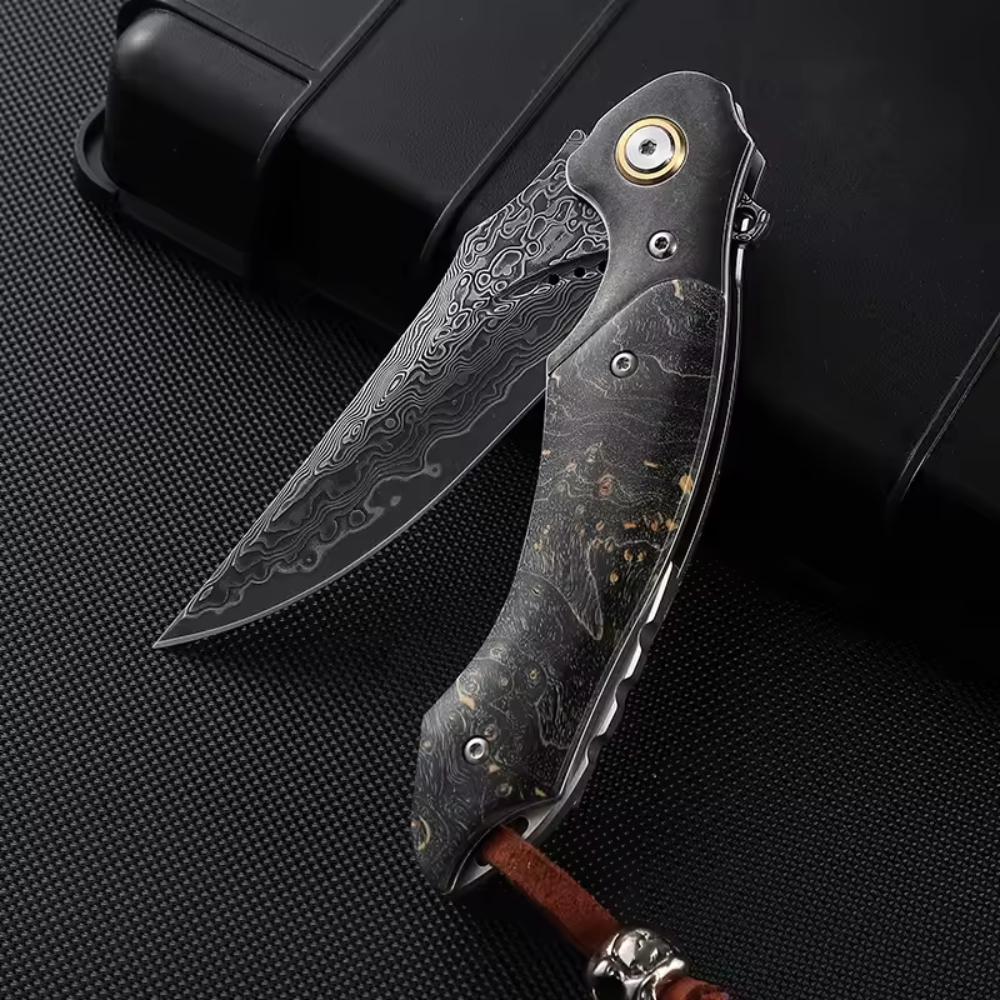
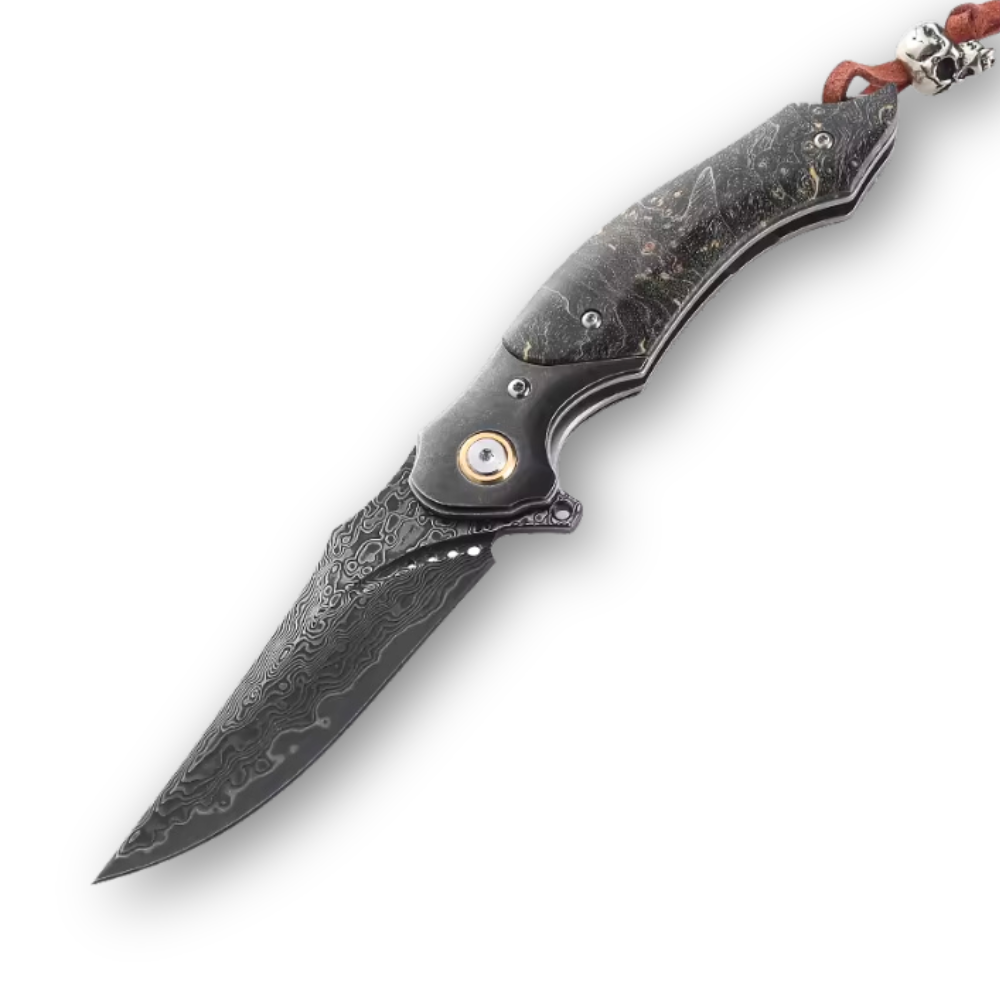
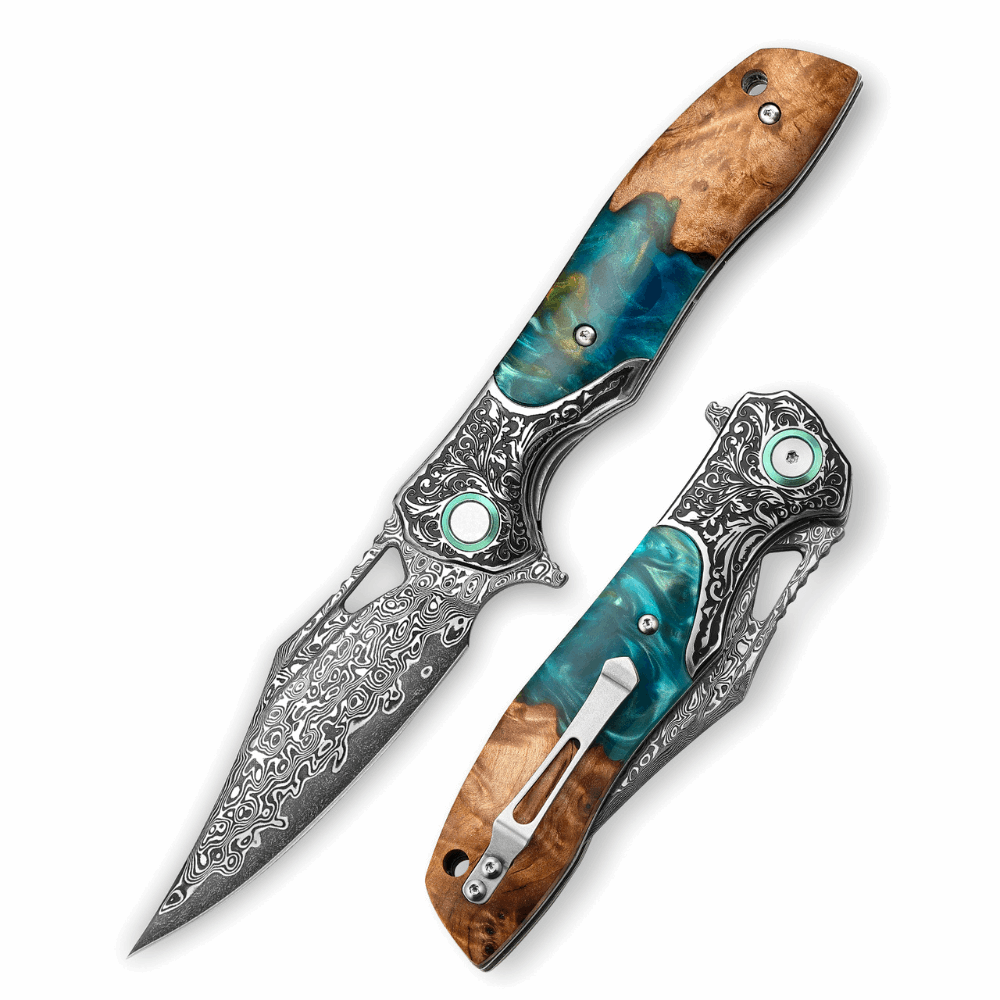
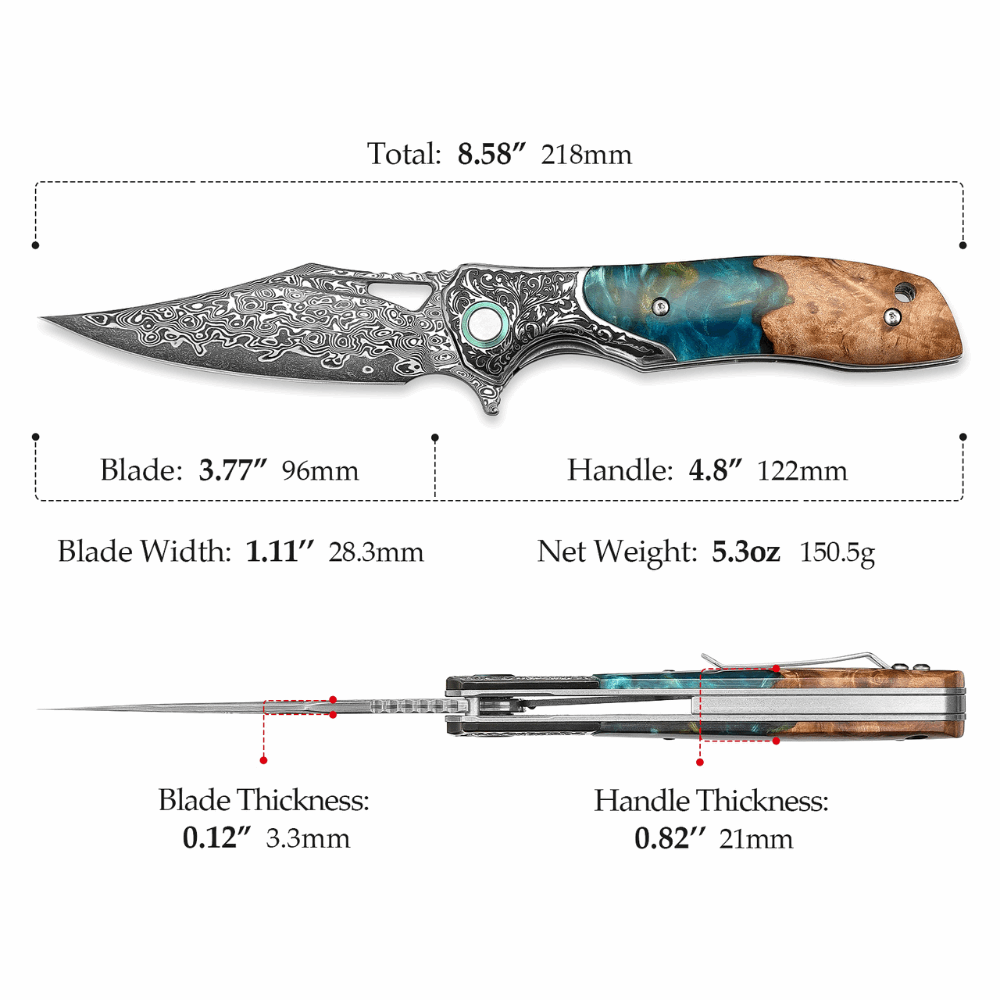
Reckoner Damascus Pocket Knife with Charred Bone Handle
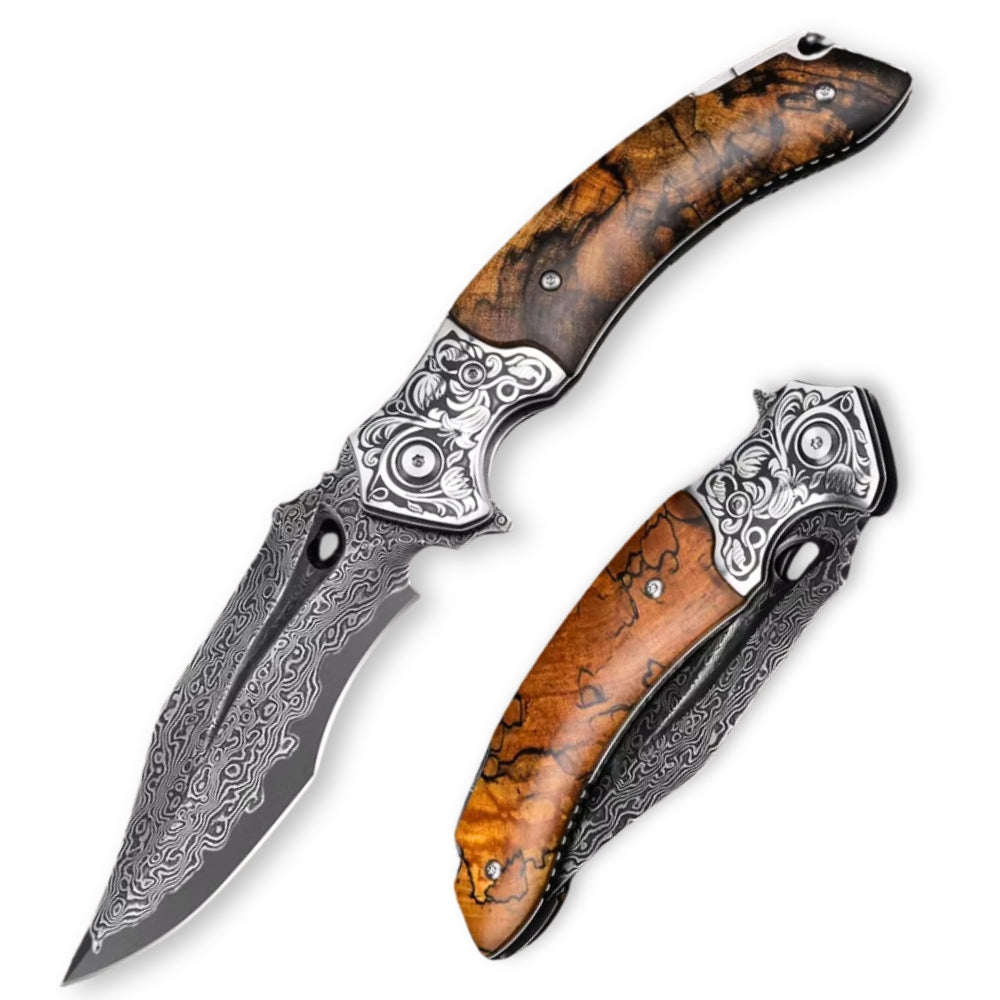
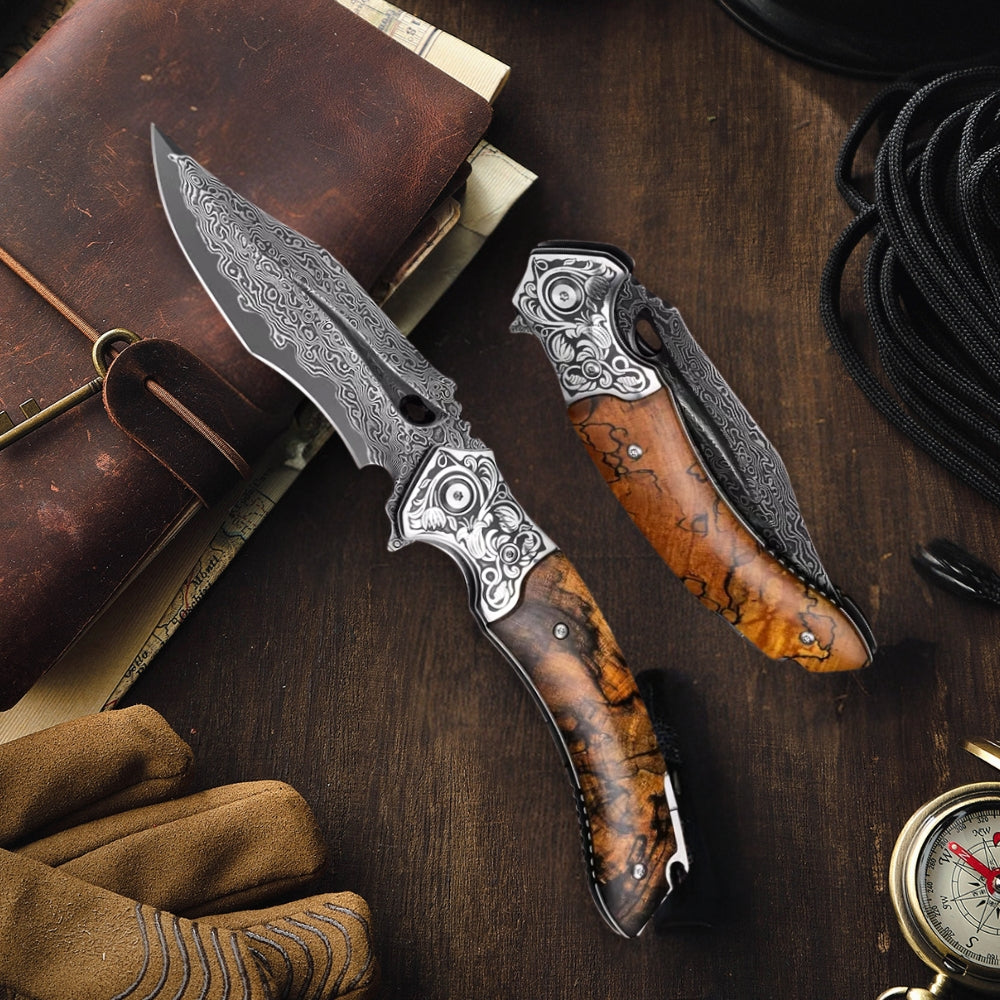
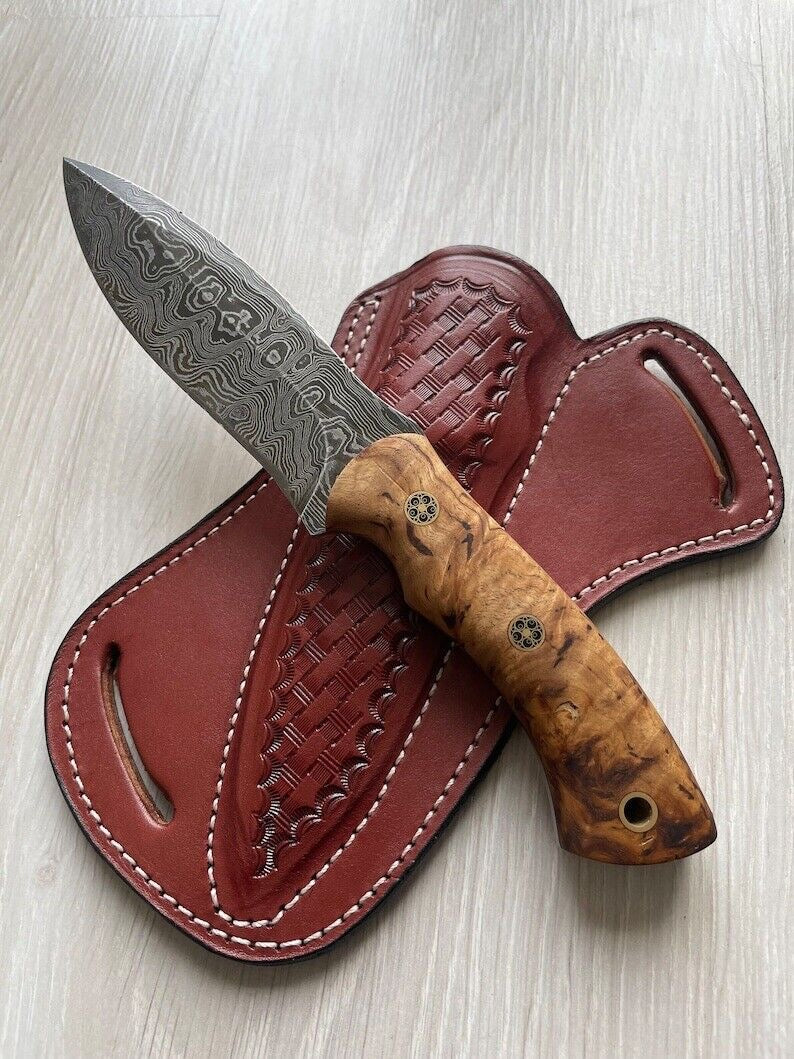
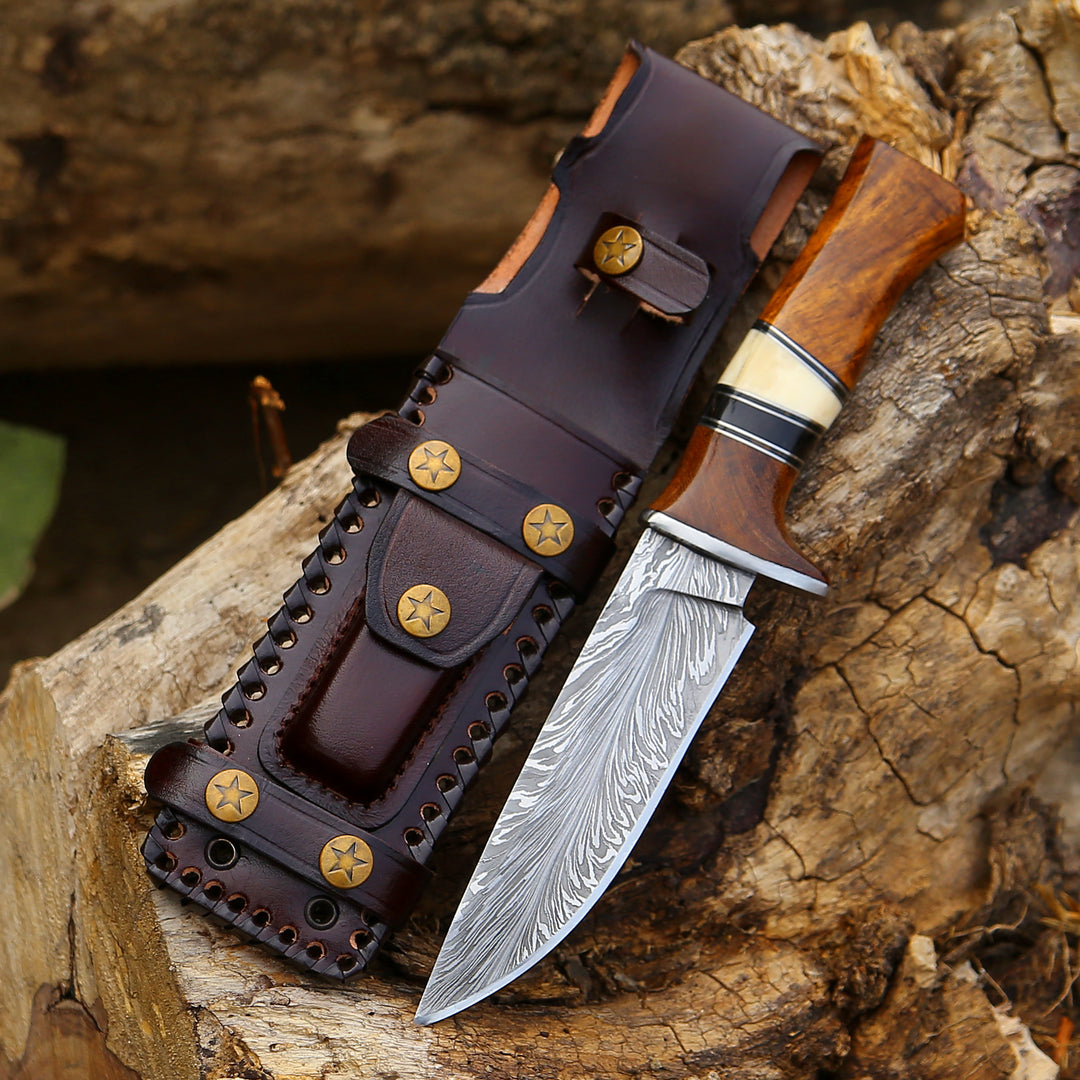
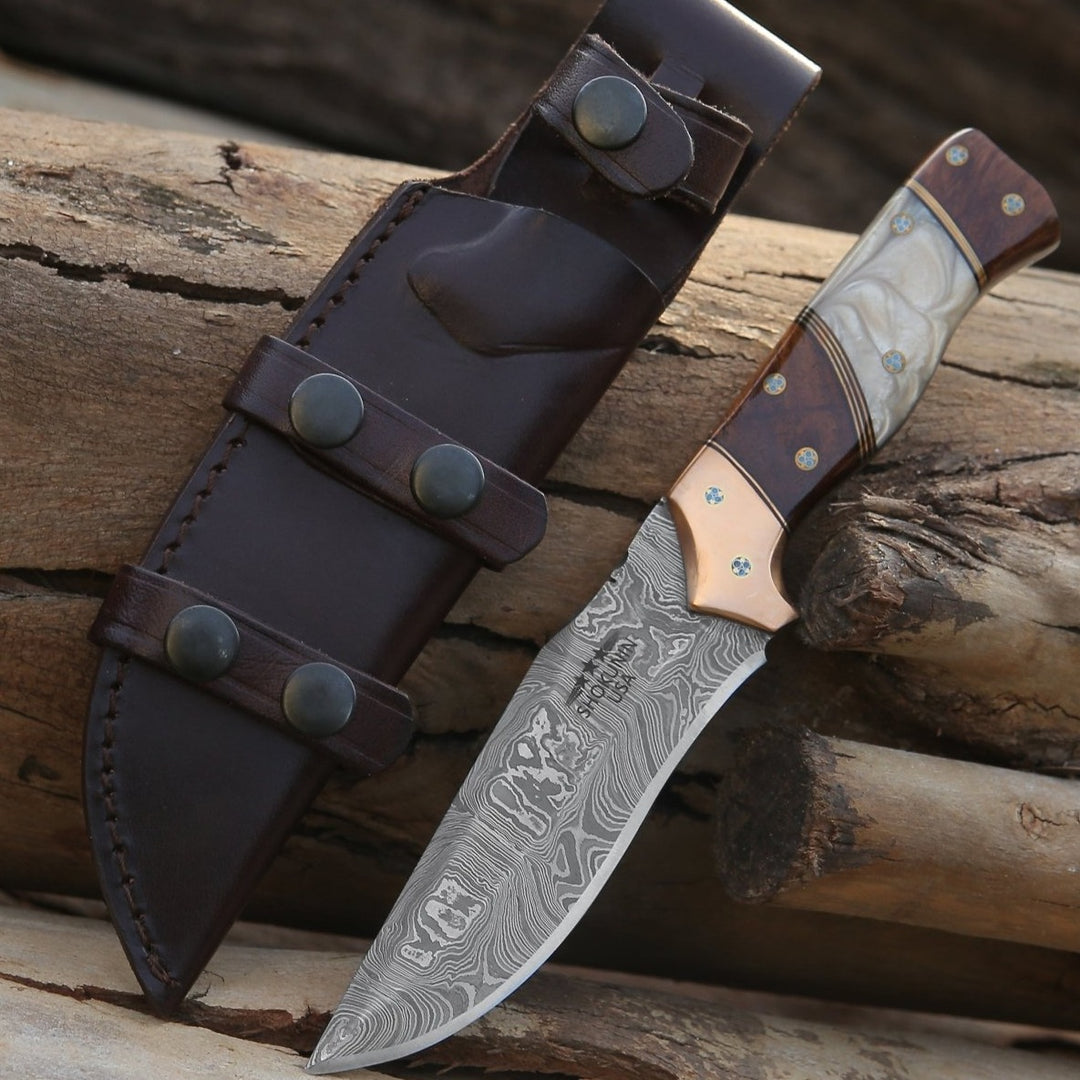
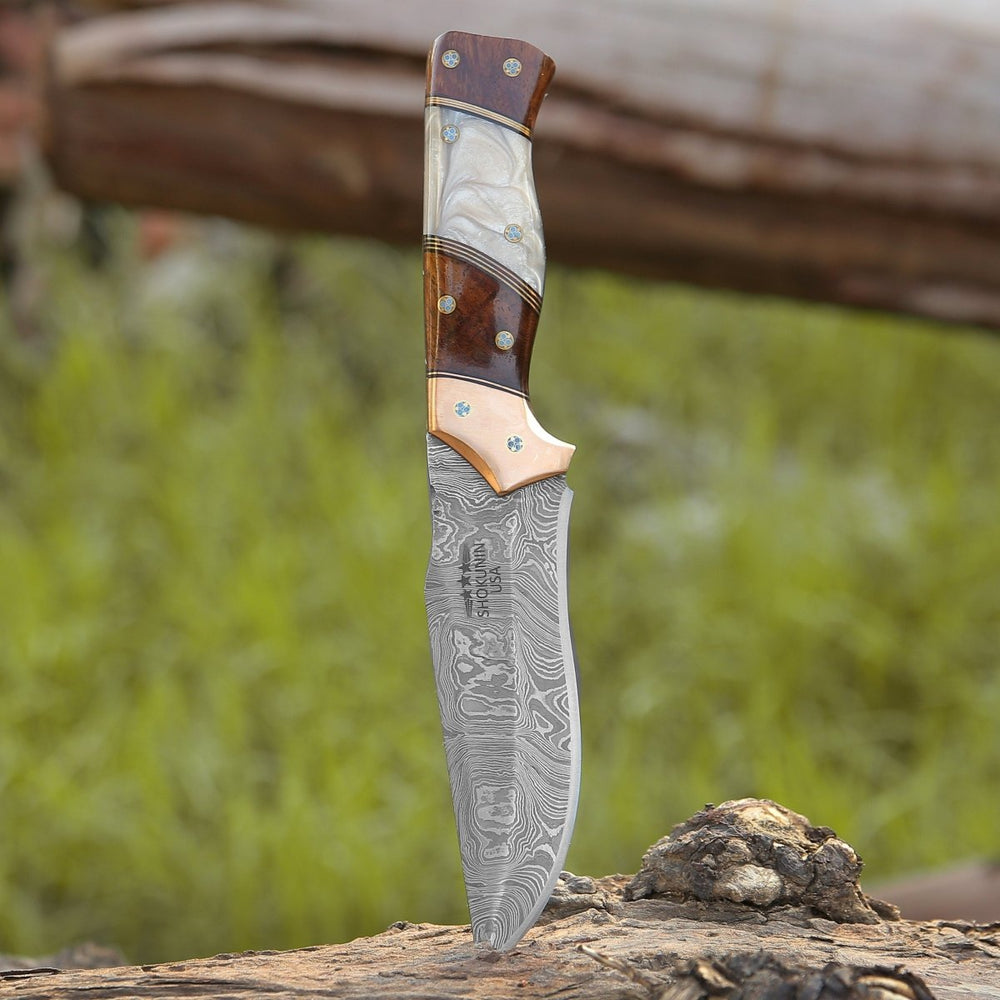
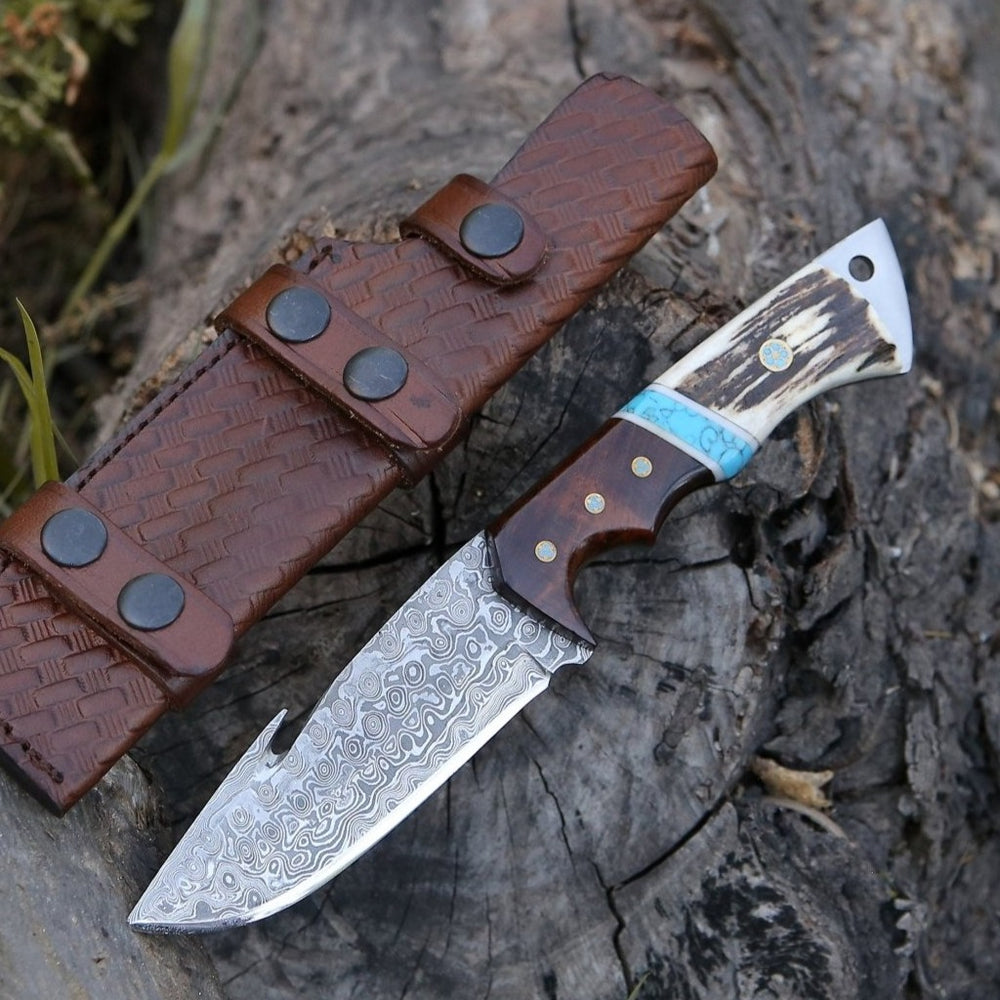
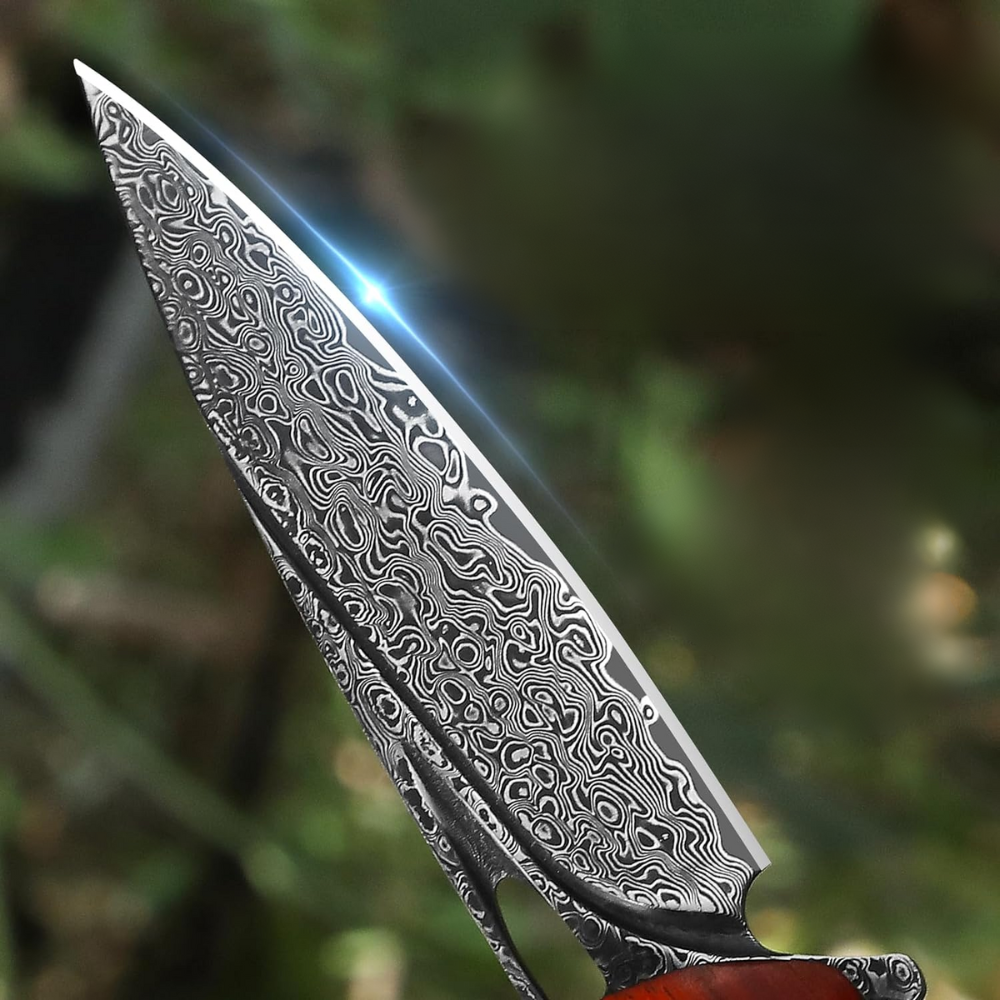
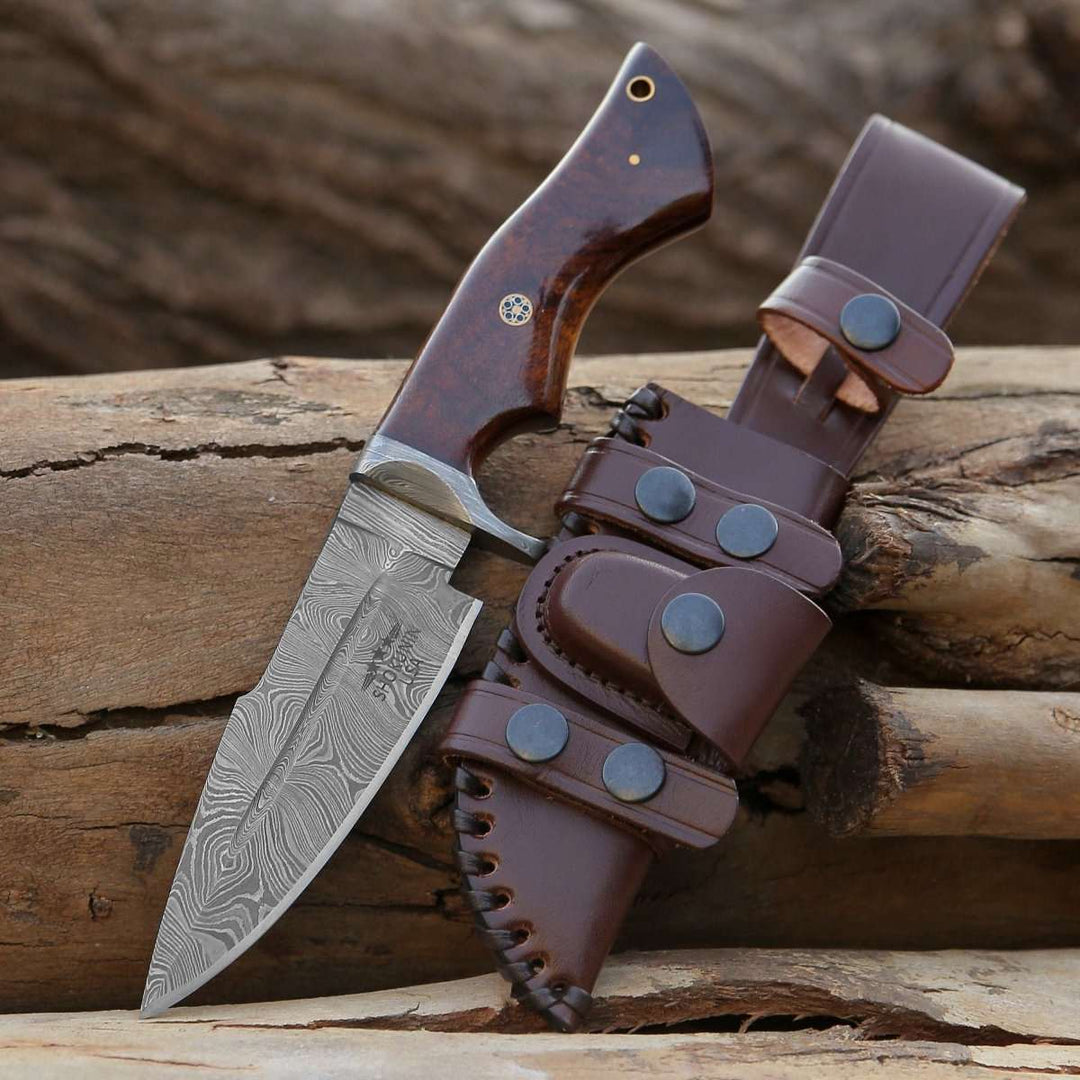
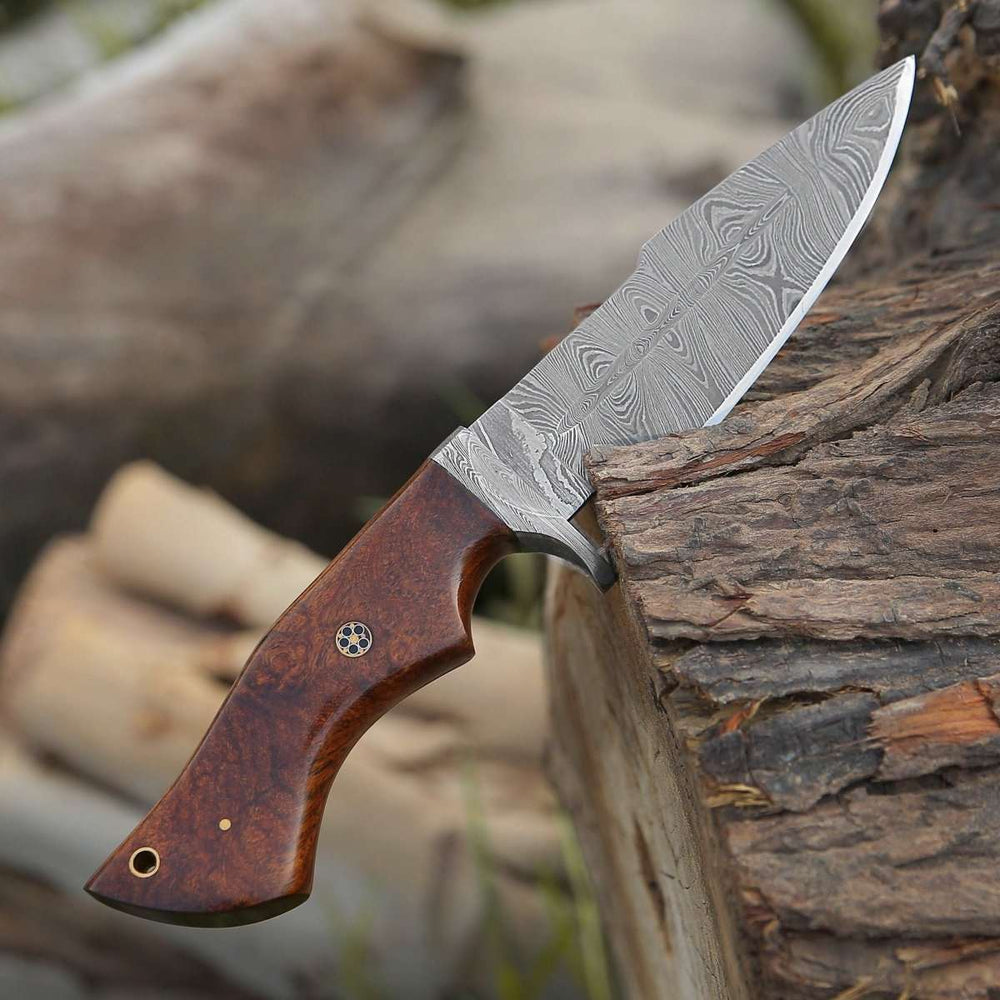
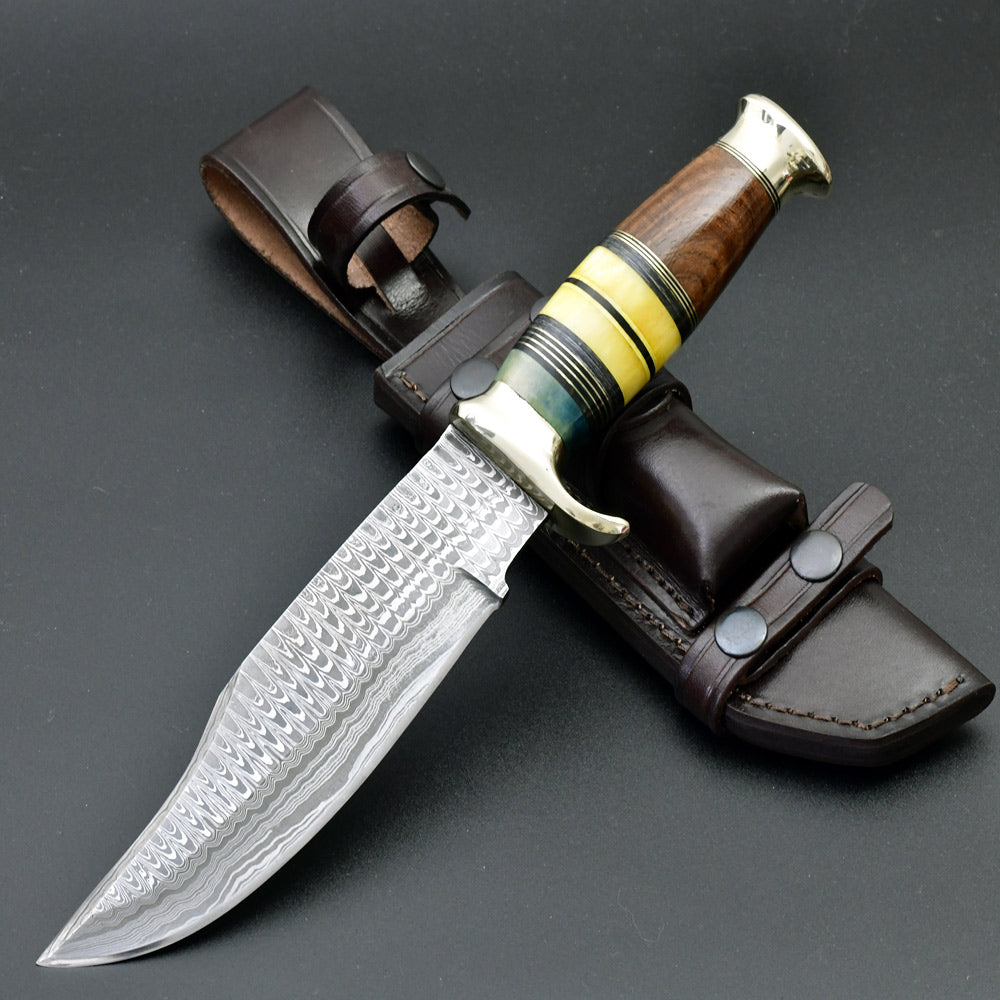
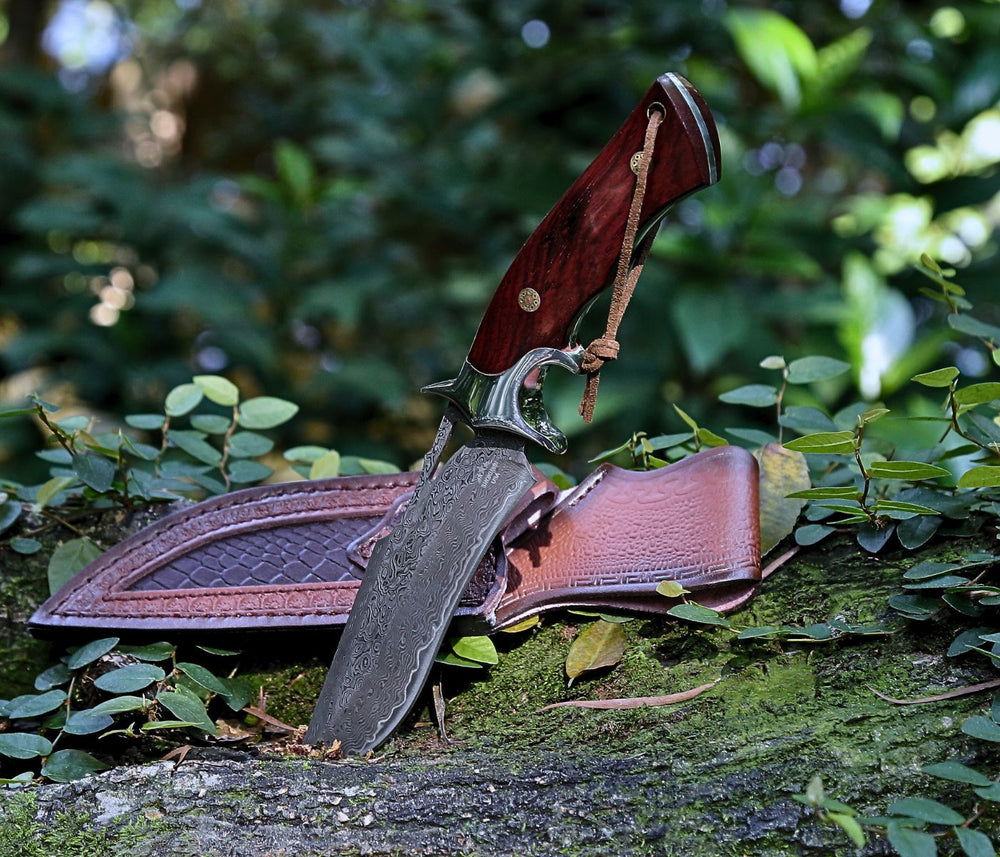
The Reckoner Damascus Pocket Knife features a uniquely handcrafted Damascus steel blade known for its strength and hardness, making it suitable for various tasks. Its charred bone handle is designed for durability and comfort, while the included leather sheath ensures convenient storage and portability. This knife serves as both a practical tool for everyday use and a collectible item for enthusiasts.
View Product




Leave a comment