


Overview
Pocket knives have a rich history, evolving from simple cutting tools to multifunctional instruments that blend craftsmanship and design. This article explores their historical significance, various types, materials, and modern innovations, emphasizing the importance of functionality, aesthetics, and sustainability in choosing the right pocket knife.
Table of Contents
- A Brief History of Pocket Knives
- The Age of Innovation
- Design Elements: Aesthetic Meets Functionality
- Blade Materials
- The Handle: Exotic Choices
- Functionality: More Than Just a Blade
- Multi-Tools and Versatility
- Portability and Design
- Understanding the Types of Pocket Knives
- Folding Knives
- Straight Blades
- The Future of Pocket Knives
- Sustainable Practices
- Craftsmanship: An Art Form
- Custom Knives: A Personal Touch
- How to Choose the Right Pocket Knife
- A Final Thought
Key Takeaways
- Historical Significance: Pocket knives have evolved from simple cutting tools used by ancient civilizations to modern multifunctional instruments.
- Material Choices: Blade materials like stainless steel and high-carbon steel significantly impact sharpness, durability, and maintenance.
- Handle Aesthetics: Exotic handle materials, such as red sandalwood, enhance both the look and usability of pocket knives.
- Versatile Functionality: Modern pocket knives often include additional tools like screwdrivers and can openers, making them ideal for various tasks.
- Types of Knives: Understanding the differences between folding knives and straight blades can help you choose the right tool for your needs.
- Sustainable Practices: Many manufacturers are adopting eco-friendly approaches, focusing on responsibly-sourced materials.
- Customization: Custom pocket knives allow for personal expression, featuring unique designs and materials tailored to individual preferences.
Pocket knives have been an indispensable tool throughout history, evolving remarkably in design and functionality. As you delve into the fascinating world of pocket knives, you'll discover the beauty hidden behind the craftsmanship of their exotic materials, and understand their enduring value in both utility and style. This article serves as a comprehensive overview of pocket knives, highlighting significant milestones in their evolution and the role of design in enhancing their functionality.
A Brief History of Pocket Knives
The history of pocket knives dates back to ancient civilizations, where early versions functioned as simple cutting tools. Evidence suggests that these tools were used by the Greeks and Romans. The craftsmanship involved in knife-making was honed over centuries, leading to the modern pocket knife that we recognize today.
The Age of Innovation
With the Industrial Revolution, knife production entered a new era. Mass production methods allowed for more affordable and accessible knives, while advances in metallurgy improved blade durability. In countries like Switzerland and the United States, manufacturers began to prioritize functionality, creating multi-tool knives equipped with various features.
Design Elements: Aesthetic Meets Functionality
One of the fascinating aspects of pocket knives is their blend of design and functionality. You’ll find that different elements contribute to their appeal, highlighting aesthetics alongside practicality.
Blade Materials
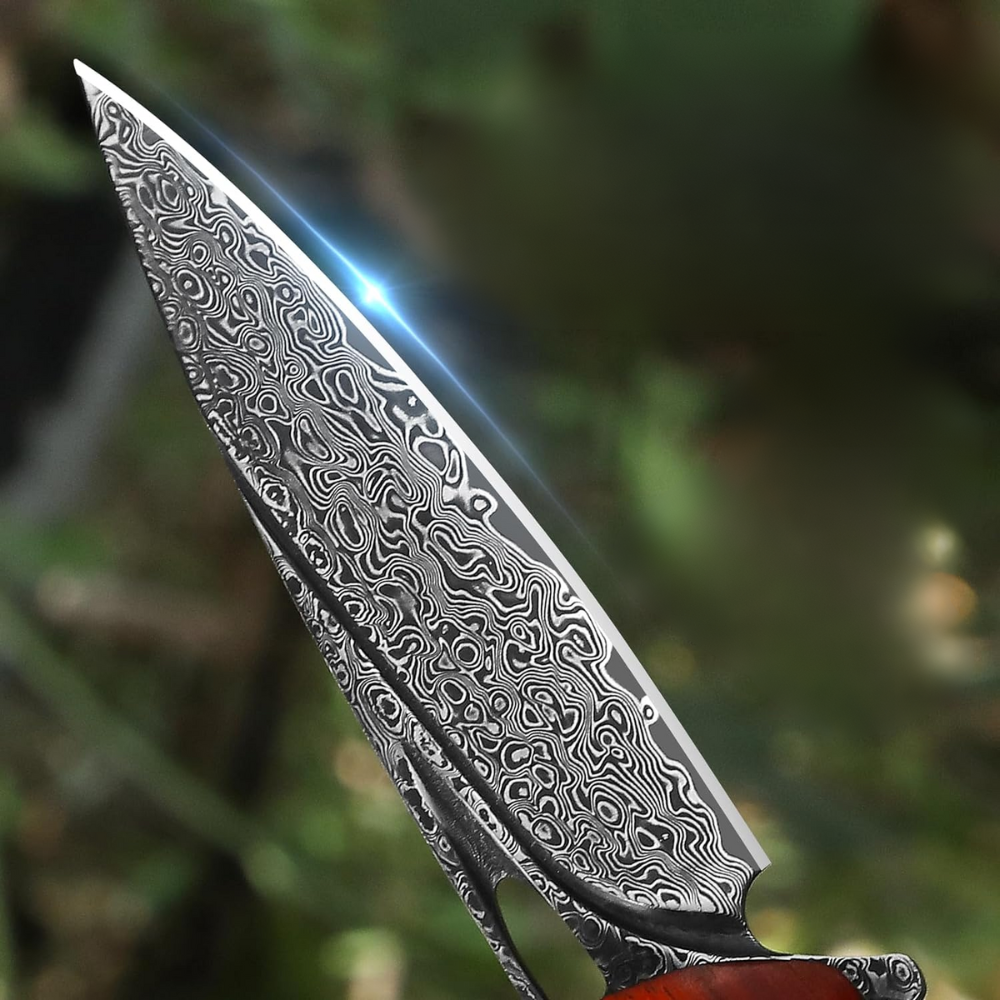
The blade’s material is crucial for determining its sharpness, durability, and resistance to corrosion. Stainless steel blades have become a popular choice for modern pocket knives due to their strength and low maintenance. However, high-carbon steel offers superior sharpness and edge retention, making it a favorite for enthusiasts who value performance.
The Handle: Exotic Choices
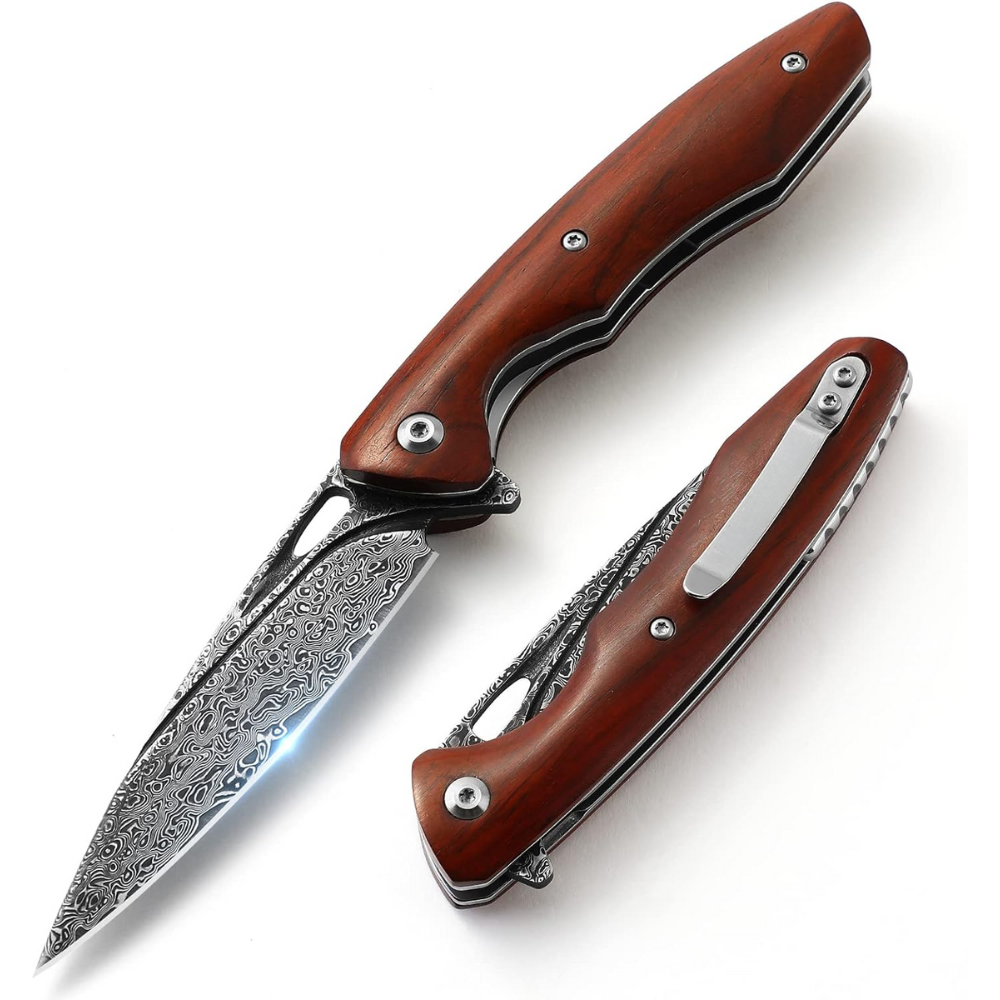
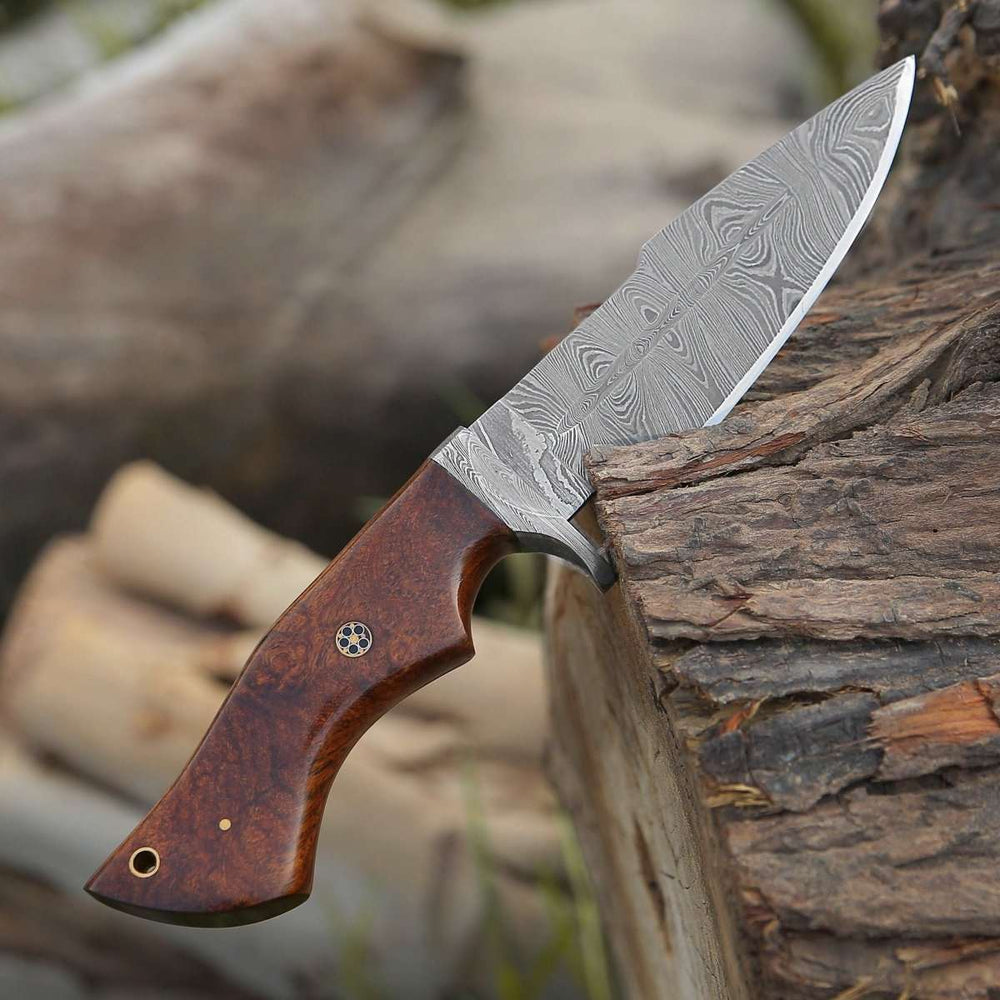
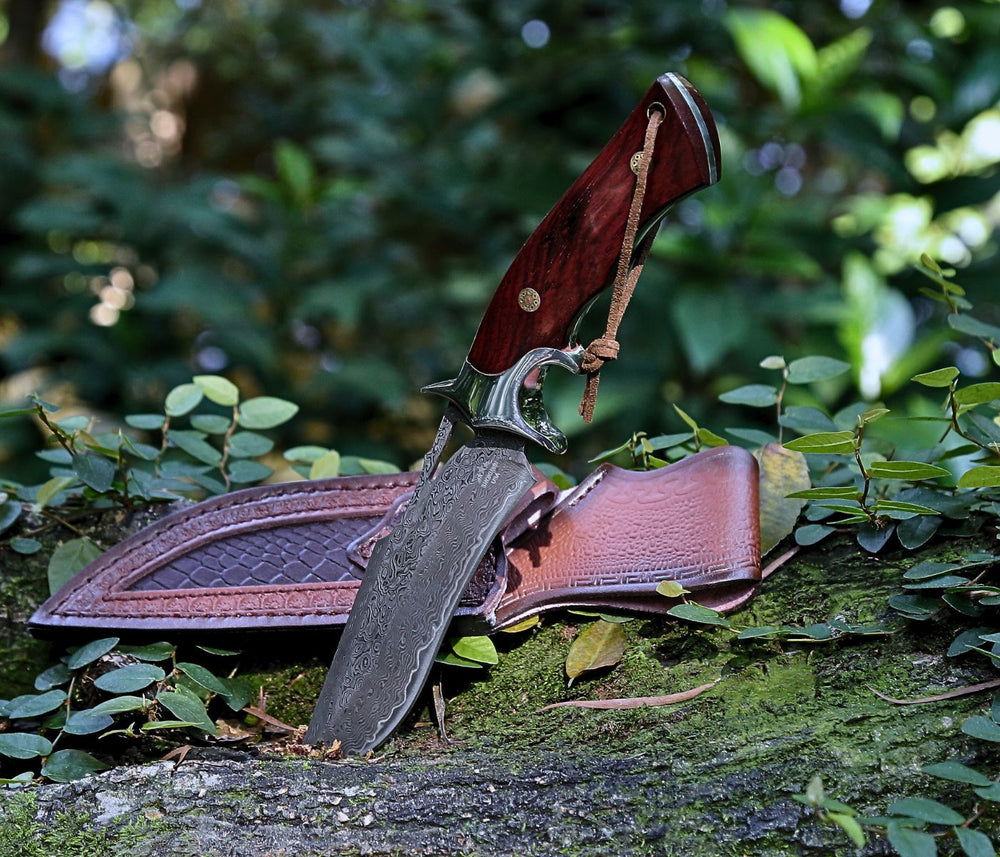
The handle is where personal style truly shines through. Among the exotic materials gaining popularity are natural wood varieties, like the remarkable exotic red sandalwood handle. This particular choice not only lends an elegant aesthetic but also provides a comfortable grip, enhancing usability. The warmth and richness of the exotic red sandalwood handle create a unique essence that complements the overall design of any pocket knife.
Functionality: More Than Just a Blade
Modern pocket knives have transformed beyond mere cutting instruments. They now serve as multifunctional tools that cater to various activities, from everyday chores to outdoor adventures.
Multi-Tools and Versatility
Many contemporary pocket knives integrate additional features, including screwdrivers, can openers, pliers, and more. This versatility makes them an invaluable companion in daily tasks as well as in survival scenarios. Some brands even offer customized tools to match the needs of their users, reflecting the modern trend of tailored solutions in consumer products.
Portability and Design
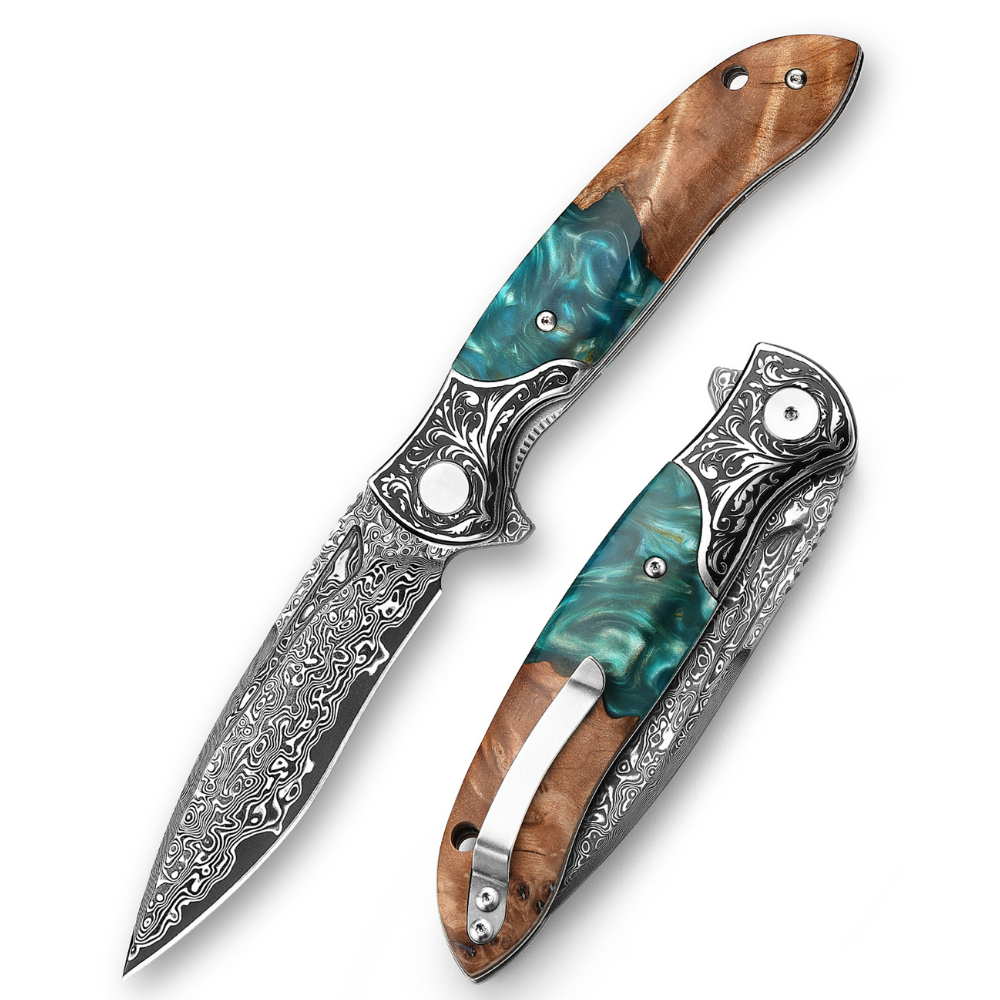
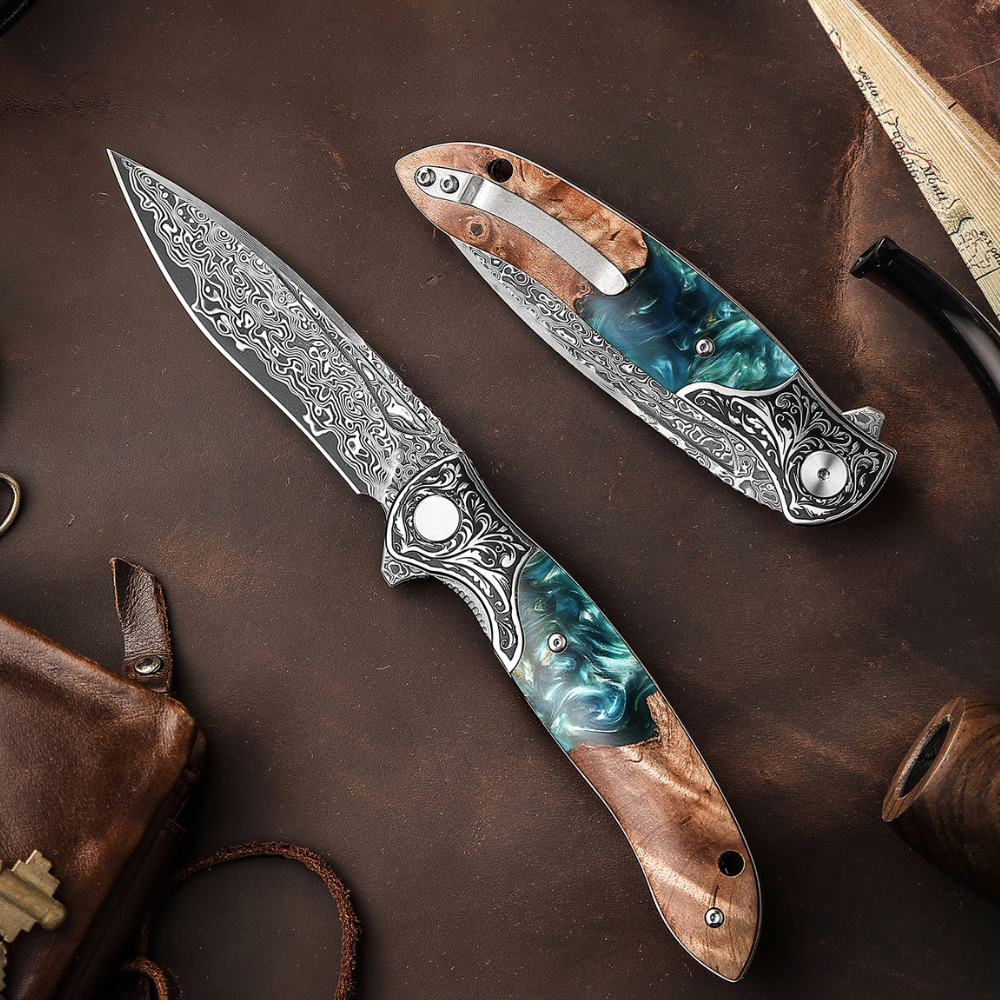
Today's pocket knives are designed to be lightweight and easy to carry. Many come with clips for convenient attachment to pockets or belts, ensuring that they are always within reach. Some designs focus on minimalism, allowing users to carry compact and unobtrusive tools without compromising on essential features.
Understanding the Types of Pocket Knives
The diversity of pocket knives can be overwhelming, with numerous variations available. Understanding the types can help you make an informed choice based on your needs and preferences.
Folding Knives
Folding knives are arguably the most common type of pocket knives. They feature a pivoting blade that locks into place when opened, providing safety and ease of use. Folding knives range from basic models to elaborate designs that feature multiple tools, making them an excellent choice for everyday carry.
Straight Blades
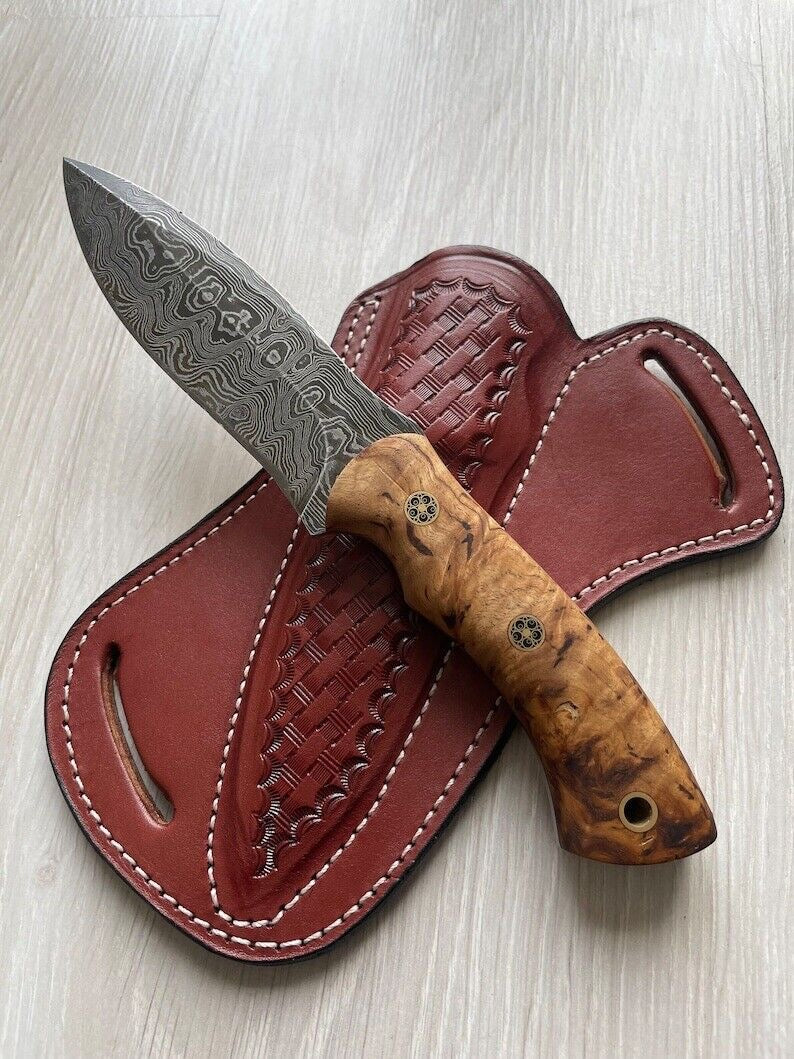
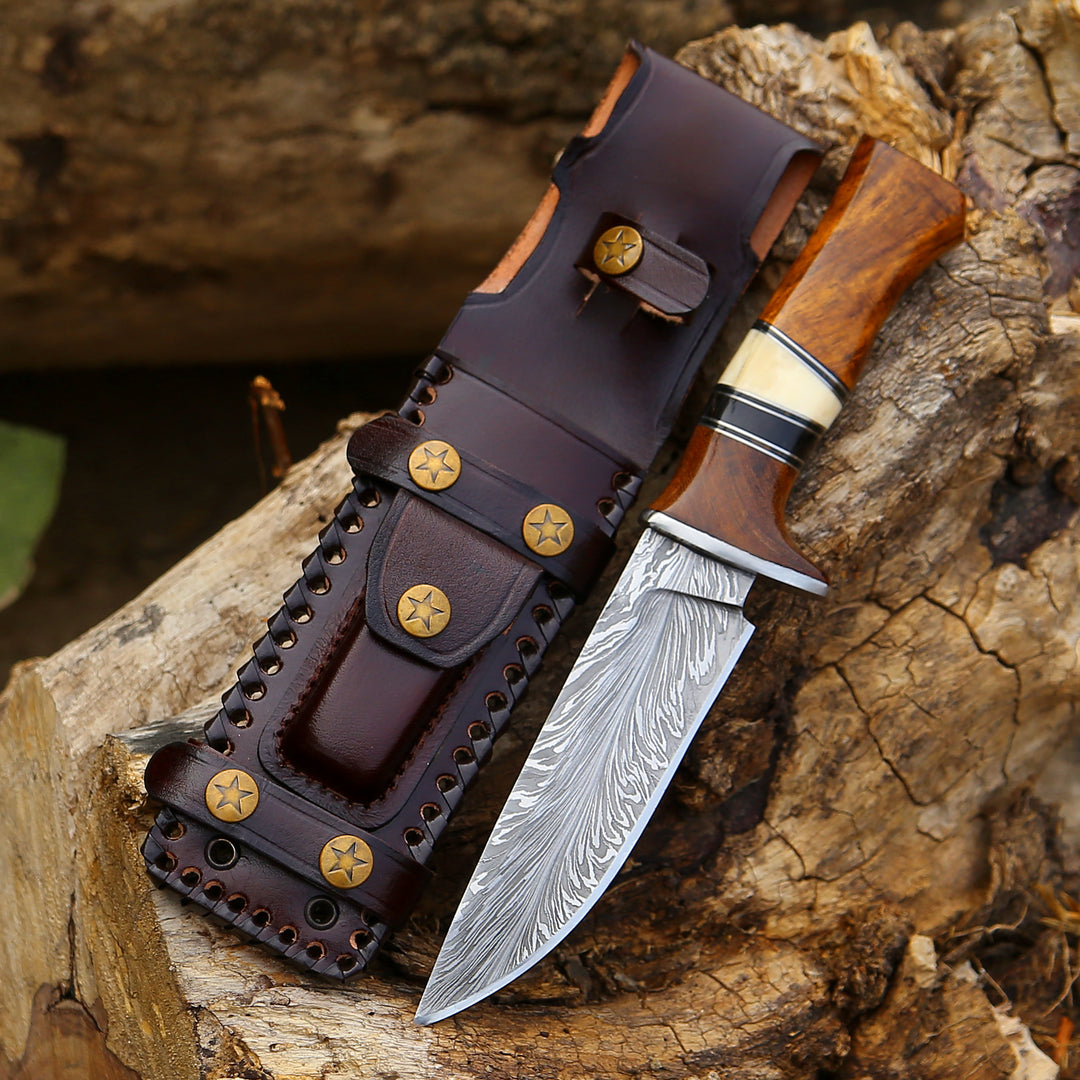
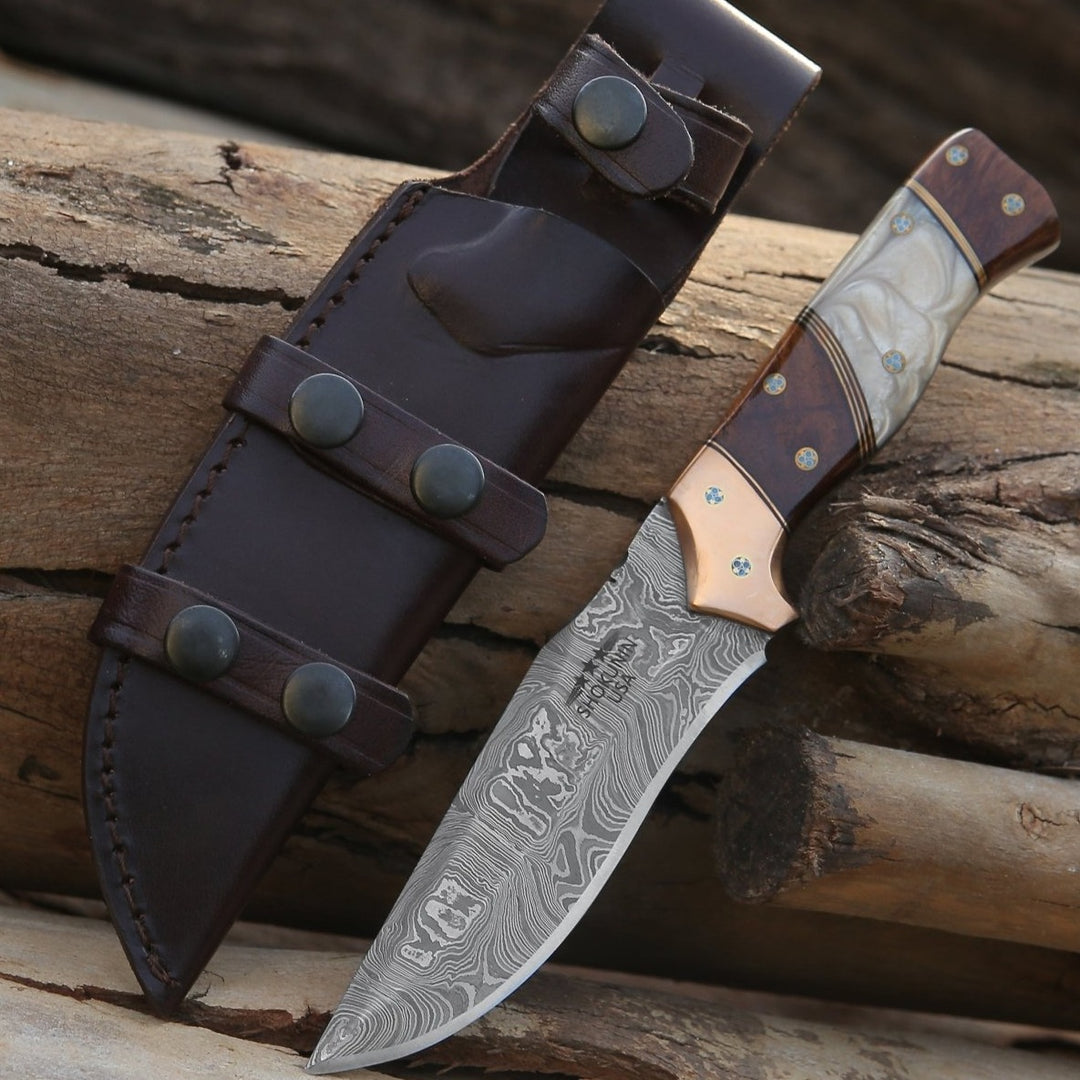
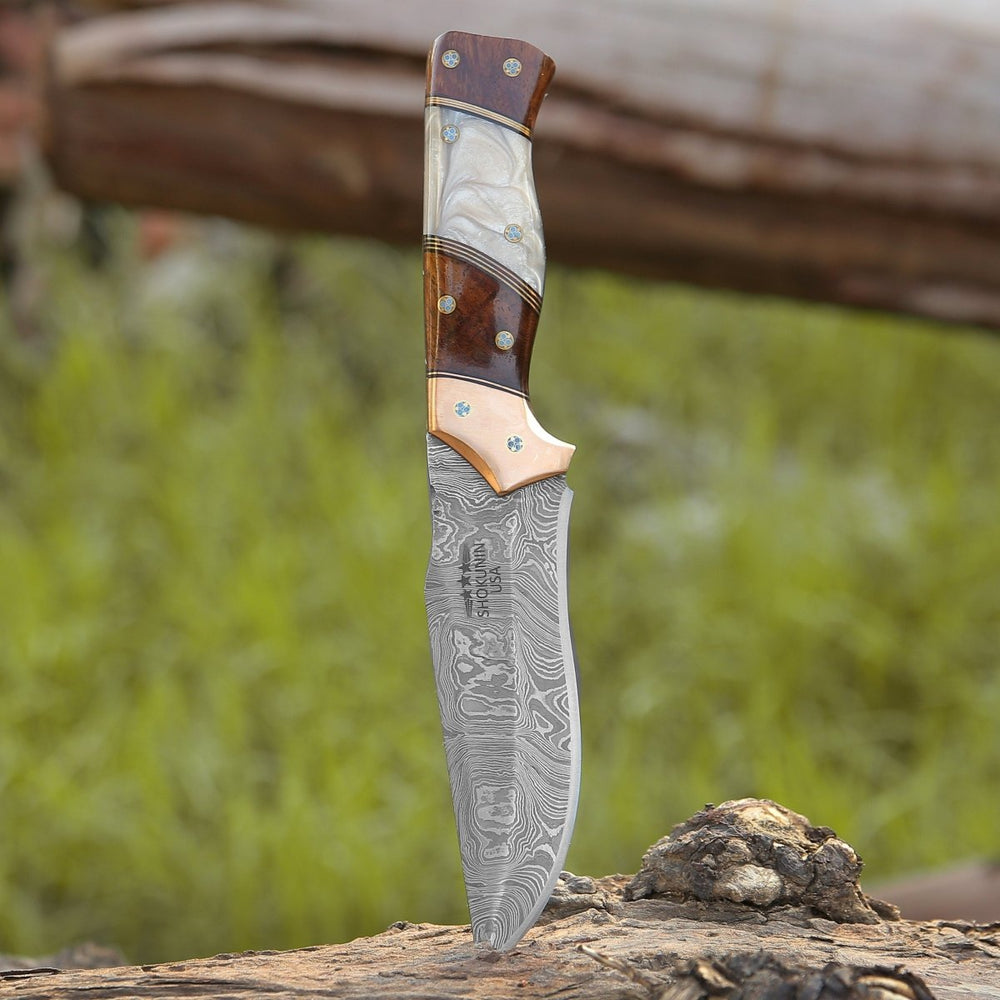
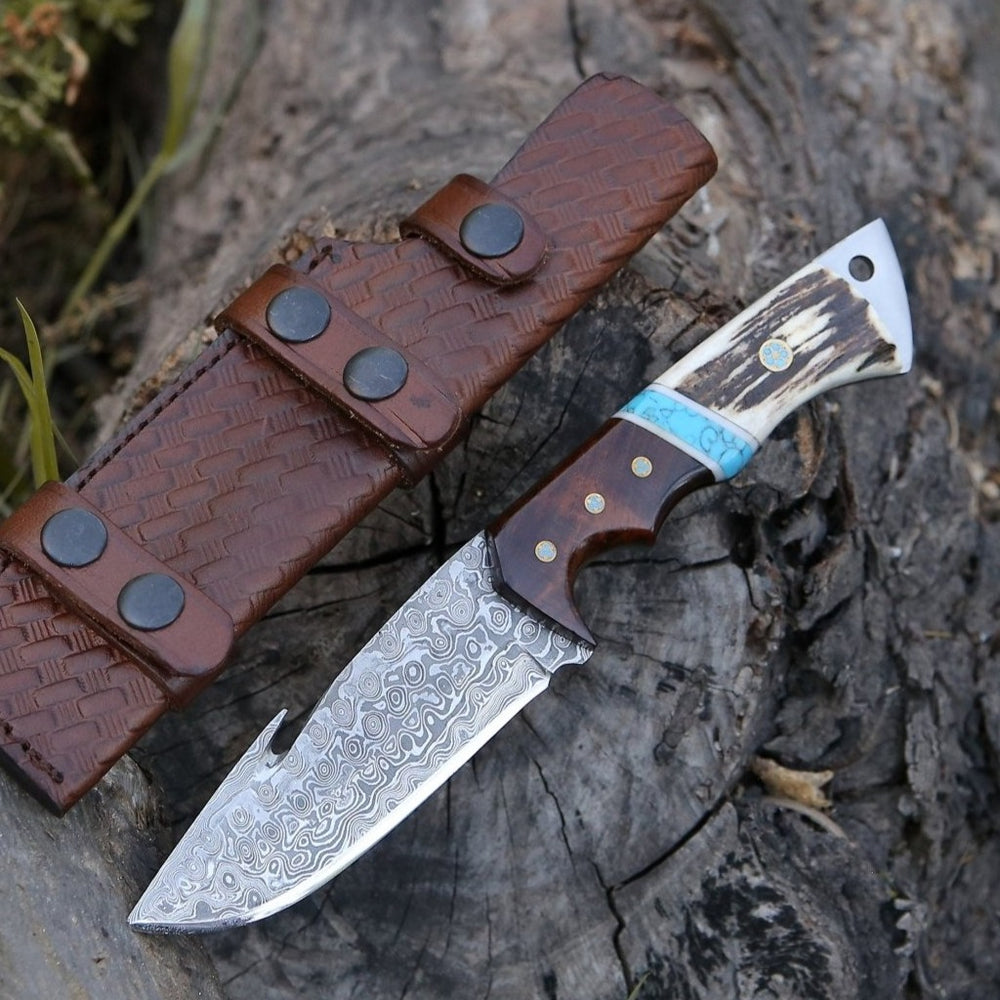
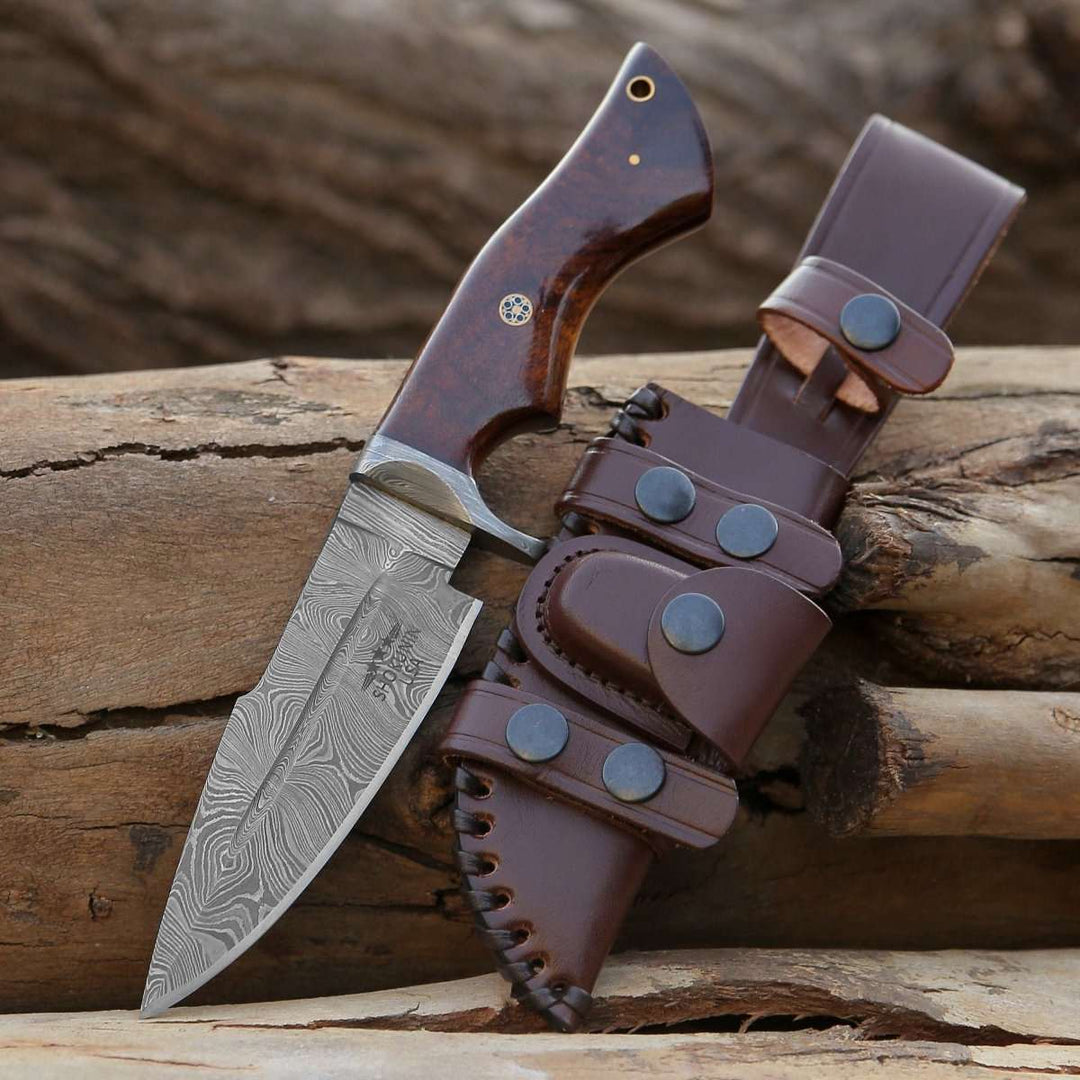
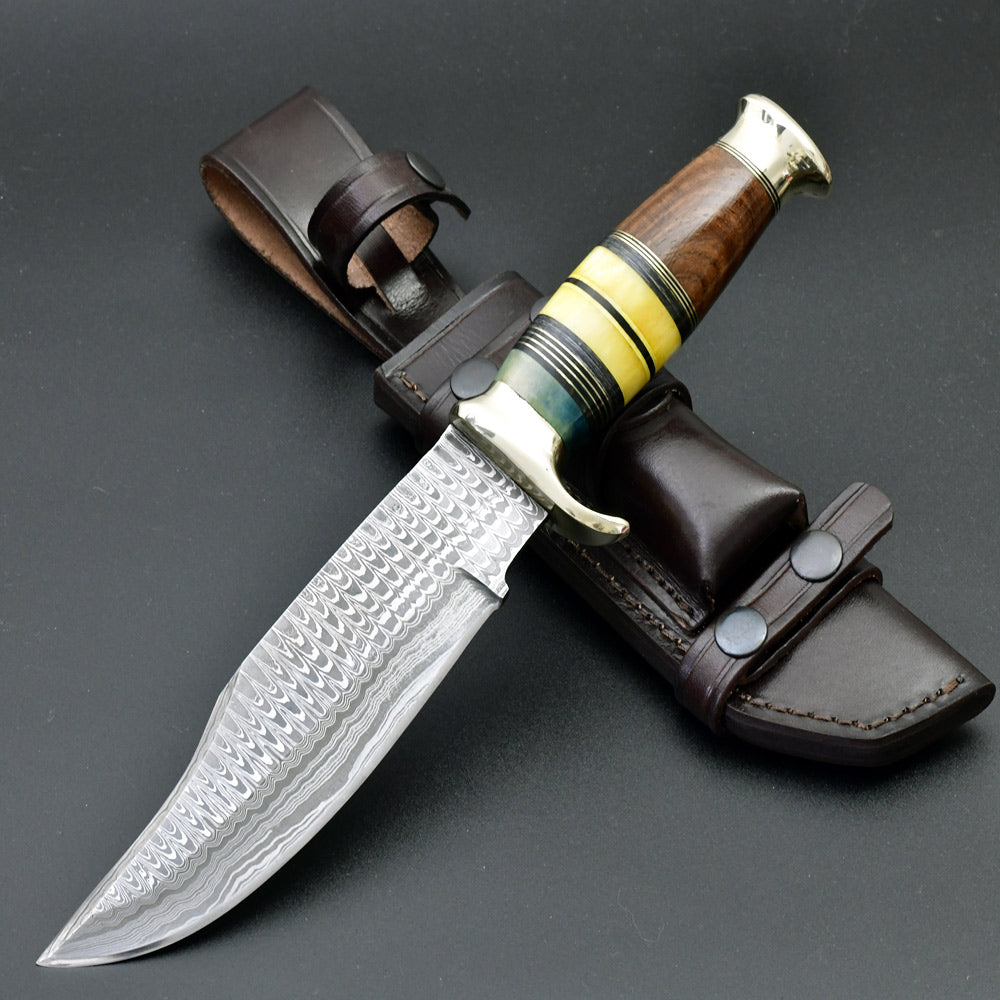
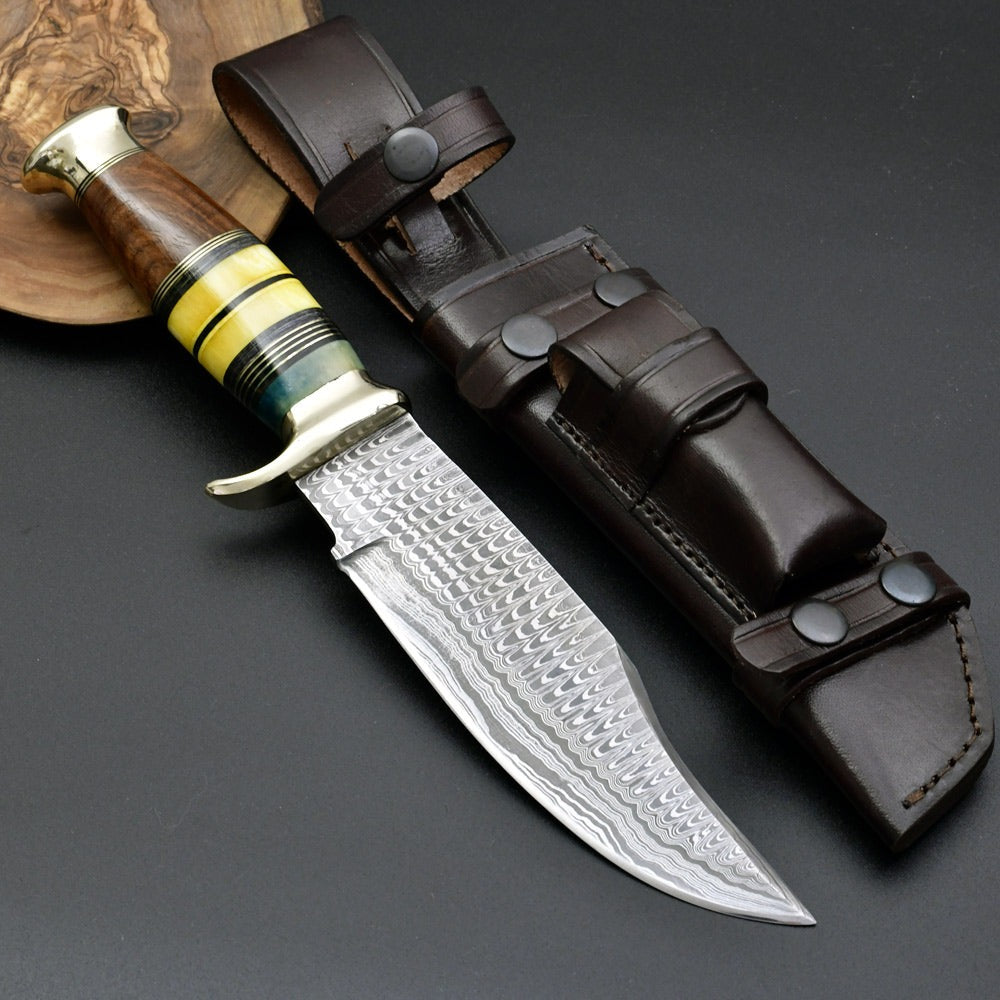
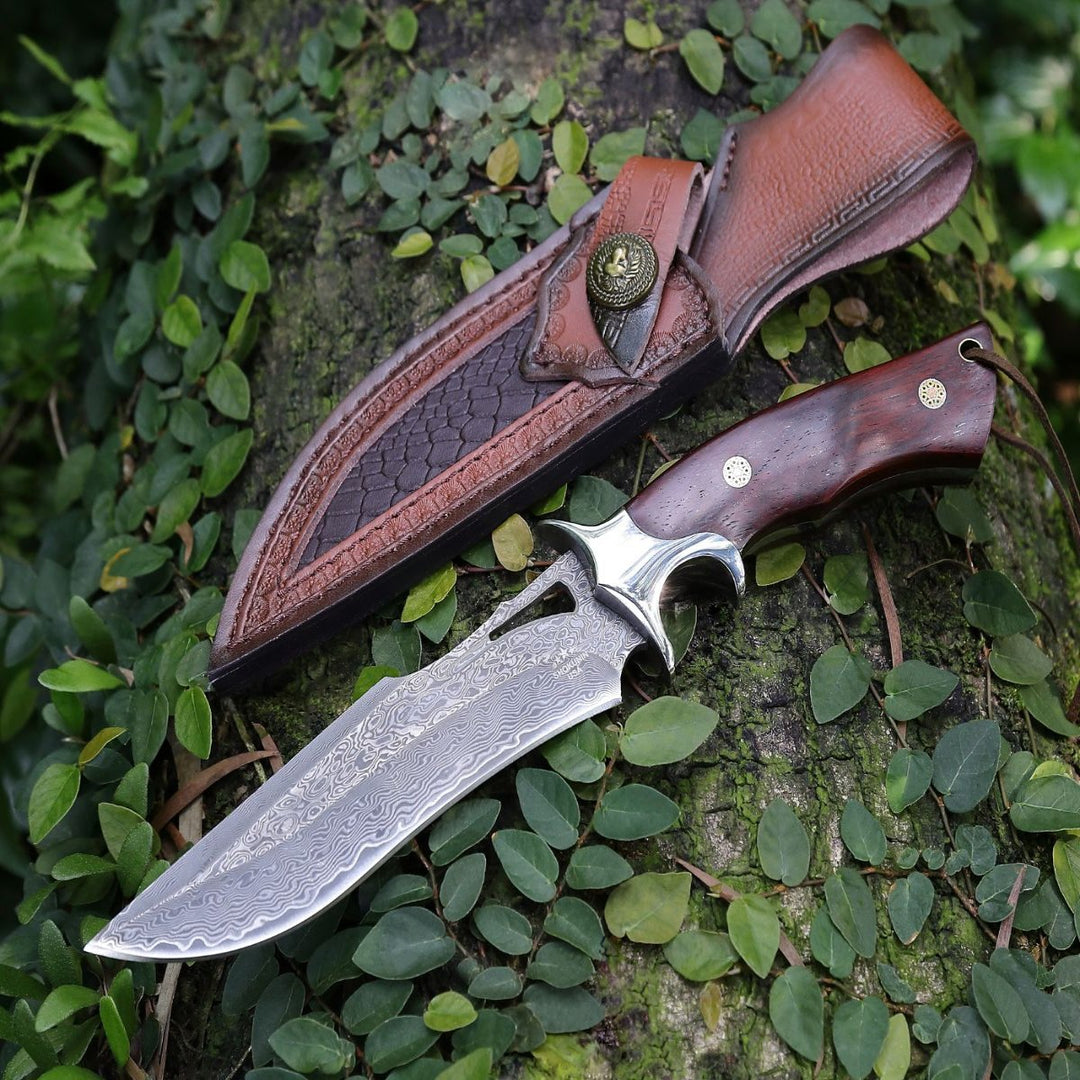
Straight knives offer a fixed blade design that provides greater strength and stability. While less compact than folding knives, they often deliver superior cutting performance and are preferred by many outdoor enthusiasts for heavy-duty tasks.
The Future of Pocket Knives
As we look to the future, it's clear that pocket knives will continue to evolve. Innovations in materials, such as carbon fiber and titanium, are paving the way for even lighter and more durable designs. Furthermore, the integration of smart technology into pocket knife designs is on the horizon, potentially offering users interactive features and enhanced functionality.
Sustainable Practices
With growing awareness of environmental issues, many manufacturers are now prioritizing sustainable practices, particularly in sourcing materials. This shift includes a focus on responsibly-sourced exotic woods for handles that appeal to both eco-conscious consumers and traditionalists alike.
Craftsmanship: An Art Form
At its core, crafting a pocket knife is an art form. The intricate details in design and construction require skill, precision, and passion. Artisans devote their lives to perfecting their craft, and this dedication is often reflected in high-quality knives that tell a unique story.
Custom Knives: A Personal Touch
For those who appreciate artistry and personal flair, custom pocket knives have become increasingly sought after. These unique pieces can be tailored to reflect individual preferences, showcasing unique handle materials, blade types, and engravings. Owning a custom pocket knife often evokes a sense of pride and connection with the artisan who crafted it.
How to Choose the Right Pocket Knife
Choosing the right pocket knife involves considering factors such as intended use, style, and design preferences. Here are some tips to guide you in making the best selection:
- Determine Your Needs: Assess how you plan to use the knife – for daily tasks, outdoor adventures, or as a collector’s item.
- Research Materials: Look into the qualities of different blade steels and handle materials, such as the exotic red sandalwood handle, to find the best fit.
- Consider Size and Weight: Ensure the knife fits comfortably in your pocket and isn’t too heavy for casual carry.
- Check for Features: Evaluate the functionalities you want – whether it’s a simple folding knife or a multi-tool with various options.
- Read Reviews: Gain insights from other users’ experiences to understand the reliability and performance of different knives.
A Final Thought
The evolution of pocket knives is a fascinating journey that intertwines history, craftsmanship, and personal expression. As you explore the diverse world of pocket knives, from those with exquisite exotic red sandalwood handles to multifunctional tools, you’ll find that these instruments are more than just blades. Whether you're drawn to their practicality or their artistic allure, pocket knives continue to capture hearts and serve users around the globe. So, the next time you reach for your pocket knife, take a moment to appreciate the legacy and innovation behind this remarkable tool.
Frequently Asked Questions
1. What is the history of pocket knives?
2. What are the key design elements of pocket knives?
3. What types of pocket knives are available?
4. How can I choose the right pocket knife for my needs?
5. What innovations are influencing the future of pocket knives?
Glossary
| Term | Meaning |
|---|---|
| Pocket Knife | A small, folding knife designed for portability and various tasks. |
| Blade Material | The substance used to make the knife's blade, affecting sharpness and durability. |
| Folding Knife | A type of pocket knife with a blade that folds into the handle for safety. |
| Straight Blade | A fixed blade knife known for strength and stability in cutting tasks. |
| Multi-Tool | A pocket knife that includes additional features like screwdrivers and can openers. |
| Exotic Materials | Unique and often rare materials used for handles, enhancing aesthetics and grip. |
| Craftsmanship | The skill and artistry involved in making high-quality pocket knives. |
| Customization | The ability to personalize a knife's design, materials, and features. |
| Sustainable Practices | Methods aimed at minimizing environmental impact during knife production. |
| Portability | The ease of carrying a pocket knife, often enhanced by compact design. |
Linked Product

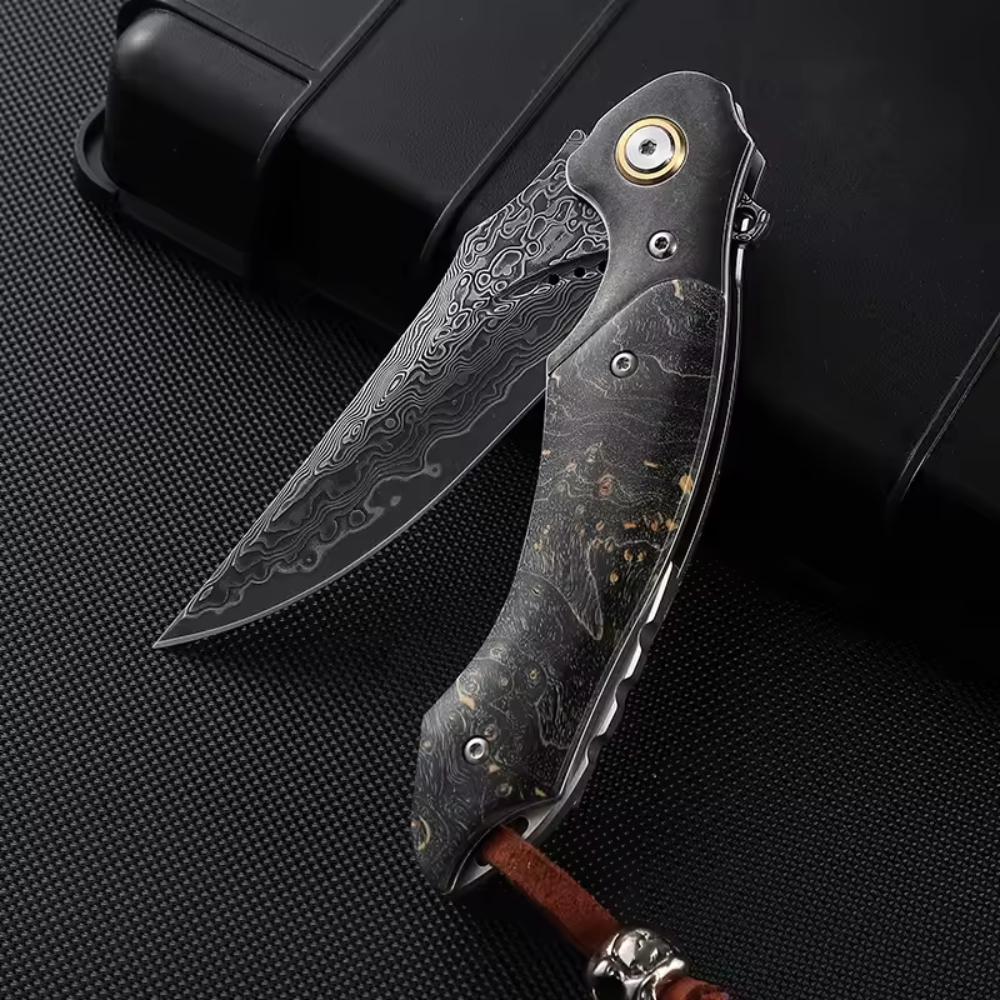
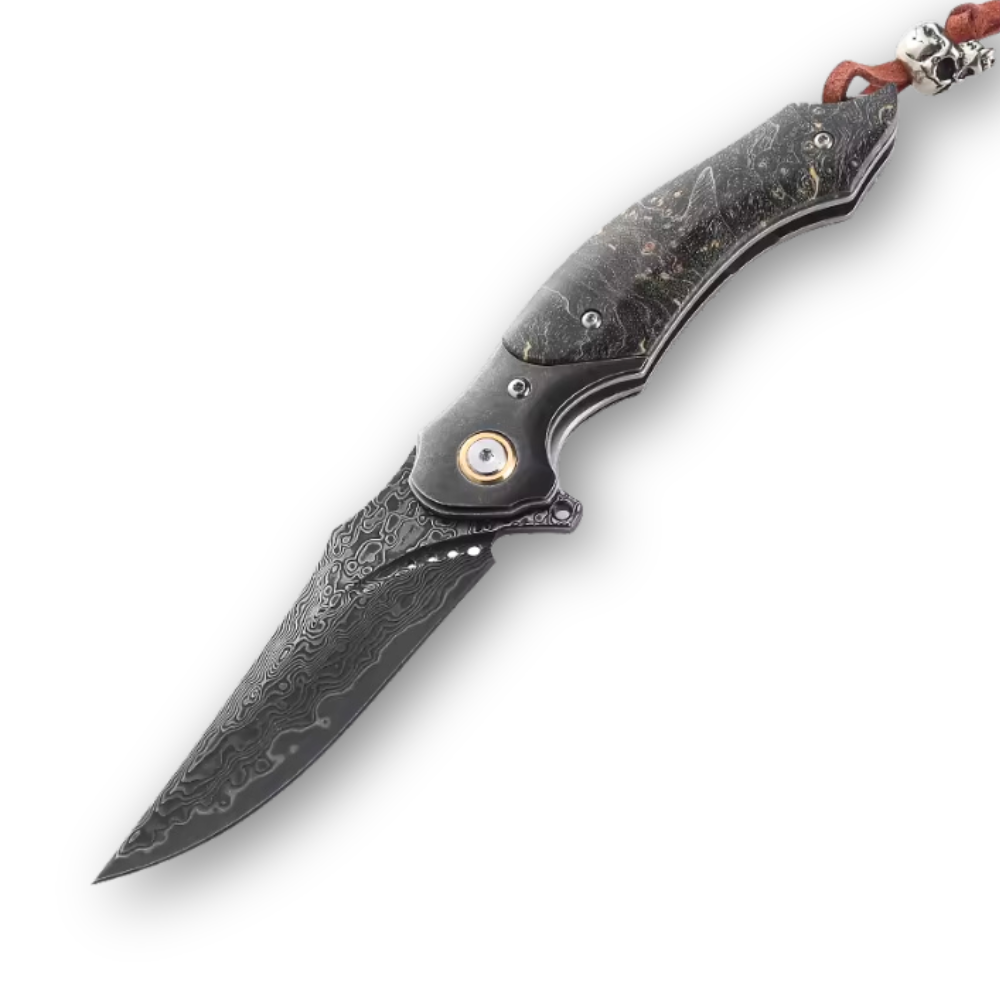
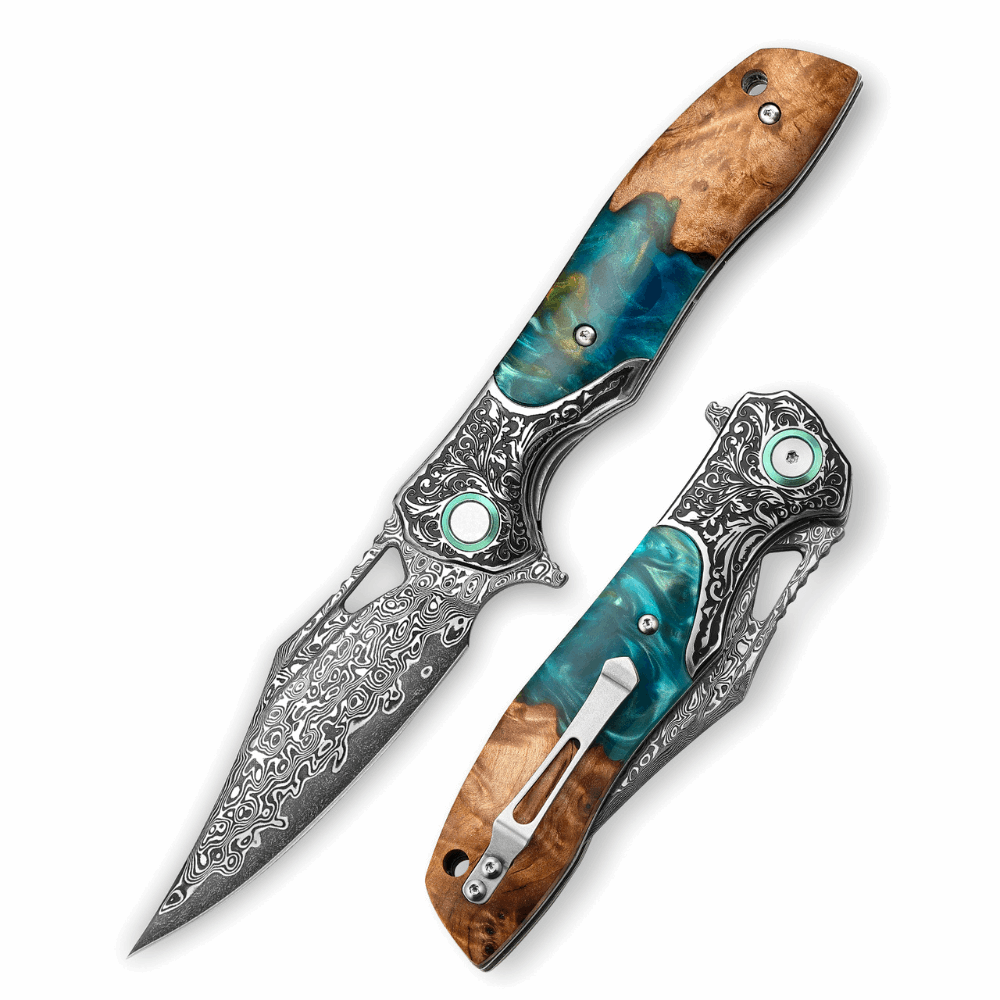
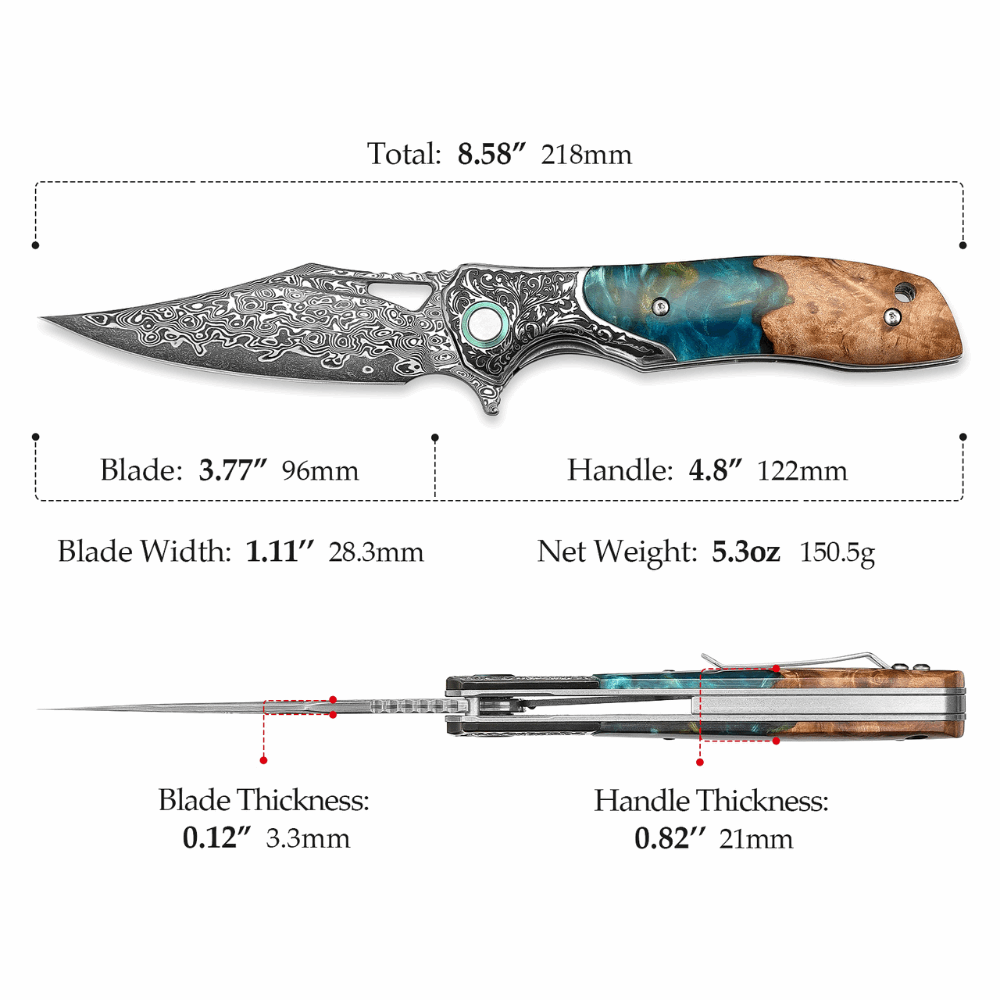
Hera Japanese VG10 Slider Damascus Pocket Knife with Exotic Red Sandal Wood Handle
The Hera Japanese VG10 Slider Damascus Pocket Knife combines artistic craftsmanship with practical functionality, featuring a unique hand-forged Damascus steel blade that offers exceptional sharpness and durability. Its ergonomic design, complemented by an exotic red sandalwood handle, ensures a comfortable grip for various tasks. This pocket knife is ideal for everyday use, as well as a stylish accessory for any gentleman.
View Product






Dejar un comentario