


Overview
This blog explores the anatomy of pocket knives, detailing their components like blades, handles, and locking mechanisms. It highlights the allure of Damascus Steel, known for its durability and unique aesthetics, and offers tips for care and maintenance. Choosing the right pocket knife depends on intended use and personal preference, while engaging with the pocket knife community can enrich your experience.
Table of Contents
- What is a Pocket Knife?
- The Essential Components of a Pocket Knife
- The Blade
- The Handle
- The Locking Mechanism
- The Allure of Damascus Steel
- Care and Maintenance of Your Pocket Knife
- Choosing the Right Pocket Knife for You
- Intended Use
- Material and Aesthetics
- The Pocket Knife Community
- Final Thoughts: More Than Just a Tool
Key Takeaways
- Understanding Anatomy: Familiarize yourself with the essential components of a pocket knife, including the blade, handle, and locking mechanism.
- Blade Types: Different blade designs serve specific purposes; for example, Drop Point blades are versatile, while Spear Point blades are tactical.
- Material Matters: The choice of materials, such as wood, plastic, or Damascus Steel, affects both functionality and aesthetics.
- Safety Features: Locking mechanisms like Liner Lock and Axis Lock enhance safety during use and storage.
- Damascus Steel Benefits: Knives made from Damascus Steel offer durability, edge retention, and unique visual appeal, making them desirable for collectors.
- Maintenance is Key: Regular cleaning, drying, sharpening, and oiling are essential for maintaining a pocket knife's performance and longevity.
- Community Engagement: Joining pocket knife forums and groups can enhance your knowledge and appreciation of these tools through shared experiences.
When it comes to tools that blend practicality with artistry, few items are as revered as the pocket knife. A versatile companion for countless outdoor adventures, everyday tasks, and even self-defense, understanding the anatomy of a pocket knife enhances the user's appreciation and knowledge of these essential tools. This blog will dissect the intricate parts of a pocket knife, highlighting the significance of materials, particularly the elegance of a Damascus pocket knife and the unique benefits of Damascus Steel.
What is a Pocket Knife?
A pocket knife is far more than just a tool; it’s a compact utility asset that fits snugly in your hand or pocket. Nitro blades, multi-tools, and traditional folding knives fall under the umbrella of pocket knives. Often designed with a blade that folds into the handle, these knives can be locked in place or easily maneuvered with one hand, depending on the design mechanism.
The Essential Components of a Pocket Knife
Understanding what goes into a pocket knife can enhance your appreciation of its design and functionality. Below are the fundamental components:
The Blade
The blade is perhaps the most significant part of a pocket knife, as it determines its primary function. Pocket knife blades come in various shapes and sizes, each tailored for specific tasks:
- Drop Point: A versatile design that offers a strong tip for puncturing and slicing.
- Spear Point: Designed for piercing, crafted for tactical use.
- Clip Point: Provides a sharp point for precise cutting tasks.
- Sheepsfoot: A rounded tip that minimizes the risk of puncturing, ideal for slicing.
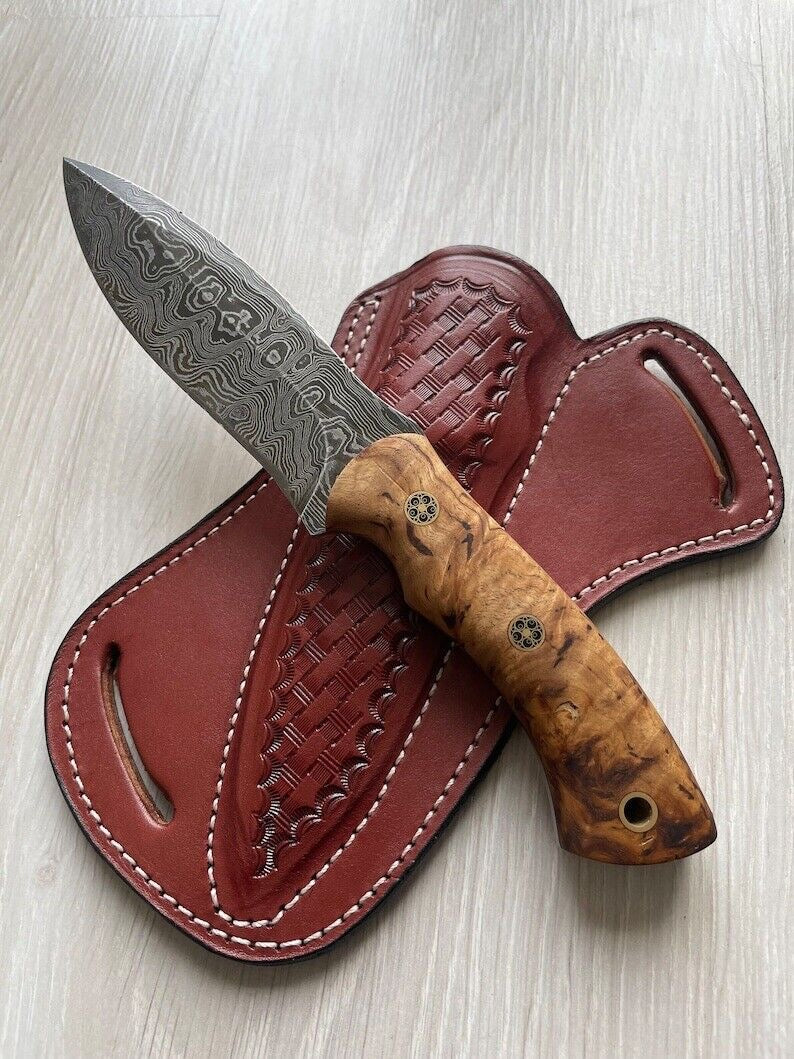
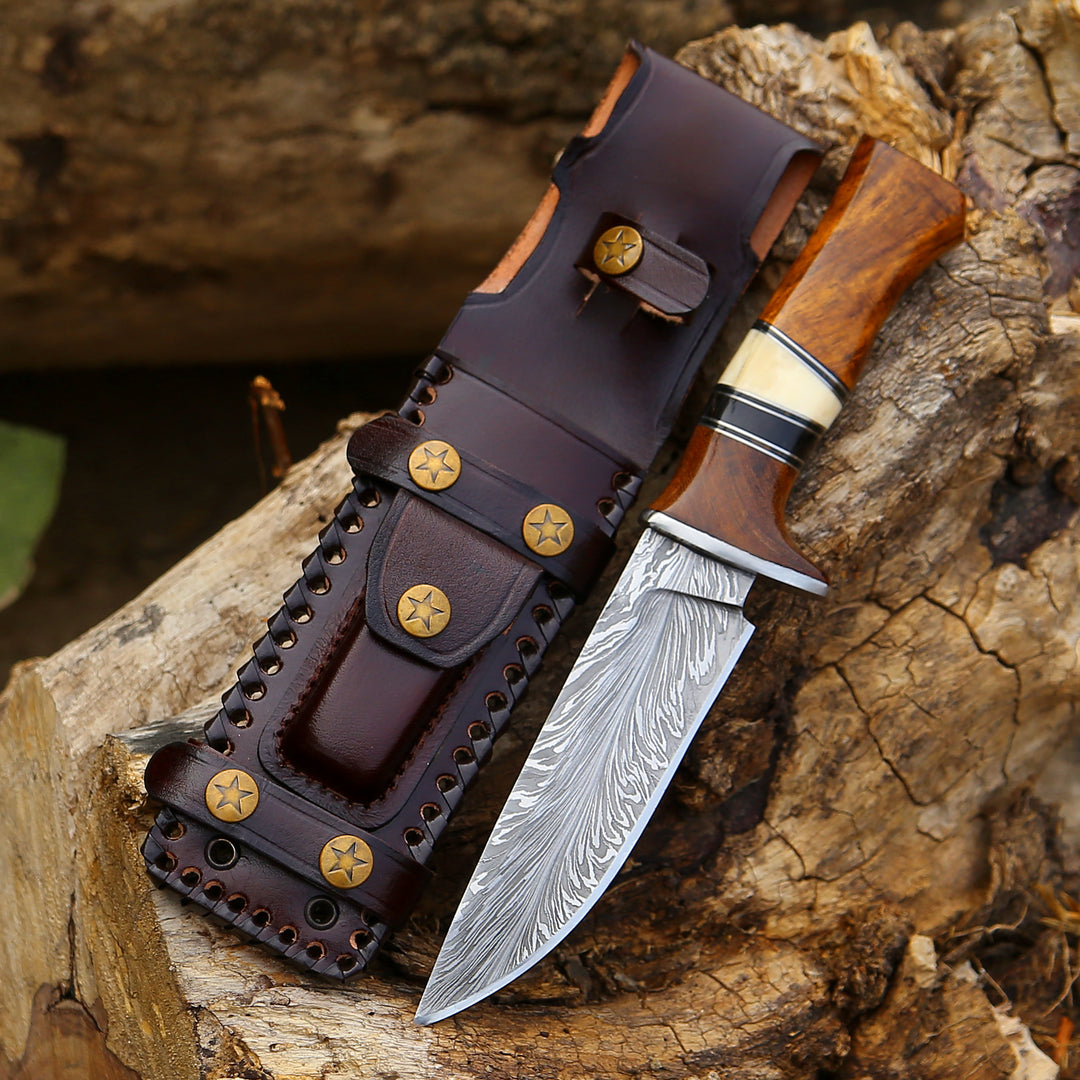
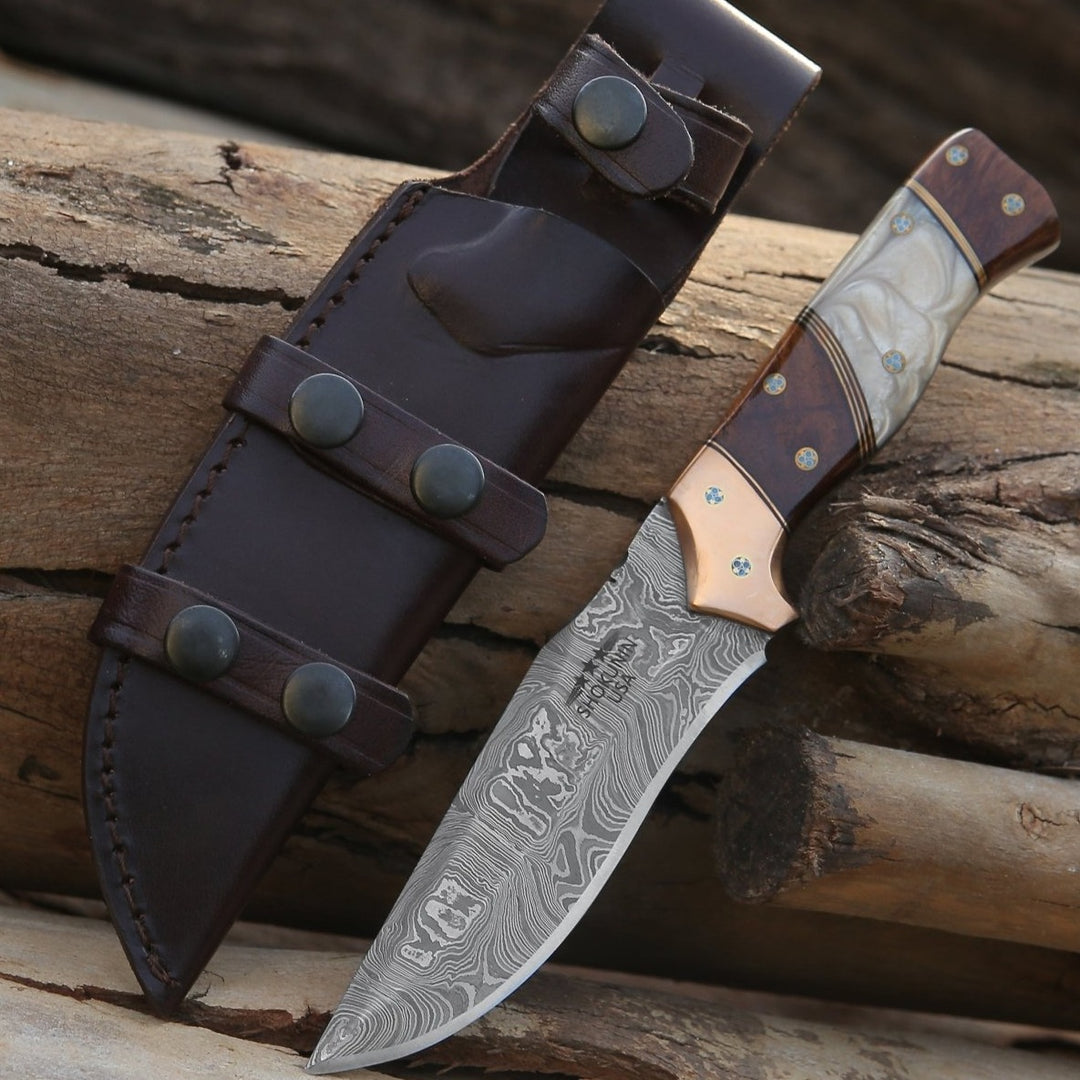
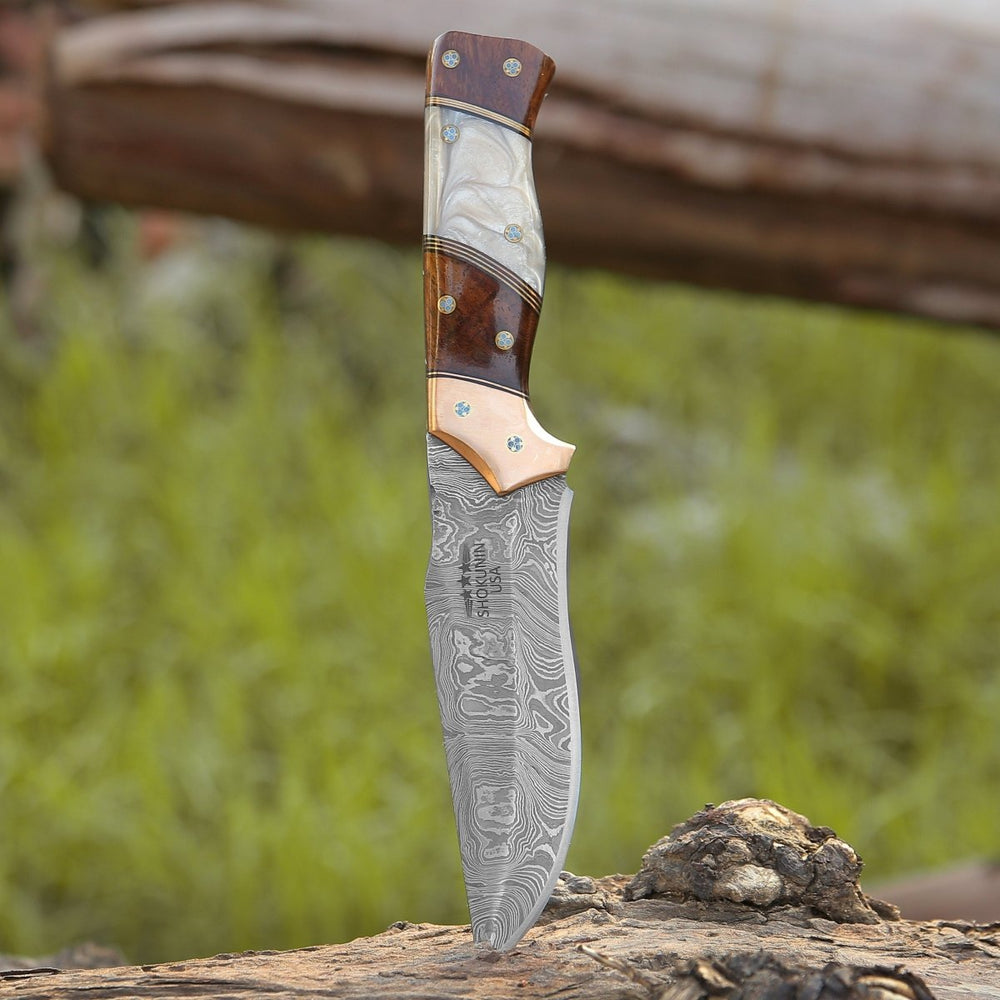
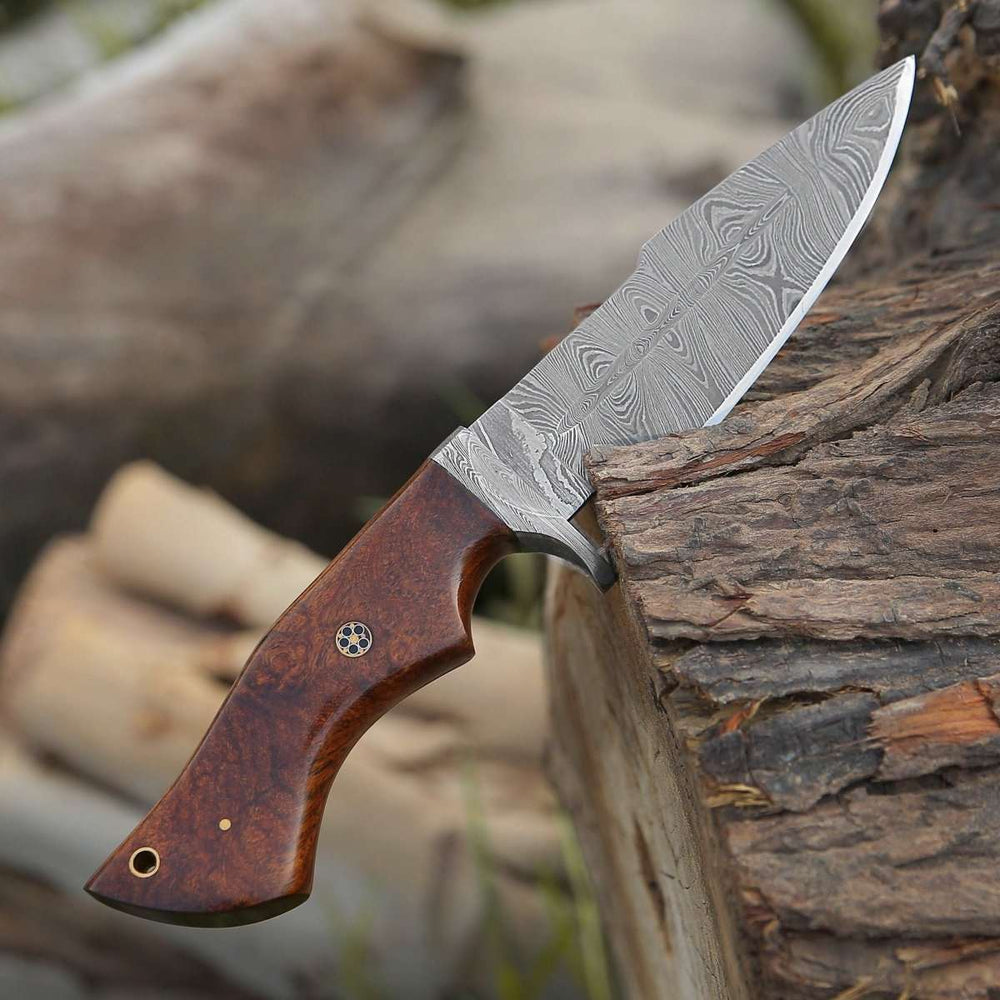
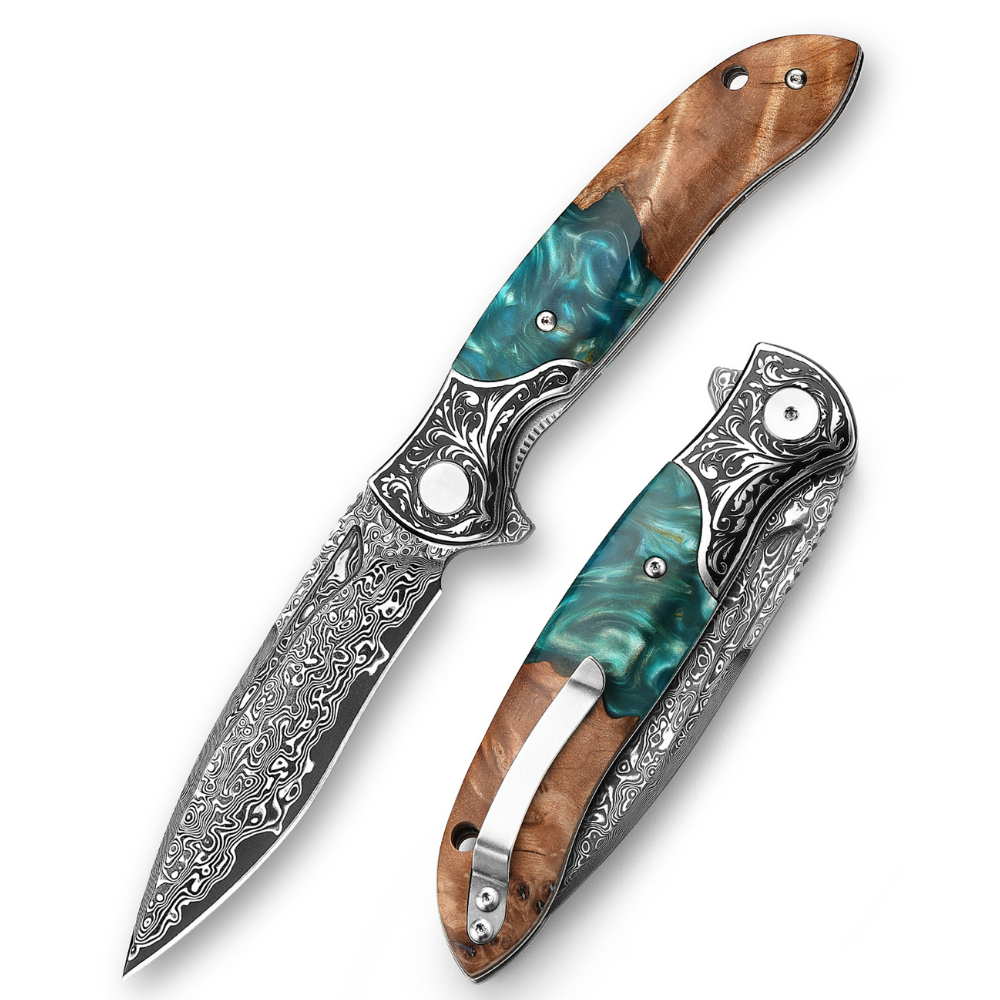
When crafted from Damascus Steel, the blade features stunning patterns that not only catch the eye but also enhance performance due to the steel's exceptional strength and edge retention.
The Handle
The handle ensures a firm grip and allows for precise control. Handles can be made from various materials such as:
- Wood: Offers a classic aesthetic, with the beauty of natural grain.
- Plastic: Lightweight and often textured for better grip.
- Metal: Provides durability and can be aesthetically pleasing.
- Composite Materials: Innovations that blend lightweight properties with strength.
A well-designed handle not only improves usability but also adds to the knife's overall style, especially when combined with a Damascus pocket knife, which often features luxurious handle materials.
The Locking Mechanism
Safety is a crucial aspect of any portable tool, and the locking mechanism in pocket knives serves this purpose effectively. Common types include:
- Liner Lock: Engages a steel liner to secure the blade when open.
- Frame Lock: Similar to the liner lock but utilizes the knife’s handle frame for stability.
- Back Lock: Utilizes a locking bar that springs into place when the blade opens.
- Axis Lock: A unique mechanism that allows one-handed deployment and secure locking.
The Allure of Damascus Steel
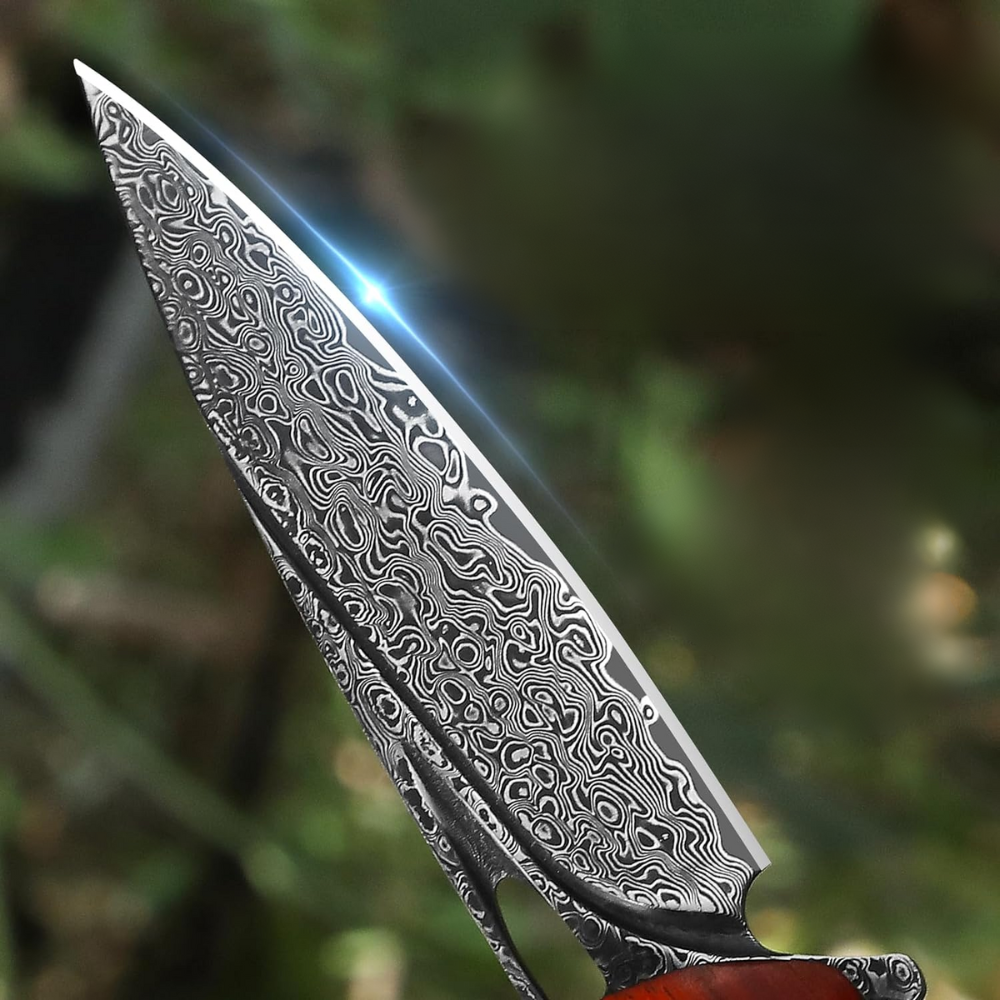
One of the most fascinating aspects of modern pocket knives is the use of Damascus Steel. Known for its distinctive patterns and duality of hardness, Damascus Steel is created by forging different types of steel together. This results in:
- Durability: Damascus Steel is known for its toughness, making it resistant to shattering.
- Edge Retention: The unique composition allows for longer-lasting sharpness.
- Corrosion Resistance: Many Damascus steels come with treatments that boost their resilience against the elements.
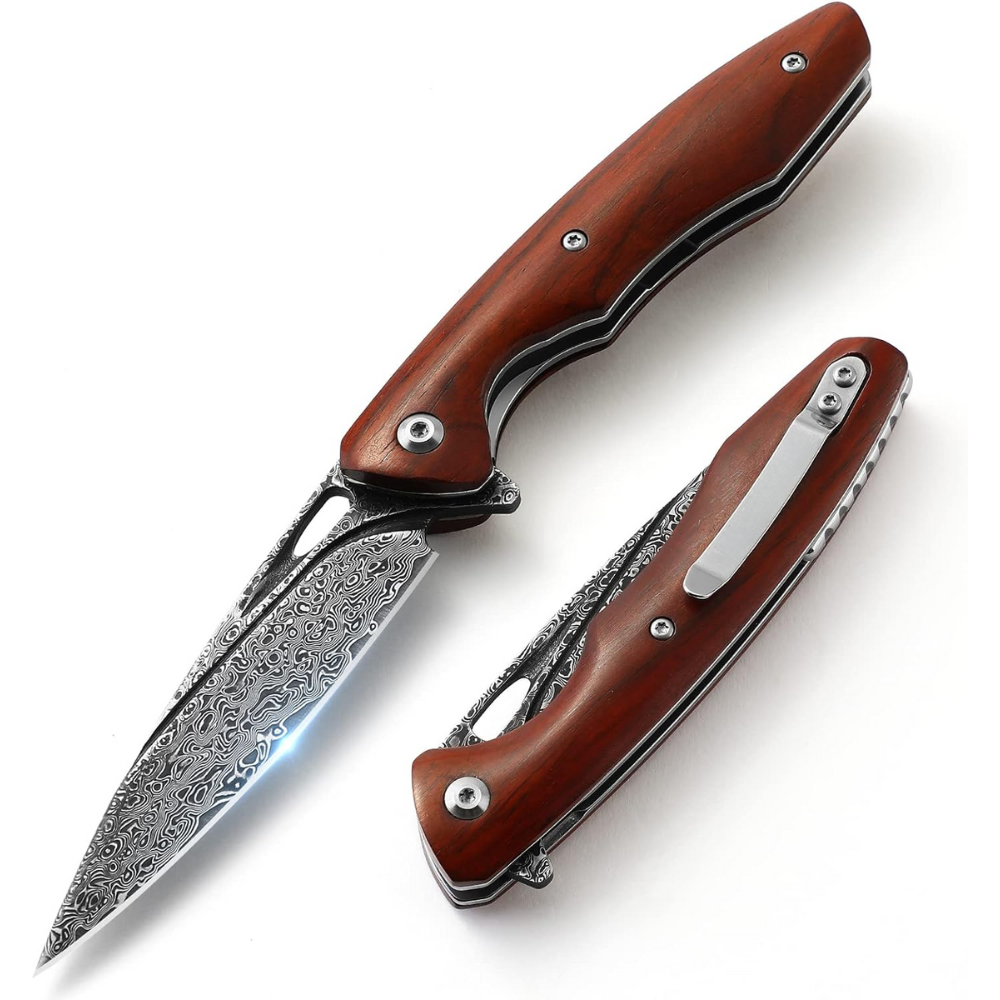
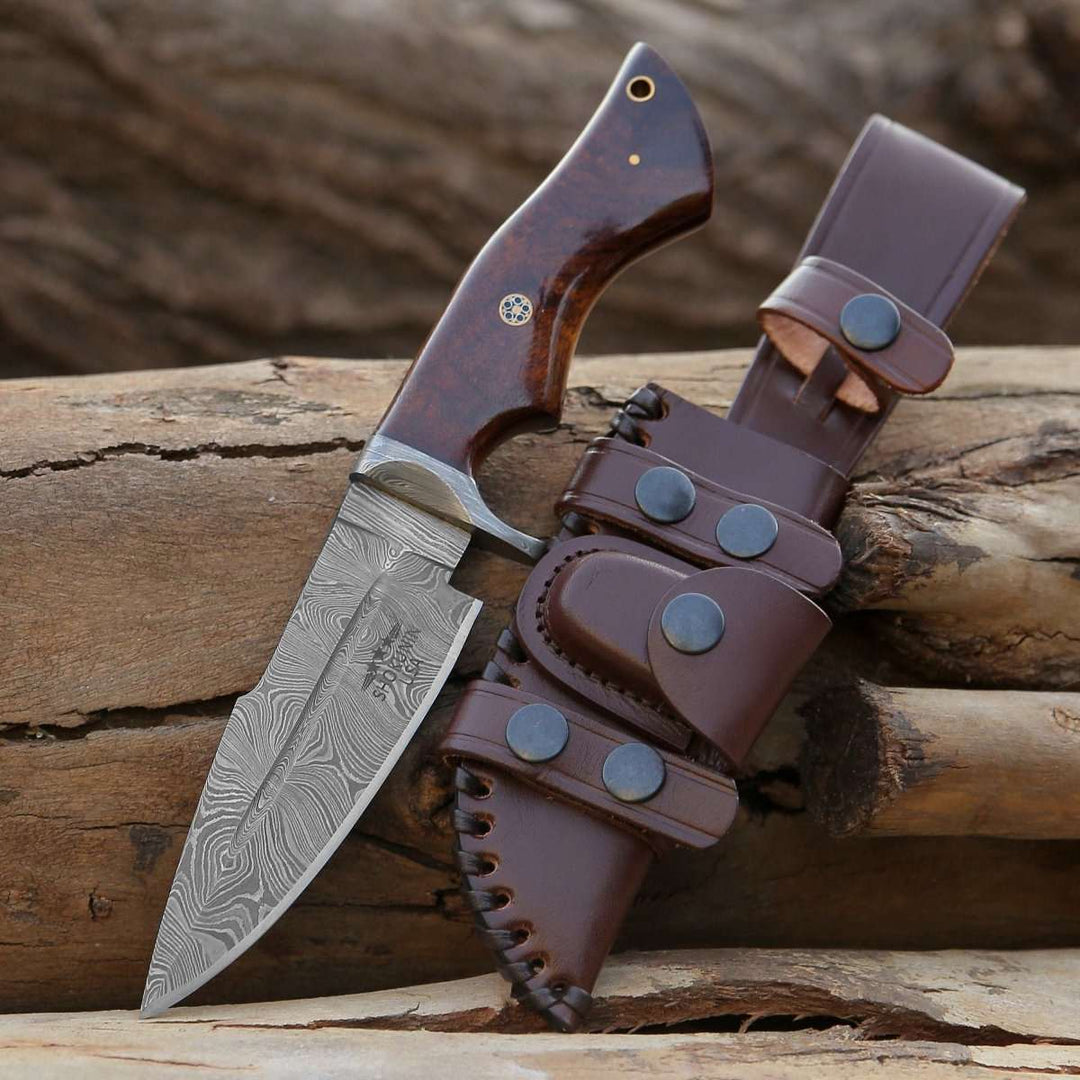
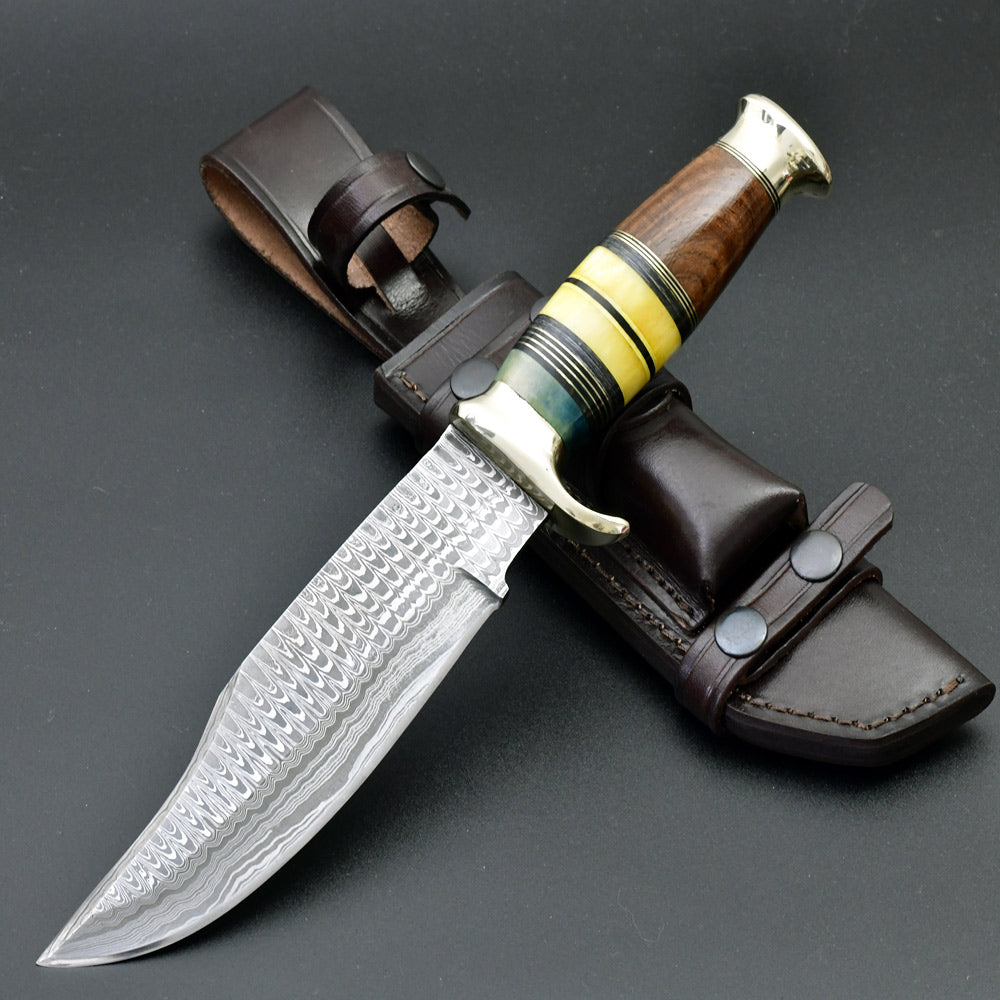
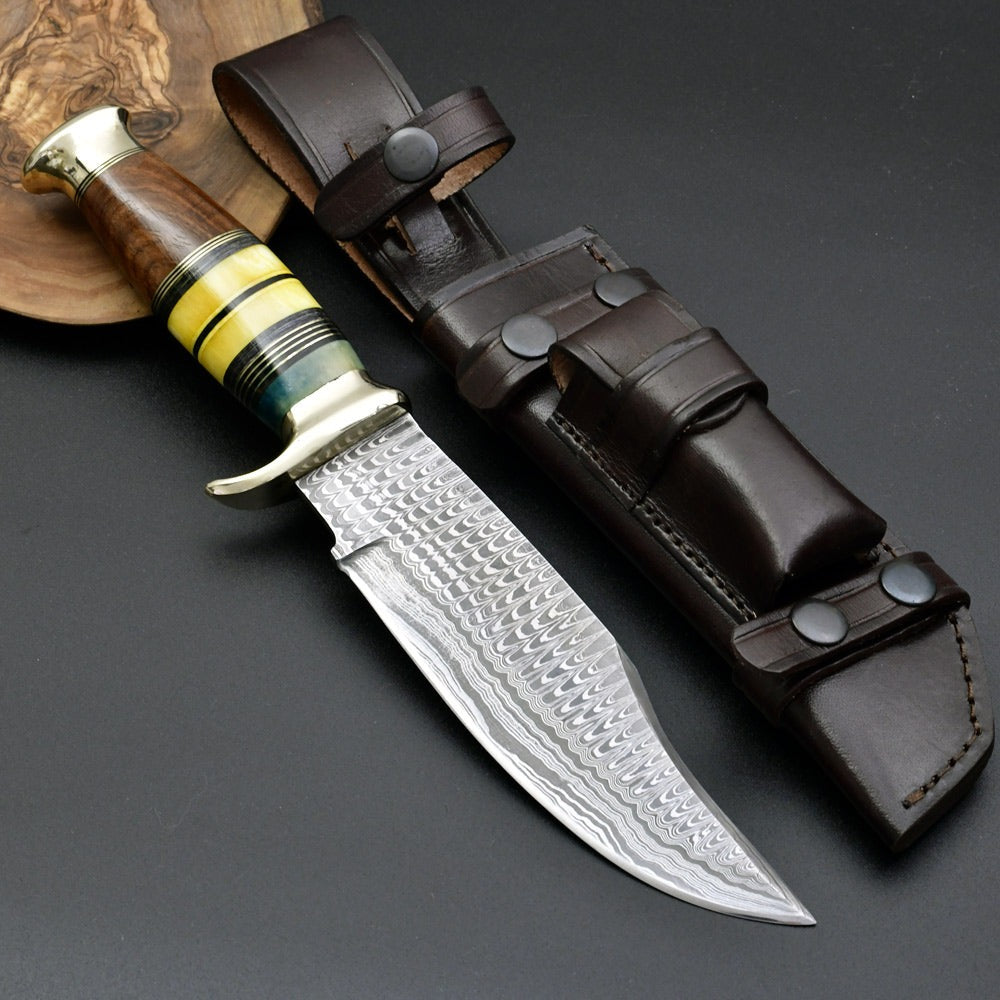
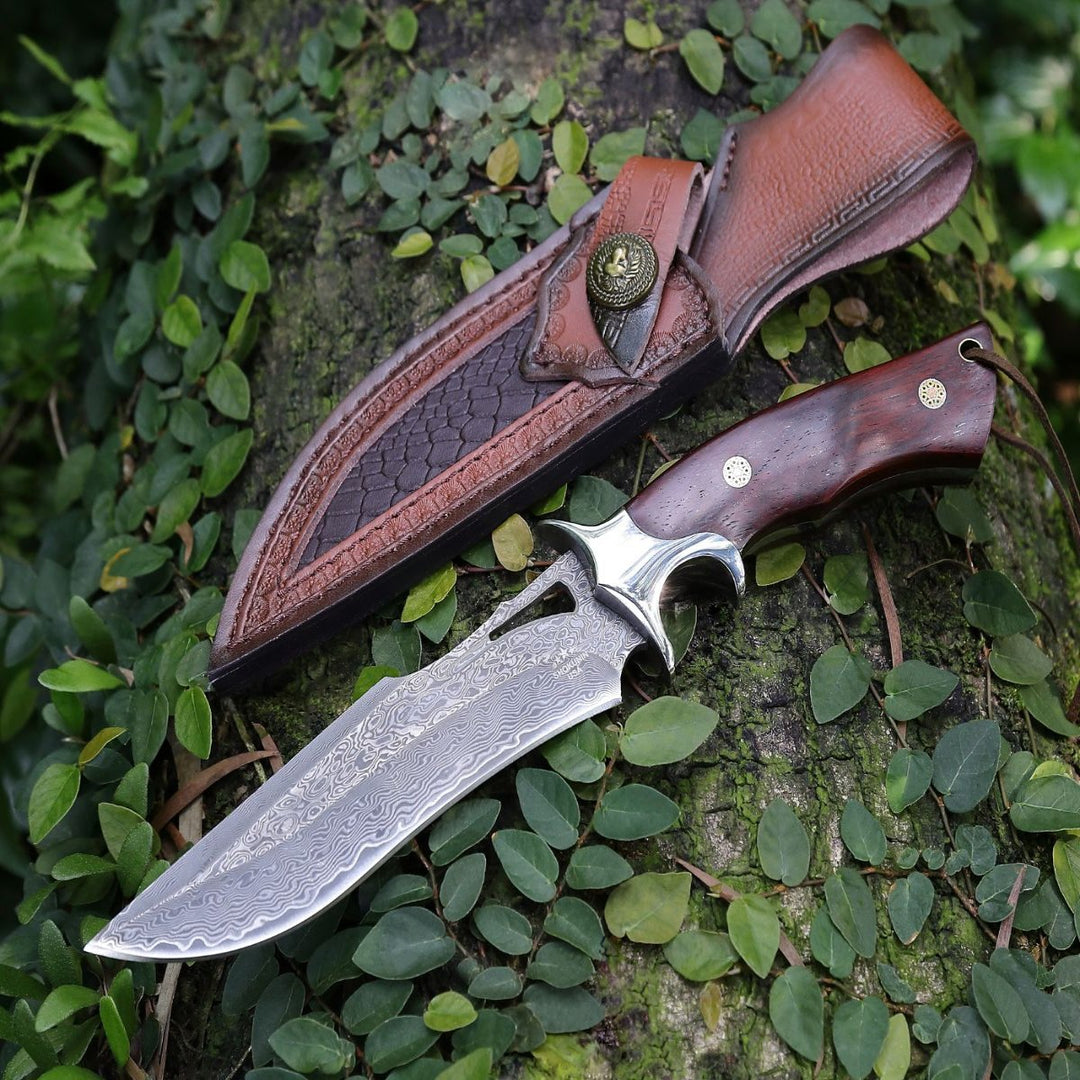
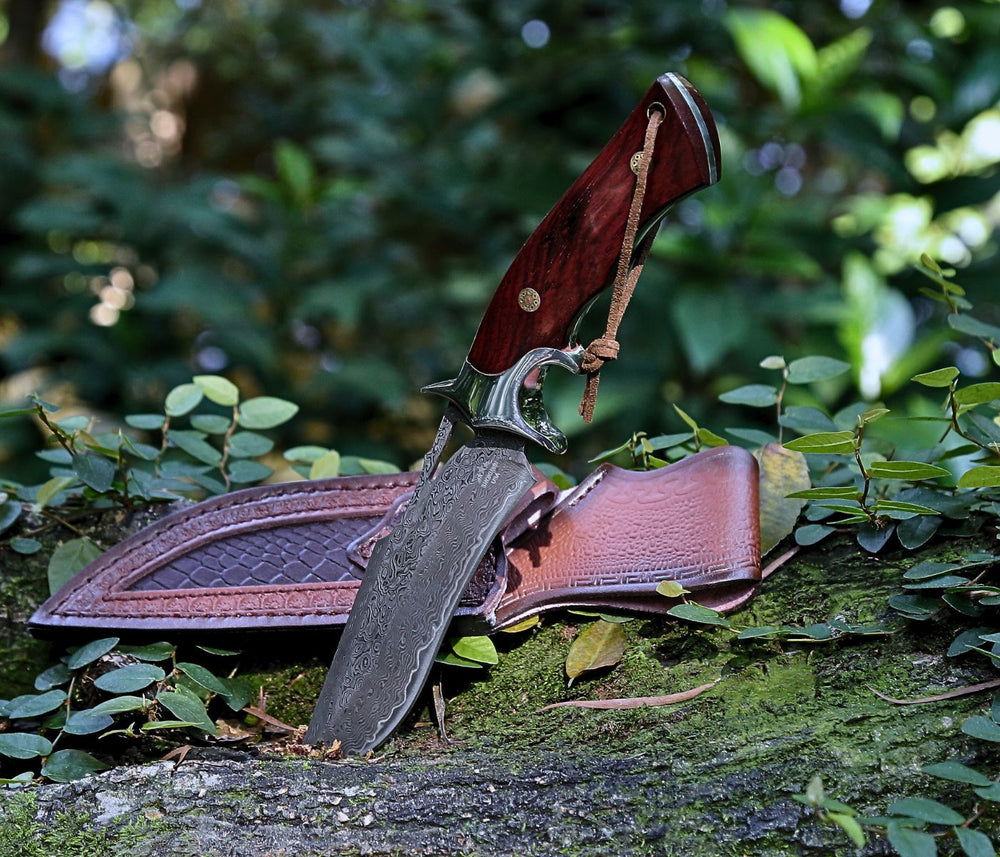
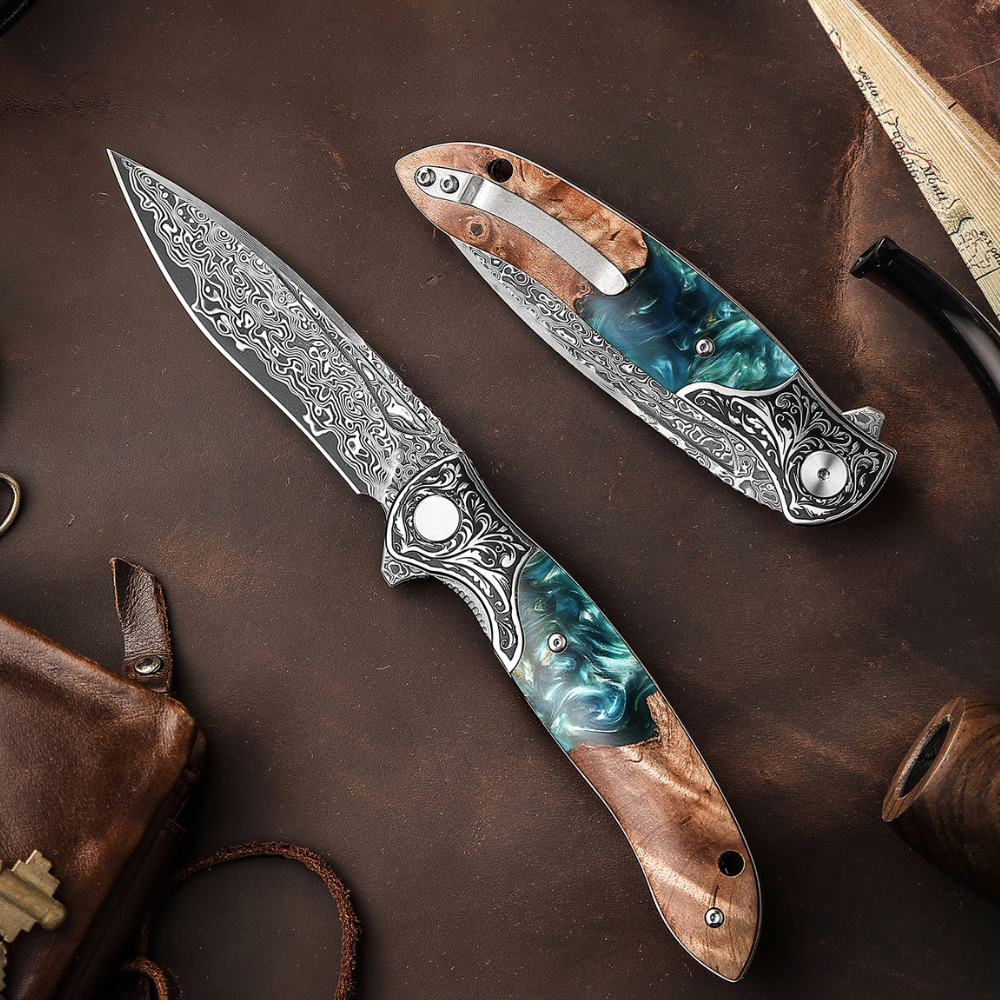
The aesthetic appeal of a Damascus pocket knife cannot be overstated—each knife features a unique design, showcasing the artistry of the craftsman. This transforms a simple tool into a collector's item and a work of art.
Care and Maintenance of Your Pocket Knife
To ensure longevity and peak performance, maintaining your pocket knife is essential. Here are some practical tips:
- Regular Cleaning: Wash the blade and handle with warm water and mild soap after heavy use.
- Drying: Always dry your knife completely to prevent rust, especially if it features stainless steel or Damascus Steel.
- Sharpening: Regular sharpening maintains the blade’s edge and maximizes performance.
- Oiling: Apply oil to the pivot point to ensure smooth operation and prevent rust.
Choosing the Right Pocket Knife for You
With so many options available, selecting the right pocket knife comes down to personal preference and intended use. Here are some factors to consider:
Intended Use
Your needs dictate the type of pocket knife ideal for you. Consider:
- Everyday Tasks: A simple folding knife with a sturdy blade may suffice.
- Outdoor Adventures: Look for knives with durable handles and versatile blades.
- Emergency Situations: An easily deployable knife with a safety lock is critical.
Material and Aesthetics
If you’re drawn to craftsmanship and design, you might lean towards a Damascus pocket knife, which marries beauty with functionality. The unique pattern and strong performance of Damascus Steel may captivate collectors and outdoor enthusiasts alike.
The Pocket Knife Community
Engaging with the pocket knife community can expand your knowledge of these fascinating tools. There are forums, blogs, and groups dedicated to discussing various elements of pocket knives, including collecting, restoring, and using them effectively. Joining these communities enhances learning and allows for sharing experiences with fellow enthusiasts.
Final Thoughts: More Than Just a Tool
A pocket knife is an intricate blend of art and engineering, serving as an expression of individuality and practicality. Beyond just slicing through tasks, a well-crafted pocket knife, especially one made from beautiful Damascus Steel, becomes part of the user's story. As you delve deeper into the world of pocket knives, appreciate their anatomy, styling, and purpose. Whether you're an avid collector or a casual user, the richness of this tool's craftsmanship and functionality will enhance your experiences for years to come.
Frequently Asked Questions
1. What is a pocket knife?
2. What are the essential components of a pocket knife?
3. What is Damascus steel, and why is it significant for pocket knives?
4. How do I maintain and care for my pocket knife?
5. How do I choose the right pocket knife for my needs?
Glossary
| Term | Meaning |
|---|---|
| Pocket Knife | A compact knife that folds into its handle, used for various tasks. |
| Blade | The cutting part of the knife, available in different shapes for specific uses. |
| Damascus Steel | A type of steel known for its unique patterns and durability. |
| Locking Mechanism | A safety feature that secures the blade in an open position. |
| Handle | The part of the knife held by the user, providing grip and control. |
| Drop Point | A blade design with a strong tip, ideal for puncturing. |
| Spear Point | A blade design optimized for piercing tasks. |
| Sharpening | The process of honing the blade's edge for optimal performance. |
| Oiling | Applying oil to moving parts to ensure smooth operation and prevent rust. |
| Community | A group of enthusiasts sharing knowledge about pocket knives. |
Linked Product

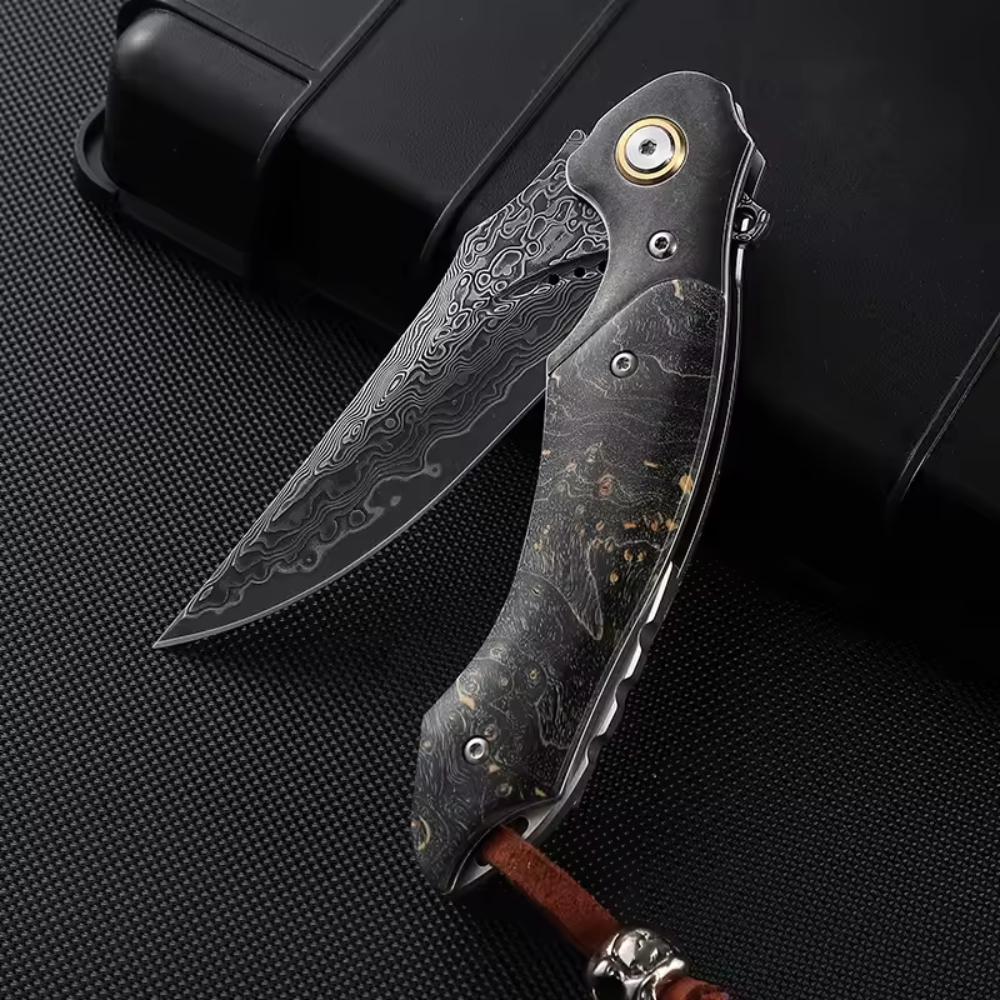
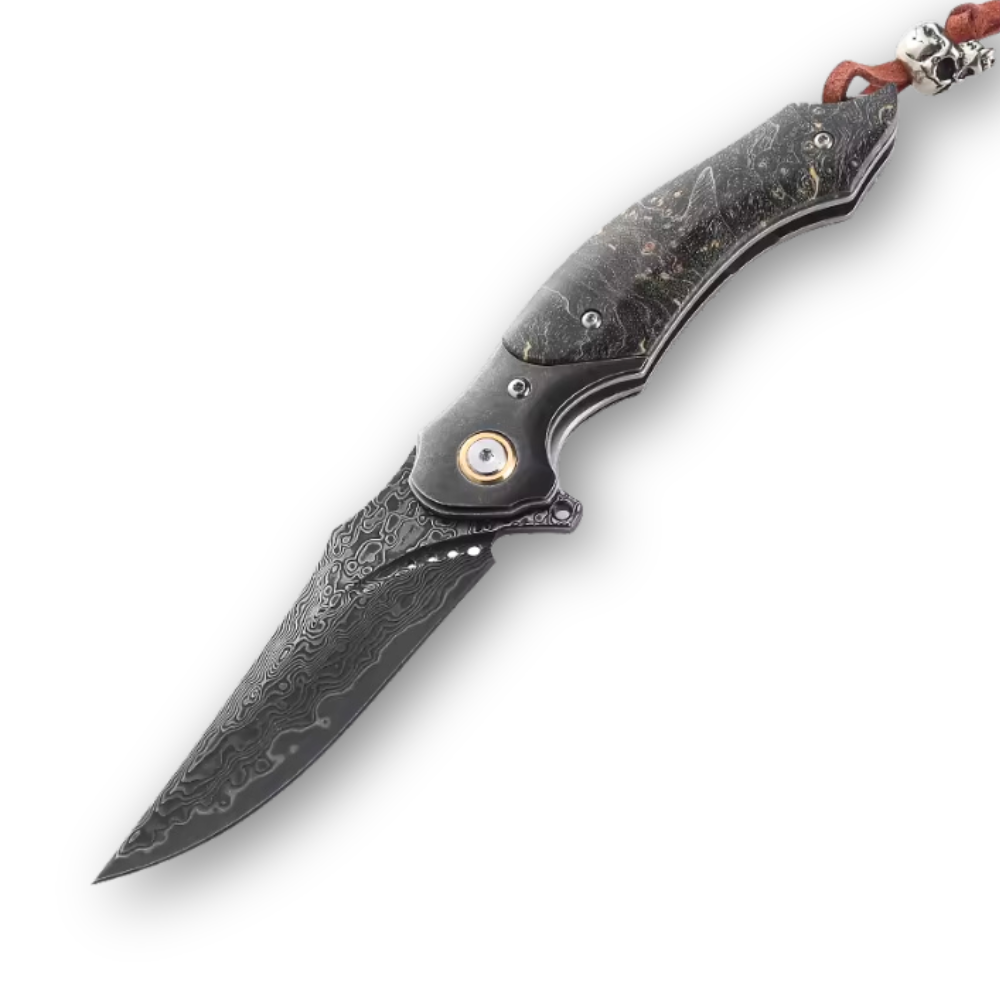
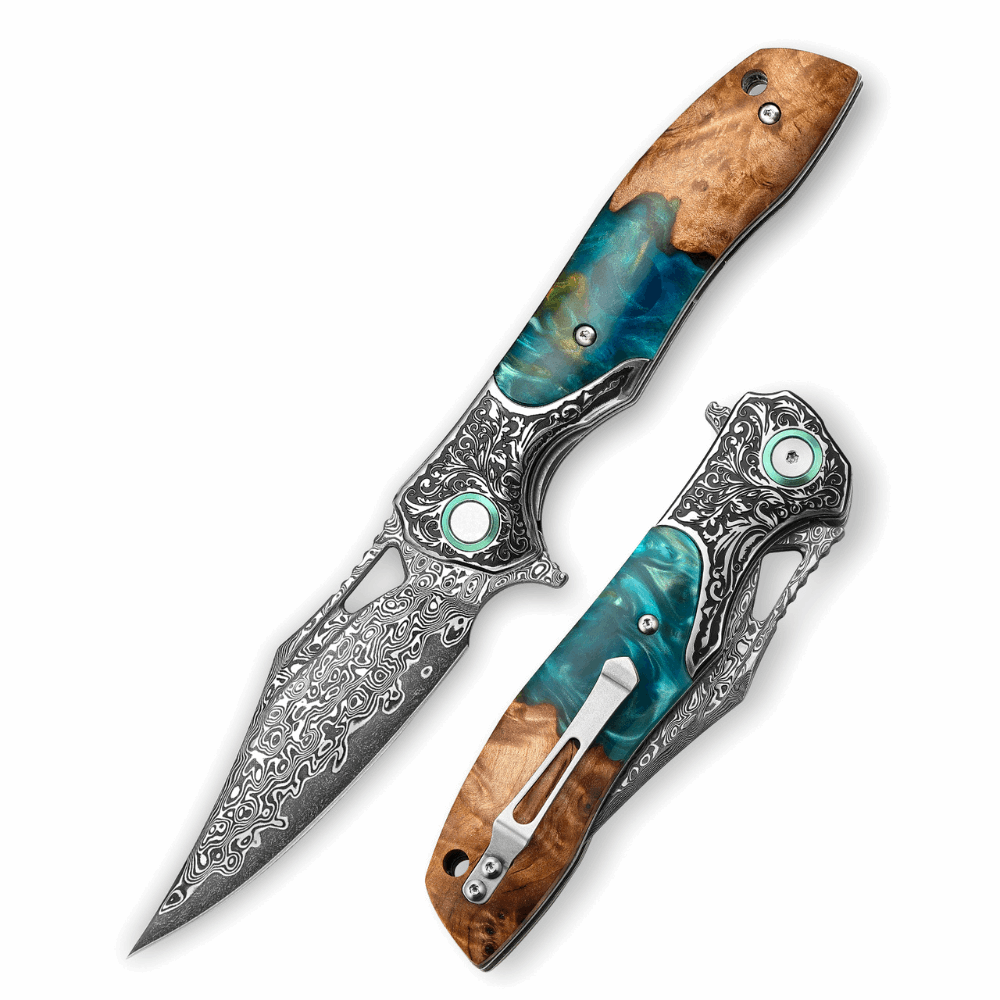
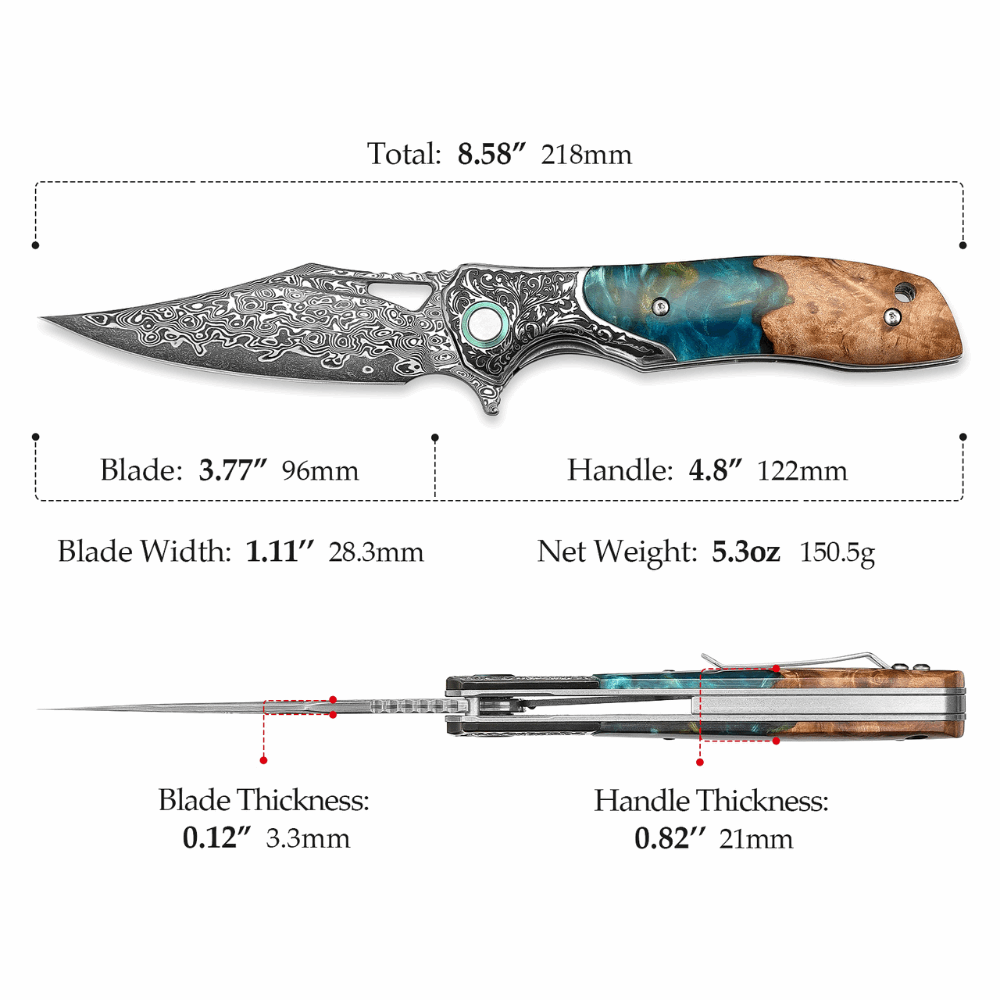
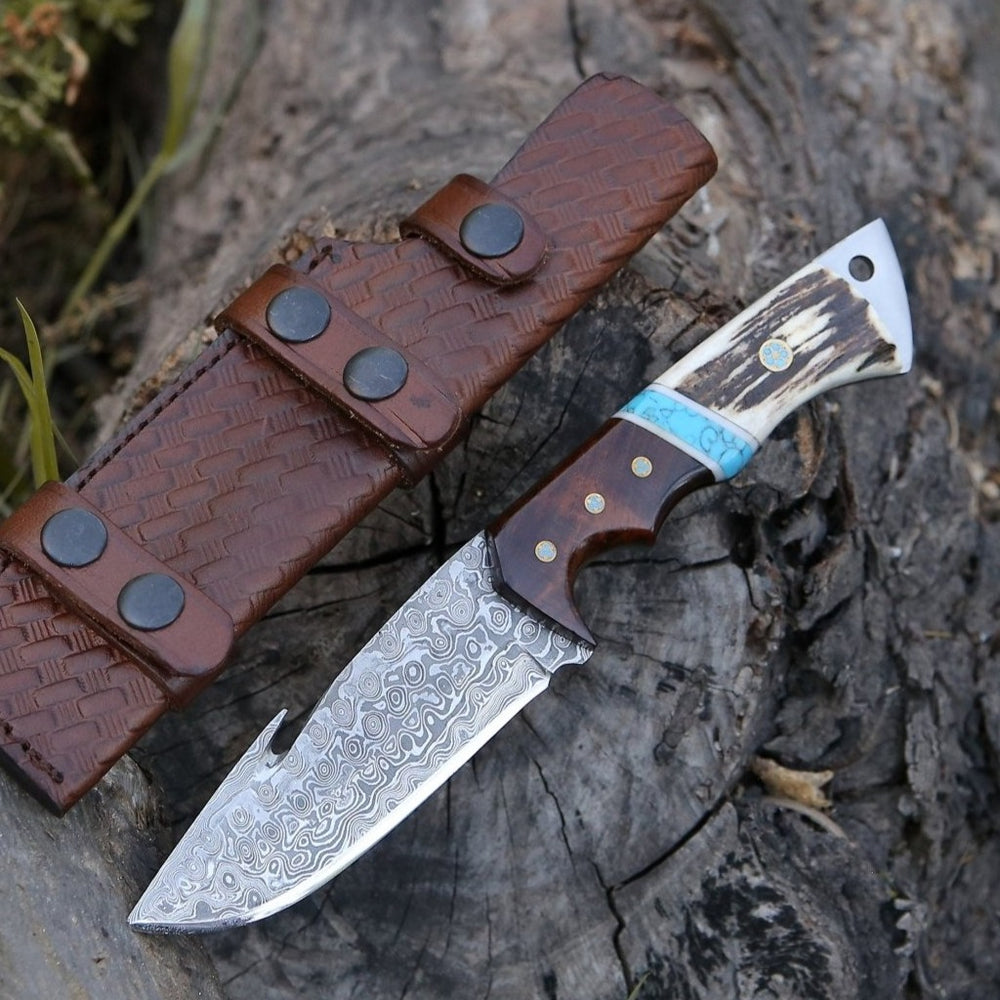
Echo Damascus Pocket Knife with Stag Horn/Antler & Rosewood Handle
The Echo Damascus Pocket Knife features a unique handmade blade crafted from layered 1095 and 15n20 steel, offering exceptional strength and edge retention. Its elegant handle combines stag horn and exotic rosewood, designed for durability and comfort during use. This folding knife is not only practical for everyday tasks but also serves as an attractive piece to carry or display.
View Product






Hinterlassen Sie einen Kommentar