


Overview
This article explores the best materials for folding knife blades and handles, emphasizing the importance of material choice for functionality, durability, and aesthetics. Key blade materials include stainless steel, high carbon steel, and Damascus steel, each offering unique advantages. For handles, options like G-10, Micarta, and wood provide various benefits in terms of grip and appearance. Proper care and maintenance are essential for longevity. Ultimately, selecting the right combination of materials depends on individual needs and usage scenarios, whether for outdoor use, everyday carry, or collection.
Frequently Asked Questions
1. What materials are best for pocket knife blades?
2. What are the advantages of stainless steel blades?
3. How do handle materials affect the performance of folding knives?
4. What maintenance is required for carbon steel blades?
5. How can I choose the best materials for my knife?
When it comes to folding knives, the materials used for both the blade and the handle are crucial in determining the knife's functionality, durability, and aesthetic appeal. From the metal that forms the blade to the composites that make up the handle, each choice plays a significant role in both performance and user experience. This article delves into the best materials for pocket knife blades and handles, equipping you with knowledge that can enhance your decision-making and appreciation for these versatile tools.
Understanding Blade Materials
The blade of a pocket knife is arguably its most important component. The right blade material ensures that the knife performs well under various conditions and during different uses. Here’s a breakdown of some of the best materials used in folding knives.
Stainless Steel
Stainless steel is one of the most popular choices for knife blades due to its resistance to rust and corrosion. There are several types of stainless steel, each offering different benefits:
- 440C: Known for its high carbon content, 440C offers excellent hardness and edge retention while remaining relatively easy to sharpen.
- S30V: A premium stainless steel that provides exceptional wear resistance and edge retention, making it a favorite among knife enthusiasts.
- AUS-8: This Japanese steel is known for its toughness and excellent balance of hardness and workability, making it great for everyday carry knives.
Stainless steel blades are ideal for users looking for low-maintenance folding knives that can withstand daily use in wet or varied environments.
High Carbon Steel
High carbon steel is another excellent choice for the blades of folding knives. It offers superior edge retention and is easy to sharpen but requires more maintenance to prevent rusting. Popular high carbon steel options include:
- 1095: Famous for its balance of toughness and ability to take a sharp edge, 1095 is often favored by custom knife makers.
- D2: Known as a semi-stainless steel, D2 gets you the best of both worlds — it has great hardness, edge stability, and moderate corrosion resistance.
These materials may require oiling and careful storage, but the level of sharpness and durability they offer makes them worthwhile for serious knife users.
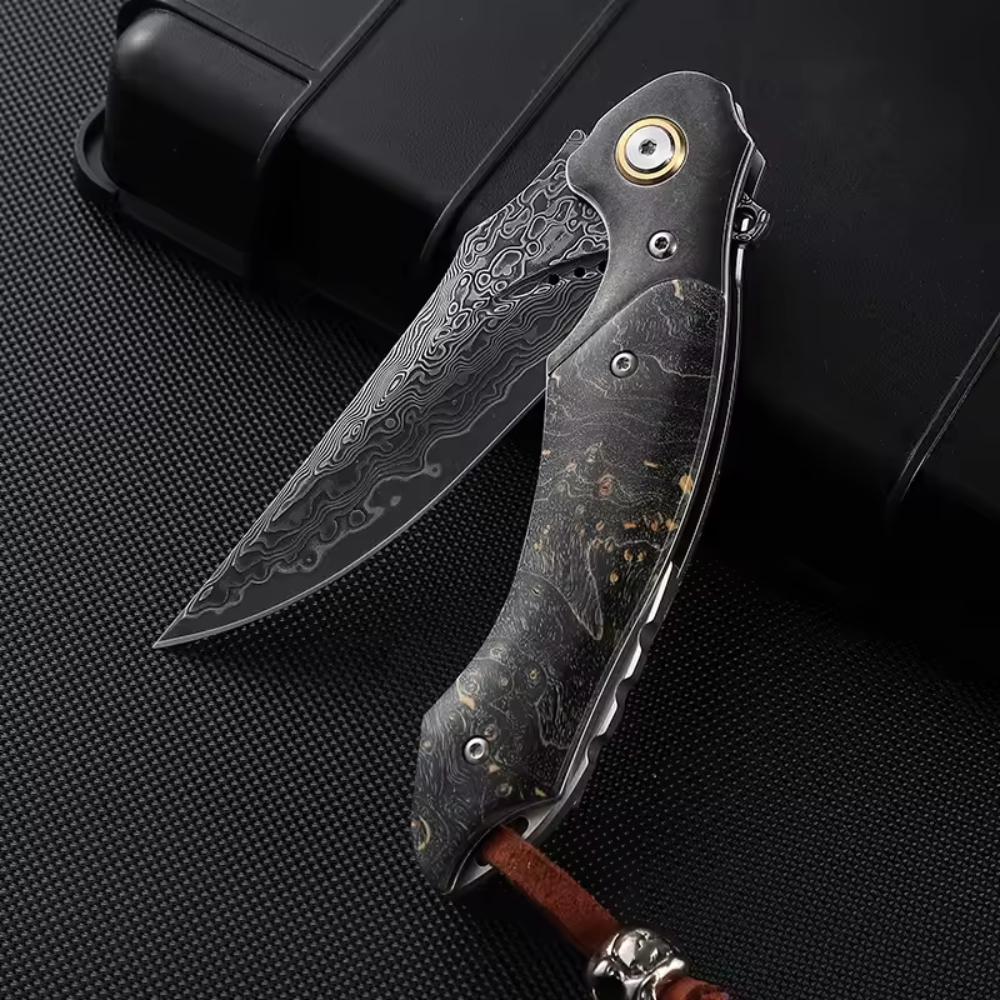
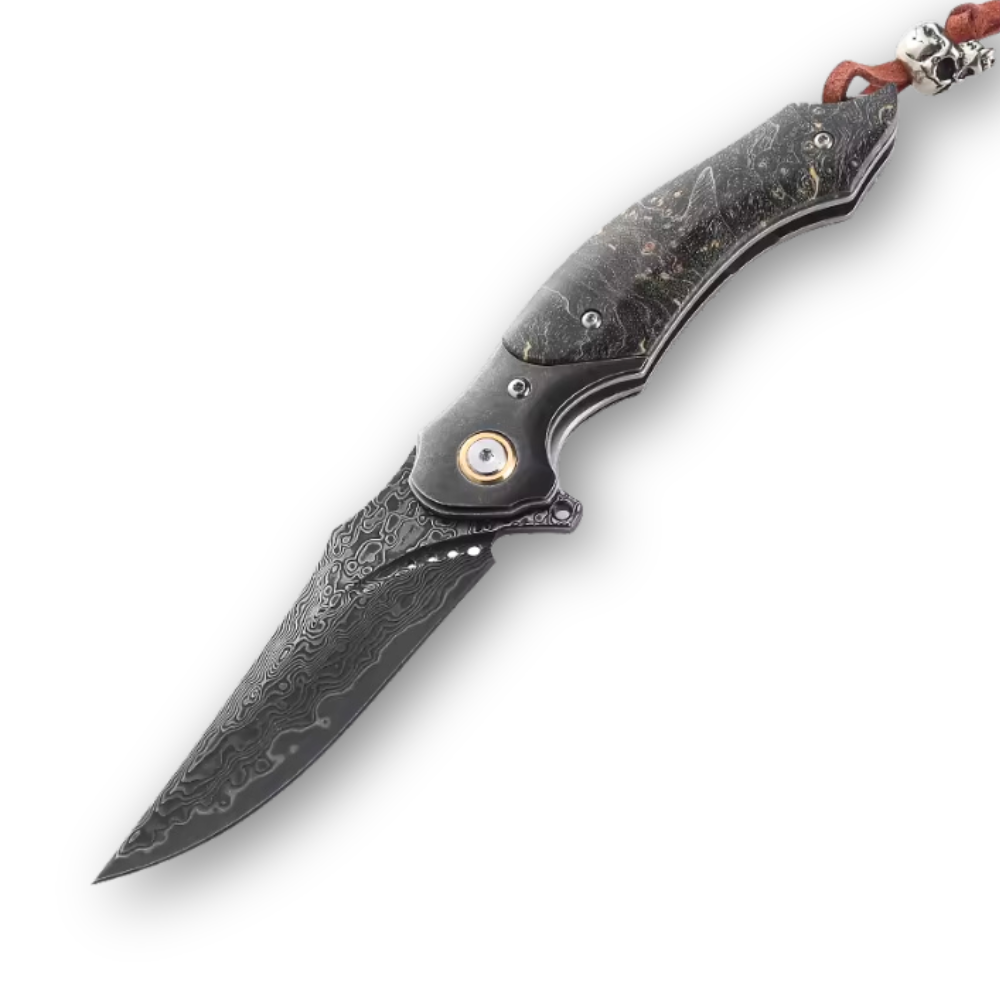
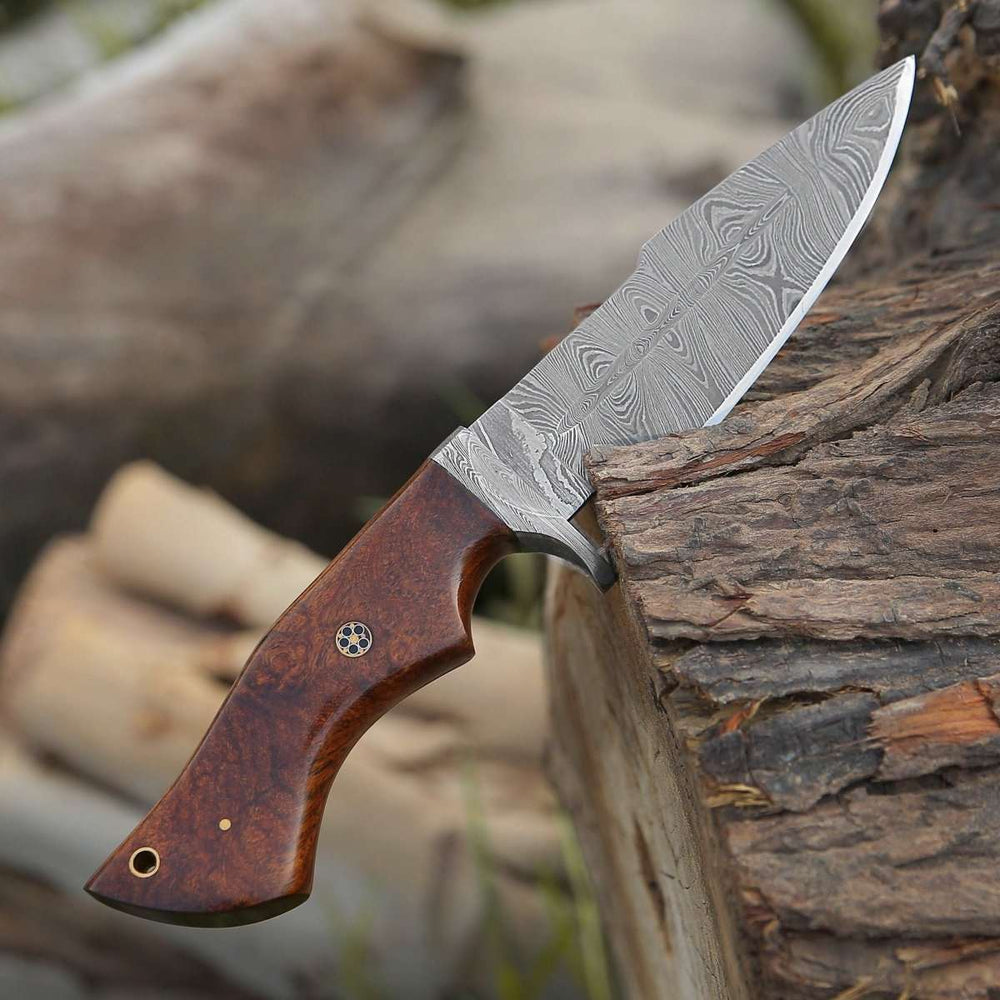
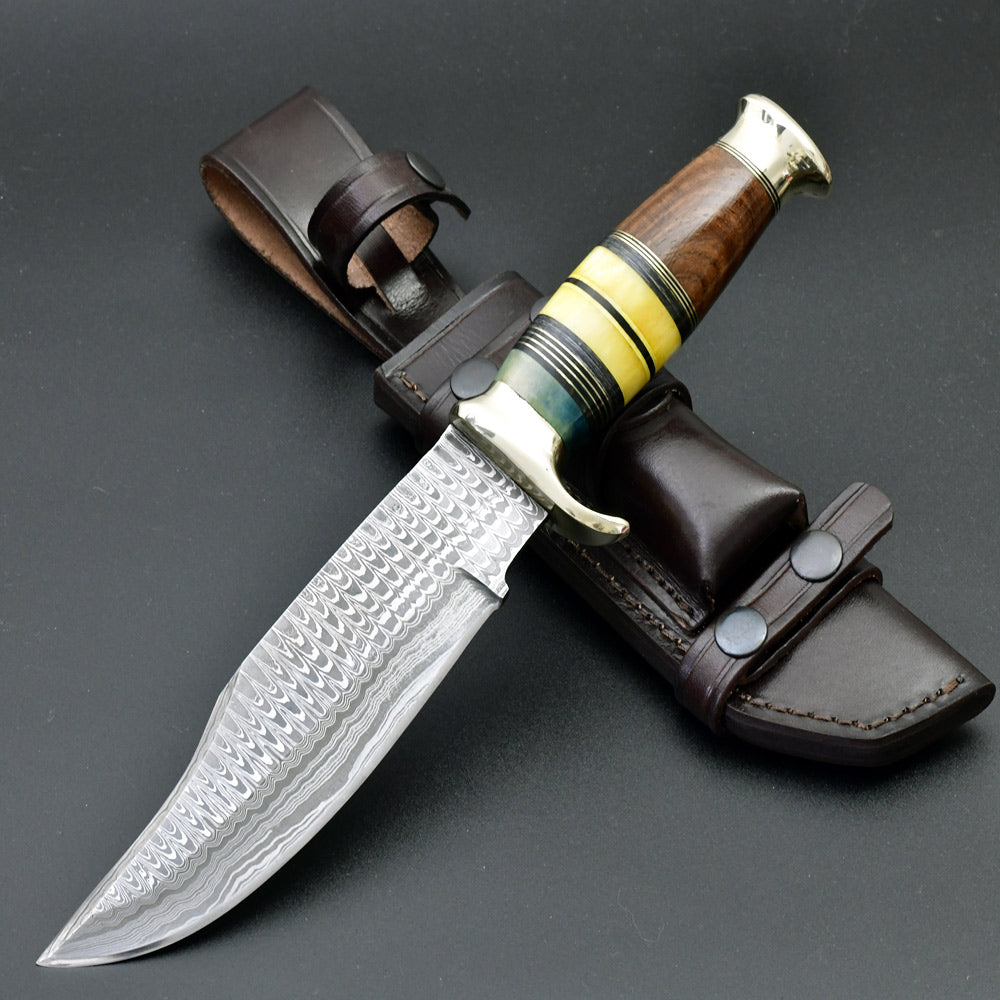
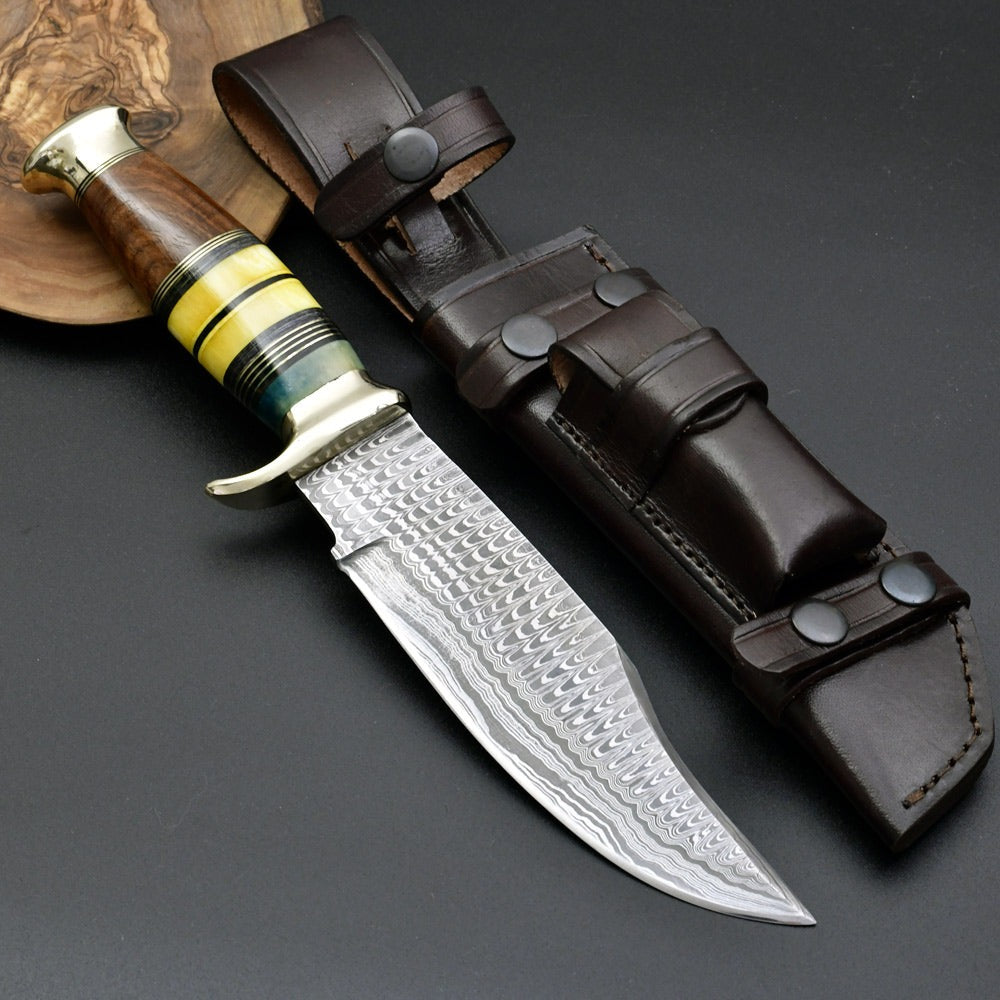
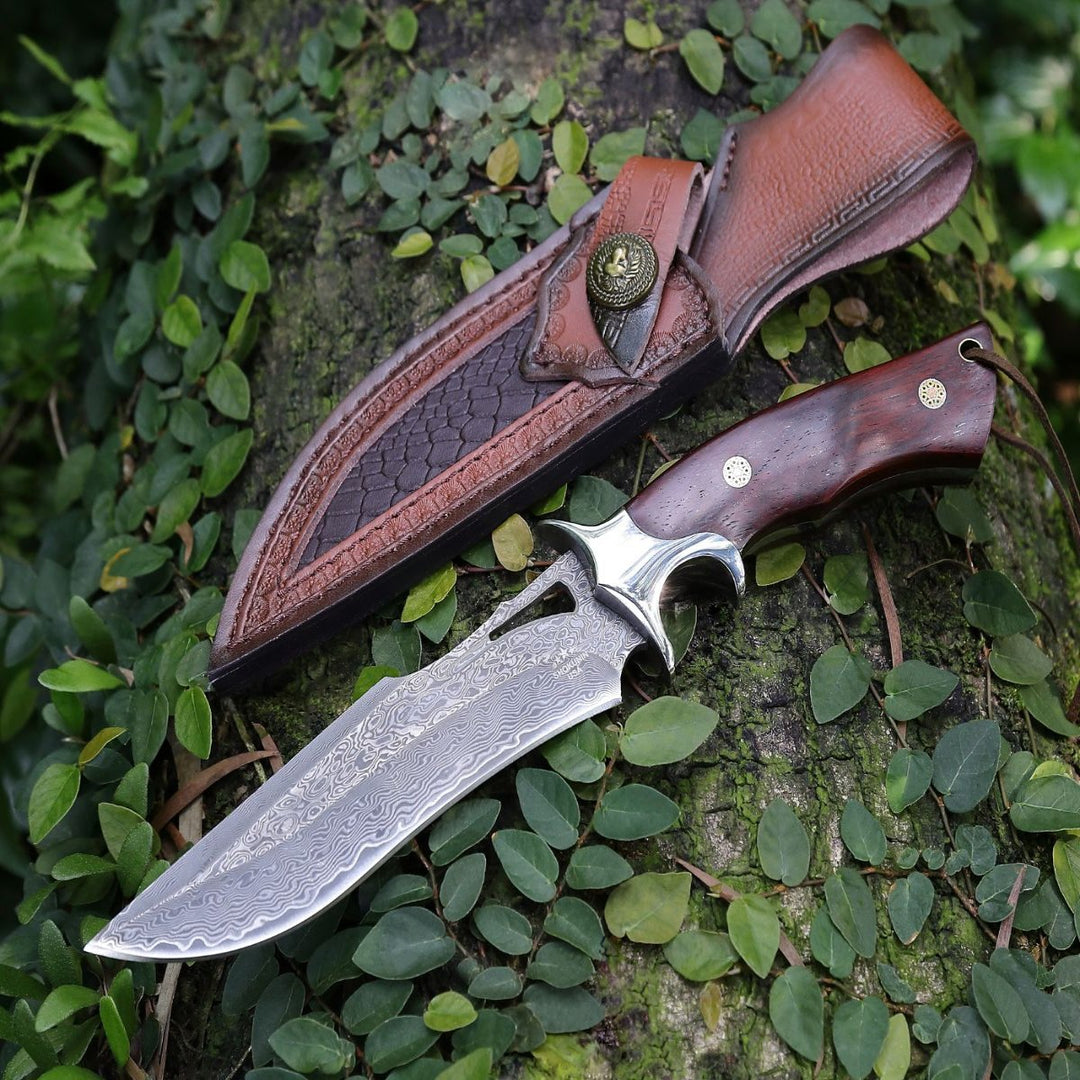
Damascus Steel
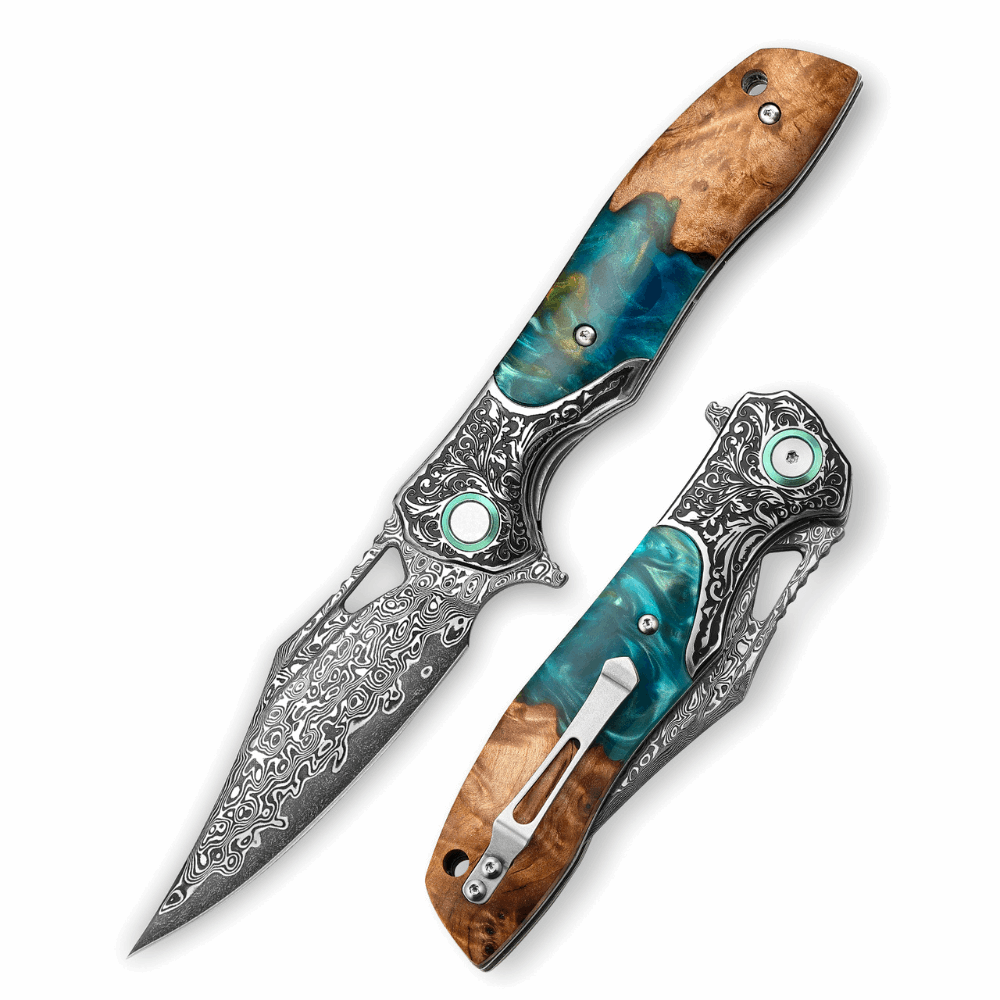
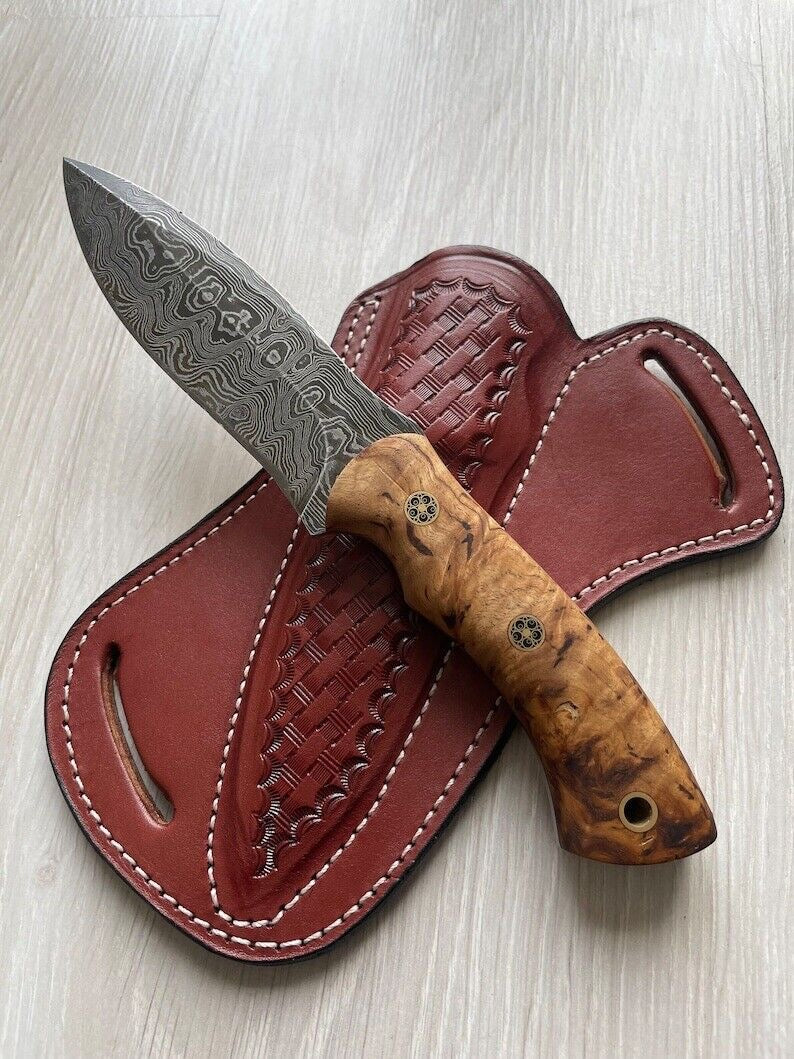
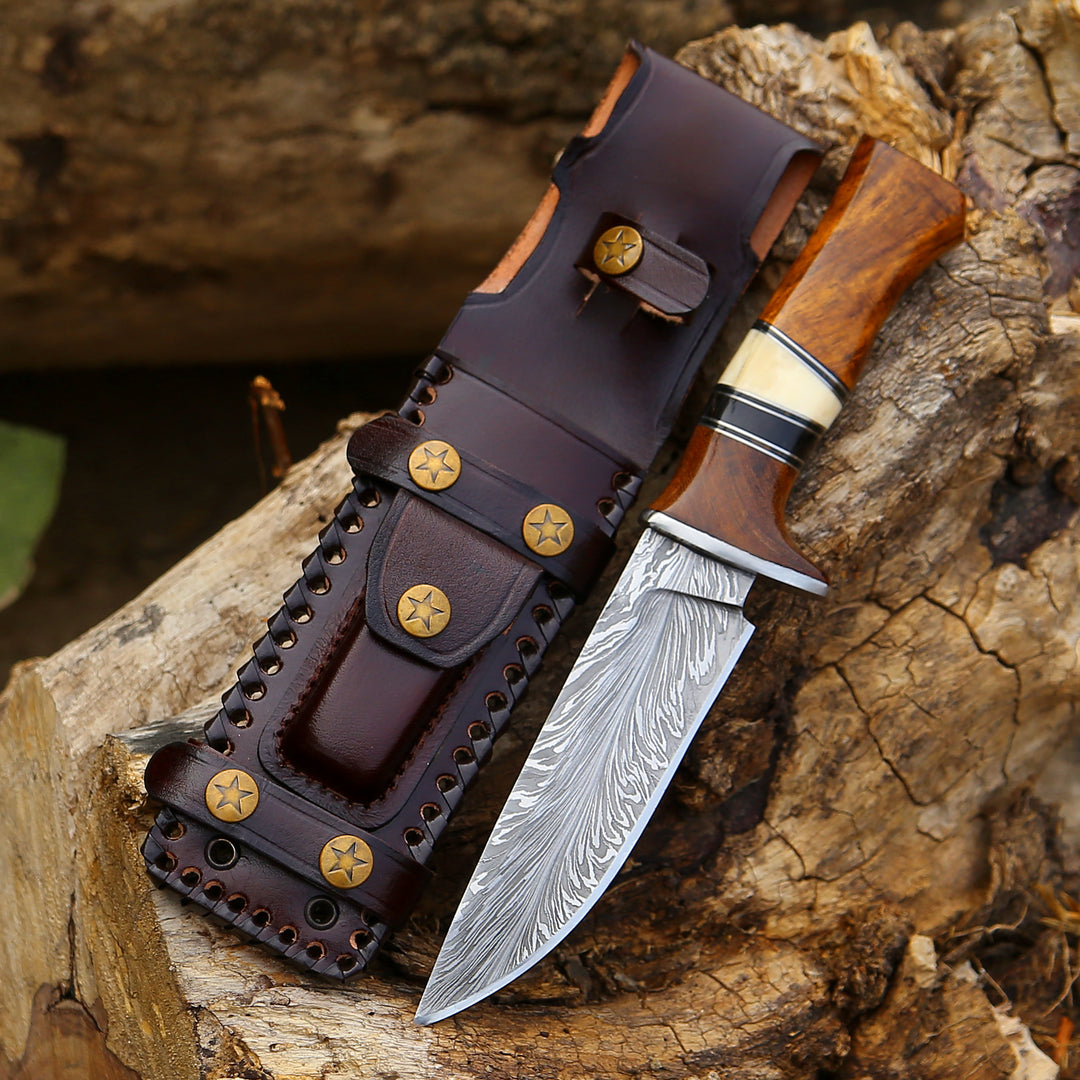
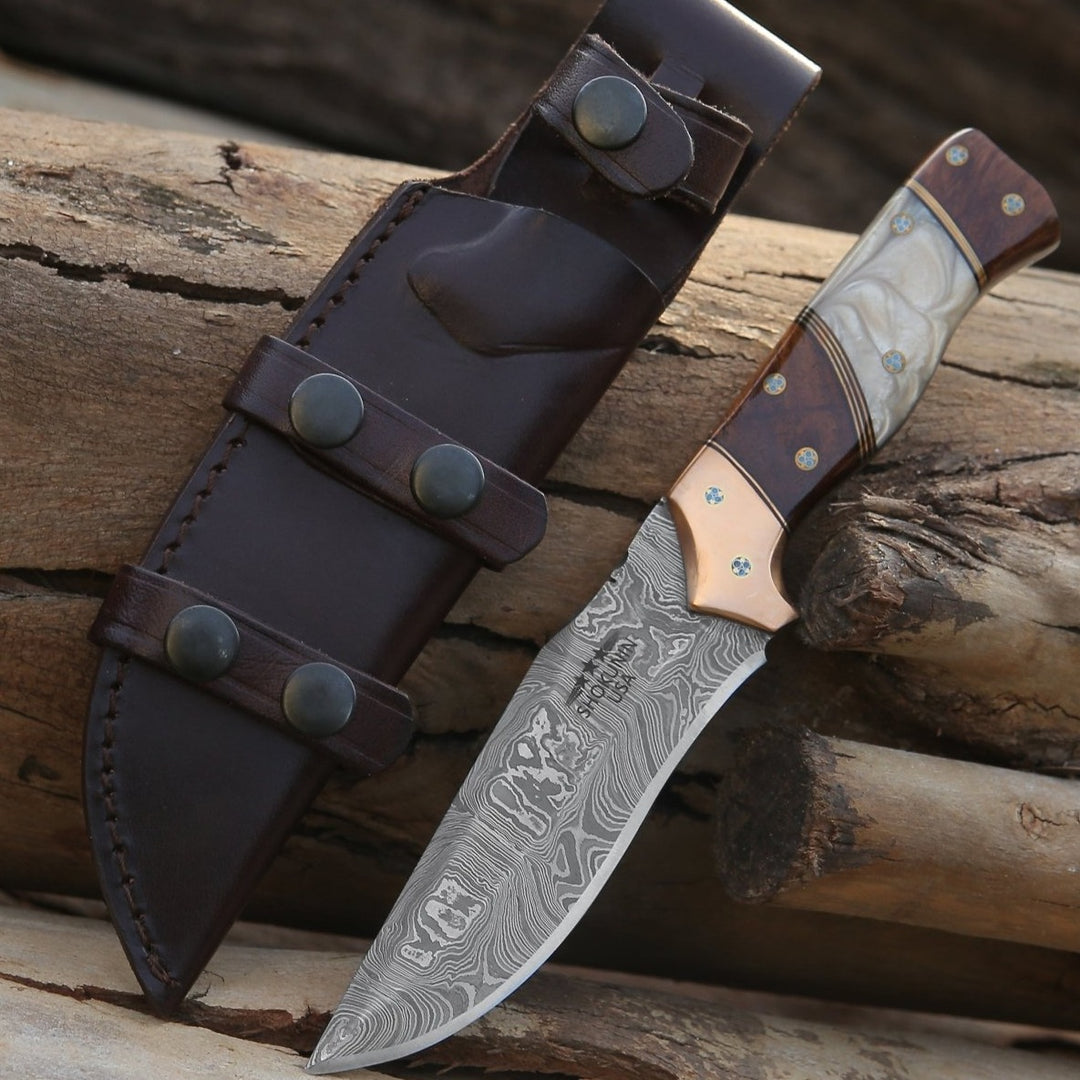
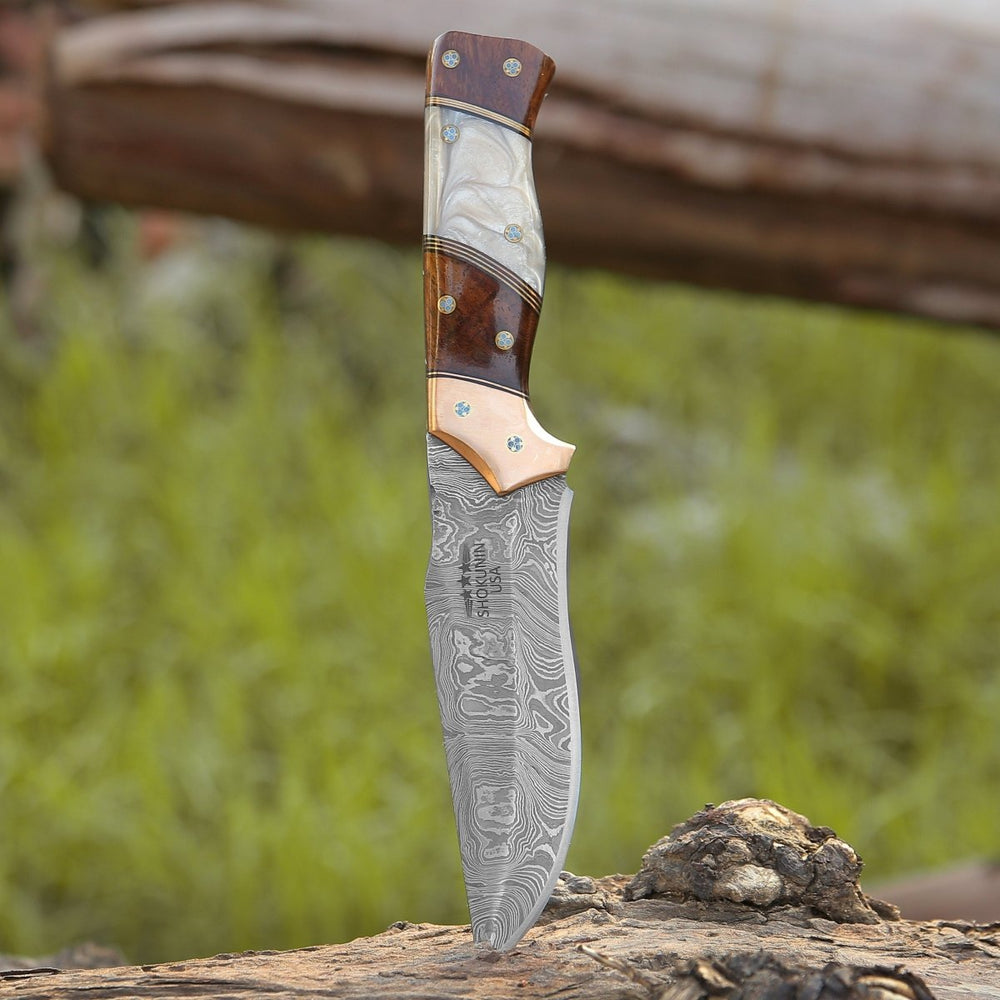
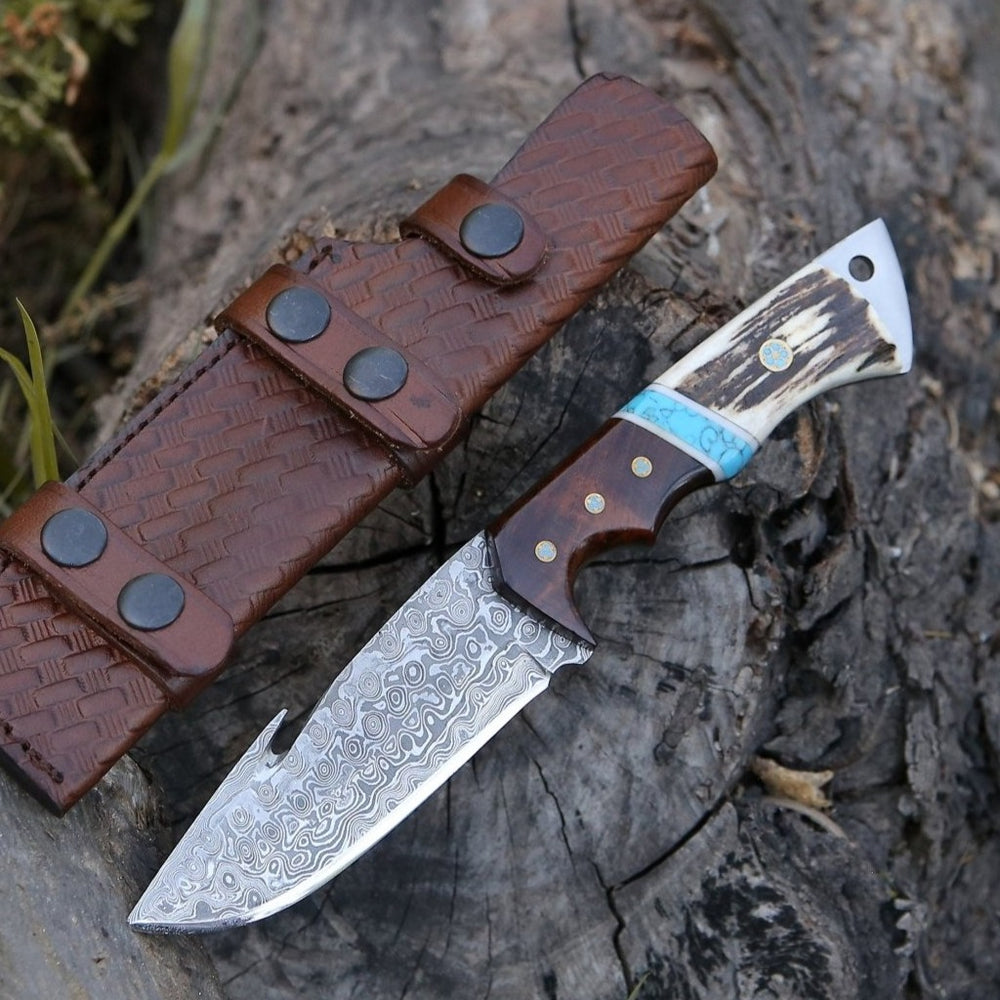
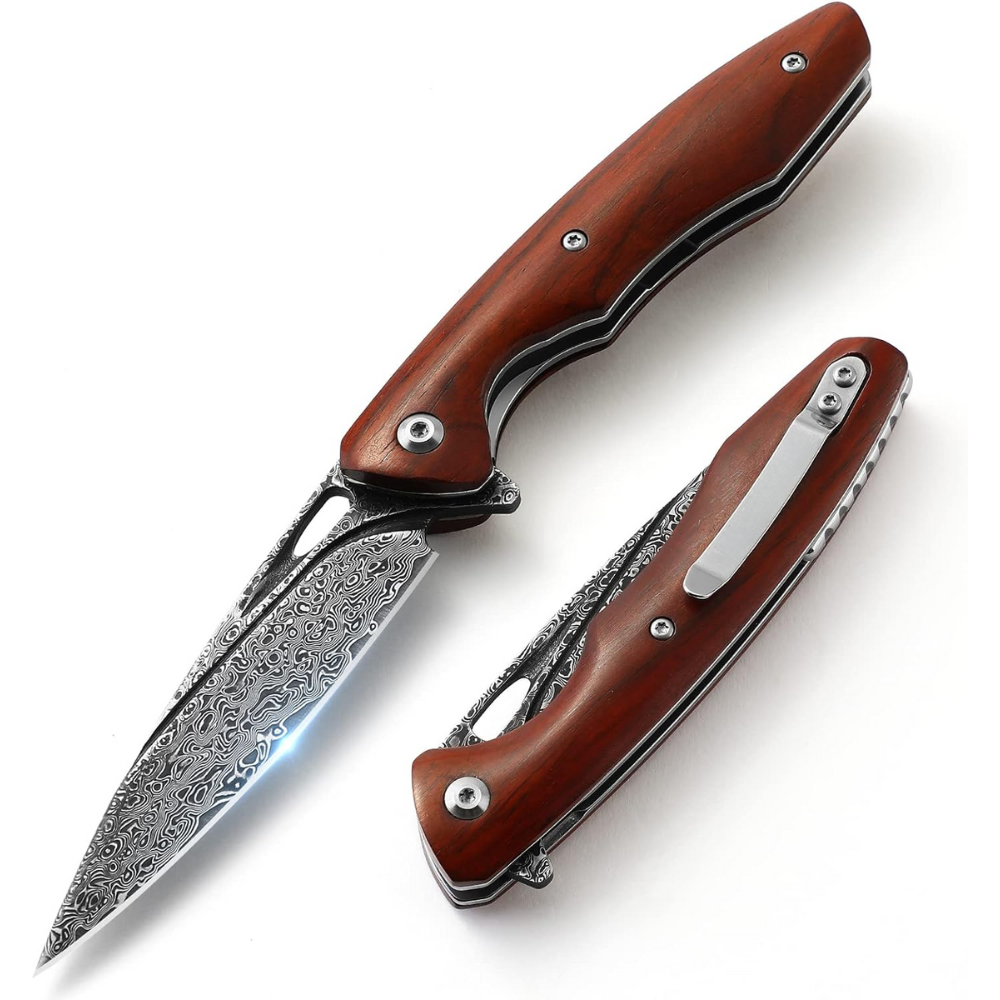
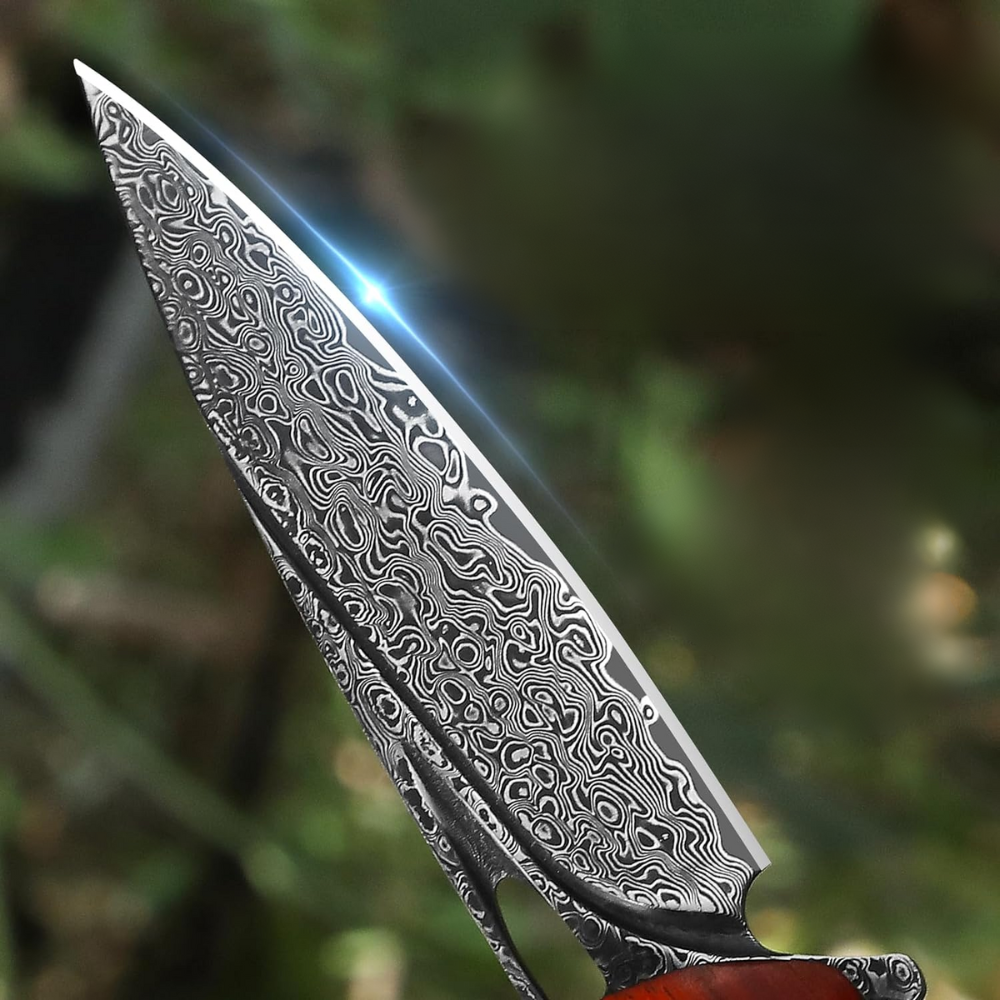
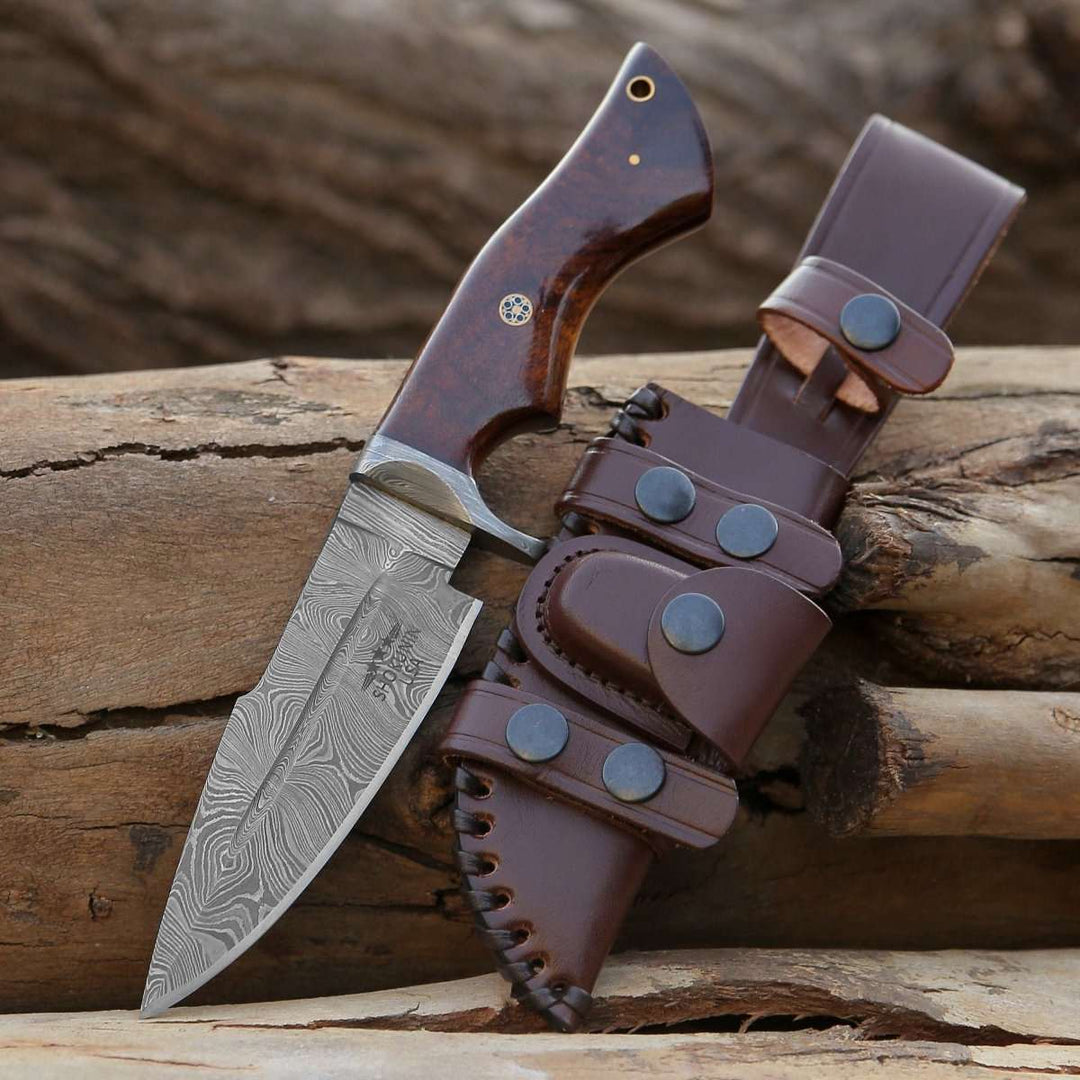
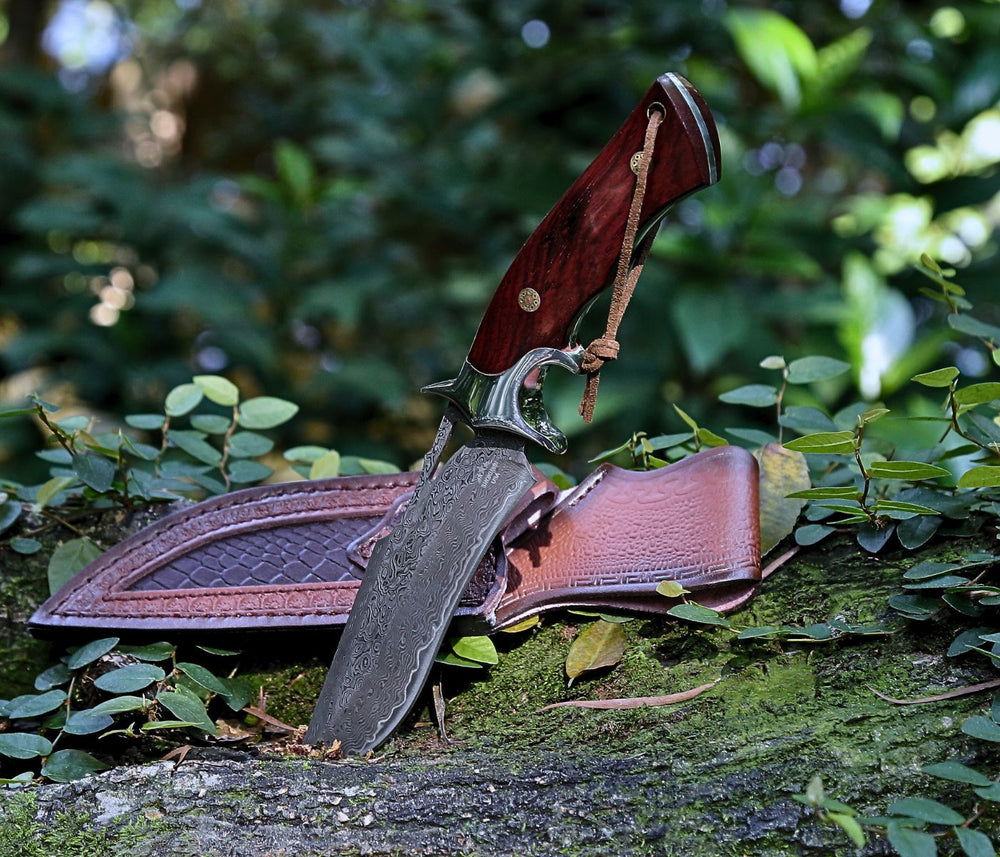
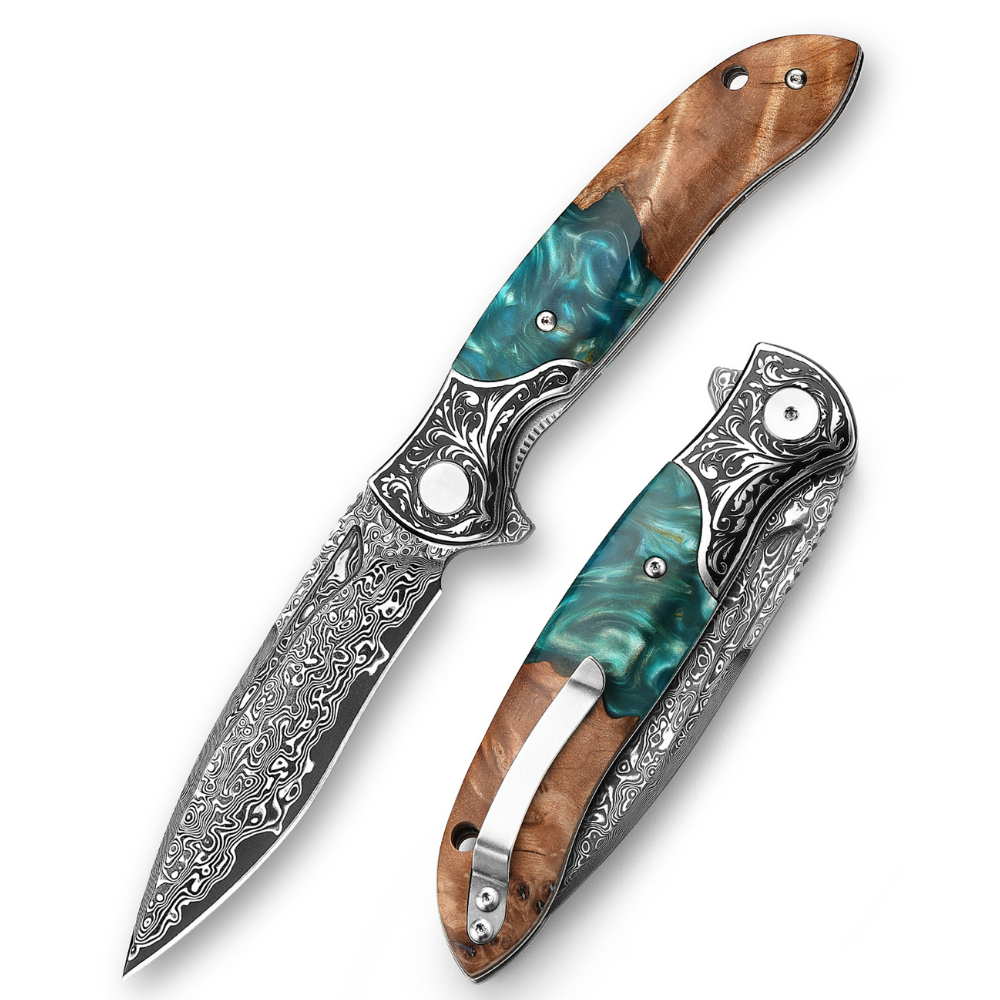
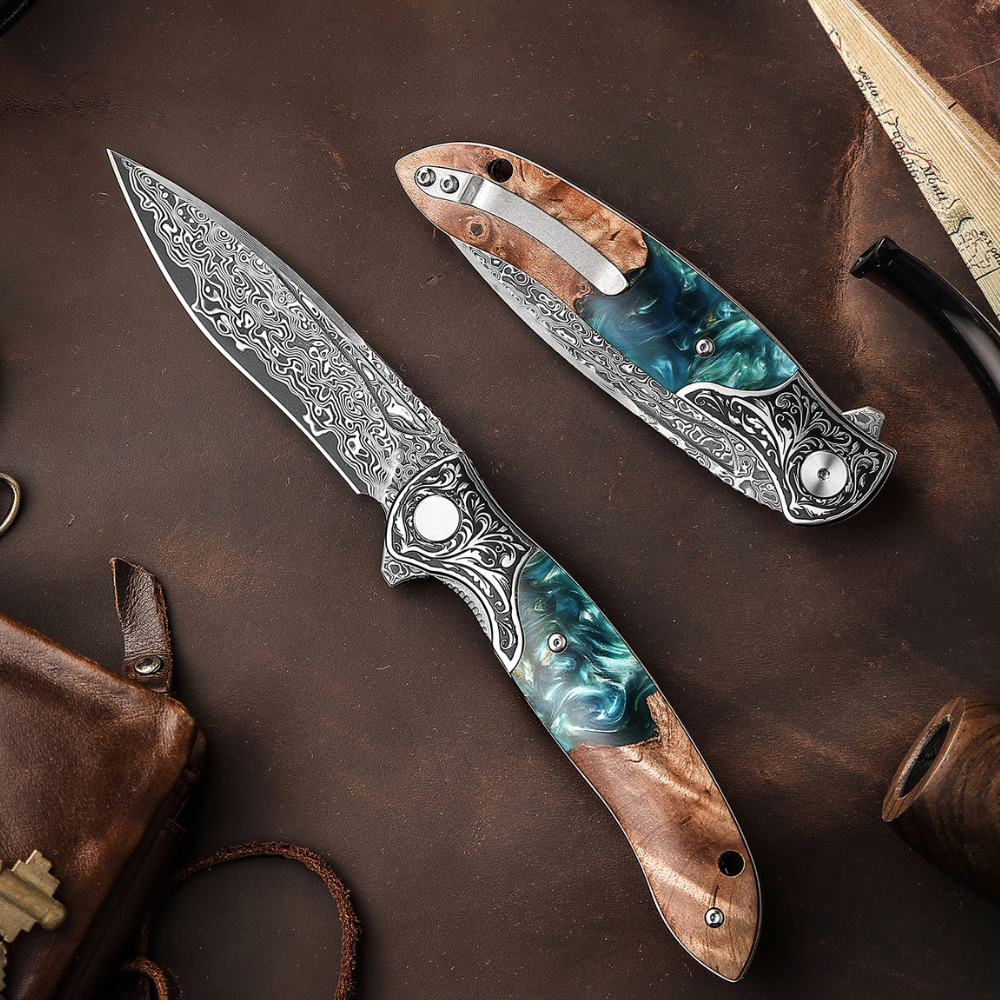
Damascus steel is recognized for its unique patterns and incredible sharpness. The intricate waves and lined design not only provide a one-of-a-kind aesthetic but also contribute to the strength and resilience of the blade. Often made by layering different steel types, Damascus blades are a true work of art, offering:
- Exceptional toughness: The layered structure typically gives Damascus blades enhanced durability.
- Edge retention: They often retain their edge longer than standard stainless steel.
While they might come at a higher price point, the blend of beauty and functionality makes Damascus blades a luxurious choice for collectors and serious users alike.
Choosing Handle Materials
After the blade, the handle plays a vital role in the ergonomics and aesthetics of folding knives. Here are some popular handle materials:
G-10 Fiberglass
G-10 is a high-pressure fiberglass laminate that provides a lightweight yet durable handle option. It's impervious to moisture, chemicals, and temperature changes, making it a top choice for outdoor enthusiasts and users in varied conditions. Some advantages include:
- Excellent grip even when wet.
- Highly durable with resistance to impacts.
With its modern look and feel, G-10 is ideal for those who want a reliable yet stylish handle for their folding knives.
Micarta
Micarta is another durable composite material made from layers of fabric or paper soaked in resin. This handle material offers several benefits:
- Durability: Micarta is known for its strength and longevity.
- Aesthetic appeal: It comes in various colors and textures, allowing for customization and a unique look.
Its non-slip surface also ensures that Micarta handles are comfortable to grip, even during extended use.
Wood
Wooden handles bring a traditional feel and classic aesthetic to folding knives. Though they may require some extra care and maintenance, there are several popular wood options to consider:
- Rosewood: Known for its rich color and quality, rosewood is both sturdy and attractive.
- Bocote: This exotic wood is favored for its striking patterns and finish, making it a luxurious choice.
For users who enjoy classic aesthetics, wooden handles provide a touch of elegance and a timeless appeal to their pocket knives.
Other Handle Materials to Consider
In addition to G-10, Micarta, and wood, there are various other materials available for knife handles. These include:
Aluminum
Lightweight and strong, aluminum handles are often anodized to enhance corrosion resistance and provide various color options. They are great for users looking for a modern and sleek appearance.
Zytel
Zytel is a nylon-based plastic that is strong, lightweight, and resistant to temperature extremes. It provides a textured surface that enhances grip while being easy to clean.
How Material Choice Affects Performance
The materials you choose for your folding knives can significantly influence their performance. Factors such as sharpness, edge retention, corrosion resistance, and ease of maintenance come into play.
Remember that the ideal combination of blade and handle materials will depend on your specific needs. For instance, if you’re looking for a rugged knife to accompany you on outdoor adventures, you might prioritize durable blade steel and a slip-resistant handle. Alternatively, for a lightweight everyday carry knife, you might choose a stainless steel blade with a G-10 handle.
Maintenance and Care for Blade and Handle Materials
Regardless of the materials you choose, proper care and maintenance will enhance the longevity of your pocket knife. Here are some maintenance tips tailored to specific materials:
Blade Maintenance
- Stainless Steel: Regular cleaning with mild soap and water can help maintain the blade’s shine. Occasionally apply a knife oil to prevent rust.
- Carbon Steel: To prevent rust, ensure the blade is wiped down after use. A light coating of oil can also protect the surface.
- Damascus Steel: Like high carbon steel, wiping it down and oiling will keep it rust-free.
Handle Maintenance
- G-10: Simply rinse with water or wipe down with a damp cloth to clean.
- Micarta: Cleaning with warm, soapy water and occasionally applying mineral oil can keep it looking new.
- Wood: Regularly check for scratches and consider applying a food-safe mineral oil to maintain its luster.
The Best Material Combinations for Your Needs
Each person’s knife needs are unique, and so is the combination of materials that will best suit them. Here’s a quick guide based on common use cases:
- For Outdoor Use: A high carbon steel blade with a G-10 or Micarta handle can withstand rugged environments.
- For Everyday Carry: A stainless steel blade with an aluminum or Zytel handle offers a lightweight yet durable option.
- For Collectors: Damascus steel blades with wood handles create a stunning display piece.
That said, no matter your choice, the joy and functionality of owning a well-made knife can elevate everyday tasks and bring a sense of security and style. When you invest in quality materials for your folding knives, you’re not just getting a tool. You’re generating an heirloom that can serve you faithfully for years to come.
Your Perfect Pocket Knife Awaits
Ultimately, the best materials for your pocket knife's blade and handle depend on your specific preferences, use cases, and style. By understanding the characteristics and benefits of each material, you can make an informed decision that enhances your experience with folding knives.
Don't settle for less when it comes to the tools that make your life easier. Explore the options available and find the perfect combination that matches your needs, whether you're using it for work, outdoor adventures, or as a collector's piece. A quality pocket knife is a true companion, ready to serve you for countless years ahead.






Hinterlassen Sie einen Kommentar