


Overview
Folding knives are versatile tools with deep cultural significance, showcasing craftsmanship from various countries like Switzerland, Japan, and the U.S. They serve practical purposes, symbolize traditions, and have become popular collector's items. The article explores their history, design, functionality, and the growing community of enthusiasts, highlighting the blend of utility and artistry in these iconic tools.
Frequently Asked Questions
1. What are folding knives primarily used for?
2. How do folding knives reflect different cultures?
3. What materials are commonly used in the production of folding knives?
4. What are some common locking mechanisms found in folding knives?
5. How has the folding knife community evolved with technology?
When it comes to versatile tools, few items can match the functionality and enduring popularity of folding knives. From practical Swiss Army models to intricately designed Japanese tanto, pocket knives have deep-rooted connections in various cultures around the globe. In this article, we’ll explore the cultural significance, craftsmanship, and different uses of folding knives and how they reflect the traditions of their respective nations.
The Universal Appeal of Folding Knives
Folding knives serve more than just their utilitarian purpose; they encapsulate the spirit and ingenuity of diverse cultures. Known colloquially as pocket knives, these compact tools have evolved dramatically over centuries. Initially, they were primarily functional, but as societies progressed, folding knives became symbols of art, heritage, and craftsmanship. Whether as a tool for survival or a collector’s item, folding knives hold a special place in the hearts of many worldwide.
A Glimpse into Different Cultures
To understand the diversity in folding knives, we must look at how different cultures have embraced them over time. Let's dive into three interesting cultures and the unique folding knife traditions they offer.
1. Switzerland: The Birthplace of Multi-Functional Knives
When you think of folding knives, the Swiss Army Knife probably springs to mind. This iconic tool, designed for military use, is celebrated for its practicality; it often includes multiple features such as a screwdriver, can opener, and scissors, all in a compact size. The Swiss understand that a good folding knife should not only be sturdy but also multifunctional. The artistry involved in creating these tools begins with high-quality steel and meticulous craftsmanship.
The legacy of Swiss folding knives is a blend of functionality and creative ingenuity. Swiss knife makers maintain high standards of durability and precision, making these knives astonishingly reliable. Because of this, they are revered symbols of Swiss culture, symbolizing efficiency, resilience, and innovation.
2. Japan: A Legacy of Elegance and Skill
In Japan, folding knives take on a different form and significance. Tools such as the traditional Higo no Kami exemplify the craftsmanship that goes into Japanese folding knives. These knives are not just tools; they are expressions of Japanese artistry and philosophy. The blade's minimalist design and intricate mechanisms showcase a deep connection to Japanese culture, which values beauty in simplicity.
Unlike Western folding knives, Japanese models often emphasize precision over functionality. Many artisans still utilize traditional methods passed down through generations. The materials used, such as high-carbon steel and exquisite wood for the handles, contribute to their aesthetic appeal and effectiveness as both tools and collectibles.
3. The United States: Where Practical Meets Pragmatic
In the United States, pocket knives are often associated with an outdoorsy lifestyle. Whether for hunting, camping, or everyday carry, folding knives are celebrated as essential tools. Brands like Buck Knives have become synonymous with quality and American ingenuity, combining traditional craftsmanship with modern technology.
In American culture, the folding knife symbolizes self-reliance, adventure, and a connection to the great outdoors. From the Scouts to survivalists, many Americans carry a folding knife for practical reasons, but it also represents the spirit of exploration and independence that the country embodies.
The Craftsmanship Behind Folding Knives
One of the significant aspects that make folding knives appealing worldwide is the craftsmanship involved. The process of creating a folding knife is a meticulous art that demands skill and dedication. From selecting the perfect steel to the final polishing, every step plays a crucial role in the functionality and beauty of the knife.
Materials that Matter
The choice of materials is essential in the knife-making process. Traditional folding knives often use steel for the blades that offer excellent edge retention and durability. In contrast, the handles can be crafted from various materials, including wood, bone, or even synthetic alternatives, providing both aesthetics and grip quality. Regions like Scandinavia are known for using unique local woods, adding an individual touch to each piece.
The Mechanisms at Play
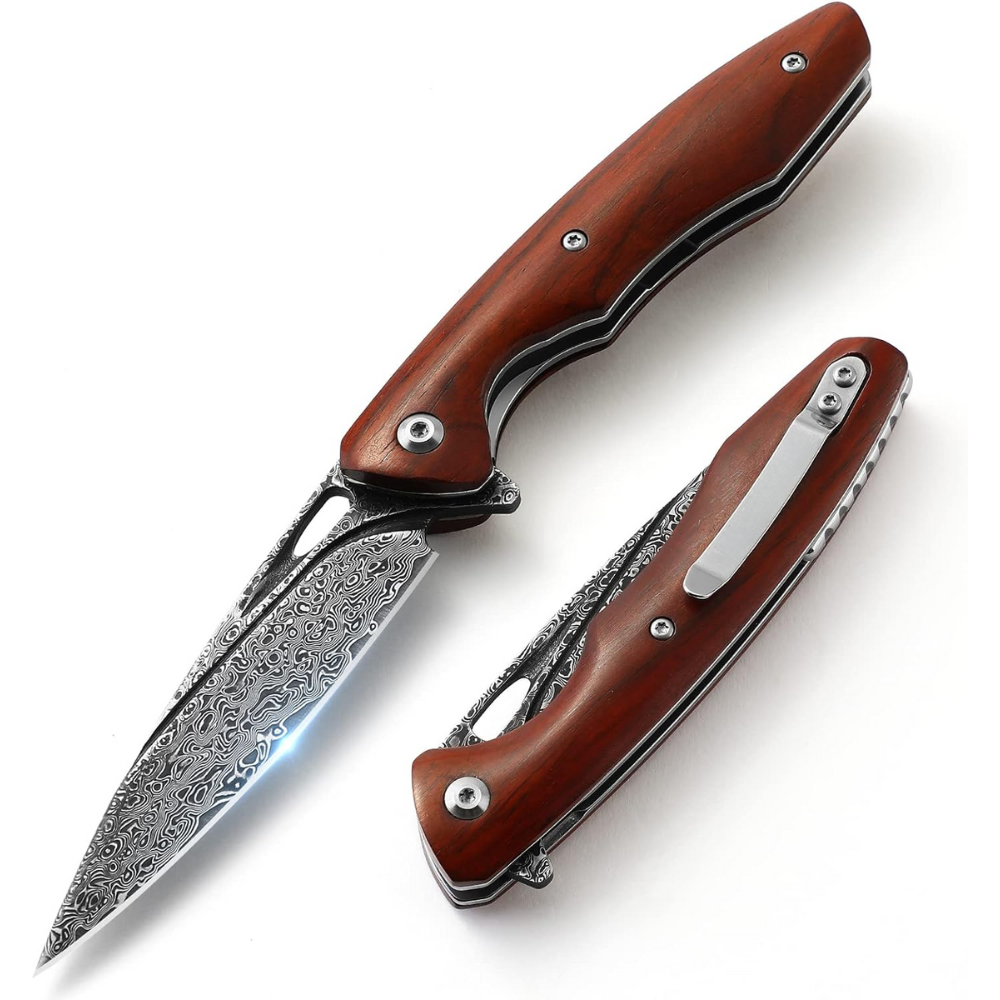
Several mechanisms can be found in folding knives, each serving different purposes. The most common types include:
- Liner Lock: A popular mechanism that uses a moving liner to lock the blade in place.
- Frame Lock: Similar to the liner lock, this design uses the entire frame of the handle for enhanced lock stability.
- Slip Joint: A traditional mechanism where the blade does not lock, providing a lightweight option.
Each mechanism significantly influences the knife's performance and reliability, showcasing the thoughtfulness behind their design across various cultures.
Functional Versatility of Folding Knives
Folding knives are incredibly versatile tools used in various settings, whether daily tasks or emergency situations. Their portability makes them popular choices for enthusiasts and professionals alike. Let's examine some typical uses of folding knives across cultures.
Daily Carry and Everyday Tasks
For many, folding knives serve as an everyday carry (EDC) tool. Whether it’s cutting open a package, preparing food, or slicing through rope, these compact knives provide convenience in daily life. Their design allows them to fit comfortably in pockets, making them readily accessible whenever needed.
Outdoor and Survival Use
Folding knives are crucial for outdoor enthusiasts. From camping trips to hunting expeditions, these knives enable survivalists to perform various tasks, such as preparing food, building shelters, or making kindling for fires. In varying cultural contexts, owning a reliable folding knife is often seen as an essential skill, fostering self-reliance and adventure.
Collectibility and Heritage
Beyond their functional aspects, folding knives also serve as collector's items. Knifemakers across cultures craft knives that blend tradition with art, creating pieces that can reflect personal heritage or cultural significance. Collectors often seek unique or limited-edition designs, valuing the craftsmanship and stories behind each piece.
The Role of Folding Knives in Traditions
Folding knives also hold symbolic meanings in various cultural traditions. Whether they are gifted on special occasions or used in ceremonial practices, these knives serve as representations of heritage and values.
Gifts and Rites of Passage
In many cultures, gifting a folding knife on significant occasions, such as weddings or graduations, is a way to symbolize strength and resilience. The act of receiving a knife often represents a rite of passage, suggesting the transition into a new life phase equipped with tools for success.
Ceremonial Use and Symbols
In some cultures, folding knives feature prominently in ceremonies. For example, in certain Native American traditions, a knife can symbolize courage and bravery, embodying the spirit of the warrior. The craftsmanship and design often reflect the cultural heritage of the people, emphasizing the connection to their identity.
Modern Innovations and Future Trends
The landscape of folding knives continues to evolve with advancements in technology and materials. Today, consumers are more conscious of the ethics behind sourcing and production, leading to a growing trend in sustainable and eco-friendly practices.
Technological Advancements
Modern folding knives embrace technology in both materials and engineering. For example, high-tech ceramic blades are gaining popularity thanks to their impressive edge retention and corrosion resistance. Additionally, innovative locking mechanisms have enhanced safety and performance while ensuring ease of use.
Emphasis on Sustainability
As outdoor activities and craftsmanship gain popularity, there is an increasing focus on sustainable practices. Knife makers are sourcing responsibly and utilizing eco-friendly materials while ensuring fair labor practices. This shift allows consumers to enjoy folding knives that resonate with their values and promote environmental consciousness.
The Community of Folding Knife Enthusiasts
No conversation about folding knives would be complete without mentioning the thriving community that surrounds them. Enthusiasts share their passions, knowledge, and experiences through online forums, social media, and knife shows worldwide.
Networking Through Online Platforms
Online communities have impacted how folding knife enthusiasts connect. Platforms such as Reddit, Instagram, and dedicated knife forums allow users to exchange ideas, showcase collections, and review new models. These networks cultivate an environment where learning and appreciation for folding knives flourish.
Knife Shows and Cultural Festivals
Throughout the year, knife shows and trade fairs invite international craftsmen to showcase their unique folding knives. These events not only celebrate the artistry involved but also promote dialogue about culture, tradition, and innovation in knife design. Attendees can connect with makers and fellow collectors, fostering camaraderie and a sense of community.
Embrace the Culture of Folding Knives
As we conclude our journey through the fascinating world of folding knives and their cultural significance, it becomes evident that these tools are not merely objects of utility but representations of identity, tradition, and craftsmanship. Whether you enjoy hiking, everyday tasks, or collecting, the world of folding knives is rich and diverse, promising endless exploration and appreciation.
Every folding knife tells a story—one of innovation, artistry, and cultural heritage. So, next time you pick up a pocket knife, reflect on the myriad cultures that have shaped its evolution. Embrace the journey, and let your folding knife serve as a unique portal to the world’s rich tapestry of stories and traditions.






Leave a comment