


Overview
As pocket knives gain popularity, so does the importance of ethical sourcing. This guide explains how to choose ethically sourced pocket knives by considering materials, certifications, manufacturing practices, labor ethics, and environmental impacts. Supporting craftsmanship and local economies is also crucial. Being an informed consumer helps promote sustainability and ethical practices in the industry.
Table of Contents
- Understanding Ethical Sourcing
- Key Factors to Consider When Choosing Your Knife
- Materials Matter
- Certifications and Standards
- Manufacturing Practices
- Labor Ethics
- Environmental Considerations
- Supporting Craftsmanship and Local Economies
- Staying Informed and Making Better Choices
- Red Flags to Watch Out For
- Building a Sustainable Collection
- Your Choice Matters!
Key Takeaways
- Understand Ethical Sourcing: Ethical sourcing involves acquiring materials responsibly, considering local communities, the environment, and animal rights.
- Evaluate Materials: Look for high-quality blade materials like VG10 or high-carbon stainless steel, and responsibly sourced handle materials such as wood or bone.
- Check Certifications: Seek brands with Fair Trade, Sustainable Forestry Initiative (SFI), or ISO certifications to ensure ethical practices.
- Consider Manufacturing Practices: Choose companies that prioritize local manufacturing and environmentally friendly processes to reduce carbon footprints.
- Assess Labor Ethics: Ensure that manufacturers provide living wages and safe working conditions for their employees.
- Support Craftsmanship: Opt for handmade or small-batch knives to support local economies and preserve traditional crafting techniques.
- Stay Informed: Research brands and read reviews to understand their sourcing practices and commitment to ethics.
Frequently Asked Questions
1. What is ethical sourcing in the context of pocket knives?
2. What materials should I look for in ethically sourced pocket knives?
3. What certifications indicate ethical sourcing for pocket knives?
4. What should I consider regarding labor practices when purchasing pocket knives?
5. How can I stay informed about the ethical sourcing practices of knife brands?
As the appreciation for pocket knives continues to rise, so does the awareness surrounding ethical sourcing. Pocket knives, particularly those like the renowned Damascus pocket knife, are not just tools; they are artifacts that carry stories of their origins, craftsmanship, and the ethical implications behind their sources. When choosing a pocket knife for everyday carry (EDC) or as a collector’s item, understanding the factors behind ethical sourcing can guide you in making an informed choice. This guide will delve into what to look for in ethically sourced pocket knives and how to ensure that your purchase supports sustainable practices.
Understanding Ethical Sourcing
Before diving into the specifics of what to look for in pocket knives, it’s crucial to grasp what ethical sourcing means. At its core, ethical sourcing involves acquiring materials in a responsible manner, considering the impact on local communities, the environment, and animal rights. In the context of pocket knives, this may refer to the materials used, labor practices, and sustainability efforts of the manufacturers.
Key Factors to Consider When Choosing Your Knife
Materials Matter
One of the first things to evaluate when sourcing a pocket knife is the materials used. High-quality materials not only ensure the longevity and effectiveness of your knife but also reflect the ethical considerations of the sourcing process. Look for:
- Blade Material: Products crafted from premium steel like VG10 or high-carbon stainless steel can often be found in ethically sourced knives, including elegant Damascus pocket knives.
- Handle Materials: Natural materials such as wood, bone, or even recycled synthetic composites offer a sustainable alternative to non-biodegradable options. Ensure that the wood or any animal products are sourced responsibly.
Certifications and Standards
Many brands that prioritize ethical sourcing will often carry various certifications. Here are some common labels to look for:
- Fair Trade Certification: Ensures that the product was made following fair labor practices and it supports producers in developing countries.
- Sustainable Forestry Initiative (SFI): If you’re considering wooden handles, look for SFI certified materials that come from sustainably managed forests.
- ISO Certification: A brand that is ISO certified adheres to high standards in production and environmental management.
Manufacturing Practices
Beyond the materials used, it's vital to consider how the pocket knives are manufactured. Ethical manufacturers take care to implement practices that reduce waste and conserve resources. Look for:
- Local Manufacturing: Companies that produce their knives domestically minimize their carbon footprint and often support local economies.
- Environmentally Friendly Practices: Brands that invest in eco-friendly processes are worthy of your attention. This includes recycling scrap materials and using non-toxic cleaning agents.
Labor Ethics
Another cornerstone of ethical sourcing is labor practices. The conditions under which products are made must be humane and fair:
- Living Wage: Ethical manufacturers ensure that their employees are paid a living wage that covers their basic needs and allows them to thrive.
- Safe Working Conditions: Factories should comply with safety standards to protect the health and wellbeing of workers.
- Community Impact: Look for brands that actively contribute to the communities surrounding their production facilities.
Environmental Considerations
The impact of manufacturing pocket knives on the environment cannot be overlooked. Consider brands that:
- Use Recycled Materials: Not only does this reduce waste, but it also minimizes the demand for raw materials.
- Implement Green Manufacturing Process: Brands that take steps to minimize energy use and emissions are integral to ethical sourcing.
- Support Conservation Efforts: Some companies engage in partnerships with environmental organizations to plant trees or clean up natural habitats, contributing to a healthier planet.
Supporting Craftsmanship and Local Economies
In addition to the ethical dynamics, the artistry involved in crafting pocket knives can significantly enhance their value. When you opt for an EDC knife made by artisans who cherish their craft, you not only obtain a quality product but you also support local economies and preserve cultural techniques.
- Handmade Knives: Often created by skilled artisans, these knives carry unique designs and character. Investing in handmade pocket knives ensures the survival of traditional crafts and offers consumers a direct connection to the craftsman.
- Small-Batch Production: Smaller manufacturers may focus on quality over quantity, offering more care in the crafting process, sustainability practices, and ethical labor conditions.
Staying Informed and Making Better Choices
Being an informed consumer is crucial. Seek information about brands you're interested in and don't hesitate to reach out for transparency about their sourcing practices. You can:
- Read Product Reviews: Customers often share insights about their experiences with companies and can provide valuable information regarding ethical practices.
- Follow Social Media Accounts: Many knife makers and brands share their stories and sourcing information on social platforms. Engage with them to learn more.
- Visit Workshops: If possible, visit workshops or events where artisans display their work. It’s a fantastic way to ask questions and understand the manufacturing process firsthand.
Red Flags to Watch Out For
While researching brands, it’s essential to stay vigilant about certain red flags that might indicate unethical practices:
- Lack of Transparency: If a brand is evasive about their sourcing practices or refuses to disclose information, it’s a warning sign.
- Unverifiable Claims: Be cautious of companies that make broad, unsubstantiated claims about their ethics. Authentic brands will provide documentation and evidence of their practices.
- High Prices with No Justification: While quality has its price, extremely high prices without clear benefits could be a marketing gimmick rather than a reflection of ethical practices.
Building a Sustainable Collection
As a consumer, you have the power to influence the market by choosing to support brands that align with your values. Building a collection of ethically sourced pocket knives not only enhances your toolkit but also sends a clear message about the importance of ethical craftsmanship and sourcing standards. By focusing on sustainability, quality, and ethical production, you can create a collection that stands for something more than just aesthetics or utility. Consider adding pieces that include:
- Everyday Carry Knives: Reliable tools that accompany you daily while reflecting responsible sourcing.
- Collector’s Items: Knives crafted by artisans, showcasing exquisite details and supporting traditional craftsmanship.
- Utility Knives: Multi-functional tools that can be used in various situations, emphasizing practicality and ethical integrity.
Your Choice Matters!
As you embark on your journey to find the perfect pocket knife, remember that each choice you make contributes to a larger narrative of sustainability, ethics, and craftsmanship. By prioritizing ethical sourcing, you not only equip yourself with exceptional tools like Damascus pocket knives but also play a crucial role in shaping a more responsible industry. So the next time you reach for your favorite EDC knife, take a moment to appreciate not just its design and functionality but also the story behind it. Your purchase is a direct endorsement of the values that matter to you!
Glossary
| Term | Meaning |
|---|---|
| Ethical Sourcing | Acquiring materials responsibly, considering community and environmental impact. |
| Everyday Carry (EDC) | Tools or items that a person carries daily for practical use. |
| Damascus Pocket Knife | A knife made with layered steel, known for its beauty and strength. |
| Fair Trade Certification | Guarantees fair labor practices and supports producers in developing nations. |
| Living Wage | A salary sufficient to meet basic needs and support a decent standard of living. |
| Green Manufacturing | Production methods that minimize environmental impact and conserve resources. |
| Handmade Knives | Knives crafted by artisans, emphasizing quality and unique designs. |
| Small-Batch Production | Manufacturing limited quantities to ensure quality and ethical practices. |
| Community Impact | Positive contributions to the local community by businesses or brands. |
| Red Flags | Warning signs indicating potential unethical practices by brands. |
Linked Product

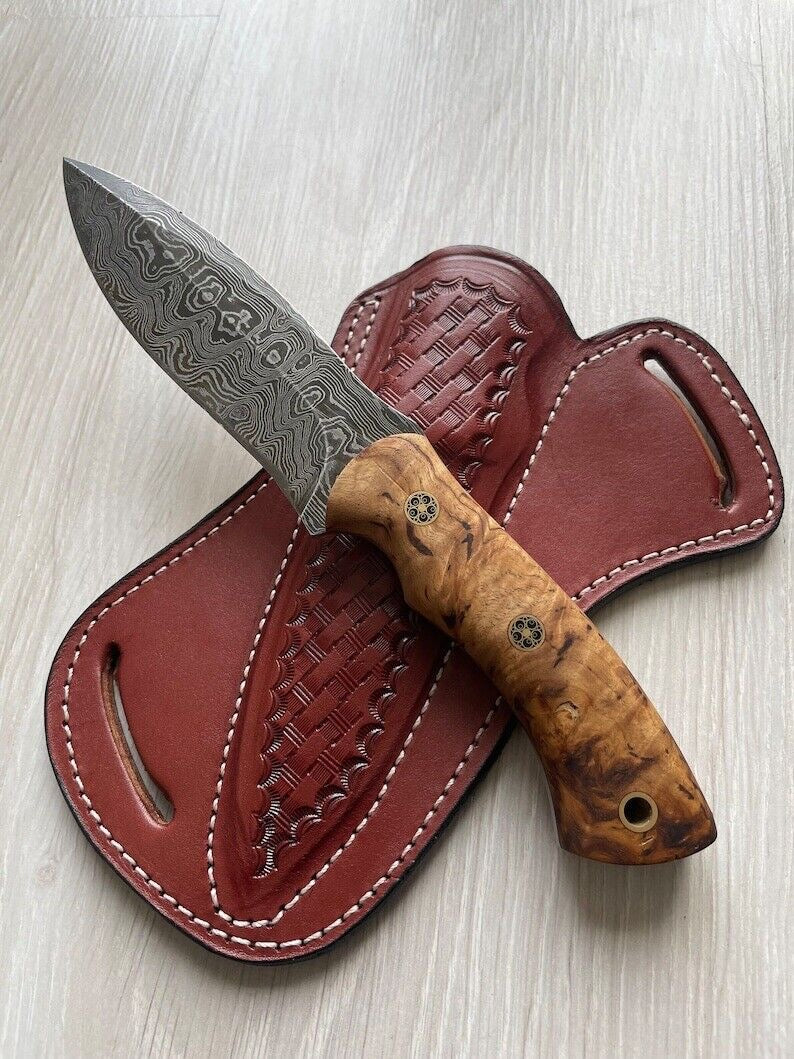
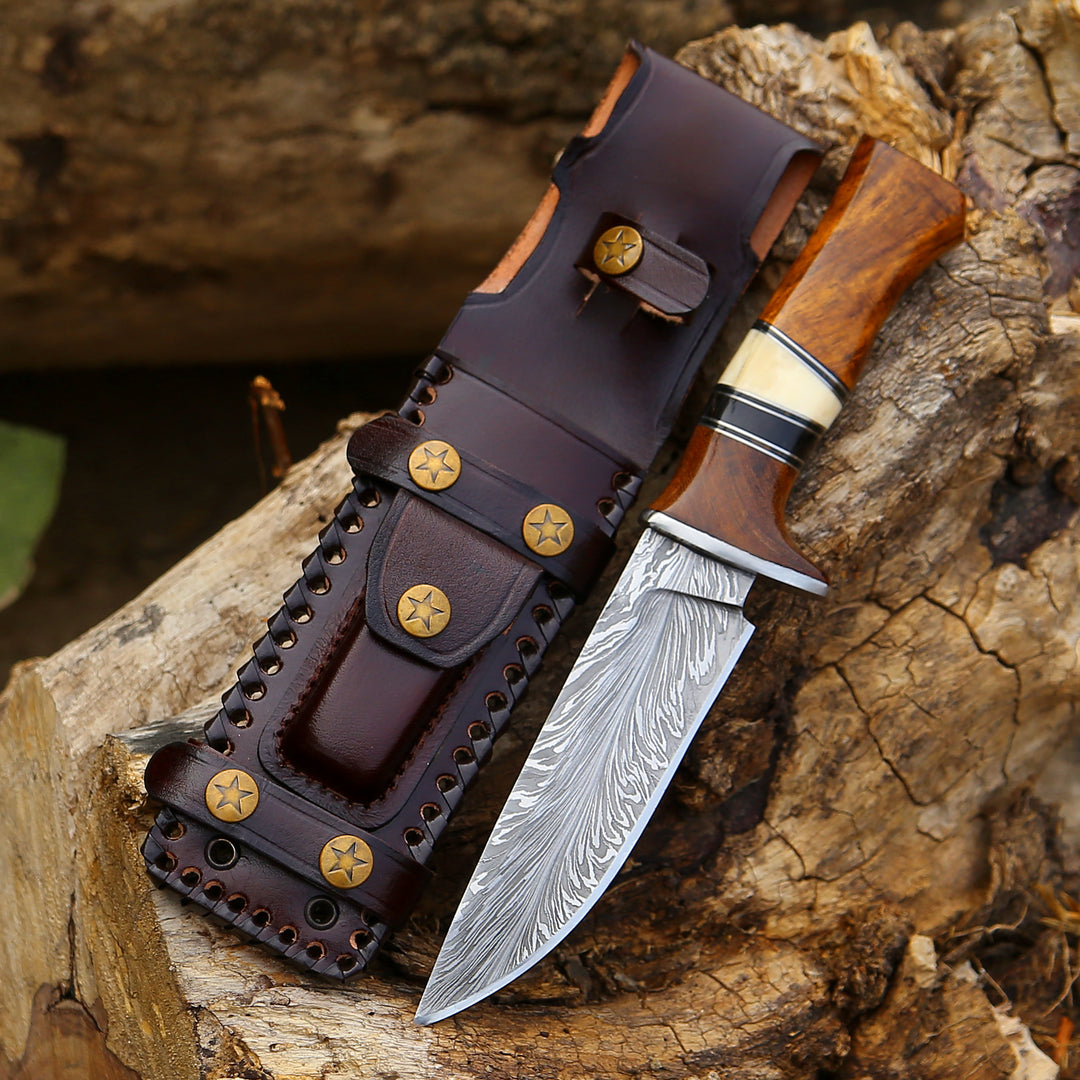
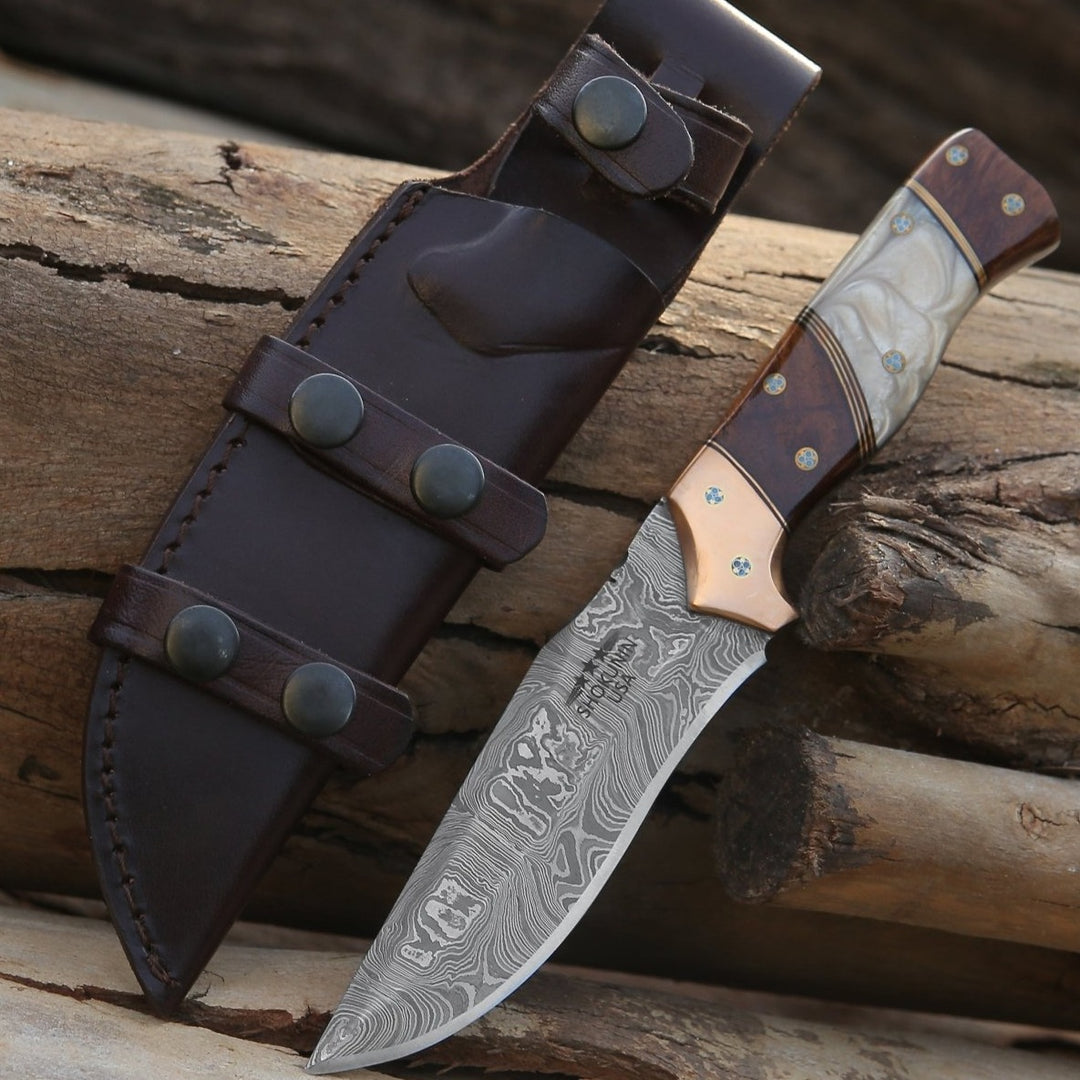
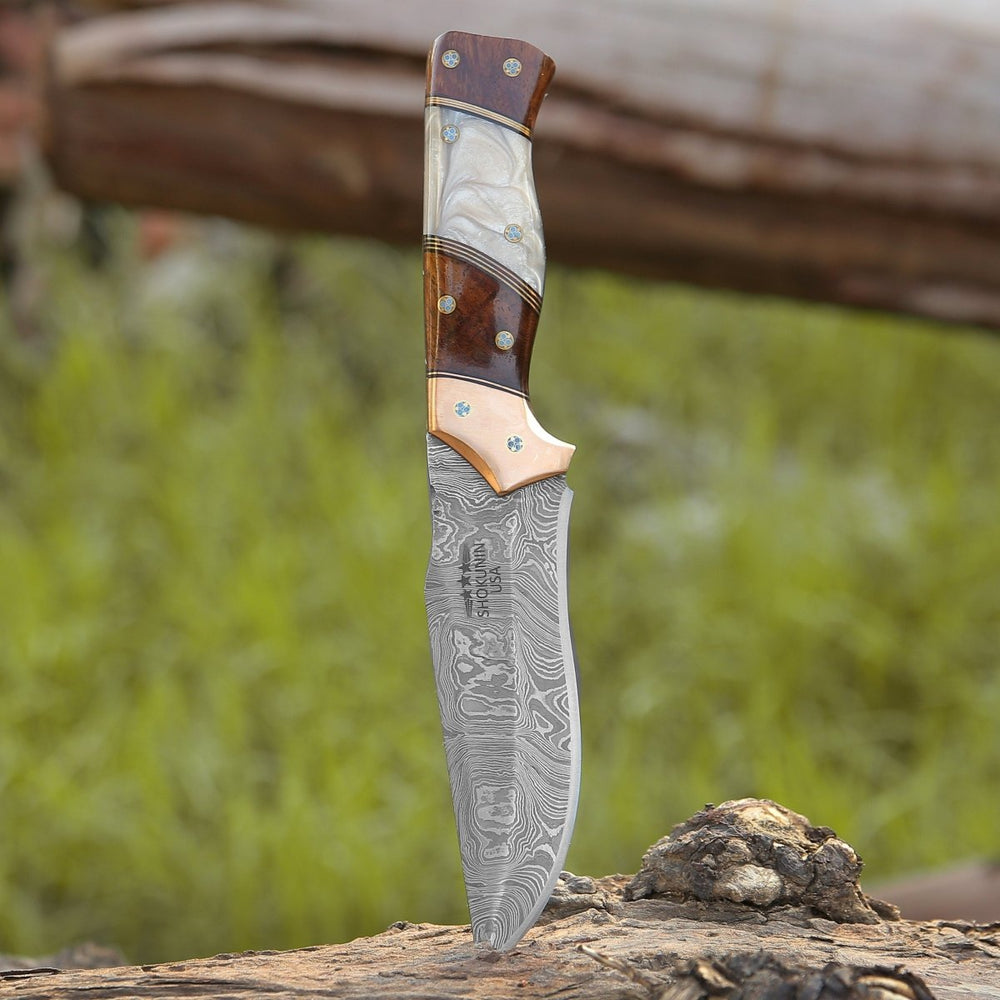
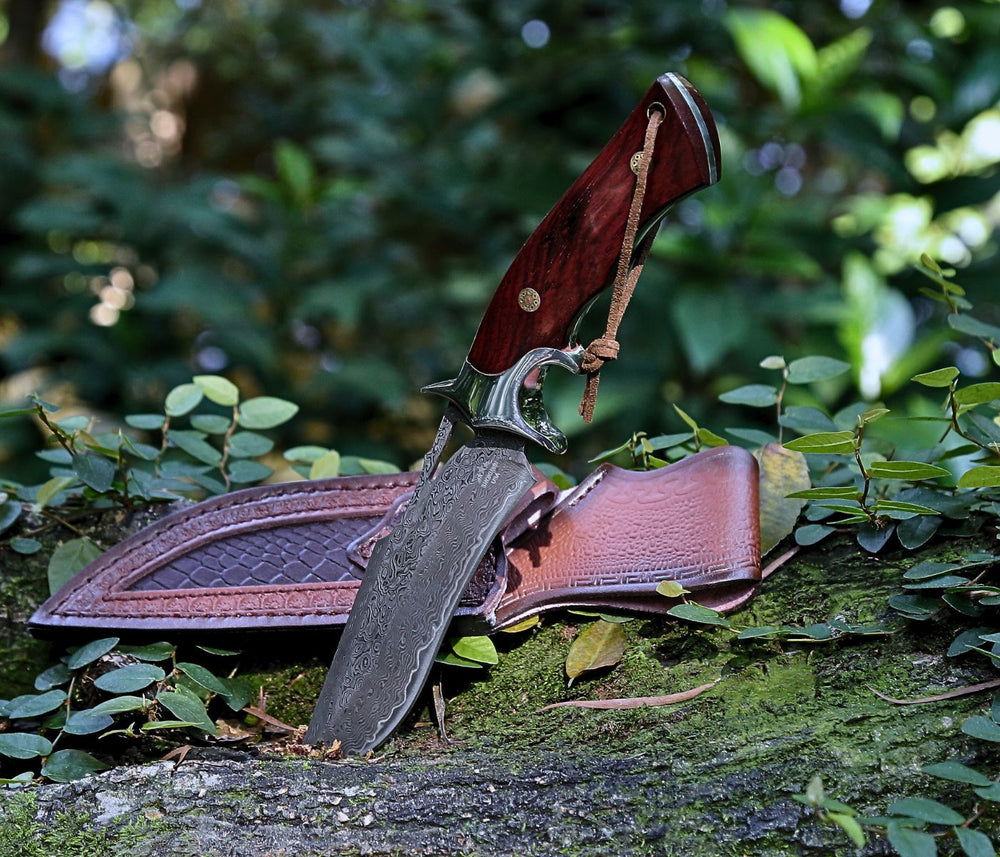
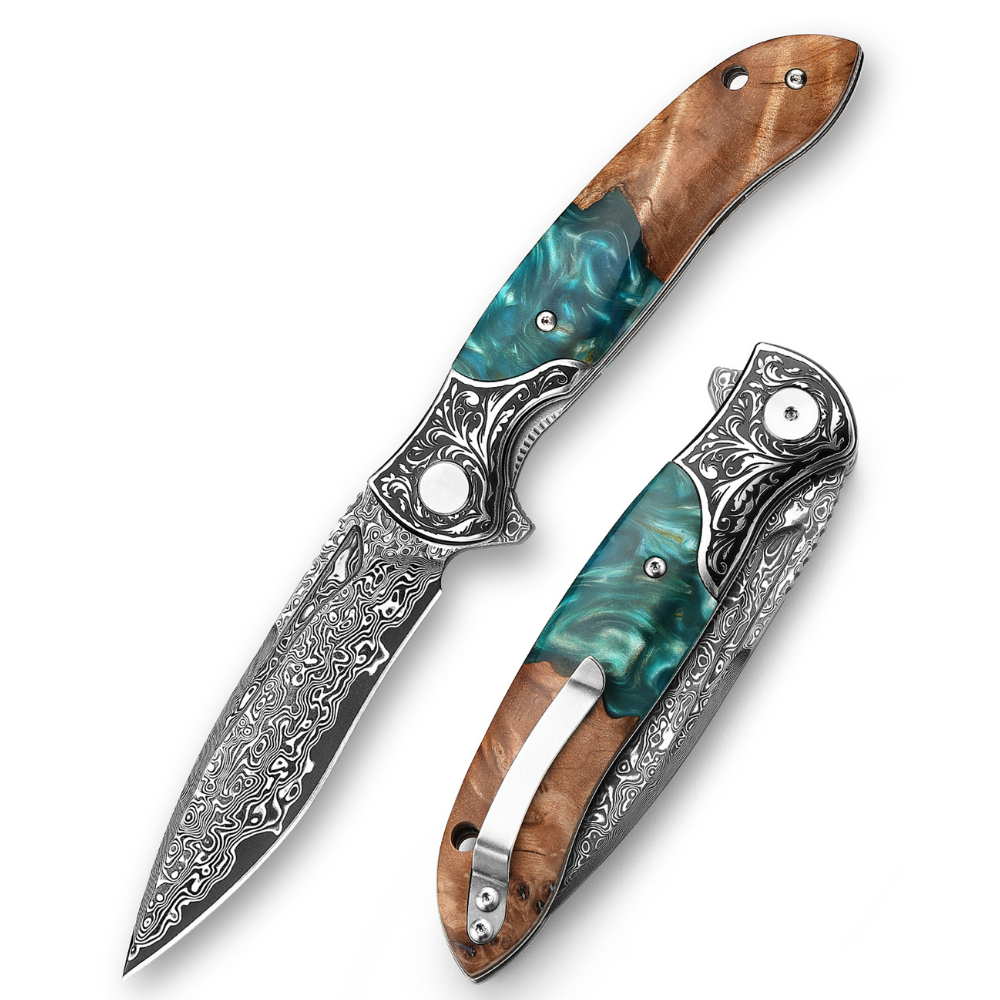
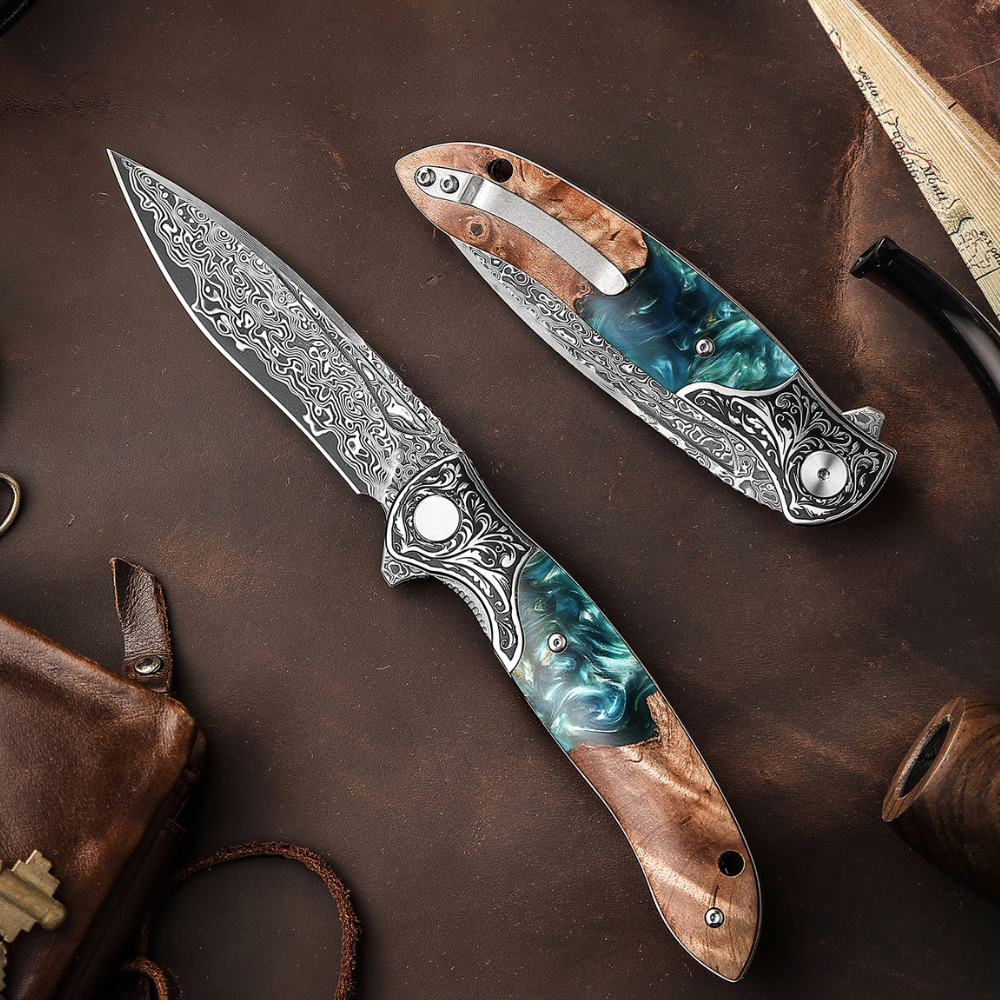
Ironstorm Handmade Damascus Pocket Knife Engraved with Leather Sheath & Horn Handle
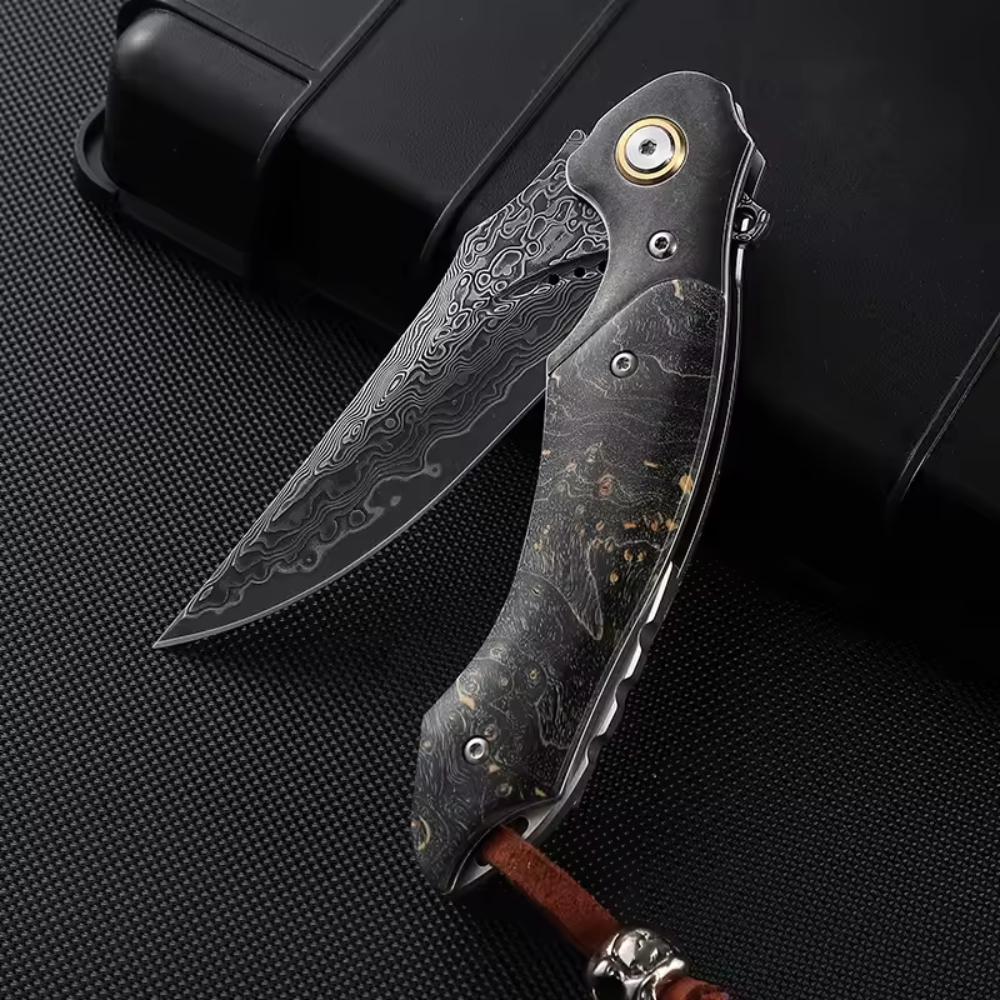
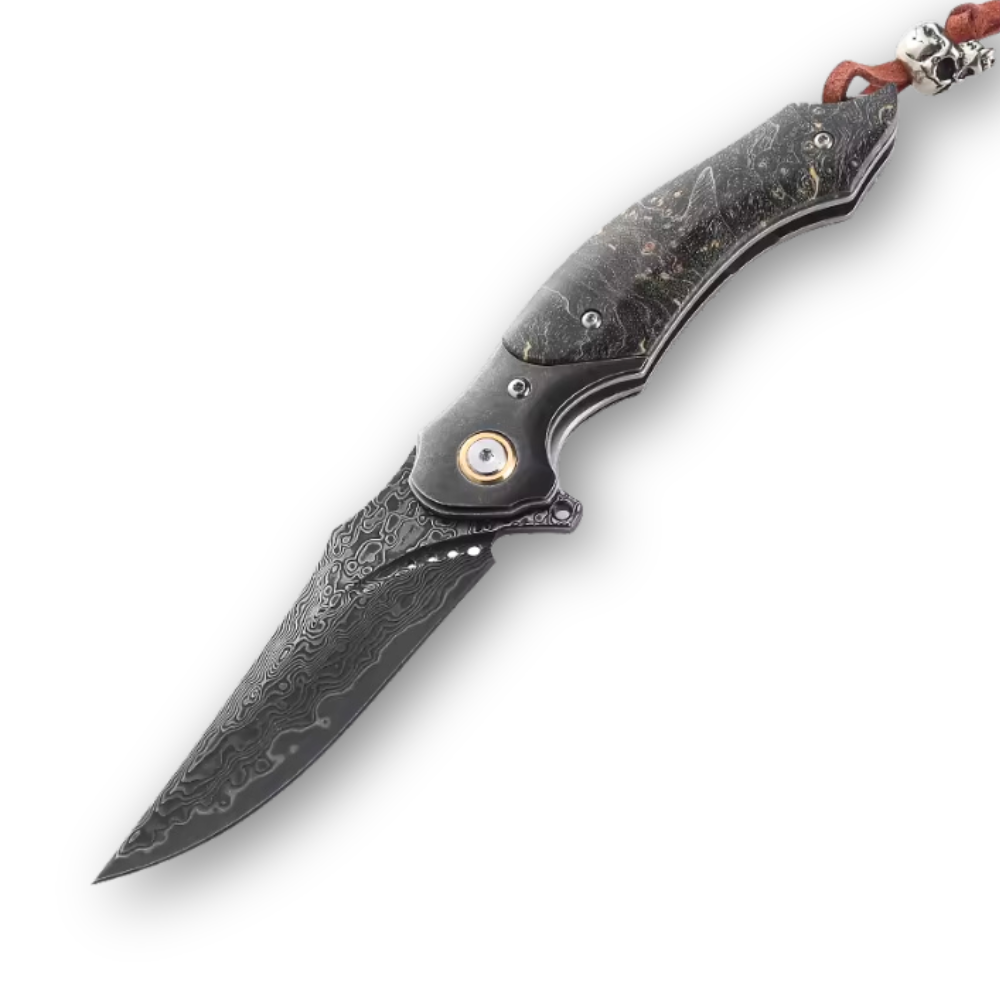
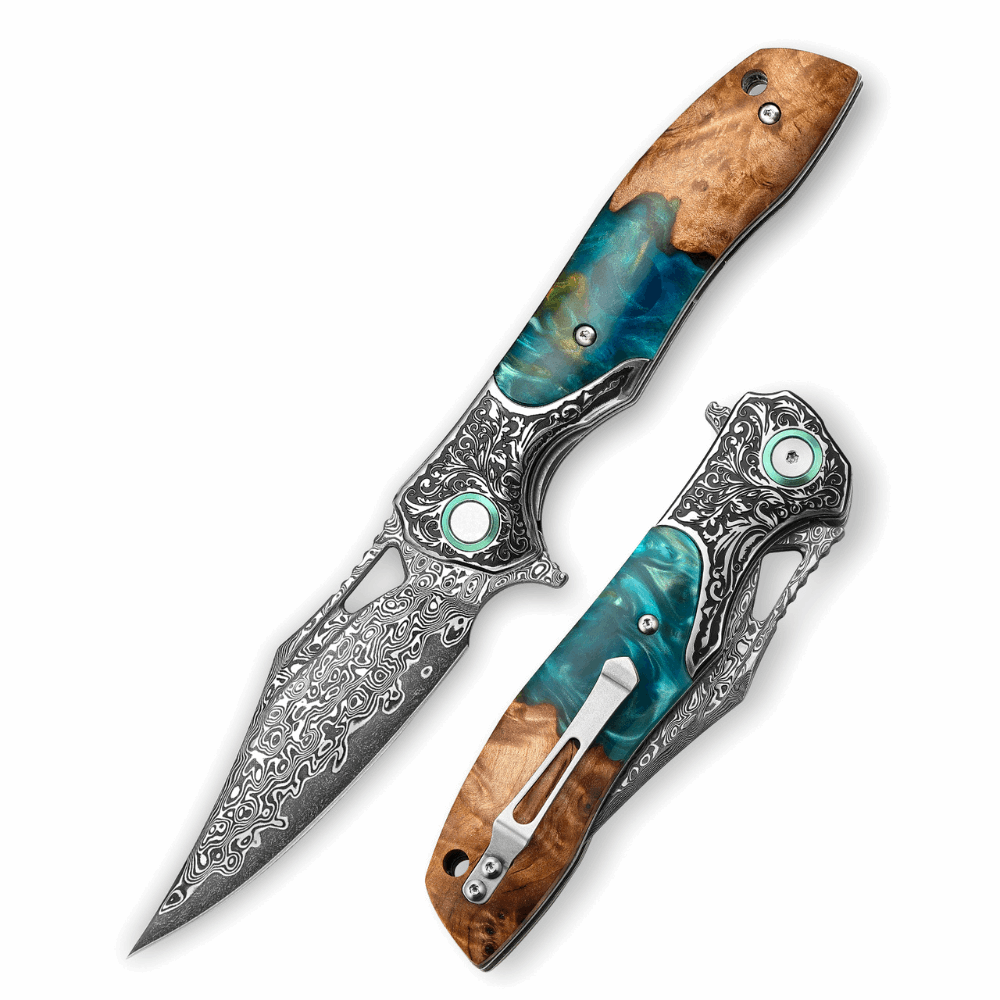
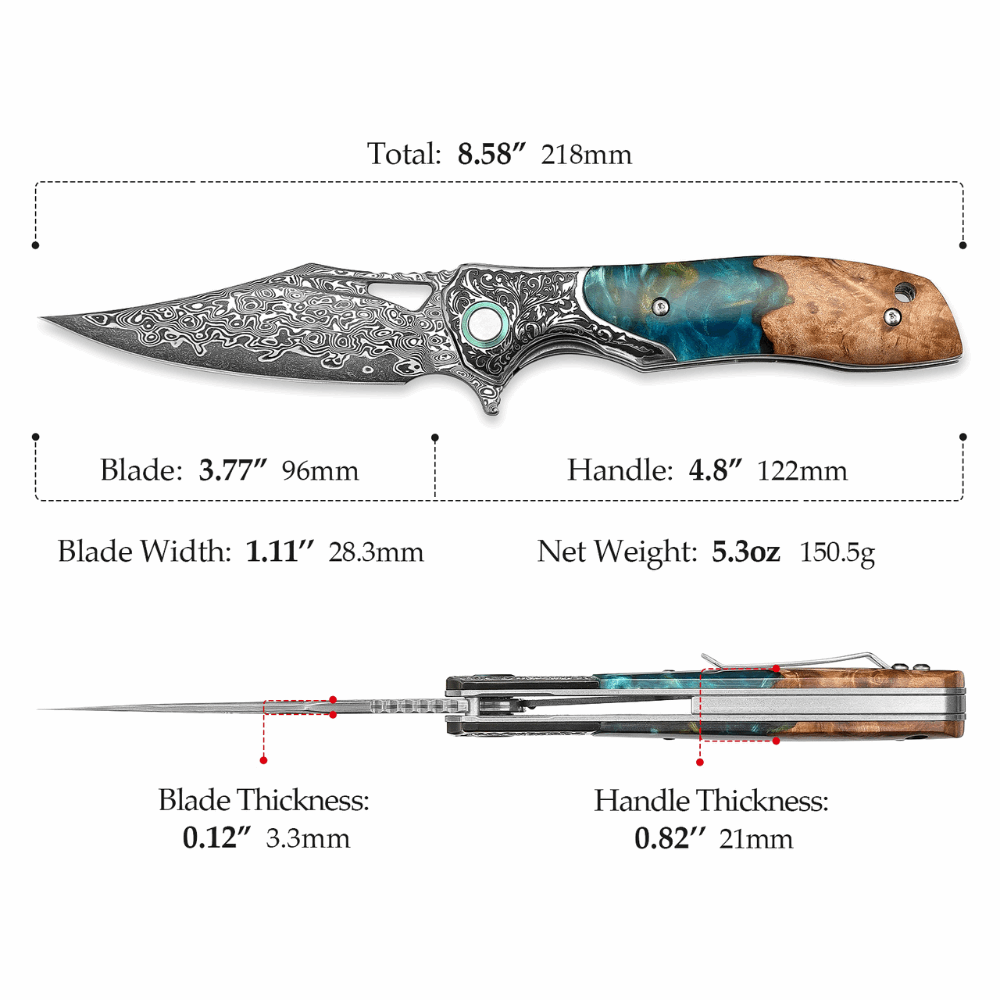
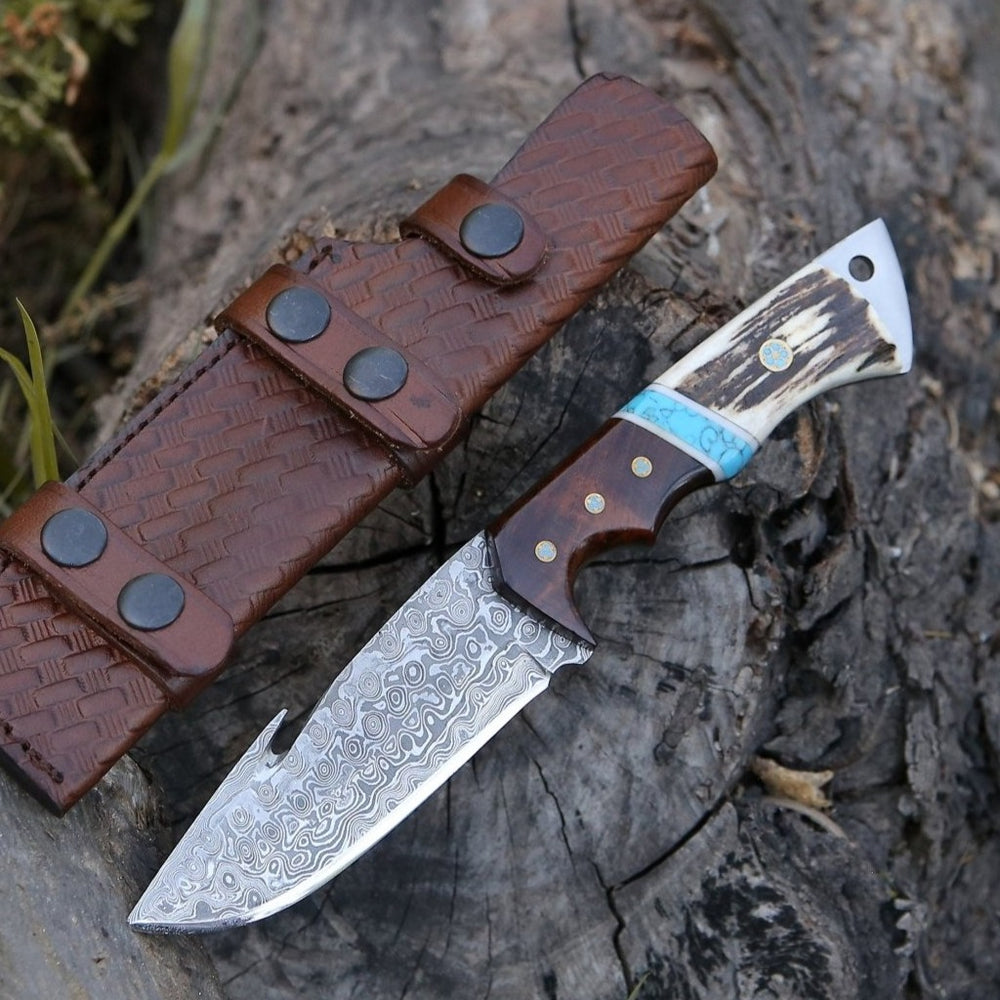
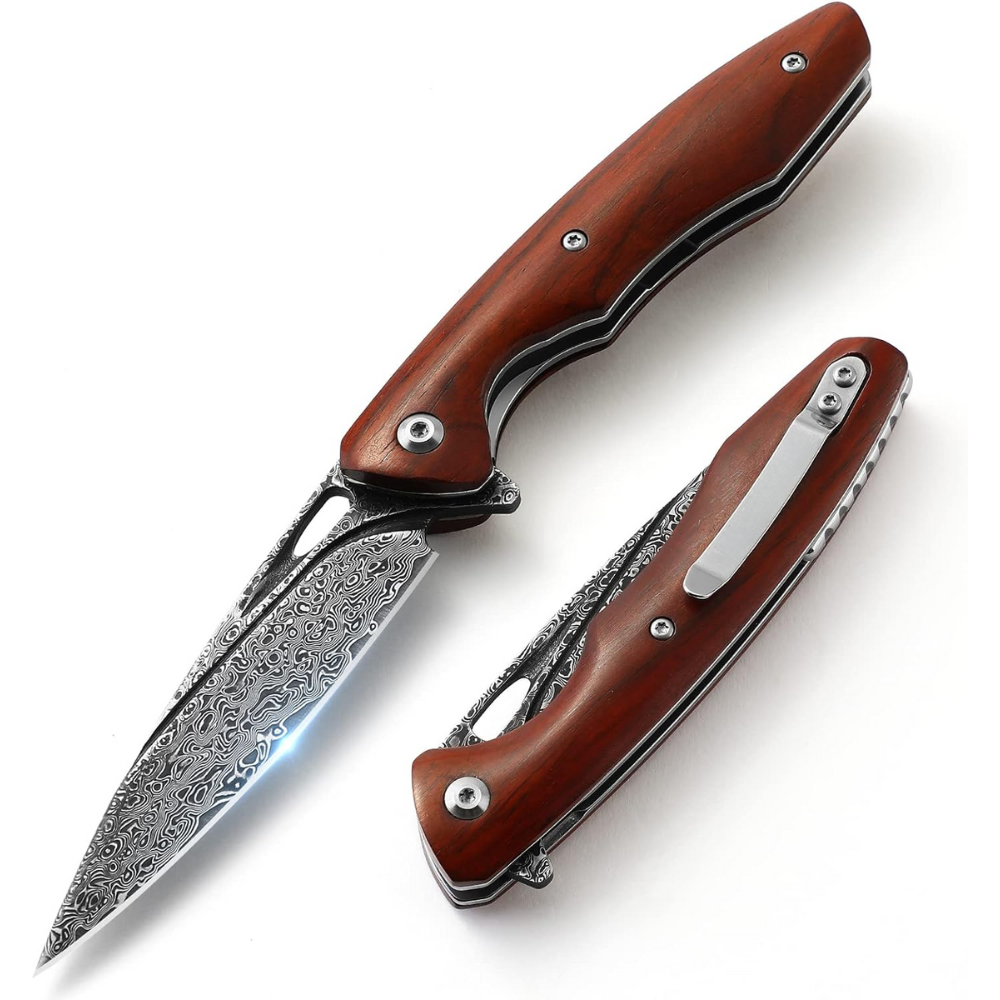
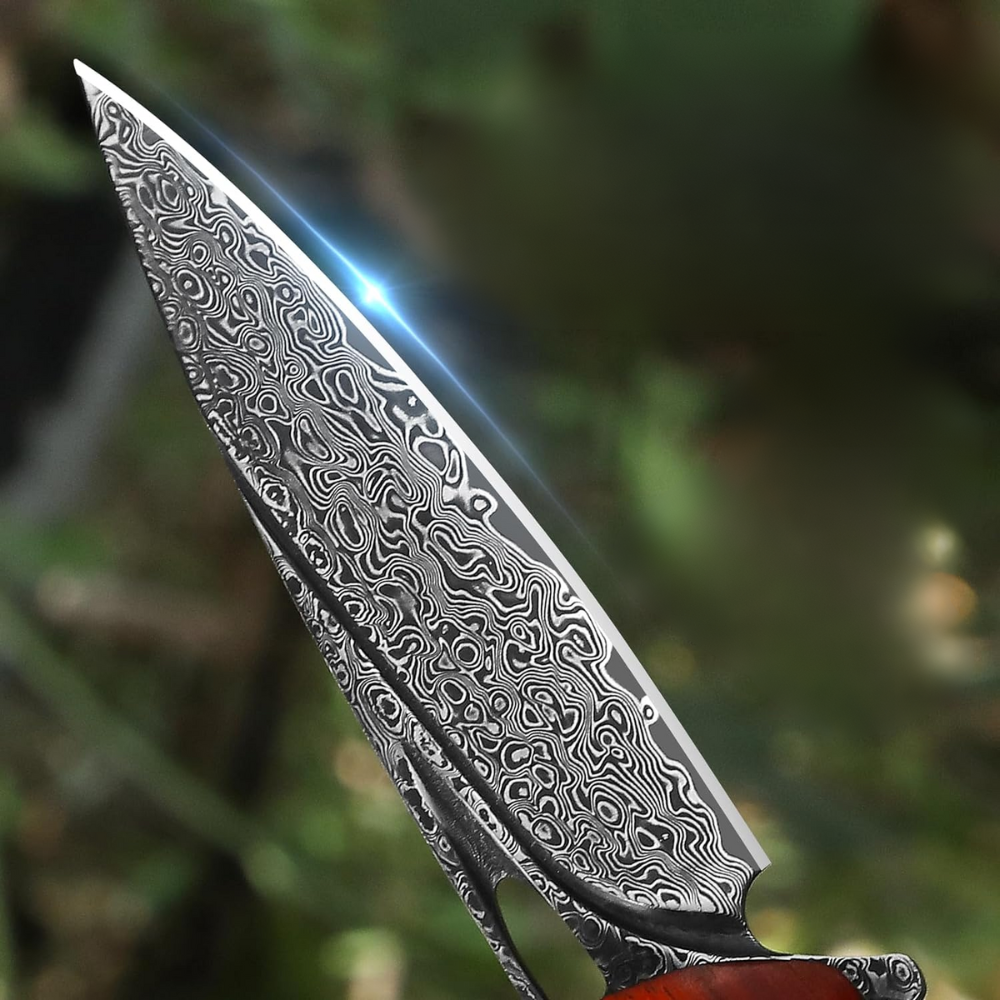
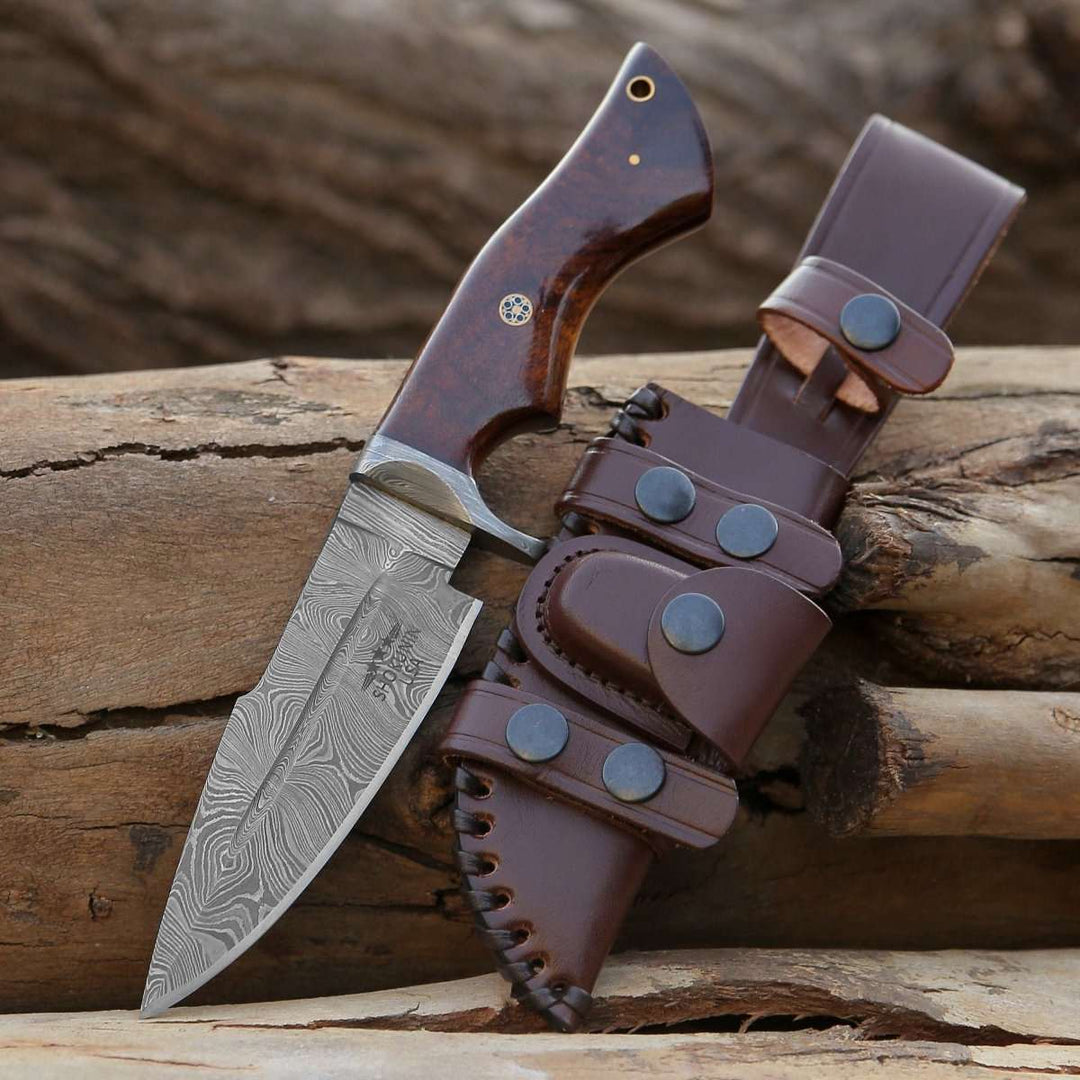
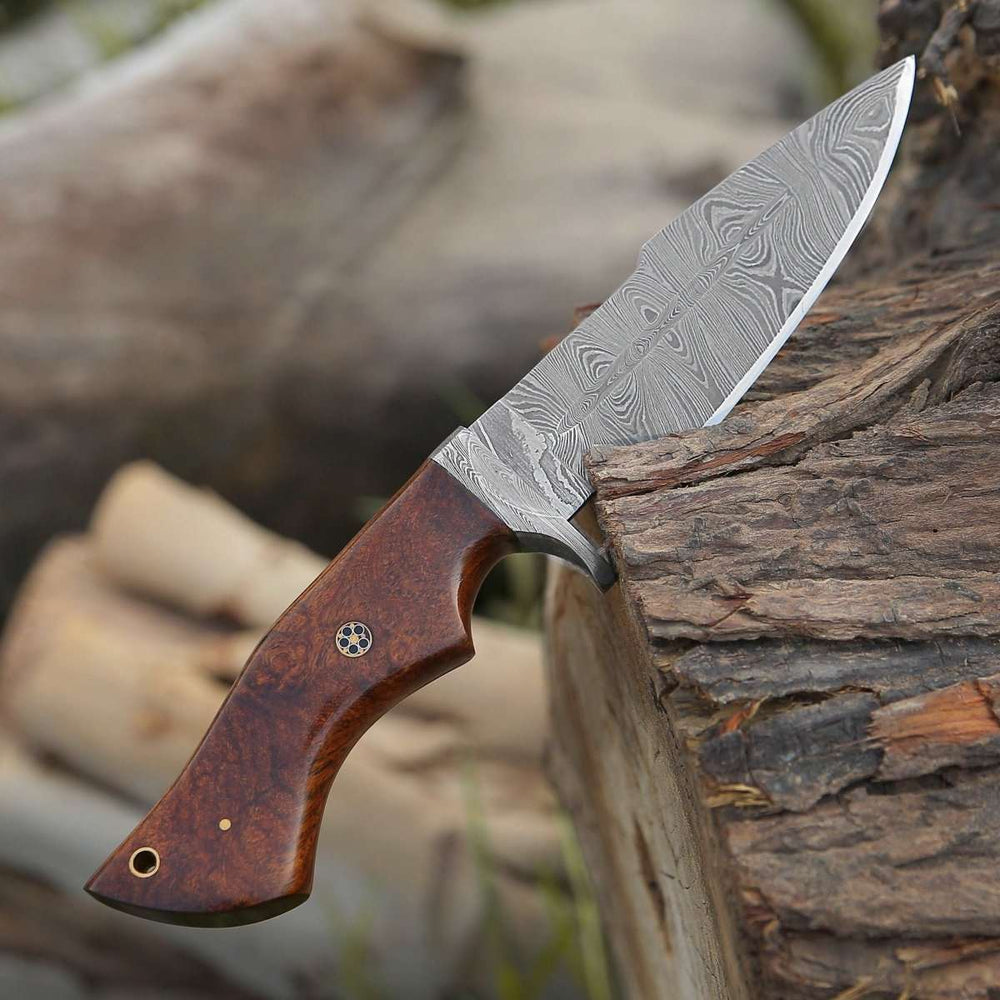
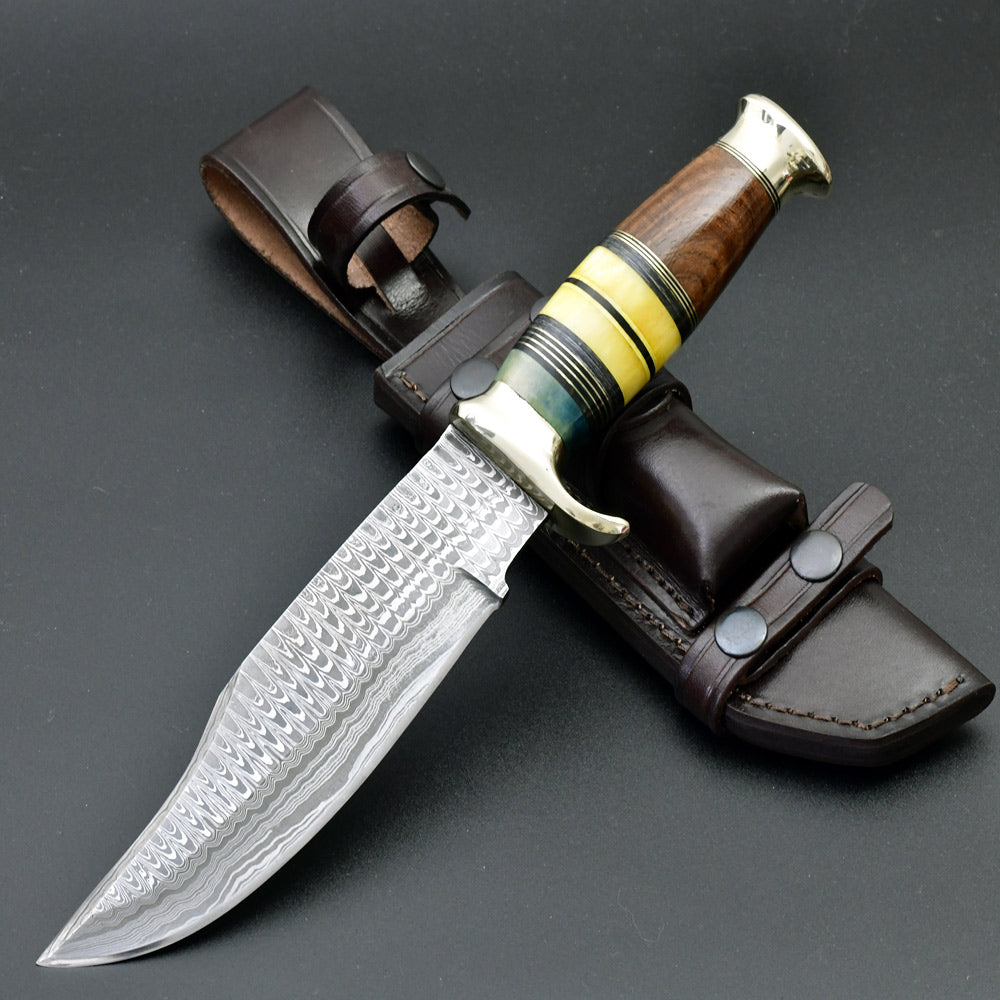
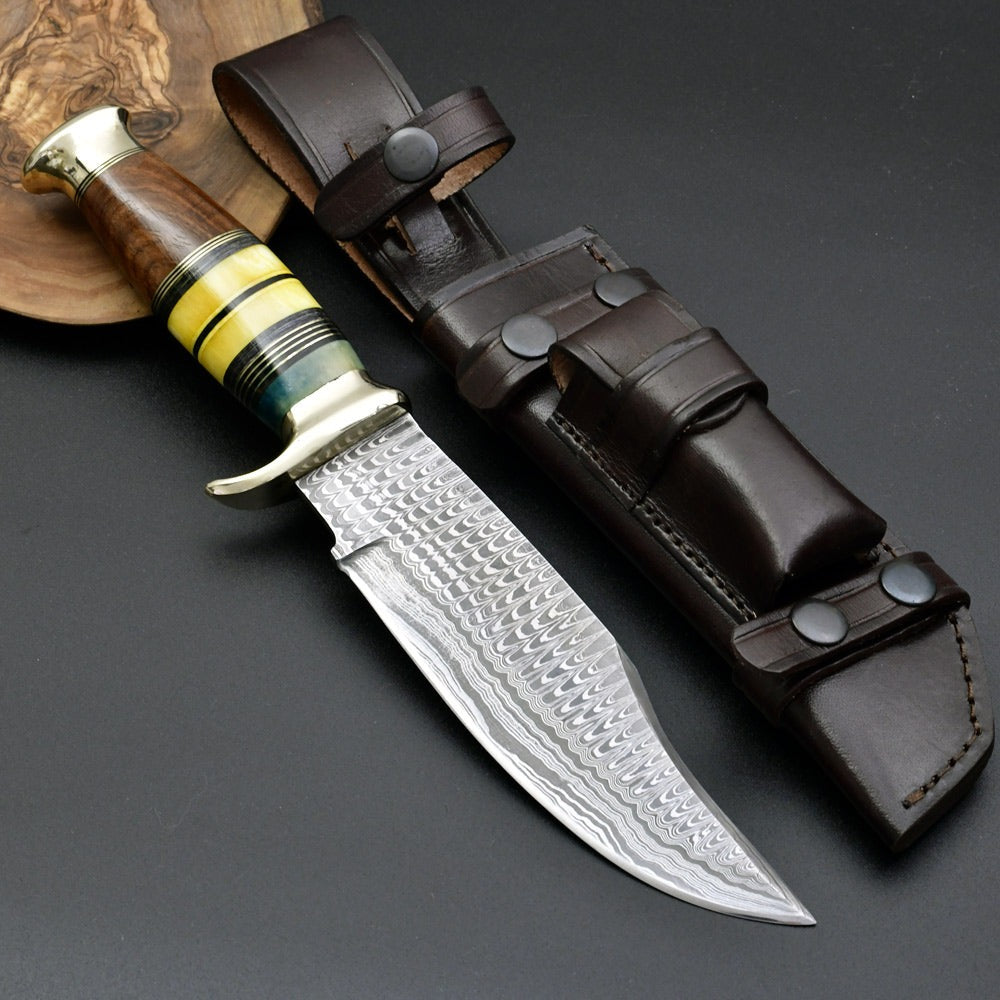
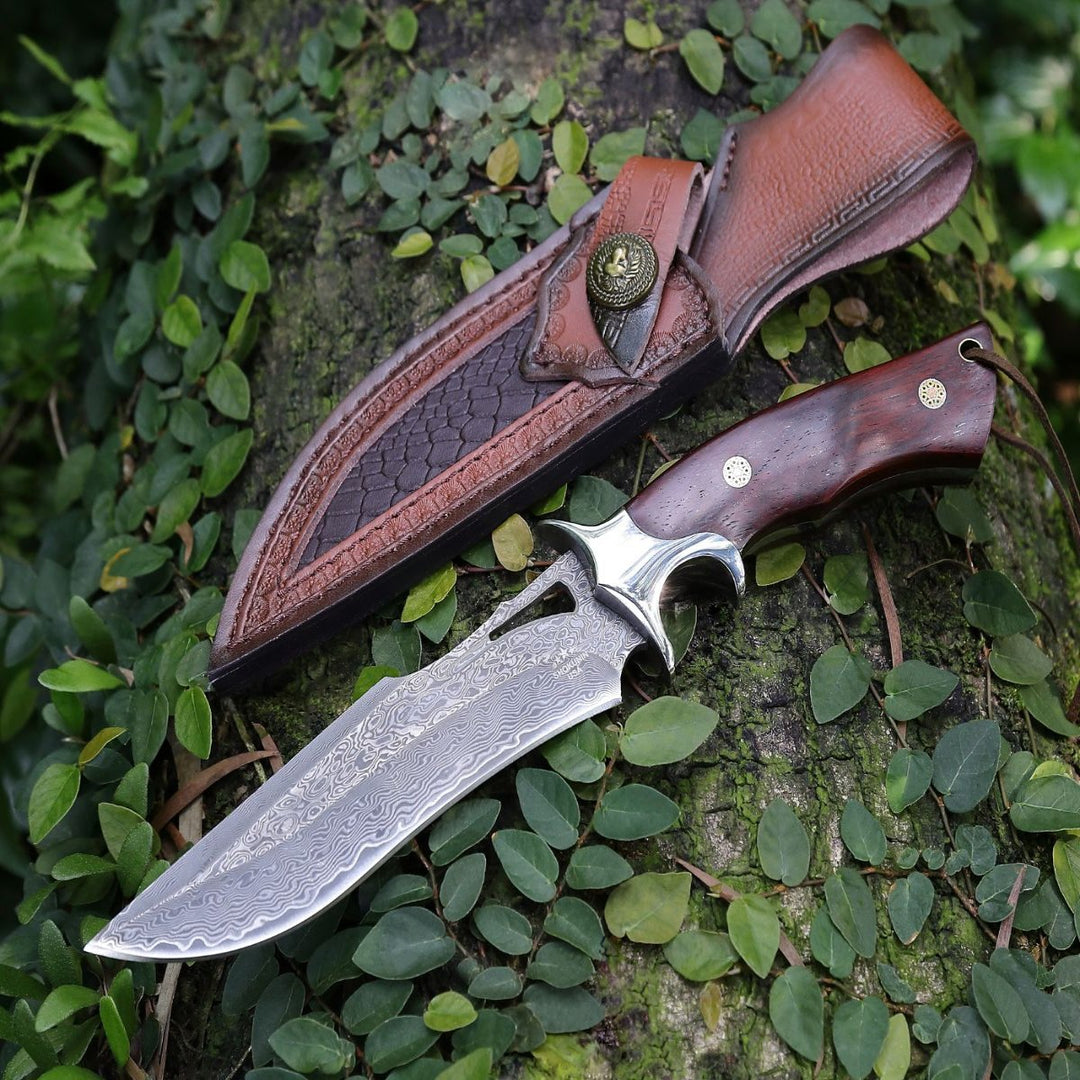
The Ironstorm Handmade Damascus Pocket Knife combines artistry and functionality, featuring a unique blade crafted from layered steel that offers exceptional strength and durability. Its ergonomically designed pakkawood handle ensures a comfortable grip, making it suitable for both everyday tasks and outdoor adventures. The included leather sheath provides convenient storage and transport, highlighting the knife's elegant design.
View Product






Dejar un comentario