


Overview
Stainless steel and carbon steel are popular materials for knives, each with distinct characteristics. Stainless steel offers corrosion resistance, low maintenance, and versatility but may require more frequent sharpening. Carbon steel excels in edge retention and is easier to sharpen but is prone to rust and requires diligent care. Choose stainless steel for everyday kitchen use and carbon steel for superior sharpness in culinary settings or outdoor activities, keeping in mind your maintenance preferences and budget.
Table of Contents
- Understanding Stainless Steel
- Pros of Stainless Steel
- Cons of Stainless Steel
- The Essence of Carbon Steel
- Pros of Carbon Steel
- Cons of Carbon Steel
- Comparative Analysis: Stainless Steel vs. Carbon Steel
- Durability and Maintenance
- Performance in the Kitchen
- Price Point Considerations
- Practical Applications: When to Use Each Material
- Special Considerations for Pocket Knives
- Maintaining Your Knives: Best Practices for Both Steel Types
- For Stainless Steel Knives
- For Carbon Steel Knives
- Pick Your Steel Wisely!
Key Takeaways
- Stainless Steel: Known for its excellent corrosion resistance, making it ideal for kitchen tools and outdoor knives.
- Carbon Steel: Offers superior edge retention, making it a favorite among knife enthusiasts for prolonged sharpness.
- Maintenance: Stainless steel requires minimal upkeep, while carbon steel demands regular oiling and immediate drying to prevent rust.
- Cost Consideration: Carbon steel knives are generally more affordable, making them a good option for budget-conscious buyers.
- Performance in the Kitchen: Stainless steel provides convenience with low maintenance, while carbon steel enhances cutting performance.
- Practical Applications: Choose stainless steel for everyday kitchen use and carbon steel for outdoor activities where edge retention is critical.
- Regular Sharpening: Both types of knives benefit from regular sharpening, with carbon steel being easier to sharpen but needing more frequent maintenance.
When it comes to quality tools, the materials used in their construction play a crucial role in their performance, durability, and maintenance. Among the various materials available today, stainless steel and carbon steel are two of the most common choices, especially in the world of cutlery and pocket knives. This article aims to provide a comprehensive understanding of both materials, their properties, pros, and cons, as well as their applications. Whether you are a professional chef, an outdoor enthusiast, or simply someone who appreciates a well-crafted knife, choosing the right material is key to getting the best performance out of your tools.
Understanding Stainless Steel
Stainless steel is an alloy primarily made of iron, carbon, and a minimum of 10.5% chromium. The addition of chromium is what makes stainless steel "stainless," as it forms a protective layer of chromium oxide on the surface, which prevents rust and corrosion.
Pros of Stainless Steel
- Corrosion Resistance: One of the significant advantages of stainless steel is its exceptional resistance to rust and staining, which makes it ideal for kitchen tools and outdoor knives.
- Low Maintenance: Due to its durability and ability to withstand harsh conditions, stainless steel requires little maintenance. Regular cleaning is often sufficient to keep it in good shape.
- Versatility: Stainless steel is used in a wide array of applications, from kitchen cutlery to surgical instruments, making it an incredibly versatile choice.
- Ease of Sharpening: Although it may not hold an edge as long as carbon steel, it still sharpens relatively easily with a diamond knife sharpener or other sharpening tools.
Cons of Stainless Steel
- Edge Retention: Stainless steel generally doesn't hold its edge as well as some high-carbon steels. Users may find themselves sharpening it more frequently.
- Cost: High-quality stainless steel can be more expensive than its carbon counterparts, which might be a consideration for budget-conscious buyers.
The Essence of Carbon Steel
Carbon steel, on the other hand, is predominantly iron and carbon, with minimal to no alloying elements. The absence of chromium allows for an easier sharpening process, making carbon steel a favorite among many knife enthusiasts.
Pros of Carbon Steel
- Superior Edge Retention: Carbon steel knives are known for their ability to hold a sharp edge longer than stainless steel knives, providing enhanced cutting performance.
- Easy Sharpening: When it comes time for maintenance, carbon steel is a breeze to sharpen, often requiring only a few passes on a diamond knife sharpener.
- Affordability: Generally, carbon steel knives tend to be less expensive than stainless steel knives, making them an excellent choice for budget-savvy consumers.
Cons of Carbon Steel
- Corrosion Susceptibility: Without the protective layer offered by chromium, carbon steel is prone to rust and requires diligent maintenance.
- Higher Maintenance: Users need to be consistent in oiling and drying their carbon knives to prevent corrosion, which can be a drawback for some.
- Staining: The material can develop a patina over time, which some people find aesthetically pleasing, while others may see it as a flaw.
Comparative Analysis: Stainless Steel vs. Carbon Steel
Now that we have a basic understanding of both materials, let's compare them across various factors to help you make a well-informed decision:
Durability and Maintenance
Stainless steel is indeed more durable in terms of corrosion resistance, whereas carbon steel requires consistent care. If you're using a knife in an environment where moisture is present, stainless steel might suit your needs better. However, if you're looking for a knife that can outperform in edge retention and are willing to maintain it regularly, carbon steel might be the superior choice.
Performance in the Kitchen
When you're preparing food, the choice of knife can significantly impact your culinary experience. For home cooks and chefs alike, a stainless steel knife offers convenience with minimal upkeep. However, carbon steel knives are loved for their sharpness and longevity in edge retention, enhancing the user experience during meal preparation.
Price Point Considerations
Budget plays a significant role in decision-making. While high-quality stainless steels can be pricier, carbon steels usually offer more affordable options for those starting in the knife world and looking for high performance.
Practical Applications: When to Use Each Material
Your choice between stainless steel and carbon steel can depend on the intended application. Below are some scenarios where one material may be more advantageous than the other:
- Everyday Kitchen Use: Opt for stainless steel for regular household cooking tasks due to its low maintenance and durability.
- Outdoor Adventures: If you're looking to take a knife on camping or fishing trips, carbon steel may be more advantageous for edge retention but requires careful storage.
- Professional Chefs: Many chefs prefer carbon steel for its sharpness and edge retention, making it a favorite in the culinary world.
Special Considerations for Pocket Knives
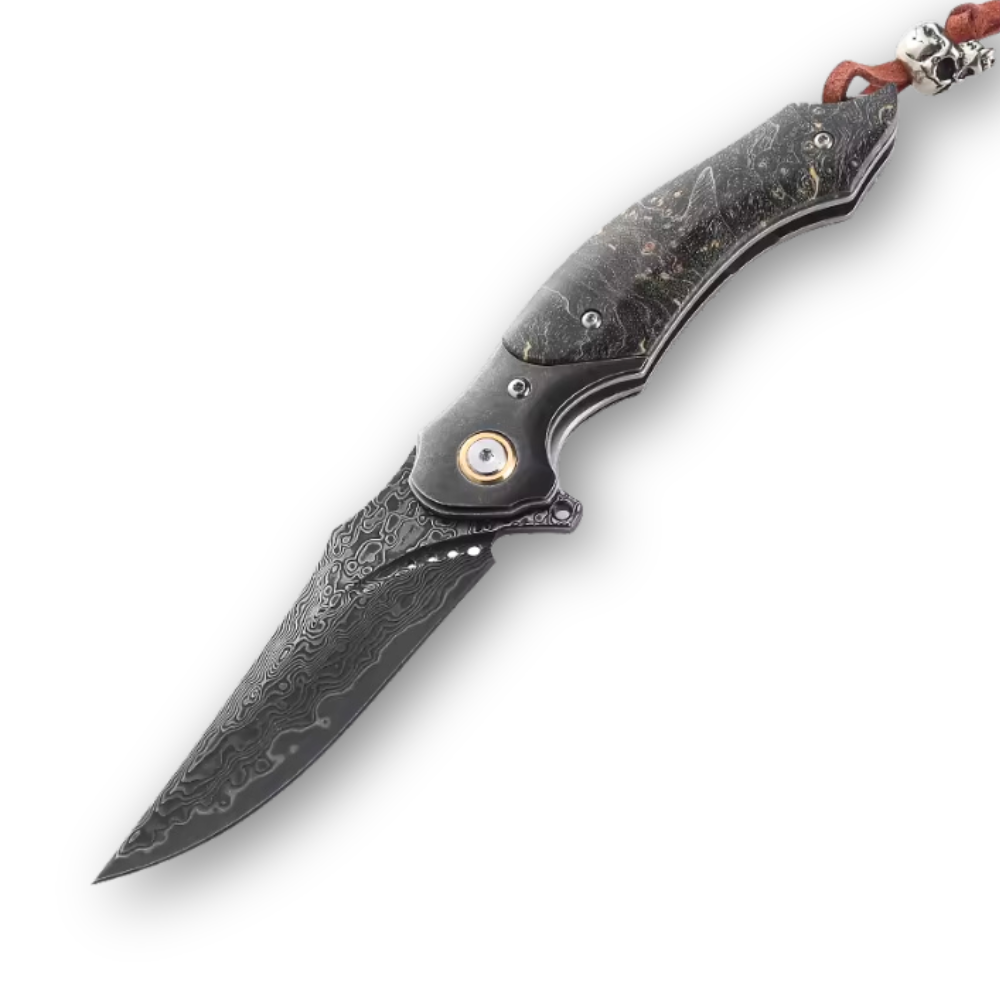
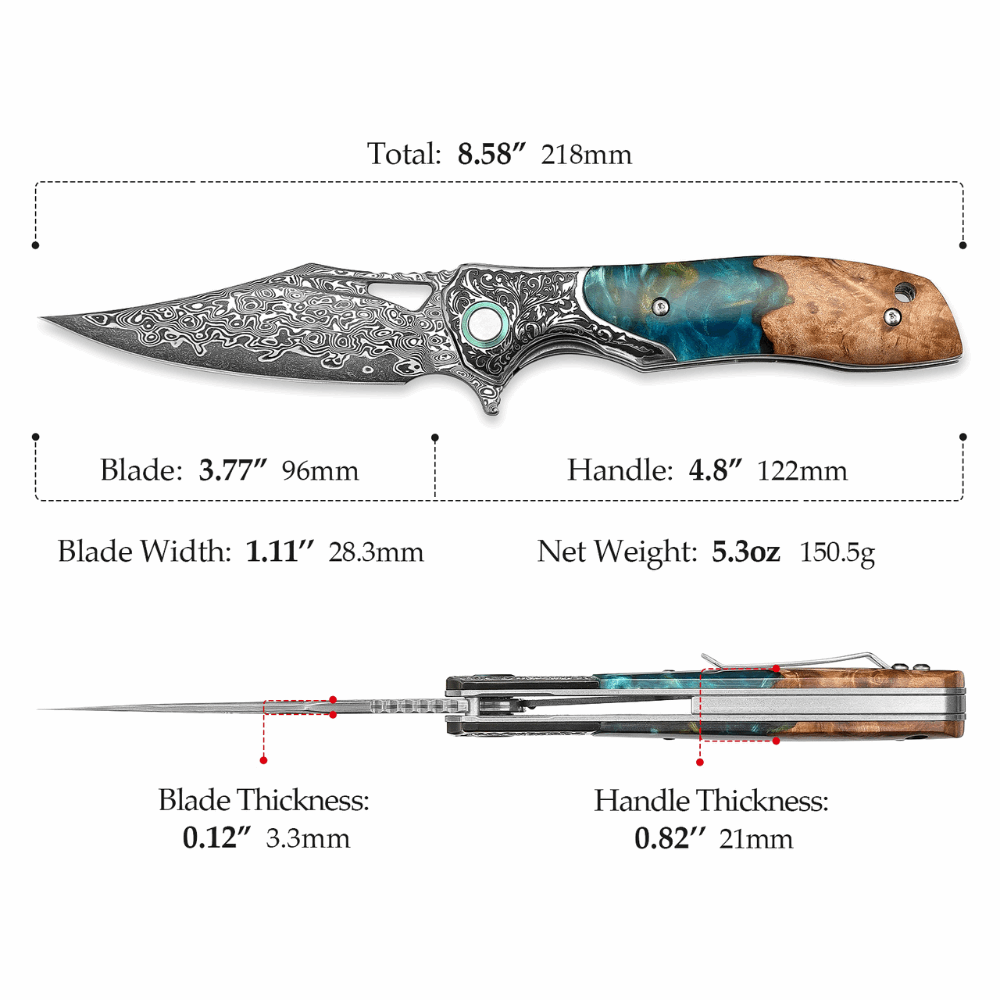
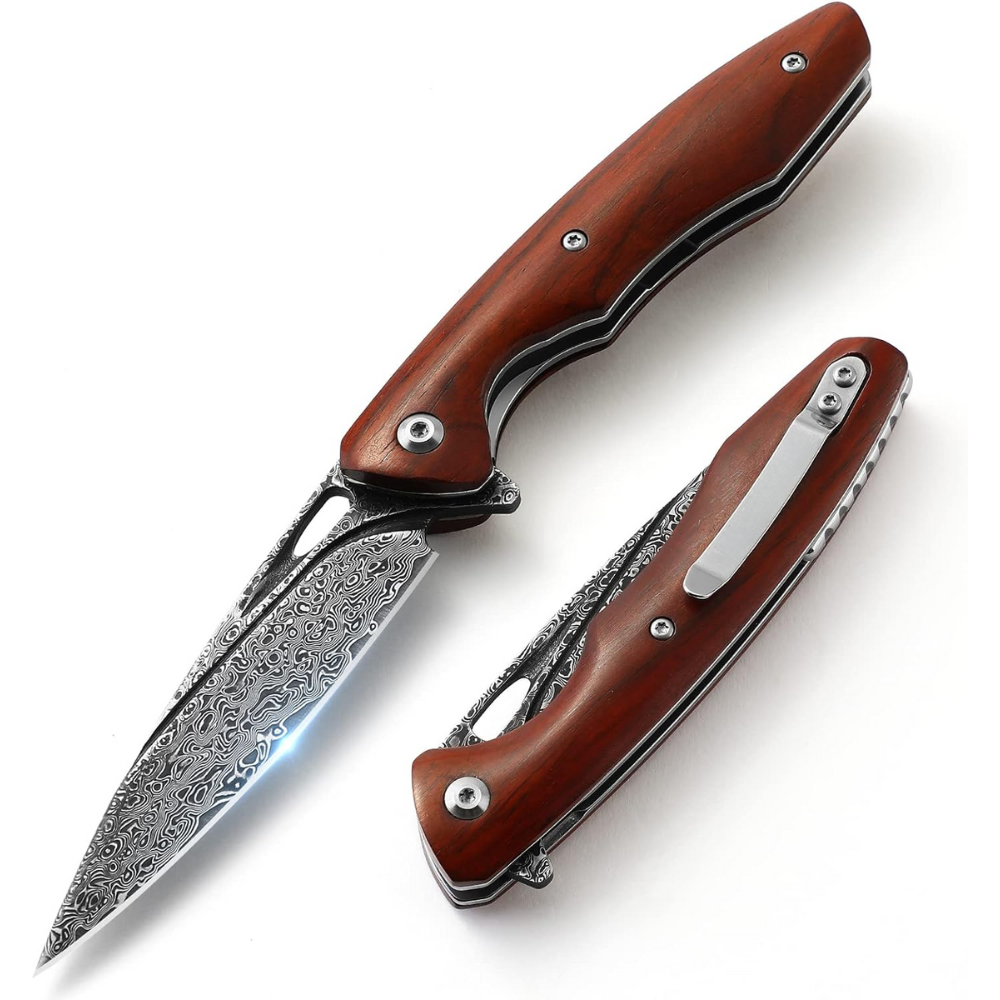
When it comes to pocket knives, both stainless and carbon steel have their merits. Stainless steel is appreciated for its ease of maintenance, especially in urban environments where moisture can be a concern. Carbon steel varieties, however, are favored by enthusiasts for their exceptional sharpness and edge retention in outdoor and rugged applications. Ultimately, the choice should consider both the type of activities you engage in and the care you are willing to provide.
Maintaining Your Knives: Best Practices for Both Steel Types
No matter which type of steel you choose, maintenance is crucial for maximizing the lifespan and performance of your knives. Here are some practical maintenance tips:
For Stainless Steel Knives
- Regular Cleaning: Wash your knives with mild soap and water after each use to prevent buildup.
- Dry Thoroughly: Always dry knives completely to minimize water spots and prolong their lifespan.
- Occasional Oil: Apply a drop of mineral oil to the blade periodically to enhance moisture protection, especially during storage.
For Carbon Steel Knives
- Frequent Oiling: After cleaning, be sure to apply a layer of oil to prevent rust.
- Immediate Drying: Dry knives immediately after use to limit exposure to moisture.
- Sharpen Regularly: Use a diamond knife sharpener or whetstone to maintain your edge regularly, keeping it at optimal sharpness for every use.
Pick Your Steel Wisely!
The debate between stainless steel and carbon steel is not just about the material itself; it's about understanding your preferences, your lifestyle, and how each material fits into your knife-using habits. Whether you lean towards the durability and low maintenance of stainless steel or the sharpness and edge retention of carbon steel, what ultimately matters is that you choose the right tool for your needs. Your cutlery should enhance your experience, whether in the kitchen, during outdoor adventures, or for general everyday tasks. Small choices, like selecting between these two materials, can lead to great satisfaction in your culinary pursuits and noteworthy performance in your pocket knives. So, make an informed decision, and keep enjoying the artistry of your tools for years to come!
Frequently Asked Questions
1. What are the main differences between stainless steel and carbon steel?
2. Is stainless steel more expensive than carbon steel?
3. What type of steel is better for kitchen use?
4. How should I maintain my stainless steel knives?
5. What are the best practices for maintaining carbon steel knives?
Glossary
| Term | Meaning |
|---|---|
| Stainless Steel | An alloy of iron, carbon, and chromium, known for its rust resistance. |
| Carbon Steel | A metal primarily made of iron and carbon, favored for its sharpness. |
| Corrosion Resistance | The ability of a material to withstand rust and staining. |
| Edge Retention | The capacity of a blade to maintain its sharpness over time. |
| Maintenance | Regular care needed to keep knives in good working condition. |
| Sharpening | The process of honing a blade to restore its cutting edge. |
| Patina | A surface film that develops on carbon steel, often seen as attractive. |
| Versatility | The ability of a material to be used in various applications. |
| Affordability | The cost-effectiveness of a material or product. |
| Everyday Use | Common tasks performed in household cooking or general activities. |
Linked Product

Professional Diamond Knife Sharpener 10 inch German Stainless Steel Black G10 Fiber
The Professional Diamond Knife Sharpener features a 10-inch German stainless steel rod, ensuring durability and resistance to corrosion for long-lasting use. Its diamond electroplated surface allows for efficient sharpening of various types of knives, making it suitable for both professional chefs and home cooks. The ergonomic Black G10 Fiber handle provides a secure grip, enhancing comfort and safety during sharpening.
View Product


















Dejar un comentario