

Overview
Proper maintenance of your pocket knife is essential for performance, safety, longevity, and aesthetics. Regularly clean, sharpen, and lubricate your knife, store it properly to prevent rust, and use it for intended purposes. Establish a maintenance routine to keep your knife reliable and effective for years.
Table of Contents
- The Importance of Maintenance for Pocket Knives
- Regular Cleaning: The First Step
- Gather Your Cleaning Supplies
- Cleaning Process
- Sharpening Your Pocket Knife
- Choosing the Right Pocket Knife Sharpener
- The Sharpening Process
- Lubrication: Keeping Things Smooth
- Choosing the Right Lubricant
- Lubrication Process
- Preventing Rust: Protecting Your Investment
- Store Your Knife Properly
- Conduct Regular Inspections
- Handling and Usage Tips for Pocket Knives
- Use It for Its Intended Purpose
- Be Mindful of Cutting Surfaces
- Avoid Forceful Opening
- How to Revive a Dull Pocket Knife
- Inspection
- Sharpening
- Final Touches
- Building a Maintenance Routine
- Final Thoughts: Elevate Your Pocket Knife Care
Key Takeaways
- Regular Maintenance is Essential: Consistent cleaning, sharpening, and lubrication enhance performance and longevity.
- Proper Cleaning Techniques: Use warm, soapy water and a soft cloth, and ensure to rinse and dry thoroughly to prevent rust.
- Choose the Right Sharpener: Select a sharpener that fits your skill level, such as manual sharpeners for beginners or whetstones for precision.
- Lubrication is Key: Apply a suitable lubricant at the pivot point to keep the blade moving smoothly and prevent wear.
- Store Properly to Prevent Rust: Keep your knife in a dry environment and consider using silica gel packs for moisture control.
- Inspect Regularly: Check for signs of rust or damage and address them immediately to maintain your knife's condition.
- Establish a Maintenance Routine: Implement a weekly cleaning, monthly sharpening, and quarterly inspection schedule for best results.
Your pocket knife is not just a tool; it's an extension of your lifestyle. Whether you use it for everyday carry (EDC) tasks, camping, or simple home chores, proper maintenance is essential for longevity and performance. In this guide, we will explore the best practices for caring for your pocket knife, ensuring it remains sharp and reliable for years to come.
The Importance of Maintenance for Pocket Knives
Maintaining your pocket knife is crucial for a variety of reasons:
- Performance: A well-maintained knife performs better. Regular upkeep ensures the blade is sharp, making it more effective in cutting and slicing tasks.
- Safety: A dull or poorly maintained knife can be dangerous. Sharp knives require less force to use, reducing the risk of slips and accidents.
- Longevity: Proper care can significantly extend the life of your pocket knife. Regular cleaning and sharpening will keep it in top condition.
- Aesthetics: A clean and well-kept knife looks better and reflects your commitment to quality.
Regular Cleaning: The First Step
The first step in maintaining your pocket knife is regular cleaning. Here's how to do it effectively:
Gather Your Cleaning Supplies
You should have the following items ready:
- Warm water
- Dish soap
- A soft cloth or sponge
- A toothbrush or a soft bristle brush
- Lubricant specifically designed for knives
Cleaning Process
Follow these steps to clean your pocket knife:
- Disassemble (if applicable): Some pocket knives can be taken apart for deeper cleaning. Check the manufacturer’s instructions.
- Wash the Blade: Use warm, soapy water and a soft cloth or sponge to clean the blade. For hard-to-reach areas, gently scrub with a toothbrush.
- Clean the Handle: Wipe down the handle using the same soapy solution, ensuring you remove any grime or residue.
- Rinse and Dry: Rinse the knife thoroughly in clean water, and dry it completely with a soft cloth to prevent rust.
Sharpening Your Pocket Knife
A sharp blade is essential for the functionality of your pocket knife. Regular sharpening not only keeps it effective but also helps maintain the blade’s integrity.
Choosing the Right Pocket Knife Sharpener
When it comes to sharpening, not all sharpeners are created equal. There are various options available, including:
- Manual Sharpeners: These are great for beginners and allow you to control the sharpening angle.
- Electric Sharpeners: Faster and more efficient, these can quickly restore a dull blade but require caution to avoid removing too much material.
- Whetstones: If you're looking for precision and skill development, whetstones offer excellent results. They require a bit of practice but can provide the sharpest edge.
- Diamond Rods: These can also be used for honing or maintaining an edge between sharpenings.
The Sharpening Process
Here are the steps to effectively sharpen your pocket knife:
- Select Your Sharpener: Choose the sharpener that best suits your skill level and type of knife.
- Set the Angle: The ideal sharpening angle is typically between 15° to 20°. Maintain this angle consistently.
- Sharpen the Blade: Glide the blade smoothly along the sharpener, applying gentle pressure. Repeat until the desired sharpness is achieved.
- Check for Sharpness: Test the blade by slicing through paper. If it cuts easily, you’ve done a great job!
Lubrication: Keeping Things Smooth
Just like any other tool, lubrication is crucial for maintaining the functionality of your pocket knife.
Choosing the Right Lubricant
Opt for a good quality lubricant that is designed for knives. Some popular choices include:
- Mineral oils
- Food-safe oils (if you plan to use your knife for food)
- Silicone sprays
Lubrication Process
To keep your pocket knife in optimal condition:
- Apply Lubricant: Place a drop or two on the pivot point of the knife where the blade moves.
- Move the Blade: Open and close the blade several times to distribute the lubricant evenly.
- Wipe Excess: Use a clean cloth to remove any excess lubricant to prevent dust accumulation.
Preventing Rust: Protecting Your Investment
Rust can quickly ruin your pocket knife and reduce its lifespan. Here’s how to avoid it:
Store Your Knife Properly
Storage plays a significant role in the maintenance of your pocket knife. Here are some tips:
- Avoid Humidity: Keep your knife in a moisture-free environment. Consider using silica gel packs if you're storing it in a case.
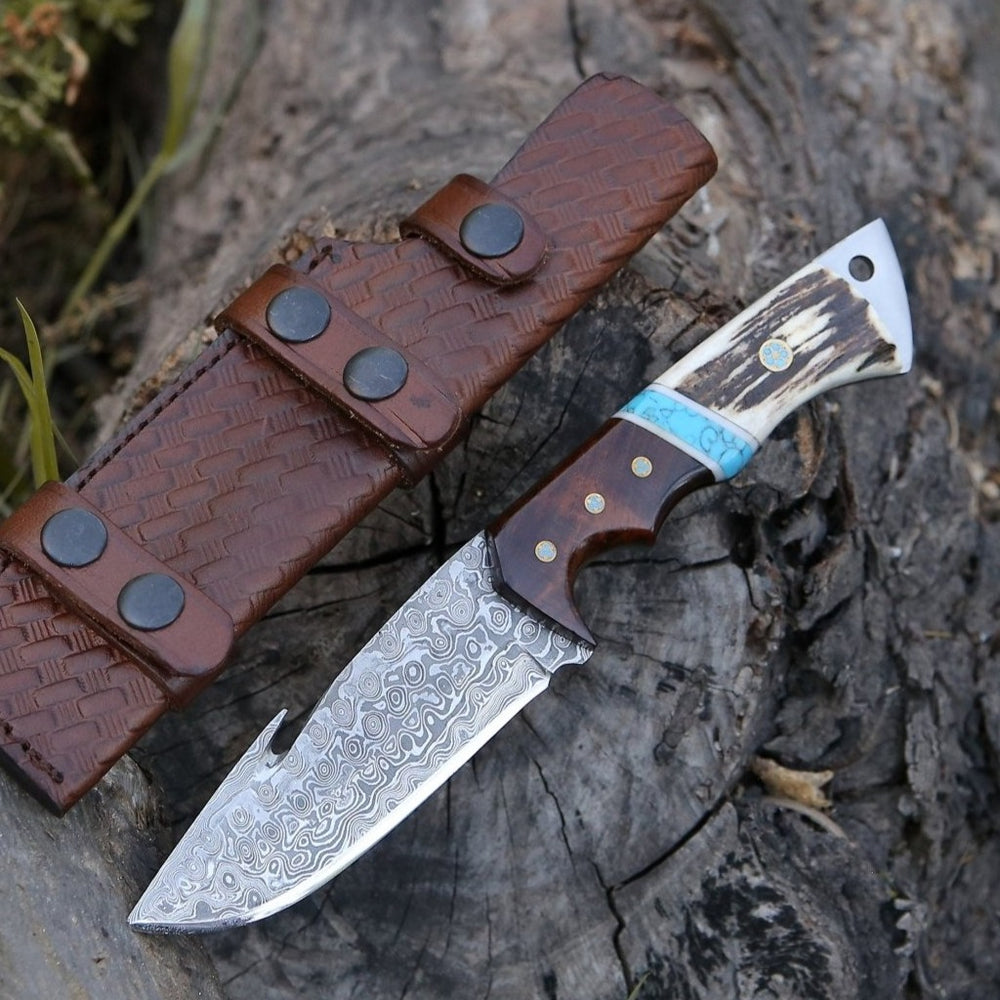
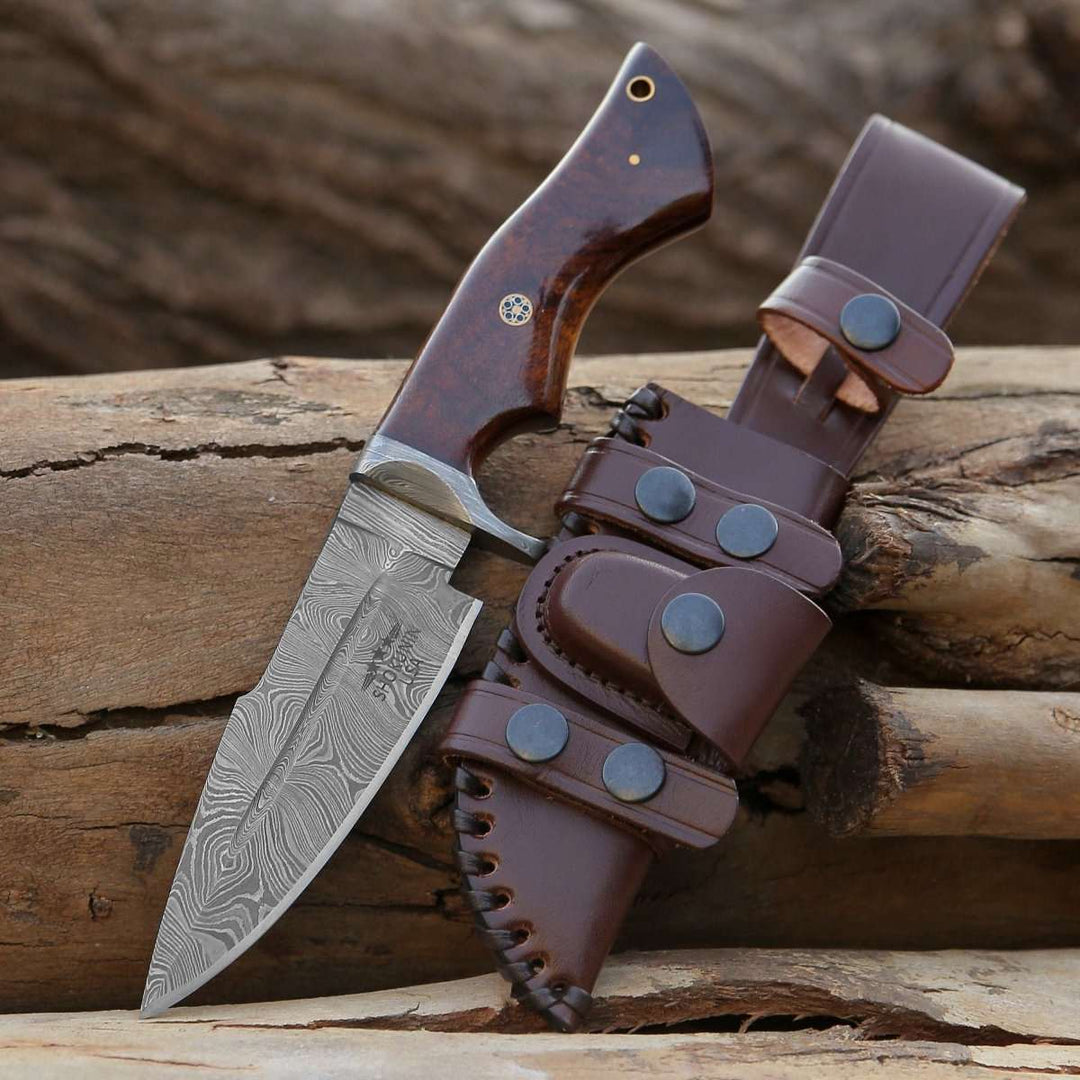
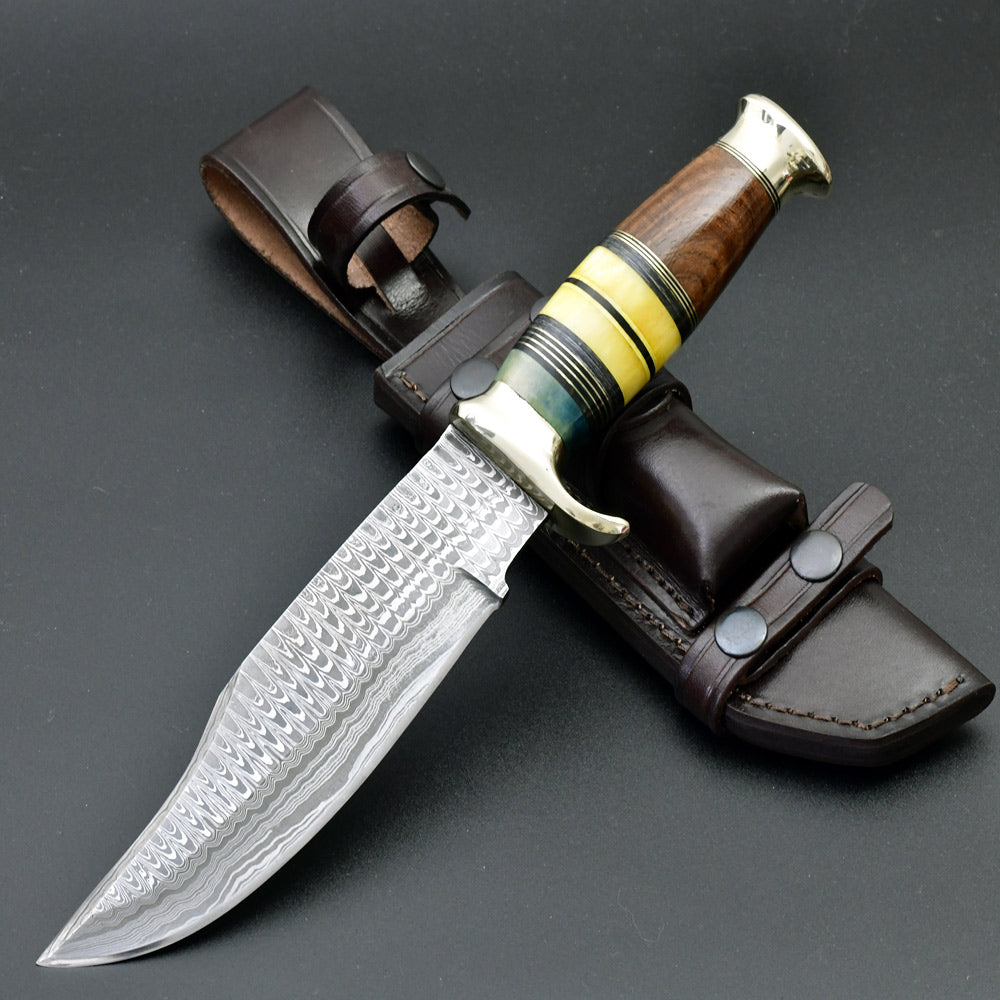
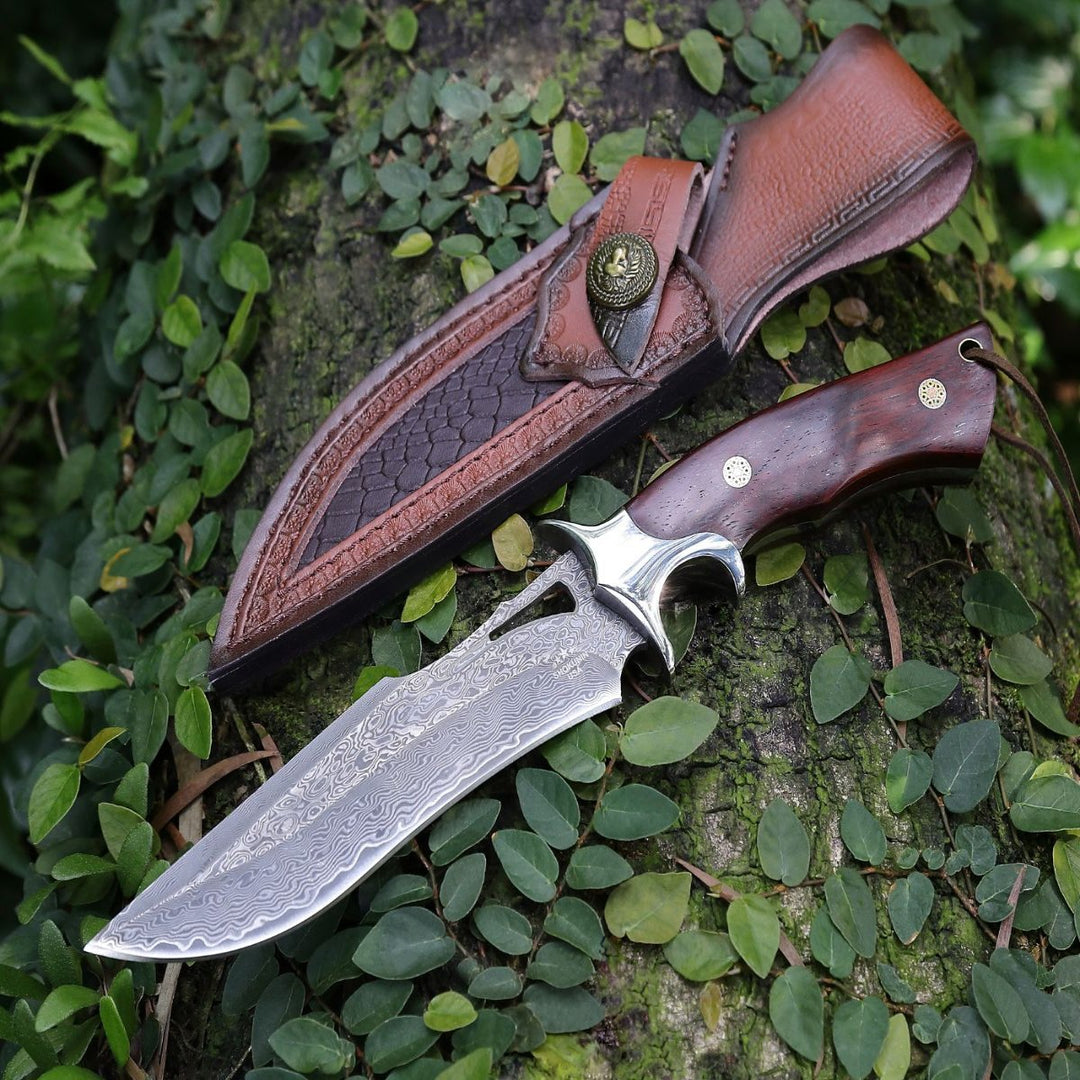
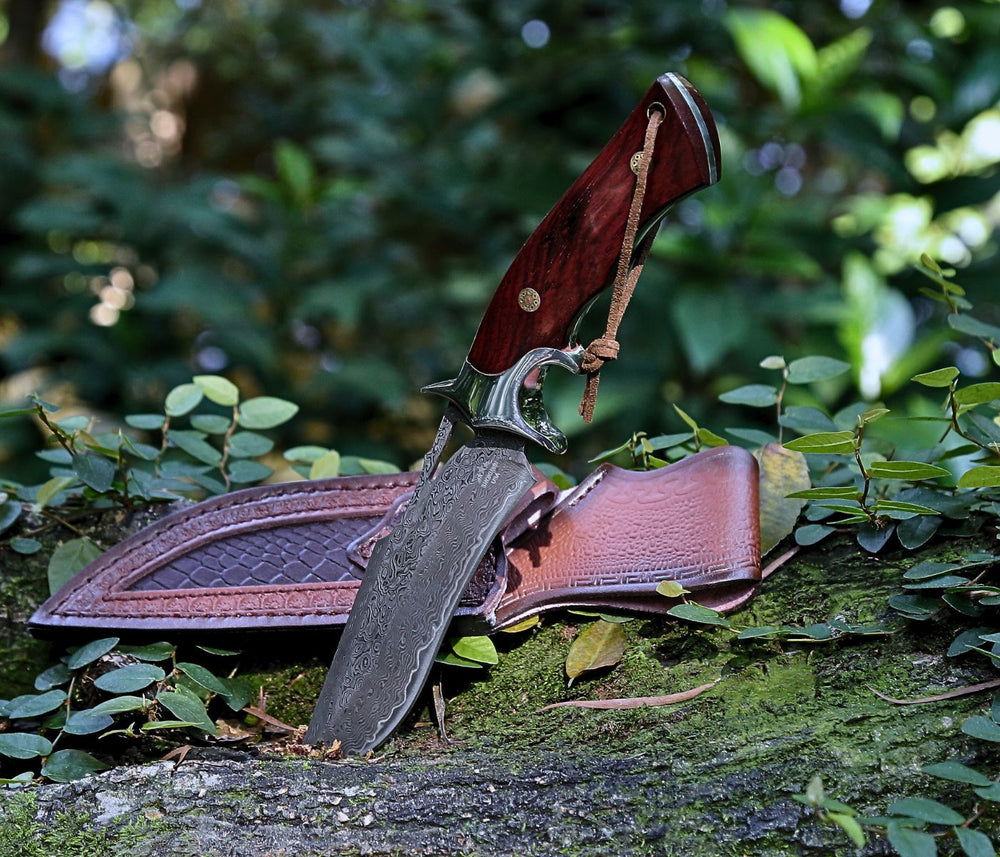
- Use a Protective Sheath: Sheaths provide an extra layer of protection against environmental factors.
Conduct Regular Inspections
Check your pocket knife regularly for any signs of rust or damage. If you notice any discolored spots, remove rust immediately using a fine abrasive compound or a specialized rust remover.
Handling and Usage Tips for Pocket Knives
The way you use your pocket knife has a direct impact on its maintenance. Here are some tips to keep in mind:
Use It for Its Intended Purpose
While EDC knives are versatile, using them for unintentional tasks (such as prying or twisting) can cause unnecessary wear and tear. Always utilize your knife for cutting tasks to maintain its integrity.
Be Mindful of Cutting Surfaces
Certain surfaces can dull your knife more quickly. Consider using a cutting board or mat designed for knives to ensure longevity.
Avoid Forceful Opening
If your knife is difficult to open, don’t force it. Check for debris, and ensure that the blade is adequately lubricated before use.
How to Revive a Dull Pocket Knife
No matter how careful you are, you may end up with a dull blade eventually. Here’s how to bring it back to life:
Inspection
First, inspect the blade for chips or overall damage. If the blade is severely damaged, you may need to seek professional help.
Sharpening
Use your chosen pocket knife sharpener and follow the sharpening process detailed earlier. If it’s particularly dull, consider doing a more aggressive sharpening.
Final Touches
After sharpening, remember to wipe the blade clean and apply lubricant. Lastly, give it a test cut to ensure it's ready for action!
Building a Maintenance Routine
Establishing a routine can make caring for your pocket knife much easier. Here’s a simple plan:
- Weekly Check: Clean and lubricate your knife.
- Monthly Sharpen: Assess and sharpen as needed.
- Quarterly Inspection: Check for rust, cracks, and other issues.
Final Thoughts: Elevate Your Pocket Knife Care
Your pocket knife is a valuable tool that deserves your attention and care. By following these maintenance tips, you can ensure it remains a reliable companion in all your daily tasks. Remember, whether it’s a pocket knife sharpener or simply regular inspections, consistency is key. Elevate your knife care routine today and enjoy the peace of mind that comes with a well-maintained blade!
Frequently Asked Questions
1. Why is maintenance important for pocket knives?
2. What supplies do I need for cleaning my pocket knife?
3. How often should I sharpen my pocket knife?
4. What should I do to prevent rust on my pocket knife?
5. How can I revive a dull pocket knife?
Glossary
| Term | Meaning |
|---|---|
| EDC | Everyday Carry; items regularly carried for daily tasks. |
| Maintenance | Regular care to ensure optimal performance and longevity. |
| Sharpening | Process of honing a blade to restore its cutting edge. |
| Lubrication | Applying oil to moving parts to reduce friction and wear. |
| Rust Prevention | Methods to protect metal from corrosion and damage. |
| Protective Sheath | A cover for the knife to shield it from environmental factors. |
| Manual Sharpener | A handheld tool for sharpening knives with user control. |
| Whetstone | A stone used for sharpening blades, requiring skill and practice. |
| Inspection | Regular checks for damage or wear on the knife. |
| Cutting Surface | A board or mat designed to protect the knife's edge while cutting. |
Linked Product

Pocket Knife Sharpener - Portable & Easy to Use
The Shokunin USA Pocket Knife Sharpener is a compact and portable tool designed for maintaining the sharp edges of various knives. Its ergonomic design ensures easy handling, making it ideal for outdoor activities as well as everyday kitchen use. Crafted from high-quality steel, this sharpener provides a reliable and efficient way to keep your blades in optimal condition.
View Product










Dejar un comentario