


Overview
Pocket knives are versatile tools essential for various tasks, but safety is paramount. Understand your knife's components, keep it sharp, always cut away from your body, and utilize the locking mechanism. Regular maintenance, proper handling, and knowledge of local laws are crucial for safe use. Choose the right knife for your needs and engage with the knife community for tips and experiences.
Table of Contents
- Understanding Your Pocket Knife
- Blade Types
- Handle Materials
- Essential Pocket Knife Safety Practices
- Keep Your Knife Sharp
- Always Cut Away from Your Body
- Utilize the Locking Mechanism
- Proper Handling Techniques
- Understanding the Legal Aspects
- Knife Regulations to Know:
- Education and Training
- Key Areas to Focus On:
- Regular Maintenance for Safety
- Cleaning Your Knife
- Inspecting for Damage
- Best Practices for Specific Situations
- Outdoor Safety
- Kitchen Use
- Finding the Perfect Pocket Knife for You
- Key Features to Look For:
- Join a Community
- Wrap Up Your Pocket Knife Journey!
Key Takeaways
- Keep Your Knife Sharp: A sharp blade reduces the risk of slips and accidents, making it safer to use.
- Always Cut Away from Your Body: This technique minimizes the chance of injury if your hand slips.
- Utilize the Locking Mechanism: Always lock the blade while in use to prevent accidental closure and injuries.
- Store Your Knife Safely: Use a protective sheath or pouch for safe storage to avoid accidents.
- Know Local Knife Laws: Be aware of regulations regarding blade length, type, and concealed carry in your area.
- Regularly Inspect for Damage: Check your knife for wear and tear to ensure it remains safe and functional.
- Engage in Education and Training: Consider workshops to improve your knife handling skills and safety knowledge.
In today's world, pocket knives have become essential tools for many, whether you're opening packages, preparing food, or tackling outdoor adventures. They are compact, versatile, and efficient. However, safety should always be your top priority when using a pocket knife, such as a Triton Tanto Pocket Knife or any folding knives. In this comprehensive guide, we will explore best practices for safely using your pocket knife every day.
Understanding Your Pocket Knife
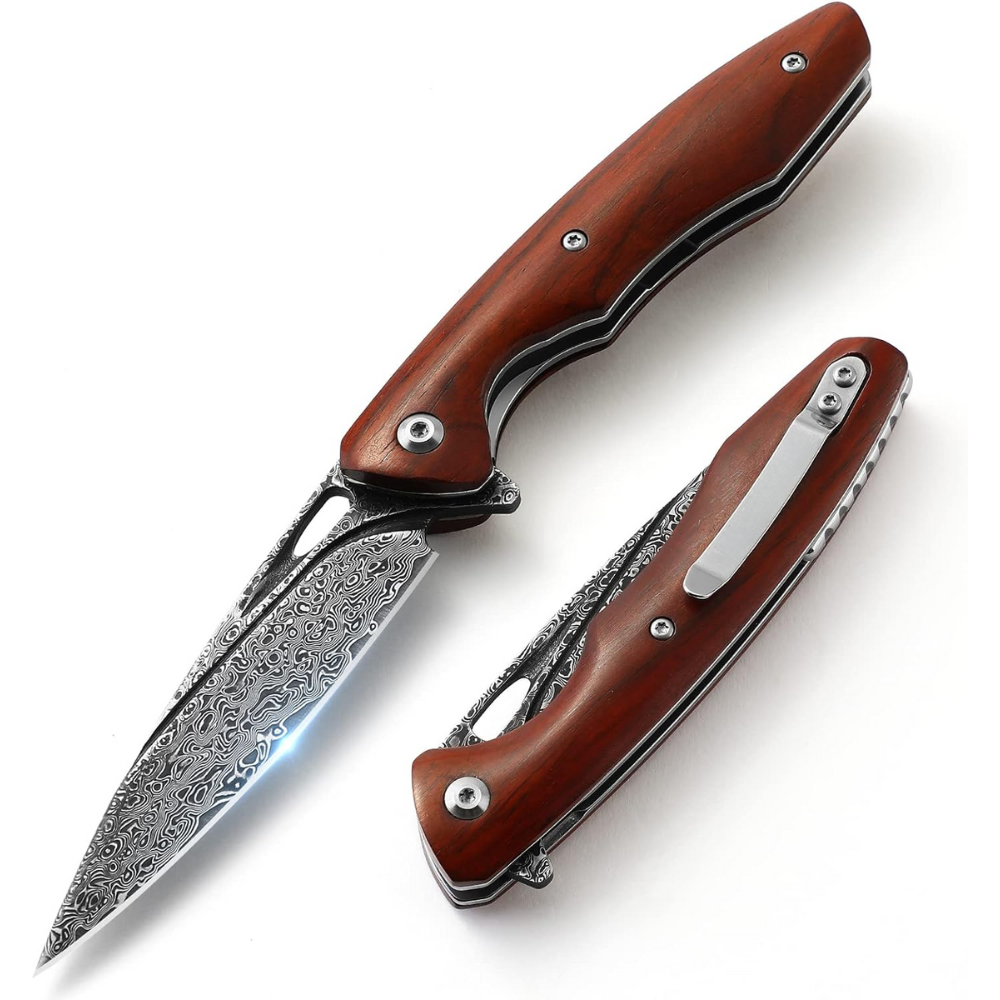
Before diving into safety practices, it’s important to understand the basic components of a pocket knife. A typical pocket knife features a blade, a handle, and a locking mechanism. Each of these parts contributes to the overall safety and functionality of the knife.
Blade Types
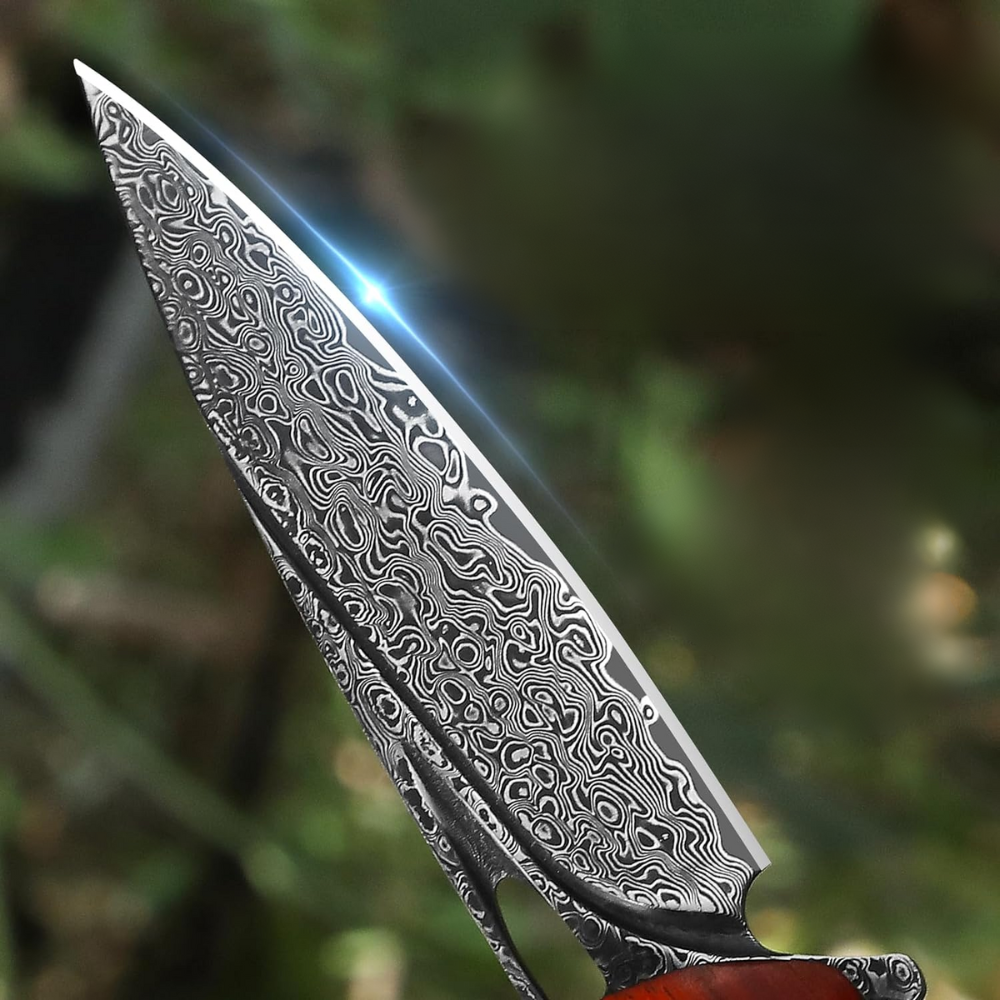
Different pocket knives come with various blade shapes and sizes. For instance, the Triton Tanto Pocket Knife is known for its hardened tip, perfect for piercing tasks. Familiarize yourself with the types of blades to choose the right one for your needs.
Handle Materials
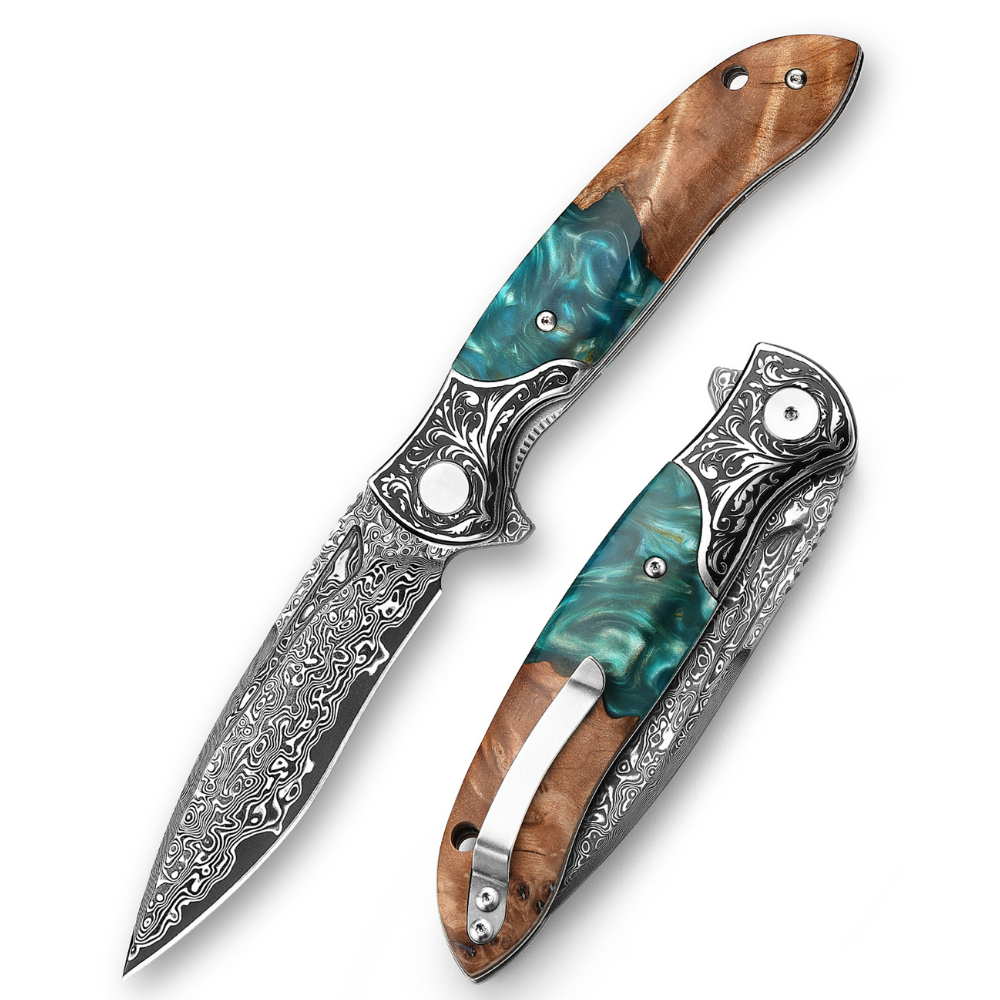
Handles can be made from various materials, including plastic, metal, or composite materials. A comfortable grip enhances control and minimizes the risk of accidents. When selecting a folding knife, consider what material feels best in your hand and offers a secure hold.
Essential Pocket Knife Safety Practices
By adhering to some simple safety practices, you can dramatically reduce the chances of accidents while using your pocket knife.
Keep Your Knife Sharp
A sharp blade may sound counterintuitive when considering safety, but a dull knife is more hazardous. Dull blades require excessive force to cut, increasing the chances of slipping and accidental cuts. Regularly sharpen your knife to ensure it remains effective and safe during use.
Always Cut Away from Your Body
Regardless of what type of pocket knife you are using, always cut away from your body. This simple technique minimizes the risk of injury in case your hand slips or the blade snaps. Remember, safety should always come first!
Utilize the Locking Mechanism
Most folding knives, including the Triton Tanto Pocket Knife, come with a locking mechanism to secure the blade in place. Make it a habit to lock the blade when in use and to unlock it only when you're ready to store it. This prevents inadvertent closing of the blade, which can lead to serious injuries.
Proper Handling Techniques
Proper handling of your pocket knife is crucial. Here are some tips to ensure you’re using your knife safely:
- Use Two Hands When Necessary: For tasks that require significant force, consider using both hands to maintain control.
- Avoid Distractions: Focus on what you're doing. Avoid using your pocket knife while multitasking or in a hurry.
- Store Your Knife Safely: Always store your knife in a designated area, ideally in a protective sheath or pouch to avoid accidents.
Understanding the Legal Aspects
Owning and carrying a pocket knife can come with legal responsibilities. Laws regarding the possession and use of knives vary by state and locality. It's crucial to be informed about the regulations in your area. Always carry your pocket knife securely and avoid any location where knives are prohibited.
Knife Regulations to Know:
- Blade Length: Many jurisdictions have restrictions on the maximum allowable blade length.
- Type of Knife: Some areas may explicitly ban certain types of knives, like switchblades or balisongs.
- Carrying Concealed: Check if you can carry your pocket knife concealed on your person, as some places require them to be visible.
Education and Training
For those new to using pocket knives, seeking out educational resources can significantly enhance your skills and confidence. Consider taking classes or workshops that focus on safe knife handling and techniques.
Key Areas to Focus On:
- Knife Maintenance: Understanding how to properly maintain your knife can prolong its life and ensure safety.
- Cutting Techniques: Learn correct cutting techniques to enhance safety and efficiency.
- Emergency Procedures: Familiarize yourself with what to do in case of an accident.
Regular Maintenance for Safety
Regular maintenance is essential not only for performance but for safety too. Consciously maintain your pocket knife to keep it in optimal condition.
Cleaning Your Knife
After each use, clean your knife to remove any debris or contaminants. This minimizes the risk of rusting and degradation of components. Use a soft cloth and mild soap or a dedicated knife cleaner, and dry it thoroughly before storage.
Inspecting for Damage
Periodically inspect your knife for any signs of wear or damage. Look for any issues with the blade, handle, or locking mechanism. If the knife shows signs of damage, seek repair or consider replacing it to ensure your safety.
Best Practices for Specific Situations
Different situations may require specific approaches to using your pocket knife safely.
Outdoor Safety
When using your pocket knife for outdoor tasks, such as camping or fishing, additional precautions are needed:
- Use a Cutting Board: Whenever possible, use a cutting board to protect both the blade and the surface you are cutting on.
- Be Aware of Your Surroundings: Ensure that others are at a safe distance while you are using the knife outdoors.
- Respect Nature: When using your knife for tasks like carving, be mindful of the environment, and avoid damaging plants or wildlife.
Kitchen Use
In the kitchen, your pocket knife can be a handy tool for food preparation. Keep the following in mind:
- Keep it Clean: Follow sanitary guidelines and clean your knife thoroughly between different food items.
- Use Appropriate Cutting Techniques: Master techniques such as the pinch grip for better control and safety.
- Avoid Glass or Ceramic Surfaces: Cutting on hard surfaces can dull your blade quickly; use cutting boards instead.
Finding the Perfect Pocket Knife for You
Choosing the right pocket knife can impact your experience and safety. With numerous options available on the market, including varieties like the Triton Tanto Pocket Knife, it's essential to consider what features best suit your needs.
Key Features to Look For:
- Comfortable Grip: Ensure the handle fits well in your hand, reducing fatigue during use.
- Blade Material: High-quality steel should be on your list – it matters for both sharpness and corrosion resistance.
- Functionality: Determine whether you need a multi-tool or just a simple knife – features should align with your needs.
Join a Community
Engaging with other knife enthusiasts can enhance your knowledge and skills. Consider joining online forums or local clubs where experiences, tips, and stories about pocket knives are shared.
Wrap Up Your Pocket Knife Journey!
By following these essential pocket knife safety practices, you can confidently equip yourself for a variety of tasks while minimizing risks. Regular maintenance, proper handling techniques, and an understanding of knife laws can make using tools like the Triton Tanto Pocket Knife and other folding knives a safe and enjoyable endeavor. Remember, safety never goes out of style!
Frequently Asked Questions
1. What are the essential components of a pocket knife?
2. Why is it important to keep a pocket knife sharp?
3. How should I handle a pocket knife to ensure safety?
4. What legal aspects should I consider when carrying a pocket knife?
5. What maintenance practices should I follow for my pocket knife?
Glossary
| Term | Meaning |
|---|---|
| Pocket Knife | A small, foldable knife used for various tasks. |
| Blade | The cutting part of the knife, available in various shapes and sizes. |
| Handle | The part of the knife you hold, made from different materials for grip. |
| Locking Mechanism | A feature that secures the blade in place during use. |
| Dull Blade | A blade that lacks sharpness, making cutting harder and riskier. |
| Cutting Techniques | Methods for using a knife safely and efficiently. |
| Knife Maintenance | Regular care to keep the knife in good working condition. |
| Legal Responsibilities | Understanding laws related to knife ownership and use. |
| Emergency Procedures | Steps to take in case of an accident while using a knife. |
| Multi-tool | A knife that includes additional tools for various functions. |
Linked Product

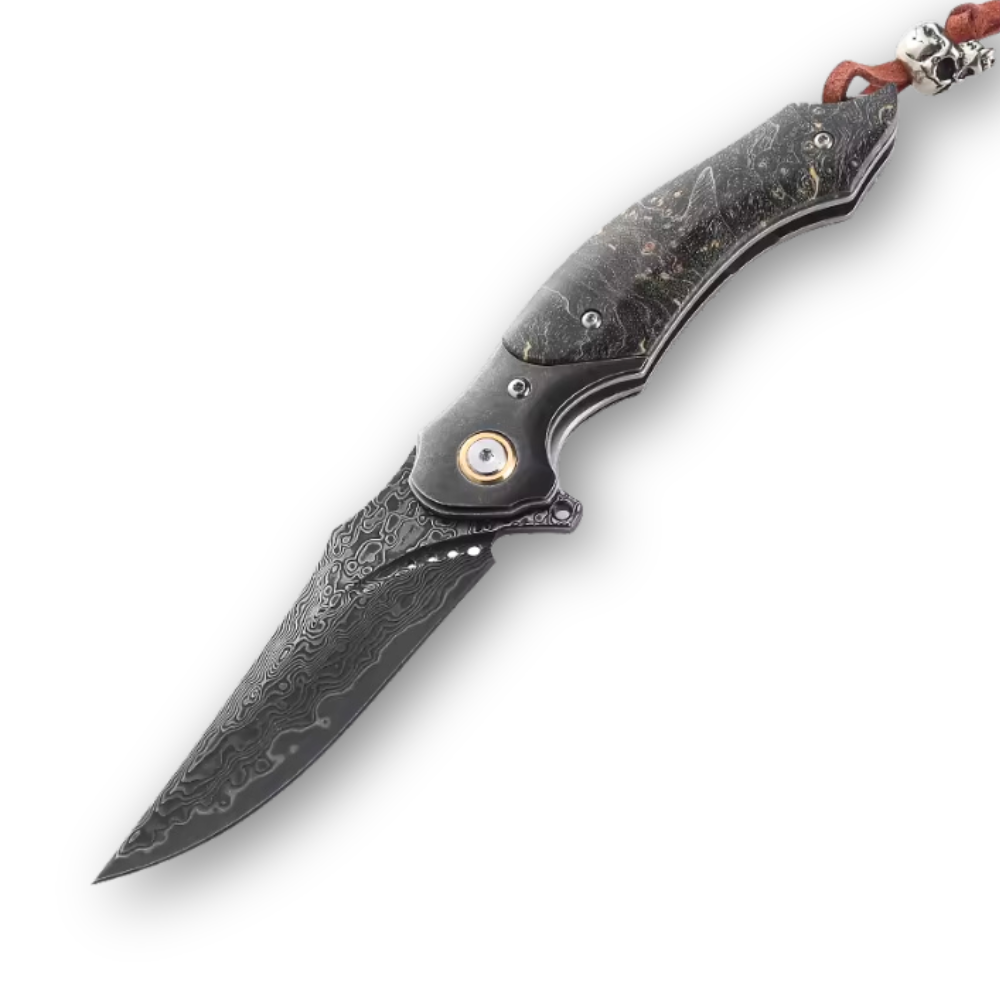
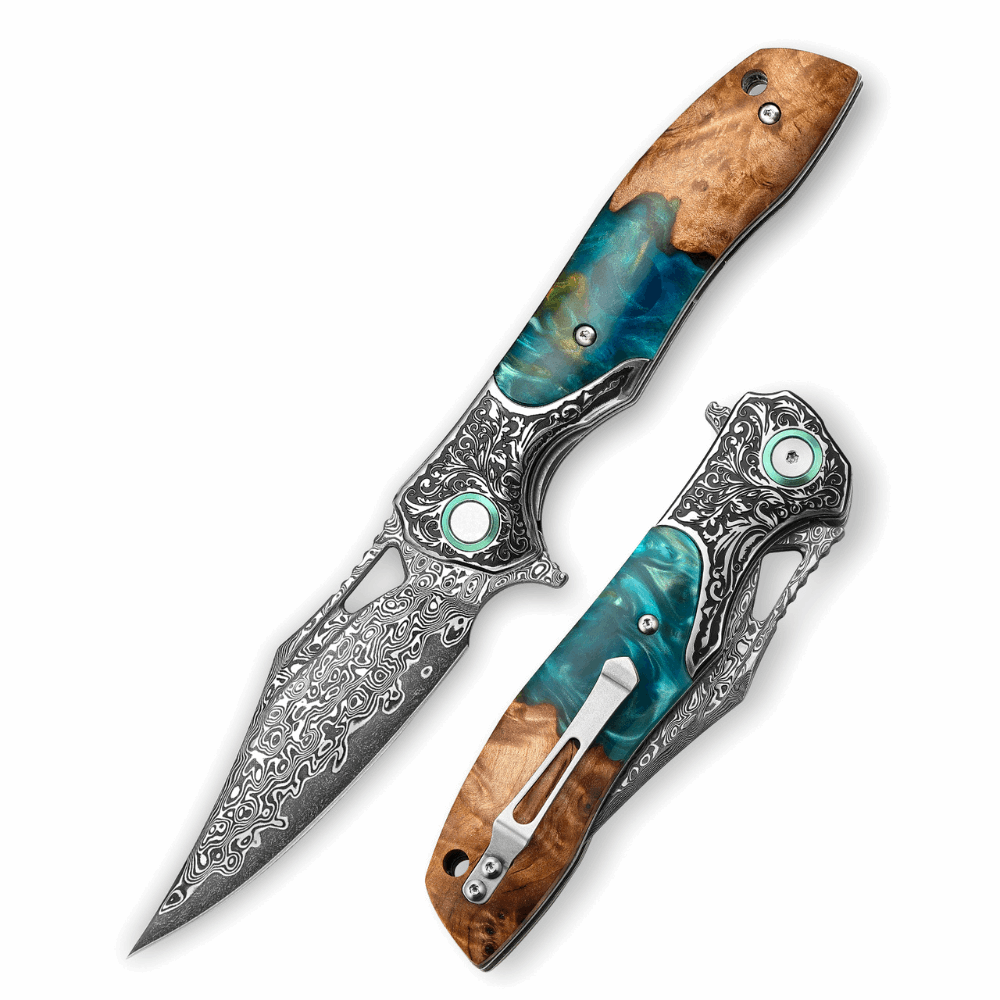
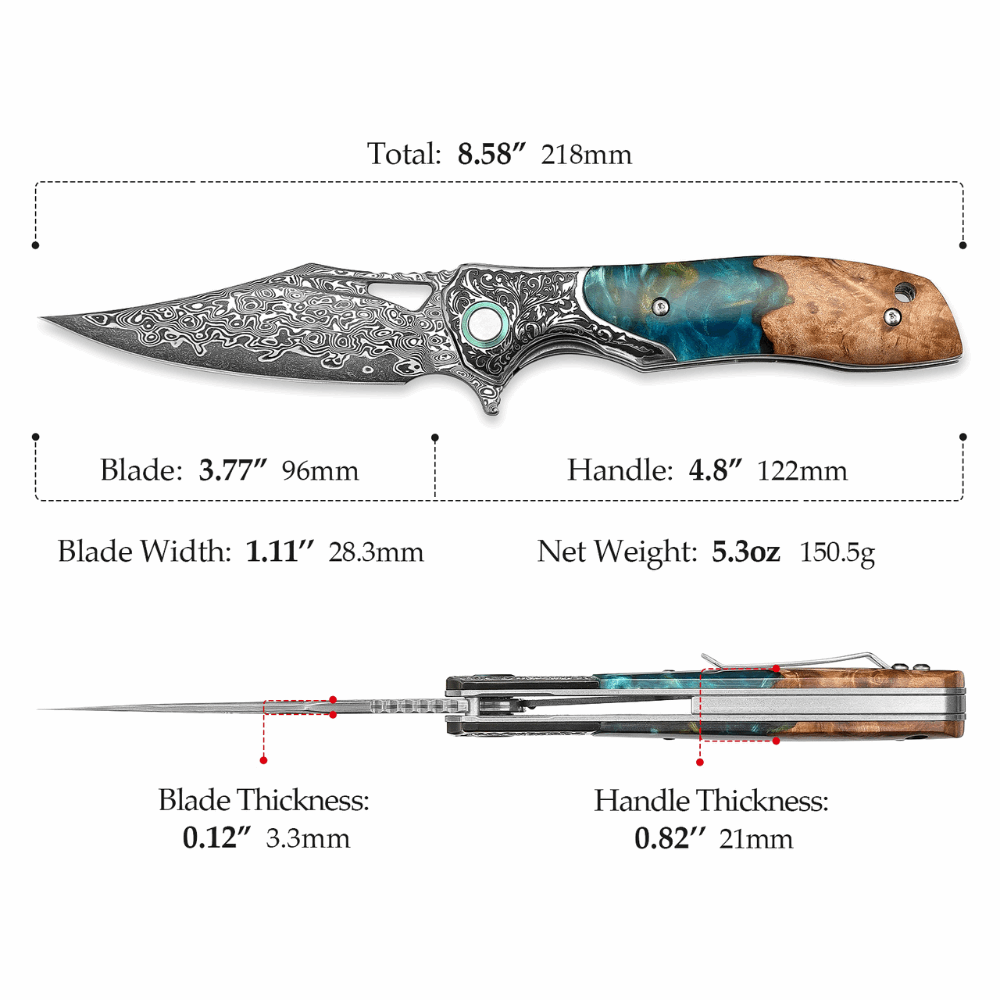
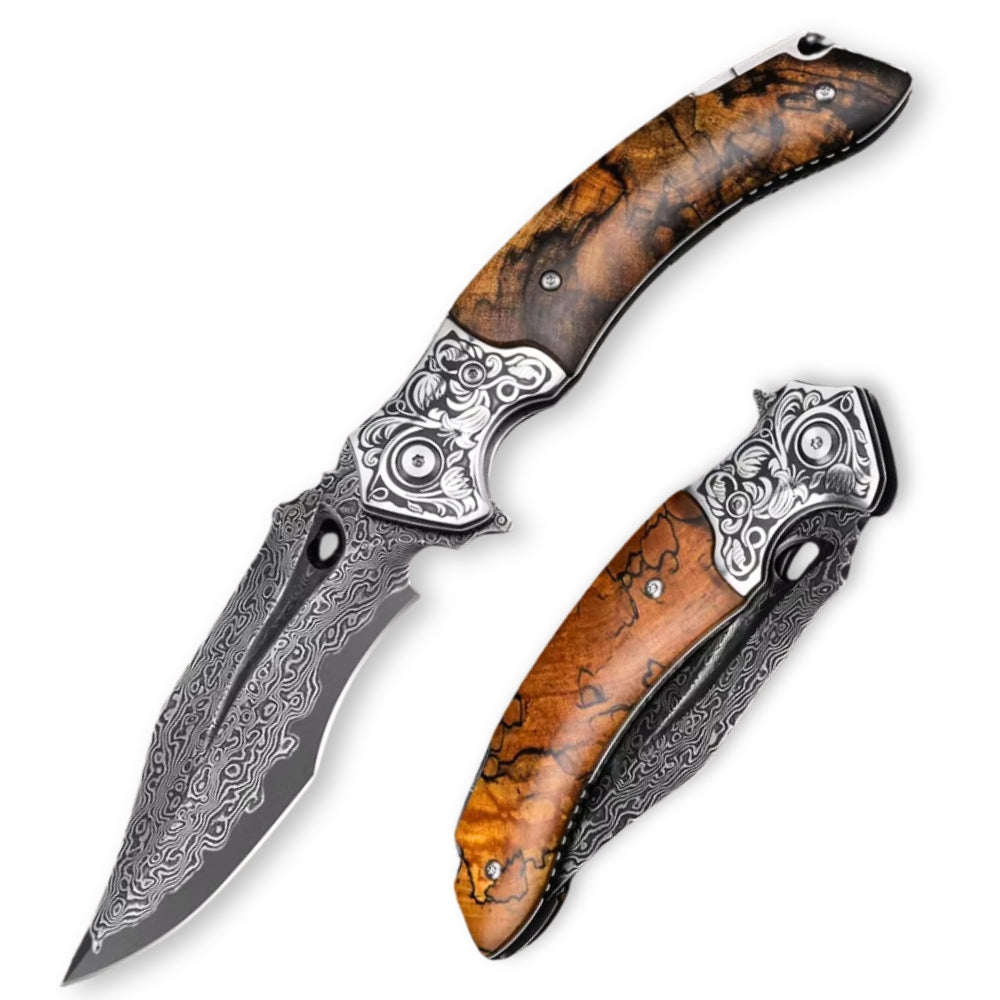
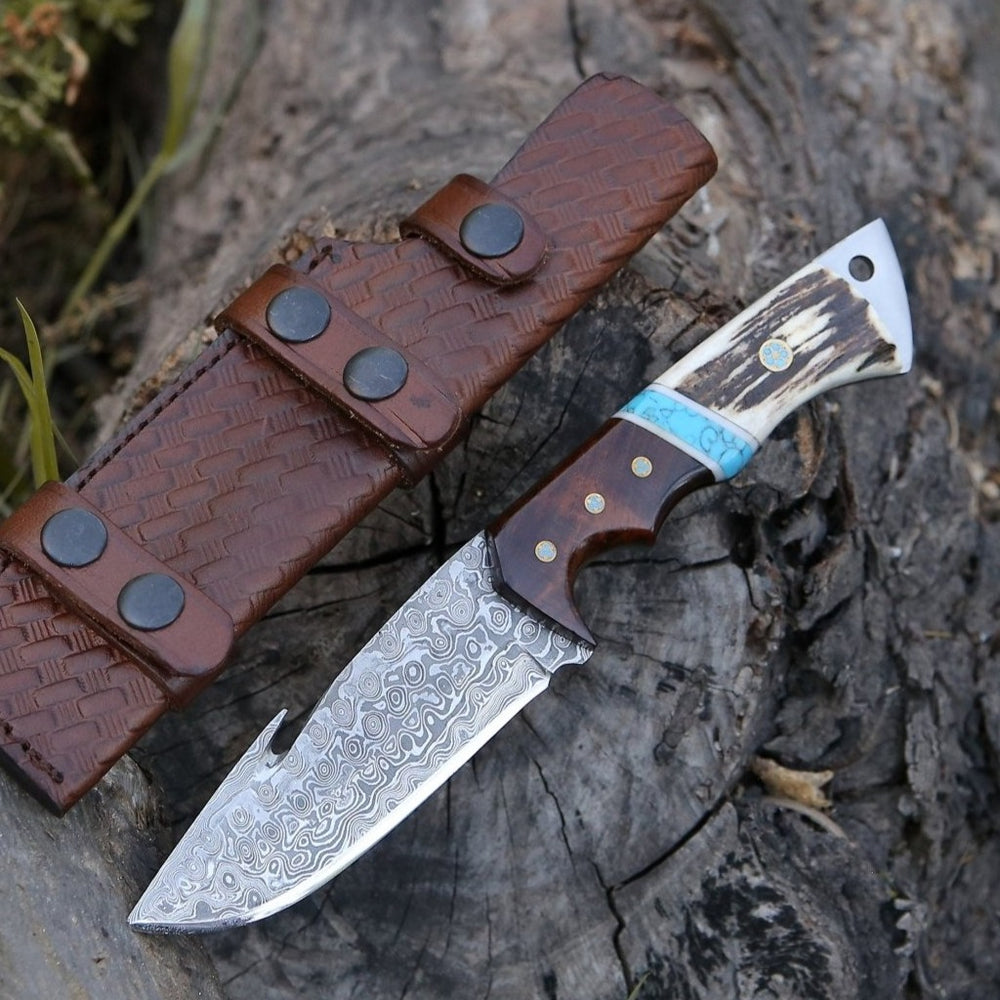
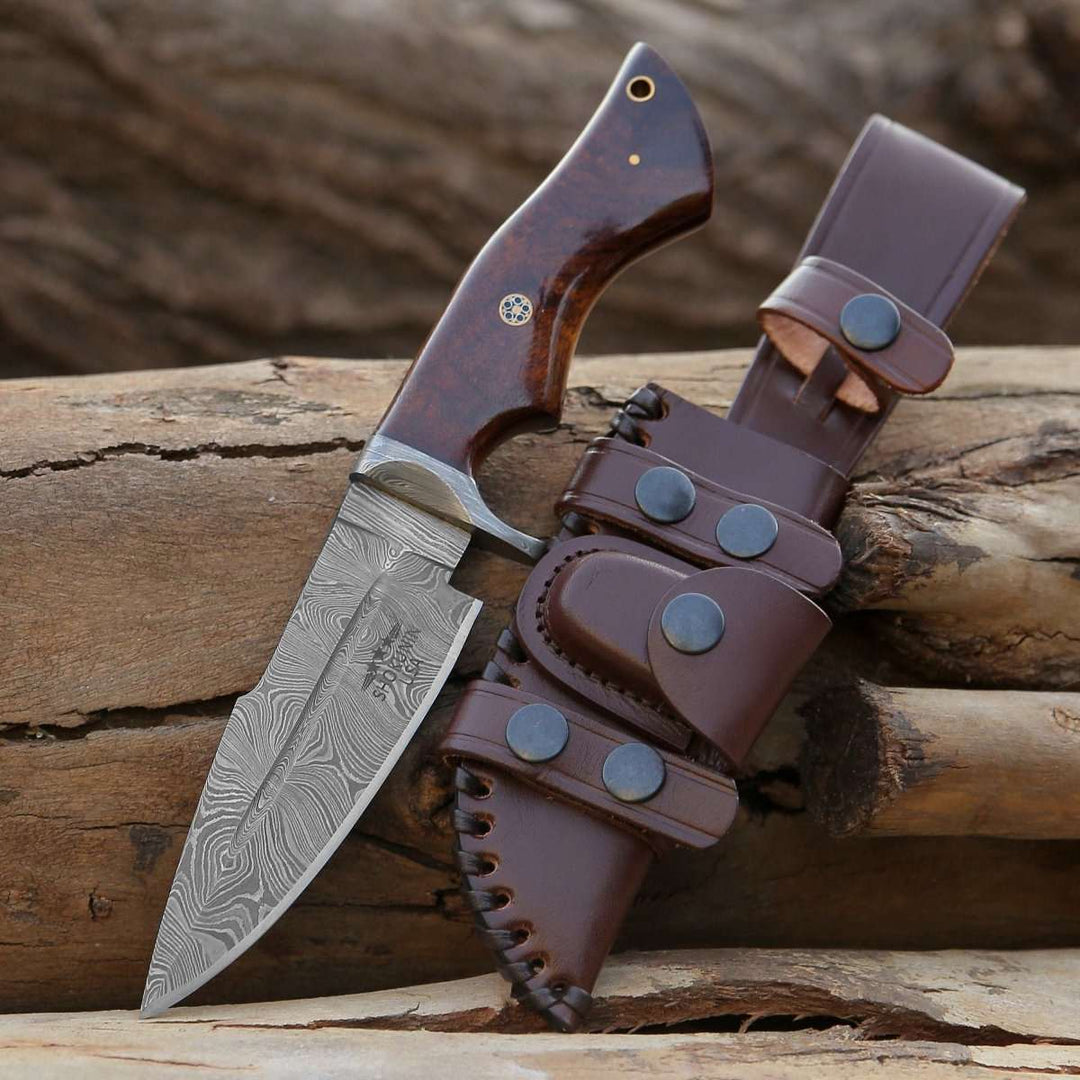
Triton Aus-8 Japanese Steel Tanto Pocket Knife with Clip
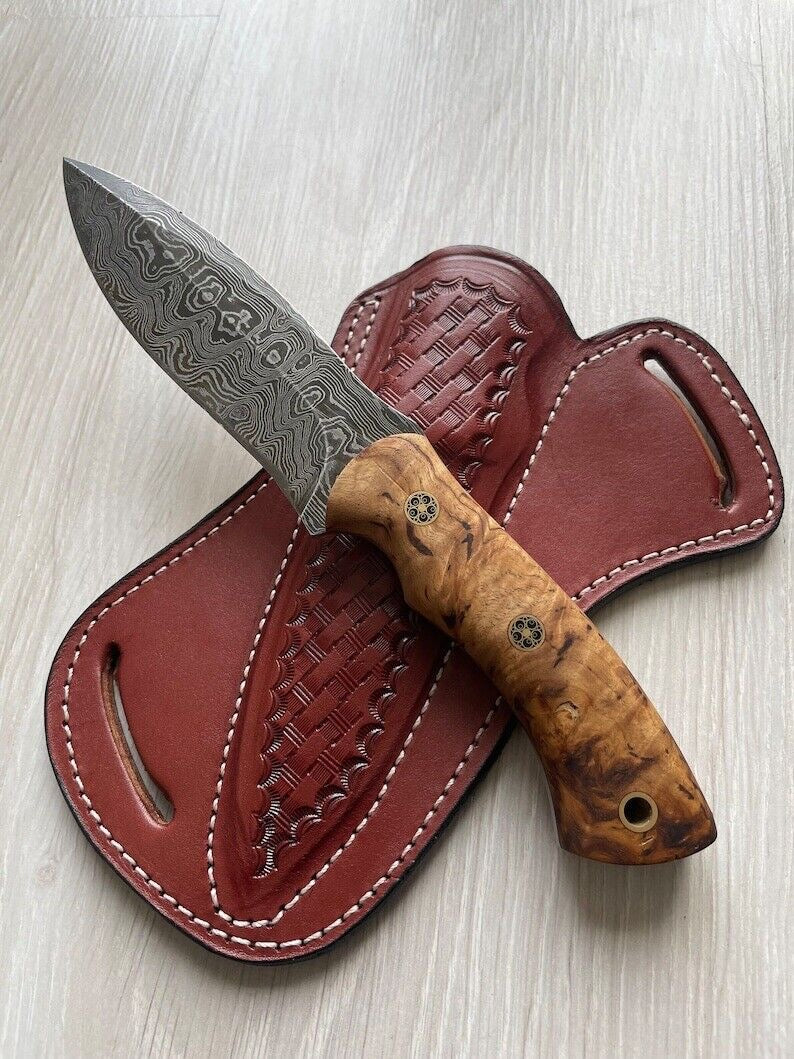
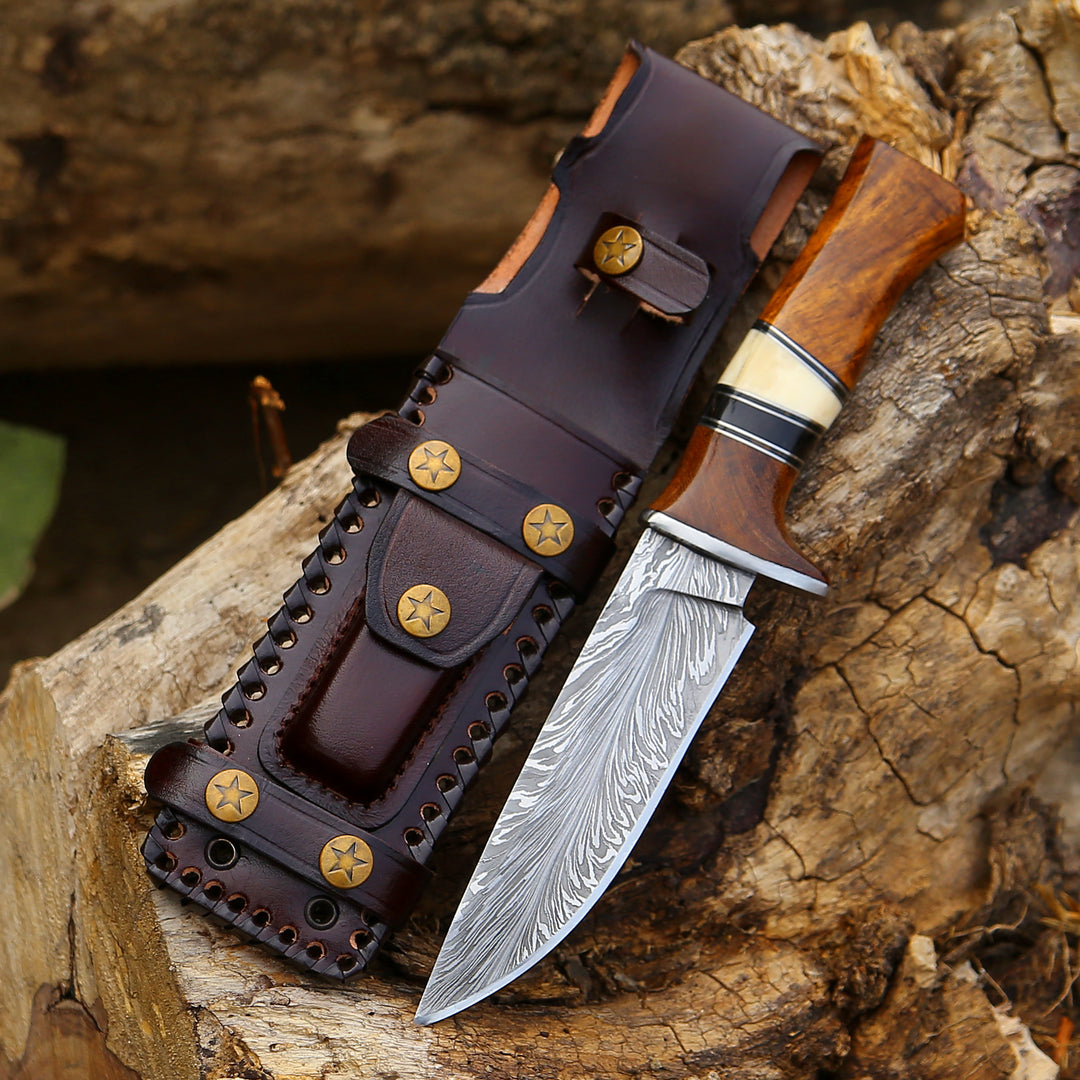
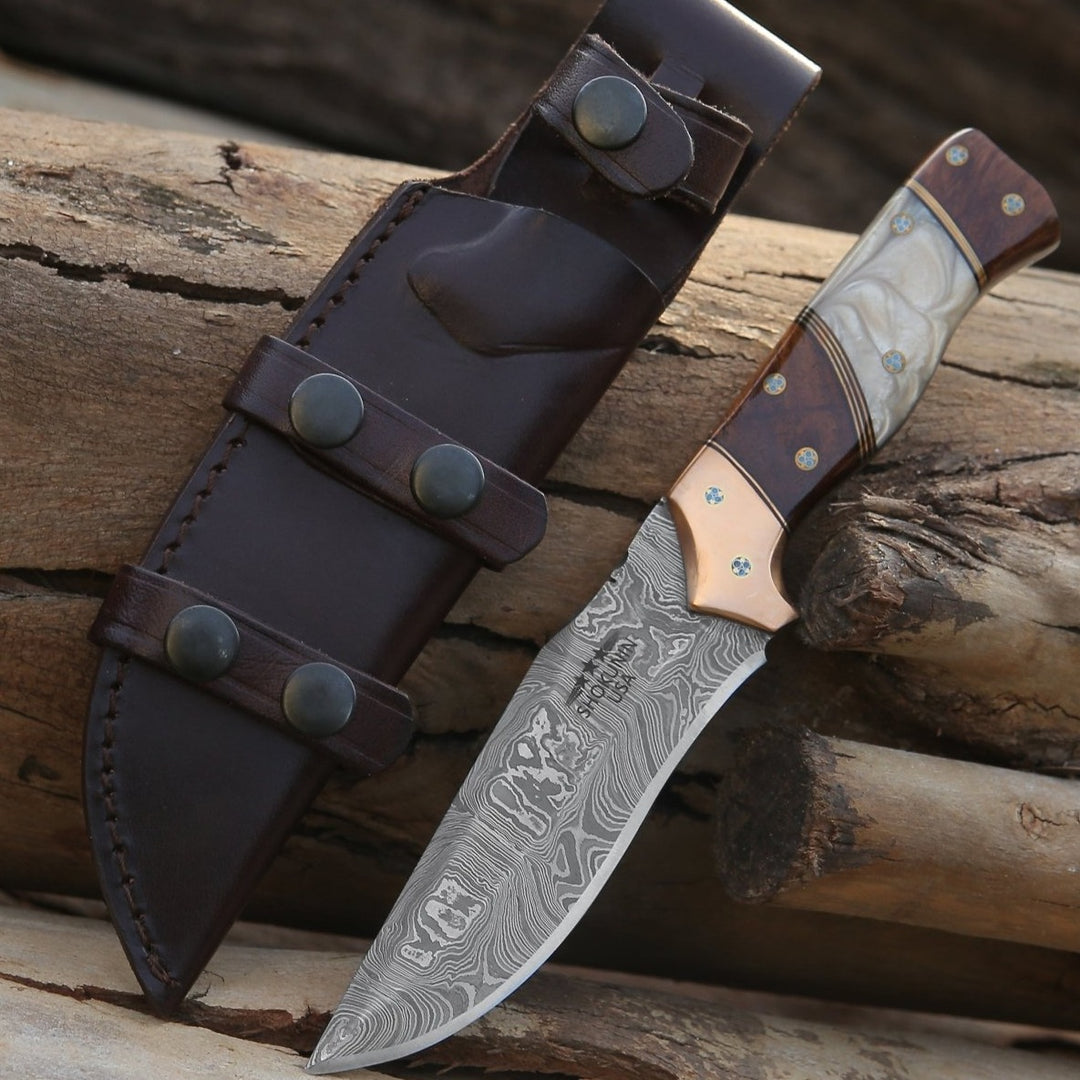
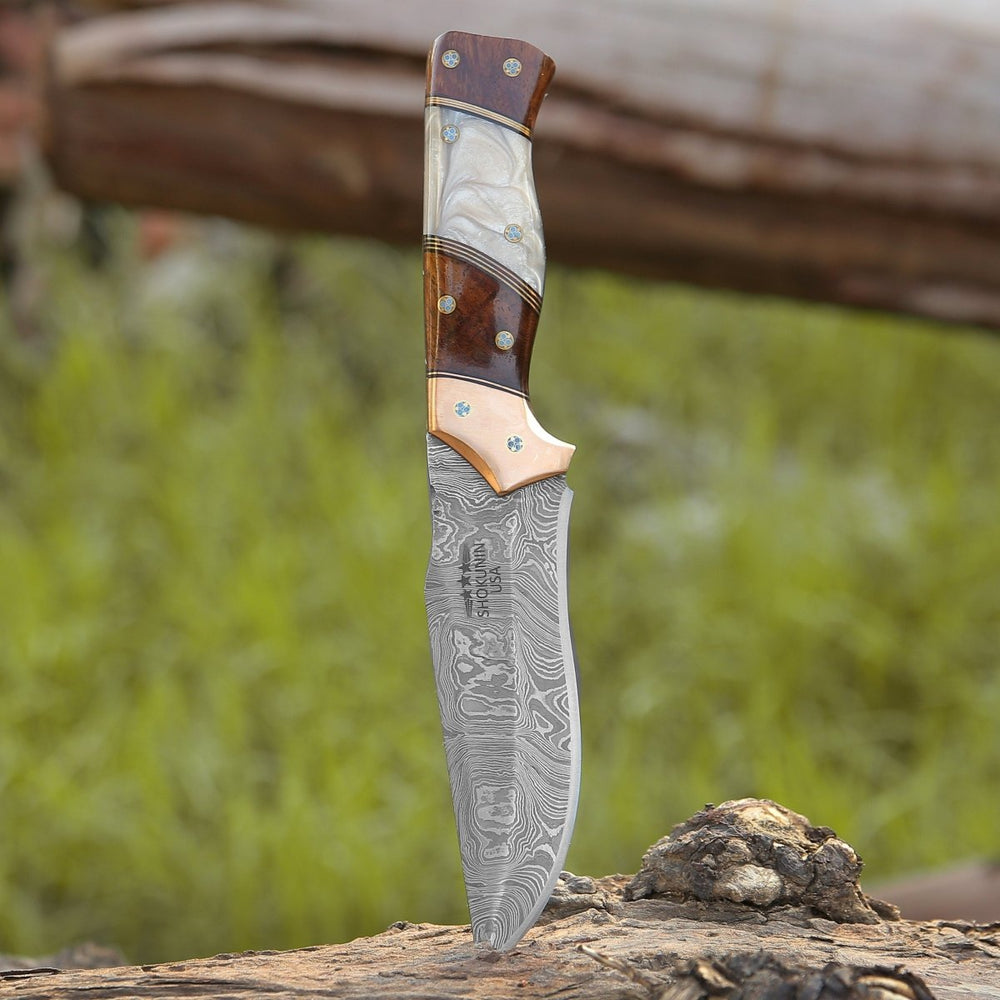
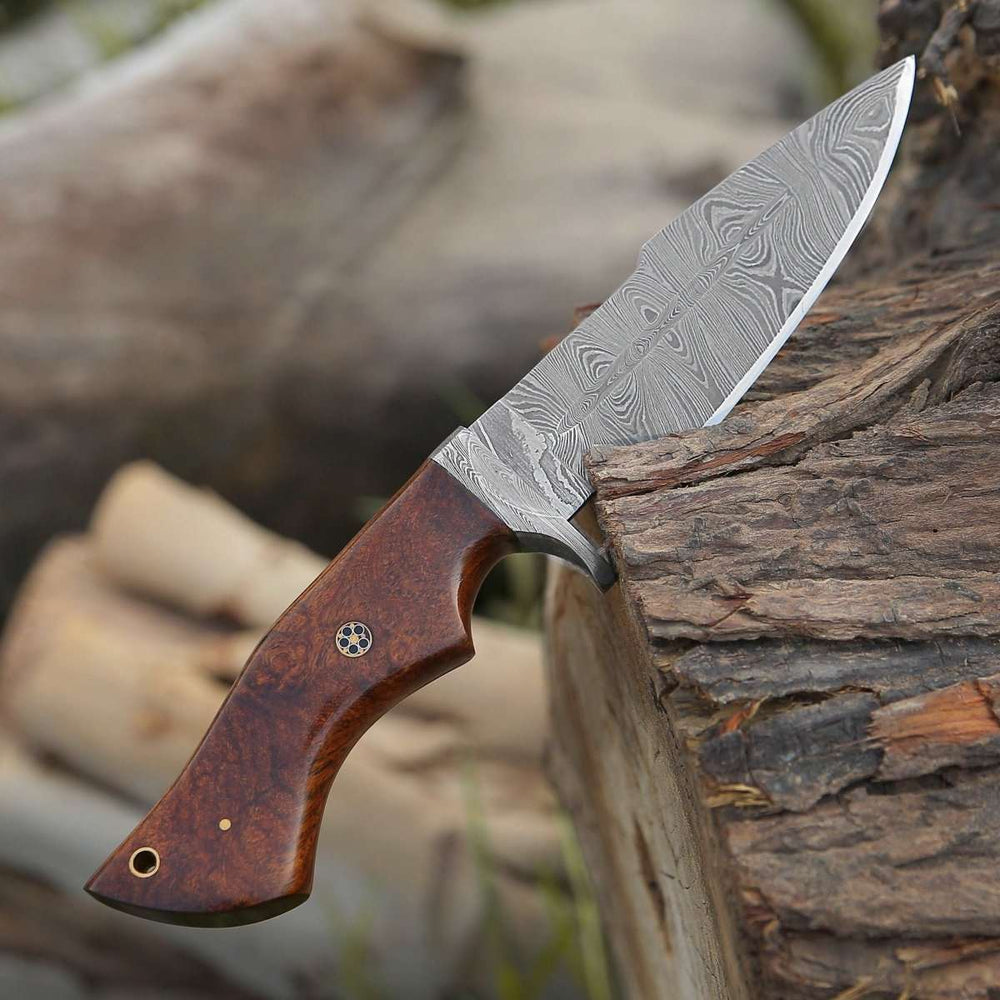
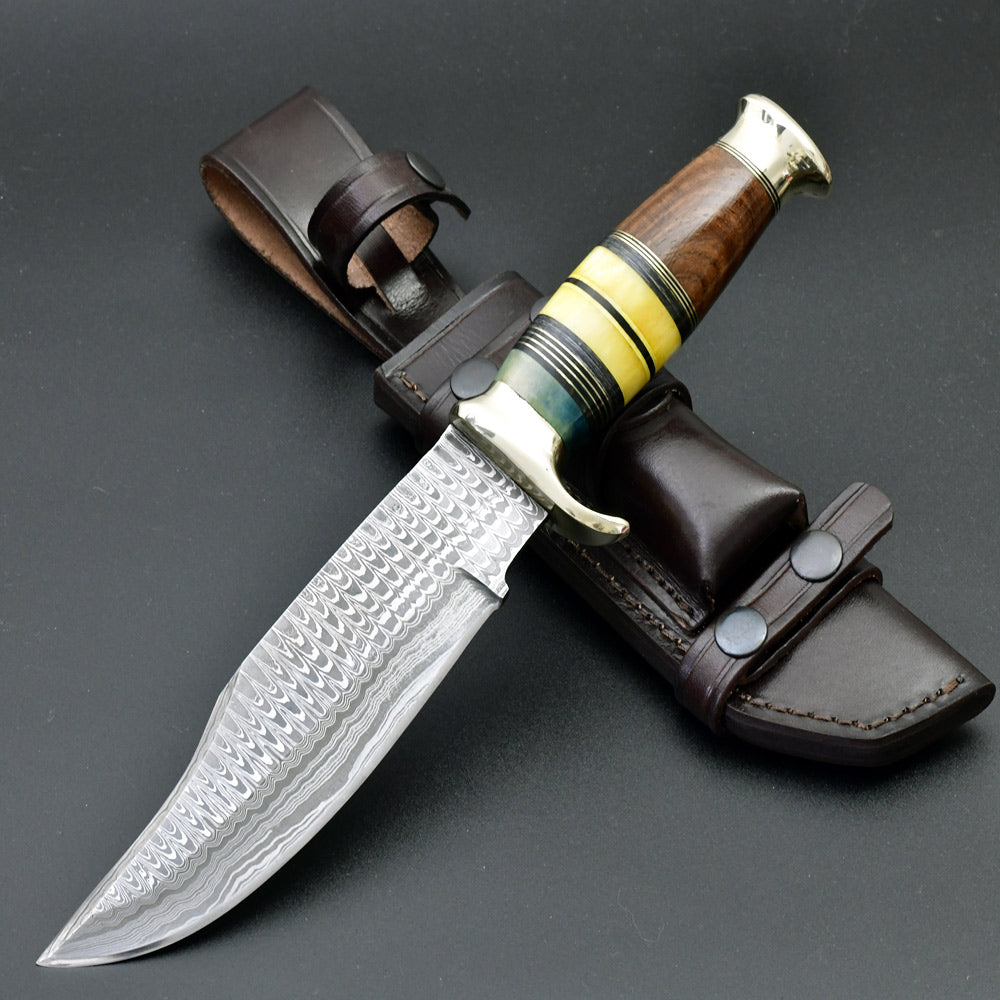
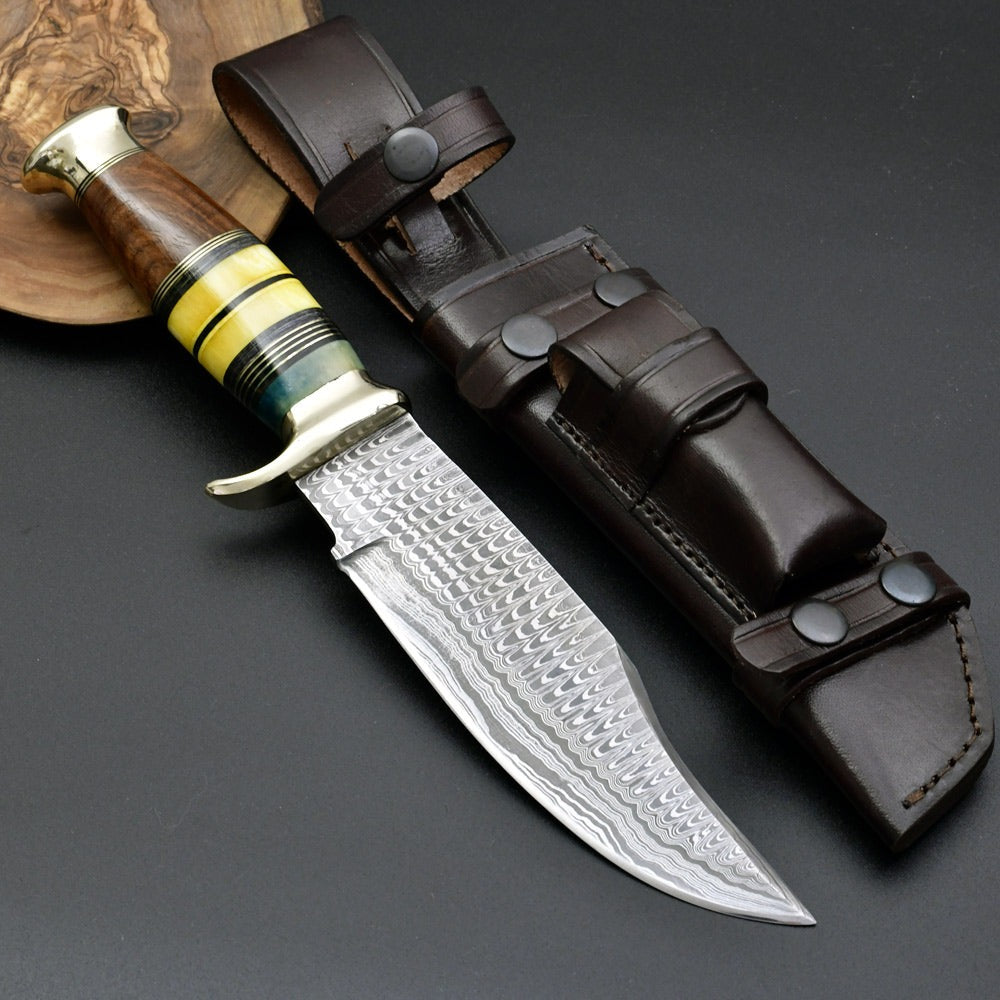
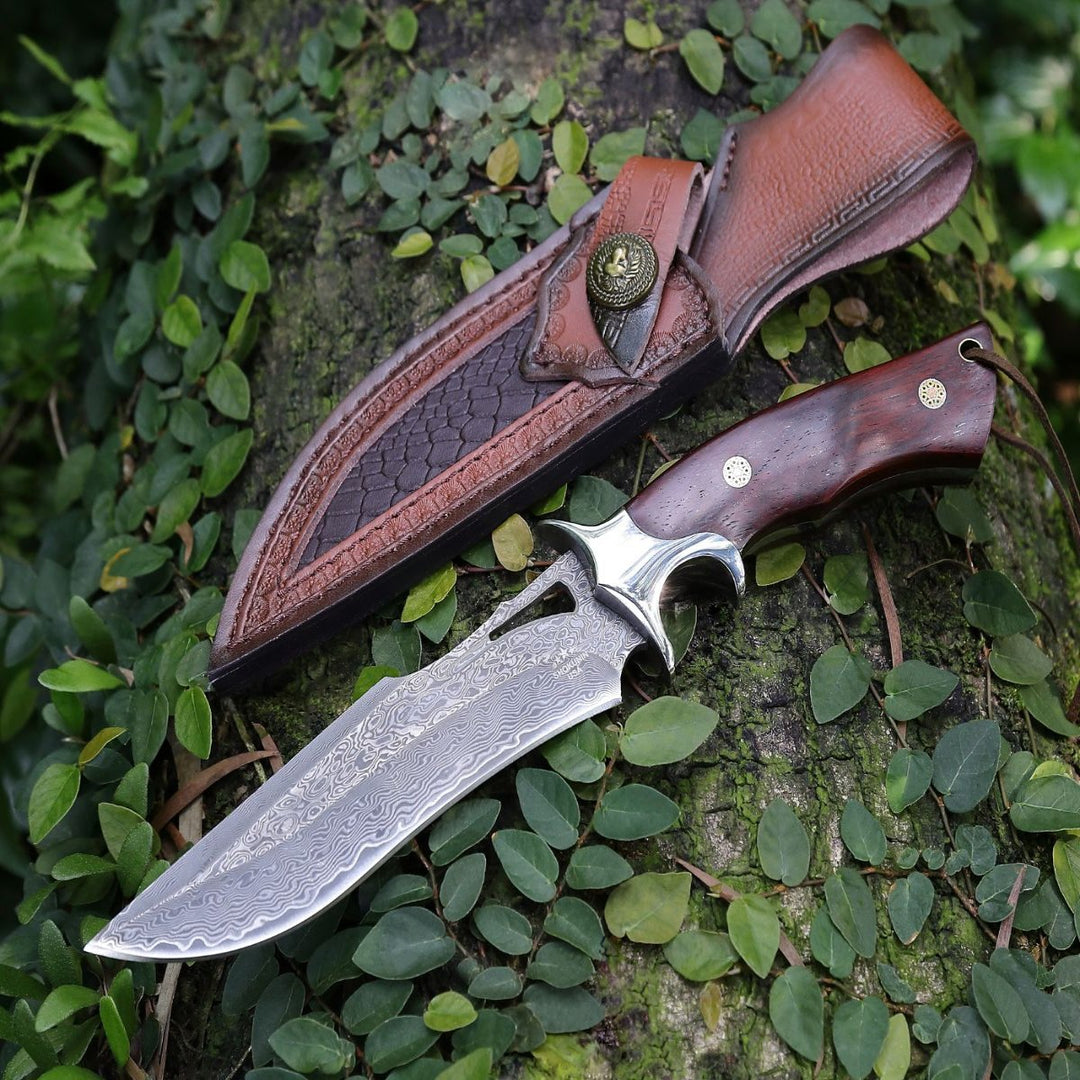
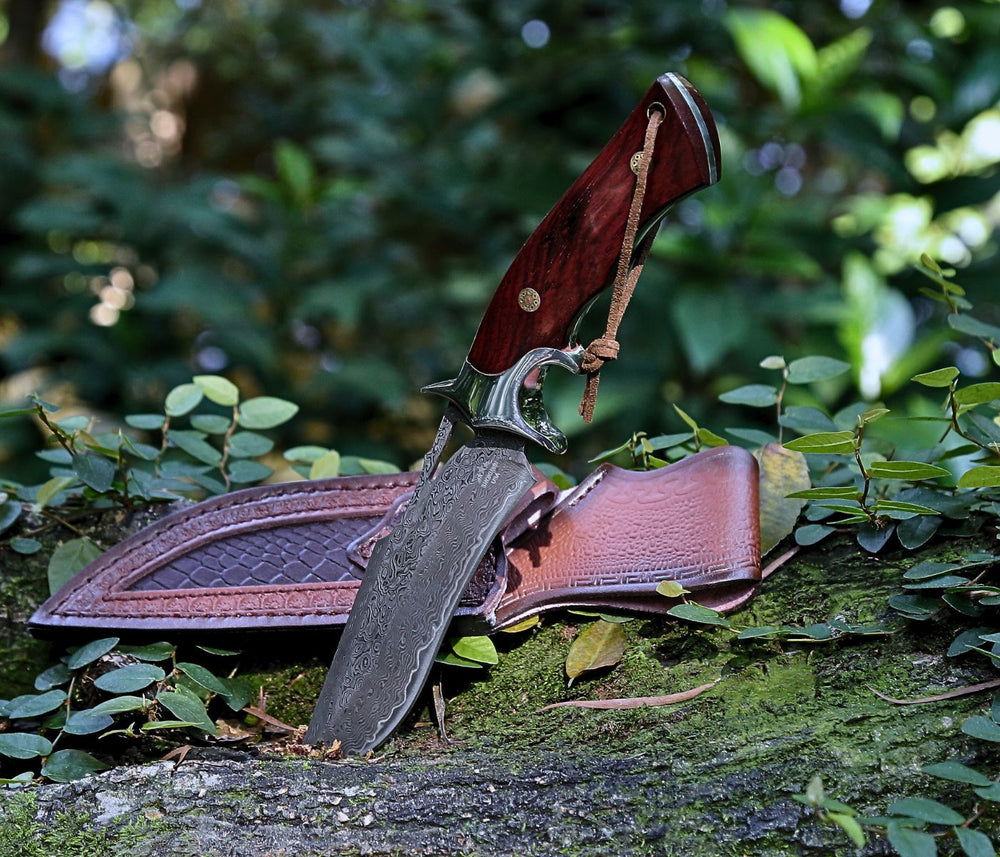
The Triton Aus-8 Japanese Steel Tanto Pocket Knife is designed for versatility, making it suitable for a variety of outdoor activities such as hunting, fishing, and camping. Its ergonomic handle and durable AUS-8 steel blade provide a reliable cutting experience, while the included hand-stitched leather sheath ensures safe and easy transport. Additionally, the knife features a personalized touch, making it a thoughtful gift for outdoor enthusiasts or collectors.
View Product







Dejar un comentario