

The Fascinating Journey of Pocket Knives Through Time
Overview
Pocket knives have evolved from ancient tools to modern multi-functional marvels, becoming essential for outdoor enthusiasts and everyday users alike. This article explores their rich history, design evolution, and current trends, highlighting the craftsmanship, versatility, and collecting culture surrounding these iconic tools. From the ancient Egyptians to the Swiss Army Knife, pocket knives have adapted to meet diverse needs while embracing sustainability and customization for today's consumers.
Frequently Asked Questions
1. What are pocket knives primarily used for?
2. How did pocket knives evolve over time?
3. What are some popular types of modern pocket knives?
4. Why has collecting pocket knives become a popular hobby?
5. What trends are affecting the pocket knife market today?
Pocket knives have long served as essential tools for individuals across various walks of life, from outdoor enthusiasts to everyday users. With their compact design and multi-functional capabilities, these knives have seamlessly blended utility and craftsmanship, making them a staple item for many. In this article, we will take you on a captivating journey through the history of pocket knives, exploring their evolution from ancient tools to modern-day marvels.
The Origins of Pocket Knives
The story of pocket knives begins in ancient times when our ancestors required tools for survival. Archaeological evidence suggests that early humans crafted simple knives from stones and bones for hunting and protection. As societies progressed, metalworking techniques evolved, leading to the creation of the first metallic tools.
Ancient Innovations
Around 3000 B.C., the Egyptians were among the first to develop rudimentary metal knives. Copper was the primary material used, and these blades were primarily employed for ceremonial purposes rather than everyday tasks. Over time, iron began to replace copper, leading to stronger and more reliable knives.
The Roman Influence
Fast forward to the Roman Empire, where we find early versions of folding knives. Romans ingeniously designed small, portable knives that could be carried easily. These innovations were notably influenced by the need for practical tools among soldiers and travelers. The adoption of the folding mechanism can be credited to Roman craftsmanship, paving the way for future developments in pocket knives.
The Evolution of Design
As we move through history, pocket knives began to undergo significant transformations both in design and functionality. By the Middle Ages, these handy tools transformed into more compact, versatile creations.
The Renaissance Era
The Renaissance marked a flourishing period of innovation and artistry in Europe. During this time, the craftsmanship of pocket knives reached new heights. Artisan knife makers began incorporating intricate designs, embellishments, and unique materials. This period also saw the creation of specialized knives with specific functions, such as fishing or farming, reflecting the diverse needs of society.
The Enlightenment and Beyond
With the advent of the Enlightenment in the 17th and 18th centuries, utilitarian tools like pocket knives gained even more importance. The period witnessed the establishment of the trade guilds that further refined knife-making techniques. This era saw the introduction of various materials, such as silver, ivory, and wood, for knife handles, enhancing their aesthetic appeal.
The Birth of the Modern Pocket Knife
The 19th century heralded the birth of the modern pocket knife as we know it today. The industrial revolution introduced mass manufacturing techniques, enabling sharper and more durable blades to be produced. This has allowed pocket knives to become more accessible to the general population.
Swiss Army Knife Revolution
One of the standout innovations in pocket knife history is undoubtedly the Swiss Army Knife. Developed in the late 19th century, it was initially designed for the Swiss military. Its multi-functionality made it an instant classic, featuring a blade, screwdriver, can opener, and many more tools, all in one compact community. Today, the Swiss Army Knife remains a symbol of quality and versatility, with countless variations available in the market.
The Influx of Specialization
As pocket knives grew in popularity, various manufacturers began to specialize. The emergence of brand names like Gerber, Case, and Buck led to an explosion of choices for consumers. From the trusty everyday carry knife to premium collector editions, there is a type of pocket knife for everyone’s needs and preferences. Specialization helped consumers choose tools that matched their lifestyle, whether for outdoor adventures, trades, or everyday use.
Functional Versatility
Today, pocket knives exemplify versatility, featuring various tools and attachments to suit a multitude of tasks. From camping and fishing to everyday use in urban settings, these knives can serve different functions, making them an invaluable asset in anyone's toolkit.
Camping and Outdoor Adventures
For outdoor enthusiasts, pocket knives often become essential gear. They facilitate tasks such as cutting rope, preparing food, or even self-defense in nature. Their lightweight design allows them to be easily carried without weighing down the pack.
Everyday Carry and Utility
In urban settings, many people have embraced pocket knives as part of their everyday carry (EDC) gear. Modern pocket knives can be inconspicuous yet incredibly functional, helping individuals navigate daily tasks like opening packages, fixing items, or even performing basic repairs.
Today’s Craftsmanship and Trends
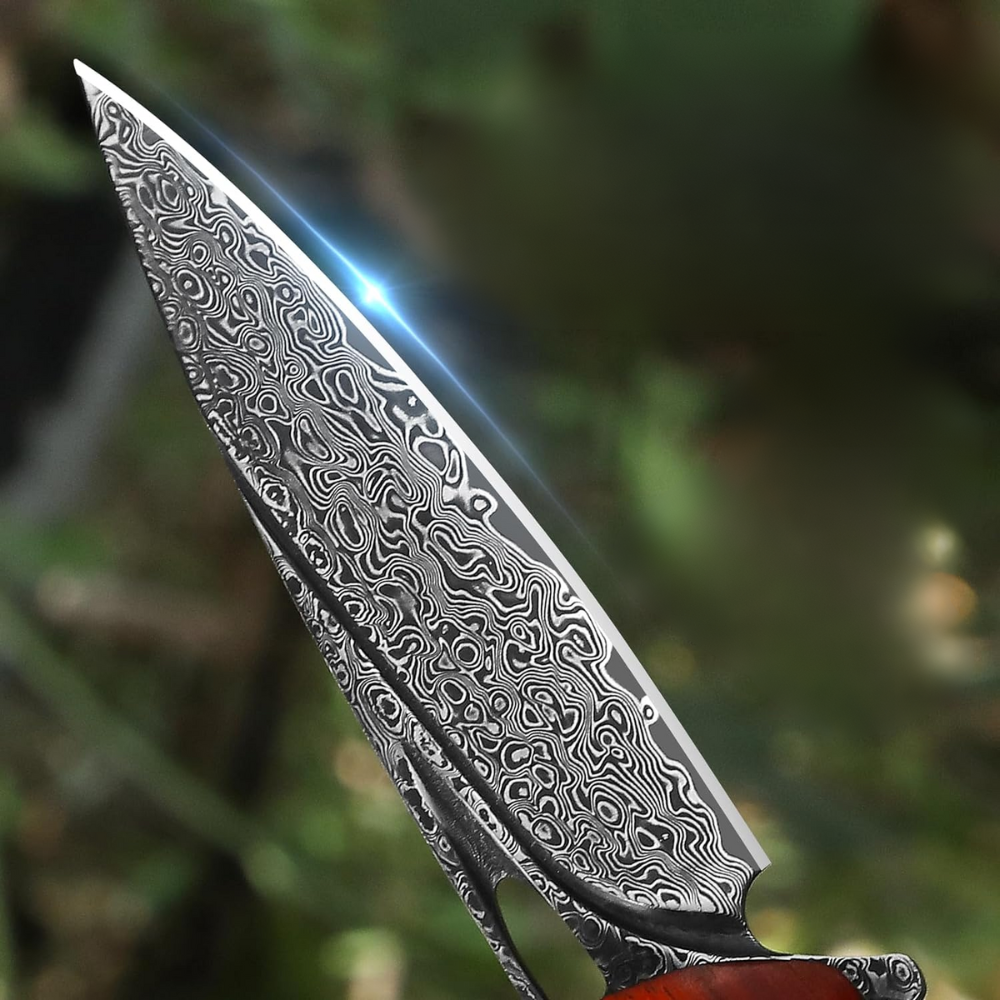
The landscape of pocket knives has continued to evolve with modern technology and contemporary design elements. Innovations in materials, such as high-carbon stainless steel, have dramatically improved performance, with knife manufacturers focusing on producing durable and effective blades.
Materials and Customization
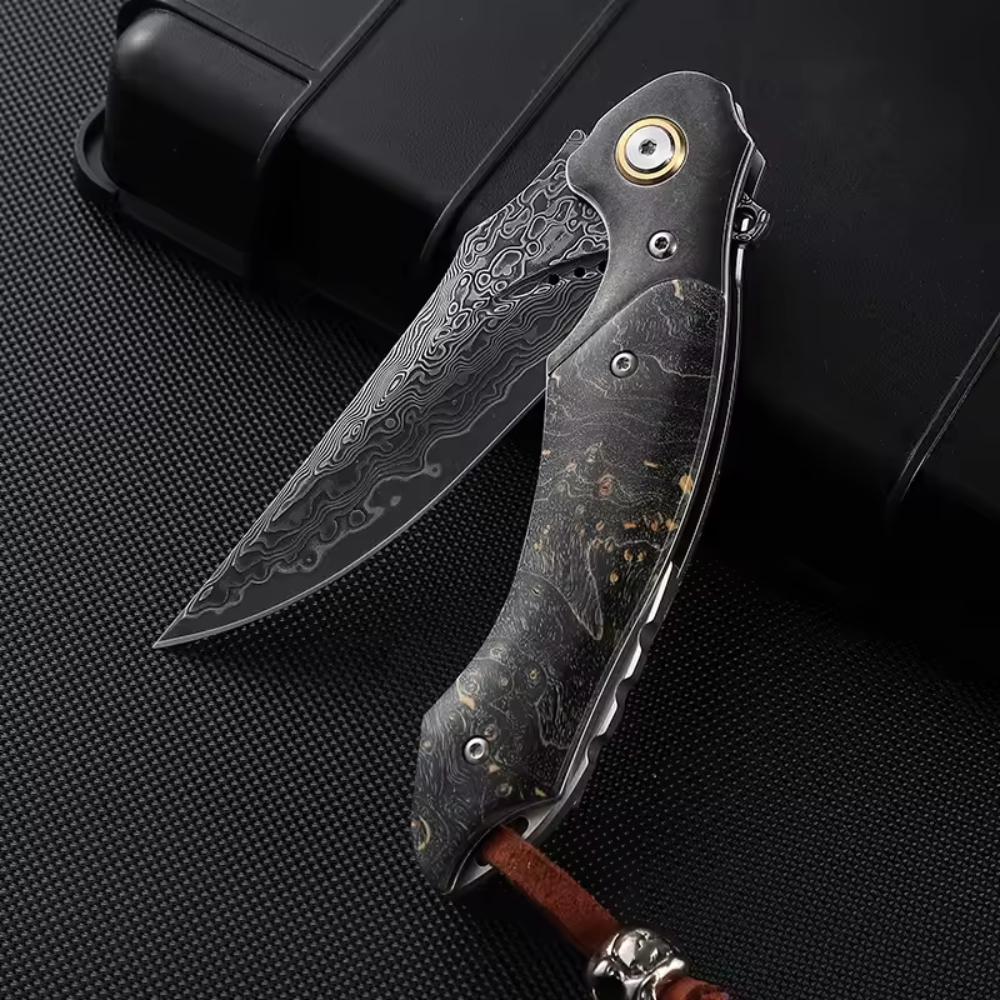
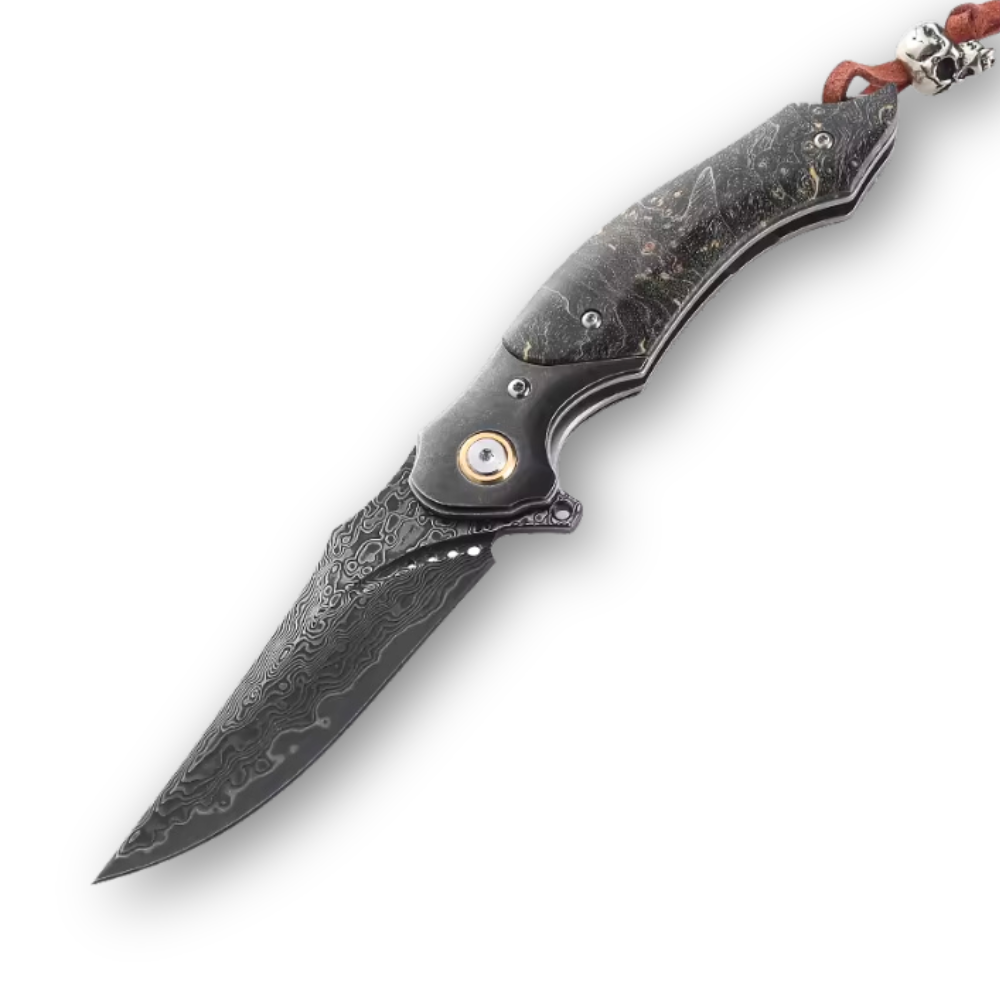
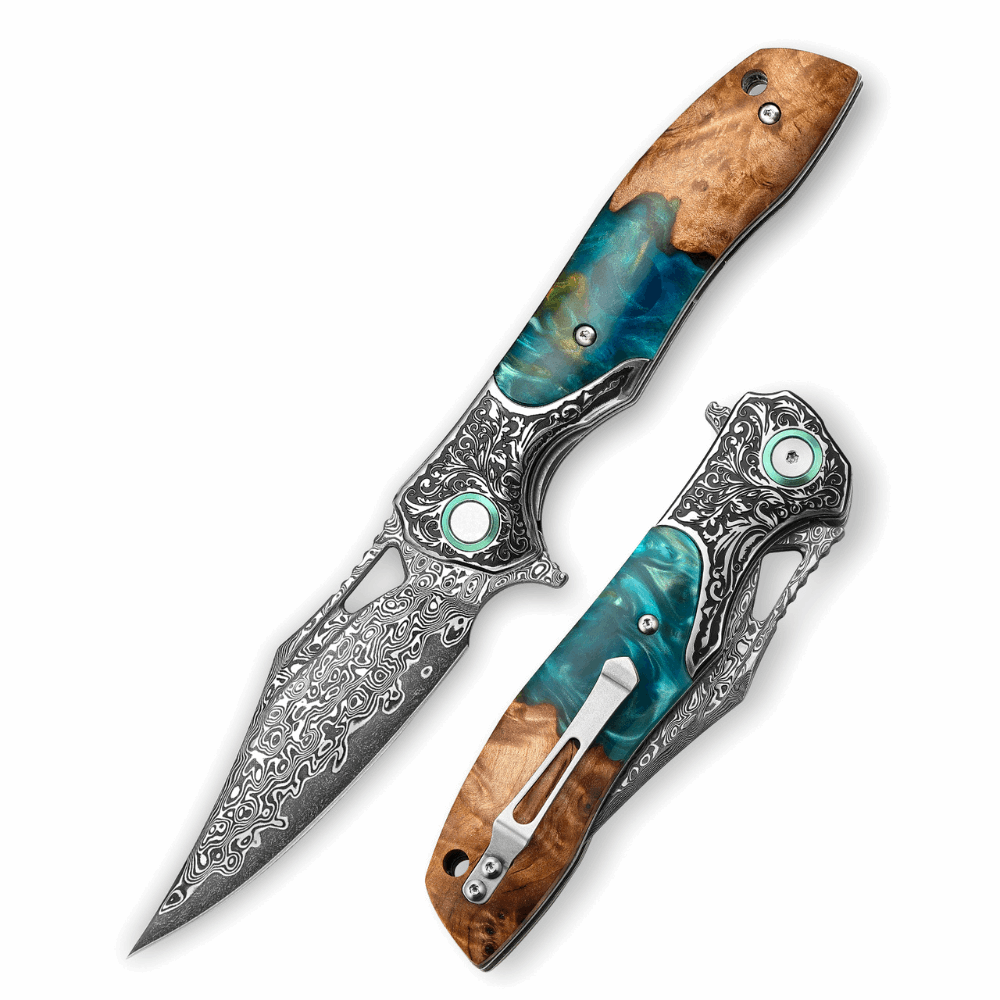
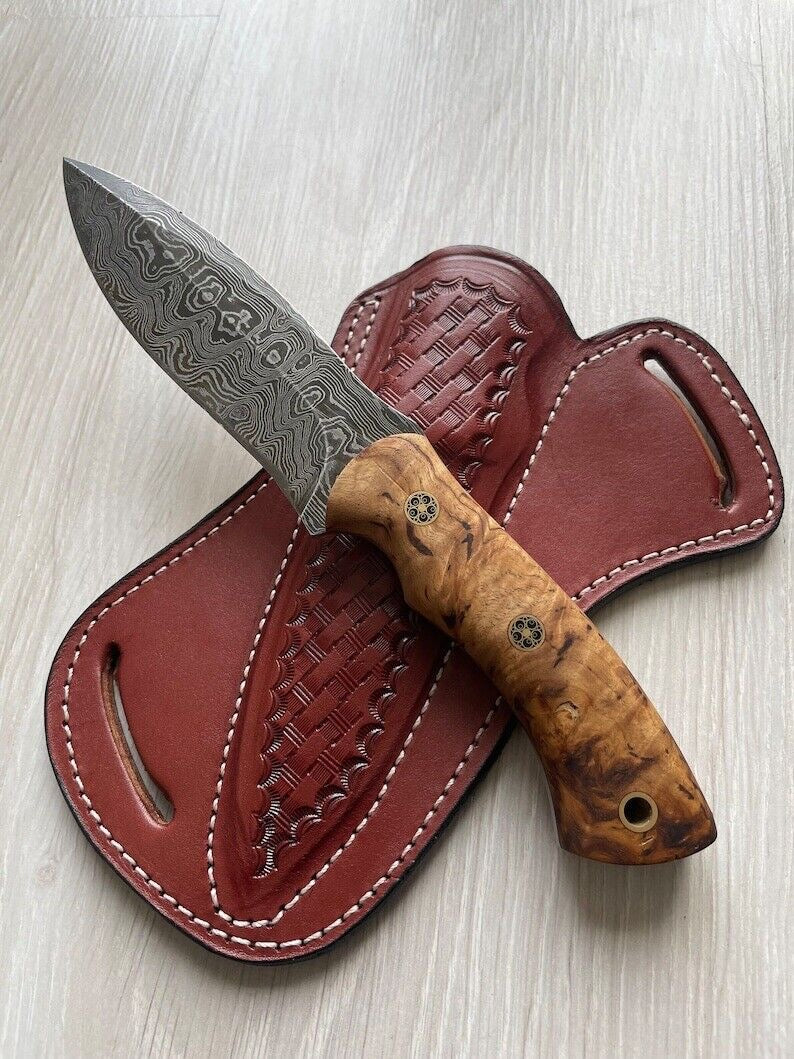
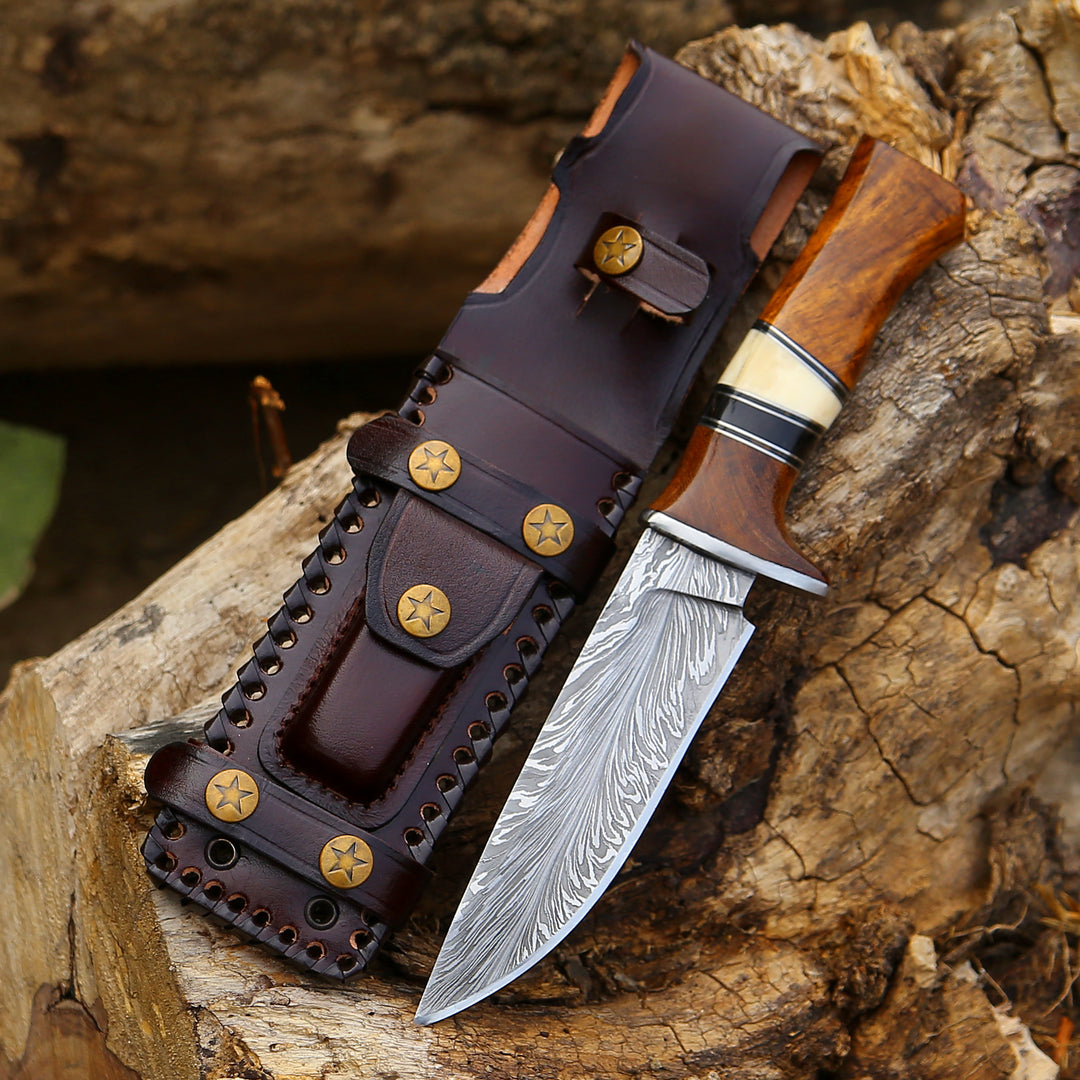
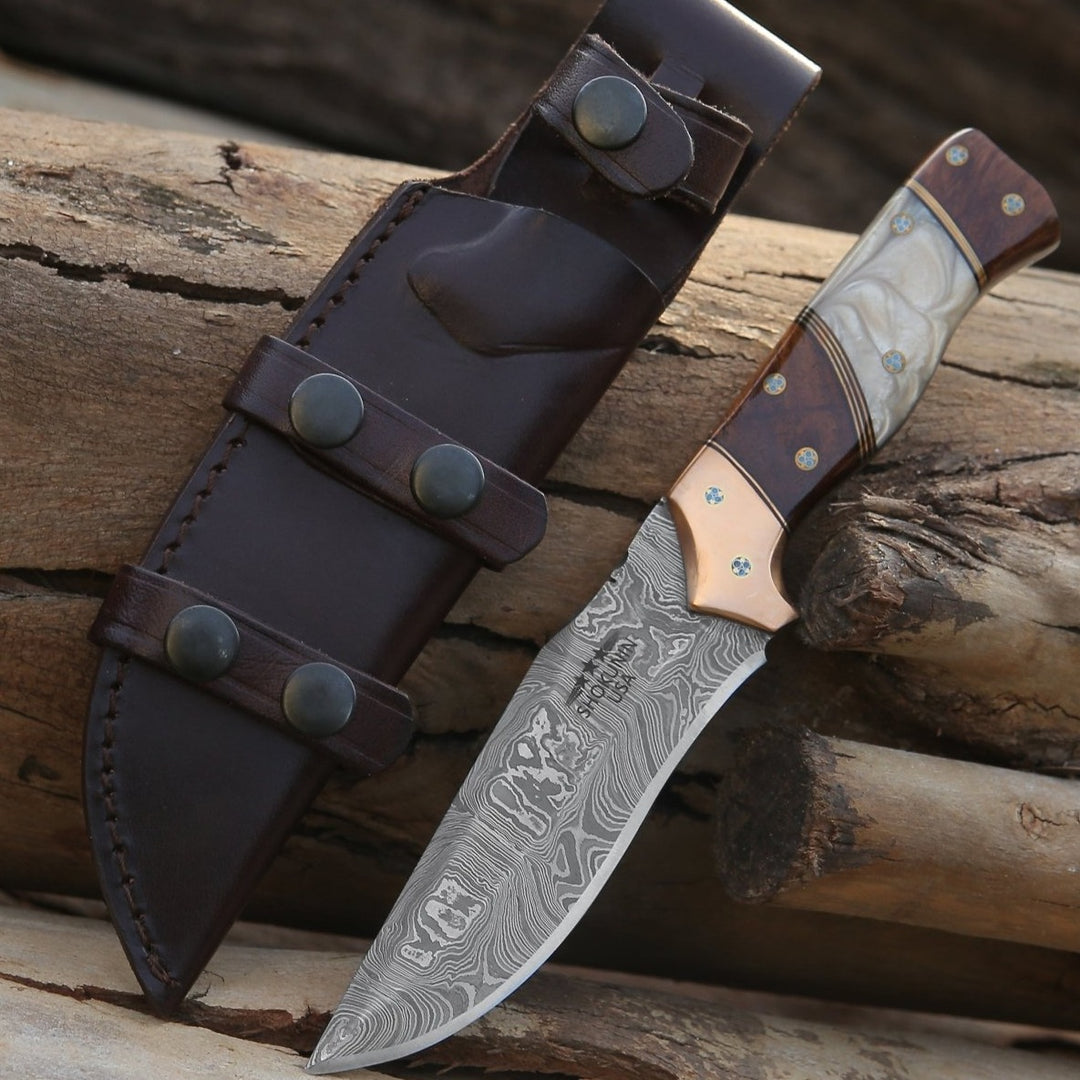
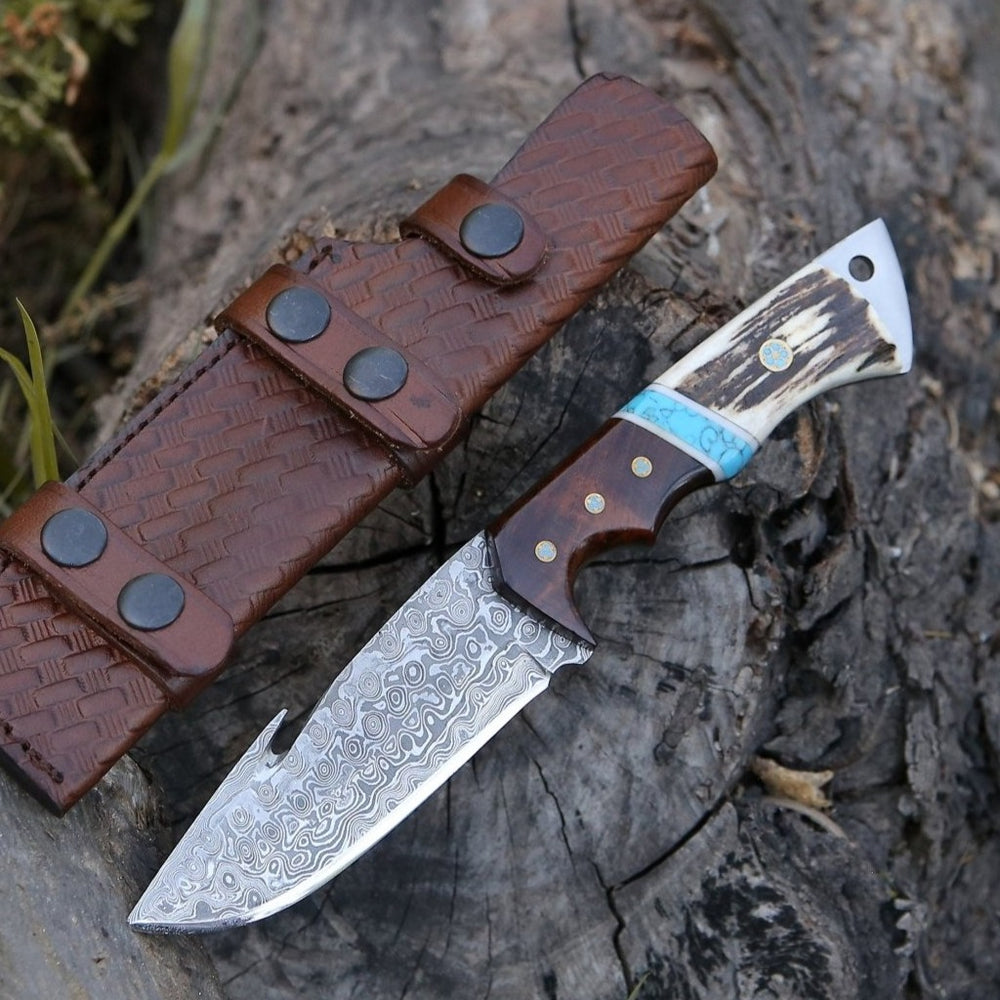
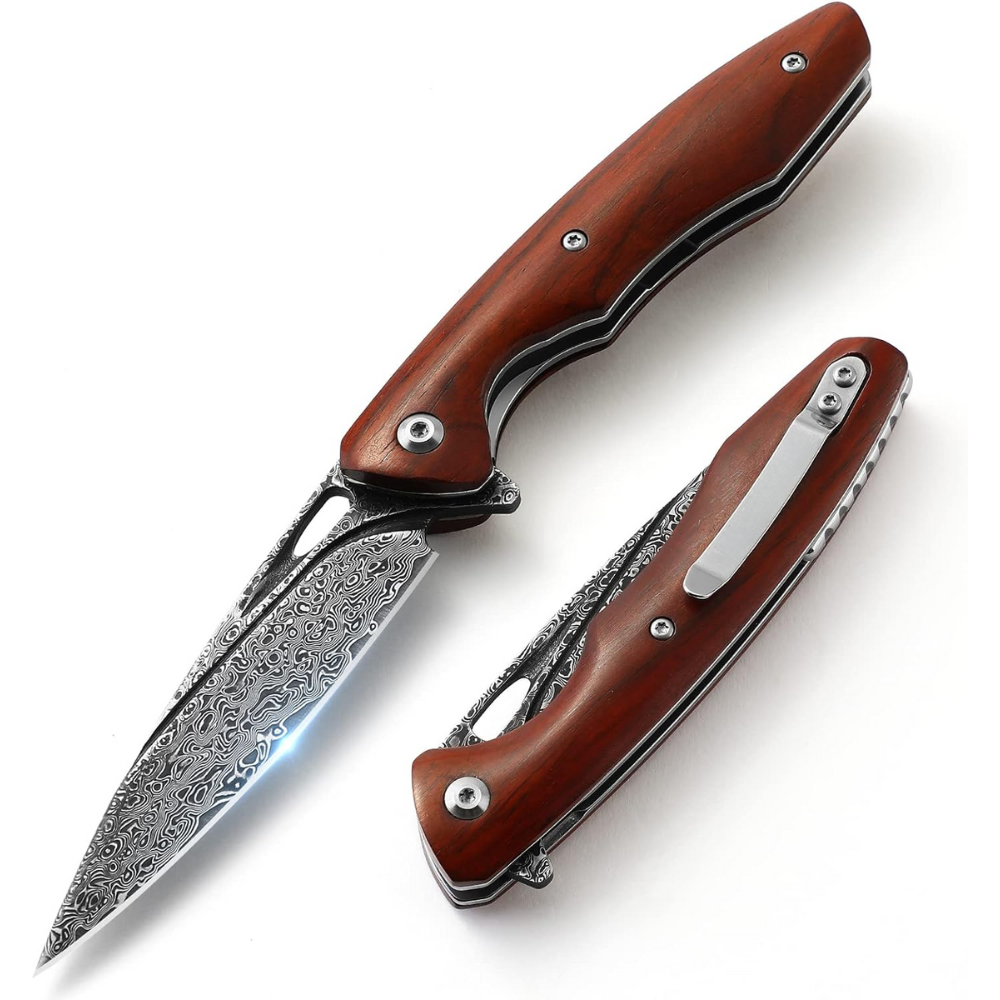
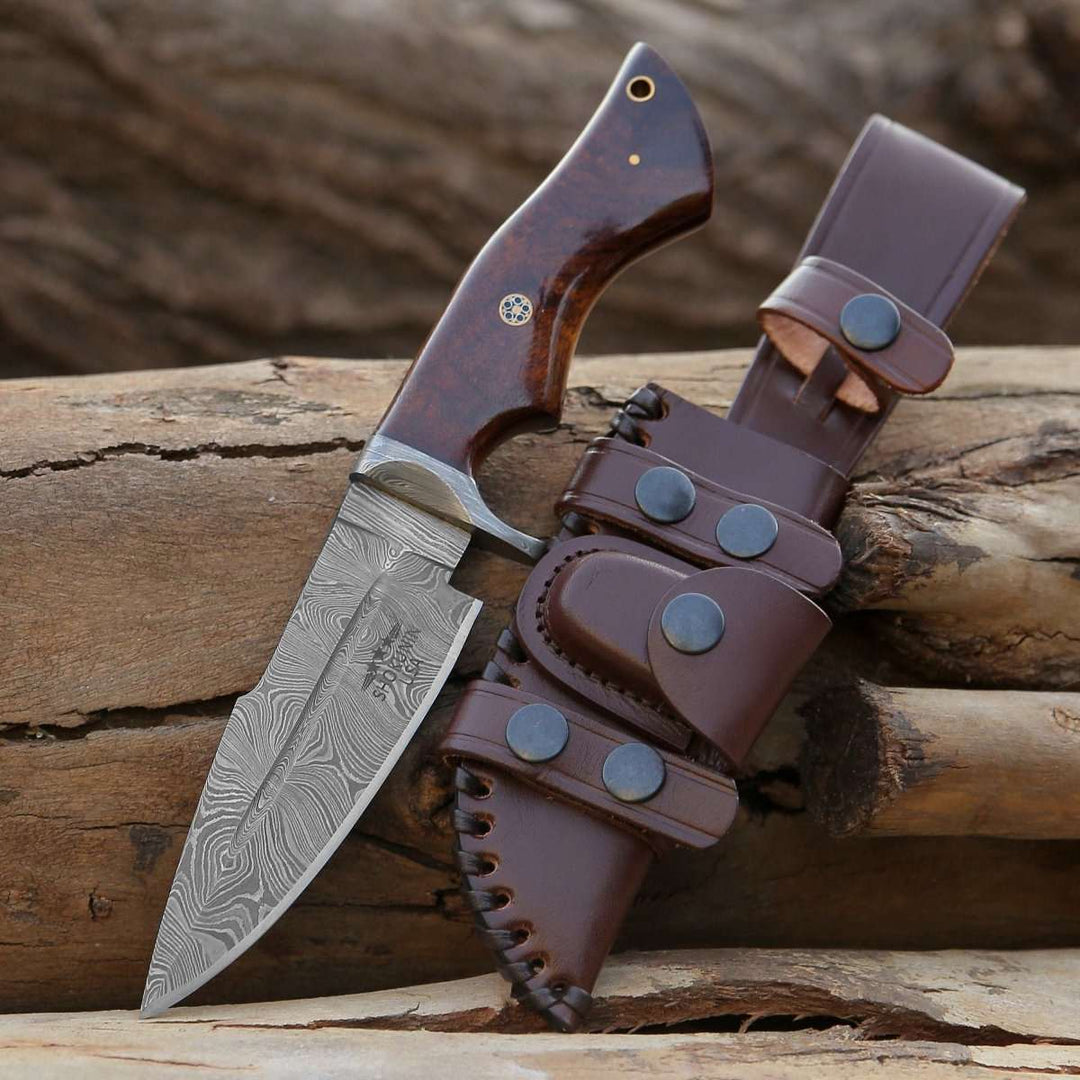
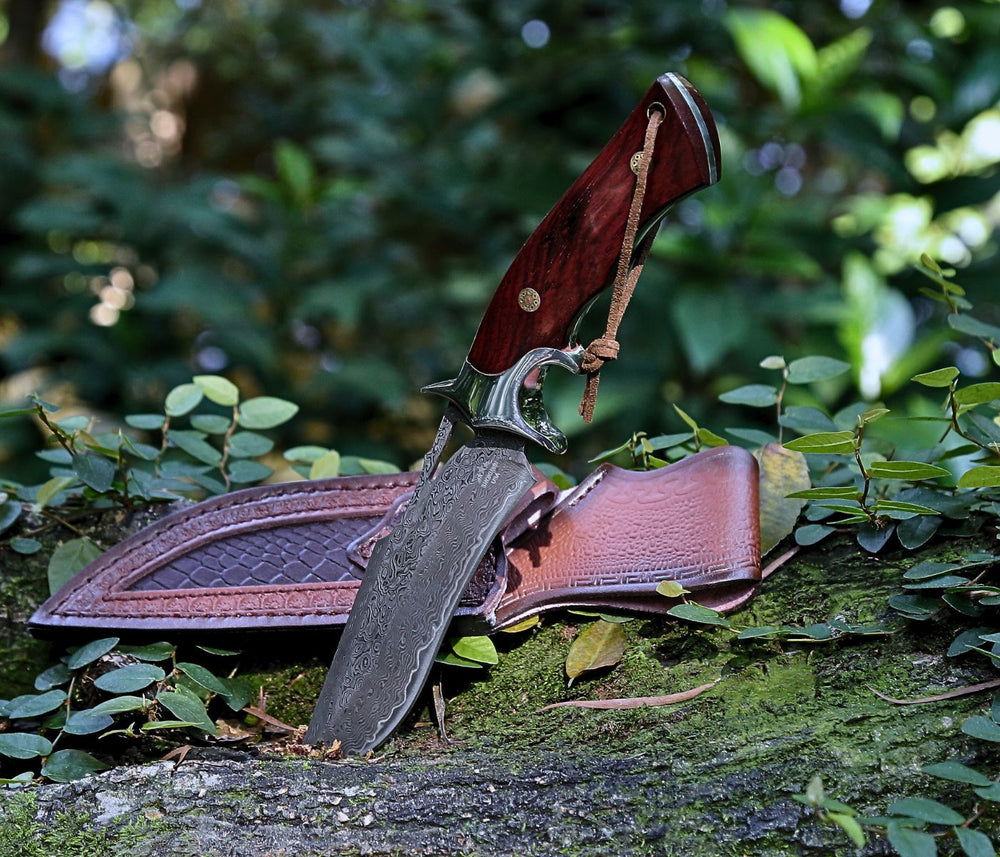
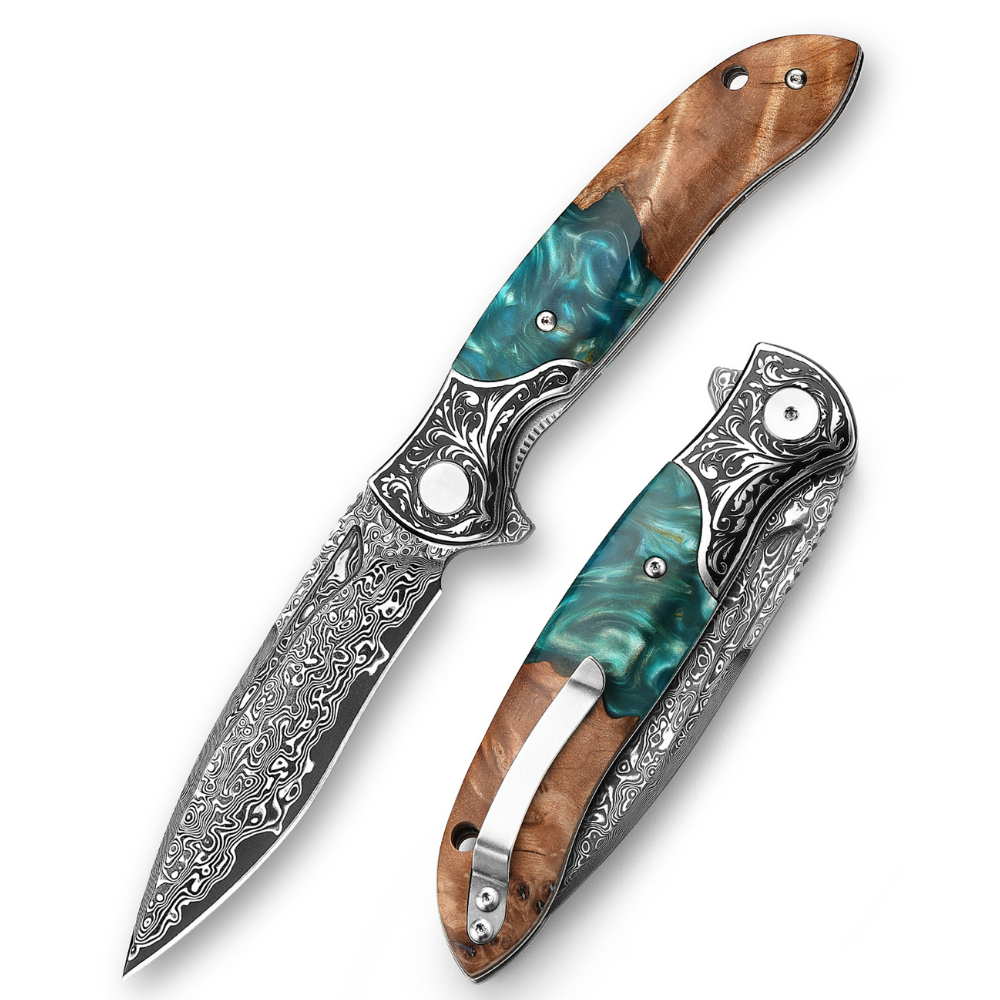
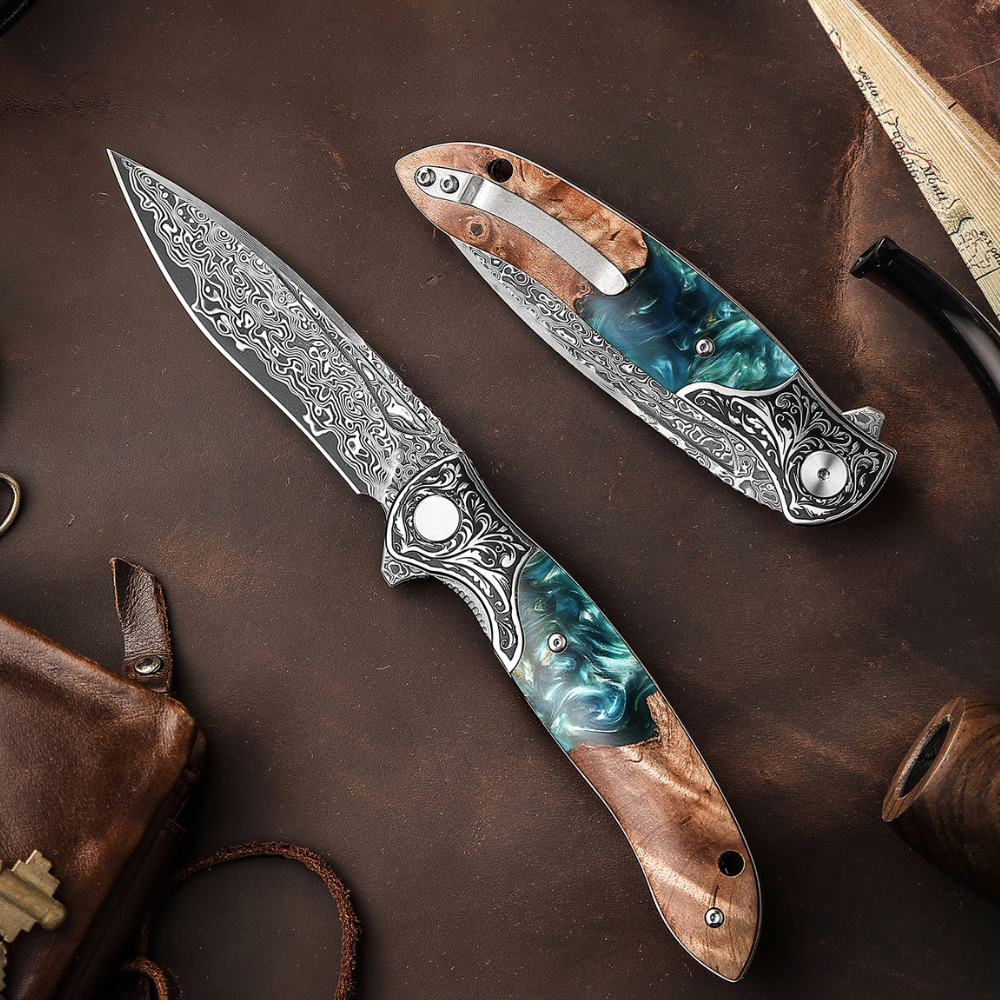
Those interested in pocket knives today often appreciate the incorporation of various materials in their construction. From G10 and titanium to carbon fiber, the range of handle materials allows for both aesthetic pleasure and pragmatic performance. Additionally, the rise of custom pocket knives created by skilled artisans reflects a growing trend for personalization and uniqueness.
Sustainable Practices
The renewed focus on sustainability has also begun to influence the pocket knife market. Consumers are increasingly looking for ethically sourced materials and environmentally-friendly production methods. Brands that embrace sustainability not only attract a conscientious consumer base but also contribute positively to the environment.
Collecting Pocket Knives
Collecting pocket knives has become a beloved hobby for many knife enthusiasts. With a rich history like that of pocket knives, collectors often find joy in gathering various designs, styles, and eras. Many also focus on specific brands or limited editions, making the hobby both enjoyable and meaningful.
The Thrill of the Hunt
For collectors, the thrill lies not merely in possession but in the journey of acquiring. Frequent visits to flea markets, knife shows, and online auctions reveal endless opportunities. Along the way, collectors connect with a community united by their passion for these sturdy tools.
Investing in Pocket Knives
Moreover, choosing to invest in certain pocket knives can pay off significantly over time. Limited editions or unique designs can appreciate in value, making them not just practical tools but valuable assets as well. As with any collectible, understanding the market and recognizing rare pieces is key.
The Future of Pocket Knives
As technology continues to advance, the future of pocket knives is boundless. Manufacturers are likely to innovate further, blending smart technology with traditional craftsmanship. For example, integrated features like LED lights and charging ports might redefine what users can expect from modern pocket knives.
Staying Relevant
Despite the introduction of high-tech gadgets, pocket knives remain relevant due to their simplicity and utility. They continue to captivate both new users and seasoned aficionados, bridging the gap across generations.
Embracing the Legacy
As we look forward, it's essential to honor the rich legacy that pocket knives carry. Each knife tells a story, reflecting the history of its creation and the people who have relied on it. This enduring heritage gives every pocket knife a unique place in both personal stories and history.
Craft Your Own Pocket Knife Story
As you stand on the cusp of choosing or collecting your own pocket knife, remember that you are not just acquiring a tool but becoming part of a long, storied tradition. Whether you use it for practical purposes or appreciate it as a work of art, there is a pocket knife out there for you. So dive into this fascinating world, embrace the craftsmanship, and carry a piece of history with you every day!






Dejar un comentario