

Overview
This article provides a comprehensive guide to understanding various types of kitchen knives and their specific uses, essential for both cooking enthusiasts and professional chefs. Readers will learn how to choose the right knives for their culinary needs, explore the materials that impact knife performance, and discover tips for caring for their tools. By the end, you'll be better equipped to enhance your cooking experience with the right knives in your kitchen arsenal.
Table of Contents
- The Importance of Choosing the Right Knife
- Essential Knife Types for Your Kitchen
- Chef Knife
- Paring Knife
- Serrated Knife
- Fillet Knife
- Boning Knife
- Cleaver
- Utility Knife
- Understanding Materials and Their Impacts
- Stainless Steel
- High-Carbon Steel
- Damascus Steel
- Caring for Your Knives
- Investing in Your Culinary Tools
- Choosing the Right Knife for Your Cooking Style
- Making the Most of Your Knife Collection
- Embracing Your Culinary Journey with the Right Knives
Key Takeaways
- Knife Types Matter: Familiarize yourself with essential knife types like chef, paring, serrated, fillet, boning, cleaver, and utility knives for effective kitchen tasks.
- Efficiency and Safety: Using the right knife enhances cooking efficiency and reduces the risk of accidents in the kitchen.
- Material Choices: Consider blade materials such as stainless steel for durability, high-carbon steel for sharpness, and Damascus steel for aesthetics and performance.
- Proper Care: Maintain your knives by hand washing, drying immediately, honing regularly, and storing them properly to ensure longevity.
- Invest Wisely: A durable chef knife set can be more economical, but individual specialty knives may be necessary for specific cooking styles.
- Adapt to Your Style: Choose knives that align with your cooking habits—casual cooks may need just a chef and paring knife, while gourmet chefs might require a full set.
- Expand Your Collection: As your culinary skills grow, evolve your knife collection to include tools that support your expanding repertoire.
Understanding the different types of knives is crucial for any cooking enthusiast or professional chef. With a wide array of options available on the market today, selecting the right knife can make a world of difference in your culinary experience. In this article, we’ll delve into the various types of knives, their specific uses, and offer insights on how to choose the most suitable tools for your kitchen. Whether you're investing in a durable chef knife set or adding a few specialty knives to your collection, this guide will serve you well.
The Importance of Choosing the Right Knife
Kitchens are diverse spaces, each filled with unique tools tailored for different culinary tasks. As they say, a craftsman is only as good as his tools. Here’s why understanding knife types is so vital:
- Efficiency: The right knife can streamline your cooking, allowing for quicker and more precise preparation.
- Safety: Using the correct knife reduces the likelihood of accidents in the kitchen.
- Versatility: Different knives fulfill varied roles, making them indispensable in any kitchen.
Essential Knife Types for Your Kitchen
Let’s break down the most common knife types and their specific functions. Whether you're aiming to buy a durable chef knife set or individual pieces, knowing what each knife does is key.
Chef Knife
The chef knife is arguably the most versatile tool in any kitchen. Typically ranging from 6 to 12 inches in length, the chef knife is designed for chopping, slicing, dicing, and mincing a wide variety of ingredients, from vegetables to protein. Its broad blade provides balance and flexibility, which makes it an essential for both novice cooks and experienced chefs alike.
Paring Knife
The paring knife is small and agile, usually measuring around 3 to 4 inches in length. This knife is ideal for tasks requiring precision, such as peeling fruits, deveining shrimp, or creating intricate garnishes. Its smaller size allows for better control and accuracy, making it a must-have for meticulous cooks.
Serrated Knife
Often referred to as a bread knife, the serrated knife features a saw-like edge that makes it exceptional for cutting through foods with tough exteriors and soft interiors. Think crusty loaves of bread, tomatoes, or cakes. The design helps prevent squishing, preserving the integrity of the food being cut.
Fillet Knife
This knife is specifically designed for filleting fish. Its flexible blade allows the chef to glide along the bones and skin, ensuring clean cuts. A good fillet knife is sharp and thin, enabling precision while working with delicate fish flesh without tearing.
Boning Knife
A boning knife often features a thin, flexible blade, making it perfect for deboning meat and poultry. Its precision allows chefs to navigate around bones, ensuring minimal loss of meat. This knife is a favorite among butchers and those who prefer to prep their meat themselves.
Cleaver
The cleaver, a hefty knife with a thick, rectangular blade, serves two main purposes: chopping through bone and vegetables. Its weight allows for powerful cuts, making it a favorite tool for butchers and those who often work with large pieces of meat. However, it’s not just for meat; it’s also excellent for crushing garlic or chopping through tough vegetables.
Utility Knife
A utility knife is smaller than a chef knife but larger than a paring knife, typically around 4 to 7 inches in length. It’s a middle-ground tool designed for tasks like slicing sandwiches, cutting small fruits, and performing other assorted, everyday cutting tasks that require a little more than a paring knife.
Understanding Materials and Their Impacts
Just as important as the knife shape is its composition. The materials used in knife manufacturing can affect performance, durability, and how easy they are to maintain. Here’s a look at the common materials used in knife blades:
Stainless Steel
Stainless steel is a popular choice for many chef knives, offering a blend of rust resistance and sharpness. Knives made of stainless steel provide durability and ease of care, making them the go-to for most home cooks. They fare particularly well in busy kitchens, where they need to withstand daily wear and tear.
High-Carbon Steel
High-carbon steel knives offer incredible sharpness and excellent edge retention. They are popular among professional chefs, thanks to their ability to hold a sharp edge longer than stainless steel. However, they require more care to prevent rusting and staining, making them less ideal for novice cooks who might not know how to maintain them properly.
Damascus Steel
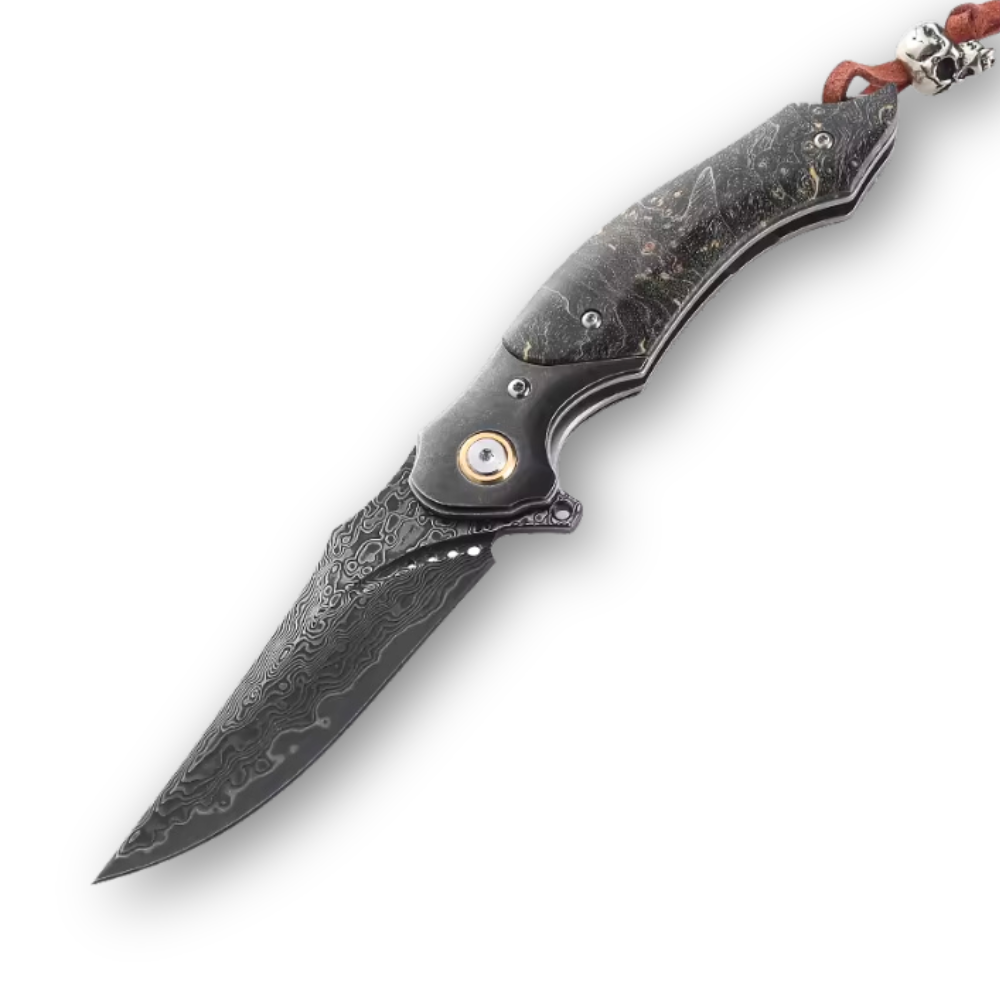
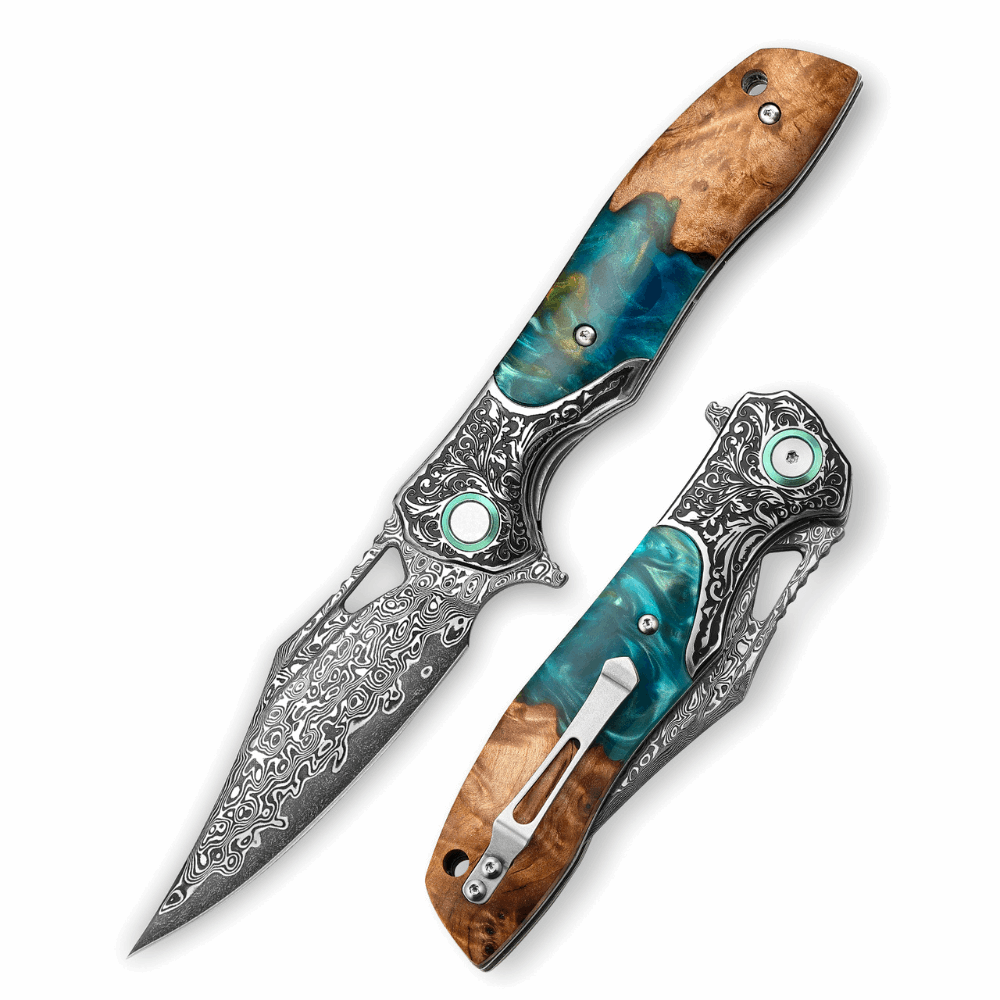
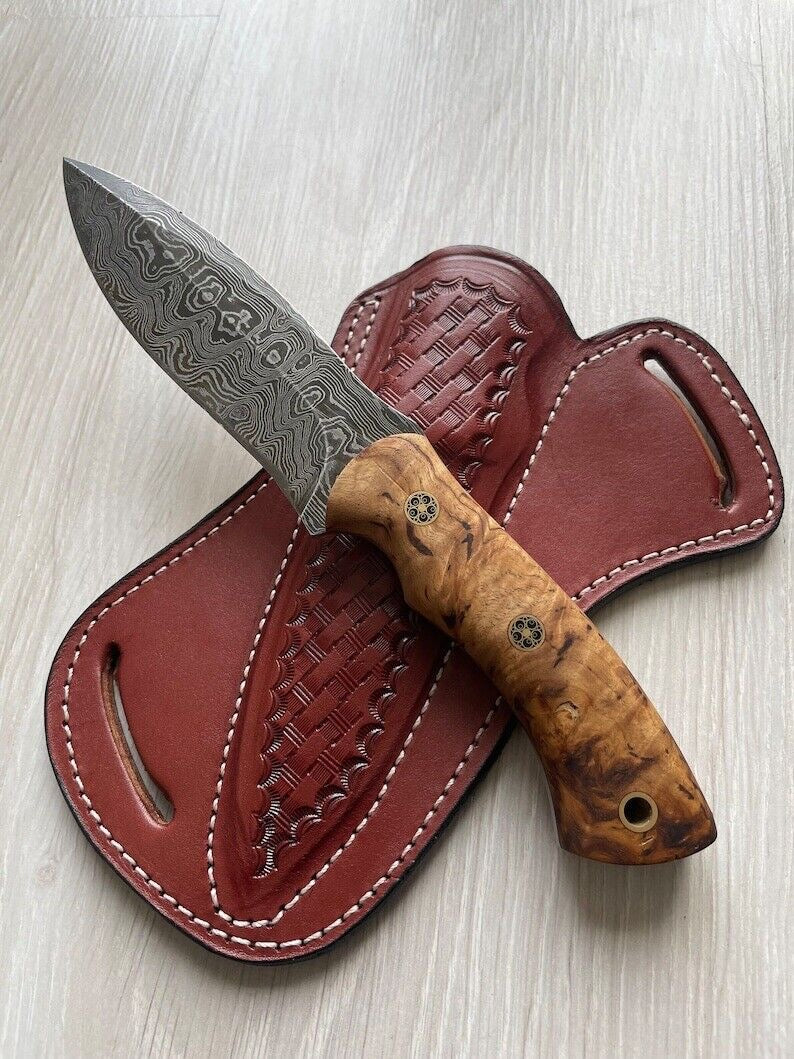
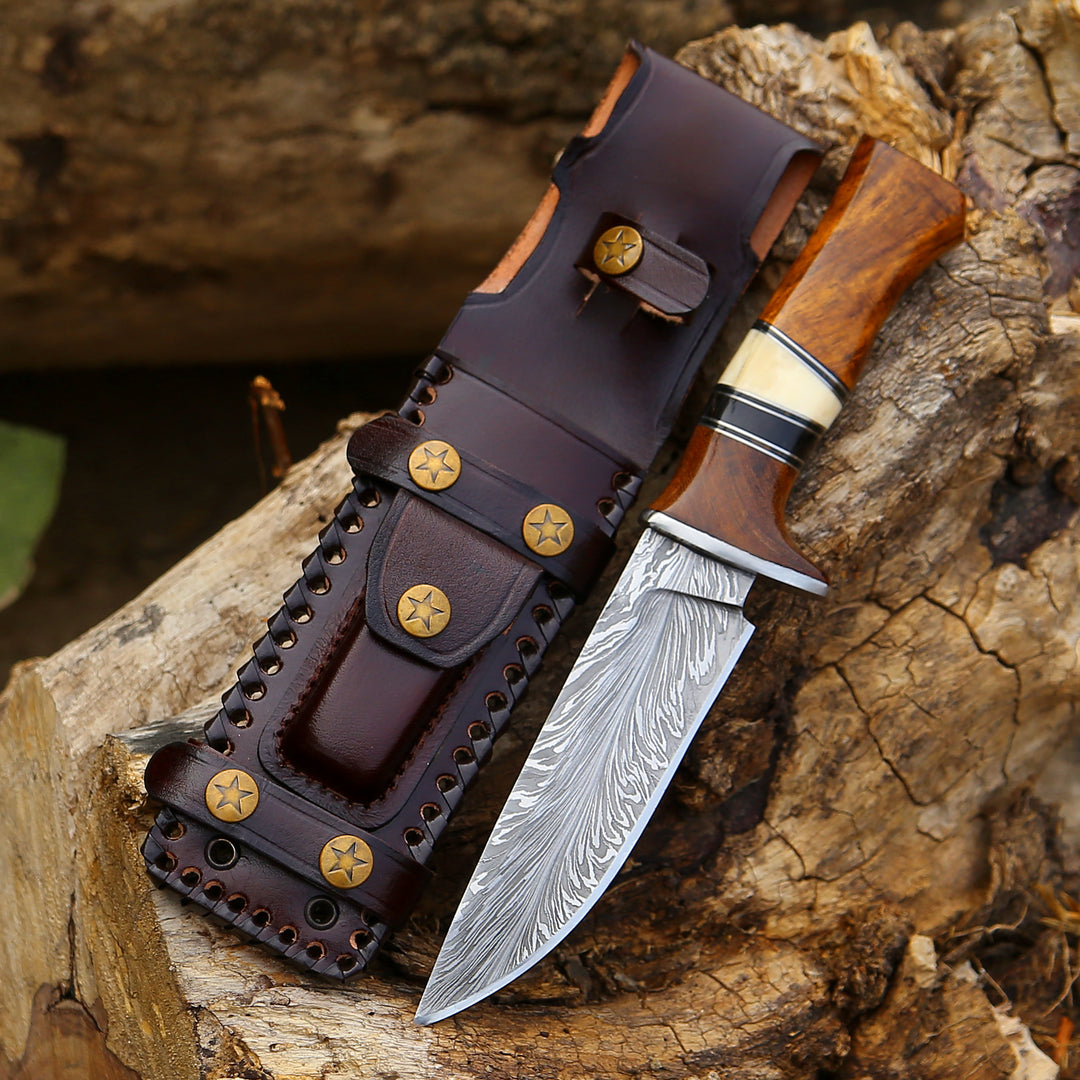
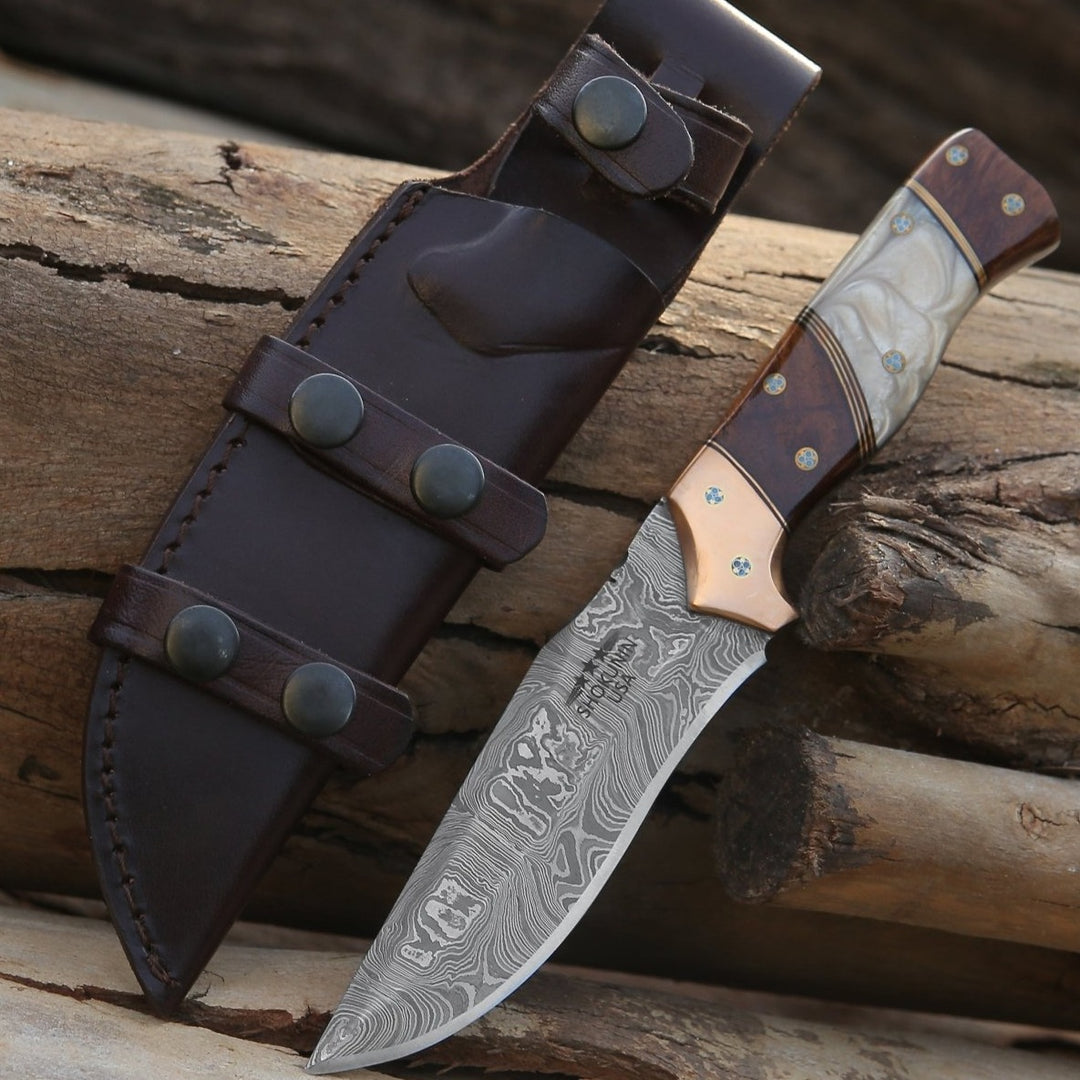
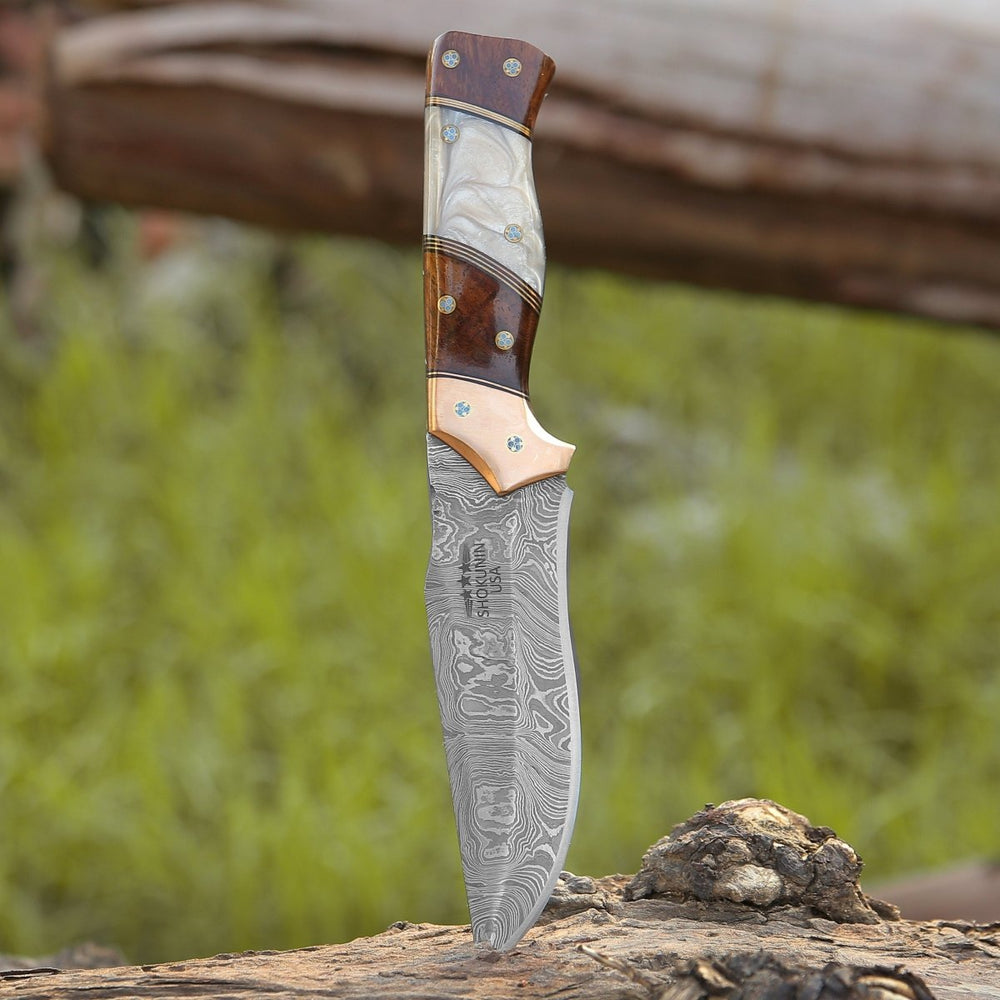
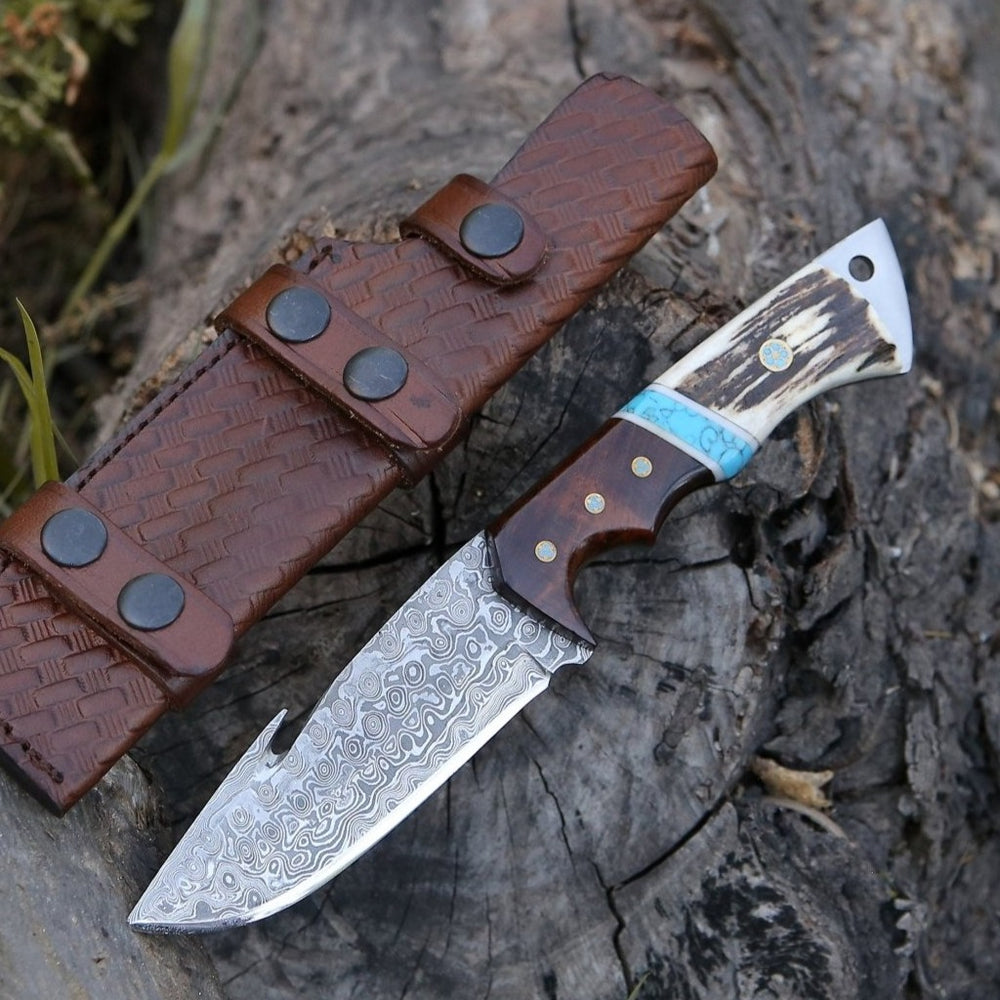
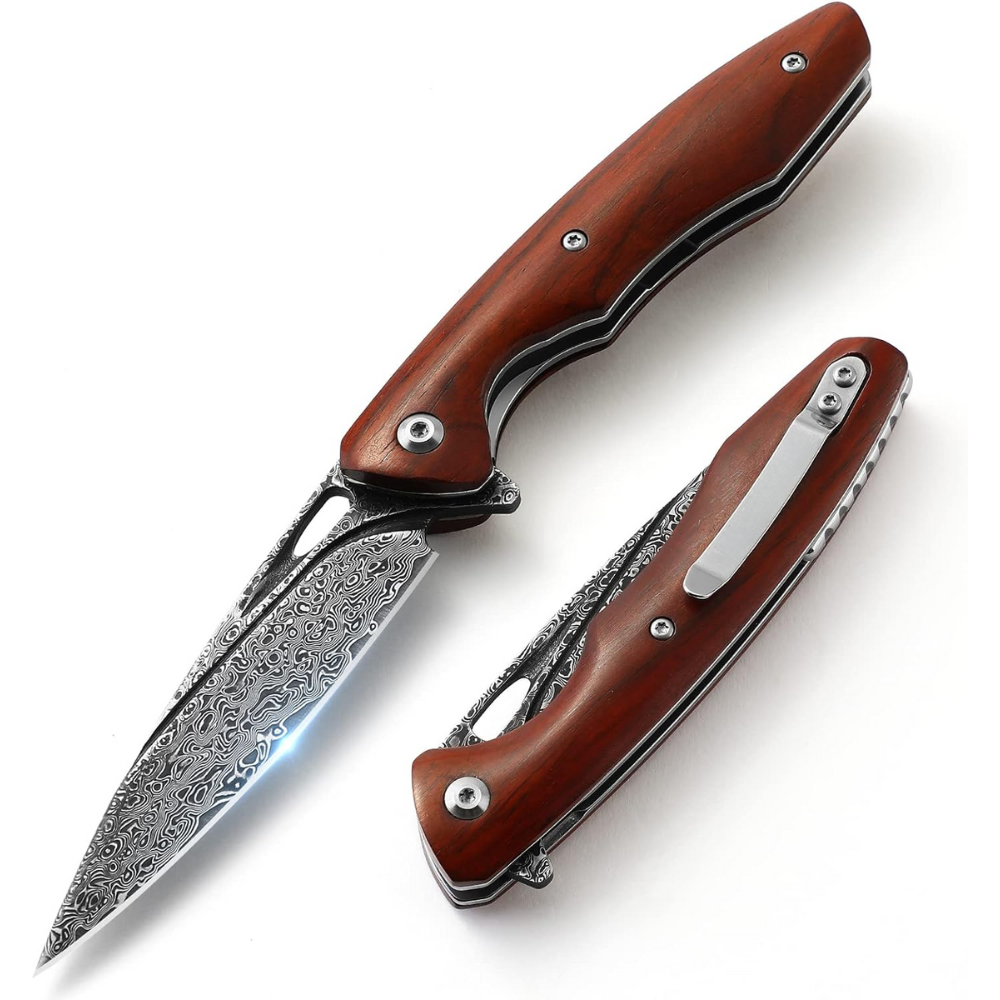
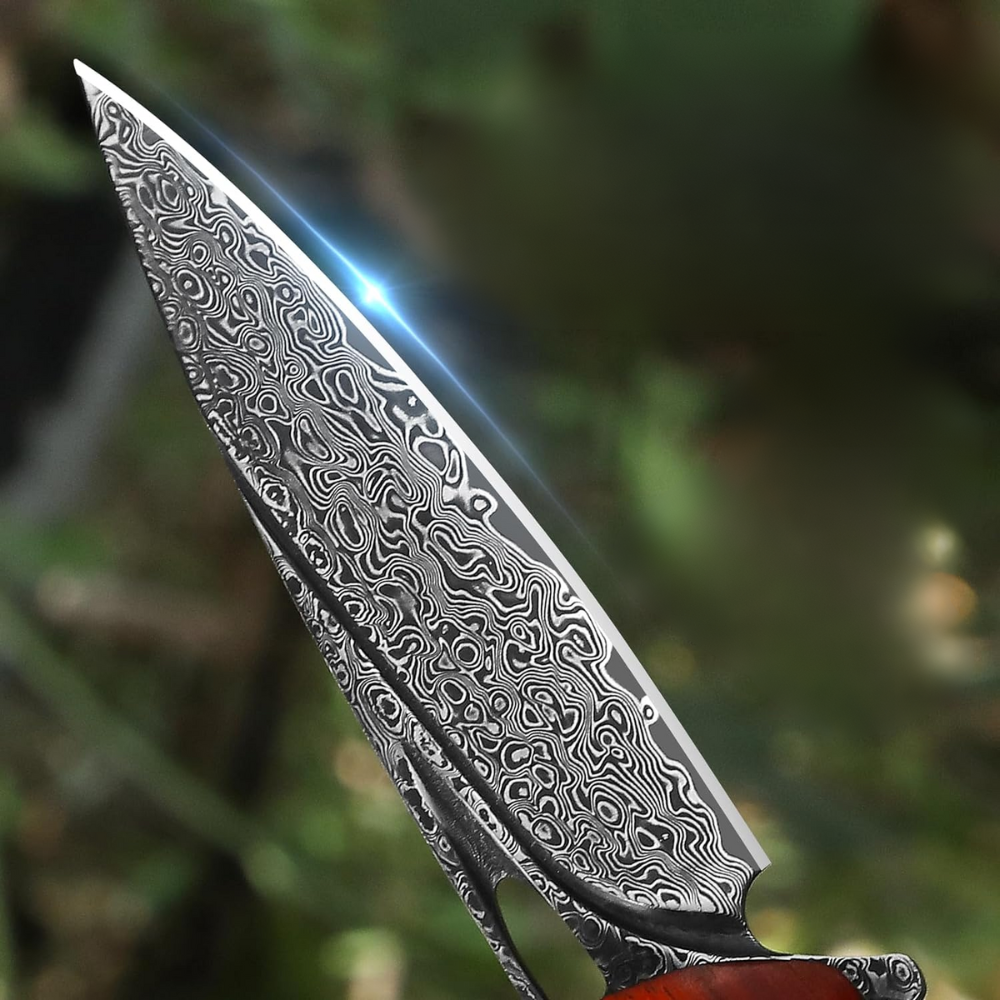
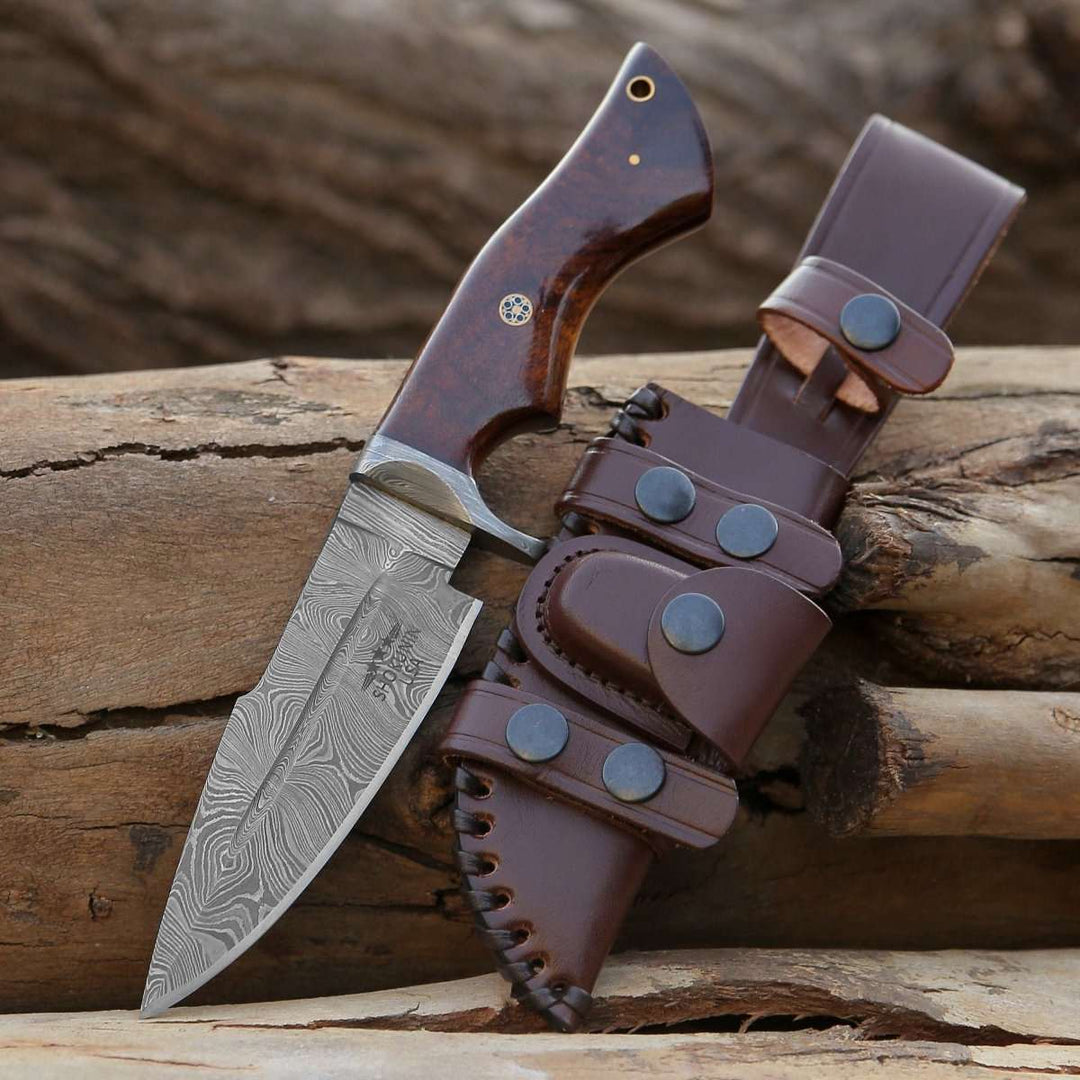
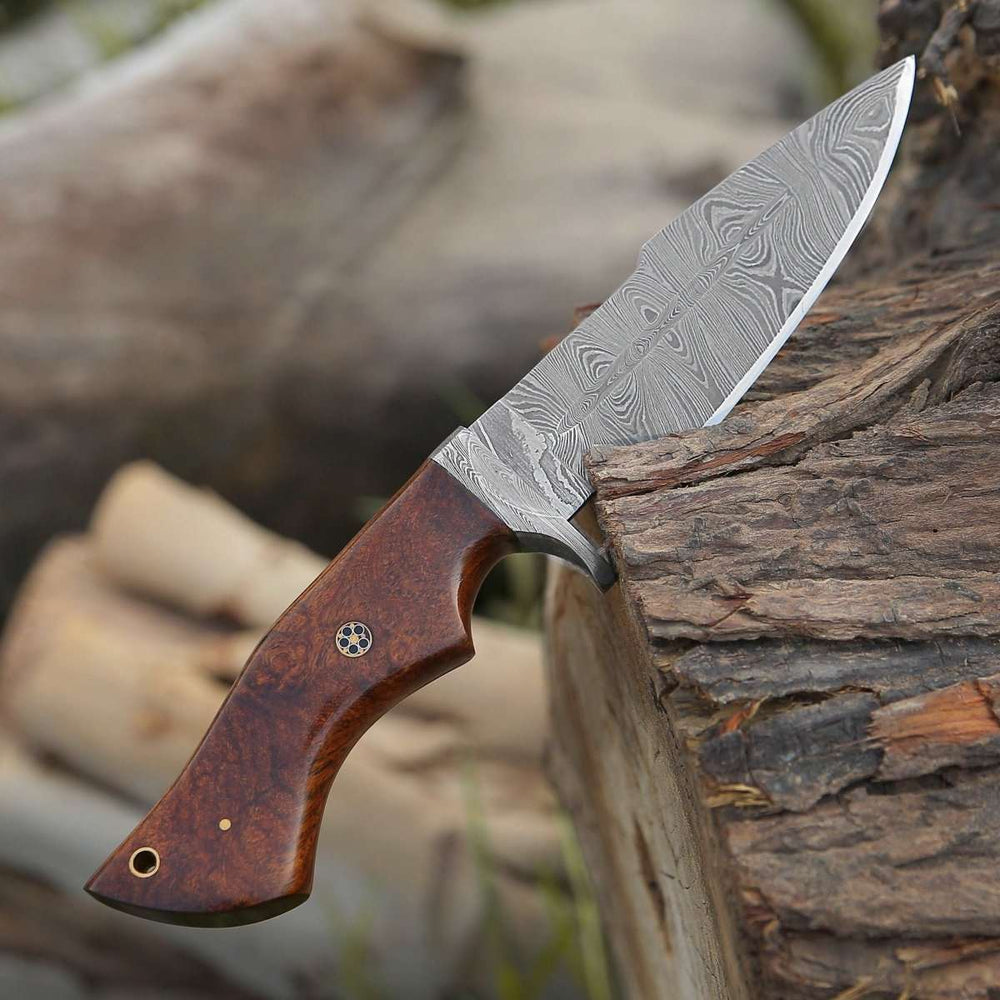
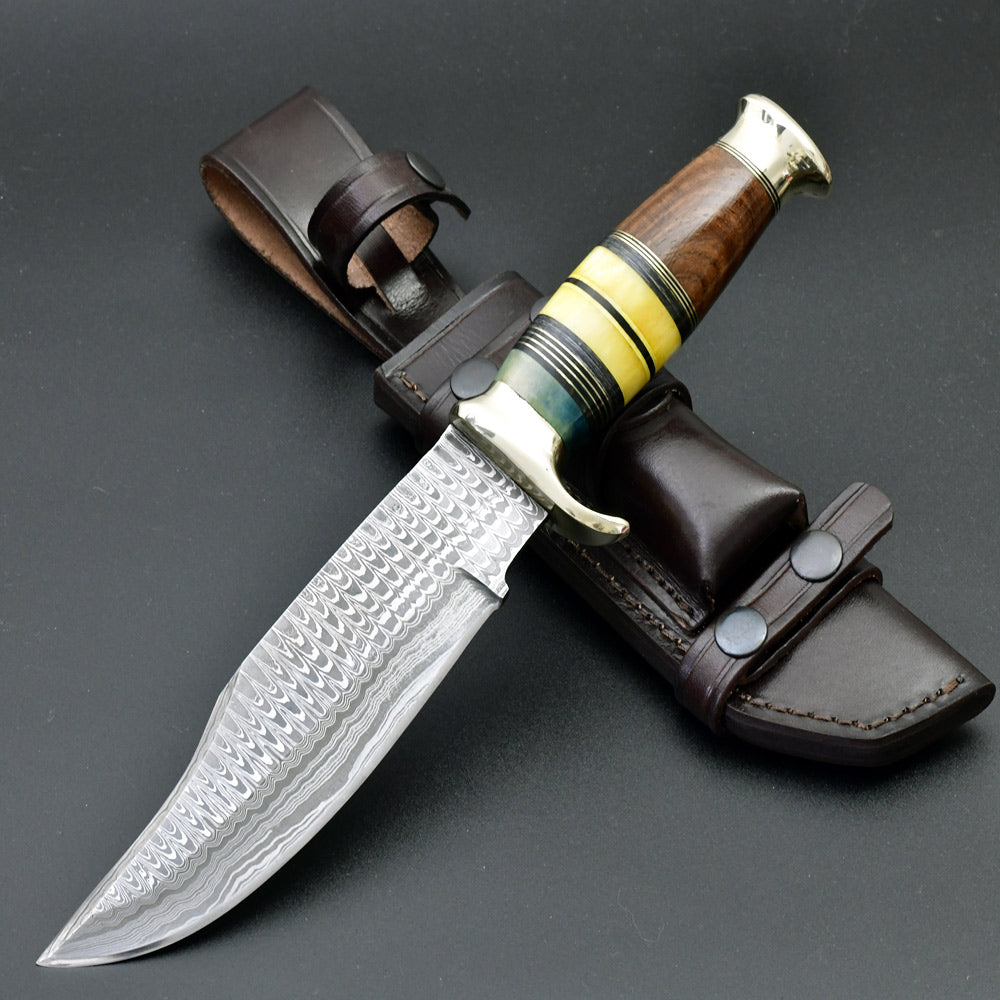
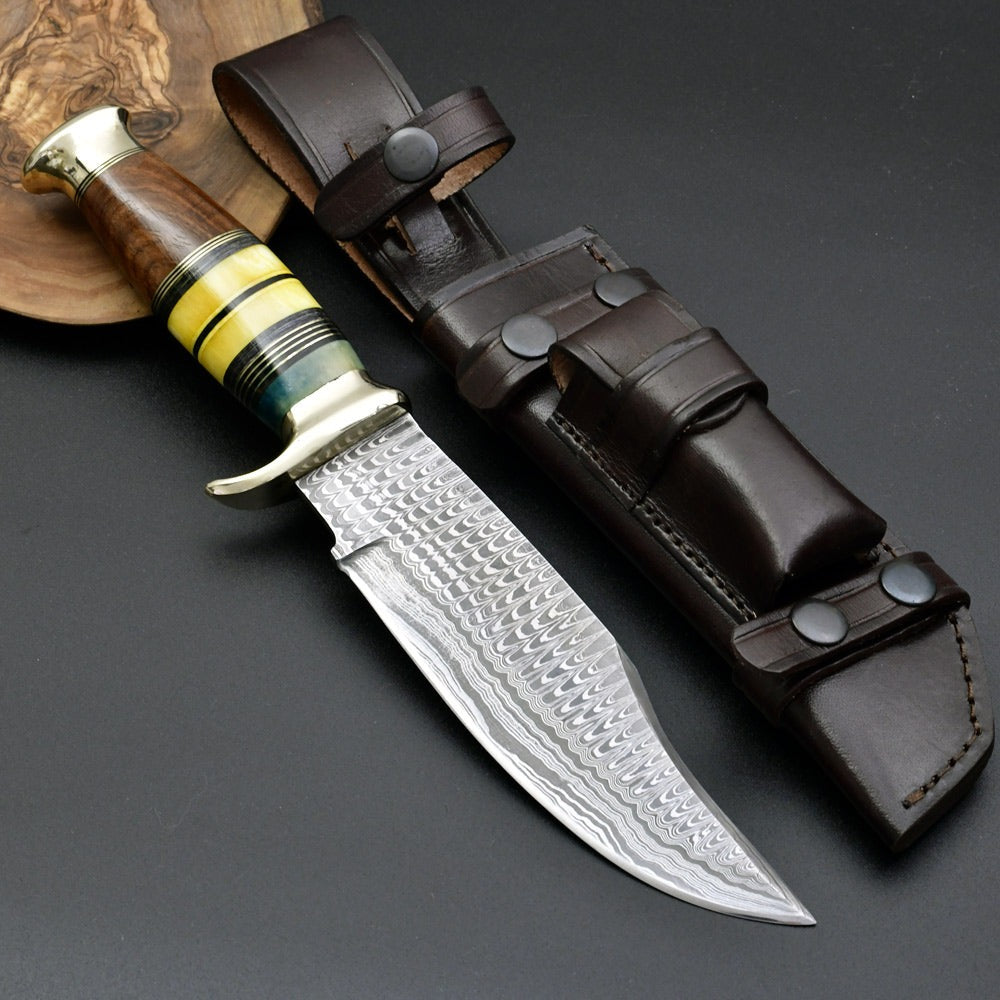
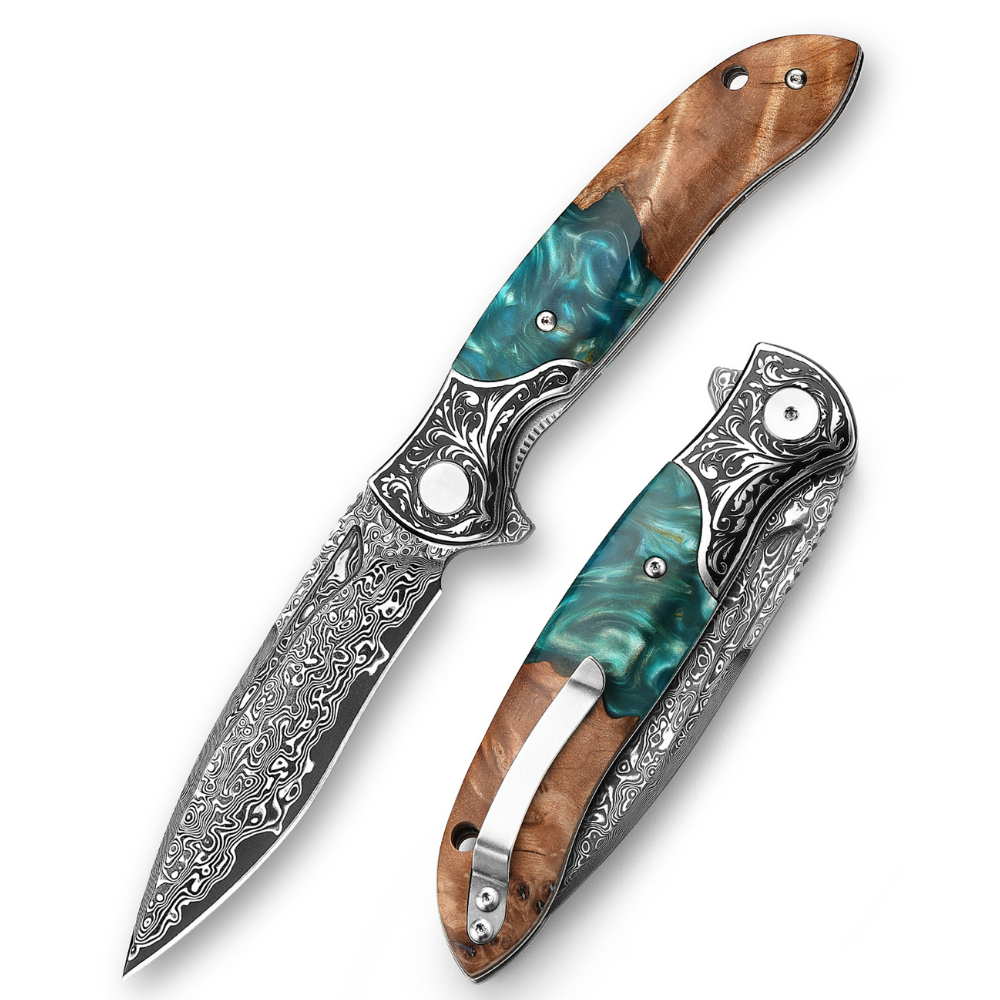
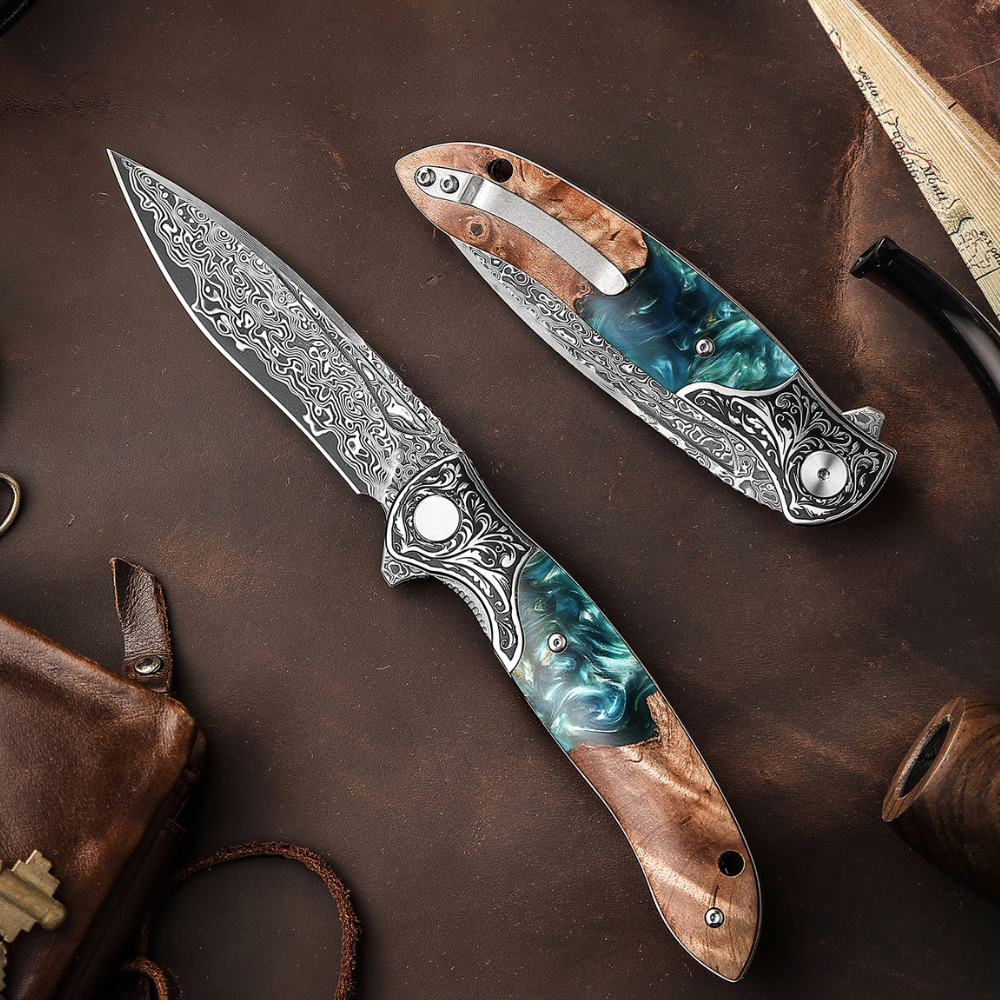
Damascus steel is renowned for its striking patterns and remarkable durability. Made by layering steels of different hardness, Damascus knives are sharp, aesthetically pleasing, and excellent at holding an edge. Many chefs are drawn to these high-end knives for both their functionality and beauty in the kitchen.
Caring for Your Knives
To ensure longevity and consistent performance, it’s vital to care for your knives properly. A durable chef knife set requires effort to maintain its edge and condition. Here are a few tips to keep your knives in top shape:
- Hand Wash: Always hand wash your knives. Dishwashers can dull blades and result in rusting.
- Dry Immediately: After washing, dry your knives to prevent any moisture from causing rust.
- Use a Honing Steel: Regularly hone your knives to maintain their sharpness.
- Sharpen When Needed: Depending on usage, sharpen your knives regularly with a whetstone or professional sharpening service.
- Store Properly: Use a knife block, magnetic strip, or sheaths to protect the blades from damage.
Investing in Your Culinary Tools
With so many available options for knife types, it can be overwhelming to make a decision. Investing in a durable chef knife set can oftentimes be more economical if you are looking to stock your kitchen. However, if you find yourself specializing in certain culinary styles, consider adding individual knives that suit your specific needs.
Choosing the Right Knife for Your Cooking Style
Identifying the right knife for your cooking habits is crucial. Here’s a brief guide to help you pick the right one based on your culinary style:
- Casual Cooking: A quality chef knife and paring knife is typically sufficient for most home cooks.
- Baking Enthusiasts: A serrated knife should be part of your toolkit, along with a utility knife for precision work.
- Meat Lovers: Invest in a boning knife and cleaver to handle meat prep with finesse.
- Gourmet Chefs: Consider a comprehensive set that includes chef knives, paring knives, and specialty knives for every task.
Making the Most of Your Knife Collection
Having a variety of knives allows you to handle nearly any kitchen task with efficiency and excellence. Remember, knowing the purpose of each blade can help elevate your cooking skills and enhance your overall experience in the kitchen. Your knife collection should evolve with you, adding new pieces as your culinary repertoire grows.
Embracing Your Culinary Journey with the Right Knives
As you embark on or continue your culinary journey, understanding different knife types and their uses will empower you to fully take advantage of every cooking opportunity. Remember, whether it’s a durable chef knife set or specialty knives for specific tasks, a good knife is akin to a friend in the kitchen that enhances both your skills and enjoyment. The kitchen is a place of creativity, and with the right tools in hand, you can explore flavors and dishes, elevating your cooking to new heights.
Frequently Asked Questions
1. What are the essential knife types for a kitchen?
2. Why is it important to choose the right knife?
3. What materials are commonly used in knife blades?
4. How should I care for my knives?
5. What should I consider when investing in kitchen knives?
Glossary
| Term | Meaning |
|---|---|
| Chef Knife | A versatile knife for chopping, slicing, and dicing various ingredients. |
| Paring Knife | A small knife ideal for precision tasks like peeling and garnishing. |
| Serrated Knife | A knife with a saw-like edge, perfect for cutting bread and soft fruits. |
| Fillet Knife | A flexible knife designed for filleting fish with precision. |
| Boning Knife | A thin knife used for deboning meat and poultry effectively. |
| Cleaver | A heavy knife for chopping through bones and tough vegetables. |
| Utility Knife | A medium-sized knife for everyday cutting tasks like slicing sandwiches. |
| Stainless Steel | A rust-resistant material commonly used for durable kitchen knives. |
| High-Carbon Steel | A sharp material that retains an edge well but requires careful maintenance. |
| Damascus Steel | A layered steel known for its beauty and excellent sharpness. |
Linked Product

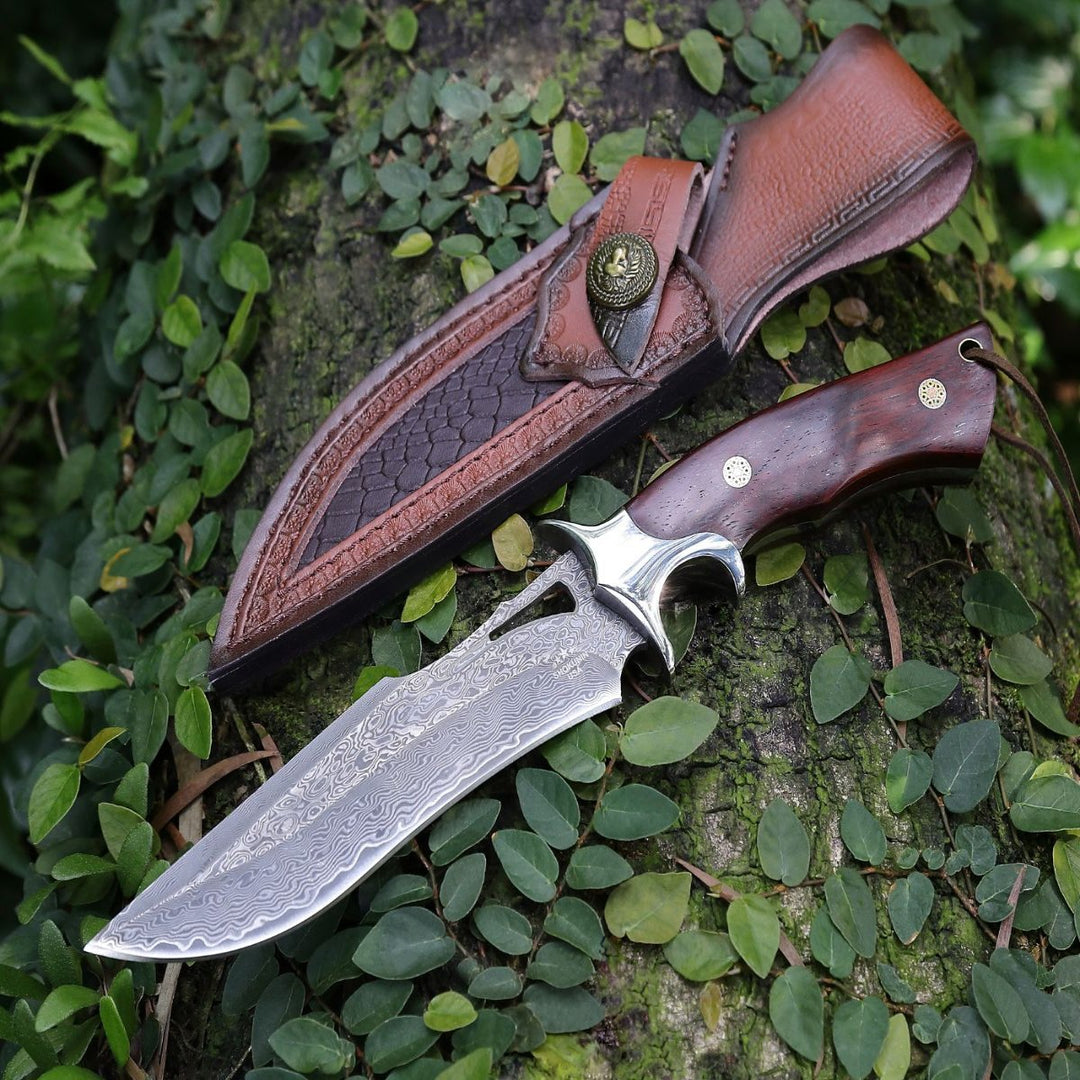
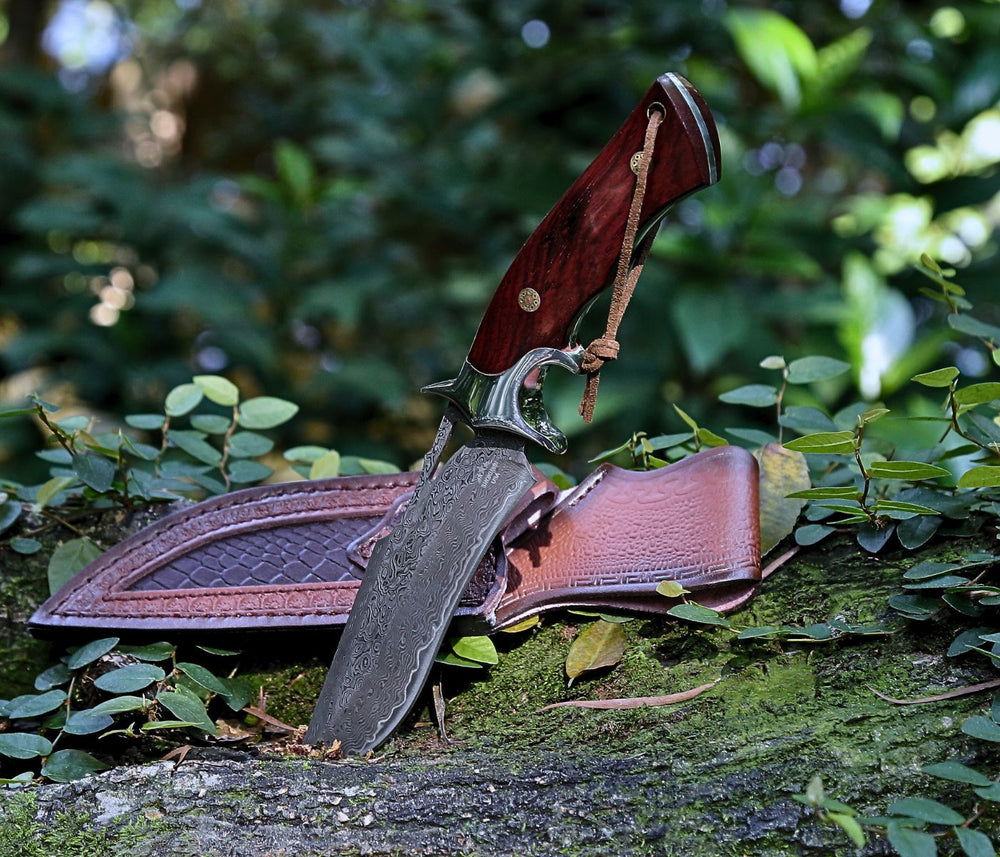
Splendor Knife Set 4 Piece VG10 Damascus Steel with Pakkawood Handle & Sheath
The Splendor Knife Set features four expertly crafted VG10 Damascus steel knives, each with a unique design and exceptional edge retention. With ergonomic pakkawood handles designed for comfort, these knives are perfect for a variety of kitchen tasks, from slicing and dicing to precise chopping. This set also includes complimentary sheaths and options for personalization, making it a thoughtful choice for both culinary enthusiasts and collectors.
View Product







Leave a comment