

Overview
This article serves as a comprehensive guide to knife sharpening, emphasizing the importance of maintaining sharp kitchen knives for both safety and efficiency in food preparation. Readers will learn various techniques and tools, including steeling, whetstones, and electric sharpeners, while also gaining insights into proper knife care and maintenance. By the end, you'll be equipped to enhance your culinary skills and enjoy a more enjoyable cooking experience.
Table of Contents
- The Importance of Sharp Knives in the Kitchen
- Basic Knife Sharpening Techniques
- Steeling
- Using a Whetstone
- Electric Knife Sharpeners
- Tools of the Trade for Knife Sharpening
- Diamond Knife Sharpener
- Whetstones
- Sharpening Stones vs. Guided Systems
- Frequently Asked Questions About Knife Sharpening
- How often should I sharpen my knives?
- Can I damage my knife while sharpening?
- Are expensive sharpeners worth it?
- Beyond Sharpening: Caring for Your Knives
- Enhancing Your Knife Sharpening Skills
- Unlock Your Culinary Potential with Sharp Knives
Key Takeaways
- Sharp knives enhance efficiency: They make food preparation quicker and require less effort for cutting tasks.
- Safety first: Sharp knives are safer than dull ones, reducing the risk of accidents during meal prep.
- Steeling technique: Use a honing rod to realign the blade edge; maintain a 20-degree angle for best results.
- Whetstones for precision: Soak whetstones before use and apply gentle pressure at a consistent angle for optimal sharpening.
- Electric sharpeners offer convenience: These devices simplify the sharpening process with multiple slots for different stages.
- Proper knife care: Always wash knives by hand and dry them immediately to prevent dullness and corrosion.
- Invest in quality tools: Higher-end sharpeners like diamond knife sharpeners can provide better results for serious cooks.
Your kitchen knives are an extension of your culinary skills. Keeping them sharp not only enhances your cooking experience but also ensures safety and precision while preparing meals. This comprehensive guide will delve into various techniques and tools for sharpening your knives, ensuring you can maintain them to perfection.
The Importance of Sharp Knives in the Kitchen
Sharp knives are essential for a variety of reasons. Firstly, they make food preparation quicker and easier. You can slice, dice, and chop ingredients with significantly less effort when your knives are adequately sharpened. This not only enhances your efficiency but also encourages more joyful cooking experiences.
In addition, sharp knives are safer than dull ones. A dull knife requires more force to cut through food, increasing the likelihood of slipping and causing accidents. With a sharp blade, you can achieve clean cuts with minimal pressure, reducing the risk of injury.
Basic Knife Sharpening Techniques
Steeling
One of the most common methods to keep your knife edges sharp is through the use of a steel (sometimes referred to as a honing rod). This technique aligns the edge of the blade rather than grinding it down. Here's how to properly perform it:
- Hold the steel vertically in one hand.
- With the other hand, hold the knife at a 20-degree angle against the steel.
- Start from the base of the blade and slide it downwards towards the tip while applying slight pressure.
- Repeat this process for both sides of the blade, 5-10 times each.
Using a Whetstone
If your knife needs more than just honing, a whetstone is an ideal choice. Whetstones come in various grits, catering to different sharpening needs. Here’s how to use one:
- Soak the whetstone in water for about 10-15 minutes.
- Place the stone on a stable surface, and hold the knife at a 20-degree angle.
- Begin at the heel of the blade and move towards the tip, applying gentle pressure on the stone.
- Repeat this motion 5-10 times before switching to the other side.
Electric Knife Sharpeners
For those who prefer convenience, electric knife sharpeners are a popular choice. These devices often feature multiple slots for different stages of sharpening. To use:
- Simply insert the knife into the initial sharpening slot.
- Follow the manufacturer’s guidelines regarding how many times to run the blade through.
- Proceed to the finer slot if available for honing.
Tools of the Trade for Knife Sharpening
Let's explore some of the tools you can use for sharpening your knives effectively. Each tool has its advantages and best applications.
Diamond Knife Sharpener
One effective tool for sharpening is a diamond knife sharpener. This type of sharpener typically features a rod coated with a layer of diamond particles, providing an efficient sharpening experience. The hardness of the diamond ensures that your blade is honed to a precise edge quickly and effortlessly.
This tool is particularly beneficial because it works well on various knife types, whether you need a mild touch-up or a serious restoration of your blade's edge. The ergonomic handle typically found on these sharpeners also promotes safe use.
Whetstones
As highlighted earlier, whetstones are excellent for achieving a razor-sharp edge. They come in several varieties, including:
- Coarse Stones: Great for repairing damaged edges.
- Medium Stones: Ideal for routine sharpening.
- Fine Stones: Perfect for polishing the edge after sharpening.
When using whetstones, it's essential to understand the grit required for your specific knife. Adjusting between different grits will help you achieve optimal sharpness.
Sharpening Stones vs. Guided Systems
While traditional whetstones have been used for ages, modern guided systems are gaining popularity. These systems typically come with a clamp to hold the blade at a consistent angle while you sharpen. This takes the guesswork out of maintaining the correct angle, particularly beneficial for those new to knife sharpening.
Frequently Asked Questions About Knife Sharpening
How often should I sharpen my knives?
The frequency of sharpening depends on how often you use your knives. A general rule is to hone them after every few uses and sharpen them every few months. However, if you regularly use your knives, you may need to sharpen them more often.
Can I damage my knife while sharpening?
Yes, it’s possible to damage your knife if you apply too much pressure or use the wrong technique. Always ensure you’re using the appropriate sharpening method for your specific type of knife. If uncertain, consider consulting a professional for advice or services.
Are expensive sharpeners worth it?
Higher-end sharpeners, such as diamond knife sharpeners, often provide more efficient results and can be a worthwhile investment for serious cooks. However, it’s essential to balance your purchases with your level of experience and frequency of use.
Beyond Sharpening: Caring for Your Knives
Sharpening your knives is one part of knife maintenance. Proper care is vital to ensuring your blades last. Here are some tips to keep your knives in prime condition:
- Wash by Hand: Always wash your knives by hand instead of in a dishwasher to avoid dulling the edges and damaging the handles.
- Dry Immediately: Wipe your knives down immediately after washing to prevent rust and corrosion.
- Prevent Dullness: Store your knives carefully, using a knife block, magnetic strip, or sheaths to prevent chipping and dulling.
- Regular Maintenance: Besides sharpening, regularly check for damage or wear on your blades, and address any issues promptly.
Enhancing Your Knife Sharpening Skills
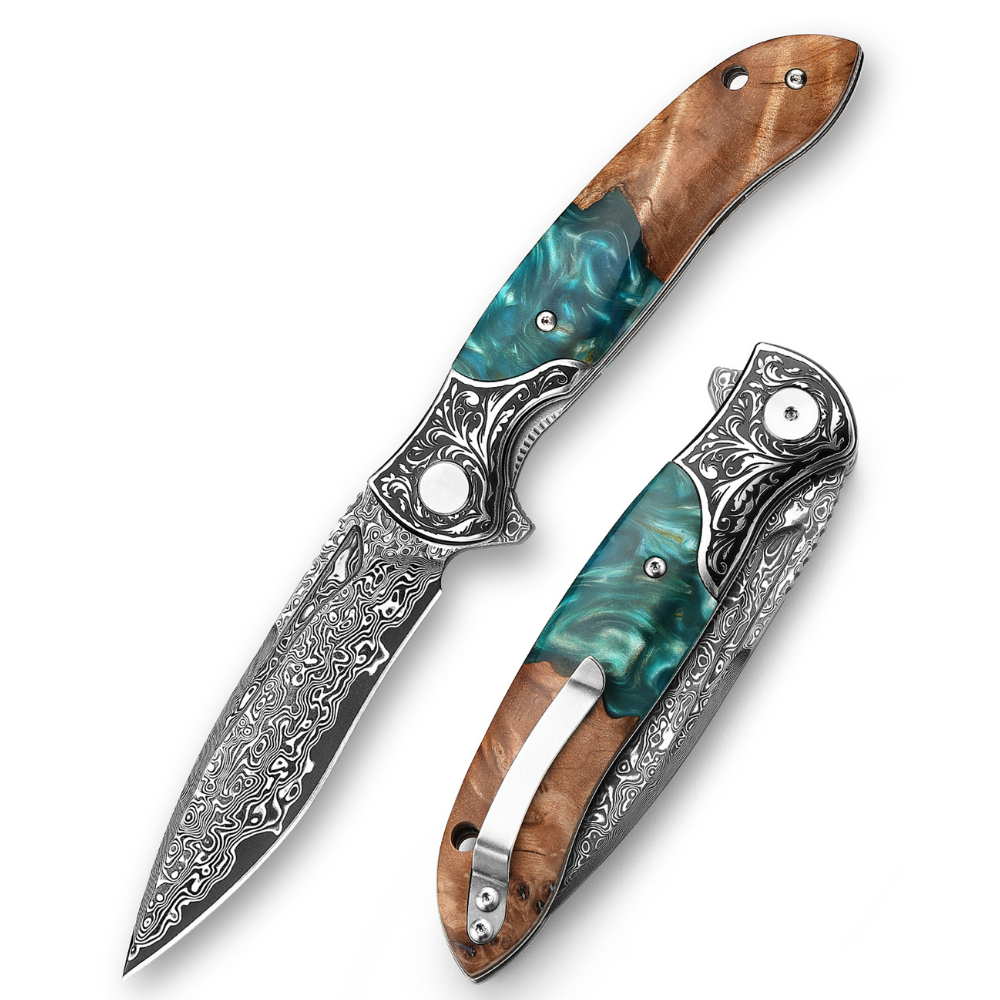
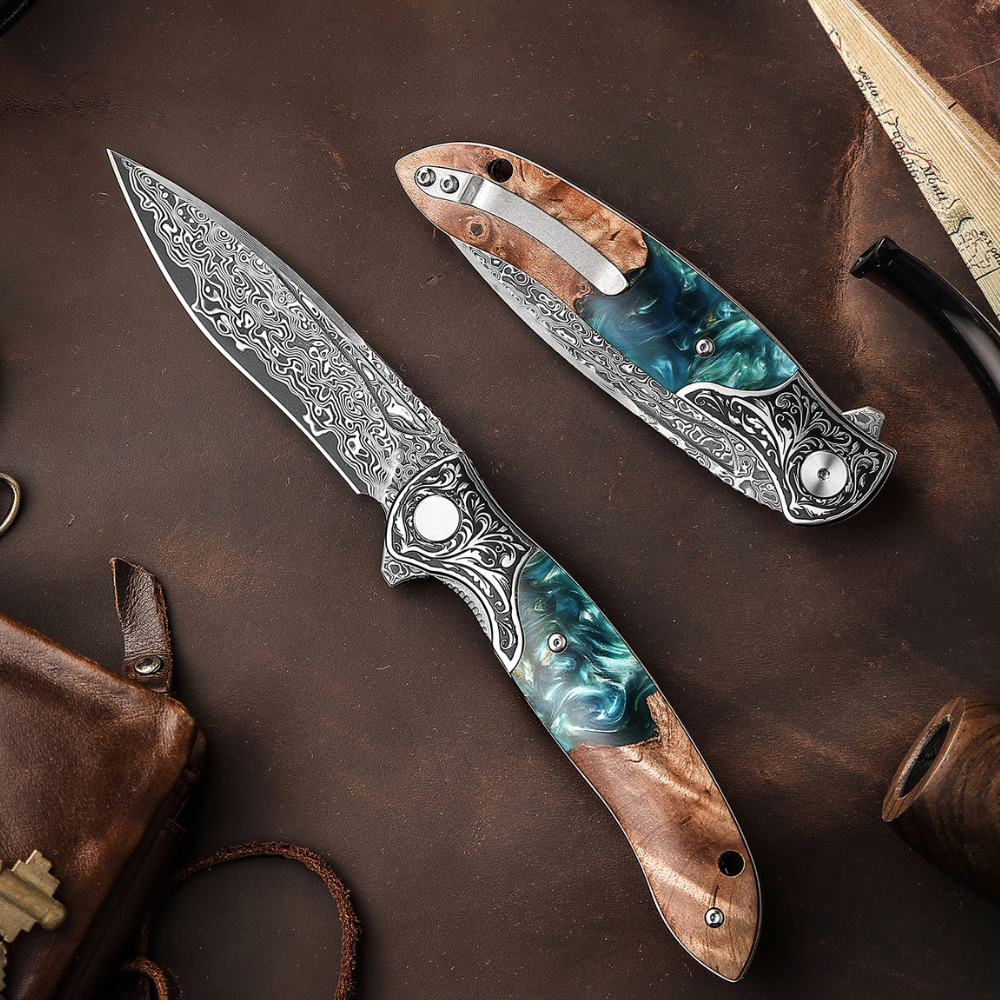
Improving your knife sharpening skills takes time, practice, and a solid understanding of the tools and techniques available. Consider watching tutorial videos or enrolling in a local workshop. Familiarize yourself with various knife types, such as Copper Damascus knives, which may require specific techniques for optimal results.
Moreover, network with fellow cooking enthusiasts or professionals to learn from their experiences. Sharing insights and stories can be an enlightening aspect of the culinary journey.
Unlock Your Culinary Potential with Sharp Knives
By mastering knife sharpening techniques and understanding the tools available, you not only enhance your cooking skills but also elevate your overall kitchen experience. Remember, the right tools make all the difference, and consistently caring for your knives will pave the way for culinary excellence. Get ready to slice, dice, and chop with confidence, knowing your blades are in top shape!
Frequently Asked Questions
1. Why are sharp knives important in the kitchen?
2. How often should I sharpen my knives?
3. Can damaging my knife occur while sharpening?
4. Are expensive knife sharpeners worth the investment?
5. What are some care tips for maintaining my knives?
Glossary
| Term | Meaning |
|---|---|
| Steeling | Aligning the blade edge using a honing rod for maintenance. |
| Whetstone | A stone used to sharpen knives by grinding the blade against it. |
| Electric Knife Sharpener | A device that sharpens knives automatically through multiple slots. |
| Diamond Knife Sharpener | A sharpener with a diamond-coated rod for efficient sharpening. |
| Grit | The coarseness of a sharpening stone, affecting the sharpening level. |
| Honing | A technique to maintain the edge without removing material. |
| Knife Block | A storage solution that protects knives from dulling and damage. |
| Magnetic Strip | A surface used to store knives safely and visibly. |
| Routine Sharpening | Regularly sharpening knives to maintain optimal performance. |
| Knife Maintenance | Care practices to prolong knife lifespan and effectiveness. |
Linked Product

Professional Diamond Knife Sharpener 10 inch German Stainless Steel Black G10 Fiber
The Professional Diamond Knife Sharpener features a 10-inch German stainless steel rod, ensuring durability and resistance to corrosion for long-lasting performance. Its diamond electroplated surface provides efficient sharpening for all types of knives, making it suitable for both professional chefs and home cooks. The ergonomic Black G10 Fiber handle offers a secure grip and comfort during use, enhancing the overall sharpening experience.
View Product








Hinterlassen Sie einen Kommentar