

Overview
This article serves as a comprehensive guide to understanding the importance of steel in knife performance, catering to chefs, outdoor enthusiasts, and knife aficionados alike. Readers will learn about the different types of knife steel, including stainless and carbon options, as well as key factors like hardness, edge retention, and maintenance requirements. By gaining this knowledge, you will be better equipped to choose the right knife that meets your specific needs and preferences.
Table of Contents
- Understanding Steel and Its Importance in Knives
- The Basics of Knife Steel
- Types of Knife Steel: What You Should Know
- VG10 Steel
- Damascus Steel
- 154CM Steel
- CPM-S30V Steel
- The Hardness Scale: Understanding HRC Ratings
- Edge Retention: What You Need to Know
- Corrosion Resistance in Knife Steel
- Sharpening: A Key Factor in Quality
- Choosing the Right Knife for Your Needs
- Maintenance Tips for Your Steel Knife
- Final Thoughts: Elevate Your Knife Game
Key Takeaways
- Knife Steel Types: There are two main types of knife steel: stainless steel, which is rust-resistant, and carbon steel, known for superior sharpness and edge retention.
- VG10 Steel: This Japanese stainless steel is praised for its balance of hardness, corrosion resistance, and ease of sharpening, making it ideal for kitchen knives.
- Damascus Steel: Recognized for its unique patterns and toughness, it combines multiple layers of steel for both aesthetic appeal and high performance.
- Edge Retention: The ability of a knife to maintain sharpness is influenced by steel type and hardness; Damascus steel excels in this area.
- Corrosion Resistance: Stainless steels resist rust and wear, while carbon steels require more maintenance to prevent corrosion.
- Maintenance Needs: Stainless steels are generally lower maintenance, while carbon steels require careful upkeep to maintain performance.
- HRC Ratings: Higher Rockwell hardness ratings indicate harder blades that retain sharpness longer but may be more brittle under stress.
When it comes to knives, whether you're an avid chef, a seasoned outdoorsman, or simply someone who appreciates a quality tool, the type of steel used in its construction plays a crucial role in determining its overall performance. Understanding various aspects of steel can help you make informed decisions when purchasing knives, whether they are handmade pocket knives or specialized hunting knives. This comprehensive guide will cover the different types of steel, their properties, and how they affect knife quality and performance.
Understanding Steel and Its Importance in Knives
Steel is essentially an alloy made primarily of iron and carbon, but it can also contain other elements to enhance certain properties. The composition and treatments of steel determine its characteristics, including hardness, corrosion resistance, edge retention, and ease of sharpening. When it comes to knives, these factors are critical for creating a product that meets the varied needs of users.
The Basics of Knife Steel
There are two primary categories of knife steel: stainless steel and carbon steel. Each type has its own benefits and drawbacks. Here’s a closer look at both:
- Stainless Steel: This type of steel contains a higher percentage of chromium, making it resistant to rust and corrosion. However, it may be less durable than carbon steel and can be more challenging to sharpen.
- Carbon Steel: Known for its superior sharpness and edge retention, carbon steel blades tend to require more maintenance to prevent rust. This steel can be very hard, allowing the knife to retain its shape and cutting ability even after extensive use.
Types of Knife Steel: What You Should Know
Understanding the specific types of steel can provide insight into the knife’s potential. Below are some of the most common types of knife steel used in handmade pocket knives and hunting knives:
VG10 Steel
VG10 steel is a high-quality stainless steel that originates from Japan. It features a balance of hardness, corrosion resistance, and ease of sharpening. Knives made from VG10 often achieve a hardness rating of around 60 HRC on the Rockwell scale, making them durable and capable of maintaining a sharp edge. This is particularly beneficial in kitchen knives and chef's knives.
Damascus Steel
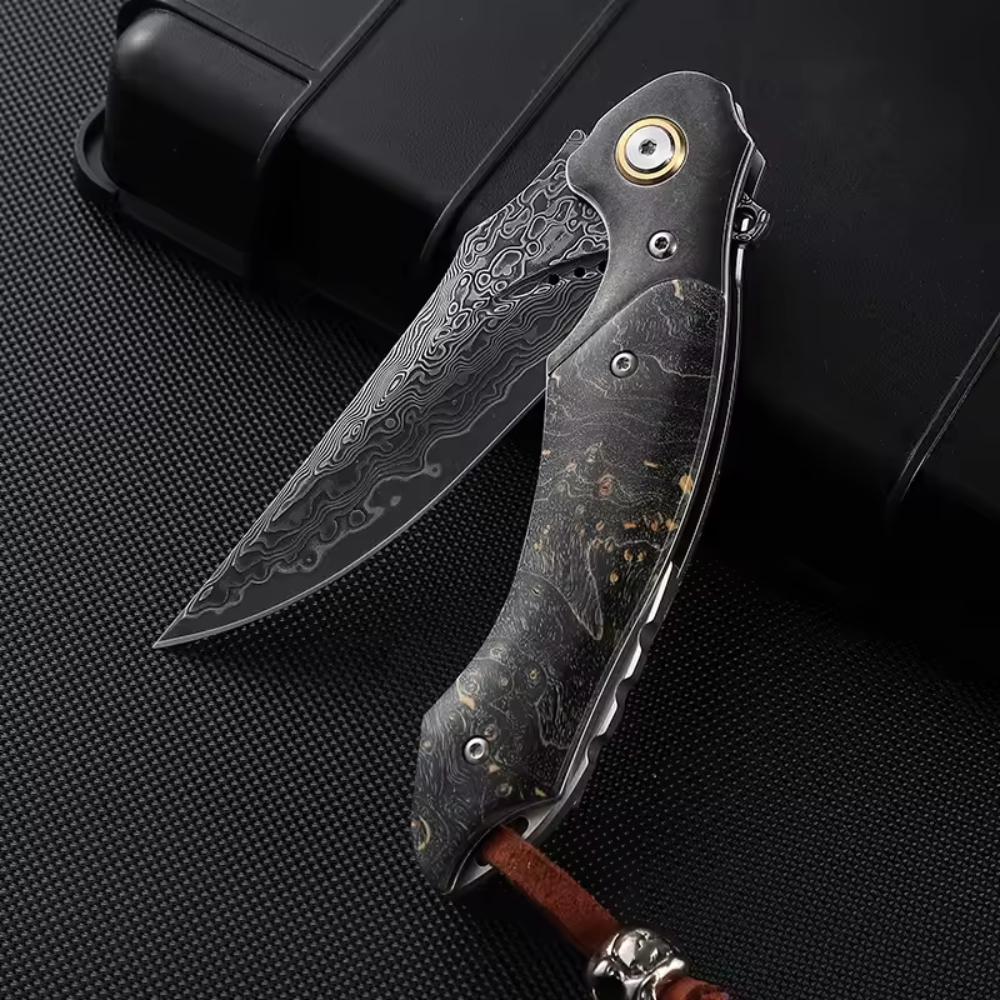
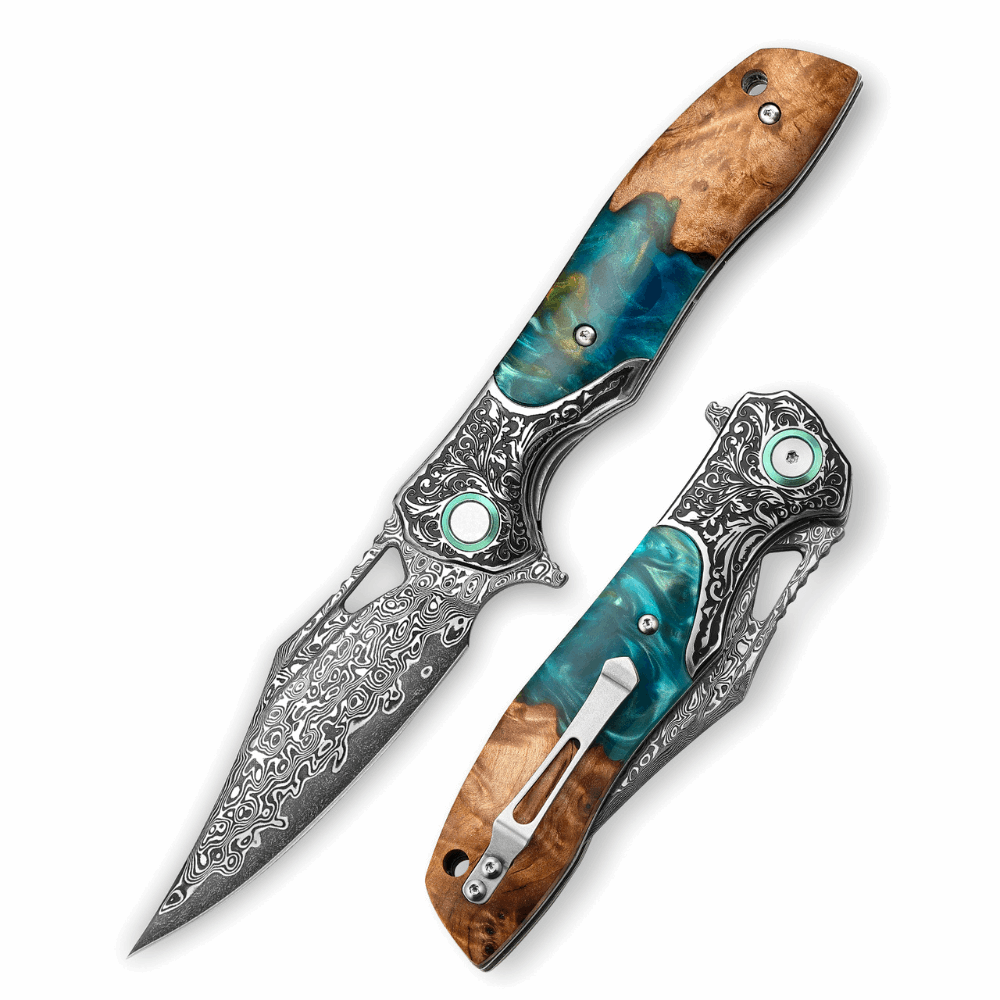
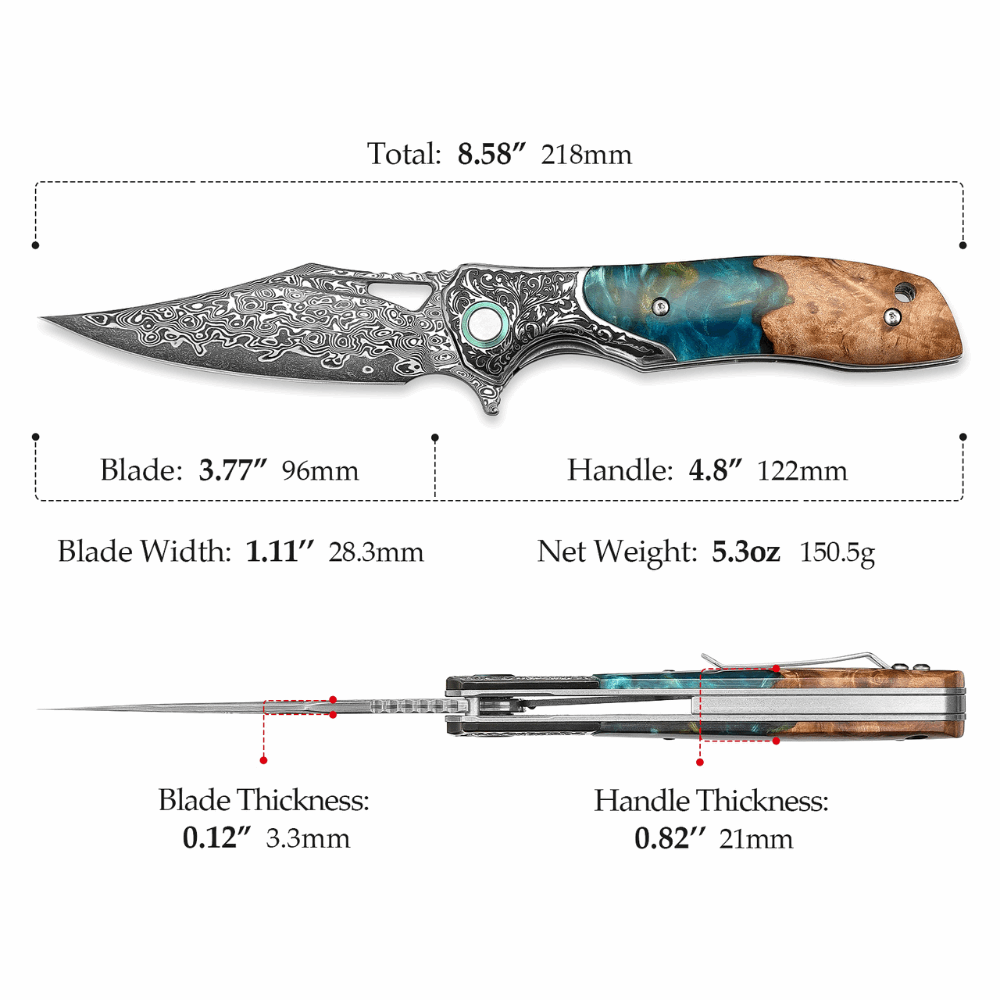
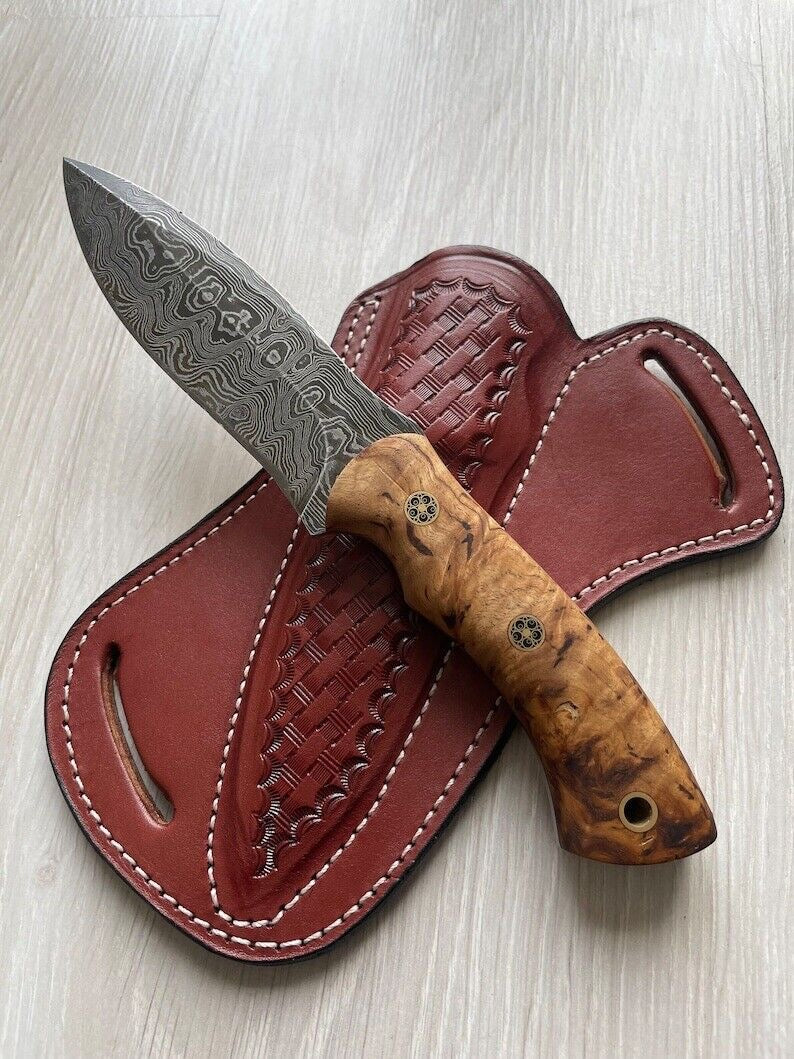
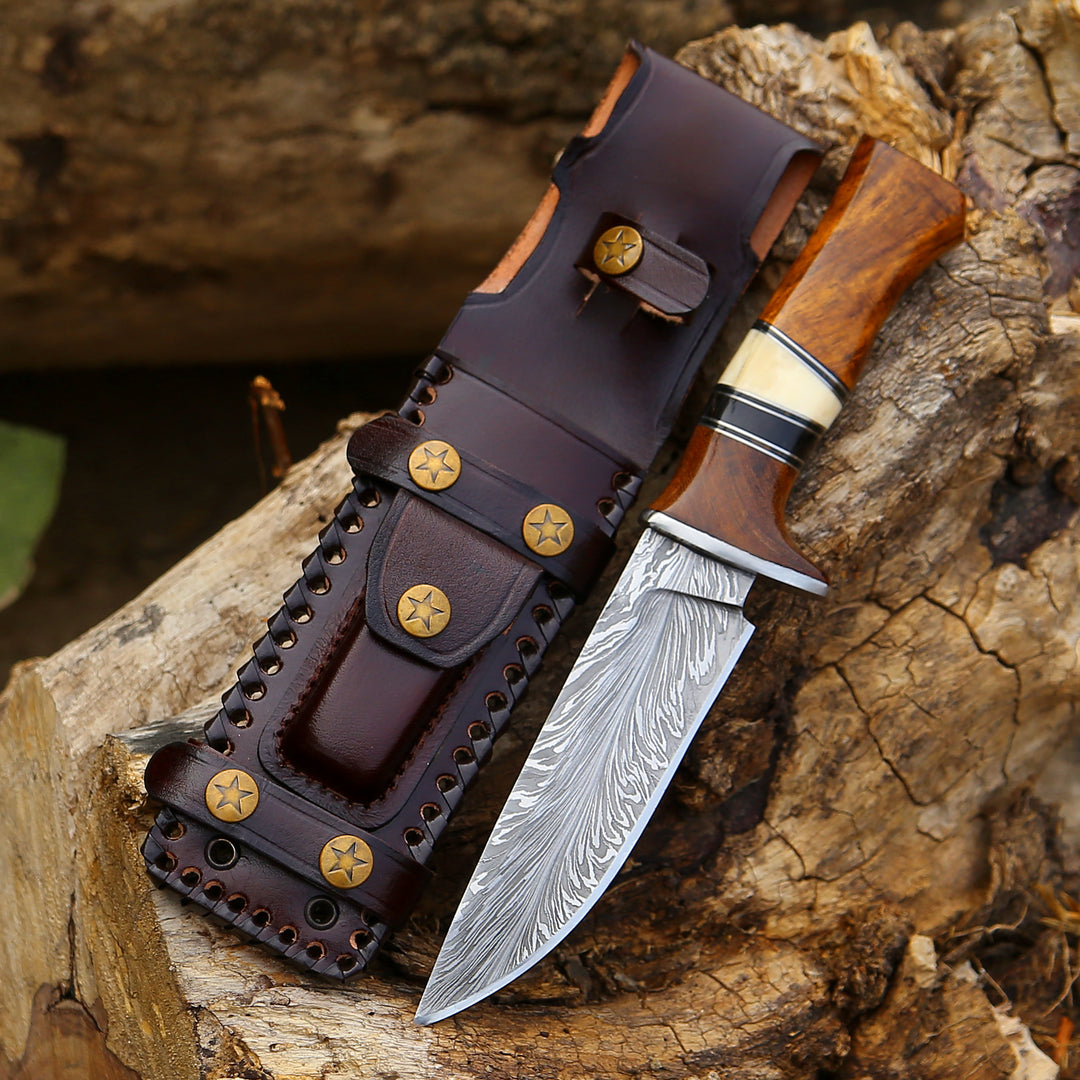
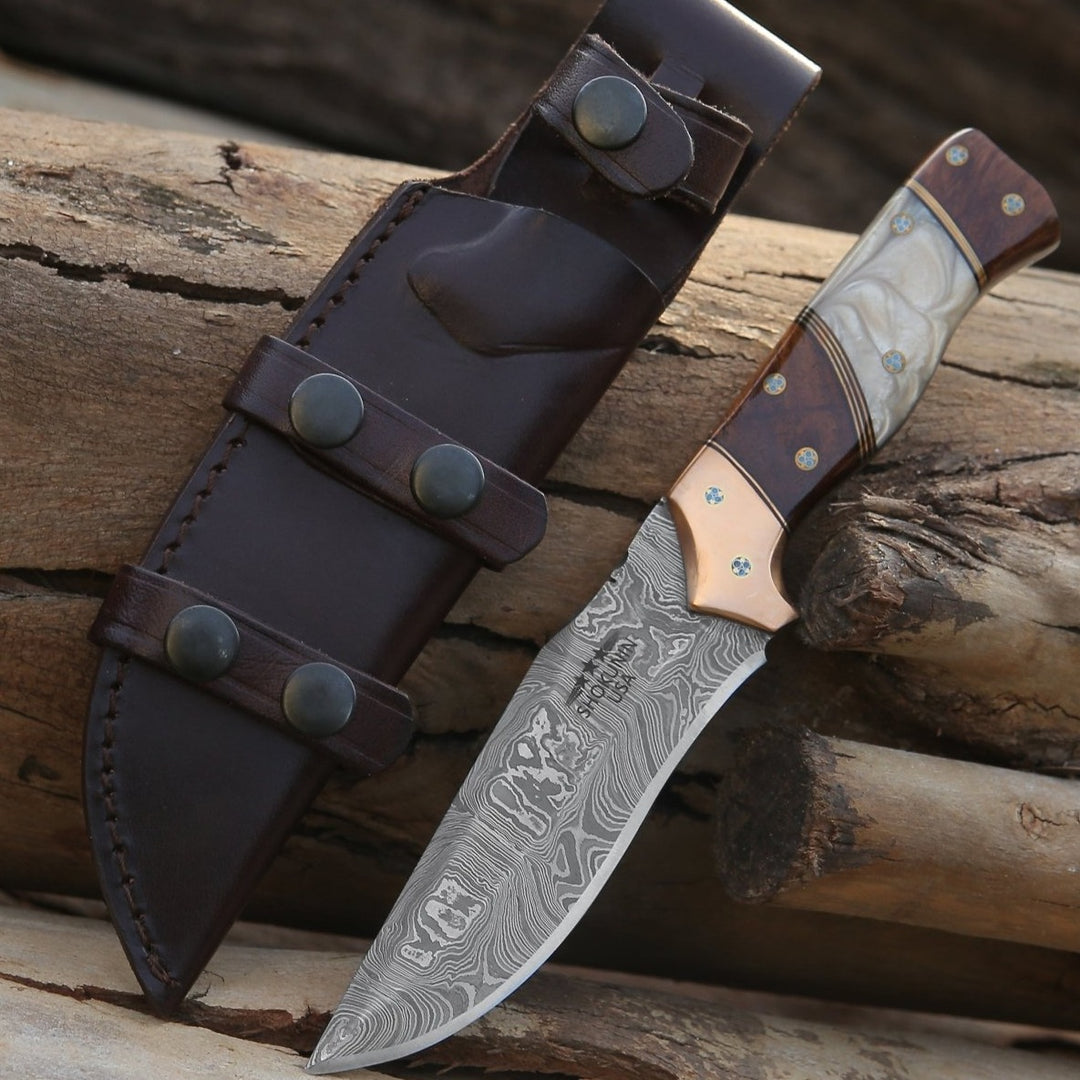
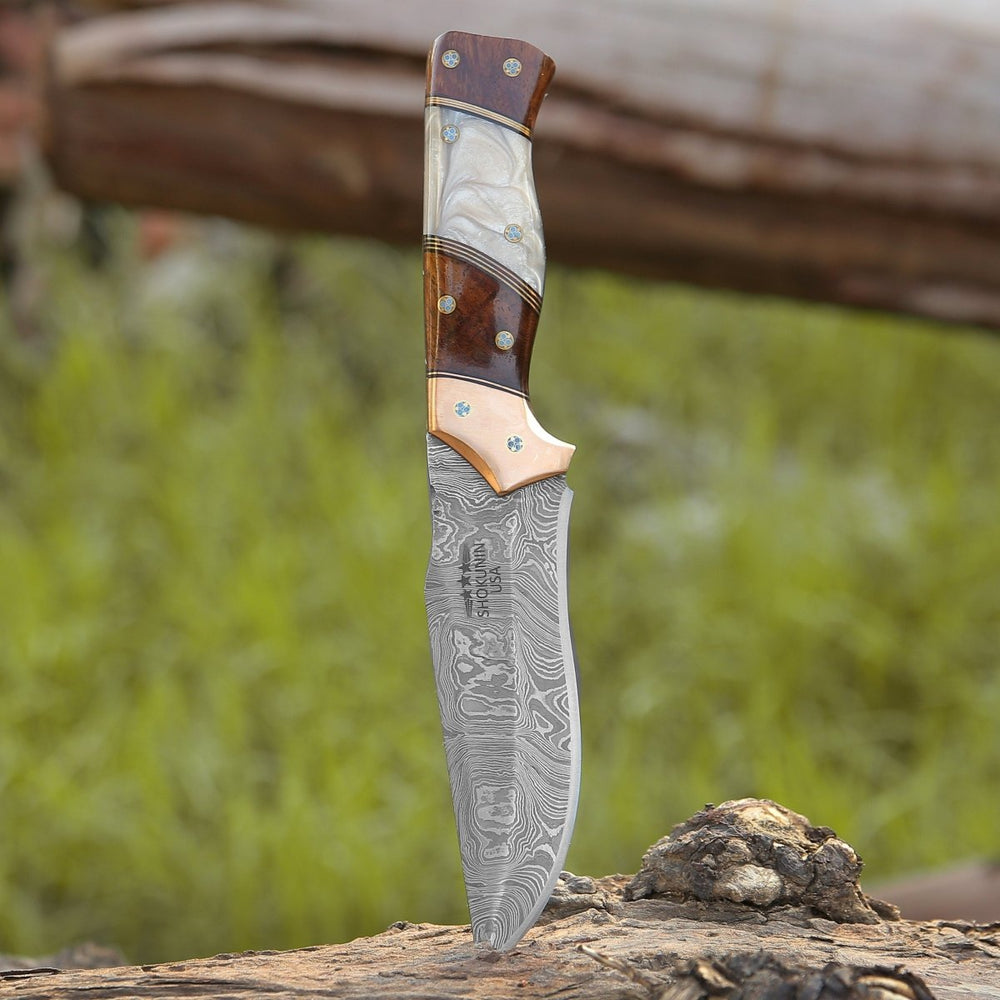
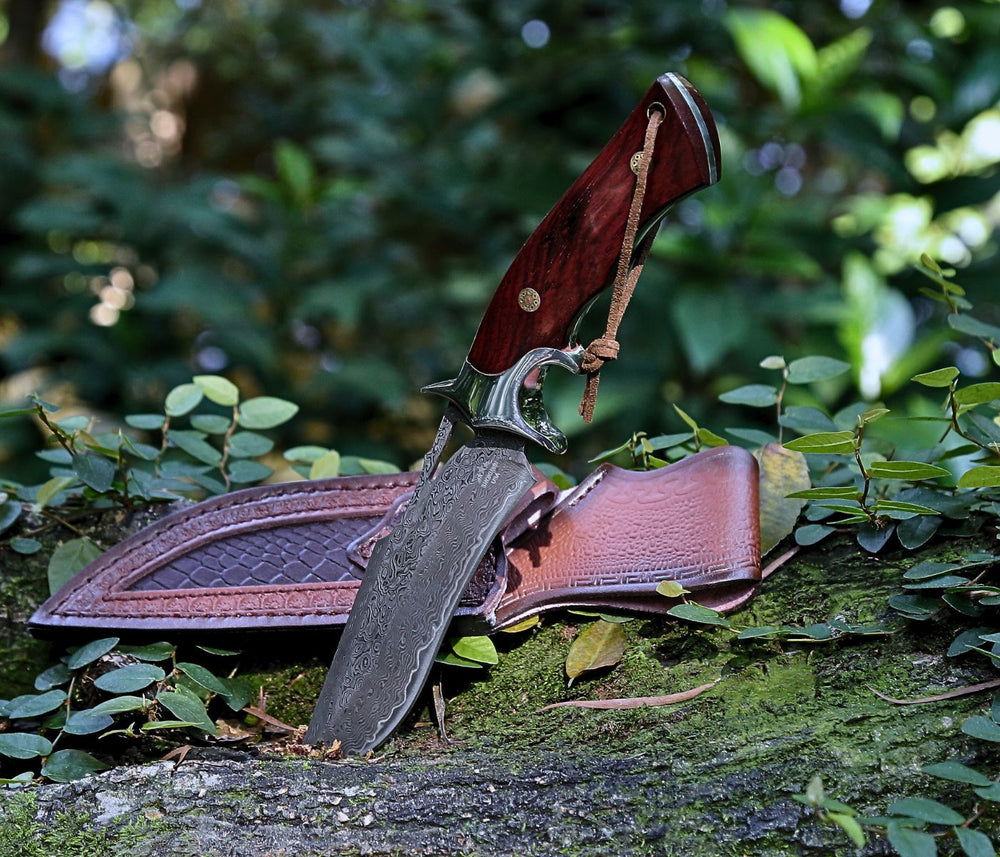
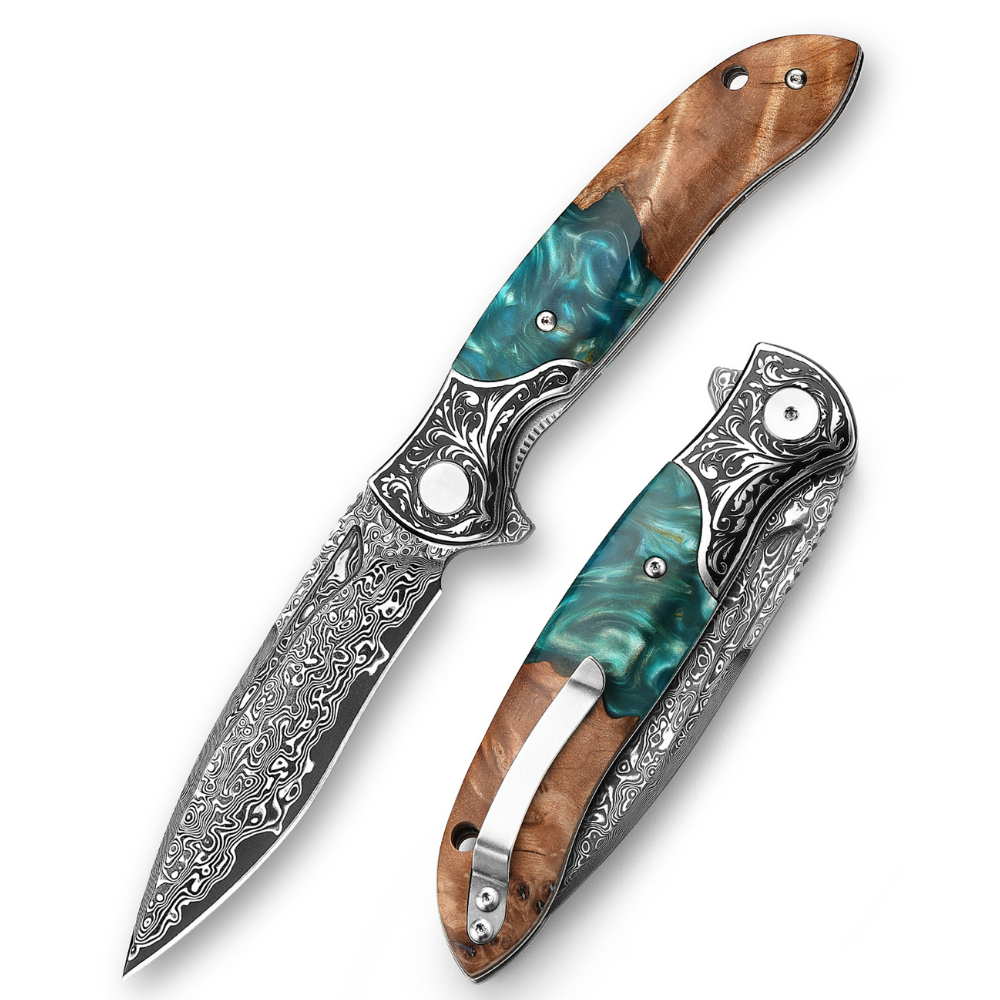
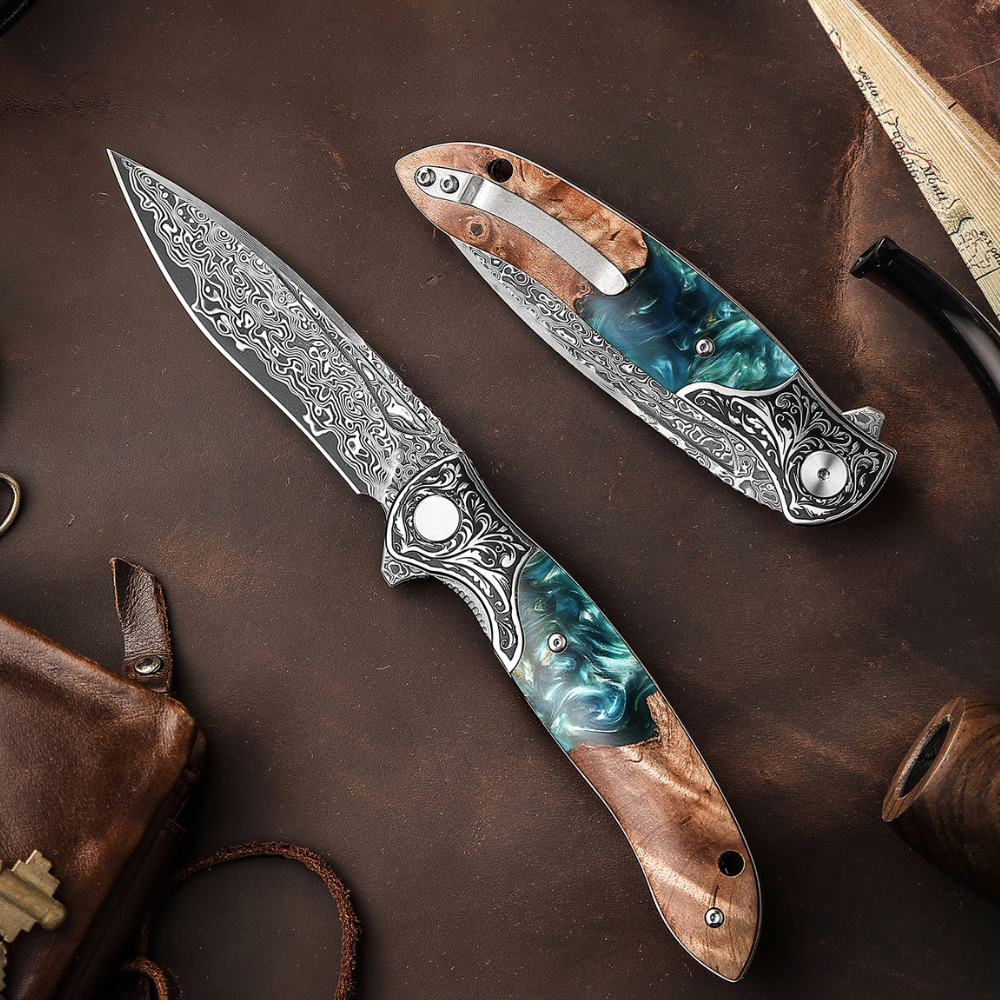
Damascus steel is recognized for its distinctive patterns and incredible toughness. It is produced by forging multiple layers of steel together, which provides a unique aesthetic appeal along with outstanding performance characteristics. For instance, the Pearl Handmade Japanese VG10 Damascus Folding Pocket Knife showcases the beauty and functionality of this steel. The layers of VG10 and 15N20 steel create a resistant blade that performs well under pressure.
154CM Steel
An American-made stainless steel, 154CM is loved by many knife enthusiasts due to its great balance of edge retention, toughness, and corrosion resistance. It is often found in high-end pocket knives and is a popular choice for both everyday use and outdoor adventures.
CPM-S30V Steel
This steel is a premium powdered metallurgy stainless steel that offers excellent edge stability and wear resistance. It is ideal for high-performance knives and is particularly favored among custom knife makers.
The Hardness Scale: Understanding HRC Ratings
The hardness of a knife's steel is measured using the Rockwell hardness scale (HRC). Most eager knife users are often aware that a higher Rockwell rating typically means a harder blade, which can maintain a sharp edge for longer periods. However, there is a trade-off; harder steels can be more brittle, leading to chipping or breakage under stress. A good balance is necessary for performance, particularly for hunting knives, which often undergo rigorous stress during the tasks they are designed for.
Edge Retention: What You Need to Know
Edge retention refers to a knife's ability to maintain its sharpness over time. Several factors influence edge retention, including the type of steel, its hardness, and the method of sharpening. For instance, Damascus steel is well-known for its superior edge retention due to its unique construction and hardness. Users seeking knives that require minimal maintenance should pay close attention to this characteristic, as it can greatly affect performance in both cooking and outdoor activities.
Corrosion Resistance in Knife Steel
A knife's corrosion resistance can significantly determine its longevity. Stainless steels typically perform well in this area. They are designed to resist rust and wear, making them suitable for culinary environments or humid conditions where moisture is prevalent. In contrast, carbon steels can rust if not cared for; however, enthusiasts often appreciate their superior cutting performance.
Sharpening: A Key Factor in Quality
Sharpening is a necessary maintenance task that every knife owner must undertake to keep their tools in optimal condition. The ease of sharpening varies depending on the steel type. For example, stainless steel may require specialized grinding tools, while carbon steel responds well to traditional sharpening techniques. Selecting a knife with a steel type that aligns with your sharpening capabilities is essential for maintaining performance.
Choosing the Right Knife for Your Needs
When searching for knives—be it a handmade pocket knife for daily use, a tactical tool for outdoor adventures, or a chef’s knife for culinary excellence—consider how the type of steel aligns with your needs. Here are some features to consider:
- Use Case: Consider whether you’ll be using the knife for home cooking, camping, or everyday tasks.
- Maintenance: Think about how much maintenance you’re willing to commit to. Stainless steels are lower maintenance, whereas carbon steels need more care.
- Price Range: More expensive knives often utilize premium steels, which can provide improved performance but may not always be necessary for casual users.
Maintenance Tips for Your Steel Knife
Proper maintenance is key to extending the life and performance of your knife. Here are some tips:
- Cleaning: After each use, clean your knife with warm, soapy water and dry it immediately to prevent corrosion.
- Sharpening: Regularly sharpen your knife to retain its cutting edge, using a whetstone or other sharpening tool designed for your knife's steel type.
- Storage: Store your knife in a dry place, ideally with a protective sheath or tray, to avert accidental damage and exposure to moisture.
Final Thoughts: Elevate Your Knife Game
Understanding the role of steel in knife quality is pivotal both for everyday users and enthusiasts. By considering factors like hardness, edge retention, corrosion resistance, and maintenance requirements, you can select a knife that meets your needs perfectly. Whether you’re investing in a beautiful handmade pocket knife or a reliable hunting knife, taking the time to understand the characteristics of the steel will ensure you make a choice that will serve you well for years to come. For those wanting to elevate their knife game, investing in high-quality materials will always pay off in performance and durability.
Frequently Asked Questions
1. What is the importance of steel in knives?
2. What are the main types of knife steel?
3. What is VG10 steel?
4. How does the Rockwell hardness scale (HRC) affect knives?
5. What maintenance is required for carbon steel knives?
Glossary
| Term | Meaning |
|---|---|
| Knife Steel | An alloy primarily made of iron and carbon used for making knives. |
| Stainless Steel | A type of steel resistant to rust and corrosion, often harder to sharpen. |
| Carbon Steel | Known for sharpness and edge retention but requires more maintenance. |
| VG10 Steel | High-quality Japanese stainless steel with excellent hardness and sharpness. |
| Damascus Steel | Steel with distinctive patterns, known for toughness and aesthetic appeal. |
| 154CM Steel | American stainless steel valued for edge retention and toughness. |
| CPM-S30V Steel | Premium powdered metallurgy stainless steel favored for high-performance knives. |
| HRC Rating | A measure of a knife's hardness on the Rockwell scale. |
| Edge Retention | The ability of a knife to maintain its sharpness over time. |
| Corrosion Resistance | A knife's ability to resist rust and wear, affecting its longevity. |
Linked Product

Pearl Japanese VG10 Pocket Knife with Clip & Mother of Pearl Handle
The Pearl Japanese VG10 Pocket Knife combines exceptional craftsmanship with practicality, featuring a unique hand-forged Damascus steel blade that offers outstanding strength and edge retention. Its mother of pearl handle provides both elegance and durability, having undergone treatment to resist heat, moisture, and cold. This lightweight folding knife is designed for ease of use, making it suitable for everyday tasks while also being visually striking when carried in its leather sheath.
View Product








Hinterlassen Sie einen Kommentar