


Overview
This guide covers everything you need to know about pocket knives, including their key components (blade, handle, pivot mechanism, bolster, and clip), types (EDC, Damascus, multitools, tactical, and specialty knives), and tips for choosing the right one based on intended use, budget, brand, and user experience. It also emphasizes the importance of proper care and maintenance to ensure longevity and performance.
Table of Contents
- What Makes a Pocket Knife Special?
- Key Components of a Pocket Knife
- The Blade
- The Handle
- The Pivot Mechanism
- The Bolster
- The Clip
- Understanding Pocket Knife Designs
- Folding Knives
- Multitools
- Tactical Knives
- Specialty Knives
- How to Choose the Right Pocket Knife
- Intended Use
- Budget
- Brand and Warranty
- User Experience
- Care and Maintenance
- Cleaning
- Sharpening
- Lubrication
- Elevate Your Knife Game
Key Takeaways
- Blade Types: Understand the various blade styles such as drop point, tanto, and clip point to choose one that fits your needs.
- Handle Materials: Opt for durable handle materials like G10, Micarta, or aluminum that provide a comfortable grip.
- Pivot Mechanism: Familiarize yourself with different opening mechanisms like thumb studs and flippers for smooth operation.
- Purpose of Use: Determine your primary use for the knife, whether it’s for everyday carry, outdoor tasks, or specialized functions.
- Budget Considerations: Set a budget to narrow down your options and focus on quality knives that offer good value.
- Brand Reliability: Choose established brands that provide warranties, indicating confidence in their craftsmanship.
- Maintenance Tips: Keep your knife clean, regularly sharpen the blade, and lubricate the pivot for optimal performance.
Frequently Asked Questions
1. What are the unique features of pocket knives?
2. What should I consider when choosing a pocket knife?
3. What materials are commonly used for pocket knife blades?
4. How do I maintain my pocket knife?
5. What types of pocket knives are available?
Welcome to the ultimate guide for all enthusiasts and collectors of pocket knives! Whether you’re looking for a Damascus pocket knife for your collection or just curious about EDC knives, understanding the anatomy of a pocket knife is essential. In this blog post, we will dive deep into the essential components of a pocket knife, exploring their functions, variations, and what to consider when purchasing one. By the end of this article, you will have a comprehensive understanding of what makes a pocket knife great, and how to select the perfect one for your needs.
What Makes a Pocket Knife Special?
Before we break down the individual components, it’s important to appreciate what makes a pocket knife unique. Unlike standard kitchen knives or fixed blades, pocket knives are designed for versatility and portability. The pocket knife style ensures that you can carry one easily, making it an essential tool for daily tasks, outdoor adventures, and moments of creativity. There are various designs that cater to different needs, such as multifunctional tools and tactical variants.
Among the diverse types of pocket knives available, EDC knives (Everyday Carry knives) and Damascus pocket knives are especially popular. Each type serves unique purposes and styles, making the pursuit of knowledge about these tools all the more enjoyable!
Key Components of a Pocket Knife
Understanding the different parts of a pocket knife is crucial for selecting the right tool for your needs. Let’s break down the major components that make up a pocket knife:
The Blade
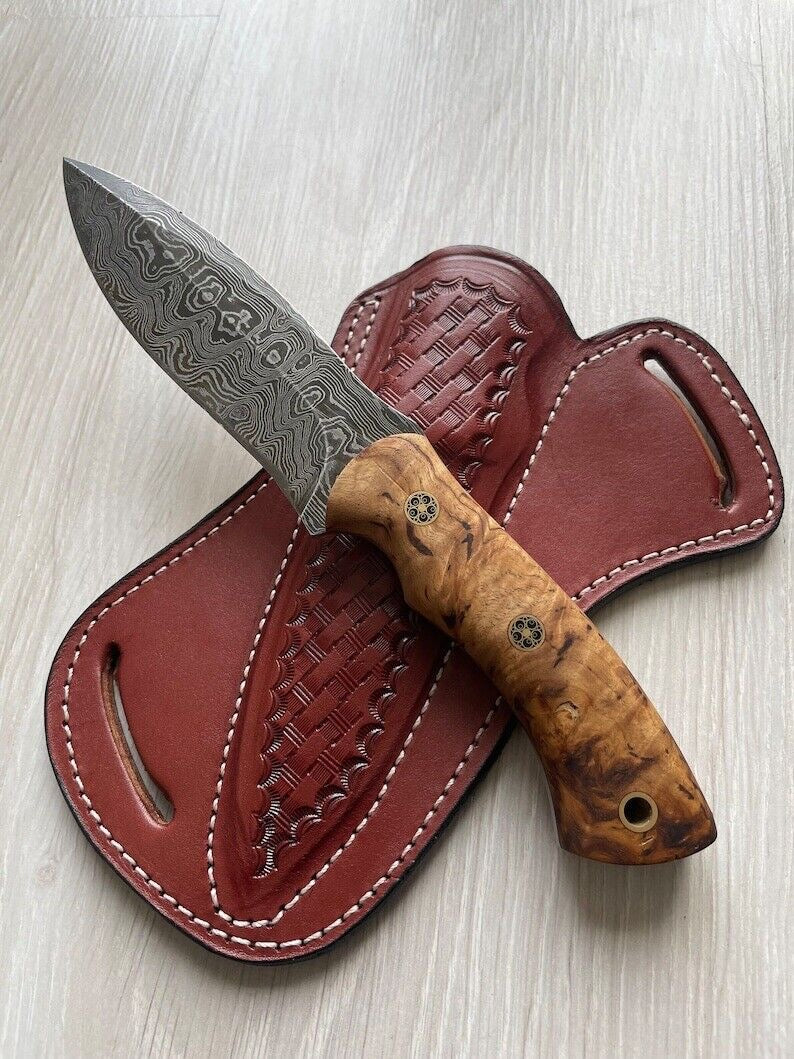
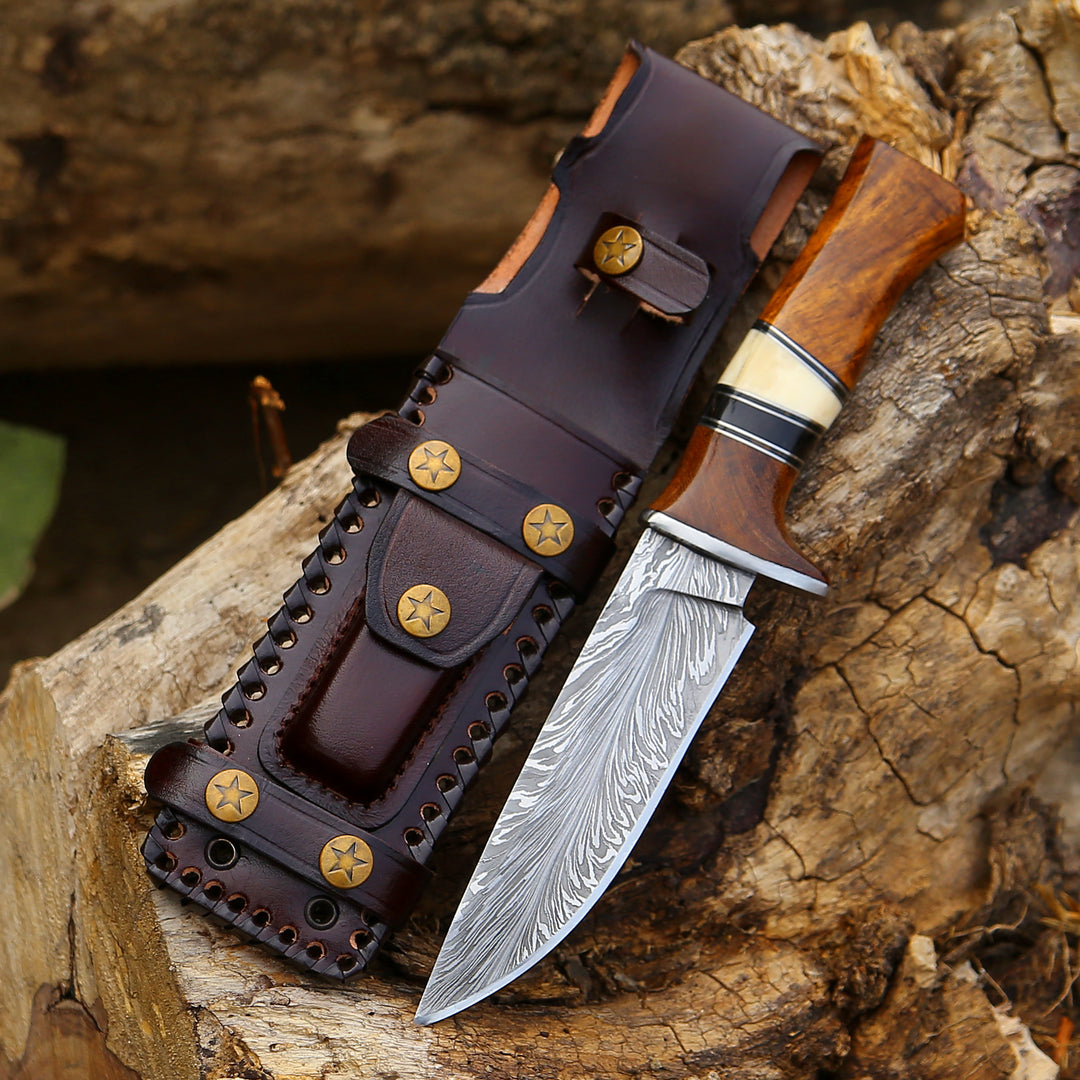
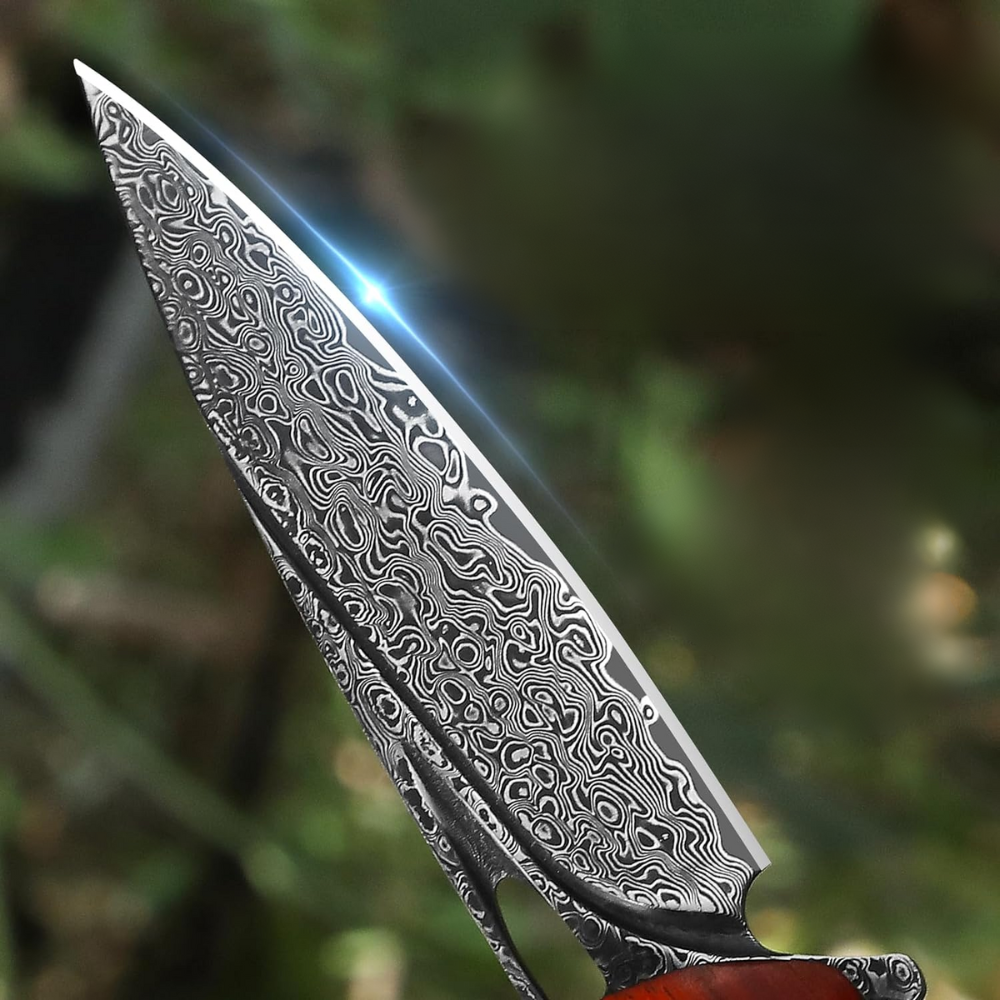
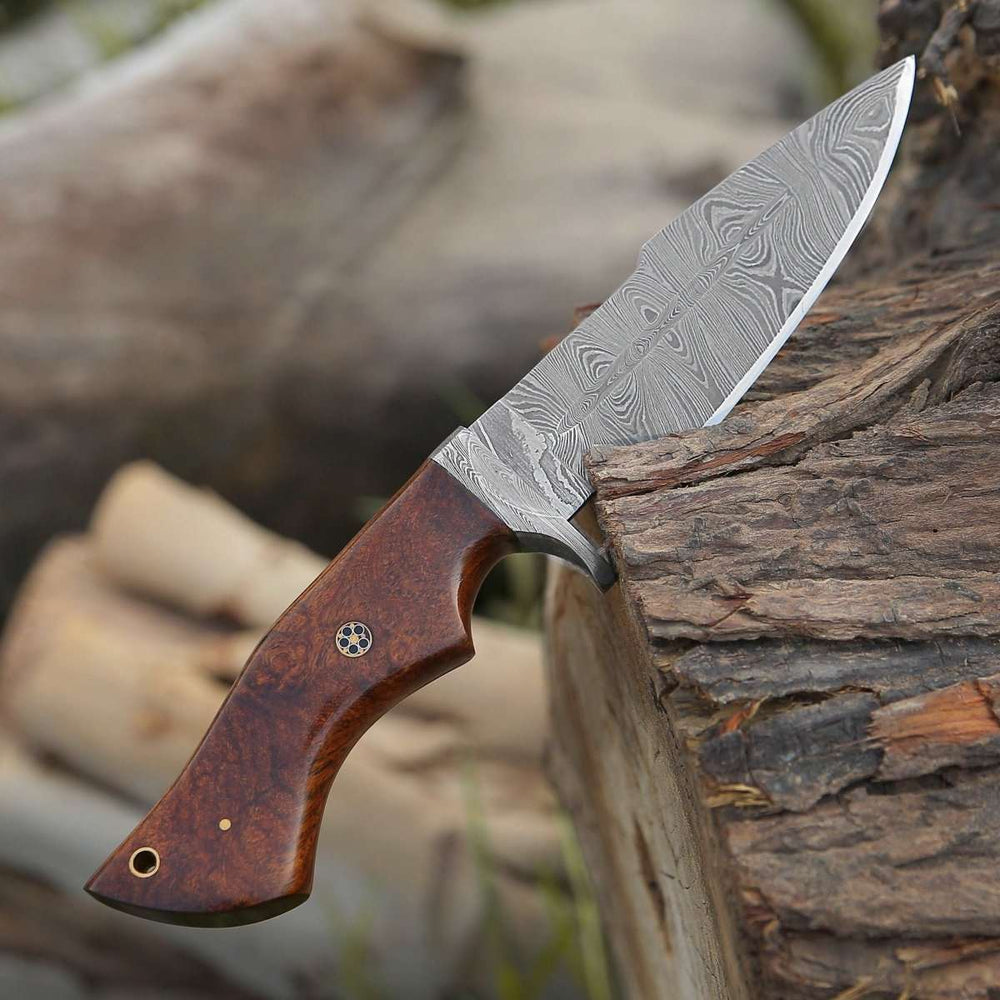
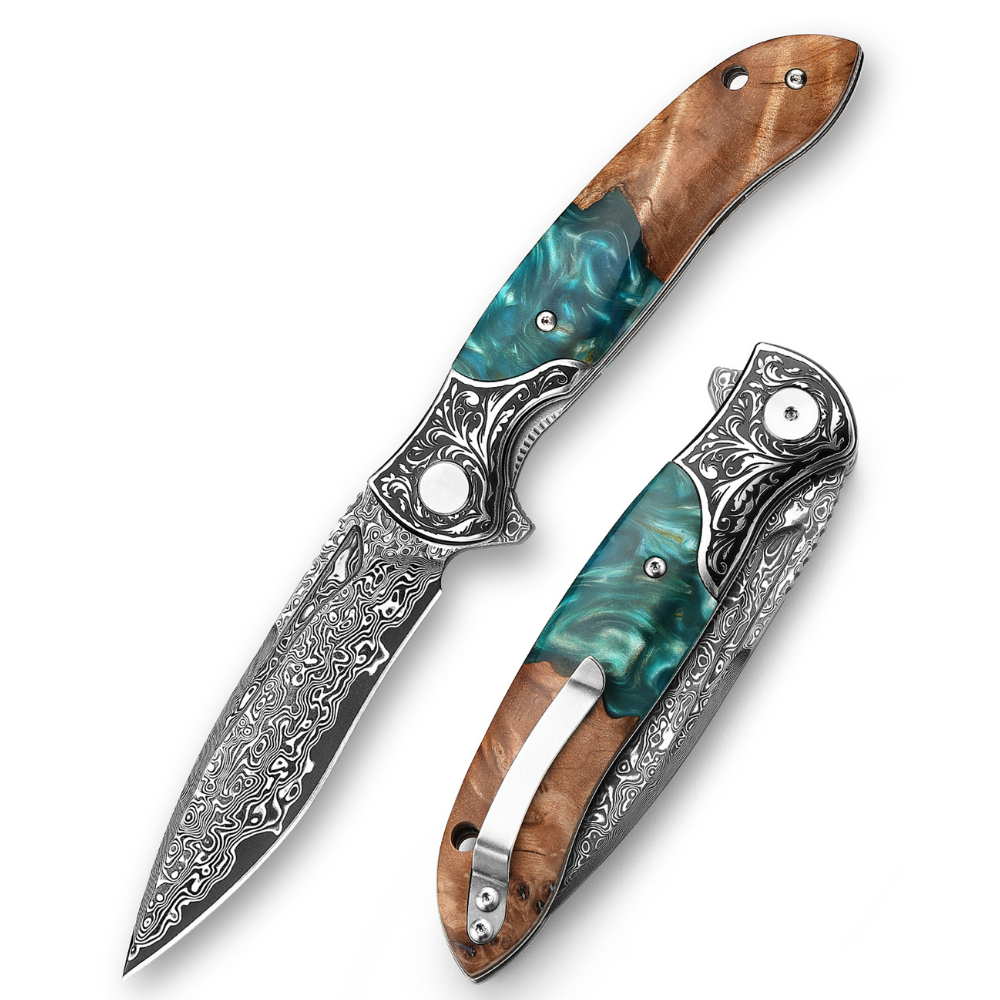
The blade is arguably the most critical component of any pocket knife. Blades come in various shapes and materials, including stainless steel and high-carbon steel, with Damascus steel being a coveted option for both its aesthetic appeal and performance. The design of the blade greatly influences the knife’s functionality and suitability for particular tasks.
- Blade Material: Damascus steel is celebrated for its striking patterns and remarkable edge retention.
- Blade Style: Common blade styles include drop point, tanto, and clip point, each serving a different purpose.
- Blade Length: The length often dictates the knife’s versatility; shorter blades are better for delicate tasks, while longer blades provide more force.
The Handle
The handle of a pocket knife not only affects the aesthetics but also plays a significant role in its usability. The handle should provide a comfortable grip and be made from durable materials that withstand daily wear and tear.
- Material: Common handle materials include G10, Micarta, aluminum, and wood.
- Ergonomics: A well-designed handle ensures a secure grip, reducing the risk of slipping during use.
- Texture: Textured handles can add extra grip, while smooth surfaces offer elegance.
The Pivot Mechanism
The pivot mechanism of a pocket knife is vital for the blade's opening and locking functionality. It determines how smoothly the blade opens and closes, which is crucial for daily use.
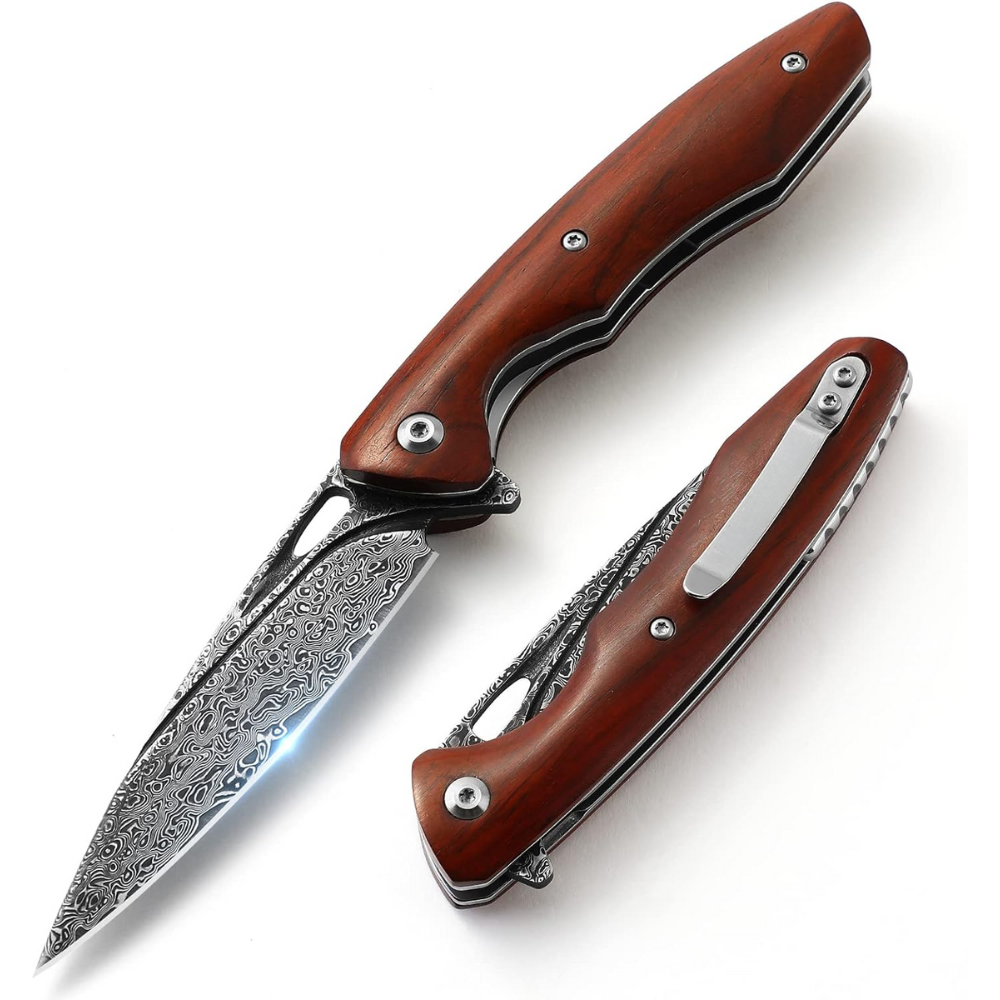
- Types of Mechanisms: Common mechanisms include thumb studs, flippers, and automatic openings.
- Locking Mechanisms: Popular locking systems include liner locks, frame locks, and lockbacks which provide safety during use.
The Bolster
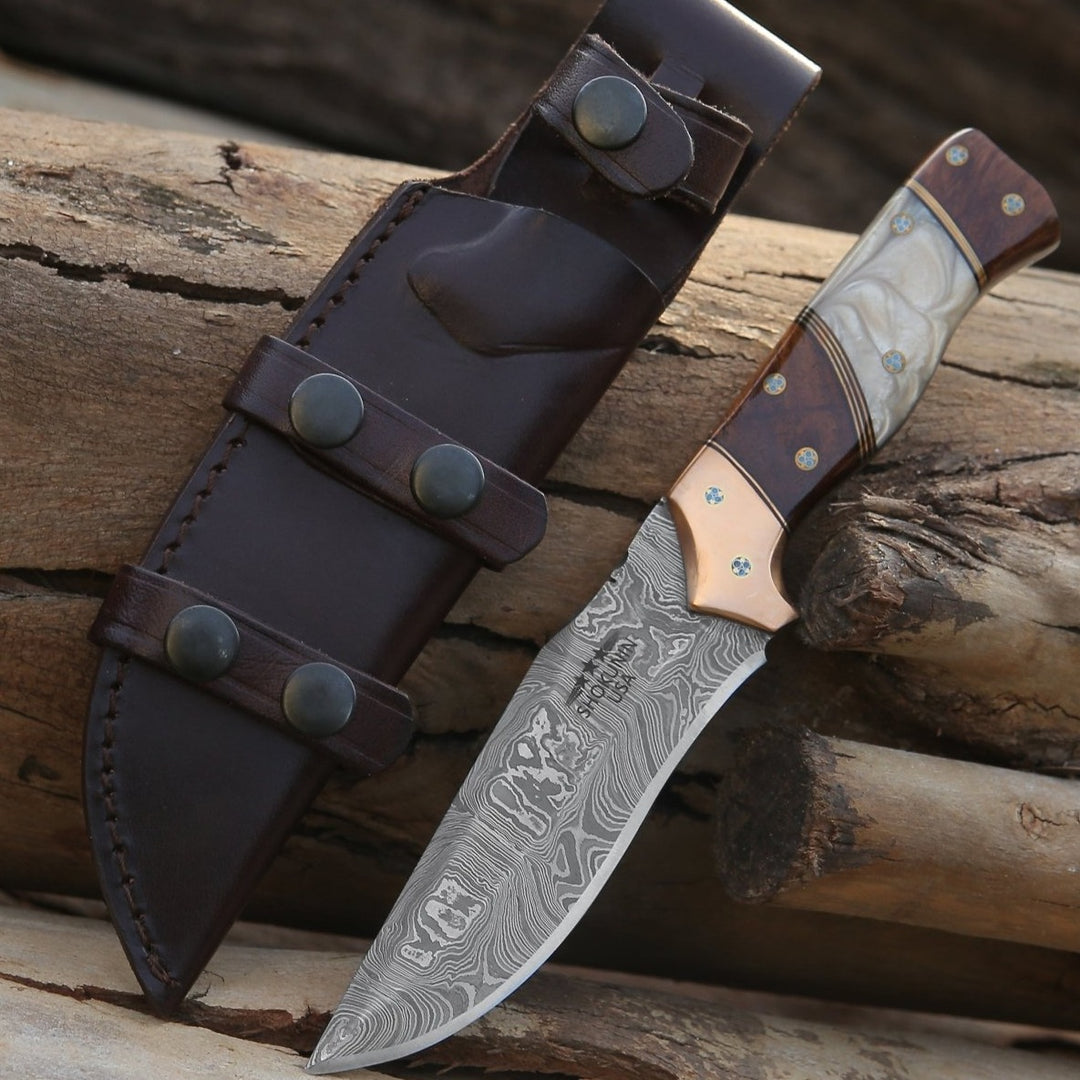
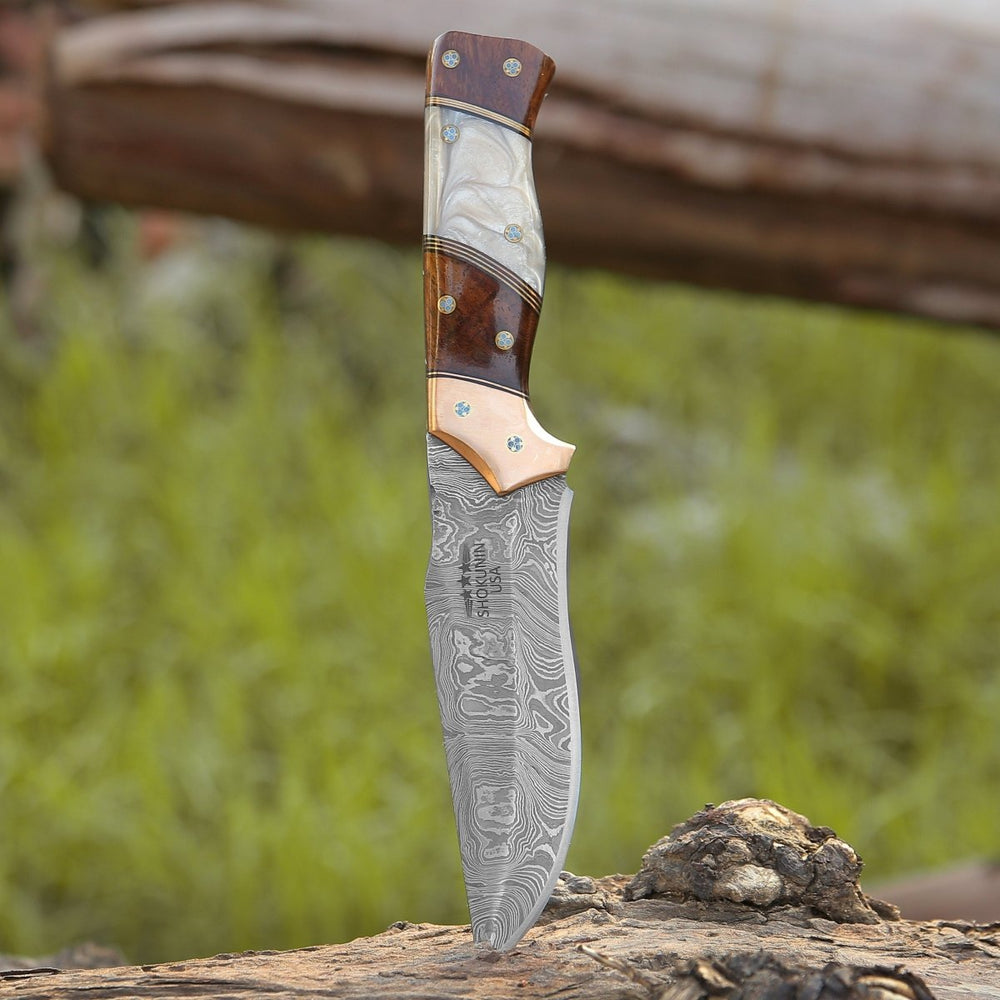
The bolster is a component located between the blade and the handle. It adds weight and balance to the knife, which can significantly enhance the user experience. While not all pocket knives have a bolster, many high-quality models incorporate this feature for added strength and a premium feel.
The Clip
Most modern pocket knives have a pocket clip attached to the handle. This clip allows for easy attachment to a pocket or belt, ensuring the knife is safely stowed away when not in use. The design and placement of the clip can vary, affecting the knife's carry style:
- Tip-Up or Tip-Down Carry: Some users prefer one method over the other, depending on comfort and accessibility.
- Clip Material: The durability of the clip is essential; stainless steel clips are often preferred for their strength.
Understanding Pocket Knife Designs
The design of your pocket knife can significantly influence its usability and versatility. Let’s explore some popular designs:
Folding Knives
Folding knives are perhaps the most common type of pocket knife. These knives feature a blade that folds into the handle, providing compact storage. Folding knives often have various locking mechanisms that ensure the blade remains secure during use.
Multitools
Multitools are pocket knives that include additional tools alongside the main blade. These may include screwdrivers, scissors, and even bottle openers. Multitools are incredibly versatile and cater to users who appreciate having multiple tools at their disposal.
Tactical Knives
Tactical knives are designed for strength and efficiency in high-pressure situations. These knives often have more robust construction materials and may include features like aggressive serration for cutting quickly. EDC knives can sometimes fall into this category depending on their design.
Specialty Knives
Specialty knives serve specific functions and may feature unique blade shapes and designs tailored towards particular tasks, such as fly fishing or camping. If you know how you plan to use your knife, selecting a specialty knife can greatly enhance your experience.
How to Choose the Right Pocket Knife
Selecting the perfect pocket knife can be an overwhelming experience given the plethora of choices available. To help you make the right decision, consider the following factors:
Intended Use
Consider what you will primarily use your pocket knife for. Different tasks require different types of blades, which should guide your decision-making process. If you're looking for a versatile everyday carry tool, an EDC knife with a multi-functional blade might be your best bet.
Budget
Quality pocket knives can range significantly in price. Determine your budget before diving into the specifications, so you can focus on options that provide you with the most value for your investment.
Brand and Warranty
The brand of a pocket knife can reflect its quality and reliability. Opt for established brands that offer warranties, as this often indicates confidence in their product. High-quality Damascus pocket knives, for example, are often backed by strong warranties due to their superior craftsmanship.
User Experience
If possible, try to handle the knife before buying. Check for grip comfort, how the knife feels in your hand, and how easily the blade opens and locks. User experience can greatly affect your satisfaction with a knife.
Care and Maintenance
Cleaning
Keep your knife clean by wiping the blade and handle with a soft cloth after each use. Regularly remove dirt and debris from the pivot area to ensure smooth operation.
Sharpening
Regularly sharpening your blade will maintain its edge and prolong its life. There are various tools available for sharpening, including whetstones, honing rods, and mechanical sharpeners. Choose a method that you feel confident using.
Lubrication
A small amount of lubricant on the pivot mechanism helps in the smooth operation of the blade. Use a knife-safe lubricant to prevent corrosion and ensure optimal performance.
Elevate Your Knife Game
The world of pocket knives is full of intricacies and variations, making it a fascinating hobby for many. From understanding the components of a knife to selecting the right one for your needs, we hope this guide has provided you with valuable insights into the anatomy of a pocket knife. With the right tools and knowledge at your disposal, you're well on your way to becoming a pocket knife aficionado.
Whether you choose a stunning Damascus pocket knife or a versatile EDC knife, remember that the right pocket knife is an extension of your personality and style. Happy exploring, and may your adventures with your new knife be thrilling and productive!
Glossary
| Term | Meaning |
|---|---|
| EDC Knife | A knife designed for everyday carry, combining practicality and portability. |
| Damascus Steel | A high-quality steel known for its unique patterns and excellent edge retention. |
| Blade Style | The shape of the blade, influencing its function and use. |
| Pivot Mechanism | The system that allows the blade to open and close smoothly. |
| Locking Mechanism | A feature that secures the blade in place during use for safety. |
| Multitool | A pocket knife that includes multiple tools, enhancing versatility. |
| Tactical Knife | A knife built for strength and efficiency in demanding situations. |
| Handle Material | The substance used for the handle, impacting grip and durability. |
| Bolster | A section between the blade and handle that adds weight and balance. |
| Pocket Clip | A clip that secures the knife to a pocket or belt for easy access. |
Linked Product

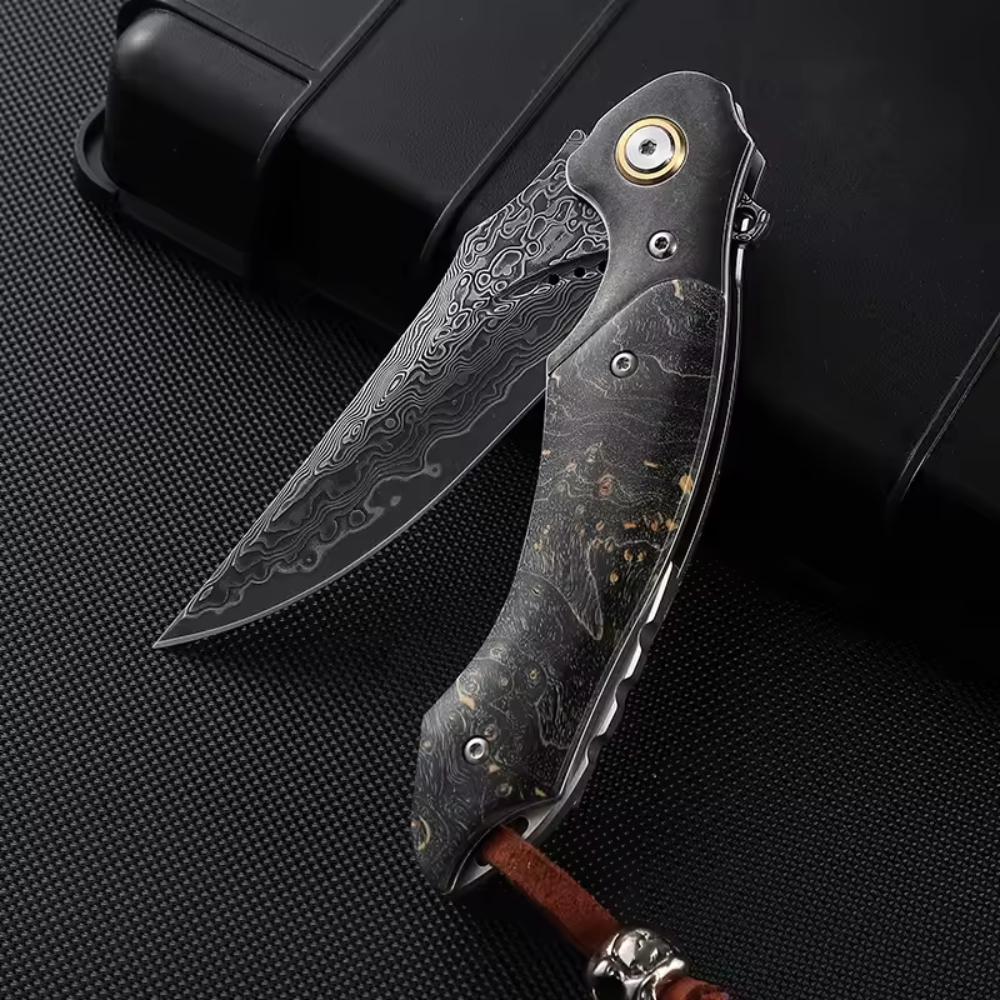
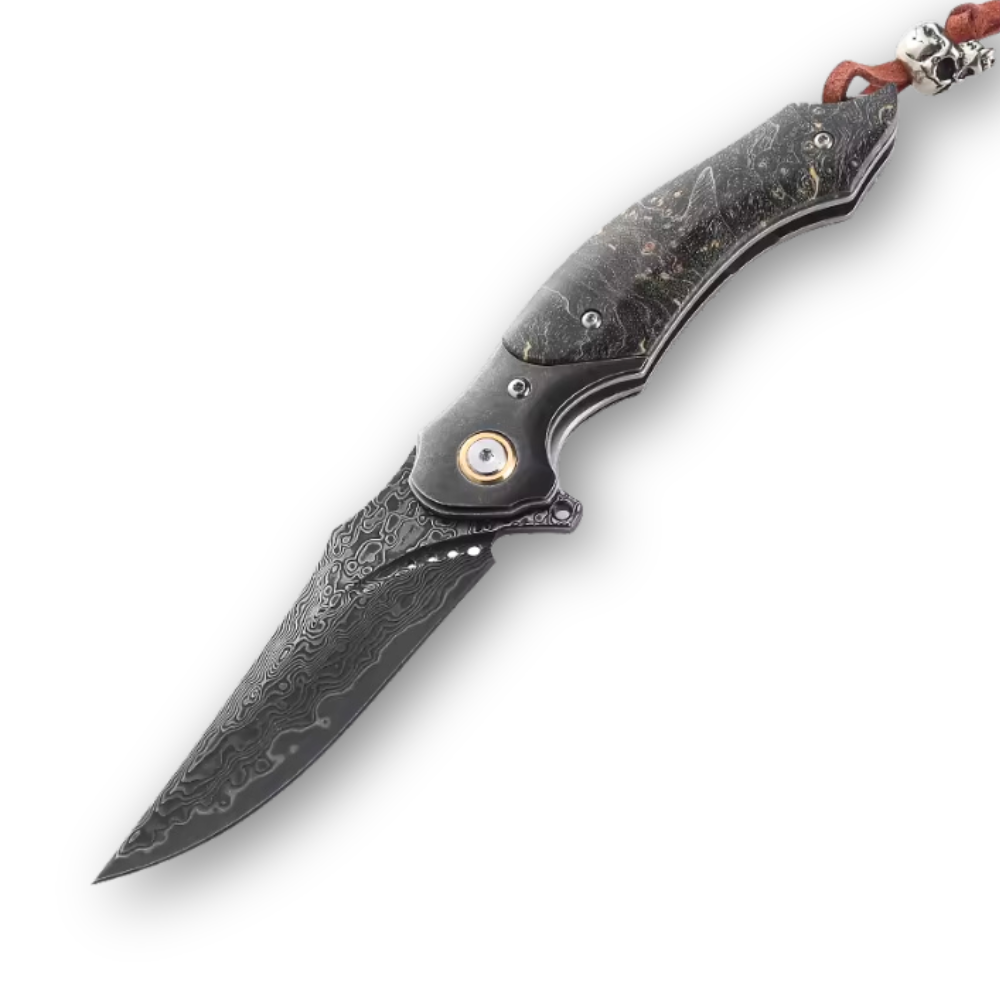
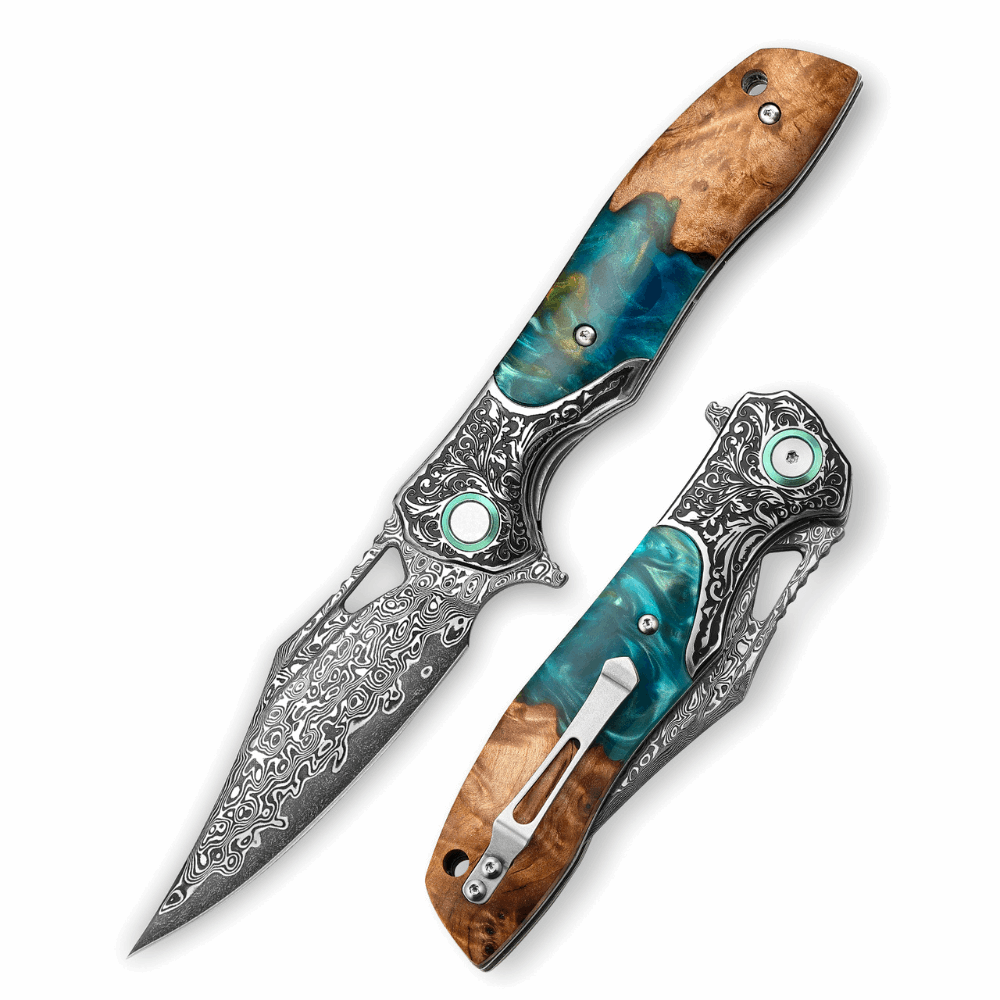
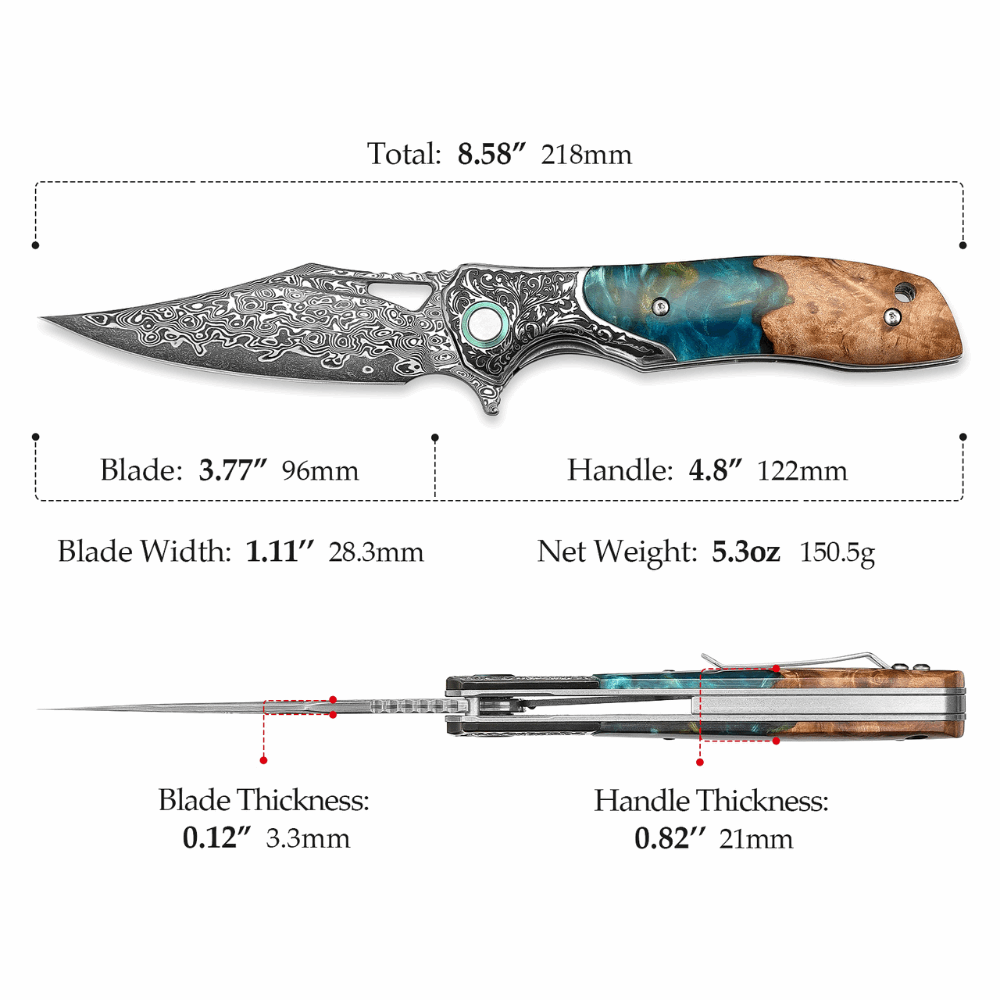
Flint Gentlemen's Damascus Pocket Knife with G10 Handle
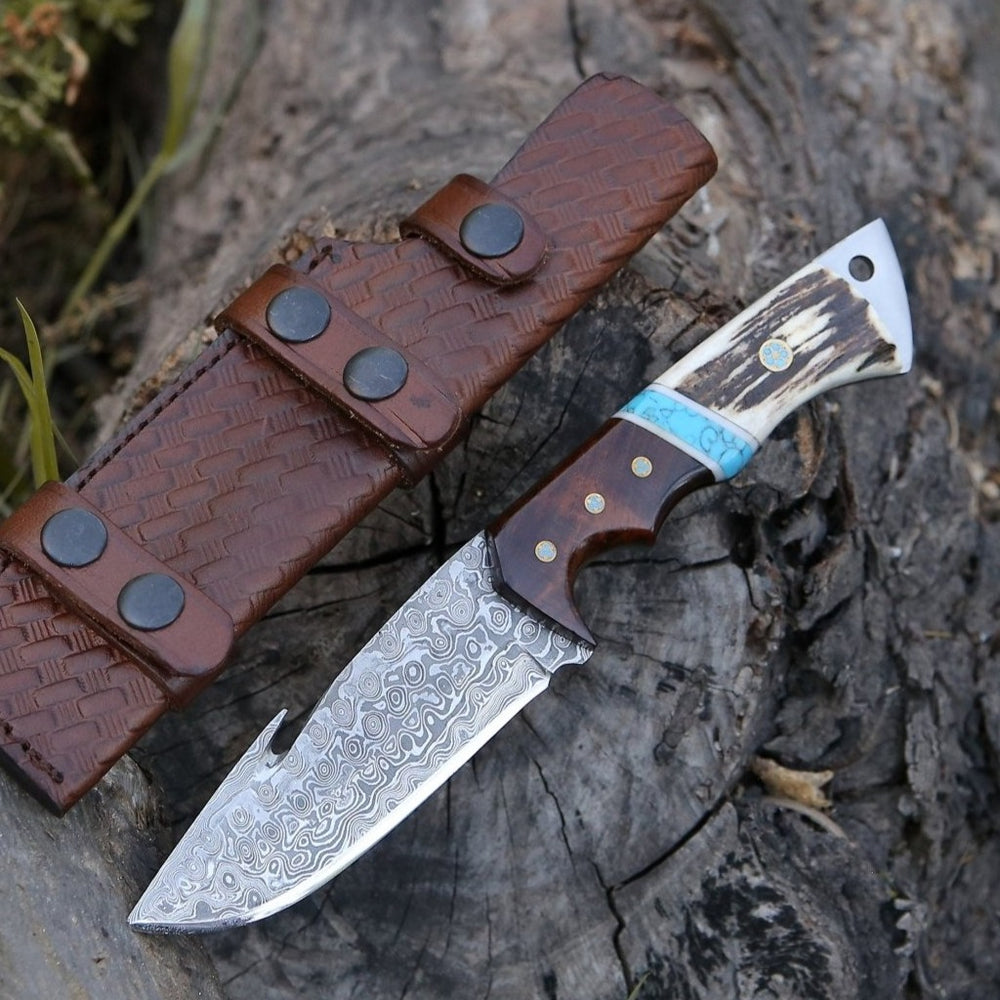
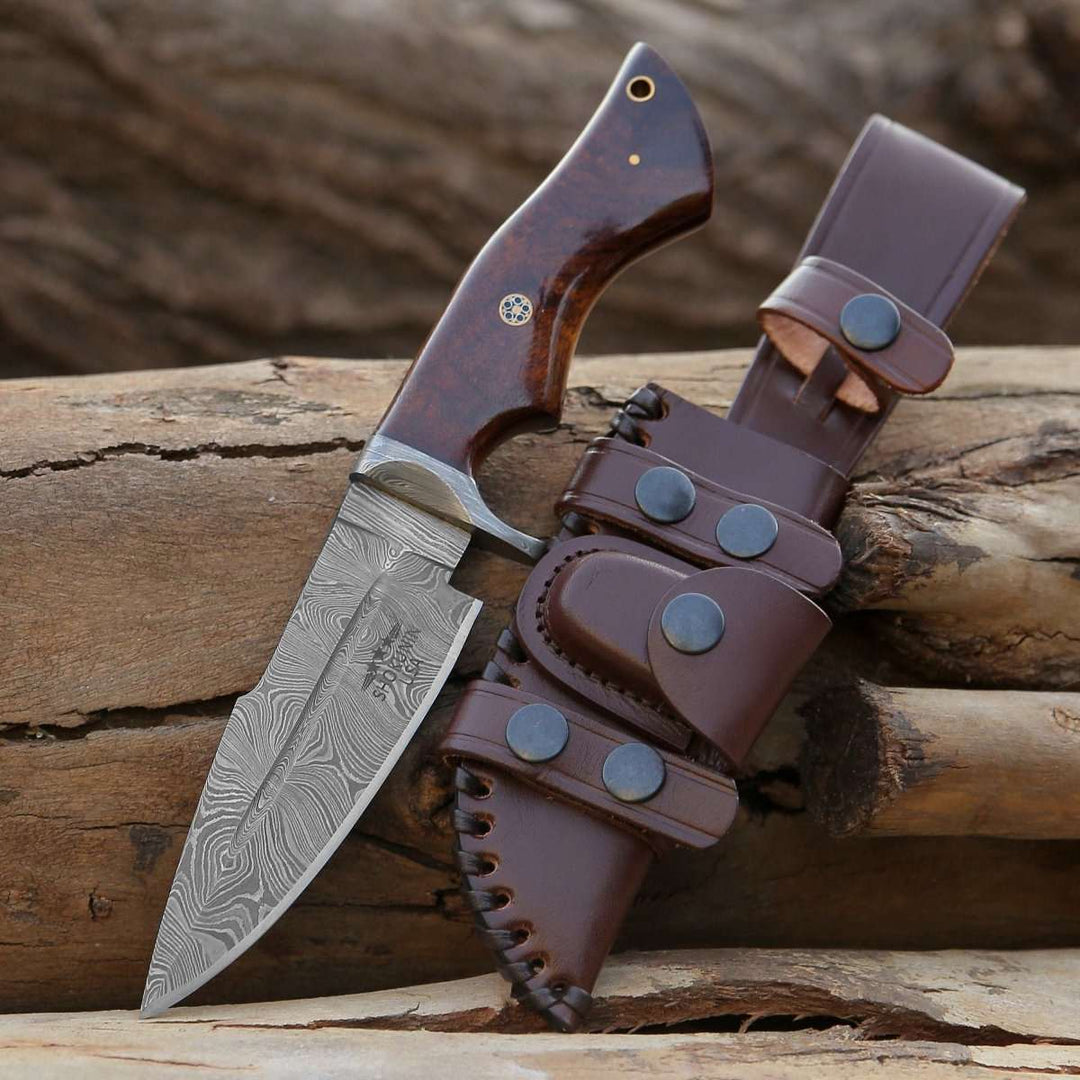
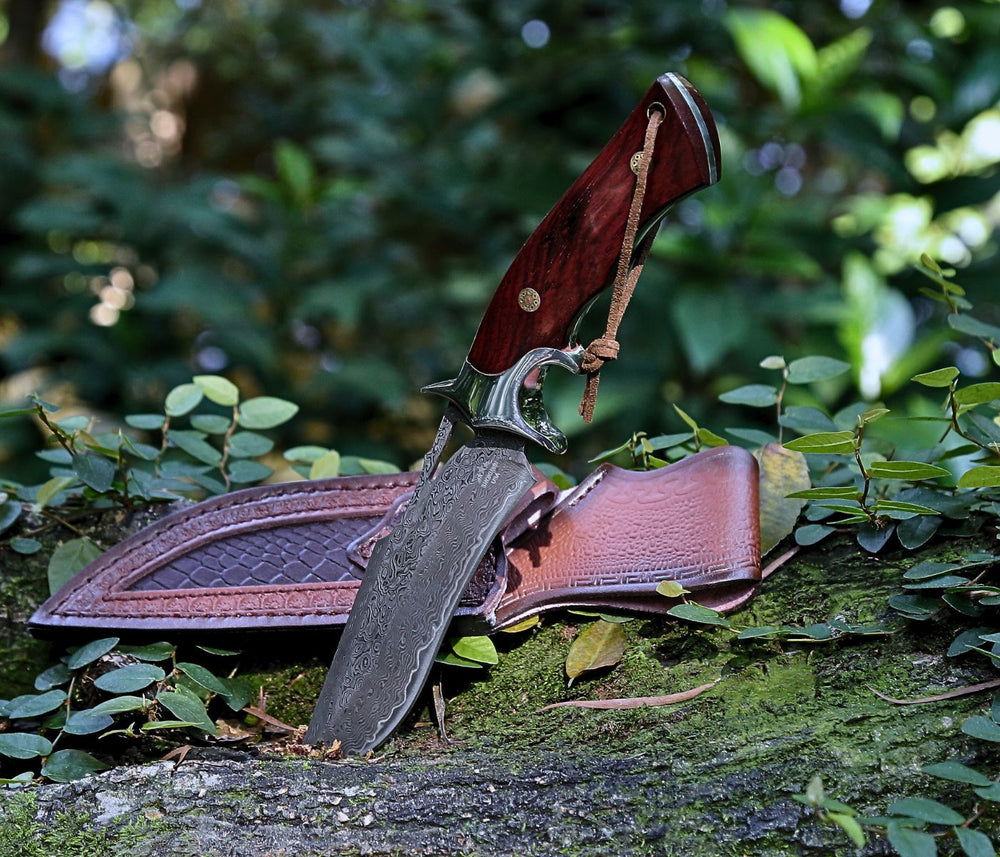
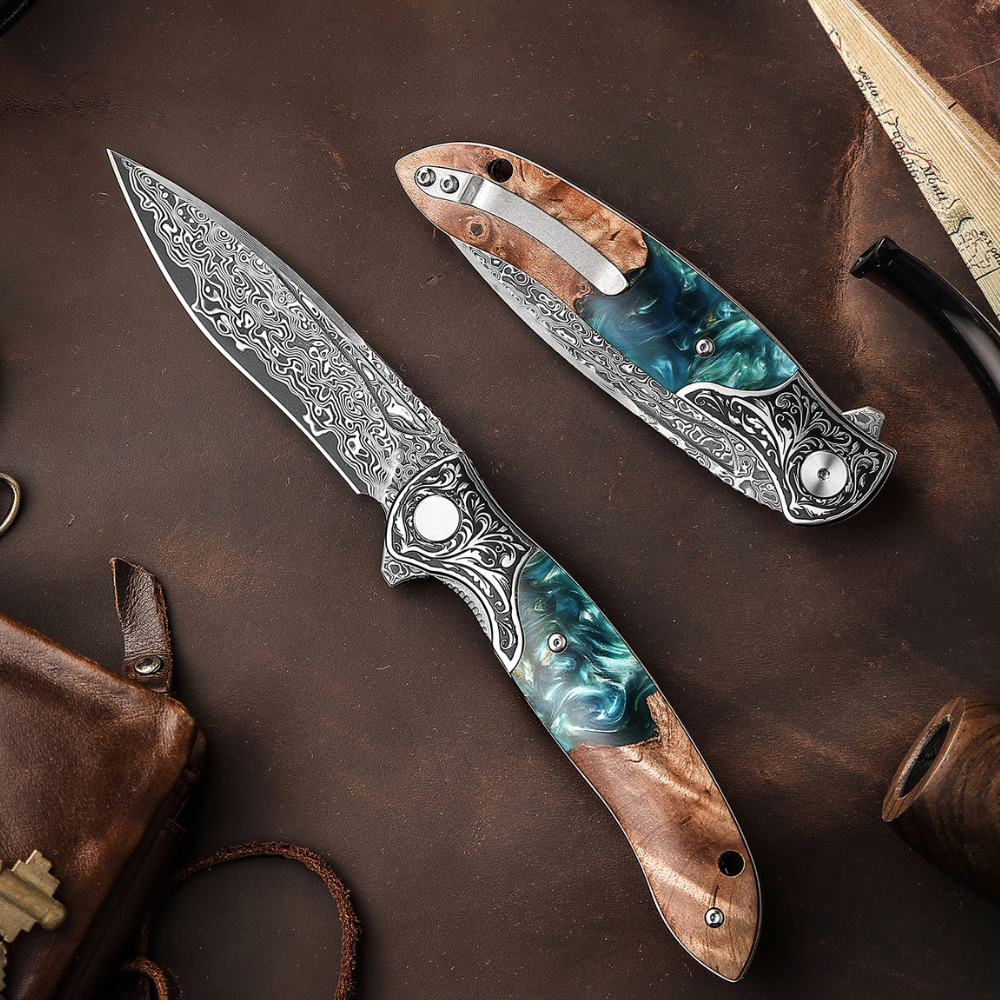
The Flint Gentlemen's Damascus Pocket Knife is designed for both functionality and aesthetics, featuring a unique hand-forged Damascus steel blade that ensures exceptional sharpness and durability. Its G10 handle provides a comfortable grip while maintaining resilience against harsh conditions, making it suitable for various outdoor activities such as hunting, camping, and fishing. This pocket knife comes with a hand-stitched leather sheath and includes a sharpening tool, emphasizing practicality for everyday use or as a thoughtful gift for outdoor enthusiasts.
View Product






Hinterlassen Sie einen Kommentar