

Overview
Pocket knives, especially Damascus models, blend practicality and artistry, holding cultural significance across societies. Their history dates back to ancient tools, evolving through craftsmanship and innovation. Pocket knives serve as both everyday essentials and symbols of status, with unique designs reflecting the maker's skill. In modern times, they combine traditional techniques with new technology, fostering community among enthusiasts online. Responsible ownership and education about their cultural importance are crucial for preserving their legacy.
Table of Contents
- The Historical Roots of Pocket Knives
- Ancient Origins
- The Emergence of Damascus Steel
- Symbol of Status and Craftsmanship
- Artisan Craftsmanship
- Rituals and Ceremonies
- Everyday Utility and Survival
- Everyday Carry Essentials
- Survival Situations
- Symbolism and Legality
- Regulations Across Cultures
- Education and Respect
- The Modern Pocket Knife: A Blend of Tradition and Innovation
- Technological Enhancements
- Revival of Classic Designs
- Making Your Own Cultural Mark with Pocket Knives
- Creating Meaningful Connections
- Personal Customization
- Knife Culture in the Digital Age
- Building Communities and Sharing Knowledge
- Online Marketplaces and Accessibility
- Embracing Knife Ownership Responsibly
- Regular Maintenance and Care
- Educating the Younger Generation
- Honoring Tradition While Forging Ahead
Key Takeaways
- Historical Significance: Pocket knives have existed since around 600 B.C., evolving from primitive tools to essential everyday items.
- Damascus Steel: Renowned for its unique patterns and durability, Damascus steel represents centuries of craftsmanship and is highly valued across cultures.
- Symbol of Craftsmanship: In many societies, pocket knives are seen as status symbols, showcasing the skill and artistry of their makers.
- Everyday Utility: Pocket knives serve multiple practical purposes, making them indispensable tools for everyday tasks and survival situations.
- Cultural Regulations: Laws regarding pocket knife ownership vary significantly between cultures, reflecting differing societal views on weaponry and self-defense.
- Modern Innovations: Advances in materials and technology have led to lighter, more durable pocket knives while reviving traditional designs like the Damascus pocket knife.
- Personal Connection: Owning a pocket knife can create meaningful connections to personal stories and cultural narratives, allowing for customization and emotional attachment.
When it comes to tools that blend practicality and artistry, few items can compete with pocket knives. From being essential everyday carry items to symbols of craftsmanship, their cultural significance varies across different societies. Among the different types, the Damascus pocket knife has garnered respect for both its functionality and striking aesthetic appeal. In this blog post, we will explore the rich history, symbolism, and societal roles of pocket knives in various cultures around the world.
The Historical Roots of Pocket Knives
The history of pocket knives stretches back thousands of years, originating from primitive tools created by early humans. Over time, as societies evolved, so did the design and purpose of these knives.
Ancient Origins
The earliest ancestors of today’s pocket knives appeared around 600 B.C. in Europe. Crafted from bronze and iron, these early blades were multi-purpose tools used for hunting and everyday tasks. As societies advanced, so too did the techniques and materials used in knife-making, leading to innovations in design and functionality.
The Emergence of Damascus Steel
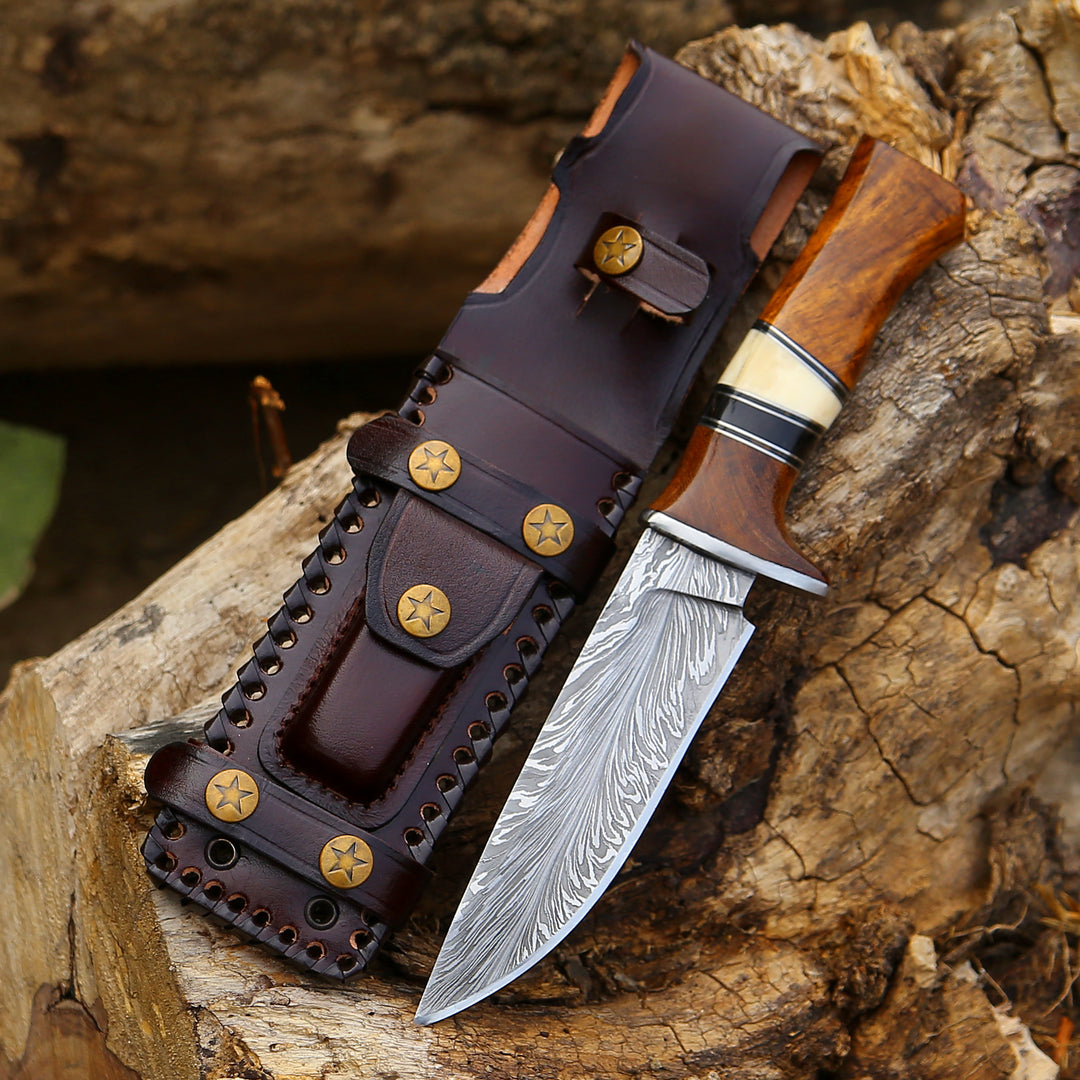
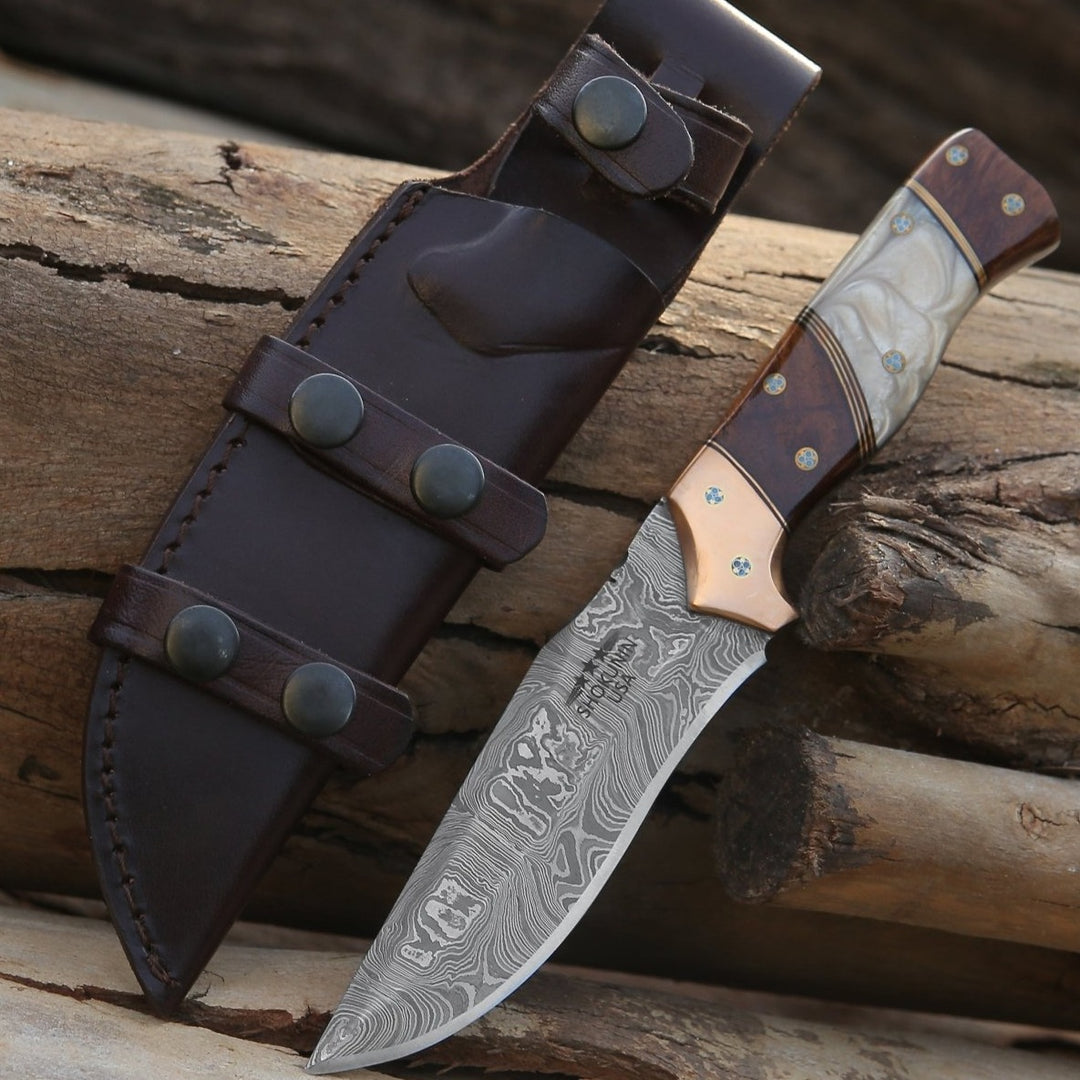
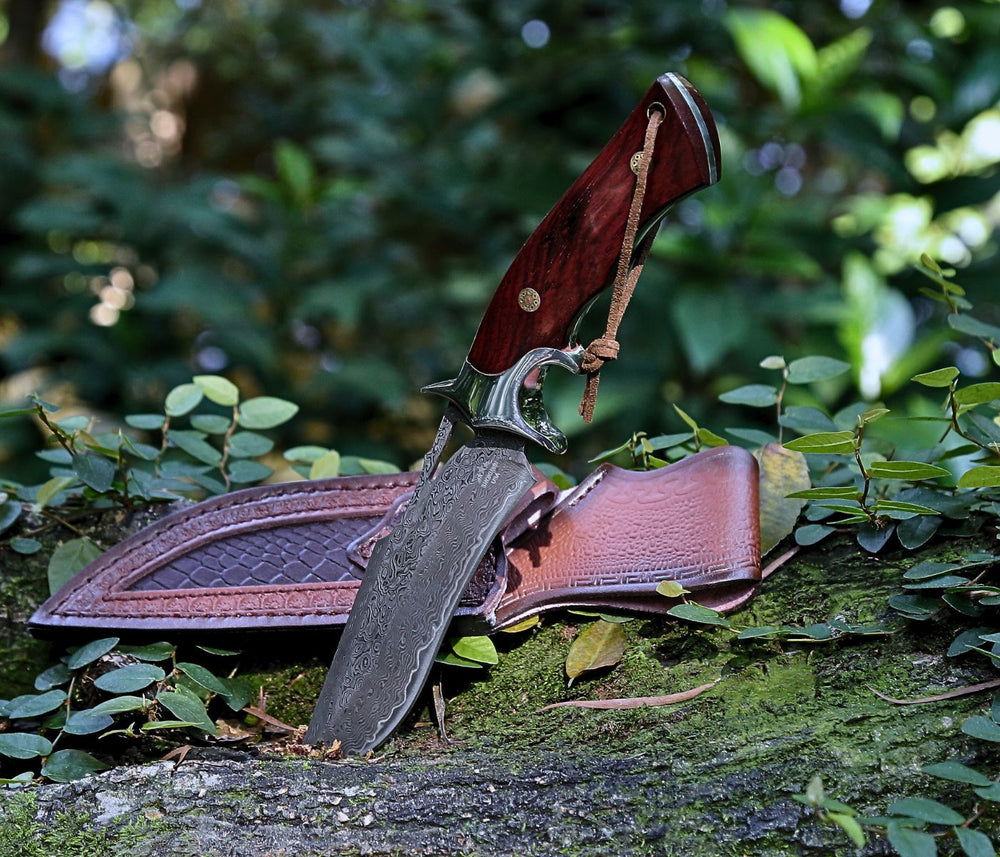
One of the most celebrated types of blades is forged from Damascus steel, a material known for its distinctive patterns and exceptional durability. Originating in the Near East, Damascus steel represents centuries of metallurgical traditions and craftsmanship. The techniques of creating these visually striking blades were closely guarded secrets passed down through generations, making them highly valued in many cultures.
Symbol of Status and Craftsmanship
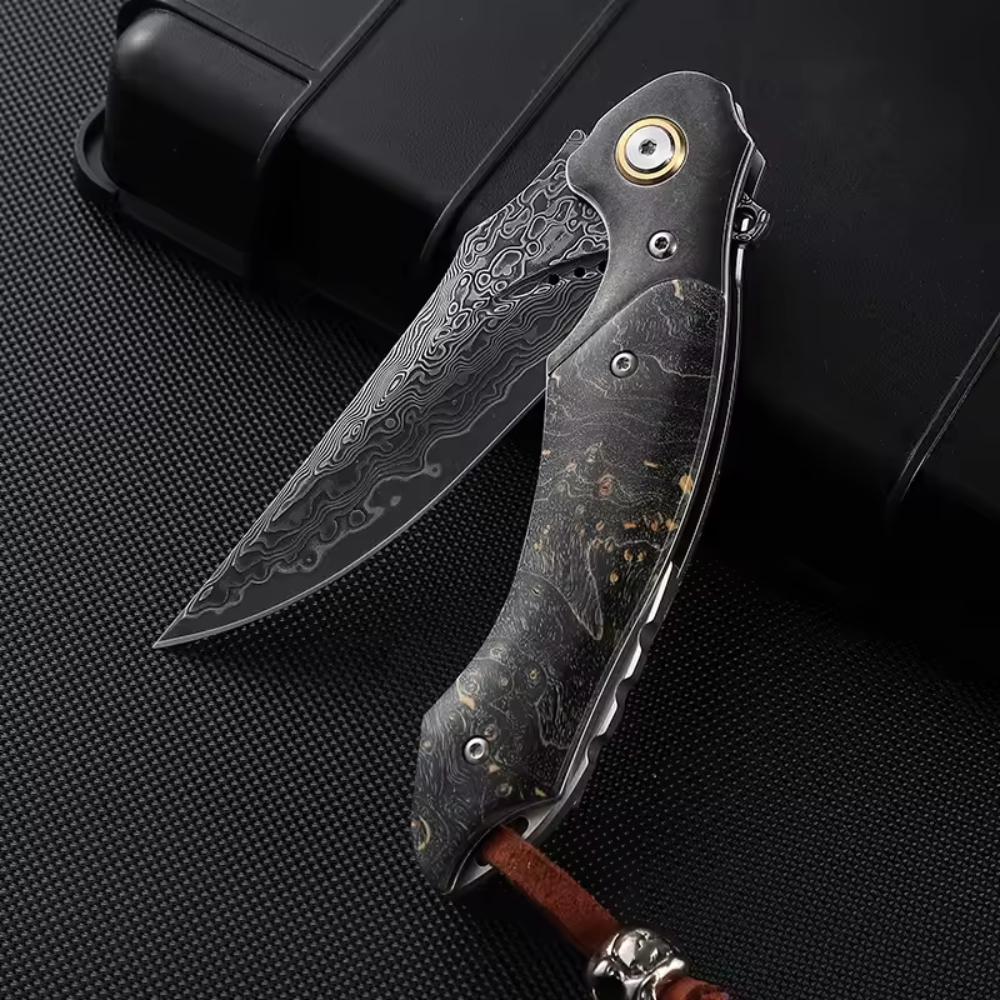
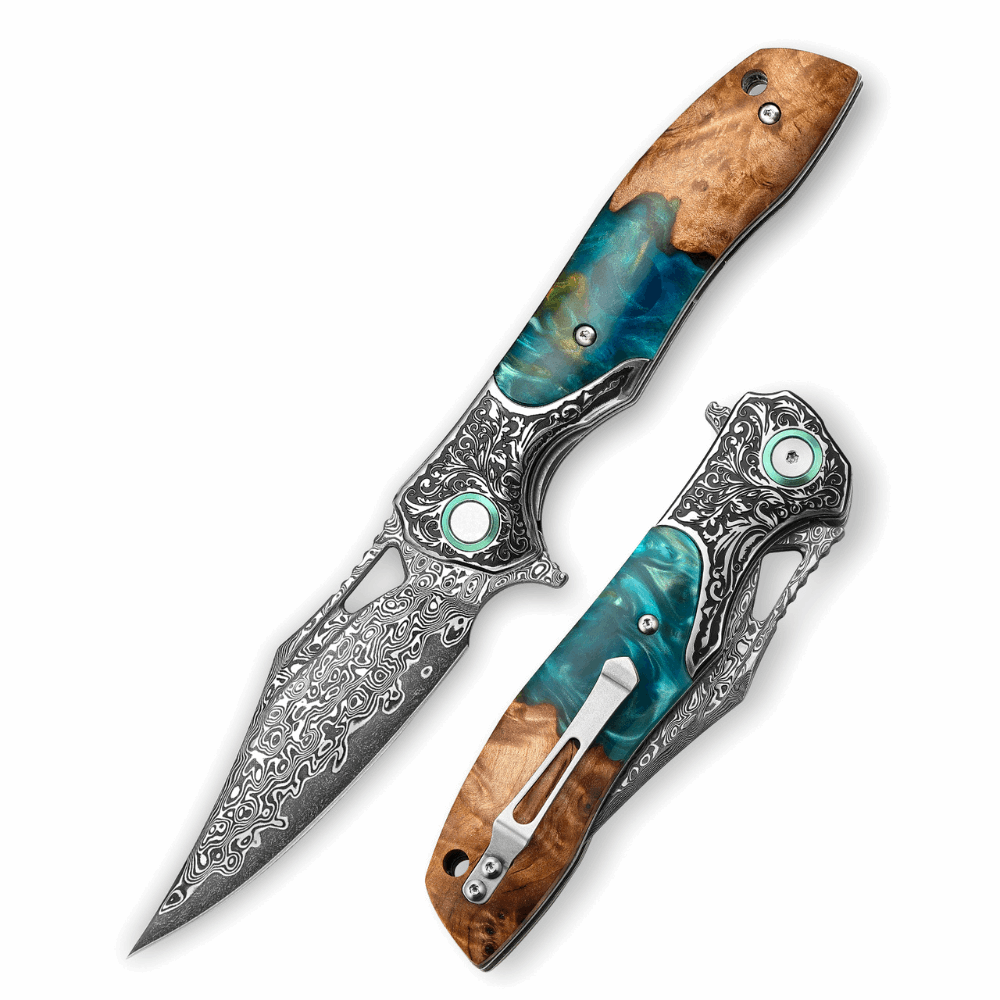
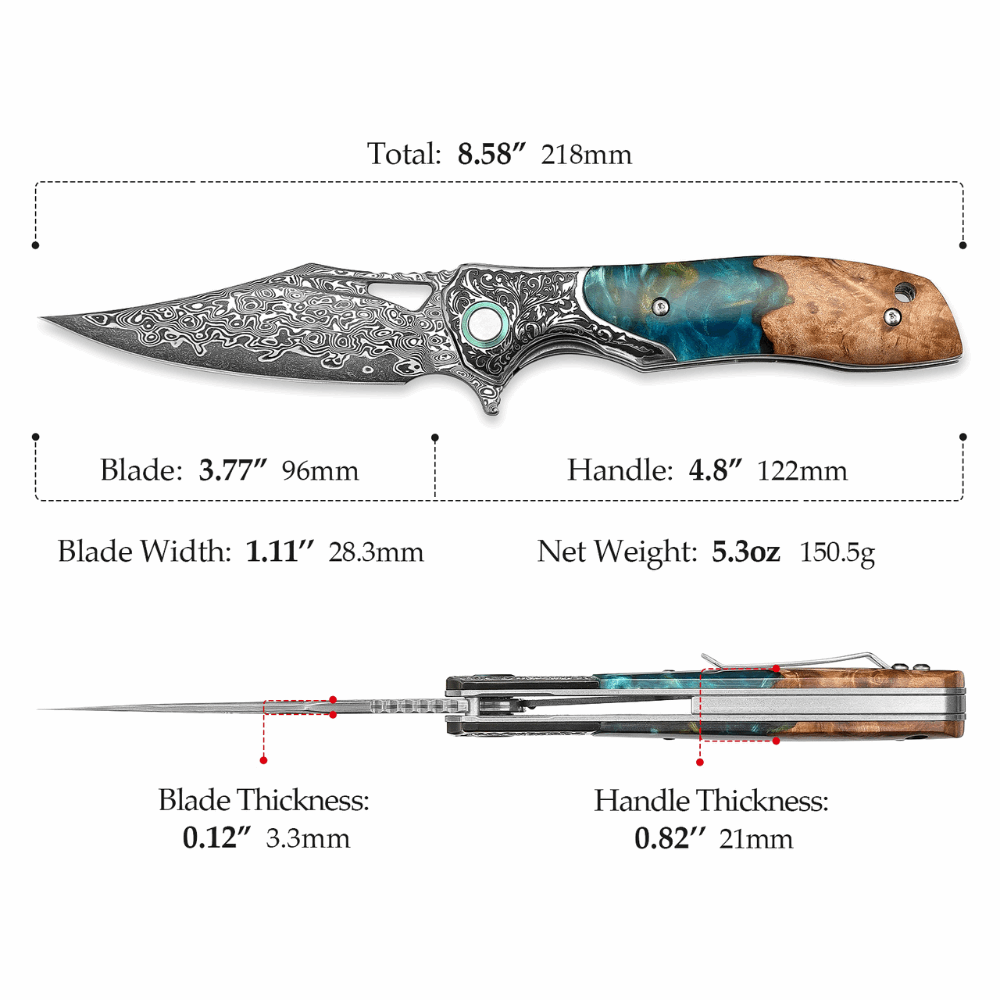
In many societies, pocket knives are not just tools; they are status symbols that embody craftsmanship and artistry. The intricate designs found in a Damascus pocket knife are often seen as a reflection of the maker's skill and dedication to their craft.
Artisan Craftsmanship
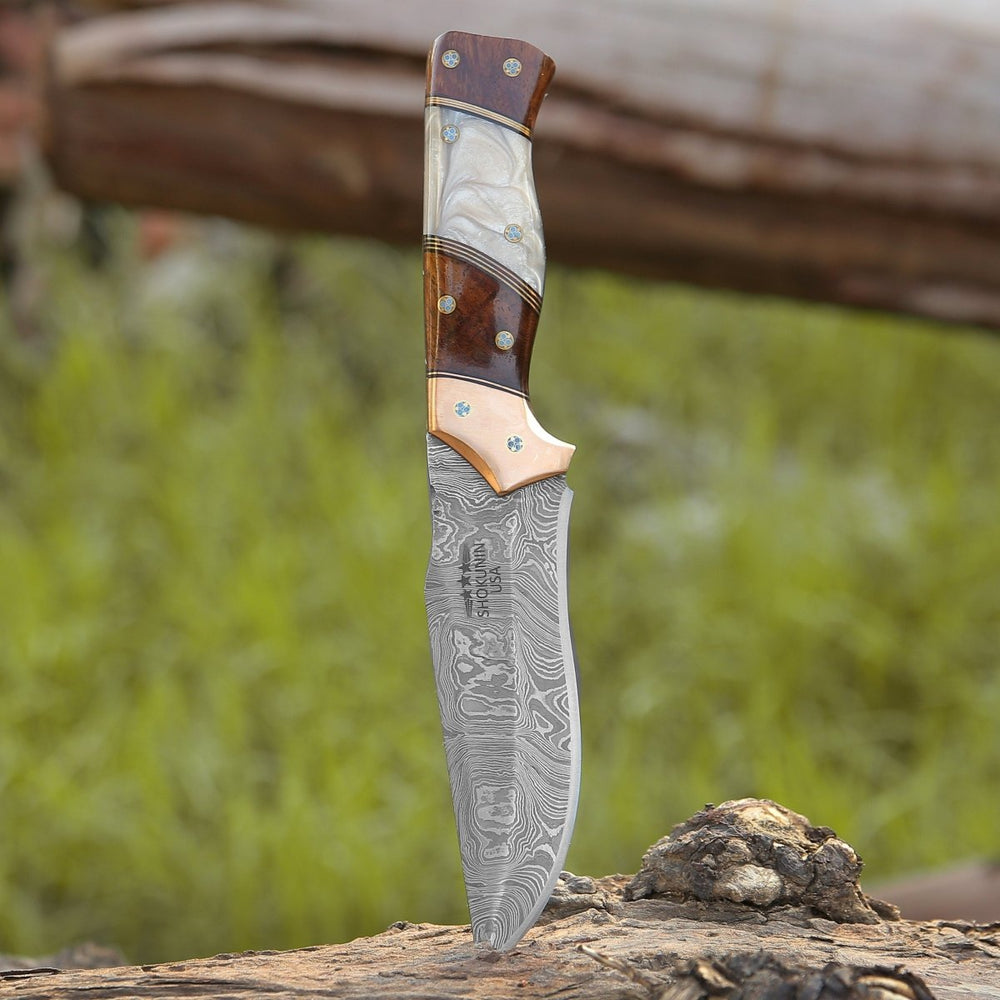
For knife makers, creating a Damascus pocket knife requires a blend of expertise in metallurgy and artistry. Each blade is unique, showcasing beautiful patterns resulting from the layering and folding of different steel types. This uniqueness brings great pride to both the maker and the owner. The craftsmanship involved in making a pocket knife can elevate it from a mere tool to a work of art.
Rituals and Ceremonies
Throughout history, knives have also held significant roles in various rituals and ceremonies. In Native American cultures, for instance, gifting a pocket knife represents trust and respect. Similarly, in Japanese traditions, the act of gifting a beautifully crafted pocket knife symbolizes good luck and protection.
Everyday Utility and Survival
While the aesthetic and symbolic aspects of pocket knives are fascinating, their primary utility cannot be overlooked. Pocket knives serve as essential tools in everyday life, offering a solution for countless tasks.
Everyday Carry Essentials
For many individuals, a pocket knife is a part of their everyday carry (EDC) essentials. Whether it's for opening packages, preparing food, or handling minor repairs, these versatile tools are invaluable. The compact and portable nature of pocket knives ensures they are on hand whenever needed.
Survival Situations
In survival scenarios, the usefulness of pocket knives can become even more pronounced. The blend of cutting, slicing, and prying capabilities offers an array of options for anyone trying to navigate a challenging environment. Having a reliable pocket knife can make a crucial difference, demonstrating why many survivalists emphasize its necessity.
Symbolism and Legality
The cultural significance of pocket knives also extends into the legal sphere. Laws governing the carrying and use of knives can differ greatly between countries and even regions within the same country.
Regulations Across Cultures
In some cultures, possessing a pocket knife is viewed as a rite of passage. For example, in Switzerland, carrying a multi-tool knife, often including a blade, is commonplace, and seen as part of daily life. Conversely, in other societies, regulations regarding knife ownership can reflect broader societal views on weaponry and self-defense.
Education and Respect
One way to navigate such regulations is through education. Understanding the legal limitations and societal views on pocket knives allows individuals to appreciate both their cultural significance and their practical usage. In many areas, respecting local traditions and laws reinforces the positive connotations associated with pocket knife ownership.
The Modern Pocket Knife: A Blend of Tradition and Innovation
As society evolves, so too does the design of pocket knives. Modern materials and technology have led to innovative pocket knife designs that maintain traditional craftsmanship while enhancing functionality.
Technological Enhancements
Recent advancements in materials have allowed for lighter, more durable pocket knives. Manufacturers often use high-carbon stainless steel, which provides both edge retention and corrosion resistance. Additionally, modern manufacturing techniques enable precision in crafting knives that were previously constrained by hand-production limitations.
Revival of Classic Designs
Despite the innovations, there is a strong movement towards the revival of traditional designs, including the venerable Damascus pocket knife. As consumers become increasingly interested in heritage and craftsmanship, artisans are rediscovering and implementing time-honored methods, combining them with new technology to create exquisite pieces that honor their ancestral roots.
Making Your Own Cultural Mark with Pocket Knives
Owning and using a pocket knife can also be a way to connect with cultural narratives and personal stories. For many, a pocket knife serves as more than just a tool; it can represent experiences, traditions, and personal connections.
Creating Meaningful Connections
Whether it belongs to your grandfather or is a heirloom from a family member, each pocket knife may carry memories and stories that connect individuals to their past. Moreover, sharing experiences and passing down knowledge regarding the use and care of pocket knives enriches the relationships within and across generations.
Personal Customization
In today’s market, individuals can customize their pocket knives to reflect personal tastes or celebrate particular life events. Custom engravings, unique handle materials, or special blade configurations allow for personal expressions that tell a specific narrative, enhancing the emotional attachment to the knife.
Knife Culture in the Digital Age
The emergence of online platforms has significantly influenced pocket knife culture. Knife enthusiasts from across the globe can connect, share knowledge, and showcase their collections through social media and specialized forums.
Building Communities and Sharing Knowledge
Through forums, blogs, and social media platforms, knife aficionados can share reviews, tips, and personal stories. This digital camaraderie not only fosters appreciation for different cultures and techniques associated with pocket knives but also nurtures a sense of belonging among enthusiasts.
Online Marketplaces and Accessibility
The increase in e-commerce also facilitates accessibility to various knives from different cultures. This allows users to explore unique pocket knives, such as the intricately designed Damascus pocket knife, which may not be readily available in local shops.
Embracing Knife Ownership Responsibly
While the allure of pocket knives is undeniable, responsible ownership is crucial to maintaining their positive cultural significance. Understanding the appropriate contexts for carrying and using a pocket knife reflects maturity and respect for the knife's cultural heritage.
Regular Maintenance and Care
Owning a pocket knife requires commitment to care and maintenance. This includes proper cleaning, oiling, and sharpening to ensure its longevity. A well-maintained knife not only performs better, but it also represents respect for the craftsmanship involved in its creation.
Educating the Younger Generation
As cultural symbols, it is essential to educate younger generations about the responsibilities tied to owning a pocket knife. Teaching them about safe handling practices and the many uses of knives can help foster a sense of respect, reverence, and functional understanding that lasts a lifetime.
Honoring Tradition While Forging Ahead
The cultural significance of pocket knives runs deep in many societies, intertwined with history, craftsmanship, and interpersonal connections. As we embrace the future, appreciating the artistry of Damascus pocket knives and the rich traditions behind them can inspire a new generation of knife enthusiasts.
No matter if you’re a seasoned collector or exploring the world of pocket knives for the first time, every blade offers a glimpse into its cultural roots, waiting to become a part of your story. Explore the endless possibilities and forge your own connection with this timeless tool, where history meets innovation.
Frequently Asked Questions
1. What is the history of pocket knives?
2. What is Damascus steel and why is it significant?
3. How do pocket knives serve as symbols in various cultures?
4. What practical uses do pocket knives have in everyday life?
5. How has the digital age influenced pocket knife culture?
Glossary
| Term | Meaning |
|---|---|
| Pocket Knife | A small, foldable knife designed for everyday use. |
| Damascus Steel | A type of steel known for its distinctive patterns and durability. |
| Everyday Carry (EDC) | Items that one carries daily for practical use. |
| Artisan Craftsmanship | Skilled handwork that emphasizes quality and design. |
| Survival Situations | Scenarios requiring tools for safety and sustenance. |
| Cultural Significance | The importance of an item within societal traditions. |
| Customization | Personalizing items to reflect individual preferences. |
| Knife Culture | The community and practices surrounding knife ownership and appreciation. |
| Maintenance | The care required to keep a knife in good working condition. |
| Rituals | Traditional practices involving significant items, like knives. |
Linked Product

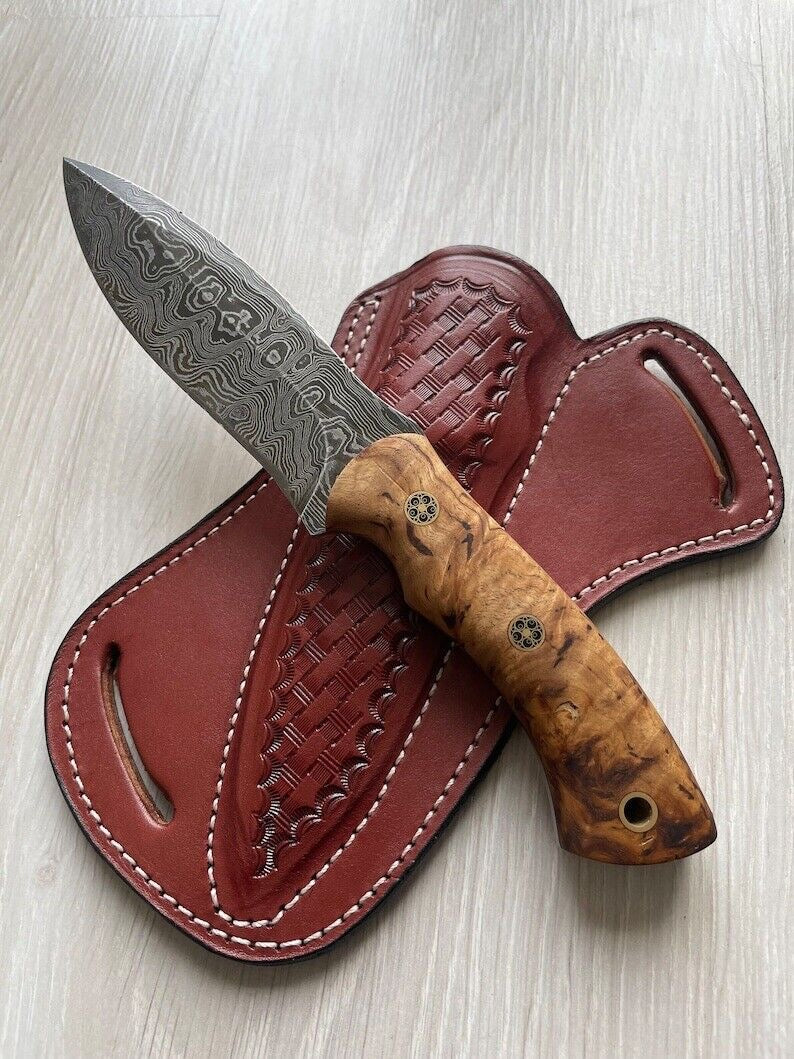
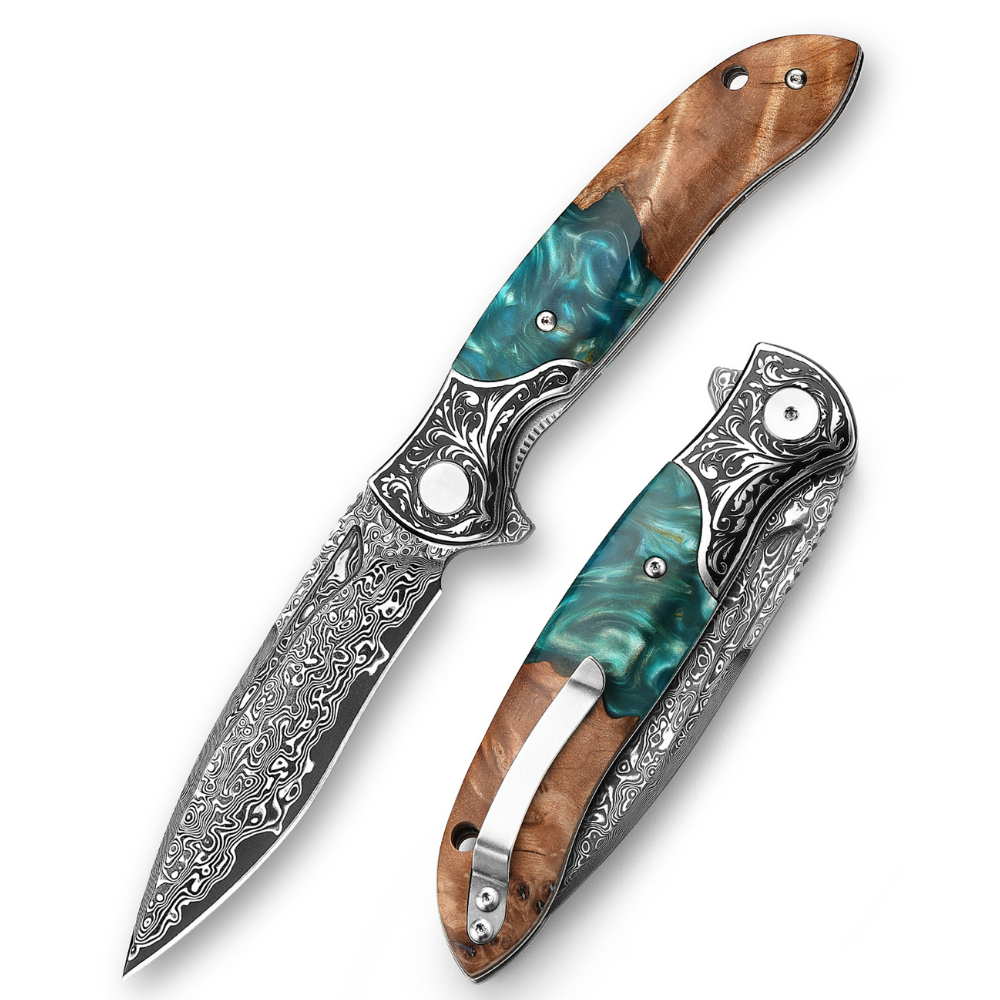
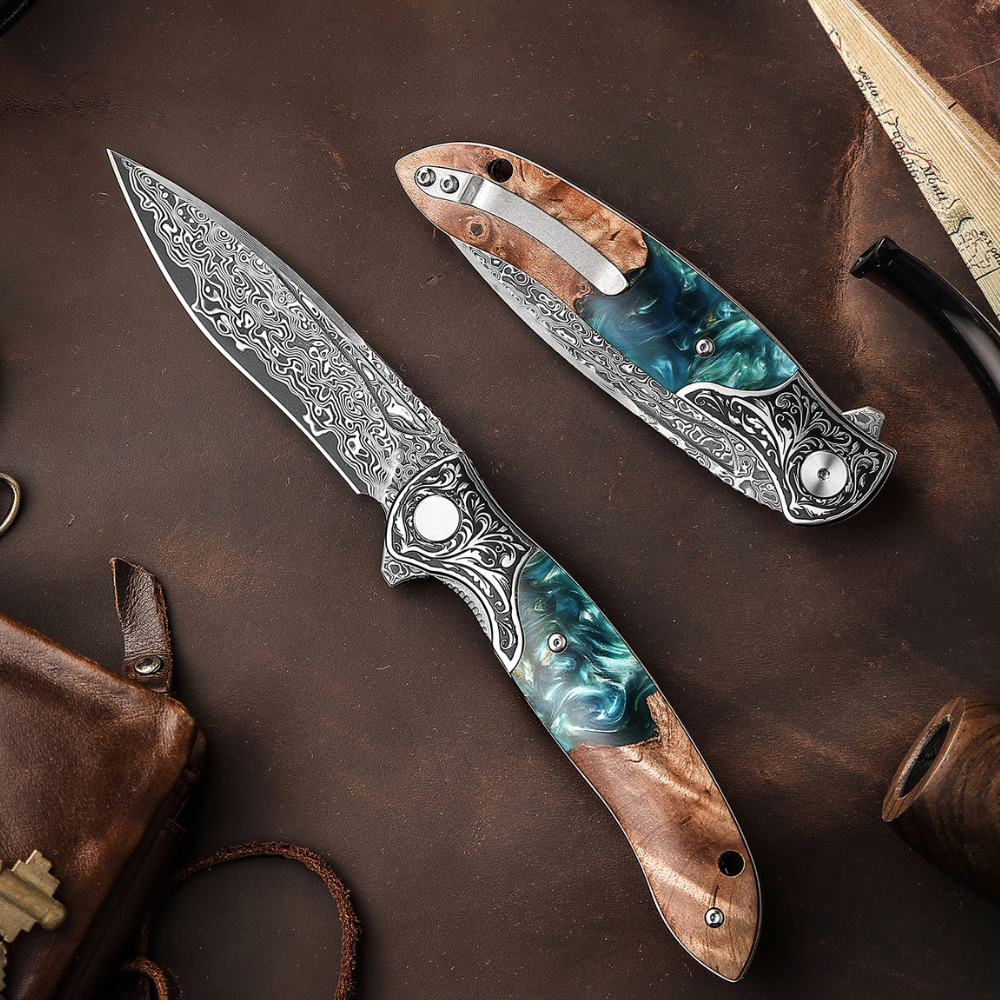
Vertex Damascus Pattern Pocket Knife with Exotic Olive Wood Handle
The Vertex Damascus Pattern Pocket Knife features a 3.25-inch blade crafted from 440C stainless steel, ensuring sharpness and durability. Its exotic olive wood handle offers both comfort and an ergonomic design, making it suitable for everyday use or outdoor activities. Each knife comes with a hand-stitched leather sheath and options for personalization, making it an excellent choice for collectors or as a thoughtful gift.
View Product








Hinterlassen Sie einen Kommentar