


Overview
Understanding pocket knife laws is crucial for safe and legal carrying. Laws vary by state and city, focusing on blade length, type, and carry methods. Research local regulations before carrying, especially when traveling. Always be aware of knife types and their legality. Stay informed to avoid legal issues while enjoying your pocket knife.
Table of Contents
- The Basics of Pocket Knife Laws
- Definition of a Pocket Knife
- State vs. Federal Laws
- Common Pocket Knife Restrictions
- Understanding Specific Laws by Region
- California
- New York
- Texas
- Special Considerations for Travelers
- How to Stay Compliant
- Research Beforehand
- Know Your Knife
- Opt for Less Controversial Designs
- Educating Yourself on Knife Types
- Folding Knives
- Fixed Blades
- Switchblades and OTF Knives
- Legal Resources and Organizations
- Final Thoughts to Keep You Sharp
Key Takeaways
- Research Local Laws: Pocket knife regulations vary significantly by state and city; always check local ordinances before carrying.
- Understand Definitions: A pocket knife is typically defined as a folding knife with a blade under 4 inches, but this can differ by location.
- Common Restrictions: Be aware of blade length limits, types of knives banned (like switchblades), and open vs. concealed carry laws.
- Travel Considerations: Know TSA guidelines for air travel and research laws when temporarily relocating or visiting national parks.
- Knife Types Matter: Different knives have varying legal classifications; folding knives are generally more permissible than fixed blades or switchblades.
- Choose Wisely: Opt for less controversial knife designs to minimize legal scrutiny and potential issues.
- Utilize Resources: Consider organizations like the American Knife & Tool Institute for comprehensive information on knife laws.
Frequently Asked Questions
1. What is a pocket knife?
2. Are pocket knives legal to carry everywhere?
3. What are some common restrictions on pocket knives?
4. What should travelers know about carrying pocket knives?
5. How can I ensure I am compliant with pocket knife laws?
When it comes to carrying a pocket knife, knowledge is power. With the rise in popularity of pocket knives, especially high-quality options like the VG10 Damascus knife, understanding the legal landscape is crucial. Laws can vary significantly not just from state to state, but even from city to city. In this article, we will explore pocket knife laws, discuss important considerations for knife owners, and provide tips on how to stay compliant with regulations.
The Basics of Pocket Knife Laws
Before you decide to carry a pocket knife, it’s important to understand the basic laws that govern these tools. Pocket knives, often considered folding knives, can be used for a variety of everyday tasks, from opening packages to preparing food. However, they can also attract legal scrutiny if not carried appropriately.
Definition of a Pocket Knife
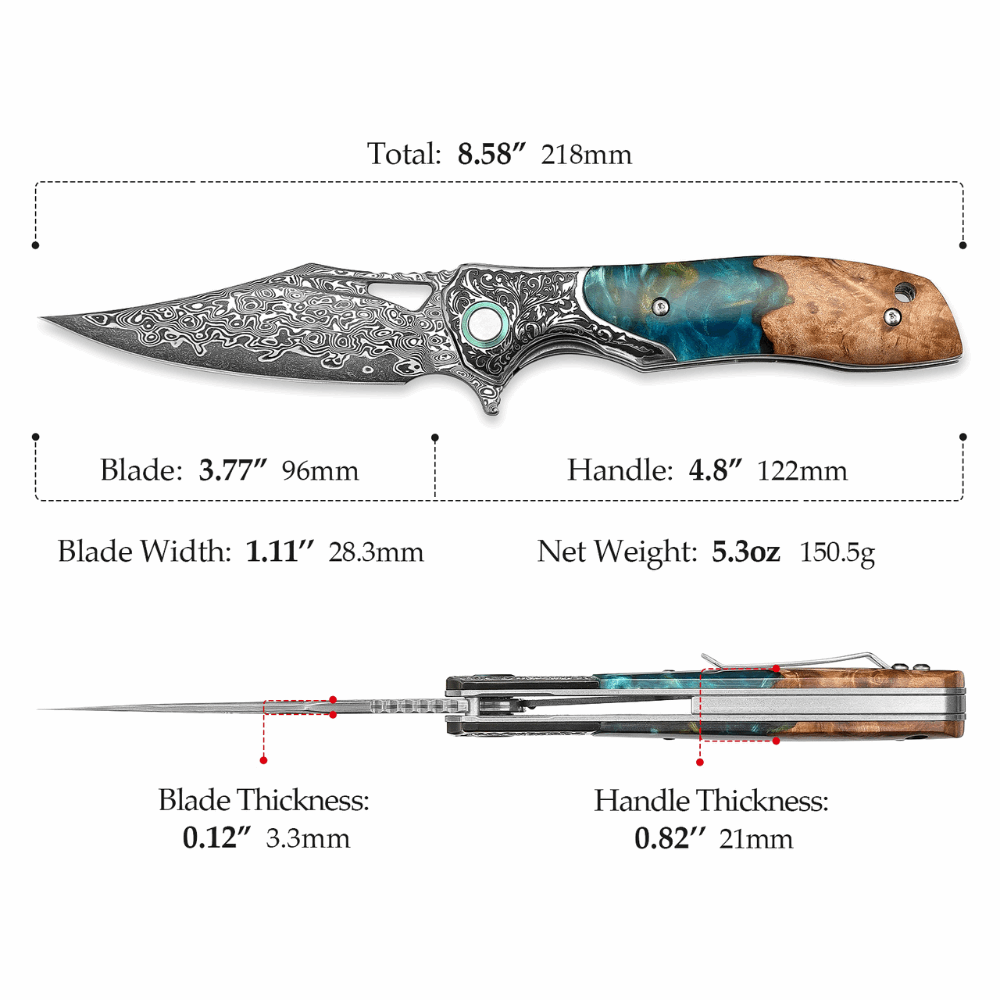
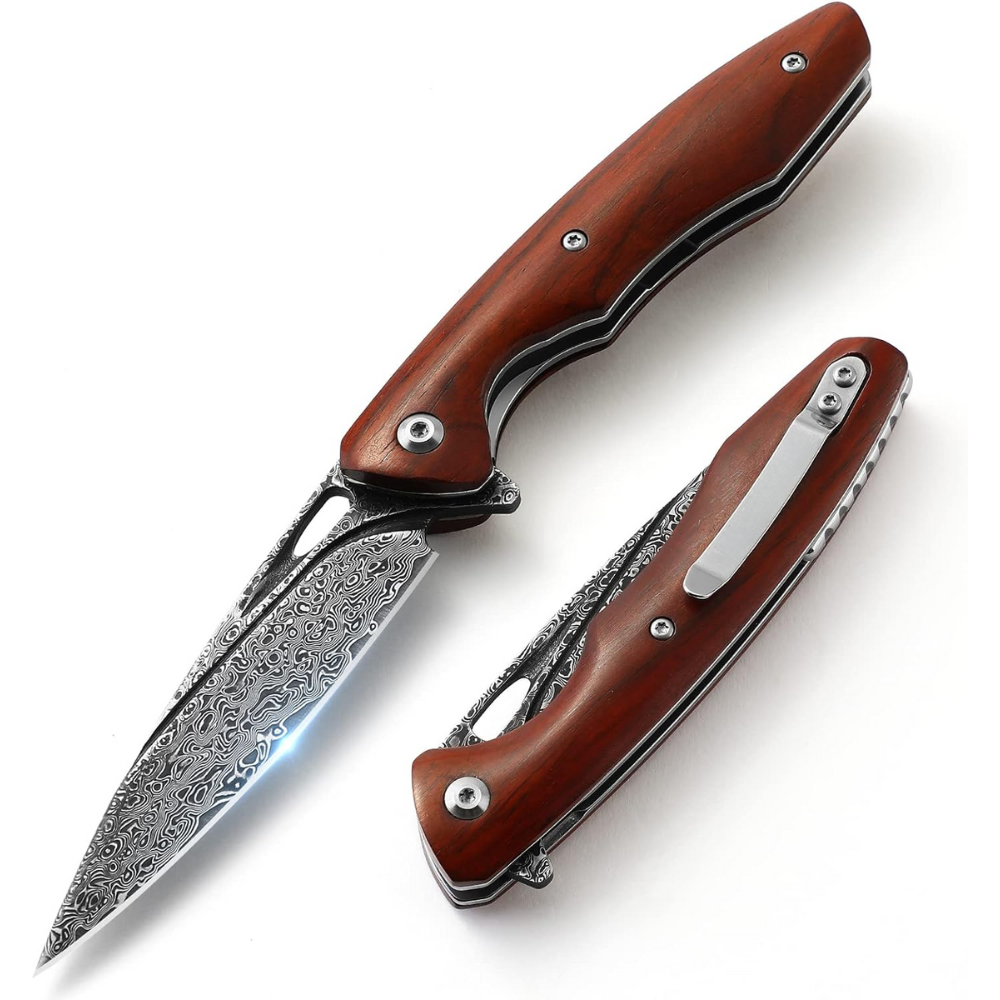
A pocket knife is defined as a folding knife that fits easily into your pocket. Most are equipped with a blade that is typically less than 4 inches long, but this can vary significantly depending on local laws. Understanding the specific definition of a pocket knife in your area is essential for staying compliant.
State vs. Federal Laws
While the federal government does have regulations concerning knives, the authority to legislate pocket knife laws primarily resides at the state and local levels. This means that you could be perfectly legal in one state, but once you cross the border to another, you may be breaking the law. Always check both state and local ordinances.
Common Pocket Knife Restrictions
Knowing what types of restrictions exist can help you avoid legal troubles. Here are some common limitations you might encounter:
- Blade Length: Many states have regulations capping the maximum blade length for pocket knives. This is often set around 3 to 4 inches.
- Type of Knife: Certain types of knives, such as switchblades or gravity knives, are outright banned in many places.
- Concealed Carry: In some areas, carrying a pocket knife concealed could lead to legal issues, while open carry might be allowed.
- Usage Restrictions: Laws might specify permissible uses for knives, particularly in schools or public places.
Understanding Specific Laws by Region
Since knife laws vary widely, here’s a closer look at specific regions in the United States:
California
In California, any folding knife with a blade length of more than 2.5 inches is considered illegal if it is concealed. However, if the knife is openly carried, the limit increases to 4 inches. Items such as switchblades and dirks are prohibited completely.
New York
New York is notorious for its strict knife laws. Generally, pocket knives are legal, but they must have a blade length of no longer than 4 inches. Additionally, any folding knife can be considered a weapon if it is carried with intent to use it unlawfully.
Texas
Texas has relatively lenient laws regarding pocket knives. In fact, as of September 2017, blades longer than 5.5 inches are classified as legal to carry openly. However, restrictions still apply in certain locations, such as schools and government buildings.
Special Considerations for Travelers
Traveling can complicate things, especially when crossing state lines. If you’re a knife enthusiast, it’s vital to understand the following:
- Air Travel: Always check with the Transportation Security Administration (TSA) guidelines. Generally, knives are not allowed in carry-on luggage.
- Temporary Moves: If you're temporarily relocating, ensure you research local knife laws before bringing your pocket knife along.
- National Parks: Different laws exist for knives carried in national parks, so take note of these restrictions as well.
How to Stay Compliant
Carrying a pocket knife doesn’t have to be a hassle if you follow these precautions:
Research Beforehand
Before you venture into a new area, take the time to research local laws. Resources like local law enforcement websites or state government pages can provide the most accurate and up-to-date information.
Know Your Knife
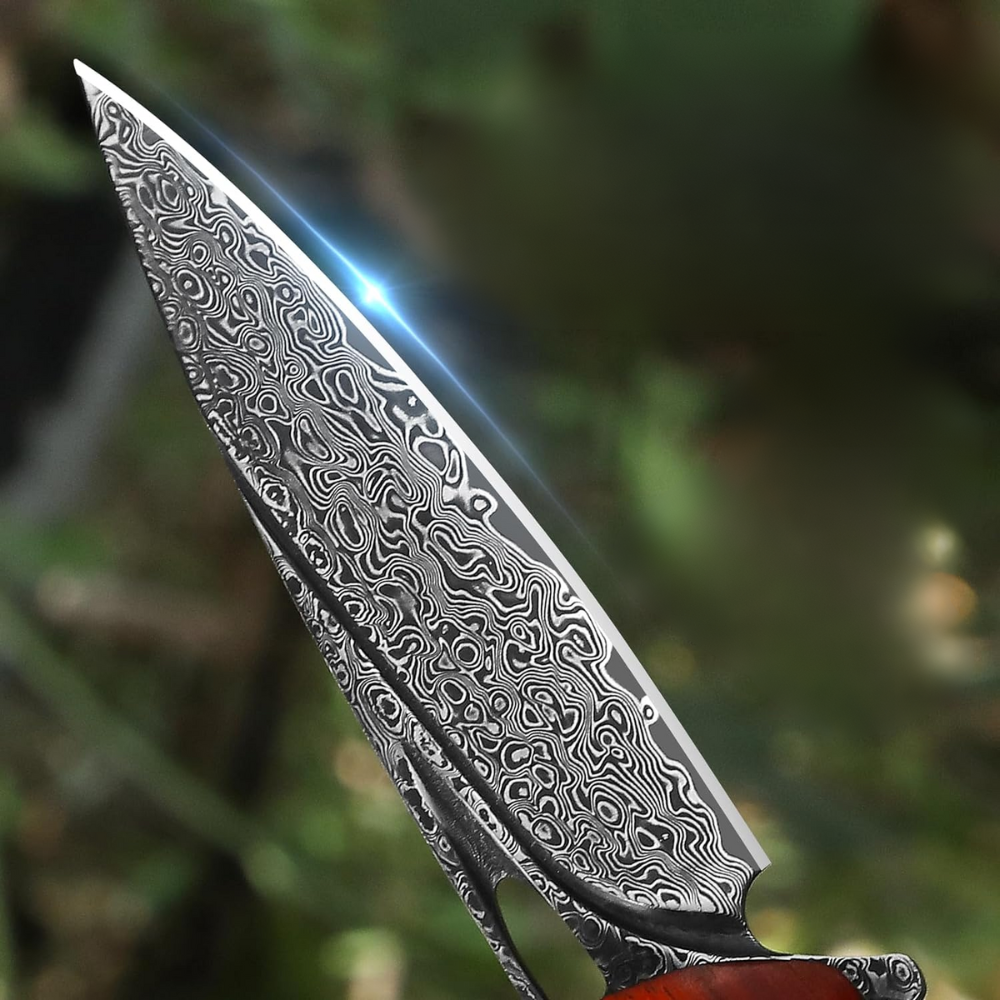
Understanding the type of pocket knife you own, such as a VG10 Damascus knife, can help you determine compliance better. Different knives have different legal classifications, and being informed about your specific knife can save you potential issues down the road.
Opt for Less Controversial Designs
When selecting a pocket knife, consider choosing designs that are less likely to attract legal scrutiny. For example, simpler folding knives are often viewed more favorably than larger, intimidating designs.
Educating Yourself on Knife Types
Not all knives are created equal, which can lead to confusion regarding legality. Here are some common types of knives to be aware of:
Folding Knives
Folding knives, including most pocket knives, are generally legal to carry. Their compact design makes them convenient for everyday use and often meets legal definitions across multiple states.
Fixed Blades
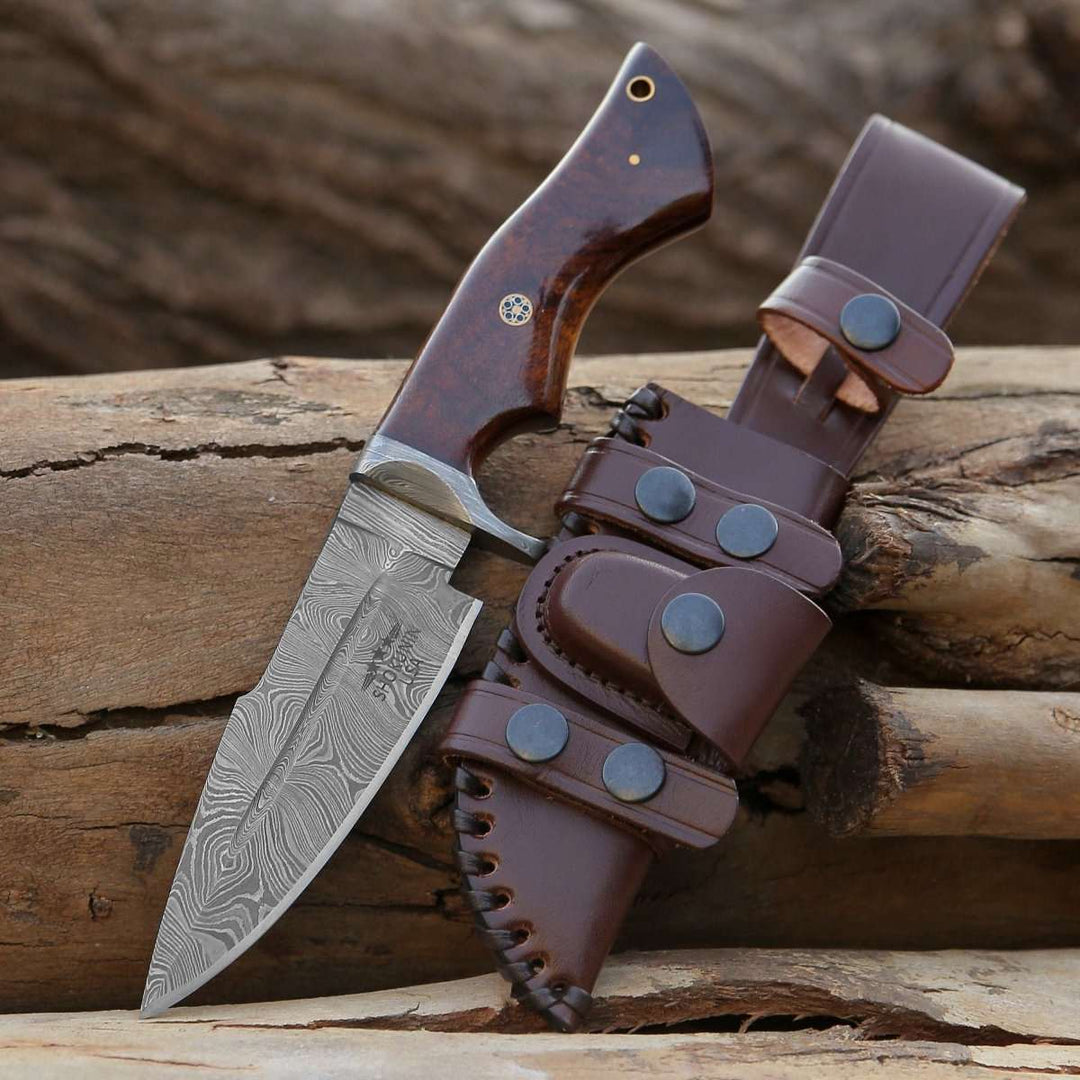
Fixed blade knives are usually subject to stricter regulations. Many states allow them, but restrictions may apply based on blade length or intended use.
Switchblades and OTF Knives
Switchblades, automatic knives, and 'out-the-front' knives are illegal in many states. Always double-check local regulations to ensure you don’t accidentally break the law.
Legal Resources and Organizations
If you want to delve deeper into understanding pocket knife laws, consider following or reaching out to legal organizations and resources. Some helpful organizations include:
- American Knife & Tool Institute (AKTI): They offer extensive resources on knife laws across the country.
- Local Law Enforcement Agencies: Your local police department or sheriff's office can provide guidance on specific laws in your area.
- Online Knife Communities: Various forums and websites are dedicated to knife enthusiasts who share their knowledge on legal matters related to knives.
Final Thoughts to Keep You Sharp
Understanding pocket knife laws is essential for anyone who wishes to carry one legally. By familiarizing yourself with the regulations, types of knives, and local laws, you can enjoy the functionality of your pocket knife without the worry of legal repercussions. Whether you carry a VG10 Damascus knife or any other style, staying informed is your best defense. Always prioritize safety and legality, and you'll be well-equipped to navigate the world of pocket knives confidently.
Glossary
| Term | Meaning |
|---|---|
| Pocket Knife | A folding knife that fits easily into a pocket, typically with a blade less than 4 inches. |
| VG10 Damascus Knife | A high-quality pocket knife known for its durability and unique blade patterns. |
| Blade Length | The measurement of the knife blade from the tip to the handle, often regulated by law. |
| Concealed Carry | Carrying a knife hidden from view, which may be subject to legal restrictions. |
| Switchblade | A type of knife that opens automatically with a button, often illegal in many areas. |
| Fixed Blade | A knife with a blade that does not fold, generally subject to stricter laws. |
| Open Carry | Carrying a knife in a visible manner, which may have different legal implications. |
| TSA Guidelines | Regulations set by the Transportation Security Administration regarding what can be taken on flights. |
| Legal Scrutiny | Increased attention or examination by law enforcement regarding the legality of carrying a knife. |
| Local Ordinances | Specific laws enacted by local governments that may differ from state or federal regulations. |
Linked Product

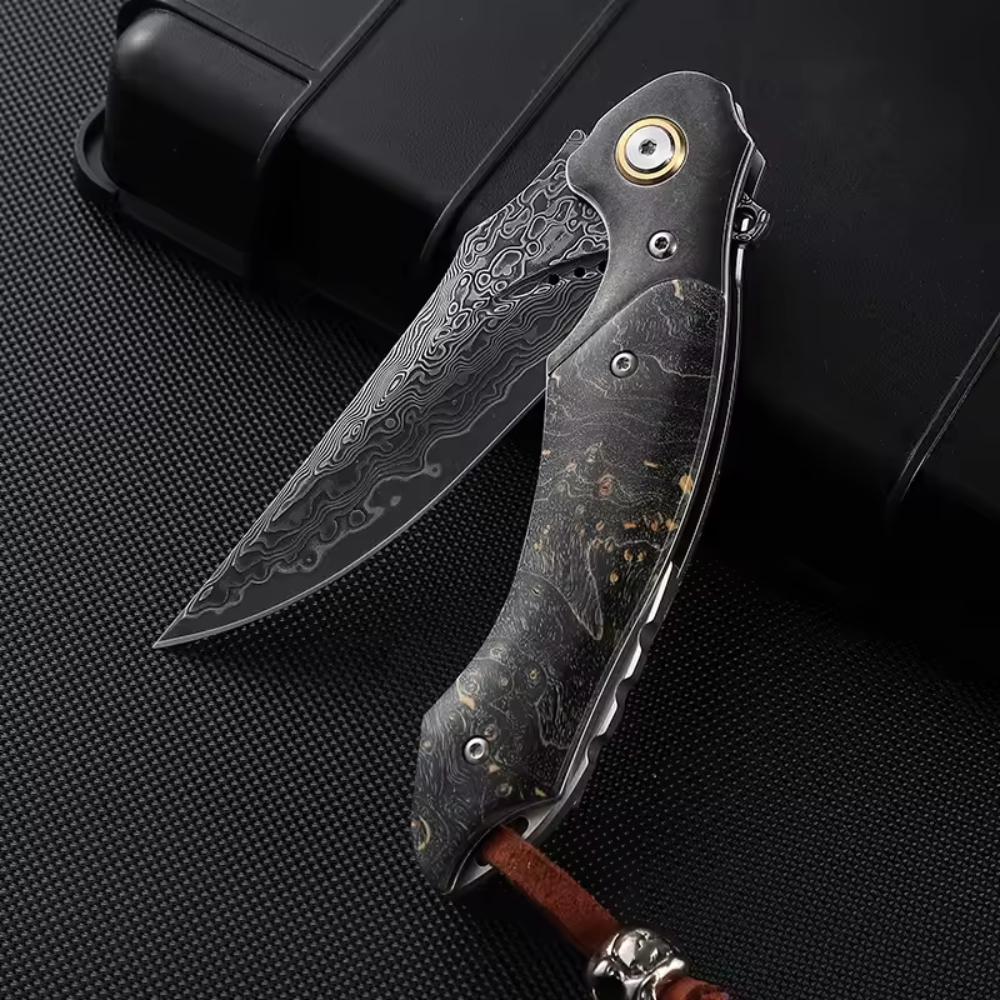
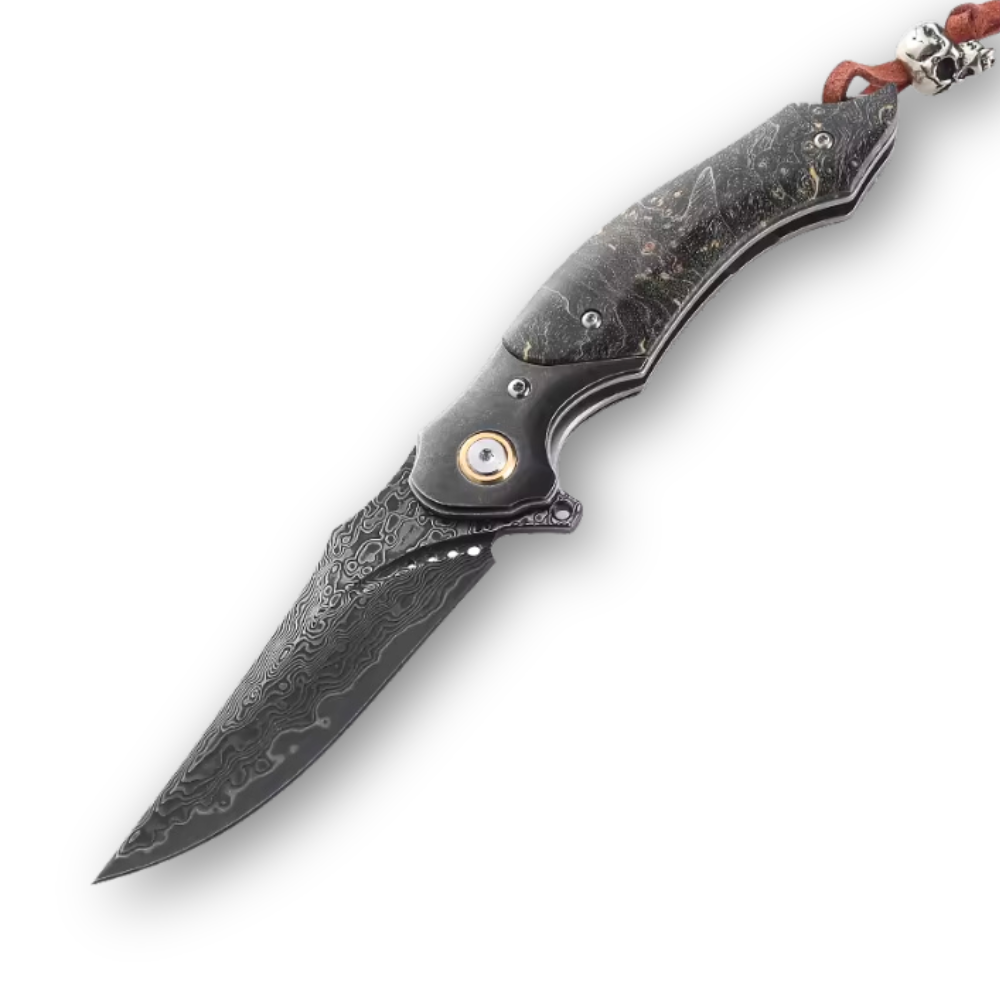
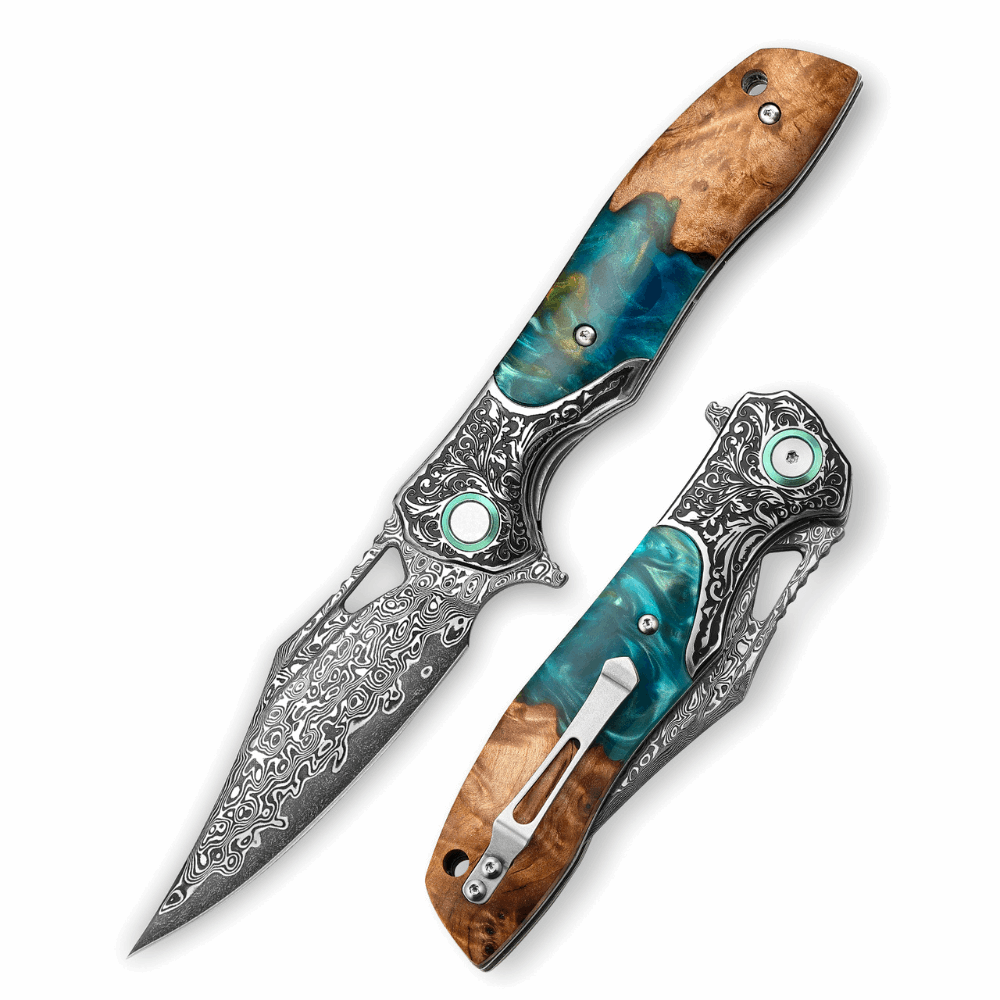
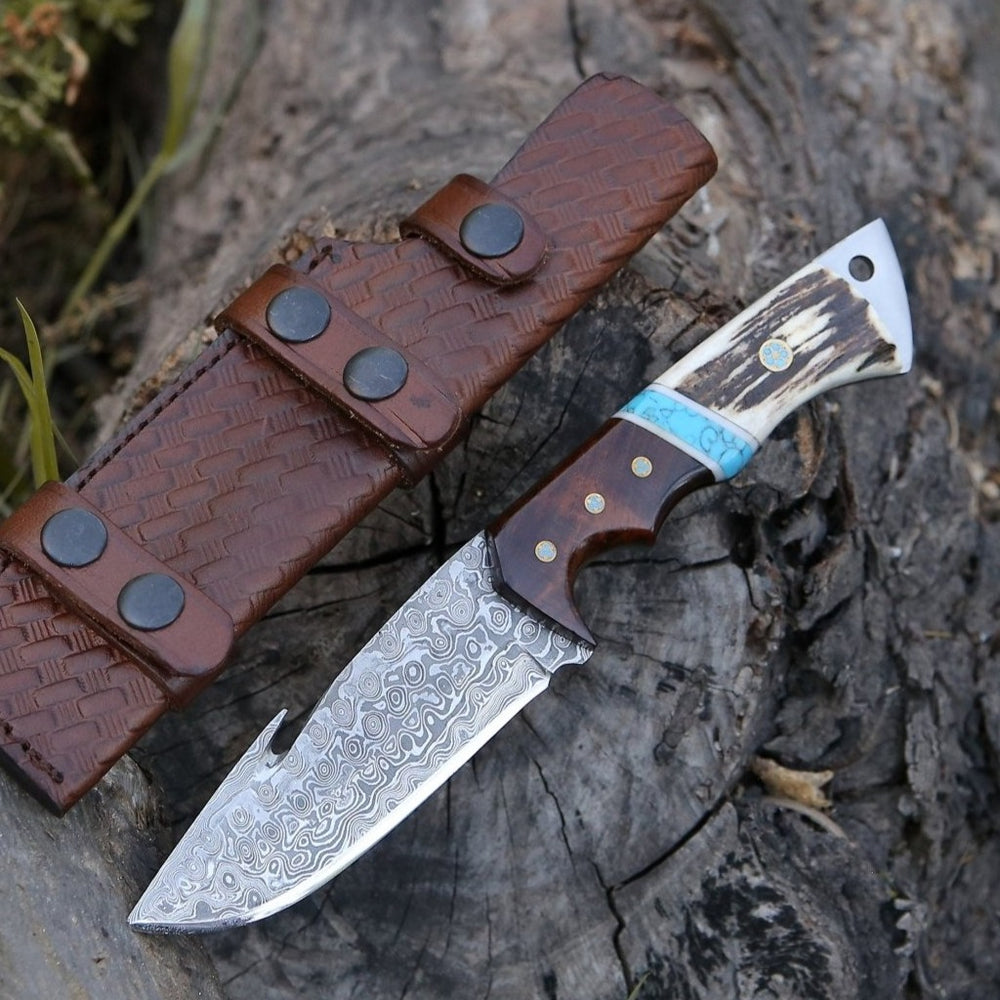
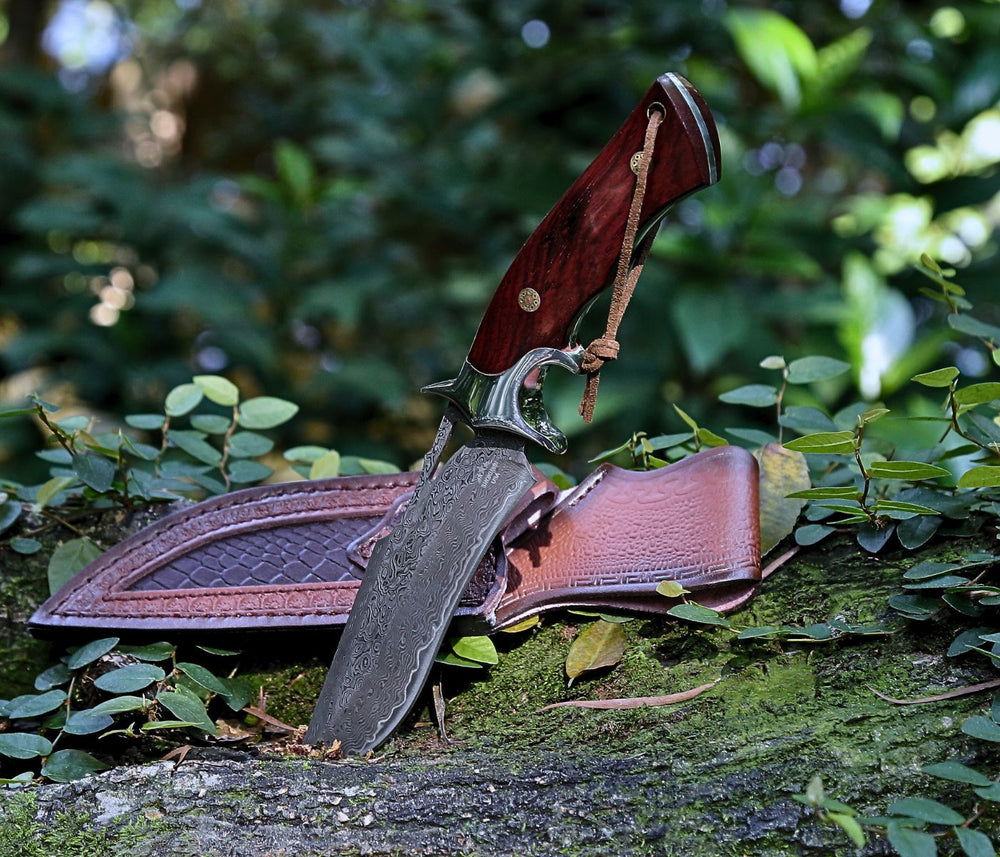
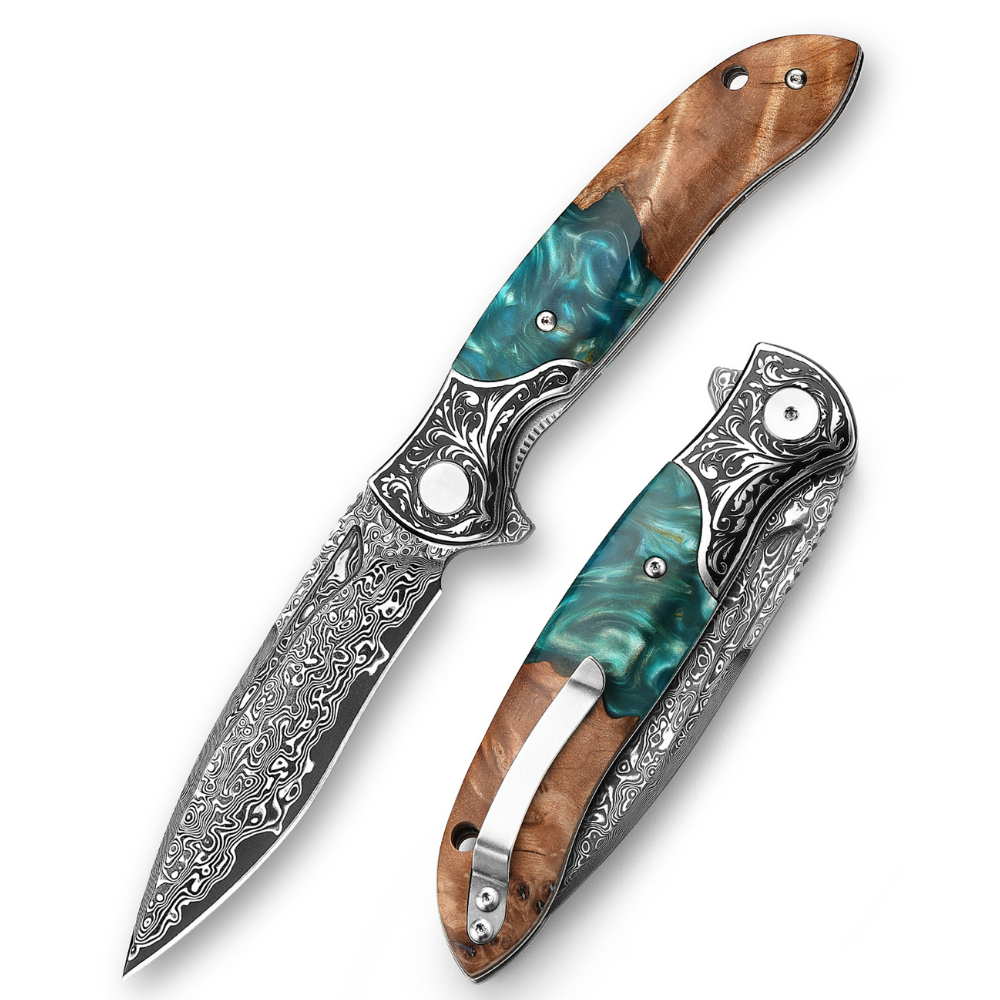
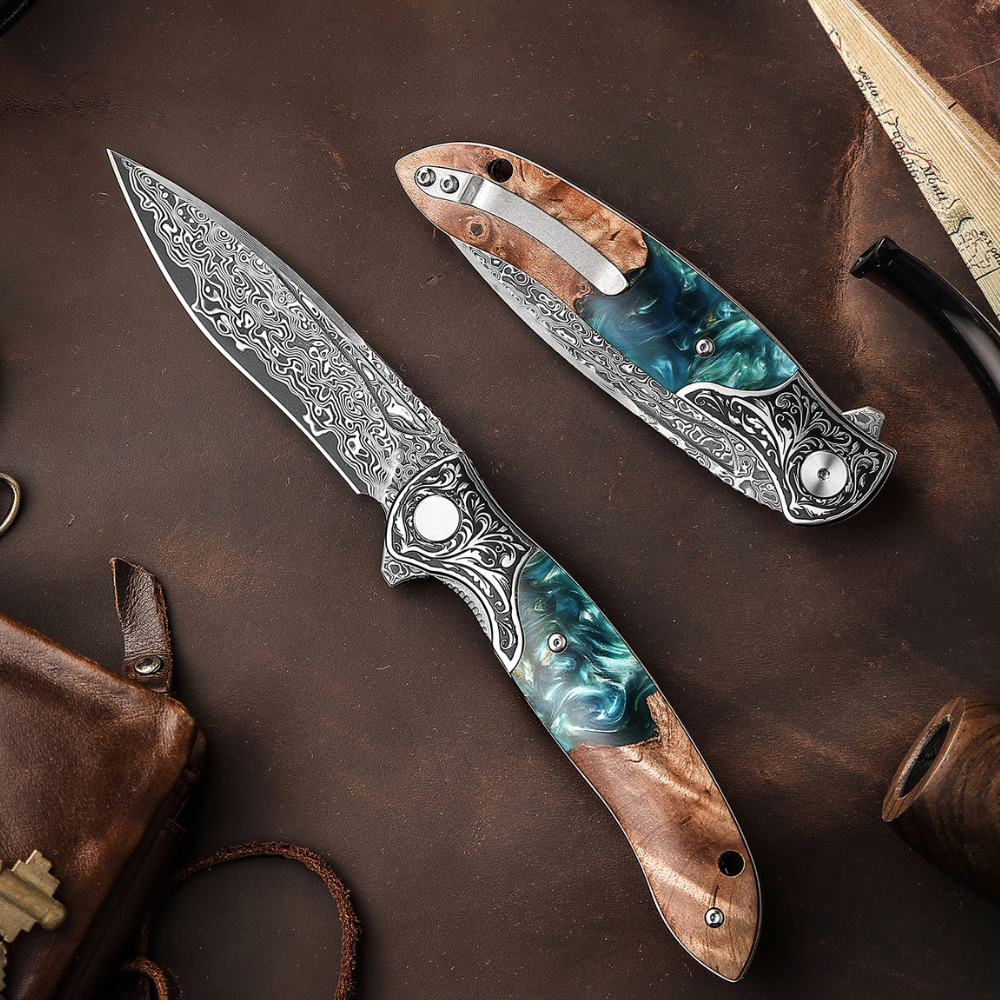
Kronos Gentleman's Damascus Pocket Knife with Damascus & Carbon Fiber Handle
The Kronos Gentleman's Damascus Pocket Knife features a unique hand-forged Damascus steel blade, providing exceptional sharpness and durability for a variety of tasks. Its lightweight design and ergonomic carbon fiber handle ensure comfortable use, making it suitable for both outdoor adventures and everyday applications. This pocket knife comes with a hand-stitched leather sheath and complimentary sharpening tools, enhancing its practicality as a reliable companion for enthusiasts and collectors alike.
View Product






Hinterlassen Sie einen Kommentar