


Overview
Pocket knives are versatile tools, but their production can harm the environment. Consumers should consider sustainable options, such as knives made with Damascus Steel or eco-friendly materials. Investing in durable knives reduces waste, while proper maintenance extends their lifespan. When disposing of knives, explore recycling programs or upcycling. By choosing responsibly produced pocket knives, you can help protect the planet.
Table of Contents
- The Footprint of Production
- Choosing Sustainable Materials
- 1. Damascus Steel
- 2. Eco-Friendly Handles
- Durability as a Sustainable Choice
- Long-Term Savings vs. Initial Investment
- Responsible Usage and Maintenance
- Recycling and End-of-Life Considerations
- 1. Recycling Programs
- 2. Upcycling
- Community and Cultural Impact
- Making the Right Choice
- Embrace the Future of Pocket Knives
Key Takeaways
- Environmental Impact: The production of pocket knives involves significant material extraction, energy consumption, and chemical use, which can harm ecosystems.
- Sustainable Materials: Opt for pocket knives made from Damascus Steel, sustainable woods, bioplastics, or recycled polymers to minimize environmental damage.
- Durability: High-quality pocket knives last longer, reducing the need for frequent replacements and contributing to less waste over time.
- Responsible Usage: Proper maintenance and usage of pocket knives can extend their lifespan, further decreasing their environmental footprint.
- Recycling Options: Participate in recycling programs for old knives and consider upcycling parts to reduce waste.
- Support Local Artisans: Choose pocket knives from local craftsmen who practice sustainable methods to help preserve cultural traditions and boost local economies.
- Long-Term Investment: Investing in a high-quality pocket knife may have a higher initial cost, but it offers long-term savings and benefits for the environment.
Frequently Asked Questions
1. What makes pocket knives a versatile tool?
2. How does the production of pocket knives impact the environment?
3. What sustainable materials should I look for in a pocket knife?
4. How can I extend the lifespan of my pocket knife?
5. What should I do with my pocket knife when it reaches the end of its life?
When it comes to utility tools, few items possess the combination of compactness and versatility as pocket knives. Whether you're an outdoor enthusiast, a handyman, or simply someone who values practicality, a pocket knife can be an invaluable companion. However, as consumers increasingly consider their environmental impact, it’s essential to evaluate how the production and usage of these tools affect our planet. In this article, we will delve into the environmental consequences of pocket knives and explore sustainable choices that consumers can make, including options incorporating Damascus Steel and other eco-friendly materials.
The Footprint of Production
The environmental impact of a pocket knife begins with its production. The manufacturing process of a standard blade typically involves the following:
- Material Extraction: The extraction of materials, such as steel and other metals, can lead to significant environmental damage. Mining operations can disrupt local ecosystems and contribute to habitat loss.
- Energy Consumption: The forging and shaping of knives consume substantial amounts of energy. The source of that energy—be it fossil fuels or renewable—plays a significant role in the knife’s overall carbon footprint.
- Chemical Use: Certain processes in knife production may involve harmful chemicals, the runoff of which can pollute water sources and endanger aquatic life.
For environmentally conscious consumers, choosing a pocket knife that is manufactured using sustainable practices is crucial. Opting for knives made with recycled materials or through methods that minimize waste will help mitigate the environmental damage associated with their production.
Choosing Sustainable Materials
When looking for a pocket knife that aligns with sustainability principles, pay close attention to the materials used. Traditional stainless steel knives are common, but alternatives are emerging.
1. Damascus Steel
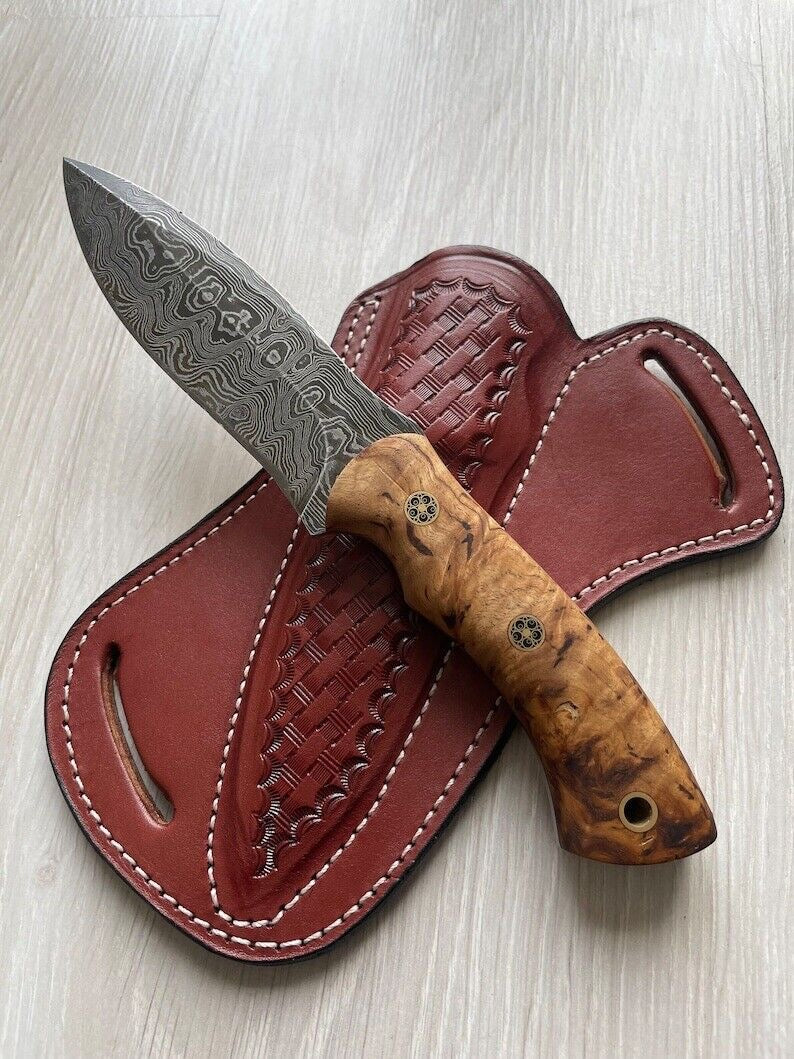
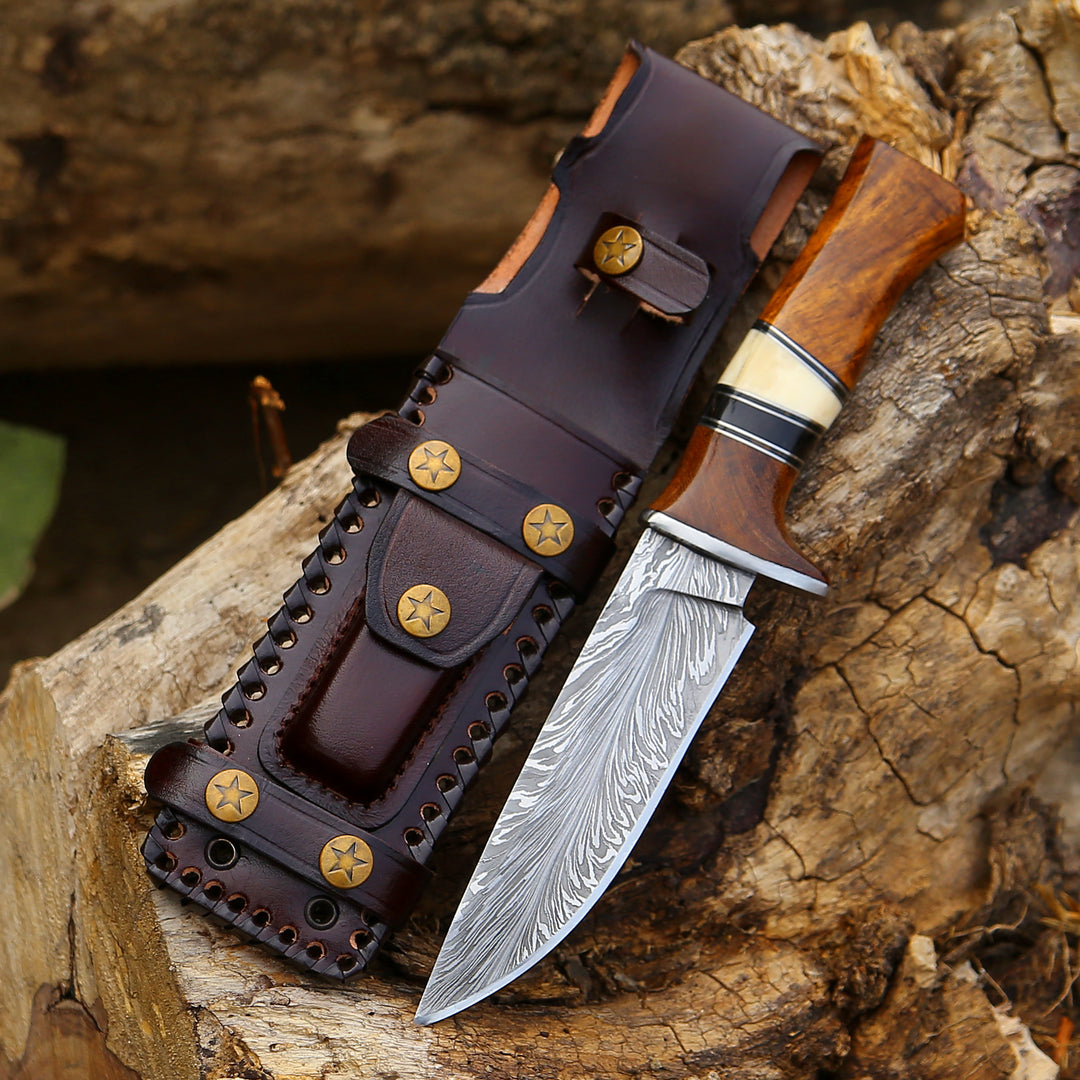
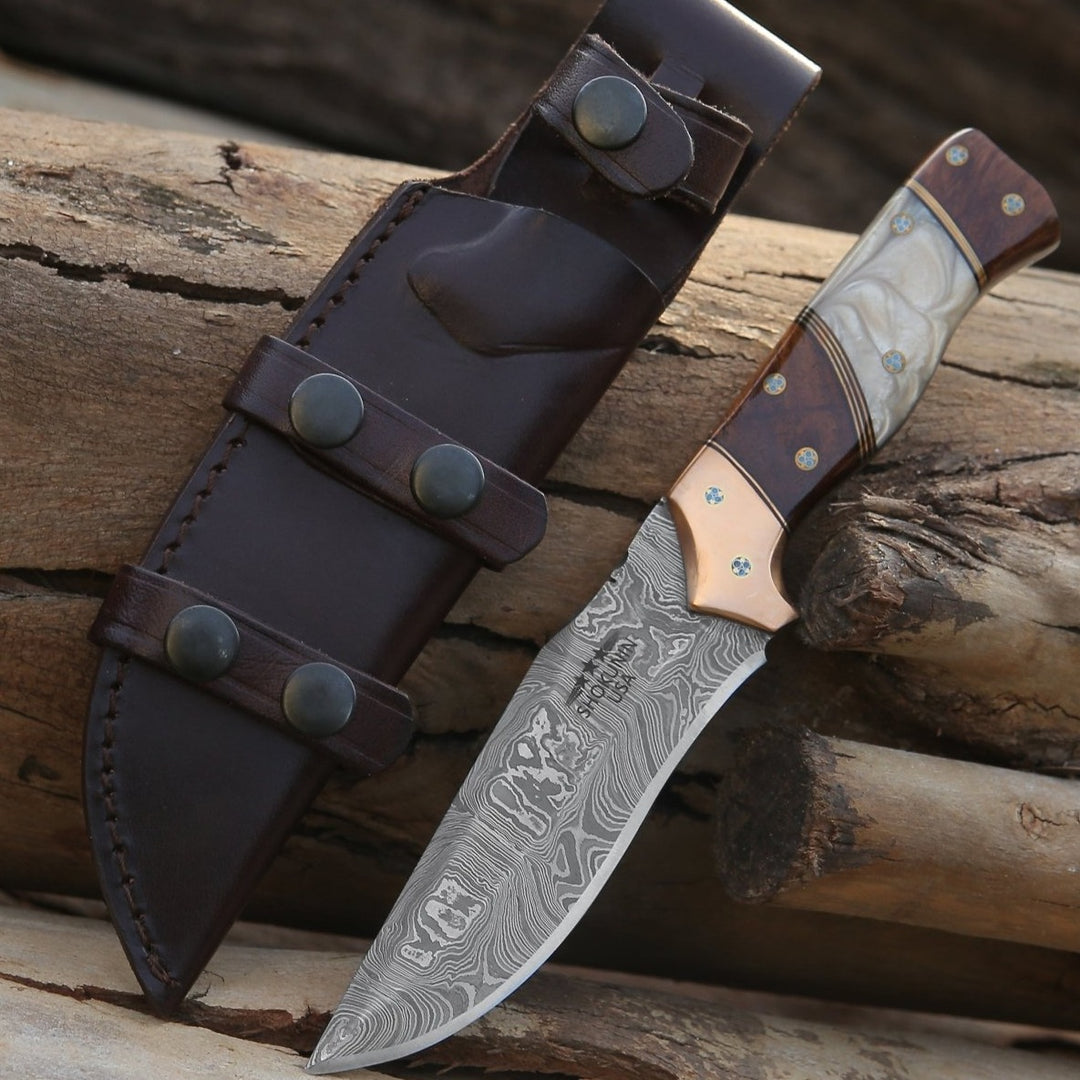
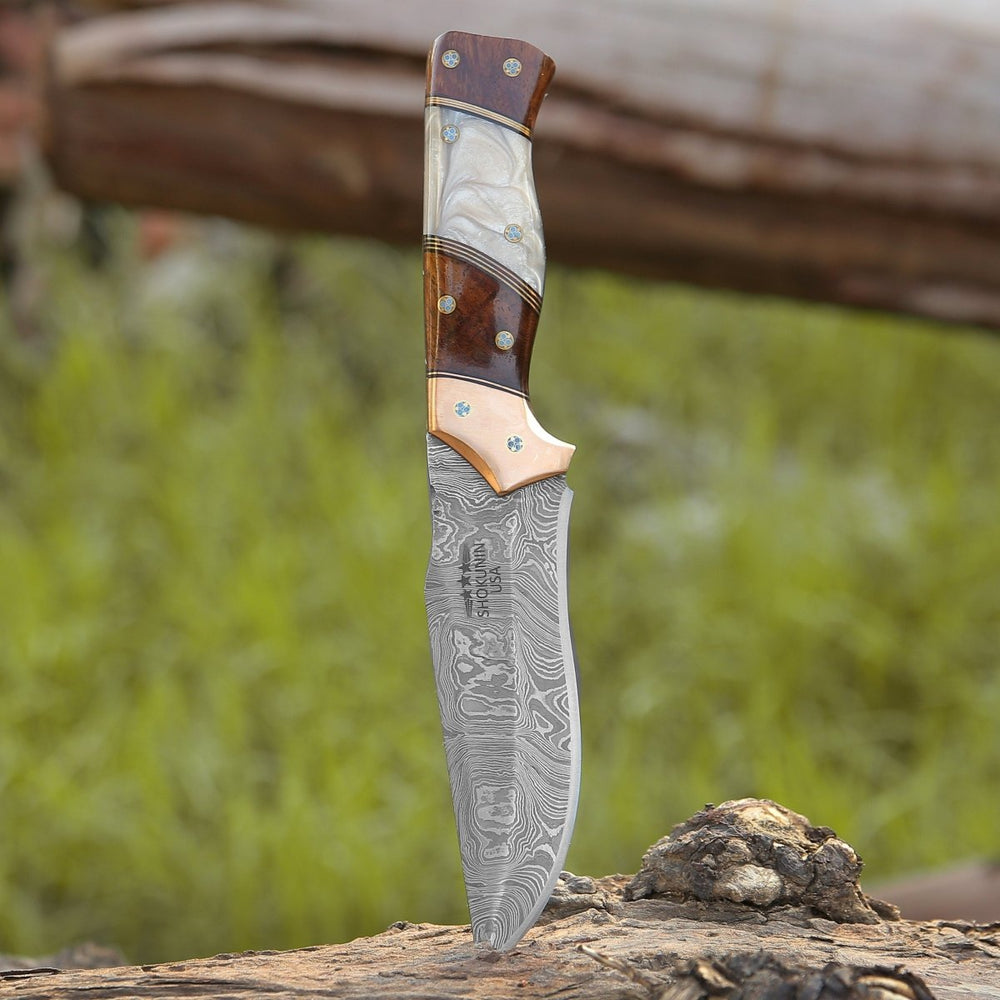
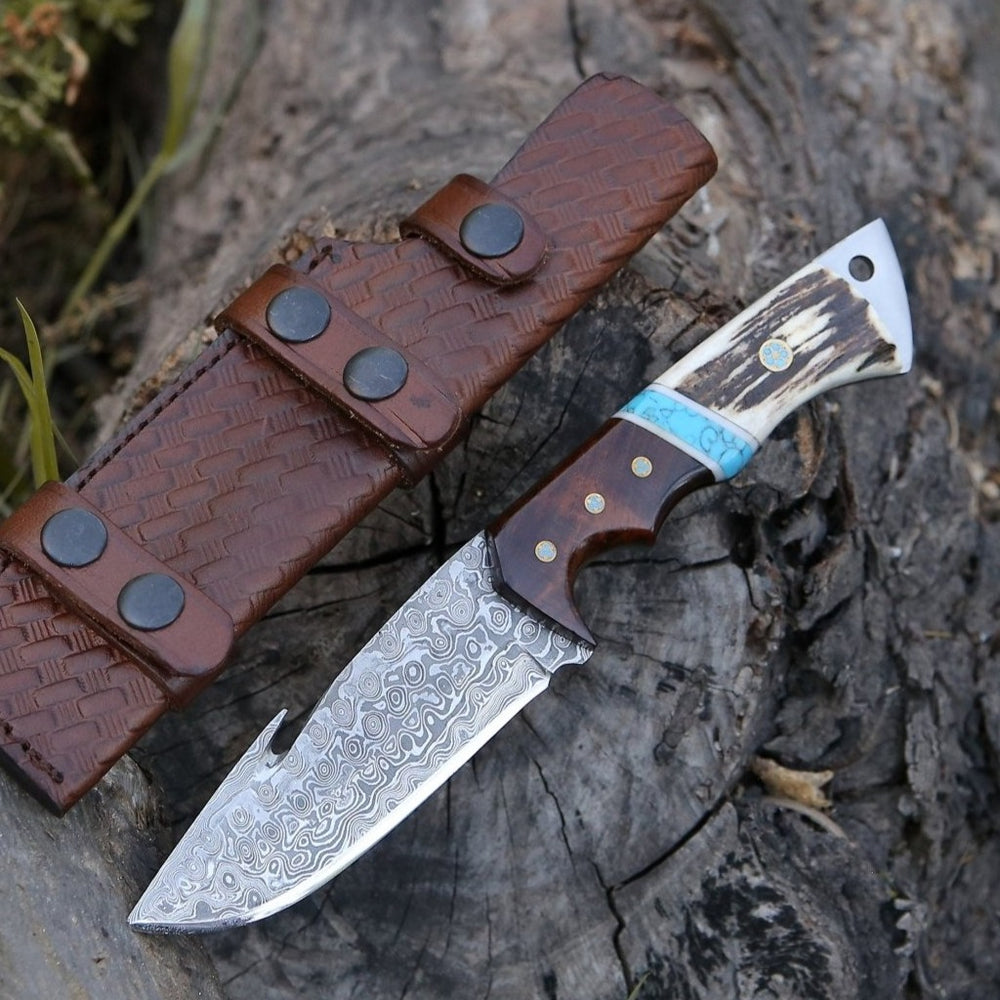
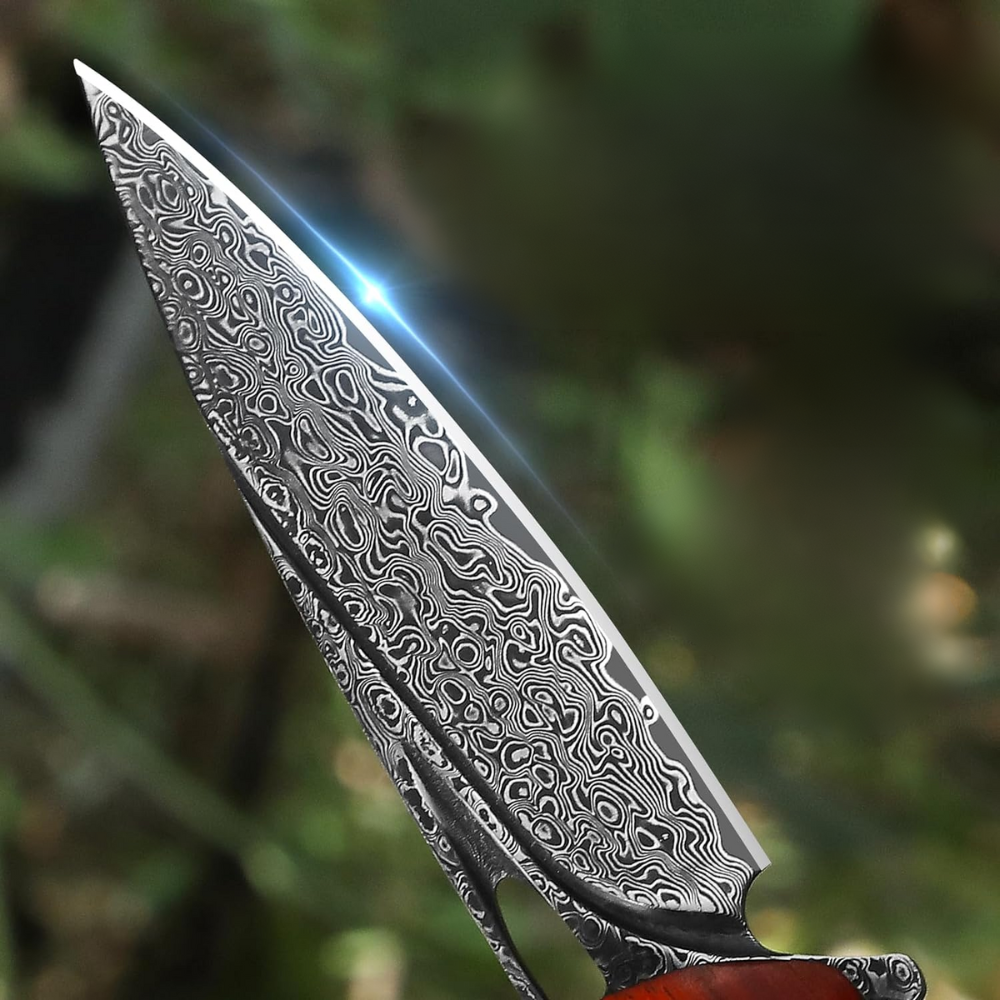
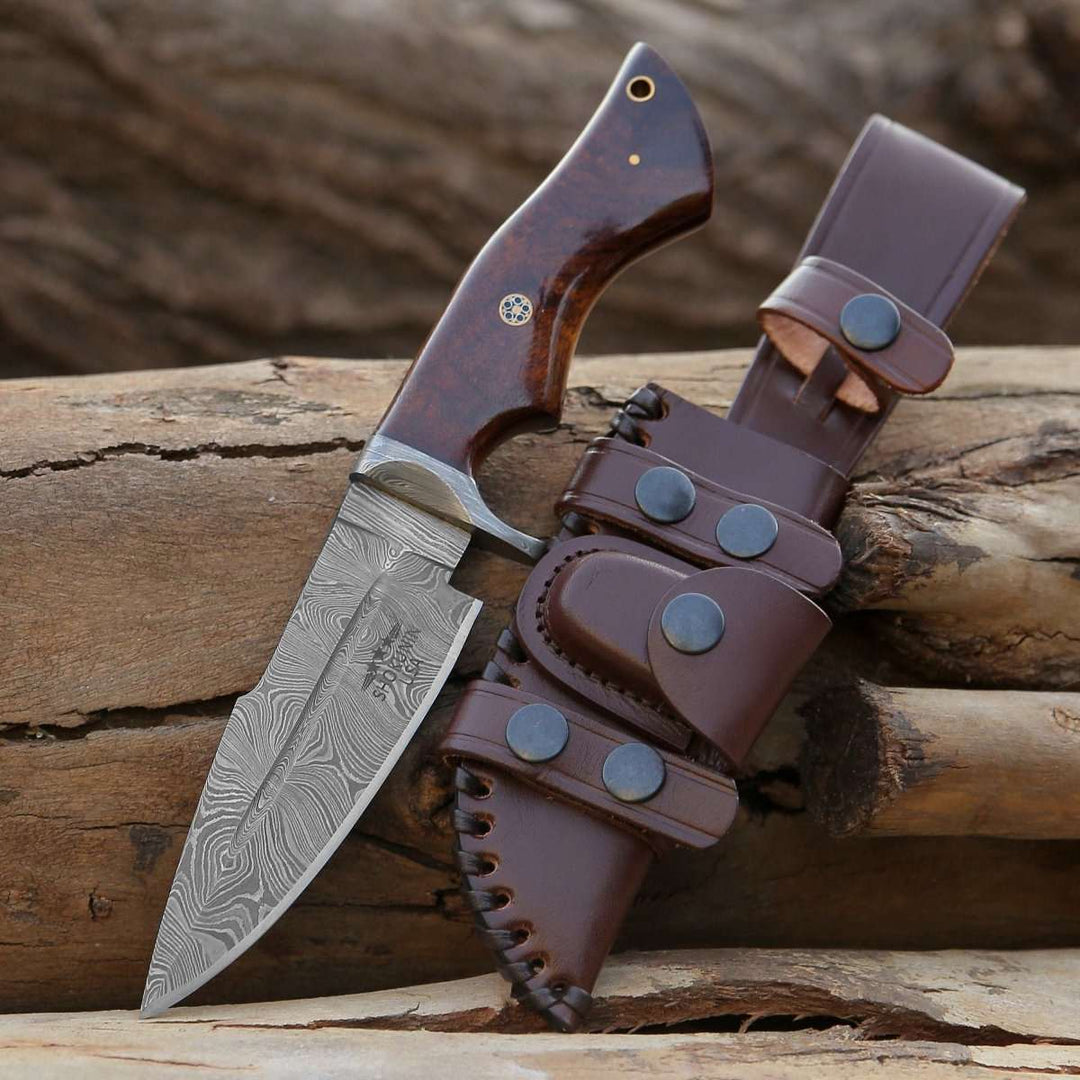
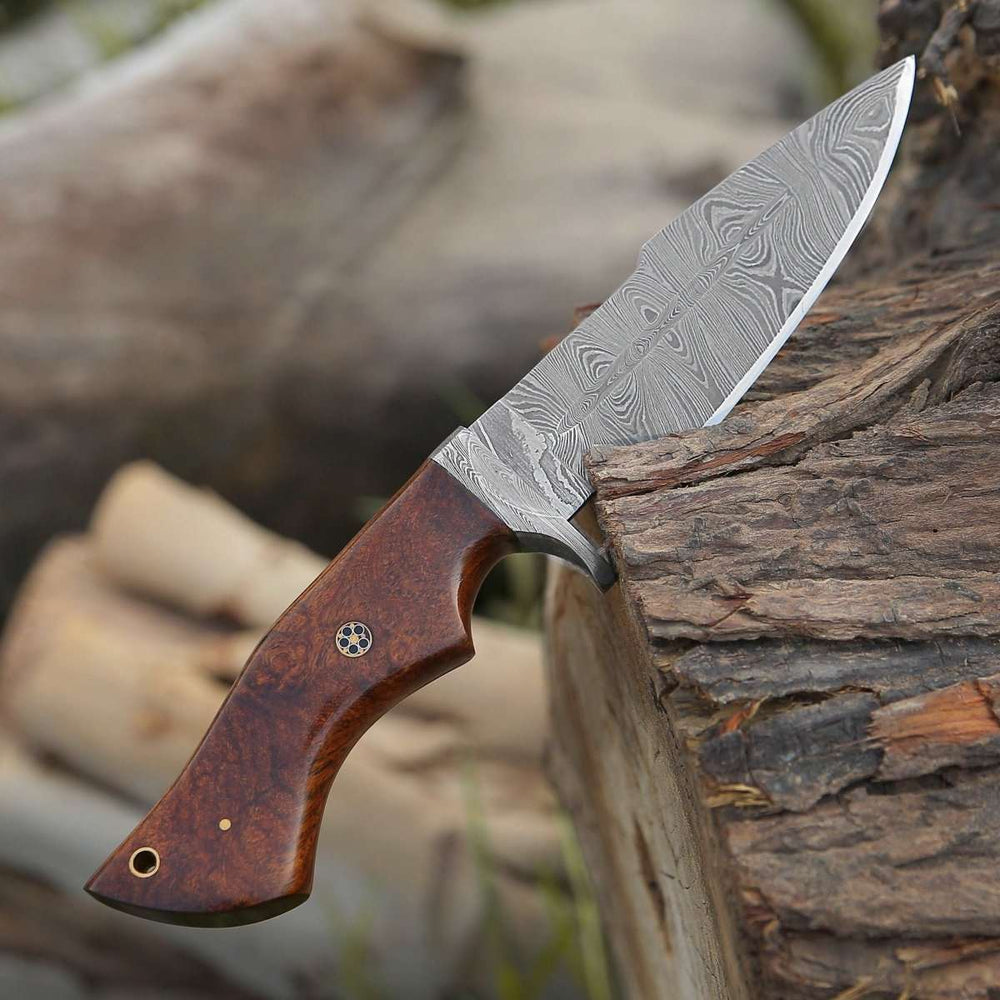
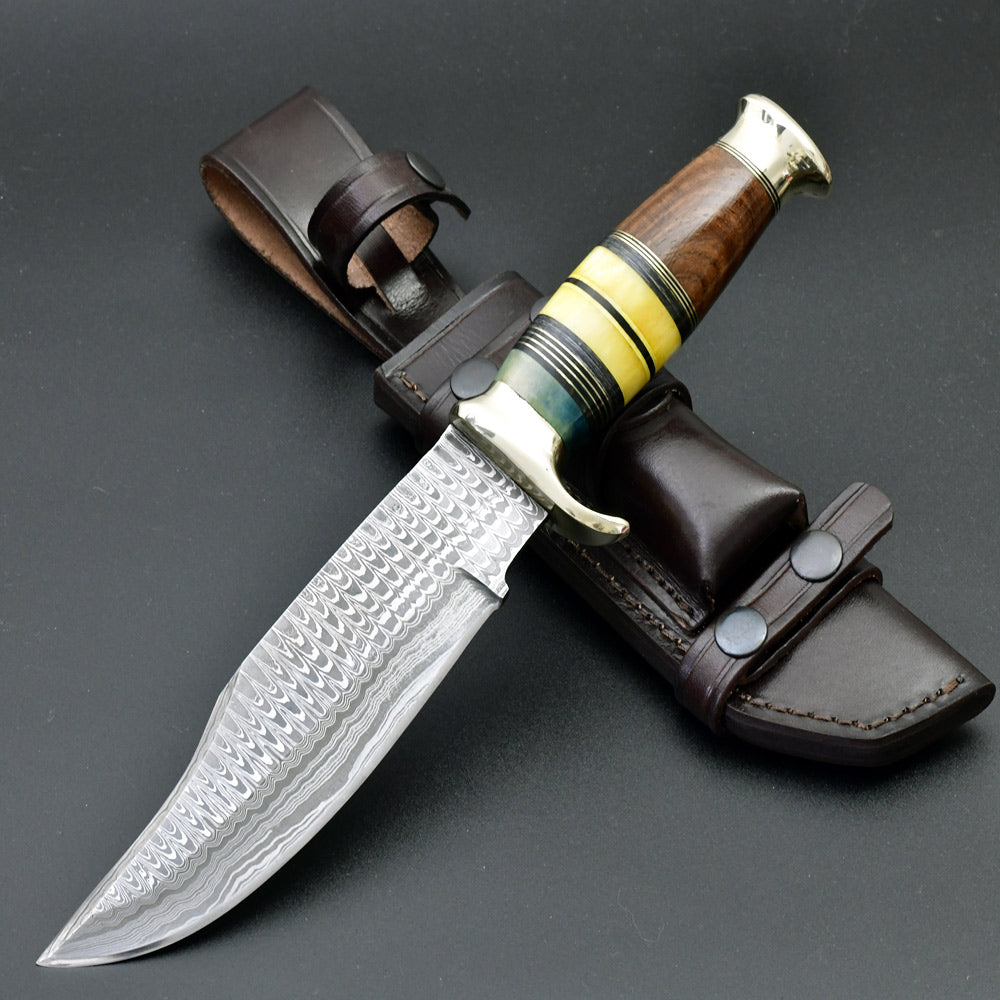
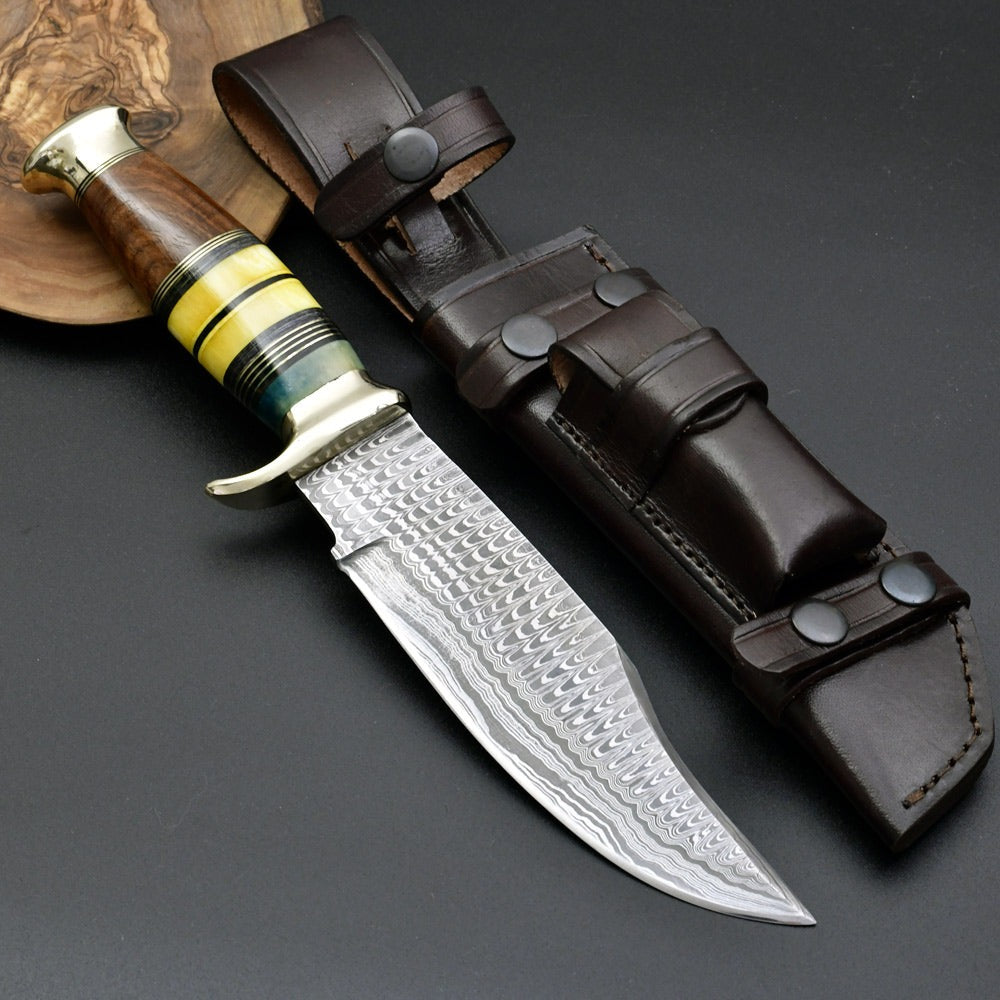
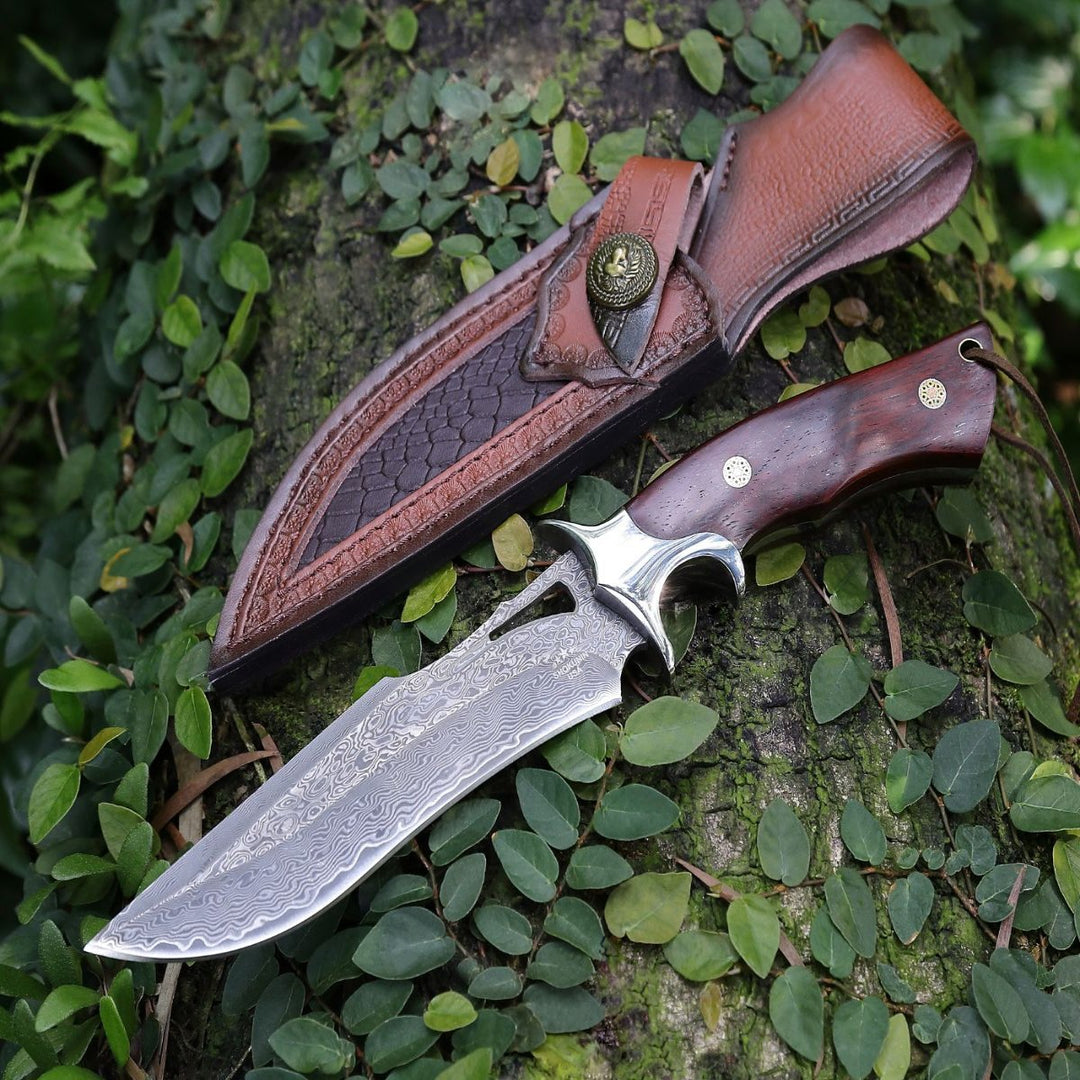
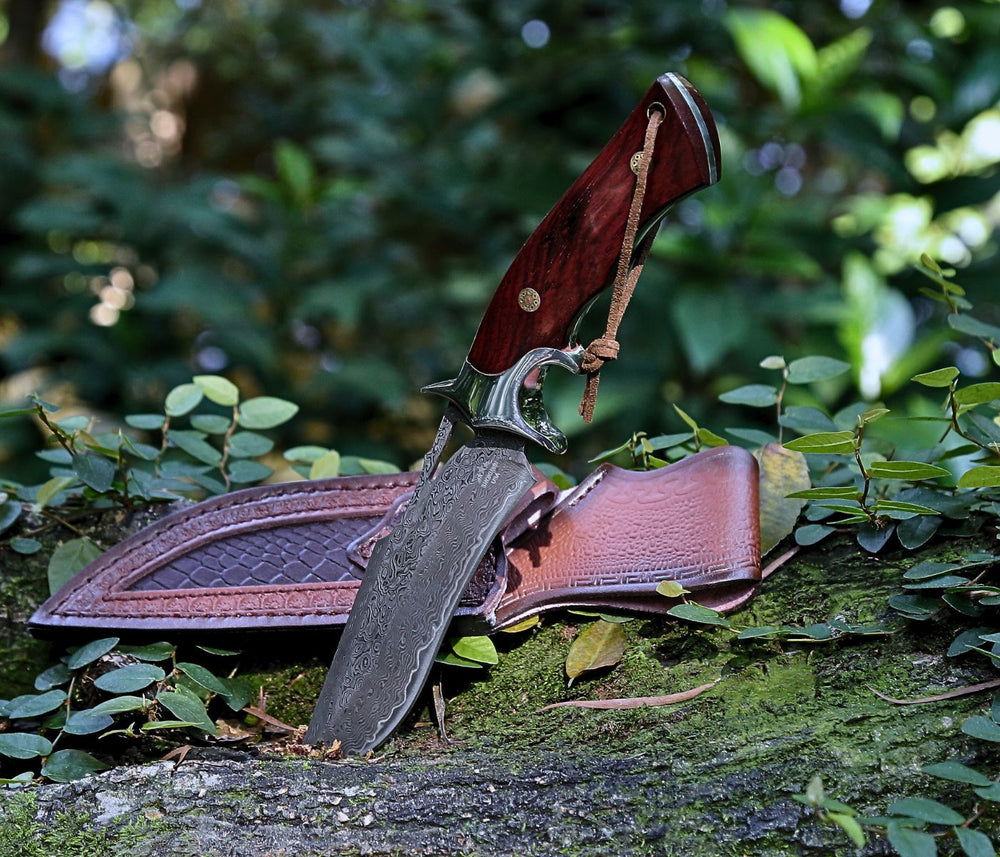
Known for its distinctive flowing patterns and superior hardness, Damascus Steel also boasts a unique environmental aspect. Often created by folding different types of steel together, the techniques for crafting Damascus Steel can utilize recycled materials, significantly reducing the need for new metal extraction. Furthermore, high-quality Damascus blades require less frequent sharpening, enhancing their longevity and reducing waste.
2. Eco-Friendly Handles
Handles of pocket knives can be made from a variety of materials, including sustainable woods, bioplastics, or recycled polymers. Here’s why these choices matter:
- Wood: Sourcing wood from sustainable forests helps retain natural habitats. Look for certifications such as FSC (Forest Stewardship Council) to ensure responsible sourcing.
- Bioplastics: Derived from natural materials, these options are often biodegradable or recyclable, reducing landfill waste.
- Recycled Polymers: These materials minimize the demand for new plastics and help keep waste out of the environment.
Durability as a Sustainable Choice
Investing in durable tools is another effective way to contribute to sustainability. A high-quality pocket knife can last for generations, thereby discouraging the need for frequent replacements. A robust, military grade knife is designed to endure rigorous conditions. With higher resistance to wear and tear, these knives require fewer replacements, resulting in less waste over time.
Long-Term Savings vs. Initial Investment
Although the upfront cost of a high-quality pocket knife may be higher than that of cheaper alternatives, the long-term savings are worth considering. Lower maintenance, less frequent replacements, and reduced waste all contribute to lower overall costs in both financial and environmental terms. Investing in quality means investing in sustainability.
Responsible Usage and Maintenance
Owning a pocket knife comes with responsibilities that extend beyond its initial purchase. Proper use and maintenance can prolong the life of your knife and minimize its environmental impact. Here’s what you can do:
- Use as Intended: Every pocket knife is designed for specific tasks. Avoid using your knife for inappropriate purposes to reduce wear and tear.
- Regular Maintenance: Keeping your knife sharp and clean enhances its performance and prolongs its lifespan. A well-maintained knife lasts much longer, reducing the need for a replacement.
- Proper Storage: Store your knife in a safe, dry place to prevent rust and damage. The better care you take of your knife, the longer it will serve you.
Recycling and End-of-Life Considerations
Even the best pocket knives eventually reach the end of their lifespan. Knowing how to manage your knife responsibly when it is no longer usable is crucial. Here are some options:
1. Recycling Programs
Some manufacturers and retailers offer recycling programs for knives, especially those made from metals. Participating in these programs ensures that materials are reused, reducing the need for new resources.
2. Upcycling
Get creative and consider upcycling your old knife. Parts of the knife might be repurposed into other tools or decorative pieces. Engaging in upcycling reduces waste and showcases personal creativity.
Community and Cultural Impact
Beyond the environmental aspects, pocket knives carry cultural and communal significance. Many communities have traditions involving crafts that keep the art of knife-making alive. Supporting local artisans who adhere to sustainable practices not only preserves these traditions but also contributes to local economies.
Making the Right Choice
The search for a pocket knife gives consumers a unique opportunity to reflect on their purchase decisions. By prioritizing sustainable materials, responsible production methods, and local craftsmanship, individuals can play a role in making the world a better place. Whether you’re drawn to the craftsmanship of Damascus Steel or the rugged reliability of a military grade knife, every choice counts towards creating a sustainable future.
Embrace the Future of Pocket Knives
As you consider your next pocket knife purchase, think about the broader implications of your choice. Pocket knives can be practical tools and powerful symbols of sustainability. Your next knife doesn’t have to contribute to environmental degradation. From the materials chosen to the lifespan and ultimately how it’s disposed of, every aspect can align with a greater commitment to protecting our planet.
Become a part of the movement toward sustainable living by investing in high-quality, environmentally friendly pocket knives. The options are out there, and they’re waiting for you to discover them.
Glossary
| Term | Meaning |
|---|---|
| Pocket Knife | A compact, versatile tool with a folding blade, used for various tasks. |
| Damascus Steel | A type of steel known for its unique patterns and durability, often made from recycled materials. |
| Eco-Friendly Materials | Materials that are sustainable, biodegradable, or recycled to minimize environmental impact. |
| Bioplastics | Plastics derived from natural sources, often biodegradable or recyclable. |
| Recycled Polymers | Plastics made from repurposed materials, reducing the need for new plastic production. |
| Responsible Usage | Using a pocket knife for its intended purpose to prolong its lifespan and reduce wear. |
| Recycling Programs | Initiatives by manufacturers to collect and recycle old knives, minimizing waste. |
| Upcycling | Repurposing old items, like knives, into new tools or decorative pieces to reduce waste. |
| Community Impact | The influence of local craftsmanship and traditions on the sustainability of knife production. |
| Durability | The ability of a pocket knife to withstand wear and last for many years, reducing replacements. |
Linked Product

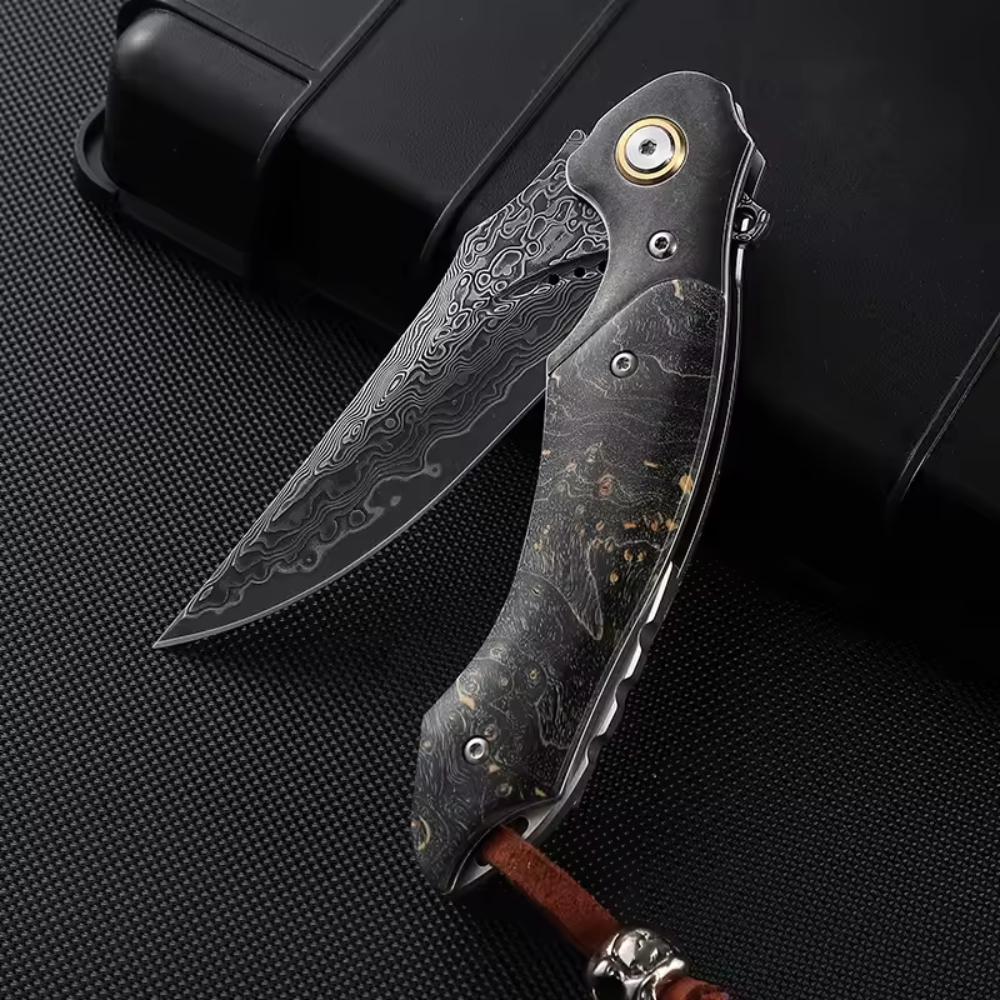
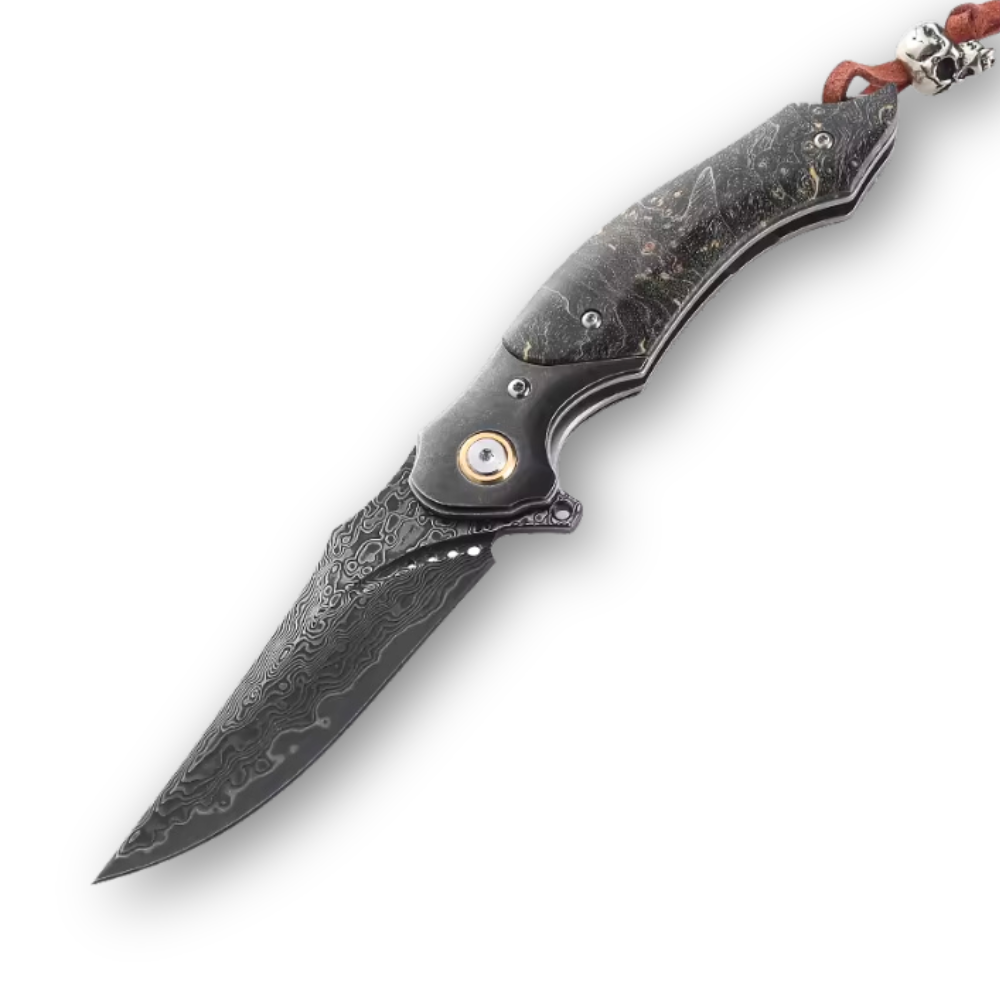
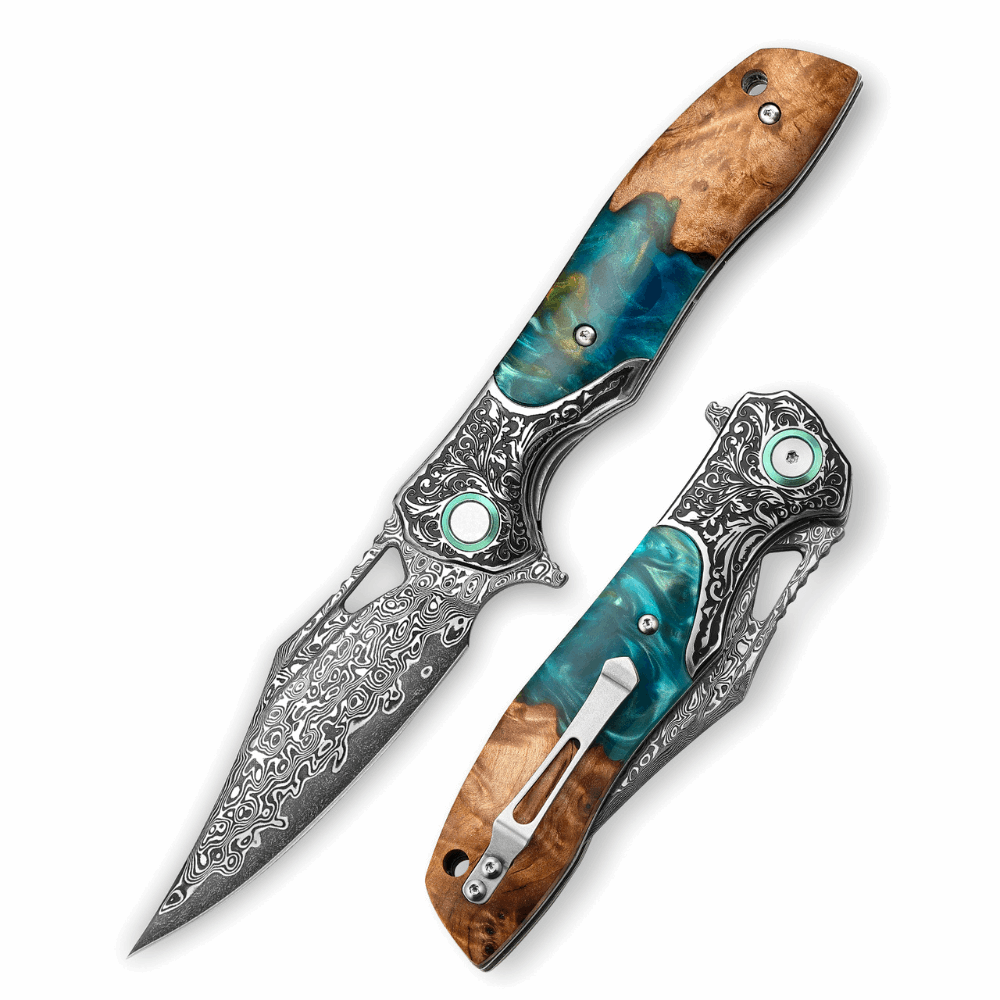
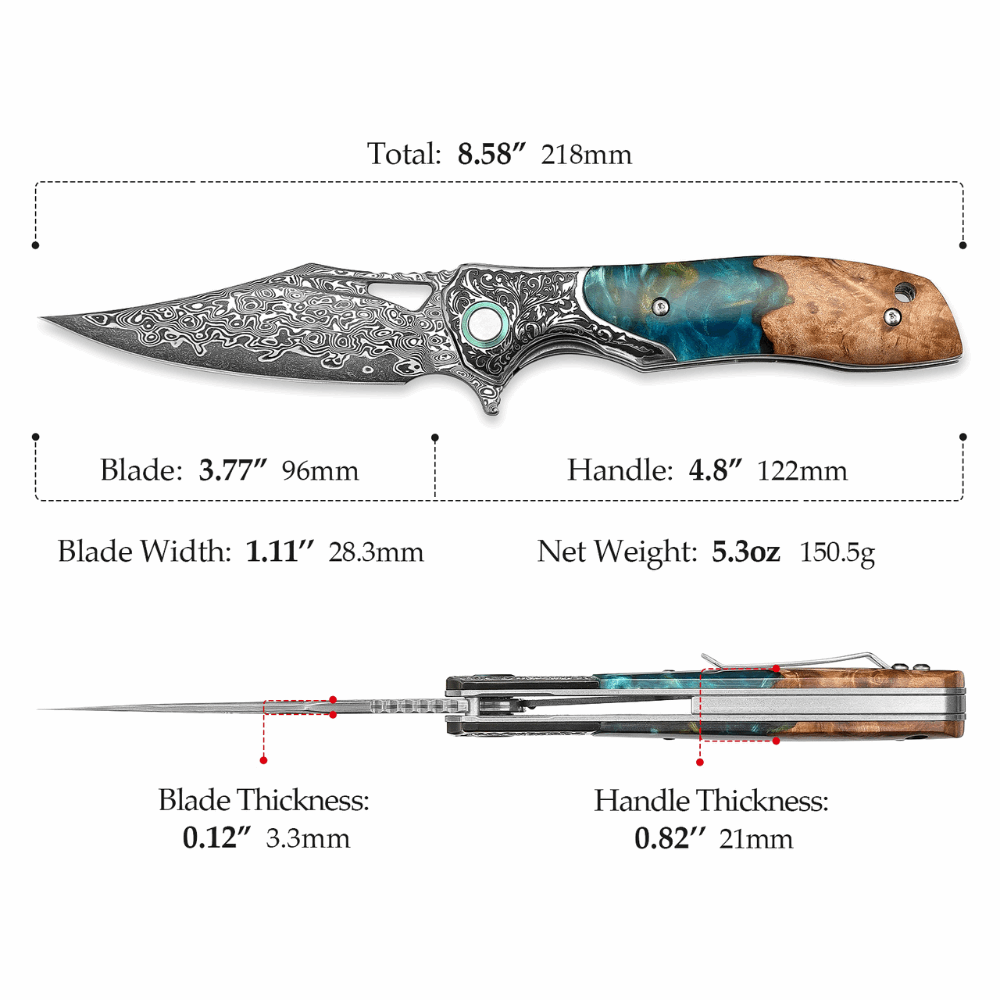
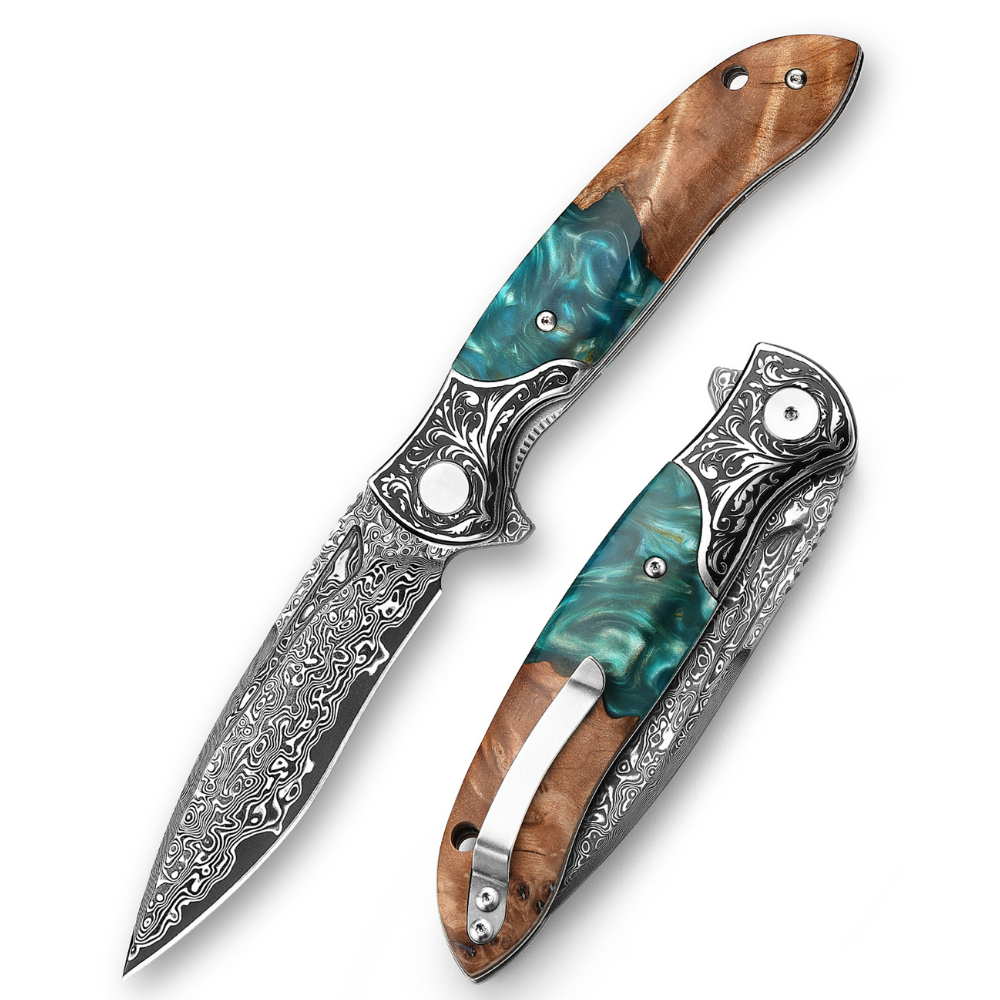
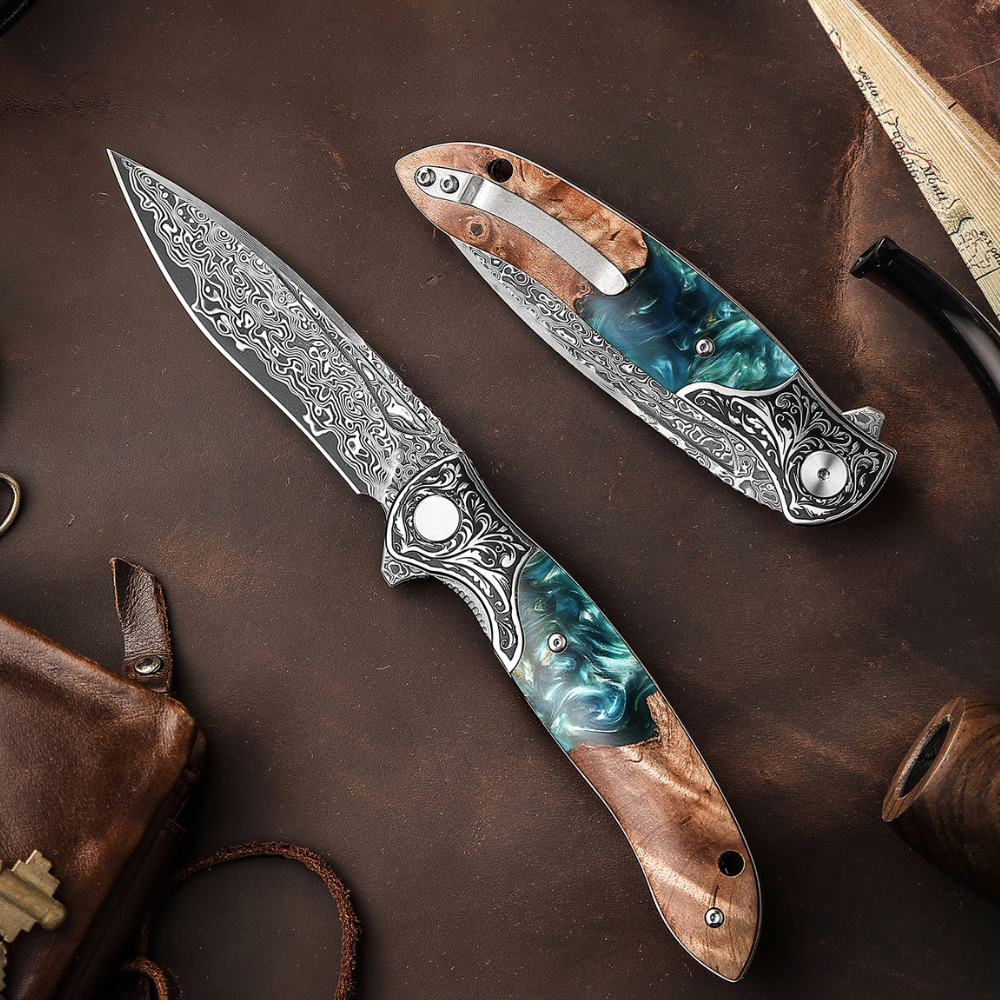
Flint Gentlemen's Damascus Pocket Knife with G10 Handle
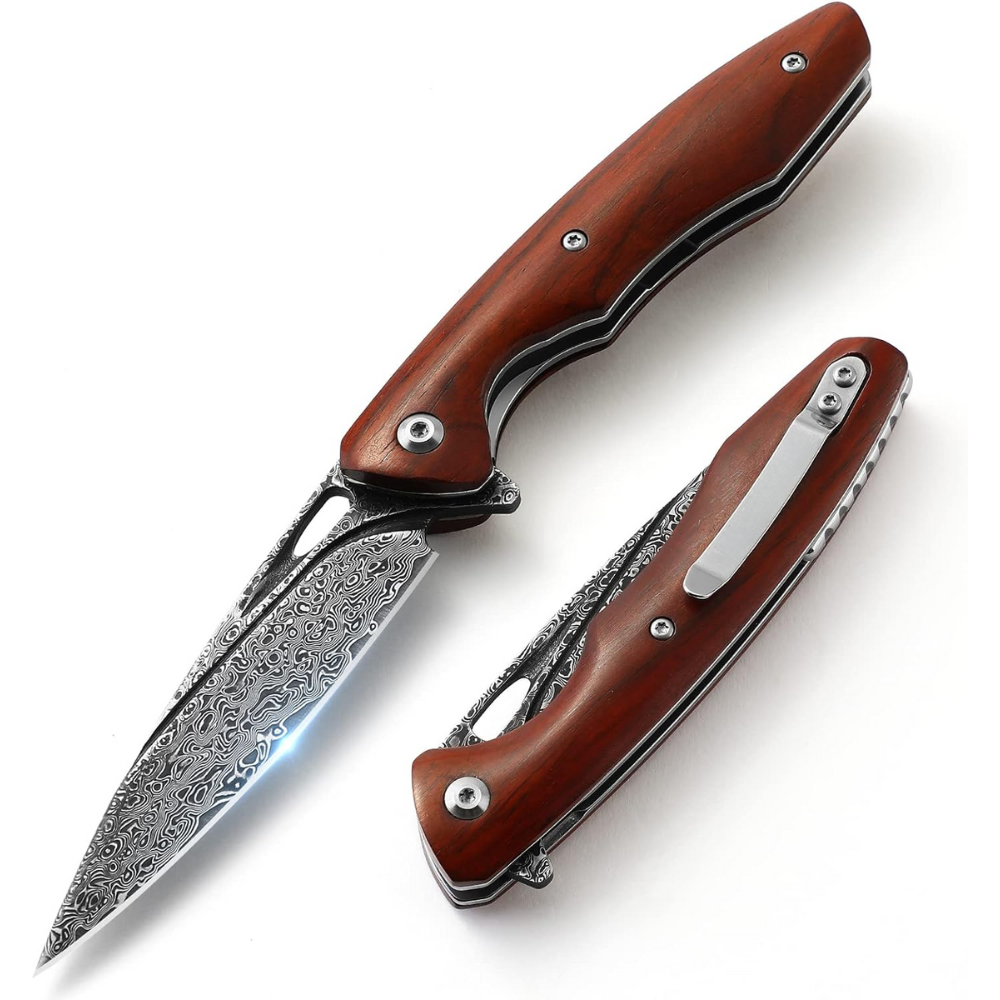
The Flint Gentlemen's Damascus Pocket Knife combines aesthetic appeal with practicality, making it a reliable companion for outdoor activities like hunting, fishing, and camping. Crafted from durable VG-10 Damascus steel, it offers exceptional sharpness and edge retention, ensuring it can handle various tasks effectively. Its ergonomic G10 handle provides comfort and stability, making it suitable for both everyday use and special occasions.
View Product






Hinterlassen Sie einen Kommentar