


Overview
Explore the diverse world of knife blade materials, including stainless steel, carbon steel, Damascus steel, high carbon stainless steel, and tool steel. Each material offers unique advantages for culinary and outdoor use. Understanding these properties can help you choose the right knife for your needs, whether you prioritize sharpness, durability, or aesthetics. Proper maintenance is key to maximizing your knife's performance and lifespan.
Table of Contents
- Understanding Blade Materials
- Stainless Steel: The All-Rounder
- Corrosion Resistance
- Ease of Maintenance
- Versatility
- Carbon Steel: The Traditional Choice
- Exceptional Sharpness
- Edge Retention
- Reactive Nature
- Damascus Steel: The Art of the Blade
- Distinctive Patterns
- Superior Performance
- Popular Choices
- High Carbon Stainless Steel: The Best of Both Worlds
- Durability
- Easy Maintenance
- Tool Steel: Built to Last
- Exceptional Hardness
- Wear Resistance
- Sharpness and Toughness
- Choosing the Right Blade Material for Your Needs
- Taking Care of Your Knives
- Regular Cleaning
- Sharpening Techniques
- Safe Storage
- The Exciting World of EDC Knives
- Blade Material Considerations
- Practical Features
- Final Thoughts on Selecting Blade Materials
Key Takeaways
- Blade Materials Variety: Knives are made from various materials including stainless steel, carbon steel, Damascus steel, high carbon stainless steel, and tool steel, each with unique properties.
- Stainless Steel Benefits: Known for its corrosion resistance, stainless steel is low maintenance and versatile, making it ideal for both home cooks and professionals.
- Carbon Steel Performance: Carbon steel offers exceptional sharpness and edge retention but requires careful maintenance to prevent rust.
- Damascus Steel Aesthetics: Damascus steel features distinctive patterns and combines the benefits of both stainless and carbon steel, making it both beautiful and functional.
- High Carbon Stainless Steel: This material merges the durability of carbon steel with the corrosion resistance of stainless steel, providing an excellent choice for regular use.
- Tool Steel Durability: Tool steel is exceptionally hard and wear-resistant, making it suitable for heavy-duty tasks and EDC knives.
- Maintenance Essentials: Regular cleaning, proper sharpening, and safe storage are crucial for maintaining knife performance and longevity.
The world of knives is vast and varied, with a multitude of blade materials used for different purposes and preferences. When it comes to selecting the right knife, understanding the characteristics of various blade materials can enhance your culinary experiences or outdoor adventures. From high-end Damascus chef knives to reliable EDC (Everyday Carry) knives, each blade type offers unique advantages and applications. In this article, we’ll explore the different blade materials, their properties, and how each can serve your specific needs in the kitchen or outdoors.
Understanding Blade Materials
Knives can be made from a variety of materials, each offering unique benefits. The most popular blade materials include:
- Stainless Steel
- Carbon Steel
- Damascus Steel
- High Carbon Stainless Steel
- Tool Steel
Each of these materials has distinctive traits that make them suitable for different tasks, whether for kitchen use, camping, or everyday tasks. Let's delve deeper into each of these blade materials.
Stainless Steel: The All-Rounder
Stainless steel is perhaps the most widely used knife material due to its corrosion resistance and durability. Here are some key features:
Corrosion Resistance
Stainless steel blades resist rust and staining, making them perfect for kitchen environments where moisture is prevalent.
Ease of Maintenance
These blades are generally low maintenance, requiring only regular cleaning and occasional sharpening. Their ability to maintain sharpness for longer periods also makes them popular.
Versatility
Stainless steel blades can handle various tasks, making them ideal for home cooks and professional chefs alike.
Carbon Steel: The Traditional Choice
Carbon steel is prized for its outstanding sharpness and edge retention. Here's why many chefs prefer this material:
Exceptional Sharpness
Carbon steel can achieve a razor-sharp edge, providing a precise cut that’s highly valued in culinary applications.
Edge Retention
This material holds its edge longer than stainless steel, reducing the frequency of sharpening required.
Reactive Nature
While carbon steel offers excellent performance, it is important to note that the material is reactive. This means it can rust and stain if not properly cared for, which is something to consider if you want a knife that requires a bit more maintenance.
Damascus Steel: The Art of the Blade
When it comes to elegance and functionality, Damascus steel knives stand out. Not only do they provide impressive cutting performance, but they also exhibit a stunning visual aesthetic. Here are some characteristics:
Distinctive Patterns
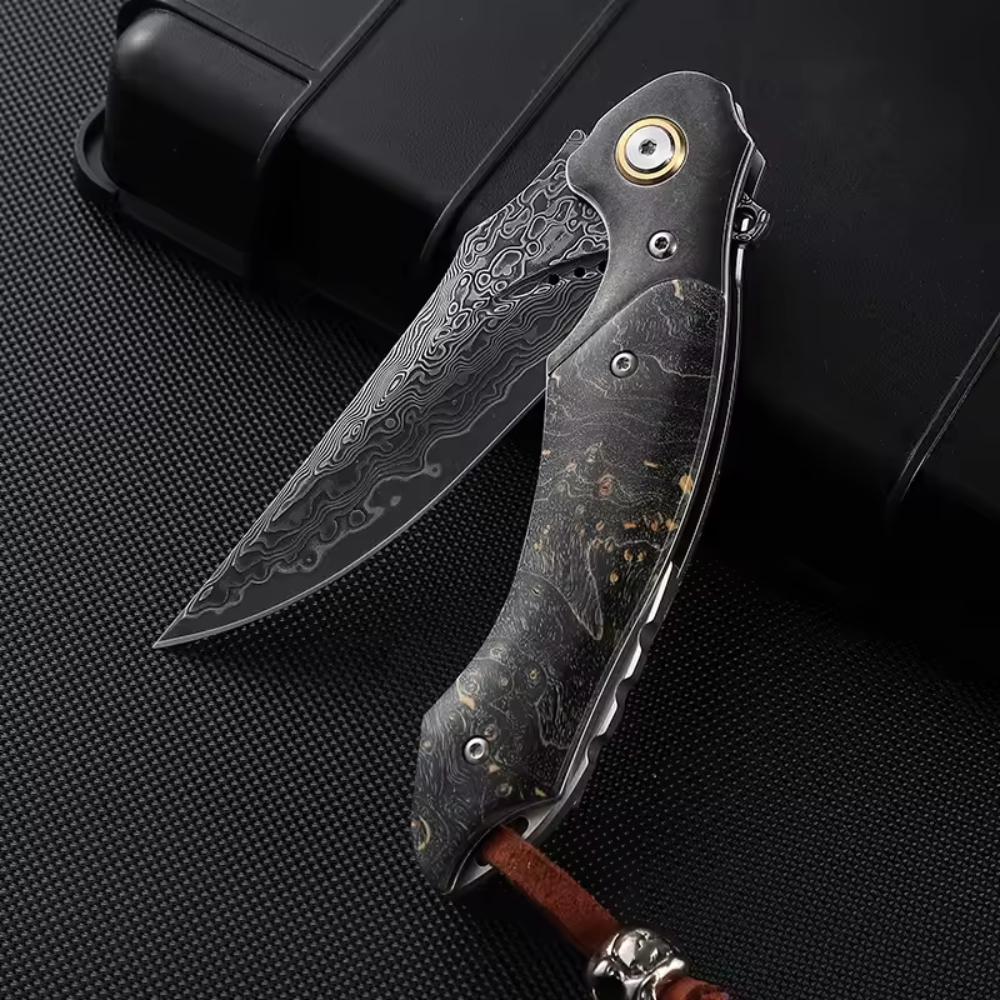
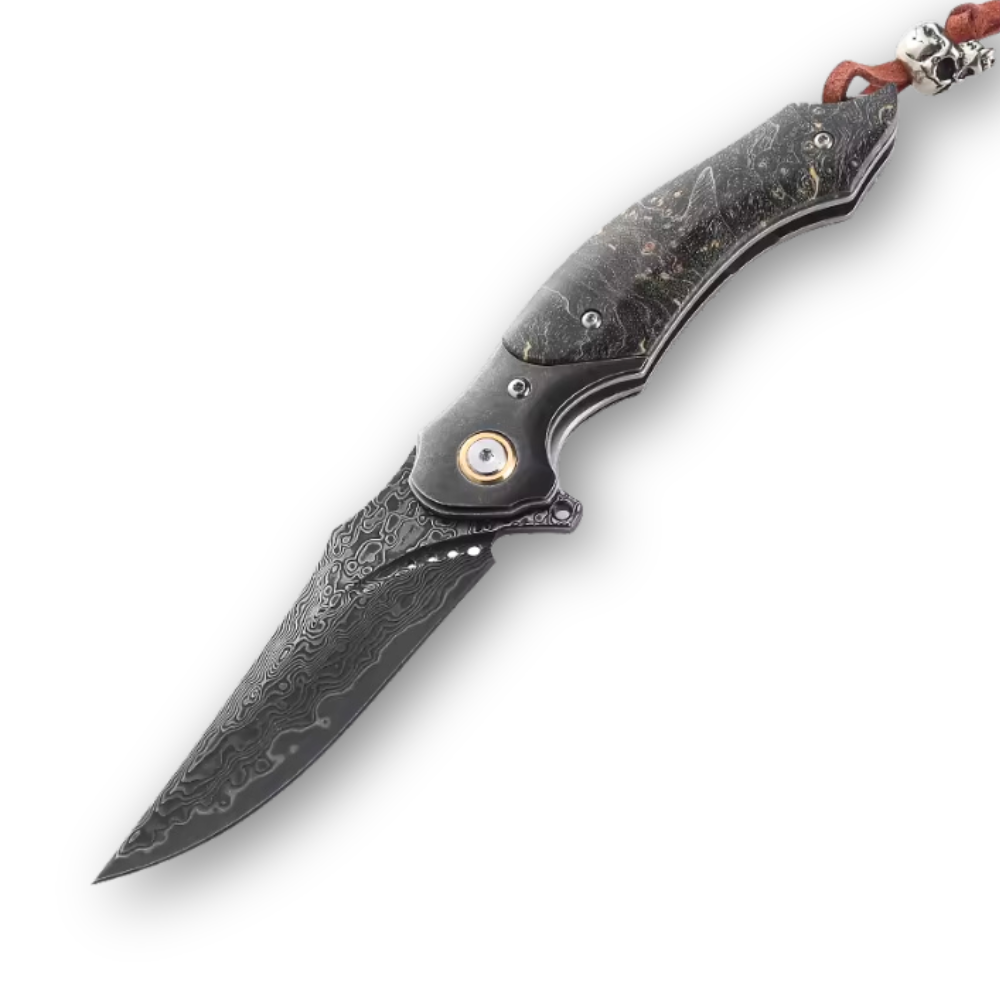
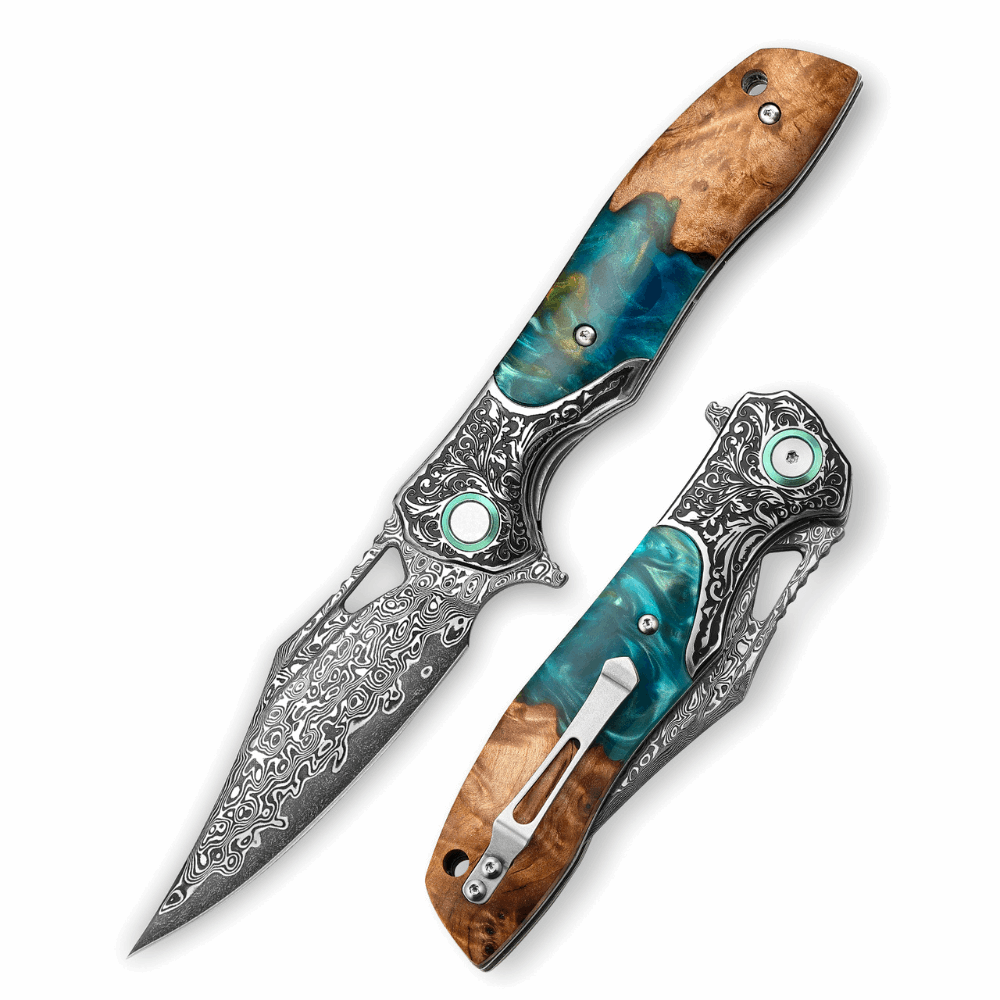
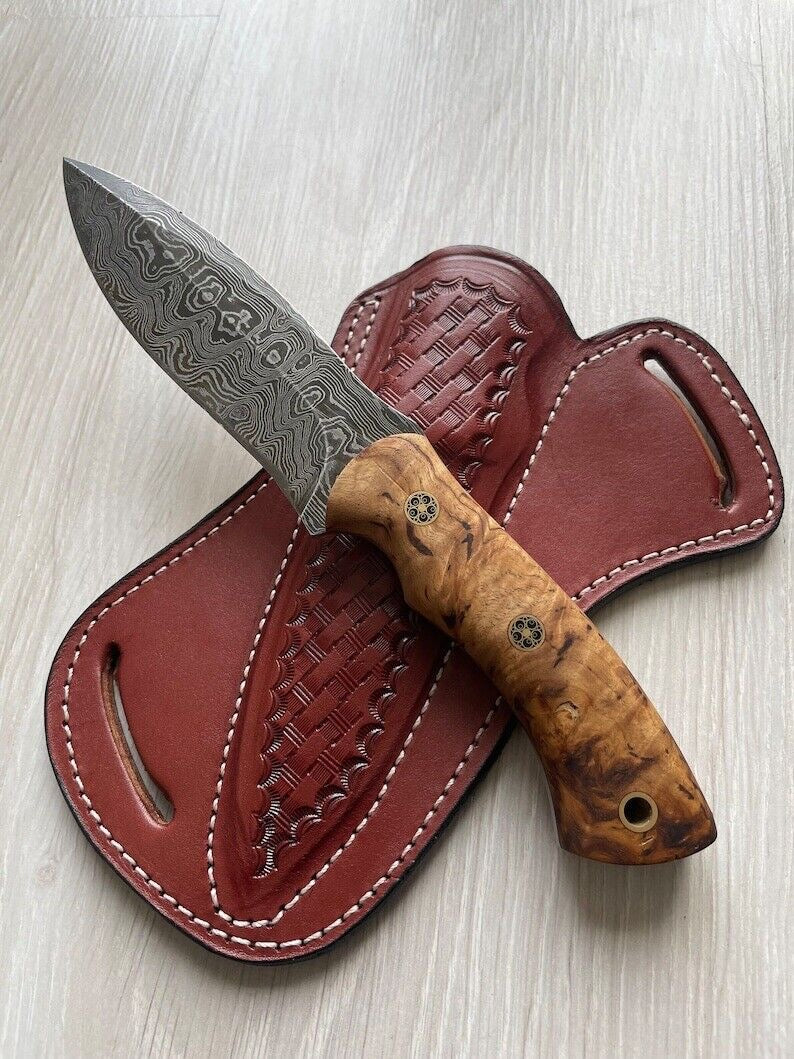
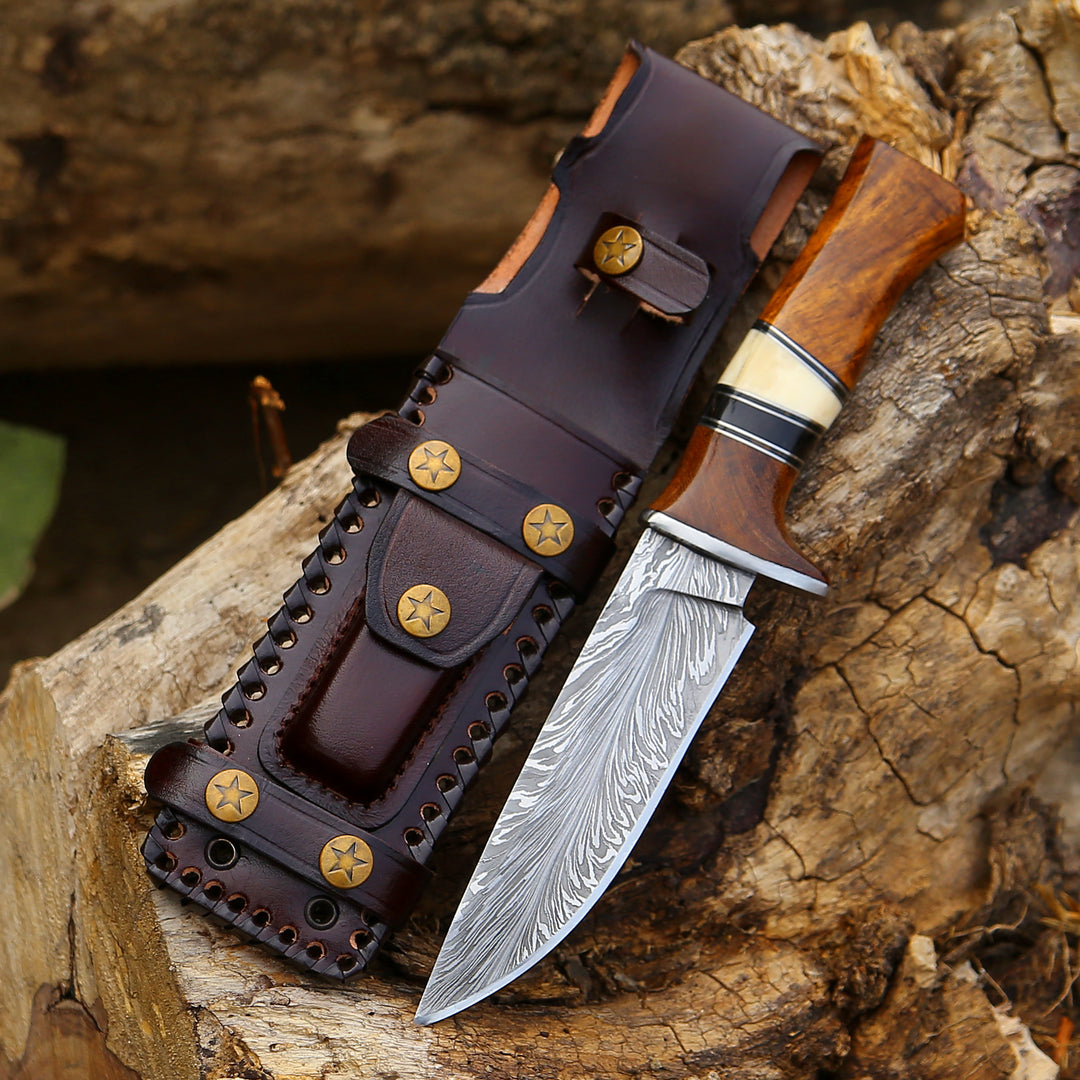
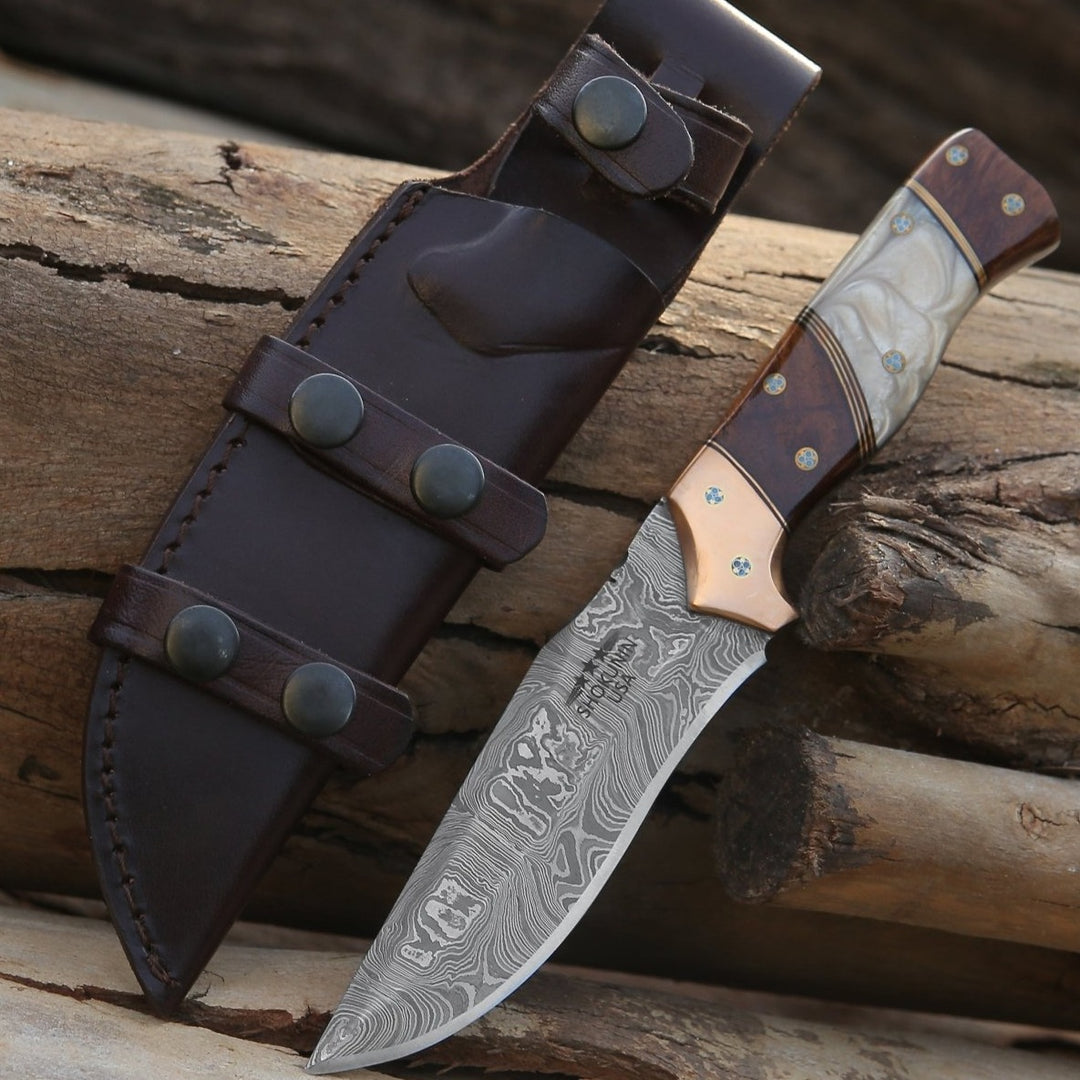
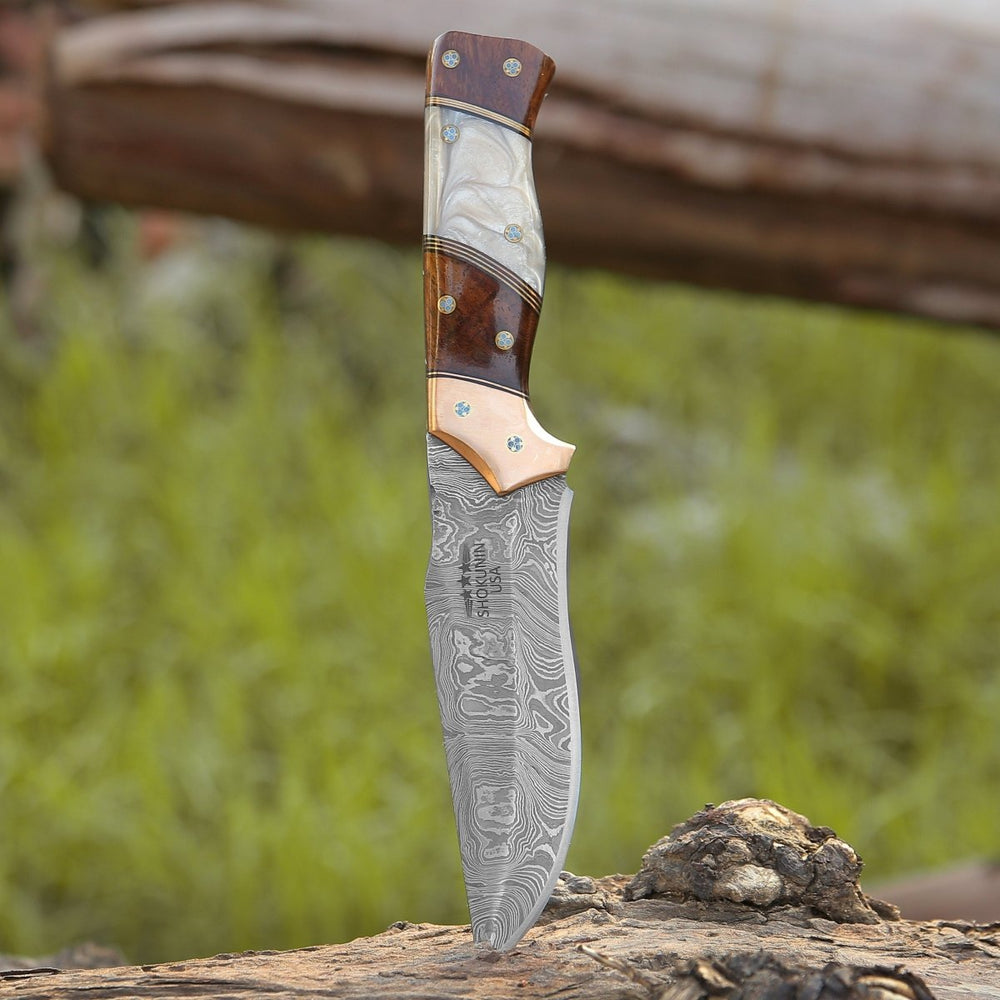
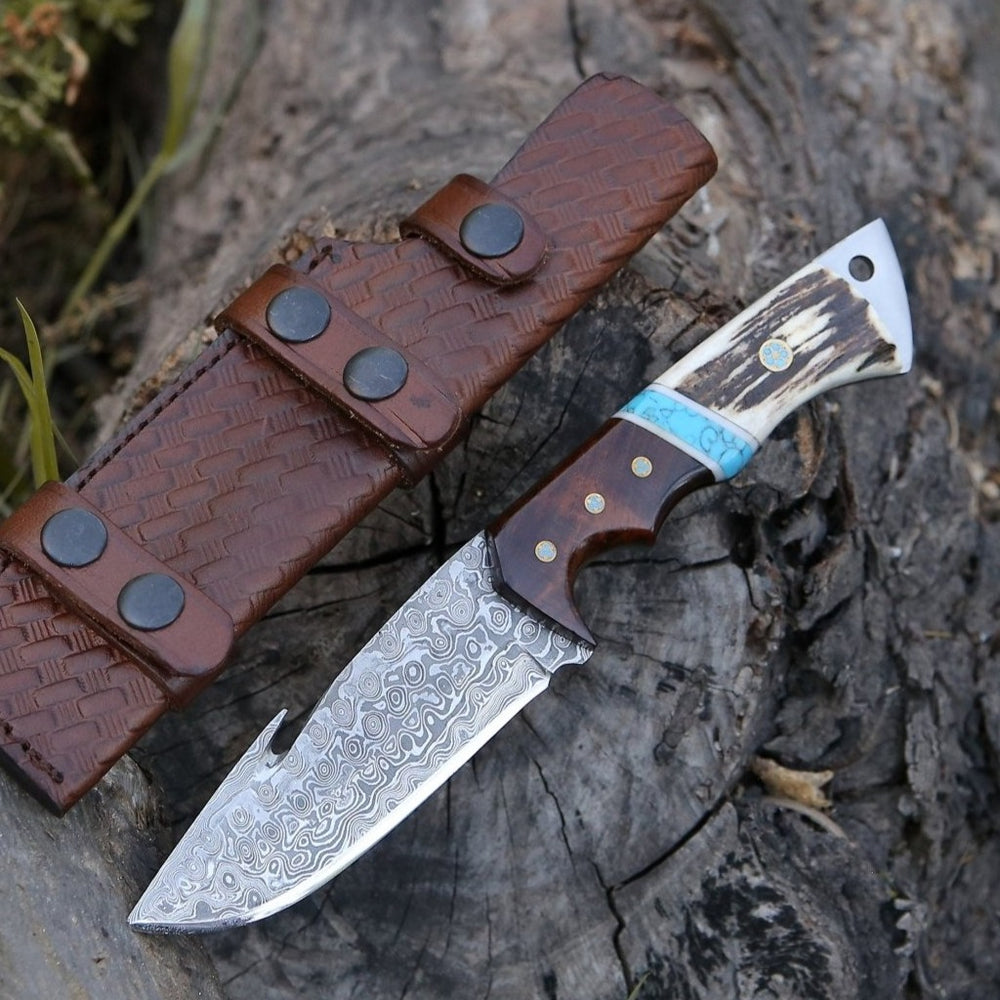
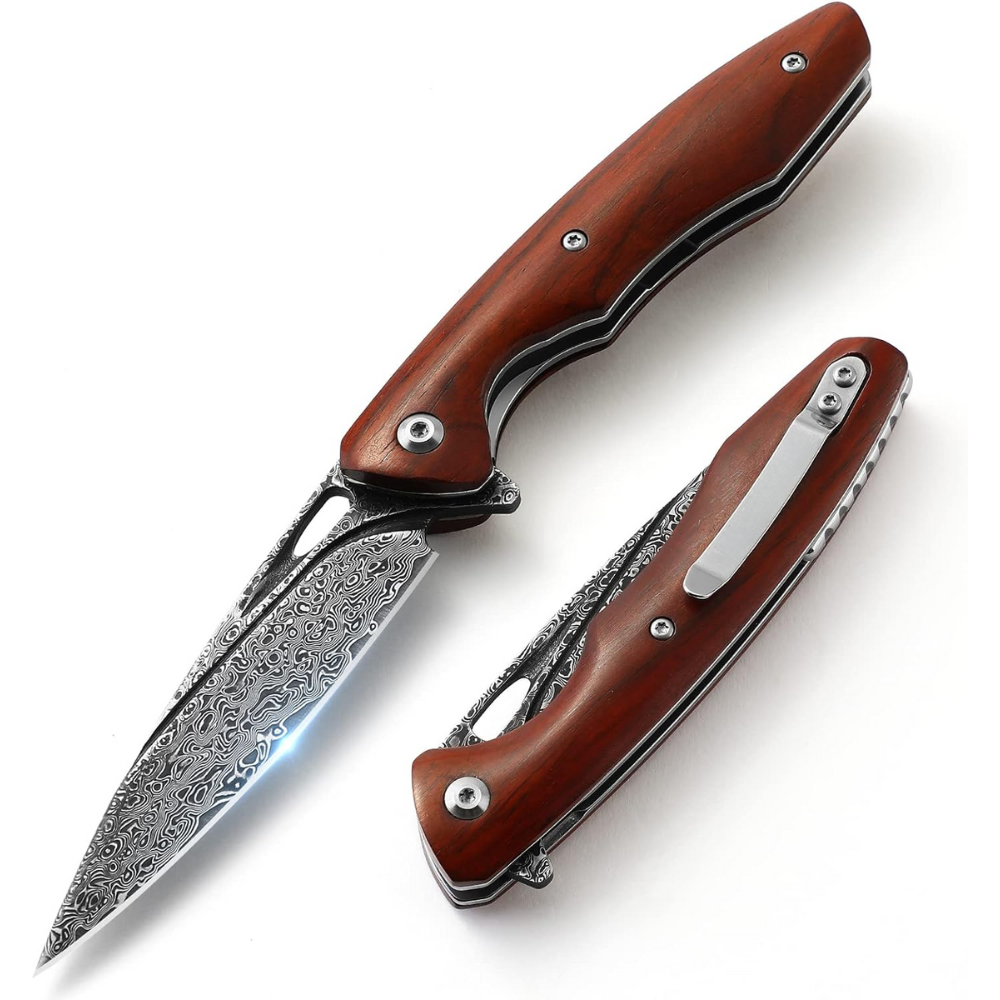
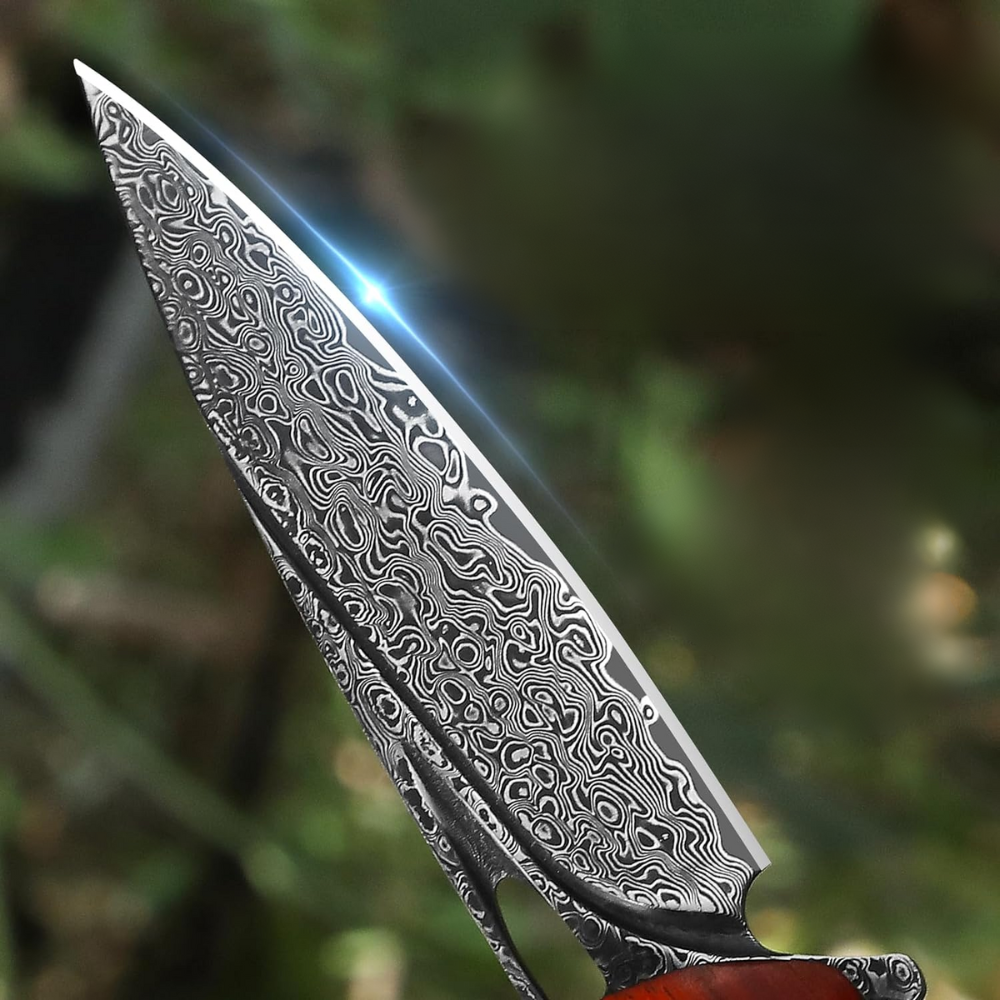
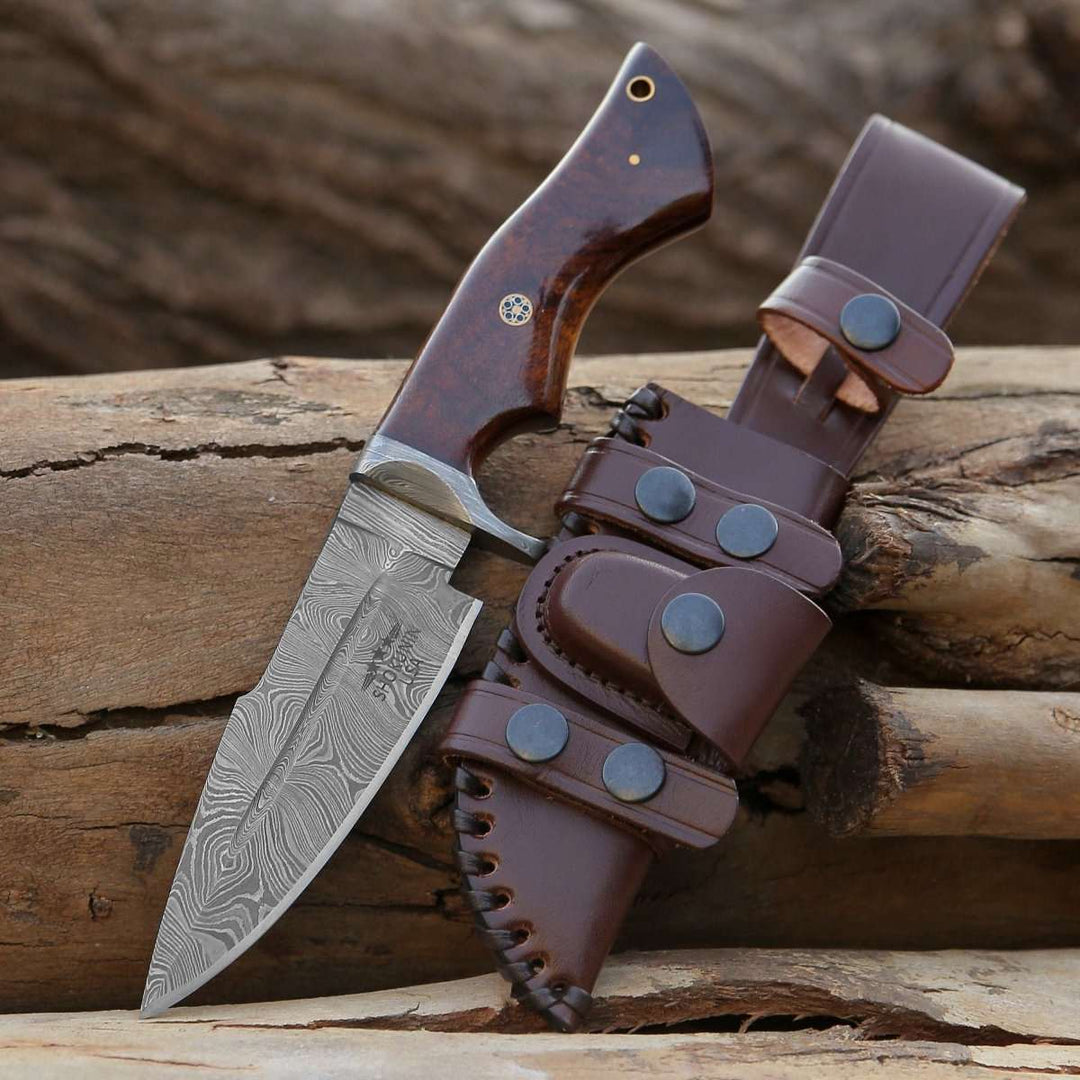
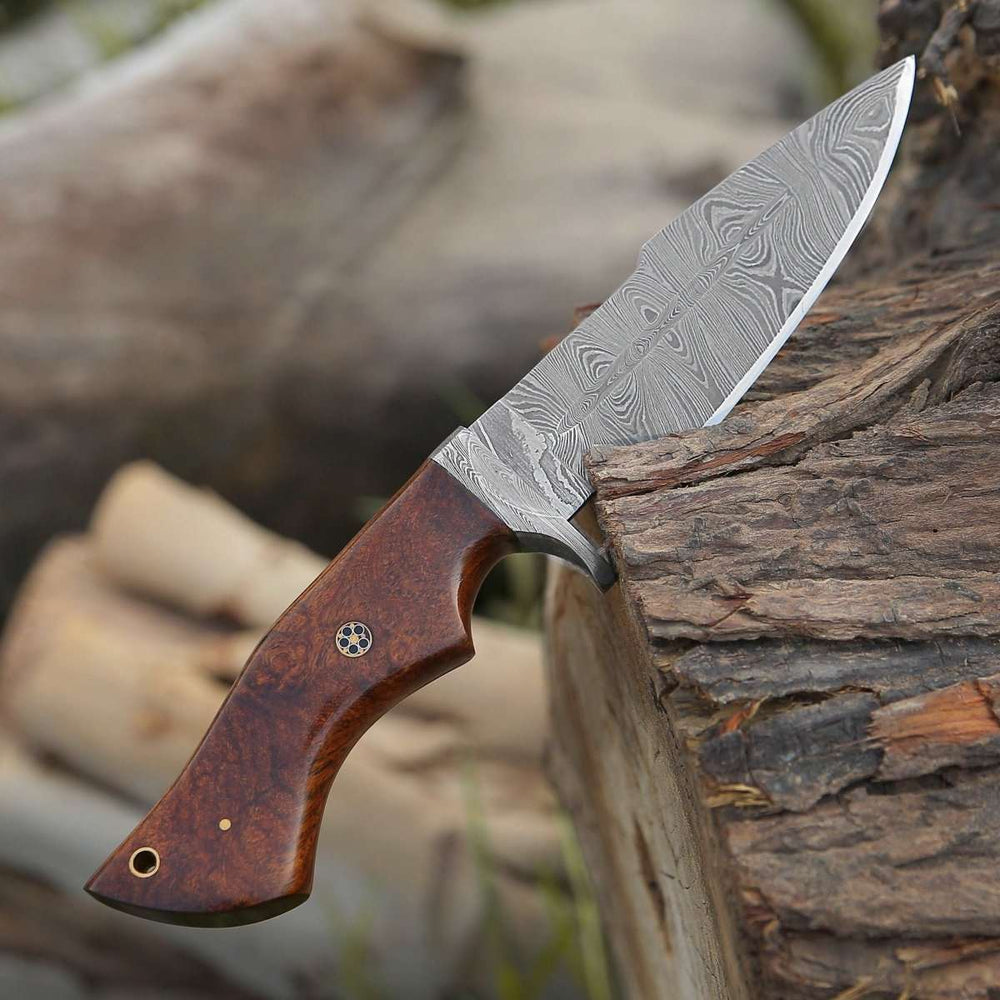
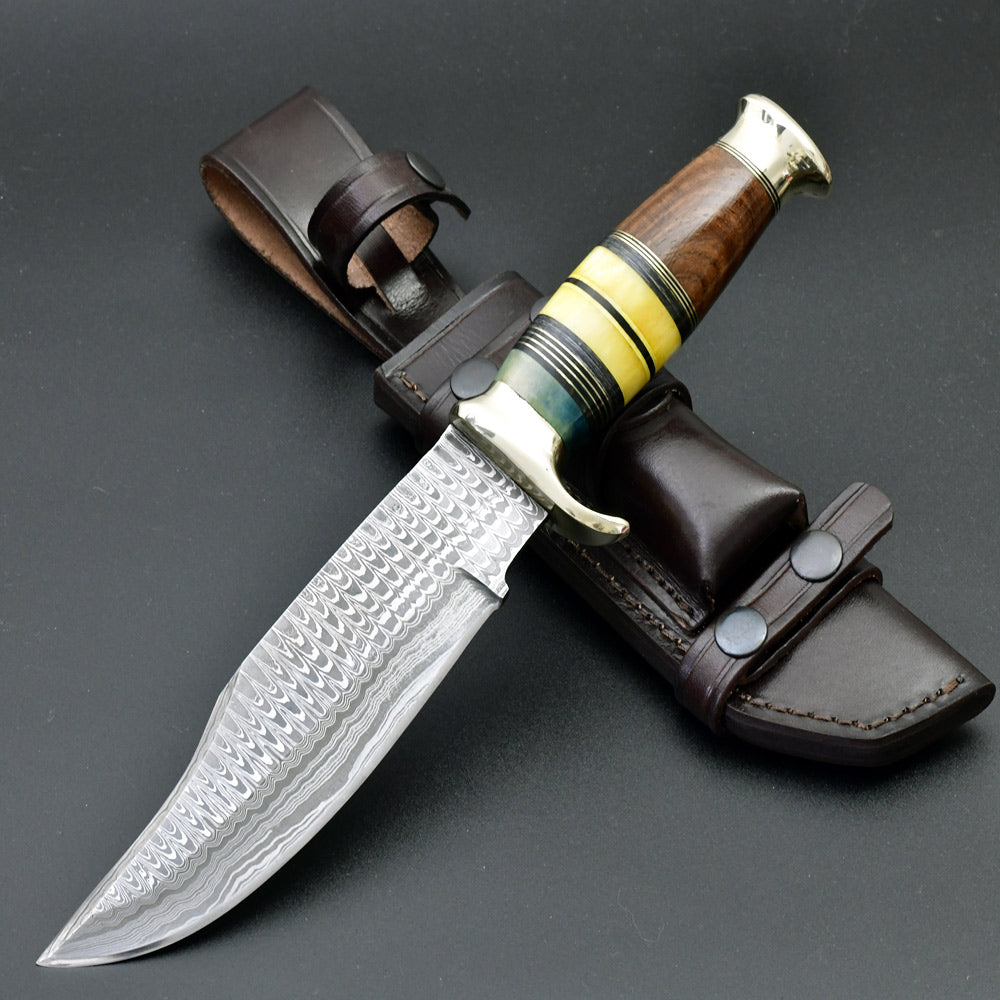
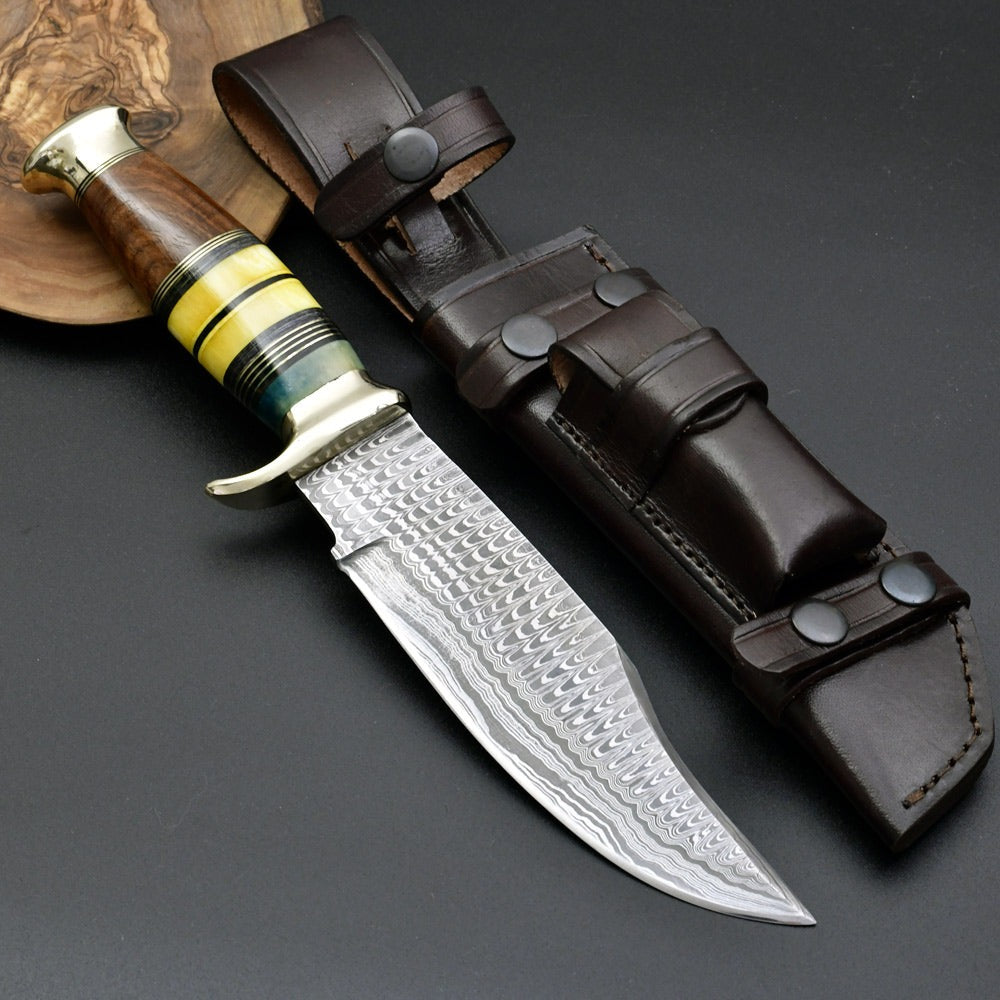
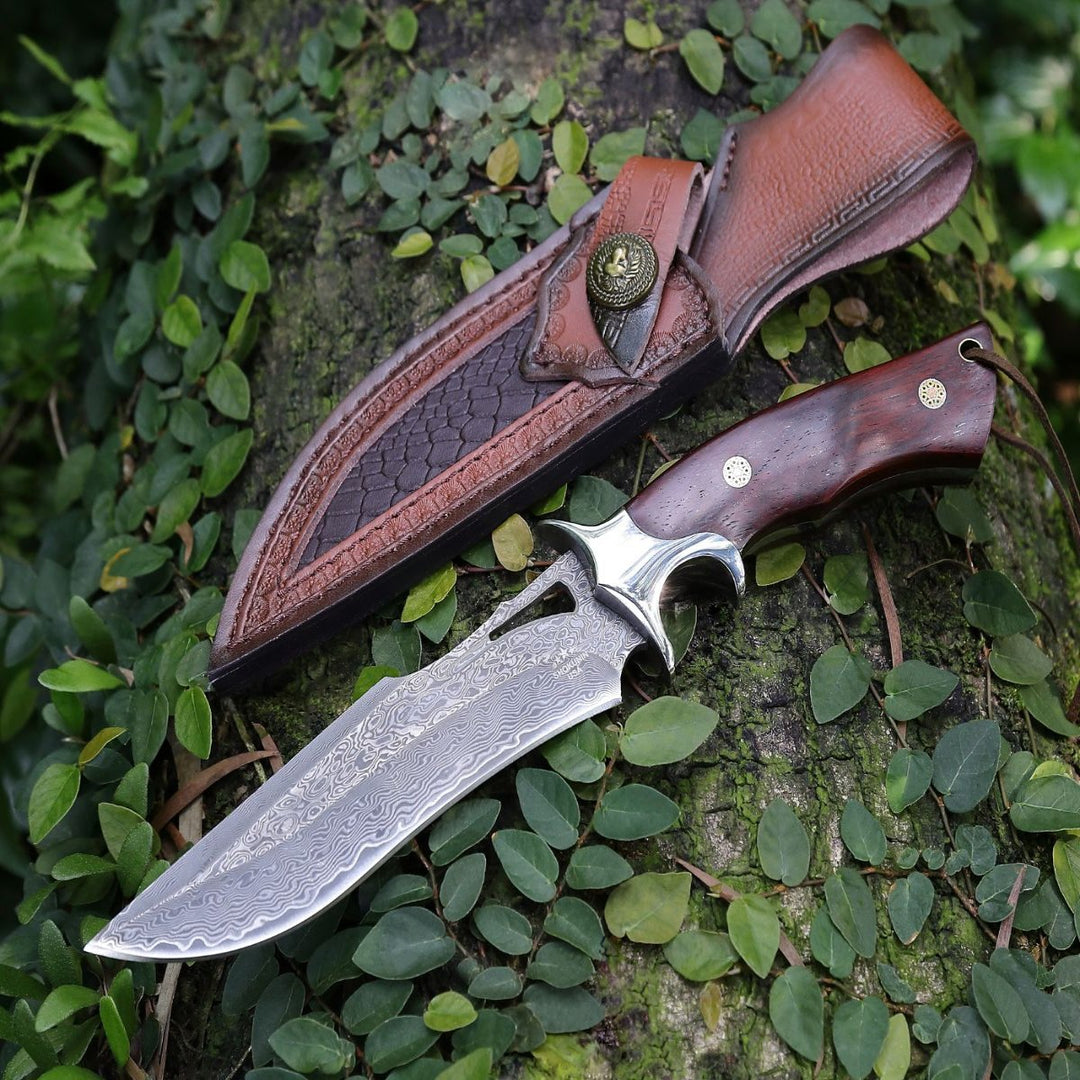
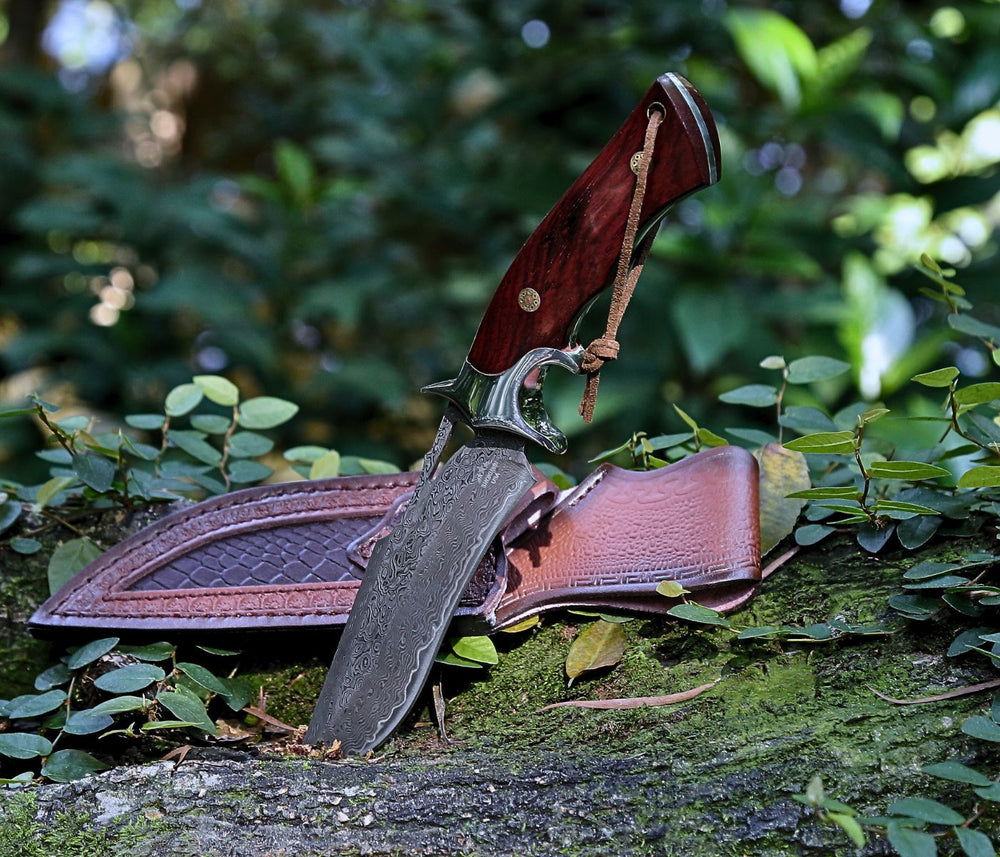
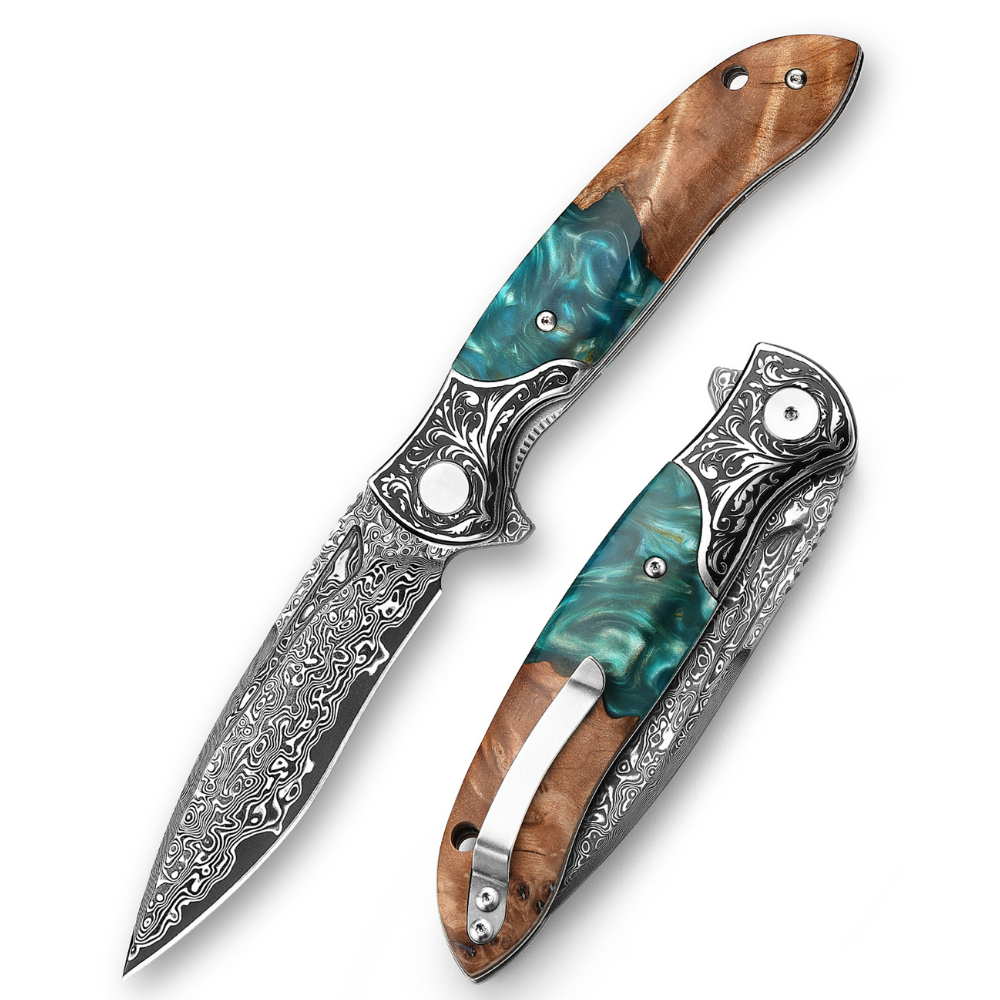
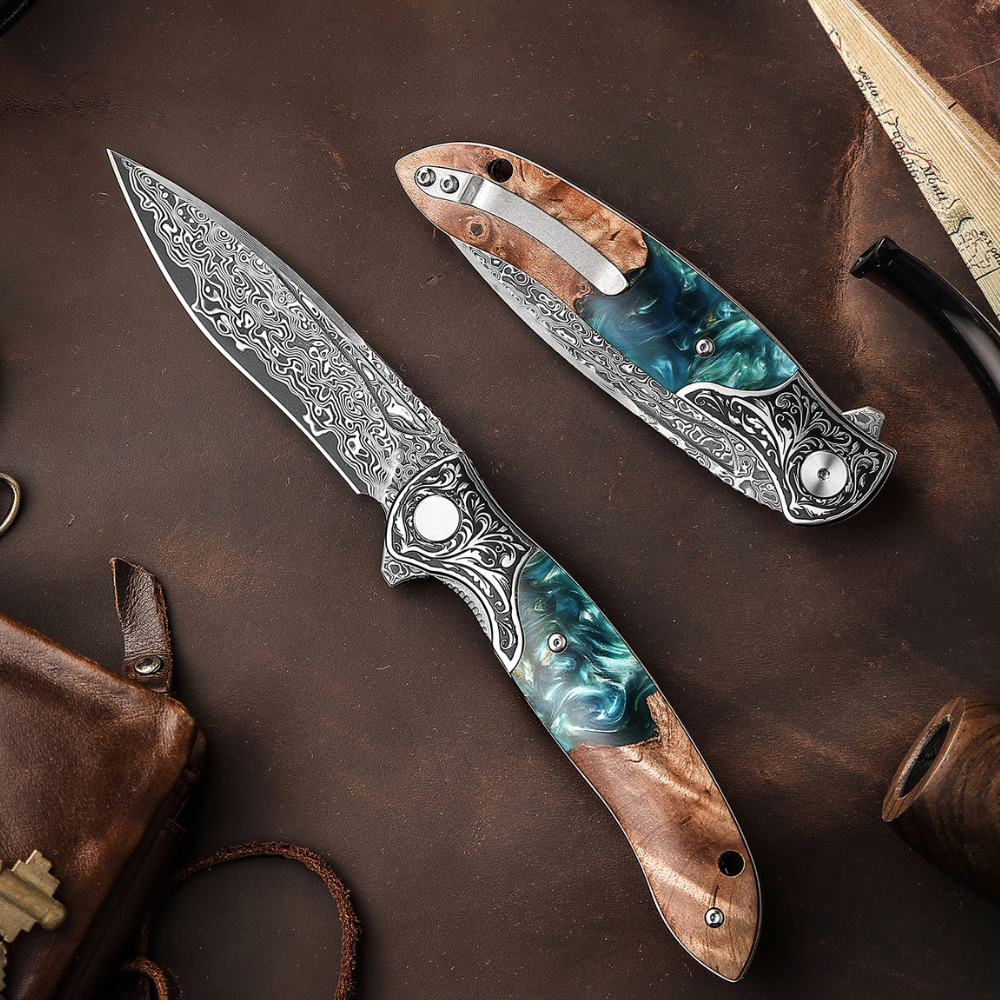
Damascus steel is known for its unique wavy patterns, which are not just for looks; they are a result of the layering of different types of steel. Each knife is a piece of art, making them perfect for display as well as practical use.
Superior Performance
This type of steel combines the benefits of both stainless and carbon steel. They are durable and have excellent edge retention while being less susceptible to chipping.
Popular Choices
Damascus chef knives are particularly sought after by culinary aficionados for their balance of beauty and utility, allowing for precision in food preparation.
High Carbon Stainless Steel: The Best of Both Worlds
High carbon stainless steel blends the properties of carbon steel and stainless steel, yielding a versatile knife option. Here's why they are advantageous:
Durability
This material maintains the strength and sharpness of carbon steel while offering the corrosion resistance of stainless steel. It's a great compromise for regular use.
Easy Maintenance
High carbon stainless steel knives typically require the same basic maintenance as stainless steels while still providing impressive performance. They are ideal for busy kitchens.
Tool Steel: Built to Last
Tool steel is a high-performance material usually reserved for specific applications, particularly for EDC knives. It is known for:
Exceptional Hardness
Tool steel is incredibly hard, which allows the blade to retain its sharp edge for an extended period—making it ideal for strenuous tasks.
Wear Resistance
This material is designed to withstand intense use without showing signs of wear, making it an excellent choice for outdoor enthusiasts and tradespeople.
Sharpness and Toughness
With great performance for heavy-duty applications, tool steel knives can make quick work of tough materials, whether you're camping or engaging in heavy-duty tasks.
Choosing the Right Blade Material for Your Needs
When selecting the perfect knife, consider how you plan to use it. Ask yourself the following questions:
- Will you be using it primarily in the kitchen or outdoors?
- Do you mind spending time on maintenance and sharpening?
- What kind of tasks will you perform that require a particular sharpness or strength?
- Is aesthetic value important to you?
Your answers can significantly narrow down your options among the various blade materials mentioned above.
Taking Care of Your Knives
Your knife’s performance and lifespan depend heavily on how you maintain it. Here are some essential care tips:
Regular Cleaning
After each use, wash your knife with warm, soapy water and dry it immediately. Avoid leaving it in a sink or soaking it in water to prevent rust, especially for carbon steel blades.
Sharpening Techniques
Regular sharpening will keep your blade in top condition. There are various sharpening tools available, including whetstones, honing rods, and electric sharpeners. Choose the one that fits your skill level and comfort.
Safe Storage
Store your knives in a knife block, magnetic strip, or sheaths to keep the edges protected. Avoid tossing them into drawers where they can get knocked around, which can dull the blade or cause injury.
The Exciting World of EDC Knives
EDC knives are essential tools for everyday tasks, combining functionality with portability. Understanding materials used in EDC knives can help you make an informed decision:
Blade Material Considerations
For EDC knives, blade materials often include high carbon stainless steel and tool steel due to their toughness and resistance to wear. These qualities ensure your knife lasts through anything from package opening to mundane cutting tasks.
Practical Features
Many EDC knives come with additional features such as multi-tool capabilities, compact designs for easy carry, and ergonomic grips for comfort during use.
Final Thoughts on Selecting Blade Materials
The material of a knife blade plays a crucial role in its overall performance. By exploring the various materials—including stainless steel, carbon steel, Damascus steel, high carbon stainless steel, and tool steel—you can find the perfect fit for your culinary or outdoor needs. Investing time in understanding these materials will lead to better choices, ensuring you find a knife that not only meets your specific requirements but also becomes a cherished tool in your daily life. Start your journey to knife mastery by choosing wisely, and you’ll enjoy the exceptional craftsmanship and functionality each blade brings.
Frequently Asked Questions
1. What are the most popular blade materials for knives?
2. What is the main advantage of stainless steel knives?
3. Why do chefs prefer carbon steel knives?
4. What makes Damascus steel knives unique?
5. How should I maintain my knives for longevity?
Glossary
| Term | Meaning |
|---|---|
| Stainless Steel | A corrosion-resistant material ideal for various tasks and easy maintenance. |
| Carbon Steel | Known for exceptional sharpness and edge retention but requires careful maintenance. |
| Damascus Steel | Features unique patterns and combines the benefits of stainless and carbon steel. |
| High Carbon Stainless Steel | Blends durability of carbon steel with the corrosion resistance of stainless steel. |
| Tool Steel | Highly durable and hard, suitable for heavy-duty applications and EDC knives. |
| EDC Knife | Everyday Carry knife designed for practicality and portability in daily tasks. |
Linked Product

Alpha Japanese VG10 Damascus Chef Knife with Exotic Olive Wood & Resin Handle
The Alpha Japanese VG10 Damascus Chef Knife features a unique blend of VG10 and 15n20 steel, offering exceptional strength and hardness for various culinary tasks. Its ergonomic handle, made from exotic olive wood burl and resin composite, ensures comfort and balance during use. This knife is designed for both aesthetics and functionality, making it a stylish addition to any kitchen while enhancing the cooking experience.
View Product






Leave a comment