

Overview
This article explores the importance of blade design in pocket knives, covering aspects like blade shape, grind, material, ergonomics, and maintenance. Understanding these elements, especially in options like Damascus pocket knives, can significantly enhance performance and user experience. Choose wisely based on tasks, comfort, and care to maximize your knife's utility.
Table of Contents
- The Importance of Blade Design in Pocket Knives
- Blade Shapes: Picking the Right Form
- Blade Grind: The Cutting Edge of Performance
- Understanding Blade Material: The Heart of the Knife
- Why Choose Damascus Steel?
- Ergonomics: The Comfort Factor
- Assessing the Thumb Opening Mechanism
- Blade Length: Finding the Perfect Balance
- Maintenance: The Key to Longevity
- Final Thoughts: Choosing the Best Pocket Knife for You
Key Takeaways
- Blade Design Matters: The shape, grind, and material of a pocket knife blade significantly affect its performance in various tasks.
- Common Blade Shapes: Familiarize yourself with shapes like Drop Point, Clip Point, Spear Point, and Sheepfoot to choose the best fit for your needs.
- Grinds Affect Cutting: Different blade grinds—Flat, Hollow, Convex, and Scandi—offer unique cutting characteristics that enhance functionality.
- Material Choice: Damascus Steel is popular for its edge retention, corrosion resistance, and balance of hardness and flexibility.
- Ergonomics Matter: A well-designed handle and grip texture improve comfort and control during use, making the knife safer and more effective.
- Opening Mechanisms: Features like thumb studs, flippers, and thumb holes facilitate quick access and deployment of the knife.
- Maintenance is Key: Regular cleaning, sharpening, and oiling are essential to maintain your pocket knife’s performance and longevity.
For enthusiasts and casual users alike, the pocket knife serves as a versatile tool that can aid in many daily tasks. Central to the efficacy of a pocket knife is its blade design, which plays a crucial role in determining its performance. In this article, we’ll explore the intricacies of blade design and how it influences the overall functionality of pocket knives, including the coveted Damascus pocket knife. Let’s delve into the critical facets of blade design and its impact on performance.
The Importance of Blade Design in Pocket Knives
Blade design encompasses various elements, from the blade shape and grind to the material used. Each aspect significantly impacts how the knife performs in real-world applications, ranging from cutting to slicing and even piercing. Understanding these components is essential for selecting a pocket knife that meets your needs.
Blade Shapes: Picking the Right Form
The first thing to consider in blade design is the shape of the blade. There are several common shapes, each tailored for specific tasks:
- Drop Point: This shape has a gentle curve that provides maximum control and a strong tip, making it ideal for a variety of applications.
- Clip Point: With a top side that slopes down to the point, this design excels in piercing tasks and detailed cutting.
- Spear Point: This blade form features a symmetrical shape, making it great for thrusting and puncturing.
- Sheepfoot: Known for its blunt tip, this design is excellent for cutting tasks and safety.
Choosing the right blade shape ensures that the pocket knife excels in the tasks you intend to use it for. If you seek a Damascus pocket knife, it's not just about the aesthetic appeal; the blade shape also contributes to its performance attributes.
Blade Grind: The Cutting Edge of Performance
The blade grind refers to how the blade is shaped from the spine to the edge. Different grinds yield different cutting characteristics. Here are the most common types:
- Flat Grind: This traditional grind technique creates a strong, sharp edge, allowing for precise cutting.
- Hollow Grind: In this design, the blade is ground in a curve, creating a very sharp edge that is ideal for slicing.
- Convex Grind: This grind rounds the blade profile, providing exceptional strength, making it perfect for heavy-duty use.
- Scandi Grind: Popular among survivalists, this grind features a flat edge that leads directly to the blade’s spine, making it easy to sharpen.
Selecting the right grind type is vital for enhancing the cutting effectiveness of a pocket knife. Whether you're slicing through rope or carving wood, the right grind will maximize the knife's performance.
Understanding Blade Material: The Heart of the Knife
The choice of material affects not only the durability of the knife but also its ability to hold an edge. In recent years, Damascus Steel has gained immense popularity for its unique properties. Let’s explore why blade material matters:
Why Choose Damascus Steel?
Damascus Steel is renowned for its stunning patterns, but its performance capabilities are equally impressive. Here’s why Damascus Steel is a favored choice among knife enthusiasts:
- Edge Retention: Damascus Steel is famed for its ability to retain a sharp edge over time, making it ideal for various cutting tasks.
- Resistance to Corrosion: The material is typically resistant to rust and corrosion, enhancing the knife's longevity.
- Flexibility and Toughness: Unlike some high-carbon steels that can be brittle, Damascus Steel balances hardness and ductility, offering reliability during rigorous use.
If you’re in the market for a pocket knife, considering a Damascus pocket knife can enhance your experience, owing to its unique blend of aesthetic and performance features.
Ergonomics: The Comfort Factor
Blade design also extends beyond the blade itself and into the overall knife ergonomics. A well-designed handle that accommodates the blade type adds to the knife’s functionality. The grip can greatly influence how easy and comfortable it is to use the knife. Here are some considerations:
- Handle Material: Materials like G-10 or Micarta provide excellent grip and durability, ensuring the knife is easy to hold under various conditions.
- Weight Balance: A well-balanced knife allows for better control while using, especially for prolonged tasks.
- Grip Texture: The right handle texture can prevent slipping, making the knife safer to use even in wet conditions.
When handling different pocket knives, pay attention to how they feel; an ergonomic design can make a significant difference in user experience.
Assessing the Thumb Opening Mechanism
Another crucial aspect of pocket knife design is the thumb opening mechanism. This feature is vital for quick deployment and ease of use. Here are some common mechanisms:
- Thumb Stud: This user-friendly mechanism allows for one-handed opening, making it convenient for various tasks.
- Flipper: The flipper design allows for faster deployment and is generally employed in more tactical models.
- Thumb Hole: This offers a sleek aesthetic while allowing for quick access and easy manipulation.
Choosing a knife with a comfortable and effective opening mechanism is essential for ensuring swift access to your tool whenever needed.
Blade Length: Finding the Perfect Balance
The length of the blade also plays a significant role in its performance. While folding pocket knives generally range around 2 to 4 inches, the chosen length affects various elements:
- Versatility: Longer blades can handle larger tasks, while shorter blades provide more precision.
- Legal Considerations: In some places, there are laws governing blade lengths, impacting your choice.
- Portability: Consider how the blade length affects its carryability, especially if you plan to keep it in a pocket or bag.
Ultimately, the right blade length is up to your personal preferences and intended use cases.
Maintenance: The Key to Longevity
No matter how well a pocket knife is designed, proper maintenance is crucial for its longevity and performance. Here are some key maintenance tips:
- Regular Cleaning: Keep the blade and pivot area clean to ensure smooth operation and prevent corrosion.
- Sharpening: Invest in quality sharpening tools, and regularly sharpen your blade to retain its cutting effectiveness.
- Oil the Hinges: A drop of oil can keep the pivot area functioning smoothly, allowing for easy blade deployment.
By maintaining your pocket knife, you ensure that your investment in high-quality blade design yields results in everyday situations.
Final Thoughts: Choosing the Best Pocket Knife for You
Blade design plays a pivotal role in determining the performance of a pocket knife. From the steel used to the blade shape and grind, every aspect is designed to enhance usability. Whether you're drawn to the allure of a Damascus pocket knife or looking for a specific blade shape, understanding these components will help you make an informed choice.
As you explore your options, keep in mind the significance of ergonomics and maintenance alongside the blade design. A carefully curated pocket knife can adapt to your lifestyle, furthering its utility and enhancing your experience. Dive into the world of blade design, and find the pocket knife that resonates with your daily needs!
Frequently Asked Questions
1. What is the importance of blade design in pocket knives?
2. What are some common blade shapes for pocket knives?
3. What is Damascus Steel and why is it popular for pocket knives?
4. Why is ergonomics important in pocket knife design?
5. What are key maintenance tips for pocket knives?
Glossary
| Term | Meaning |
|---|---|
| Blade Design | The shape, grind, and material of the knife blade that affect its performance. |
| Damascus Steel | A high-quality steel known for its unique patterns and excellent edge retention. |
| Blade Shape | The outline of the blade, influencing its suitability for different tasks. |
| Blade Grind | The method of shaping the blade's edge, affecting cutting characteristics. |
| Ergonomics | The design of the handle for comfort and ease of use during cutting tasks. |
| Thumb Opening Mechanism | A feature that allows for quick and convenient deployment of the blade. |
| Blade Length | The measurement of the blade, impacting versatility and legality. |
| Maintenance | The care practices to ensure the knife's longevity and performance. |
| Flat Grind | A traditional grind that creates a strong, sharp edge for precise cutting. |
| Hollow Grind | A curved grind that produces a very sharp edge, ideal for slicing. |
Linked Product

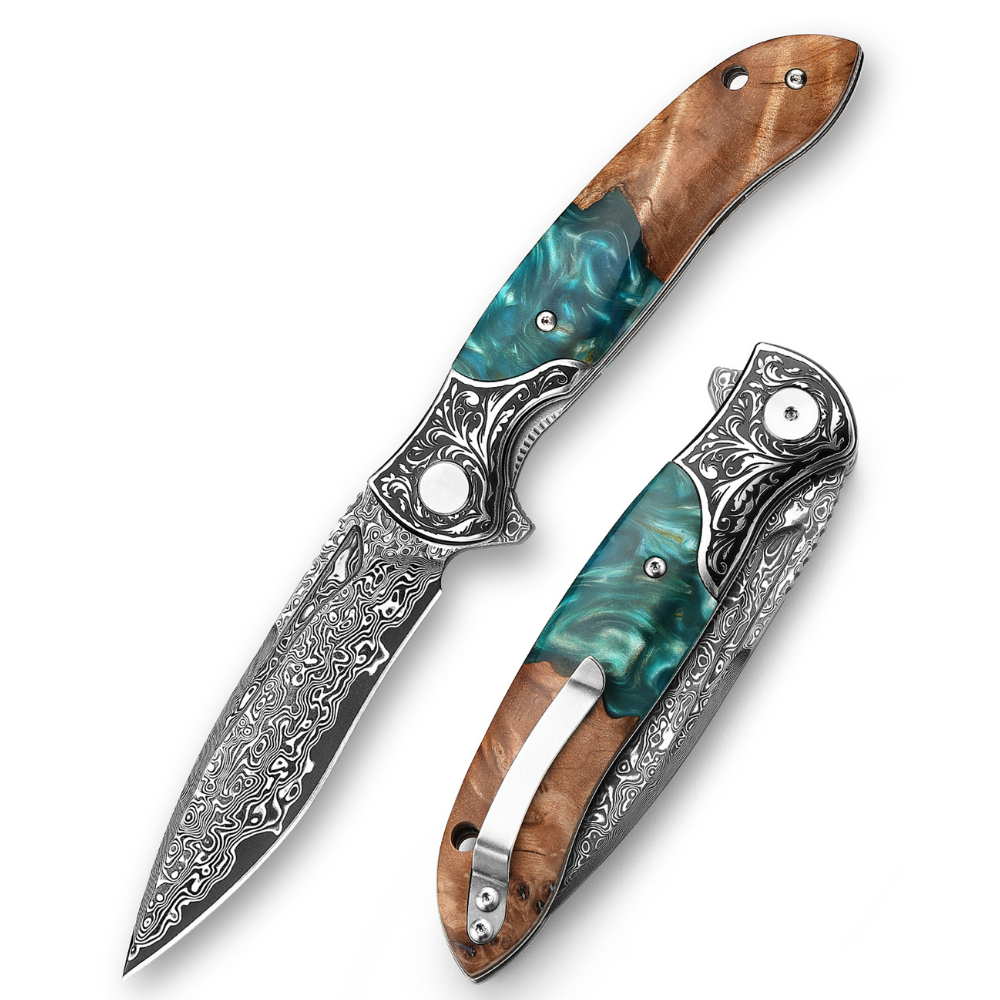
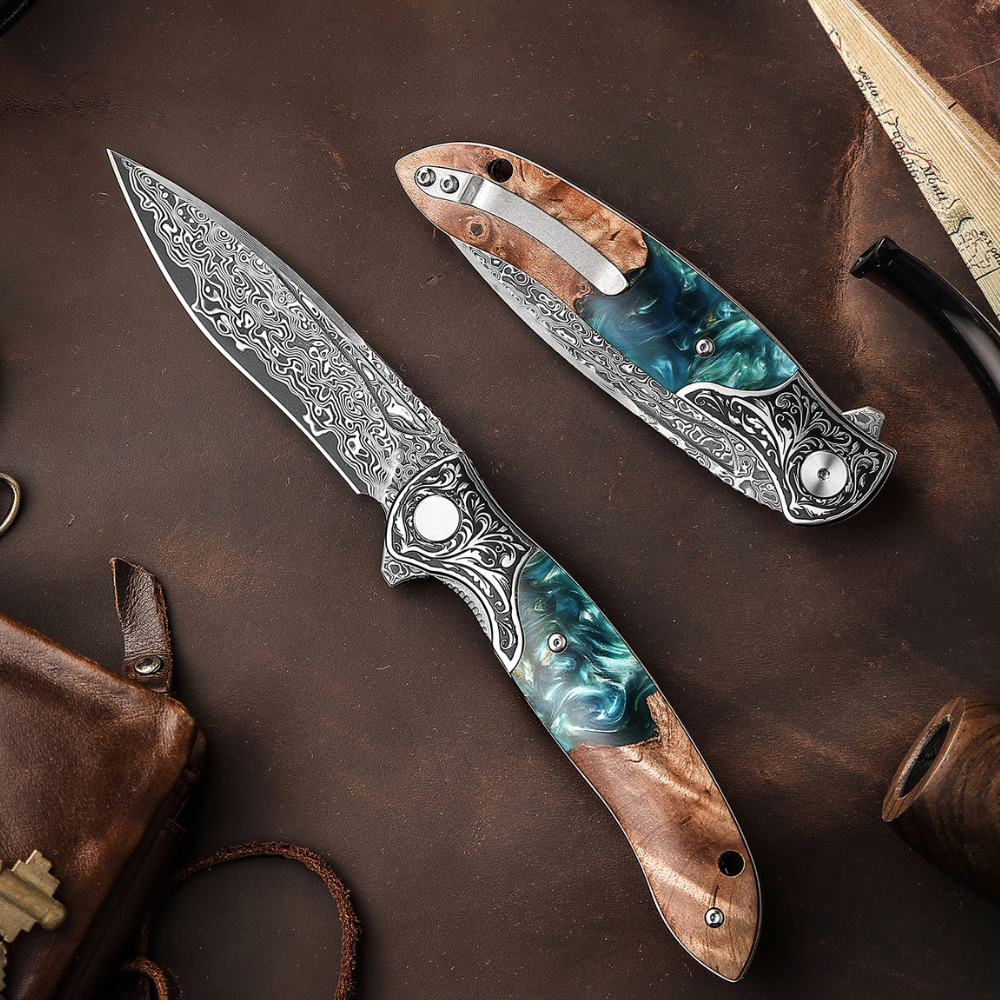
Wraith Damascus Pocket Knife with Honeycomb Resin Handle
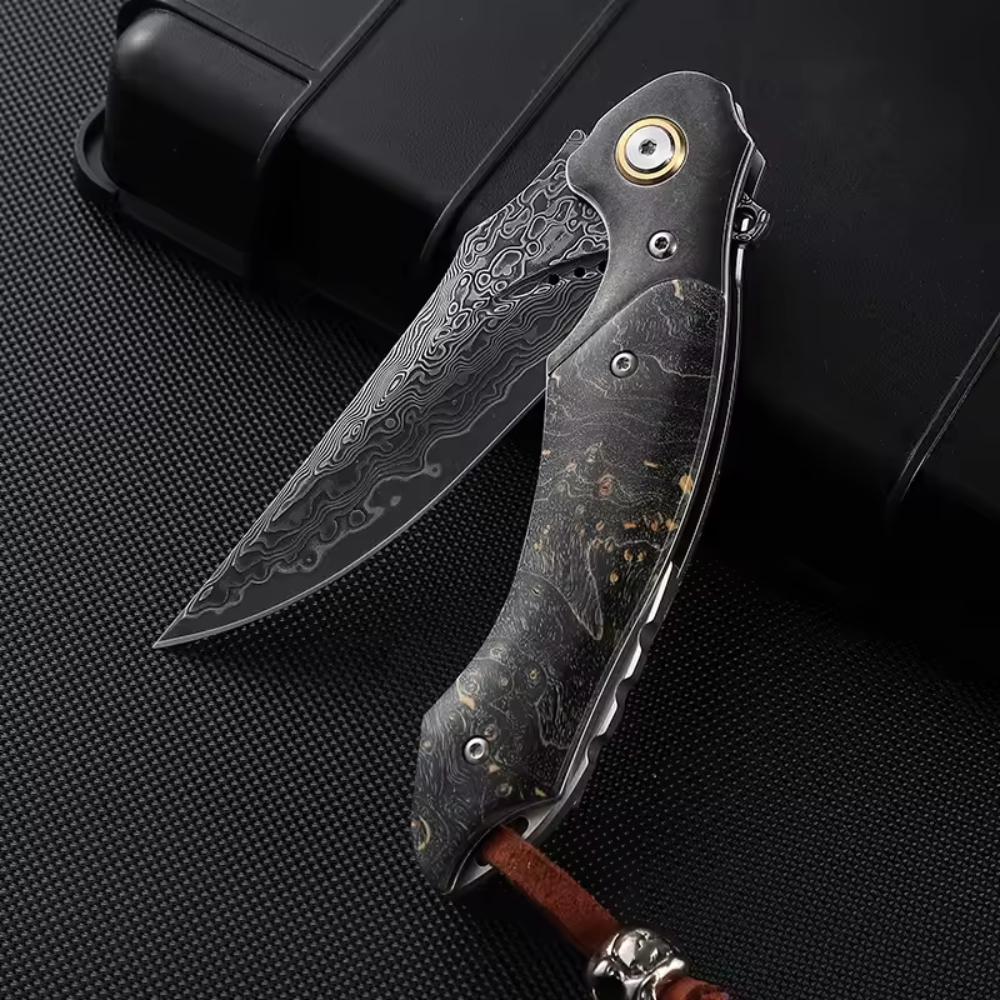
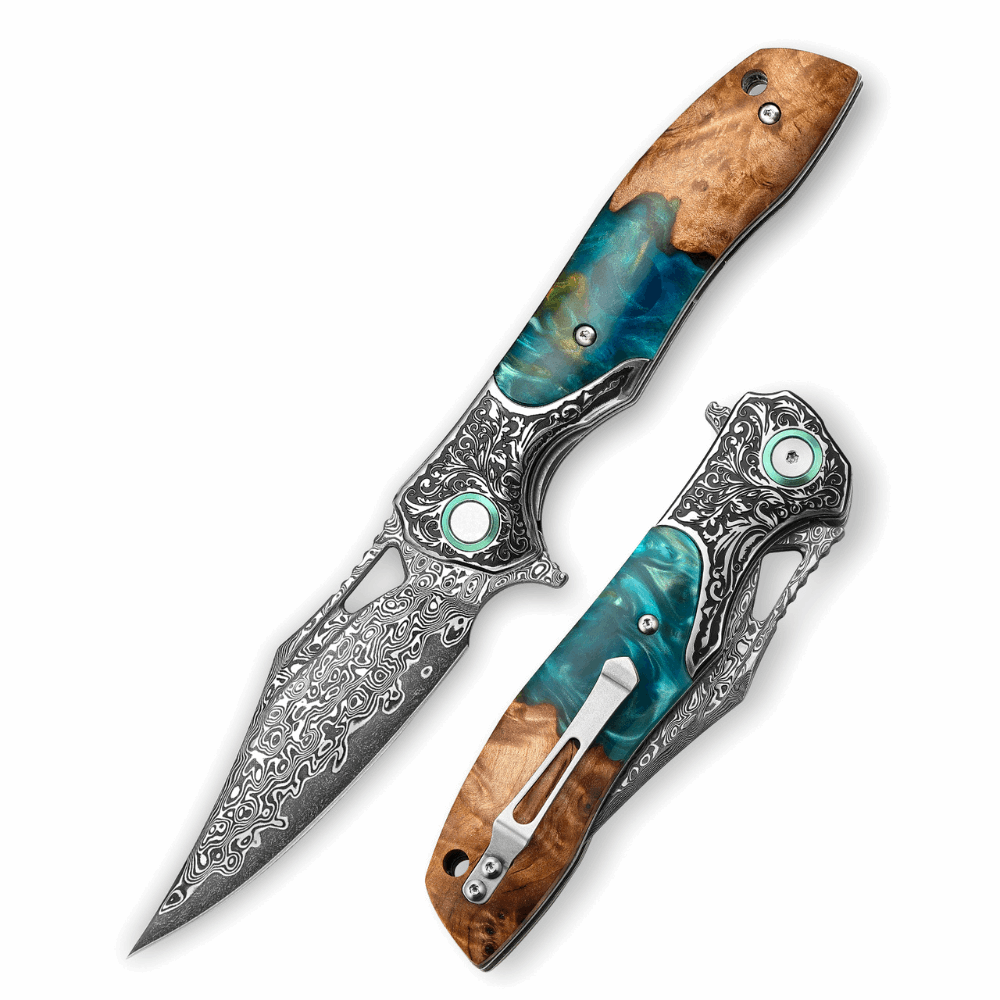
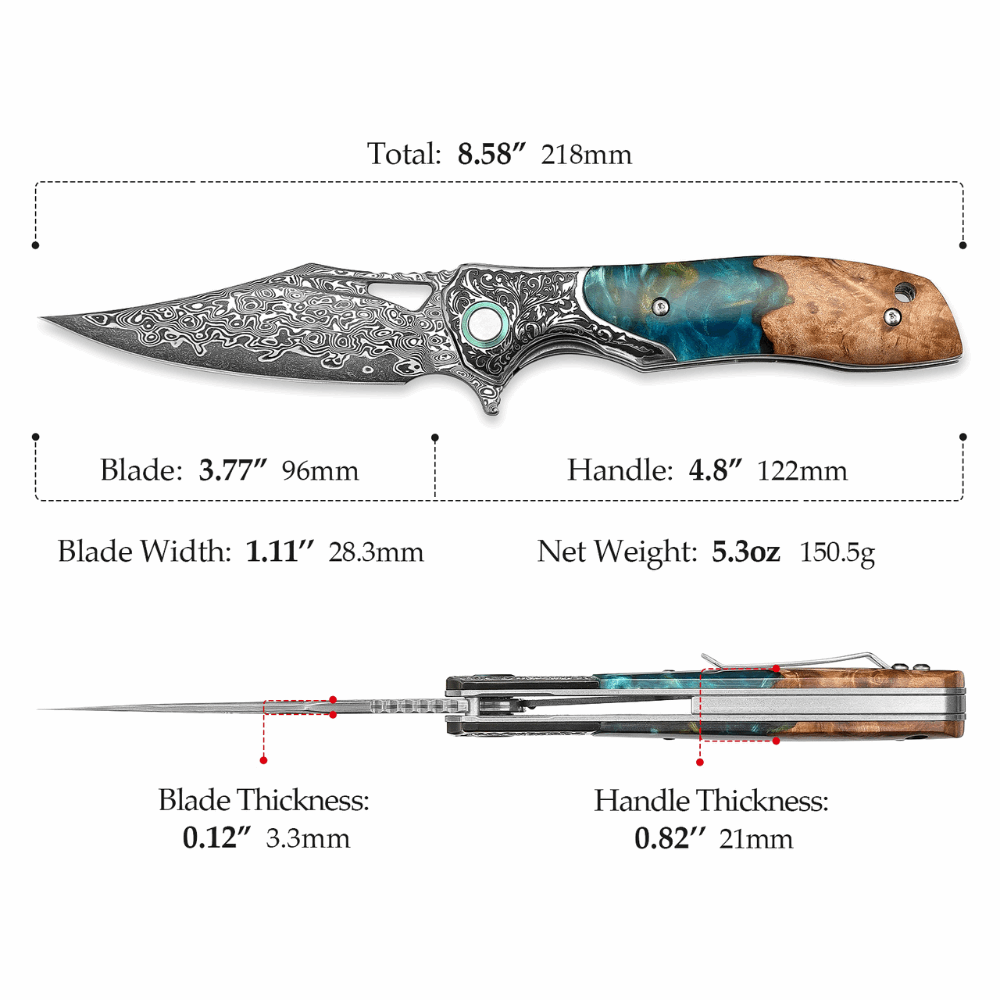
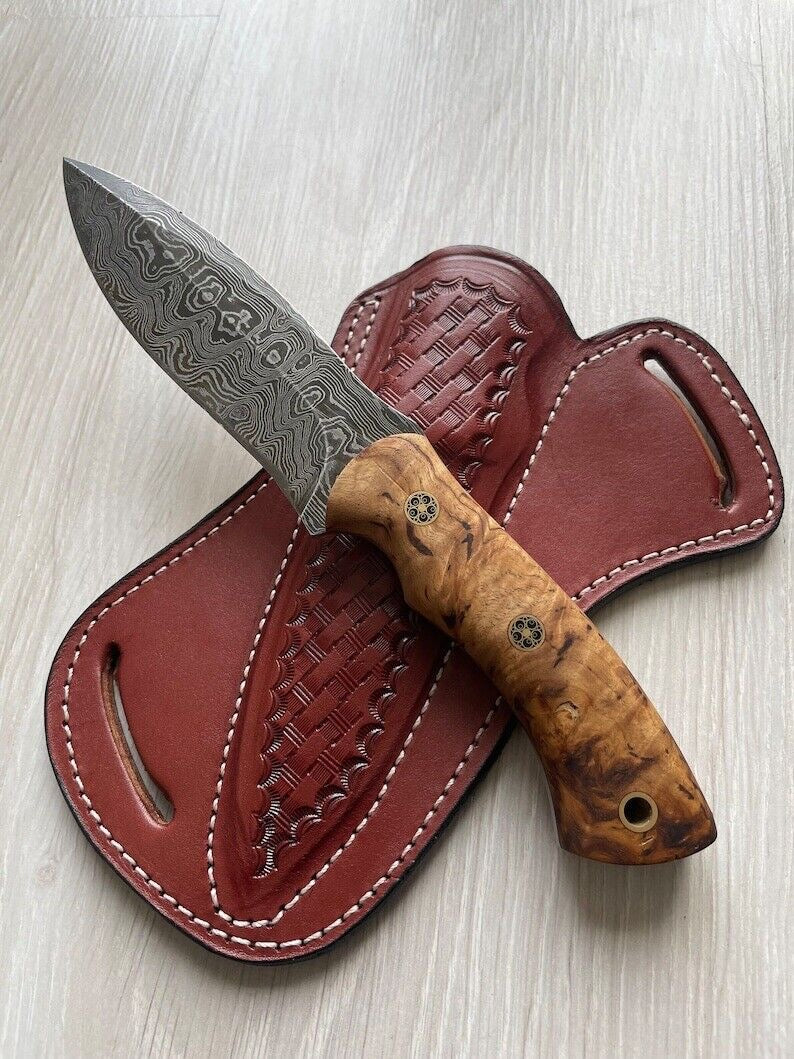
The Wraith Damascus Pocket Knife features a hand-forged VG10 Damascus steel blade known for its strength and superior sharpness, making it an excellent tool for hunting, fishing, and other outdoor activities. Its honeycomb resin handle is designed for durability and comfort, ensuring a secure grip during use. This versatile pocket knife comes with a hand-stitched leather sheath and a pocket knife sharpener, enhancing its practicality for everyday tasks and outdoor adventures.
View Product








Dejar un comentario