

Overview
This article delves into the often-overlooked significance of knife handles in culinary tools, highlighting how their materials and designs can greatly influence performance and comfort in the kitchen. Readers will learn about various handle materials, ergonomic designs, and maintenance tips, empowering them to make informed choices when selecting knives that enhance their cooking experience. Whether for professional chefs or home cooks, understanding knife handles is essential for achieving optimal usability and enjoyment in culinary endeavors.
Table of Contents
- The Importance of Knife Handles
- Common Knife Handle Materials
- Wood
- Composite Materials
- Plastic and Synthetic Materials
- Metal
- Handle Designs: Functional and Aesthetic
- Full Tang
- Half Tang
- Ergonomic Shapes
- Choosing the Right Knife Handle for You
- Care and Maintenance of Knife Handles
- Wood Handles
- Composite and Plastic Handles
- Metal Handles
- An Eye on Aesthetics
- Final Thoughts: Crafting Your Ideal Culinary Experience
Key Takeaways
- Handle Importance: The knife handle significantly affects balance, control, and comfort during use.
- Material Selection: Common handle materials include wood, composite, plastic, and metal, each offering unique benefits.
- Ergonomics Matter: A well-designed ergonomic handle minimizes strain and enhances the cooking experience.
- Maintenance Needs: Wood handles require regular oiling to prevent drying, while plastic and metal handles are easier to maintain.
- Design Choices: Full tang designs provide better balance, while ergonomic shapes cater to comfort during extended use.
- Personal Preference: Choosing the right handle is subjective; try holding knives to find the best fit for your cooking style.
- Aesthetic Appeal: A knife's design can enhance your kitchen experience, making it a blend of functionality and personal style.
When it comes to choosing the right knife for your culinary adventures, the importance of the knife's handle often goes unnoticed. Just like the blade itself, the handle has a significant impact on the knife's performance and usability. In this article, we dive deep into the world of knife handles, exploring different materials and designs, and how they affect your experience in the kitchen. Whether you are a professional chef or an avid home cook, understanding these aspects will help you choose the perfect knives for your culinary toolkit.
The Importance of Knife Handles
The handle of a knife is not just a simple grip; it is an essential component that influences balance, control, and comfort. A well-designed handle enhances precision and reduces fatigue, while an ill-fitting handle can lead to blisters or accidents. Let’s explore some key factors to consider when evaluating knife handles:
- Ergonomics: Good ergonomics in a handle can mean the difference between a joyful cooking experience and a painful one.
- Material Durability: The choice of material affects not only aesthetics but also longevity and maintenance.
- Weight and Balance: A knife must feel balanced in your hand for efficient cutting.
- Comfort: A comfortable handle will facilitate longer periods of use with less strain on your hand.
Common Knife Handle Materials
There is a broad spectrum of materials used to craft knife handles, each offering unique benefits. Here are some of the most common materials found in chef knives:
Wood
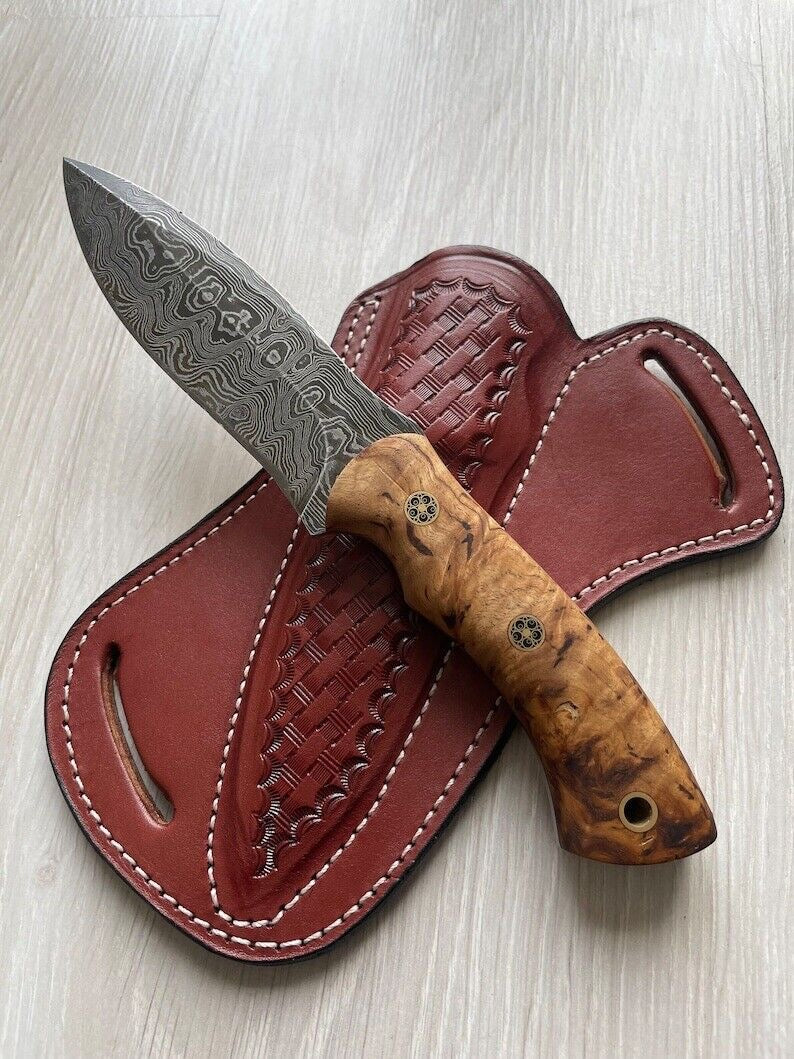
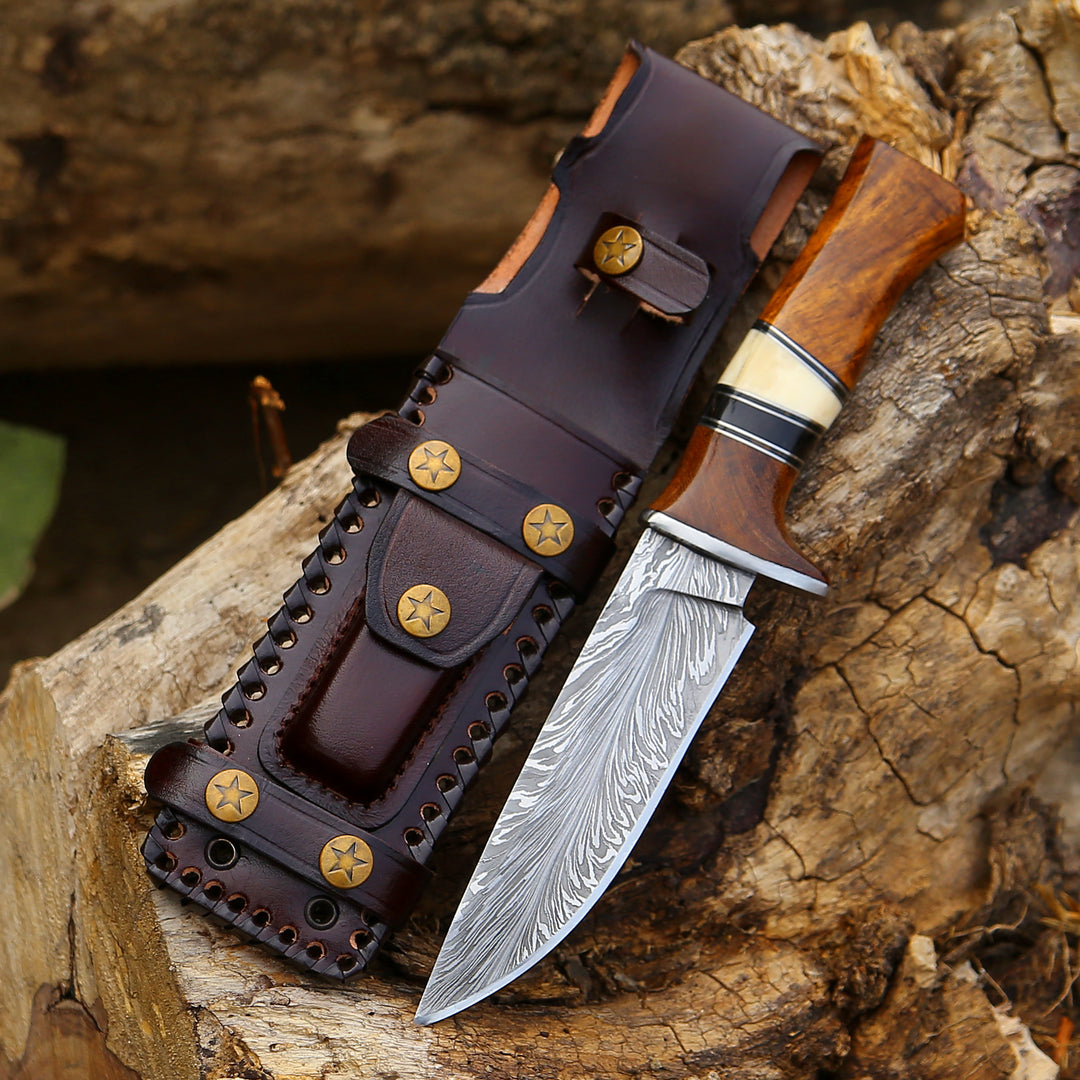
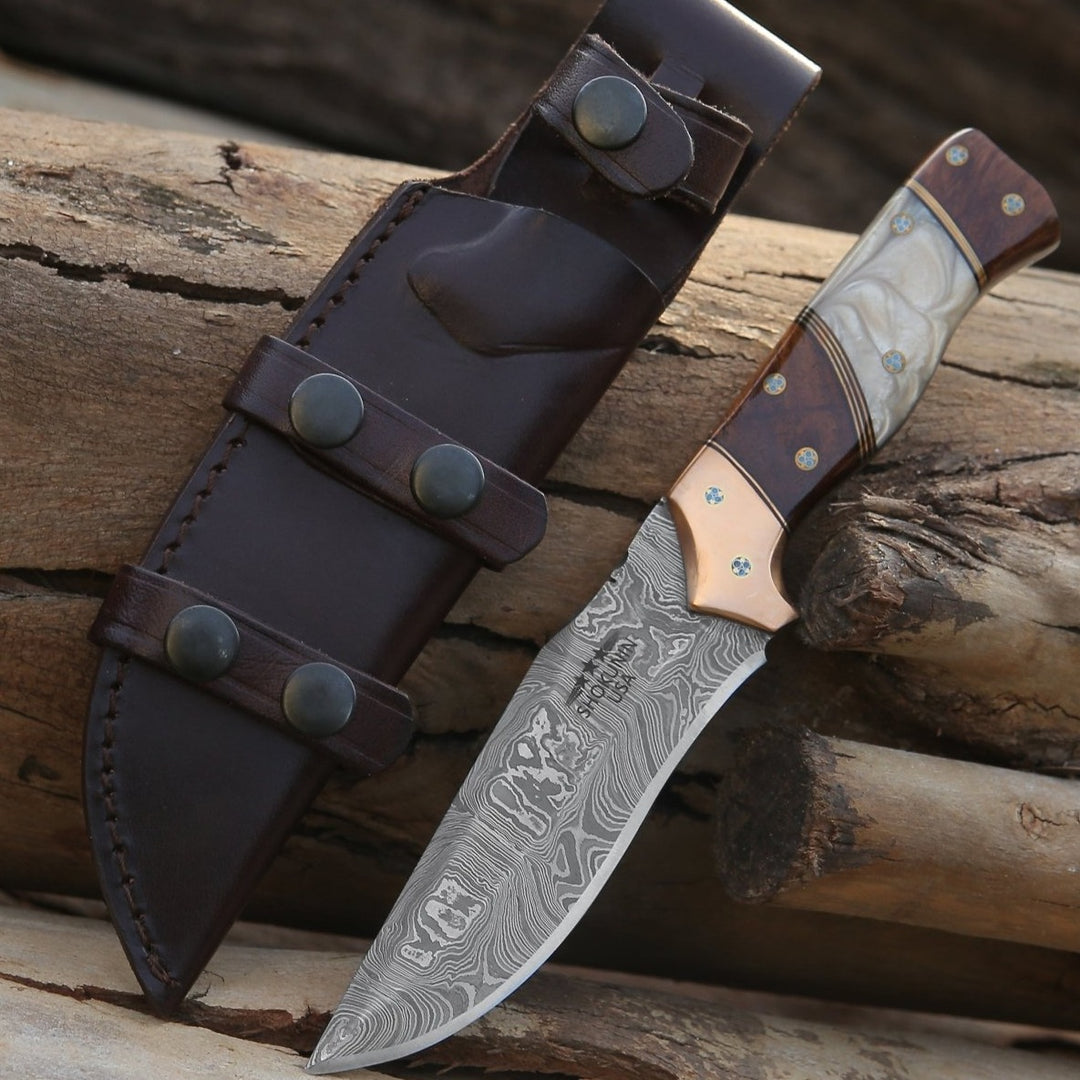
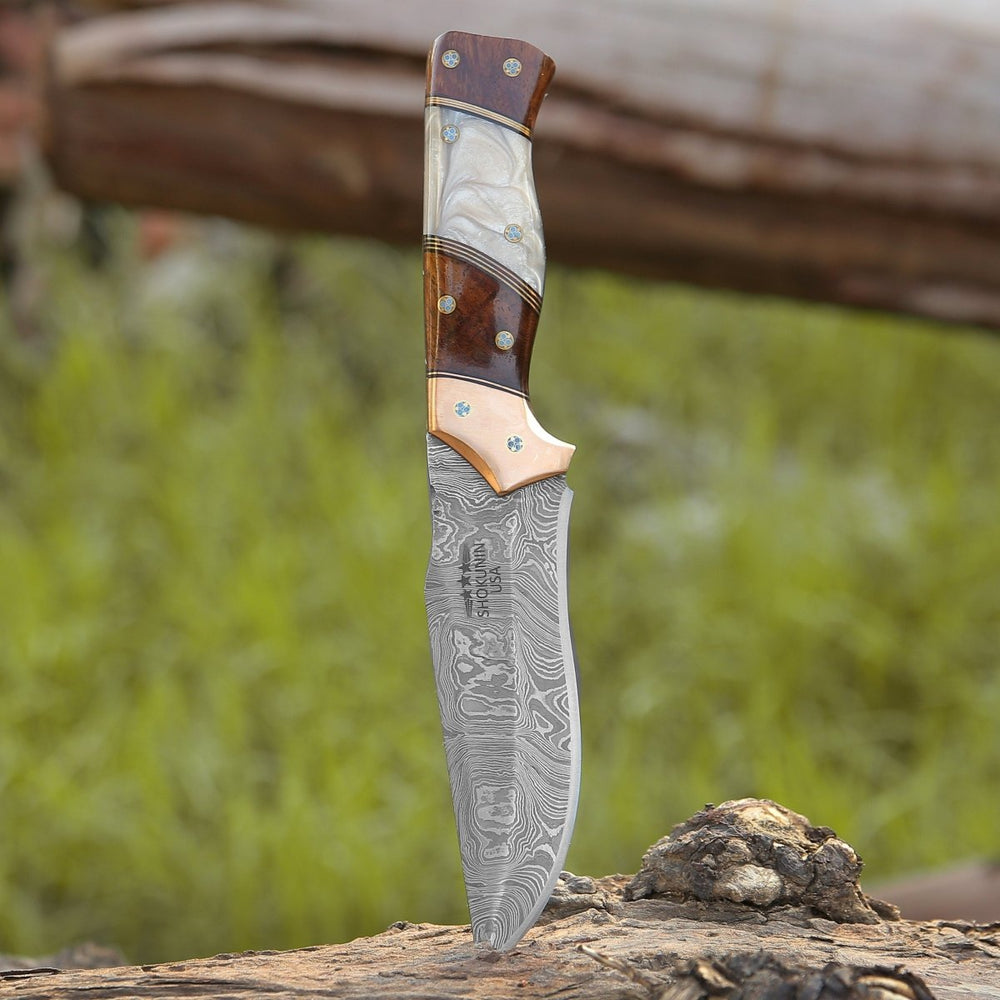
Wood is a classic choice for knife handles, prized for its aesthetic appeal and comfort. Common woods include:
- Rosewood: Known for its durability and resistance to moisture.
- Bamboo: An eco-friendly alternative that is lightweight and strong.
- Walnut: Offers an attractive look while being resistant to wear.
While wooden handles can provide a rich, traditional feel, they do require regular maintenance. Keeping wood handles oiled can help prevent drying and cracking.
Composite Materials
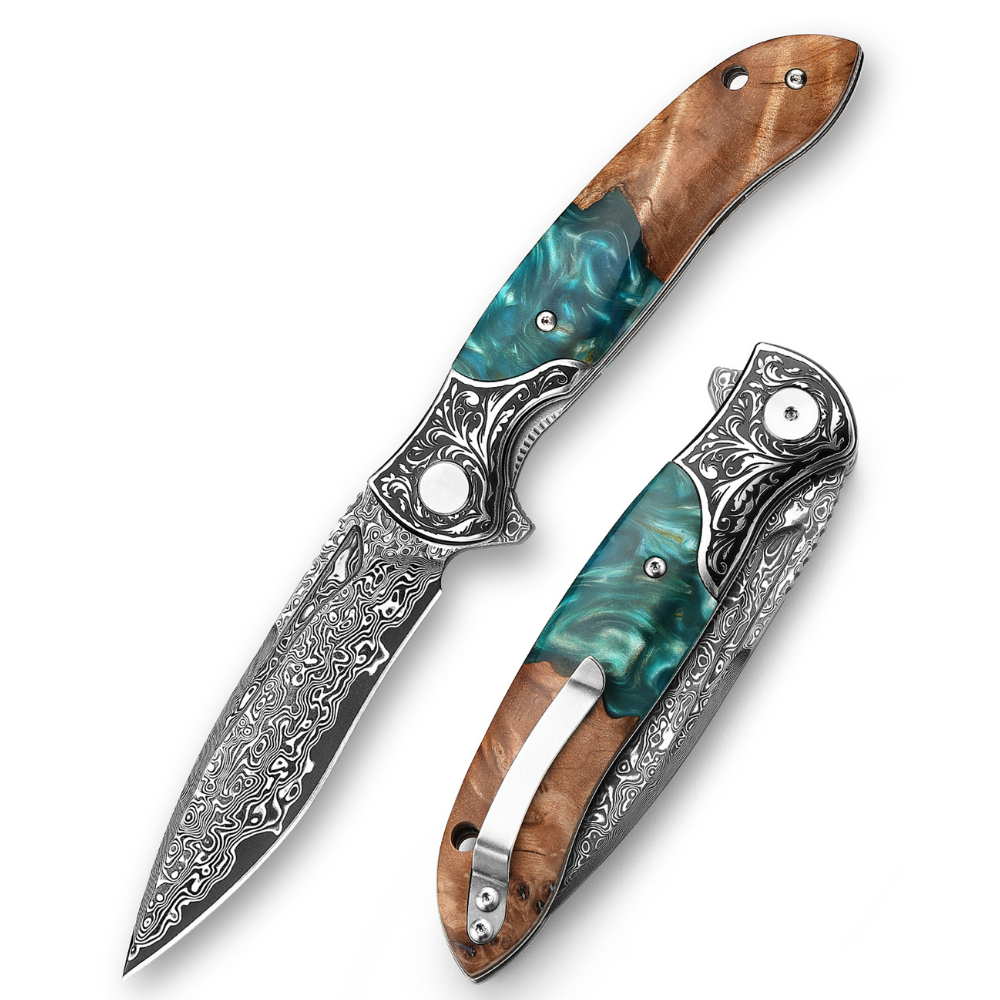
Composite materials are engineered to combine the benefits of different substances. One popular option is Raffir Noble, a man-made material known for its stunning appearance and resilience. This material is not only visually striking but is also designed to withstand moisture and heat. Handles made from composite materials are ideal for those who value both style and function in their kitchen tools.
Plastic and Synthetic Materials
Plastic handles, often made from materials like polypropylene or G10, are extremely durable and resistant to wear and tear. Benefits of plastic handles include:
- Low Maintenance: Easy to clean and maintain.
- Lightweight: Allows for easier handling during extended use.
- Variety of Colors: Available in a plethora of colors and designs for personalization.
However, some cooks may find plastic handles to be less comfortable over long periods compared to wooden or composite options.
Metal
Metal handles are less common but offer a modern look and excellent durability. Stainless steel is the most common metal used for knife handles. Advantages include:
- Hygiene: Metal handles are easy to sanitize and less likely to harbor bacteria.
- Strength: Highly resistant to damage and wear.
While metal handles can be very sturdy, they often have a colder feel and may not offer the same comfort level as other materials over prolonged use.
Handle Designs: Functional and Aesthetic
The design of the knife handle can significantly influence handling and style. Here are some popular designs to consider:
Full Tang
A full tang design means that the blade extends the full length of the handle. This design provides excellent balance and strength, making it a favored choice for professional chef knives.
Half Tang
Half tang knives have a shorter blade attachment that is only secured into part of the handle. While often less durable than full tang, half tang options can be lighter and offer a unique aesthetic. This design is commonly found in traditional, artisan knives.
Ergonomic Shapes
Many modern knife handles are designed with ergonomics in mind, featuring curves and contours that fit comfortably within the hand. This design minimizes strain during extensive chopping or slicing sessions, particularly beneficial for professional chefs.
Choosing the Right Knife Handle for You
With so many options available, finding the right handle can be a personal journey. Here are some tips to help you make your decision:
- Try Before You Buy: If possible, hold the knife in your hand to ensure it feels comfortable and balanced.
- Consider Your Cooking Style: A heavy-duty chef knife might suit someone who cooks often, while an occasional cook might prefer a lightweight option.
- Opt for Quality Materials: Investing in high-quality materials may lead to a better cooking experience in the long run.
Care and Maintenance of Knife Handles
The longevity of your knife handles largely depends on how they are maintained. Here are some essential care tips:
Wood Handles
- Clean with warm water and mild soap, avoiding soaking.
- Regularly oil with mineral or food-safe oil to prevent drying.
- Store in a dry place away from heat sources.
Composite and Plastic Handles
- Wash with warm, soapy water and dry thoroughly.
- Avoid using hard scrubbers that can scratch surfaces.
- Check for wear and replace if necessary.
Metal Handles
- Wipe with a wet cloth; avoid soaking to prevent rust.
- Inspect for any signs of corrosion, particularly near the blade.
An Eye on Aesthetics
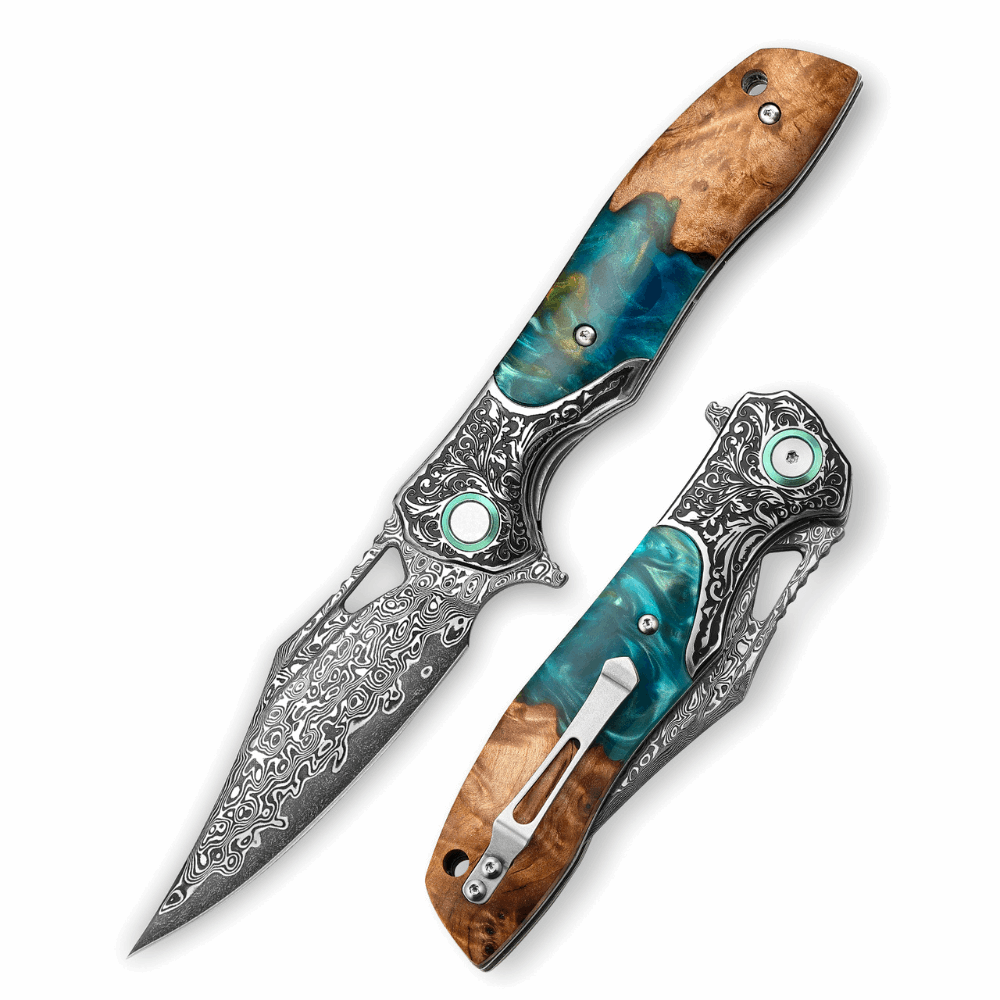
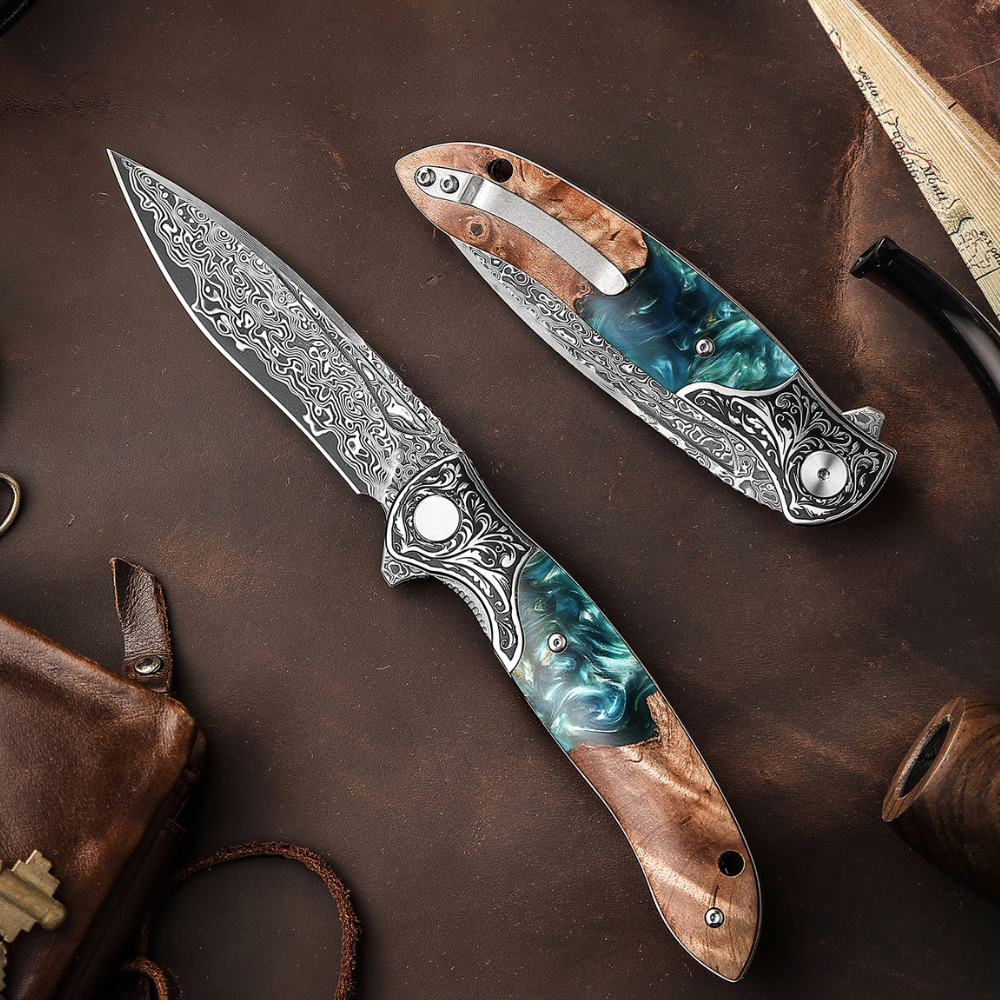
Beyond functionality, the aesthetic appeal of a knife can enhance your kitchen experience. A beautifully designed knife can even spark joy when cooking. The use of exotic materials and elaborate designs in handles is trending, reflecting a personalized touch in culinary artistry. Whether opting for a knife with a traditional wooden handle or one featuring the latest in composite technology, every aspect contributes to its uniqueness.
Final Thoughts: Crafting Your Ideal Culinary Experience
Your knife is more than just a kitchen tool; it’s an extension of your culinary artistry. Understanding the different handle materials and designs empowers you to select a knife that not only meets your functional needs but also resonates with your aesthetic sensibilities. Whether you are leveraging the performance of a strong, ergonomically designed handle or simply embracing the elegance of exquisite wood grain, every knife has its story.
By taking the time to explore and understand your options, you are well on your way to creating a bespoke knife collection that complements your cooking style. Look for high-quality chef knives, including a Japanese chef knife set, that will elevate your kitchen skills and keep you inspired.
Ultimately, your choice should reflect your personal cooking journey, combining functionality and style. Explore the world of knife handles and discover a kitchen tool that aligns with your culinary passion!
Frequently Asked Questions
1. Why is the handle of a knife important?
2. What are common materials used for knife handles?
3. What is the difference between full tang and half tang knife designs?
4. How should I care for wooden knife handles?
5. What should I consider when choosing a knife handle?
Glossary
| Term | Meaning |
|---|---|
| Ergonomics | Design focused on comfort and efficiency during use. |
| Full Tang | Knife design where the blade extends through the entire handle for balance. |
| Half Tang | Knife design with the blade attached only partially into the handle. |
| Composite Materials | Engineered substances combining benefits of different materials. |
| Wood Handles | Traditional handles known for comfort and aesthetic appeal. |
| Plastic Handles | Durable, low-maintenance handles available in various colors. |
| Metal Handles | Modern handles, typically stainless steel, known for hygiene and strength. |
| Comfort | How pleasant a handle feels during prolonged use. |
| Durability | Ability of a handle material to withstand wear and tear. |
| Maintenance | Care practices to prolong the life of knife handles. |
Linked Product

Majestic Japanese Chef Knife Set with Exotic Copper Damascus and Raffir Noble Handle
The Majestic Japanese Chef Knife Set features expertly crafted VG10 Copper Damascus steel blades, known for their strength and unique fingerprint-like patterns. With ergonomic Raffir Noble handles designed for comfort and longevity, this set is perfect for a variety of culinary tasks, from slicing to dicing. Its striking appearance makes it not only a functional tool but also an attractive addition to any kitchen display.
View Product










Dejar un comentario