


Overview
Pocket knives are useful tools, but safety is paramount. Choose the right knife, maintain a proper grip, cut away from your body, and keep your workspace clean. Regular maintenance, including cleaning and sharpening, is essential. Always store knives safely out of reach of children, wear protective gear, and be aware of your surroundings. Seek help if injured or unsure about safe usage. Follow these tips to enjoy the benefits of pocket knives while minimizing risks.
Frequently Asked Questions
1. What are pocket knives used for?
2. How can I choose the right pocket knife?
3. What are some safety tips for using a pocket knife?
4. How should I maintain my pocket knife for safe use?
5. What should I do if I get injured while using a pocket knife?
Pocket knives are versatile tools that can come in handy for a variety of tasks, from opening packages to cutting rope. However, with versatility comes responsibility. It's crucial to understand how to use these tools safely to prevent accidents and injuries. In this guide, we’ll explore essential safety tips for using pocket knives effectively while ensuring your well-being and that of others around you.
Understanding the Importance of Safety
Using a pocket knife can be a seamless part of your daily routine, but it’s vital to recognize that they are sharp tools requiring a certain level of respect and awareness. Pocket knives are designed for cutting, but the very feature that makes them useful also makes them potentially dangerous. With the right knowledge and safety practices, you can enjoy all the benefits of pocket knives without risking injury.
Choose the Right Pocket Knife
Selecting the right pocket knife is the first step toward ensuring safety. Consider the following factors when making your choice:
Blade Type
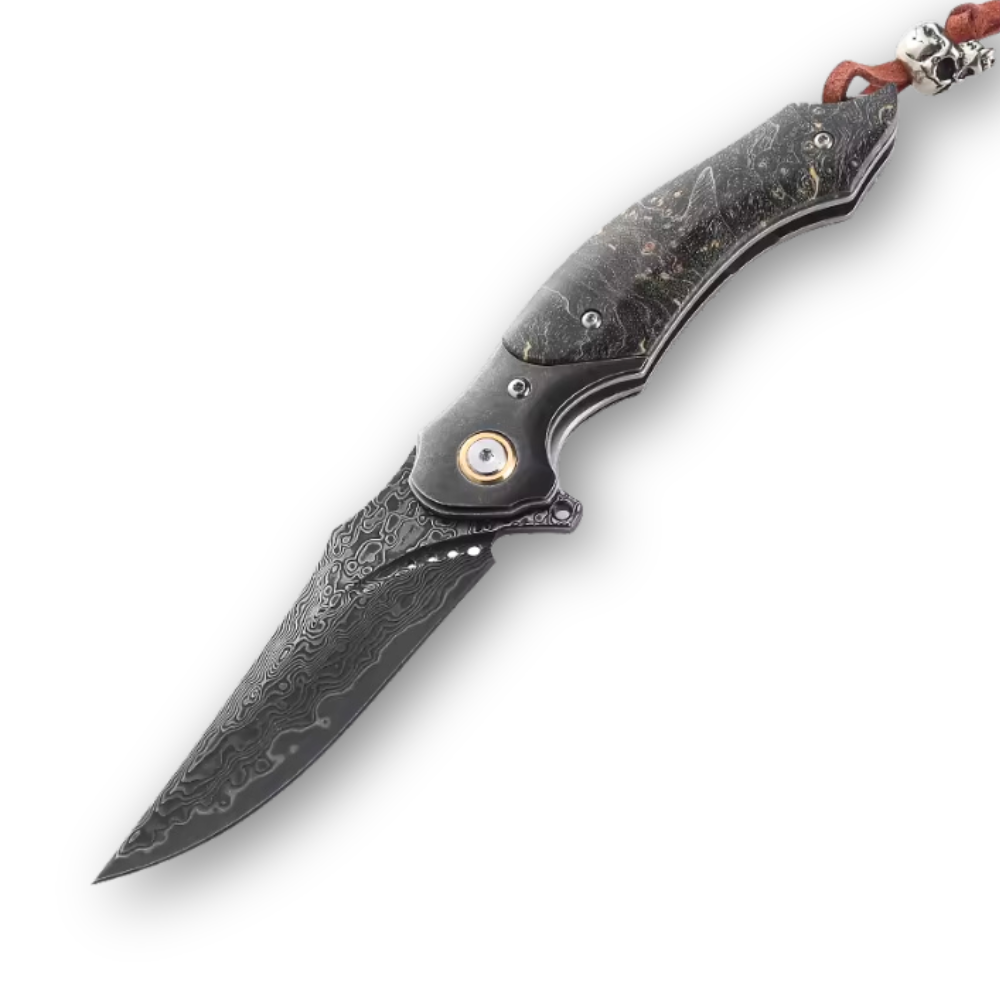
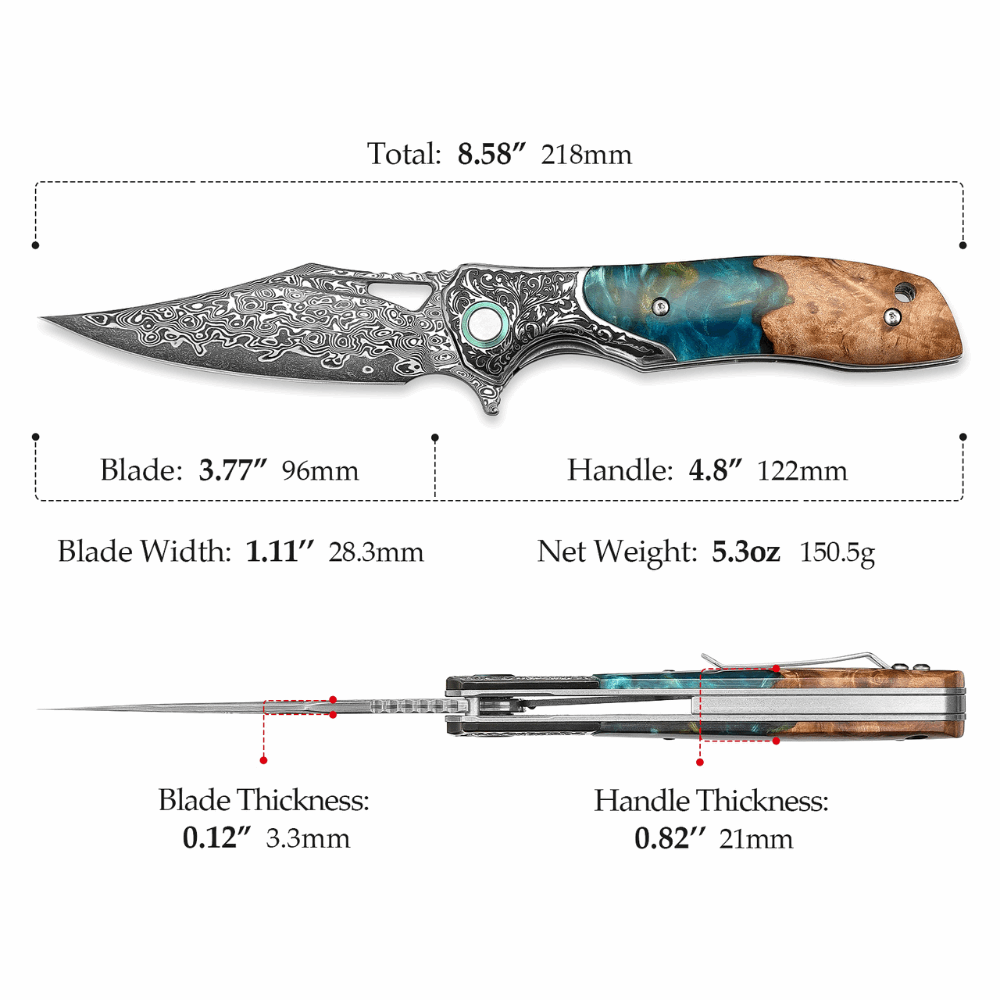
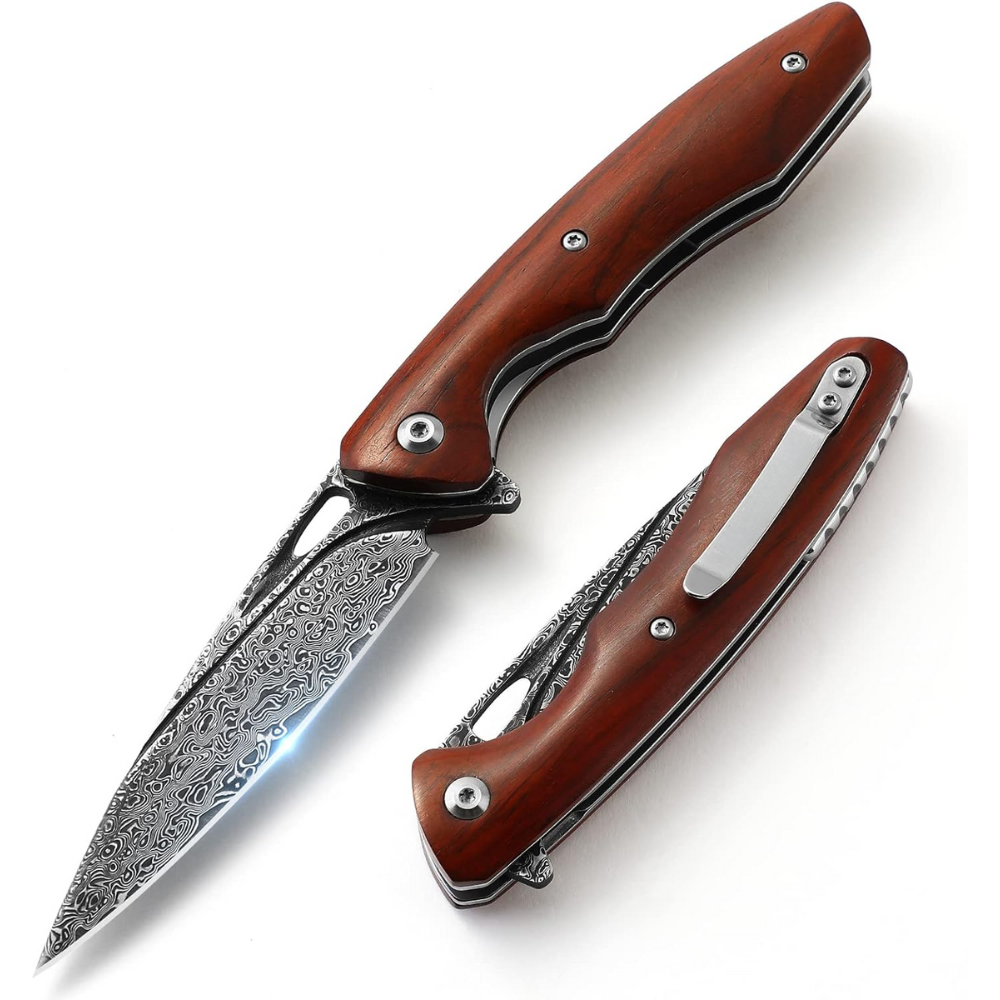
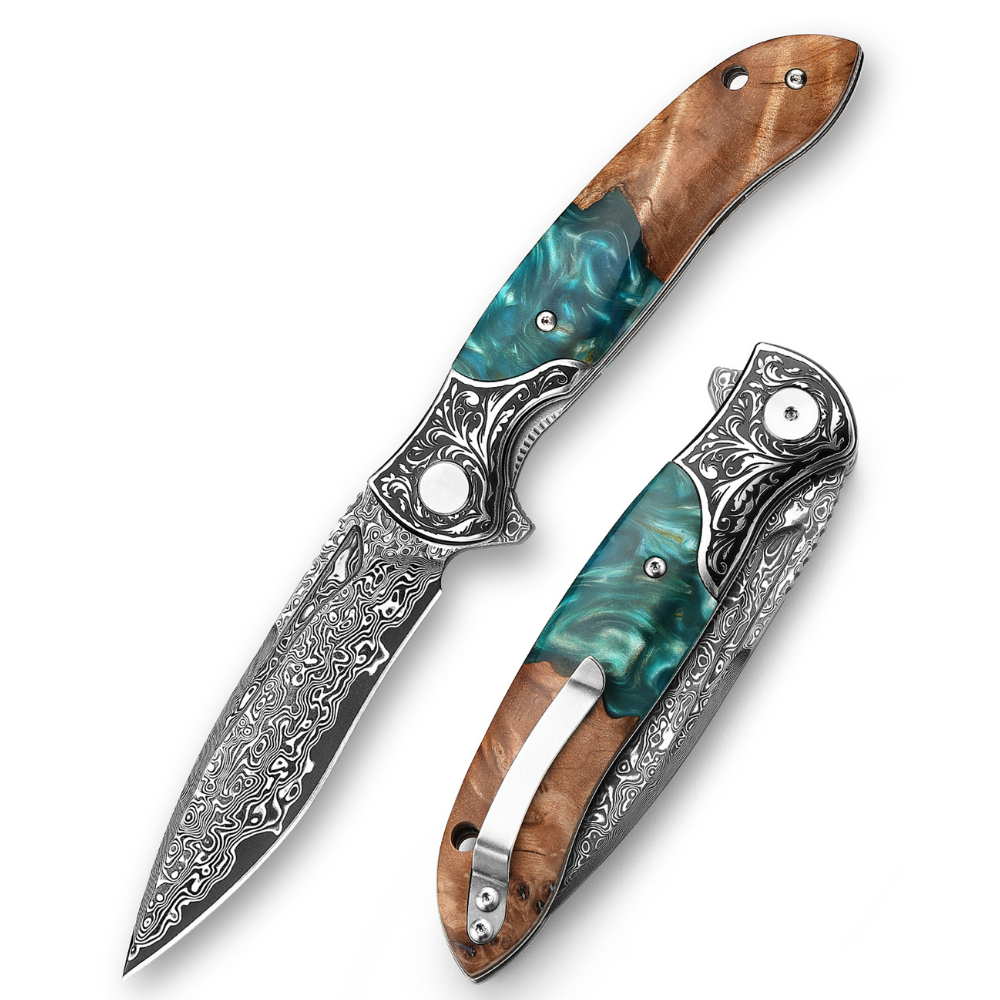
- Folding Blade: These are compact and can be safely stored when not in use.
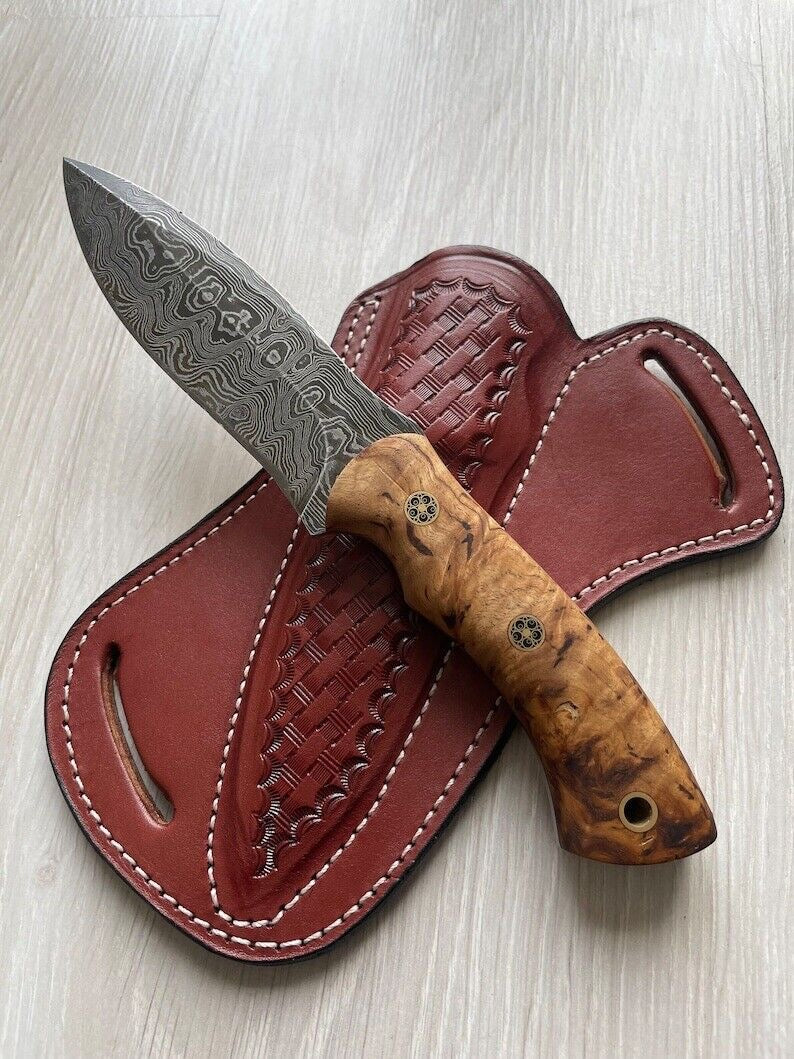
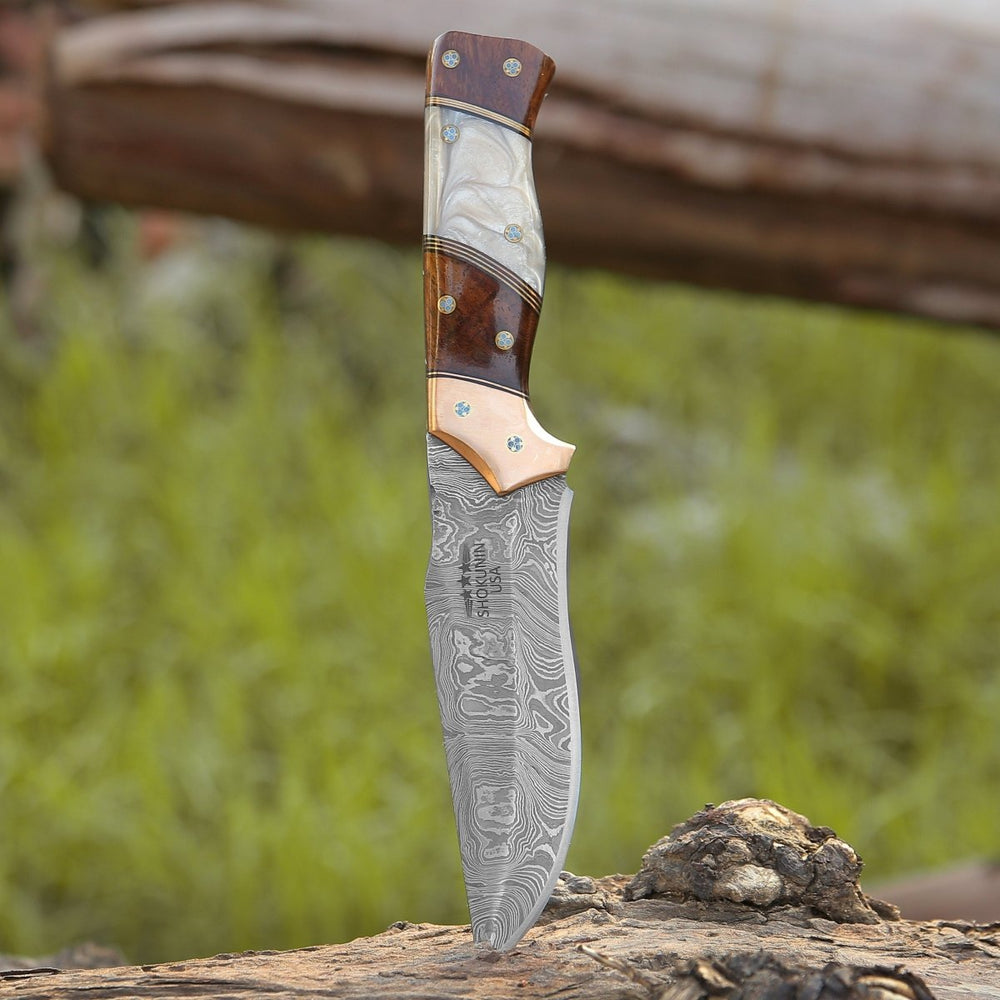
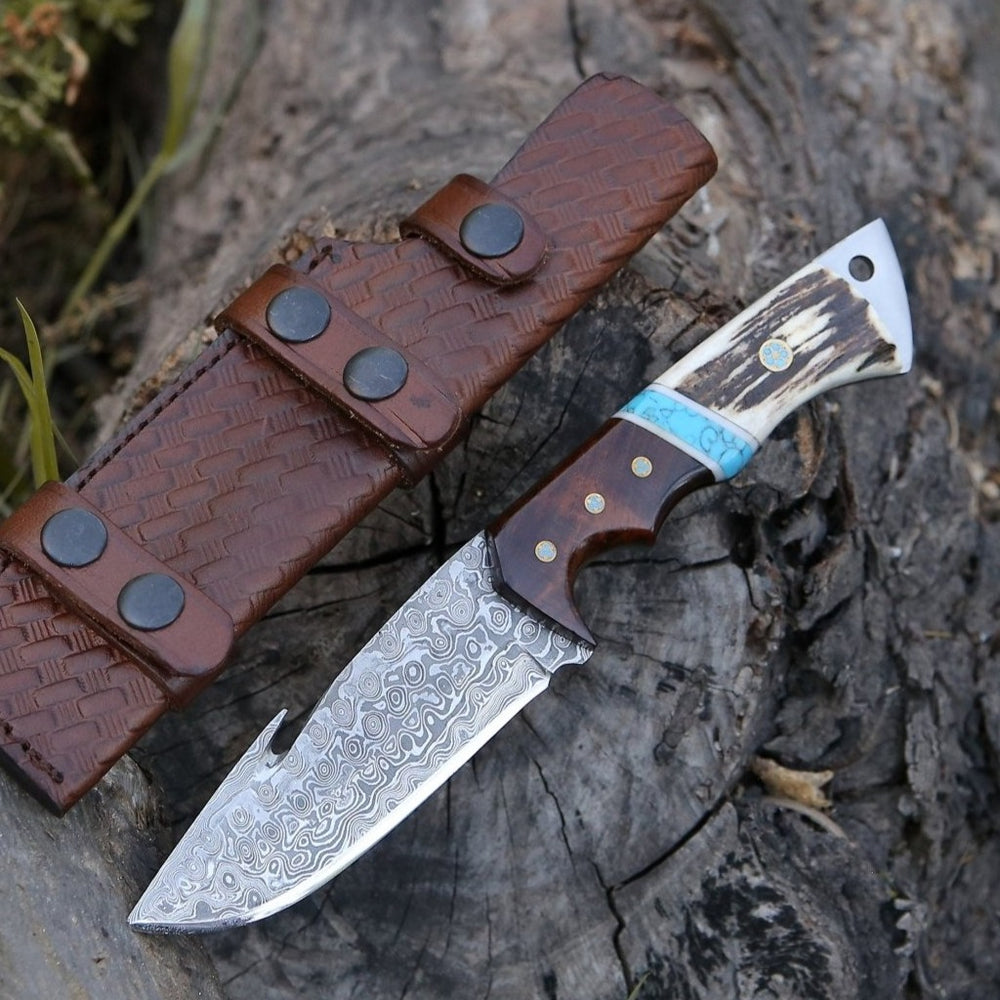
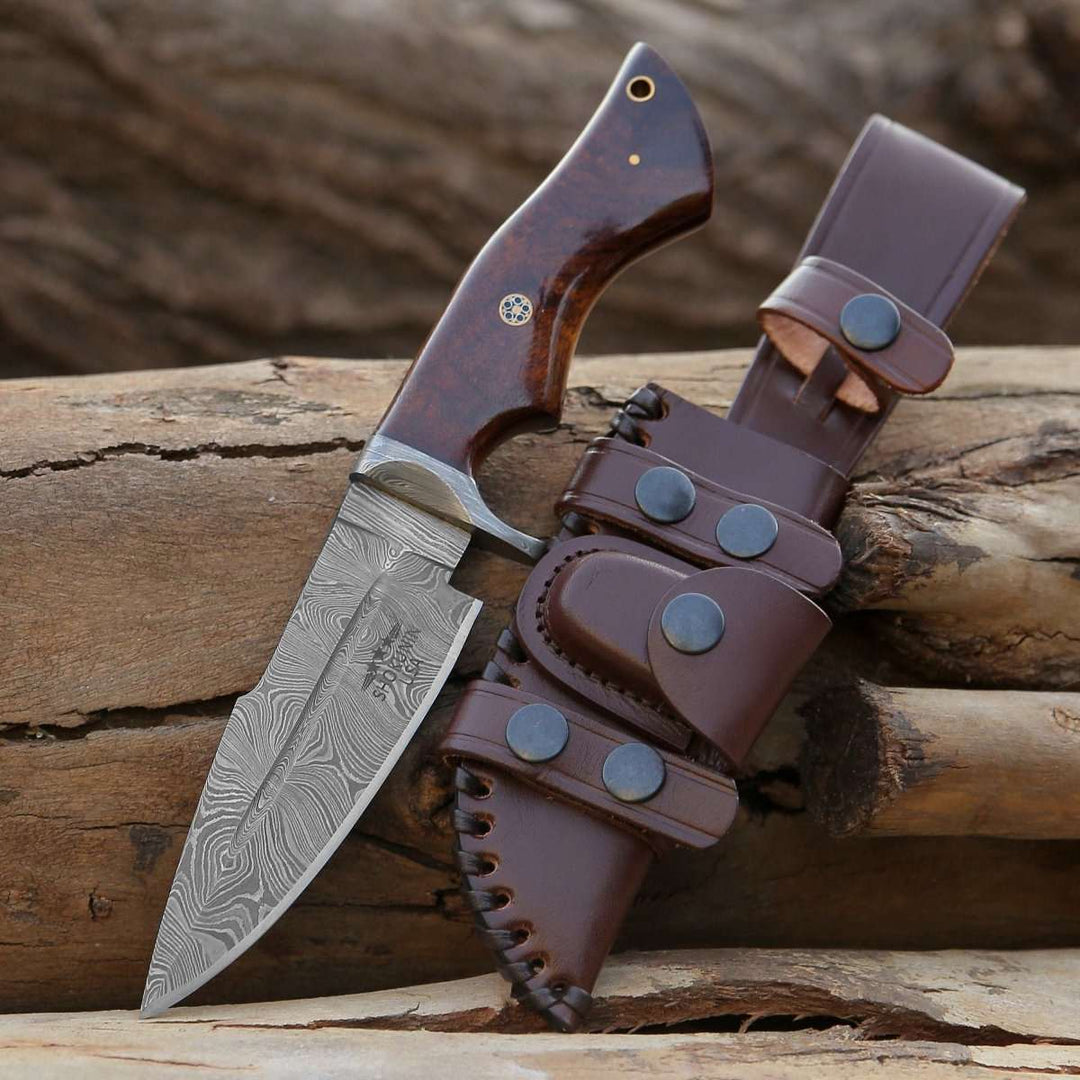
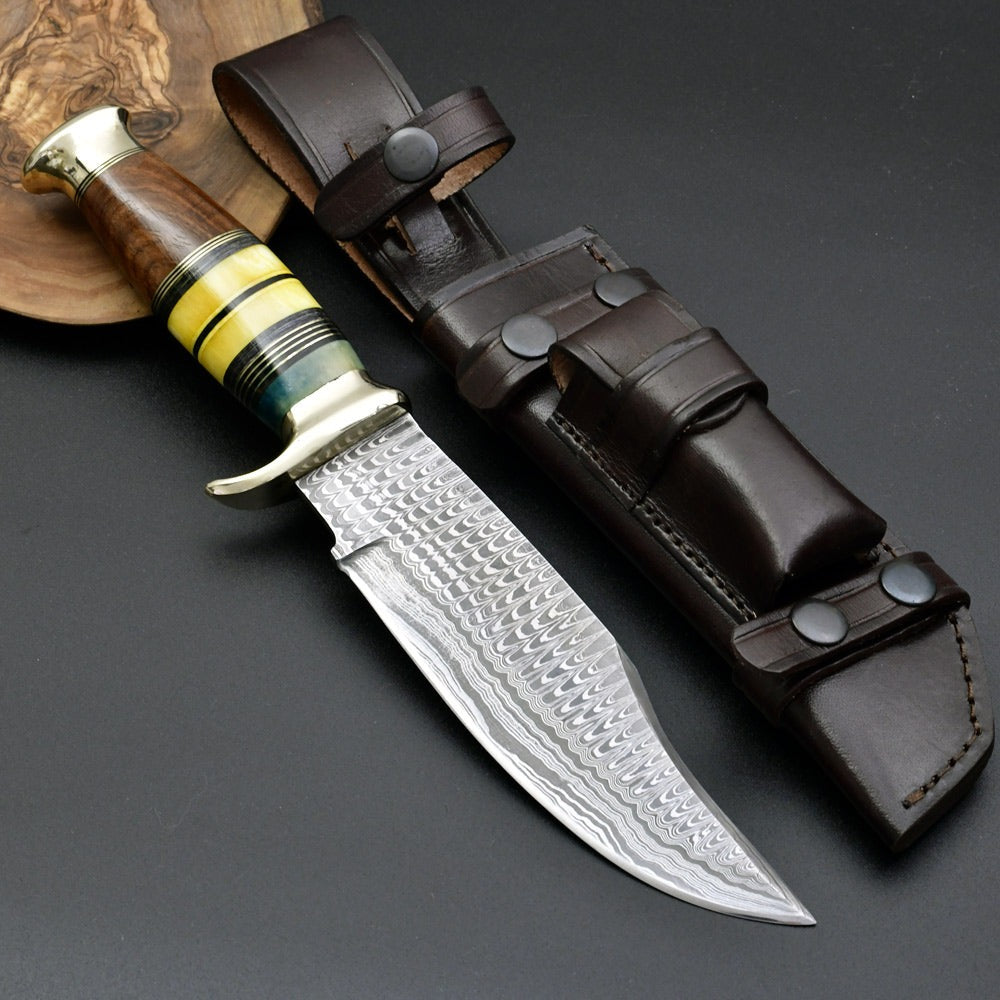
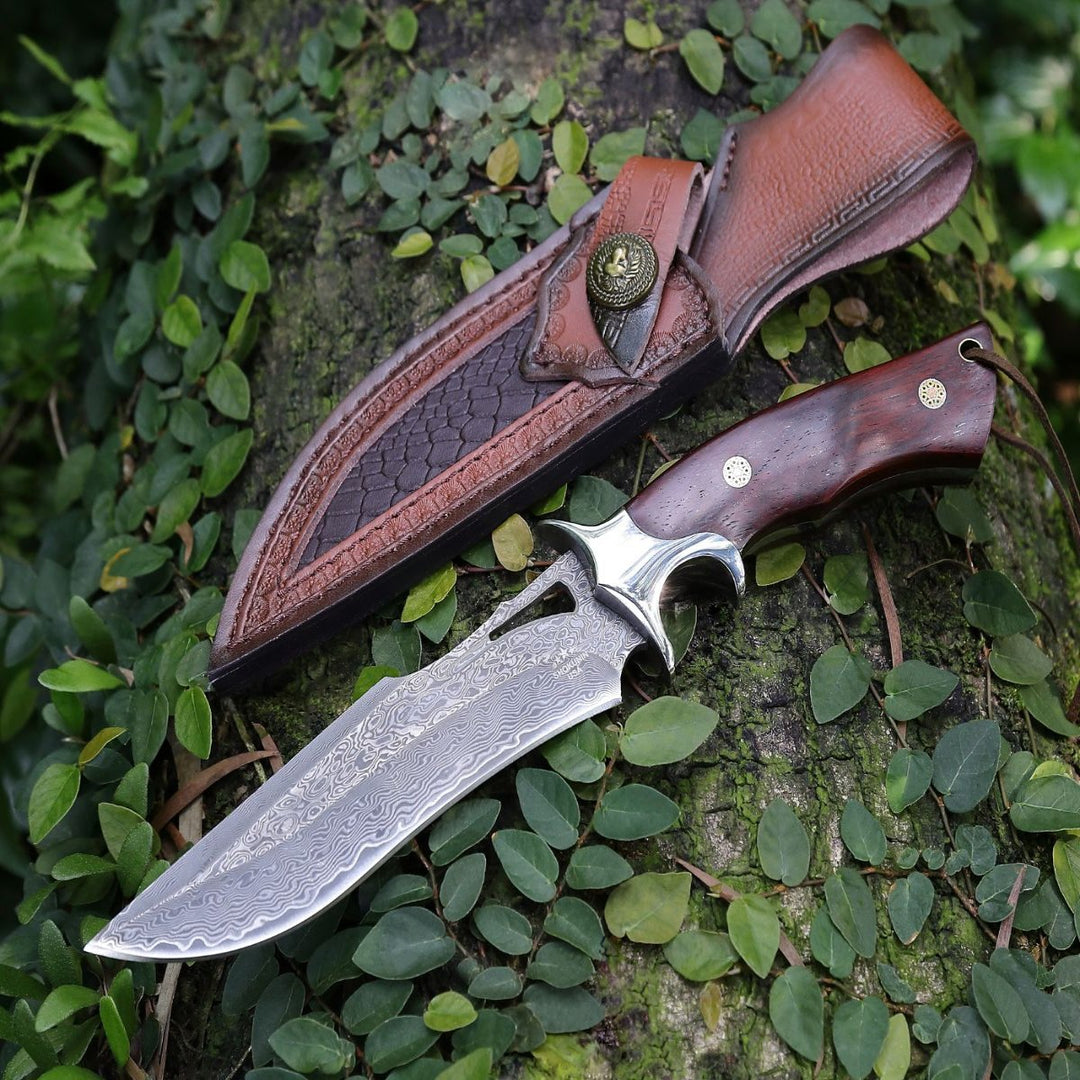
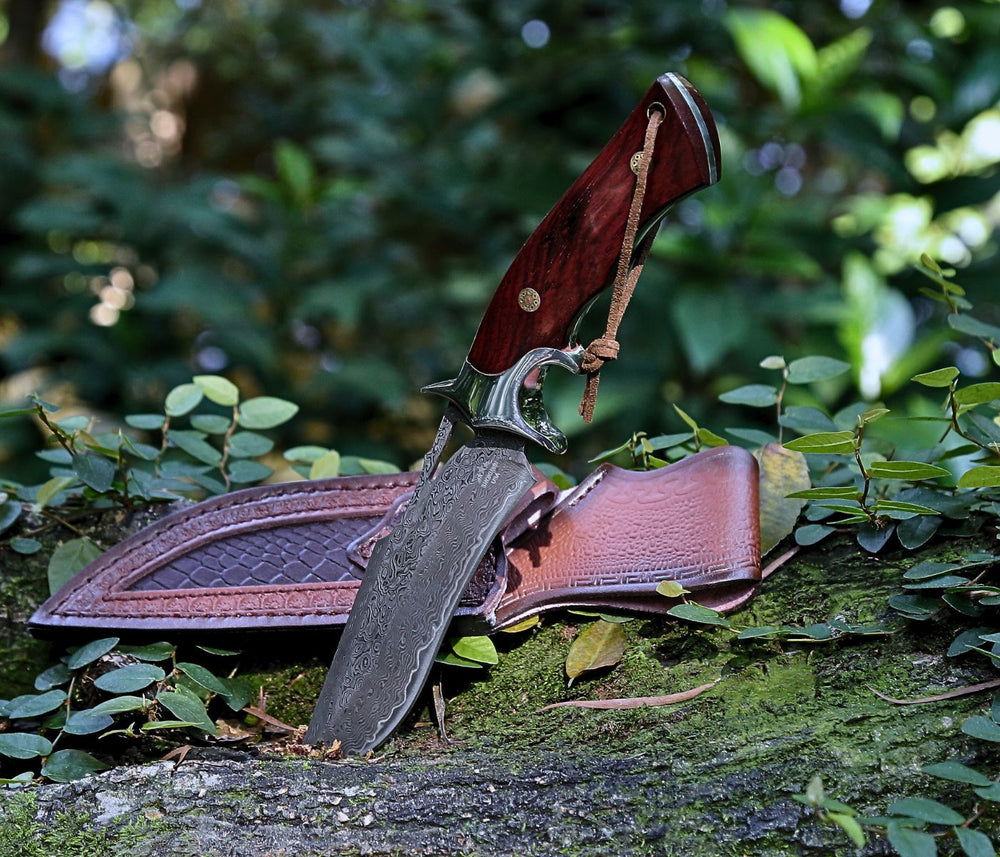
- Fixed Blade: While they can be more robust, fixed blades require careful handling due to their exposure when not sheathed.
- Size: Choose a knife that feels comfortable in your hand and fits your intended use.
Locking Mechanism
Ensure your pocket knife has a reliable locking mechanism. This feature keeps the blade securely in place while in use, reducing the risk of accidental closure.
Handling and Cutting Techniques
Once you have selected the appropriate pocket knife, it's time to focus on safe handling and cutting techniques. Here are some fundamental tips to keep in mind:
Proper Grip
Always grip your pocket knife firmly, with your fingers away from the blade’s edge. A steady grip ensures better control and reduces the chances of slips that can lead to accidents.
Cutting Surface
Use a cutting board or designated surface when cutting materials. Avoid cutting in mid-air or over your lap, as this increases the likelihood of an accident.
Cut Away from Your Body
This simple rule can prevent serious injuries. Always direct the knife away from your body and keep your fingers clear of the cutting path. When working on delicate materials, control is key.
Maintenance Tips for Safe Use
Regular maintenance of your pocket knife is crucial for safe operation. A well-maintained knife is less likely to malfunction and can operate more effectively. Here are some maintenance tips:
Cleaning Your Pocket Knife
After each use, clean your pocket knife to prevent residue buildup. Use warm soapy water and a cloth to wipe the blade and handle. Avoid submerging the knife fully in water, especially if it has a locking mechanism that may catch moisture.
Sharpening the Blade
A sharp blade is safer than a dull one, as it requires less force to cut through materials. Invest in a quality sharpening stone or tool to keep your pocket knife in optimal condition. Follow the manufacturer's guidance for specific sharpening techniques.
Safety Gear and Precautions
While using a pocket knife, it’s a good idea to consider additional safety measures. Here are some precautions you should take:
Protective Equipment
- Cut-Resistant Gloves: Wearing these can add an extra layer of safety while cutting.
- Eye Protection: This is especially important when cutting materials that may splinter or shoot debris.
Keep Your Workspace Clean
A cluttered workspace can lead to accidents. Ensure that your area is tidy and that you are free from distractions while using your pocket knife.
Know Your Surroundings
When using a pocket knife, awareness of your surroundings is essential. Here are a few tips to maintain that awareness:
Assess Your Environment
Before starting a job, make sure there are no people or animals nearby who could accidentally get hurt. Consider the surface you are working on; it should be stable and safe.
Work in Appropriate Lighting
Ensure your working area is well-lit. Poor visibility can lead to misjudgment and accidents while using pocket knives.
Storing Your Pocket Knife Safely
Proper storage of your pocket knife is just as important as safe usage. Incorrect storage can lead to accidental injuries or damage to the knife. Here are some recommendations:
Use a Sheath or Pouch
If your pocket knife came with a sheath or pouch, use it! These accessories provide protection for both the blade and the user when the knife is not in use.
Store Out of Reach of Children
Always keep your pocket knife in a secure location, away from children and pets. An out-of-sight, out-of-reach storage solution is vital for maintaining safety.
When to Seek Help
No matter how careful you are, accidents can happen. It’s essential to know when to seek professional help:
In Case of Injury
If you sustain a cut or injury while using your pocket knife, assess the situation. Minor cuts may require cleaning and a bandage, but significant wounds should be treated by a healthcare professional immediately.
When in Doubt
If you're unsure about how to use a specific type of pocket knife safely, don't hesitate to ask for guidance. Whether it’s a more experienced friend or a retail professional, seeking knowledge is vital.
Unlock the Full Potential of Your Pocket Knife
By following these safety tips, you can harness the full potential of your pocket knife while minimizing risks. Remember, safety should always come first, regardless of your level of experience. Treat your pocket knife with respect, stay aware of your surroundings, and maintain proper care. Incorporate these practices into your routine to ensure many productive and safe years of using your pocket knives.














Leave a comment