


Overview
Eco-friendly pocket knives, especially folding knives, are gaining popularity as consumers seek sustainable options. This article explores the importance of sustainability in everyday tools, highlighting materials like bamboo, recycled steel, and bio-plastics. It discusses the innovative manufacturing practices that promote sustainability and emphasizes the benefits of choosing eco-friendly knives, such as durability and reduced environmental impact. By making informed purchasing decisions, consumers can support ethical practices and contribute to a greener future.
Frequently Asked Questions
1. What are eco-friendly pocket knives?
2. What materials are commonly used in eco-friendly pocket knives?
3. How can choosing eco-friendly pocket knives benefit the environment?
4. What should I look for when choosing an eco-friendly folding knife?
5. Why is consumer awareness important in promoting sustainability?
In recent years, the rising awareness surrounding environmental issues has transformed the way outdoor enthusiasts and everyday users choose their tools, including pocket knives. More consumers are now leaning towards eco-friendly options, driving brands to innovate and practice sustainability. Among these versatile tools, eco-friendly pocket knives, particularly folding knives, are gaining traction for their practical uses combined with environmentally conscious design. In this article, we delve into the world of sustainable materials and practices surrounding eco-friendly pocket knives, illustrating how these products can play a significant role in reducing our ecological footprint.
The Importance of Sustainability in Everyday Tools
The shift to sustainable living paths us towards a more eco-friendly future. Traditional materials often used in the manufacture of pocket knives can have a detrimental impact on the environment. Factors such as resource extraction, processing, and production contribute greatly to pollution and waste. Therefore, it’s imperative for manufacturing methods to evolve, making way for eco-friendly alternatives.
Eco-friendly pocket knives not only help counteract negative environmental impacts but also advocate a lifestyle that emphasizes conscious consumption. When we opt for products made with sustainable materials, we contribute to the demand for eco-friendly practices in manufacturing. This change can lead to significant positive effects on our planet.
Understanding Sustainable Materials
When diving into the construction of folding knives, several materials stand out as sustainable alternatives to traditional options:
Bamboo
Bamboo is quickly becoming a popular material in eco-friendly knife handles due to its rapid growth and renewable nature. As one of the fastest-growing plants on Earth, bamboo requires minimal water and no pesticides, making it an exceptional choice for sustainably sourced products. Knives with bamboo handles not only offer a unique aesthetic but also a lightweight and durable option.
Recycled Steel
Stainless steel has long been a standard in knife making due to its strength and resistance to corrosion. However, traditional steel production can be energy-intensive and polluting. Enter recycled steel: a sustainable alternative that minimizes waste by repurposing pre-existing materials. Companies that utilize recycled steel reduce their carbon emissions and the need for virgin resources, offering a more eco-conscious choice without compromising on quality.
Bio-Plastics
In the quest for sustainable alternatives, innovative materials have emerged, including bio-plastics derived from renewable resources such as corn starch or sugarcane. These materials have similar properties to conventional plastics but are designed to decompose naturally over time. Implementing bio-plastics in the production of folding knives helps reduce plastic waste and supports a circular economy.
Wood
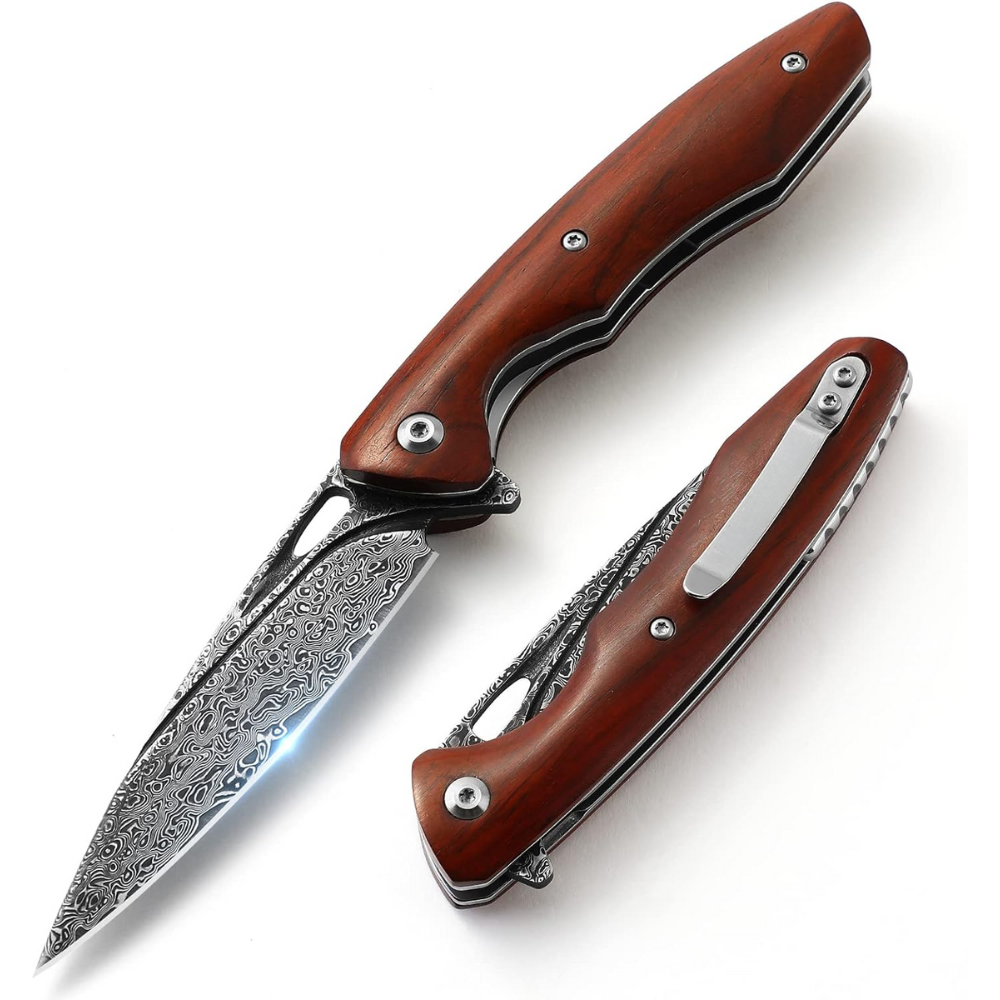
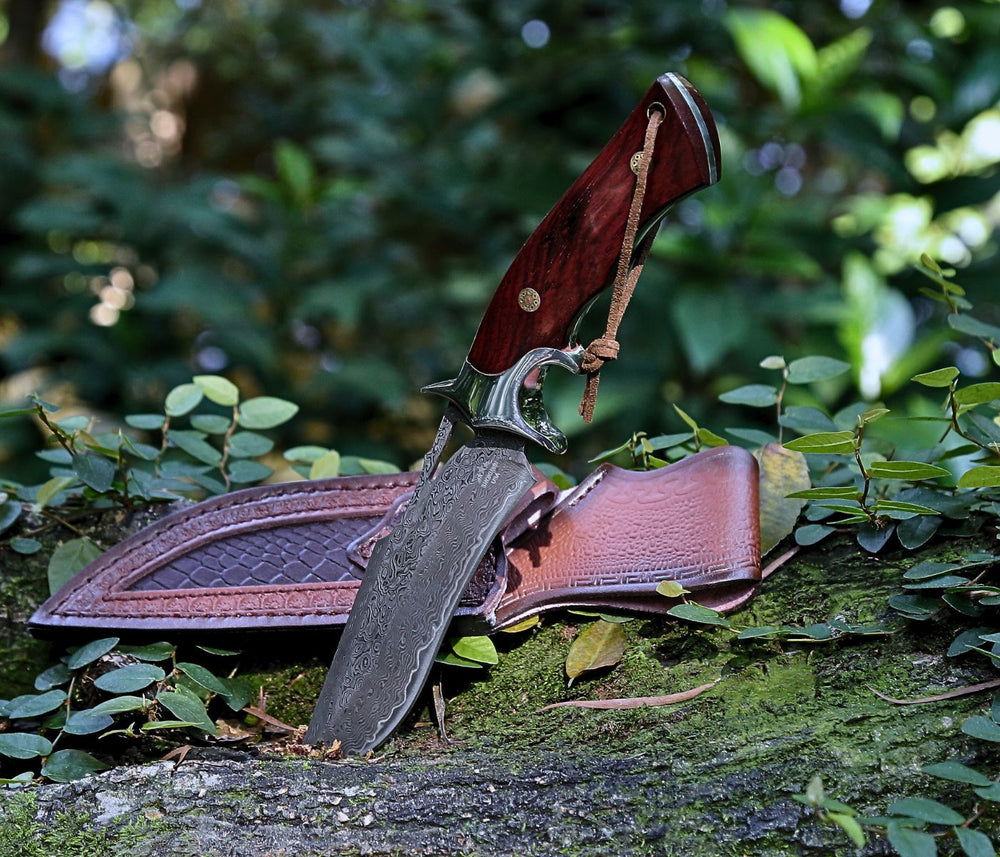
Wooden handles contribute to the rustic charm of pocket knives and exemplify a natural aesthetic. When sourced from sustainably managed forests, wood can be a highly renewable material that adds both beauty and functionality to folding knives. Look for ensures that the timber is certified by organizations like the Forest Stewardship Council (FSC).
Innovative Sustainable Practices in Manufacturing
Beyond raw materials, the practices used in manufacturing eco-friendly pocket knives also play a crucial role in promoting sustainability. Companies are actively adopting various approaches to enhance their ecological footprint:
Ethically Sourced Materials
Companies committed to sustainability prioritize ethically sourced materials. This means ensuring that the resources they use come from suppliers who respect social, environmental, and economic standards. Responsible sourcing mitigates harm to ecosystems and communities, promoting justice throughout supply chains.
Energy Efficiency
Manufacturers are increasingly adopting energy-efficient practices in their production processes. By using renewable energy sources like solar or wind to power their operations, brands can significantly reduce their carbon footprint. Some companies are also investing in technologies that minimize energy waste during production, furthering their dedication to sustainability.
Reducing Waste
Waste reduction strategies are critical in producing eco-friendly pocket knives. Manufacturers implement practices such as recycling scrap materials, using computer-aided design to minimize cuts, and optimizing production processes to lower excess waste. These initiatives creatively impact the environment, proving that sustainability and efficiency can go hand in hand.
The Evolution of Eco-Friendly Pocket Knives
The rise of eco-friendly pocket knives has redefined market expectations and consumer demands. A shift towards sustainable practices and materials means that consumers can now make better choices without sacrificing performance or aesthetics. Eco-conscious companies are stepping up to produce versatile folding knives that blend functionality with a commitment to the environment.
Design Innovations
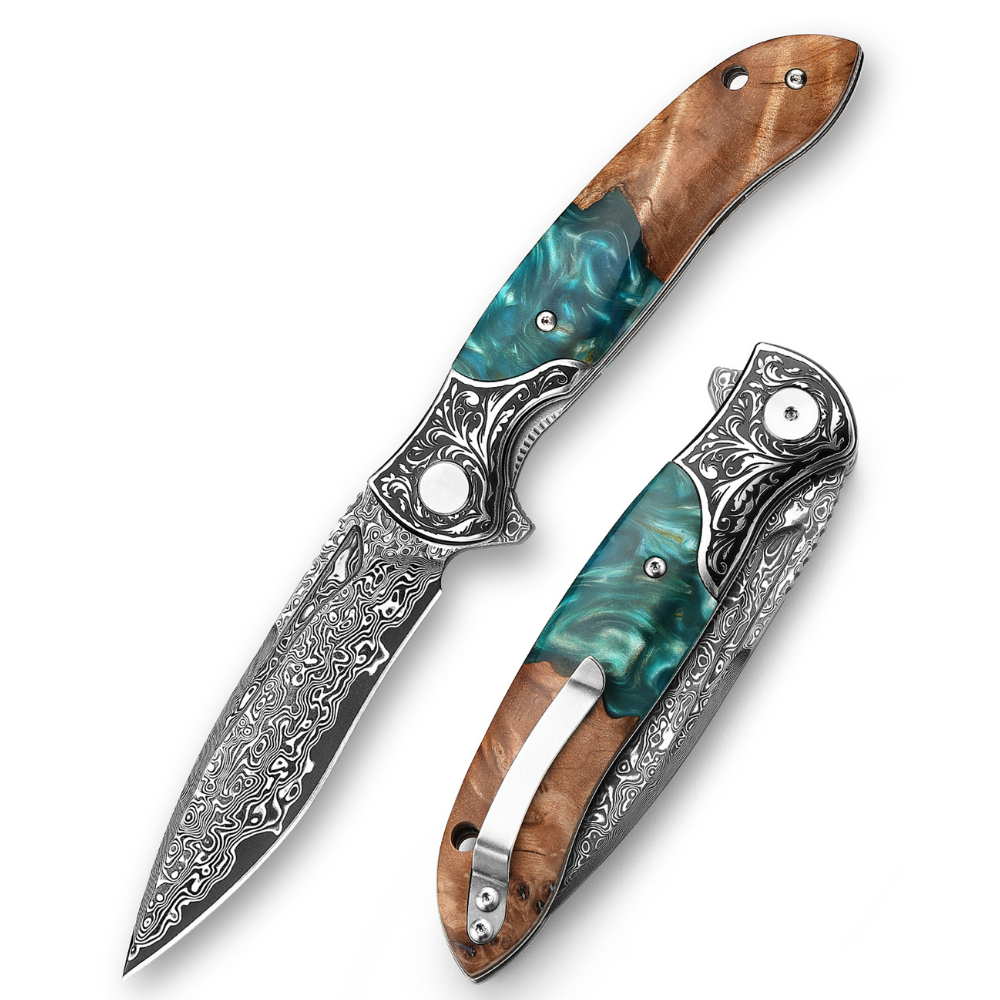
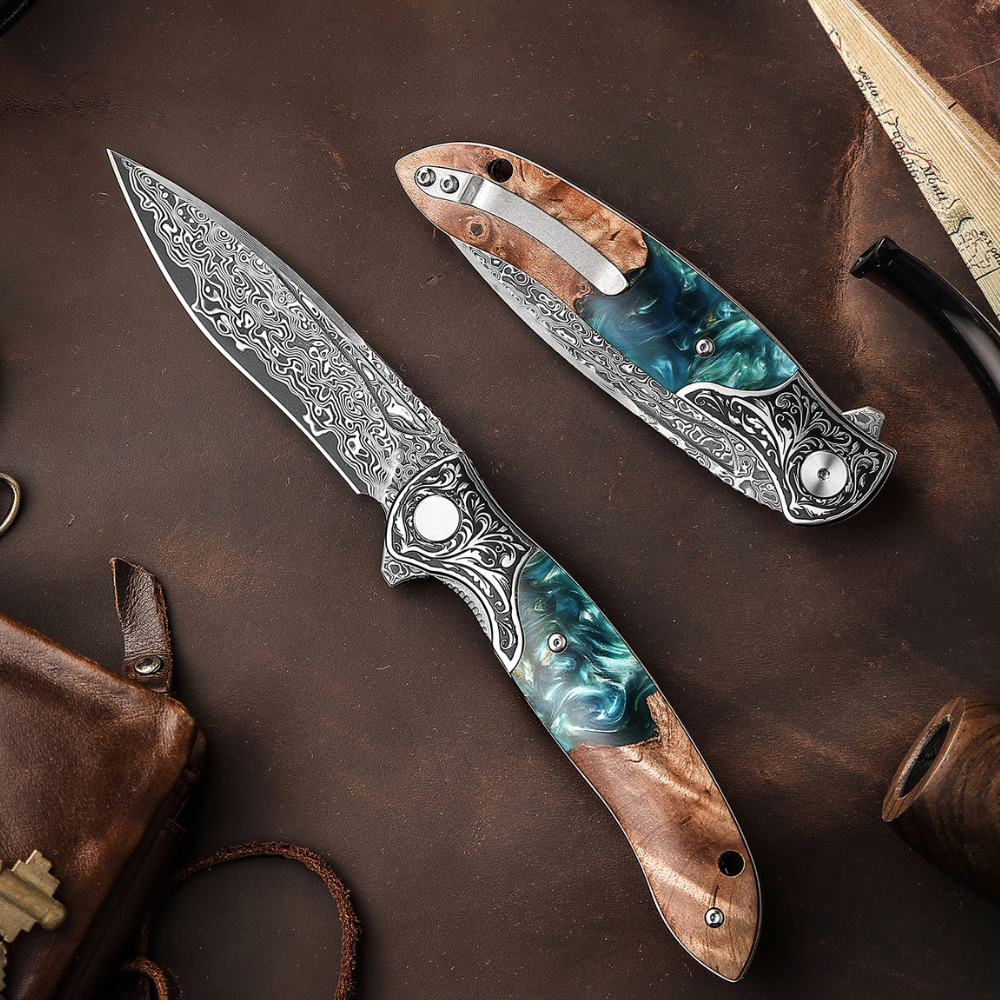
Many eco-friendly pocket knives showcase innovative designs that appeal to modern-day users. Manufacturers are not only focusing on sustainable materials but also on ergonomics and aesthetics. This combination provides users with tools that are comfortable and visually appealing, making eco-friendly choices even more appealing.
Consumer Awareness and Responsibility
As consumers, it’s essential to recognize our role in promoting sustainability through our purchasing decisions. When we choose eco-friendly pocket knives or folding knives made with sustainable materials, we send a clear message to manufacturers about the importance of prioritizing sustainable practices. Additionally, educating ourselves on brands that adopt ethical practices contributes to our power as consumers.
Benefits of Choosing Eco-Friendly Pocket Knives
By investing in eco-friendly pocket knives, users can enjoy various benefits:
- Durability: Sustainable materials, like recycled steel and bamboo, can enhance the longevity of your knife, ensuring you have a reliable tool for years to come.
- Low Environmental Impact: Choosing eco-friendly materials reduces waste and pollution, aiding in the fight against climate change.
- Conscious Consumerism: By supporting sustainable brands, you participate in a more responsible marketplace, encouraging ethical practices in the industry.
- Unique Aesthetics: Eco-friendly pocket knives often boast unique designs that set them apart from traditional options, allowing consumers to showcase their personality.
Making the Switch: Tips for Choosing Eco-Friendly Folding Knives
When deciding to switch to an eco-friendly folding knife, consider the following tips:
Research Brand Practices
Before purchasing, research the brand's values and practices. Are they committed to sustainability? Do they transparently share their sourcing and manufacturing processes? Making informed decisions is vital in promoting responsible consumption.
Look for Certifications
Certifications from organizations like the FSC or B Corporation can signal a brand’s commitment to ethical practices. These designations often indicate environmentally friendly resources and fair labor practices.
Consider the Life Cycle
Evaluate the entire life cycle of the pocket knife, from production to disposal. Opt for brands that emphasize recycling or offer take-back programs, encouraging end-of-life sustainability.
Your Role in a Greener Future
Adopting eco-friendly pocket knives is just one piece of the puzzle in promoting sustainability. When you choose environmentally responsible products, you inspire others to follow suit and contribute to a more conscious society. Every small transaction can lead to significant environmental outcomes; your purchasing choices matter.
Embracing eco-friendly products, particularly folding knives, can empower you to play a role in preserving our planet for future generations. Together, through the choices we make as individuals, we can pave the way to a more sustainable and responsible future, one pocket knife at a time.














Laissez un commentaire