


Overview
Choosing the right pocket knife involves understanding the types available, key features like blade and handle materials, size, weight, locking mechanisms, and intended use. Consider your budget and research brand reputation before purchasing. Proper maintenance is essential for longevity. Explore online retailers for a variety of options to find the perfect knife for your needs.
Frequently Asked Questions
1. What are the different types of pocket knives?
2. What materials are commonly used for pocket knife blades?
3. Why is the locking mechanism important in a pocket knife?
4. How do I determine the best pocket knife for my needs?
5. What maintenance is required for a pocket knife?
When you think of pocket knives, what comes to mind? Perhaps you picture a trusty multi-tool or a compact blade that can be easily carried in your pocket. Pocket knives have been essential tools for various tasks, from camping and fishing to simple everyday tasks like opening packages or tightening screws. However, selecting the right pocket knife for your needs can be a daunting endeavor. With so many options available, it's crucial to know the factors to consider before making a purchase. In this article, we will guide you through the essential elements to consider when choosing the perfect pocket knife.
Understanding the Basics of Pocket Knives
Before diving into the specifics, let's familiarize ourselves with the terminology and types of pocket knives available in the market. Pocket knives come in various shapes, sizes, and functionalities, making them versatile tools for both enthusiasts and casual users alike.
Types of Pocket Knives
Here are some common types of pocket knives:
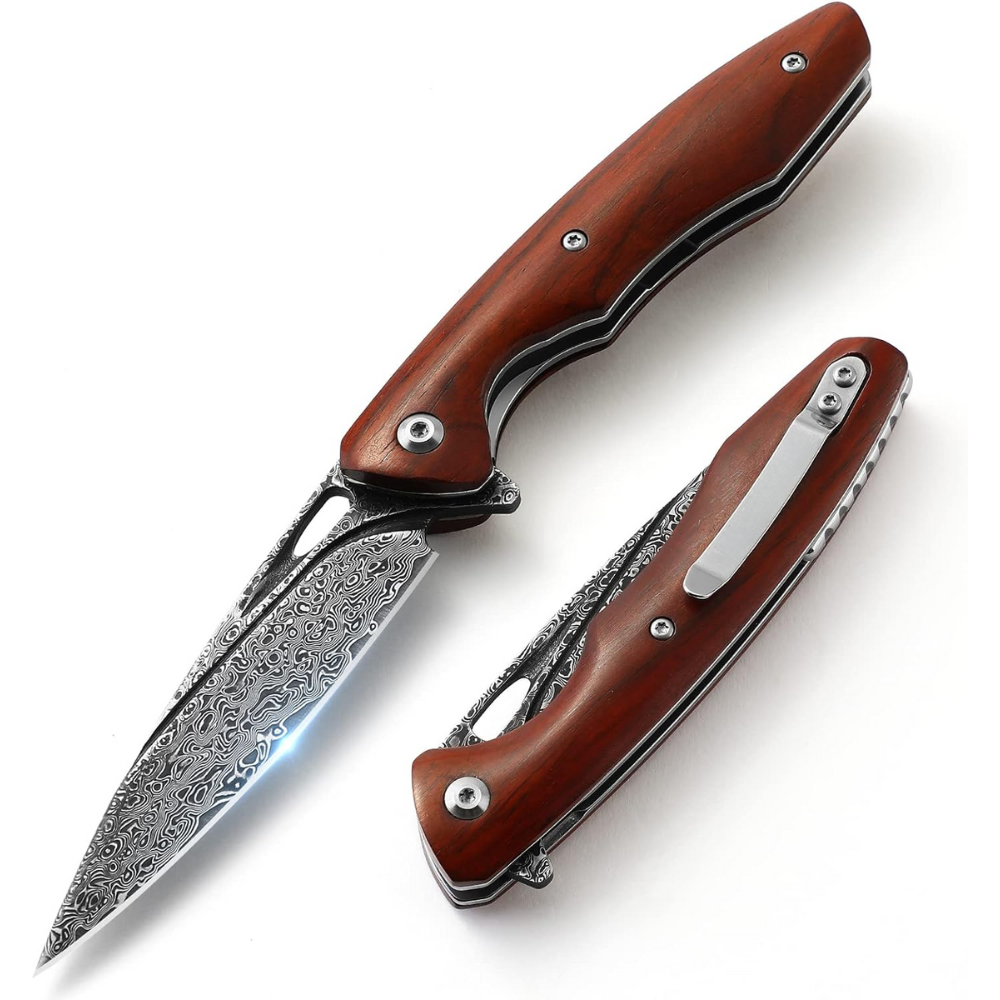
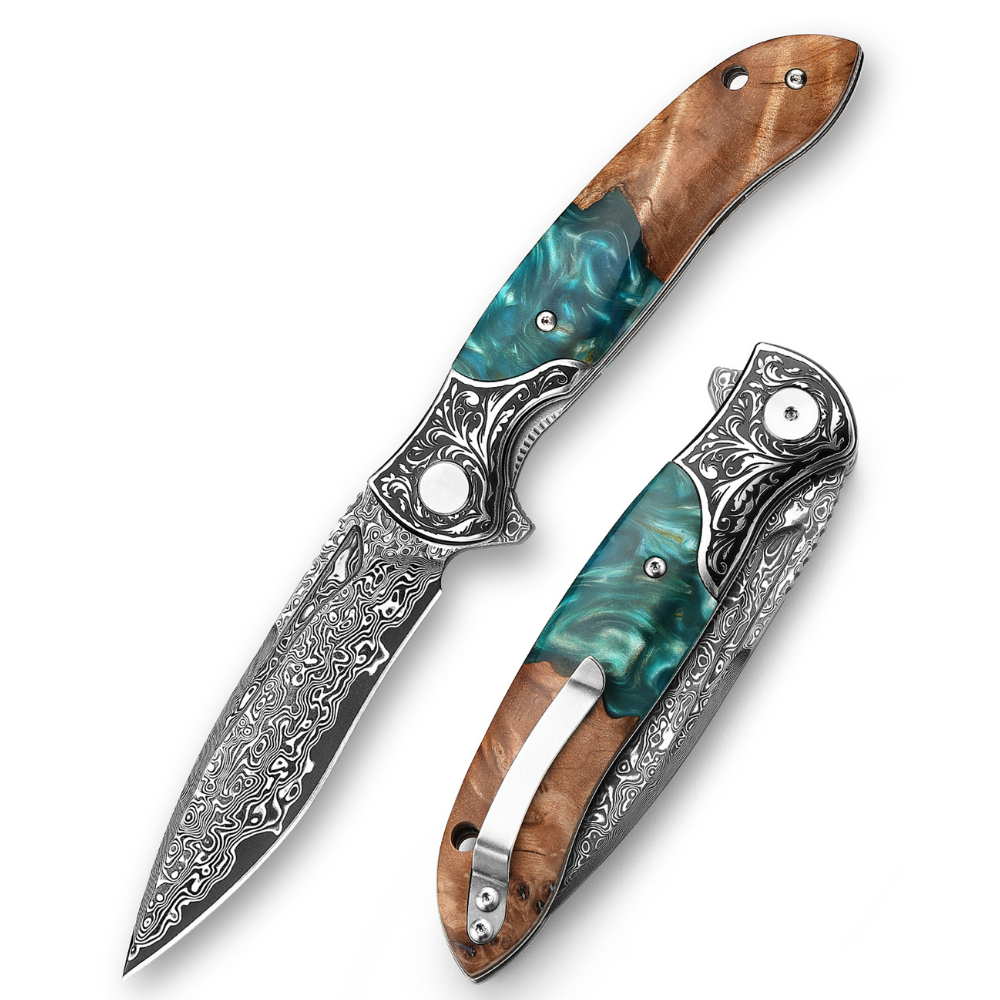
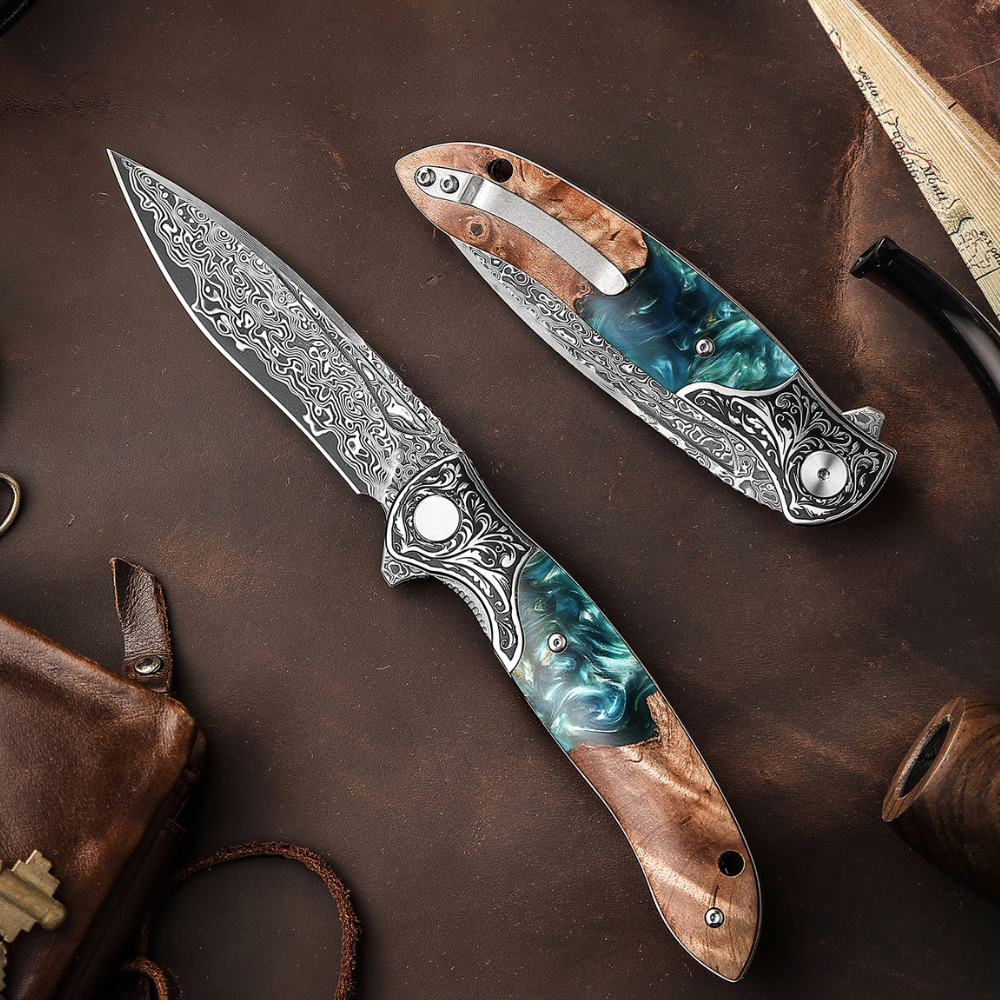
- Folding Knives: These are the most popular type of pocket knives, featuring a blade that folds into the handle for safety and portability.
- Multi-Tools: These knives offer several functions in one tool, including pliers, screwdrivers, and other tools alongside the blade.
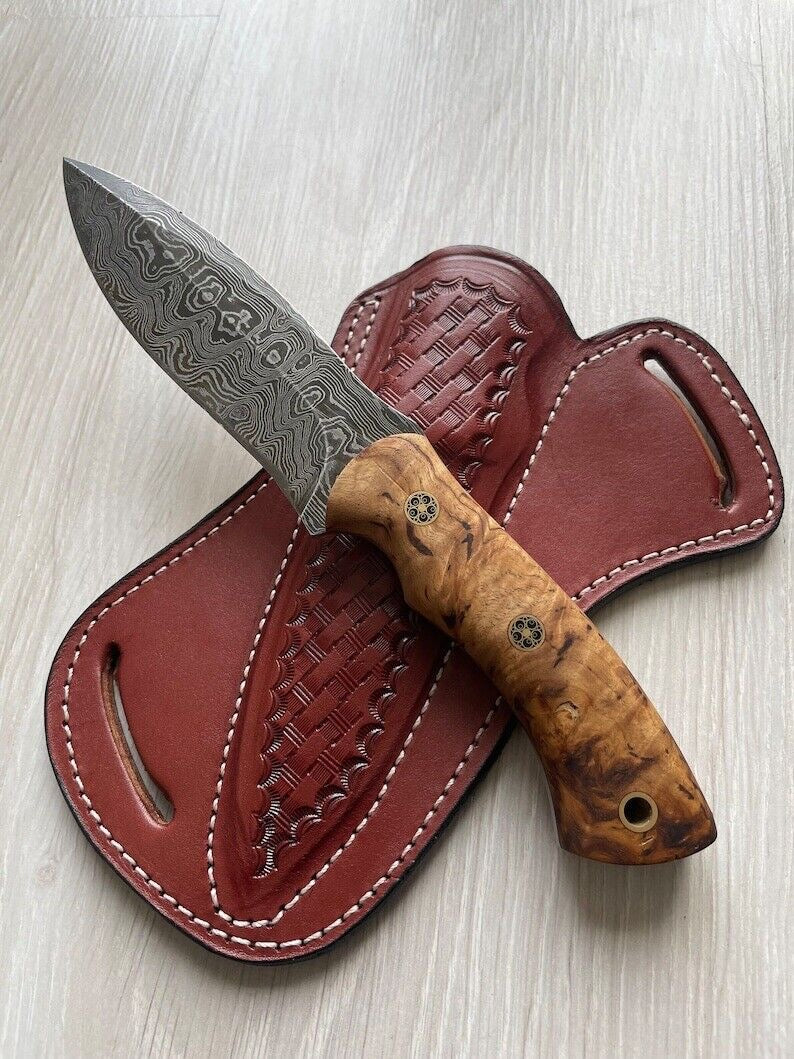
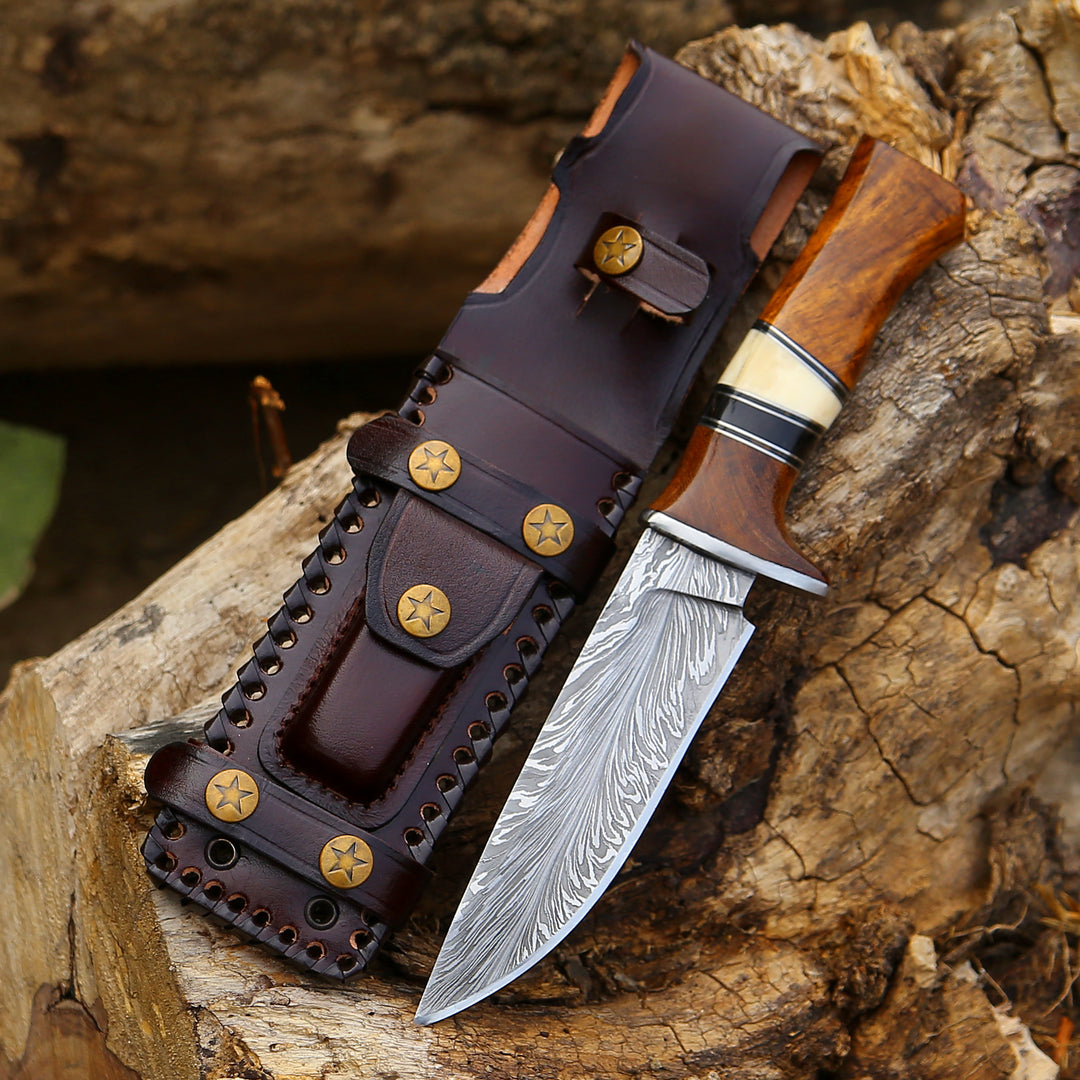
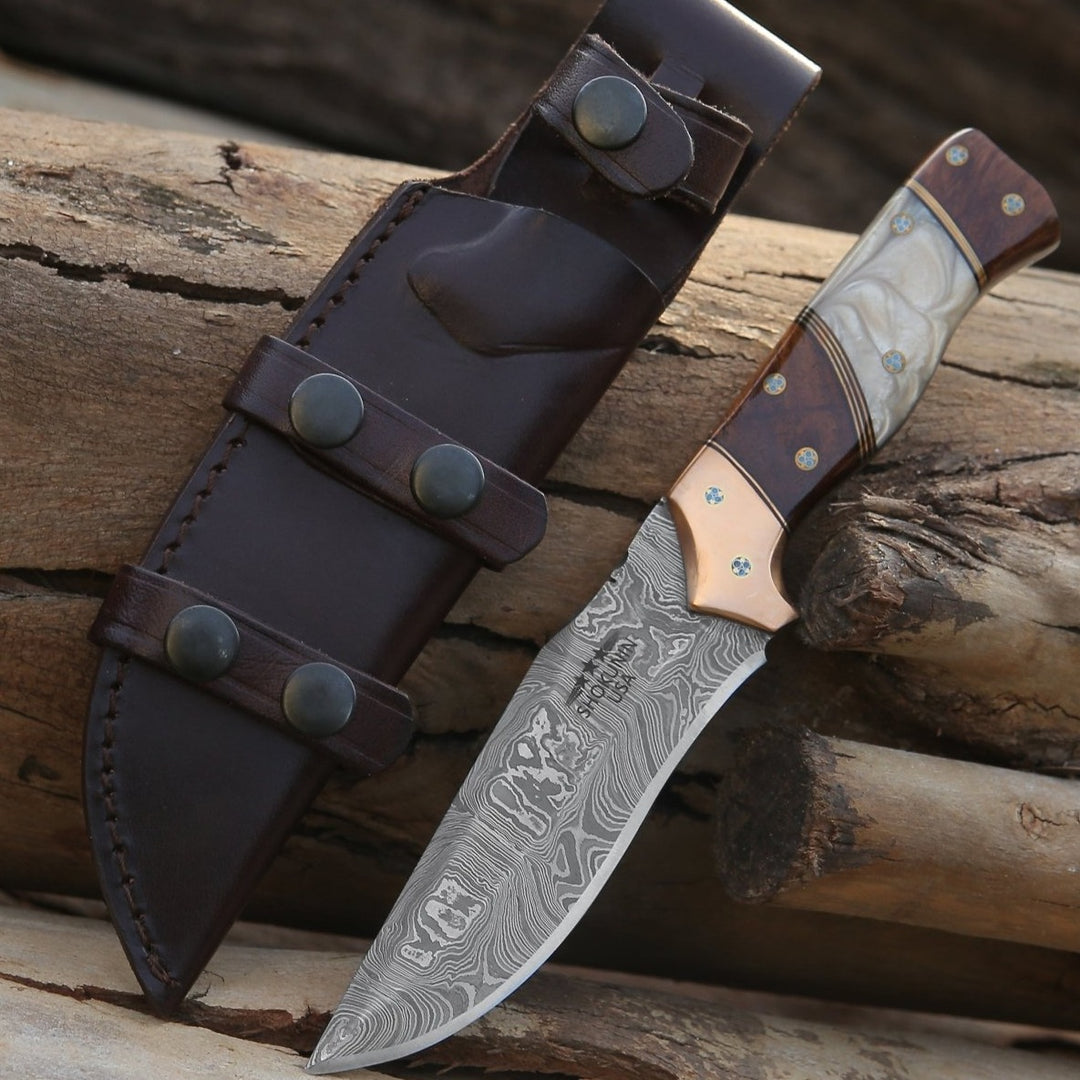
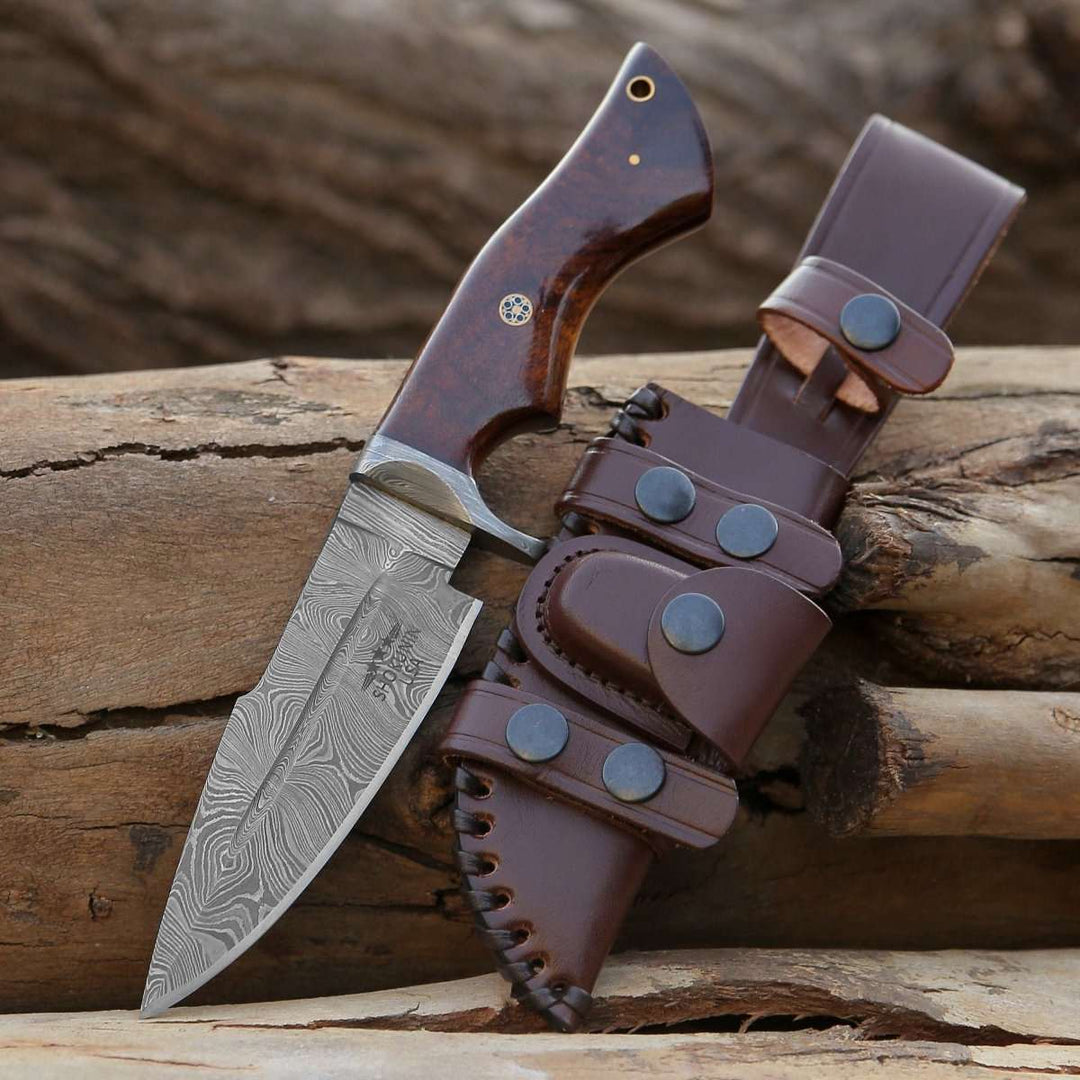
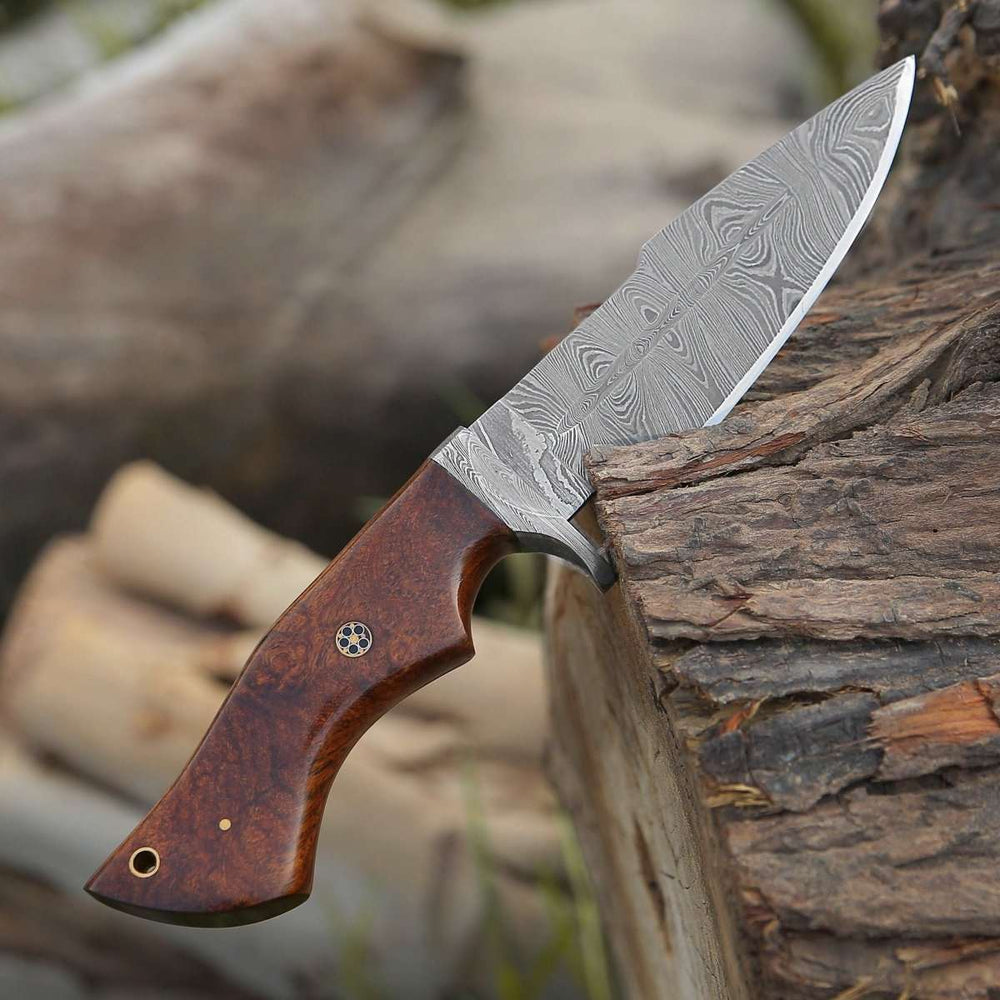
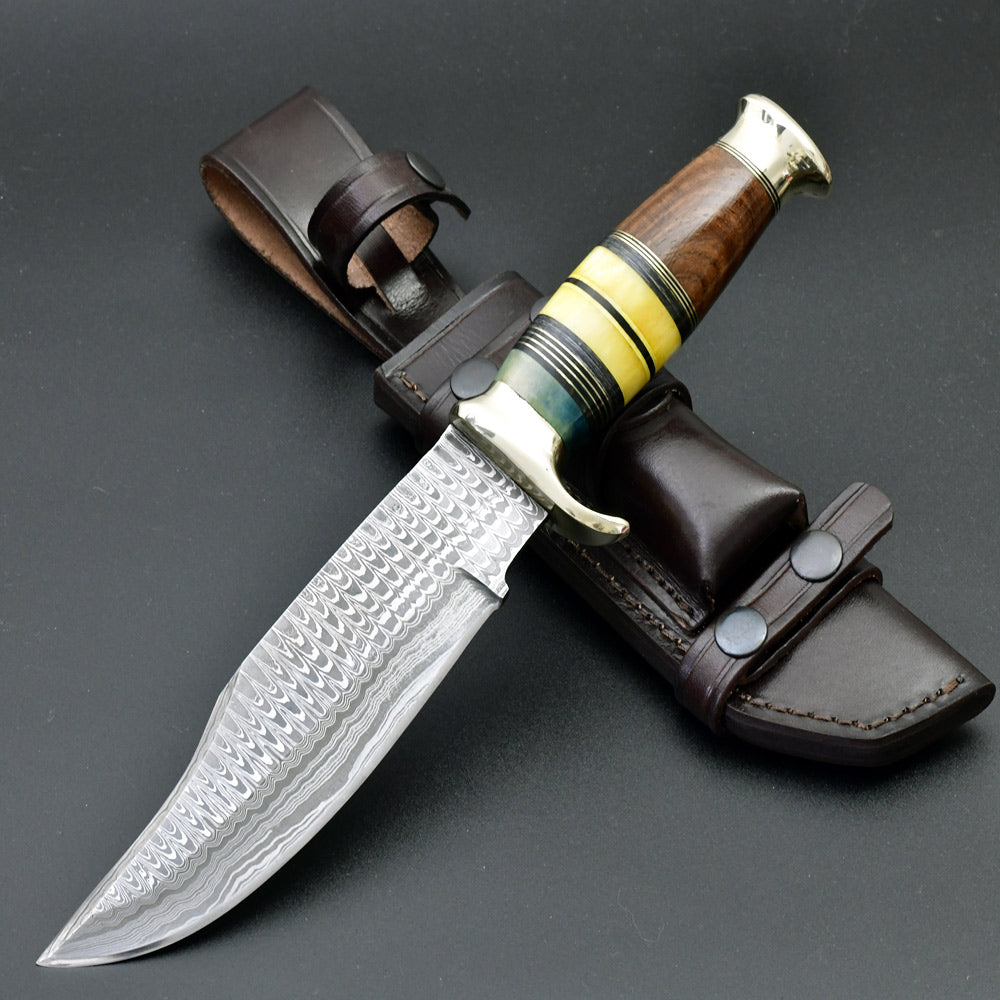
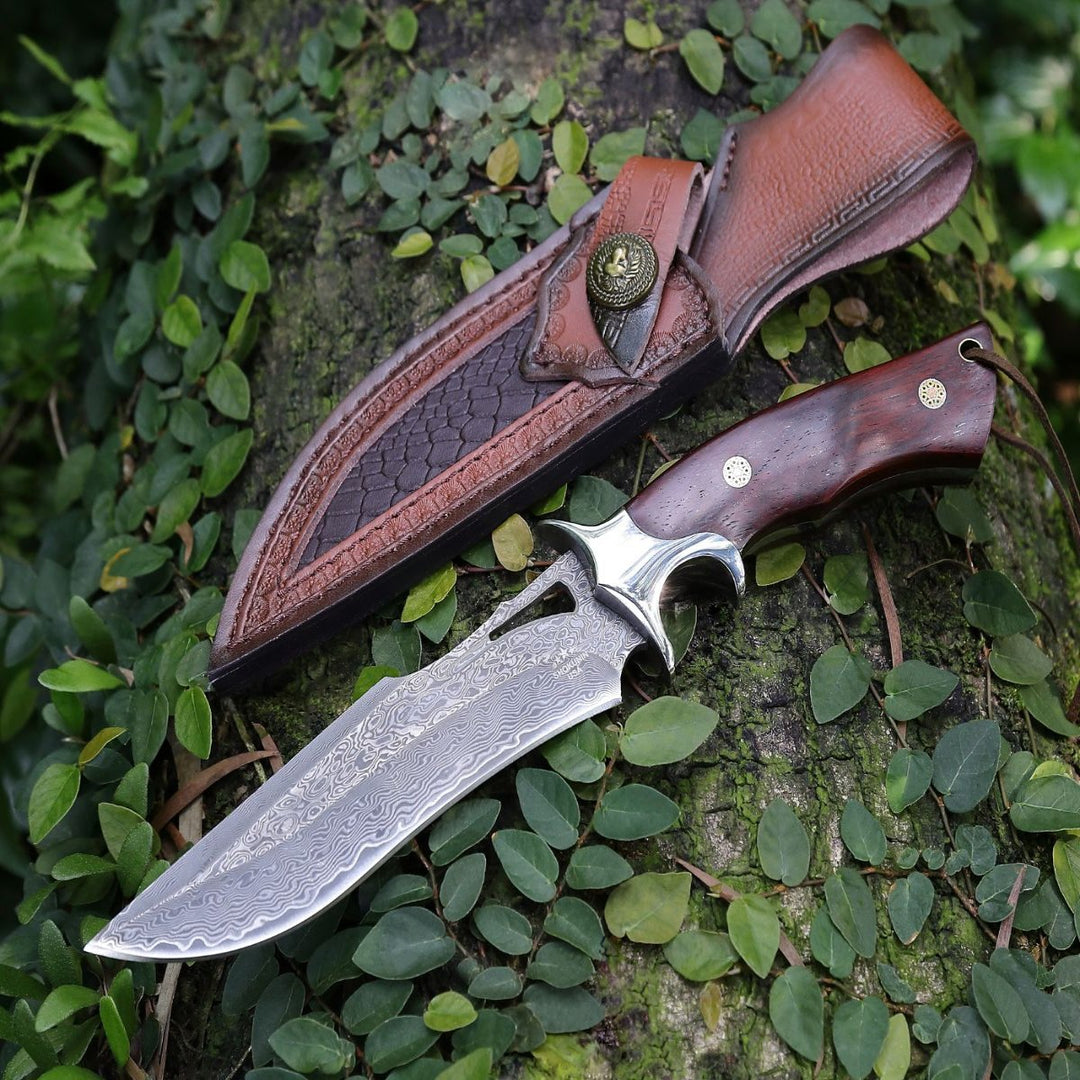
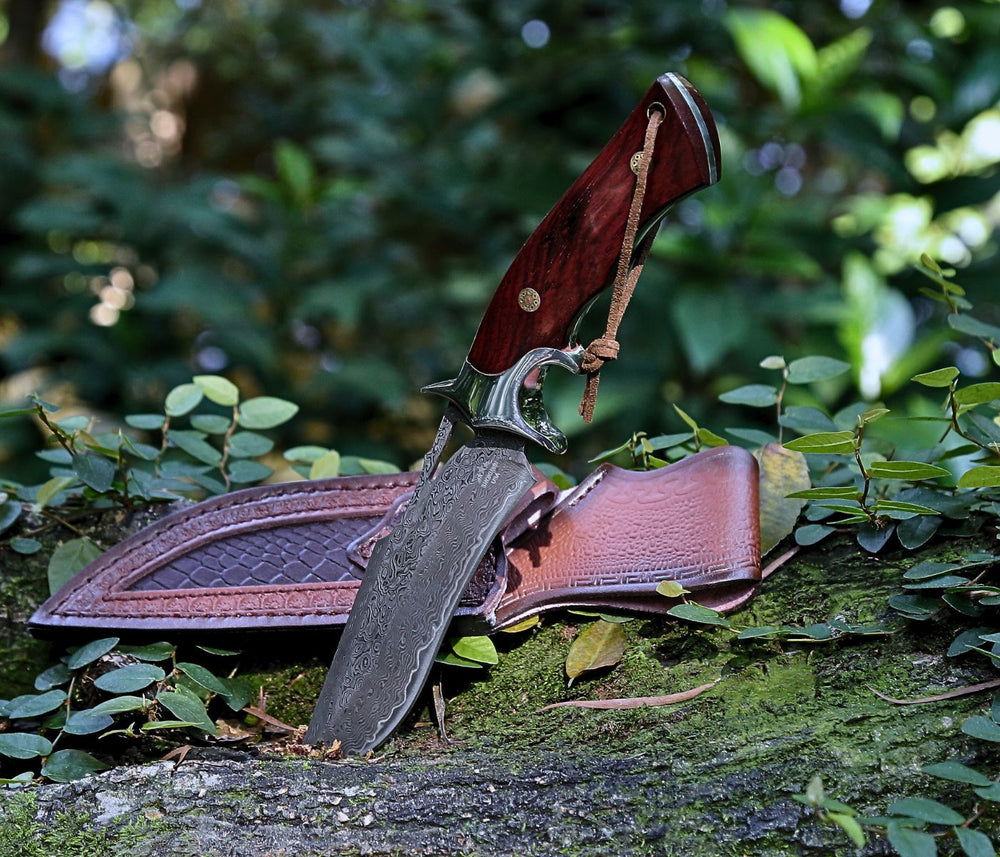
- Fixed-Blade Knives: While these might not fit in your pocket as easily, some fixed-blade knives are compact and designed for quick access, often used in outdoor activities.
- Pen Knives: Small and lightweight, pen knives are designed for precision cutting tasks, making them ideal for delicate work.
Understanding the types can help you determine which category best fits your needs. Now let’s delve into the features you should consider when choosing a pocket knife.
Key Features to Consider
Blade Material
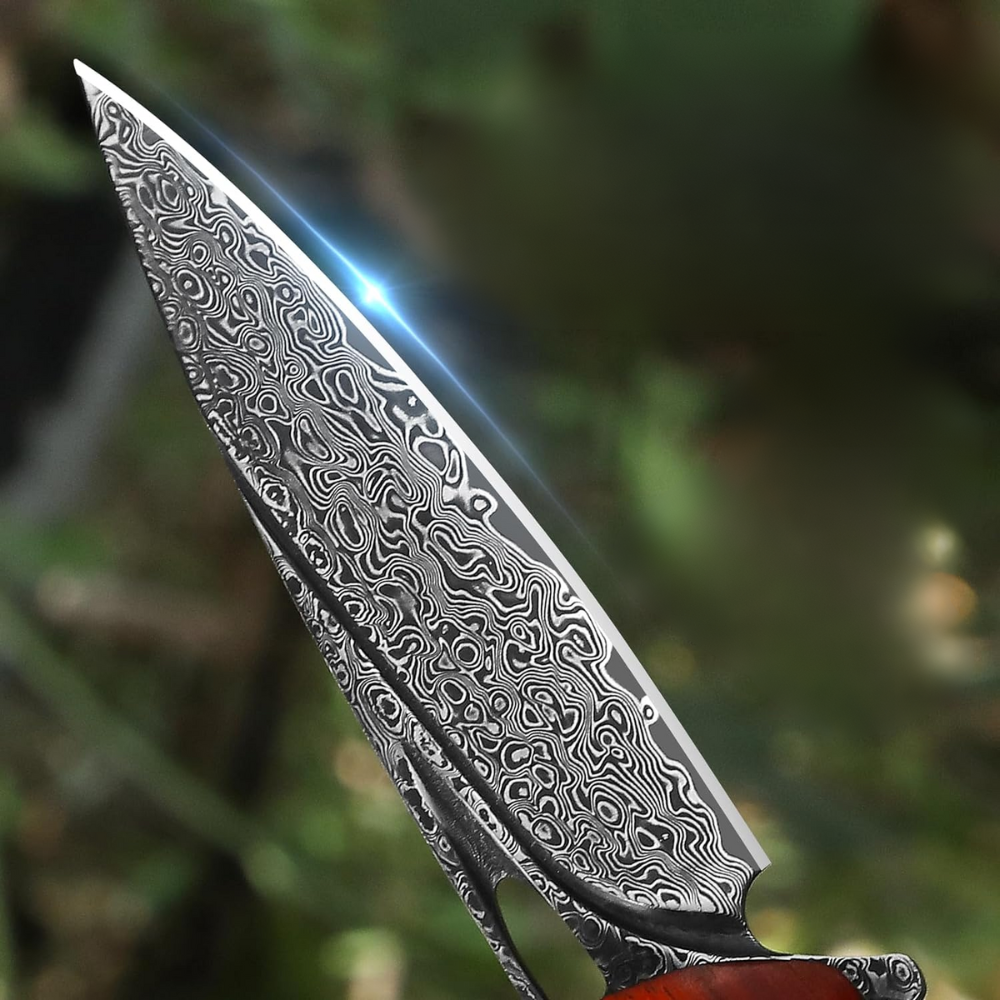
The material of the blade is one of the most crucial factors to consider. Different materials affect the knife's durability, sharpness, and resistance to corrosion. Common blade materials include:
- Stainless Steel: Known for its corrosion resistance, stainless steel is an excellent option for everyday carry. However, it may require frequent sharpening.
- Carbon Steel: While it sharpens easily and holds an edge well, carbon steel can rust if not properly maintained.
- High Carbon Stainless Steel: This combines the best of both worlds: durability and edge retention without the fear of rust.
Blade Design
The design of the blade impacts the knife's utility. Here are a few common blade shapes and their uses:
- Drop Point: This design offers a strong tip and is great for slicing.
- Clip Point: Known for its versatility, clip points excel at detailed tasks and piercing.
- Sheepfoot: This blade has a flat cutting edge, making it ideal for slicing while reducing the chance of accidental puncturing.
Handle Material
The handle material affects grip, comfort, and overall aesthetics. Options include:
- Wood: Classic and beautiful, wooden handles offer a traditional feel.
- Plastic: Lightweight and often textured, plastic handles can provide a secure grip.
- Metal: Typically more durable, metal handles can be cold to the touch but can withstand heavy use.
- Composite: Materials like G10 combine strength and lightweight attributes, offering durability and great grip.
Size and Weight
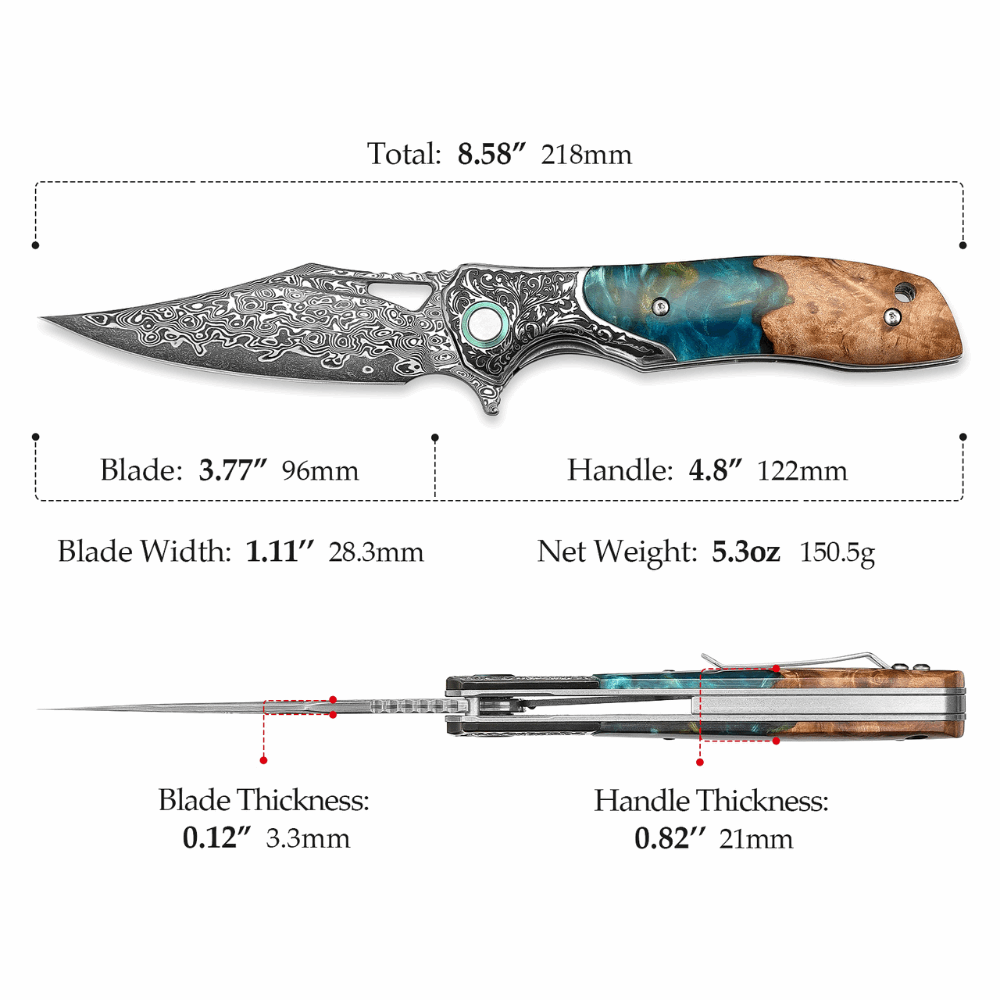
When choosing a pocket knife, size and weight are significant considerations. Depending on your intended use, a larger knife may be more effective, but it might also make carrying less convenient. Conversely, a smaller knife can be more portable, making it ideal for everyday carry.
Generally, a pocket knife should be light enough to carry comfortably but robust enough to handle the tasks you anticipate needing it for. If you're carrying it for prolonged periods, a lightweight design is often best.
Locking Mechanism
A reliable locking mechanism is essential for safety and ease of use. Many pocket knives feature different types of locking mechanisms:
- Frame Lock: A part of the handle itself secures the blade in place, providing a strong and durable lock.
- Liner Lock: A metal strip inside the handle holds the blade open securely while allowing easy one-handed operation.
- Back Lock: A spring-loaded bar locks the blade open, making it a reliable choice for many users.
- Axis Lock: A unique mechanism that allows for smooth, ambidextrous operation for opening and closing.
Price Range
Like any product, pocket knives come in a wide range of prices. It's essential to set a budget based on the features that are most important for your intended use. While lower-priced knives might be suitable for casual users, investing in a mid-range or higher-quality knife can prove more cost-effective in the long run due to extended durability and better functionality.
Always remember that a more expensive pocket knife doesn't guarantee it will be the perfect fit for your needs. Researching and comparing your options can help you find the balance between price and quality.
Your Intended Use
Your specific needs will largely dictate what type of pocket knife is best for you. Consider these various use cases:
- Everyday Carry: If you need a knife for daily tasks like opening packages or light cutting, a compact and lightweight folding knife is ideal.
- Camping and Outdoor Activities: For camping, heavier blades with strong locking mechanisms are recommended. You may also consider multi-tools that offer various functions.
- Hiking and Survival: A more robust blade may be preferable. Consider a fixed-blade knife for stronger and more extensive cuts.
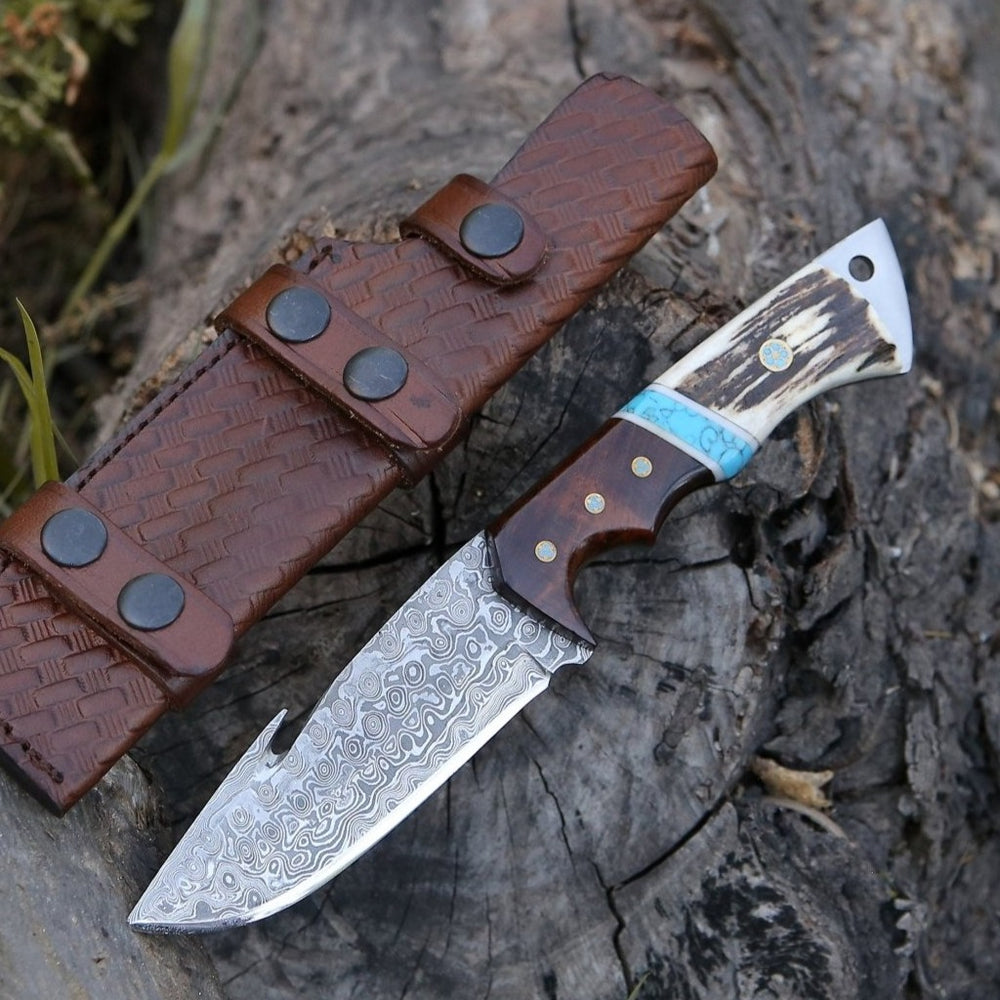
- Fishing and Hunting: A knife designed for specific activities, such as a fillet knife or a gut hook, can enhance your performance.
Brand Reputation and Reviews
Before purchasing a pocket knife, it's wise to research the brand. Look for trustworthy companies known for their quality control and customer service. Reading reviews and testimonials can provide insight into the knife's performance and durability.
Be cautious of overly promotional content, as genuine reviews from users in forums can often provide balanced perspectives, helping you to make informed decisions.
Maintenance and Care for Your Pocket Knife
Once you choose your pocket knife, maintaining it is critical for longevity and performance. Here are a few tips on proper care:
- Regular Cleaning: Dirt, debris, and moisture can affect your knife's functionality. Regularly disassemble (if applicable) and clean your knife with warm soapy water and a soft cloth.
- Sharpening: Keeping the blade sharp is important for effective cutting. Invest in a quality sharpening tool that matches your knife type.
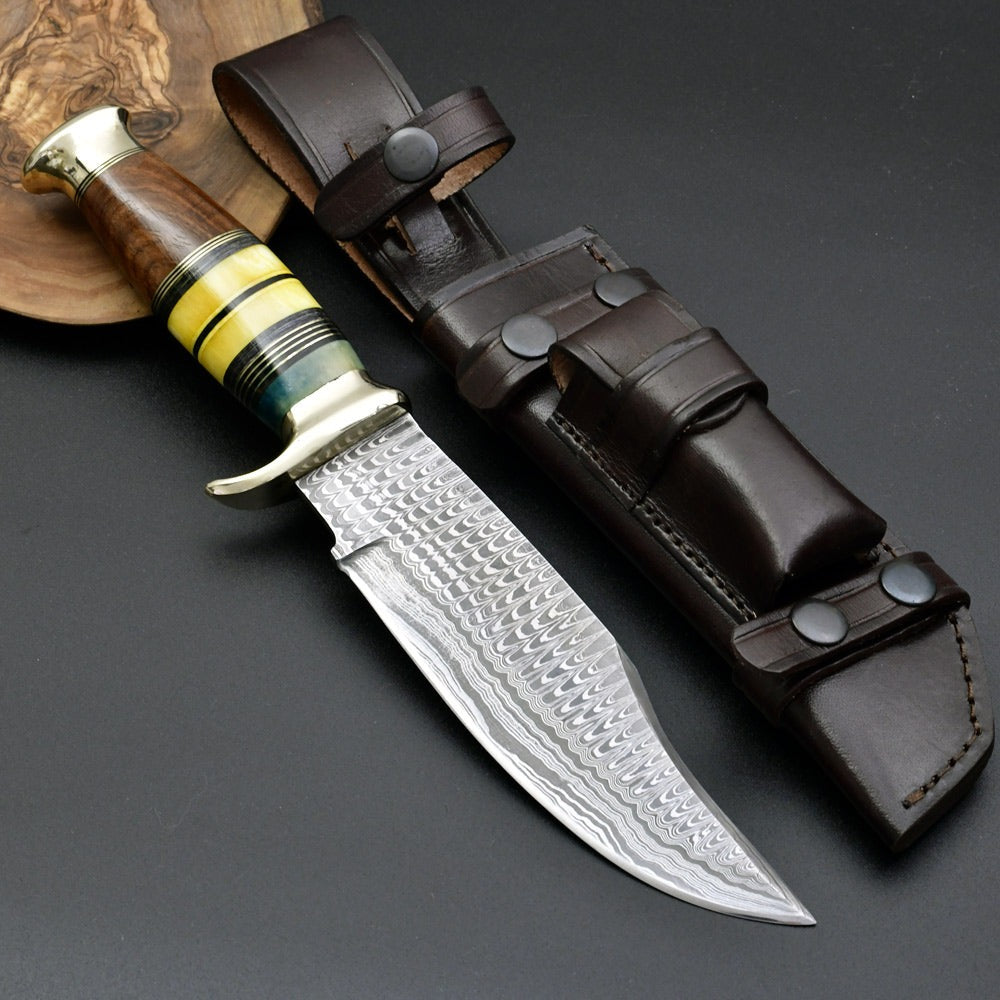
- Proper Storage: Store your knife in a dry place to prevent rust and damage. Consider using a sheath or case for protection.
Where to Buy Pocket Knives Online
Now that you’re equipped with all the necessary knowledge to select the perfect pocket knife for your needs, it’s time to explore where you can make your purchase.
Online platforms like Shokunin USA offer a variety of high-quality pocket knives that can cater to various preferences. Shopping online allows you to compare different models, read reviews, and check specifications easily, ensuring you find the right fit.
Final Thoughts for Your Pocket Knife Journey
Choosing the perfect pocket knife is a blend of understanding your personal needs, preferences, and the knife's technical features. Whether you're heading out on a camping trip, embracing outdoor adventures, or simply looking for a reliable tool to have on hand for daily tasks, the right pocket knife can make all the difference. Take your time exploring different options and remember to prioritize quality, ease of use, and safety. Investing in a pocket knife that truly suits your lifestyle will serve you well for years to come!






Laissez un commentaire