


Overview
Pocket knives, especially folding types, are useful tools but their legality varies by location. Key factors include knife type, blade length, and whether it's carried openly or concealed. Each state has its own laws, so it's essential to know local regulations. Best practices for carrying include using a sheath, respecting community norms, and maintaining your knife properly. Engage with the knife community for better understanding and advocacy.
Frequently Asked Questions
1. What is a pocket knife?
2. Are there different types of folding knives?
3. Do laws regarding pocket knives differ by location?
4. What factors impact the legality of carrying a pocket knife?
5. What should I do if stopped by law enforcement while carrying a pocket knife?
Pocket knives, particularly folding knives, are versatile tools that many carry for everyday tasks, self-defense, or even as collector’s items. However, the legality of carrying these handy implements can vary widely depending on your location and the specific type of knife in question. In this article, we’ll explore the key legal aspects surrounding the possession, carrying, and use of pocket knives, especially focusing on folding knives. This guide aims to provide clarity and help you navigate the legal landscape surrounding these essential tools.
The Basics of Pocket Knife Legality
Understanding the legality of carrying pocket knives starts with acknowledging that laws differ from state to state and even from city to city. Here are some foundational elements to keep in mind:
Definition of Pocket Knives
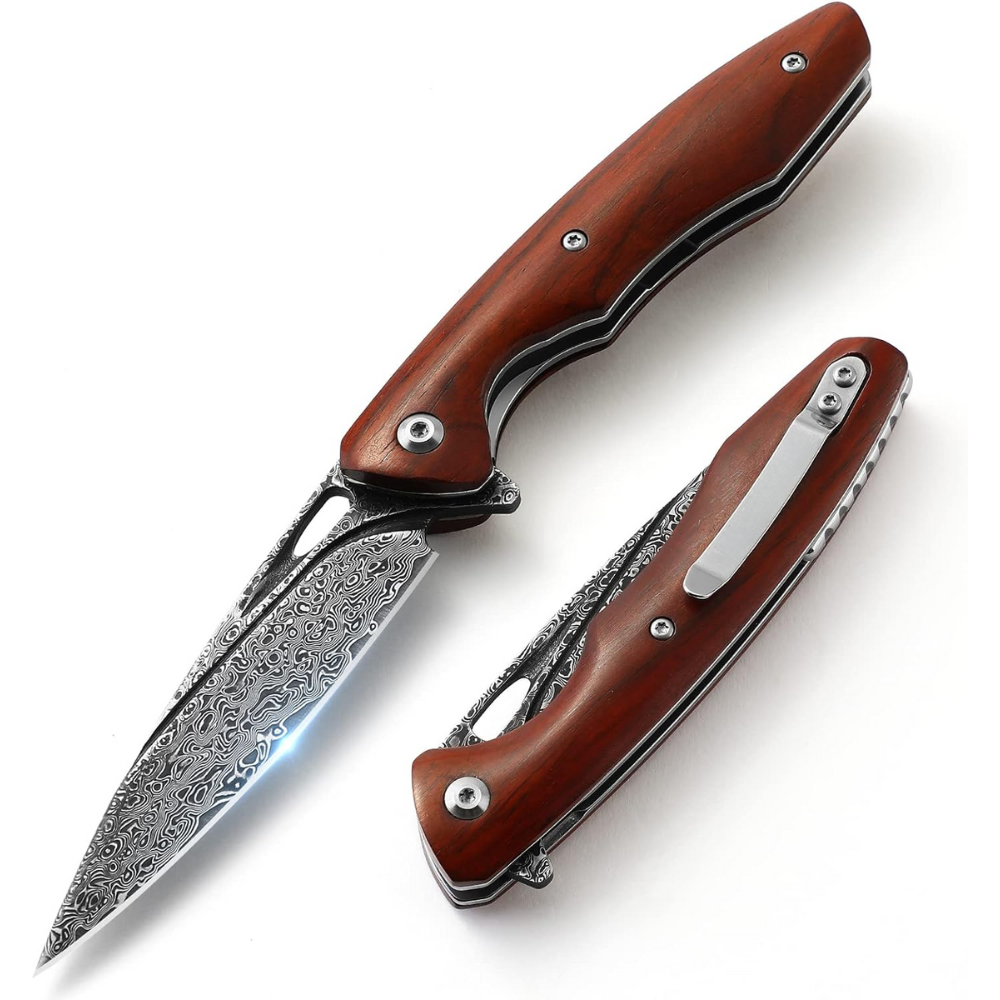
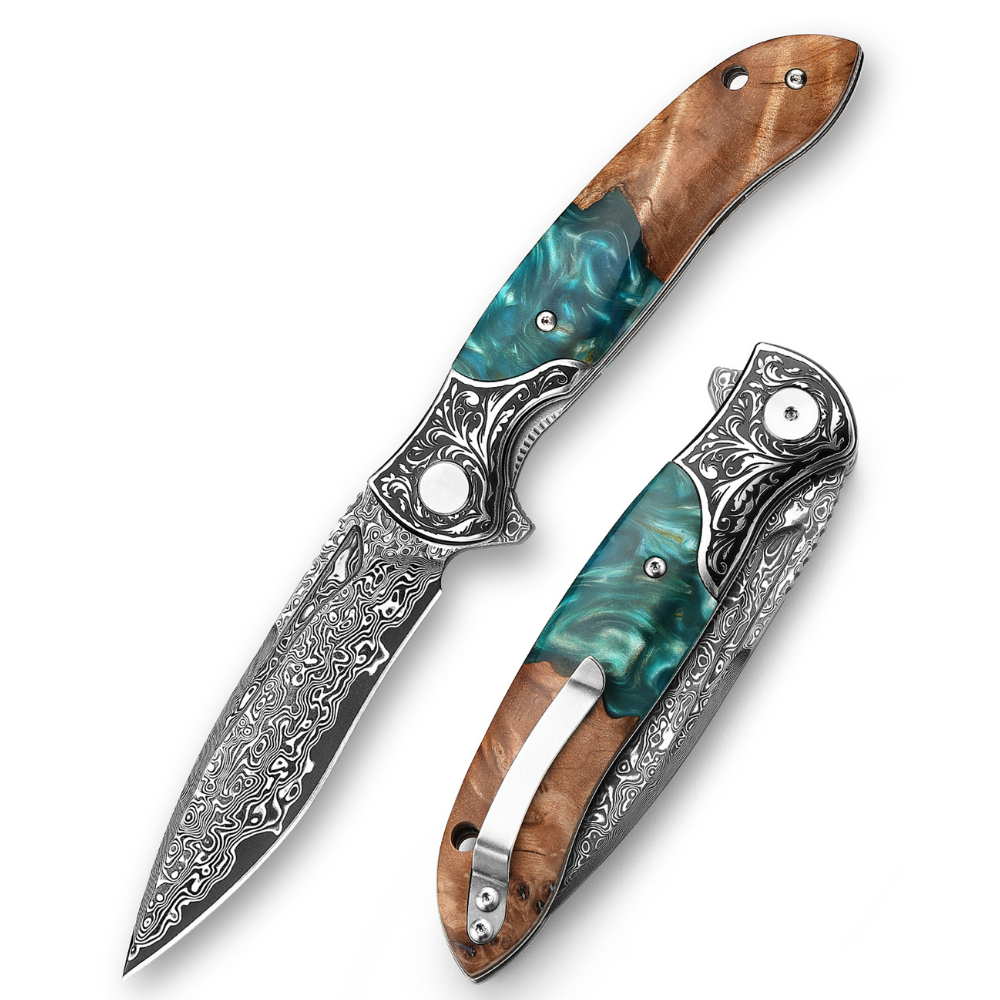
A pocket knife is generally defined as a small knife with a folding blade that can be carried in a user's pocket. Folding knives come in various shapes, sizes, and blade types, each of which may have different legal considerations. The classification of the knife, the blade length, and whether it has features like automatic opening mechanisms are all factors that can influence the legality of carrying these knives.
Types of Folding Knives
Folding knives can be categorized into several types, which can impact their legal status:
- Traditional Folding Knives: Usually feature a manual opening mechanism and are often legal in most places.
- Lockback Folding Knives: These knives lock the blade in place, adding a level of safety, but some jurisdictions may have restrictions.
- Automatic Folding Knives: Often called switchblades, these are subject to stricter regulations and may be illegal in various states.
- Assisted Opening Knives: These require a deliberate action to open but may come under scrutiny depending on local laws.
State Laws and Regulations
Each state in the U.S. has its own laws governing the possession and carrying of folding knives and pocket knives. Here’s a general overview of what some states might prohibit or allow:
Common Legal Variables
When looking at the legal landscape, you’ll find several factors that are typically considered:
- Blade Length: Many states have specific limits on the legal blade length for pocket knives. These can range from 2 inches to 4 inches or more, depending on where you live.
- Concealed vs. Open Carry: Some laws make distinctions between knives that are openly carried versus those that are concealed. Understanding your state’s stance is crucial.
- Intent of Use: Law enforcement may evaluate the intent behind carrying a knife. A folding knife carried as a tool may not attract the same scrutiny as one carried for self-defense.
Special Considerations for Specific States
While it’s impossible to cover every state in detail, let’s look at a few examples to provide a sense of the diversity in laws:
- California: The law allows folding knives with blades less than 2.5 inches to be carried openly. Concealed carry is more complex and often restricted.
- Texas: As of recent changes, individuals can carry folding knives with blades over 5 inches openly.
- New York: Pocket knives are considered gravity knives in certain contexts, which can lead to more stringent regulations compared to other states.
Federal Regulations Affecting Pocket Knives
In addition to state laws, federal regulations can also impact the legality of carrying folding knives, especially in sensitive locations such as:
- Airports and airplanes
- Government buildings
- Schools
It’s crucial to be aware that any knife considered a weapon under federal guidelines may be illegal in these settings, regardless of local laws. Always check the rules before you travel or enter restricted areas.
Defending Your Rights
If you find yourself facing legal issues regarding your pocket knife or folding knife, it's essential to understand your rights:
What to Do If Stopped by Law Enforcement
If approached by law enforcement regarding your folding knife, the following tips can help:
- Stay Calm: Maintain a calm demeanor and be polite. This can go a long way in reducing tension.
- Know Your Rights: In most cases, you have the right to know why you are being stopped and whether you are being detained.
- Provide Information: If questioned, being truthful about your intent can help clarify the situation.
Best Practices for Carrying Pocket Knives
If you're planning to carry a folding knife, consider following these best practices to not only remain compliant with the law but also promote safety:
Storage and Carry Method
How you carry your folding knife can significantly affect your legal standing. Here are some suggestions:
- Use a Sheath or Holster: If the knife has a longer blade or if you're in a region with stricter laws.
- Designate a Specific Pocket: Keeping your knife specifically in your pocket for quick access can be helpful, but ensure that it's not visible if required by law.
- Consider Weight and Size: A lightweight, compact folding knife is less likely to attract unwanted attention compared to larger models.
Know the Local Community
Each community has its own culture regarding pocket knives. Understanding and adapting to this culture can help mitigate issues:
- Be aware of local events where carrying a knife might be frowned upon.
- Respect others’ feelings about knives; if someone is uncomfortable, it's best to remove the knife from visibility.
Engaging in Responsible Knife Ownership
Ultimately, being a responsible knife owner goes beyond the legal ramifications. Understanding how to use, care for, and talk about your folding knives fosters a positive environment not only for yourself but for others as well.
Knife Maintenance and Safety
Proper care of your folding knife will ensure its longevity and usability:
- Regular Cleaning: Regular cleaning and oiling of the blade and joints promote functionality.
- Sharpening: Keep your knife sharp, as a dull blade can lead to dangerous situations.
Community Engagement and Knowledge Sharing
As a knife owner, engaging with fellow enthusiasts can enrich your understanding of the laws and best practices:
- Join online forums or local clubs to discuss issues related to folding knives and their legalities.
- Attend knife shows or workshops to learn more about various types of knives and proper usage.
- Engage with your local lawmakers to advocate for fair laws regarding pocket knives.
Final Thoughts: Navigating the Knife Landscape
The world of pocket knives is both fascinating and complex. As we’ve explored, the legalities surrounding folding knives vary widely, making it crucial for owners to educate themselves about their local laws, carry responsibly, and actively engage with the knife community. By doing so, you can enjoy the versatility and utility of your folding knife while ensuring that you remain compliant with the law. Happy carrying!






Lascia un commento