

Overview
A reliable pocket knife, especially a Damascus folding knife, requires regular maintenance for optimal performance and longevity. Key maintenance steps include cleaning the blade and handle, sharpening the blade, lubricating the locking mechanism, and proper storage. Regular upkeep ensures safety, enhances functionality, and prevents issues like rust and dullness. Follow these tips to keep your pocket knife in top shape for all your outdoor adventures and daily tasks.
Table of Contents
- Understanding Your Pocket Knife
- The Blade
- The Handle
- The Locking Mechanism
- The Importance of Maintenance
- Essential Tools for Pocket Knife Maintenance
- Step-by-Step Guide to Maintaining Your Pocket Knife
- Step 1: Cleaning the Blade
- Step 2: Sharpening the Blade
- Step 3: Cleaning the Handle
- Step 4: Lubricating the Mechanism
- Step 5: Storing Your Pocket Knife
- Common Issues and Solutions
- Rust Formation
- Wobbling Blade
- Dullness
- Final Thoughts on Pocket Knife Care
Key Takeaways
- Understand Your Knife: Familiarize yourself with the main components: blade, handle, and locking mechanism, to enhance usability and safety.
- Regular Maintenance is Key: Keep your knife in top condition to ensure safety, functionality, and longevity.
- Use Essential Tools: Equip yourself with a sharpening stone, cleaning solution, microfiber cloth, and lubricant for effective maintenance.
- Follow a Maintenance Routine: Clean the blade, sharpen it, clean the handle, lubricate the mechanism, and store your knife properly.
- Troubleshoot Common Issues: Address rust, wobbling blades, and dullness promptly to maintain optimal performance.
- Store Properly: Keep your knife in a dry place and consider using a protective sheath to prevent damage.
- Prioritize Safety: A well-maintained knife reduces the risk of accidents and enhances cutting efficiency.
When it comes to outdoor adventures, DIY projects, or just general everyday tasks, having a reliable pocket knife can make all the difference. A high-quality Damascus folding pocket knife not only provides superb functionality but also offers a unique aesthetic appeal. However, to ensure longevity and optimal performance, regular maintenance is crucial. In this comprehensive guide, we will delve deep into pocket knife maintenance, highlighting effective tips to keep your blade sharp and clean.
Understanding Your Pocket Knife
Before we dive into maintenance, it's essential to understand the basic components of your pocket knife. The main parts include the blade, handle, and locking mechanism. Each component plays a significant role in the overall performance and usability of the knife.
The Blade
The blade is arguably the most critical part of any pocket knife. A well-maintained blade ensures clean cuts and enhances safety during use. The blade's material also impacts its maintenance needs, particularly with Damascus folding pocket knives, which require special attention due to their layered composition.
The Handle
The handle provides grip and comfort while using your knife. Various materials are used for handles, including wood, metal, and synthetic compounds. Keeping the handle clean and free from debris is essential not only for hygiene but also for maintaining the grip during usage.
The Locking Mechanism
This component ensures the blade stays securely in place during use. Regular checks for wear and tear can help prevent potential accidents while using your pocket knife.
The Importance of Maintenance
Regular maintenance is not just about aesthetics; it is about ensuring safety and functionality. A dull or dirty blade can lead to accidents or ineffective cutting. Moreover, a poorly maintained knife may become a breeding ground for bacteria. Here are the core reasons for maintaining your pocket knife:
- Enhanced Longevity: Regular maintenance reduces wear and tear, extending the life of your knife.
- Improved Performance: A sharp and clean blade enhances cutting efficiency.
- Safety: A well-maintained knife is less likely to slip during cutting tasks.
Essential Tools for Pocket Knife Maintenance
To keep your knife in top shape, gather a few essential tools:
- Sharpening Stone: Invest in a high-quality sharpening stone to maintain the blade's edge.
- Cleaning Solution: A mild soap or specialized knife cleaning solution can help remove dirt and grime.
- Cloth: A microfiber cloth or soft rag is ideal for drying and polishing the knife.
- Lubricant: A specially formulated lubricant ensures smooth operation of the locking mechanism and helps prevent rust.
Step-by-Step Guide to Maintaining Your Pocket Knife
Step 1: Cleaning the Blade
Start by cleaning the blade. Use warm soapy water and a cloth to gently wipe away any debris. For more stubborn grime, a soft-bristle brush can be effective. Once clean, thoroughly dry the blade with a microfiber cloth to prevent rust.
Step 2: Sharpening the Blade
A dull blade is ineffective and can be dangerous. To sharpen the blade, follow these steps:
- Choose your sharpening stone based on the type of edge your knife has (flat, curved, etc.).
- Angle the blade at approximately 20 degrees against the sharpening stone.
- Using smooth strokes, push the blade across the stone, alternating sides. Aim for about 10-15 strokes per side.
- Test the sharpness by slicing through paper – the blade should cut smoothly.
Step 3: Cleaning the Handle
The handle often collects oils and dirt from handling. Wipe the handle with a damp cloth and a small amount of soap, ensuring that you don’t introduce moisture into the inner components. If the handle is wooden, consider applying a suitable wood oil to maintain its finish.
Step 4: Lubricating the Mechanism
The locking mechanism is vital for safety, so keeping it lubricated is essential. Apply a small amount of lubricant to the pivot point of the blade and work the mechanism a few times to ensure even distribution. Wipe away any excess to avoid attracting dirt.
Step 5: Storing Your Pocket Knife
When not in use, store your pocket knife in a dry place to prevent moisture accumulation. Consider using a protective sheath or case, especially for high-quality knives like Damascus folding pocket knives, to prevent accidental damage and dulling of the blade.
Common Issues and Solutions
Even with good maintenance, you might encounter some common issues with your pocket knife. Here are some troubleshooting tips:
Rust Formation
If you see rust forming, don't panic. Use a fine steel wool pad or a rust eraser to gently remove the rust. Be sure to clean the area afterward and re-lubricate to protect against future rust.
Wobbling Blade
If the blade is wobbling or not securely locked, check the screws and bolts for tightness. A simple adjustment often fixes this issue. If the problem persists, consult a professional.
Dullness
If your knife is frequently becoming dull, consider how you’re using it. Heavy-duty use may require more frequent sharpening, so adjust your maintenance schedule accordingly.
Final Thoughts on Pocket Knife Care
Regular maintenance of your pocket knife, especially a fine piece like a Damascus folding pocket knife, is paramount for its performance and lifespan. By following the steps outlined in this guide, you can ensure that your blade stays sharp, clean, and ready for any task. Avoid neglecting your knife, as even the best blades need a little TLC to perform at their best. Happy cutting, and may your adventures be safe and successful with your trusty pocket knives!
Frequently Asked Questions
1. Why is maintenance important for a pocket knife?
2. What tools do I need for pocket knife maintenance?
3. How do I clean the blade of my pocket knife?
4. How often should I sharpen my pocket knife?
5. What should I do if I notice rust on my pocket knife?
Glossary
| Term | Meaning |
|---|---|
| Pocket Knife | A small, foldable knife ideal for various tasks. |
| Blade | The cutting part of the knife, crucial for performance. |
| Handle | The part of the knife you grip, made from various materials. |
| Locking Mechanism | Ensures the blade stays securely open during use. |
| Sharpening Stone | Tool used to maintain and sharpen the blade's edge. |
| Cleaning Solution | Substance used to remove dirt and grime from the knife. |
| Lubricant | Substance applied to the locking mechanism to prevent rust. |
| Rust | Corrosion that can form on metal parts if not maintained. |
| Wobbling Blade | Indicates loose screws or bolts affecting stability. |
| Dullness | A condition where the blade loses its cutting effectiveness. |
Linked Product

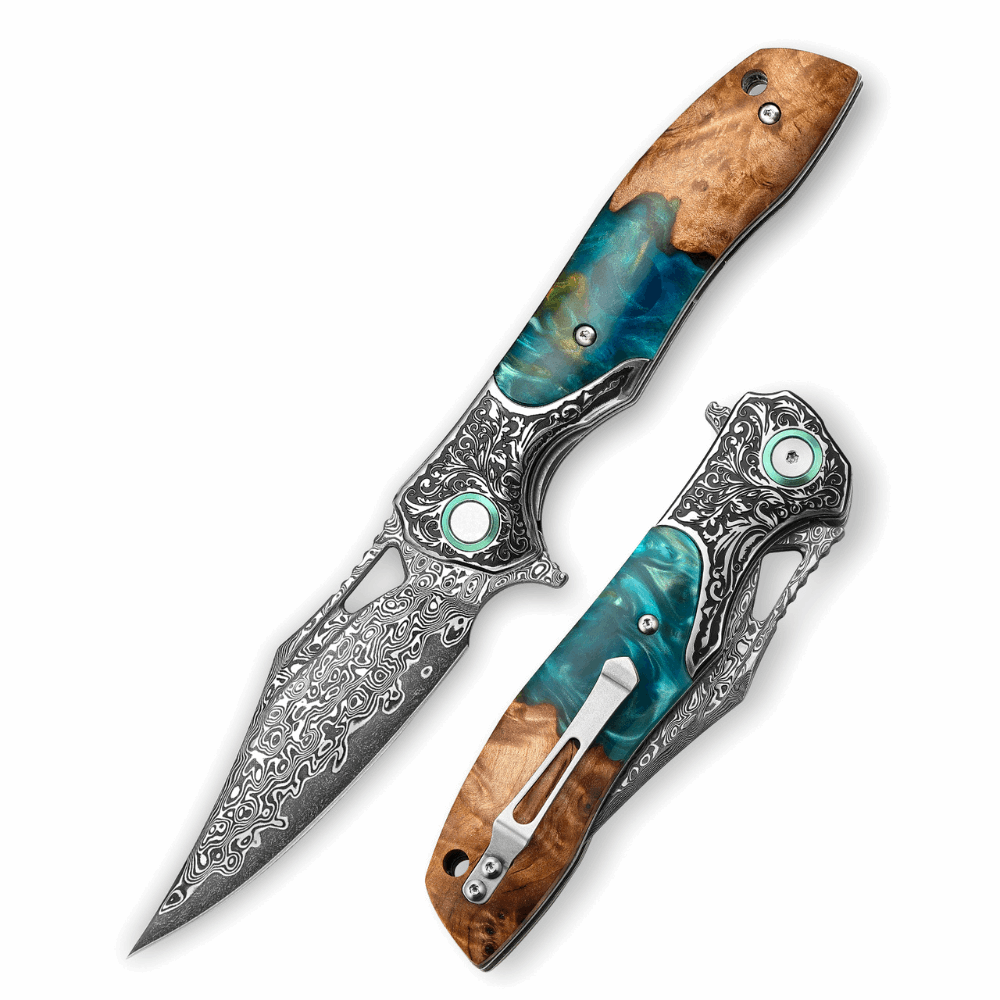
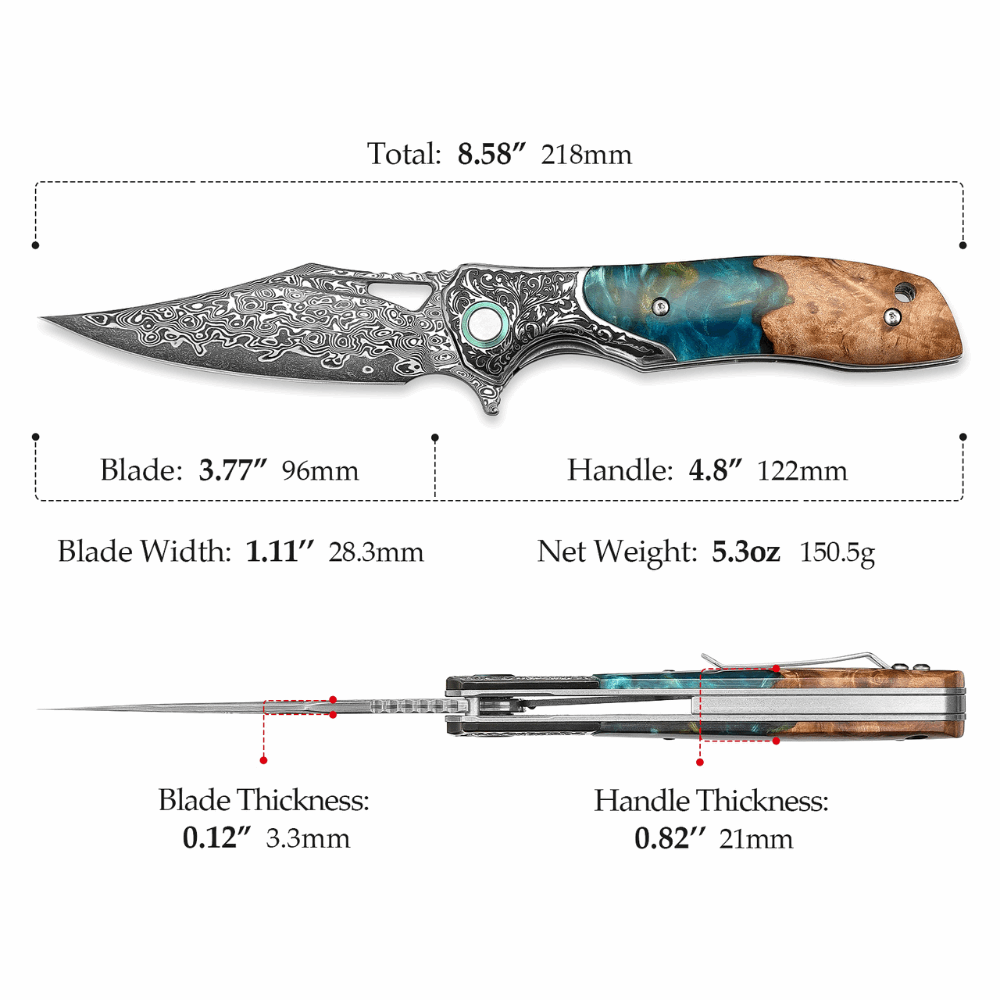
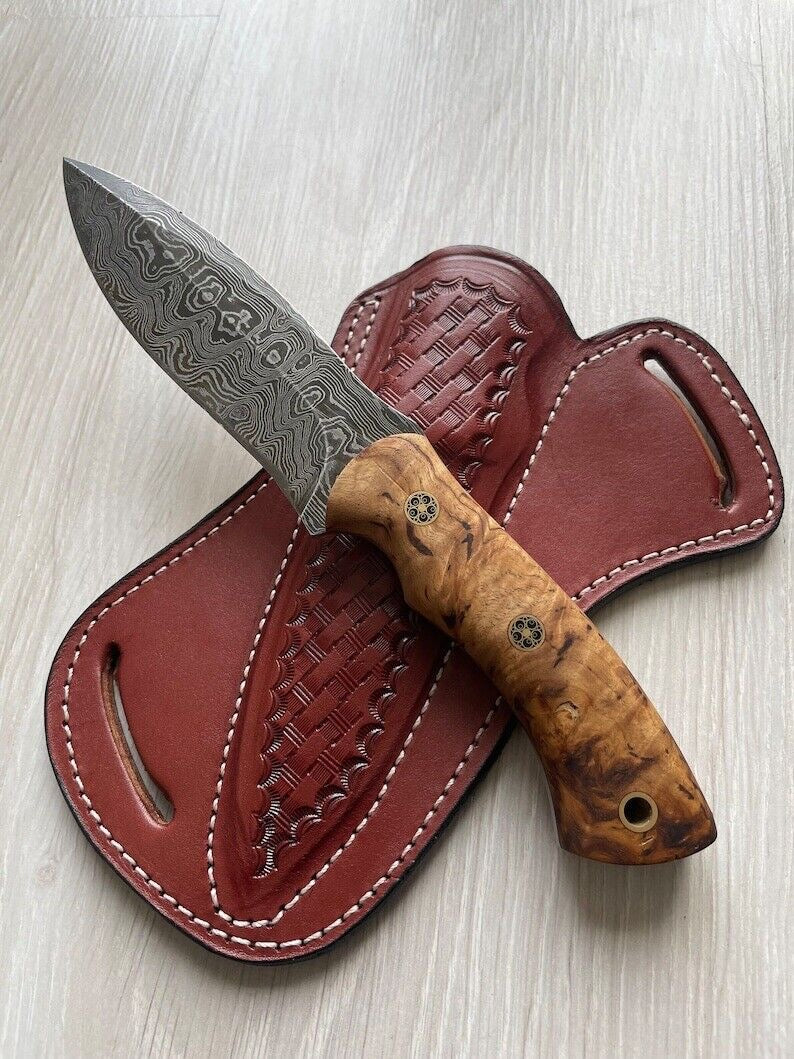
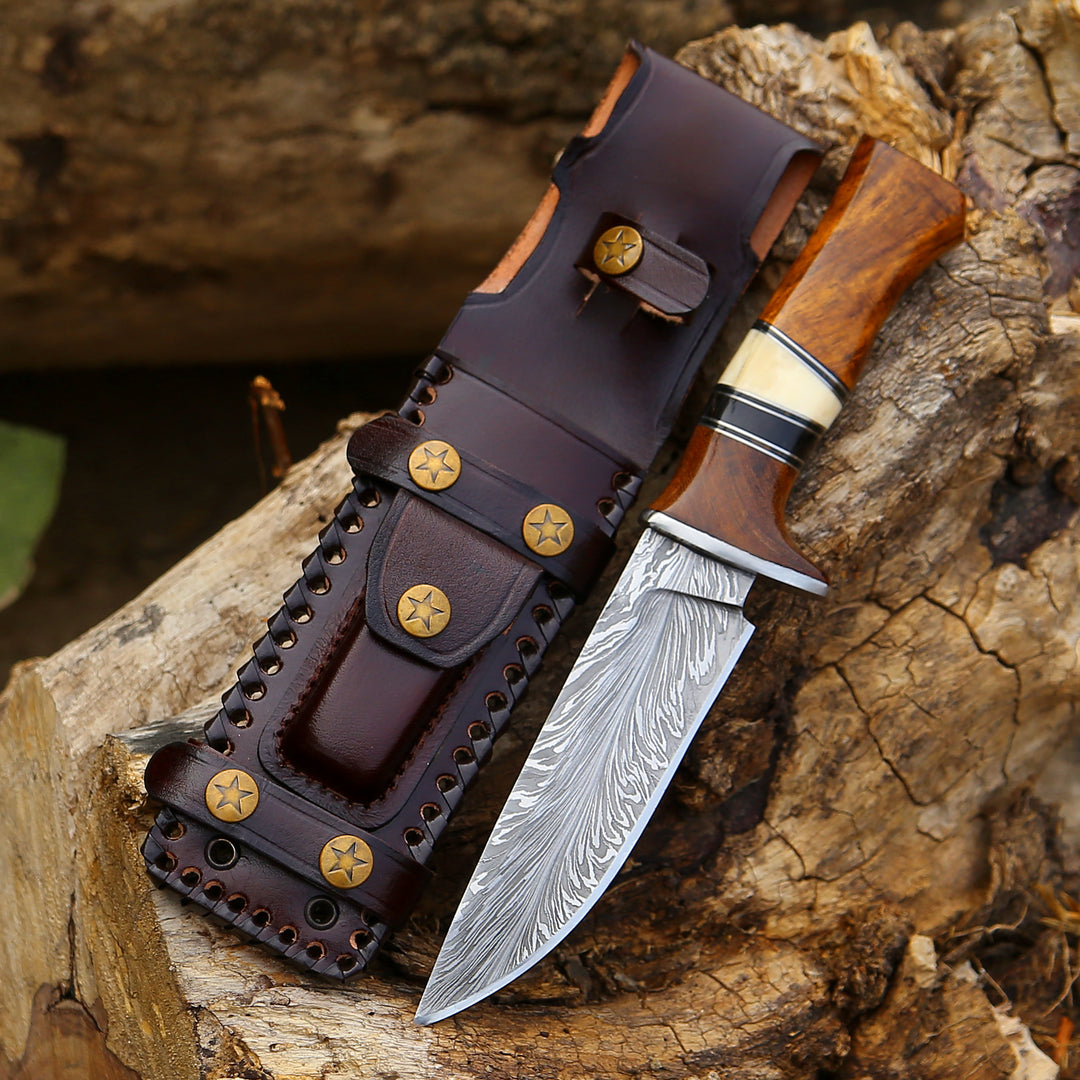
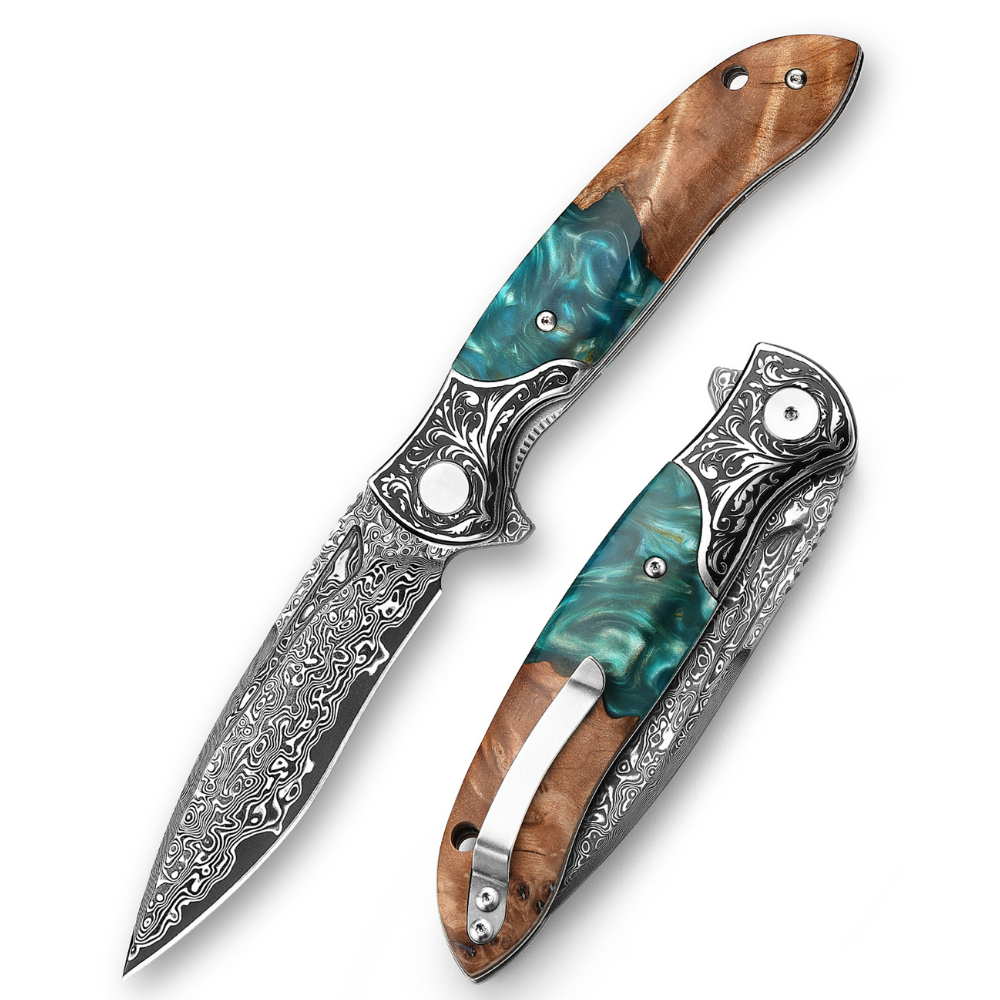
Galaxy Japanese Damascus Folding Pocket Knife with Maple Burl Wood Handle
The Galaxy Japanese Damascus Folding Pocket Knife features a unique hand-forged blade made from VG10 and 15n20 steel, providing exceptional sharpness and edge retention. Its ergonomic maple burl wood handle ensures comfort and durability, making it suitable for a variety of tasks, from outdoor adventures to everyday use. This versatile pocket knife comes with a hand-stitched leather sheath and a complimentary sharpener, enhancing its practicality for both collectors and outdoor enthusiasts.
View Product










Lascia un commento