


Overview
Handmade pocket knives offer unique craftsmanship and personal connection, making them more than just tools. They embody artistry, quality materials, and tradition, and can be personalized to reflect individual stories. Investing in custom knives provides longevity, potential resale value, and emotional significance. Proper maintenance and safe usage enhance their functionality, while these knives also serve as thoughtful gifts and collectibles. Embrace the craft and explore the world of custom knives to find a piece that resonates with you.
Table of Contents
- The Significance of Handmade Pocket Knives
- Crafting a Unique Pocket Knife: The Process
- 1. Design Inspiration
- 2. Selecting Materials
- 3. Shaping the Blade
- The Finishing Touches: Adding Personality
- Custom Engravings
- Handle Finishing
- The Value of Custom Knives
- Using Your Handmade Pocket Knife
- Routine Maintenance
- Safe Usage Practices
- Custom Knives as Gifts and Collectibles
- Join the Brotherhood of Knife Enthusiasts
- Takeaway: Embrace the Craft
Key Takeaways
- Artisanship: Handmade pocket knives are crafted by skilled artisans who invest significant time and effort into each piece, resulting in unique works of art.
- Quality Materials: Custom knives are made from high-quality materials, ensuring both durability and aesthetic appeal.
- Personalization: Many handmade knives can be tailored to individual preferences, making them ideal gifts or personal treasures.
- Longevity: Well-crafted handmade knives are built to last and can be passed down through generations, adding to their value.
- Routine Maintenance: Regular cleaning, lubrication, and sharpening are essential for maintaining the performance of your pocket knife.
- Community Engagement: Joining knife enthusiast forums or attending shows can enhance your appreciation for craftsmanship and connect you with like-minded individuals.
- Collectible Value: Handmade knives can appreciate in value over time, making them not only functional tools but also potential collectibles.
In a world where mass production dominates the landscape, the allure of handmade pocket knives has never been stronger. Custom knives are not just tools; they embody craftsmanship, distinctiveness, and personal connection. If you've ever been on the hunt for a perfect pocket companion that tells a story and holds sentiment, look no further than the art of crafting unique pocket tools.
The Significance of Handmade Pocket Knives
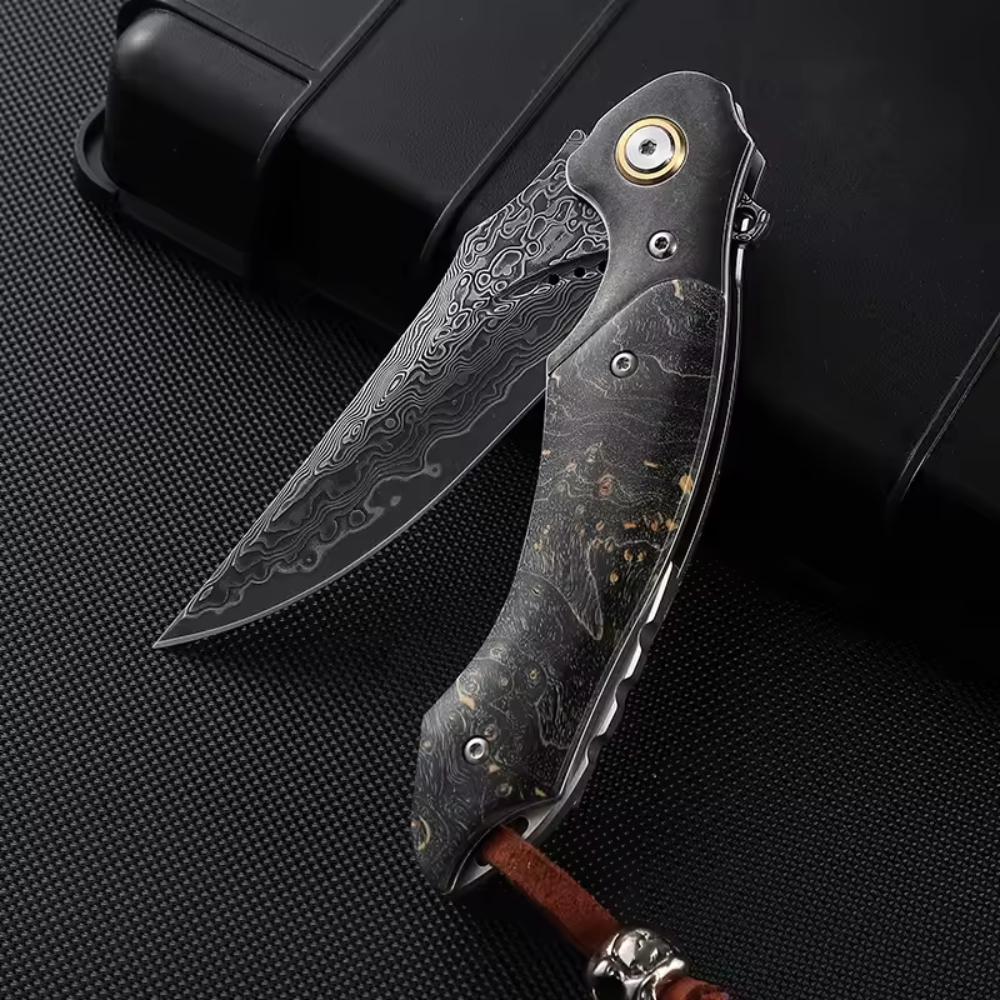
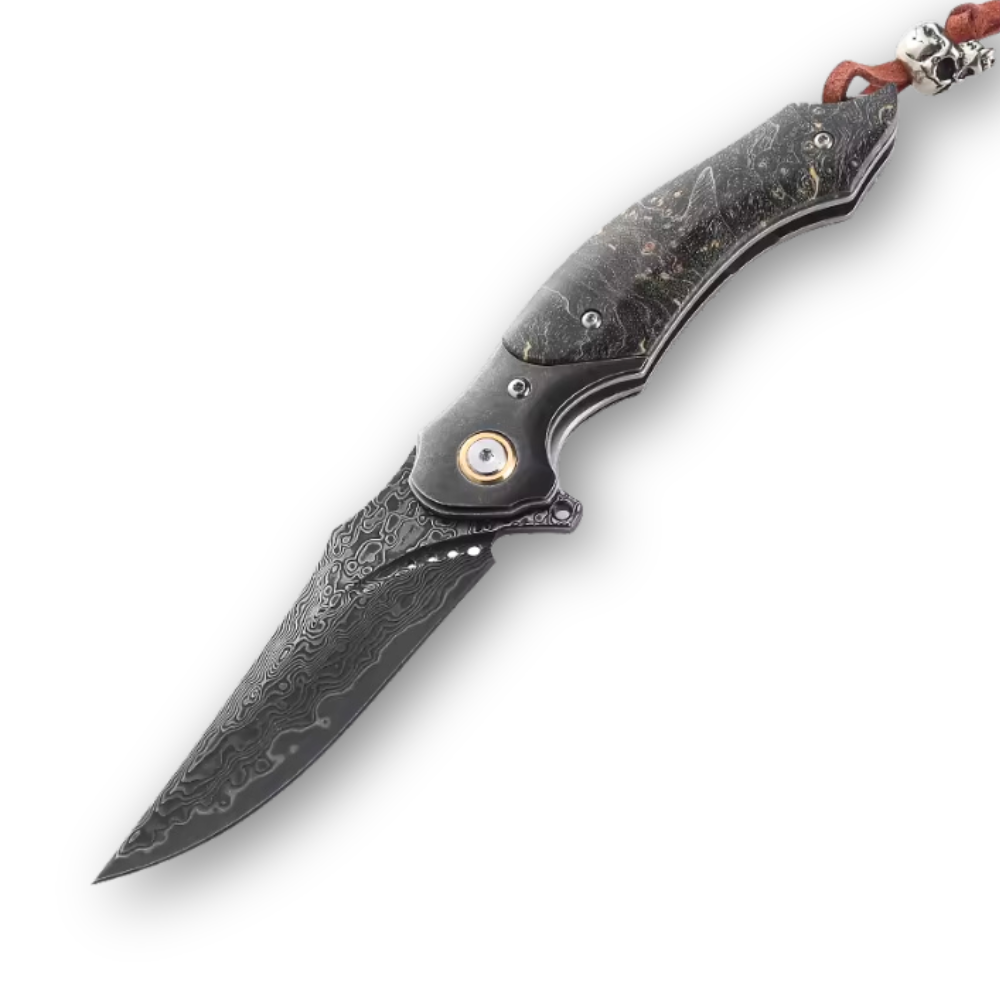
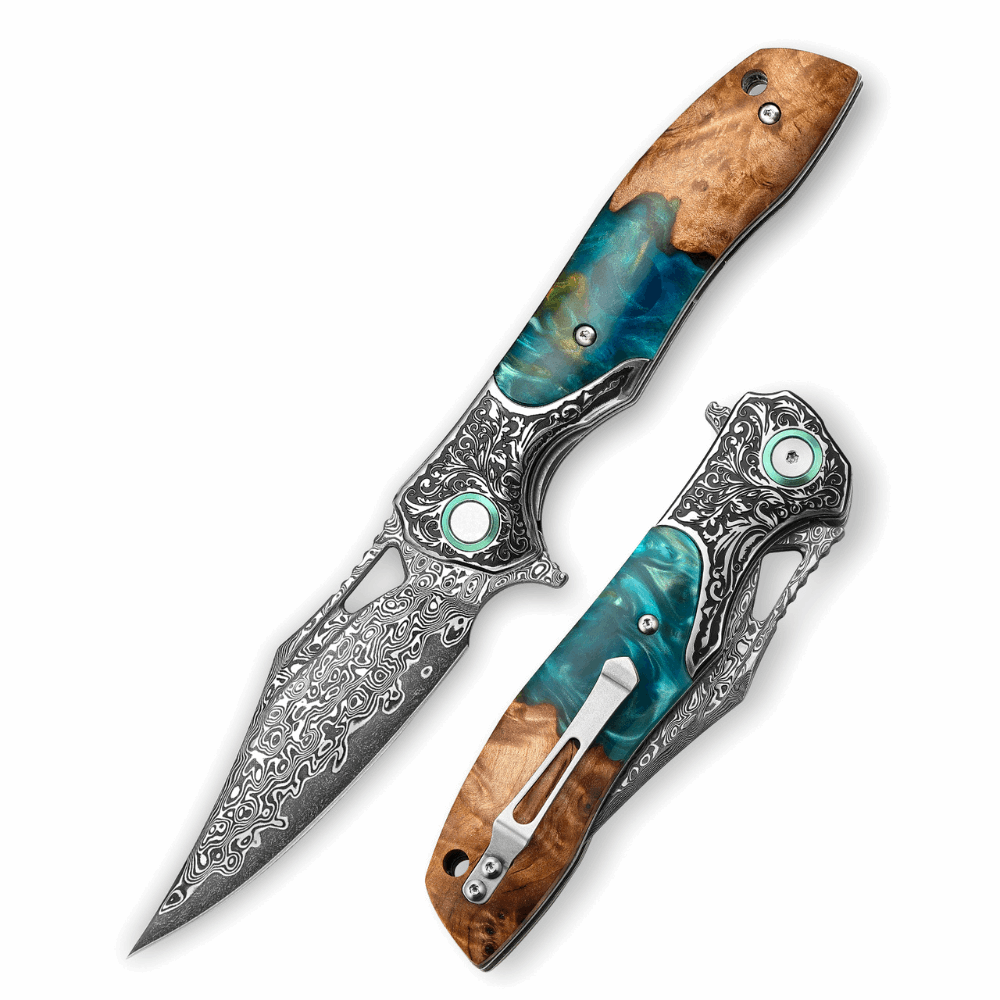
Every handmade pocket knife reflects superior craftsmanship, thoughtfulness, and exquisite attention to detail. Unlike generic models churned out by factories, custom knives celebrate individuality. Here are several reasons why handmade pocket knives hold special significance:
- Artisanship: Skilled craftsmen pour hours into designing and refining each piece, ensuring every knife is a work of art.
- Quality Materials: Manufacturers of handmade knives choose high-quality materials, ensuring durability and aesthetic appeal.
- Personalization: Custom knives can often be tailored to your specific tastes, making them great gifts or personal treasures.
- Connection to Tradition: Many artisans uphold centuries-old methods, keeping ancient techniques alive in a modern world.
Crafting a Unique Pocket Knife: The Process
The journey of creating a unique pocket tool is a rewarding adventure. Let’s delve into the stages of crafting a handmade pocket knife, detailing both the technical and creative processes involved.
1. Design Inspiration
The first step in making a custom knife is gathering inspiration. This can come from various sources, such as:
- Nature: The shapes, colors, and textures found in the natural world can inspire a unique blade design.
- Culture: Traditional knife designs from various cultures can influence modern interpretations.
- Personal Experience: A memorable story or an heirloom can lead to a deeply personal design.
2. Selecting Materials
Choosing the right materials is crucial in crafting a reliable and beautiful knife. Common components include:
- Blade Steel: High-carbon and stainless steels are popular choices known for their edge retention and corrosion resistance.
- Handle Material: Options vary from wood and G10 to bone and micarta, each providing a distinct feel and look.
- Inlays and Decorations: Custom touches such as inlays made from different materials can elevate the knife’s aesthetics.
3. Shaping the Blade
After the design and materials are finalized, artisans begin shaping the blade. This phase can involve:
- Forging: Heat is applied to the steel before shaping it into the desired form.
- Stock Removal: This method involves cutting away excess material from a solid piece of steel to reveal the blade shape.
- Honing: Precision sharpening is critical for functionality and performance.
The Finishing Touches: Adding Personality
After the blade is crafted, it’s time to add the finishing touches. This step often distinguishes one handmade pocket knife from another. Here’s how artisans personalize their creations:
Custom Engravings
Engravings can add texts or patterns that resonate with the owner. From initials to meaningful quotes, this step offers a personal touch.
Handle Finishing
The completion of the handle is also essential. Artisans can smooth, texture, and treat the surface for comfort and durability. The aesthetic can vary widely, ensuring a perfect match between the blade and handle.
The Value of Custom Knives
Investing in a handmade pocket knife extends beyond mere functionality. Here’s why custom knives hold value:
- Longevity: Well-crafted knives are built to last and can often be passed down through generations.
- Resale Potential: Limited edition or unique pieces may appreciate in value over time.
- Emotional Connection: Each knife carries a story and a connection to its maker, adding sentimental value.
Using Your Handmade Pocket Knife
Once you’ve acquired your custom pocket tool, understanding how to properly use it enhances its lifespan and performance. Here are some practical tips:
Routine Maintenance
To ensure optimal performance, regular maintenance is vital. This includes:
- Cleaning: Clean your knife after each use, especially if it’s exposed to moisture or food residue.
- Lubrication: Keep the pivot point lubricated to ensure smooth operation.
- Sharpening: Regularly sharpen the blade to maintain its edge and effectiveness.
Safe Usage Practices
Using a pocket knife safely guarantees both your safety and that of others. Always follow these guidelines:
- Avoid using your knife for unintended purposes.
- Be cautious of your surroundings when opening or closing your knife.
- Store your knife securely when not in use.
Custom Knives as Gifts and Collectibles
Handmade pocket knives make for extraordinary gifts and collectibles, embodying sentiment and artistry. When considering a custom knife as a gift, think about the recipient’s preferences and lifestyle. A personalized touch can make this gift unforgettable.
For collectors, each piece tells a unique story. Gathering custom knives can become more than a hobby; it can transform into an exploration of cultural significance and craftsmanship through time. Start a collection that speaks to you, focusing on particular artisans or styles that resonate personally.
Join the Brotherhood of Knife Enthusiasts
Engaging with fellow knife enthusiasts can deepen your appreciation for custom craftsmanship. Consider joining forums or attending knife shows to exchange insights and experiences. Whether sharing maintenance tips, discussing historical significance, or even embarking on custom orders, the community is vast and welcoming.
Takeaway: Embrace the Craft
As the age of mass production continues, the beauty of handmade pocket knives shines even brighter. These unique pocket tools marry functionality with artistry, offering you a way to embrace craftsmanship and carry a piece of personal history. The art of custom knives is not just about owning a tool; it’s about cherishing a legacy. With each handmade pocket knife, you hold a story, a personality, and a connection to the skilled hands that crafted it. When ready, explore the world of custom knives, and let your search lead you to a unique pocket tool that truly reflects who you are.
Frequently Asked Questions
1. Why are handmade pocket knives significant?
2. What is the process of crafting a unique pocket knife?
3. What are some maintenance tips for a handmade pocket knife?
4. Can a custom knife be a good gift?
5. How can I connect with other knife enthusiasts?
Glossary
| Term | Meaning |
|---|---|
| Artisanship | Skilled craftsmanship in creating unique items. |
| Blade Steel | Material used for the blade, often high-carbon or stainless steel. |
| Forging | Shaping metal using heat to create the blade. |
| Inlays | Decorative elements embedded into the knife for aesthetics. |
| Personalization | Custom features that reflect the owner's tastes. |
| Maintenance | Regular care to ensure the knife's performance and longevity. |
| Sharpening | Process of honing the blade's edge for effective use. |
| Collectibles | Items valued for their uniqueness and craftsmanship. |
| Engravings | Personalized designs or texts added to the knife's surface. |
| Brotherhood of Knife Enthusiasts | A community of individuals who share a passion for knives. |
Linked Product

Cosmo Handmade Damascus Pocket Knife with Bone Handle
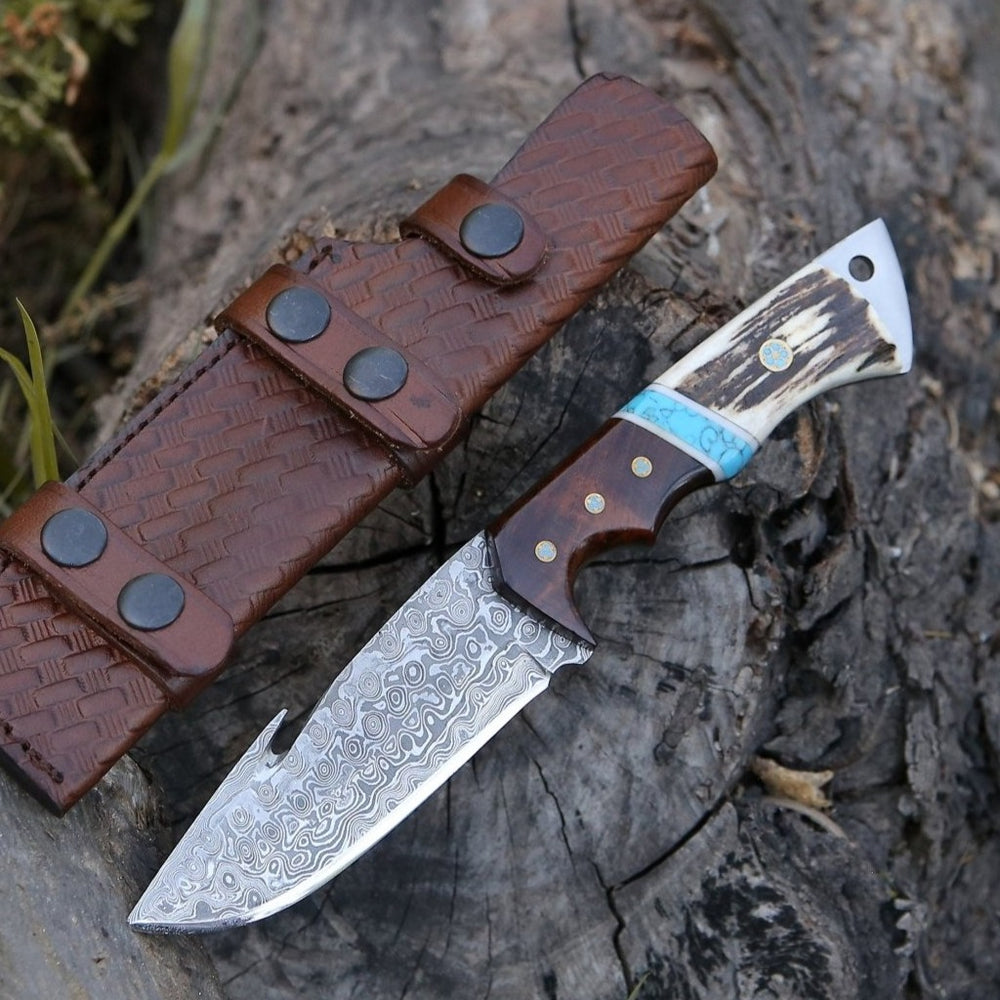
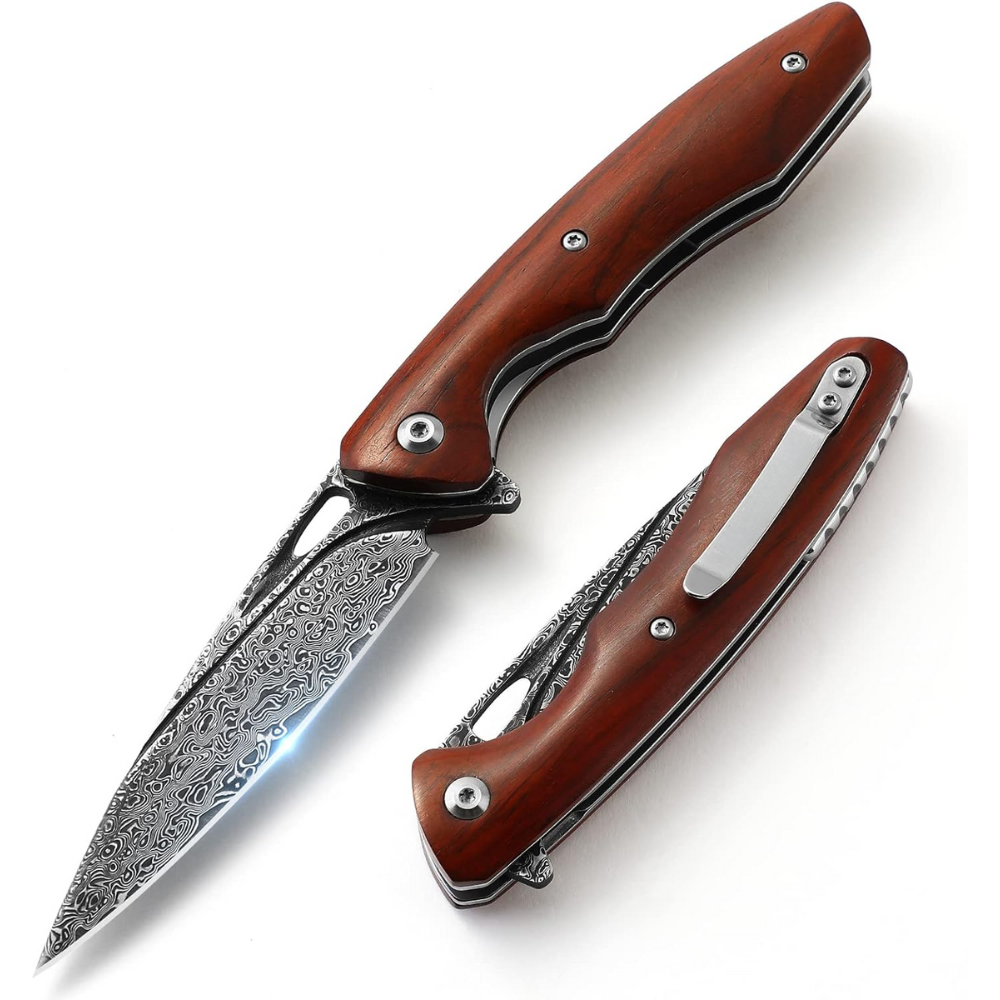
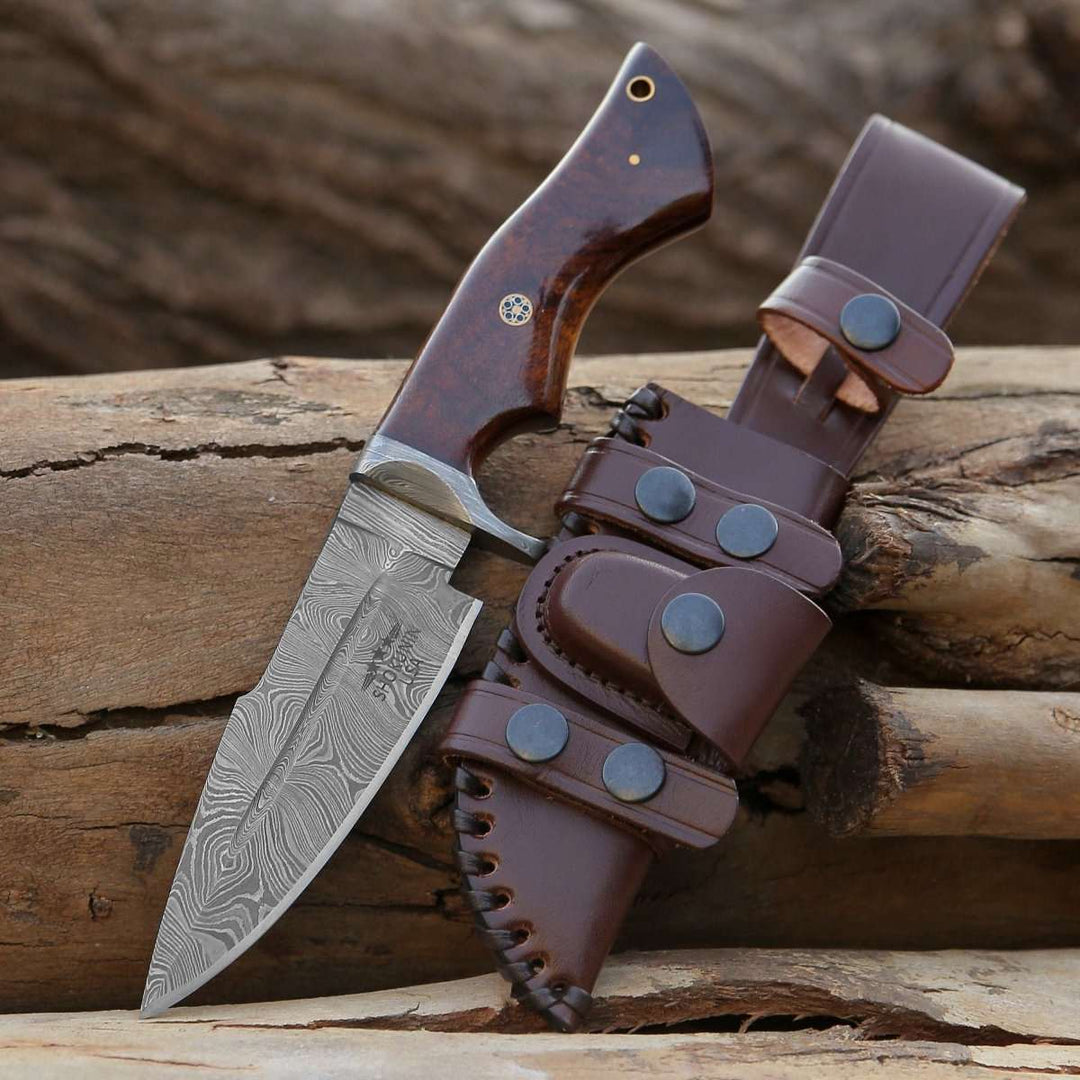
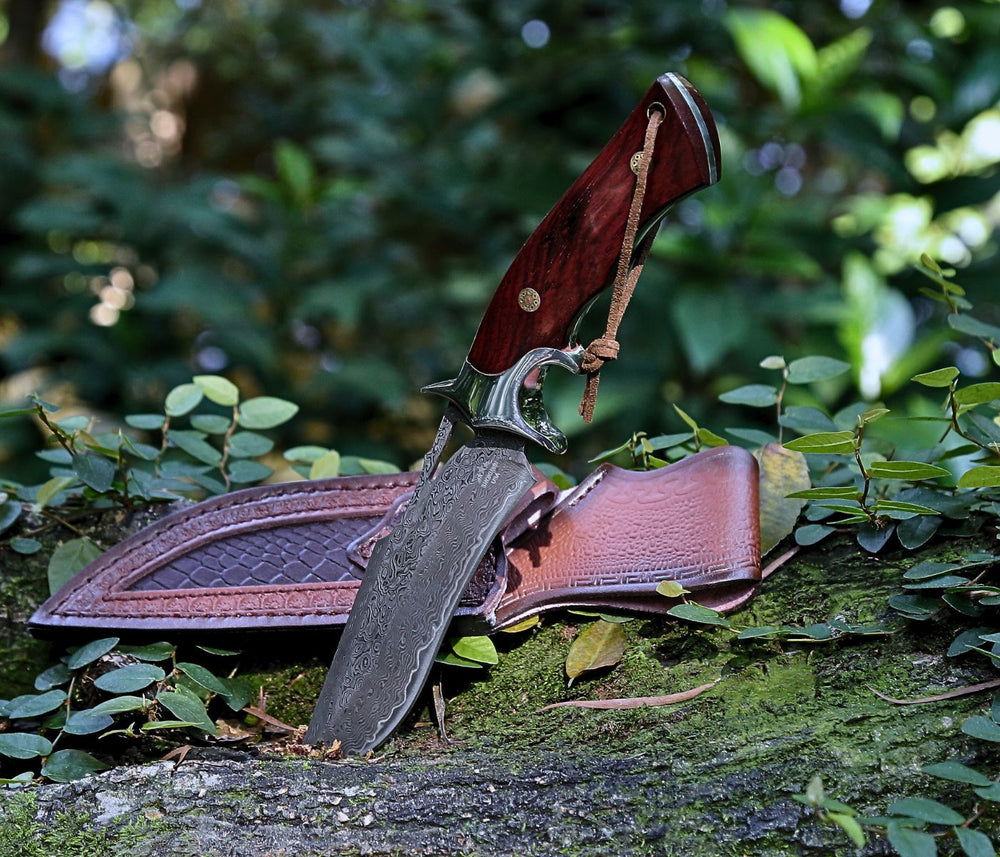
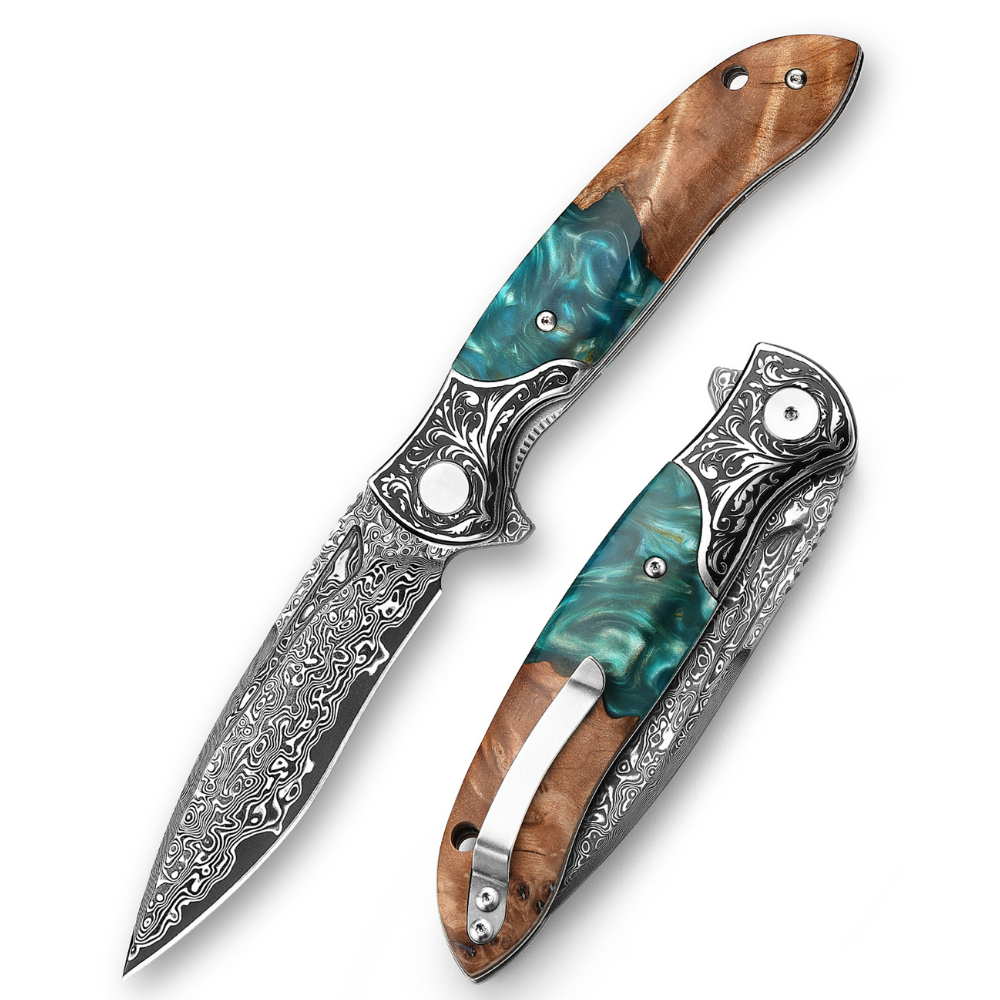
The Cosmo Handmade Damascus Pocket Knife features a unique clip point blade crafted from layered 1095 and 15n20 steel, providing both strength and a distinctive design. With an ergonomic bone handle and a lock back mechanism, this folding knife balances comfort and performance, making it suitable for everyday use. It includes a hand-stitched leather sheath and a pocket knife sharpener, ensuring you have everything needed for maintenance and storage.
View Product






Lascia un commento