


Overview
Understanding pocket knife handle materials is crucial for comfort, functionality, and aesthetics. This guide covers popular materials like wood, metal, G10, carbon fiber, micarta, and rubber, each with unique pros and cons. Key factors to consider include purpose, grip, durability, aesthetics, and weight. Proper care can prolong the life of your knife handle, enhancing your overall experience.
Table of Contents
Key Takeaways
- Handle Material Matters: The handle material significantly influences the knife's comfort, functionality, and durability.
- Wood Handles: Offer great aesthetics and a natural feel but are less durable and susceptible to moisture.
- Metal Handles: Provide exceptional durability and a sleek appearance but can be cold and slippery without proper texture.
- G10 and Carbon Fiber: Lightweight and strong options ideal for high-performance knives, though they may be pricier.
- Micarta: Known for excellent grip and water resistance, making it suitable for outdoor use, but can be heavier.
- Rubber Handles: Excellent for tactical knives due to superior grip and shock absorption, though they may lack aesthetic appeal.
- Consider Your Needs: Evaluate factors like purpose, grip, durability, aesthetics, and weight when choosing a handle material.
When it comes to pocket knives, the handle material is just as essential as the blade itself. A well-made handle not only enhances the overall aesthetic of the knife but also significantly affects its functionality, comfort, and durability. In this comprehensive guide, we'll explore the best materials used for pocket knife handles, including their advantages, disadvantages, and why they matter. Whether you are a knife enthusiast or searching for the perfect handmade Damascus knife, understanding handle materials is crucial in making an informed decision.
Understanding Pocket Knife Handles
Before diving into specific materials, let’s first understand the purpose of a pocket knife handle. The handle is where the user grips the knife, and it plays a vital role in the overall experience of using the knife. A well-designed handle should provide comfort, stability, and control while minimizing the risk of slippage during use. The choice of material can affect all these factors.
Popular Materials for Pocket Knife Handles
There is a varied assortment of materials that makers utilize for pocket knife handles. Each material serves unique purposes and boasts its characteristics. Below, we will discuss some of the most popular options.
Wood
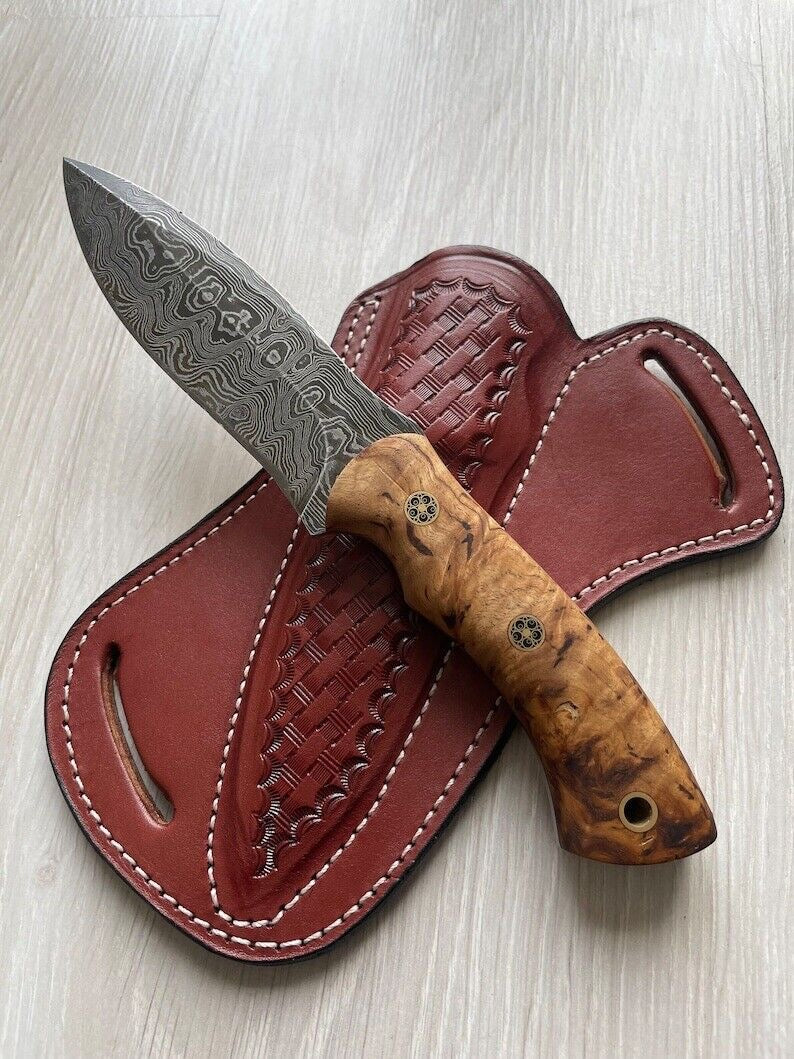
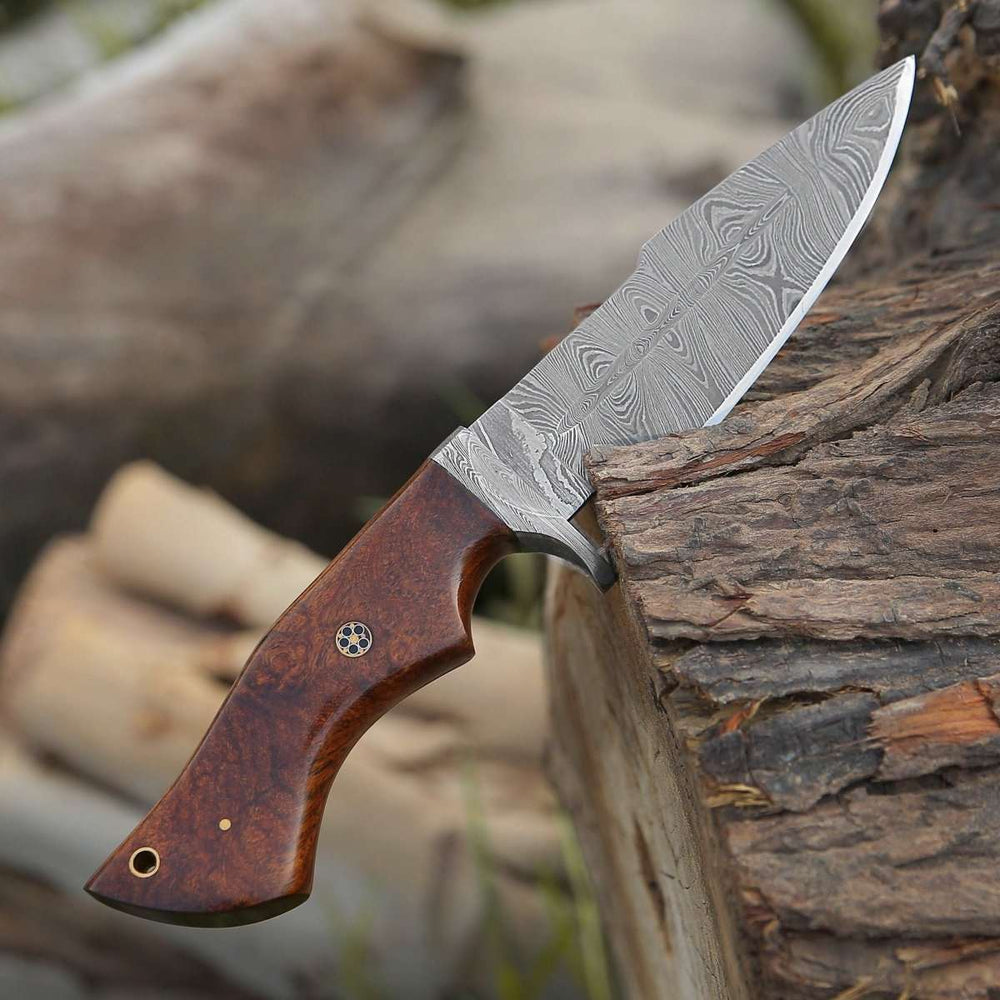
Wood is a classic choice for pocket knife handles. Its natural beauty and traditional aesthetics make it a favorite among collectors and enthusiasts alike. Different types of wood such as walnut, oak, and exotic woods like cocobolo each provide unique visuals and textures.
- Pros: Great aesthetics, comfortable grip, and natural feel.
- Cons: Less durable than synthetic materials, susceptible to moisture and scratches.
For individuals who embrace the handmade aspect, wood handles give a distinct feel, especially for folding knives that are often crafted with care.
Metal
Metal handles are a popular option for modern pocket knives. Stainless steel and aluminum are the most common types. Metal handles can offer sleek styling and contribute to the knife's overall weight and balance.
- Pros: Exceptional durability, corrosion resistance, and sleek appearance.
- Cons: Can be cold to the touch, potentially slippery if not designed with texture.
Many metal handles for folding knives are also finished with coatings to enhance grip and aesthetics.
G10 and Carbon Fiber
For those who seek a blend of modern and functional performance, G10 and carbon fiber handles are excellent choices. G10 is a fiberglass laminate, while carbon fiber is a lightweight woven material known for its strength and rigidity.
- Pros: Lightweight, strong, and moisture resistant.
- Cons: Can be more expensive than other materials; less traditional look.
Both materials are ideal for high-performance folding knives, ensuring grip and reliability during use.
Micarta
Micarta is another synthetic material made from layers of cloth or paper impregnated with resin. This approach creates a rugged and textured surface that is both functional and aesthetically appealing.
- Pros: Excellent grip in various conditions, water-resistant, and offers a distinctive handmade appearance.
- Cons: Can be heavier than some other handle materials.
Micarta is particularly suited for outdoor enthusiasts and craftsmen who use knives in challenging conditions.
Rubber
Rubber handles are frequently used for tactical and survival knives. They provide a secure grip, especially in wet environments, and are designed to absorb shock during use.
- Pros: Superior grip, shock absorption, and comfort.
- Cons: May not have the aesthetic appeal of other materials, can wear over time.
Rubber handles are a practical choice for those seeking robust performance in challenging situations.
Factors to Consider When Choosing Handle Material
When deciding on the best handle material for your pocket knife, several factors come into play:
- Purpose: Consider the knife's primary use—hunting, everyday carry, tactical use, etc.
- Grip: Look for materials that provide a secure grip for your specific purpose.
- Durability: Some materials are better suited for rugged environments than others.
- Aesthetics: If you enjoy the craftsmanship of a handmade Damascus knife, you may prefer certain materials for their visual appeal.
- Weight: Depending on the knife's intended use, weight can be a crucial factor, especially for pocket carry.
Care and Maintenance of Your Pocket Knife Handle
Regardless of the handle material you choose, proper care and maintenance are essential for longevity and performance:
- Cleaning: Regularly clean your knife handle with a soft cloth to remove dirt and debris.
- Moisture Control: For wood and some synthetic materials, be mindful of moisture. Dry the handle if exposed to damp conditions.
- Inspection: Routinely check for any signs of wear or damage and handle repairs as necessary.
- Storage: Store your knife in a cool, dry place to avoid warping or corrosion.
Conclusion: Choosing Your Perfect Pocket Knife Handle
Choosing the right handle material for your pocket knife can greatly enhance your experience, whether you are a seasoned collector or a casual user. Each material brings its unique set of advantages and drawbacks, allowing you to select one that meets your preferences and needs. By understanding the characteristics of wood, metal, G10, carbon fiber, micarta, and rubber, you can confidently select the perfect handle for your knife. Never underestimate the importance of a quality handle—it’s the part of your knife that connects you to the craftsmanship and functionality of each cutting tool you create or carry. Explore our range of folding knives and discover the perfect handmade Damascus knife that resonates with your style and purpose!
Frequently Asked Questions
1. What factors should I consider when choosing a pocket knife handle material?
2. What are the advantages of wood handles for pocket knives?
3. Are metal handles a good choice for pocket knives?
4. What is Micarta and why is it a good option for knife handles?
5. How can I maintain my pocket knife handle regardless of the material?
Glossary
| Term | Meaning |
|---|---|
| Handle Material | Substance used for the grip of a pocket knife. |
| Wood | Natural material known for aesthetics and comfort. |
| Metal | Durable material often used for modern knife handles. |
| G10 | Fiberglass laminate known for strength and lightness. |
| Carbon Fiber | Lightweight woven material with high strength. |
| Micarta | Synthetic material made from layers of cloth or paper. |
| Rubber | Material providing secure grip and shock absorption. |
| Aesthetics | Visual appeal of the knife handle material. |
| Durability | Ability of the handle material to withstand wear. |
| Grip | How securely the user can hold the knife. |
Linked Product

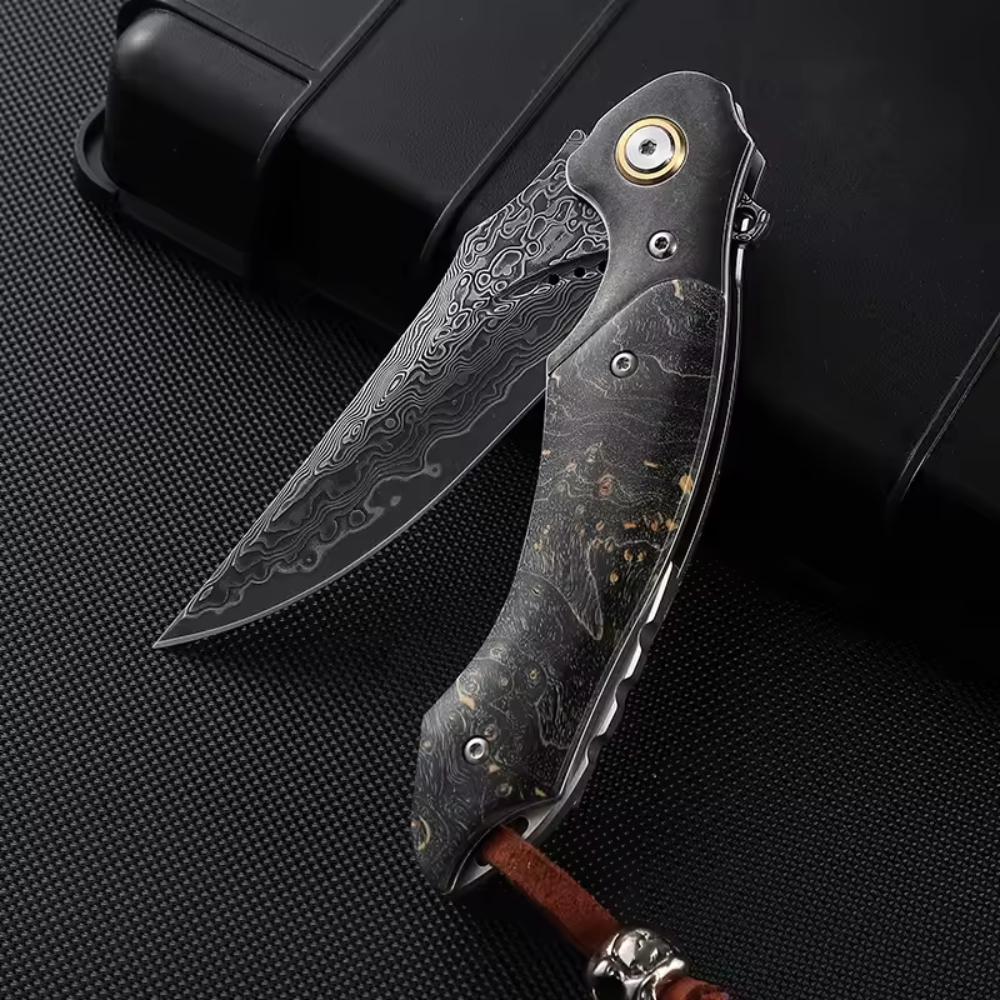
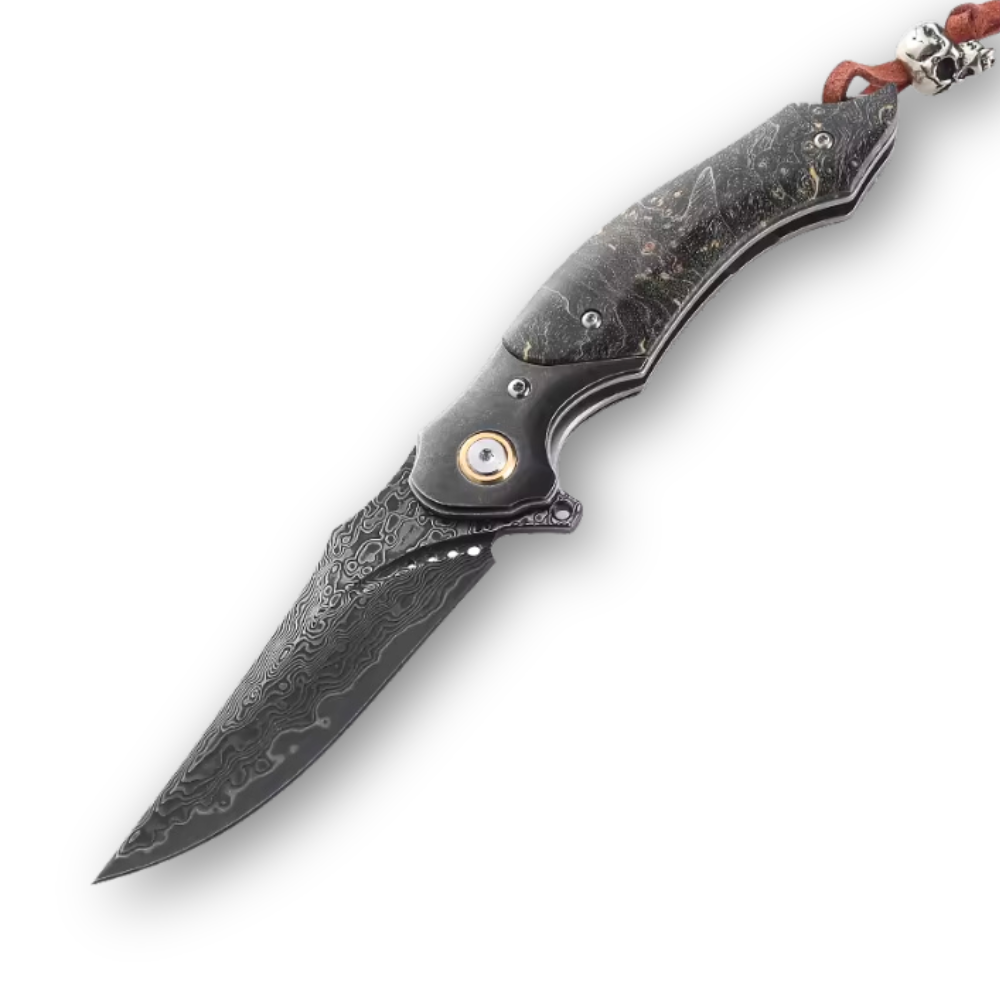
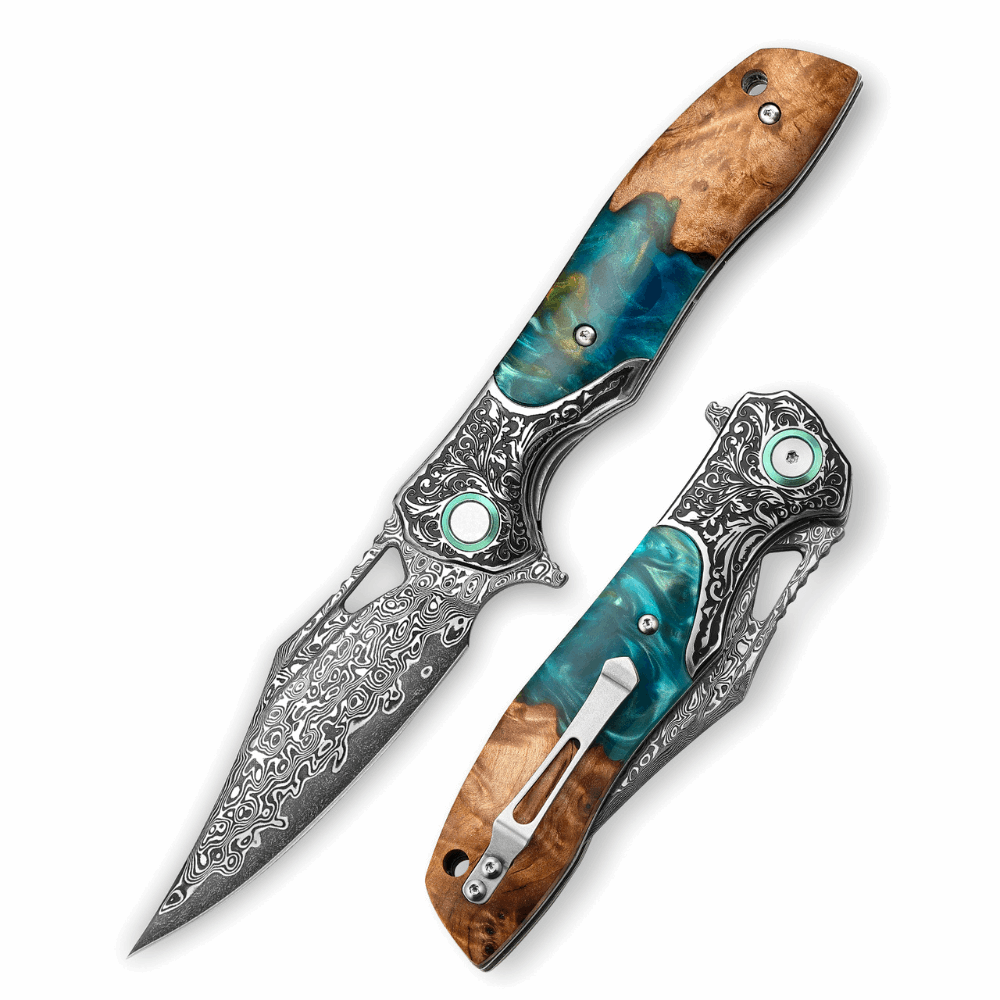
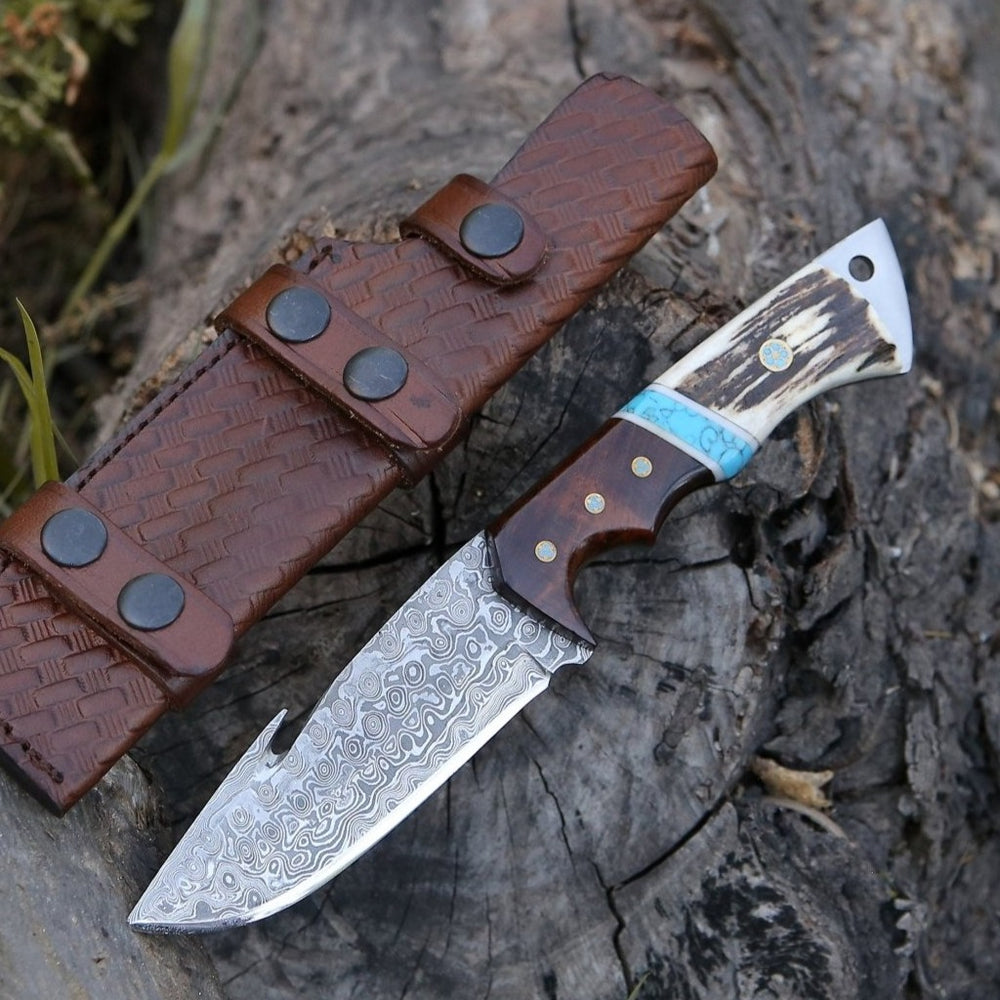
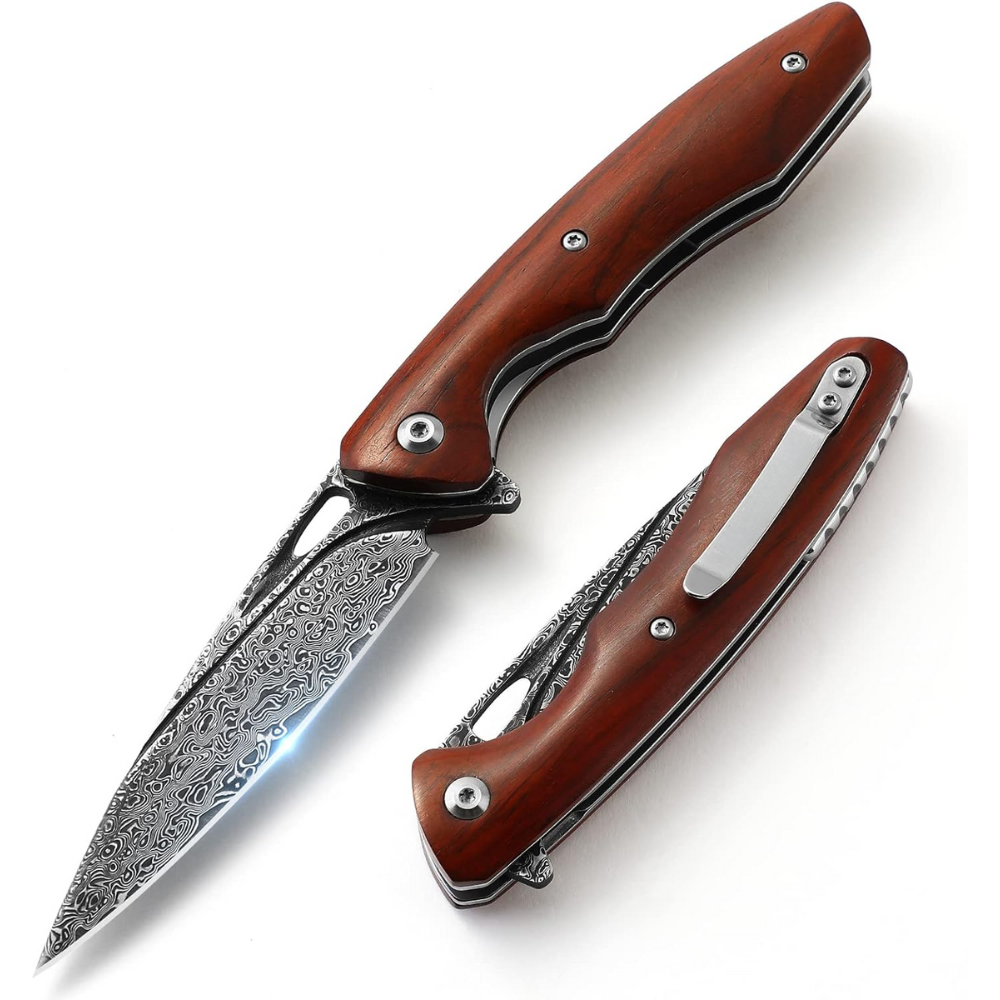
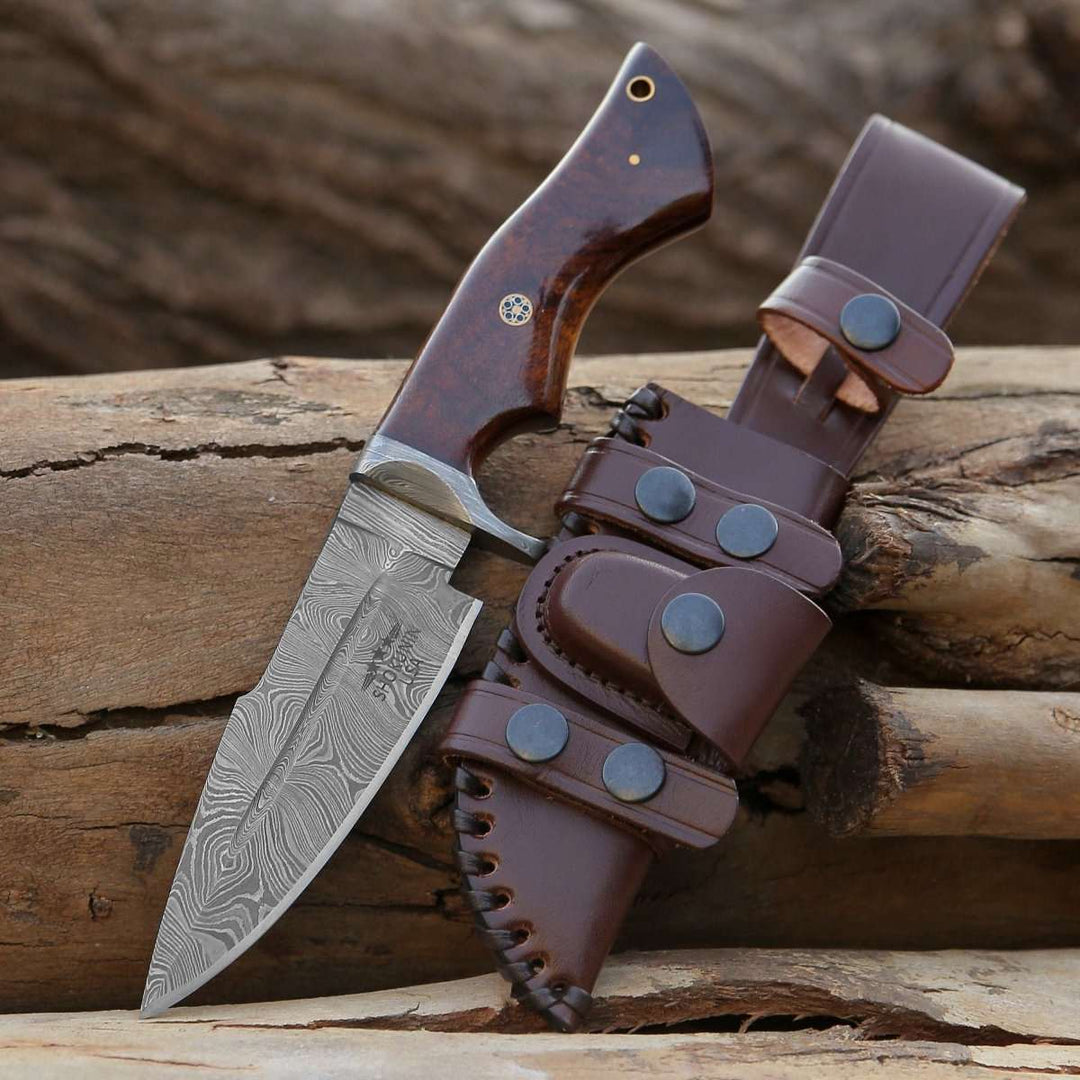
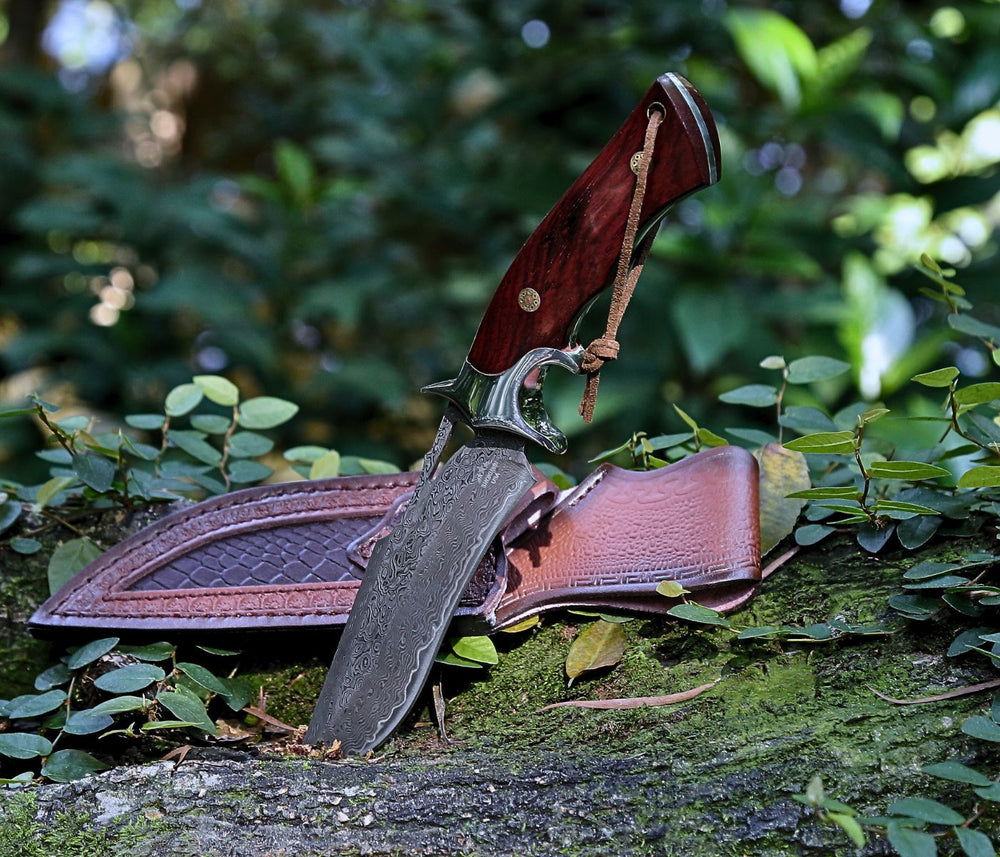
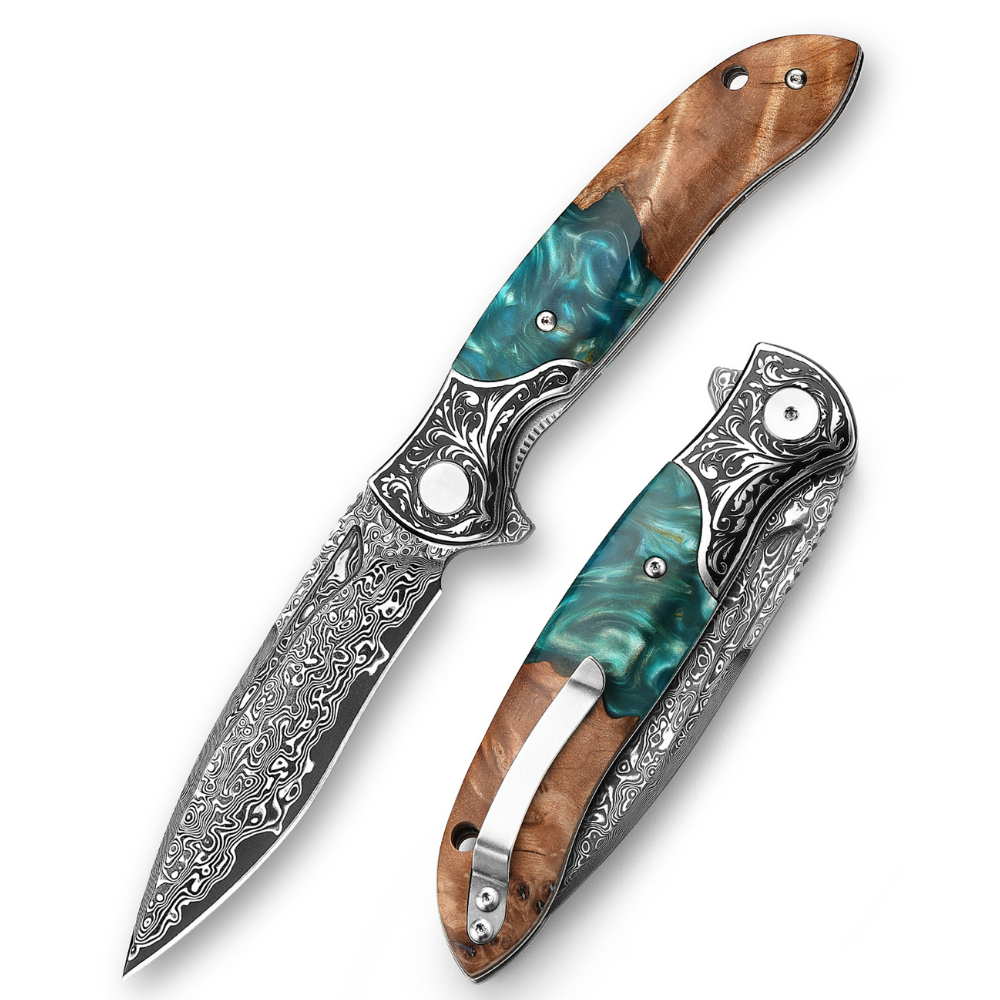
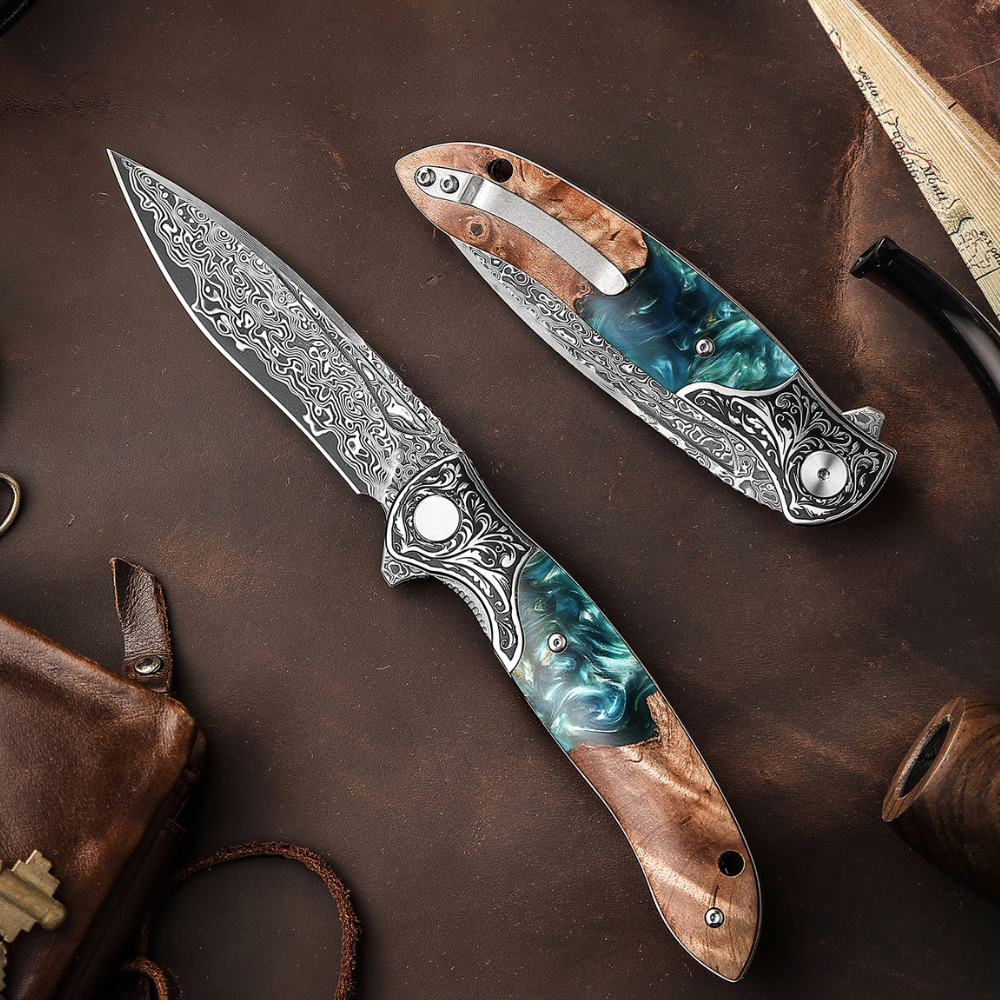
Goldshadow Handmade Damascus EDC Folding Pocket Knife with Leather Sheath & Micarta Handle
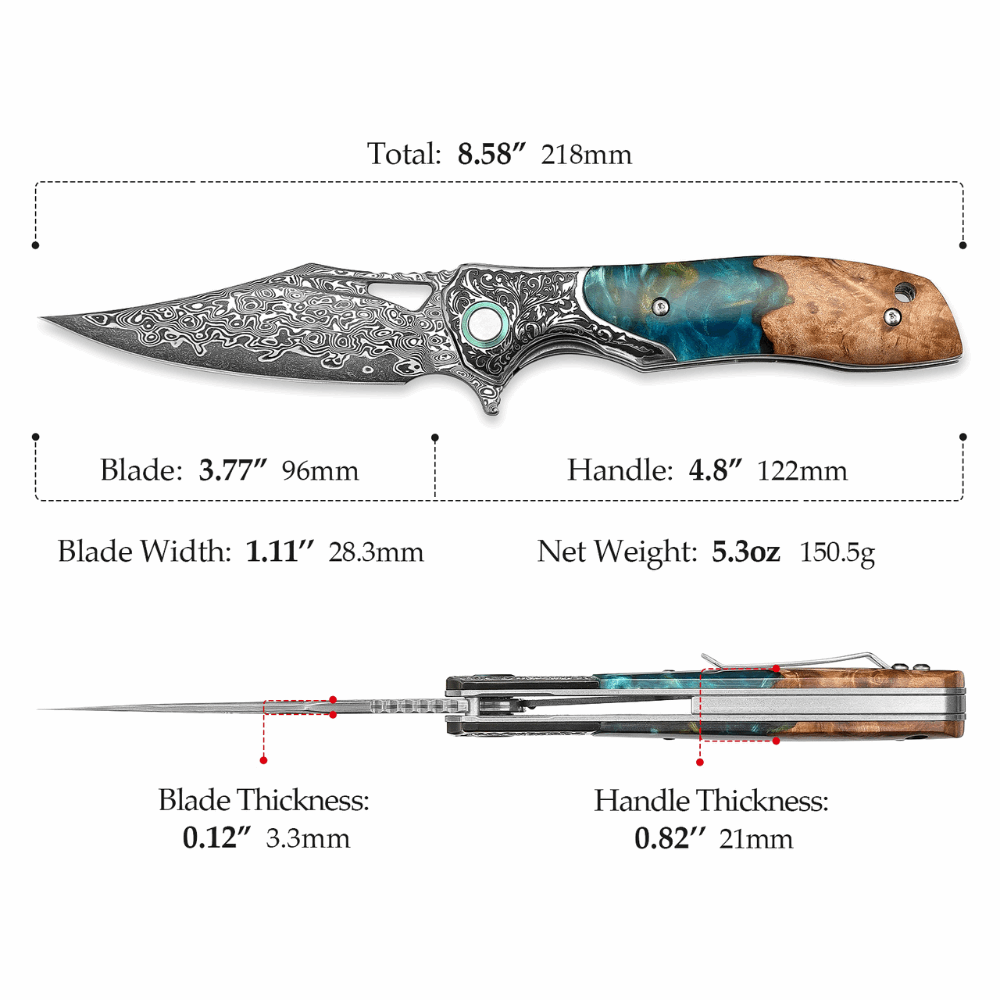
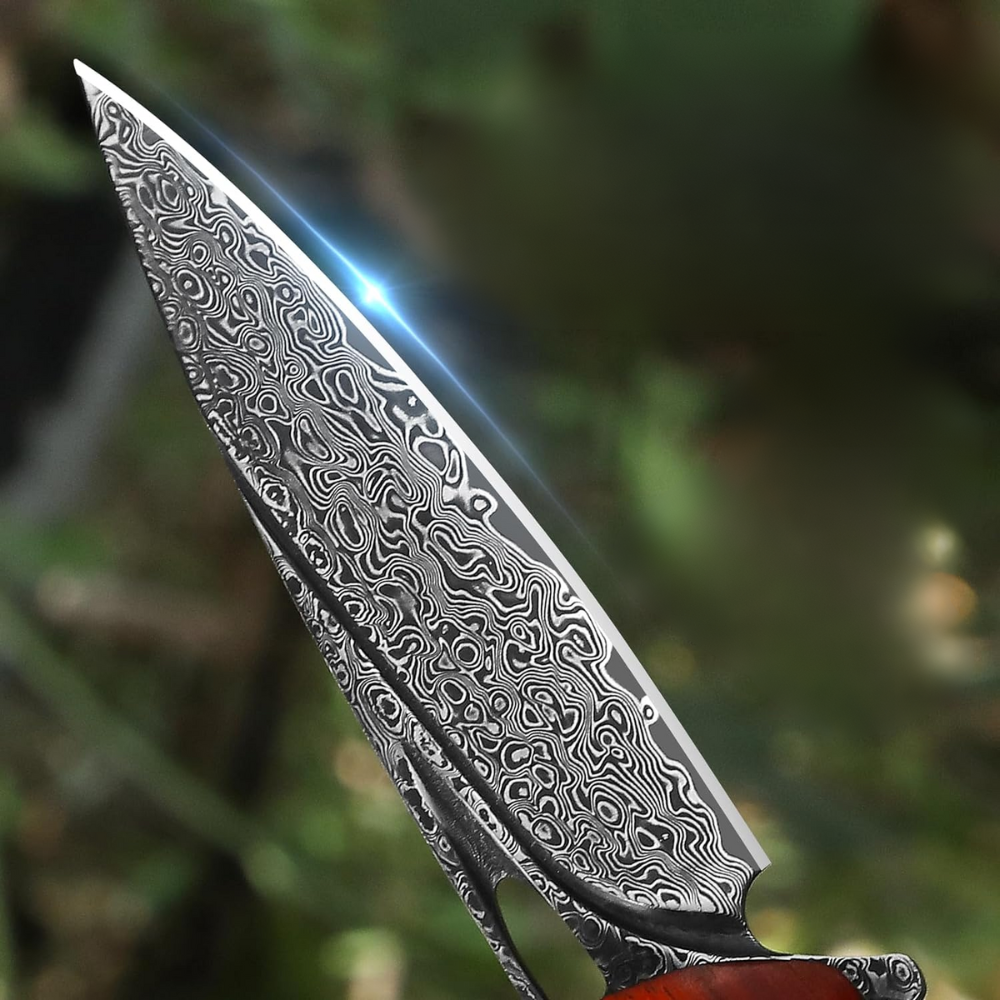
The Goldshadow Handmade Damascus EDC Folding Pocket Knife features a unique, handcrafted Damascus steel blade that combines strength and hardness for reliable performance. Its ergonomic micarta handle provides durability and comfort, while the included hand-stitched leather sheath ensures convenient storage and portability. This knife is ideal for everyday carry, making routine tasks more enjoyable and efficient.
View Product






Lascia un commento