


Overview
Choosing the right blade material for pocket knives is crucial for performance, affecting durability, sharpness, and maintenance. Common materials include stainless steel (corrosion-resistant and easy to maintain), carbon steel (excellent sharpness but prone to rust), and Damascus steel (aesthetic and high performance). For everyday carry, prioritize ease of maintenance and sharpness, while outdoor use requires durability and corrosion resistance. Understanding these factors will help you select the best knife for your needs.
Table of Contents
- Understanding Blade Materials
- Common Types of Blade Materials
- The Importance of Blade Material in Performance
- Durability and Toughness
- Sharpness and Edge Retention
- Corrosion Resistance
- Choosing the Right Blade Material for Your Needs
- Everyday Carry (EDC) Usage
- Outdoor Adventures
- Benefits of Damascus Pocket Knives
- Conclusion: Embrace the Perfect Blade for You
Key Takeaways
- Blade Material Matters: The composition of the steel used in pocket knives affects durability, sharpness, corrosion resistance, and maintenance.
- Stainless Steel: Offers excellent corrosion resistance and is easy to maintain, making it ideal for everyday carry (EDC) knives.
- Carbon Steel: Known for superior sharpness and edge retention, but requires careful maintenance to prevent rust.
- Damascus Steel: Combines properties of different steels for exceptional performance and features unique aesthetic patterns.
- High-Performance Alloys: Modern knives may use advanced alloys to enhance strength and maintain a lightweight design.
- Outdoor Use Considerations: Choose tougher materials like high-carbon or Damascus steel for durability and corrosion resistance in rugged conditions.
- Maintenance is Key: Regular upkeep can prolong the life of any blade, especially those made from carbon steel.
The world of pocket knives is as varied as the tasks they help with, and one critical feature that significantly influences performance is the blade material. Enthusiasts and everyday users alike often wonder about the implications of choosing the right blade material for their pocket knives. This article will discuss the importance of blade material, how it affects performance, and why it matters for your everyday carry (EDC) knives.
Understanding Blade Materials
When we talk about the blade material of pocket knives, we’re primarily referring to the composition of the steel used to form the blade. The kind of steel can dictate several aspects of the knife, such as durability, sharpness, corrosion resistance, and ease of maintenance. Pocket knives, including the popular Damascus pocket knife, can utilize a range of materials, each offering unique attributes.
Common Types of Blade Materials
While there are numerous blade materials available, some common types include:
- Stainless Steel: Known for its corrosion resistance, stainless steel is a popular choice for EDC knives. It’s easy to maintain and clean, making it a favorite among casual users.
- Carbon Steel: This material offers excellent sharpness and edge retention but can rust if not taken care of properly. Knife enthusiasts often appreciate the high performance of carbon steel blades.
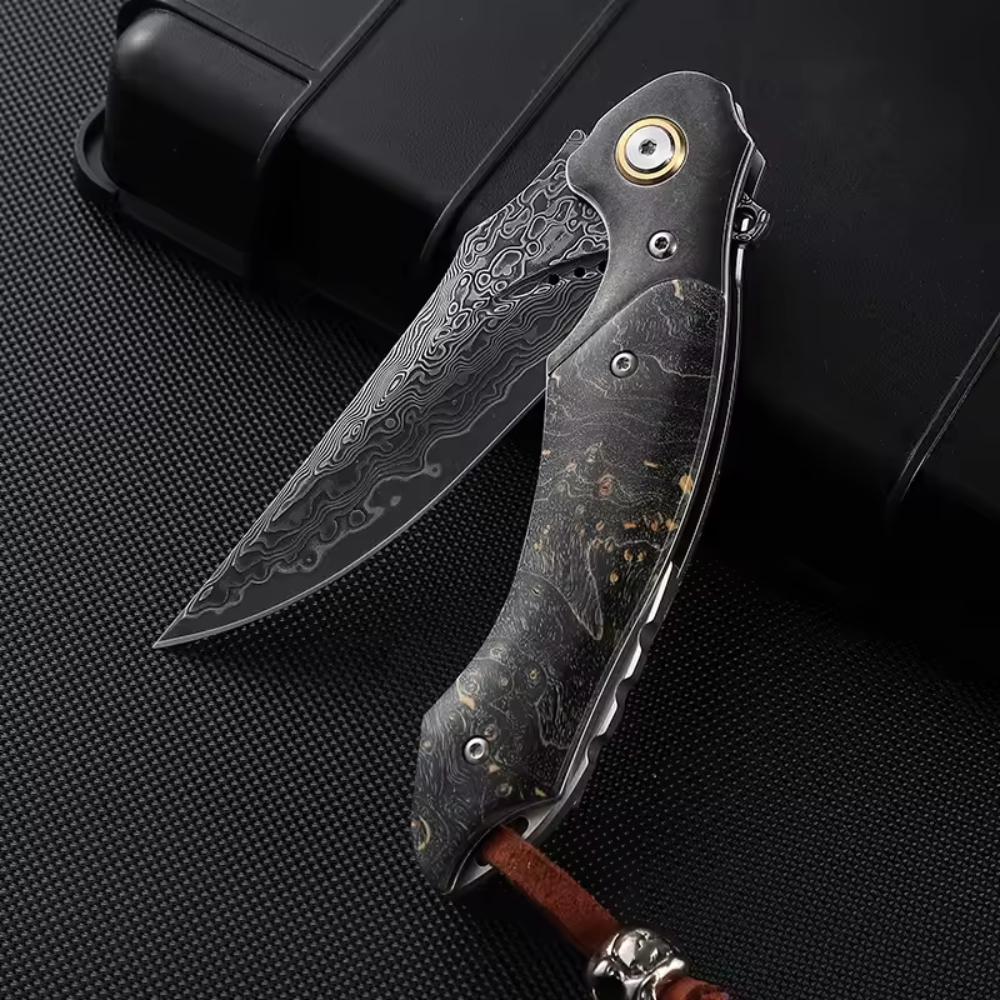
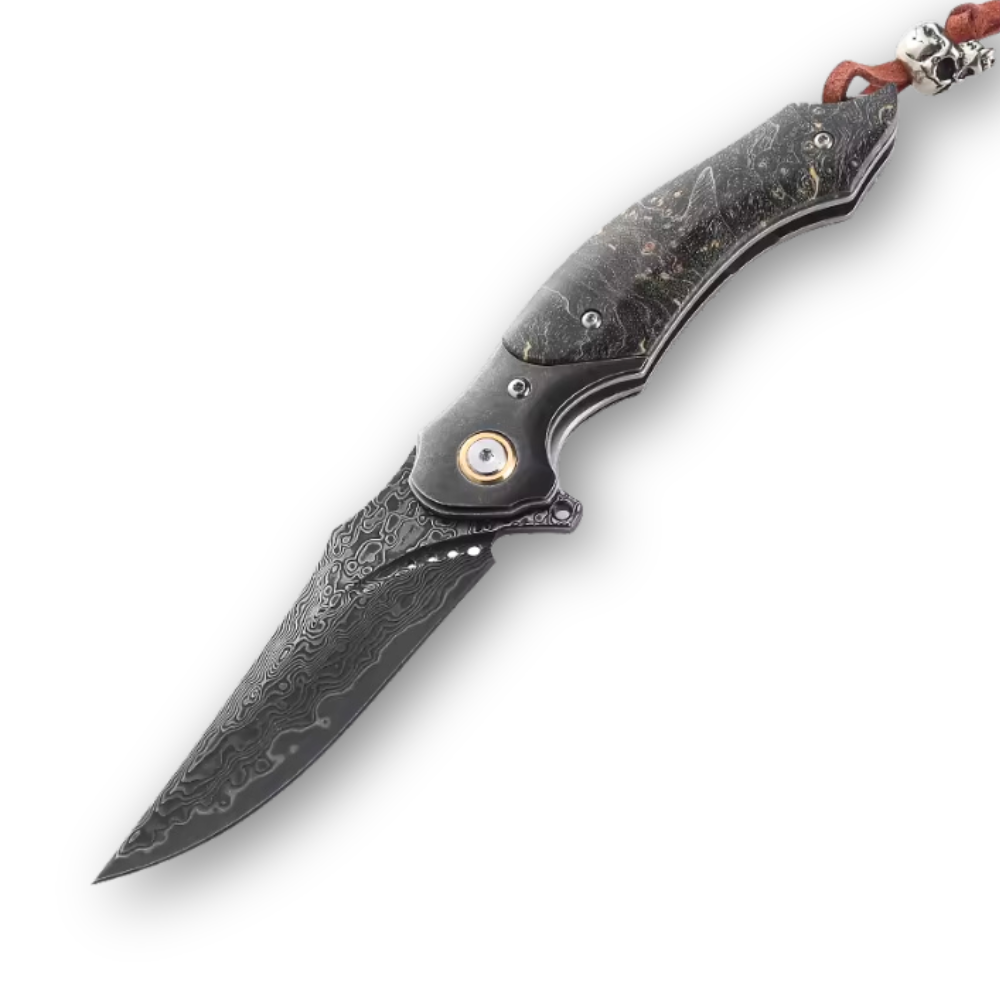
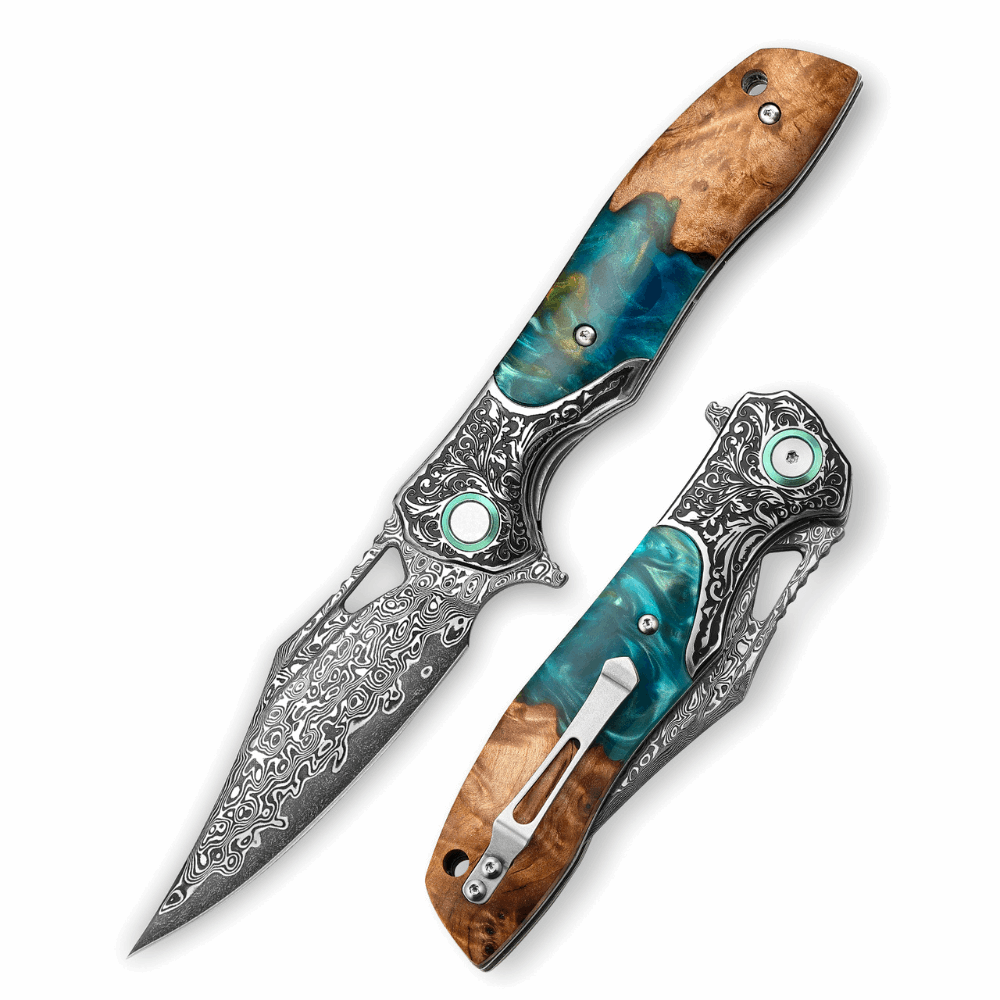
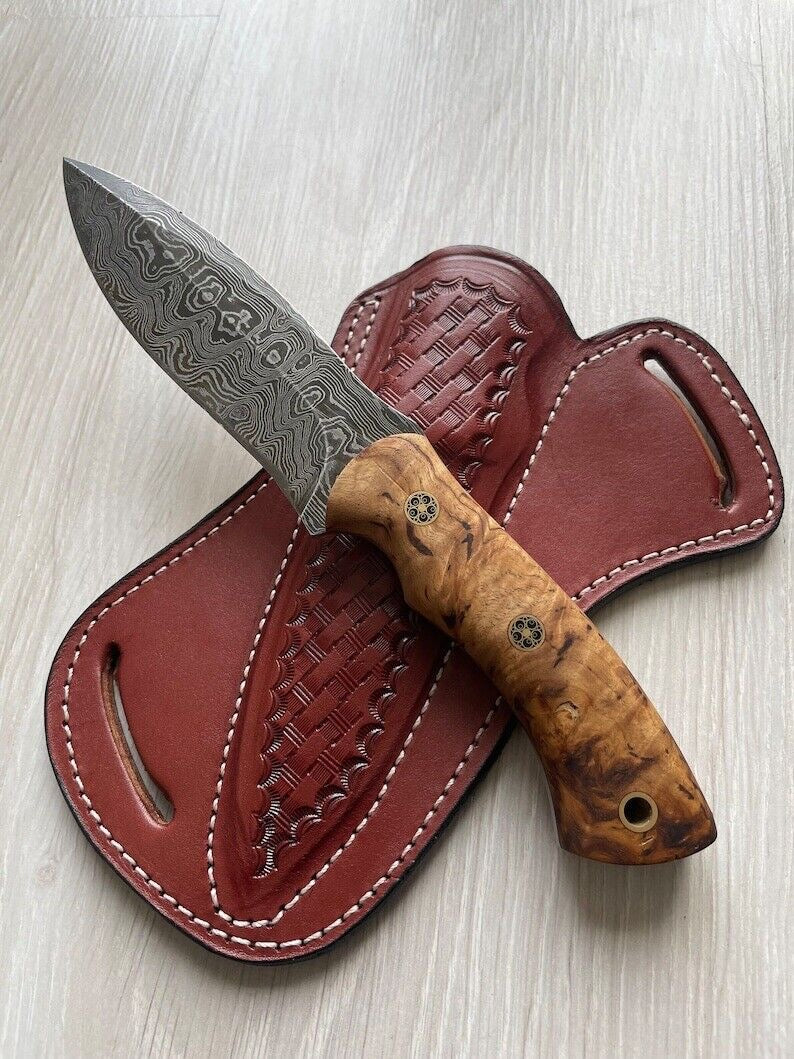
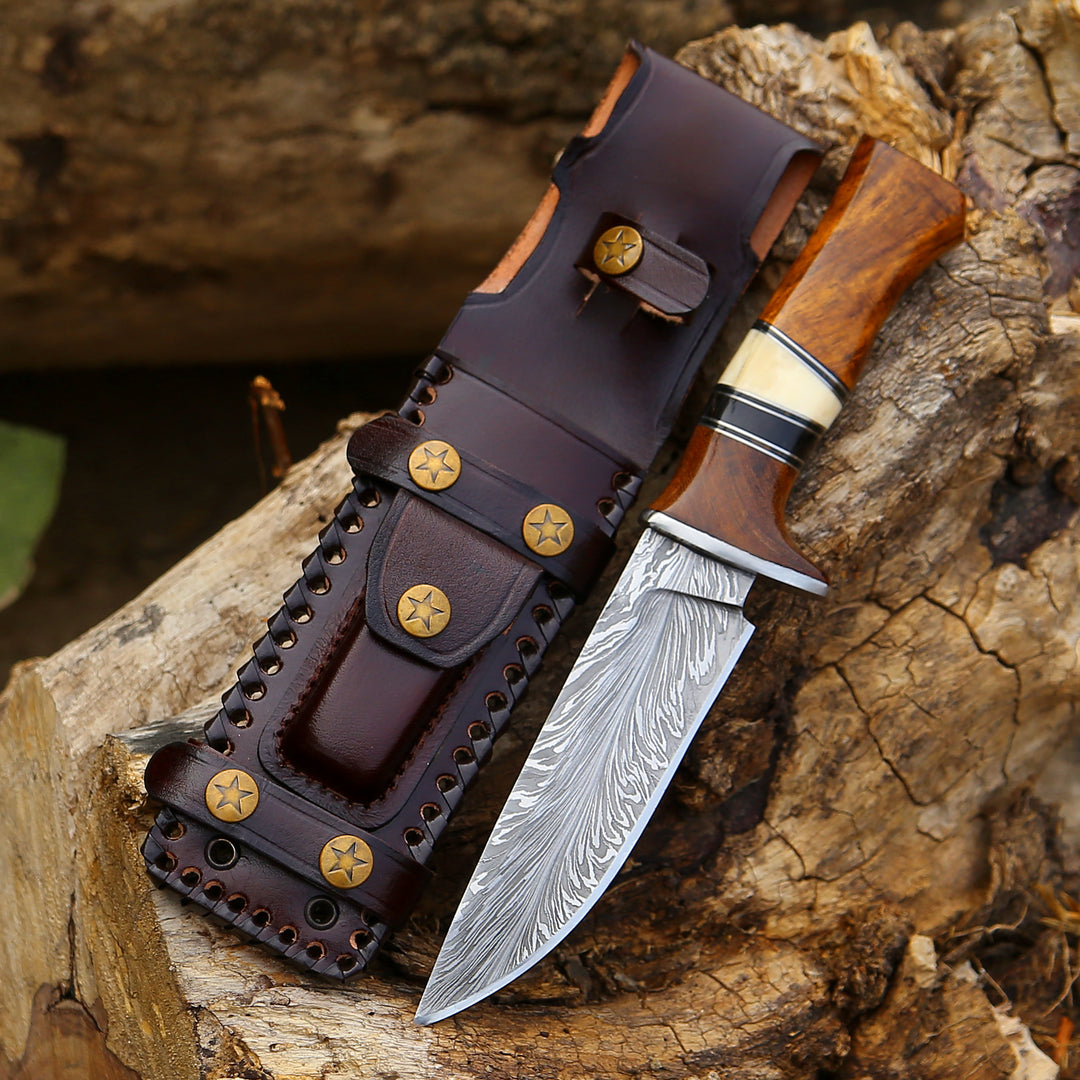
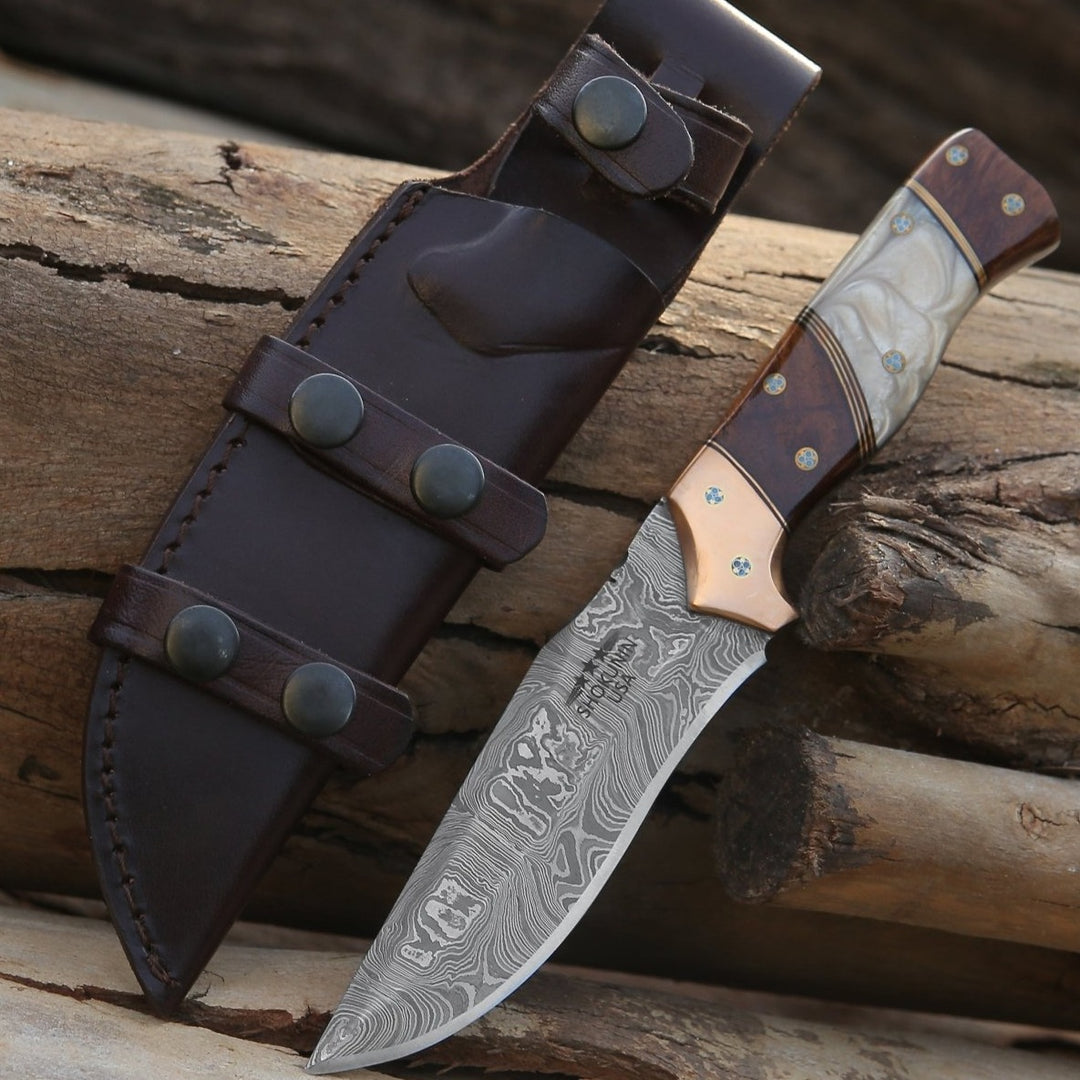
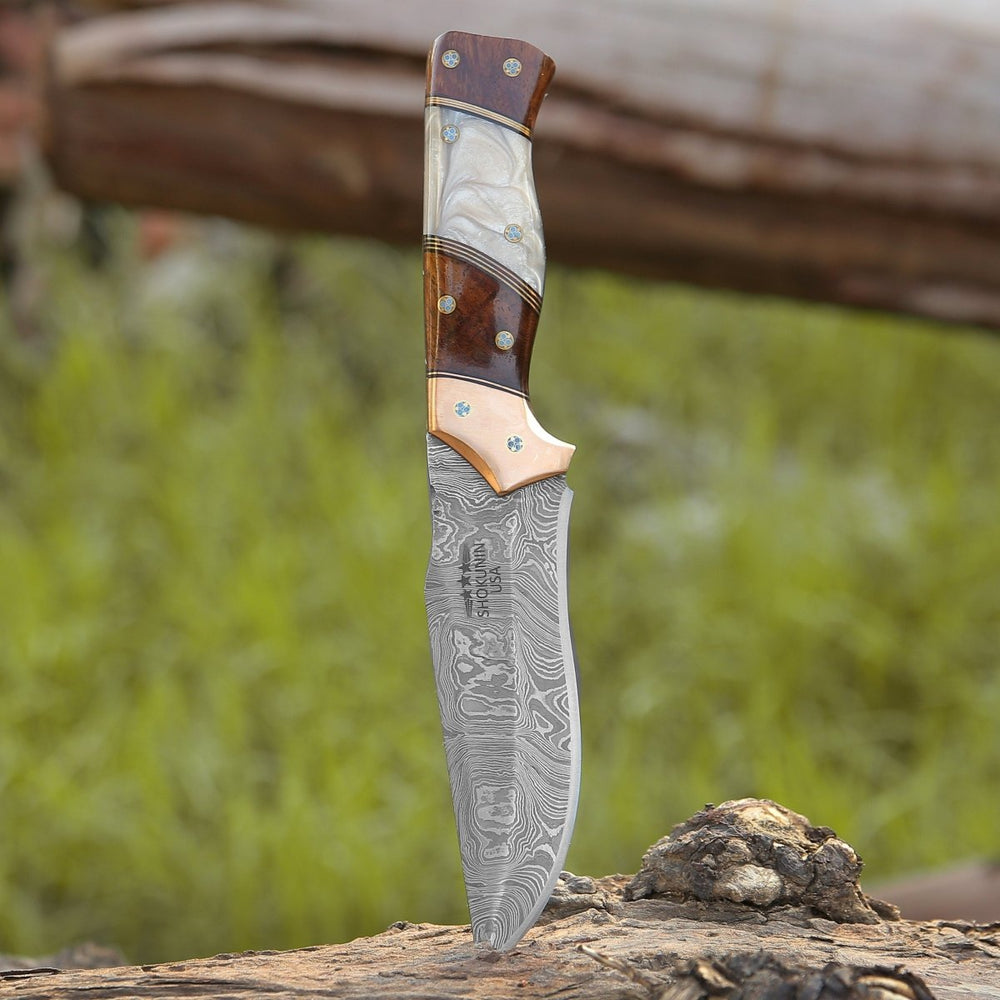
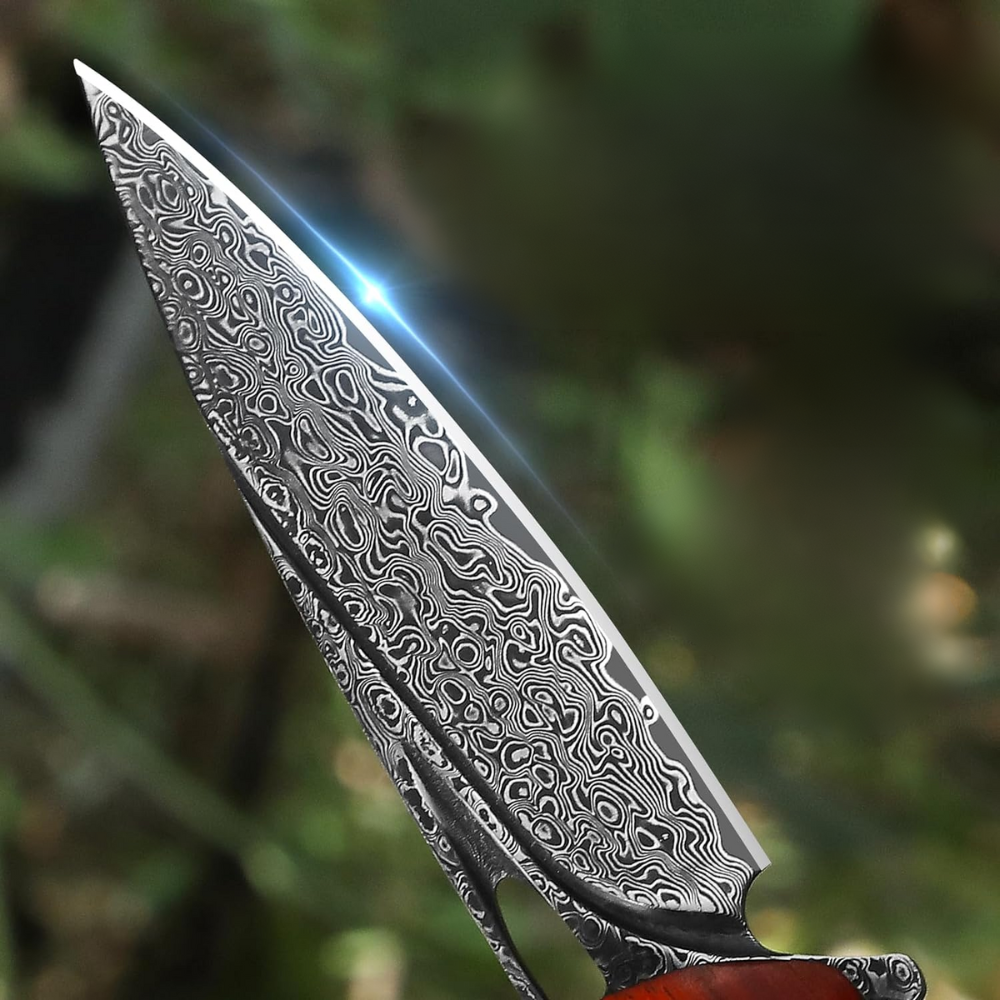
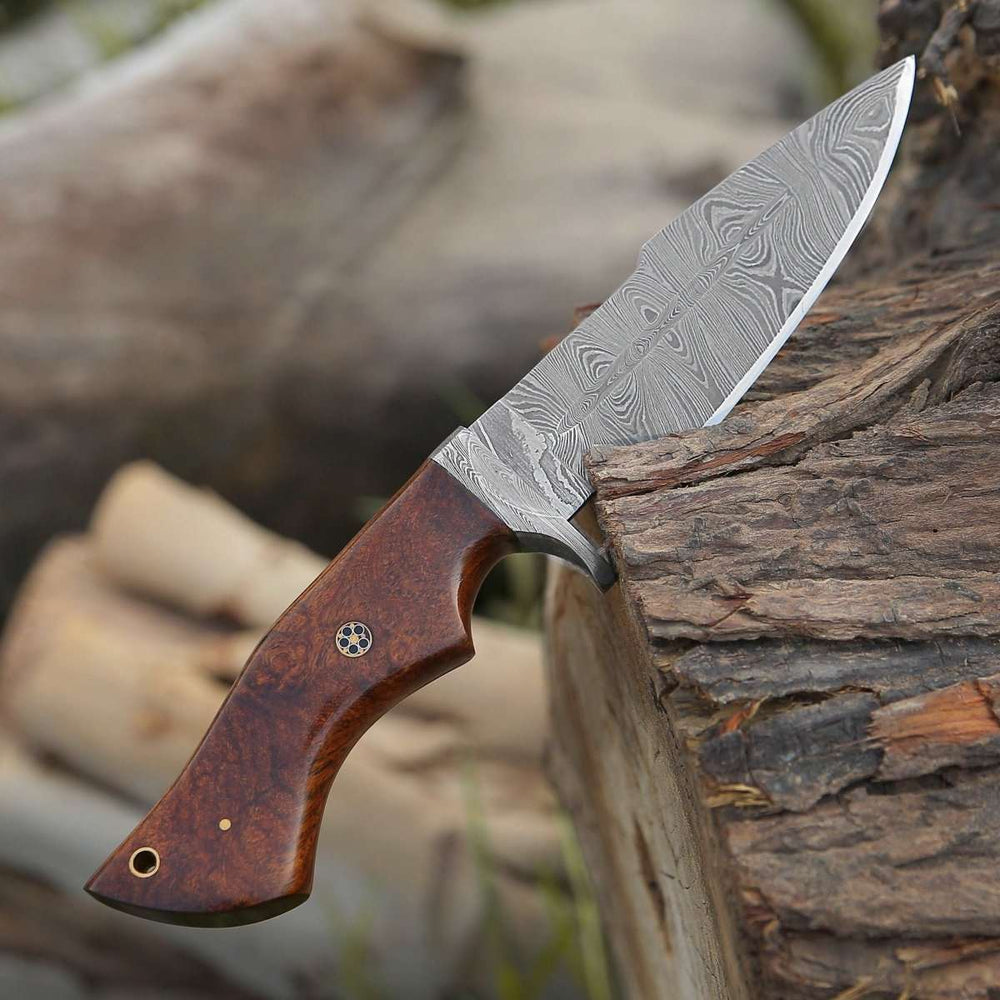
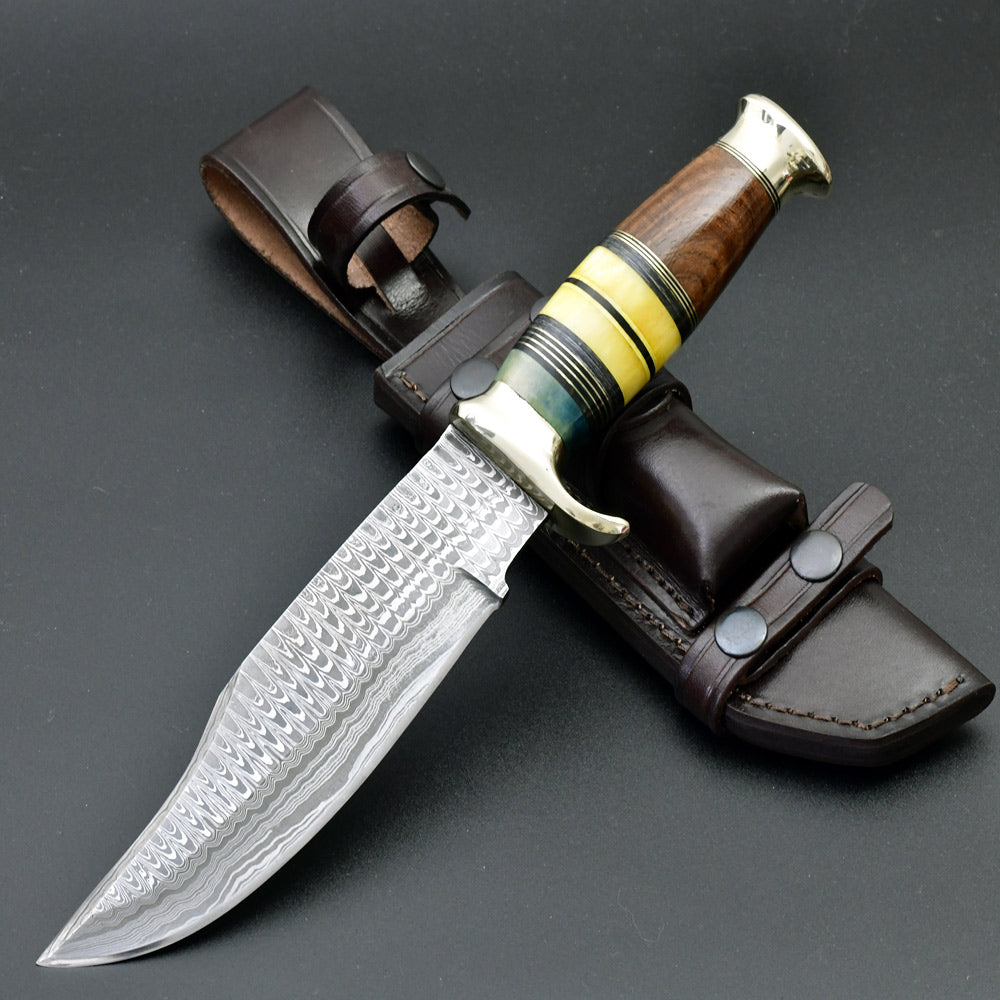
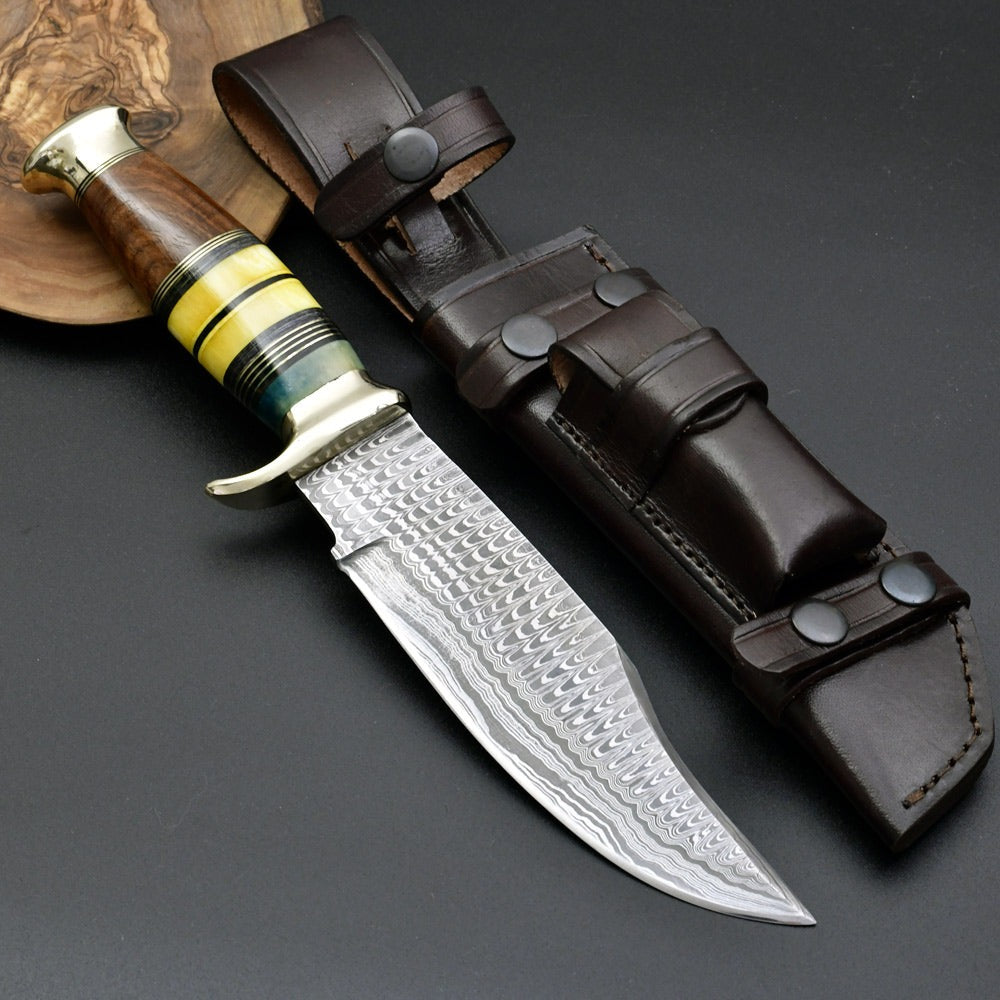
- Damascus Steel: Famous for its striking patterns, the Damascus pocket knife not only captures the aesthetic but also combines the properties of different steels for exceptional performance.
- High-Performance Alloys: Certain modern knives utilize advanced alloys that enhance strength and edge retention while maintaining lightweight properties.
The Importance of Blade Material in Performance
The choice of blade material can fundamentally alter how a pocket knife performs in various scenarios. Whether you need a reliable tool for everyday tasks or outdoor adventures, understanding these differences can help you make an informed decision.
Durability and Toughness
Durability is a critical attribute for any pocket knife user. Depending on the material chosen, the toughness can vary significantly. For example, carbon steel is incredibly tough but susceptible to rust, while stainless steel provides excellent resistance to corrosion, but it can be more brittle. Furthermore, a Damascus pocket knife often reflects a unique blend of both types, giving users a balance of durability and beauty.
Sharpness and Edge Retention
Sharpness is an essential performance factor for any knife. Different blade materials can keep their edges longer than others. For example, high-carbon steel usually retains a sharp edge better than stainless steel but might require more maintenance to combat rust. EDC knives often feature blades that prioritize edge retention, so you won’t have to sharpen them as frequently. Factors such as the steel’s molecular structure and heat treatment also play critical roles in sharpness.
Corrosion Resistance
For those living in humid or wet environments, corrosion resistance becomes a dominant concern. Stainless steel is often preferred for this reason, providing peace of mind that your knife won’t succumb to rust quickly if it gets wet. Nevertheless, maintenance can greatly prolong the life of any blade, especially those made from carbon steel. The combination of alloying elements in materials like Damascus steel can enhance corrosion resistance, simultaneously offering a stunning aesthetic.
Choosing the Right Blade Material for Your Needs
Selecting the ideal blade material for your pocket knife can be a daunting task. However, identifying your primary needs can simplify the process.
Everyday Carry (EDC) Usage
If you're looking for a knife for everyday tasks, consider the following:
- Ease of Maintenance: Stainless steel is easier to care for, making it an excellent choice for EDC knives.
- Sharpness: For EDC purposes, you want a blade that remains sharp through routine use without requiring constant sharpening.
- Size and Weight: Choose a material that allows for a lightweight and easy-to-carry knife if frequent use is expected.
Outdoor Adventures
If you plan to use your pocket knife for camping, fishing, or hunting, then focus on:
- Durability: Look for tougher materials like high-carbon steel or quality Damascus steel to withstand rugged conditions.
- Corrosion Resistance: Moisture will be common in outdoor activities; ensure your blade can resist corrosion effectively.
- Easy Sharpening: Choose a blade that you can sharpen on the go, allowing for high performance throughout your adventure.
Benefits of Damascus Pocket Knives
Damascus pocket knives are an intriguing option for knife enthusiasts and practical users alike. Here are some additional benefits:
- Aesthetic Appeal: The unique patterns of Damascus steel not only serve a functional purpose but also add an artistic element to the knife.
- Superior Performance: The layered construction of Damascus steel gives it a remarkable balance of toughness and sharpness, making it suitable for many applications.
- Collectability: Due to their unique designs and craftsmanship, Damascus pocket knives often become collectible items that appeal to knife aficionados.
Conclusion: Embrace the Perfect Blade for You
In the world of pocket knives, understanding the significance of blade material is vital for both function and performance. The choice between various materials can significantly impact durability, sharpness, and maintenance. Whether you opt for the sturdiness of carbon steel, the convenience of stainless steel, or the visual elegance of a Damascus pocket knife, each choice comes with its unique advantages.
Ultimately, assessing your requirements and preferences will guide you toward the most suitable blade material for your pocket knife, ensuring a reliable tool for every occasion. By embracing the ideal blade material, you empower yourself with the right tools for both everyday carry and adventurous pursuits.
Frequently Asked Questions
1. What are the main types of blade materials used in pocket knives?
2. How does blade material affect the performance of a pocket knife?
3. Why is stainless steel a popular choice for everyday carry (EDC) knives?
4. What advantages do Damascus pocket knives offer?
5. What should I consider when choosing a blade material for outdoor activities?
Glossary
| Term | Meaning |
|---|---|
| Pocket Knife | A small, foldable knife designed for everyday tasks. |
| Blade Material | The type of steel or alloy used to make the knife blade. |
| Stainless Steel | A corrosion-resistant steel ideal for low-maintenance knives. |
| Carbon Steel | Steel known for sharpness and edge retention but prone to rust. |
| Damascus Steel | Steel with unique patterns that combines different steel properties. |
| Edge Retention | The ability of a blade to maintain its sharpness over time. |
| Corrosion Resistance | The ability of a material to resist rust and degradation. |
| Everyday Carry (EDC) | Items that are carried daily for practical use. |
| Durability | The ability of a knife to withstand wear and tear over time. |
| High-Performance Alloys | Advanced materials that enhance strength and edge retention. |
Linked Product

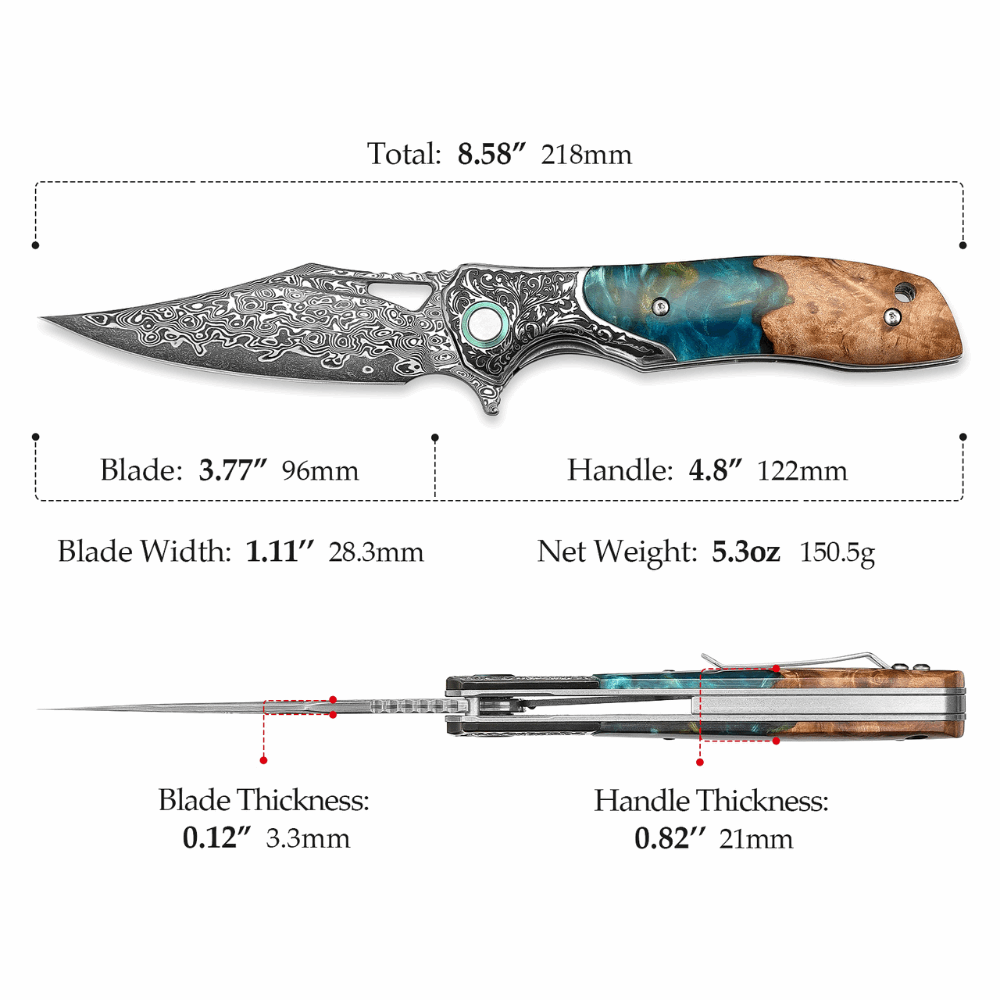
Panther Handmade Stainless Damascus Pocket Knife with Clip and Exotic Ebony Wood Handle
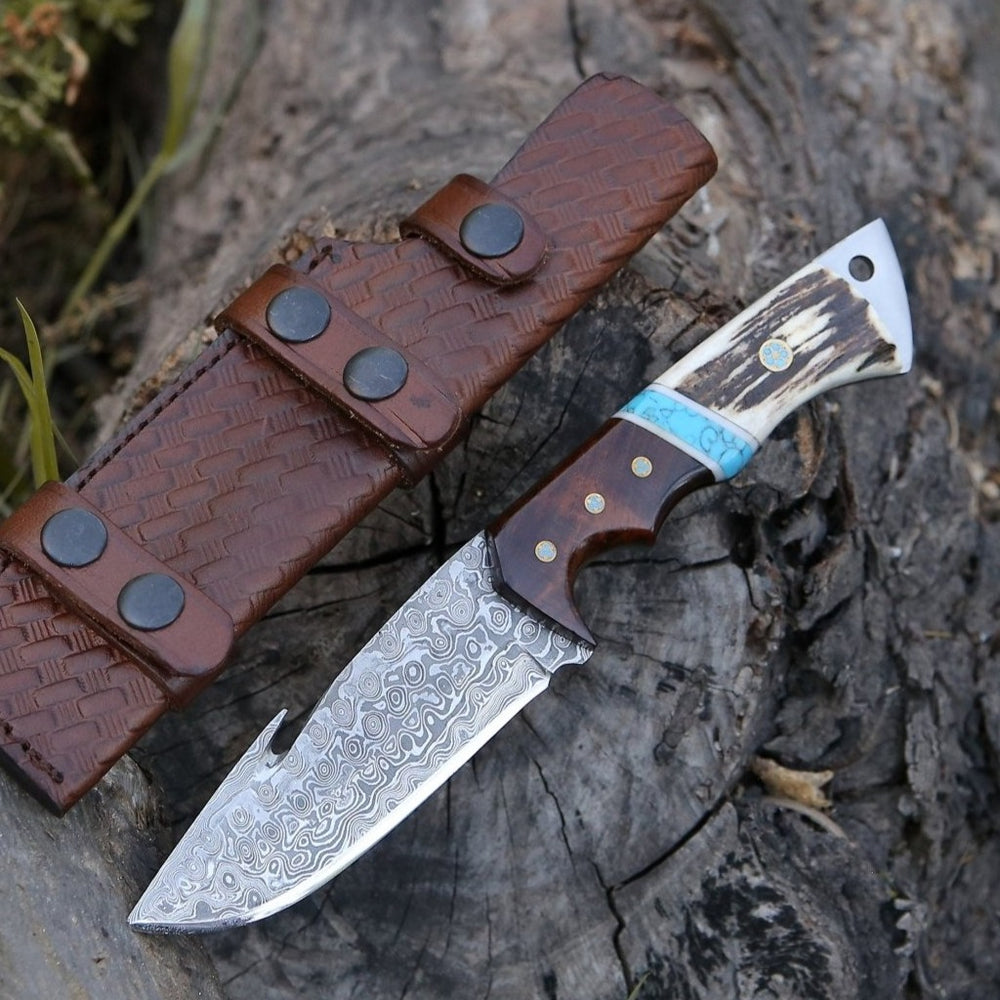
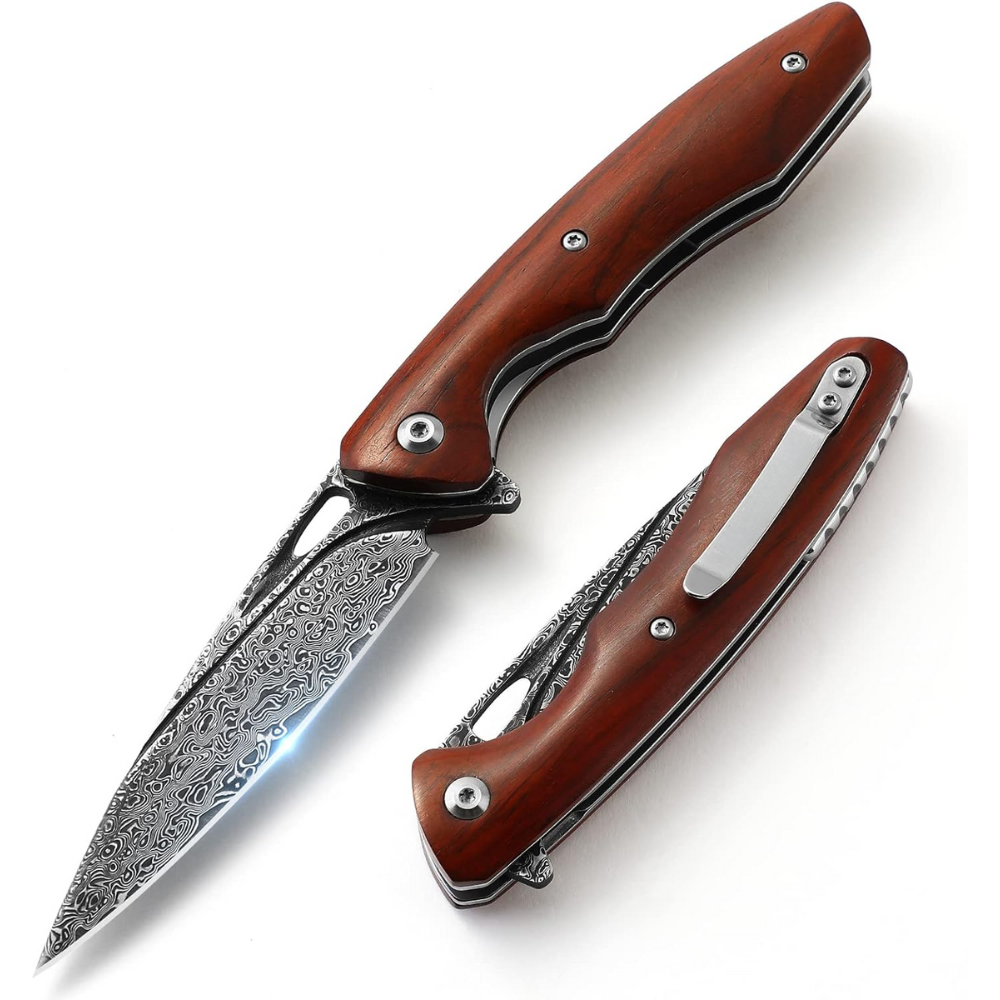
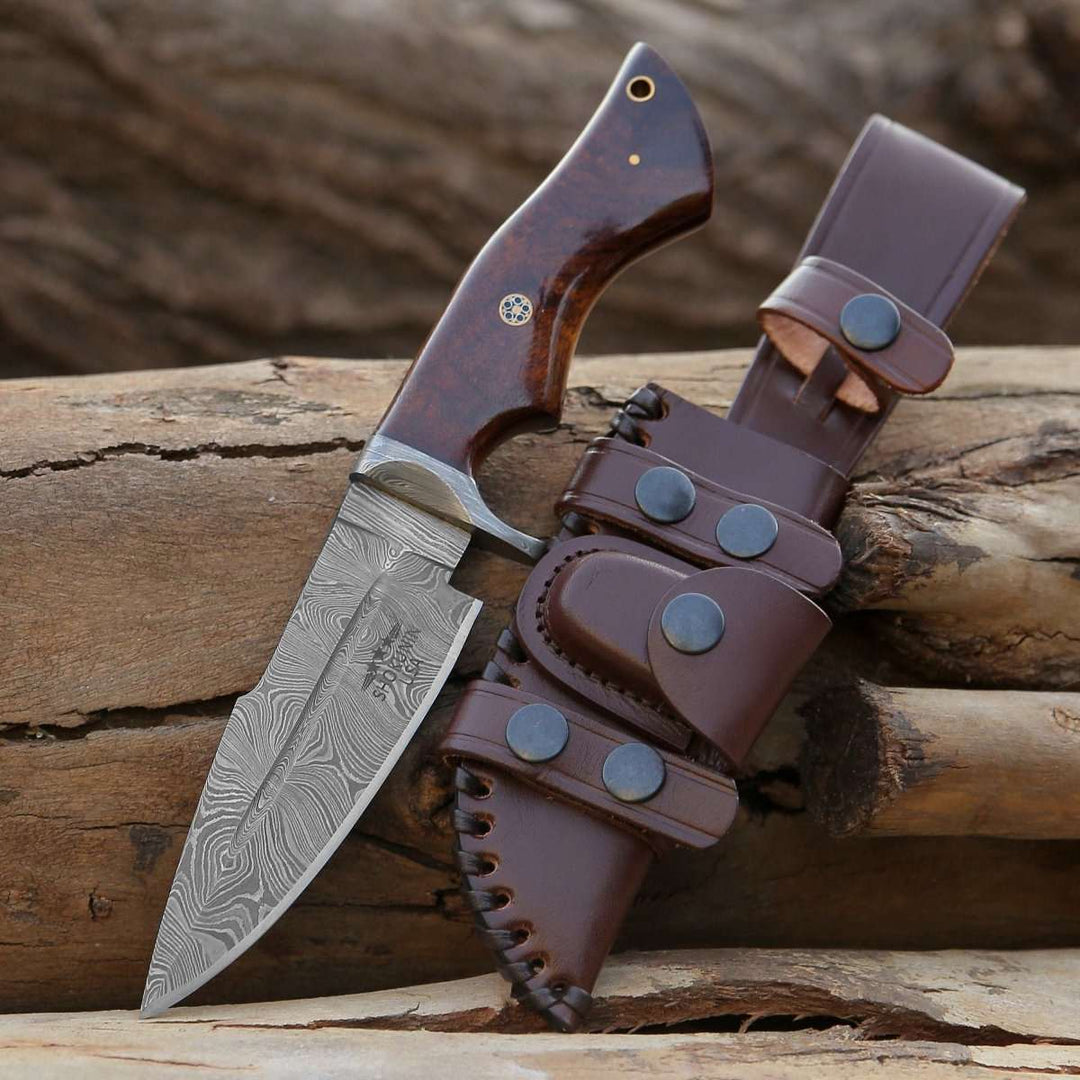
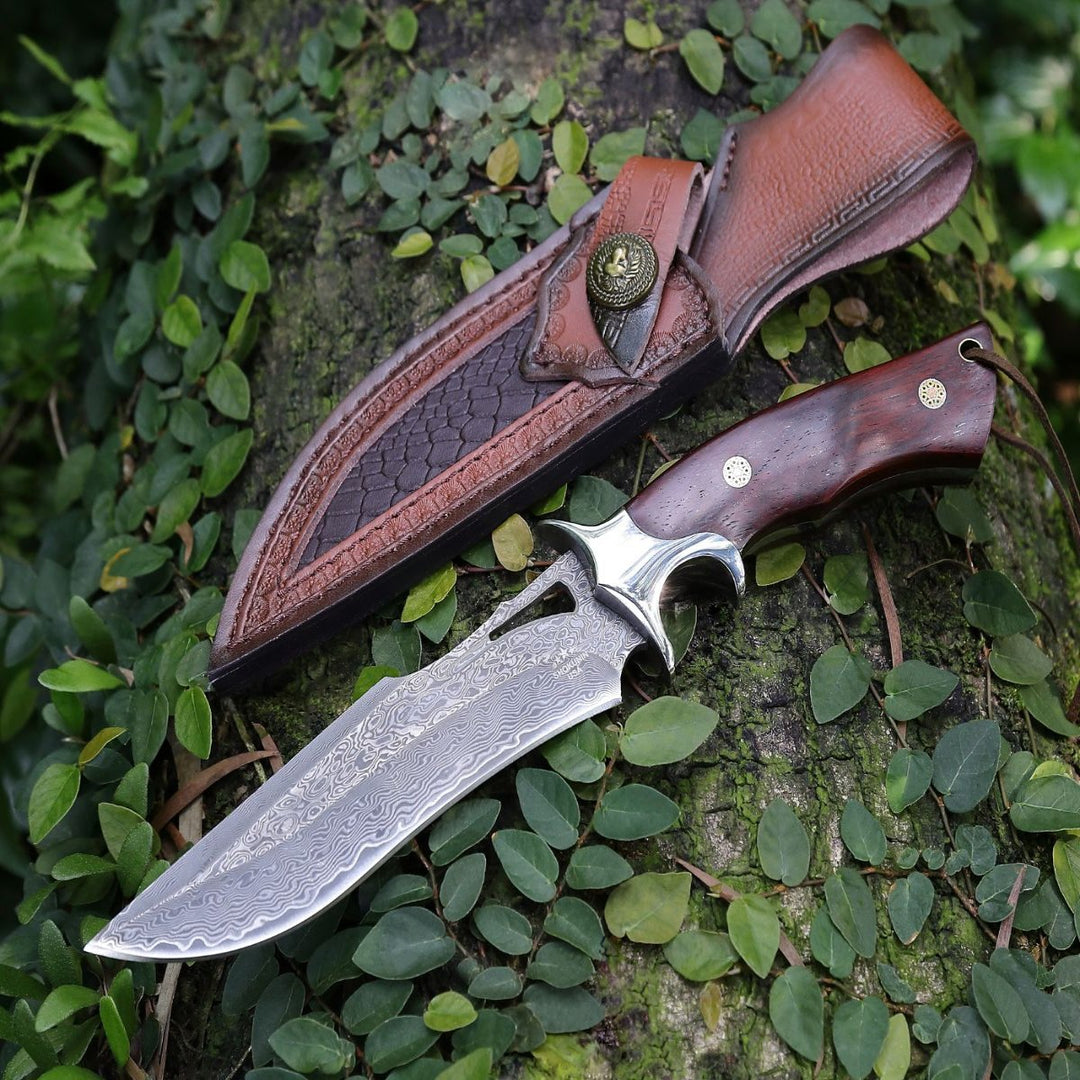
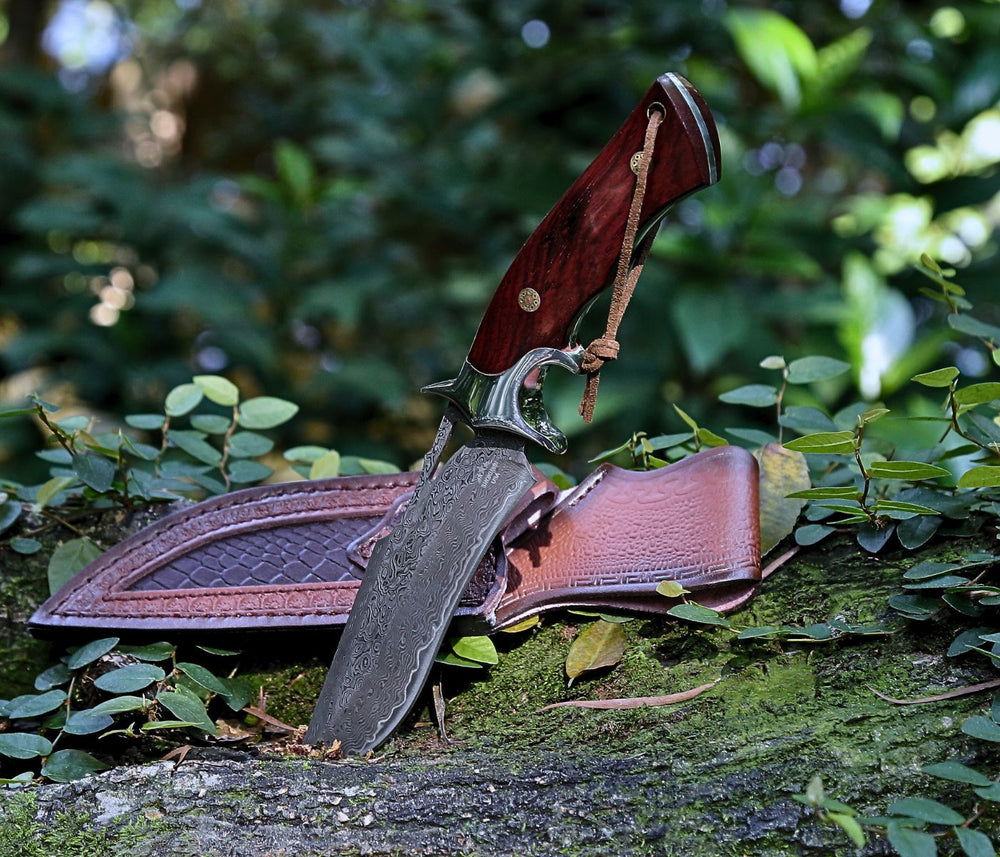
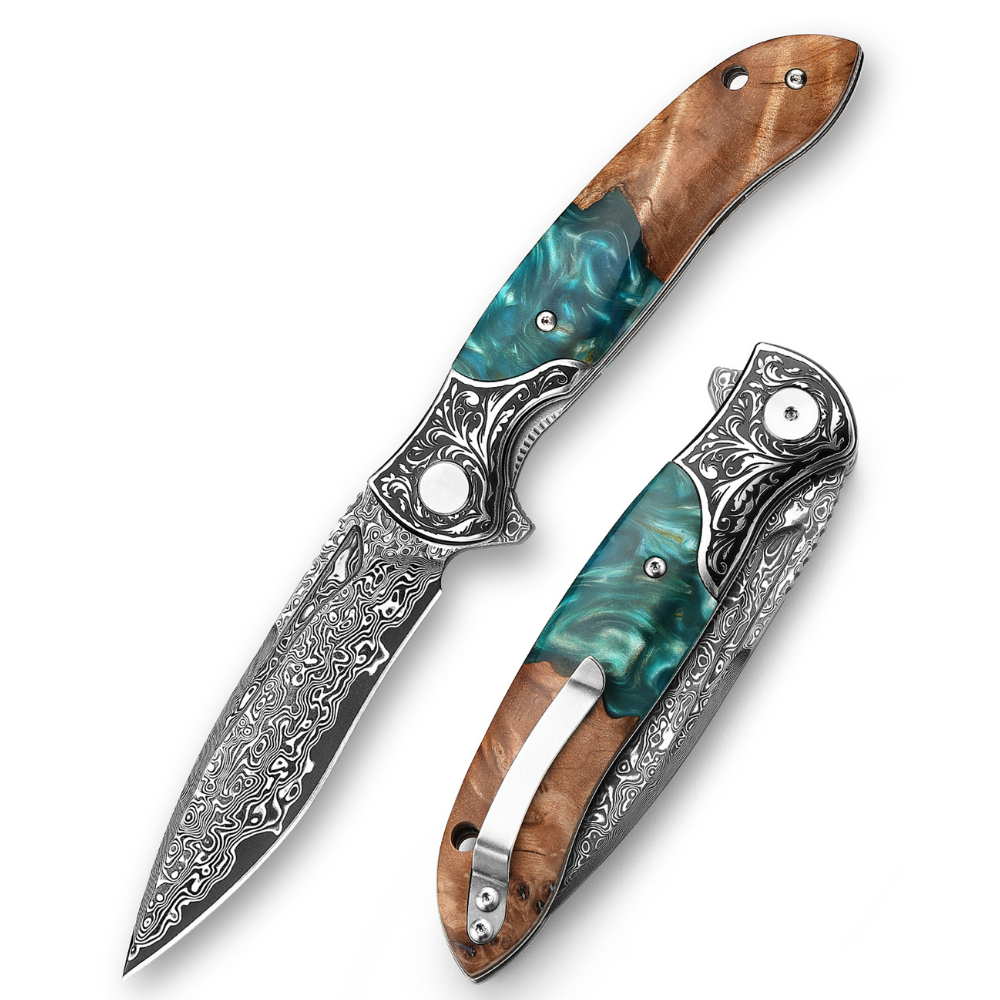
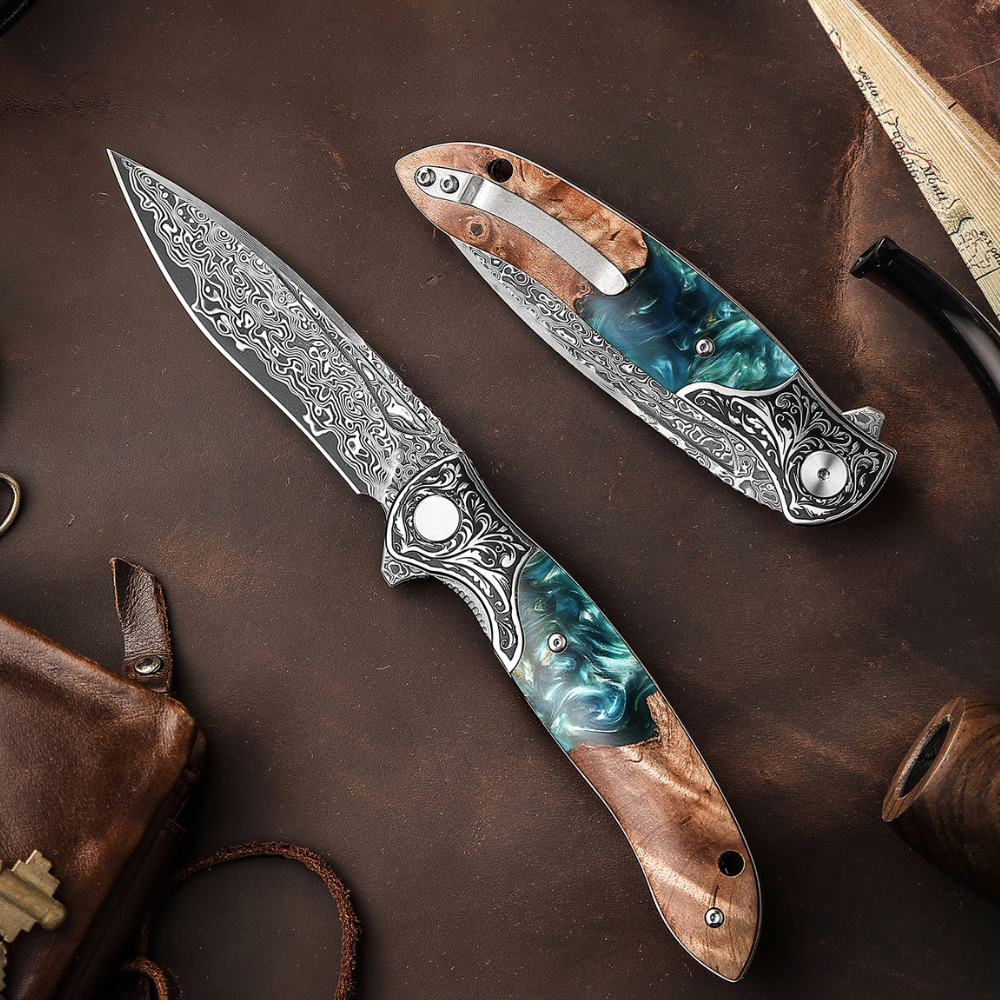
The Panther Handmade Stainless Damascus Pocket Knife features a unique hand-forged blade crafted from VG10 and 15n20 steel, providing exceptional strength and durability. With its textured exotic ebony wood handle and ergonomic design, this knife offers a comfortable and balanced grip, making it suitable for everyday tasks or outdoor adventures. Each knife is a one-of-a-kind work of art, combining functionality with aesthetic appeal, and comes with a hand-stitched leather sheath for convenient carrying.
View Product






Lascia un commento