


Overview
Pocket knives are versatile tools that require responsible handling for safety. Essential safety tips include always cutting away from your body, using the right knife for the task, maintaining a firm grip, and properly storing and carrying the knife. Educate others, especially children, on safe usage, and be prepared for emergencies with a stocked first aid kit. Embrace safe knife practices to ensure a positive experience with your pocket knife.
Table of Contents
- Why Safety Matters When Using Pocket Knives
- Getting Familiar with Your Pocket Knife
- Types of Pocket Knives
- Inspecting Your Handmade Pocket Knife
- Essential Safety Practices
- Always Cut Away from Your Body
- Use the Right Knife for the Job
- Maintain a Firm Grip
- Storing and Carrying Your Pocket Knife Safely
- Keep Your Knife Sheathed When Not in Use
- Securely Clip or Store Your Knife
- Educate Others on Knife Safety
- Special Considerations for Kids and Pocket Knives
- Supervision is Key
- Teach Proper Usage and Safety
- Start with Kid-Friendly Knives
- First Aid and Emergency Preparedness
- First Aid Kit Essentials
- Know Basic First Aid Procedures
- Identify When to Seek Professional Help
- Conclusion: Embracing the Art of Safe Knife Use
Key Takeaways
- Understand Your Pocket Knife: Familiarize yourself with the specific features and operation of your pocket knife for enhanced safety.
- Always Cut Away from Your Body: This simple rule minimizes the risk of self-inflicted injuries during use.
- Inspect Before Use: Check the blade sharpness, locking mechanism, and handle integrity to ensure safe operation.
- Use the Right Tool for the Job: Select an appropriate knife for specific tasks to prevent accidents and damage.
- Store Safely: Always keep your pocket knife sheathed when not in use and securely clipped when carrying.
- Educate Others: Share knife safety knowledge with family and friends to foster a safer environment.
- Be Prepared for Emergencies: Keep a stocked first aid kit and know basic first aid procedures to respond effectively to injuries.
Pocket knives have long been a trusted tool for many, whether for everyday tasks, outdoor adventures, or intricate craftsmanship. However, with their versatility also comes the need for responsibility. Understanding and practicing pocket knife safety is crucial for ensuring not only your safety but also the safety of those around you. In this article, we will explore essential safety tips for using handmade pocket knives and other pocket knives responsibly and effectively.
Why Safety Matters When Using Pocket Knives
Using a pocket knife is often second nature to some; however, the casual approach can lead to accidents. Pocket knives, including handmade pocket knives, are sharp tools designed for cutting and slicing, and without proper safety protocols, they can cause serious injuries. Understanding why safety matters is the first step towards responsible use.
- Common Misuse: Many injuries arise from improper handling or misuse of pocket knives.
- Awareness: Being aware of your surroundings can prevent accidents.
- Education: Knowledge of safe practices ensures you handle tools effectively.
Getting Familiar with Your Pocket Knife
Before diving into usage, it’s essential to develop an understanding of your pocket knife, including how it operates and its specific features. This knowledge will also enhance your safety.
Types of Pocket Knives
Not all pocket knives are created equal. Familiarizing yourself with the various types will help in understanding their best uses, which is imperative for safe handling.
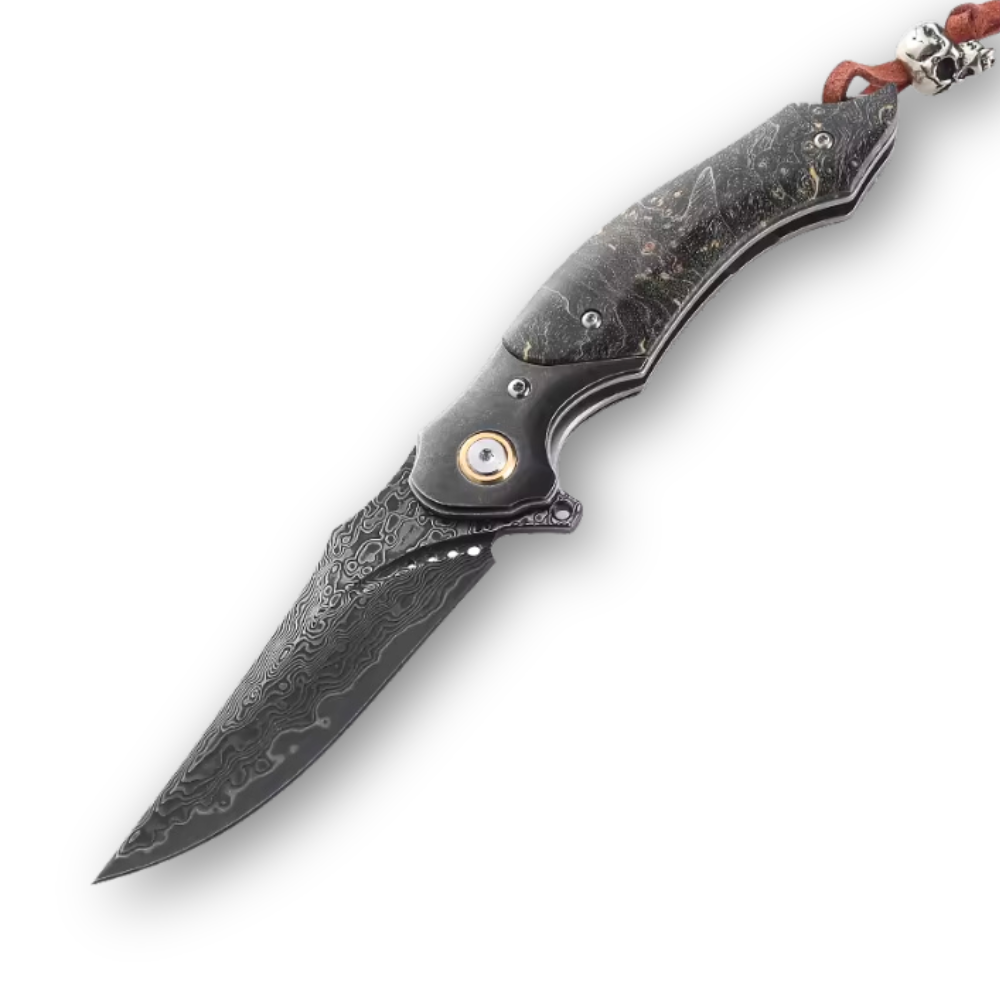
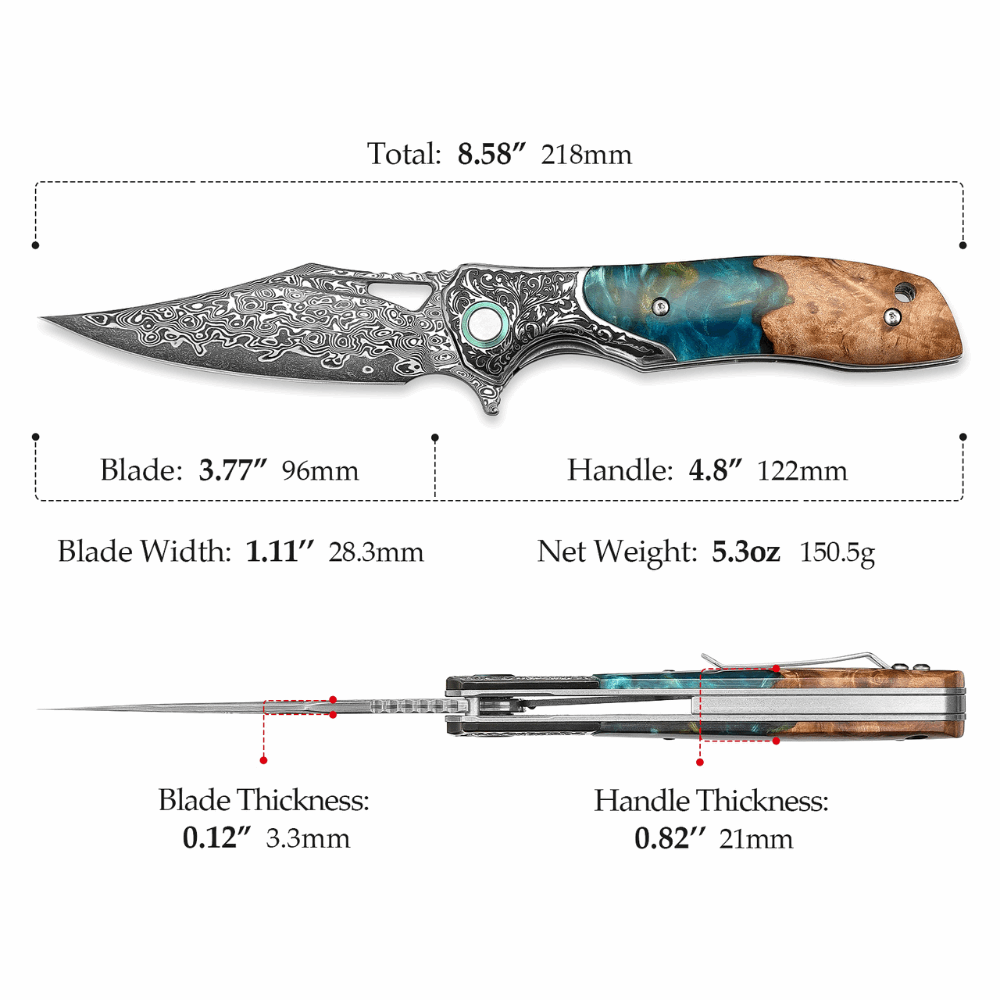
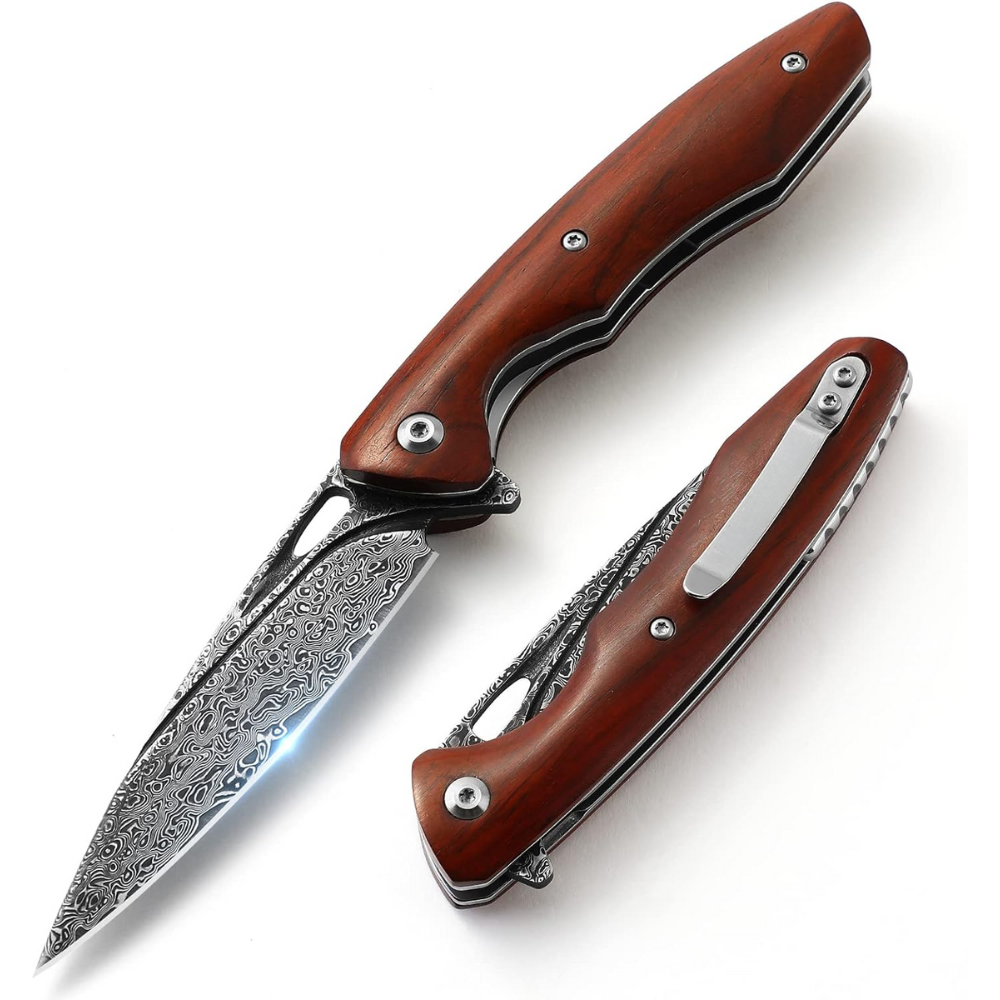
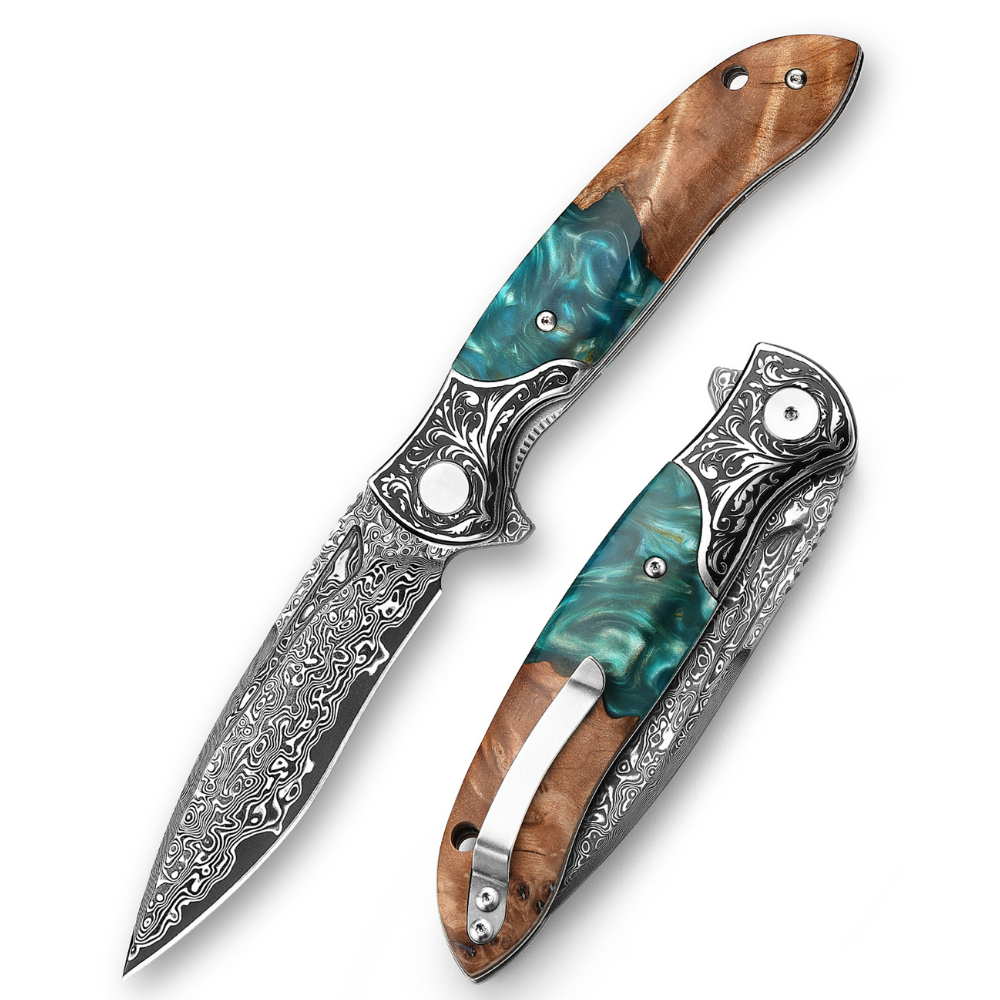
- Folding Knives: Compact and easy to carry, but make sure the blade is secured before use.
- Multi-tools: These include multiple functionalities but always ensure the correct tool is being used for the task at hand.
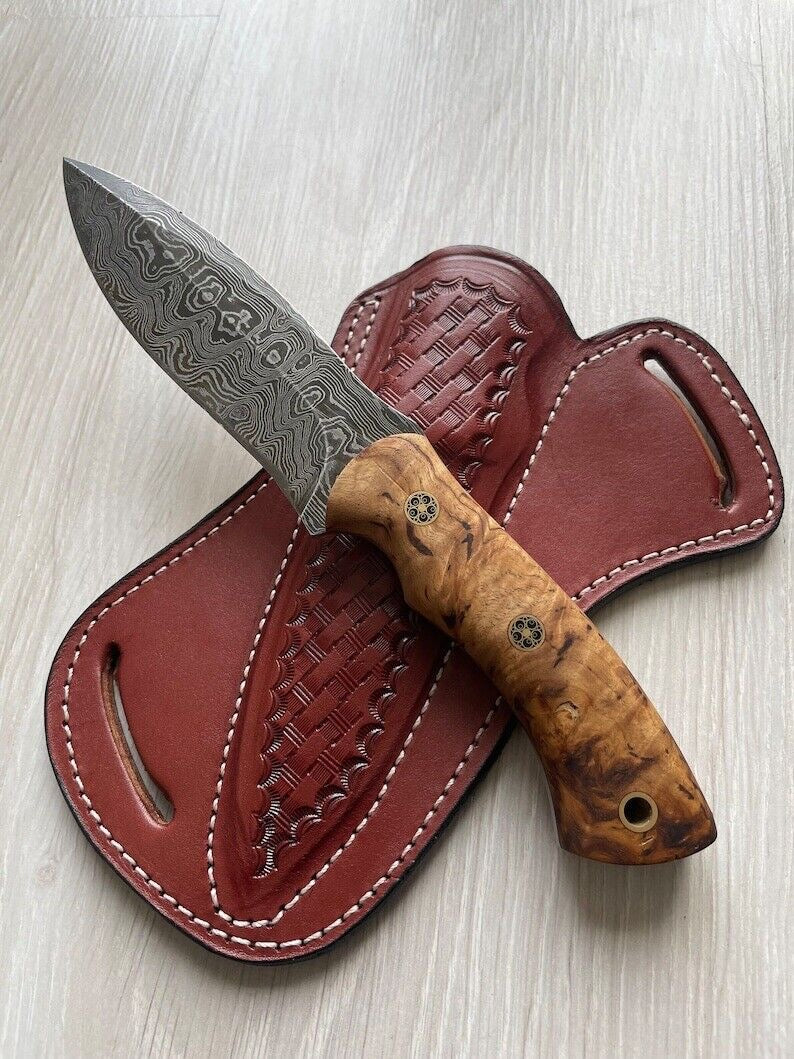
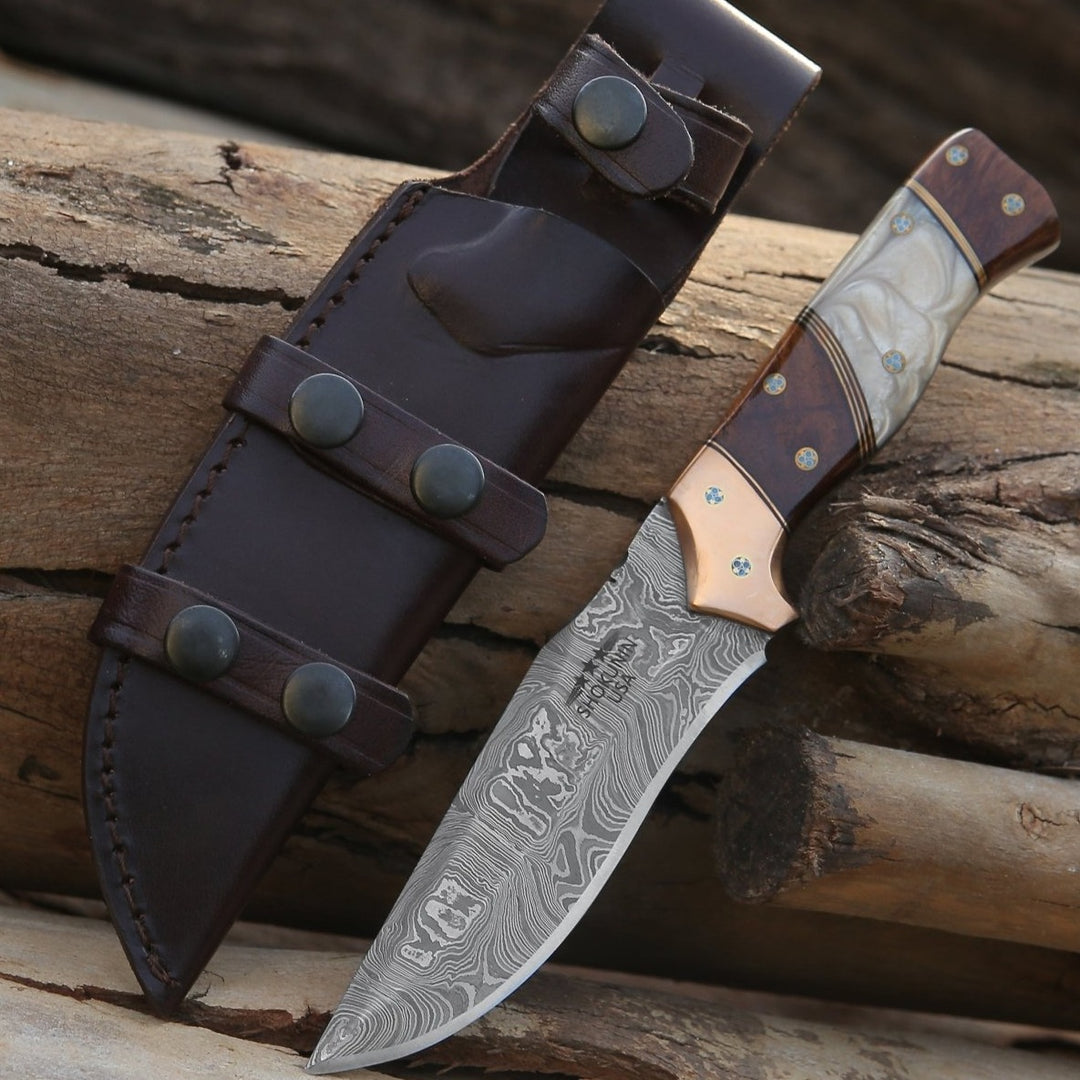
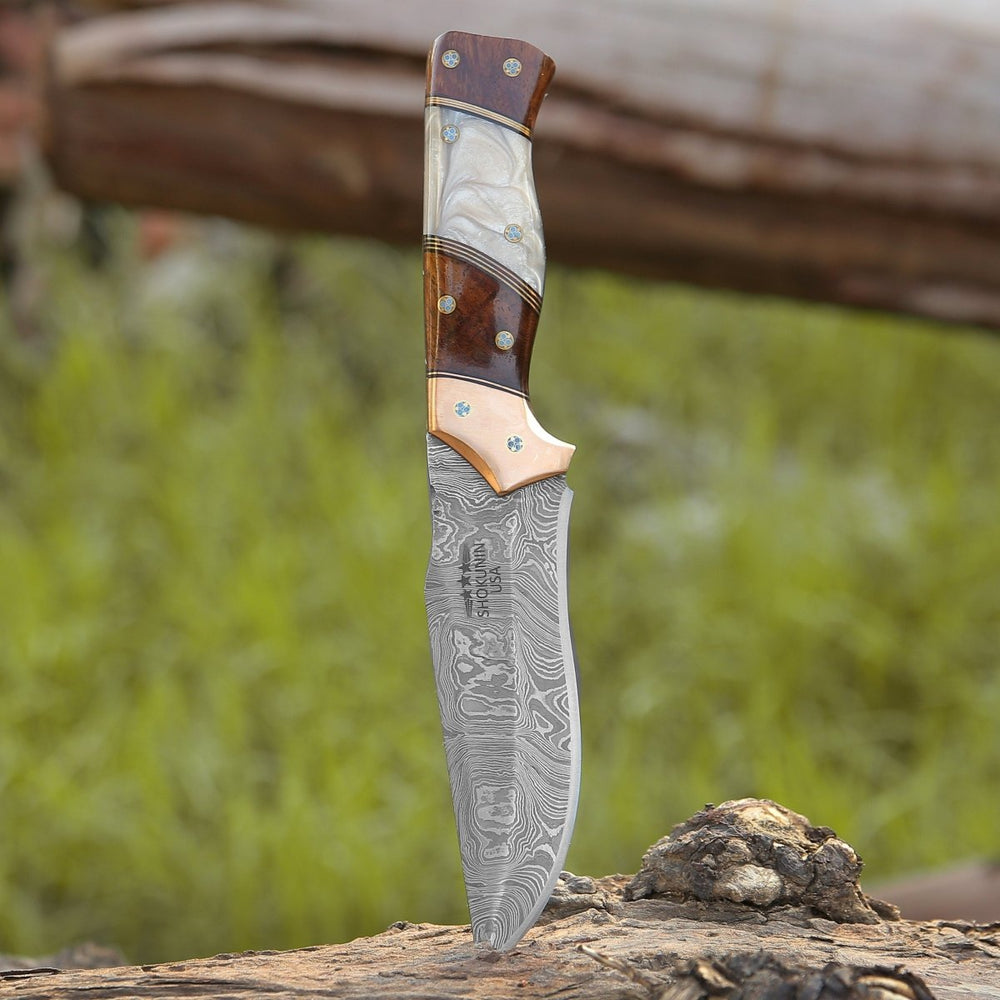
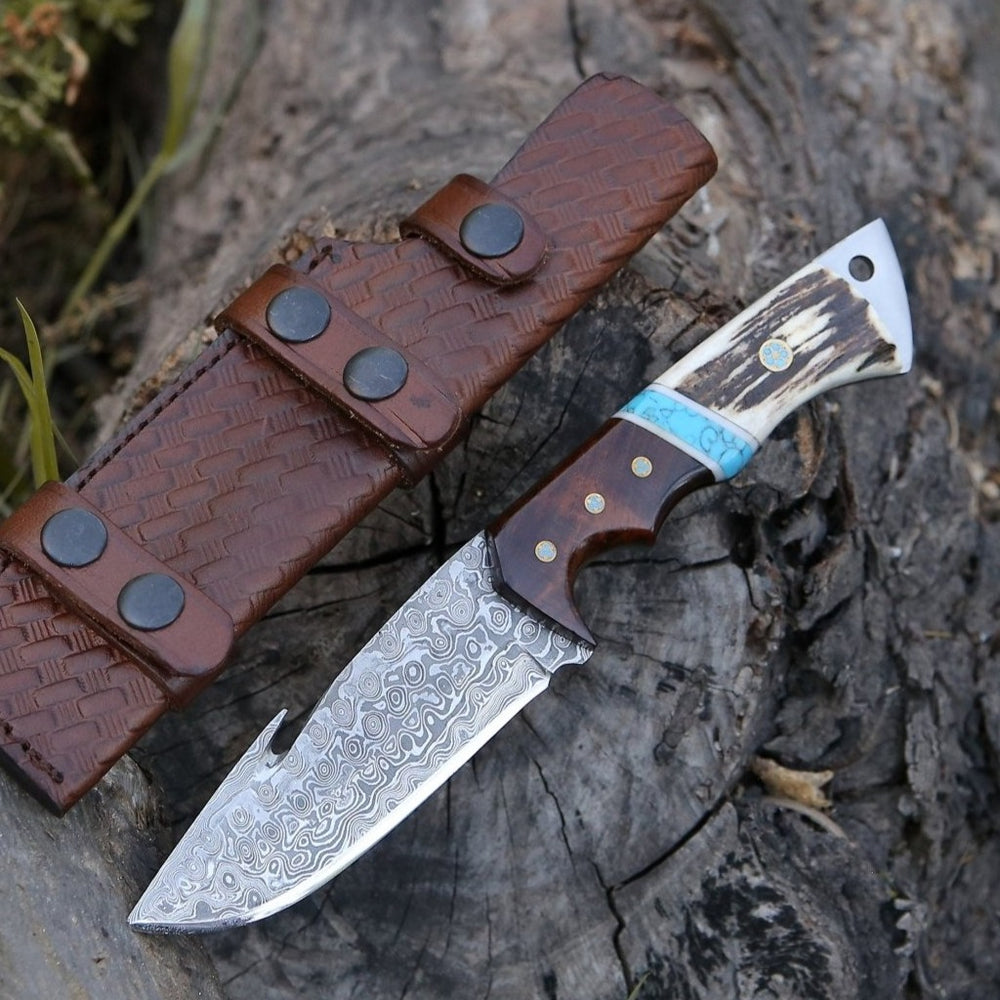
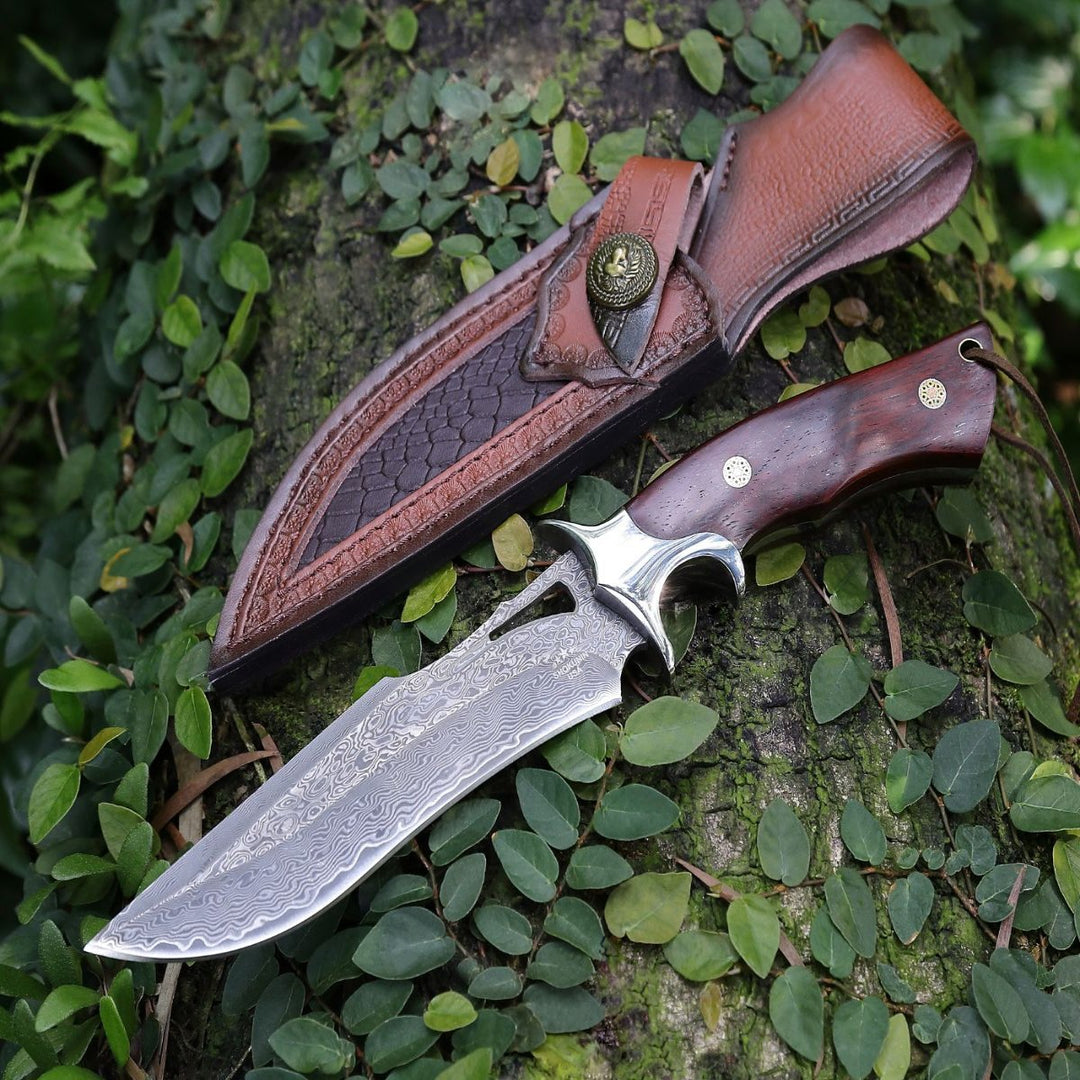
- Fixed Blade Knives: While these are typically more robust, handle with care as they do not fold away.
Inspecting Your Handmade Pocket Knife
If you own a handmade pocket knife, always perform a thorough inspection before using it. Look for:
- Blade Sharpening: Ensure the blade is sharp but not overly so, to maintain control and precision.
- Lock Mechanism: If the knife has a locking feature, verify it functions correctly to prevent accidental closure.
- Handle Integrity: Check for any loose parts or cracks that may hinder performance.
Essential Safety Practices
Practicing safety when using pocket knives cannot be stressed enough. Here are some fundamental safety practices to incorporate into your routine:
Always Cut Away from Your Body
One of the first rules of pocket knife safety is to always cut away from your body. This minimizes the risk of inflicting injury on yourself. Position the material you’re cutting in a way that allows for this approach.
Use the Right Knife for the Job
Selecting the appropriate knife for specific tasks is crucial. Using a pocket knife for activities it isn’t designed for can lead to accidents or damage to the tool. For instance, avoid using a delicate handmade pocket knife for heavy-duty cutting tasks that require sturdier tools.
Maintain a Firm Grip
When using your pocket knife, ensure you have a firm grip on the handle. This control will prevent slipping and reduce the risk of accidents. Wear gloves if necessary, especially when working with slippery materials.
Storing and Carrying Your Pocket Knife Safely
The way you store and carry your pocket knife can also impact safety. Implementing the following tips can lessen the chances of accidents significantly:
Keep Your Knife Sheathed When Not in Use
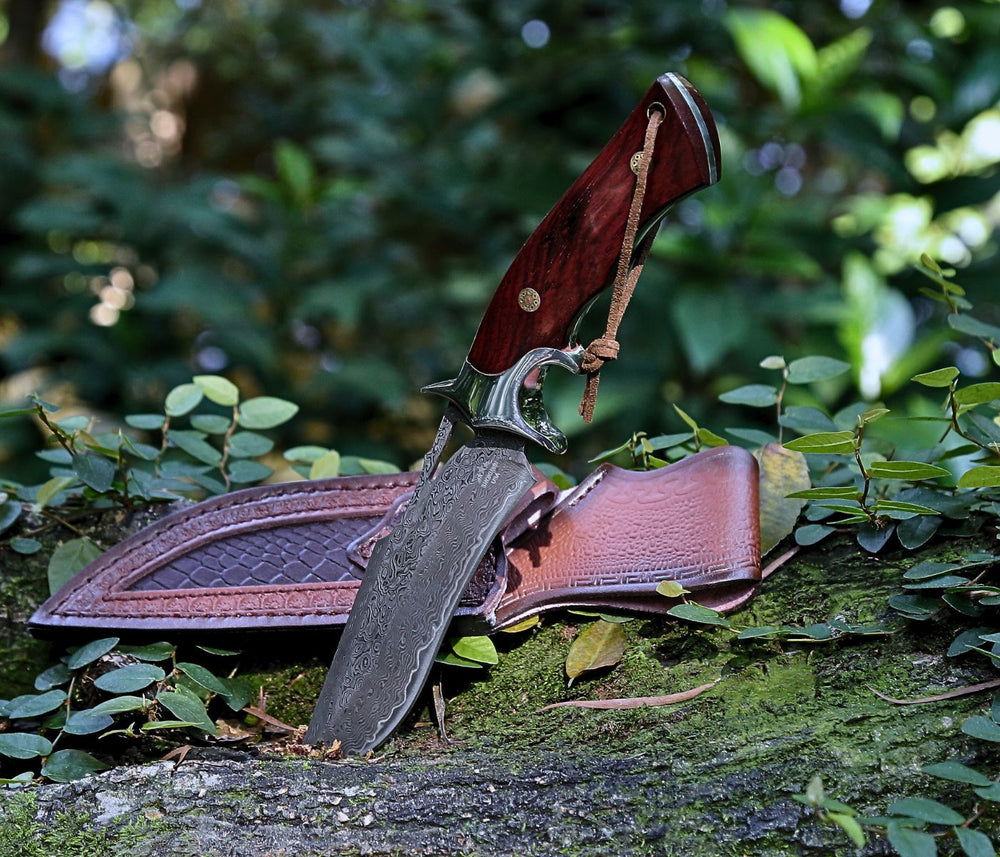
Always store your handmade pocket knife or any pocket knife in a sheath when it’s not in use. This protects the blade and prevents accidental cuts.
Securely Clip or Store Your Knife
When carrying your pocket knife, use a reliable clip or pouch to ensure it remains secure in your pocket or gear. Avoid placing it in areas where it might easily fall out or pose a risk of injury.
Educate Others on Knife Safety
If you are in a community or family setting where others may use pocket knives, take the time to educate them about safety practices as well. Sharing knowledge can help create a safer environment while using tools.
Special Considerations for Kids and Pocket Knives
When it comes to children and pocket knives, the conversation changes significantly. It’s vital to ensure that children understand the responsibilities that come with using such tools.
Supervision is Key
Always supervise children when they are using a pocket knife. This oversight will not only keep them safe but also allow for teaching opportunities regarding proper techniques.
Teach Proper Usage and Safety
Before allowing kids to handle pocket knives, educate them on proper usage and the importance of safety. This could include:
- Correct cutting techniques.
- The importance of taking your time.
- Understanding when to ask for help.
Start with Kid-Friendly Knives
If you are introducing children to pocket knives, consider starting with child-safe models designed specifically for educational purposes. This ensures they learn safely while developing their skills over time.
First Aid and Emergency Preparedness
Even with the best safety practices, accidents can happen. Being prepared by knowing how to react can significantly reduce panic and promote quicker recovery.
First Aid Kit Essentials
Keep a stocked first aid kit on hand when enjoying outdoor activities or even at home, including items such as:
- Bandages of varying sizes.
- Antiseptic wipes or ointment.
- Scissors for cutting bandages or tape.
- Cold compresses for swelling.
Know Basic First Aid Procedures
Familiarize yourself with basic first aid procedures. This knowledge becomes invaluable in case of minor cuts or more serious injuries. It could save time and prevent further damage if someone needs immediate care.
Identify When to Seek Professional Help
If an injury occurs and does not improve or is beyond your capabilities to treat, seek professional medical help. It’s better to err on the side of caution.
Conclusion: Embracing the Art of Safe Knife Use
Incorporating safety tips for using pocket knives into your routine is an essential aspect of embracing the art of craftsmanship. Whether you are a seasoned user or just getting started with your handmade pocket knife, the practices outlined in this article will keep you and those around you safe. Remember, being responsible with your pocket knife not only preserves the longevity of the tool but also enhances your overall experience. So gear up, stay safe, and enjoy the creativity and functionality that pocket knives bring to your day-to-day life!
Frequently Asked Questions
1. Why is safety important when using pocket knives?
2. What should I inspect before using a handmade pocket knife?
3. What is a key safety practice when using a pocket knife?
4. How should I store my pocket knife when not in use?
5. What should I do if an accident occurs while using a pocket knife?
Glossary
| Term | Meaning |
|---|---|
| Pocket Knife | A small, foldable knife designed for various tasks. |
| Folding Knife | A pocket knife with a blade that folds into the handle. |
| Multi-tool | A tool that combines several functions, including a knife. |
| Fixed Blade Knife | A knife with a blade that does not fold, typically sturdier. |
| Blade Sharpening | The process of honing a knife's edge for better cutting. |
| Lock Mechanism | A feature that secures the blade in place during use. |
| Sheath | A protective cover for the knife blade when not in use. |
| First Aid Kit | A collection of supplies for treating minor injuries. |
| Supervision | Monitoring someone's actions to ensure safety. |
| Kid-Friendly Knives | Knives designed specifically for safe use by children. |
Linked Product

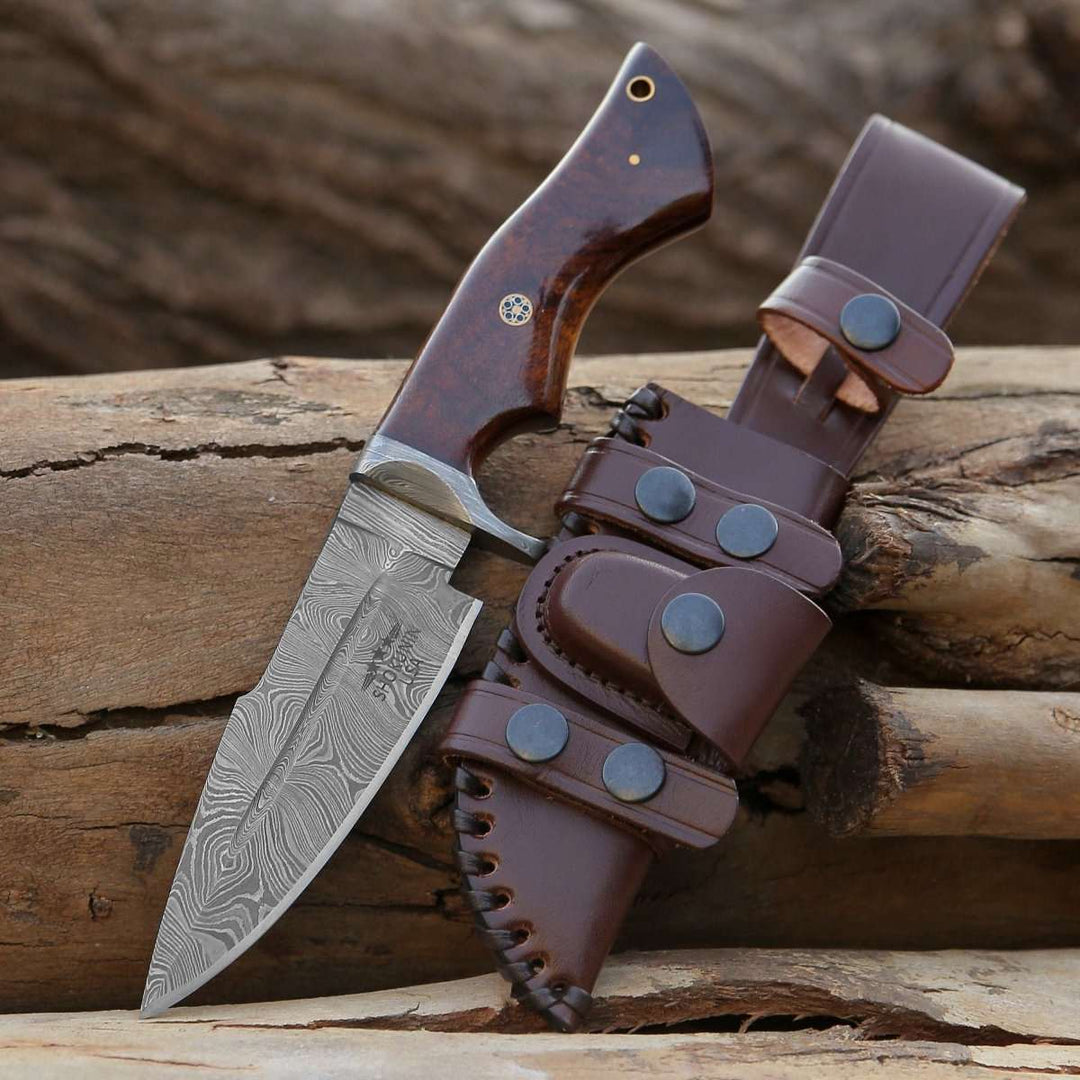
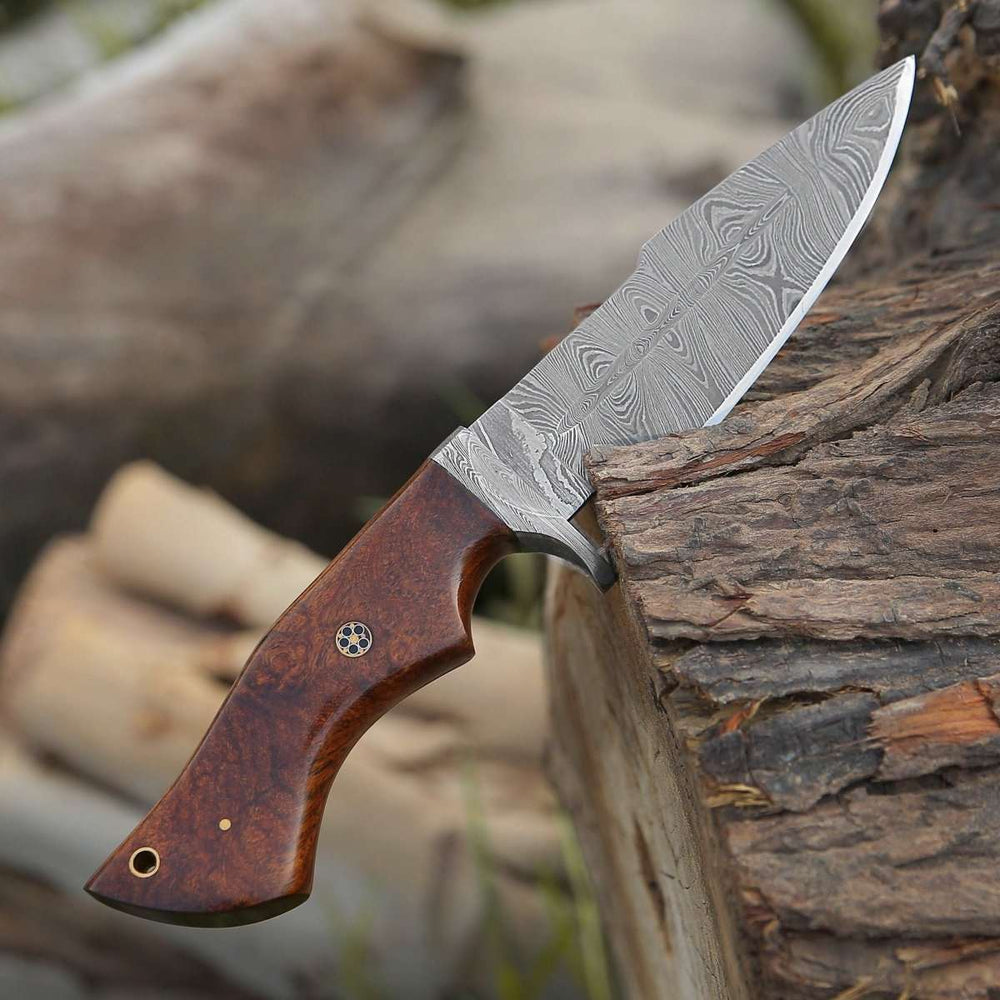
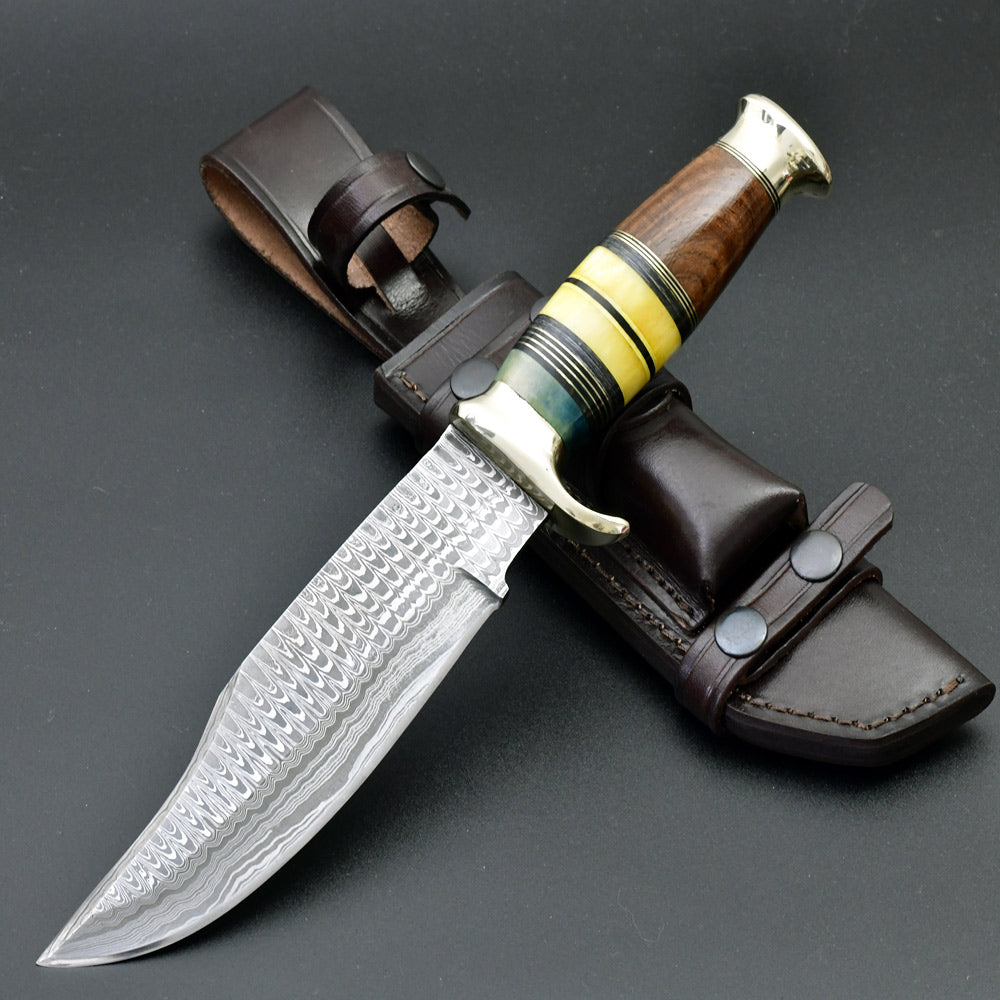
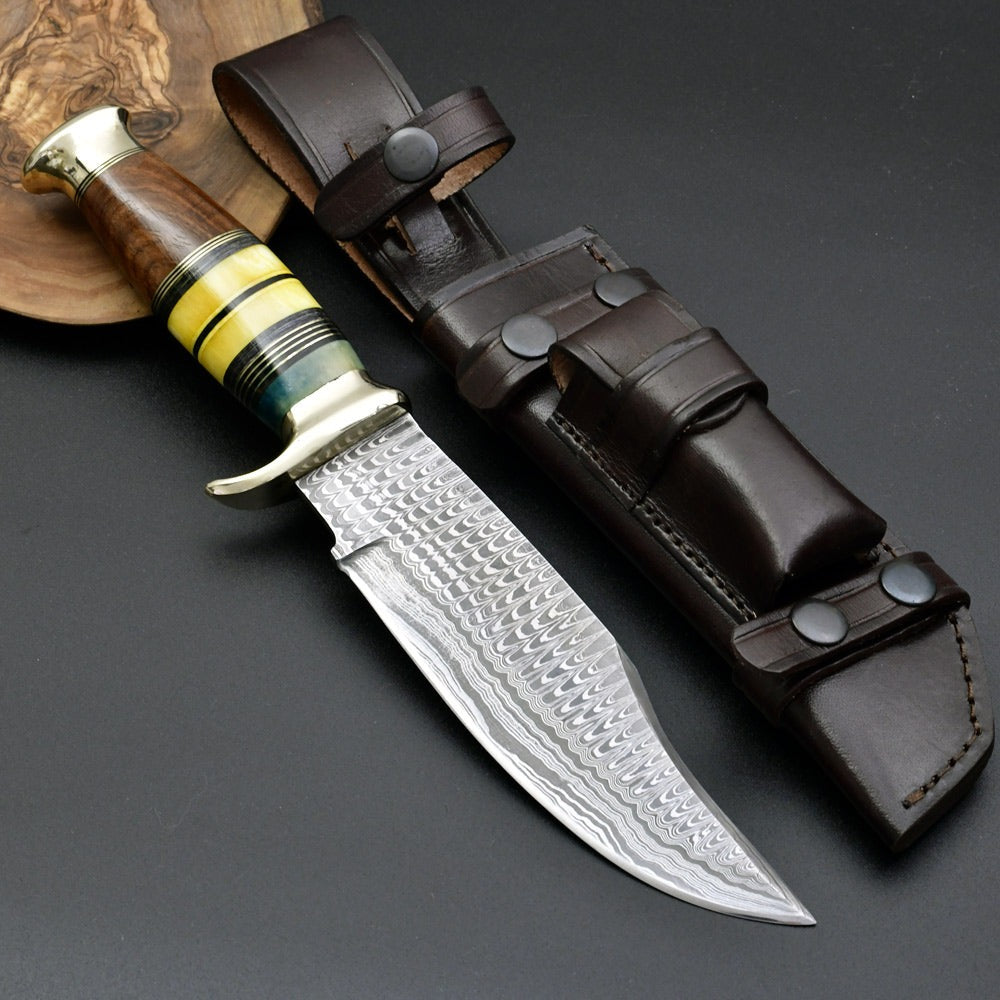
Omni Damascus Pocket Knife with Bone handle & Sheath
The Omni Damascus Pocket Knife features a hand-forged Damascus steel blade that ensures exceptional sharpness and durability, making it suitable for a variety of tasks. With its ergonomic bone handle and included leather sheath, this knife offers both comfort during use and protection for storage. Additionally, personalization options are available, allowing for a unique touch whether for personal use or as a gift.
View Product










Lascia un commento