

Overview
Knives serve as essential tools and rich cultural artifacts, reflecting the history and craftsmanship of various societies. From their symbolic meanings in rites of passage to their evolution from primitive tools to modern masterpieces, knives play vital roles in culinary traditions and daily life. Understanding their significance can enhance your appreciation for these versatile instruments, whether for cooking, collecting, or outdoor adventures.
Table of Contents
- The Symbolism of Knives in Various Cultures
- Knives as Symbols of Power
- Knives in Rites of Passage
- Historical Evolution of Knives
- Primitive Beginnings
- The Age of Metal
- Knives in Culinary Traditions
- Japanese Cuisine
- Western Cuisine
- Cultural Artistry and Craftsmanship
- Artisans in Japan
- Regional Variations in Design
- Practical Uses of Knives in Daily Life
- Outdoor and Survival Use
- Everyday Tasks
- Knives as Collectibles and Heirlooms
- The Collecting Culture
- Knives as Heirlooms
- The Future of Knives in Modern Society
- Integration of Technology
- Increased Popularity of Custom Knives
- Crafting Your Own Story with Knives
Key Takeaways
- Knives as Cultural Artifacts: Knives serve as significant cultural symbols, reflecting history, craftsmanship, and societal practices.
- Symbolism of Power: In various cultures, knives represent power and authority, with traditional Japanese knives exemplifying this through their craftsmanship.
- Rites of Passage: The gifting of knives marks important life transitions in many cultures, symbolizing trust, loyalty, and adulthood.
- Evolution of Design: Knives have evolved from primitive stone tools to advanced designs like folding pocket knives and VG10 Damascus steel knives.
- Culinary Importance: Specialized knives are crucial in culinary traditions, influencing food preparation and presentation in both Japanese and Western cuisines.
- Artistry in Knife-Making: Knife-making is regarded as an art form in many cultures, showcasing unique designs and craftsmanship that reflect regional identities.
- Collecting and Heirlooms: Knives are often collected as valuable artifacts and passed down as family heirlooms, embodying personal and cultural histories.
Knives are more than mere tools; they are pivotal cultural artifacts that reflect the history, craftsmanship, and practices of various societies. These items have not only served functional purposes in cuisine and craftsmanship but also have deep-seated symbolic meanings across different cultures. In this blog post, we will explore the diverse roles knives play in different cultures, their evolution, and what makes specific types, like the folding pocket knife or VG10 Damascus knives, unique to their heritage.
The Symbolism of Knives in Various Cultures
Throughout history, knives have held a significant place in various cultures, representing everything from power and protection to artistry and craftsmanship. Their symbolism often extends beyond functionality to encompass rites of passage, social status, and even spiritual significance.
Knives as Symbols of Power
In some cultures, knives symbolize power and authority. For instance, traditional Japanese knives, renowned for their exquisite craftsmanship and unique materials like VG10 Damascus steel, are often considered to embody the spiritual essence of the craftsmen who forge them. The artistry involved in creating such knives makes them not just tools but symbols of pride and identity.
Knives in Rites of Passage
Many cultures recognize the presentation of a knife as a rite of passage. In Native American traditions, a gifted knife can symbolize the transition into adulthood. Similarly, in European history, presenting a knife could represent the bond of friendship or a martial pact, signifying trust and loyalty.
Historical Evolution of Knives
The knife as a tool has undergone significant evolution. From primitive stone blades used by early humans to sophisticated folding pocket knives of today, the design and purpose of knives have transformed immensely. Let's delve deeper into their historical journey.
Primitive Beginnings
The earliest knives were made from stone, designed primarily for hunting and survival. Archaeologists have found flint knives dating back to the Stone Age, which showcases the essential role knives played in the survival of early human beings. These primitive tools laid the foundation for the sophisticated designs we see today.
The Age of Metal
With the advent of metallurgy, knives saw significant improvements in material and function. Bronze and iron replaced stone, allowing craftsmen to create sharper, more durable knives. The introduction of Damascus steel, characterized by its wavy patterns and strength, revolutionized knife-making. Today, many knife enthusiasts seek out high-quality materials such as VG10 Damascus for their superior properties.
Knives in Culinary Traditions
In culinary contexts, knives are essential tools. Many cultures have developed specialized knives that are central to their cuisine, influencing how food is prepared and served. Let's take a look at how some regions incorporate knives into their culinary practices.
Japanese Cuisine
In Japan, knives are integral to the culinary experience. Japanese cooking places a strong emphasis on presentation, which requires precision tools. Knives like the VG10 Damascus blade are highly sought after for their sharpness and aesthetics. Sushi chefs prioritize their knives, as the quality directly impacts the texture and presentation of sushi.
Western Cuisine
Conversely, Western culinary traditions often rely on multi-functional kitchen knives. Chefs might possess various knives, including chef's knives, paring knives, and serrated knives, each serving specific purposes. The diversity of knives reflects the intricacies of Western cooking techniques.
Cultural Artistry and Craftsmanship
Knives have also become outlets for cultural expression and artistry. In many cultures, knife-making is seen as a craft that combines functionality with artistry. Let’s explore how different cultures have incorporated artistry into knife-making.
Artisans in Japan
In Japan, knife-making is an art form, showcasing meticulous attention to detail. Artisans spend years honing their skills to create knives that reflect traditional techniques passed down through generations. The use of materials like VG10 Damascus steel not only enhances durability but also adds an aesthetic appeal unique to each knife.
Regional Variations in Design
Other cultures have distinct knife designs that reflect their environmental and societal needs. For example, Scandinavian knives often feature wooden handles, providing a rustic charm. In contrast, African blade designs may incorporate intricate patterns, showcasing cultural symbolism and storytelling.
Practical Uses of Knives in Daily Life
While the artistic aspect of knives is fascinating, their practical applications are equally important. From outdoor adventures to daily kitchen tasks, knives serve various essential roles.
Outdoor and Survival Use
The folding pocket knife is a staple among outdoor enthusiasts. Its convenience and portability make it an essential tool for camping, hiking, and survival situations. A well-crafted folding pocket knife offers reliability and functionality, whether you're preparing a meal or building a shelter in the wilderness.
Everyday Tasks
In daily life, knives are often taken for granted. However, they are indispensable in our kitchens, playing a vital role in food preparation. A sharp knife ensures that ingredients are cut precisely, enhancing the overall quality of a meal. Knives also function as tools for various tasks around the home, reinforcing their practicality beyond just cooking.
Knives as Collectibles and Heirlooms
Beyond their functional roles, many people collect knives, stemming from their passion for craftsmanship and history. Collectors often acquire knives that represent different cultural backgrounds or artisan techniques. Some may even pass down knives as heirlooms, embedding family history into the blade.
The Collecting Culture
Knife collectors often seek unique pieces that reflect intricate designs or historical significance. Limited-edition knives, such as those crafted using VG10 Damascus, are often considered valuable due to their craftsmanship and durability. Collecting knives has become a hobby for many, culminating in vast collections that tell stories of culture, artistry, and history.
Knives as Heirlooms
In many cultures, knives serve as family heirlooms. Passed down through generations, these knives encapsulate stories and memories, often carrying significant emotional weight. The act of gifting a knife can symbolize trust, loyalty, and continuity within families.
The Future of Knives in Modern Society
As we navigate the complexities of modern living, the role of knives continues to evolve. The combination of traditional craftsmanship with modern technology is shaping a new generation of knives that serve both functional and aesthetic purposes. Innovative materials and techniques are pushing the boundaries of knife making, resulting in better performance and sustainability.
Integration of Technology
With advancements in materials science, knife-makers are developing blades that are more durable and easier to maintain. High-performance steels like VG10 Damascus are leading the charge in redefining what knives can do, enhancing their usability while maintaining their cultural significance.
Increased Popularity of Custom Knives
The demand for custom and handmade knives is on the rise. Consumers are increasingly looking for personalized pieces that reflect their style or heritage, driving artisans to produce knives that are not only practical but also a reflection of personal identity. This trend is helping to revitalize traditional knife-making techniques, ensuring they continue to thrive in a modern context.
Crafting Your Own Story with Knives
As we've explored the multifaceted role of knives in different cultures, it's clear that these tools transcend their primary function. Knives embody aspects of artistry, tradition, practicality, and symbolism, making them integral to various cultures worldwide. Whether you’re a culinary professional, an outdoor enthusiast, or a collector, the right knife can augment your experience, providing a tangible connection to heritage and craftsmanship.
Embrace the role of knives in your life, whether by choosing a carefully crafted VG10 Damascus knife or an elegant folding pocket knife that suits your everyday needs. Each knife has a story to tell—what will yours be?
Frequently Asked Questions
1. What cultural significance do knives hold?
2. How have knives evolved historically?
3. What role do knives play in culinary traditions?
4. Why are knives considered collectibles and heirlooms?
5. What is the future of knives in modern society?
Glossary
| Term | Meaning |
|---|---|
| VG10 Damascus | A high-quality stainless steel known for its sharpness and durability. |
| Folding Pocket Knife | A compact knife with a blade that folds into the handle for portability. |
| Rite of Passage | A ceremony marking an individual's transition to a new stage in life. |
| Artisans | Skilled craftsmen who create handmade items, often with cultural significance. |
| Heirloom | A valuable object passed down through generations within a family. |
| Symbolism | The use of symbols to represent ideas or qualities, such as power or identity. |
| Culinary Traditions | Practices and customs related to food preparation and cooking in different cultures. |
| Collectibles | Items collected for their rarity, craftsmanship, or historical significance. |
| Metallurgy | The science of working with metals to create tools and artifacts. |
| Custom Knives | Personalized knives tailored to individual preferences or styles. |
Linked Product

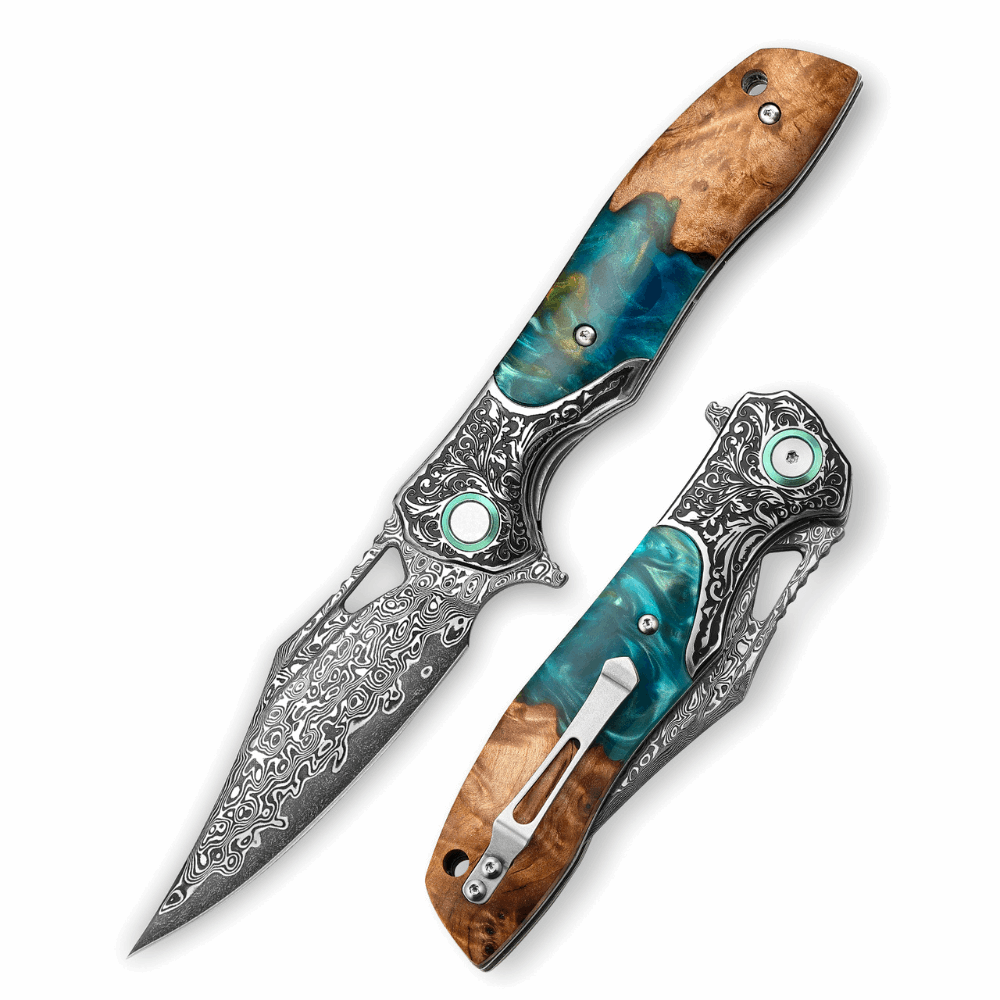
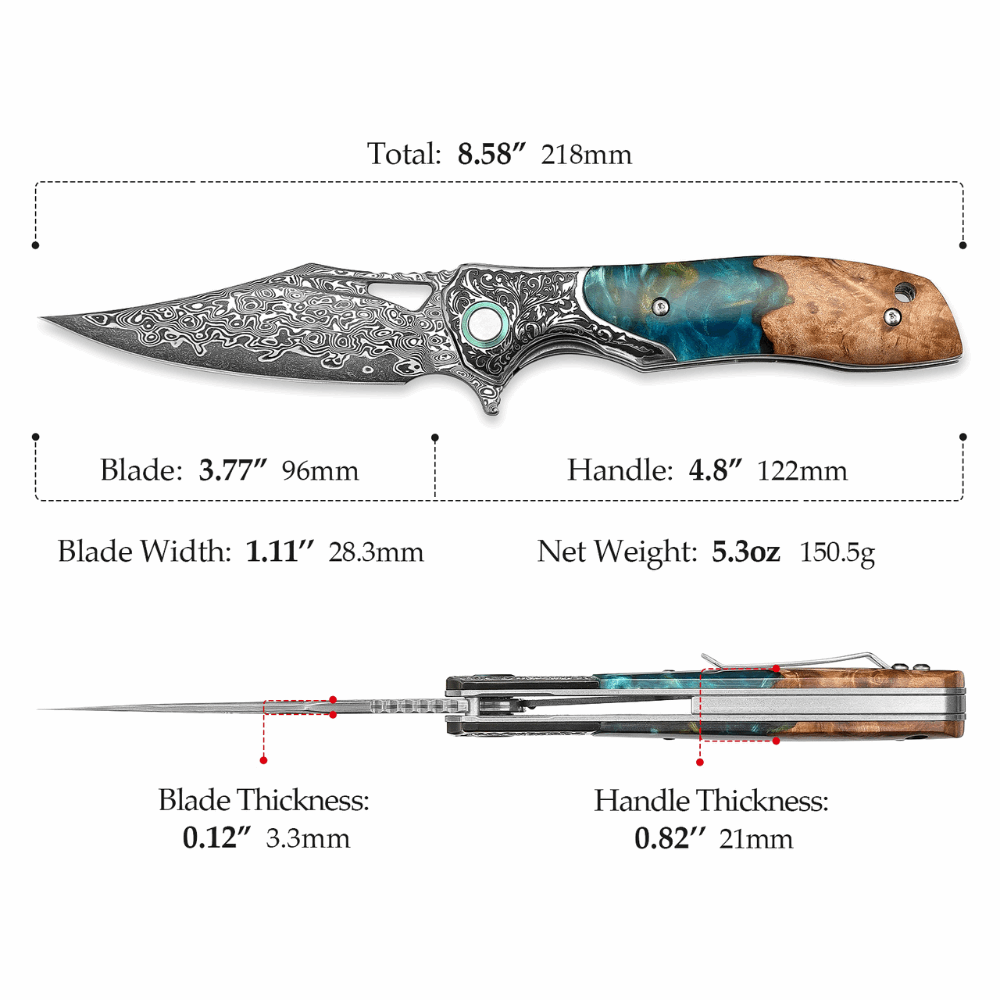
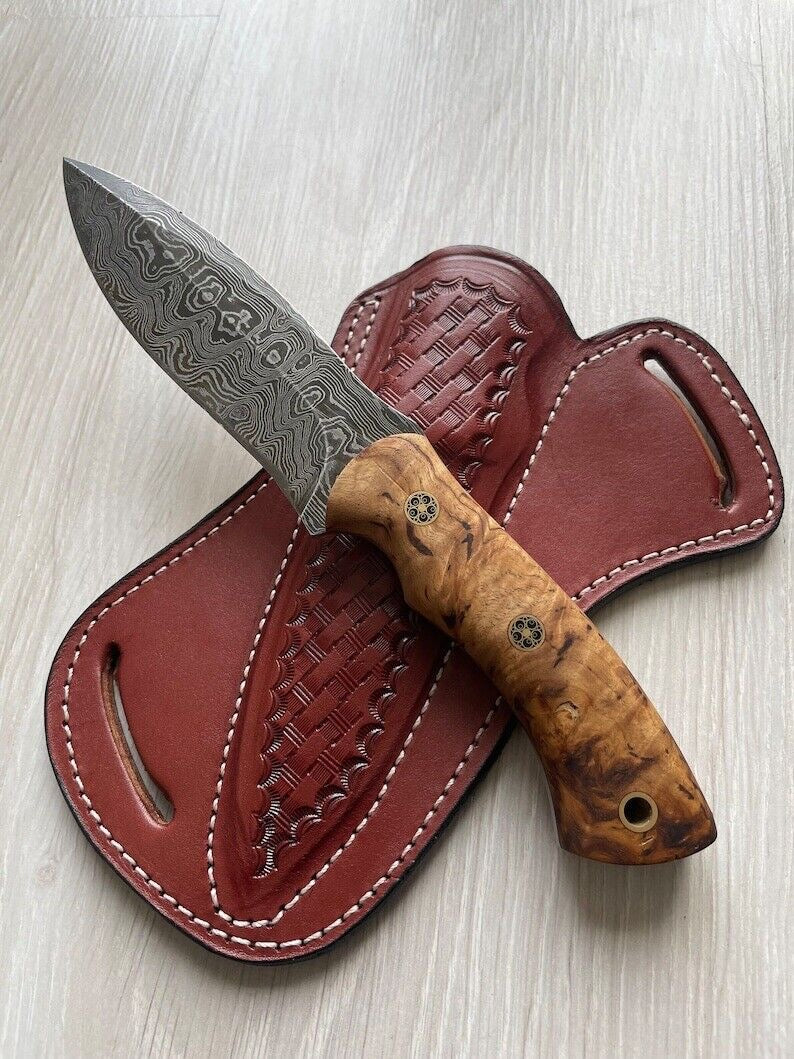
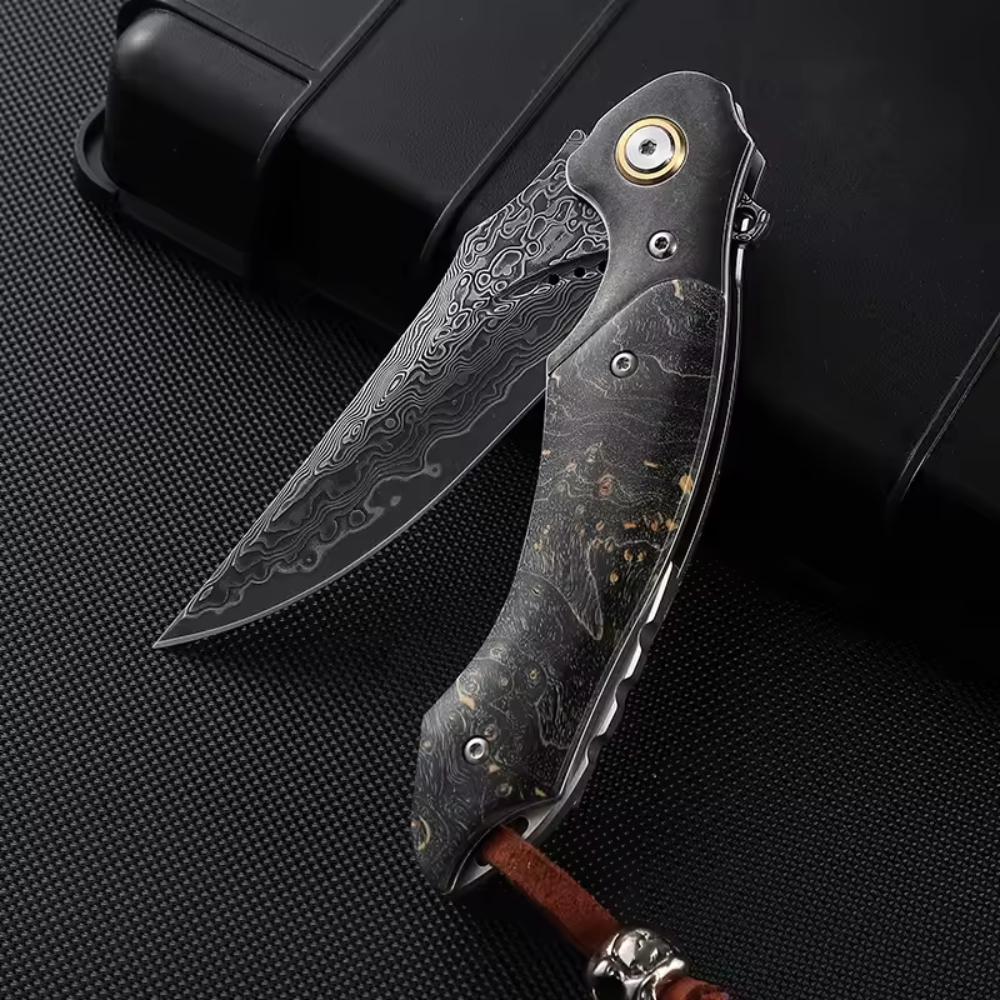
Falcon Japanese Damascus Pocket Knife with Exotic Stained Maple Burl Handle
The Falcon Japanese Damascus Pocket Knife features a unique hand-forged blade made from VG10 and 15n20 steel, offering excellent strength and edge retention. With an ergonomic design and a durable exotic stained maple burl handle, it ensures comfortable use for various tasks. The knife also comes with a hand-stitched leather sheath and a complimentary pocket knife sharpener, making it a practical choice for everyday carry.
View Product








Lascia un commento