


Overview
Pocket knives are essential tools for outdoor enthusiasts and everyday carry users. Understanding their anatomy—blade, edge, handle, locking mechanism, liner, pivot point, and clip—helps in choosing the right knife for your needs. Consider intended use, blade material, size, weight, and budget when selecting one. Proper maintenance, including cleaning, lubrication, sharpening, and storage, is crucial for longevity and performance. Embrace the versatility of pocket knives for convenience and utility in daily tasks.
Table of Contents
- The Basics of Pocket Knives
- What Makes Up a Pocket Knife?
- Blade
- Edge
- Handle
- Locking Mechanism
- Liner
- Pivot Point
- Clip
- Choosing the Right Pocket Knife for You
- Intended Use
- Blade Material
- Size and Weight
- Price Point
- Maintenance Tips for Your Pocket Knife
- Cleaning
- Lubrication
- Sharpening
- Storage
- Final Thoughts: Embracing the Versatility of Pocket Knives
Key Takeaways
- Blade Quality: The blade material, such as high-carbon or Damascus steel, significantly influences sharpness, durability, and corrosion resistance.
- Edge Type: Choose between straight or serrated edges based on the tasks you intend to perform with the knife.
- Handle Design: A well-designed handle enhances grip and control, impacting the knife's usability for various tasks.
- Locking Mechanism: Ensure the knife has a reliable locking mechanism to maintain safety during use.
- Maintenance: Regular cleaning, lubrication, and sharpening are essential to prolong the life and performance of your pocket knife.
- Size and Weight: Consider the size and weight of the knife to ensure comfort and convenience for daily carry.
- Budget Consideration: Establish a budget that aligns with your needs, as pocket knives vary widely in price and quality.
Pocket knives have become a quintessential tool for both outdoor enthusiasts and everyday carry (EDC) aficionados. Whether you're an avid camper, a craftsman, or simply someone who enjoys the convenience of having a versatile tool handy, understanding the anatomy of a pocket knife is crucial to making an informed choice. In this article, we delve into the essential components of a pocket knife, their functions, and how they contribute to the overall performance of tools like the Kepler Damascus Pocket Knife and EDC knives.
The Basics of Pocket Knives
A pocket knife is a foldable blade tool that typically includes various components designed to enhance its utility. Depending on the design and intended use, pocket knives may differ significantly, but they generally share key anatomical features. In grasping these components, users can better appreciate what makes a pocket knife a valuable addition to their tool arsenal.
What Makes Up a Pocket Knife?
The anatomy of a pocket knife includes several key parts that work together to create a functional, efficient, and durable tool. Let's break down these components:
Blade
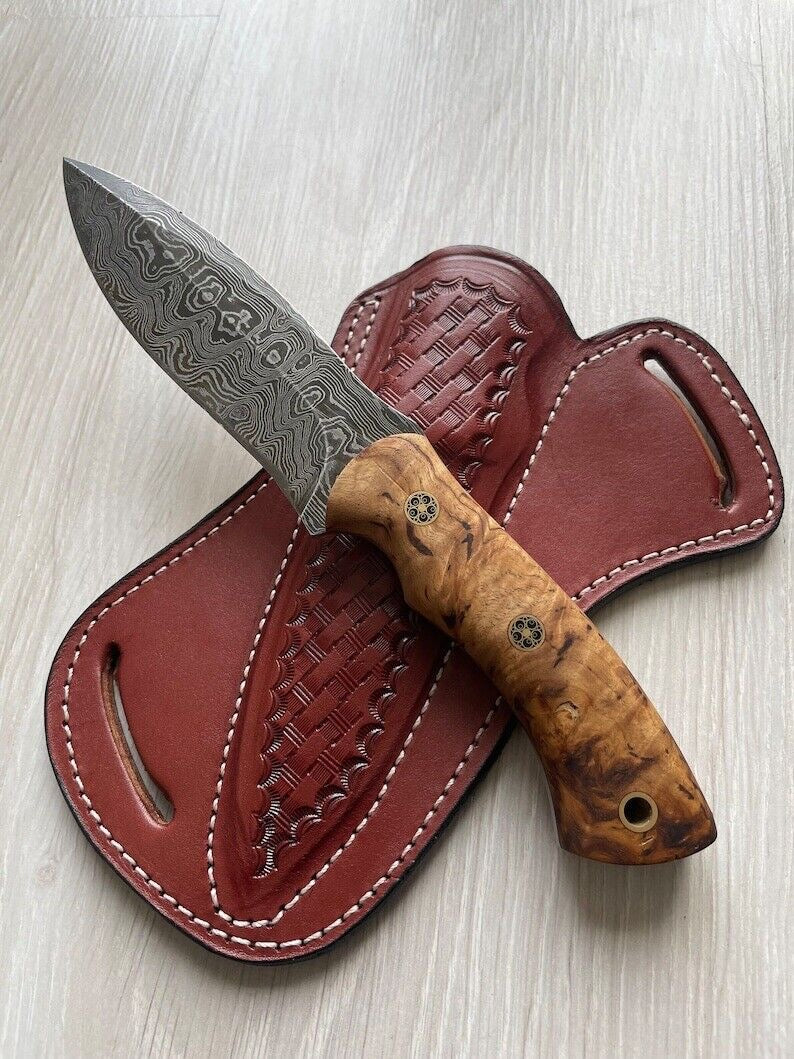
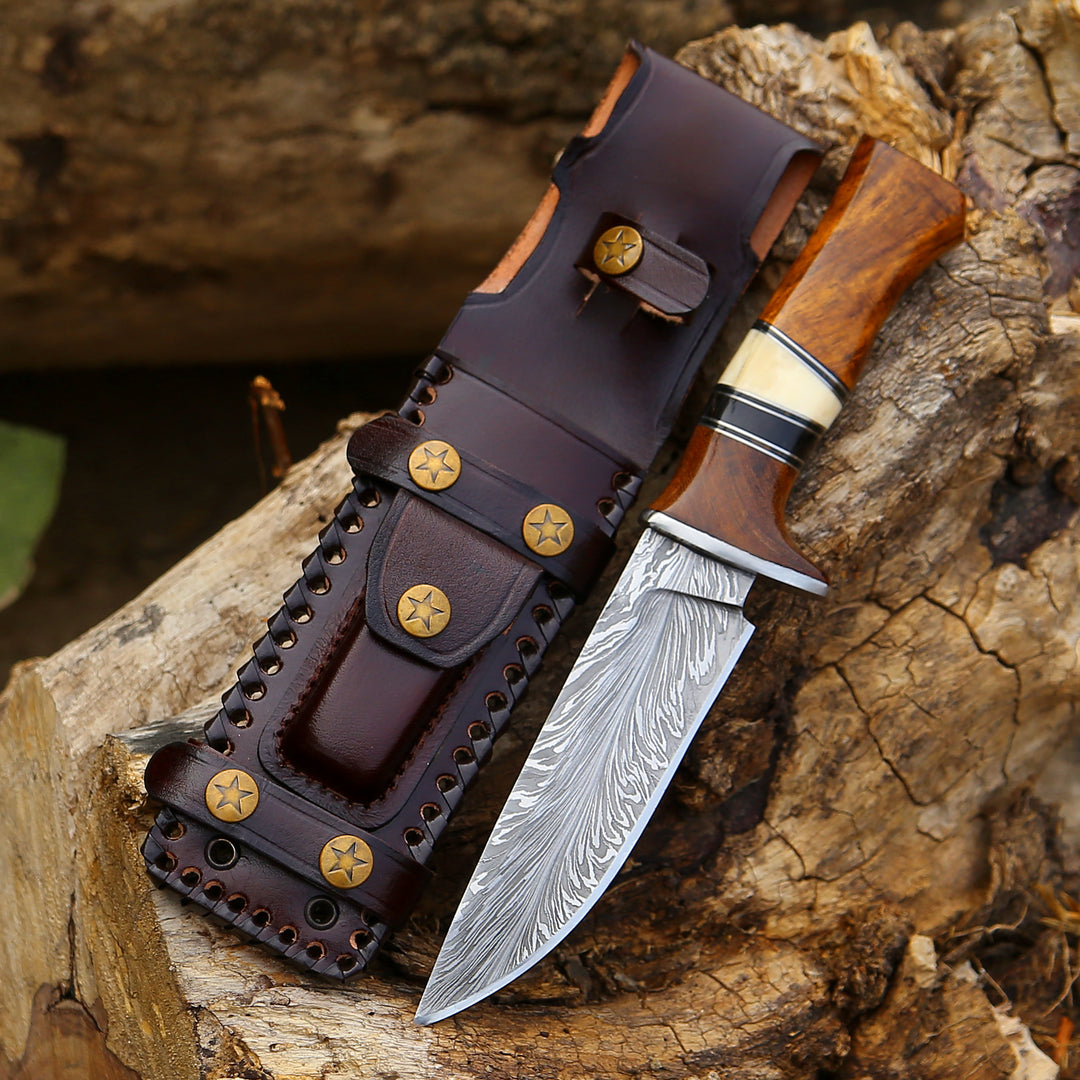
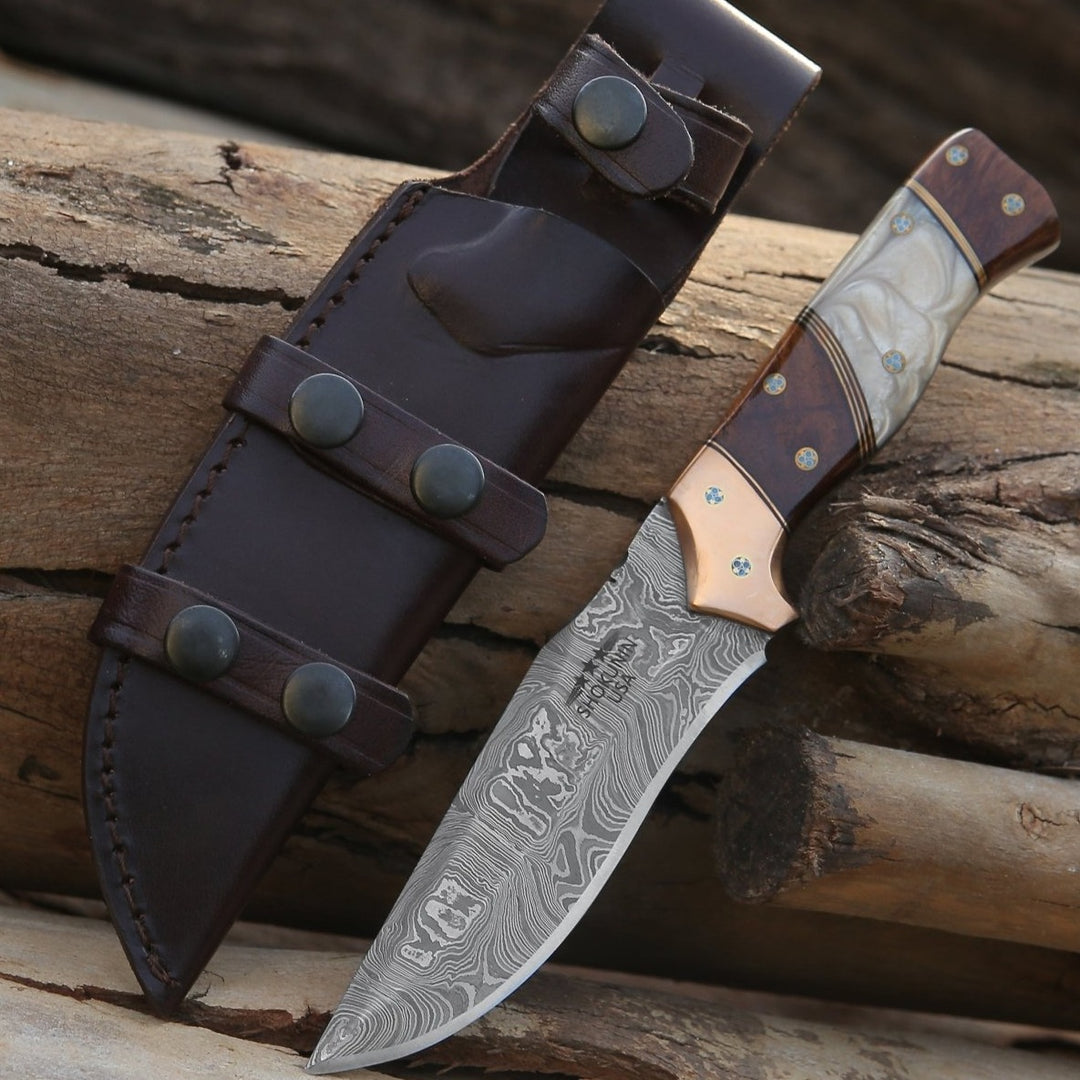
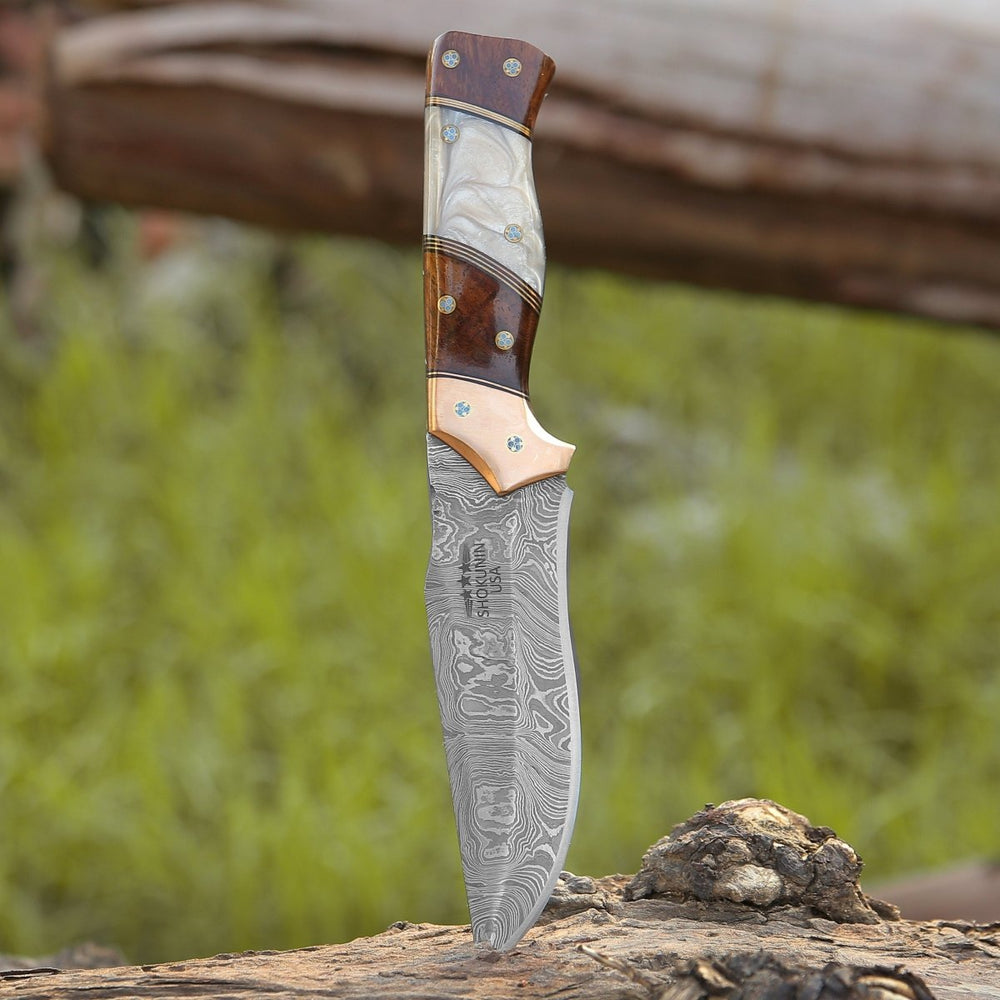
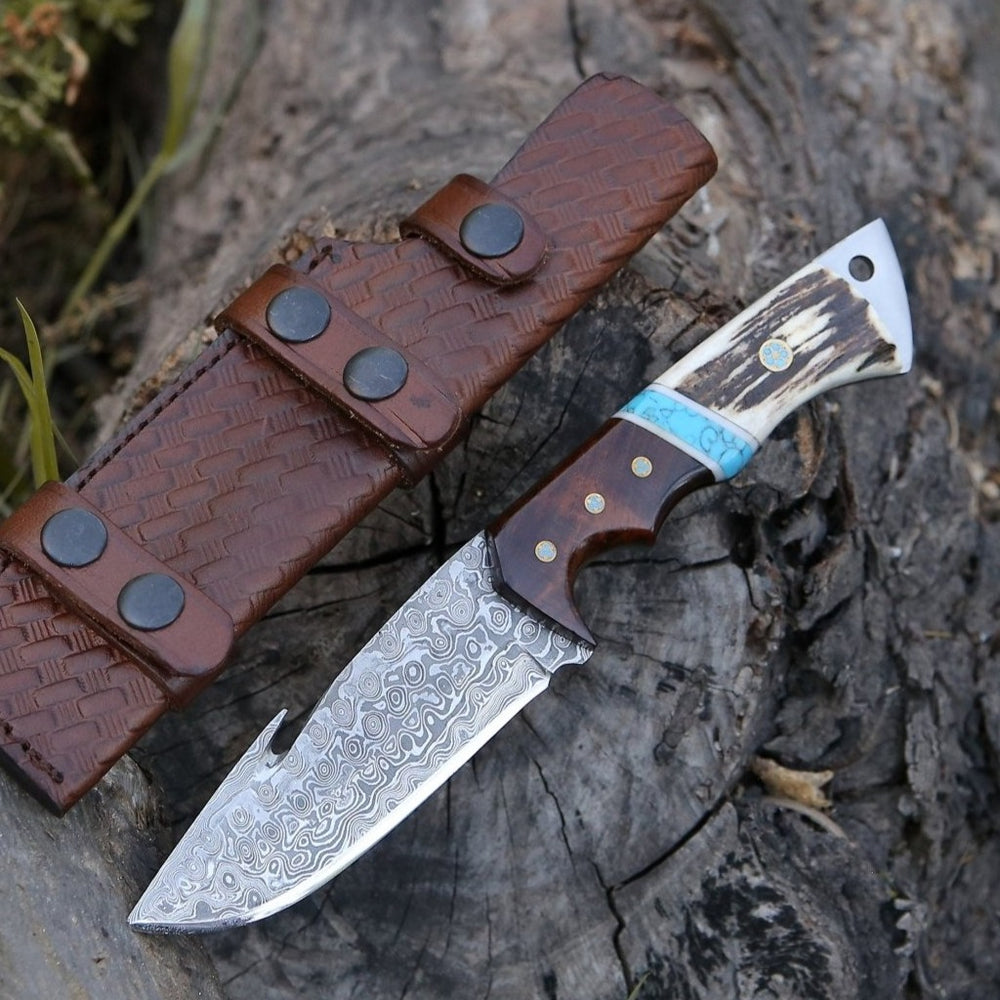
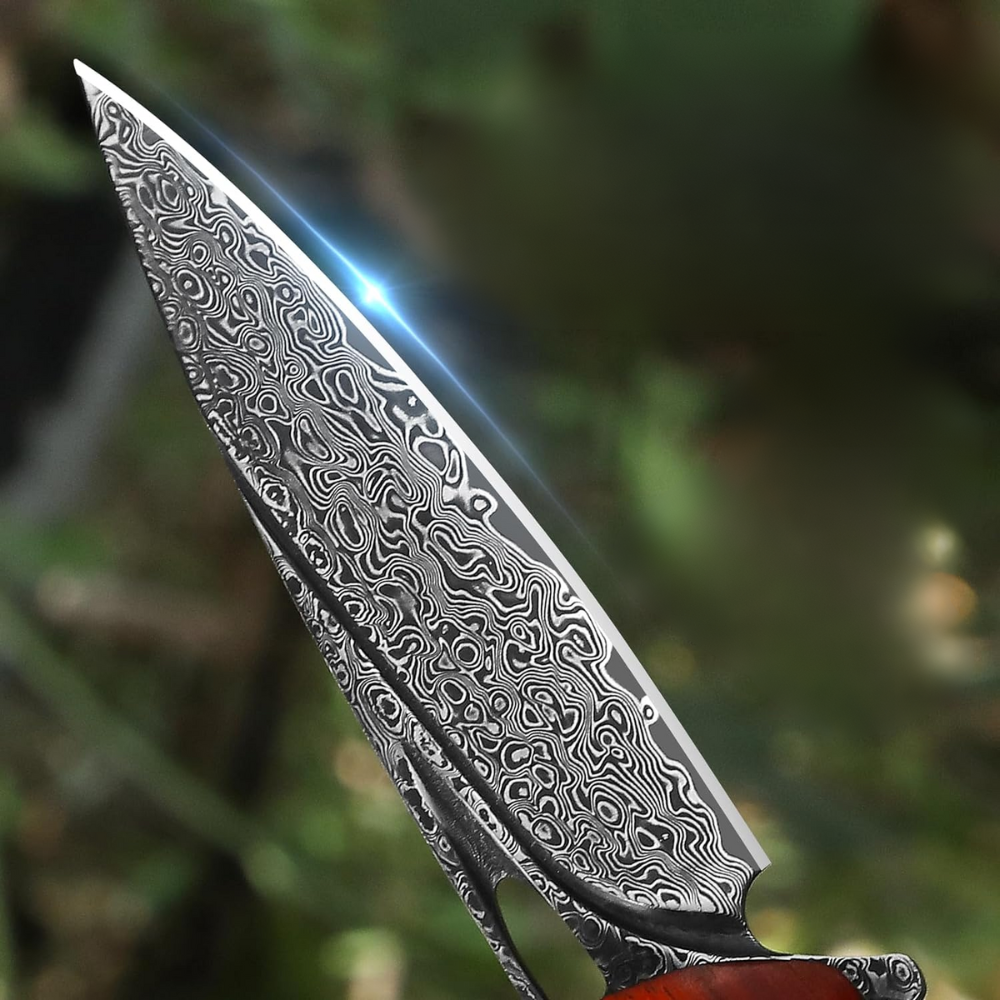
The blade is the most crucial part of any pocket knife. It can come in various shapes, sizes, and materials. The blade's material plays a significant role in determining its sharpness, durability, and resistance to wear. For example, high-carbon steel and Damascus steel are popular choices among enthusiasts for their sharpness and durability.
When exploring options like the Kepler Damascus Pocket Knife, you're not just choosing a blade – you're opting for craftsmanship that offers distinctive patterns and superior edge retention. The blade type can also dictate how well the knife performs for specific tasks, emphasizing the importance of selecting one that aligns with your needs.
Edge
The edge of the blade can be straight, serrated, or a combination of both, depending on the intended uses of the knife. Straight edges are ideal for slicing and detailed work, while serrated edges excel at cutting through tougher materials. When choosing EDC knives, consider the tasks you’re most likely to perform with the knife to select the ideal edge style.
Handle
The handle is equally important as it provides the user with grip and control while using the knife. A well-designed handle can greatly enhance the knife's comfort and usability. Materials commonly used for handles include wood, G10, stainless steel, aluminum, and various synthetics.
The ergonomics of the handle affect how well you wield the knife, making it essential for tasks ranging from opening boxes to preparing food. An excellent example would be the handles on many EDC knives, which often include textured surfaces for added grip, allowing for better control in challenging conditions.
Locking Mechanism
A reliable locking mechanism is crucial for safety. Various designs exist, including liner locks, frame locks, and back locks. The mechanism ensures that the blade remains securely open during use, reducing the risk of injury. When selecting a pocket knife, pay attention to the type of lock as it influences both safety and ease of use.
Liner
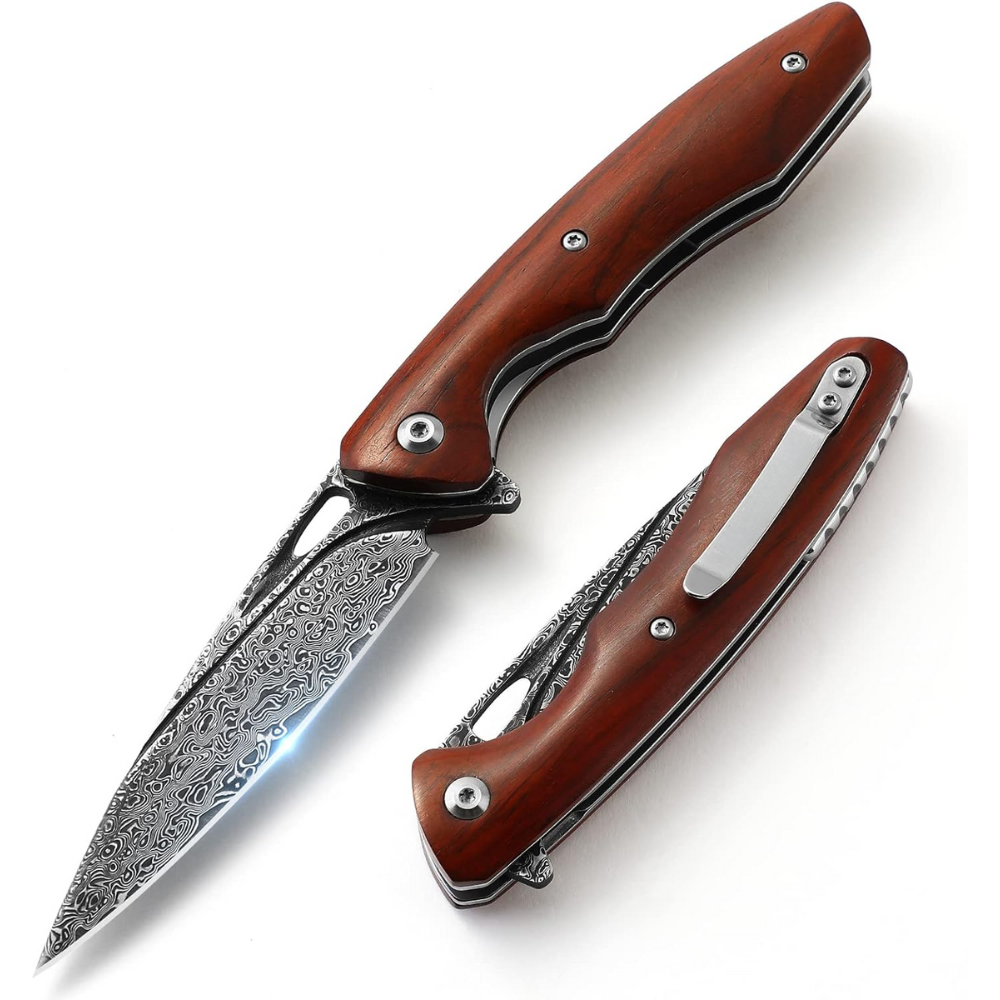
The liner, or the interior frame of the knife, provides structural integrity and stability. It helps support the handle and can also house the locking mechanism. The materials used for the liner can affect the weight and durability of the knife. A robust liner is crucial for maintaining the overall performance of your pocket knife, particularly when engaging in demanding tasks.
Pivot Point
The pivot point is where the blade and handle connect, allowing the blade to open and close smoothly. A high-quality pivot mechanism ensures that the blade can be deployed quickly and effortlessly. If you've ever struggled to open a pocket knife, the pivot point is likely the culprit. Regular maintenance and lubrication can help keep this crucial area functioning well.
Clip
Many pocket knives come equipped with a pocket clip, designed for easy carrying. The clip allows you to attach the knife to your pocket, belt, or bag, ensuring that it’s readily accessible when you need it. Depending on your lifestyle, a reversible clip can be an essential feature, accommodating both left- and right-handed users.
Choosing the Right Pocket Knife for You
When in the market for a pocket knife, particularly EDC knives, understanding its anatomy will empower you to make an informed choice. Here are some critical factors to consider:
Intended Use
- What tasks will you primarily use the knife for?
- Do you require a utility knife for everyday chores, or will you focus on outdoor activities?
- Will it be mainly for light tasks, or will you need a heavy-duty option?
Blade Material
The blade's material significantly impacts its performance and durability. Research popular options such as high-carbon steel or Damascus steel to understand their advantages and disadvantages. These materials not only affect the knife's sharpness but also its resistance to corrosion and wear. For example, the Kepler Damascus Pocket Knife provides aesthetic beauty alongside superior performance.
Size and Weight
How large of a pocket knife are you willing to carry? Billy knives range from compact models that fit comfortably in your pocket to larger options that may be vehicle-bound. Before you select a knife, consider your daily carry style and prioritize convenience and comfort.
Price Point
Finally, pocket knives come at various price points. While costly options often feature premium materials and craftsmanship, there are plenty of affordable options that deliver excellent performance. Establish a budget that aligns with your needs and invest in a tool that offers good value and functionality.
Maintenance Tips for Your Pocket Knife
Owning a pocket knife comes with the responsibility of maintenance. Keeping your knife in optimal condition will prolong its life and performance. Here are some essential pocket knife care tips:
Cleaning
After each use, clean the blade and handle to remove dirt, grime, and moisture. Use a damp cloth to gently wipe down the surfaces and a soft brush for hard-to-reach places. For tougher residue, consider using a soap solution. Avoid harsh chemicals that could erode the material or interfere with the locking mechanism.
Lubrication
Regular lubrication of the pivot point is necessary to ensure a smooth action. Use a dedicated knife oil or lubricant formulated for metal surfaces. Apply a drop or two directly to the pivot area and work the blade back and forth to distribute the lubricant evenly.
Sharpening
A sharp blade is crucial for functionality and safety. Invest in a quality sharpening stone or system tailored to the specific blade material of your pocket knife. Regularly assess the blade’s sharpness, especially if you frequently use your knife for demanding tasks. A well-maintained edge will require less force to cut and will be less likely to slip during use.
Storage
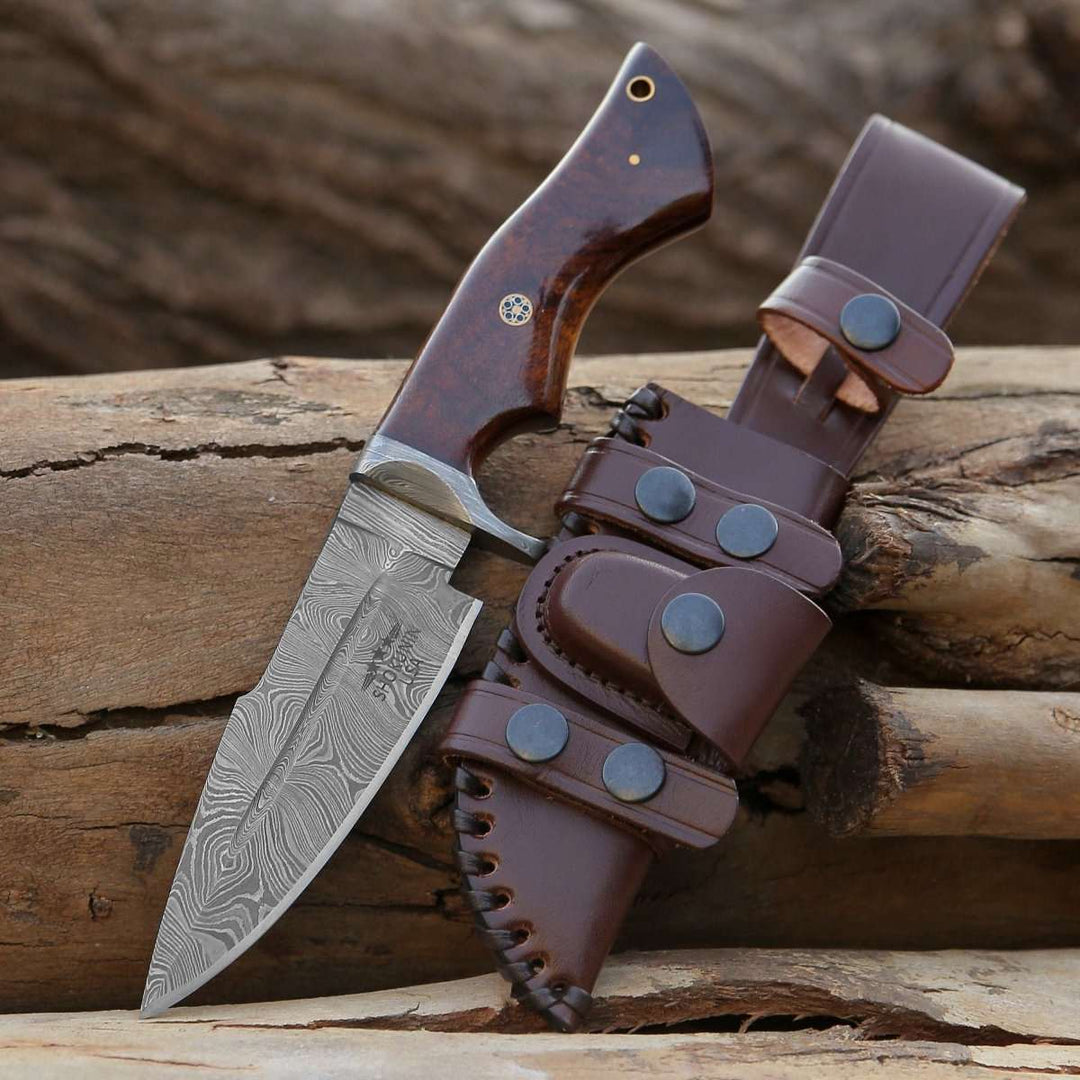
When not in use, store your pocket knife in a dry, safe location away from excessive moisture or extreme temperatures. Consider using a protective case or sheath to prevent accidental damage or exposure to the elements.
Final Thoughts: Embracing the Versatility of Pocket Knives
Understanding the anatomy of a pocket knife equips you with the knowledge needed to make informed decisions, whether you're eyeing the stunning craftsmanship of a Kepler Damascus Pocket Knife or exploring EDC knives with versatile functionalities. By recognizing the essential components and factors involved in selecting a pocket knife—and committing to proper maintenance—you'll not only enhance your knife's lifespan but also improve your overall experience with a tool that has served humanity for centuries. So go ahead, embrace the convenience, style, and sheer utility of pocket knives, and carry a piece of craftsmanship that meets your needs!
Frequently Asked Questions
1. What are the main components of a pocket knife?
2. What is the significance of the blade material in a pocket knife?
3. How do I choose the right pocket knife for my needs?
4. What maintenance is required for pocket knives?
5. What types of edges can a pocket knife have, and what are their uses?
Glossary
| Term | Meaning |
|---|---|
| Blade | The cutting part of the knife, varying in shape and material. |
| Edge | The sharpened part of the blade, which can be straight or serrated. |
| Handle | The part you grip, affecting comfort and control. |
| Locking Mechanism | A feature that keeps the blade securely open during use. |
| Liner | The internal frame that provides structure and stability. |
| Pivot Point | Where the blade and handle connect, allowing smooth opening and closing. |
| Clip | A feature for attaching the knife to pockets or bags for easy access. |
| EDC | Everyday Carry; tools designed for daily use and convenience. |
| Maintenance | Care practices to keep the knife in optimal working condition. |
| Sharpening | The process of honing the blade to maintain its cutting effectiveness. |
Linked Product

Kepler Damascus Pocket Knife with Exotic Leopard Wood Handle
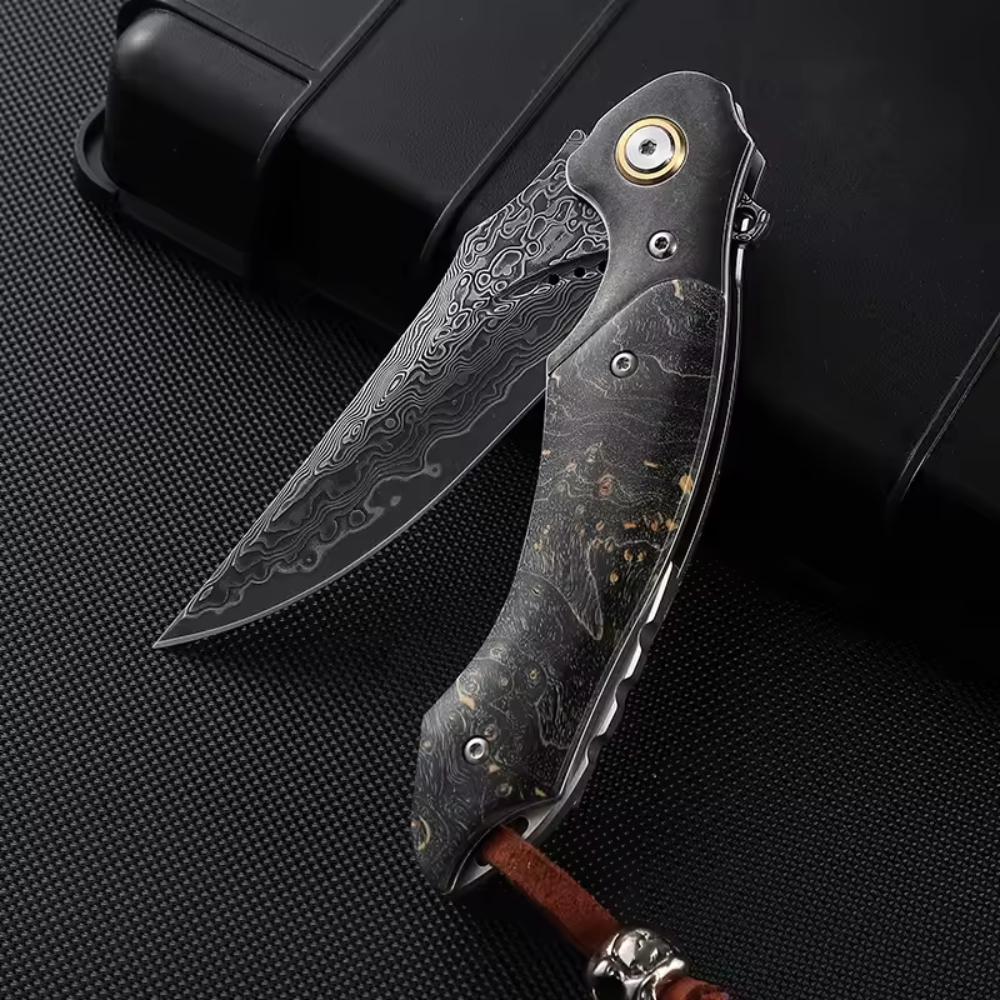
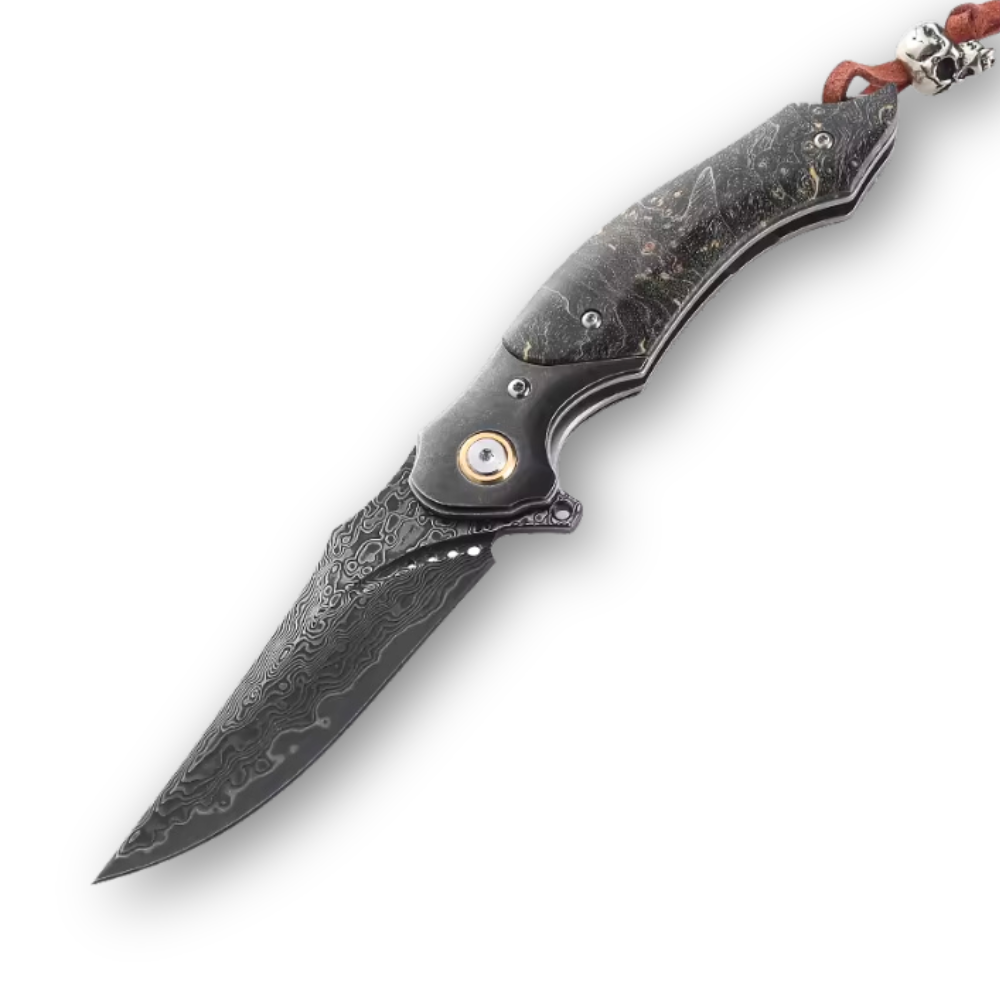
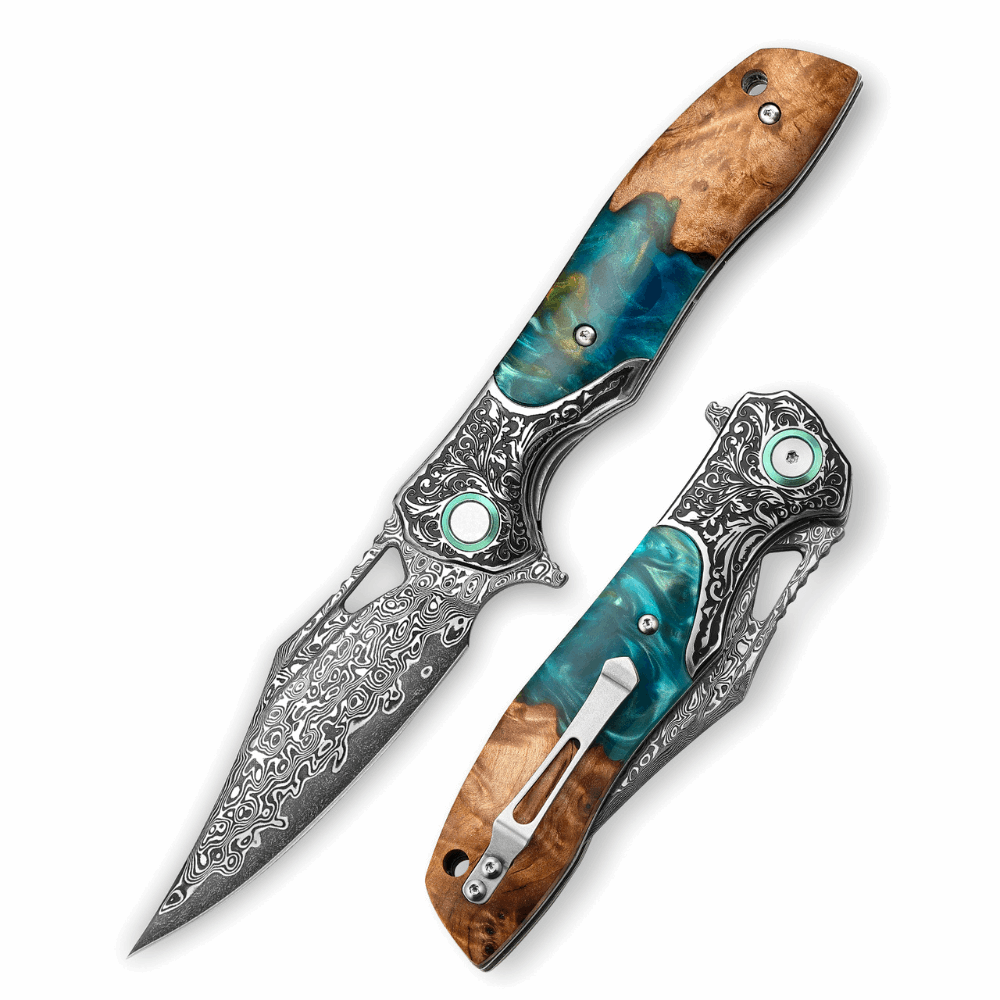
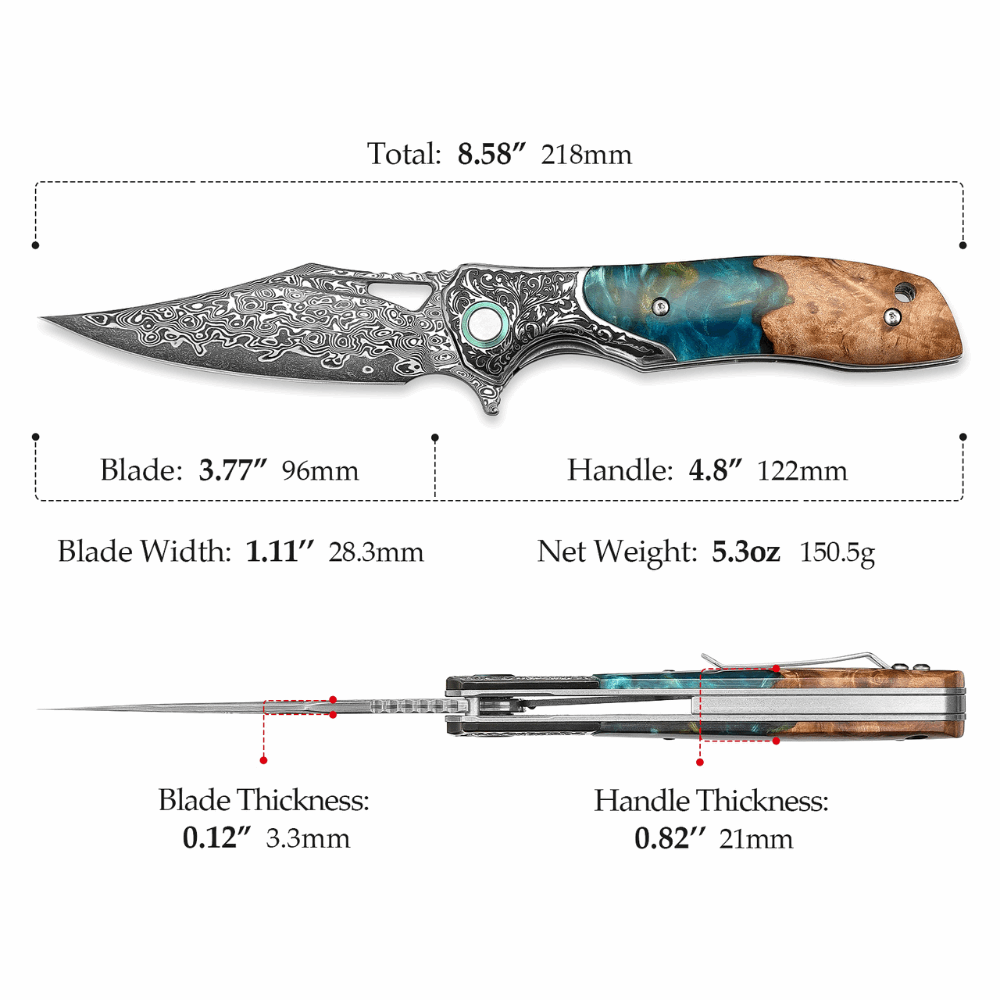
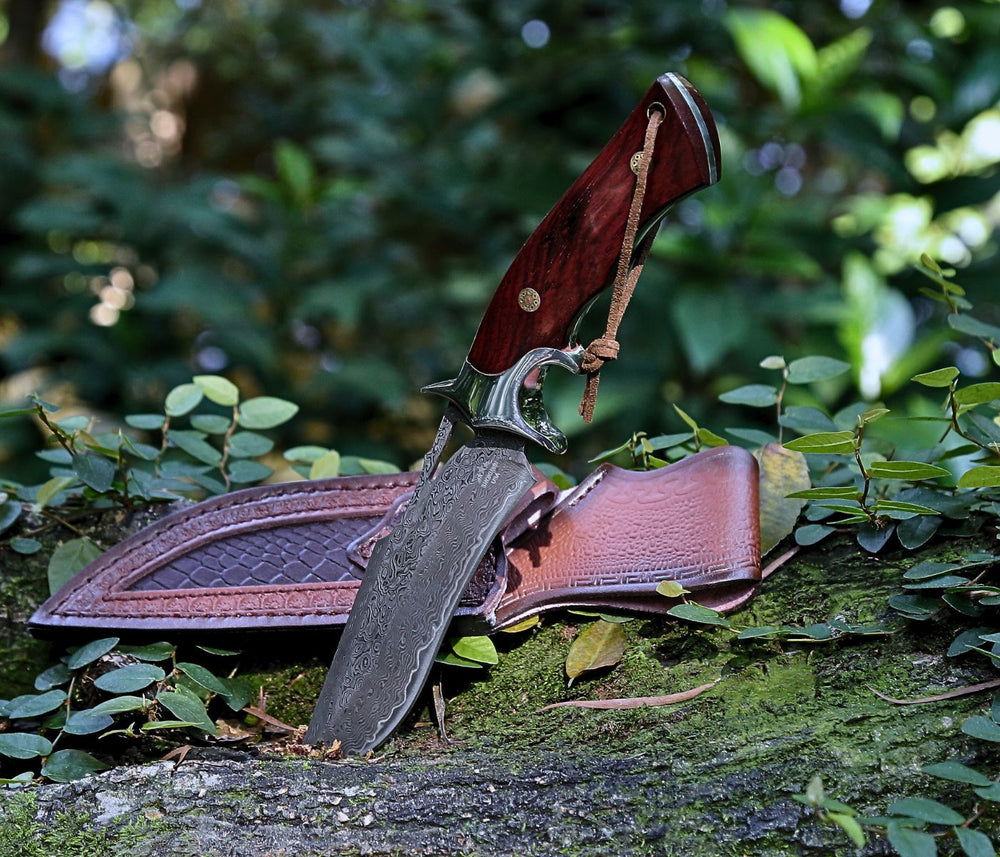
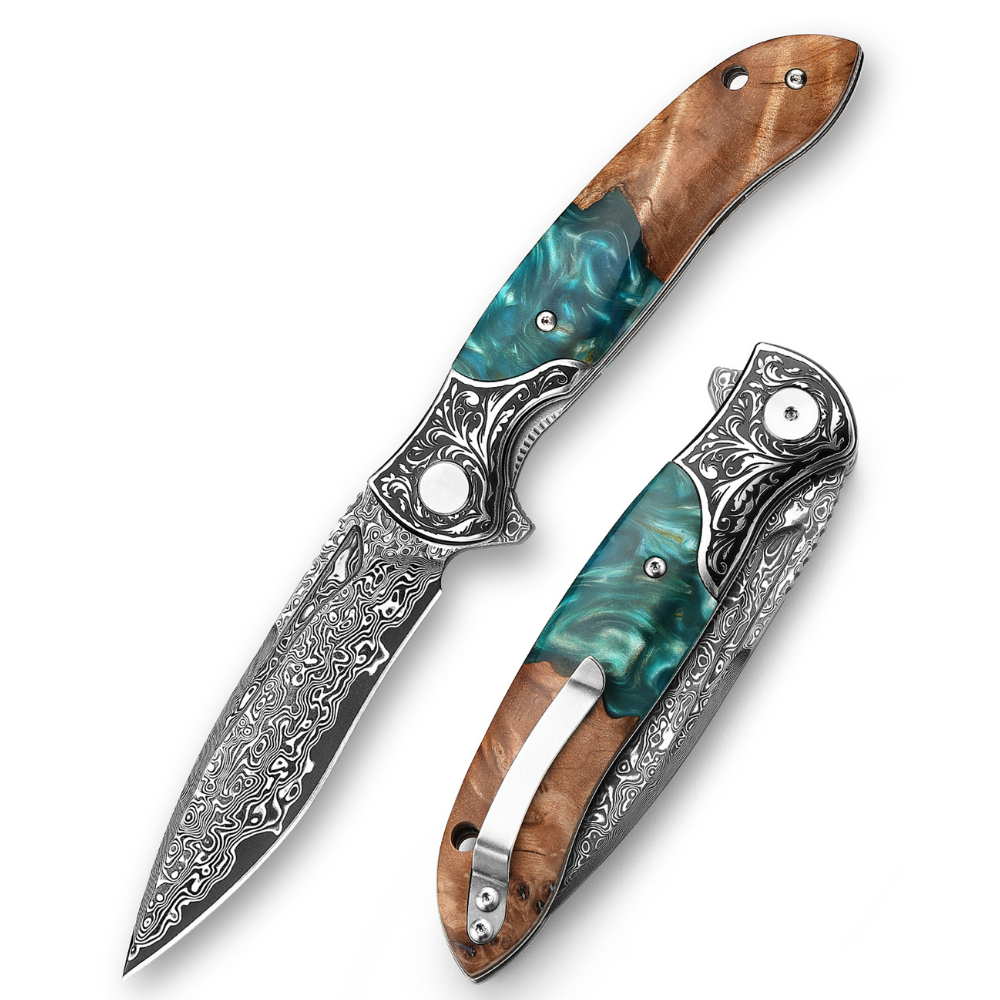
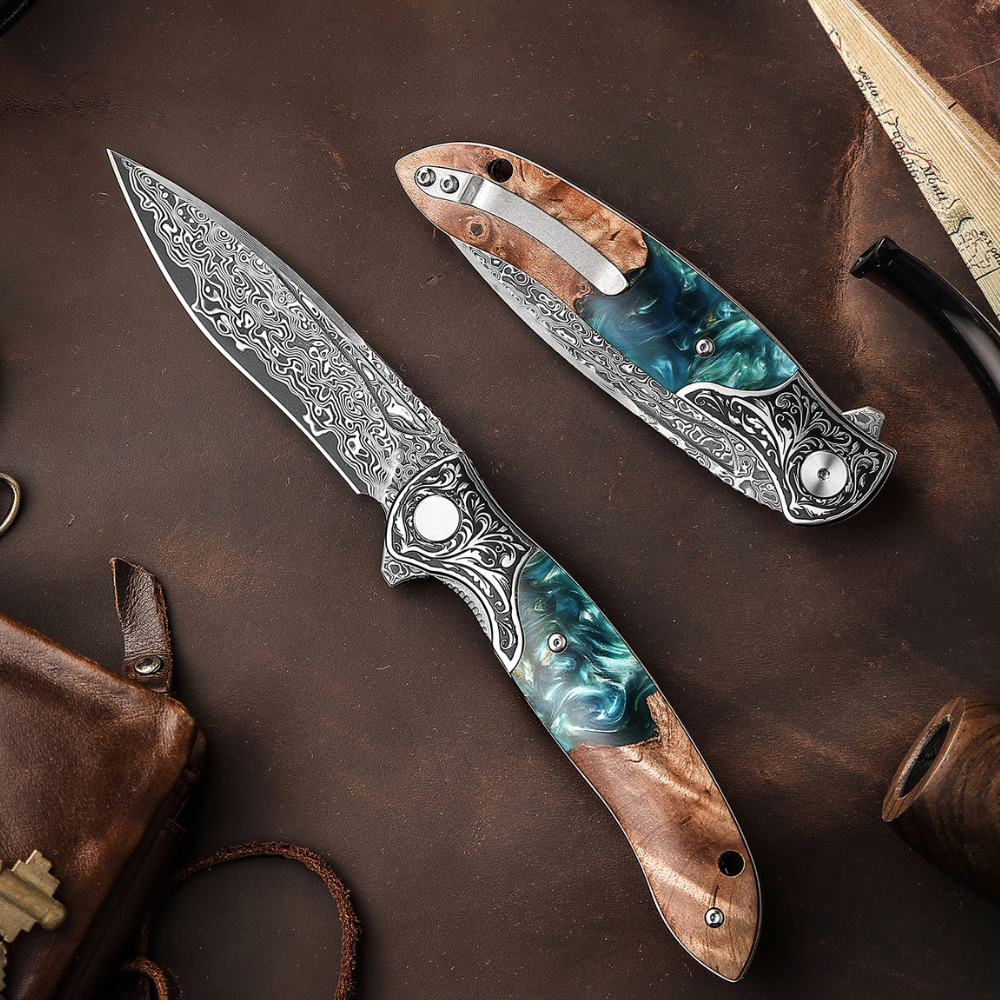
The Kepler Damascus Pocket Knife features a unique hand-forged blade made from high-quality Damascus steel, ensuring exceptional strength and durability for various tasks. With its lightweight design and ergonomic leopard wood handle, it provides a comfortable grip for everyday use or outdoor activities such as camping and hiking. This pocket knife comes complete with a hand-stitched leather sheath and a sharpener, making it a practical choice for both enthusiasts and collectors.
View Product






Dejar un comentario