


Overview
Proper maintenance is essential for your pocket knife's longevity and performance. Key tips include understanding your knife's materials, regular cleaning, sharpening, and oiling. Store it in a dry place to prevent rust, and handle it safely. Personalization options are available to make your knife unique. Embrace the care of your pocket knife for better performance and lasting memories.
Table of Contents
- Understanding Your Pocket Knife
- Common Types of Pocket Knives
- Regular Cleaning is Key
- Cleaning Steps
- Sharpening Your Blade
- Sharpening Methods
- Oiling Your Pocket Knife
- Choosing the Right Oil
- Oiling Steps
- Protecting against Rust
- Handling and Storage Tips
- Tips for Safe Handling
- Advanced Maintenance Techniques
- Rescaling and Resharpening
- Custom Modifications
- Final Touches: Personalizing Your Knife
- Popular Personalization Options
- Make It a Part of Your Lifestyle
Key Takeaways
- Understand Your Knife: Familiarize yourself with the materials and construction of your pocket knife to provide appropriate care.
- Regular Cleaning: Clean your knife regularly using warm, soapy water and dry it immediately to prevent rust.
- Sharpening Techniques: Use methods like whetstones or sharpening rods to maintain a sharp blade, ideally at a 15 to 20-degree angle.
- Oiling Maintenance: Lubricate moving parts with high-quality oil every few months to keep your knife functioning smoothly.
- Rust Prevention: Store your knife in a dry place and consider applying wax on the blade to protect against moisture.
- Safe Handling: Always cut away from your body and use a cutting board to avoid accidents and dulling the blade.
- Personalization: Enhance your knife's uniqueness through engraving or custom modifications while ensuring functionality is maintained.
Your pocket knife is more than just a tool; it's an extension of yourself. Whether you own a Damascus pocket knife or a more traditional model, proper maintenance is key to ensuring its longevity and peak performance. In this guide, we’ll dive into essential tips and tricks to care for your pocket knife effectively.
Understanding Your Pocket Knife
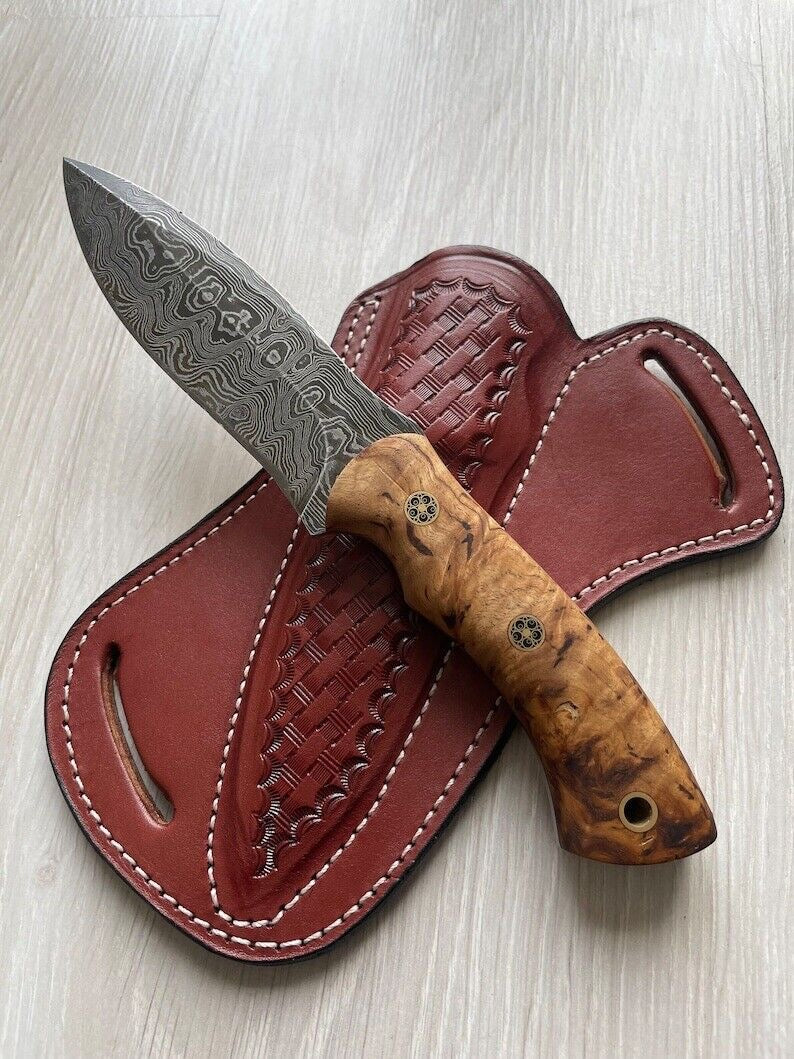
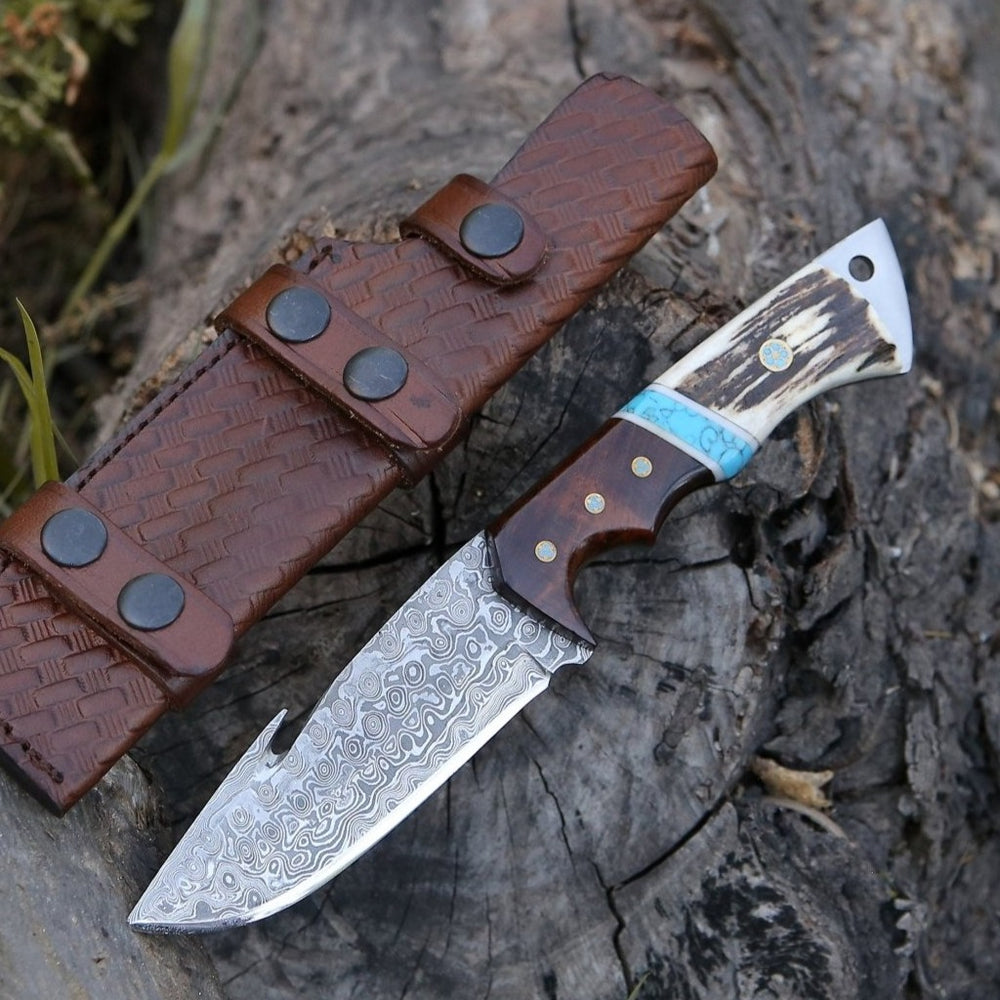
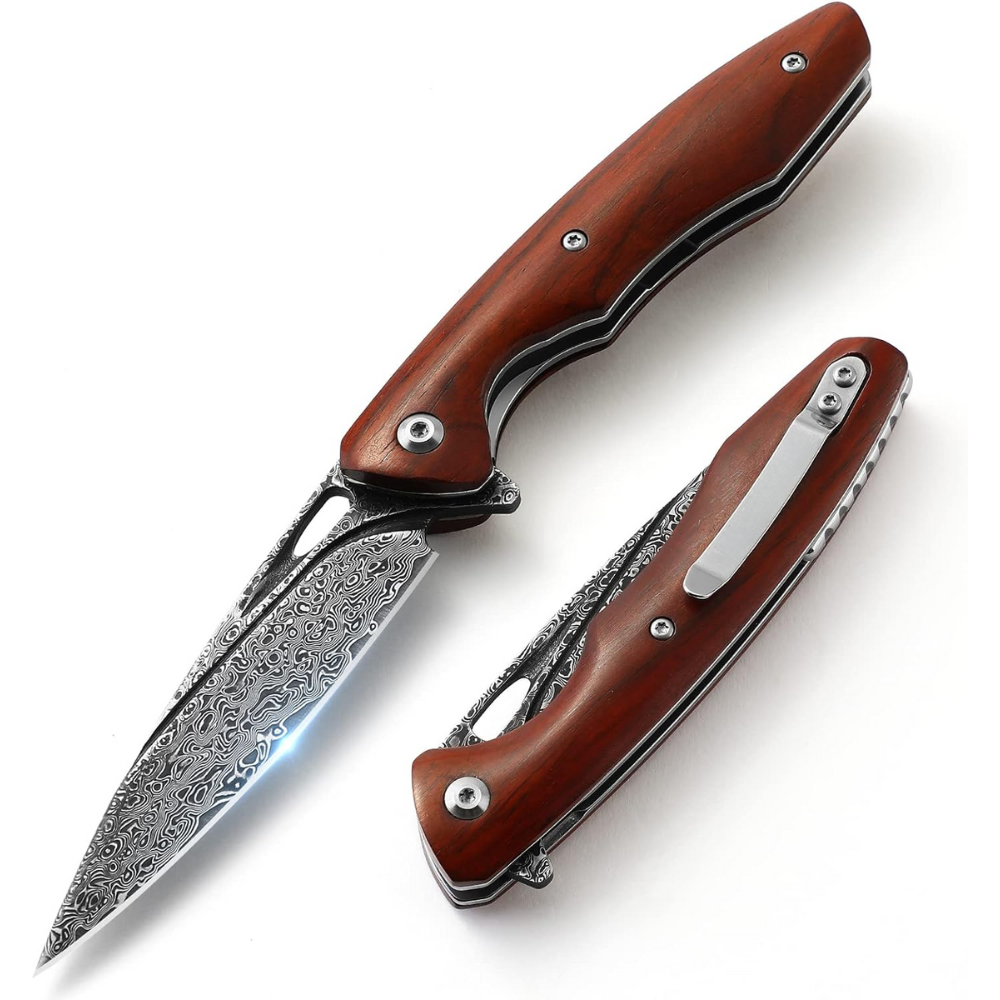
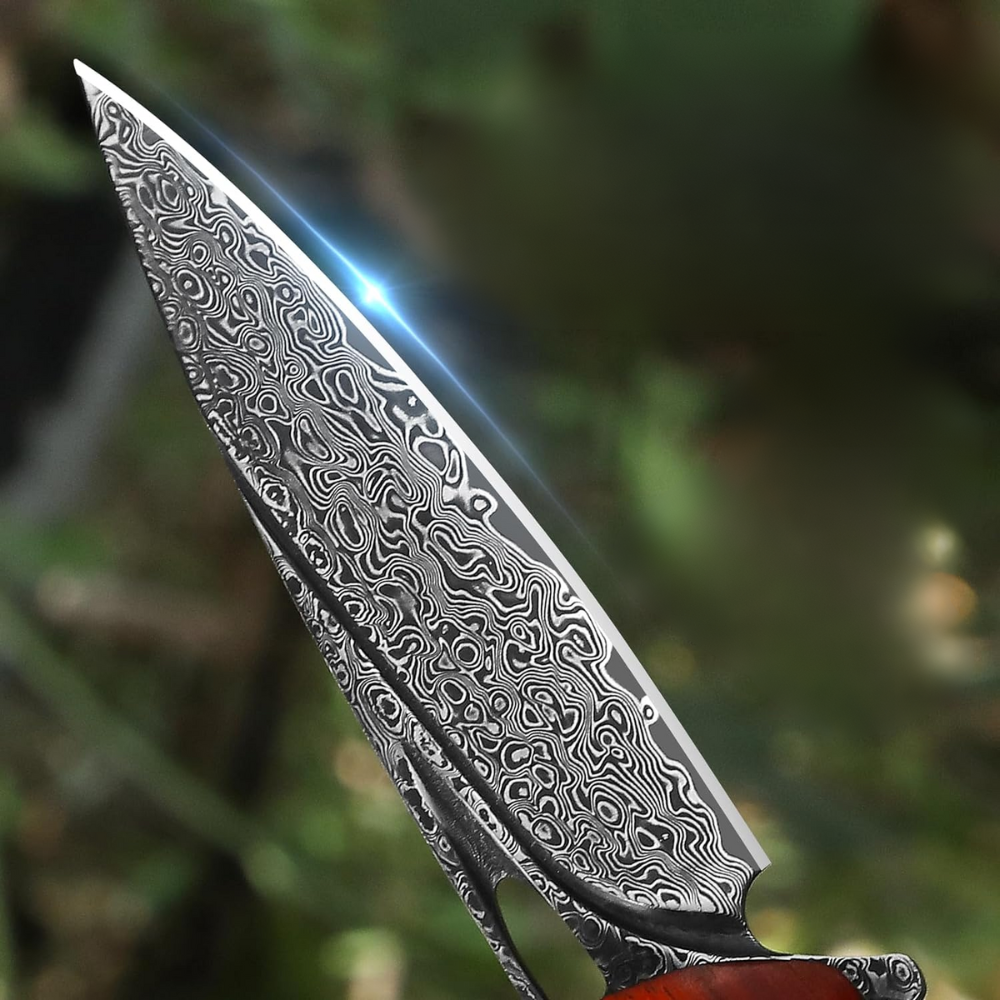
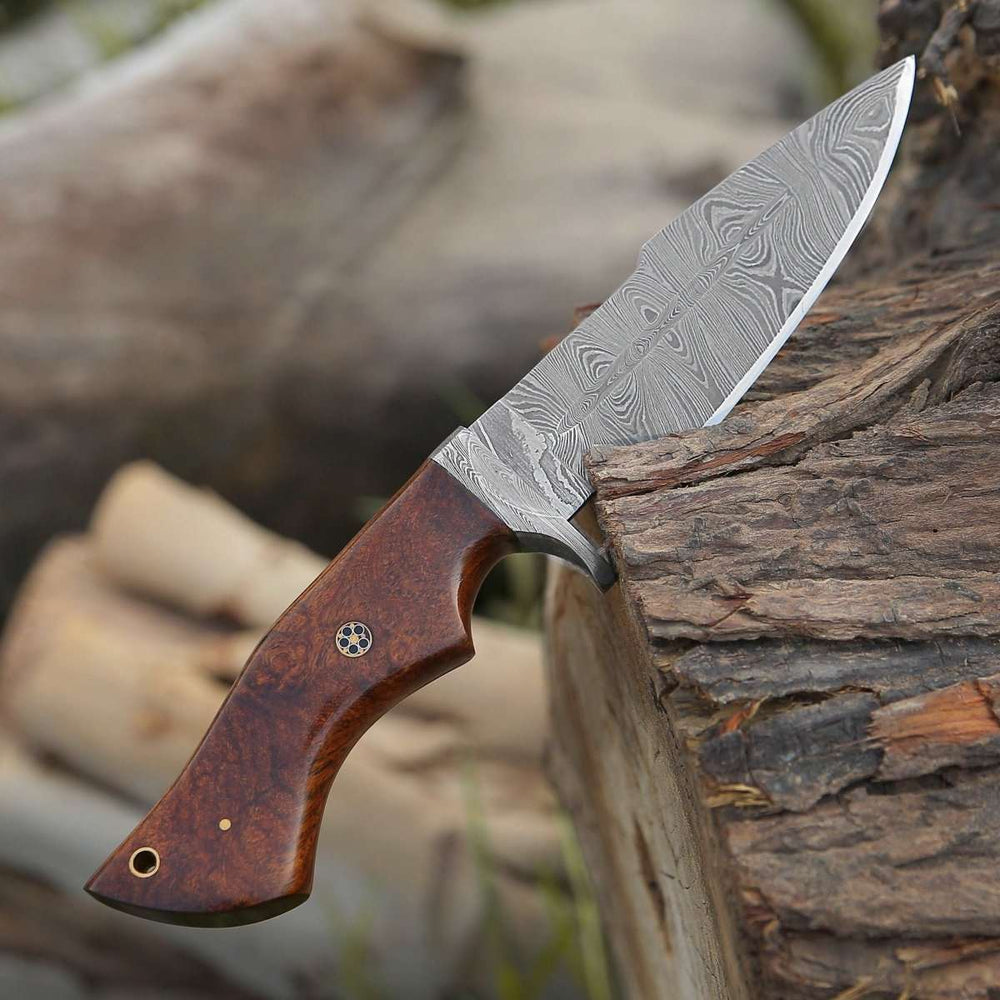
To maintain your pocket knife, you first need to understand its construction and materials. Most pocket knives feature a blade made from high-quality steel, such as stainless or carbon steel, and may even showcase the elegant patterns of a Damascus pocket knife. Each material requires different forms of care, so it's essential to know what you're working with.
Common Types of Pocket Knives
- Everyday Carry (EDC) Knives
- Multi-tools
- Folding Knives
- Fixed Blade Knives
Each type serves different purposes, and understanding these can also help determine your maintenance needs.
Regular Cleaning is Key
To maintain the longevity of your pocket knife, regular cleaning is crucial. Dirt, debris, and moisture can contribute to rust and wear, especially for steel blades.
Cleaning Steps
- Disassemble your knife if possible, separating the blade from the handle.
- Use warm, soapy water to clean the blade and handle. A soft brush can help remove any stuck particles.
- Rinse thoroughly with clean water to ensure all soap and debris is gone.
- Dry immediately with a soft cloth to prevent moisture from causing rust.
This cleaning routine should be performed regularly, especially if you use your pocket knife for outdoor activities where it may encounter dirt or mud.
Sharpening Your Blade
A sharp blade is safer and more efficient than a dull one. Regularly sharpening your pocket knife helps maintain its cutting prowess and extends its lifespan. A Damascus pocket knife, known for its unique pattern and strength, also benefits significantly from proper sharpening techniques.
Sharpening Methods
- Whetstone: This traditional method allows for precise sharpening and angle maintenance.
- Sharpening Rod: A quick and effective solution for touch-ups on the go.
- Electric Sharpeners: These provide speed but require caution to avoid overheating the blade.
Regardless of the method you choose, always ensure you maintain the correct angle to avoid damaging the edge. For most pocket knives, an angle between 15 to 20 degrees is ideal.
Oiling Your Pocket Knife
To keep your pocket knife operating smoothly, it’s essential to lubricate moving parts. This preventative measure helps prevent corrosion and keeps the blade from sticking when you open or close it.
Choosing the Right Oil
Select a high-quality oil specifically designed for knives. Avoid using household oils like cooking oil, as they can gum up and attract dirt.
Oiling Steps
- Open the knife fully. This will expose the pivot and other moving parts.
- Apply a small drop of oil to the pivot point and any exposed metal areas.
- Open and close the knife several times to allow the oil to distribute evenly.
- Wipe away any excess oil with a clean cloth.
Depending on usage, oiling should be done every few months or more frequently if the knife is used regularly.
Protecting against Rust
Rust is a pocket knife's worst enemy, particularly for those made from high-carbon steel. To protect your blade and maintain its appearance, here are some preventive measures:
- Store Properly: Always store your pocket knife in a dry place. Avoid damp areas like basements or toolboxes that might trap moisture.
- Use Wax: Consider applying a thin layer of wax on the blade for added protection against moisture.
- Regular Checks: Frequently inspect your knife for any signs of rust and address it immediately.
Handling and Storage Tips
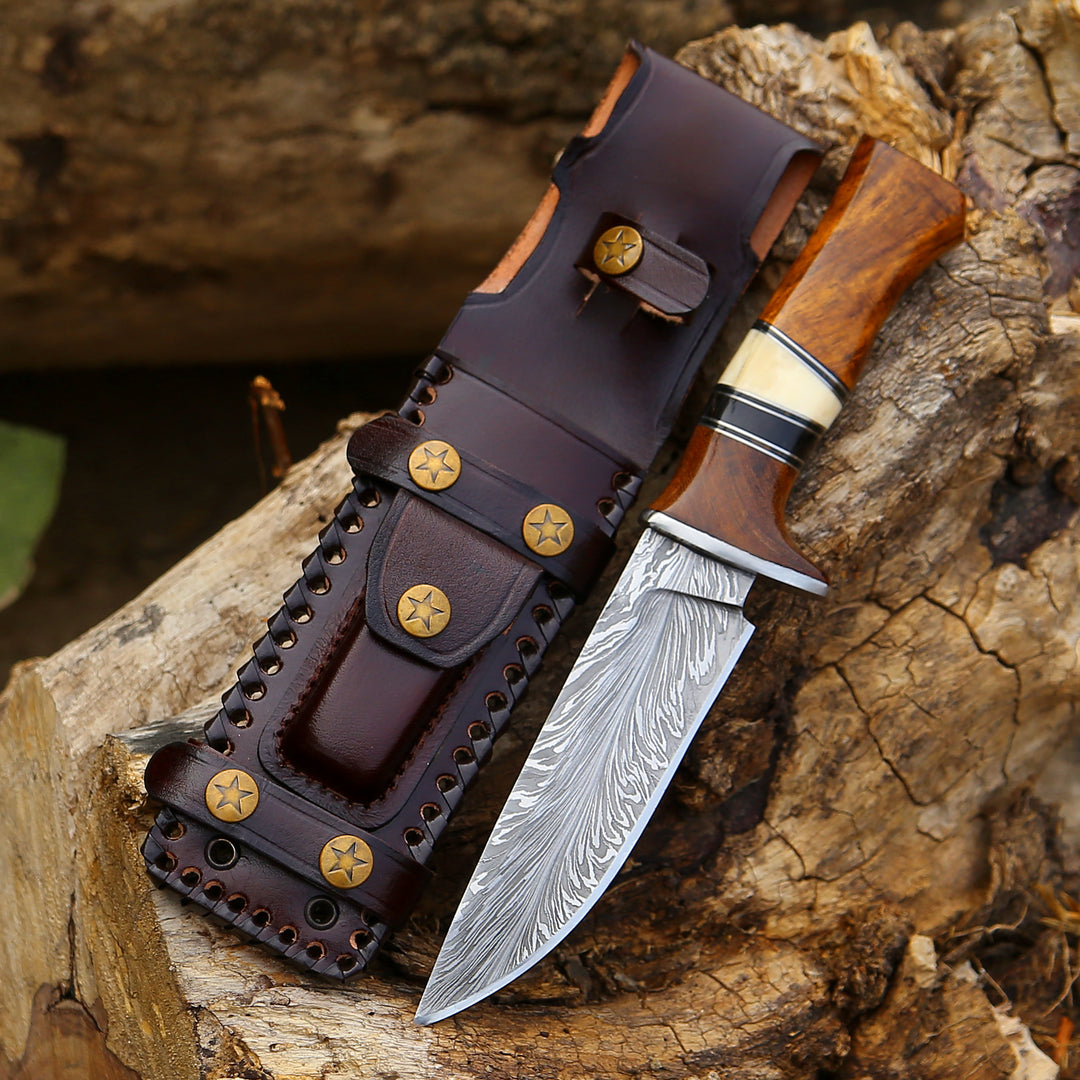
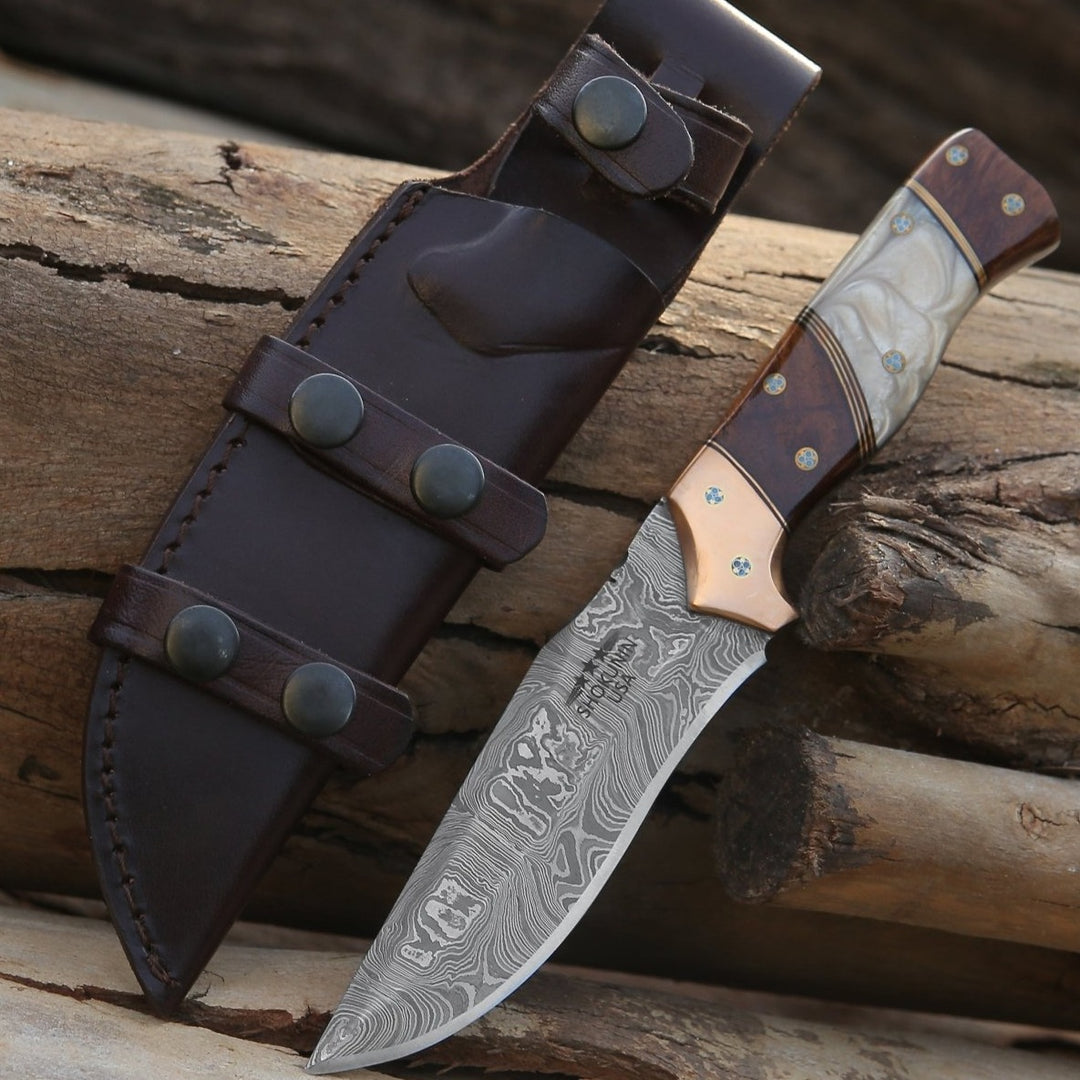
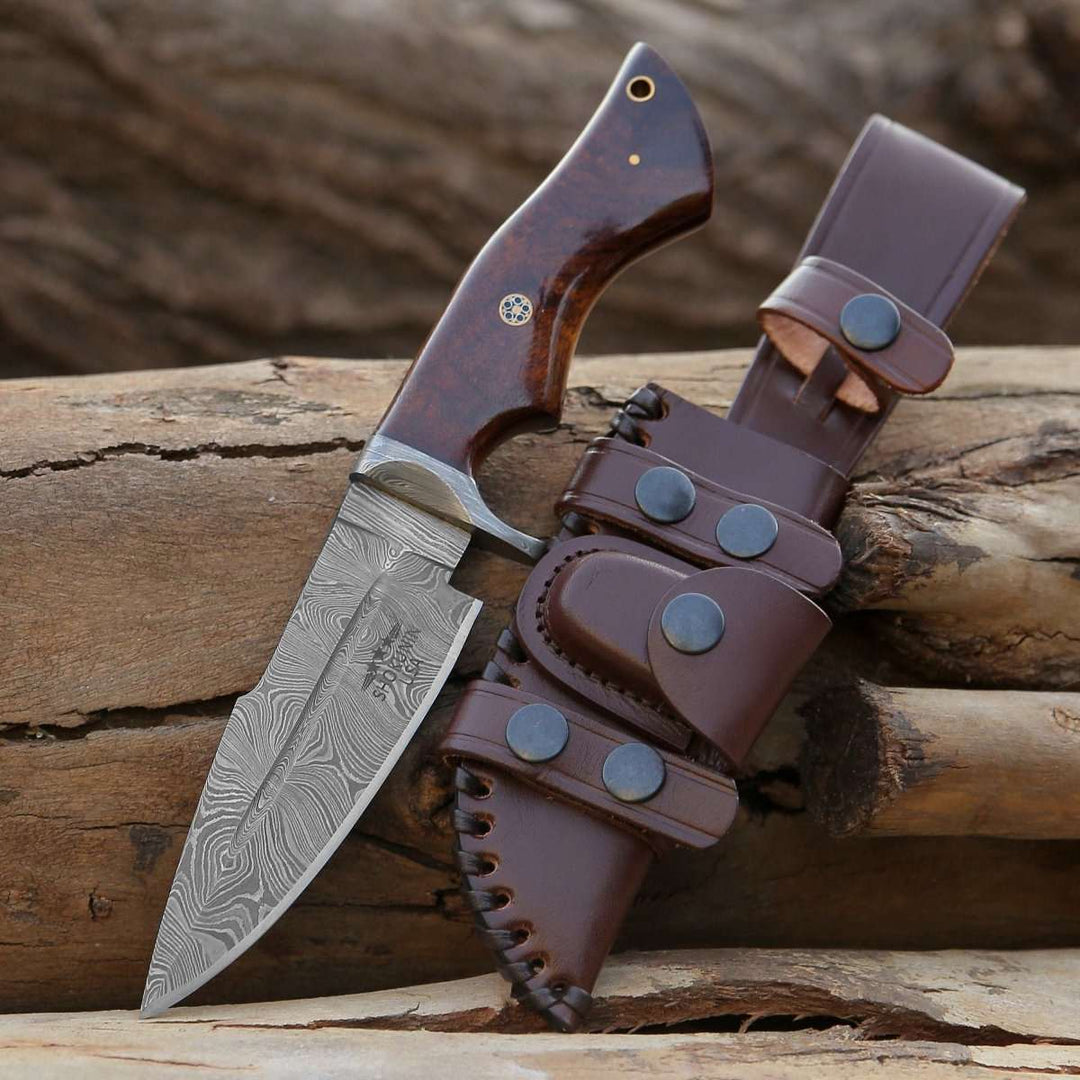
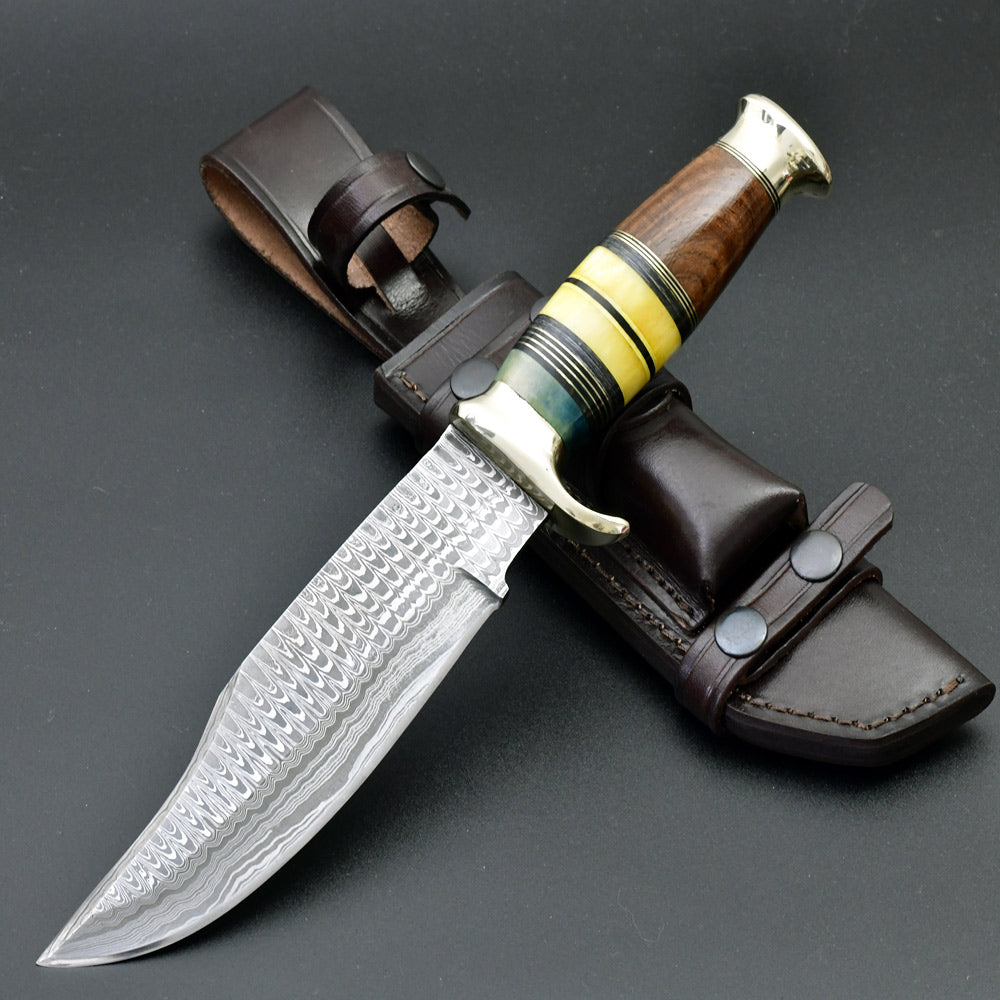
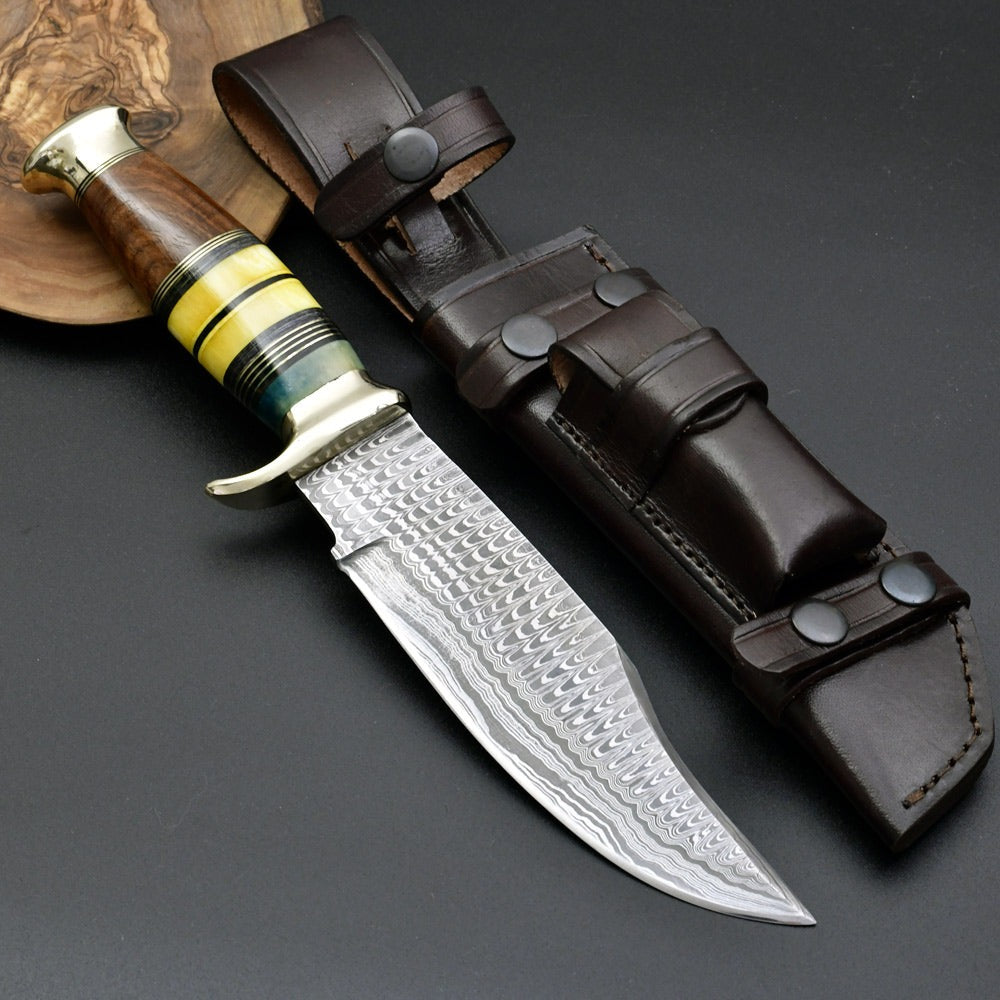
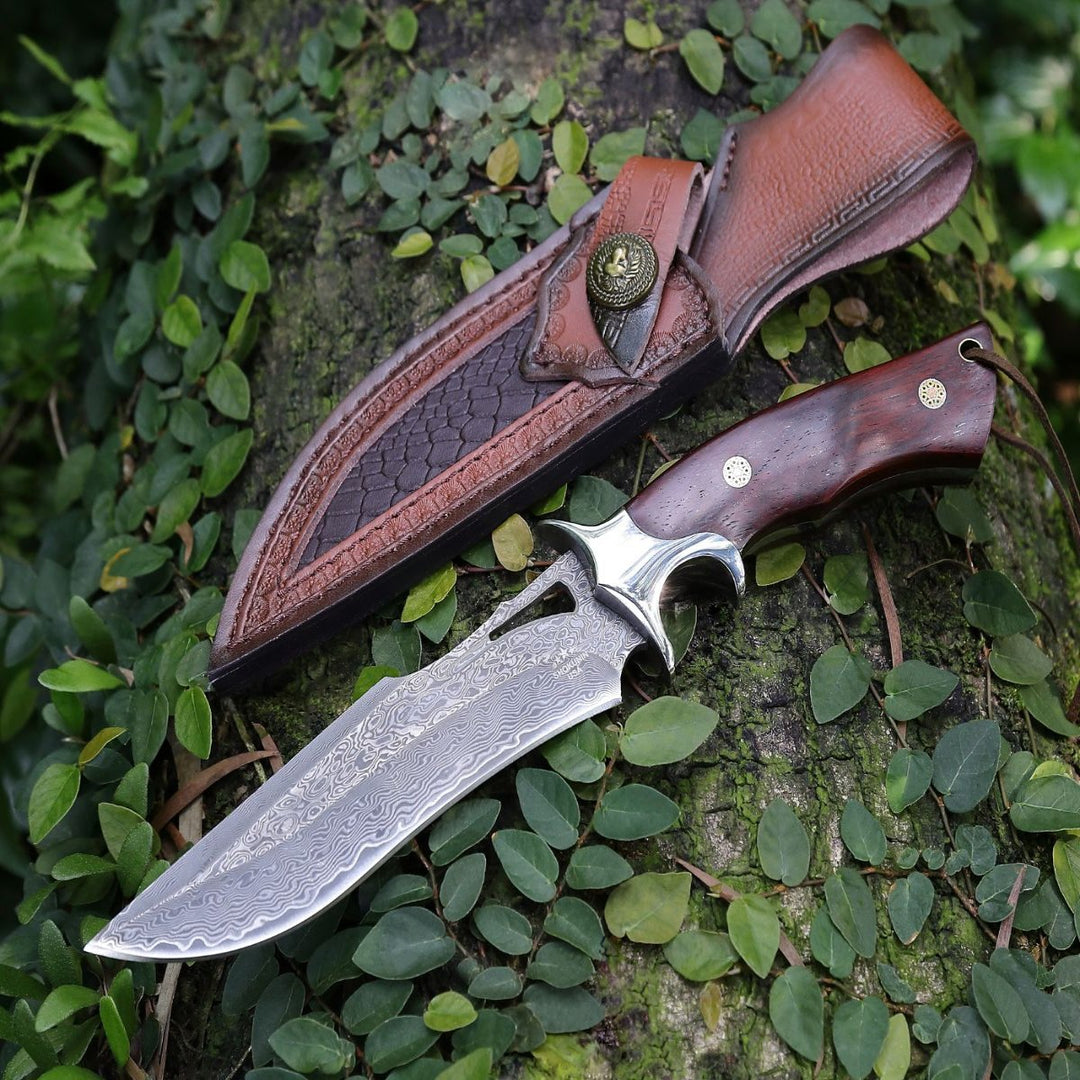
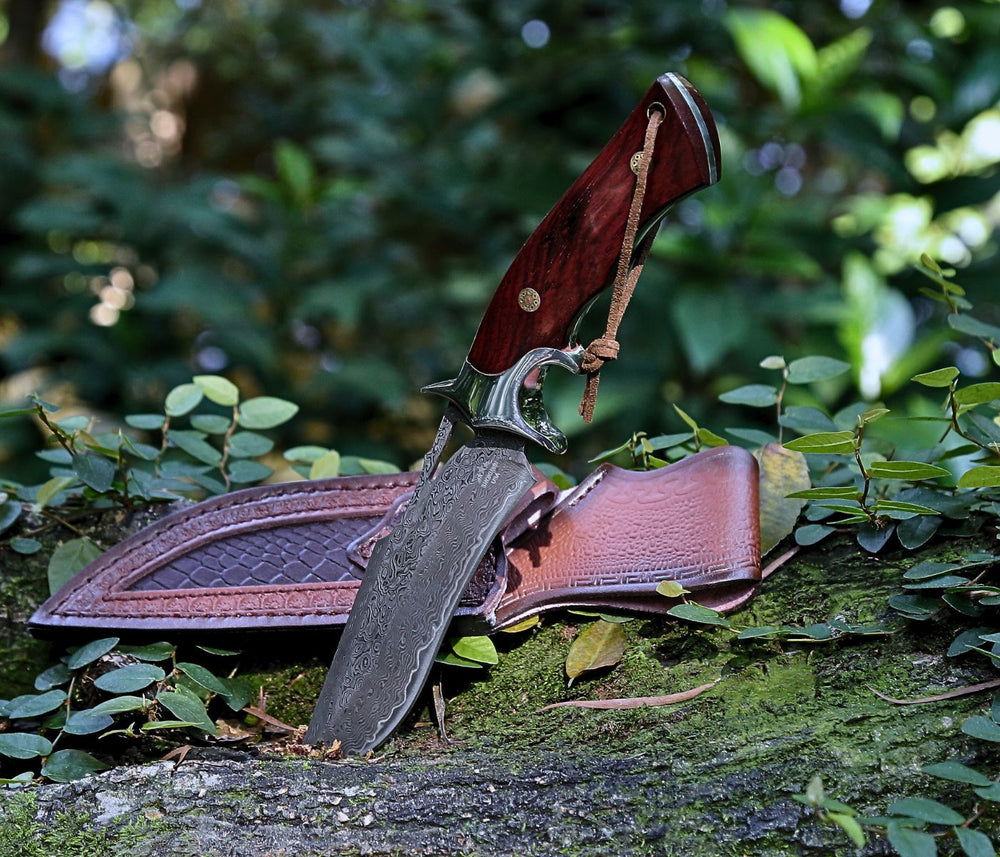
Caring for your pocket knife also involves mindful handling and storage practices. Ensure that you use your knife for its intended purposes to avoid unnecessary damage. For storage, consider using a leather sheath or a dedicated pocket knife case.
Tips for Safe Handling
- Always cut away from your body to minimize accidents.
- Keep your fingers clear of the blade when cutting.
- Utilize a cutting board or a safe surface to prevent dulling the blade on hard surfaces.
Advanced Maintenance Techniques
For serious knife enthusiasts, diving deeper into advanced maintenance techniques can enhance the performance and aesthetics of your pocket knife significantly.
Rescaling and Resharpening
If your Damascus pocket knife's handle becomes worn or damaged, considering a handle replacement can rejuvenate the knife's look. Resharpening the blade professionally can also yield outstanding results, especially if it has seen heavy use.
Custom Modifications
For users who are comfortable, customizing the blade or handle can provide a personal touch. Just ensure that any modifications don’t interfere with the knife's functionality.
Final Touches: Personalizing Your Knife
After you’ve mastered the basics of caring for your pocket knife, think about personalization. Many knife owners enjoy engraving their names or initials on the knife's handle, making it a one-of-a-kind piece.
Popular Personalization Options
- Engraving a name or logo
- Using dyed or patterned materials for the handle
- Adding a custom lanyard or charm
Not only do these personal touches make your pocket knife unique, but they also enhance the sentimental value of the knife.
Make It a Part of Your Lifestyle
Your pocket knife is not just a tool; it’s a companion for daily tasks and adventures. By diligently caring for it, you're ensuring it performs at its best, whether you're tackling a simple task or relying on it in a survival situation. From regular cleaning to careful handling and even adding your unique touch, the effort you put into maintenance pays off in many ways.
Embrace the journey of knife ownership and foster a relationship with your pocket knife through proper care. Not only will it serve you better, but it will also create lasting memories for years to come. Remember, a well-maintained Damascus pocket knife or any pocket knife is a trusty ally that stands the test of time. Happy cutting!
Frequently Asked Questions
1. Why is it important to maintain my pocket knife?
2. How often should I clean my pocket knife?
3. What is the best way to sharpen my pocket knife?
4. What type of oil should I use for my pocket knife?
5. How can I protect my pocket knife from rust?
Glossary
| Term | Meaning |
|---|---|
| Pocket Knife | A small, foldable knife designed for everyday use. |
| Damascus Steel | A type of steel known for its distinctive patterns and strength. |
| EDC Knife | Everyday Carry knife, designed for daily tasks. |
| Sharpening Angle | The angle at which the blade is sharpened, typically 15-20 degrees. |
| Lubrication | Applying oil to moving parts to prevent sticking and corrosion. |
| Rust Prevention | Methods to protect the blade from rust, such as proper storage. |
| Rescaling | Replacing the handle of a knife to improve its appearance. |
| Engraving | Adding a personalized design or text to the knife's handle. |
| Multi-tool | A knife that includes several tools in one device. |
| Folding Knife | A knife with a blade that folds into the handle for safety. |
Linked Product

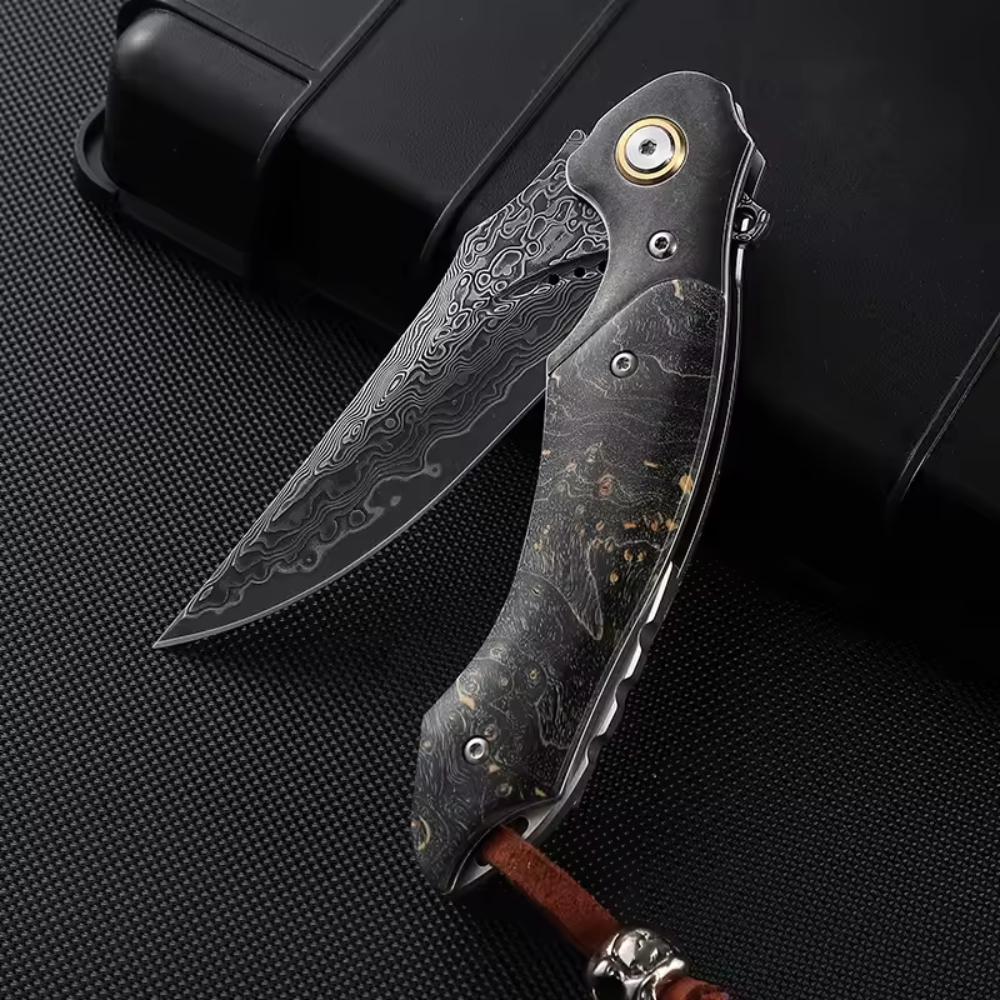
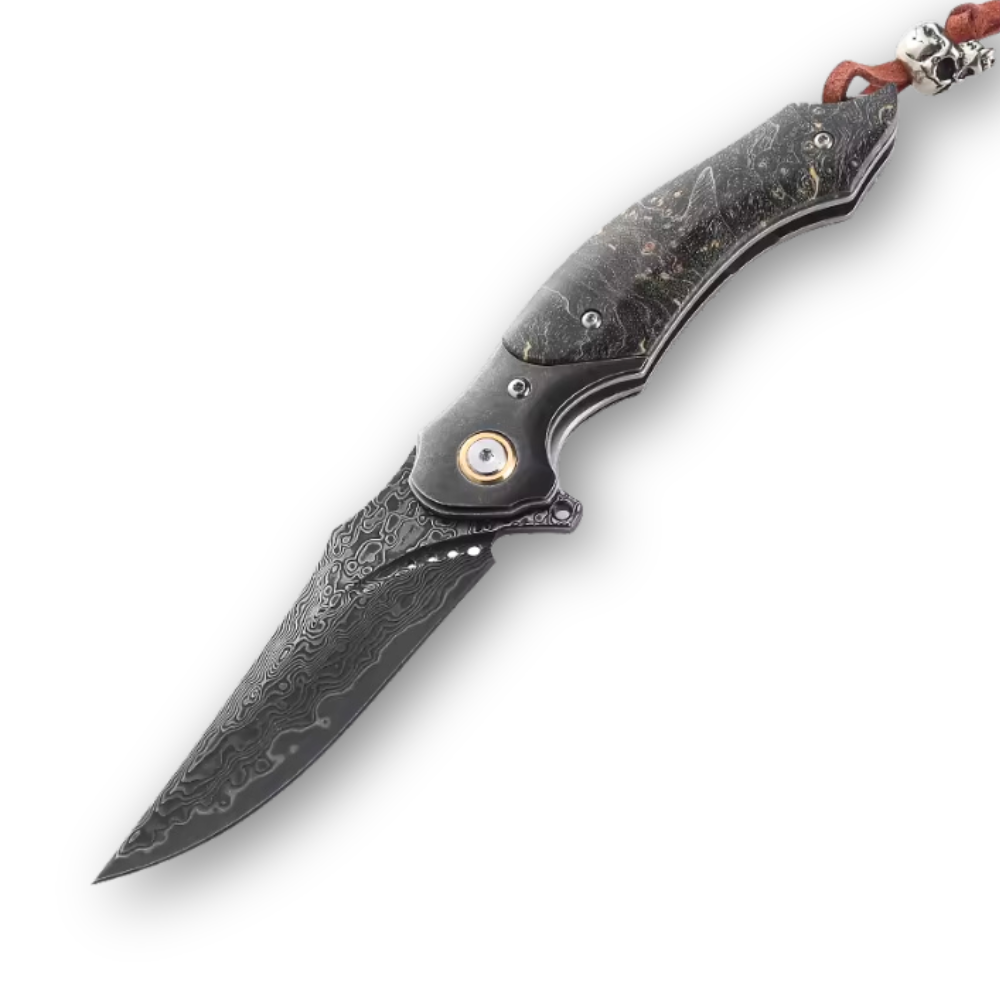
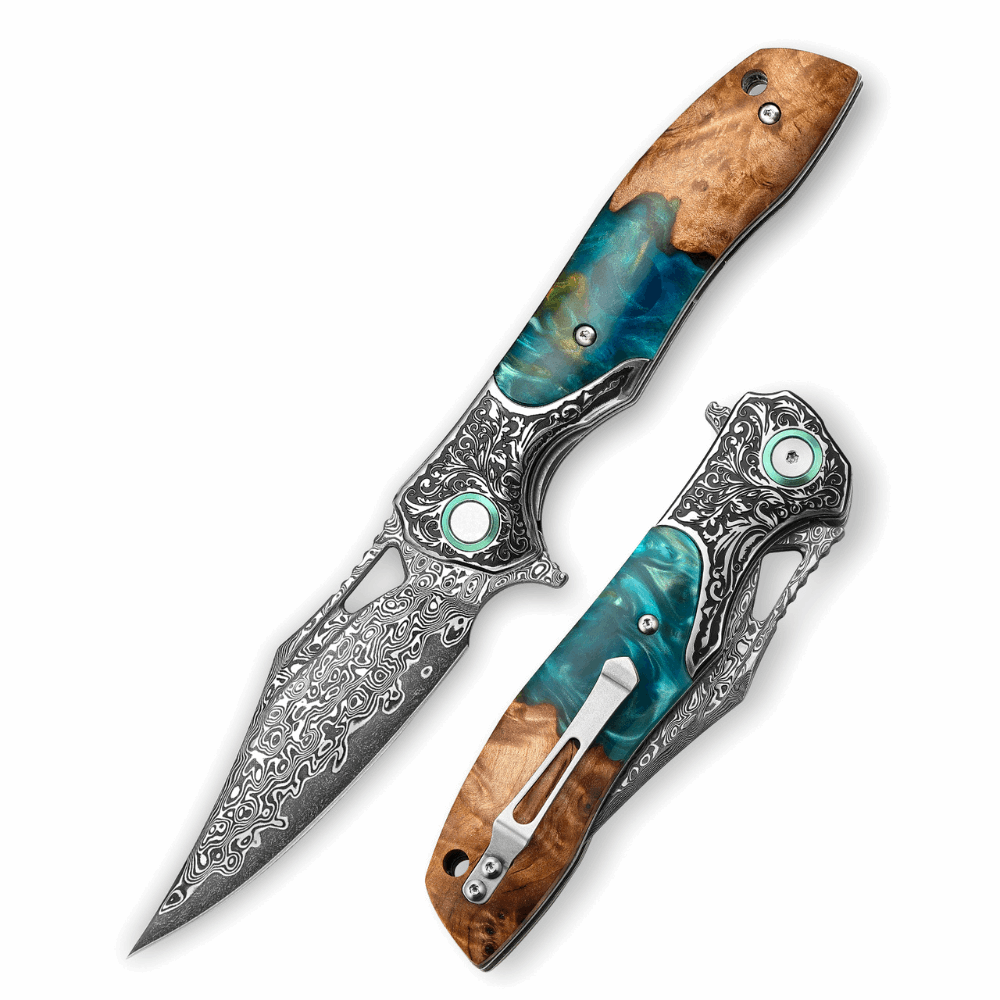
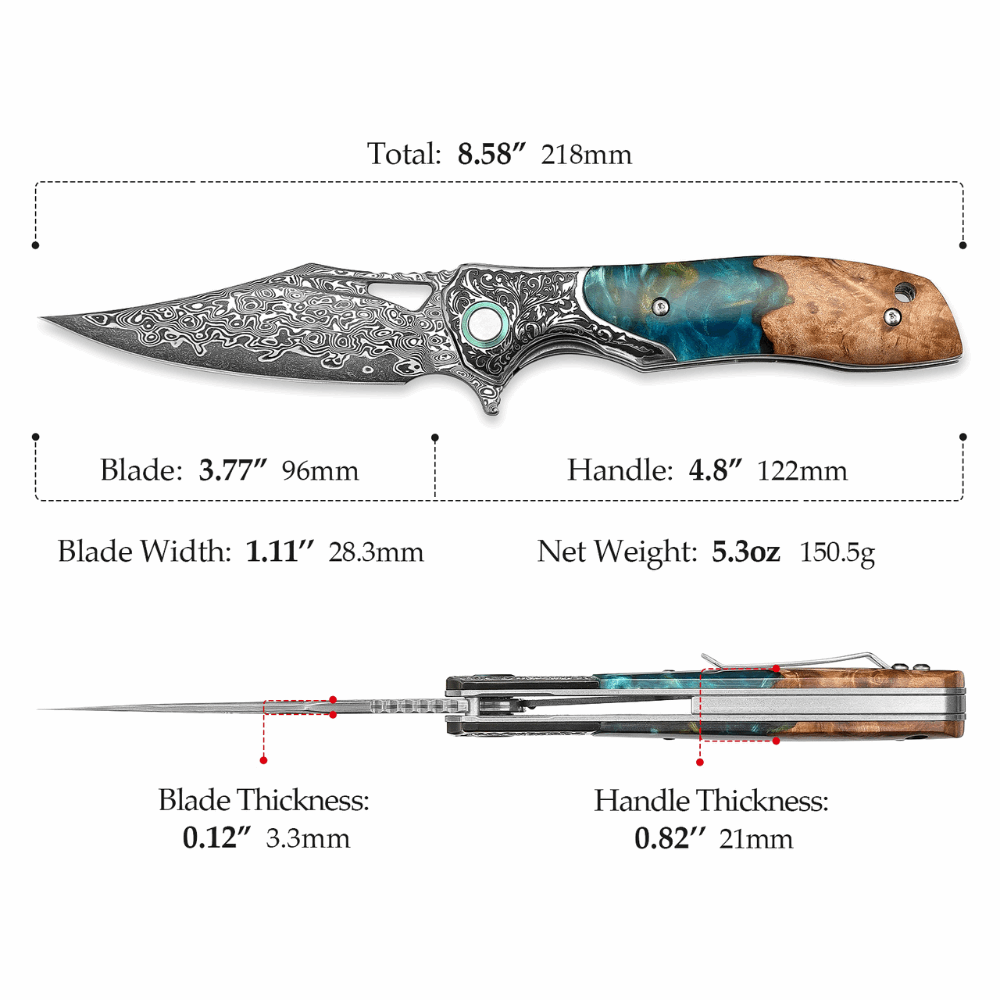
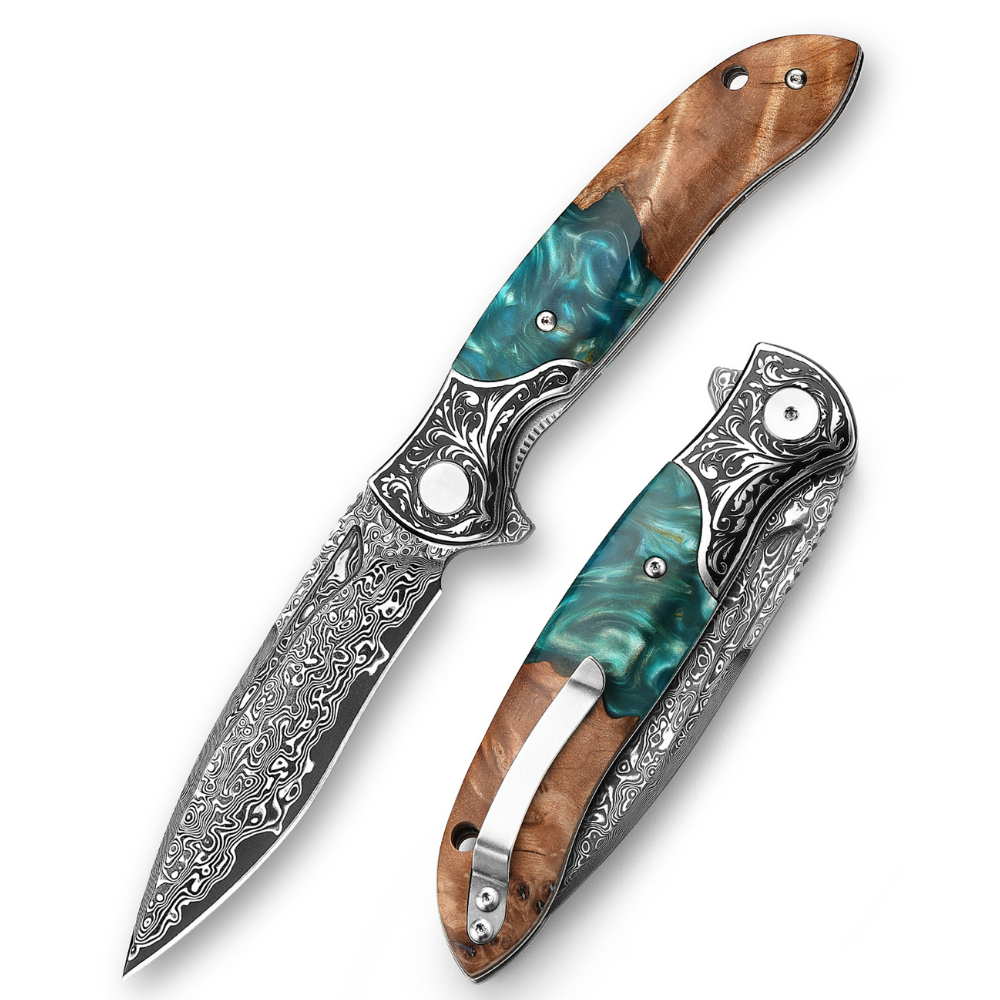
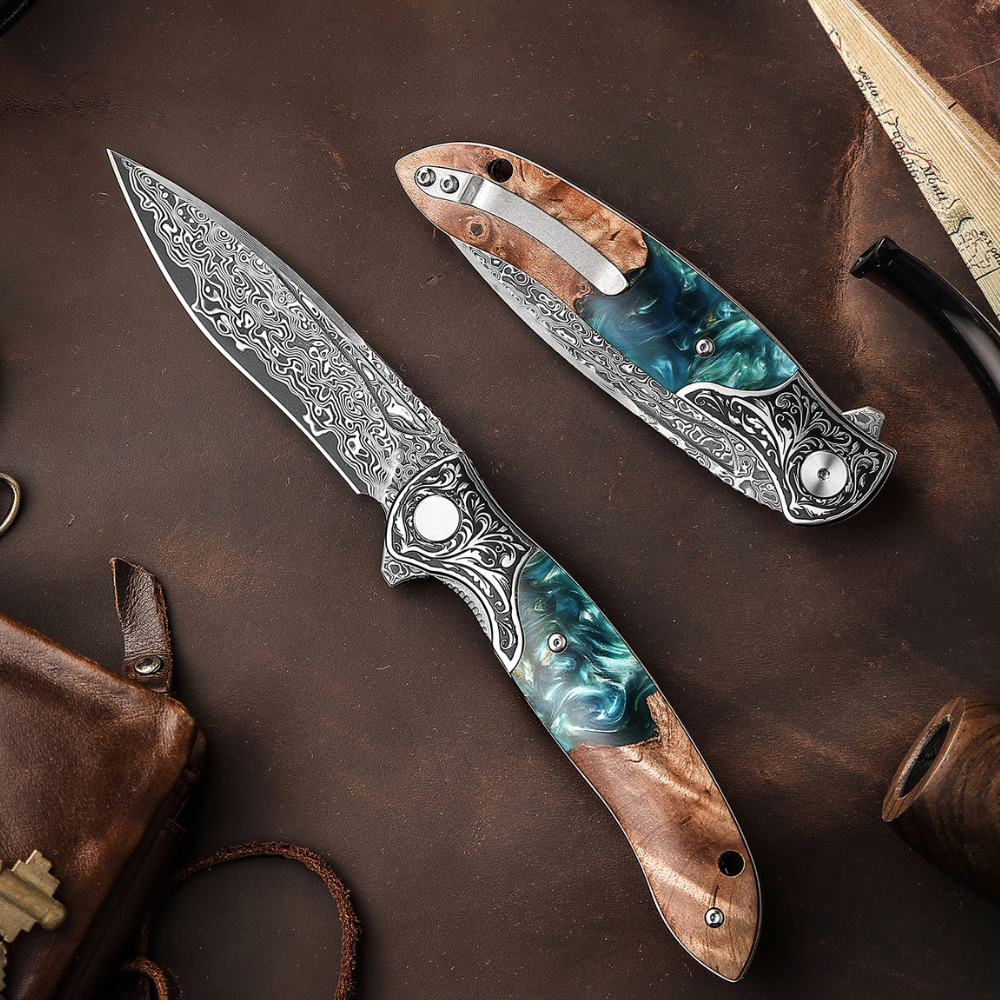
Demeter VG10 Damascus Pocket Knife with Exotic Olive Burl & Resin Handle
The Demeter VG10 Damascus Pocket Knife features a unique, hand-forged blade crafted from layered 1095 and VG10 steel, offering exceptional strength and edge retention. Its ergonomic handle, made from exotic olive burl wood and resin, ensures comfort and durability for various outdoor tasks, making it suitable for hunting, fishing, and camping. This versatile tool comes with a hand-stitched leather sheath and a pocket knife sharpener, making it a practical choice for both outdoor enthusiasts and collectors.
View Product






Hinterlassen Sie einen Kommentar