


Overview
Pocket knives are versatile and essential everyday carry tools, ideal for outdoor activities, DIY projects, and daily tasks. Choosing the right knife, particularly one made from durable materials like Damascus Steel, is crucial for performance and longevity. Proper maintenance and understanding local laws are important for responsible ownership.
Frequently Asked Questions
1. What is a pocket knife?
2. Why is the blade material important in pocket knives?
3. What are the benefits of carrying a pocket knife?
4. How should I maintain my pocket knife?
5. Are there any legal considerations for carrying a pocket knife?
When it comes to everyday carry essentials, few items are as useful and versatile as a pocket knife. Whether you’re an outdoor enthusiast, a DIYer, or simply someone who values practicality, having a reliable knife on hand can make all the difference. In this guide, we’ll delve into the world of pocket knives, focusing on what makes them essential for daily use and why choosing the right material—like Damascus Steel—is crucial for a long-lasting tool.
Understanding Pocket Knives
Pocket knives have been a staple in many cultures for centuries, often hailed for their simplicity and utility. These compact tools are designed to be portable, ensuring that you can easily carry them in your pocket or bag. But what exactly makes a pocket knife stand out? Let’s explore the key features.
Key Features of Pocket Knives
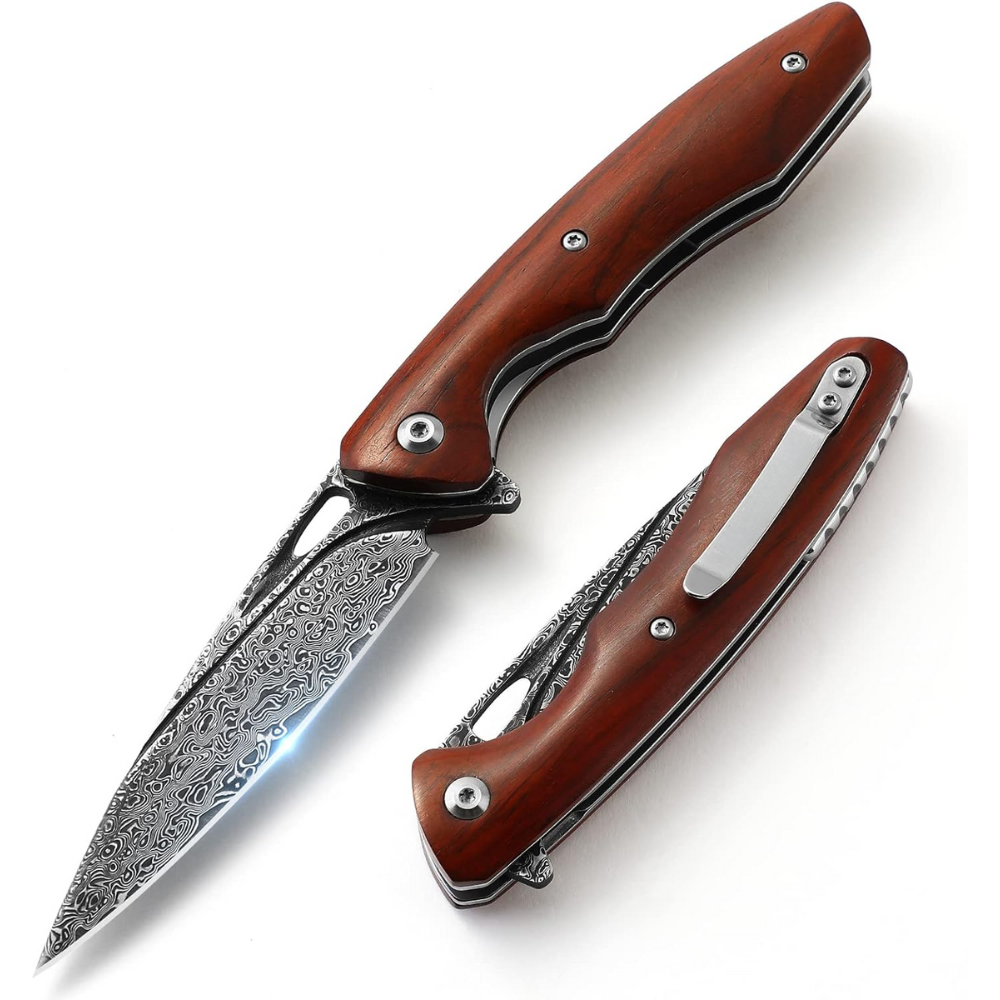
- Blade Material: The blade is arguably the most crucial aspect of any pocket knife. High-quality materials like Damascus Steel offer excellent durability, sharpness, and resistance to corrosion.
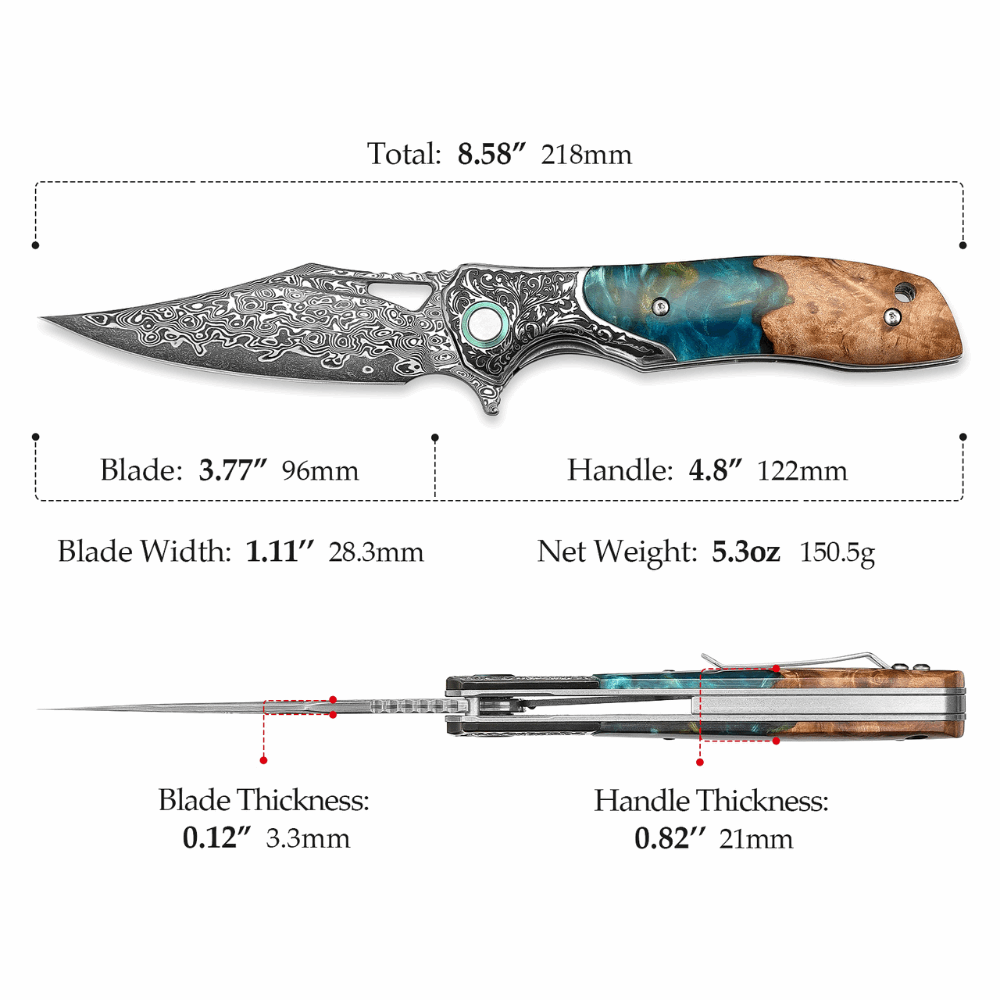
- Size and Weight: The ideal pocket knife should be compact and lightweight, making it easy to carry without being cumbersome.
- Blade Type: Different blade types (drop point, tanto, or spear point) serve various purposes. Choose depending on your specific needs.
- Handle Comfort: A comfortable, non-slip handle is vital for safe and effective use.
- Locking Mechanism: A reliable locking mechanism ensures the blade stays securely in place during use, adding extra safety.
The Benefits of Carrying a Pocket Knife
Having a pocket knife at your disposal can provide numerous advantages. Here are some of the key benefits that make pocket knives indispensable:
Versatility
From opening packages to cutting rope, a pocket knife can perform an array of tasks with ease. Their multifunctional design makes them perfect for both everyday tasks and emergency situations.
Safety and Preparedness
While it may seem counterintuitive, carrying a pocket knife can actually enhance safety. Having a reliable cutting tool on hand means you can address unexpected situations, from breaking glass to preparing food. A quality knife equipped with a design that includes features like a serrated edge can be especially effective in emergencies.
Tradition and Craftsmanship
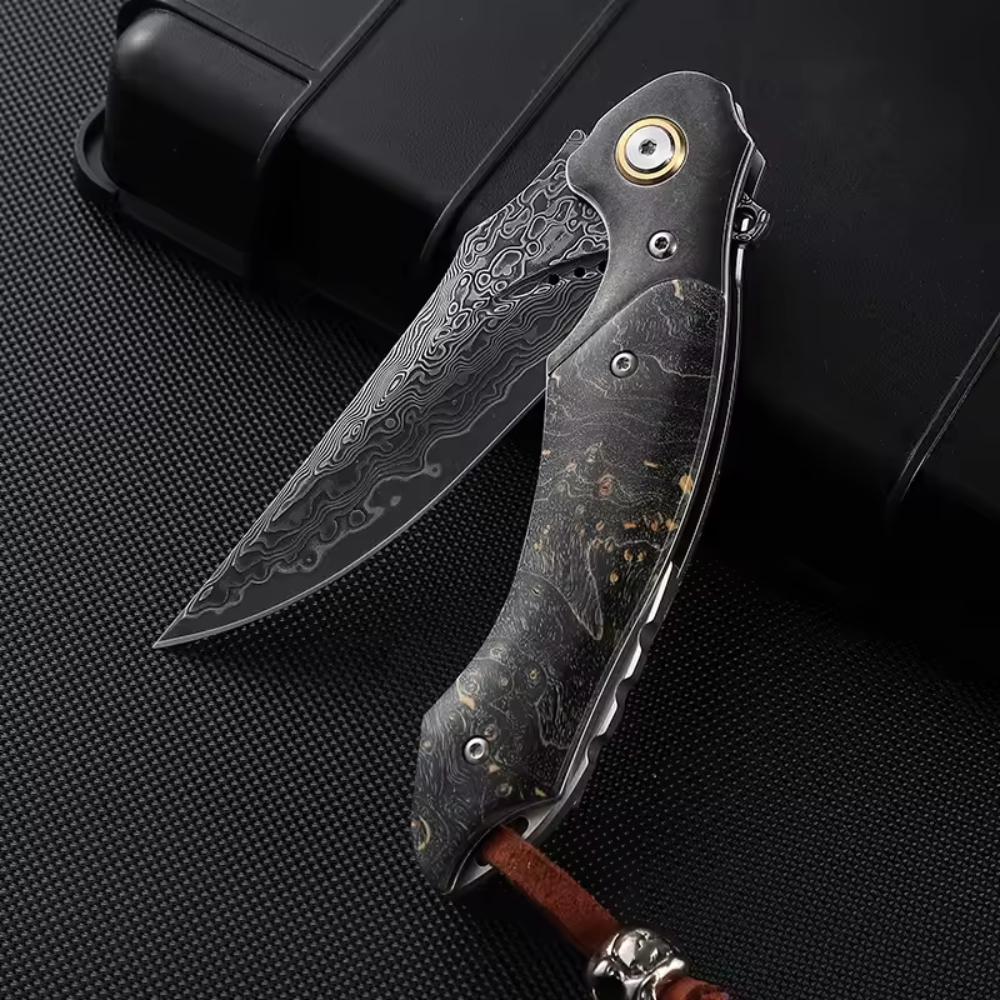
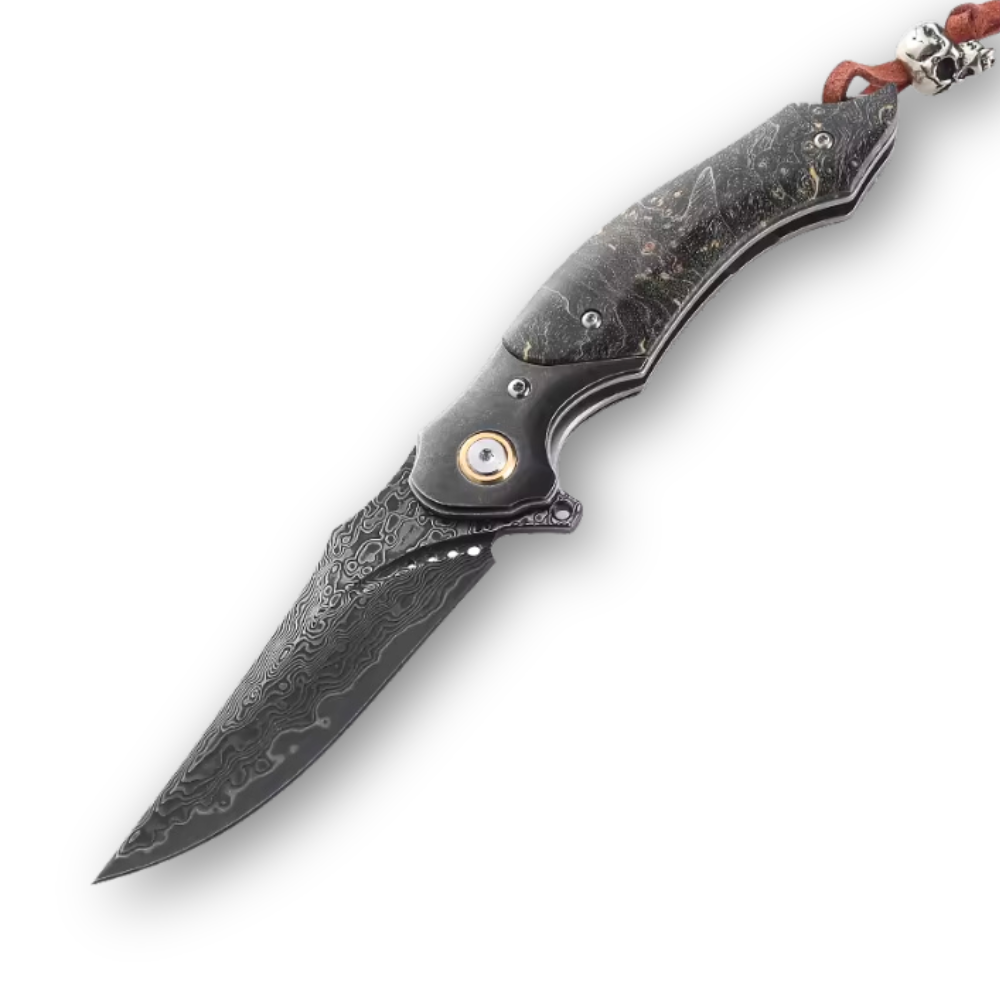
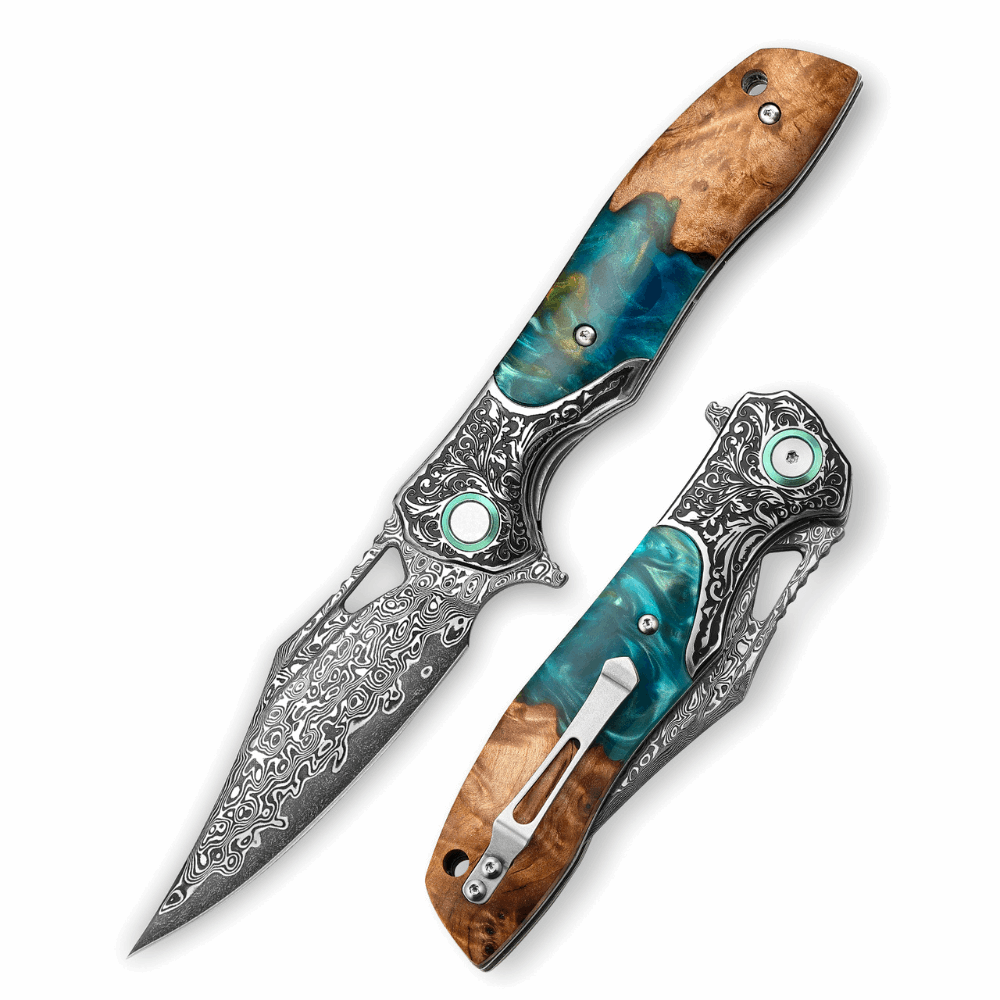
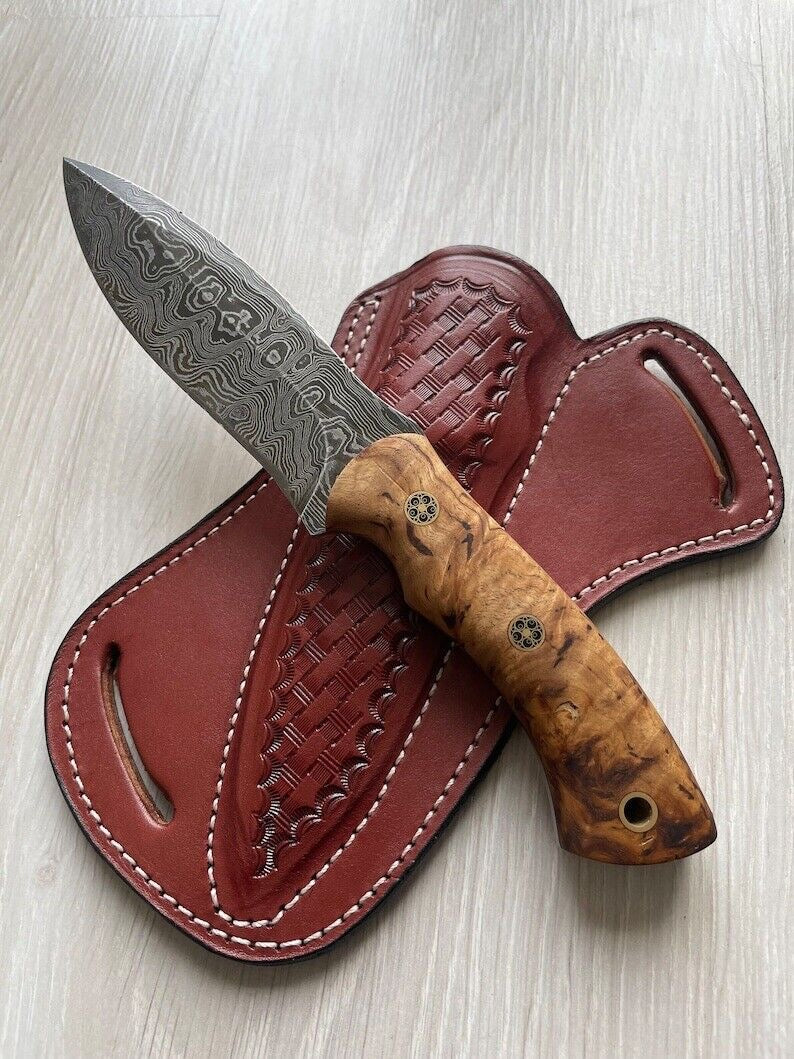
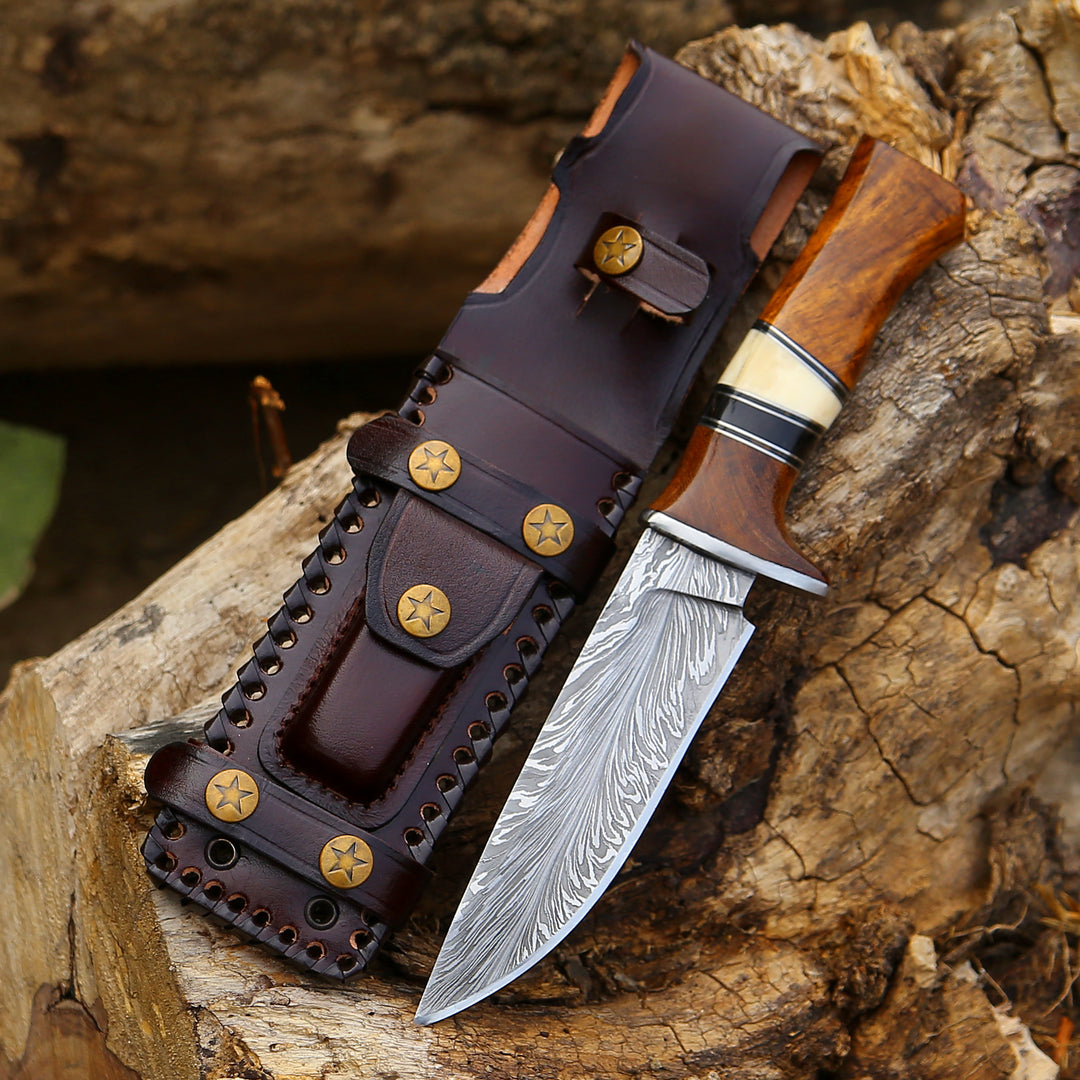
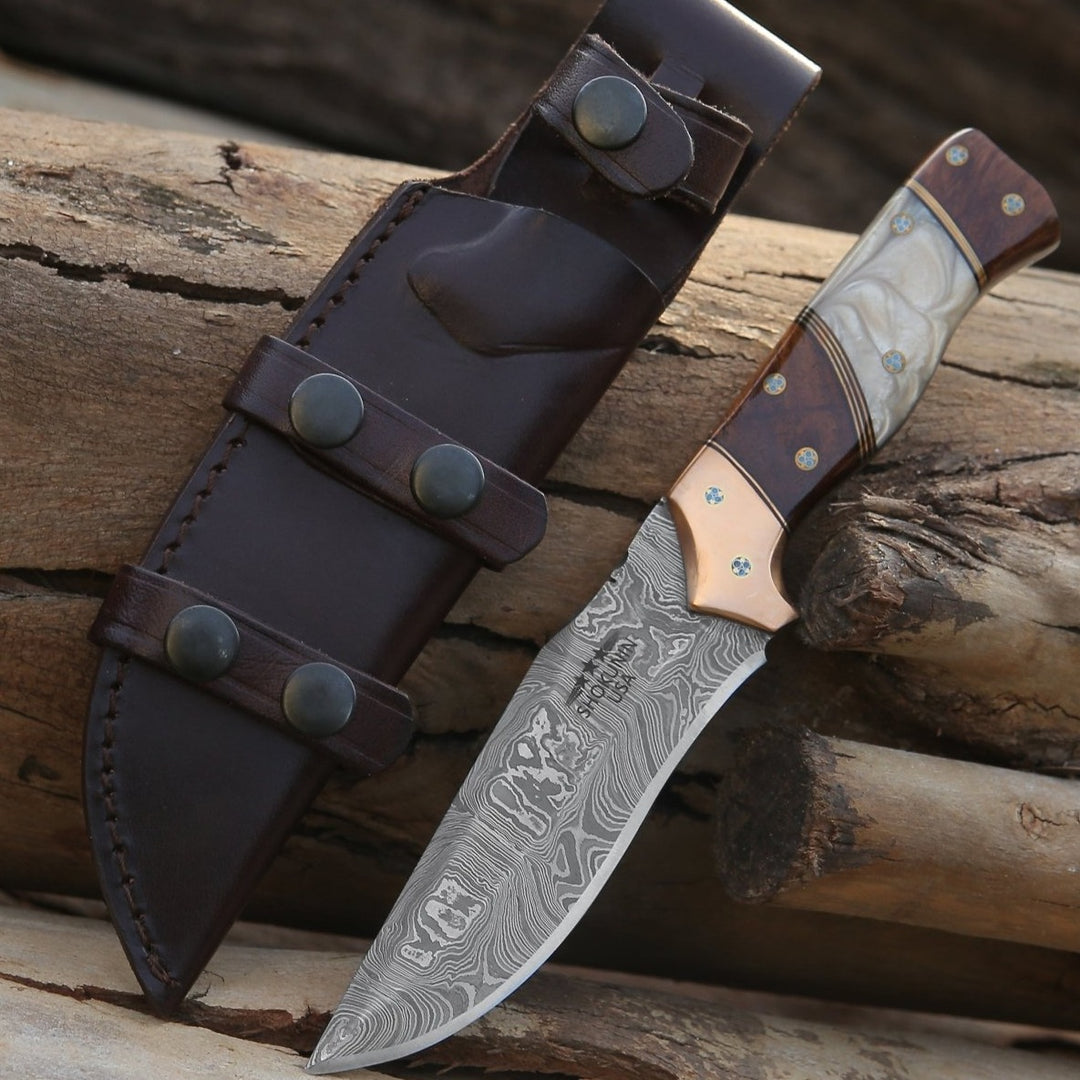
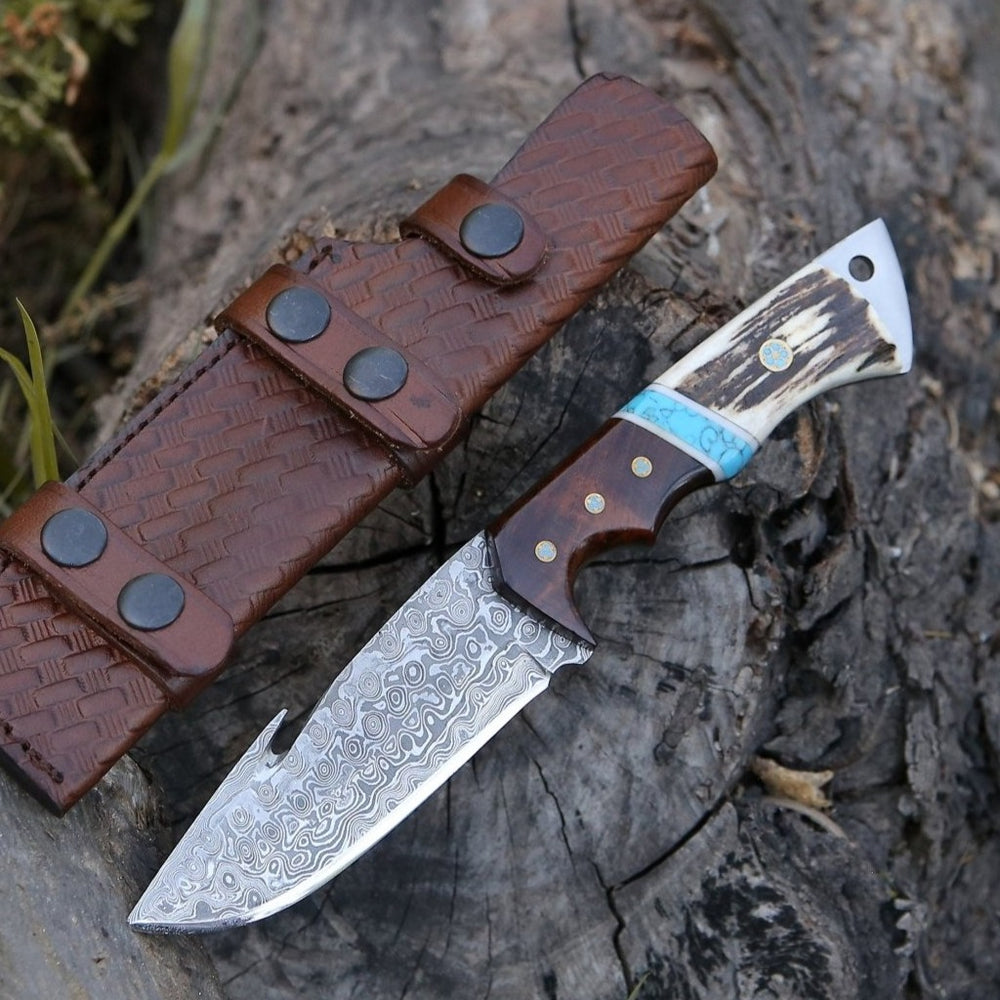
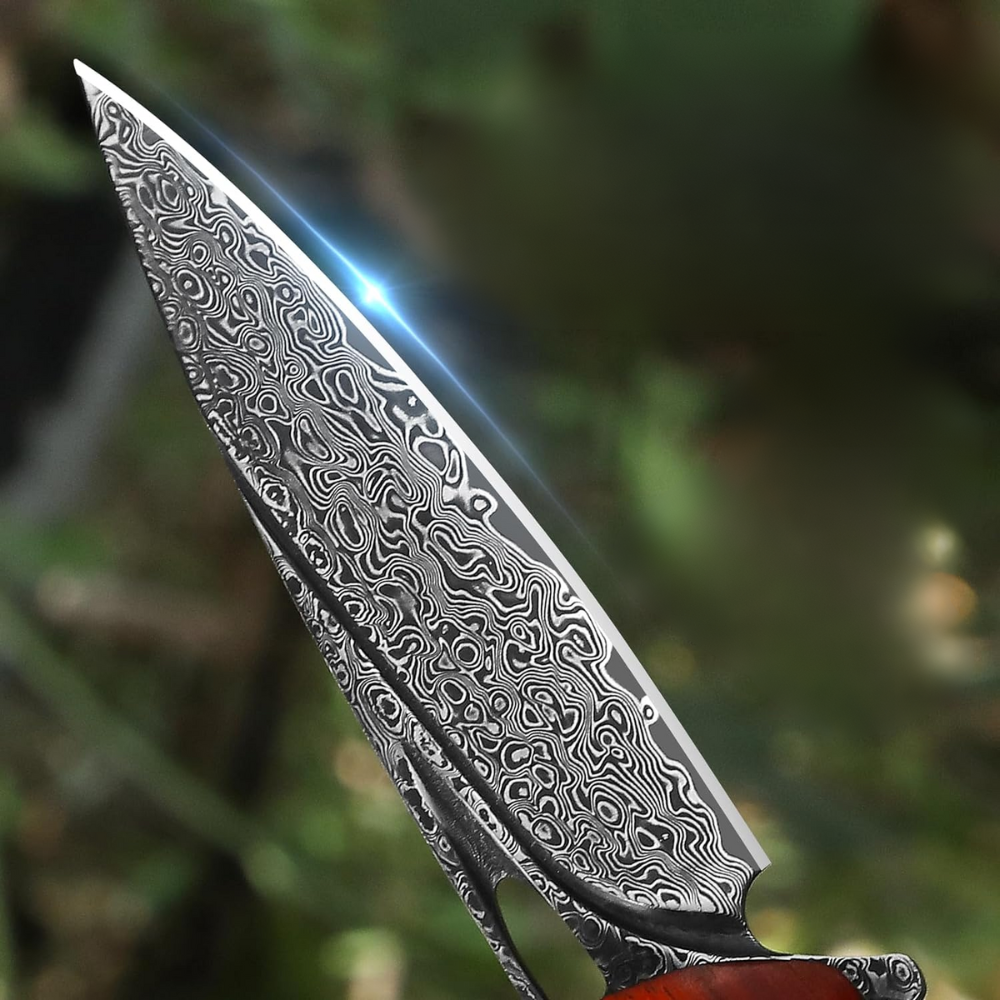
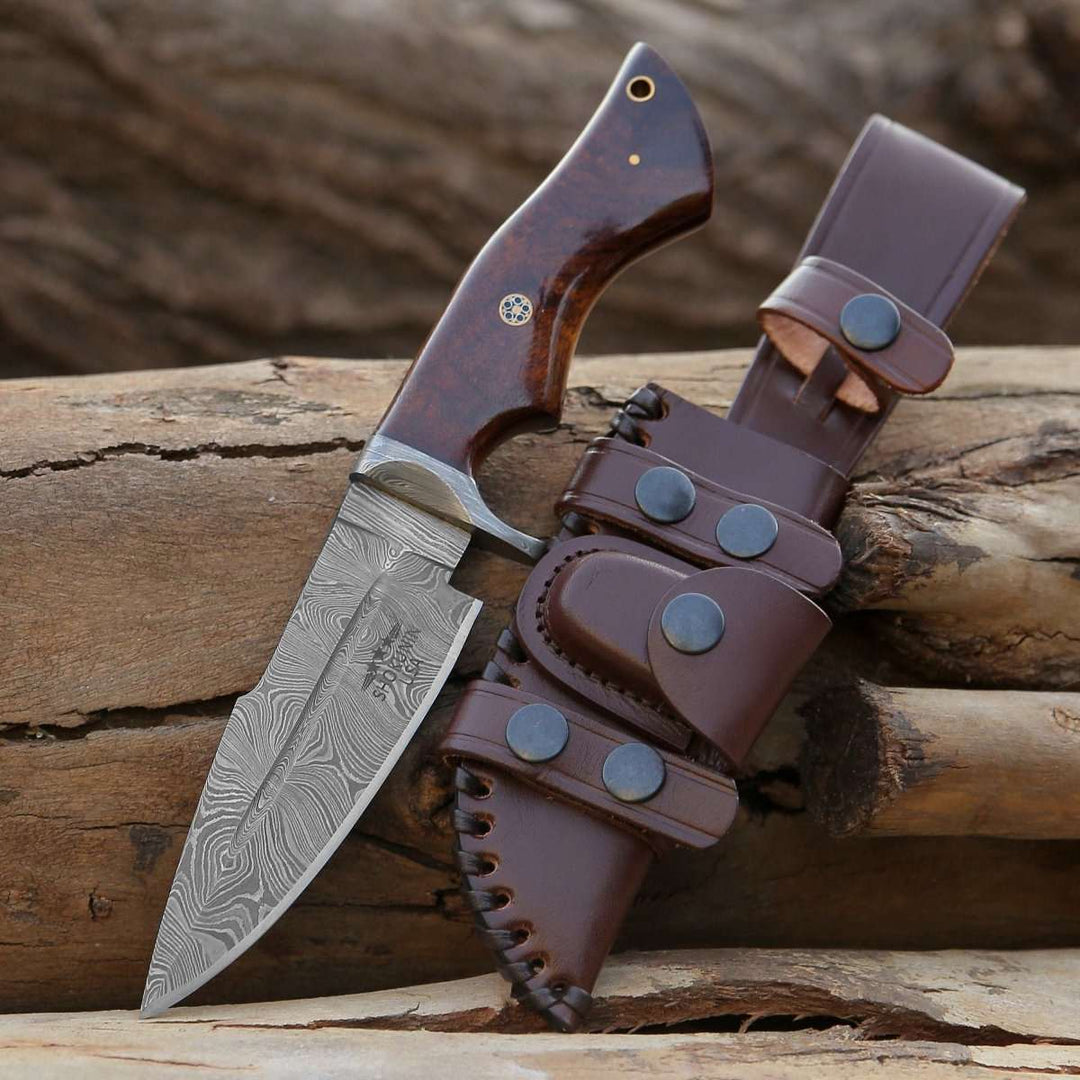
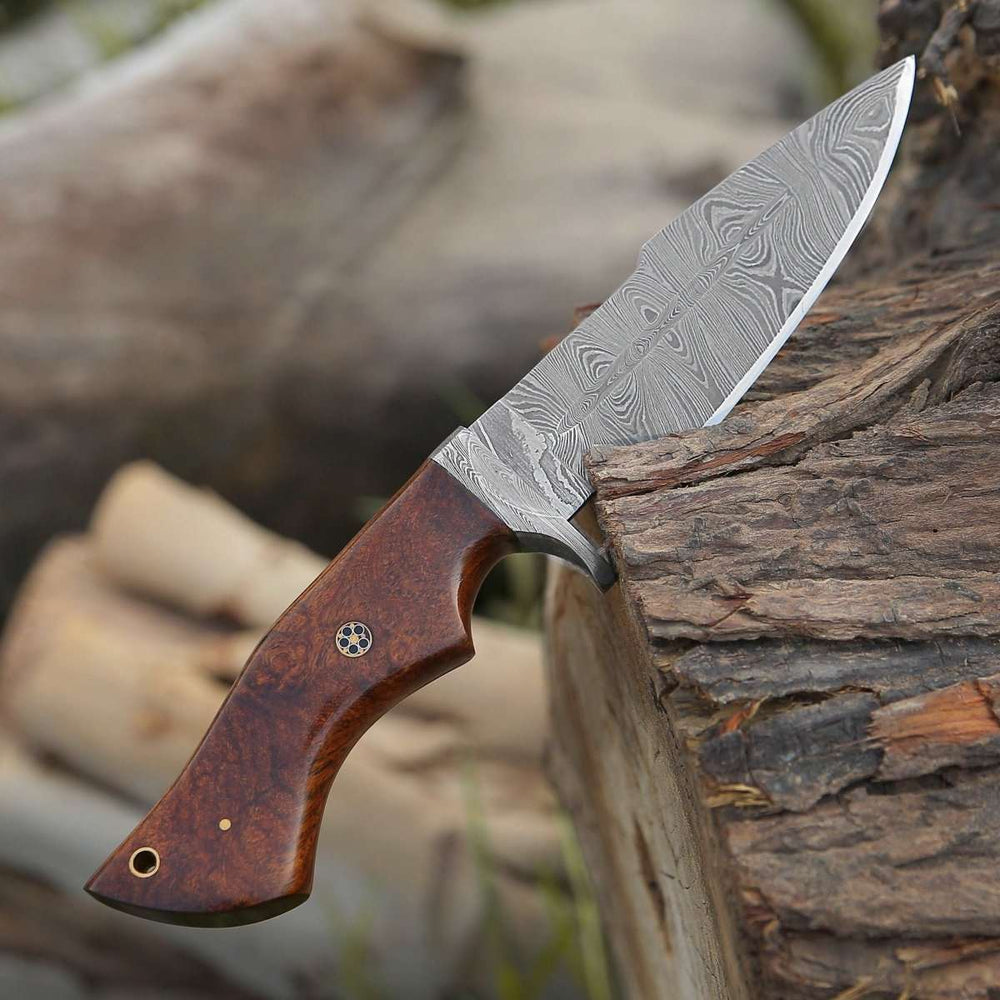
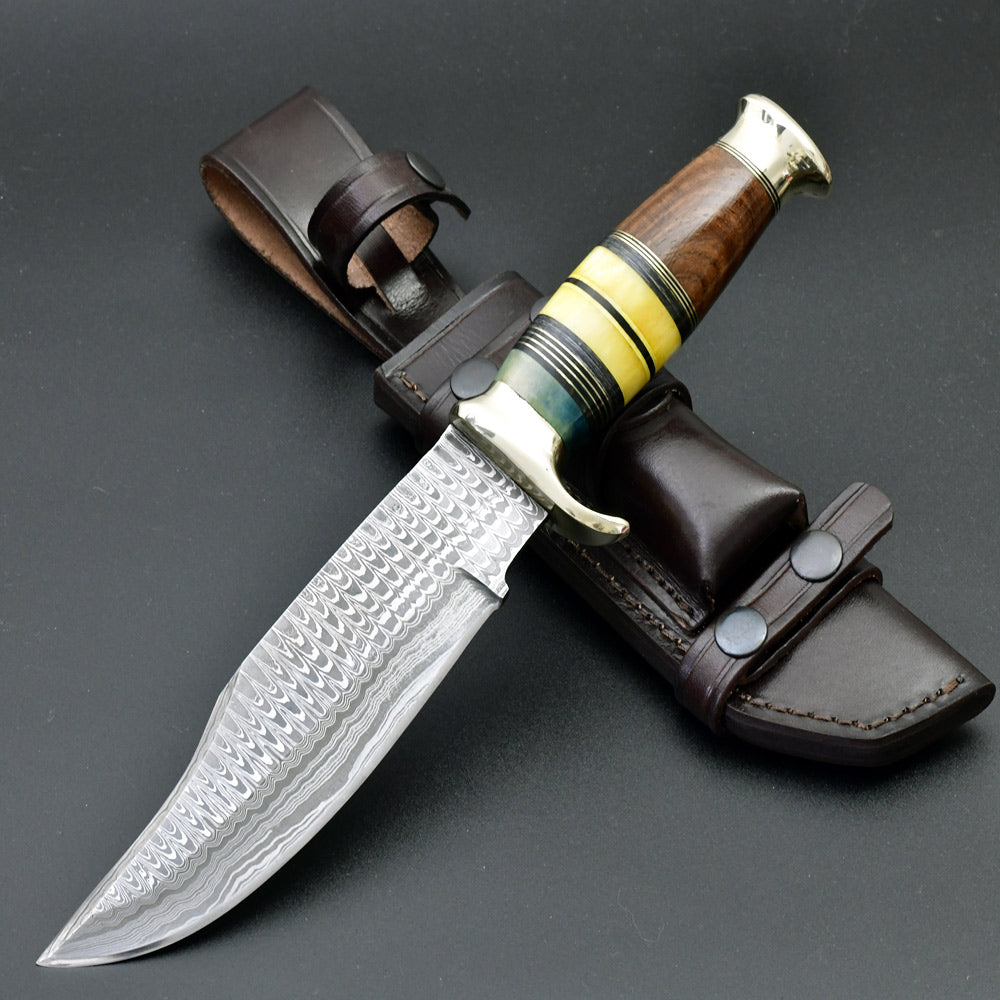
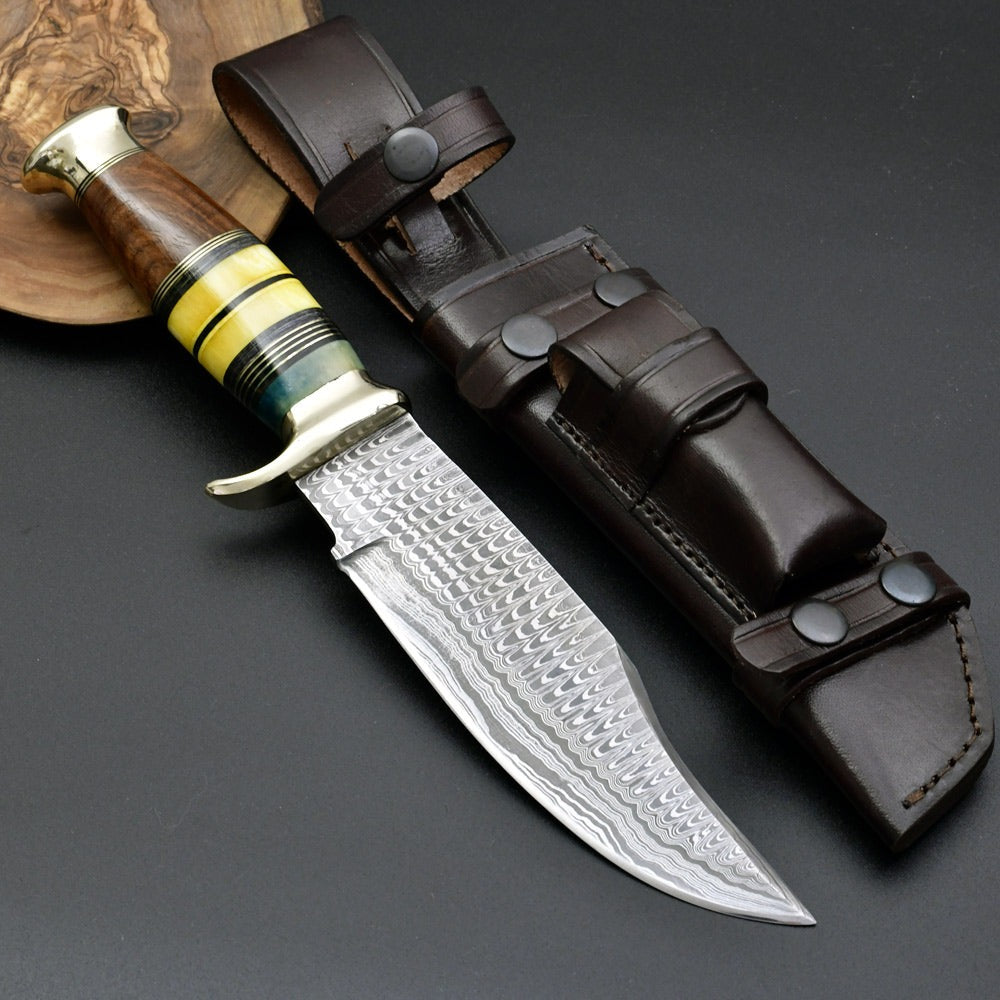
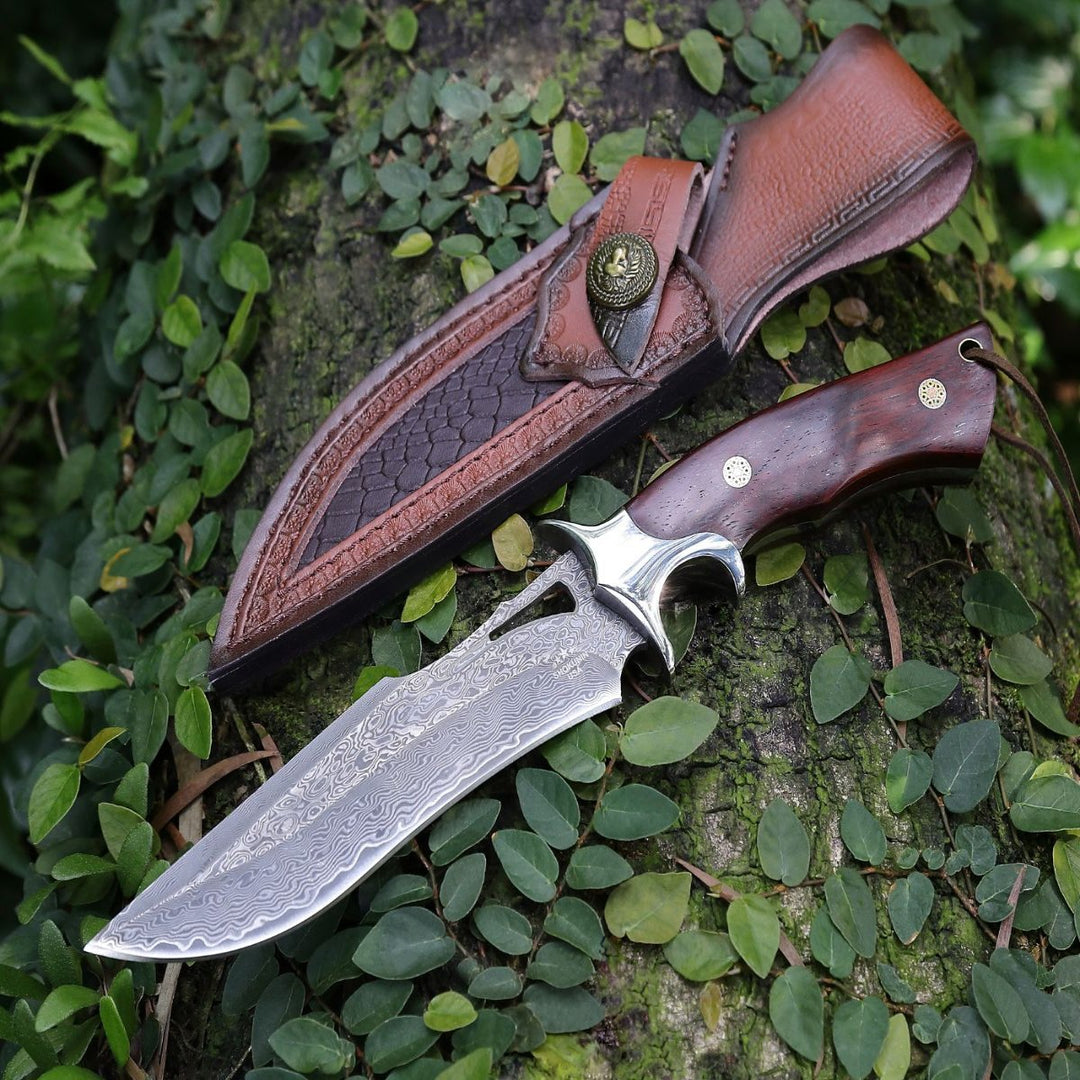
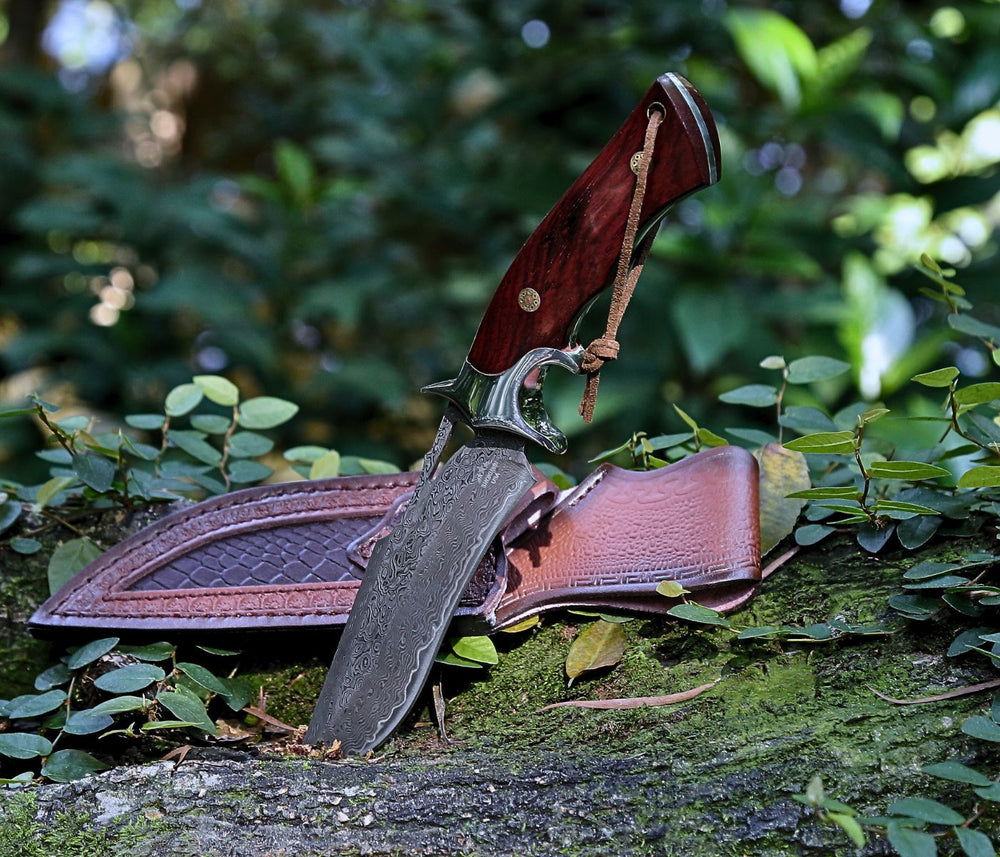
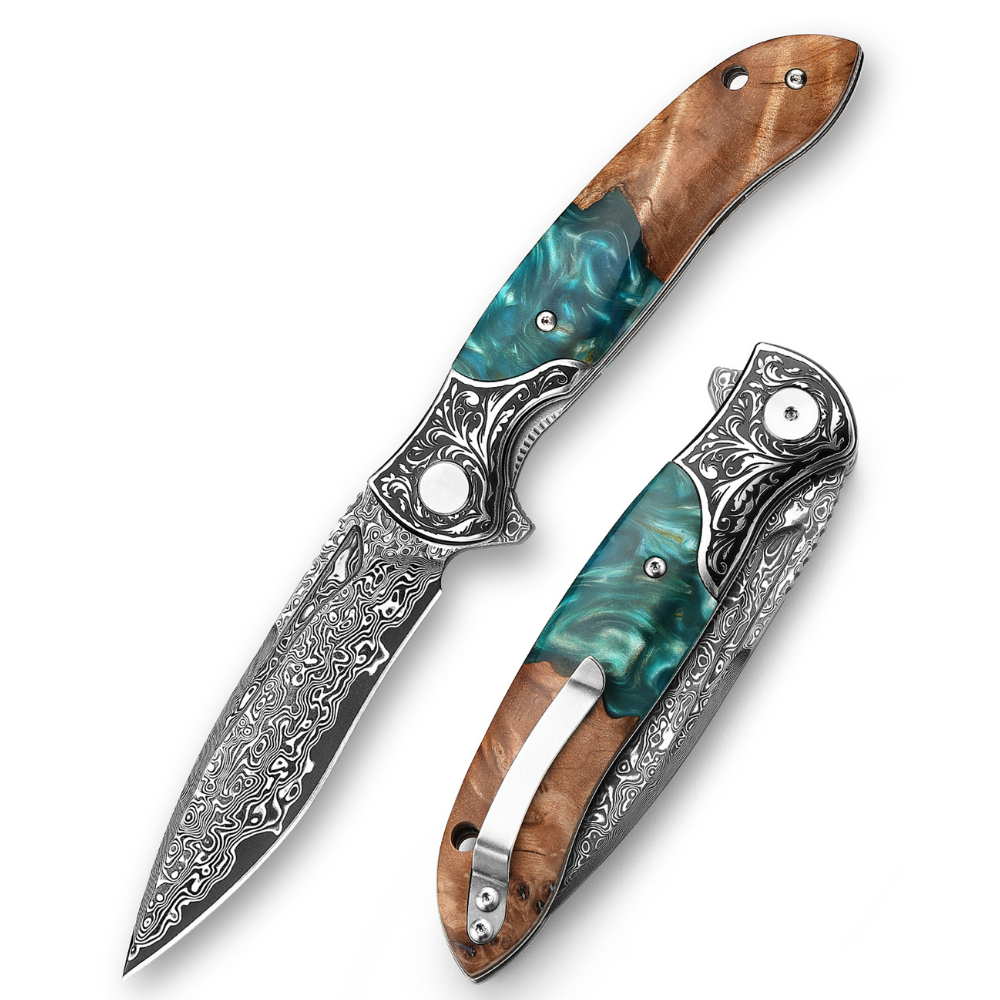
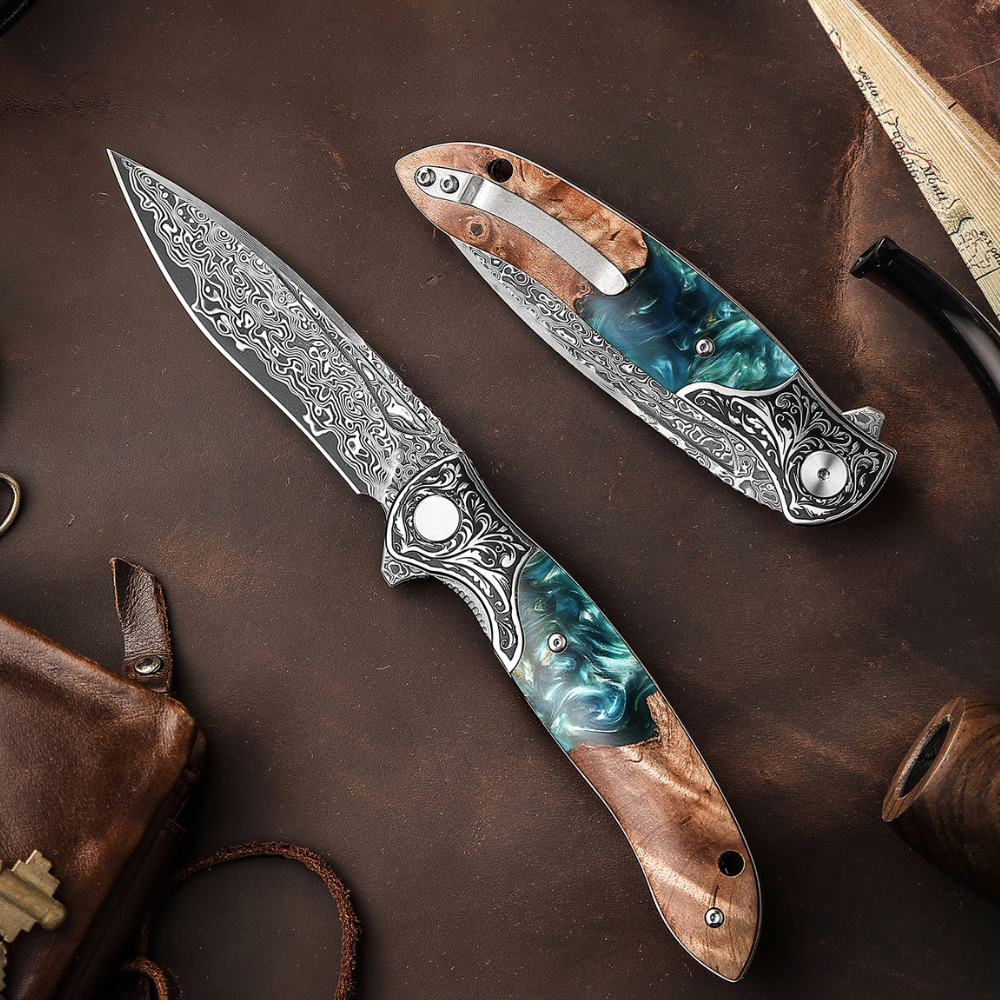
Many knife enthusiasts appreciate the artistry that goes into crafting a pocket knife. Materials like Damascus Steel not only contribute to performance but also add aesthetic appeal. The unique patterns formed in this steel make each knife a piece of art, perfect for collectors or those who appreciate fine craftsmanship.
Choosing the Right Pocket Knife
Selecting the ideal pocket knife can be a daunting task given the plethora of options available. Here are some key factors to consider when making your choice:
1. Purpose
Before purchasing, consider what you’ll primarily use the knife for. Are you looking for a tool for everyday tasks such as opening boxes, or do you need one suitable for hunting or outdoor adventures? Defining the purpose will help narrow down your options significantly.
2. Blade Material
As highlighted, the blade material plays an essential role in the performance of a pocket knife. Many prefer Damascus Steel due to its longevity and exceptional sharpness. This material is known for retaining its sharp edge longer than other steels while providing a stunning finish. It’s ideal for those who want a blend of function and beauty.
3. Ease of Use
Consider how easily the knife can be opened with one hand. Features like thumb studs or flippers can enhance accessibility, which is especially important for quick tasks. Make sure the locking mechanism is reliable and easily operated.
4. Ergonomics
The design and feel of the knife in your hand matter greatly. A comfortable handle prevents fatigue during use and ensures better control while cutting or slicing.
Maintaining Your Pocket Knife
Once you’ve acquired a pocket knife, proper maintenance is essential to ensure its longevity and performance. Here are some maintenance tips to keep your knife in prime condition:
Regular Cleaning
After each use, wipe the blade and handle with a clean cloth to remove dirt, moisture, and oils. Pay special attention to the pivot area to prevent any build-up that might hinder the opening mechanism.
Sharpening
Keeping the blade sharp is critical for safety and efficiency. Invest in a quality sharpening tool or seek professional services for sharpening if you are unfamiliar with the process.
Oil and Lubrication
Applying a drop of oil to the pivot area of your knife can help keep the opening mechanism smooth. Use a food-safe lubricant if you plan to utilize your knife for food-related tasks, particularly if you're using materials like Damascus Steel.
Legal Considerations
It’s essential to be aware of the legal stipulations regarding carrying a pocket knife. Laws can vary significantly by state or country, so ensuring compliance is critical. Here are some general guidelines:
Understanding Local Laws
Before carrying a pocket knife, familiarize yourself with local regulations concerning blade length and locking mechanisms. Some areas may have restrictions on specific knife types or may pose different rules for concealed vs. open carry. Always verify the legal limitations to avoid potential legal issues.
Education and Training
If you are new to using pocket knives, consider taking a class or following tutorials to understand safe handling and usage. This knowledge will not only enhance your skills but allow for responsible ownership.
Incorporating Pocket Knives into Everyday Life
Incorporating a pocket knife into your daily routine can lead to increased efficiency and preparedness. Here are some suggestions on how to seamlessly integrate your pocket knife into your life:
Engagement in Outdoor Activities
Pocket knives are perfect companions for outdoor adventures, whether hiking, camping, or fishing. They assist in various tasks like food preparation, gear repairs, or even crafting makeshift tools.
Everyday Tasks
In your daily life, having a pocket knife can simplify routine tasks such as opening packages, cutting tape, or slicing fruits and vegetables. With just a flick of the wrist, you can access this functional tool without fuss.
Crafting and DIY Projects
If you love crafts or DIY projects, a pocket knife can be invaluable for precise cuts or detailed work. Whether cutting wood, fabric, or other materials, it's a versatile tool that often outperforms larger substitutes.
Final Thoughts: Embrace the Everyday Carry Revolution
Incorporating a pocket knife into your everyday carry not only enhances your resourcefulness but also connects you with a rich tradition of craftsmanship. With their compact design and multifunctional capabilities, pocket knives—especially those made from Damascus Steel—are tools that deserve a place in your daily life. Not only do they serve practical purposes, but they also embody a spirit of adventure and preparedness.
So, the next time you're considering what to carry, remember—having a pocket knife means being ready for anything that life throws your way. With the right knife in hand, you're equipped to tackle daily challenges with confidence.






Leave a comment