


Overview
When choosing a pocket knife, consider the differences between tactical and traditional styles. Tactical knives focus on utility and durability, making them ideal for outdoor activities, while traditional knives emphasize craftsmanship and aesthetics, appealing to collectors. Assess your needs, preferences, and budget to determine the best option for you. Regular maintenance is crucial for both styles to ensure longevity.
Table of Contents
- Understanding Pocket Knife Styles
- What is a Tactical Pocket Knife?
- Why Choose a Tactical Pocket Knife?
- The Allure of Traditional Pocket Knives
- Benefits of Choosing a Traditional Pocket Knife
- Comparing Tactical and Traditional Pocket Knives
- Functionality
- Durability
- Price Point
- Choosing the Right Style for You
- Maintenance Tips for Your Pocket Knife
- The Perfect Final Piece to Your EDC Setup
Key Takeaways
- Tactical Pocket Knives: Designed for utility and durability, ideal for outdoor enthusiasts and emergency situations.
- Materials: Tactical knives are typically made from high-grade stainless steel or Damascus, ensuring long-lasting performance.
- Aesthetic Appeal: Traditional pocket knives feature intricate designs and craftsmanship, appealing to collectors and those who value artistry.
- Functionality: Tactical knives often include multiple tools and features, while traditional knives focus on craftsmanship and specific blade styles.
- Durability: Tactical knives are built to withstand harsh conditions, while traditional knives may require more care to maintain their integrity.
- Price Consideration: Tactical knives can be budget-friendly, whereas handmade traditional knives may come at a premium price.
- Personal Preference: Your choice should reflect your intended use, aesthetic preferences, and comfort with the knife in hand.
When it comes to selecting a pocket knife, the choice between tactical and traditional styles is crucial. Each of these knife designs offers unique benefits and aesthetic appeals that can significantly influence your daily activities or outdoor adventures. In this article, we'll delve into the core differences between tactical and traditional pocket knives, helping you make an informed decision suited for your needs.
Understanding Pocket Knife Styles
Before we dive into the specifics of tactical and traditional pocket knives, it's essential to understand what a pocket knife is. Typically used for various tasks ranging from simple everyday chores to complex outdoor activities, pocket knives pack versatility and convenience into a compact design. Now, let's explore the two most popular styles: tactical and traditional.
What is a Tactical Pocket Knife?
Tactical pocket knives are designed with an emphasis on utility, durability, and tactical applications. These knives are often favored by outdoor enthusiasts, military personnel, and first responders. Here are some characteristics of tactical pocket knives:
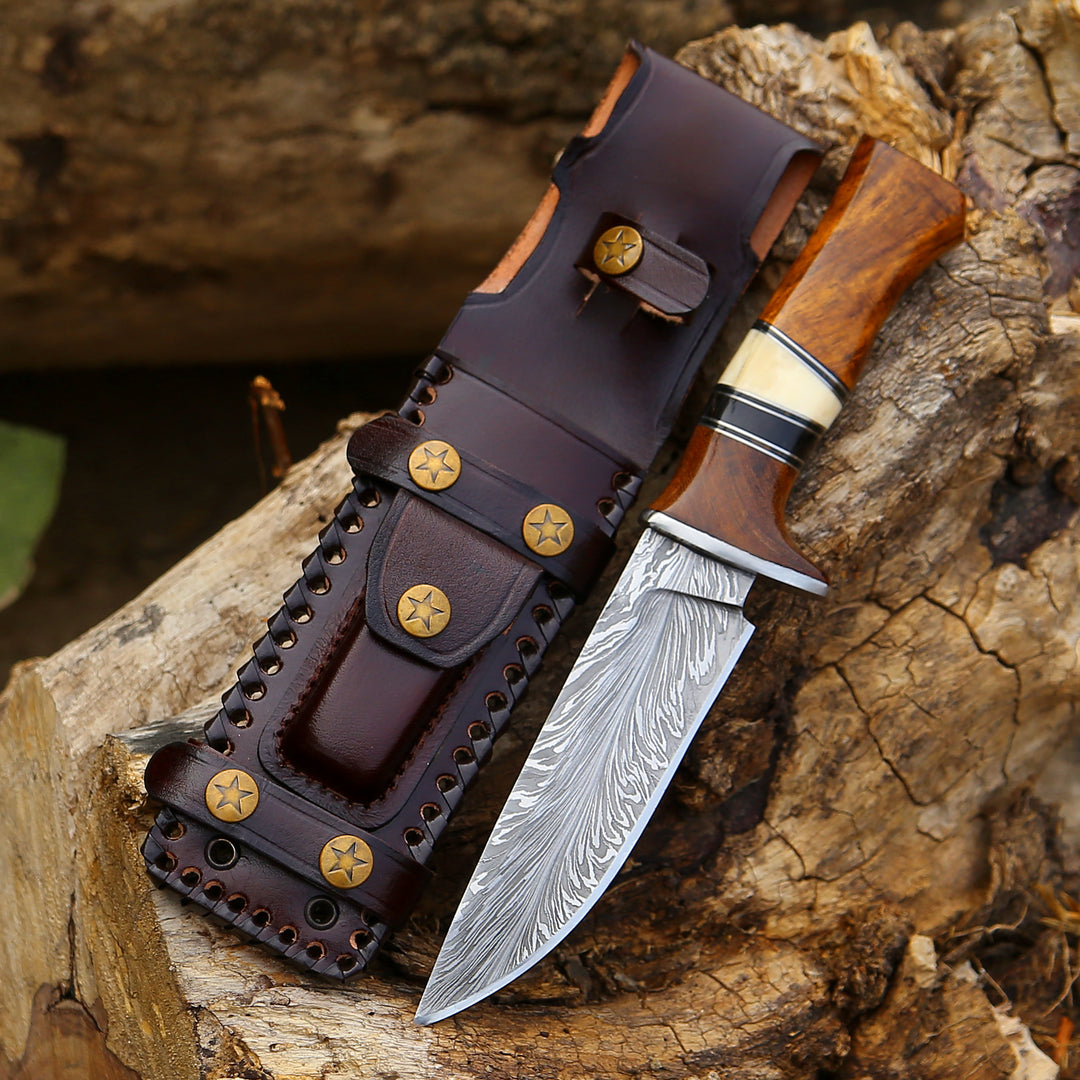
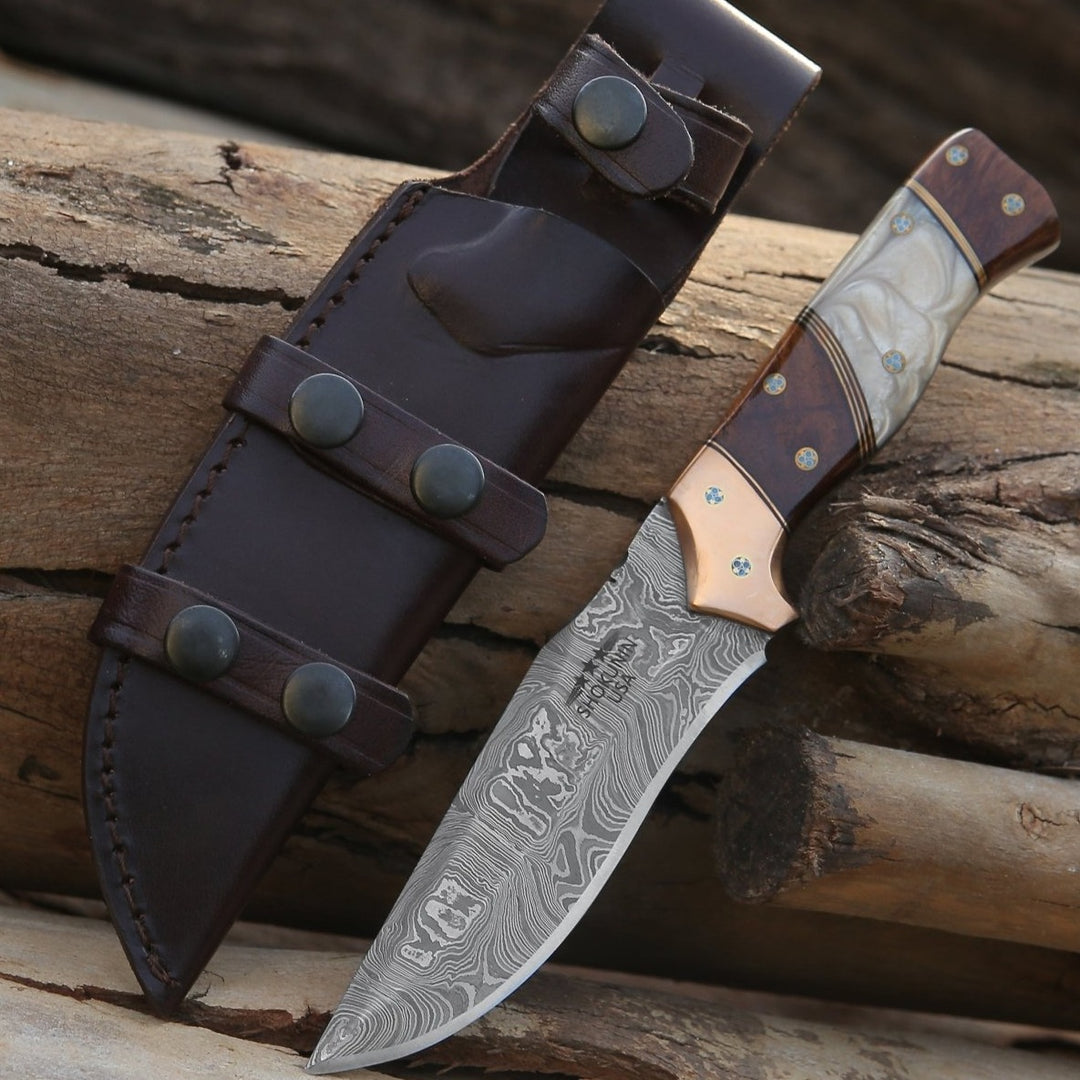
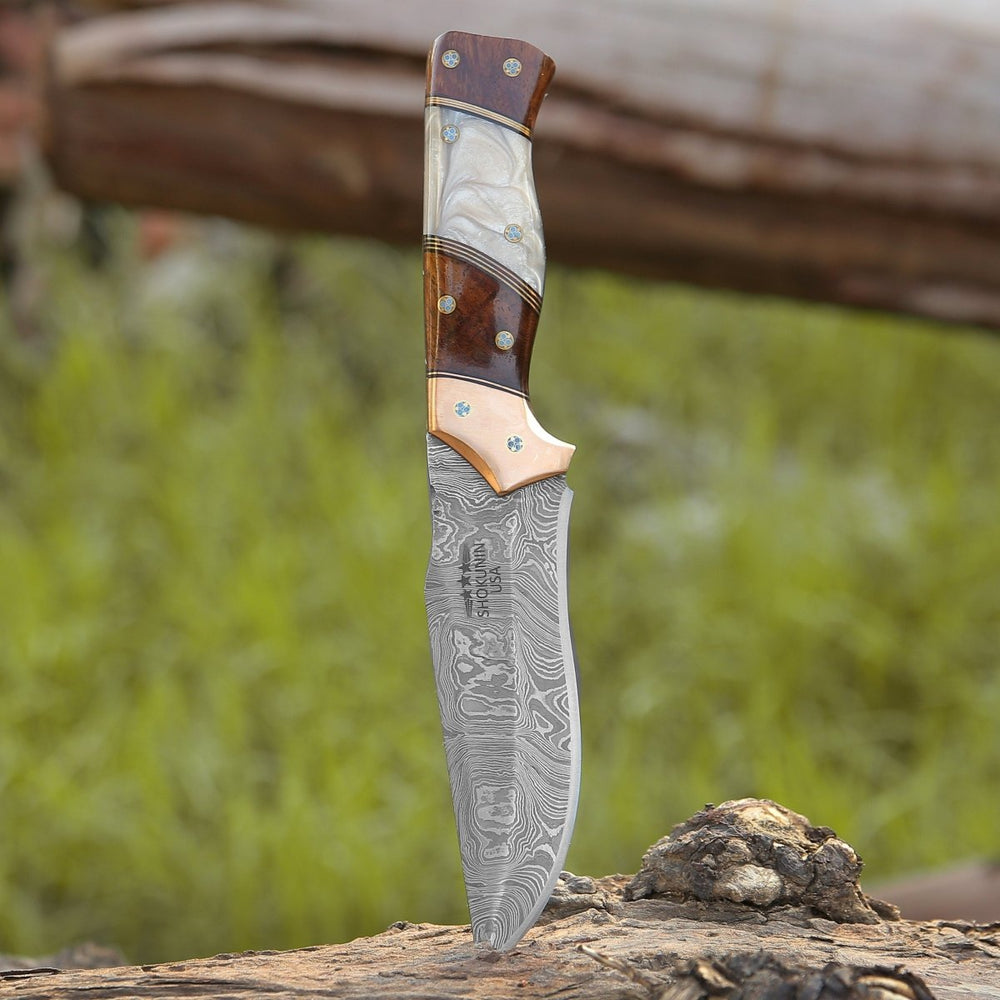
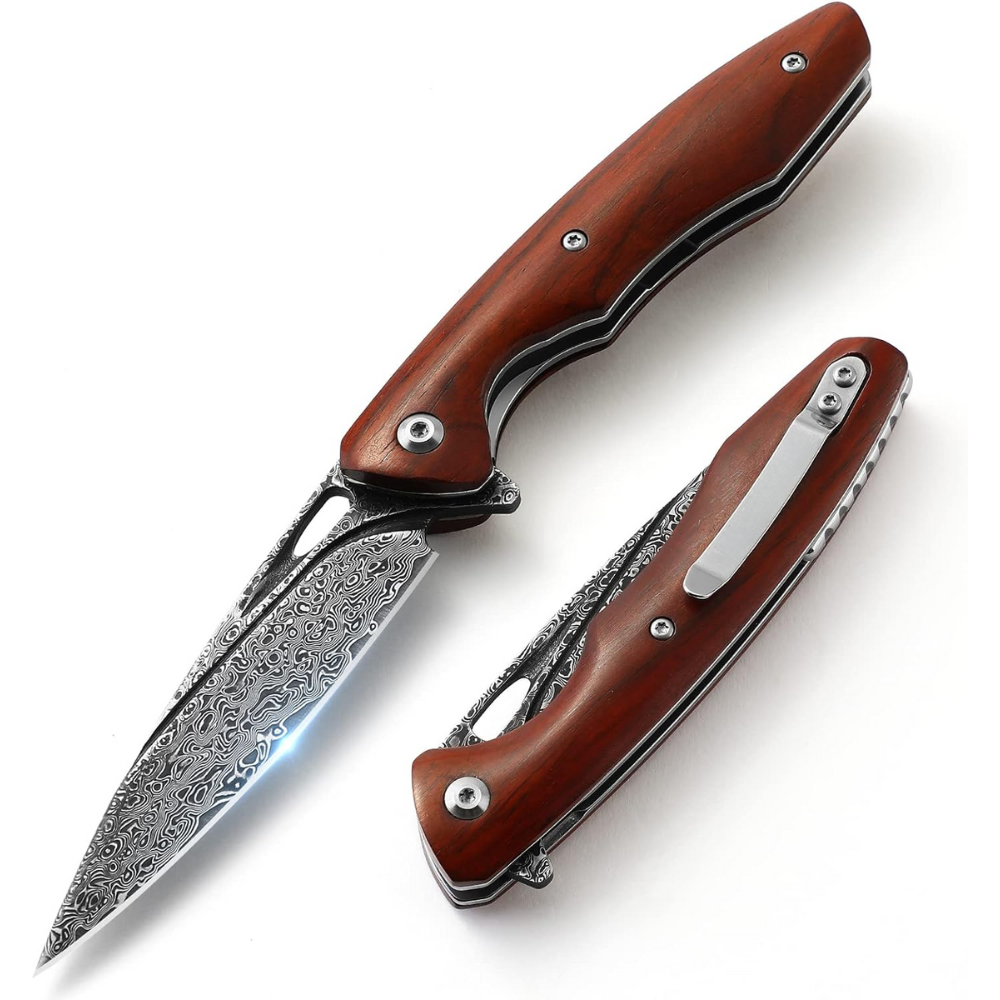
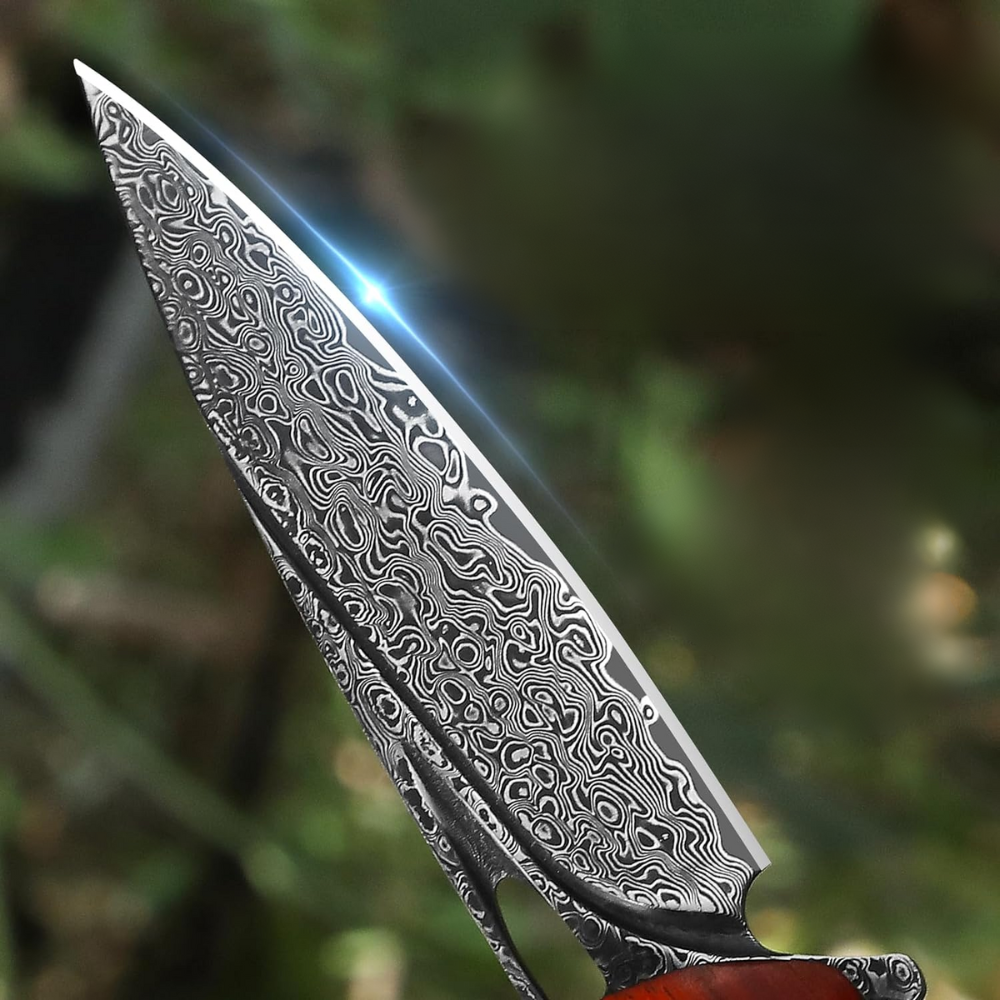
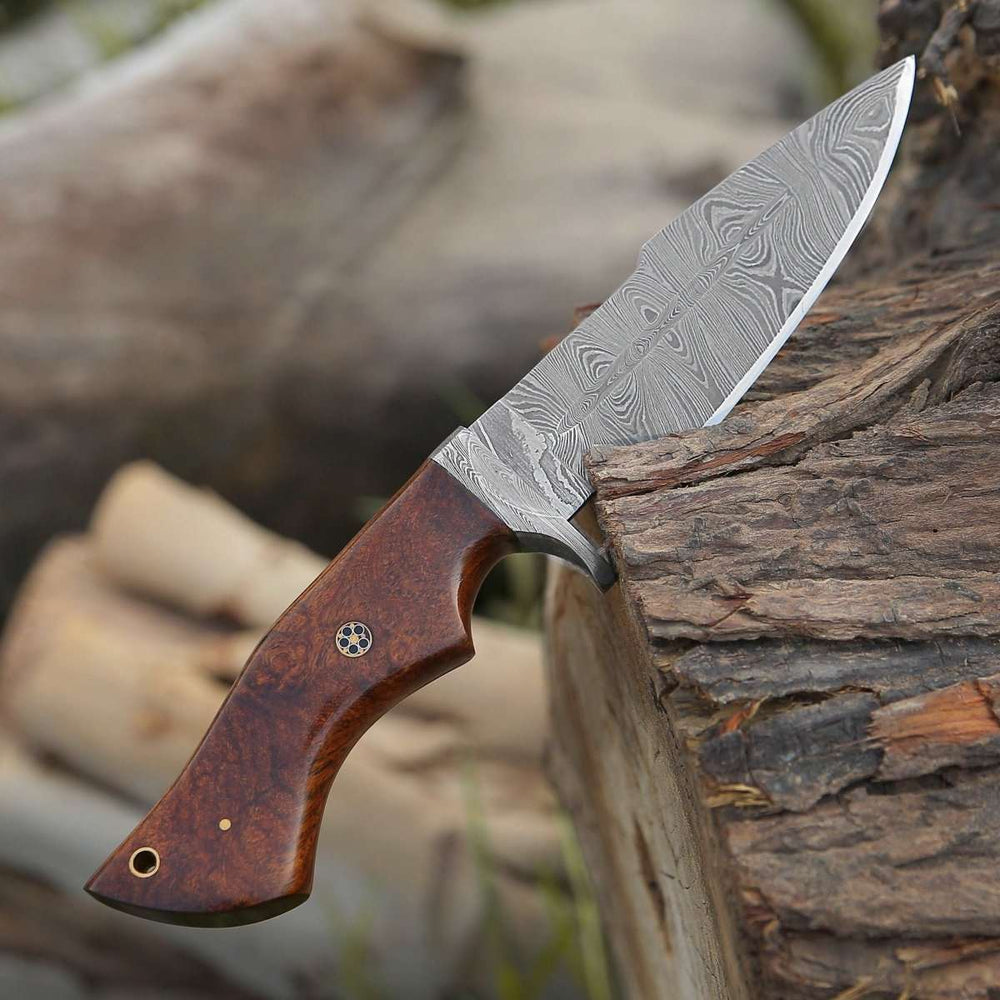
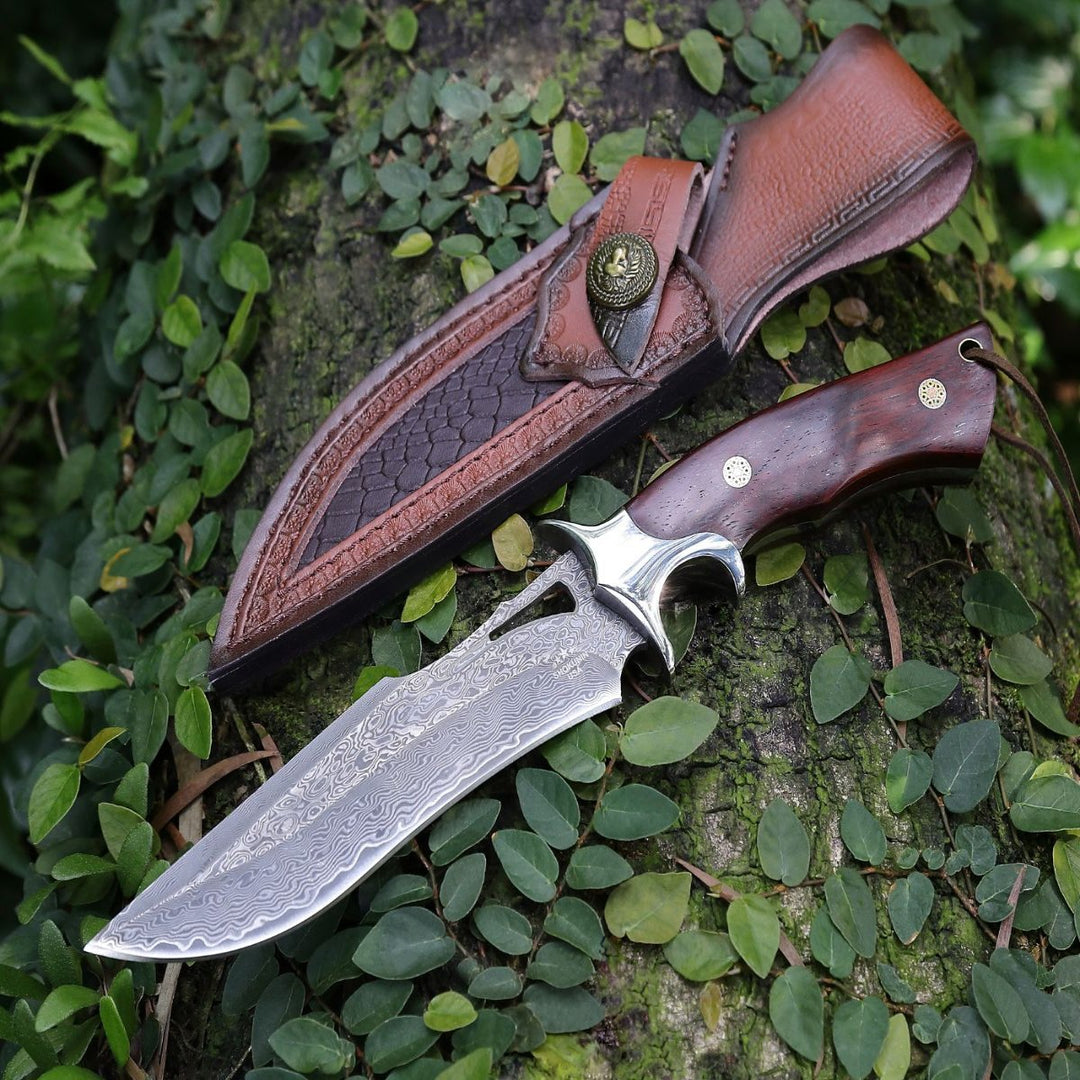
- Materials: Tactical knives are usually made from high-grade stainless steel or Damascus pocket knife blades, ensuring that they withstand wear and tear.
- Design: Tactical knives feature modern designs that may include serrated edges for enhanced cutting efficiency, along with an ergonomic grip for better handling in various conditions.
- Added Features: Many tactical pocket knives also come with additional features such as locking mechanisms, pocket clips, and even built-in tools like screwdrivers or bottle openers.
Why Choose a Tactical Pocket Knife?
If you're often engaged in outdoor activities such as camping, hiking, or hunting, a tactical pocket knife is an excellent choice. Its rugged build and multi-functional design make it reliable for tough tasks. Moreover, many tactical knives are equipped with features designed to aid in emergency scenarios, ensuring you're well-prepared in the face of unpredictability.
The Allure of Traditional Pocket Knives
Traditional pocket knives, on the other hand, evoke a sense of nostalgia and craftsmanship. These knives often boast classic designs that have remained largely unchanged over the years. Here’s what differentiates traditional pocket knives:
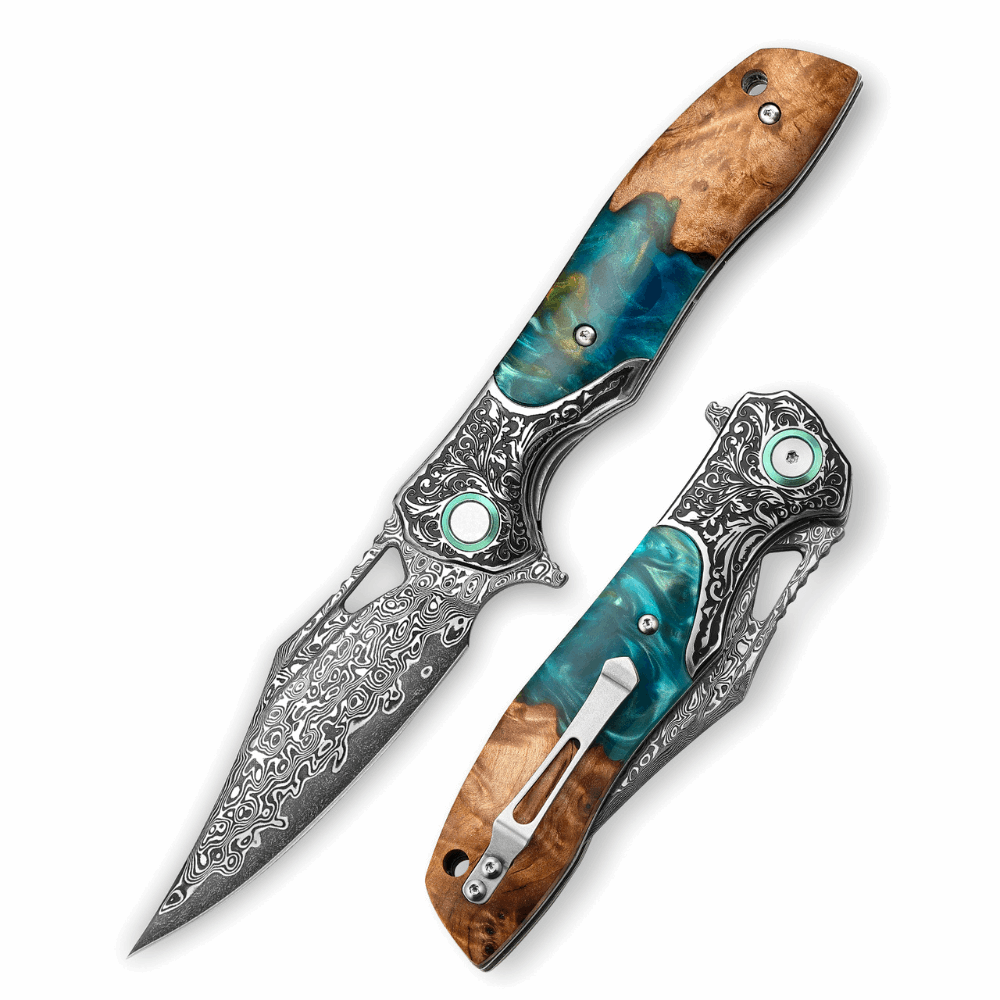
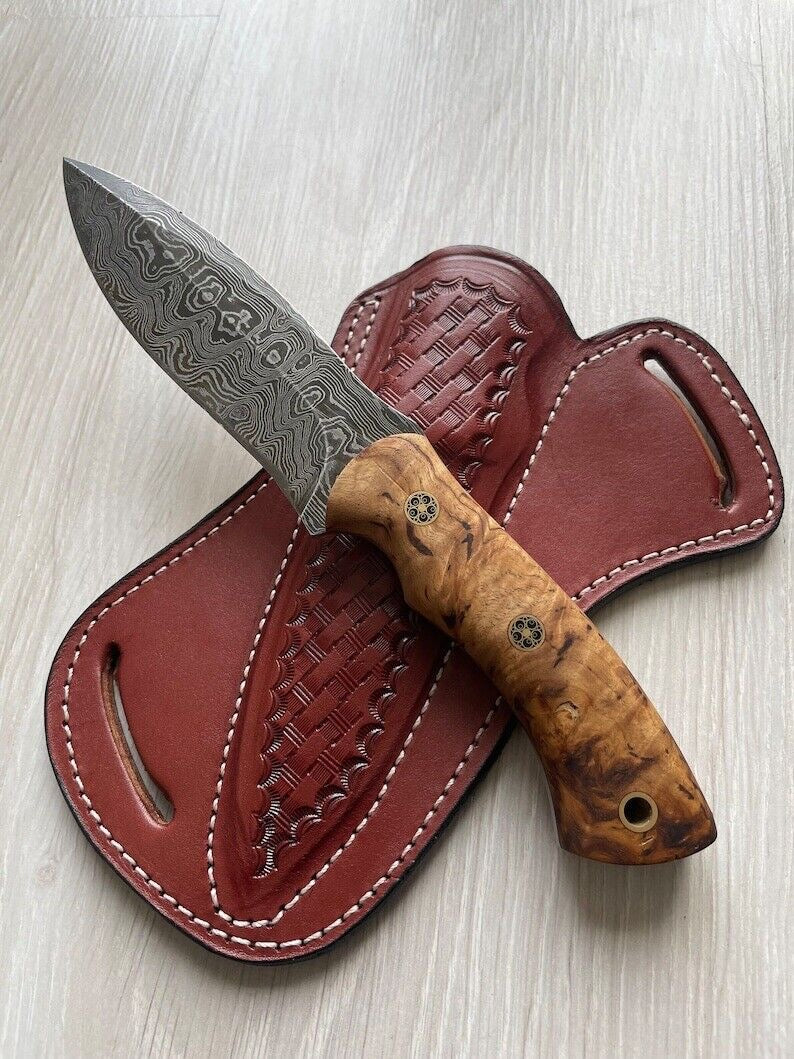
- Aesthetics: Traditional pocket knives often feature intricate designs, beautiful wood or bone handles, and ornate detailing, which appeal to collectors and enthusiasts who appreciate vintage craftsmanship.
- Blade Types: Common blade styles include the clip point, drop point, and tanto. Each design serves different purposes, allowing for precision cutting or utilitarian use.
- Handmade Knives: Many traditional pocket knives are handmade, showcasing the skill and artistry of their makers, which adds significant value and uniqueness.
Benefits of Choosing a Traditional Pocket Knife
For those who appreciate artistry and craftsmanship, traditional pocket knives are captivating items. They serve as reliable companions for daily tasks and evoke a sense of history and legacy. A beautifully crafted handmade knife can provide functionality while being a stunning piece of art.
Comparing Tactical and Traditional Pocket Knives
Now that we have explored the individual characteristics and benefits of tactical and traditional pocket knives, let’s compare them side by side. This comparison will help you weigh the pros and cons of each style and guide you toward the best option.
Functionality
One of the most critical aspects of any pocket knife is its functionality. Tactical knives are designed for utility, often featuring multiple tools and blades that serve specific purposes. Traditional knives, while highly effective for everyday tasks, typically prioritize craftsmanship over multi-functionality. If you need a knife for a variety of demanding conditions, a tactical knife may be your best bet.
Durability
When you consider long-term use and durability, tactical pocket knives generally have the upper hand. With robust materials and reinforced construction, they are built to withstand harsh conditions. Traditional knives, while beautifully made, can sometimes be more delicate and may require extra care to maintain their integrity.
Price Point
The price range for both styles can vary significantly. While tactical knives can be purchased at various price points, many high-quality options are available without breaking the bank. Traditional knives, especially those that are handmade or feature unique craftsmanship, can command higher prices. Consider your budget and the value you place on artistry when making your decision.
Choosing the Right Style for You
Ultimately, the decision between a tactical pocket knife and a traditional one depends on your intended use and personal preference. Here are some tips to guide your choice:
- Assess Your Needs: Are you using the knife for everyday tasks, outdoor adventures, or collectability? Be clear about your intended use before settling on one style.
- Consider Aesthetics: If you prefer a modern look and futuristic features, tactical knives may cater to your taste. If you appreciate vintage styles and artisan craftsmanship, traditional knives could be the right fit.
- Test Before You Buy: Whenever possible, hold and test the knife before purchasing to ensure it fits comfortably in your hand and feels right for your intended use.
Maintenance Tips for Your Pocket Knife
Regardless of whether you choose a tactical or traditional style, maintenance is essential for prolonging the life of your pocket knife. Here are some tips to keep your knife in excellent condition:
- Regular Cleaning: After each use, clean your knife to remove dirt and debris. A damp cloth works well for wiping down stainless steel blades.
- Oiling the Blade: Apply a few drops of quality lubricant to the pivot area to keep the blade opening smoothly.
- Sharpening: Regularly sharpen your knife for optimal performance. Use a whetstone or knife sharpener for best results.
- Safe Storage: When not in use, store your knife in a secure place to prevent damage or accidents.
The Perfect Final Piece to Your EDC Setup
Your choice between a tactical and traditional pocket knife is a reflection of your personality and lifestyle. Whether you opt for the rugged reliability of tactical knives or the timeless elegance of traditional designs, investing in the right pocket knife will undoubtedly enhance your daily life. Remember, the best pocket knife is one that aligns with your values and meets your needs.
Ultimately, regardless of the style you choose, having a quality pocket knife on hand is an empowering way to tackle any situation. Embrace the journey of selecting the perfect knife, and let your choice serve as a trusty companion for years to come!
Frequently Asked Questions
1. What are the main differences between tactical and traditional pocket knives?
2. Who typically prefers tactical pocket knives?
3. What characteristics define traditional pocket knives?
4. How do I decide between a tactical and a traditional pocket knife?
5. What maintenance tips should I follow to care for my pocket knife?
Glossary
| Term | Meaning |
|---|---|
| Pocket Knife | A versatile, foldable knife used for various tasks. |
| Tactical Knife | A knife designed for utility and durability, often with modern features. |
| Traditional Knife | A knife with classic designs, often emphasizing craftsmanship and aesthetics. |
| Blade Types | Different shapes of knife blades, like clip point and drop point, serving various purposes. |
| Durability | The ability of a knife to withstand wear and harsh conditions over time. |
| Ergonomic Grip | A handle design that provides comfort and better handling during use. |
| Maintenance | Regular care practices to keep a knife in optimal working condition. |
| Collectability | The appeal of a knife to collectors, often based on design or rarity. |
| Locking Mechanism | A feature that secures the blade in place when opened for safety. |
| Sharpening | The process of honing a knife's edge for improved cutting performance. |
Linked Product

Nebula Damascus Pocket Knife with Bone Handle
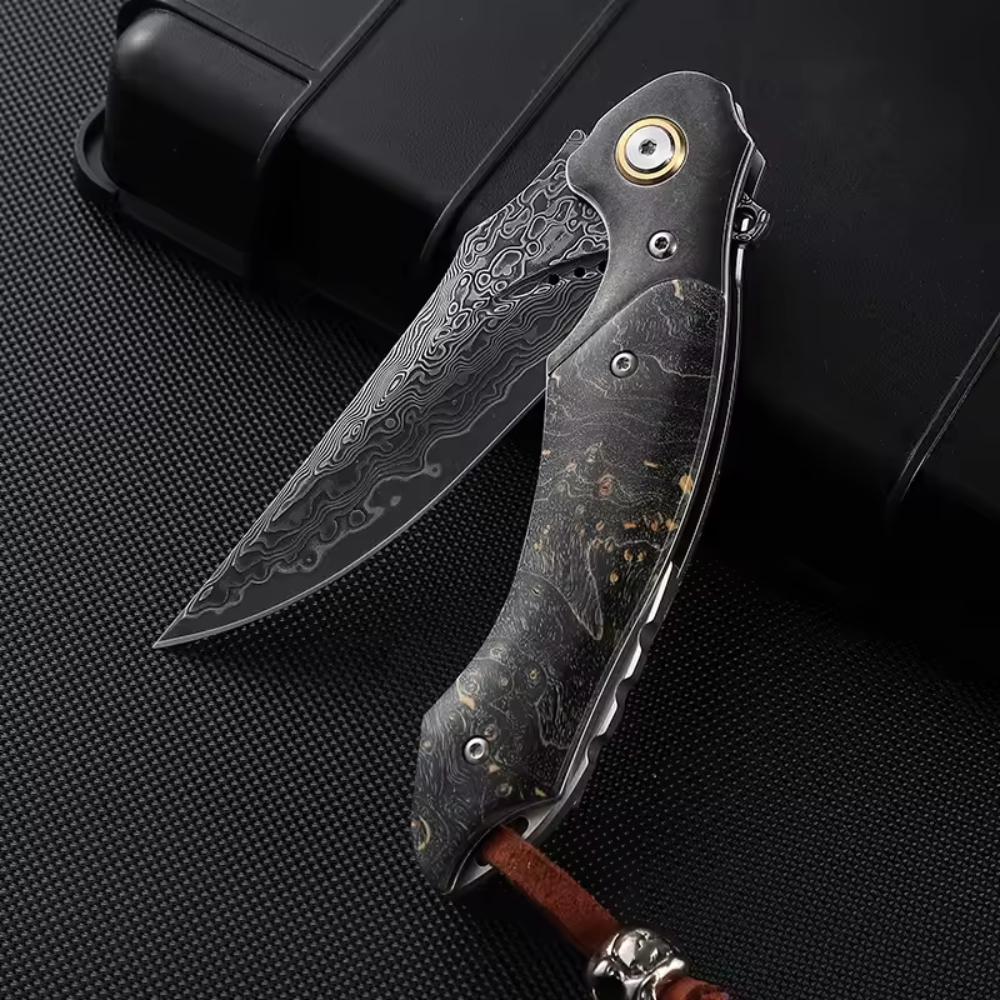
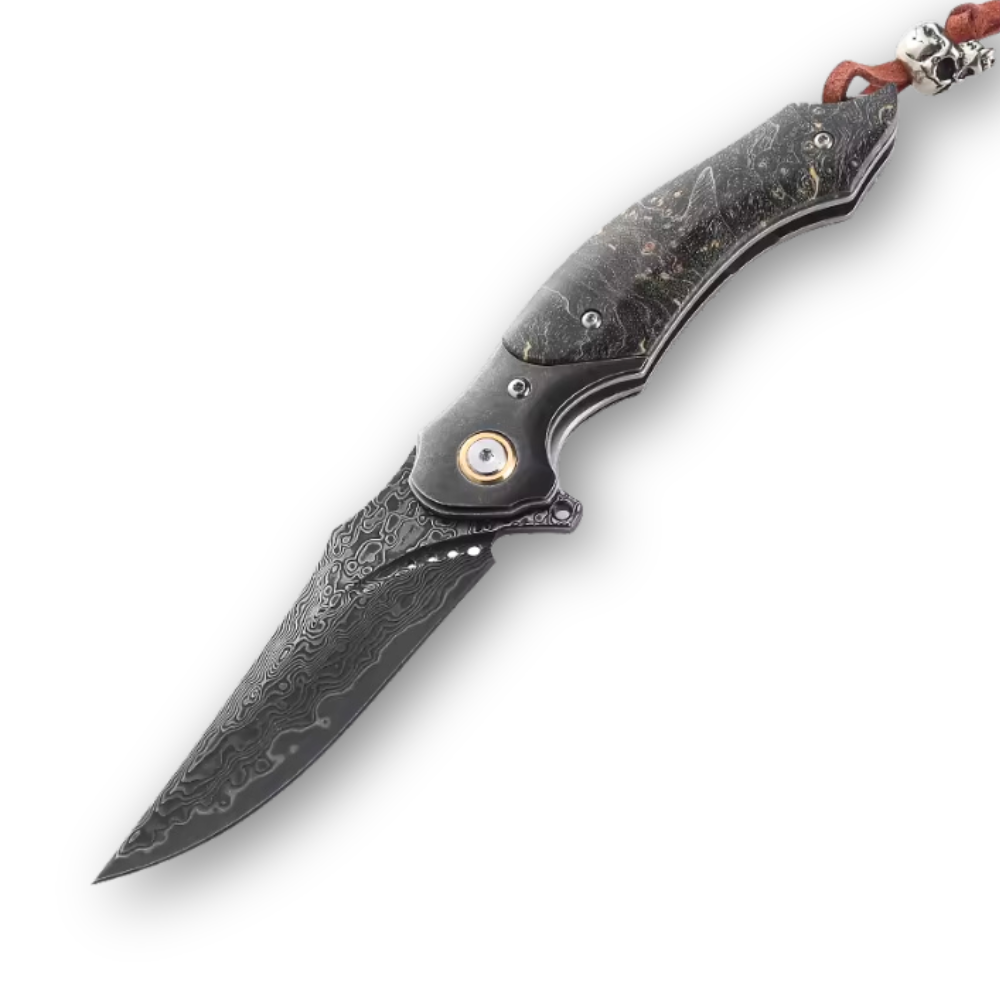
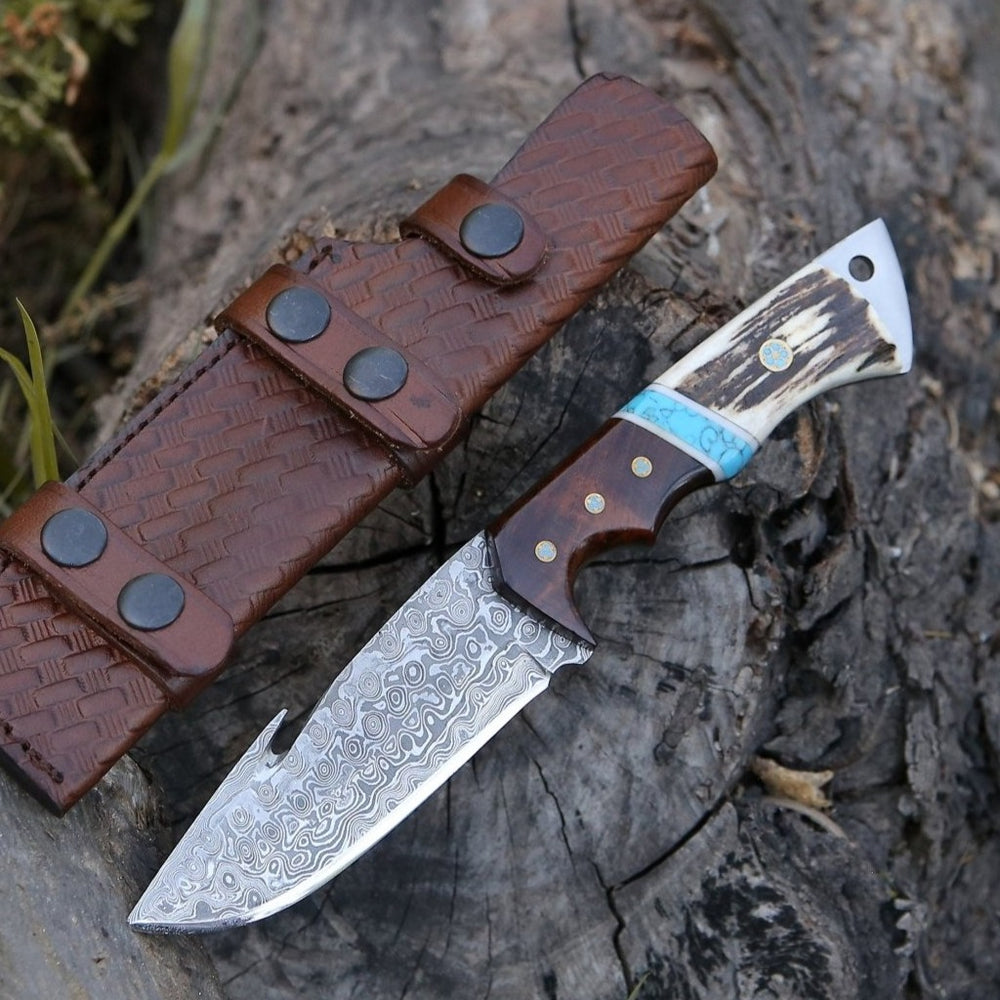
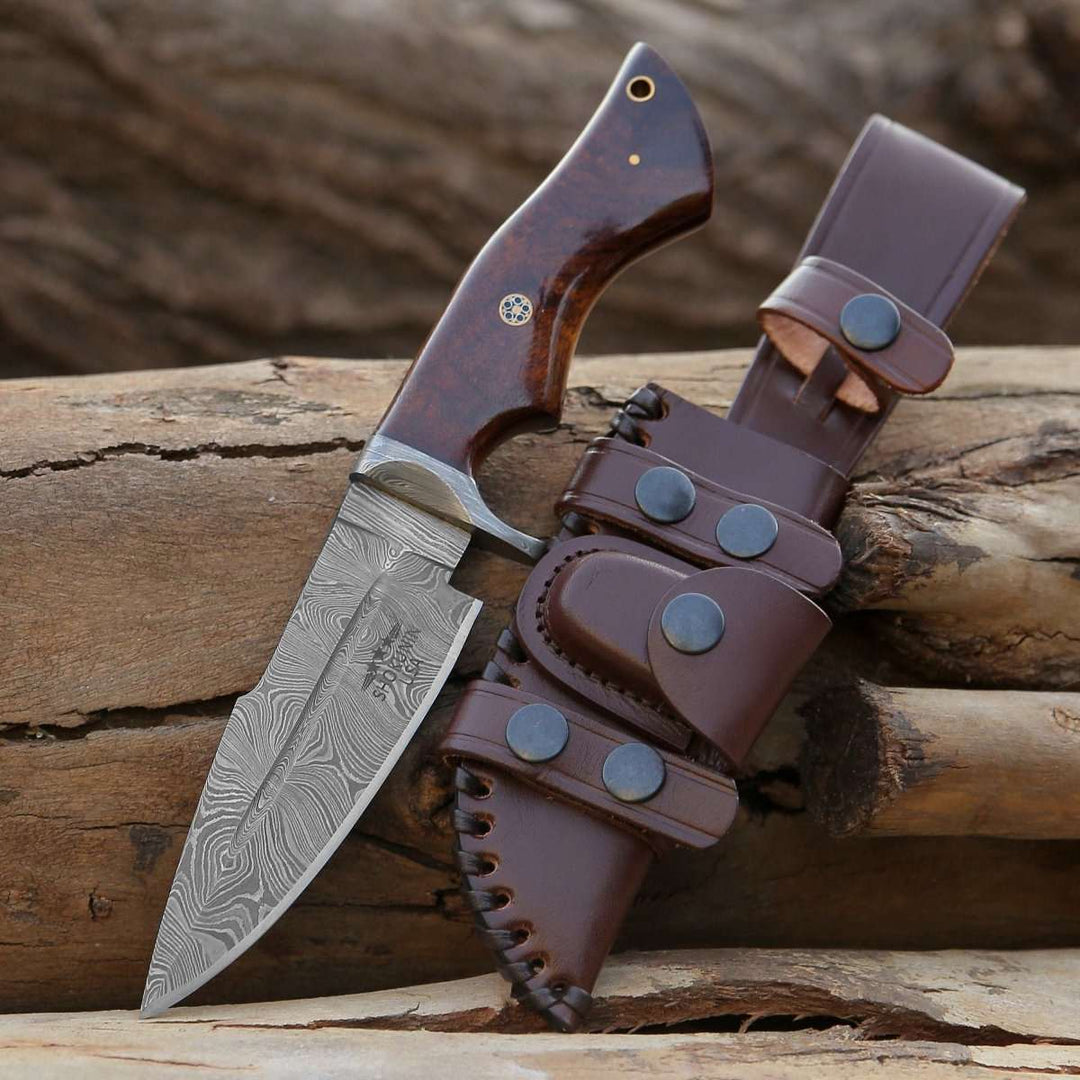
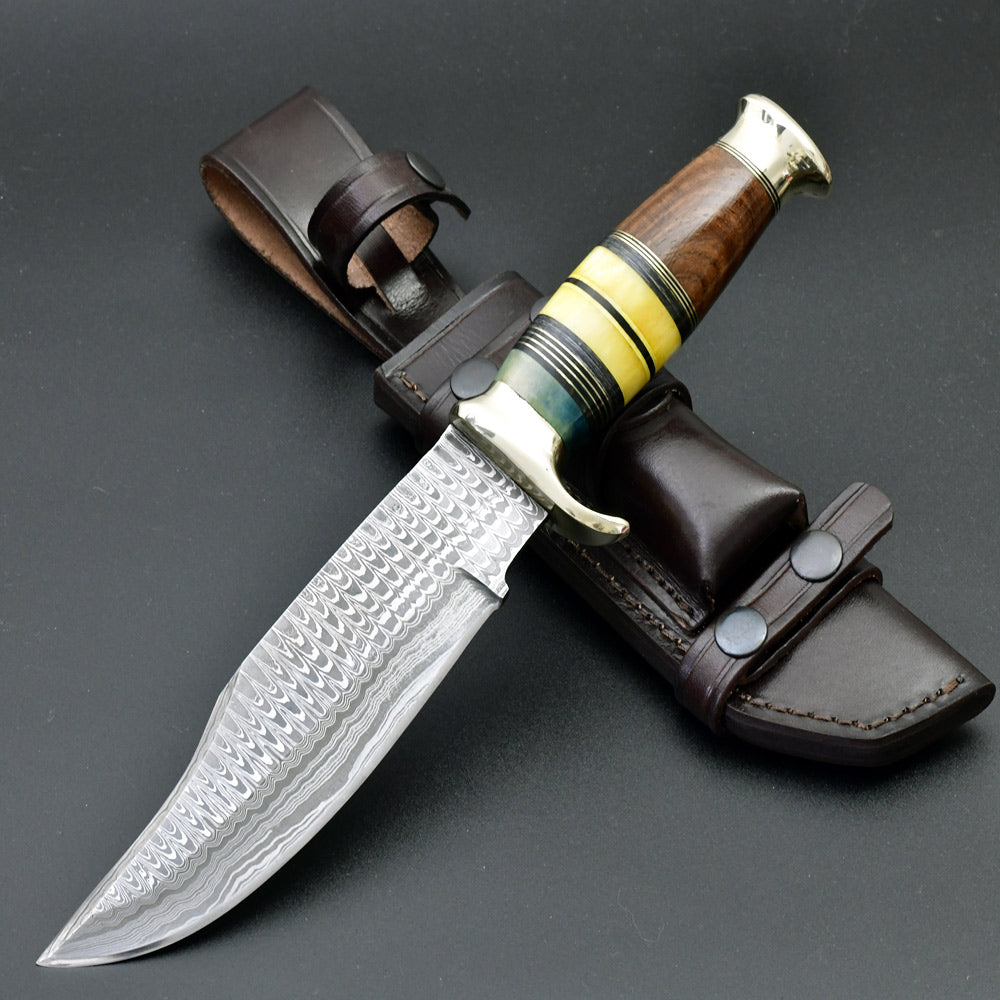
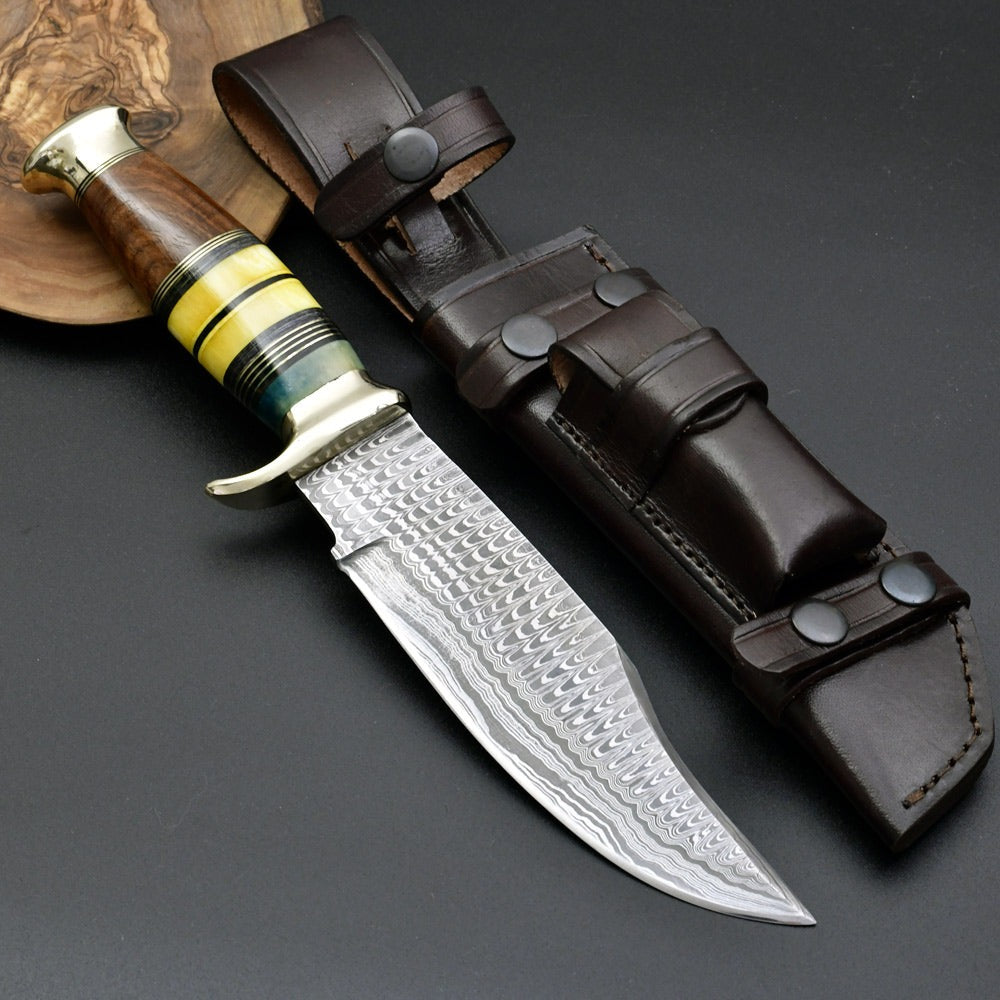
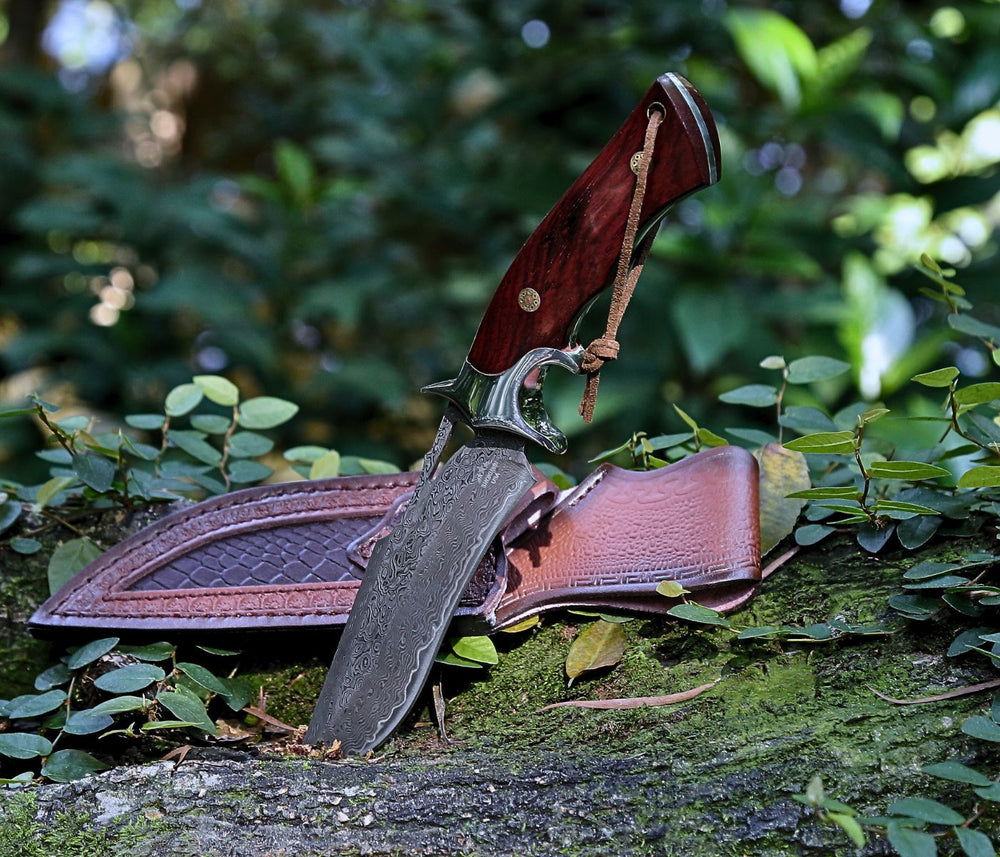
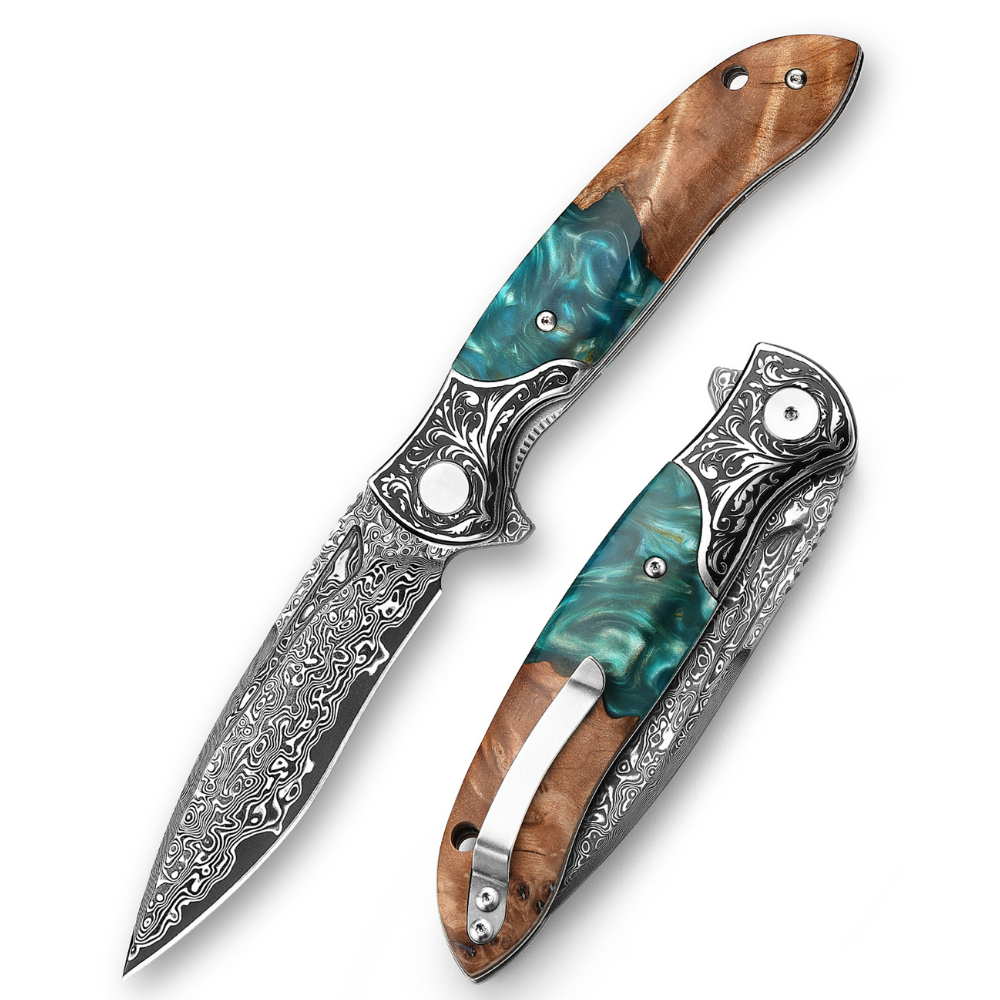
The Nebula Damascus Pocket Knife features a hand-forged Damascus blade renowned for its strength and exceptional edge retention, making it suitable for various tasks. Its ergonomic bone handle ensures a comfortable grip, while the included hand-stitched leather sheath provides convenient storage and accessibility. This knife is an excellent choice for outdoor enthusiasts and collectors, blending practicality with unique artistry.
View Product






Leave a comment