


Overview
When choosing a pocket knife, consider essential features like blade material (stainless steel, carbon steel, or Damascus steel), blade shape, handle construction, ergonomics, opening and locking mechanisms, size and weight, multi-functionality, aesthetics, price vs. quality, and legal considerations. A well-selected pocket knife can serve daily needs, outdoor activities, or collectible purposes, reflecting your personality and lifestyle.
Table of Contents
- Understanding the Basics of Pocket Knives
- Blade Material: The Heart of the Knife
- Blade Shape: Functionality Matters
- Handle Construction: A Grip to Trust
- Ergonomics: Comfort is Key
- Blade Mechanism: Opening with Ease
- Locking Mechanism: Safety First
- Size and Weight: Finding the Right Balance
- Multi-functionality: Beyond the Blade
- Aesthetics: A Personal Touch
- Price vs. Quality: Finding Your Fit
- Legal Considerations: Stay Informed
- Choosing a Reputable Retailer
- Your Perfect Pocket Knife Awaits
Key Takeaways
- Blade Material: Choose between stainless steel for rust resistance, carbon steel for edge retention, or Damascus steel for durability and aesthetics.
- Blade Shape: Consider blade shapes like drop point for versatility, clip point for piercing, and spear point for stabbing tasks.
- Handle Construction: Select a handle made from wood for comfort, plastic for lightweight durability, or metal for sturdiness.
- Locking Mechanism: Ensure safety with reliable locks such as frame locks, liner locks, or traditional lockbacks.
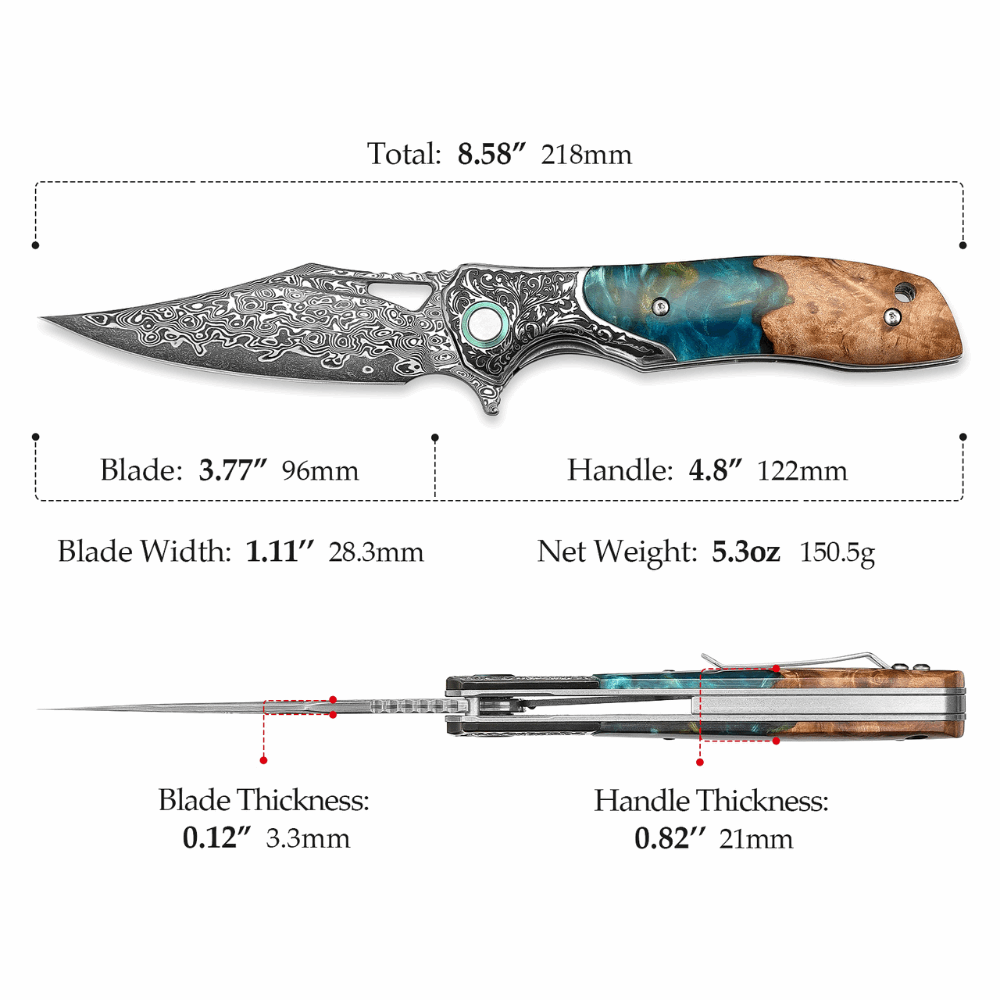
- Size and Weight: Balance blade length (2.5 to 4 inches recommended) and weight according to your intended use, whether for daily carry or outdoor activities.
- Multi-functionality: Look for pocket knives that include additional tools like screwdrivers or bottle openers for enhanced practicality.
- Legal Considerations: Research local laws regarding knife carry to avoid legal issues related to blade length and mechanisms.
When it comes to choosing a pocket knife, whether for everyday carry, outdoor adventures, or as a collector’s item, knowing what to look for in a quality knife can make all the difference. With an immense variety on the market today, you might find yourself overwhelmed by the options. In this guide, we delve into the essential features to keep in mind, helping you to confidently select the ideal Damascus pocket knife or handmade knives that suit your lifestyle.
Understanding the Basics of Pocket Knives
A pocket knife is a versatile tool that can serve multiple functions. Whether you need it for daily tasks or specific hobbies like camping or fishing, the right pocket knife will be reliable and durable. To ensure you make an informed decision, it's important to understand the vital components that contribute to a pocket knife's quality and performance.
Blade Material: The Heart of the Knife
The blade material significantly influences the knife's longevity and effectiveness. When shopping for a quality pocket knife, look for materials that maintain a sharp edge and resist corrosion. Here are some common blade materials to consider:
- Stainless Steel: Common in pocket knives for its rust resistance.
- Carbon Steel: Renowned for edge retention and ease of sharpening, though prone to rust.
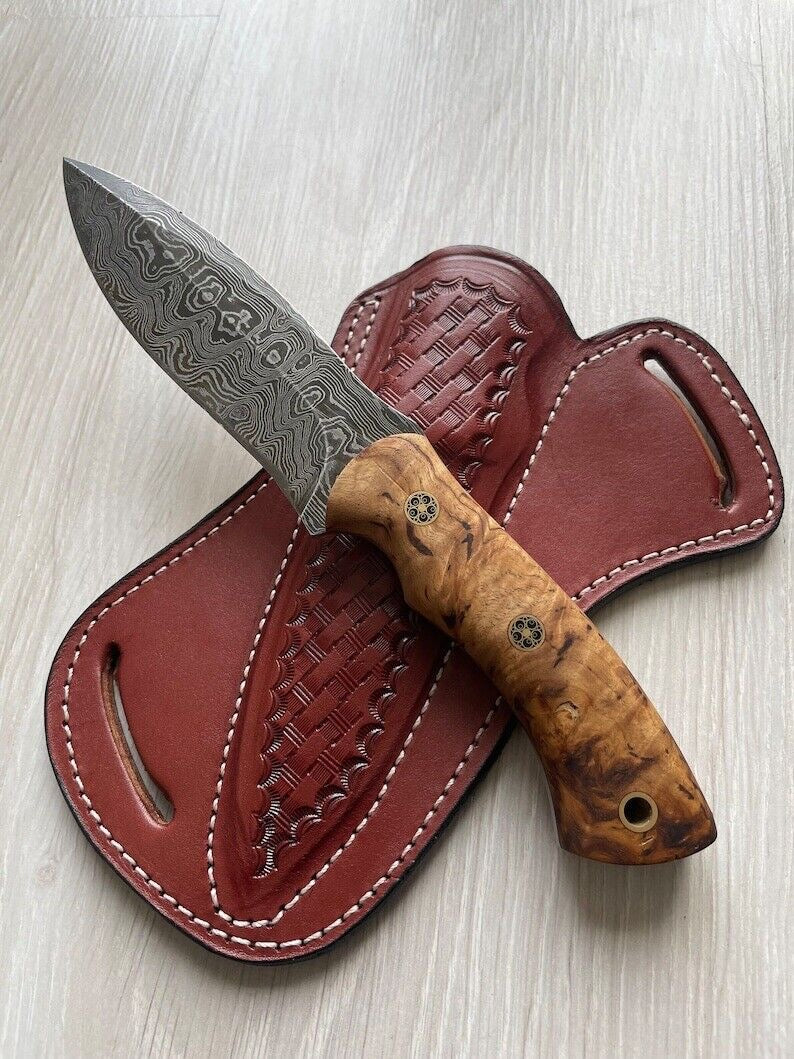
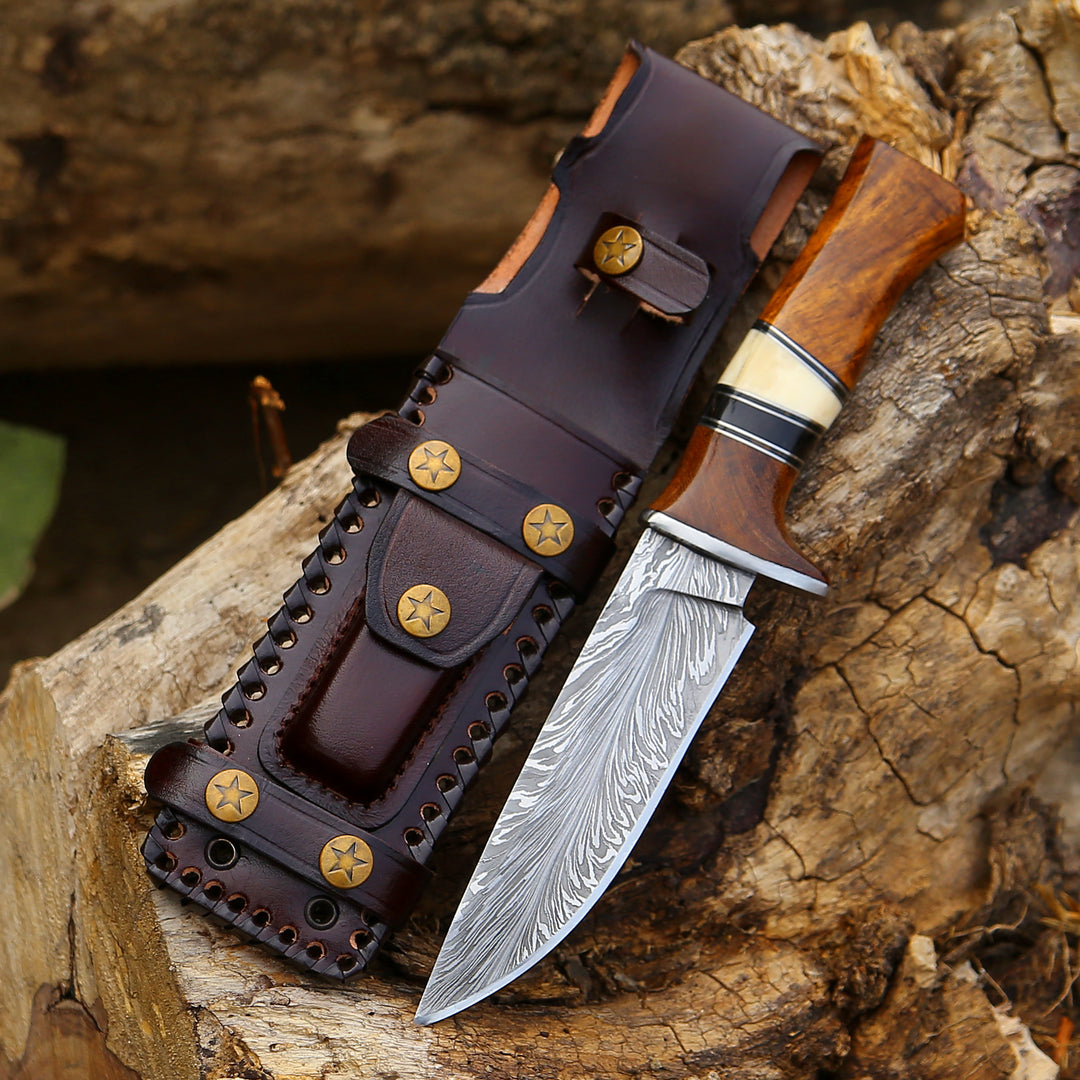
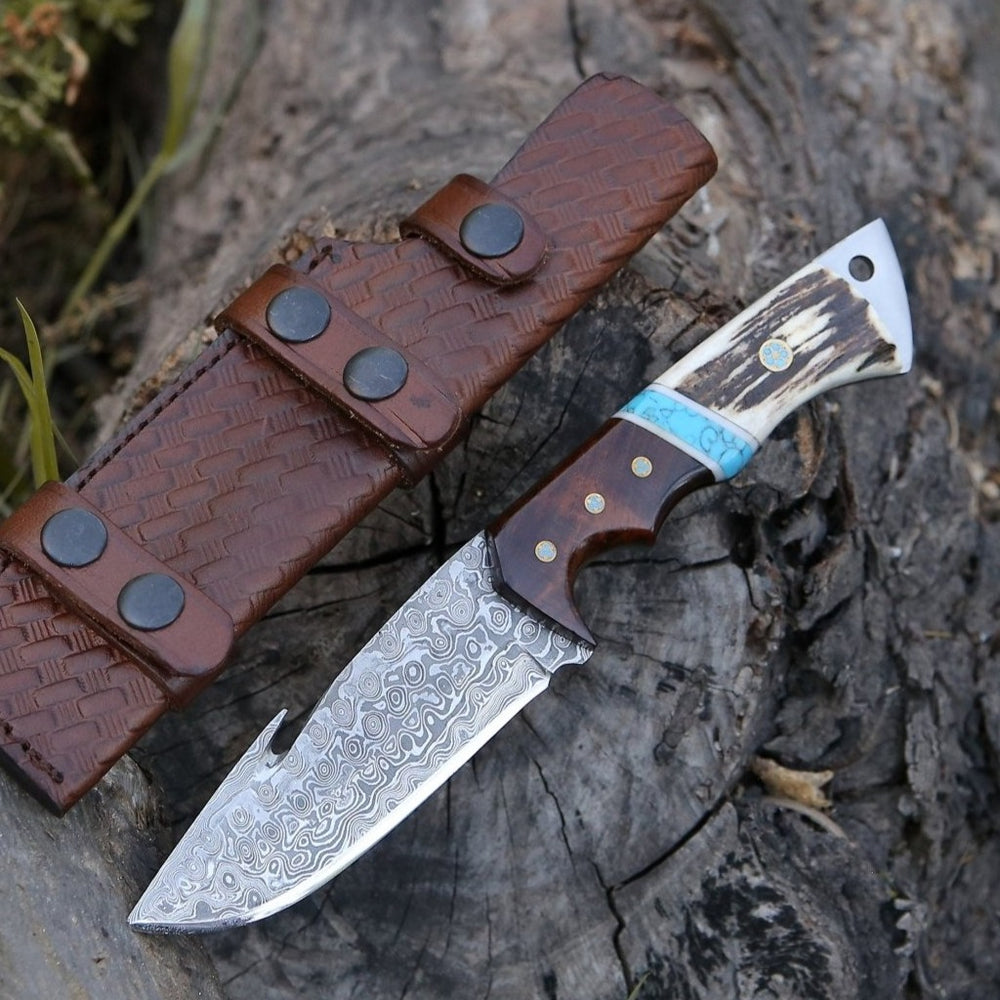
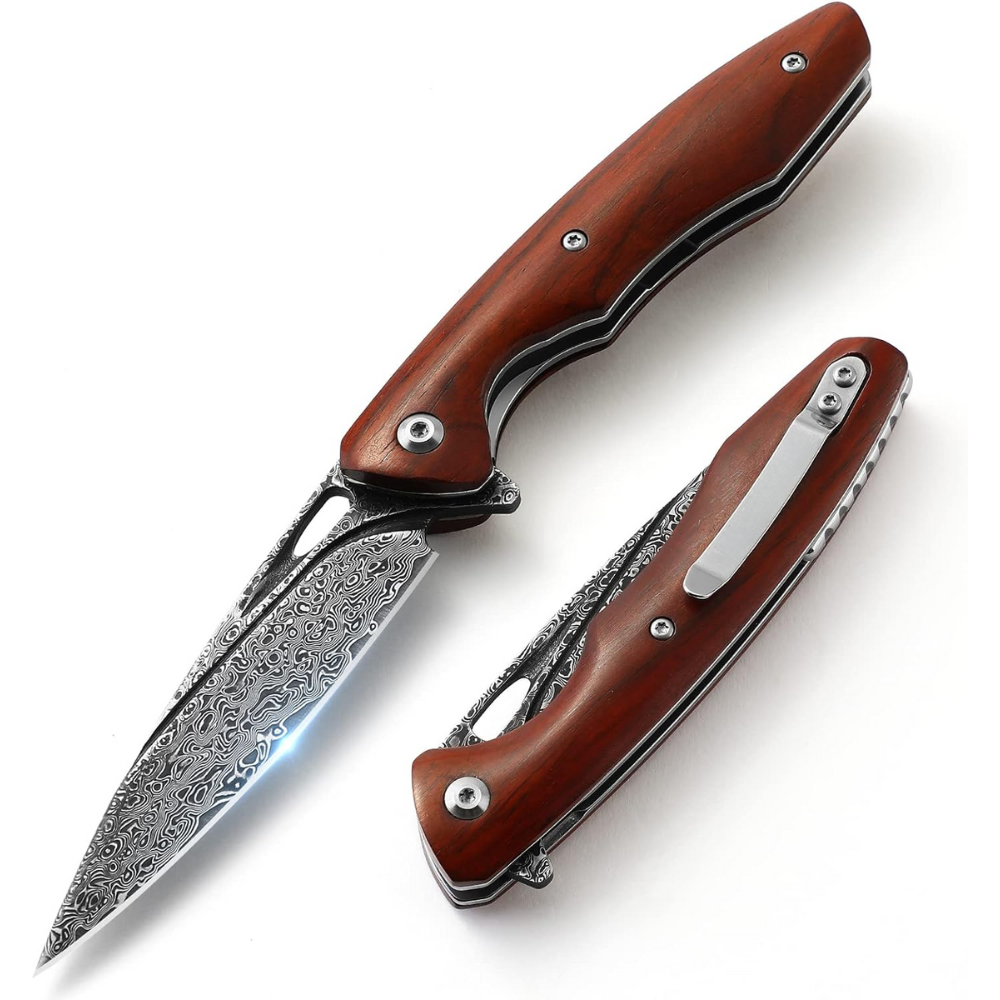
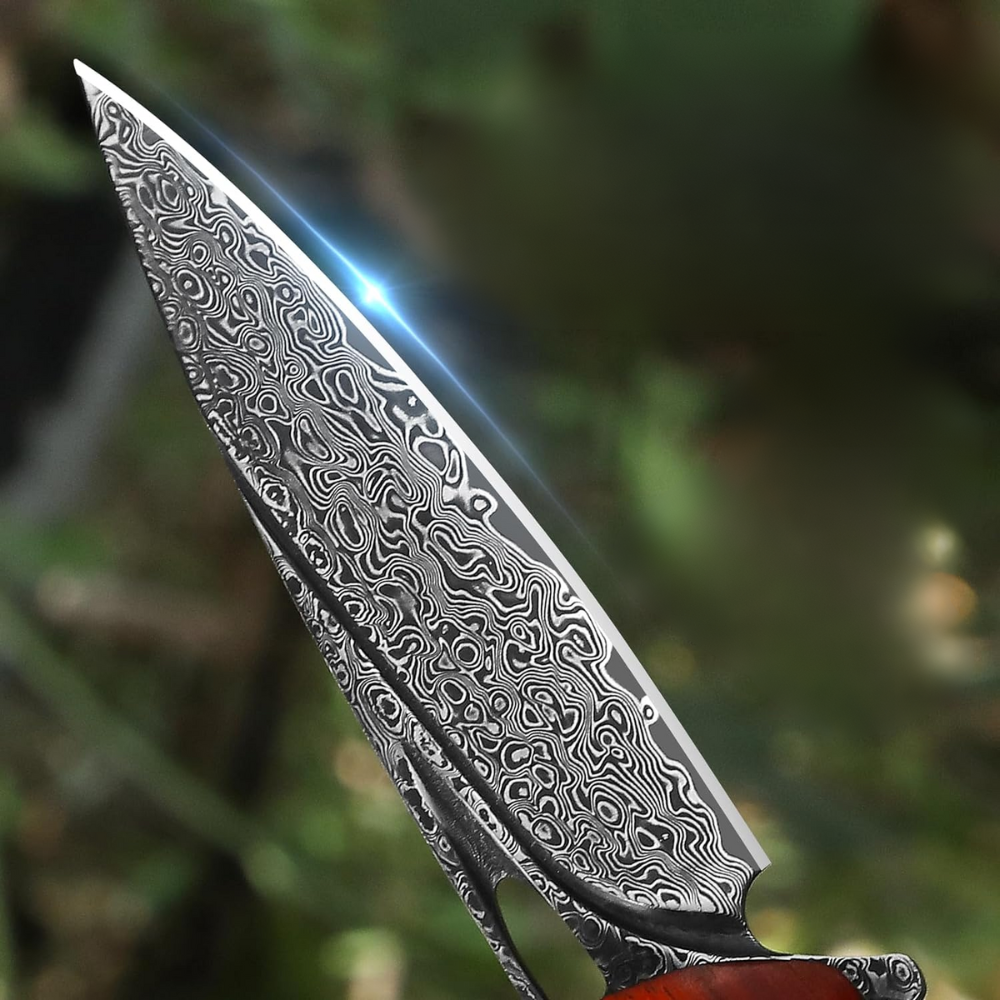
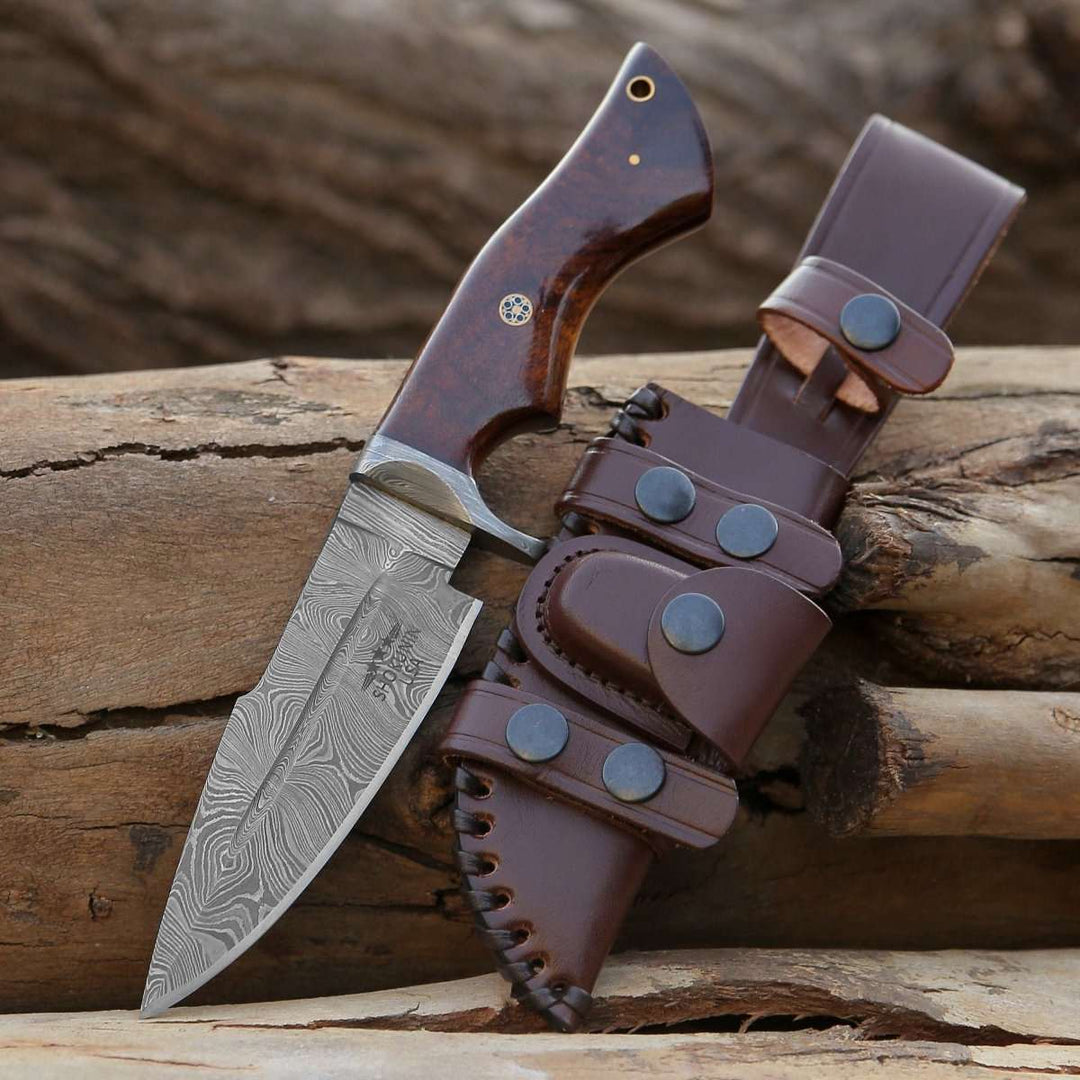
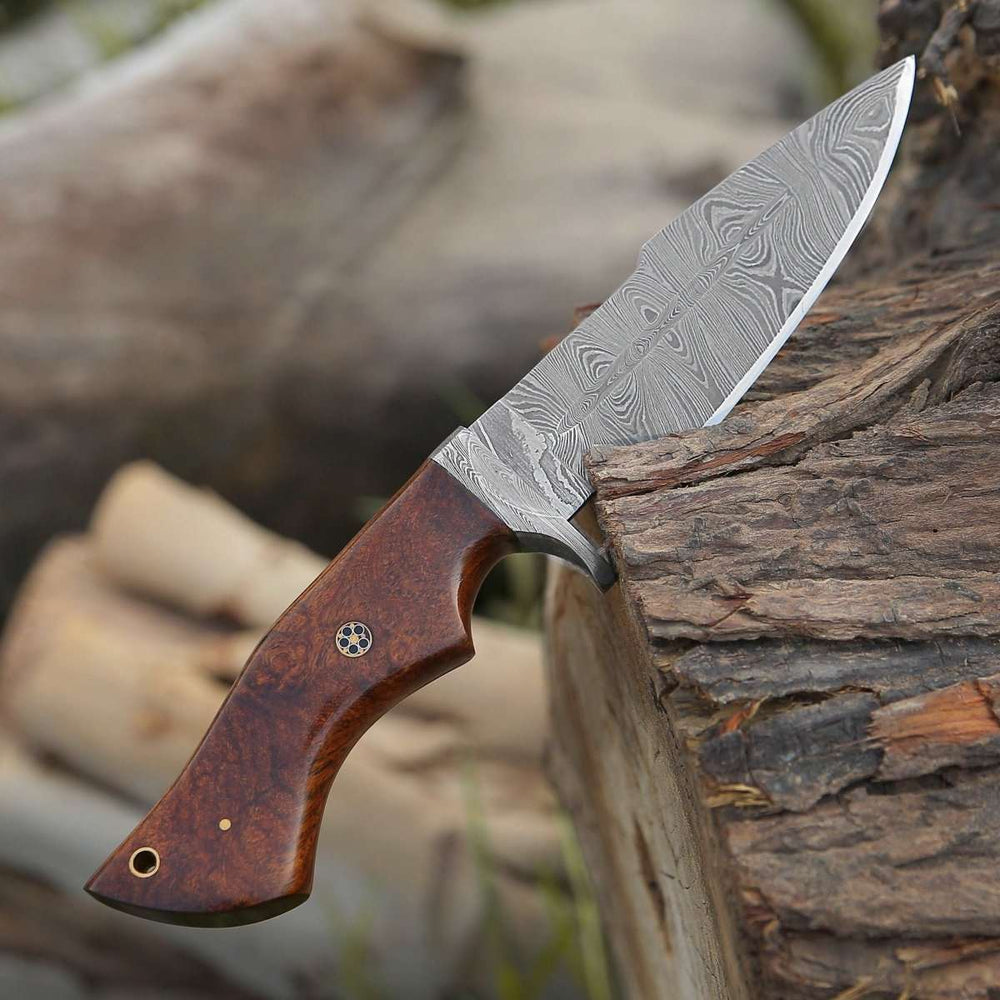
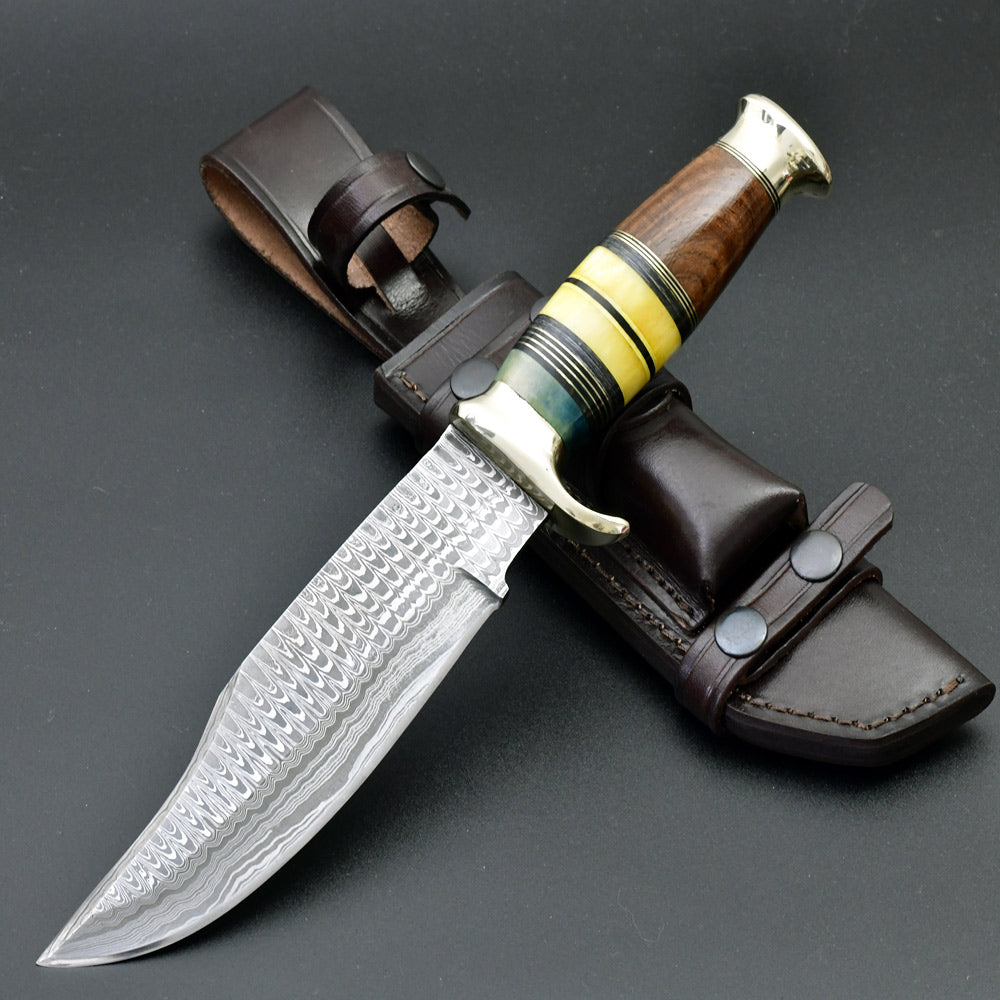
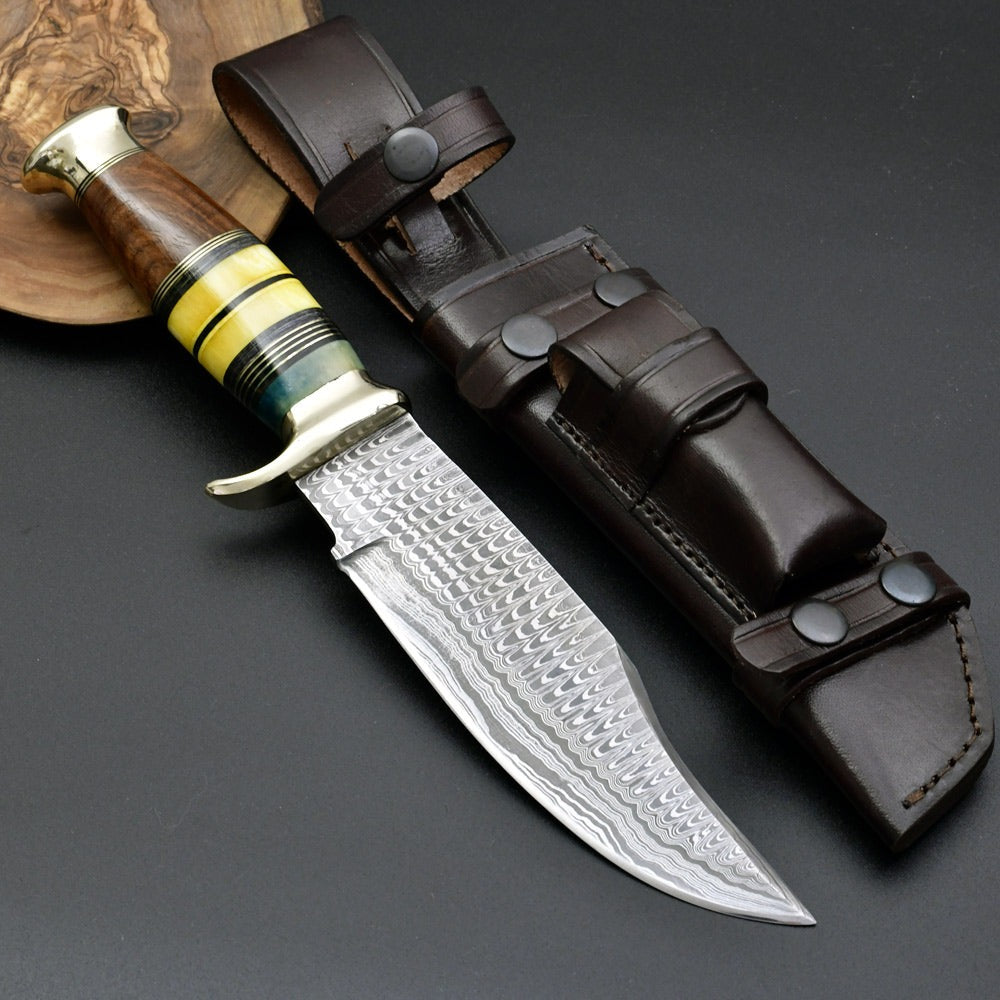
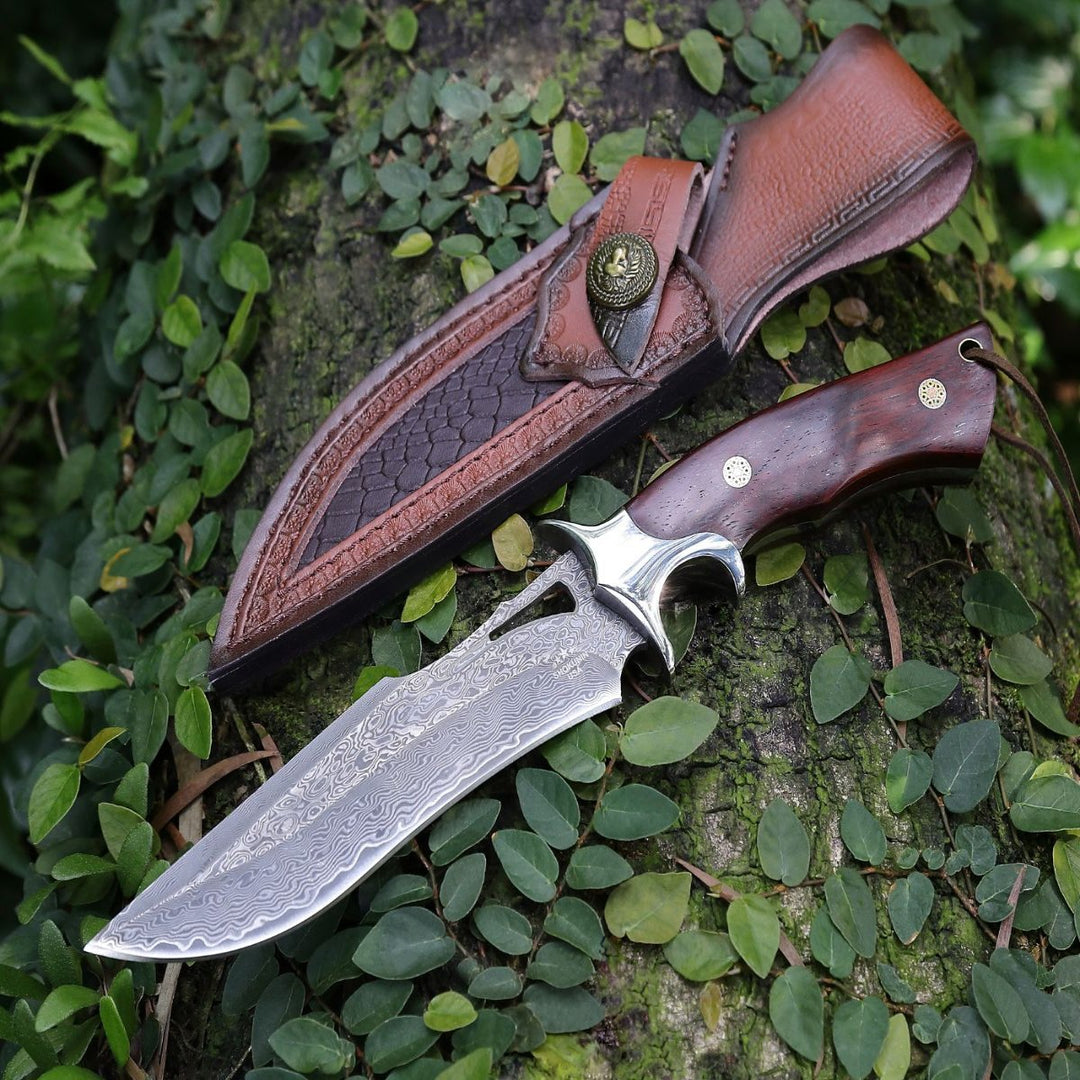
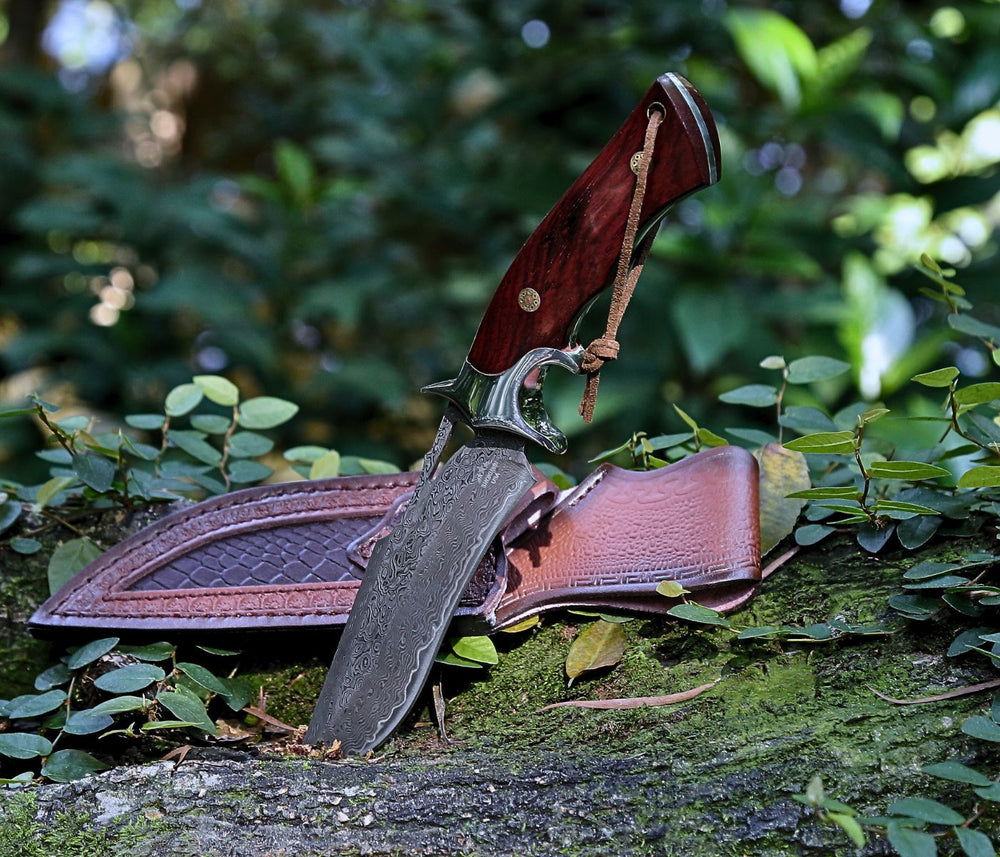
- Damascus Steel: Famous for both aesthetic appeal and functional strength, a Damascus pocket knife combines layers of different metals for superior durability and sharpness.
Blade Shape: Functionality Matters
The shape of the blade impacts its ability to perform various tasks. Here are popular blade shapes you'll want to consider:
- Drop Point: Known for its versatility, perfect for slicing and puncturing.
- Clip Point: Its pointed tip is excellent for piercing tasks.
- Spear Point: Ideal for stabbing and has a symmetrical shape for balanced cutting.
Handle Construction: A Grip to Trust
The handle of your pocket knife should provide a comfortable, secure grip. Handles may be made from various materials, including:
- Wood: Offers a classic look and a comfortable feel. Handmade knives often feature wooden handles for that unique touch.
- Plastic or Nylon: Lightweight and durable, often used in budget-friendly models.
- Metal: Provides sturdiness and an elegant finish but can be heavier.
Ergonomics: Comfort is Key
Since a pocket knife is often used for extended periods, consider ergonomics when selecting your knife. A well-designed handle should fit comfortably in your hand, minimizing fatigue during use. Additionally, check for textured surfaces or finger grooves that might enhance your grip.
Blade Mechanism: Opening with Ease
The opening mechanism of a pocket knife affects its usability. Here are the common types:
- Manual Folding: You must manually open these knives; they're reliable and often feature stronger locks.
- Assisted Opening: With a slight push, the knife opens faster, merging convenience with a traditional feel.
- Automatic: Push a button, and your knife is ready to go; however, these may be subject to legal restrictions in some areas.
Locking Mechanism: Safety First
A sturdy locking mechanism is essential to ensure safety during use. Different types of locks include:
- Frame Lock: The handle itself serves as the lock, providing solid security.
- Liner Lock: A liner inside the handle secures the blade in place, offering a blend of strength and accessibility.
- Lockback: A traditional method where a back spring secures the blade; it is a very safe option.
Size and Weight: Finding the Right Balance
When selecting a pocket knife, size and weight play a crucial role in its practicality. Consider the following:
- Blade Length: While shorter blades are more manageable, longer blades often perform more tasks. A common length for everyday carry ranges from 2.5 to 4 inches.
- Weight: A lighter knife is ideal for everyday carry, while a heavier option may serve better for outdoor activities. Balancing durability and weight is vital.
Multi-functionality: Beyond the Blade
Some pocket knives come with additional tools, such as screwdrivers, bottle openers, and even scissors. While traditionalist knife lovers might prefer a simple design, having multiple tools can significantly increase practicality, especially for outdoor enthusiasts or those frequently faced with various tasks.
Aesthetics: A Personal Touch
A pocket knife is not just a tool; it can also serve as a personal accessory or a collector's item. Whether you prefer a classic look, modern materials, or artisanal craftsmanship, aesthetics can play a role in your decision. For instance, Damascus pocket knives are known for their stunning patterns, as each piece is unique, making it visually striking and functional.
Price vs. Quality: Finding Your Fit
While high-quality knives often come with a higher price tag, it’s essential to find the right balance between cost and functionality. Consider the frequency with which you’ll use the knife and determine a budget that allows you to invest in a reputable name. Remember, a well-made knife can be a lifelong investment.
Legal Considerations: Stay Informed
Before purchasing a pocket knife, familiarize yourself with local laws regarding knife carry. Different regions have varying regulations regarding blade length, locking mechanisms, and overall knife classification. Stay informed to avoid any legal trouble and ensure your knife becomes a useful companion rather than a troublesome possession.
Choosing a Reputable Retailer
When purchasing your new pocket knife, select a reputable retailer. Whether you are buying a Damascus pocket knife or exploring handmade knives, a trusted source guarantees quality. Look for retailers that provide detailed descriptions, customer reviews, and solid return policies. That way, you can ensure your purchase meets all necessary standards.
Your Perfect Pocket Knife Awaits
Finding the ideal pocket knife involves careful consideration of various features, including blade materials, handle design, ergonomics, and locking mechanisms. Whether you lean towards a stunning Damascus pocket knife for its beauty or a functional handmade knife for everyday use, remembering these essential features ensures you make a well-informed decision. A quality pocket knife is not just a tool; it is an extension of your personality and needs. So take your time, shop smart, and find a knife that you'll want to carry with you everywhere!
Frequently Asked Questions
1. What should I consider when choosing a pocket knife?
2. What are common blade materials for pocket knives?
3. What is the importance of the handle construction in a pocket knife?
4. Why is the locking mechanism important in a pocket knife?
5. What should I know about legal considerations when carrying a pocket knife?
Glossary
| Term | Meaning |
|---|---|
| Blade Material | Substance used for the knife blade affecting durability and sharpness. |
| Stainless Steel | Rust-resistant material commonly used in pocket knives. |
| Damascus Steel | Layered metal known for strength and unique patterns. |
| Blade Shape | Design of the blade influencing its functionality. |
| Ergonomics | Design features that enhance comfort and reduce fatigue. |
| Locking Mechanism | System ensuring the blade stays securely in place during use. |
| Multi-functionality | Inclusion of additional tools beyond the knife blade. |
| Price vs. Quality | Balance between cost and the knife's performance and durability. |
| Legal Considerations | Local laws governing knife ownership and carry regulations. |
| Reputable Retailer | A trusted seller ensuring quality and reliable service. |
Linked Product

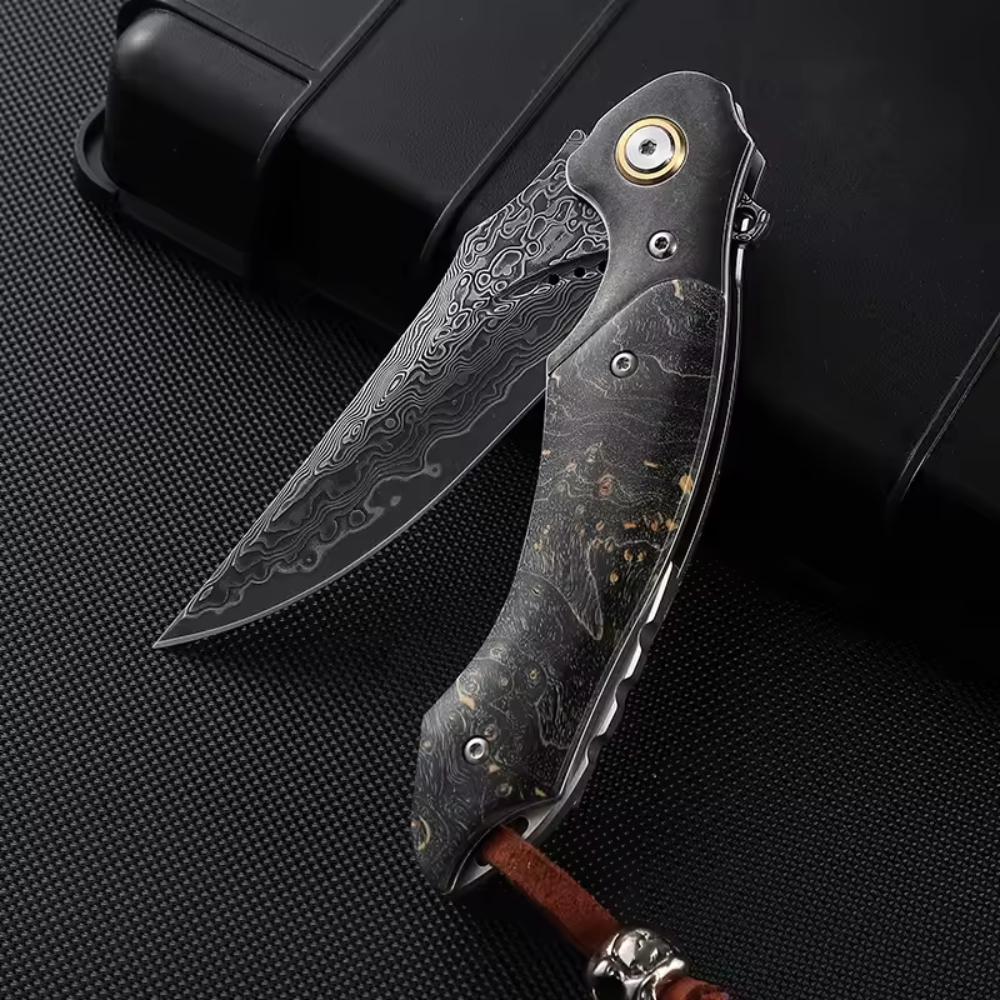
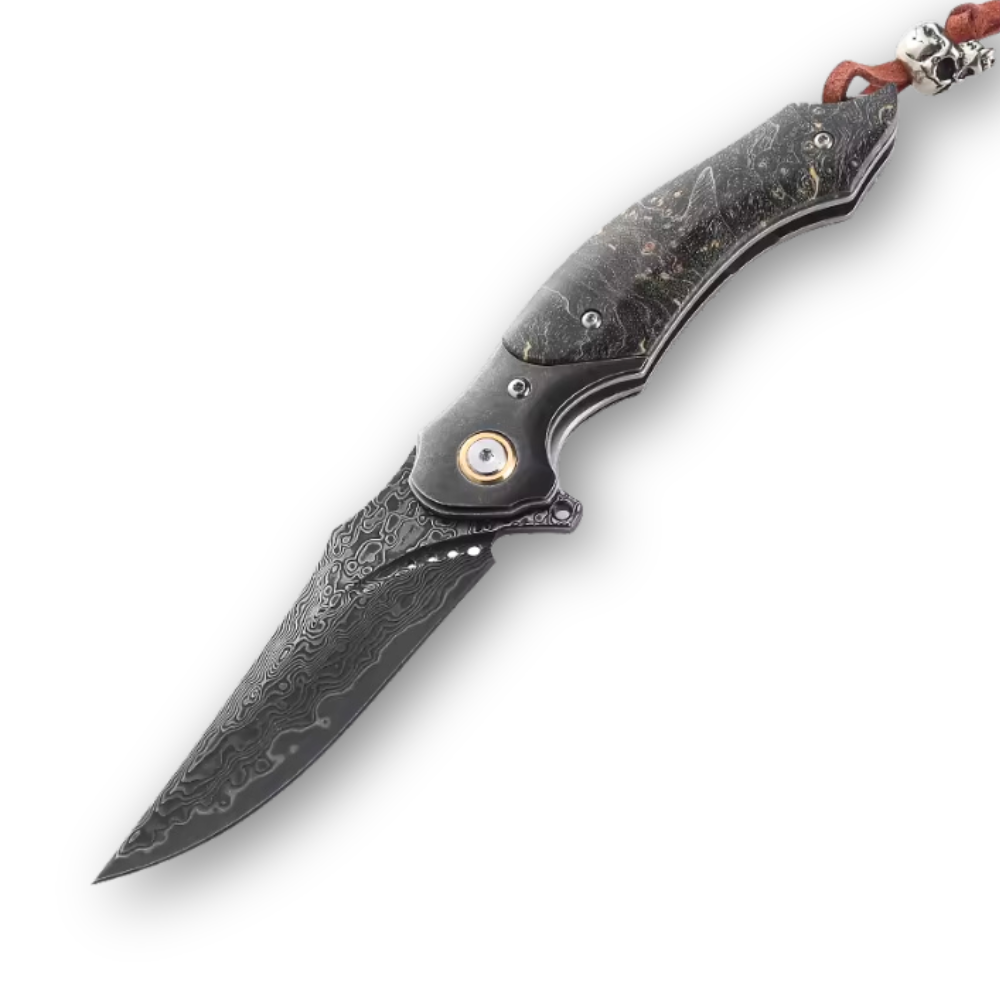
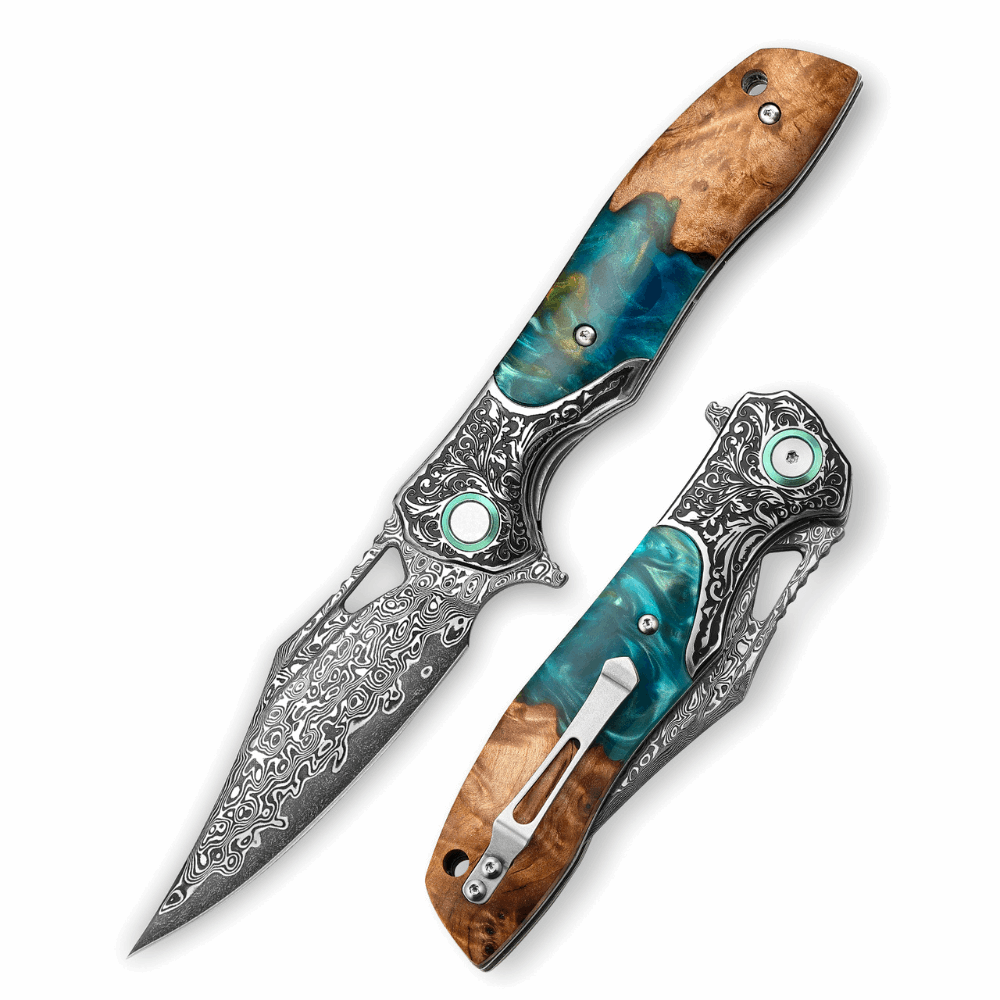
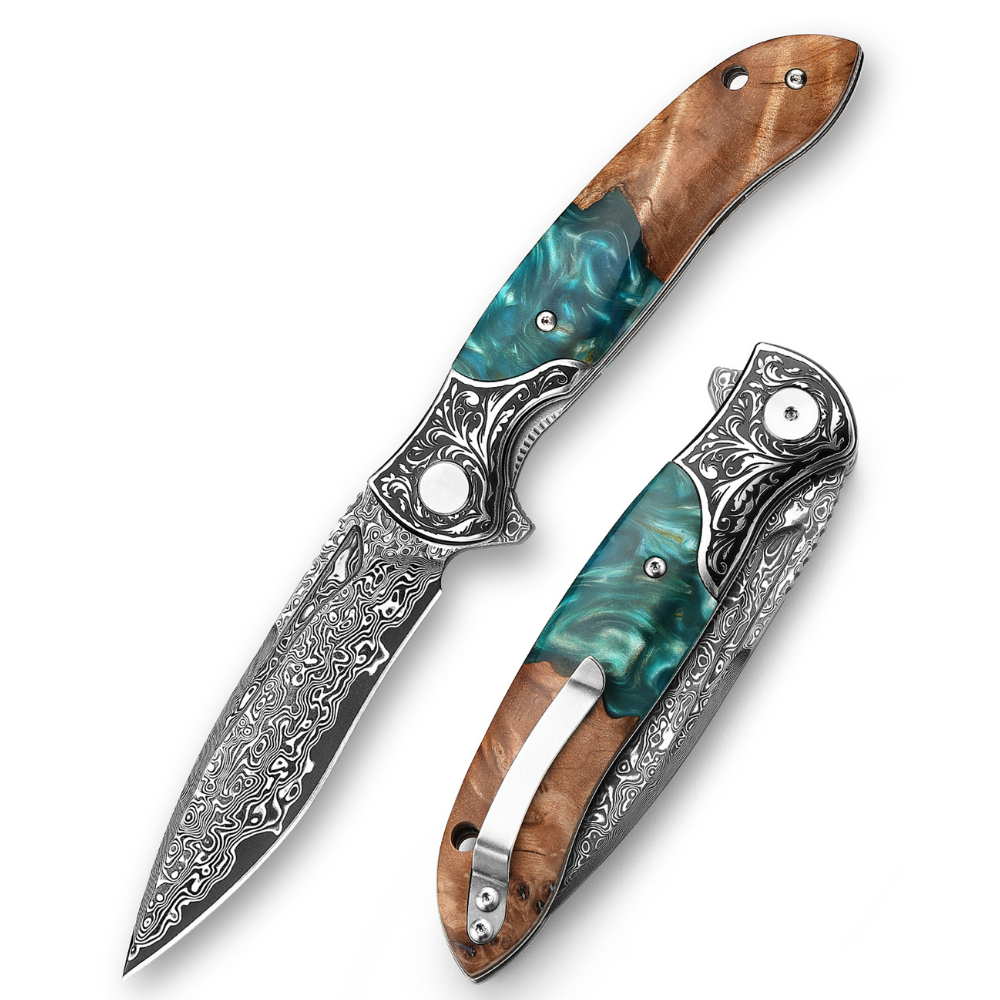
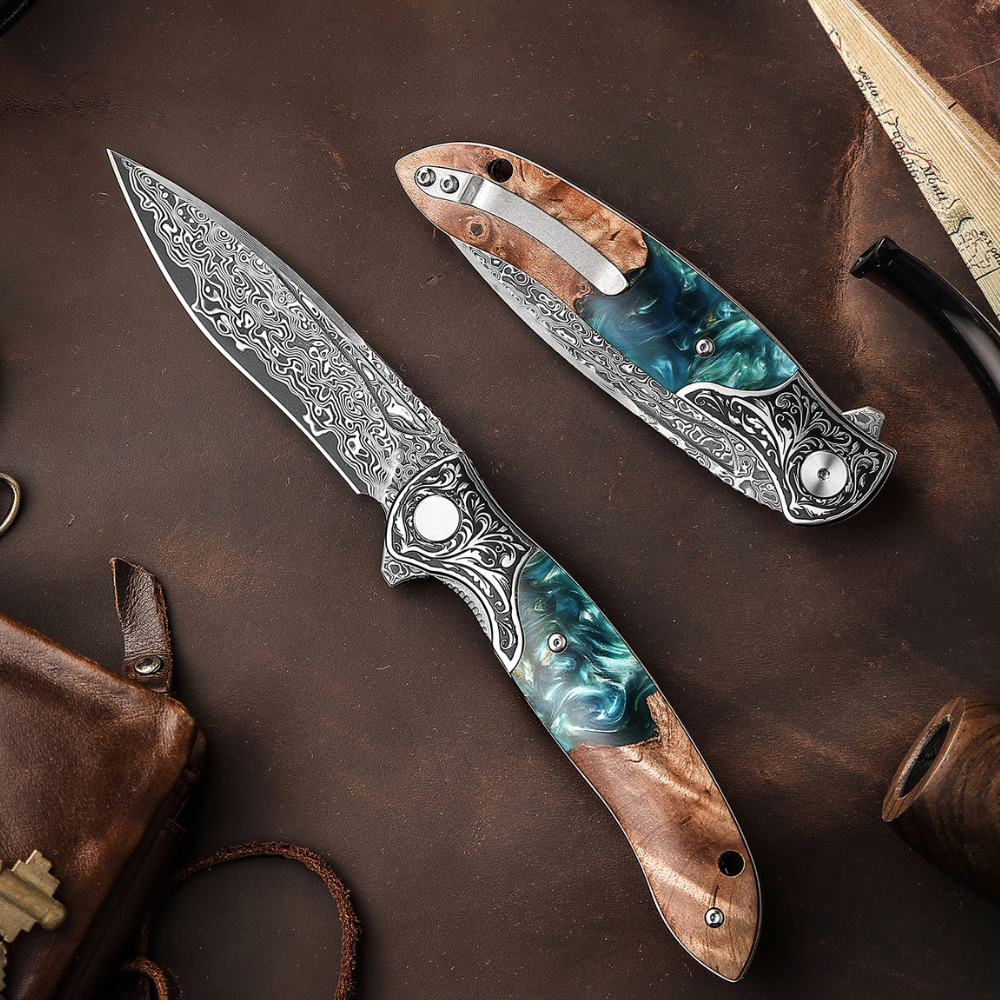
Perseus Damascus Pocket Knife with Exotic Olive Wood & Resin Handle
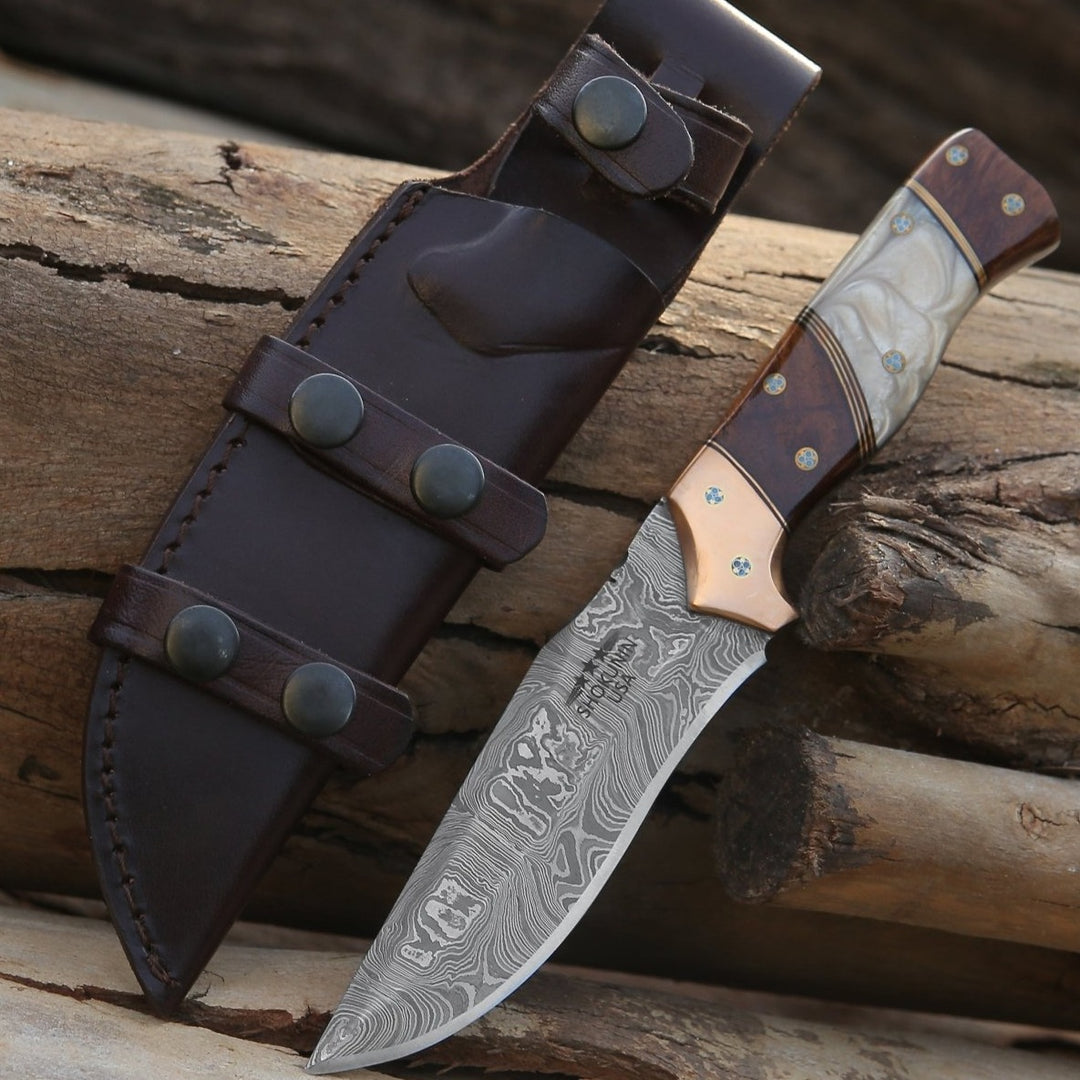
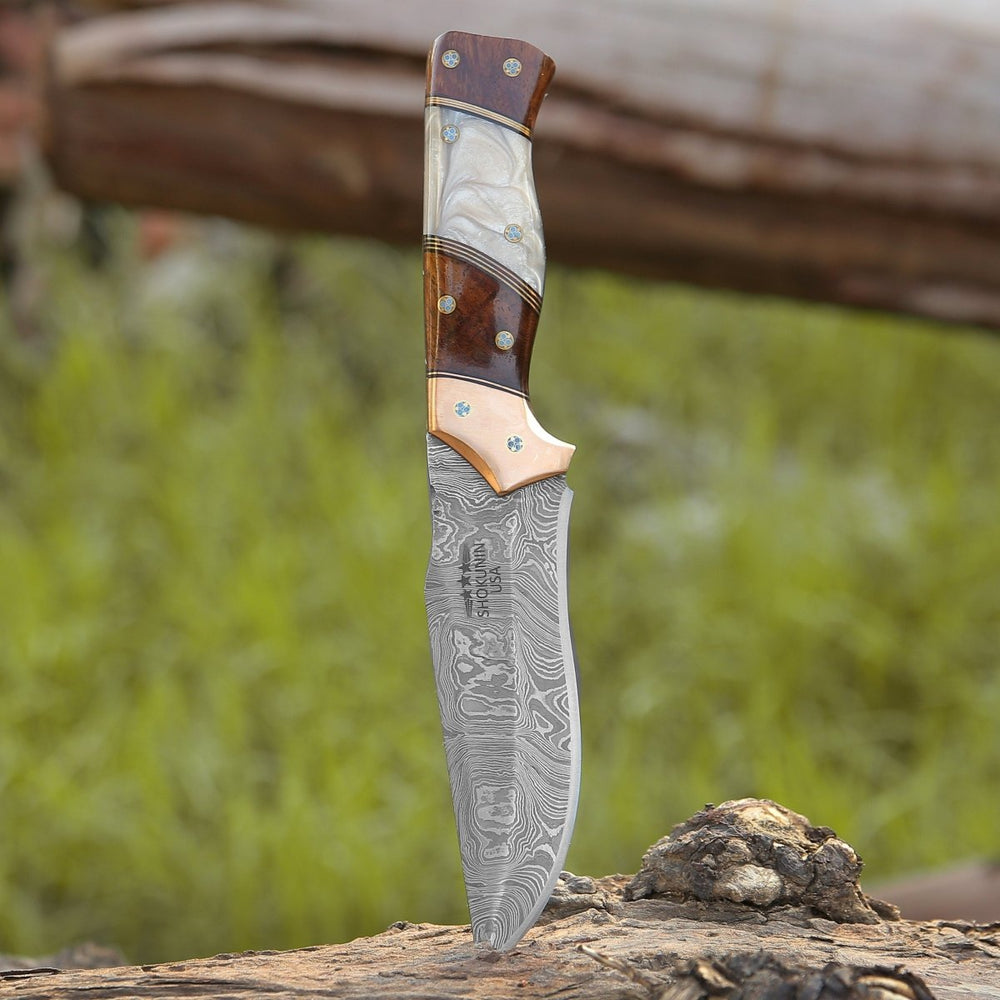
The Perseus Damascus Pocket Knife features a unique hand-forged blade made from Damascus steel, offering exceptional strength and edge retention. Its ergonomic handle, crafted from exotic olive wood and resin, is designed for comfort and durability, making it suitable for a variety of tasks. This pocket knife is not only practical for everyday use but also serves as a visually appealing piece for collectors and outdoor enthusiasts.
View Product






Deixe um comentário