


Overview
When choosing a pocket knife, consider key features like blade material, design, handle comfort, locking mechanisms, portability, and price. Folding knives are versatile and ideal for camping, everyday tasks, and emergencies. Select one that fits your needs for durability, functionality, and personal style.
Frequently Asked Questions
1. What are folding knives?
2. What materials are commonly used for folding knife blades?
3. Why is the handle material important in a folding knife?
4. What types of locking mechanisms are found in folding knives?
5. How can I determine the right size blade for my folding knife?
When it comes to camping, hiking, or everyday carry, a pocket knife is an indispensable tool. Among the myriad of choices available, finding the right model can be overwhelming. Folding knives are popular for their versatility and compact nature, making them ideal for a range of applications. In this guide, we will explore the essential features you should consider when selecting a pocket knife, helping you choose the ideal folding knife for your needs.
Understanding the Basics of Folding Knives
Folding knives are designed to fold into their handle, providing a safe, convenient way to carry a sharp blade. Unlike fixed blades, they occupy less space and can easily fit in your pocket or a bag. Before diving into specific features, it’s essential to understand the different components that make up a folding knife.
Blade Material
The blade material is crucial as it determines the knife's durability, sharpness, and corrosion resistance. Different types of blade materials are used in folding knives, including:
- Stainless Steel: Known for its resistance to rust and corrosion, stainless steel blades are perfect for humid or wet conditions.
- High Carbon Steel: This material offers excellent hardness and edge retention but may require more maintenance to prevent rust.
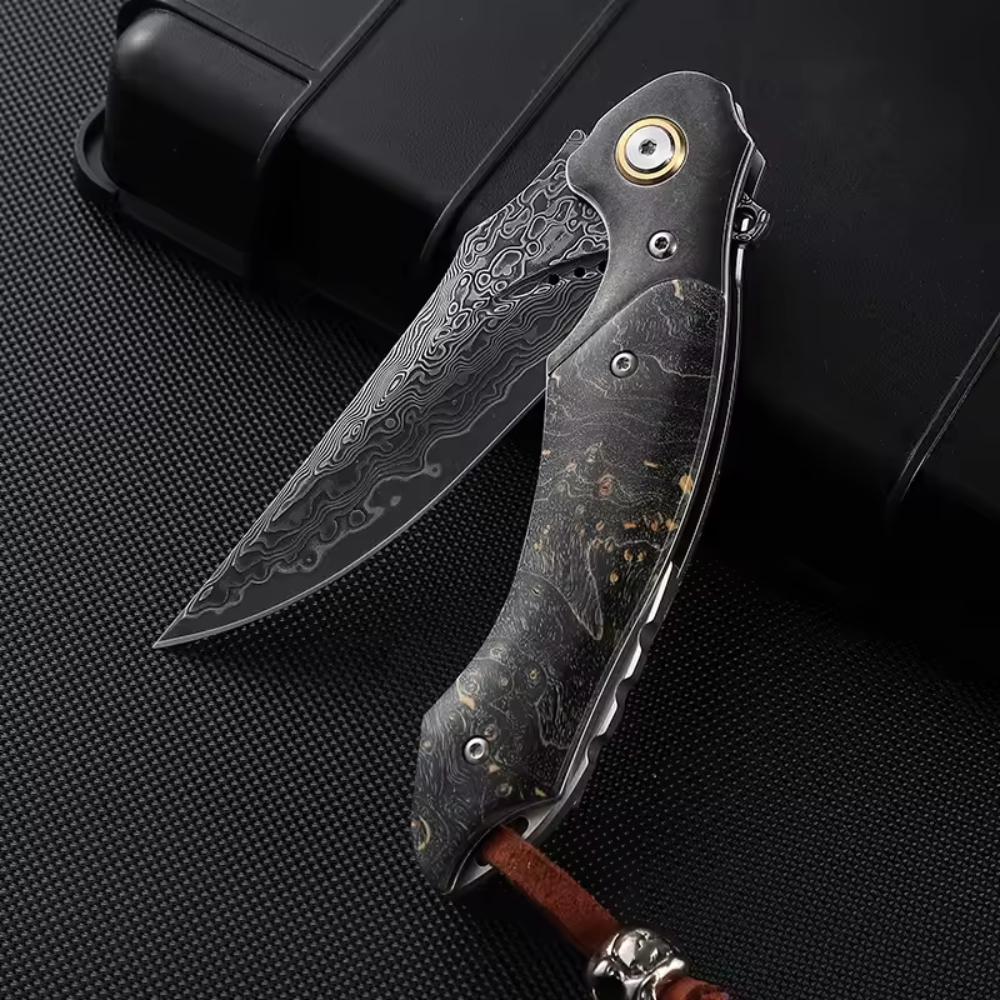
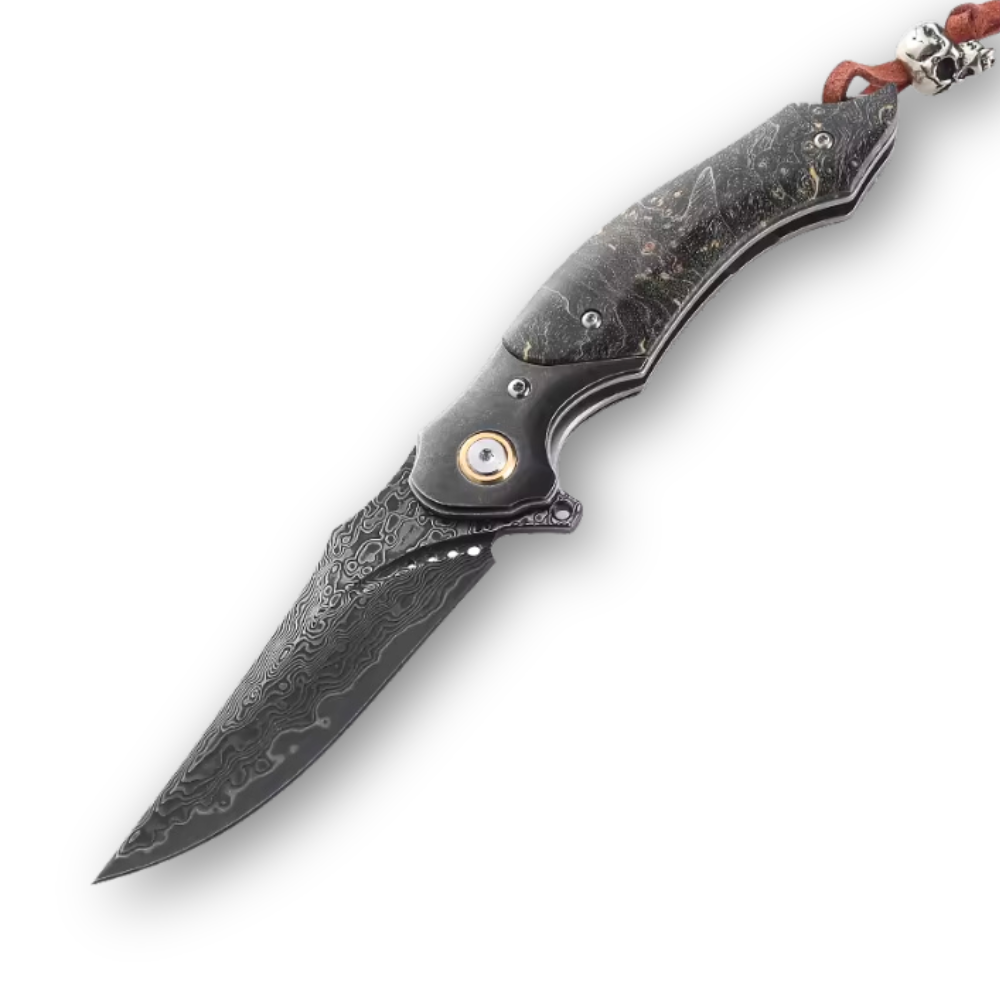
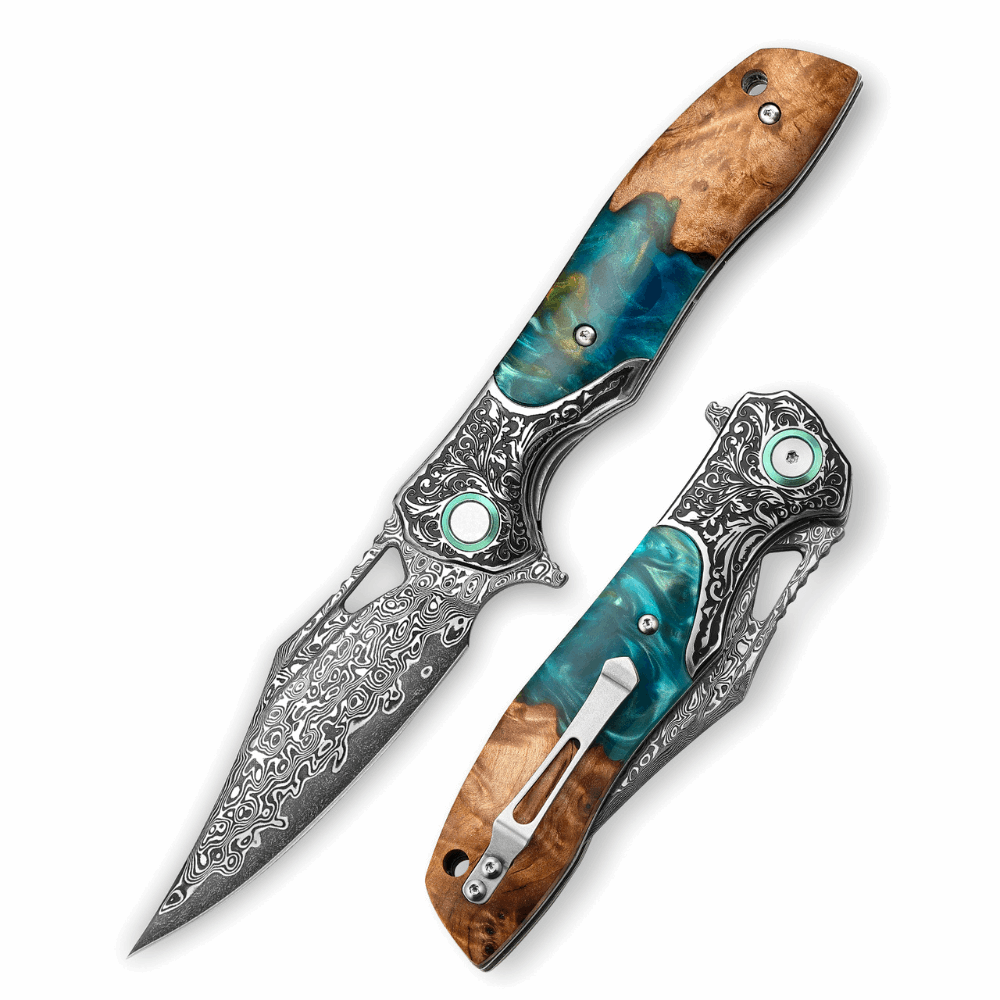
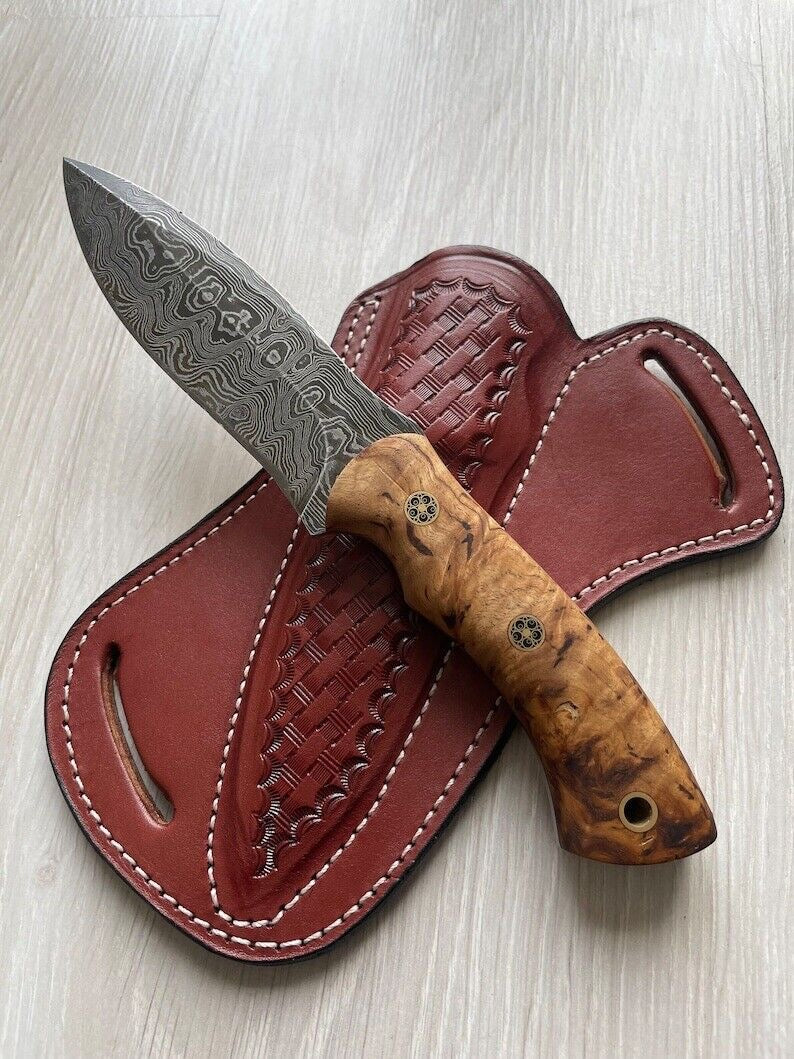
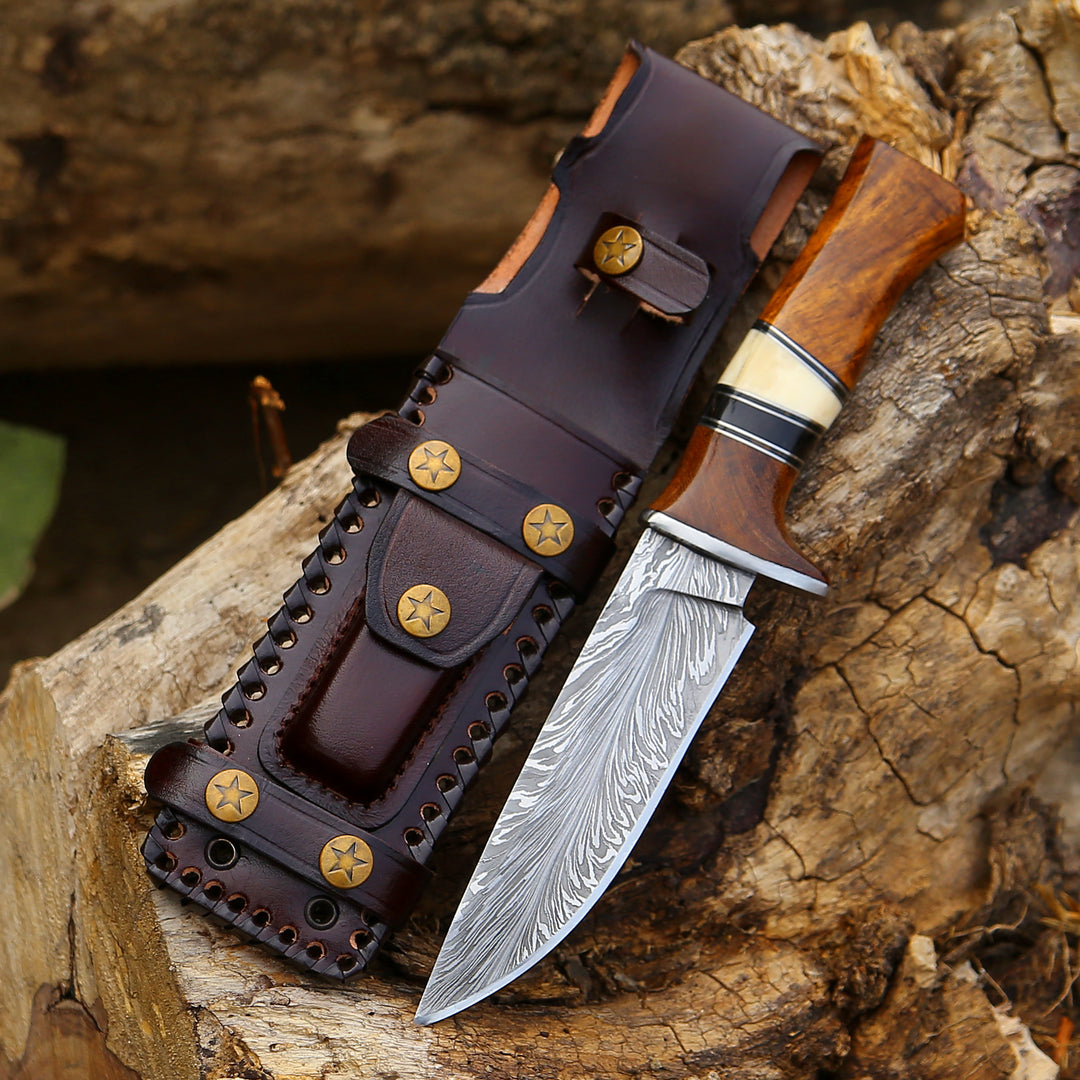
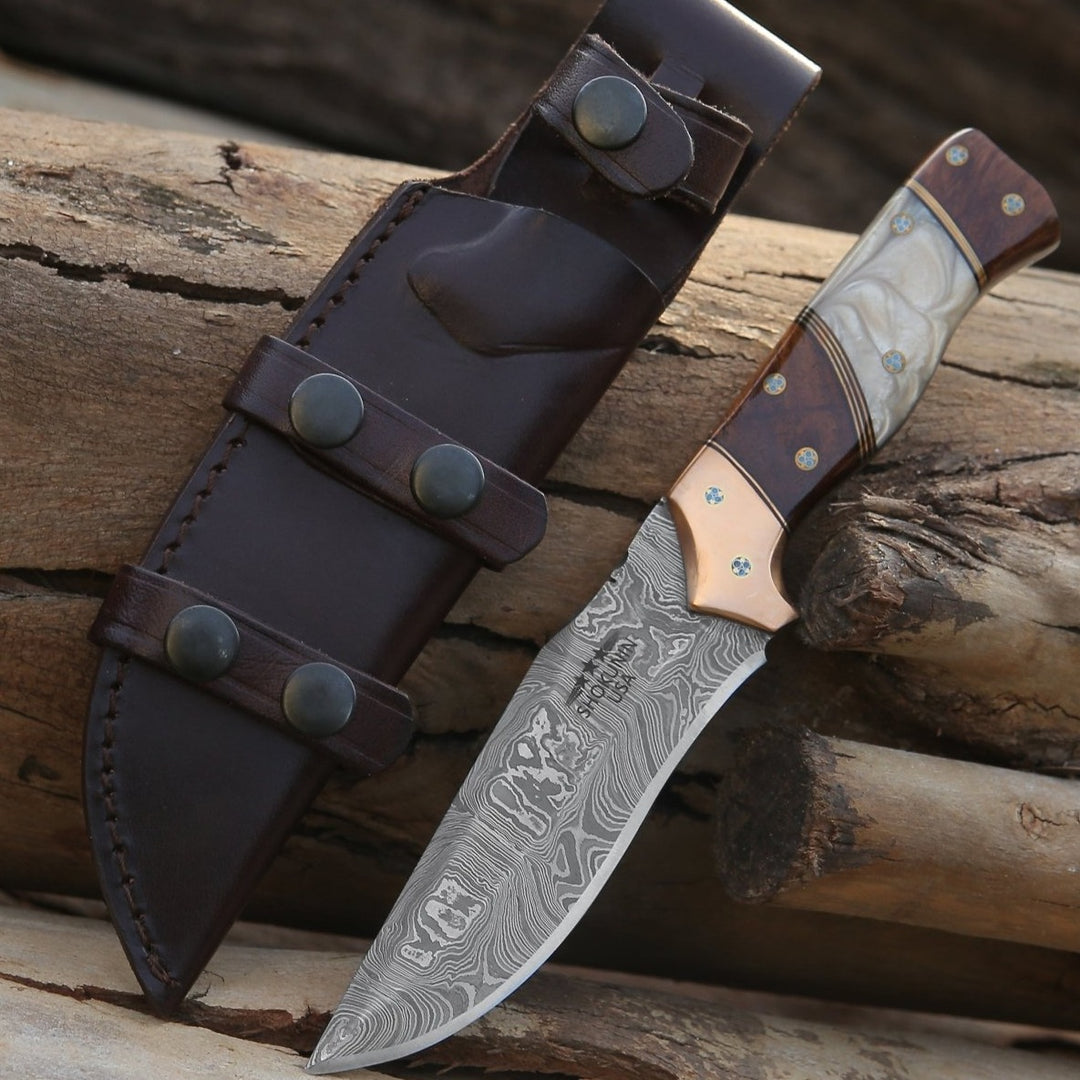
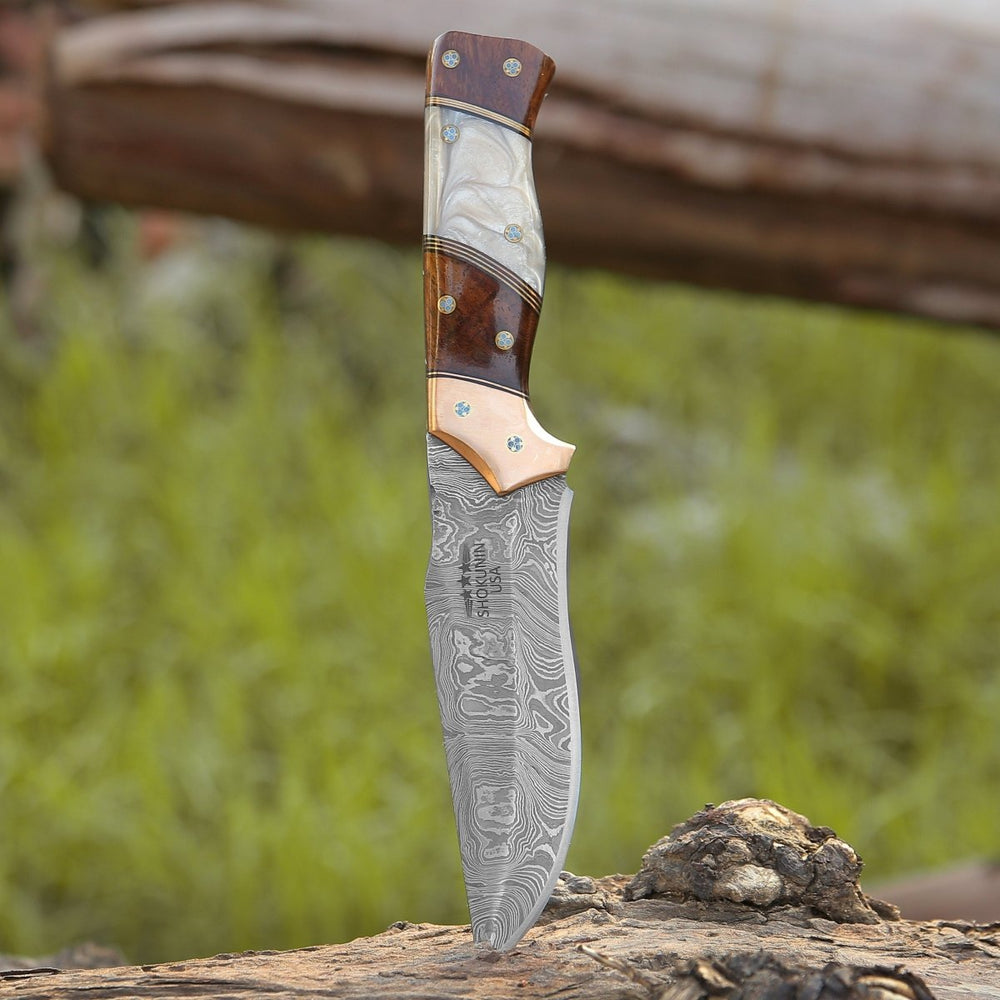
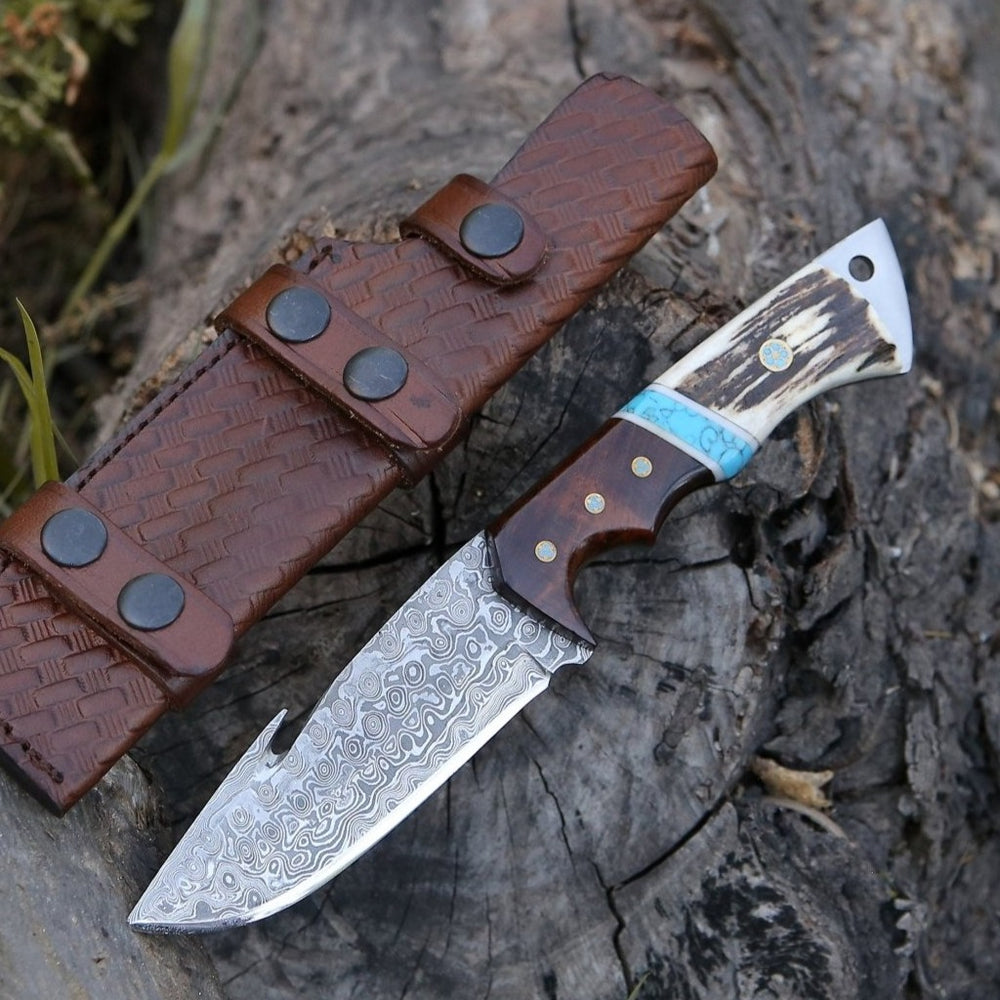
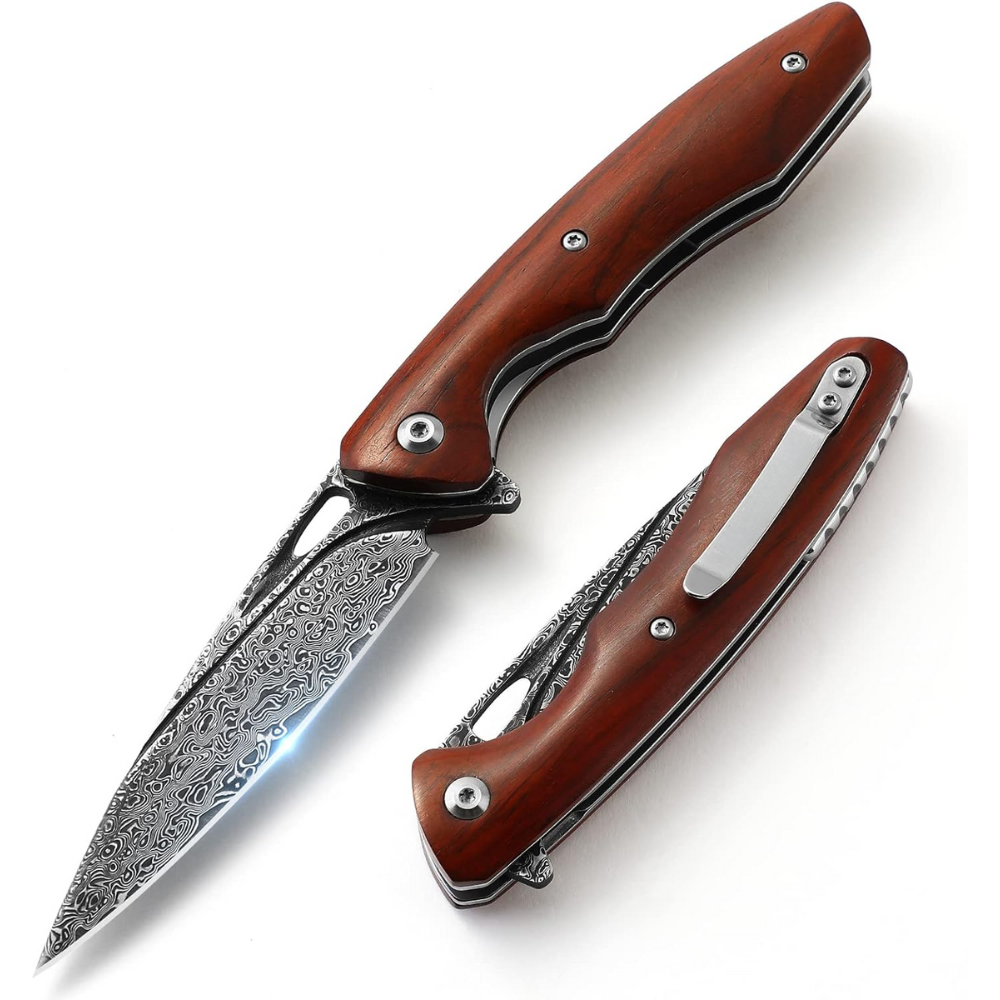
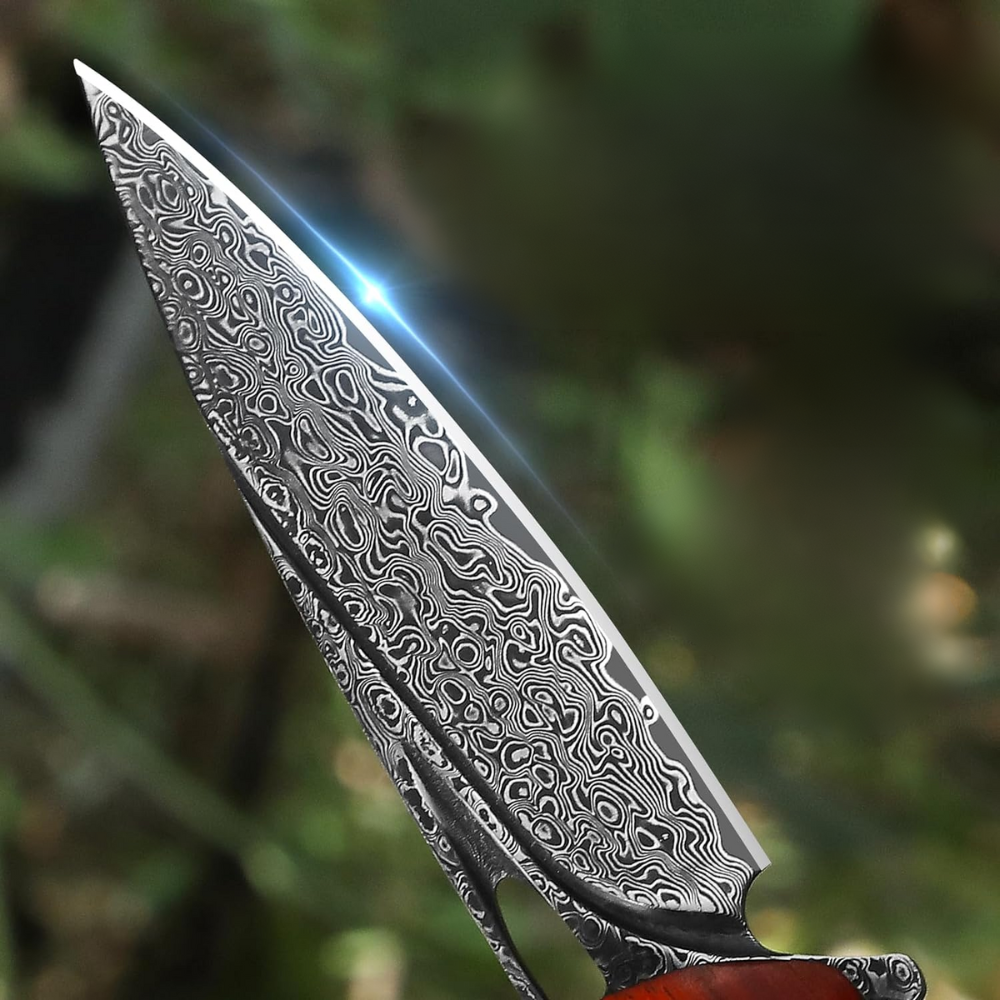
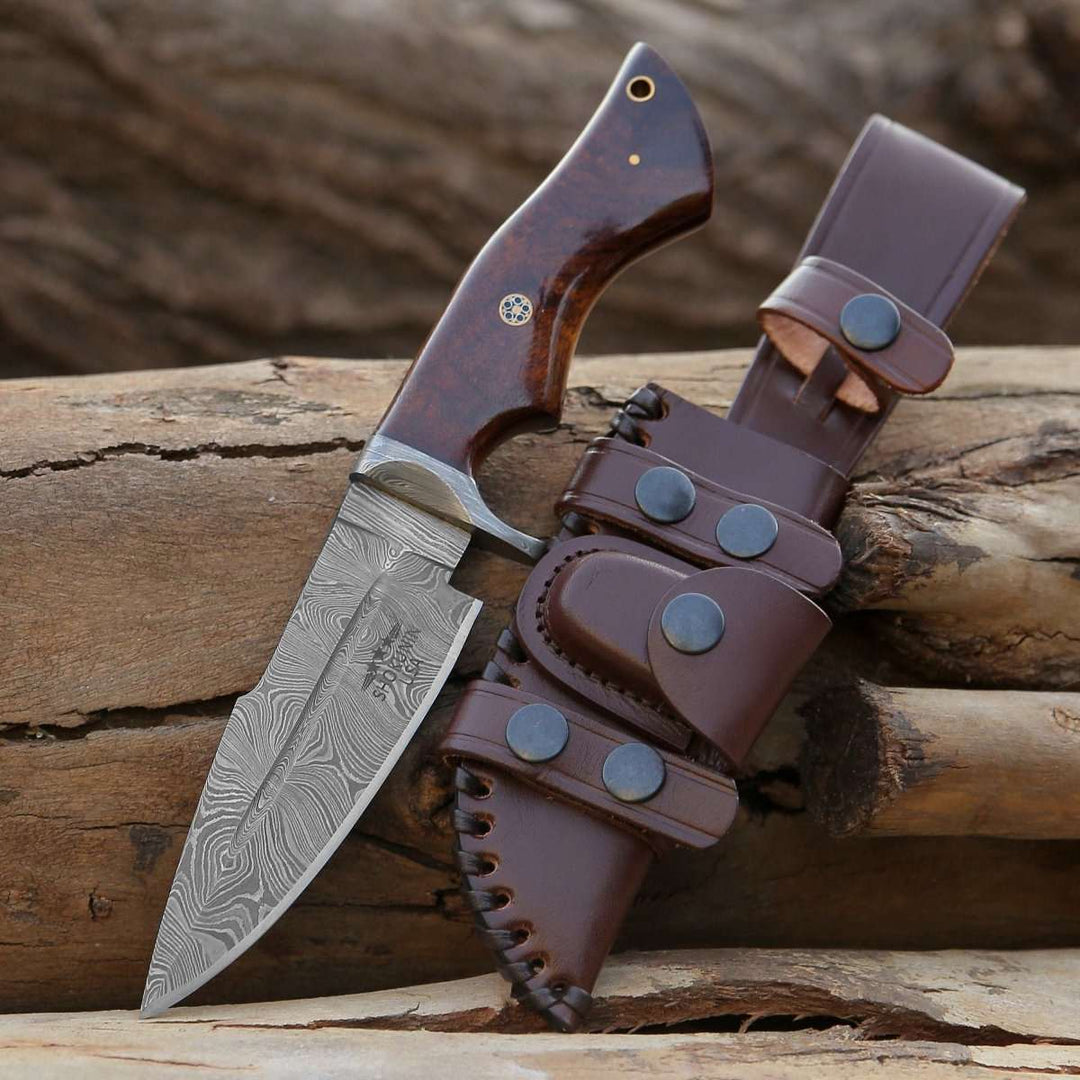
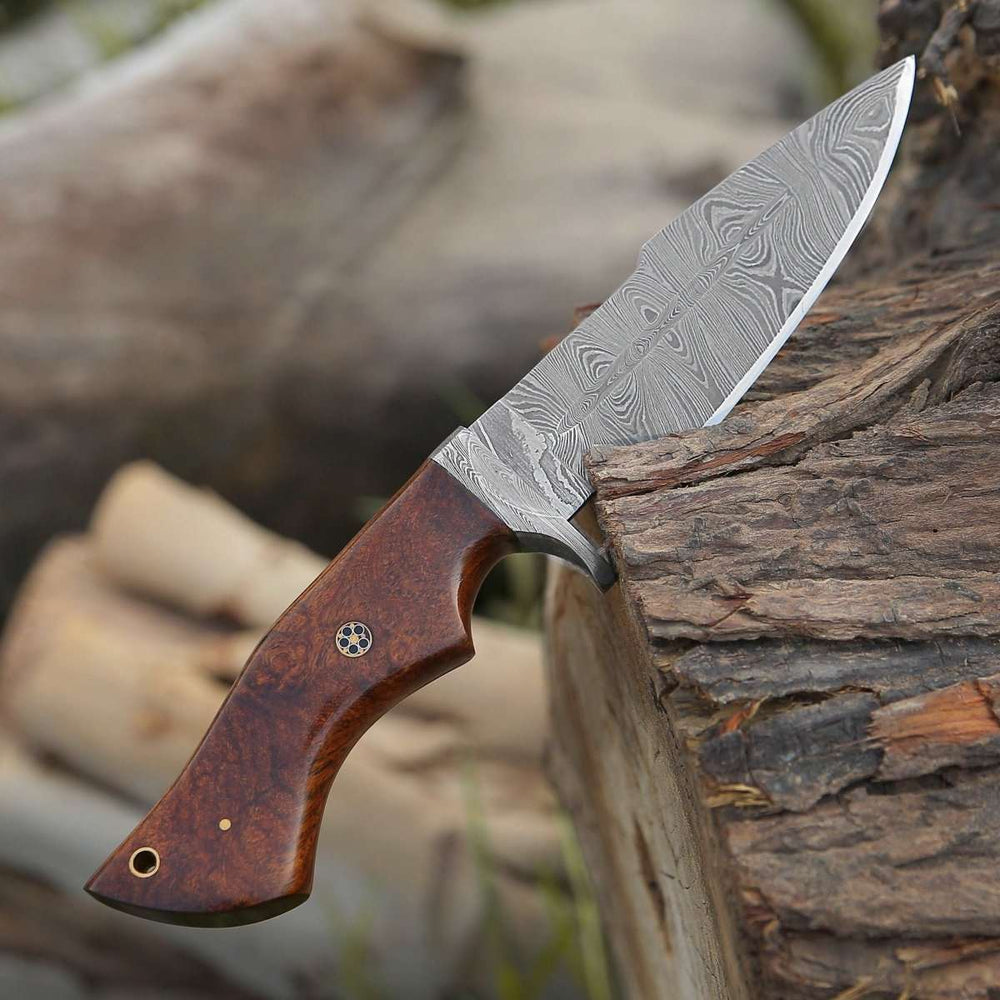
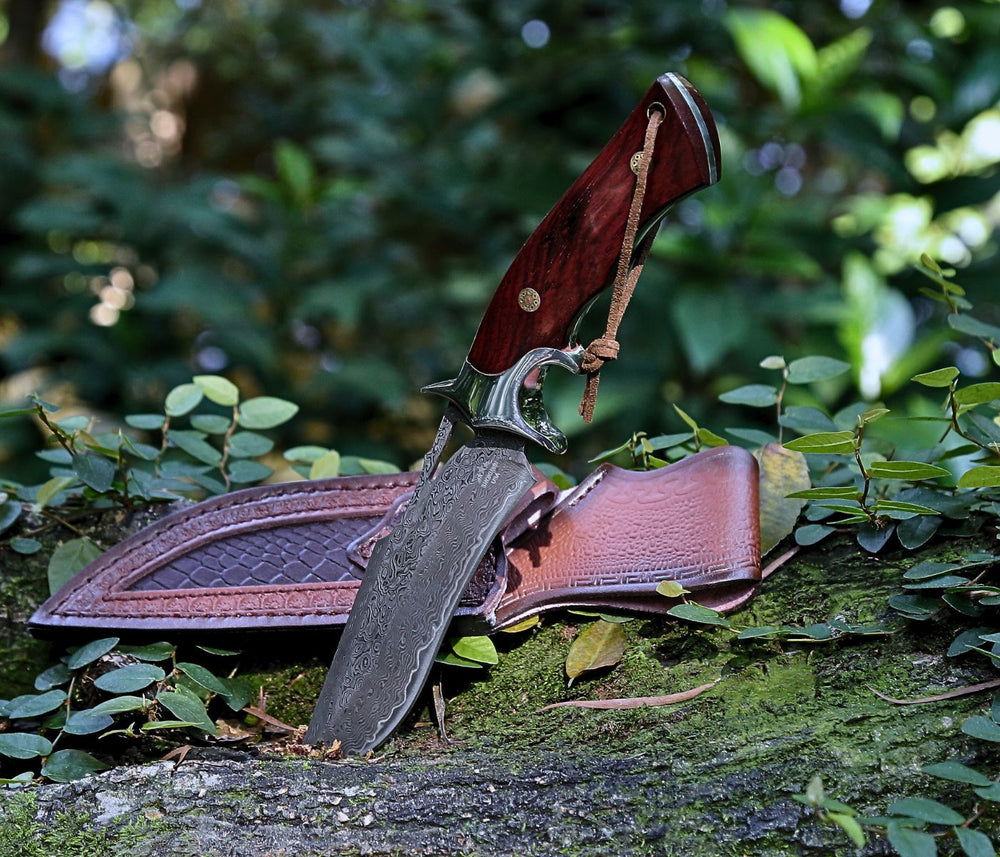
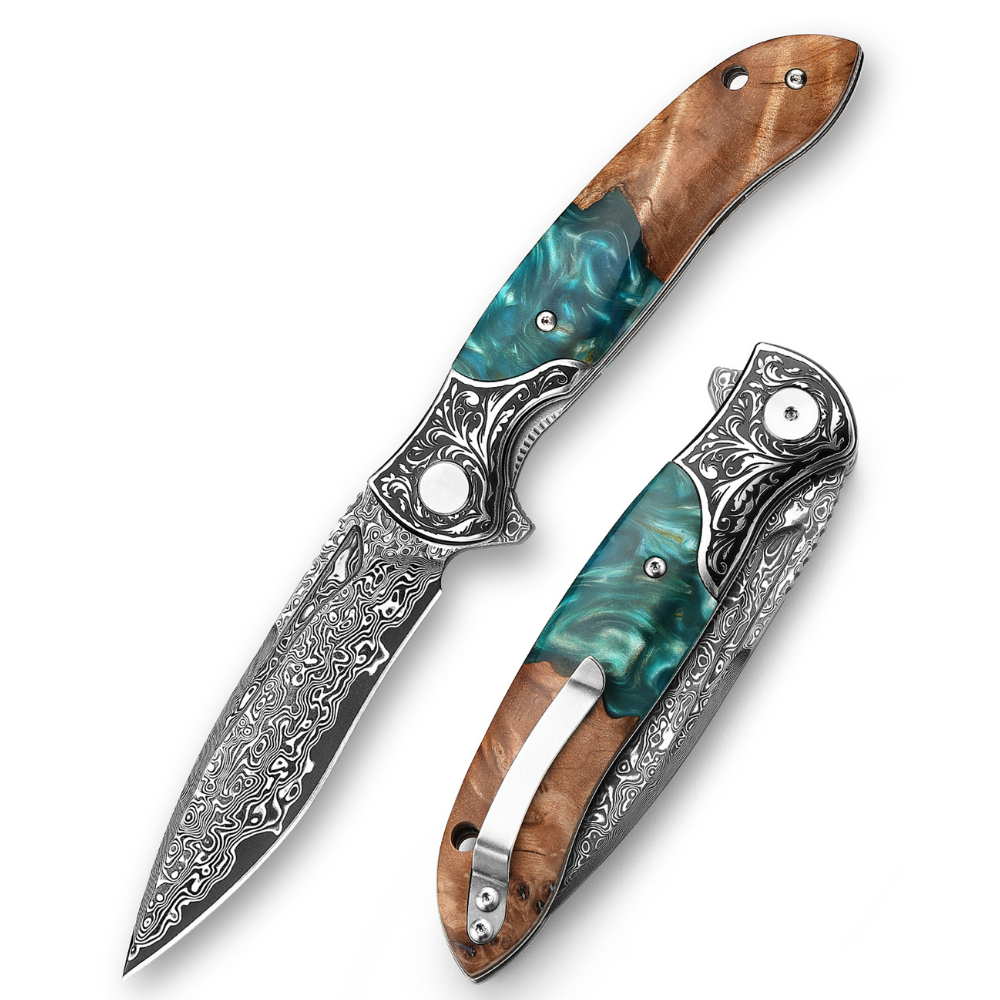
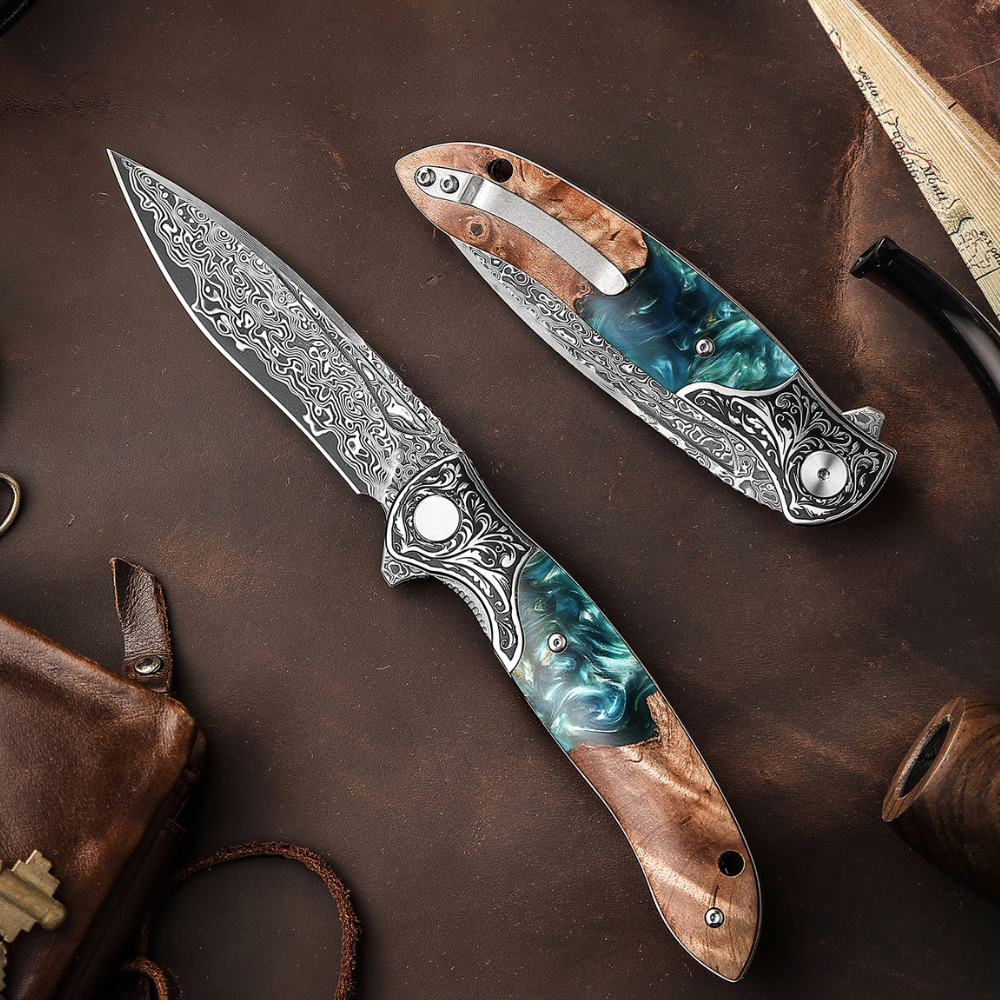
- Damascus Steel: This striking material combines beauty with functionality, known for its toughness and ability to hold an edge.
Blade Design
The blade design significantly impacts the knife's performance. Different styles serve various purposes, so consider your needs:
- Drop Point: A popular choice for general use, ideal for tasks where precision cutting is required.
- Clip Point: Known for its sharp tip, this design is excellent for piercing and detail work.
- Spear Point: Balanced and symmetrical, it’s great for both piercing and slicing tasks.
Handle Comfort and Material
When selecting a folding knife, the handle’s comfort and material should be a priority. A comfortable grip is essential for extended use, ensuring you can control the knife effectively.
Materials Used for Handles
Handle materials vary significantly, with some of the most common being:
- Plastic: Lightweight and cost-effective, ideal for budget-friendly options.
- Wood: Offers a classic look and comfortable grip but may require more maintenance to keep it in good condition.
- Metal: Provides durability and a modern aesthetic, but can be heavier than other materials.
- Composite Materials: Often made from a combination of materials, these handles can offer the best of multiple worlds, providing both comfort and stability.
Ergonomics
A well-designed handle should fit comfortably in your hand. Look for curves, contours, and finger grooves that aid in grip and reduce hand fatigue. This ergonomic design is particularly important in folding knives that you plan to use frequently.
Locking Mechanisms
The locking mechanism is a vital feature in folding knives that ensures safety during use. It prevents accidental closing, providing peace of mind as you handle the knife. Here are some common types of locking mechanisms:
- Liner Lock: A popular choice where a metal liner secures the blade in place.
- Frame Lock: Similar to liner locks but uses the handle's frame for security.
- Back Lock: A reliable and older design that uses a locking bar along the back of the knife.
- Button Lock: Features a button that releases the latch to close the blade—often favored for quick one-handed operation.
Portability Features
One of the main advantages of folding knives is their portability. Various features contribute to their ease of carry, making them suitable for everyday use:
Weight and Size
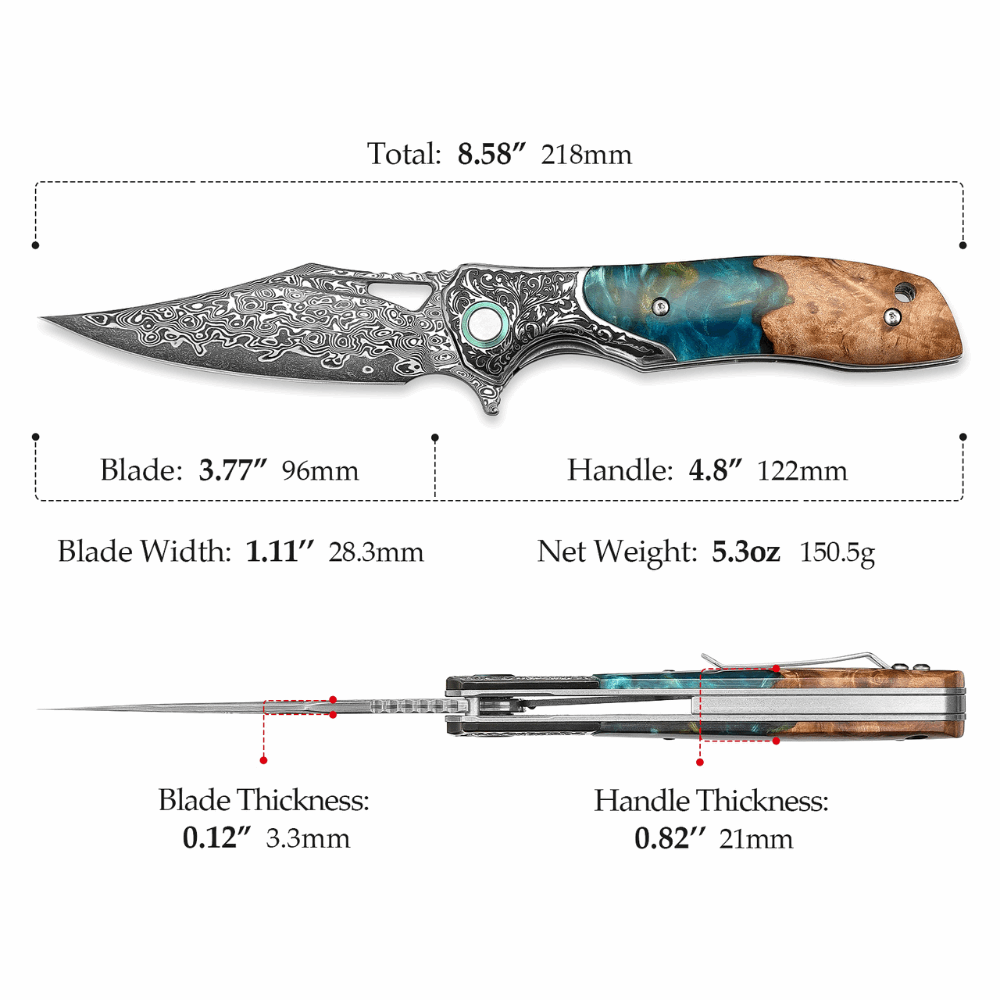
The weight and size of the knife should fit your intended use. A lightweight pocket knife will be easy to carry but should still provide adequate functionality. Aim for a balance, keeping in mind that larger blades may offer better performance but come with weight penalties.
Pocket Clip
A pocket clip is a practical addition, allowing you to secure the knife to your pocket or belt. It should be sturdy but also flexible enough to fit various pocket widths. Additionally, consider the clip's orientation; some folding knives allow for both tip-up and tip-down carry, depending on your preference.
Sheath Options
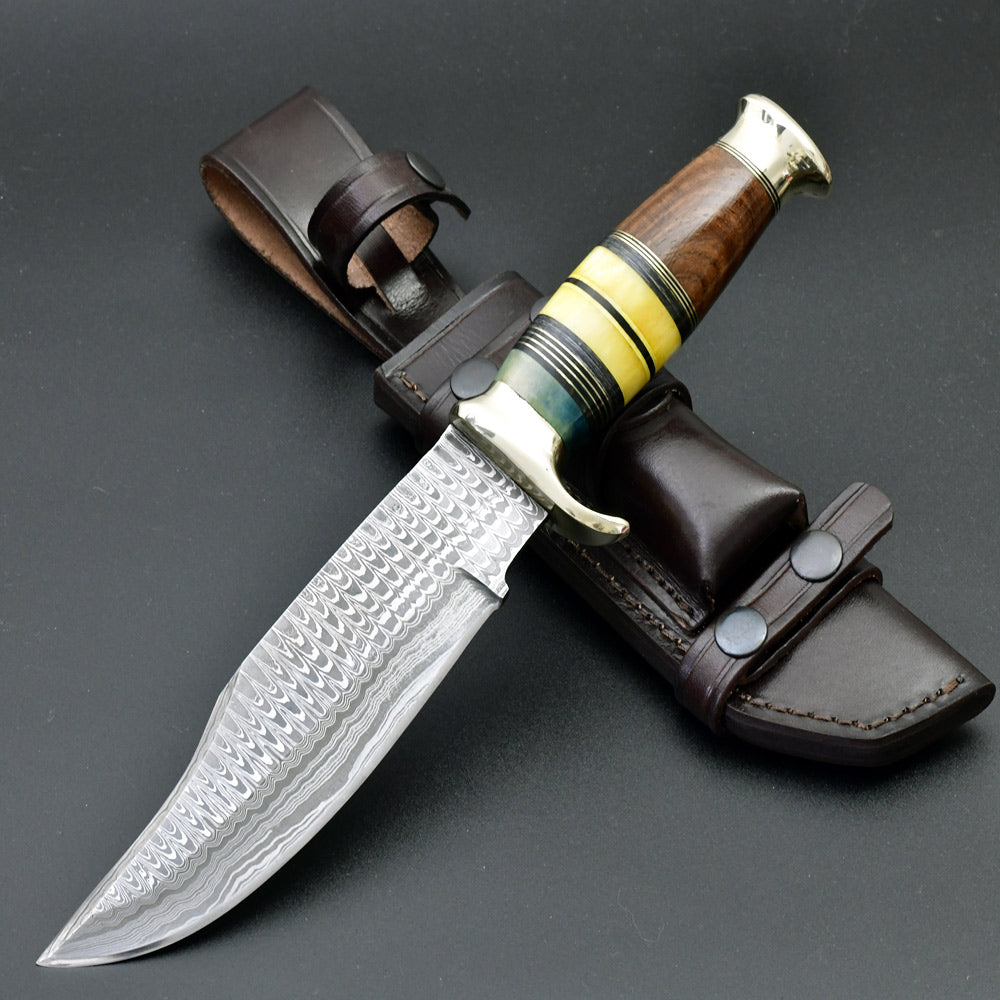
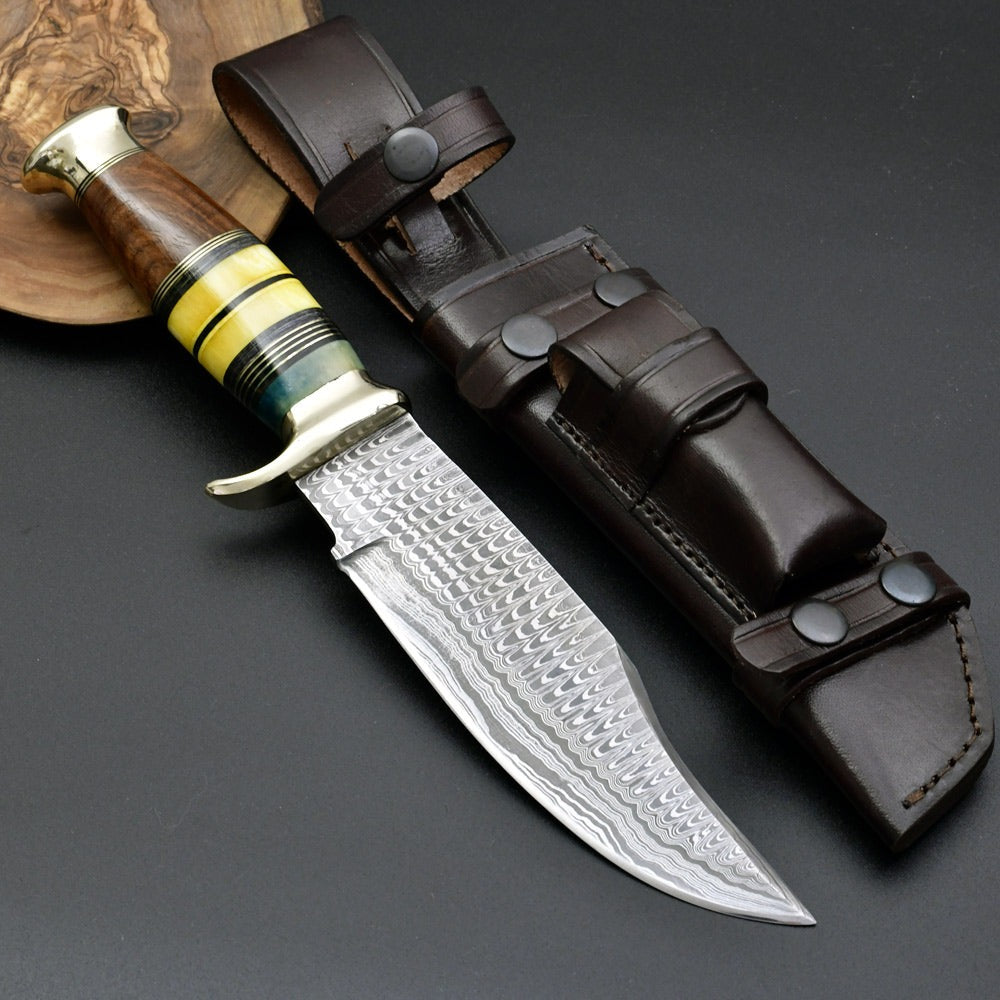
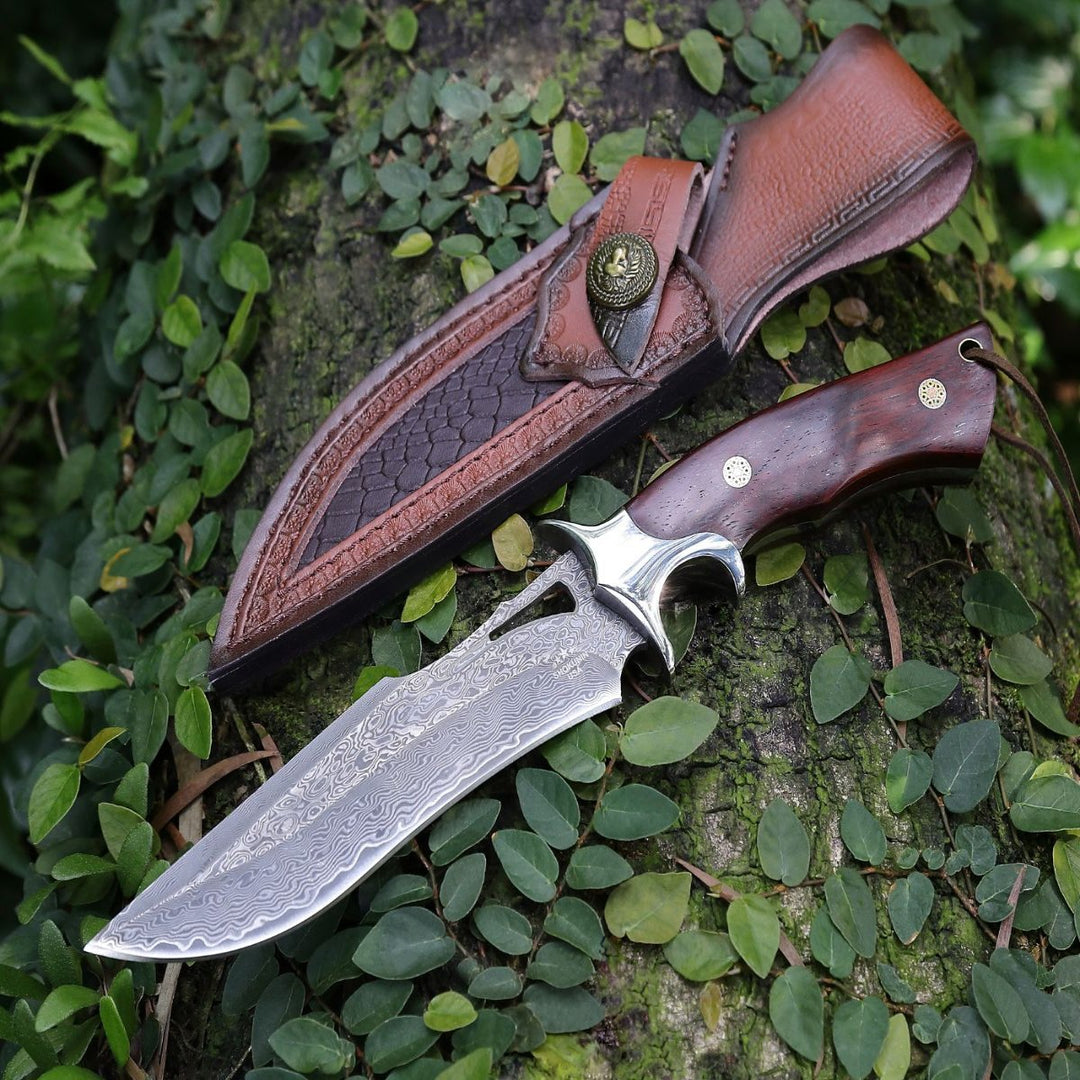
Some pocket knives come with sheaths or pouches. A sheath protects the blade and provides additional safety when not in use. It is especially beneficial if you possess multiple folding knives, allowing you to keep them organized and safe while not in use.
Multi-Functionality
Some folding knives offer multi-tool capabilities. These can include various tools like scissors, screwdrivers, bottle openers, and more. A multi-functional knife can enhance your experience, especially in outdoor settings.
However, keep in mind that while multi-tools can be convenient, they often sacrifice blade quality and durability. Depending on your primary uses, you may prefer a dedicated folding knife over a multi-tool. Choose wisely based on your planned applications!
Blade Length and Style
The blade length is another integral aspect of folding knives that directly affects their cutting capabilities. Generally, longer blades allow for more versatile applications, but they also come with restrictions regarding regulations and carry laws in some areas.
For most purposes, a blade length of 2.5 to 4 inches is manageable and practical. If you plan to use your knife for more heavy-duty tasks, you might opt for a slightly longer blade. Always ensure your local laws and regulations align with your knife choice.
Aesthetic Design
While function should typically reign supreme when purchasing a pocket knife, aesthetics also play a role for many users. The design of the folding knife can reflect personal style and preferences. Consider factors like color, finish, and overall aesthetics when choosing your knife.
Customizable Options
Some manufacturers offer customization options that allow you to choose a pattern or even engrave your knife. This not only enhances the visual appeal but can also add a personal touch.
Price Range and Value
Last but certainly not least, the price of your folding knife is an essential factor. Quality folding knives can range anywhere from budget-friendly options to high-end models. While it may be tempting to choose the cheapest option available, remember that investing in quality often pays off in terms of durability and performance.
When determining the value, consider your intended use, frequency of use, and features that are most important to you. It is worth spending a little more on a folding knife that will last for years and offer excellent performance.
Incorporating Your Pocket Knife into Daily Life
After selecting the perfect folding knife for your needs, it’s time to integrate it into your daily life. A well-chosen pocket knife can be used in countless situations:
- Outdoor Adventures: Perfect for camping, hiking, or fishing activities.
- Everyday Tasks: Great for opening packages, repairing gear, or preparing food.
- Safety Tool: Useful in emergency situations for cutting seatbelts or other safety equipment.
Your Ultimate Folding Knife Needs
Choosing the right folding knife is an investment in quality and functionality that can significantly enhance your daily life. By considering factors like blade material, handle comfort, locking mechanisms, and portability features, you can confidently select a knife that meets your specific needs.
Whether you’re an outdoor enthusiast seeking reliable tools or someone simply wanting the convenience of a folding knife for daily tasks, the essential features discussed in this article will guide you toward making a knowledgeable decision. Remember, the best folding knife is not necessarily the most expensive one but the one that meets your unique requirements effectively.
Embrace the journey of finding your perfect pocket companion! With the right folding knife, you unlock endless possibilities and empower yourself with a tool that complements your lifestyle. Happy selecting!






Deixe um comentário