


Overview
Pocket knives are both practical tools and reflections of personal craftsmanship. To maintain their functionality and aesthetics, regular care is vital. Key maintenance tips include: understanding knife components (blade, handle, pivot, and locking mechanism), regular cleaning, sharpening the blade, oiling for smooth operation, proper storage, and careful handling. Seek professional help for significant damage or worn-out parts. With proper maintenance, your pocket knife can last for years and enhance every adventure.
Table of Contents
- Understanding Your Pocket Knife
- The Blade
- The Handle
- Pivot and Locking Mechanism
- Regular Cleaning: The First Step to Longevity
- 1. Gather Supplies
- 2. Cleaning Process
- Sharpening Your Blade: A Necessity for Performance
- Choosing a Sharpening Method
- Sharpening Process
- Oiling Your Knife: The Key to Smooth Operation
- When to Oil
- Oiling Process
- Storage: Keeping Your Pocket Knife Safe
- Store in a Dry Place
- Avoid Jostling with Other Tools
- Handling with Care: Best Practices
- Use for Intended Purpose
- Practice Safety
- Professional Maintenance: When to Seek Help
- Blade Damage
- Worn-Out Components
- Unlocking Your Knife's Full Potential
Key Takeaways
- Regular Maintenance is Key: Consistent cleaning, sharpening, and oiling are essential to keep your pocket knife functional and visually appealing.
- Understand Your Knife Components: Familiarize yourself with the blade, handle, pivot, and locking mechanism to provide appropriate care for each part.
- Cleaning Process: Use warm water, mild soap, and a soft cloth to clean your knife, ensuring to scrub hard-to-reach areas with a toothbrush.
- Sharpening Techniques: Choose a sharpening method that suits your needs, such as whetstones for fine edges or honing rods for touch-ups.
- Oiling for Smooth Operation: Regularly oil the pivot and locking mechanism to prevent stiffness and ensure smooth function.
- Proper Storage Matters: Store your knife in a dry place and avoid contact with other tools to prevent scratches and dullness.
- Professional Help When Needed: Seek professional maintenance for significant blade damage or worn-out components to restore optimal performance.
Frequently Asked Questions
1. Why is regular maintenance important for pocket knives?
2. What are the main components of a pocket knife?
3. How often should I clean my pocket knife?
4. What is the best way to sharpen a pocket knife blade?
5. When should I seek professional maintenance for my pocket knife?
Pocket knives are not just practical tools; they are also an extension of your personality and craftsmanship, especially when you invest in high quality pocket knives or handmade knives. Regular maintenance is essential to ensure your pocket knife remains functional and aesthetically pleasing for years to come. In this article, we will delve into effective maintenance tips and tricks to keep your pocket knife in pristine condition.
Understanding Your Pocket Knife
Before diving into maintenance tips, it is essential to understand the components of your pocket knife. Most pocket knives consist of a blade, handle, pivot, and locking mechanism. Each of these components requires specific care to ensure longevity:
The Blade
The blade is the most crucial part of your pocket knife. It is where the quality of craftsmanship truly shines, particularly in high quality pocket knives. High-quality steel blades can resist corrosion and wear, making them easier to maintain. Regular care ensures your blade performs at its best.
The Handle
The handle, made from various materials such as wood, plastic, or metal, also requires attention. Each material has specific care instructions to maintain its integrity and aesthetics. Handmade knives often have unique handle materials, making care procedures even more critical.
Pivot and Locking Mechanism
The pivot and locking mechanism are vital for the functionality of your knife. These components require regular cleaning and oiling to prevent rust and ensure smooth operation. Neglecting these areas can lead to potentially dangerous situations during use.
Regular Cleaning: The First Step to Longevity
Cleaning your pocket knife regularly is one of the simplest ways to extend its lifespan. Here’s how to do it effectively:
1. Gather Supplies
- Warm water
- Saddle soap or mild dish detergent
- Soft cloth or sponge
- Toothbrush (optional for tight spots)
- Oil (like mineral or vegetable oil)
2. Cleaning Process
Follow these steps to clean your pocket knife:
- Open the knife and rinse the blade under warm water.
- Apply a small amount of saddle soap or mild dish detergent with a soft cloth or sponge.
- Use a toothbrush to scrub hard-to-reach areas, especially around the pivot and locking mechanism.
- Rinse thoroughly and dry with a clean cloth.
Sharpening Your Blade: A Necessity for Performance
A sharp blade is essential for optimal performance, particularly for high-quality pocket knives. Here are some tips on how to sharpen your blade efficiently:
Choosing a Sharpening Method
There are several methods available for sharpening your pocket knife, including:
- Whetstone: Offers a traditional way and is great for achieving a fine edge.
- Honing Rod: Primarily used for touch-ups between major sharpenings.
- Manual/ Electric sharpeners: Convenient but may not provide the same edge as a whetstone.
Sharpening Process
To sharpen your blade, follow these steps:
- Determine the angle (usually around 20 degrees) for sharpening.
- If using a whetstone, lubricate it with water or oil before starting.
- Run the blade along the stone, maintaining the angle to get a smooth edge.
- Make sure to alternate sides of the blade to maintain balance.
Oiling Your Knife: The Key to Smooth Operation
Regular oiling is crucial for keeping the pivot and locking mechanism functioning correctly.
When to Oil
Oil your pocket knife:
- After cleaning
- When the knife feels stiff or is difficult to open
- If you notice rust or any signs of corrosion
Oiling Process
Follow these easy steps to oil your pocket knife:
- Open the knife and apply a few drops of oil to the pivot area.
- Open and close the blade several times to distribute the oil evenly.
- Wipe off any excess oil with a clean cloth.
Storage: Keeping Your Pocket Knife Safe
Where and how you store your pocket knife can significantly impact its longevity. Here are some tips:
Store in a Dry Place
Humidity and moisture can lead to rust and corrosion, especially for high-quality pocket knives. Always ensure that your pocket knife is stored in a dry area. If it frequently finds itself in damp environments, consider a container with moisture-absorbing materials.
Avoid Jostling with Other Tools
When storing your pocket knife with other tools, the blades can rub against each other, causing scratches or dullness. Invest in a designated storage box or sheath that keeps your pocket knife secure and separate from other items.
Handling with Care: Best Practices
How you handle your pocket knife can greatly influence its lifespan. Be mindful of the following best practices:
Use for Intended Purpose
Always use your pocket knife for its intended purpose. Avoid using it as a pry tool, can opener, or for tasks it was not designed for. Misusing your knife can cause damage to its blade, locking mechanism, or handle.
Practice Safety
When using your pocket knife, always practice safety. Ensure you are in a controlled environment and keep your hands and fingers clear of the blade path. This not only ensures your safety but also helps maintain the knife's integrity, as accidents can lead to the need for repairs.
Professional Maintenance: When to Seek Help
While regular at-home maintenance is essential, some situations may call for professional attention:
Blade Damage
If your high-quality pocket knife experiences significant damage such as chips or bends in the blade, it may be time to consult a professional. They have specialized tools and expertise to restore your knife effectively.
Worn-Out Components
Over time, components such as the pivot and locking mechanism can wear down. If you notice your knife becoming sluggish or unresponsive, a professional can replace or repair these components to bring your knife back to optimal performance.
Unlocking Your Knife's Full Potential
The true beauty of pocket knives lies in their craftsmanship and quality. By adhering to these maintenance tips, you're not just preserving a tool; you're protecting a piece of functional art. With proper care, your high-quality pocket knife or handmade knife will not only serve you for years but also enhance every adventure you undertake with it.
Investing time in maintenance ensures you're always prepared, whether you’re opening a package, camping in the wilderness, or simply performing everyday tasks. Remember, a well-maintained knife is not only efficient; it’s a reliable companion that reflects the artistry and quality behind its design. Forge your path and unlock the full potential of your pocket knife today!
Glossary
| Term | Meaning |
|---|---|
| Pocket Knife | A small, folding knife designed for everyday use. |
| Blade | The cutting part of the knife, crucial for performance. |
| Handle | The part of the knife you hold, made from various materials. |
| Pivot | The mechanism that allows the blade to open and close smoothly. |
| Locking Mechanism | Prevents the blade from closing accidentally during use. |
| Oiling | Applying oil to maintain smooth operation of the knife. |
| Sharpening | The process of honing the blade for optimal cutting performance. |
| Storage | Properly keeping your knife to prevent damage and corrosion. |
| Maintenance | Regular care practices to ensure knife longevity and functionality. |
| Professional Maintenance | Seeking expert help for significant repairs or restoration. |
Linked Product

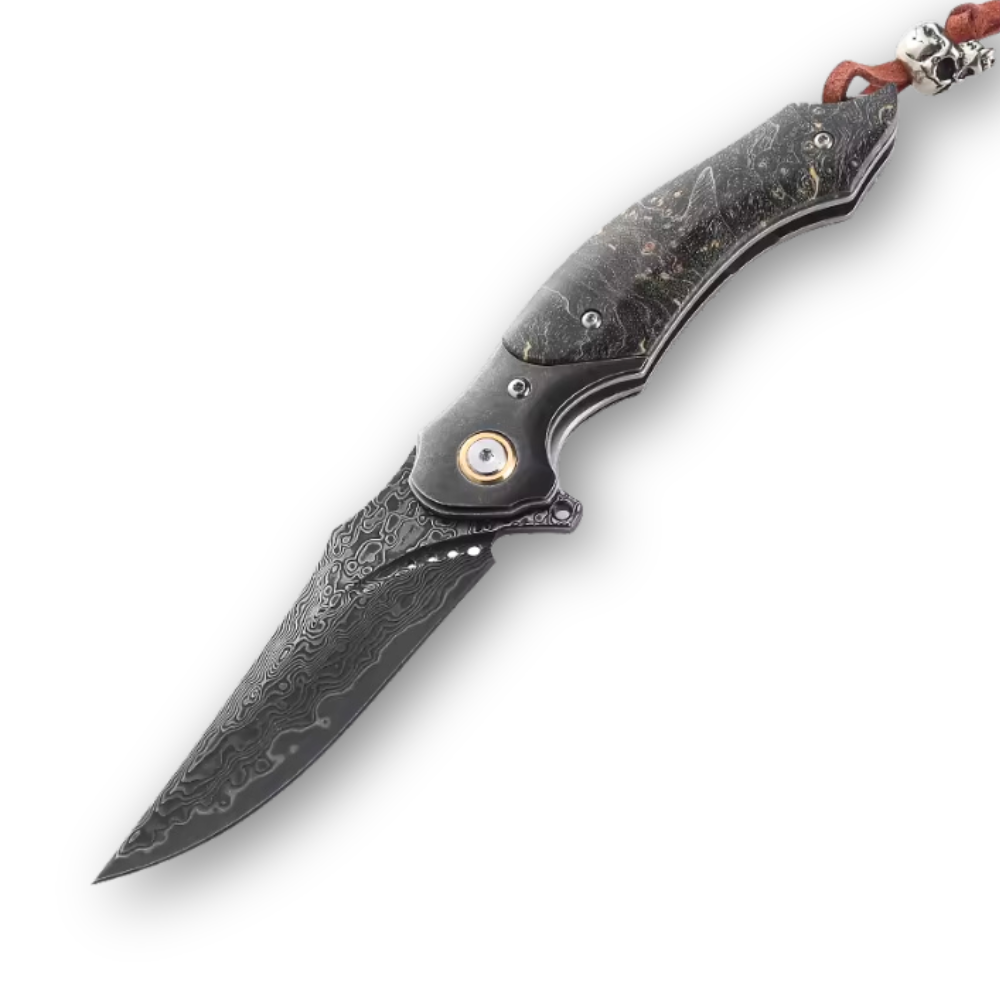
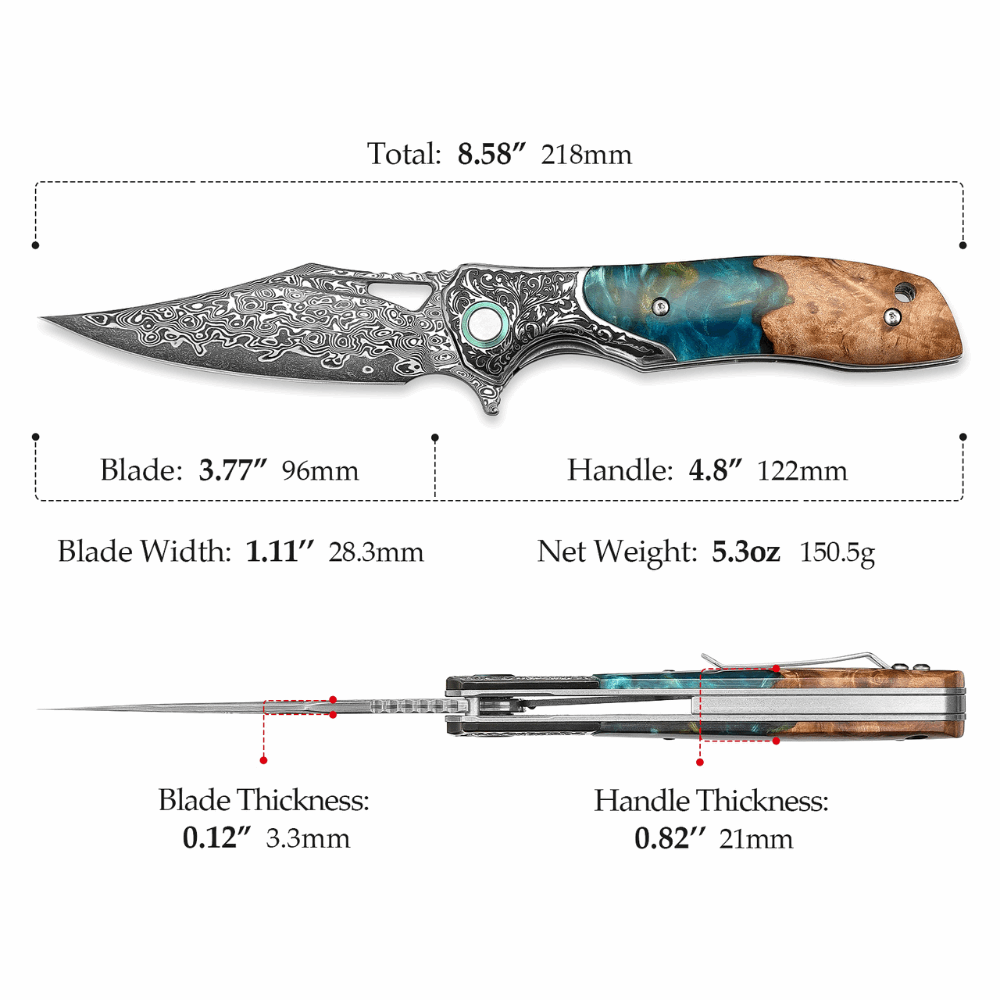
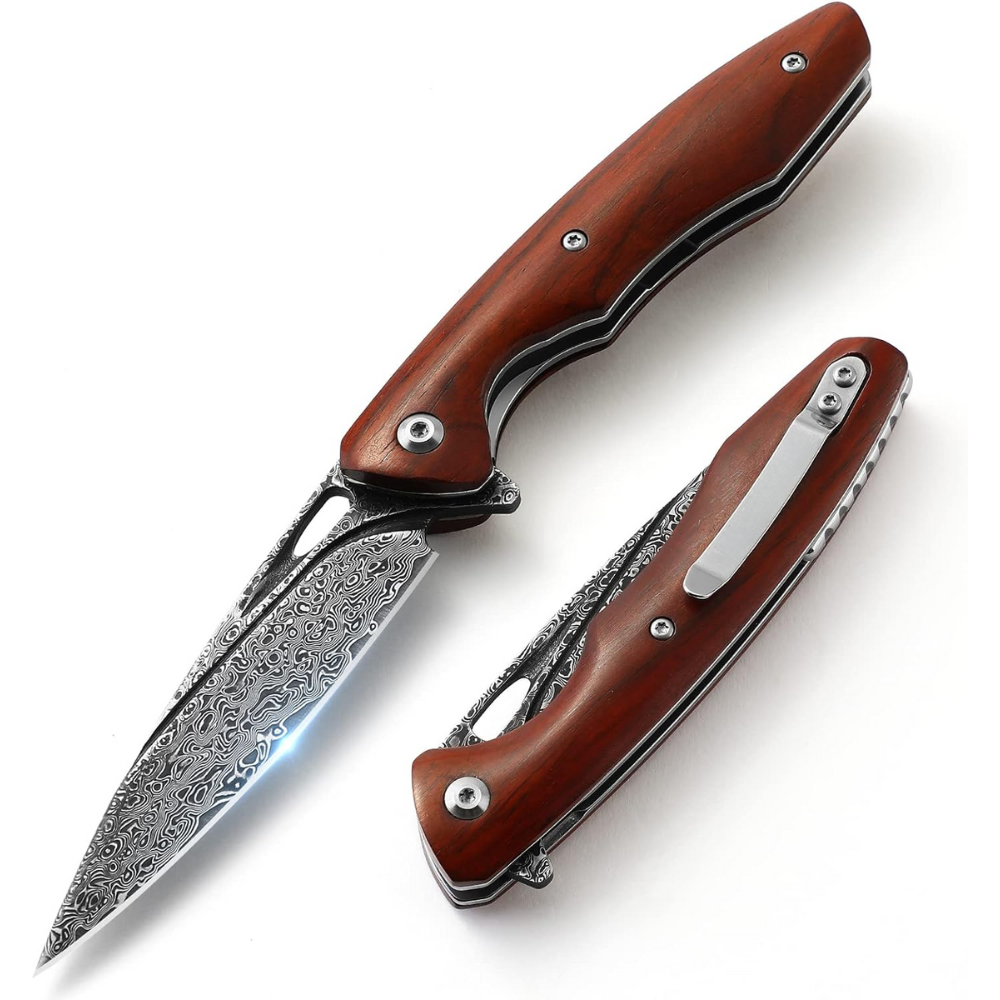
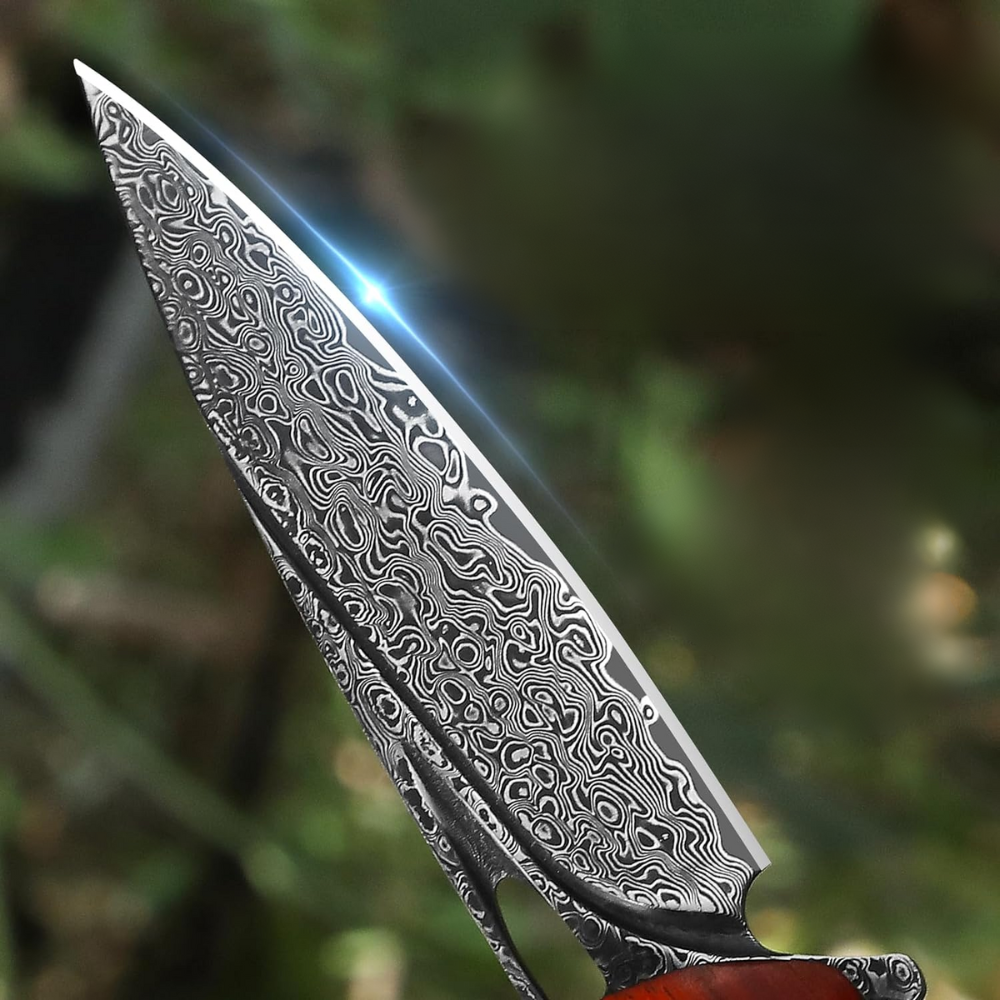
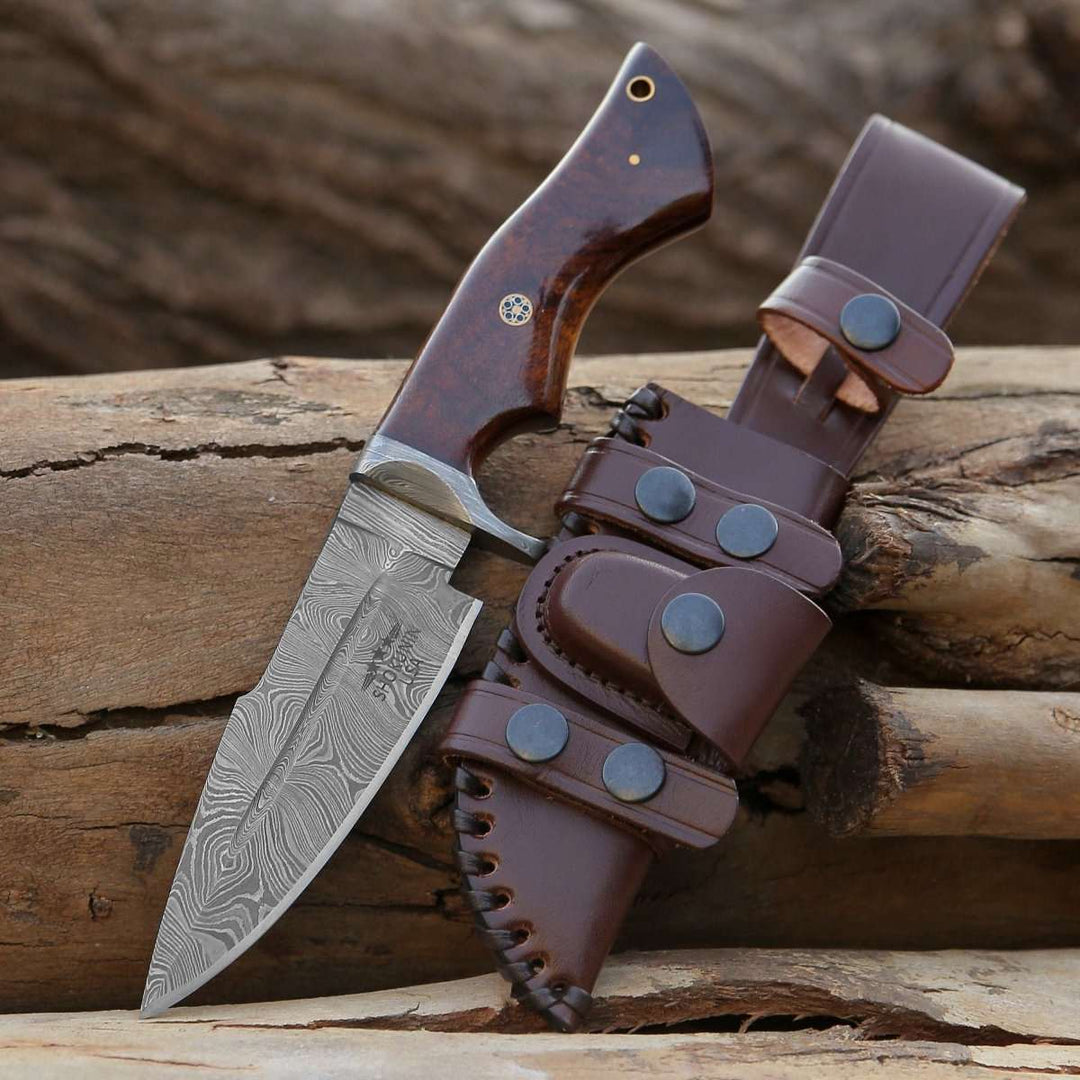
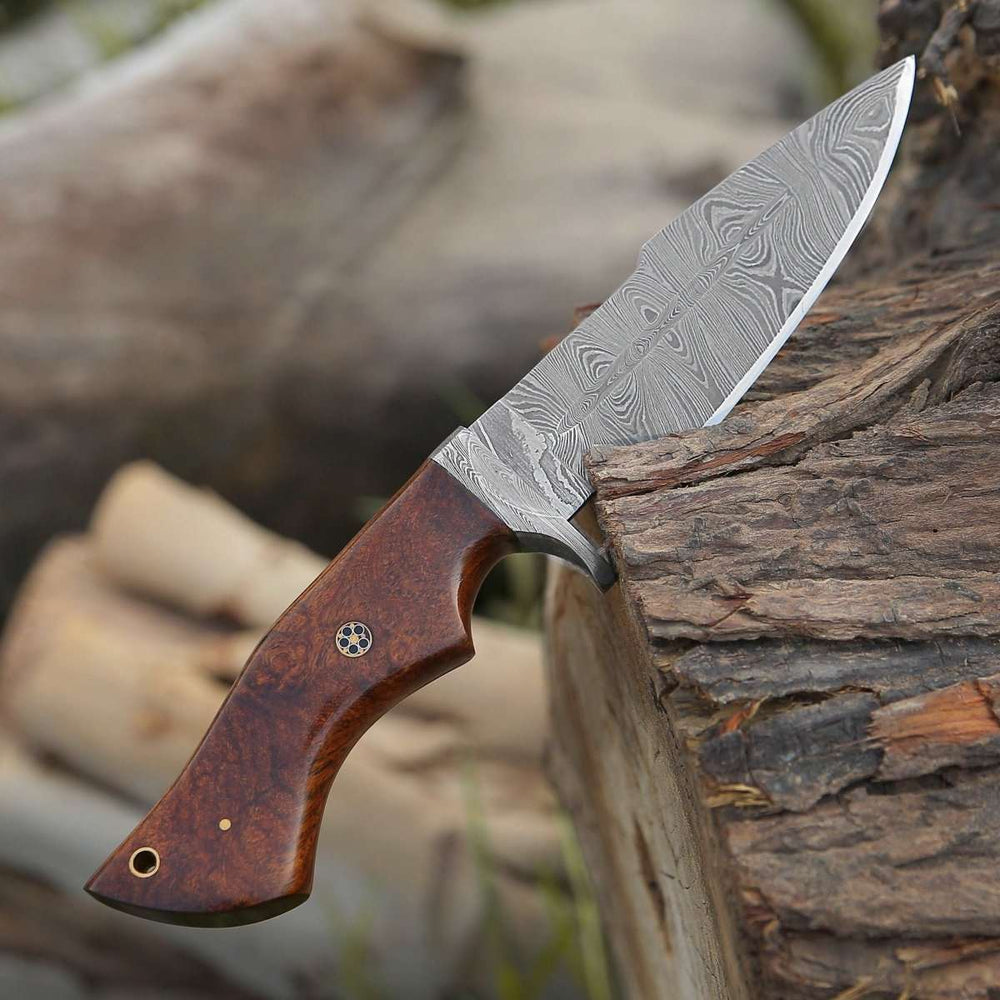
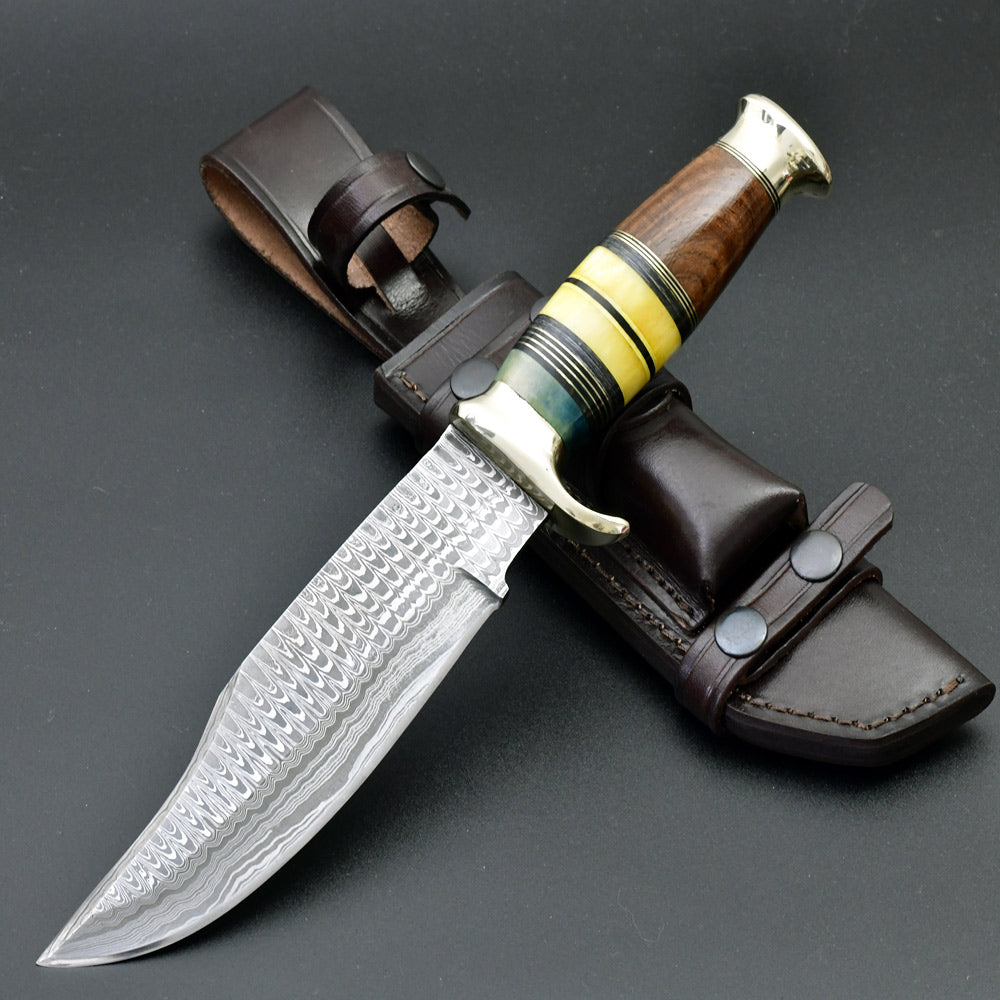
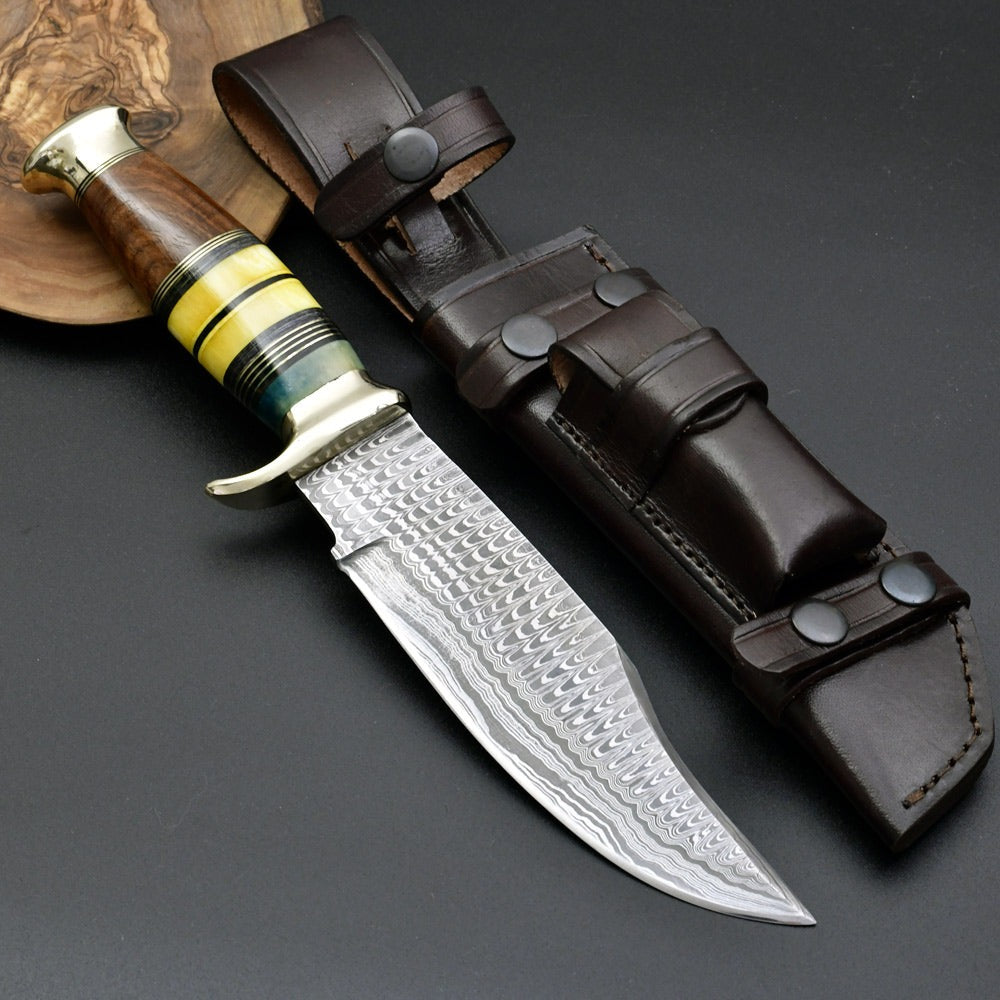
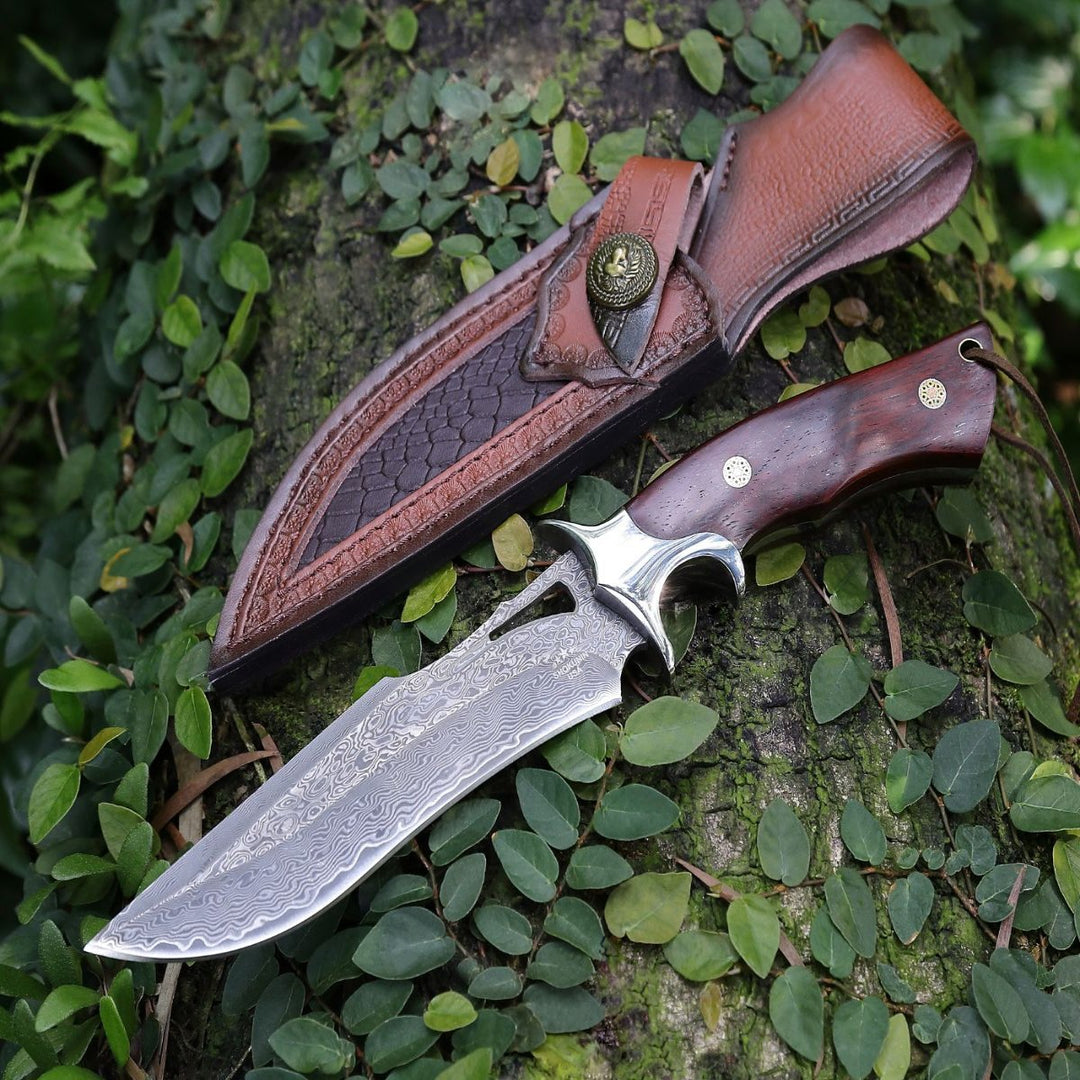
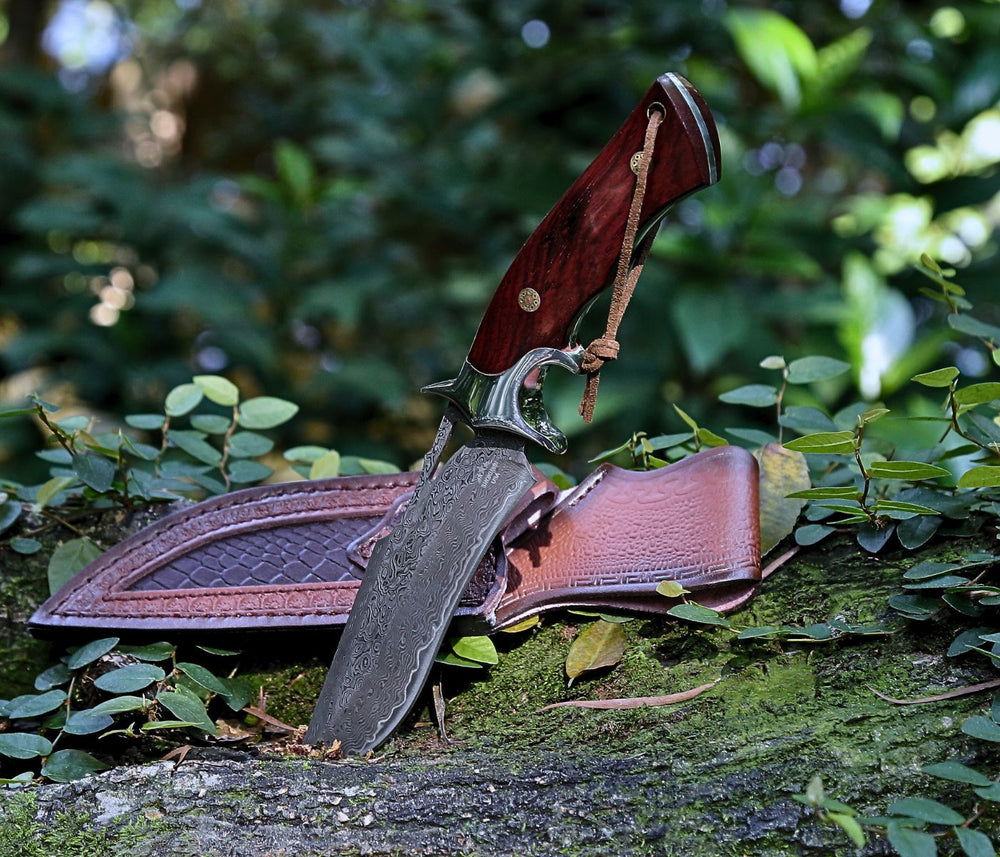
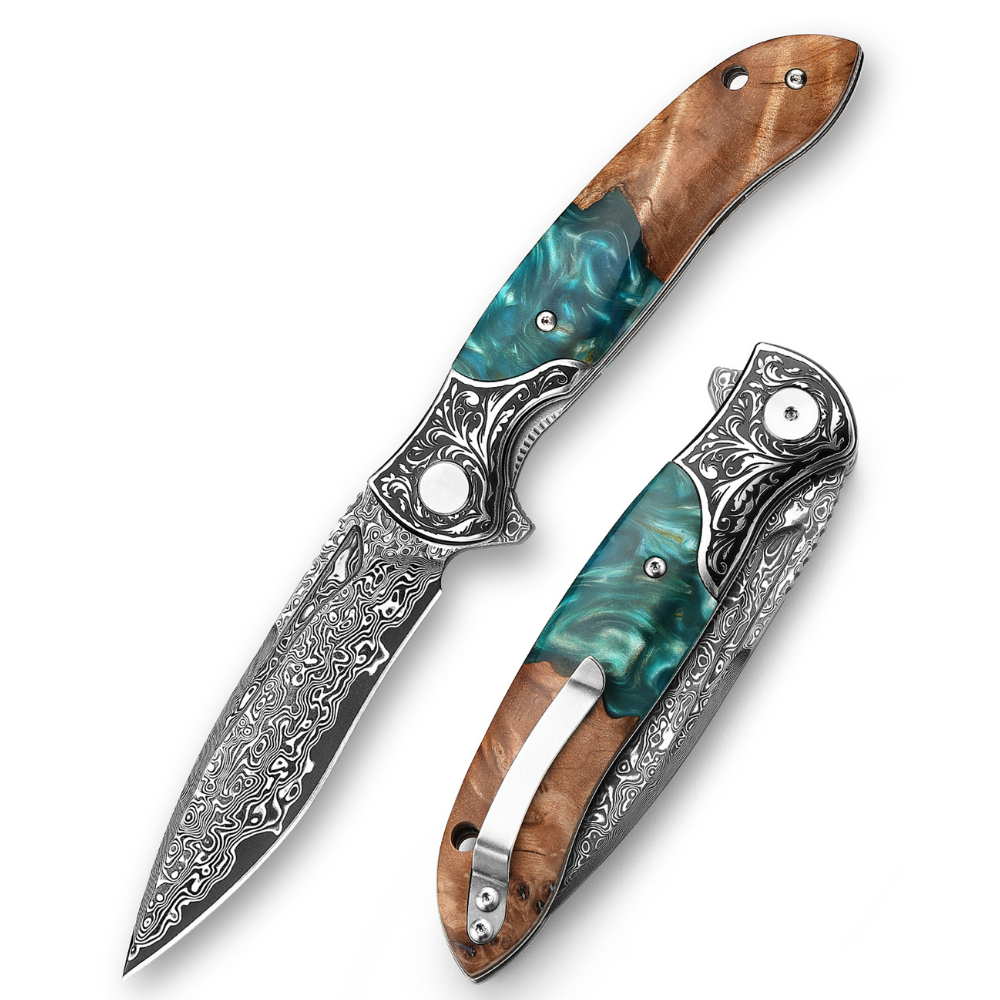
Dragon Japanese VG10 Damascus Pocket Knife with Exotic Snake Wood Handle
The Dragon Japanese VG10 Damascus Pocket Knife combines aesthetic appeal with practical functionality, making it suitable for various outdoor activities like camping and fishing. Its handcrafted Damascus steel blade offers superior sharpness and durability, while the exotic snake wood handle ensures comfort and grip. This pocket knife is designed for everyday use, making it an excellent addition to any tool collection or a thoughtful gift for outdoor enthusiasts.
View Product









Deixe um comentário