

Explore the World of Pocket Knives: A Comprehensive Guide
Overview
Explore the world of pocket knives, from their rich history to various types including folding, slip joint, and lockback knives. Discover the appeal of Damascus Steel for its beauty and durability, and learn essential maintenance tips. Pocket knives are versatile, convenient, and stylish tools that enhance daily life.
Frequently Asked Questions
1. Are pocket knives legal to carry everywhere?
2. What is the best material for a pocket knife blade?
3. Can I customize my pocket knife?
4. What are the types of pocket knives available?
5. Why is Damascus Steel popular for pocket knives?
When it comes to carrying a pocket knife, enthusiasts often find themselves marveling at the myriad of options available on the market. From daily tools to collector's items, pocket knives serve a variety of purposes. Understanding the different types of pocket knives can enhance your appreciation and practicality when choosing the right one for your needs. In this article, we delve into the fascinating world of pocket knives, with a special highlight on the elegance of Damascus Steel.
The Fascinating History of Pocket Knives
The pocket knife has a rich history that dates back hundreds of years. Originally designed as a versatile tool for everyday tasks, these compact knives have evolved into much more than utilitarian objects. They are now symbols of craftsmanship and artistry. What makes some pocket knives stand out is not just their functionality but also the materials used in their construction, with Damascus Steel being a prime example.
The Definition of Damascus Steel
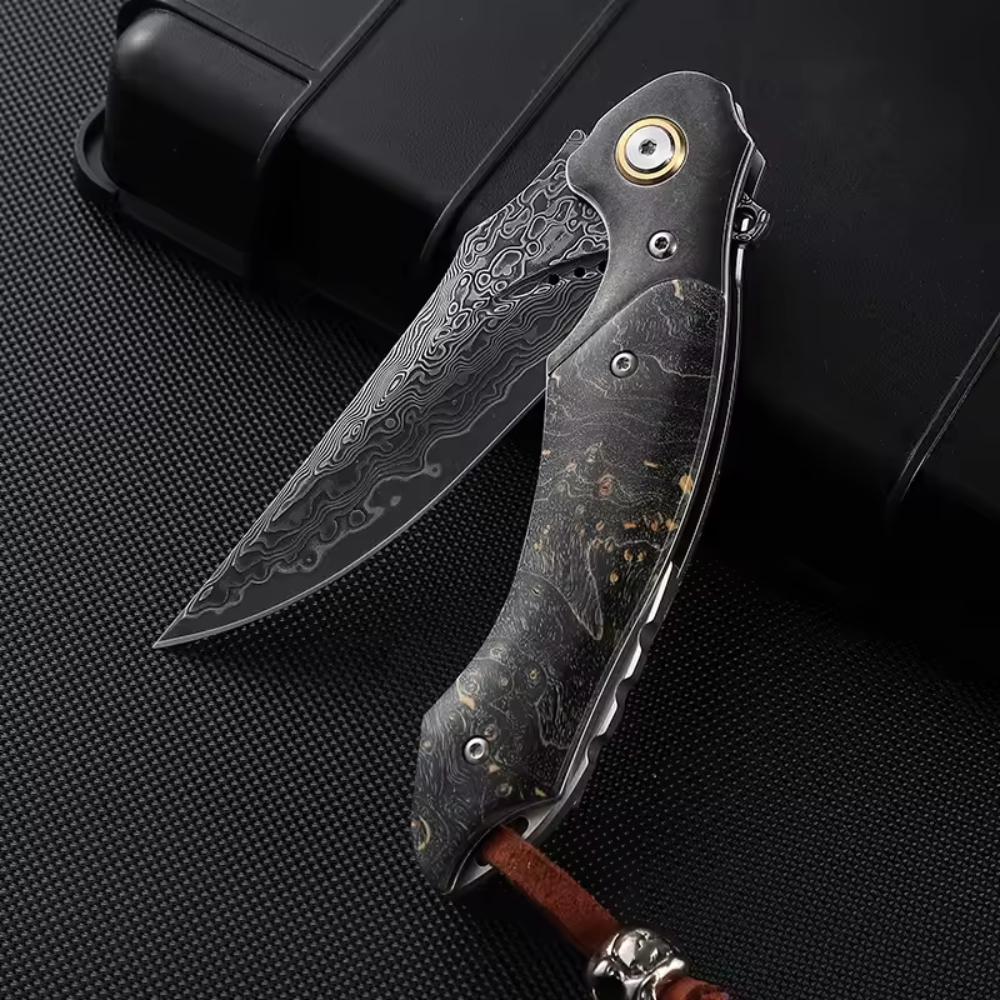
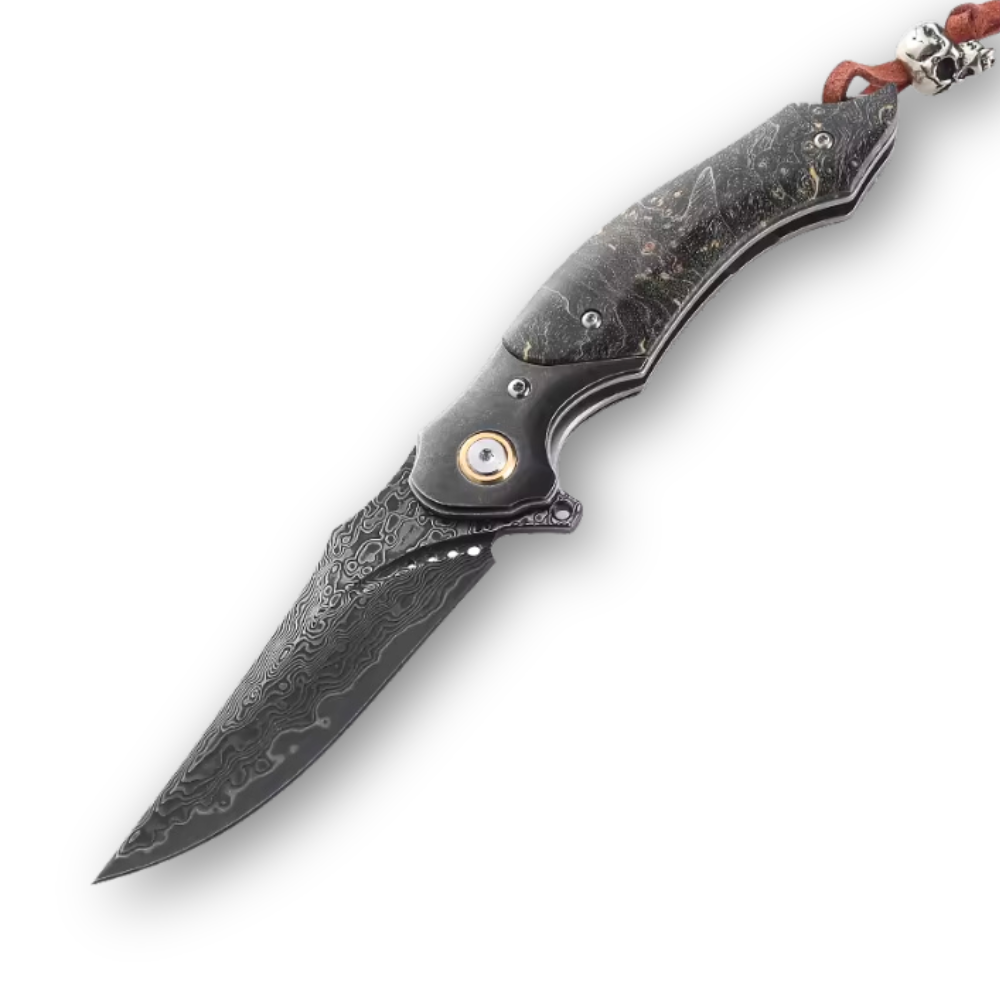
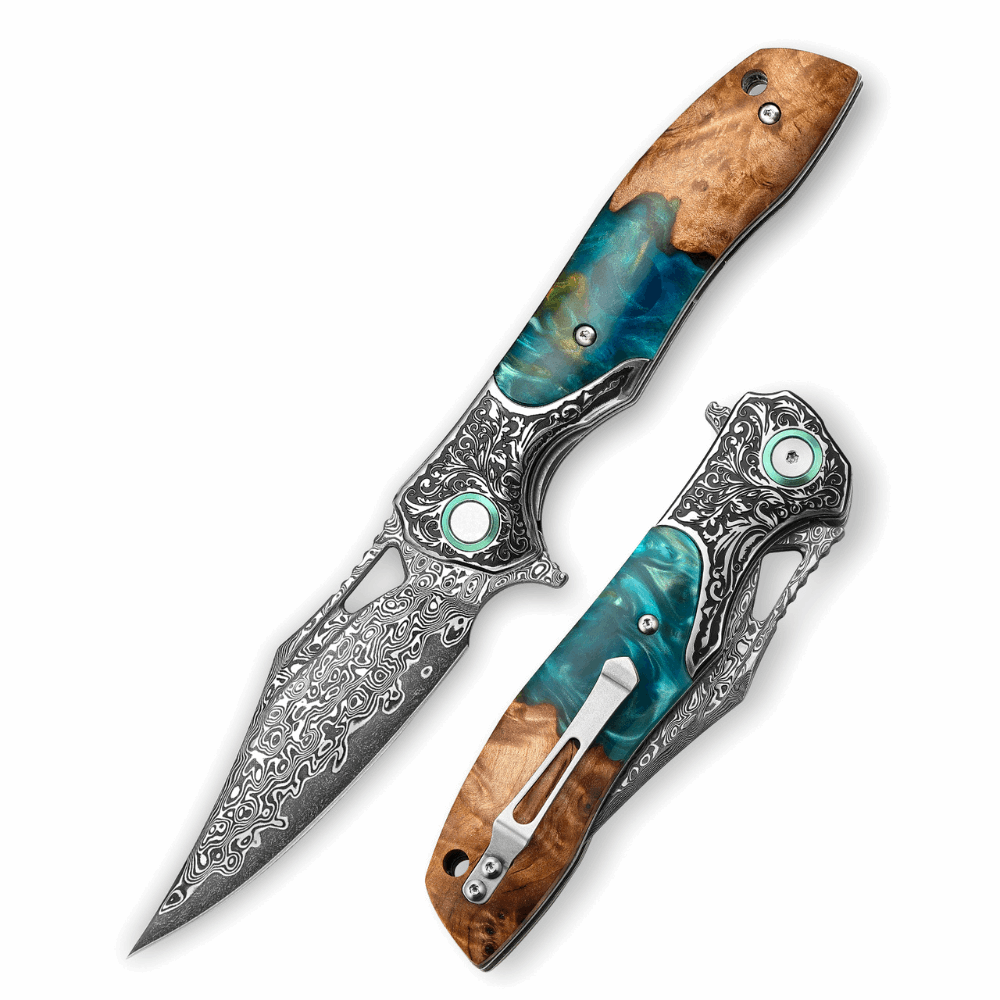
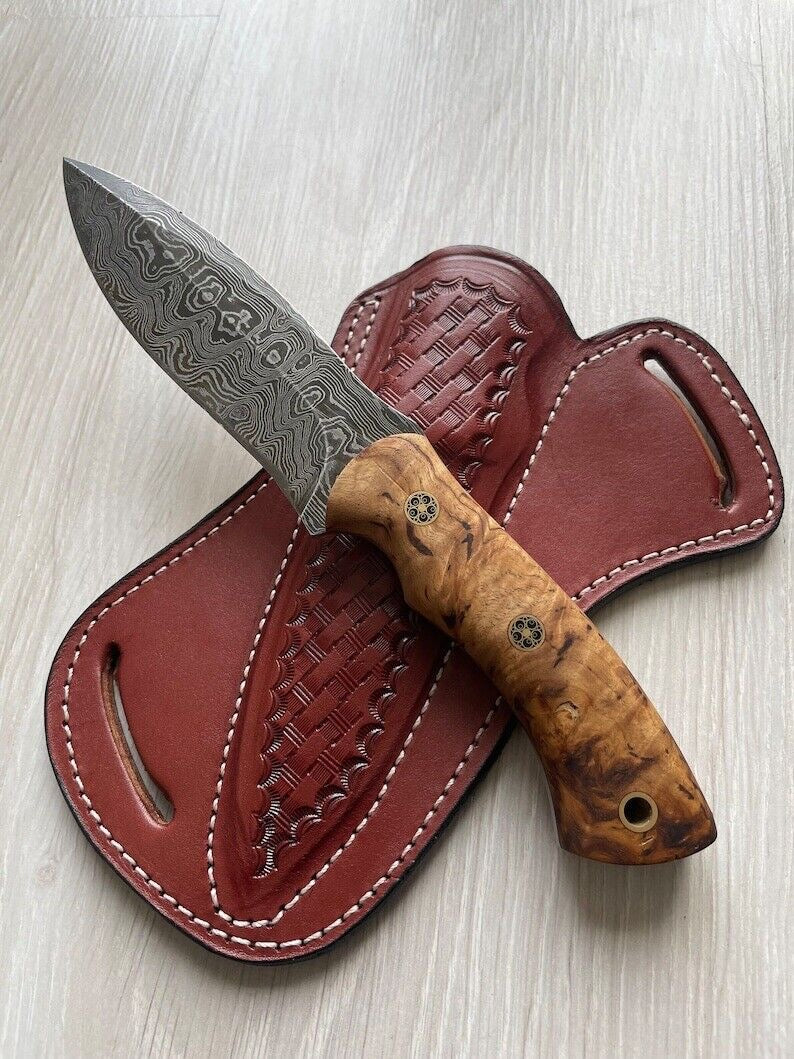
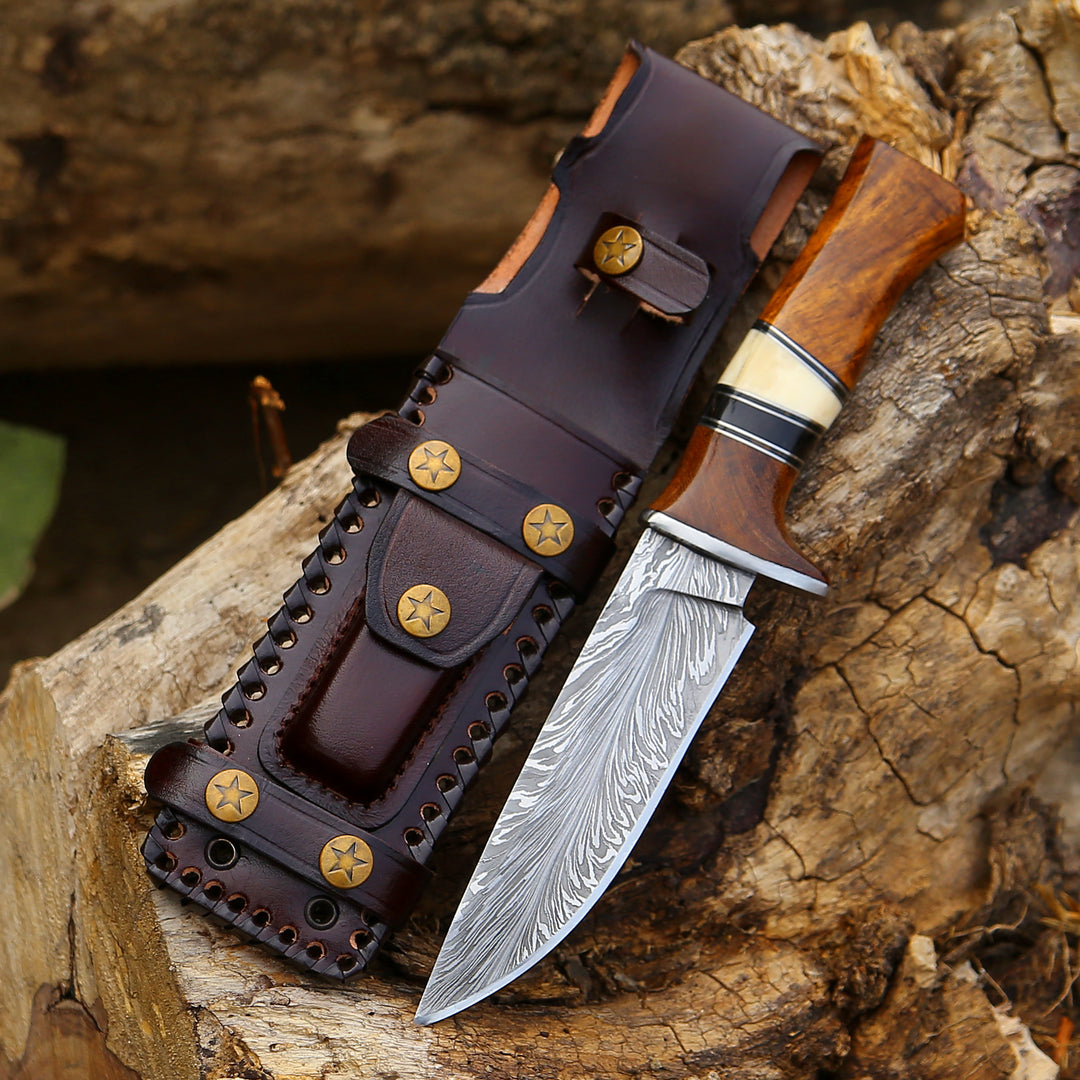
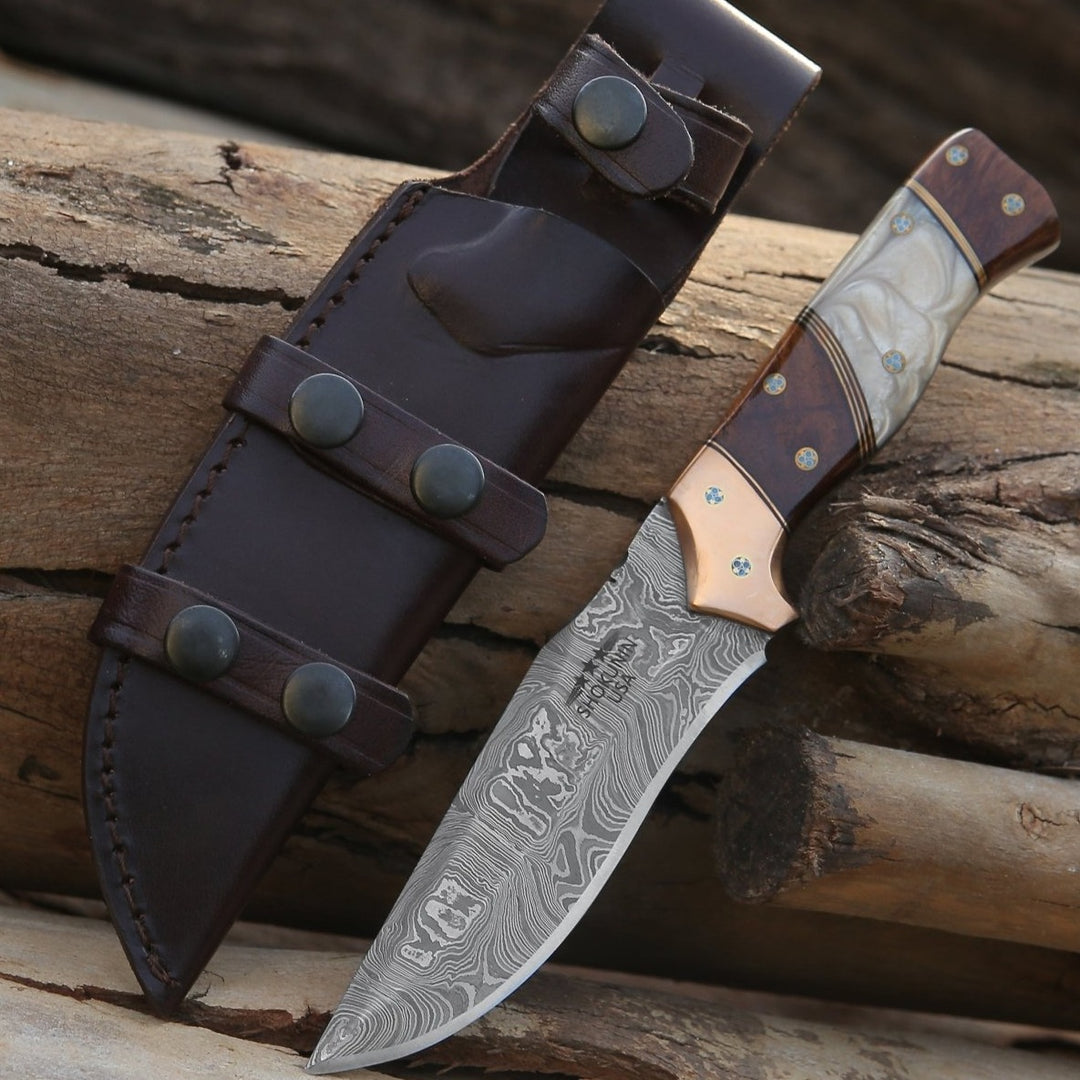
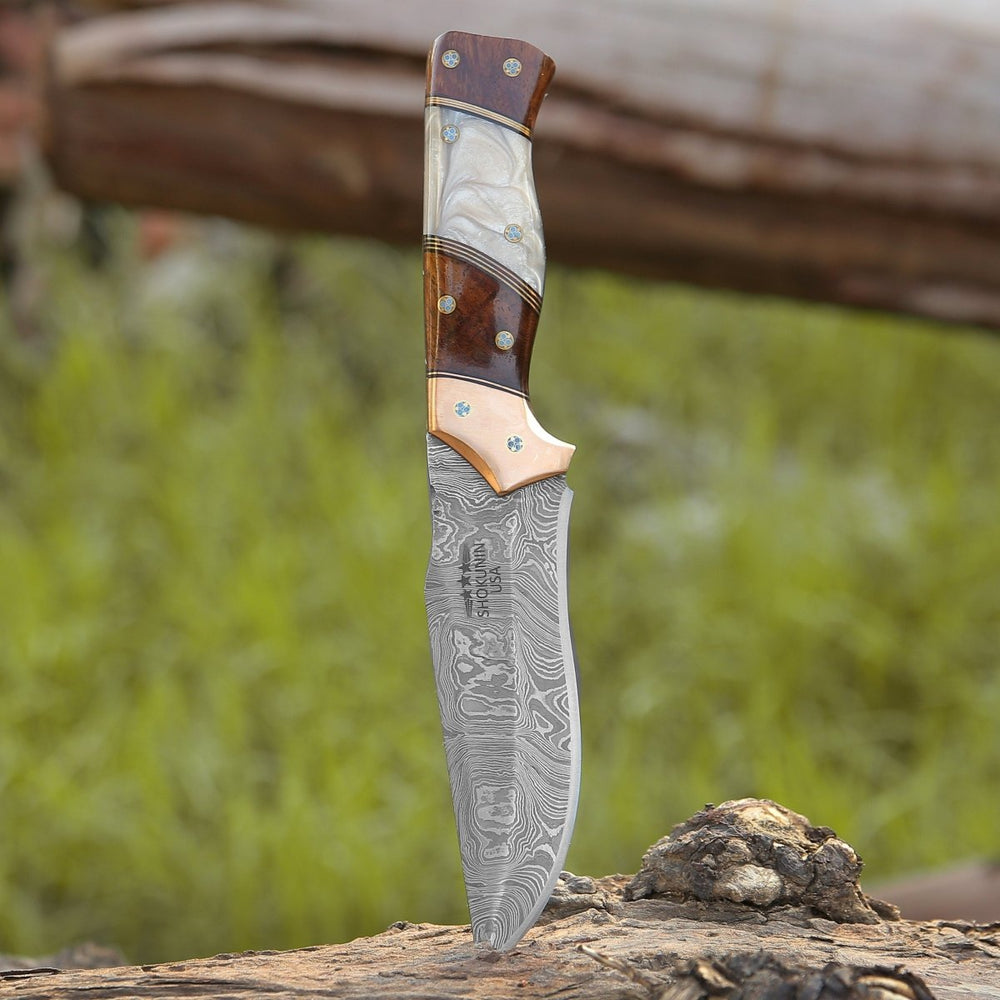
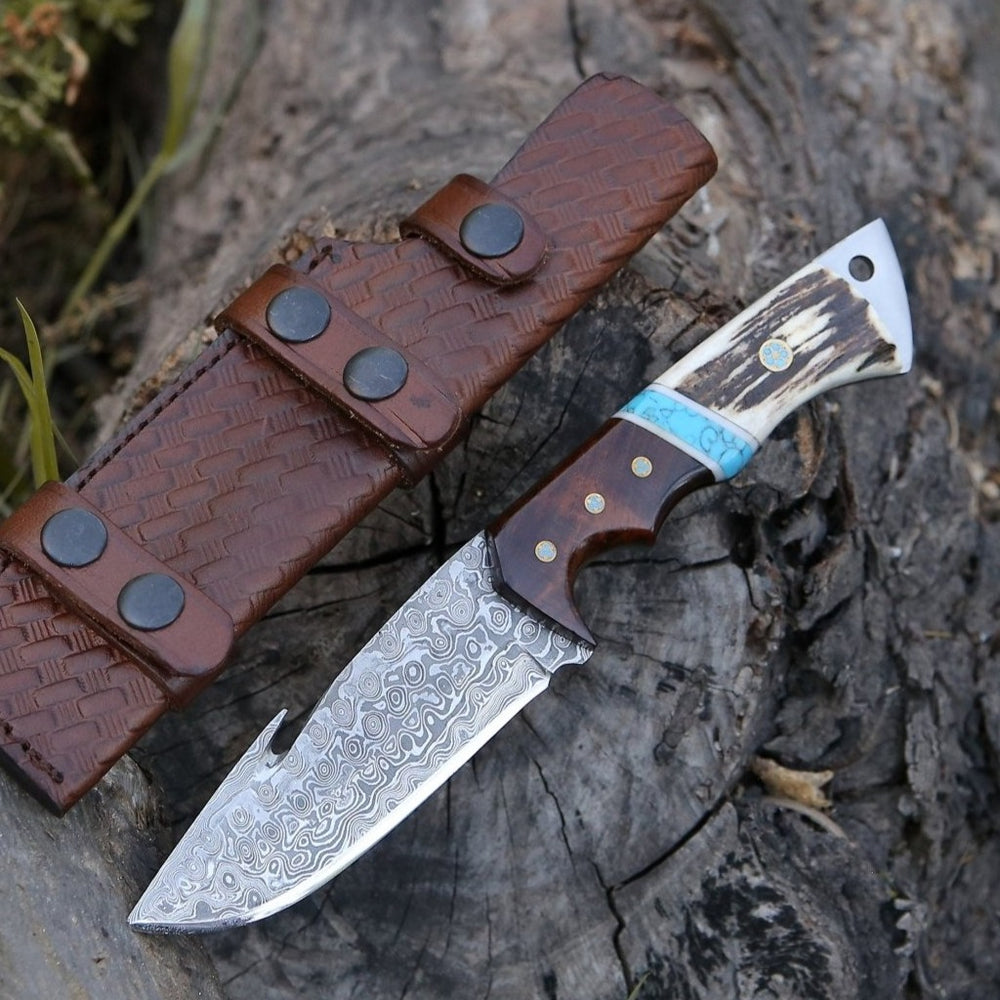
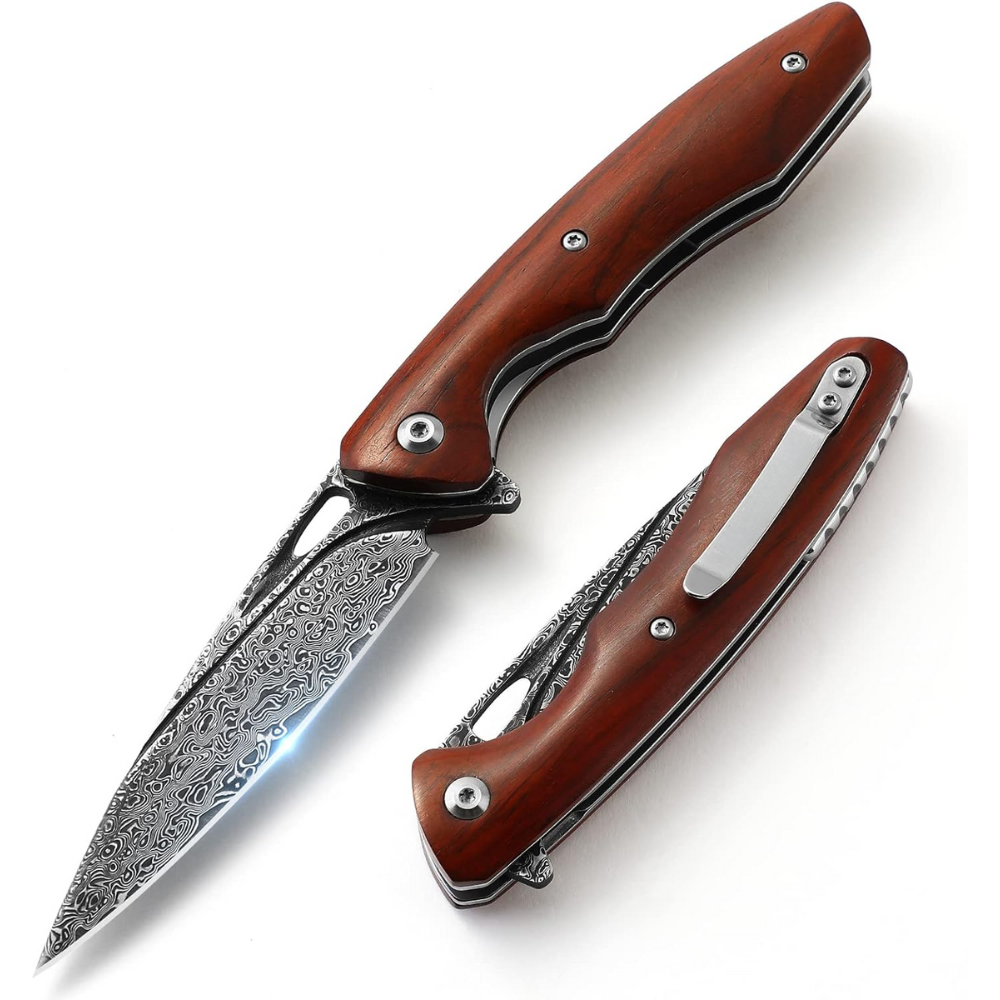
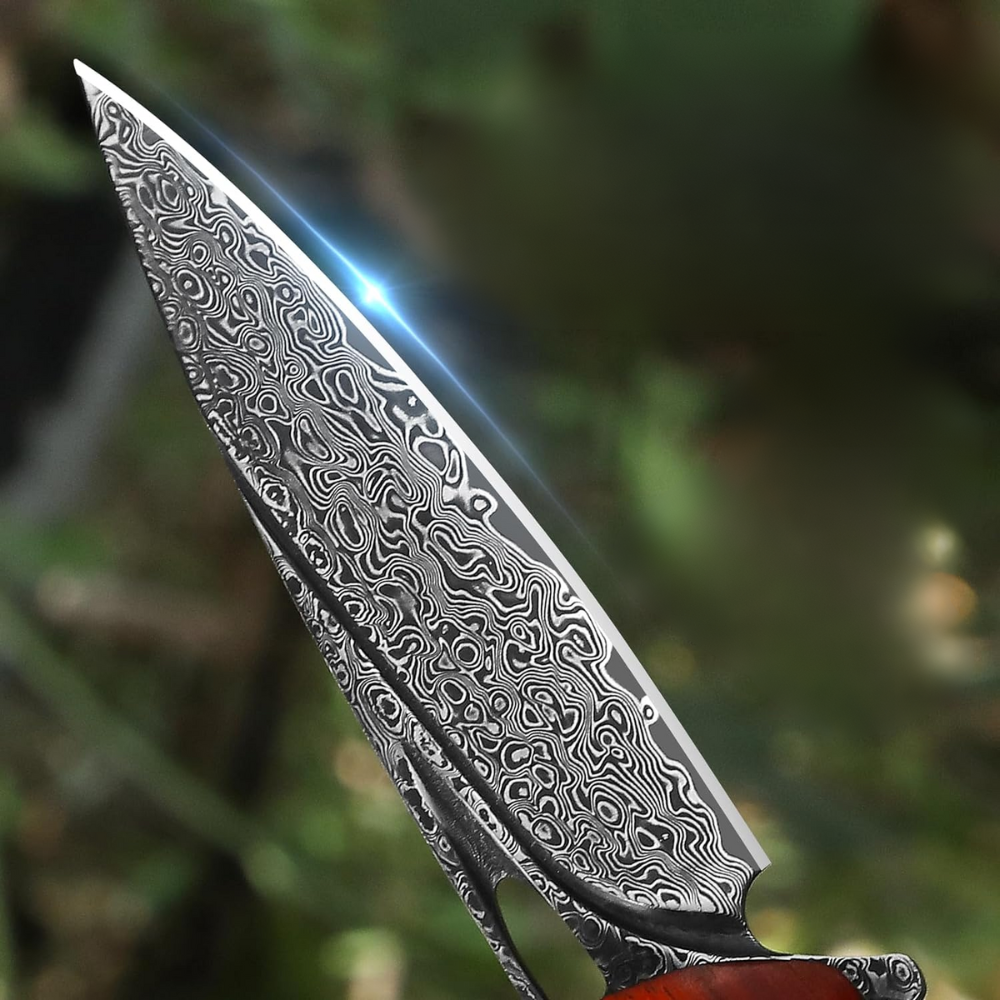
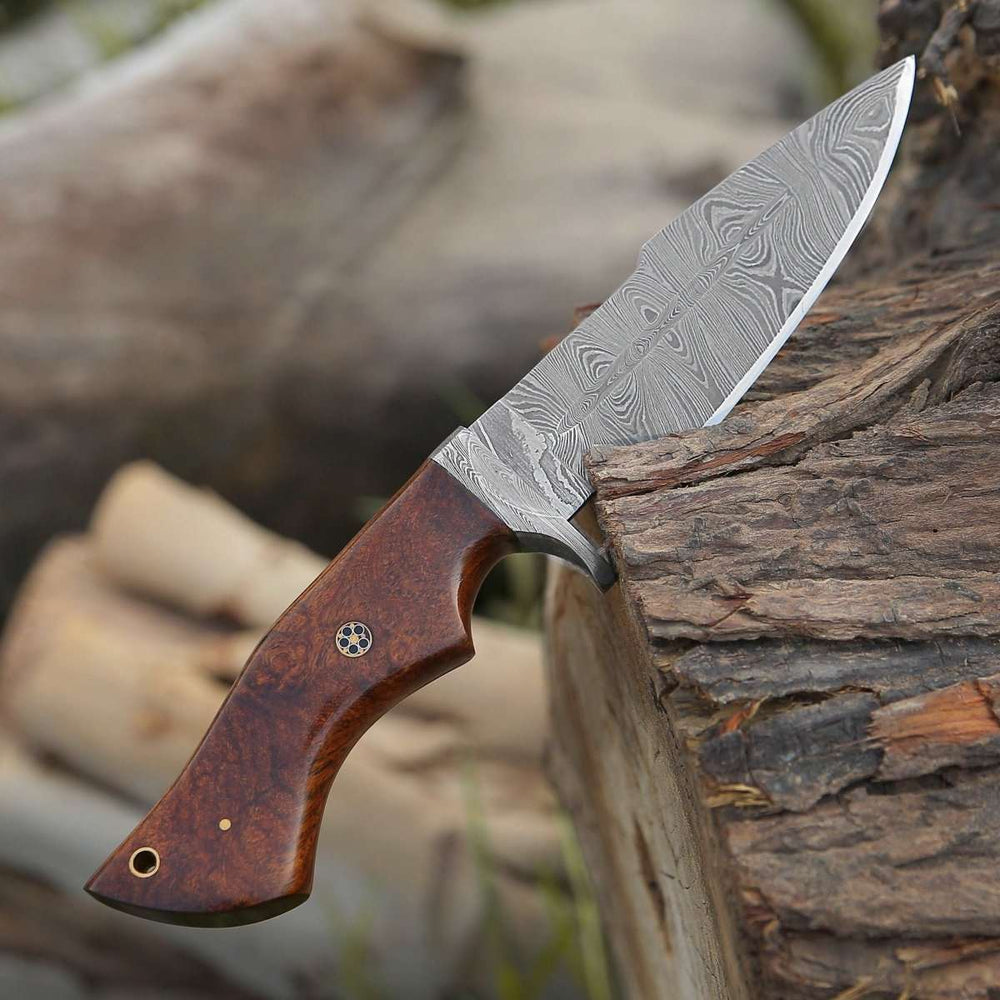
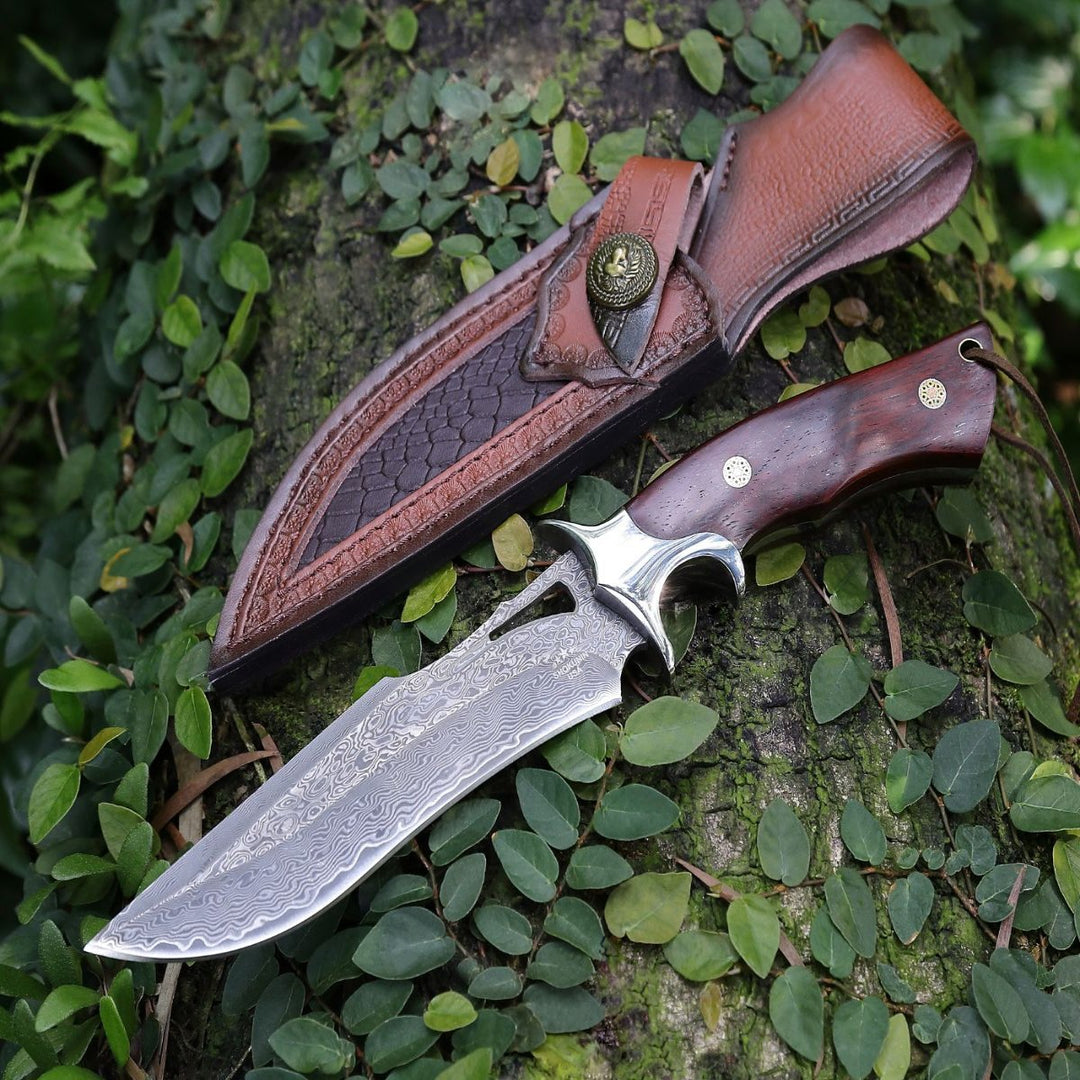
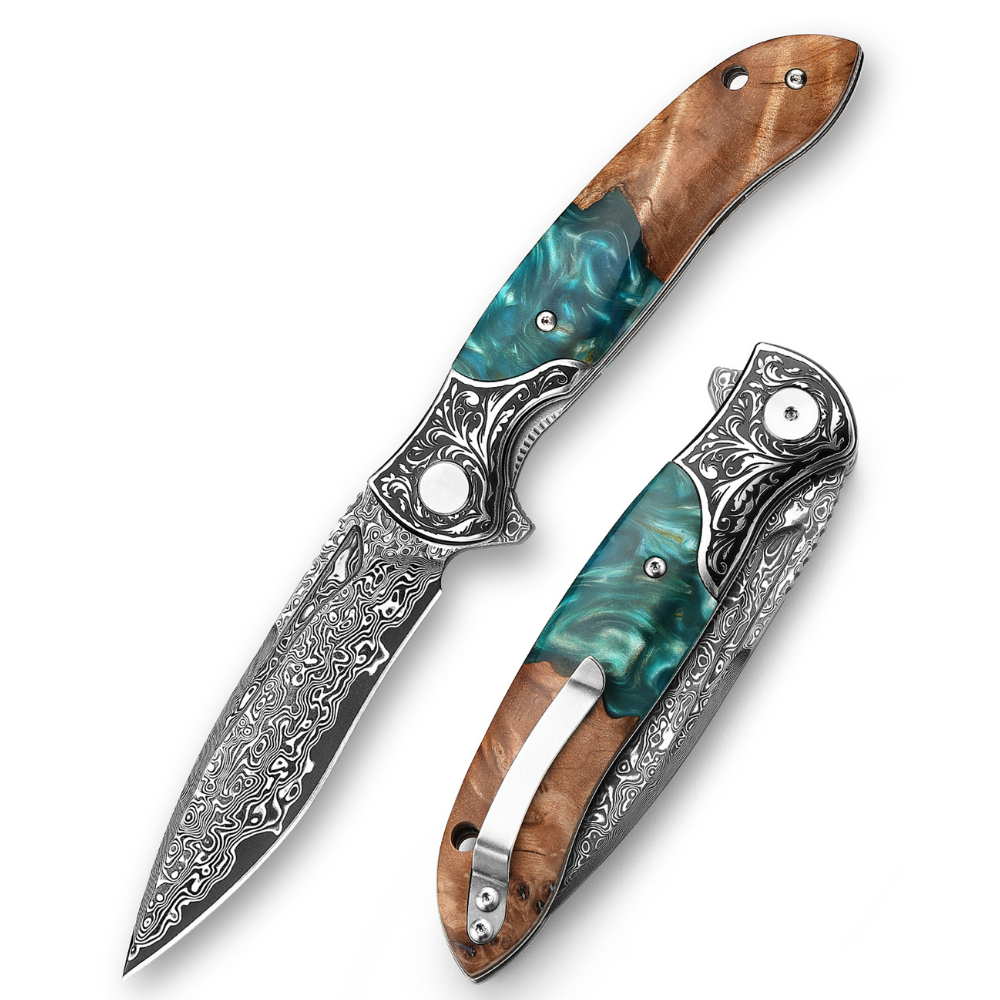
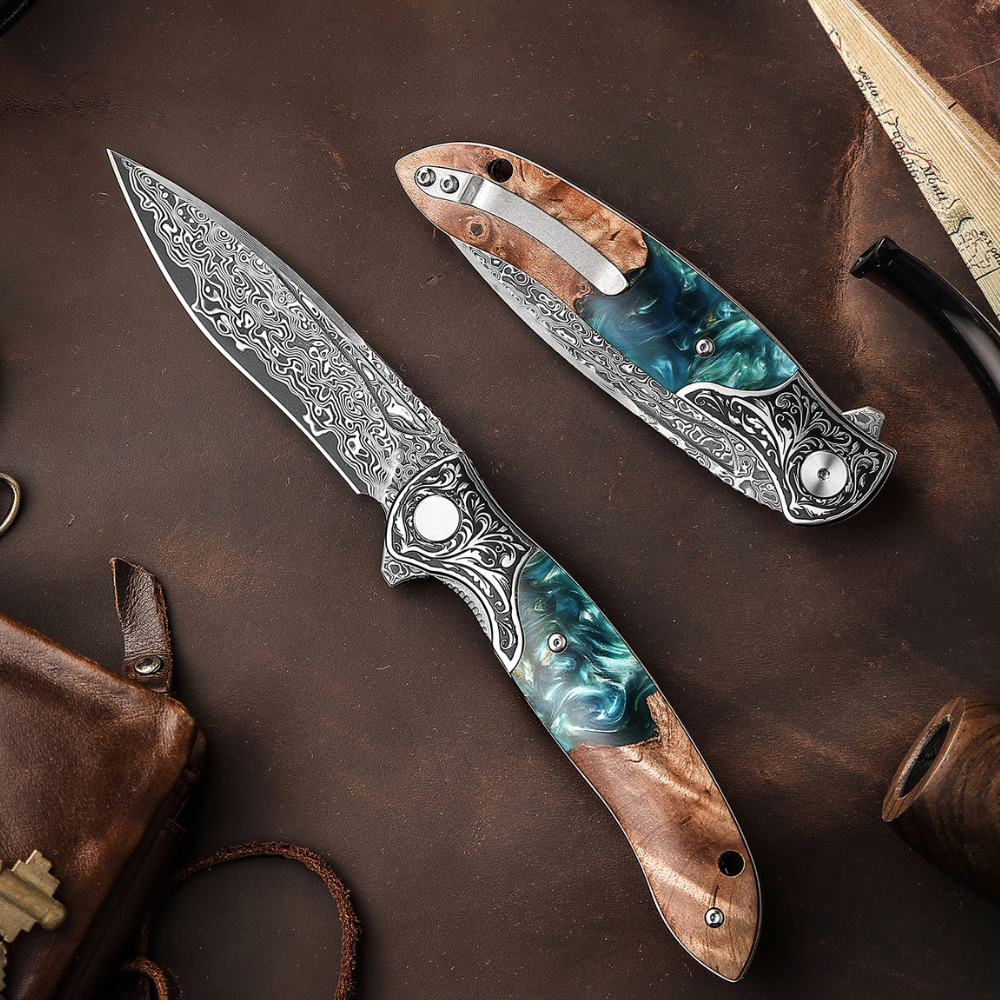
Damascus Steel refers to a type of steel that is renowned for its distinctive patterns and superior toughness. The forging technique used to create Damascus involves welding multiple layers of steel, resulting in a blade that boasts both aesthetic beauty and outstanding performance. This ancient craftsmanship has found its way into modern pocket knives, becoming a favorite among collectors and outdoor enthusiasts alike.
Types of Pocket Knives: A Breakdown
Understanding the types of pocket knives available is crucial for choosing the right one. Below we categorize and describe the various styles commonly found in the market.
Folding Knives
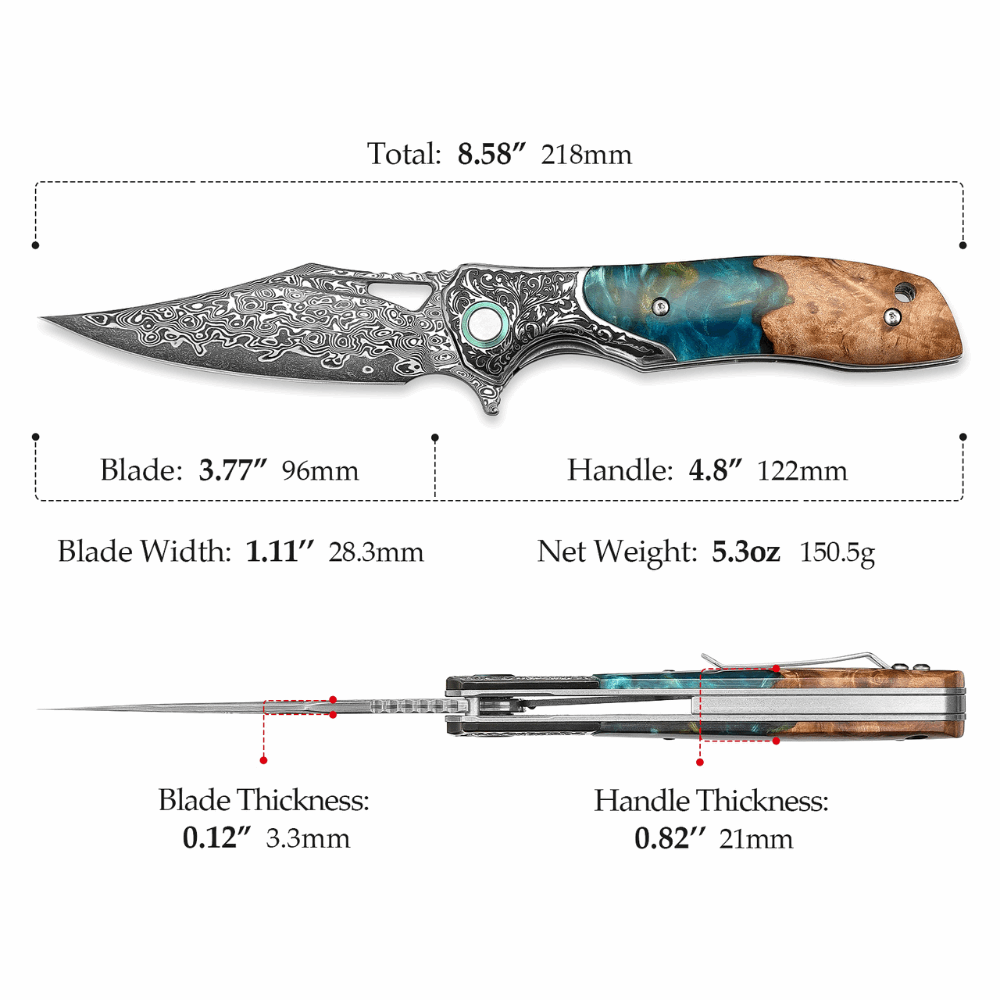
Folding knives are perhaps the most popular category of pocket knives. They feature a blade that folds into the handle, making them compact and safe to carry. Whether you're using them for everyday tasks or as part of your camping gear, folding knives provide the perfect balance of portability and functionality.
Slip Joint Knives
Slip joint knives are a subset of folding knives that lack a locking mechanism. Instead, they have a blade that is held in place by a spring. These knives are simple, lightweight, and often favored for their classic designs. They’re great for everyday carry and utility applications without the fear of locking mechanisms malfunctioning.
Lockback Knives
As the name suggests, lockback knives feature a locking mechanism at the back of the handle. This ensures that the blade remains securely in place during use, making them suitable for more demanding tasks. The lockback design is a staple for many outdoor enthusiasts who need a reliable tool for camping, hiking, and fishing.
Axis Lock Knives
Axis lock knives utilize a unique mechanism that allows for smooth blade deployment and secure locking. This makes them a popular choice among users who appreciate both functionality and innovation. The axis lock is often found in higher-end folding knives and offers a quick and safe method for operating the blade.
Specialty Pocket Knives
Beyond the usual types, there are specialty pocket knives that cater to specific interests and needs.
Multi-Tools
Multi-tools go beyond just having a knife blade. They incorporate various functions such as pliers, screwdrivers, and scissors, all in one compact package. These versatile tools are invaluable for those who want to be prepared for a variety of situations.
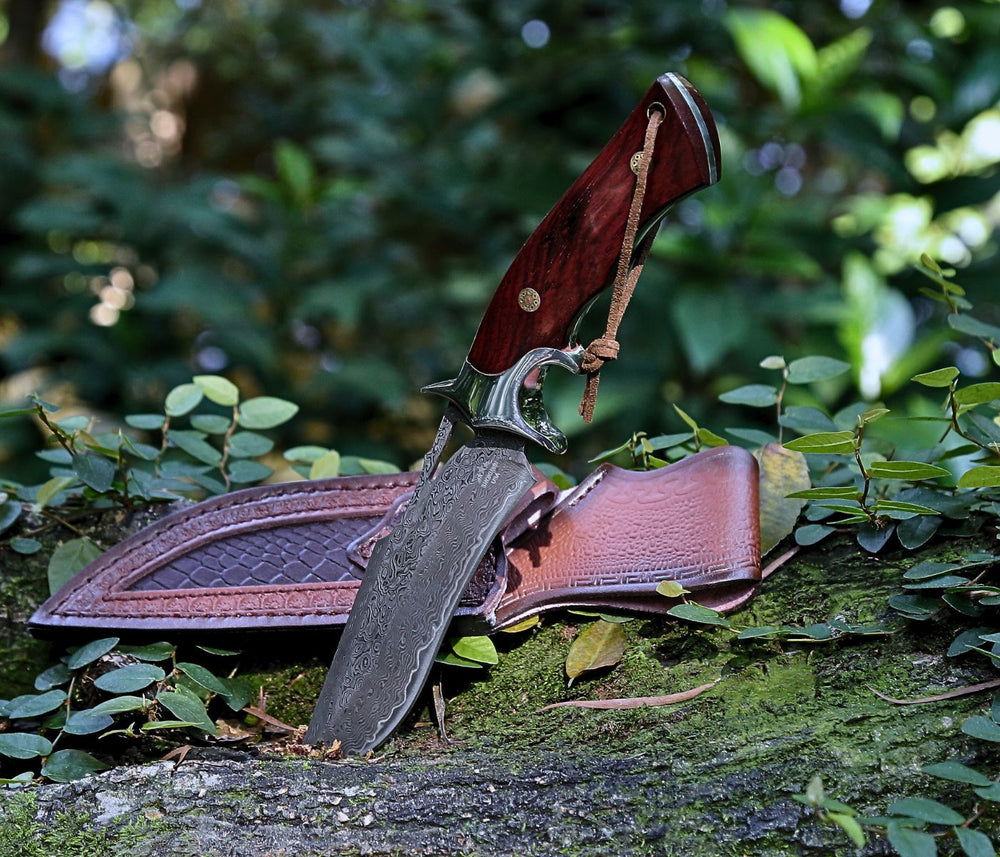
Fixed Blade Knives
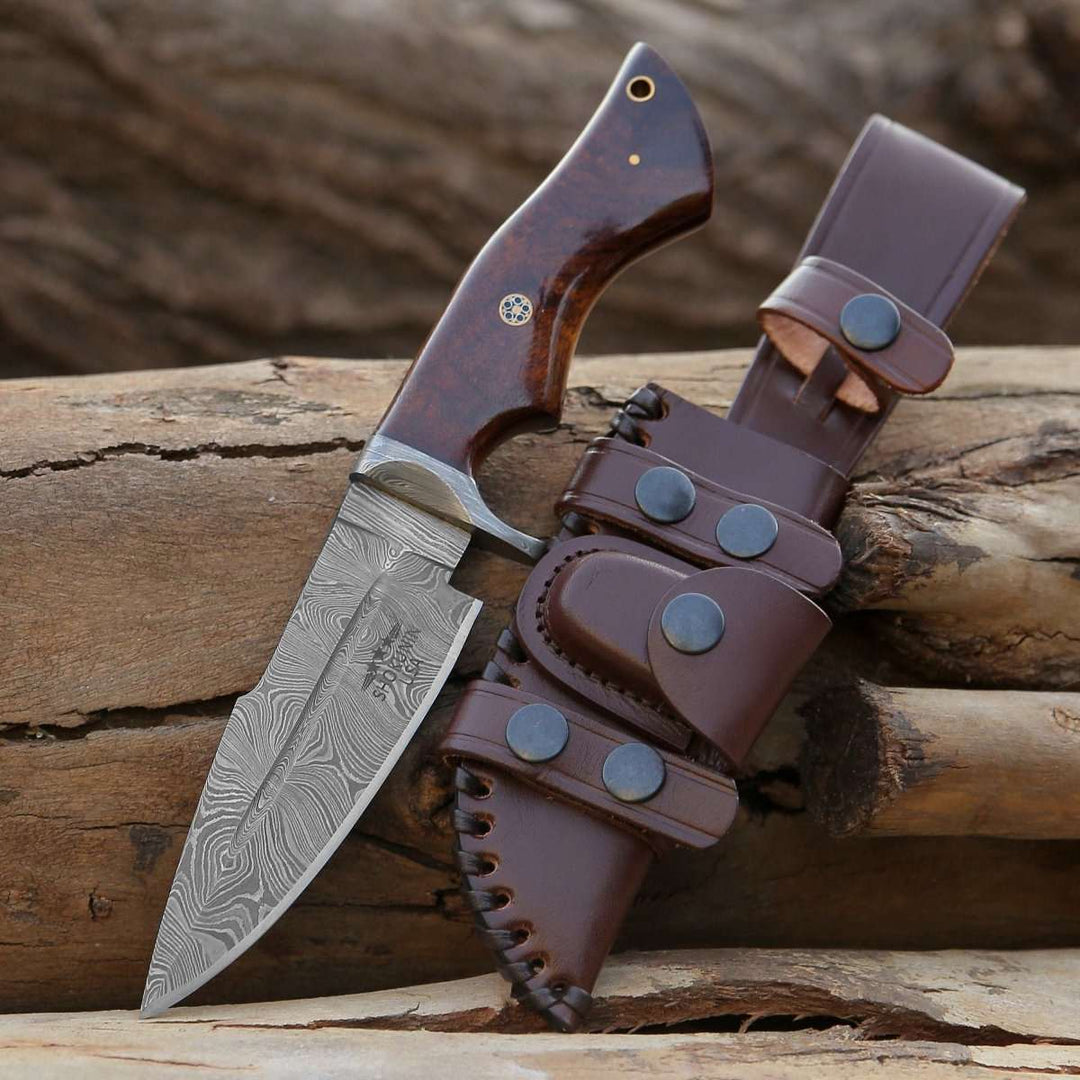
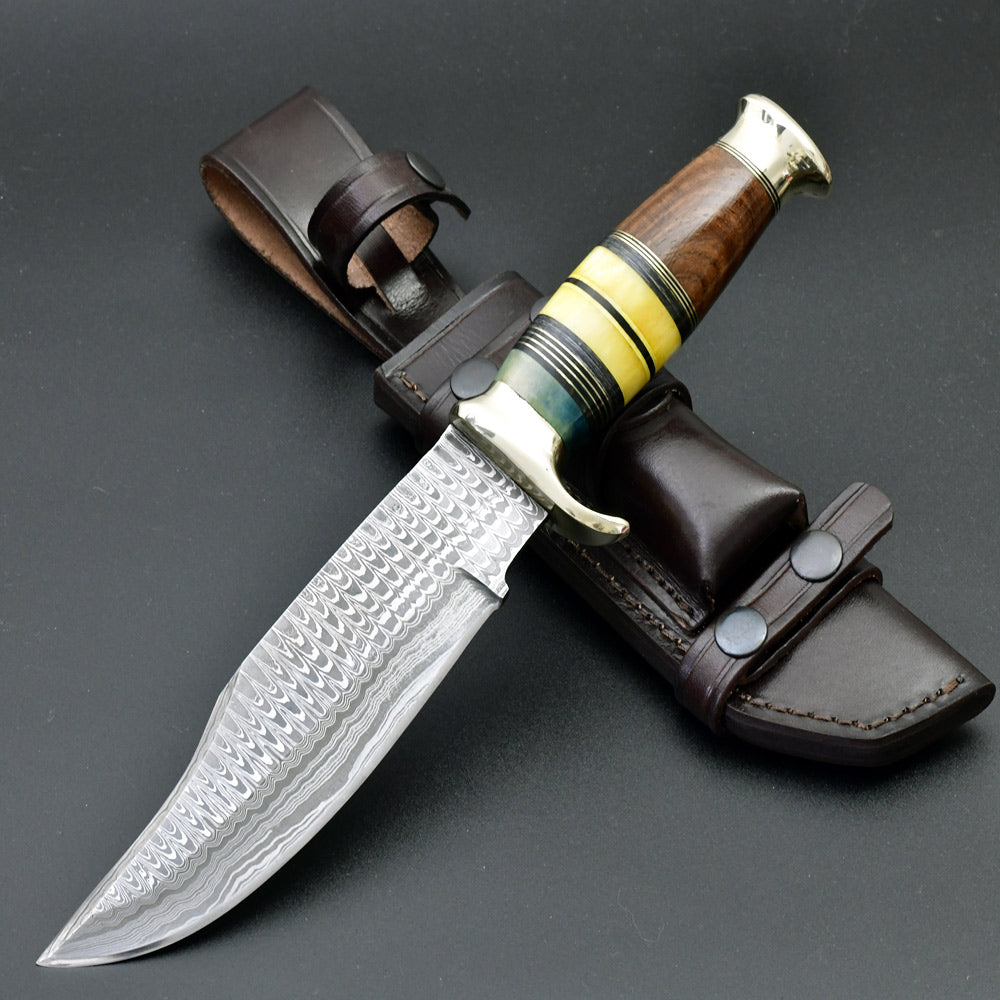
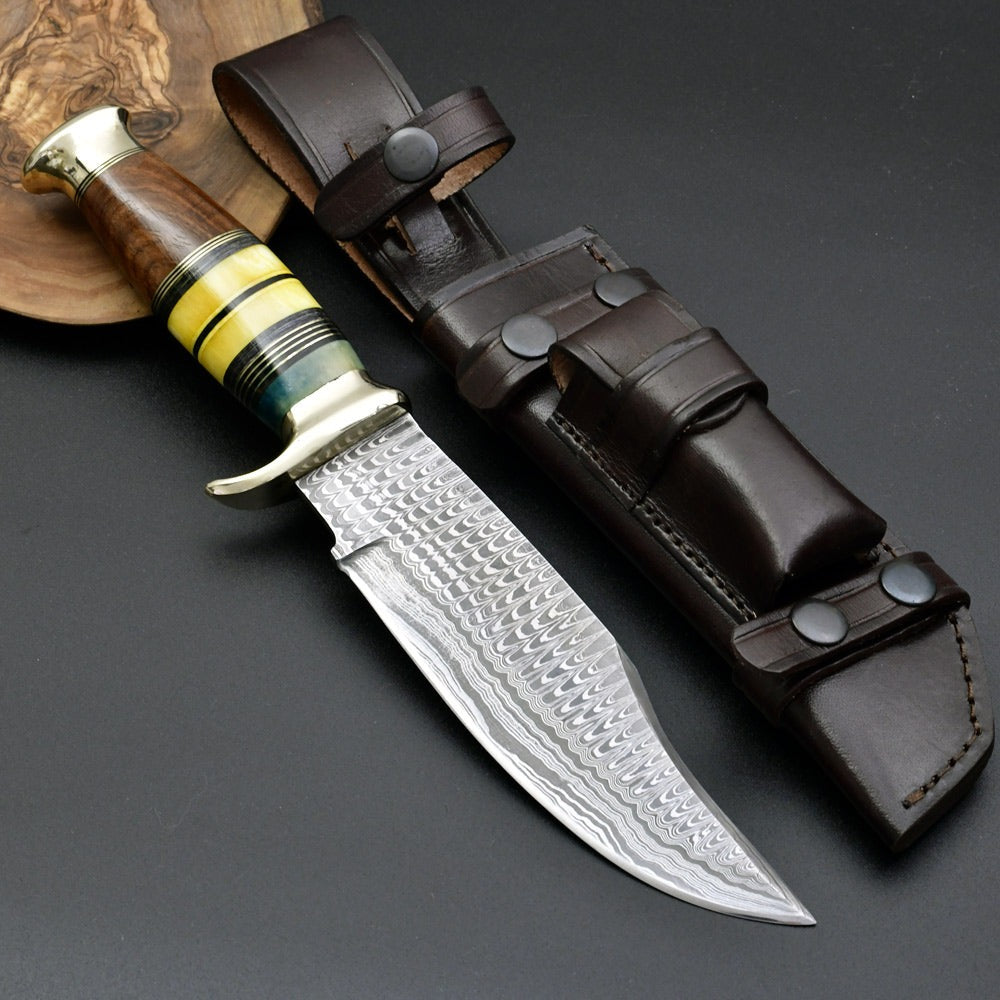
While not typically classified as pocket knives, many prefer carrying a small fixed blade knife for their robustness and strength. Fixed blade knives don't fold, which means they offer greater durability for heavy-duty tasks.
The Appeal of Damascus Steel in Pocket Knives
The integration of Damascus Steel into pocket knives enhances their aesthetic and functional appeal. Here are some key attributes that make Damascus Steel a sought-after material:
- Beautiful Patterns: The unique swirling patterns that create the visual appeal of Damascus Steel make knives not only tools but also art pieces.
- Durability: Knives made from Damascus Steel are typically more resistant to wear and tear, ensuring they remain functional over time.
- Edge Retention: Damascus steel blades generally hold their sharpness longer due to the specific composition of the steel layers used in their forging.
Maintaining Your Damascus Steel Pocket Knife
To ensure that your Damascus Steel pocket knife lasts, proper maintenance is critical. Here are some tips:
- Cleaning: Clean your knife after each use. Wash the blade with warm, soapy water and dry it thoroughly to prevent rusting.
- Lubrication: Occasionally apply knife oil on the moving parts to ensure smooth operation.
- Storage: Store your knife in a dry place. Include a cloth cover to protect it from scratches and moisture.
Why Choose a Pocket Knife?
Choosing to carry a pocket knife provides numerous benefits. Here are some reasons to consider incorporating one into your daily life:
- Utility: Pocket knives are incredibly versatile tools. They can help you with tasks ranging from opening packages to tackling outdoor activities.
- Convenience: Their compact size allows for easy transport, making them suitable for any occasion.
- Style: Pocket knives are more than just practical tools; they are representations of craftsmanship and personal style, especially when adorned with materials like Damascus Steel.
Frequently Asked Questions About Pocket Knives
Are pocket knives legal to carry everywhere?
While pocket knives are generally legal to carry, various states and cities have specific regulations. It's essential to check the laws in your area to avoid any legal issues.
What is the best material for a pocket knife blade?
The best material largely depends on personal preference. Stainless steel, carbon steel, and Damascus Steel each offer unique benefits like corrosion resistance, edge retention, and aesthetics.
Can I customize my pocket knife?
Many manufacturers allow customizations for pocket knives, such as engraving or choosing blade material. This adds a personal touch, especially meaningful for gifts or collector’s items.
The Last Slice of Wisdom on Pocket Knives
In conclusion, whether you’re a seasoned collector or a first-time buyer, understanding the different types of pocket knives can significantly enhance your selection process. The integration of beautiful materials like Damascus Steel elevates these tools from mere functional items to works of art. Remember to consider your needs, style, and the specific tasks you’ll be using your pocket knife for. Dive deep into the world of pocket knives and discover a tool that truly complements your lifestyle.






Deixe um comentário