


Overview
Pocket knives are essential tools, and choosing between steel and titanium materials is key. Steel offers durability and excellent edge retention, while titanium is lightweight and corrosion-resistant. Steel is generally more affordable, but titanium has a modern aesthetic and may be pricier. Your choice should depend on your intended use: for heavy-duty tasks, opt for steel; for lightweight needs and resistance to moisture, choose titanium. Proper maintenance is crucial for both types to ensure longevity.
Table of Contents
- The Basics: Understanding Pocket Knife Materials
- What is Steel?
- What is Titanium?
- The Great Debate: Steel vs. Titanium
- Durability and Strength
- Sharpness and Edge Retention
- Corrosion Resistance
- Weight and Portability
- Cost Considerations
- Finishing Touches: Aesthetic Appeal
- Choosing the Right Material for Your Needs
- How to Maintain Your Pocket Knife
- Excitement Ahead: The Next Step
Frequently Asked Questions
1. What are the main materials used in pocket knives?
2. What are the advantages of steel in pocket knives?
3. Why is titanium a popular choice for pocket knives?
4. How do the costs of steel and titanium pocket knives compare?
5. What maintenance is needed for pocket knives?
Pocket knives have become an essential tool for many outdoor enthusiasts, craftsmen, and everyday users. When it comes to choosing a pocket knife, one critical factor to consider is the material used in its construction. Two of the most popular materials for pocket knives are steel and titanium. Each has its unique properties, benefits, and drawbacks. In this article, we will dive deep into a comparison of these two materials, focusing on their performance, durability, corrosion resistance, and more.
The Basics: Understanding Pocket Knife Materials
To make an informed decision about pocket knives, it’s crucial to understand the materials that go into them. Steel and titanium each bring notable characteristics to the table, influencing everything from blade sharpness to overall durability.
What is Steel?
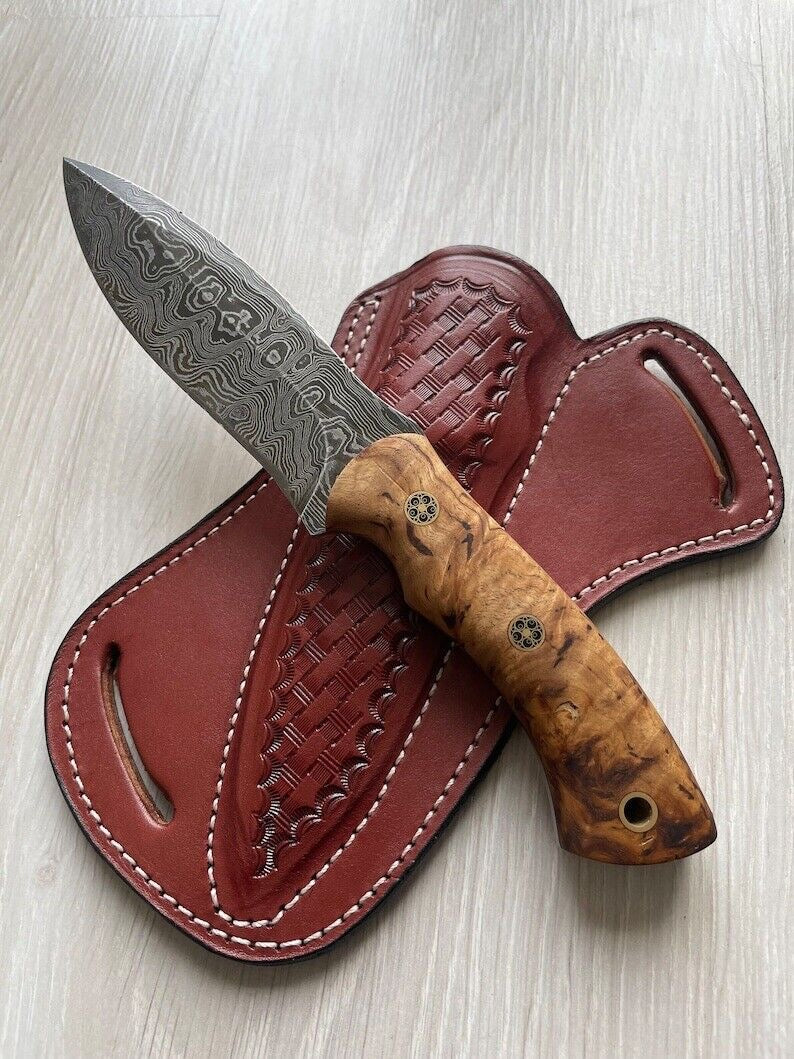
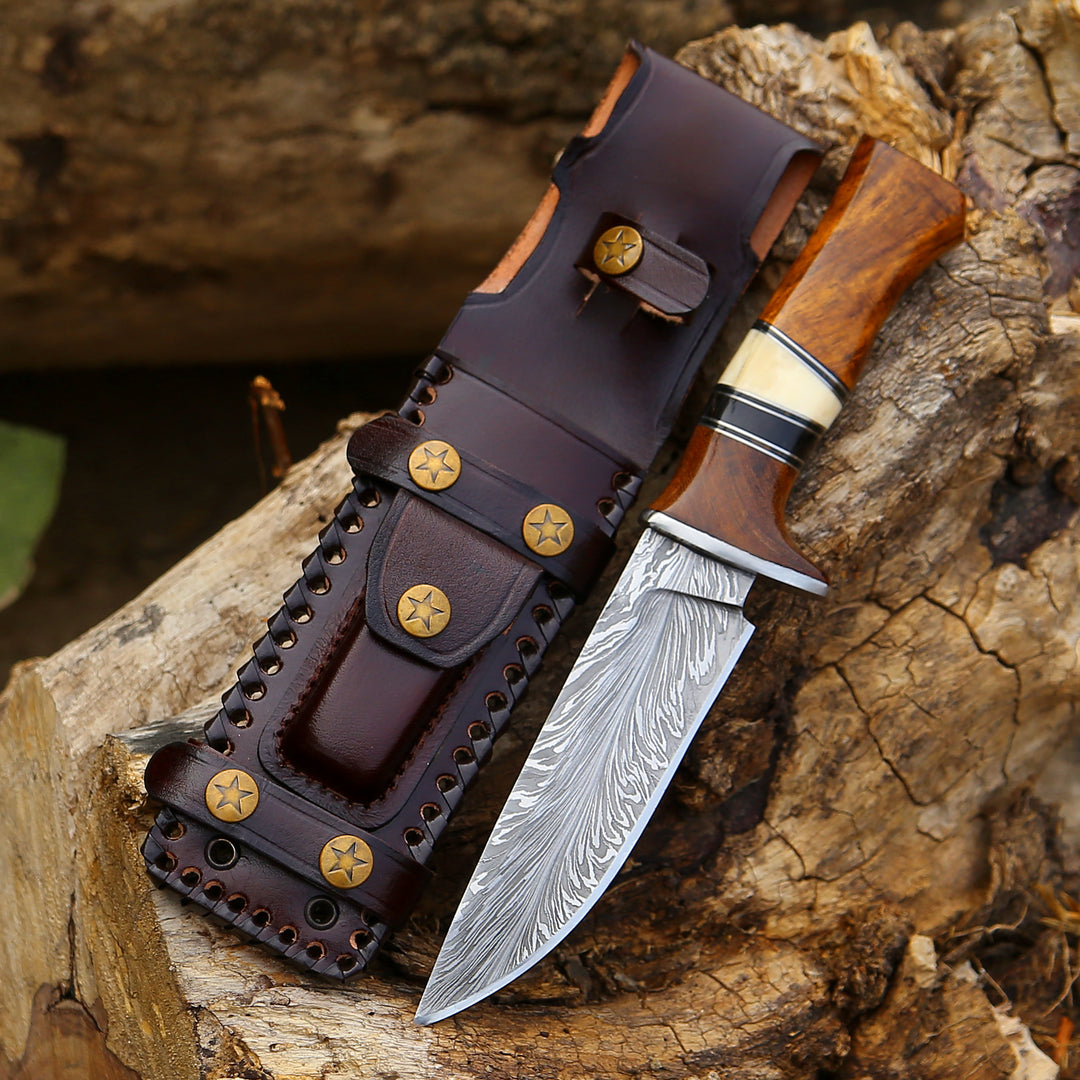
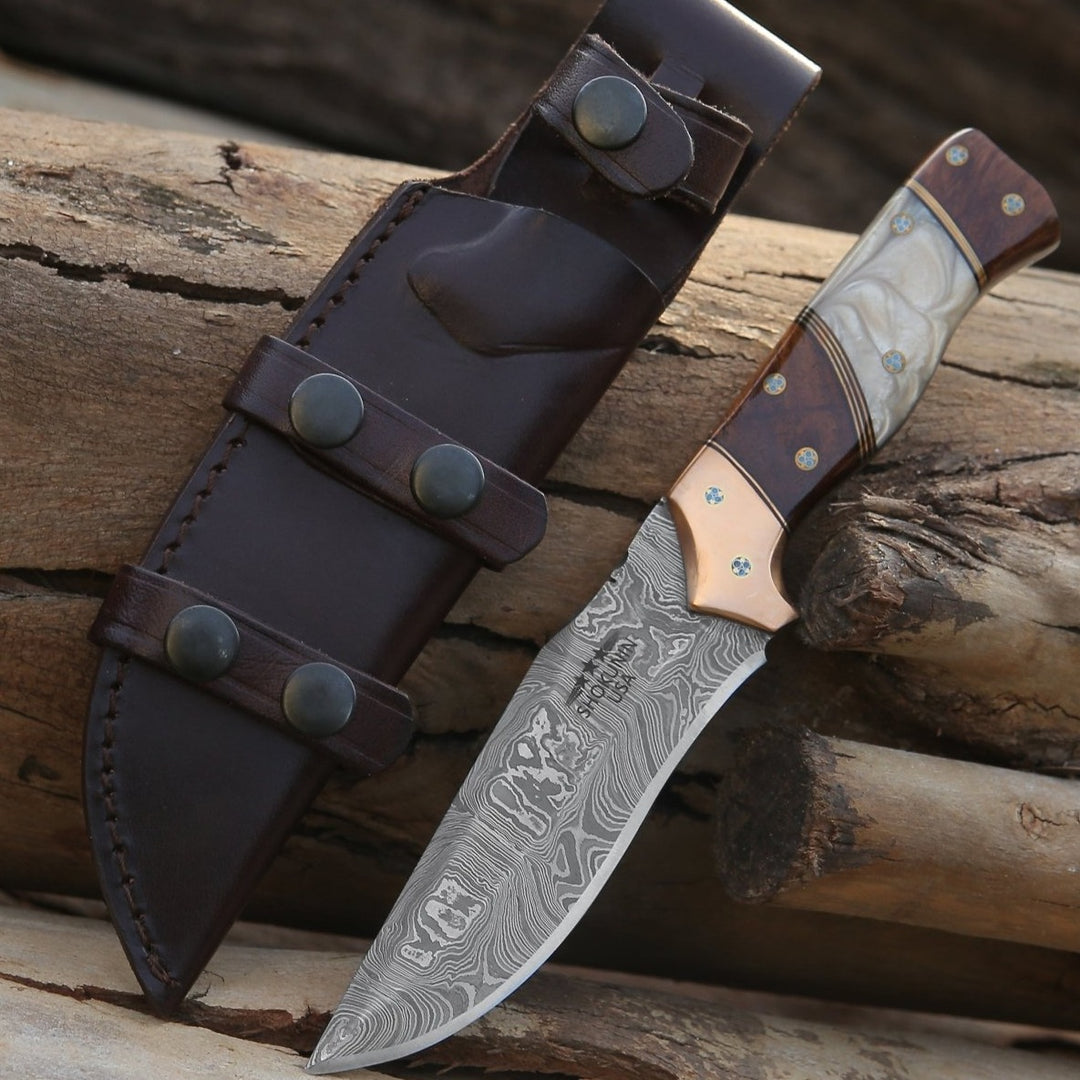
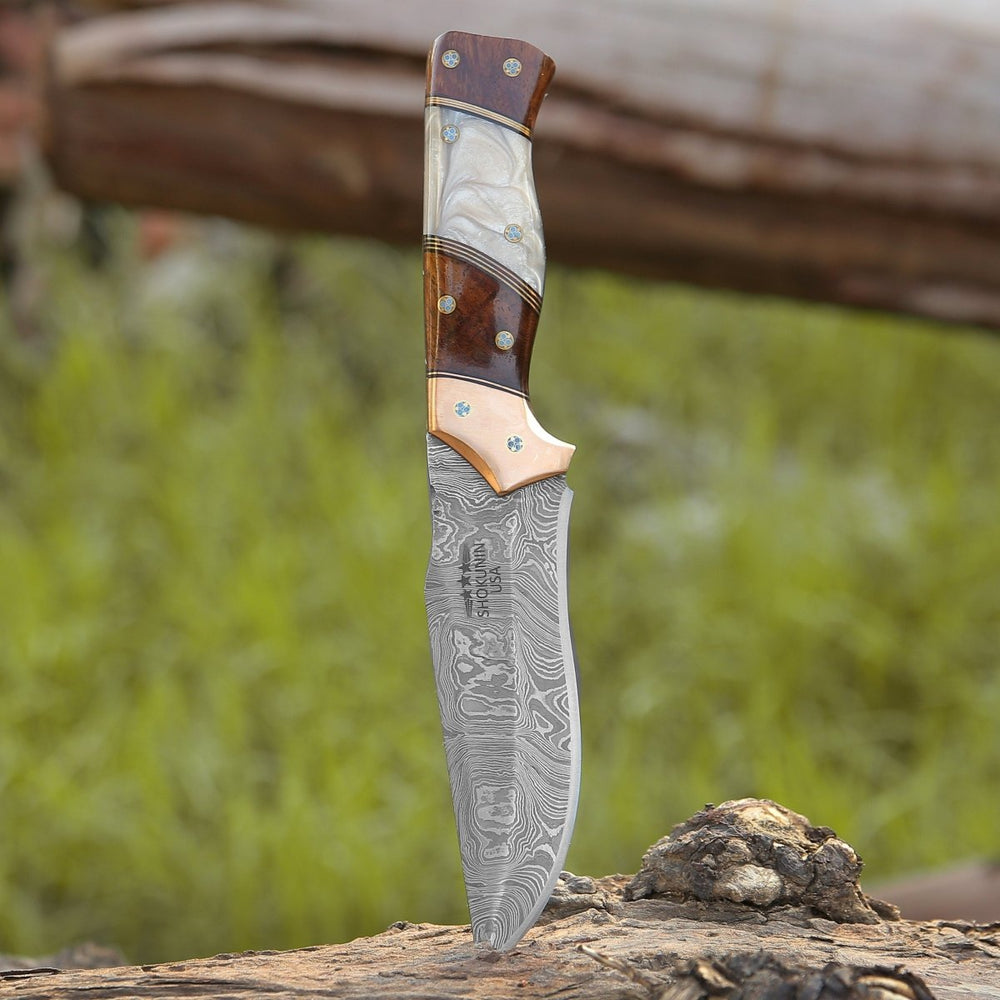
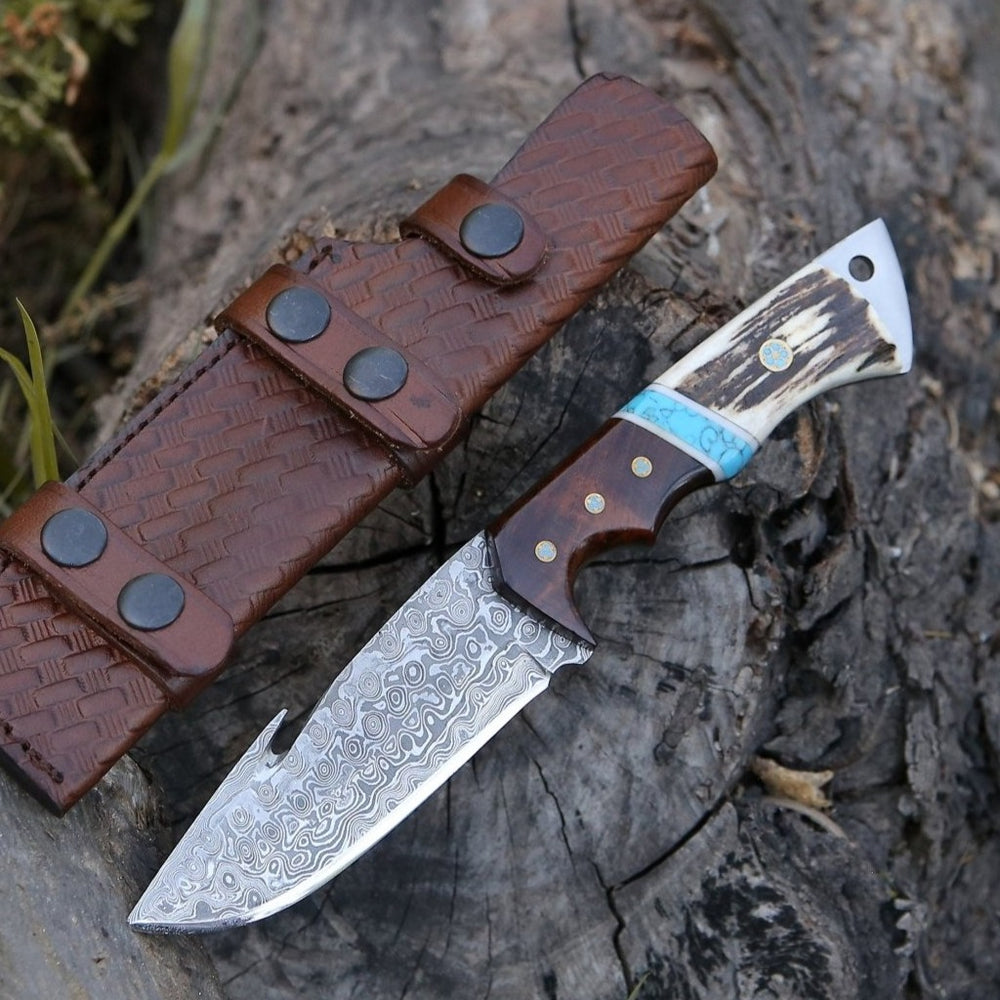
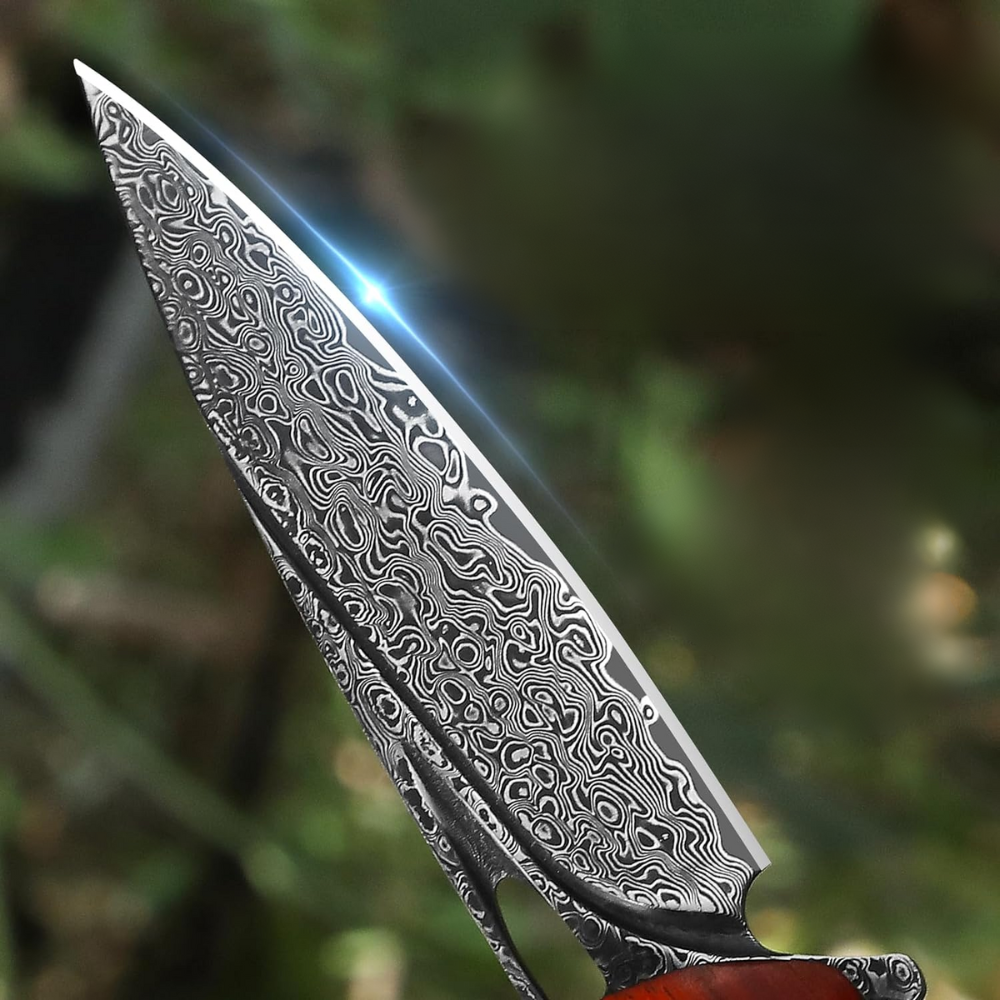
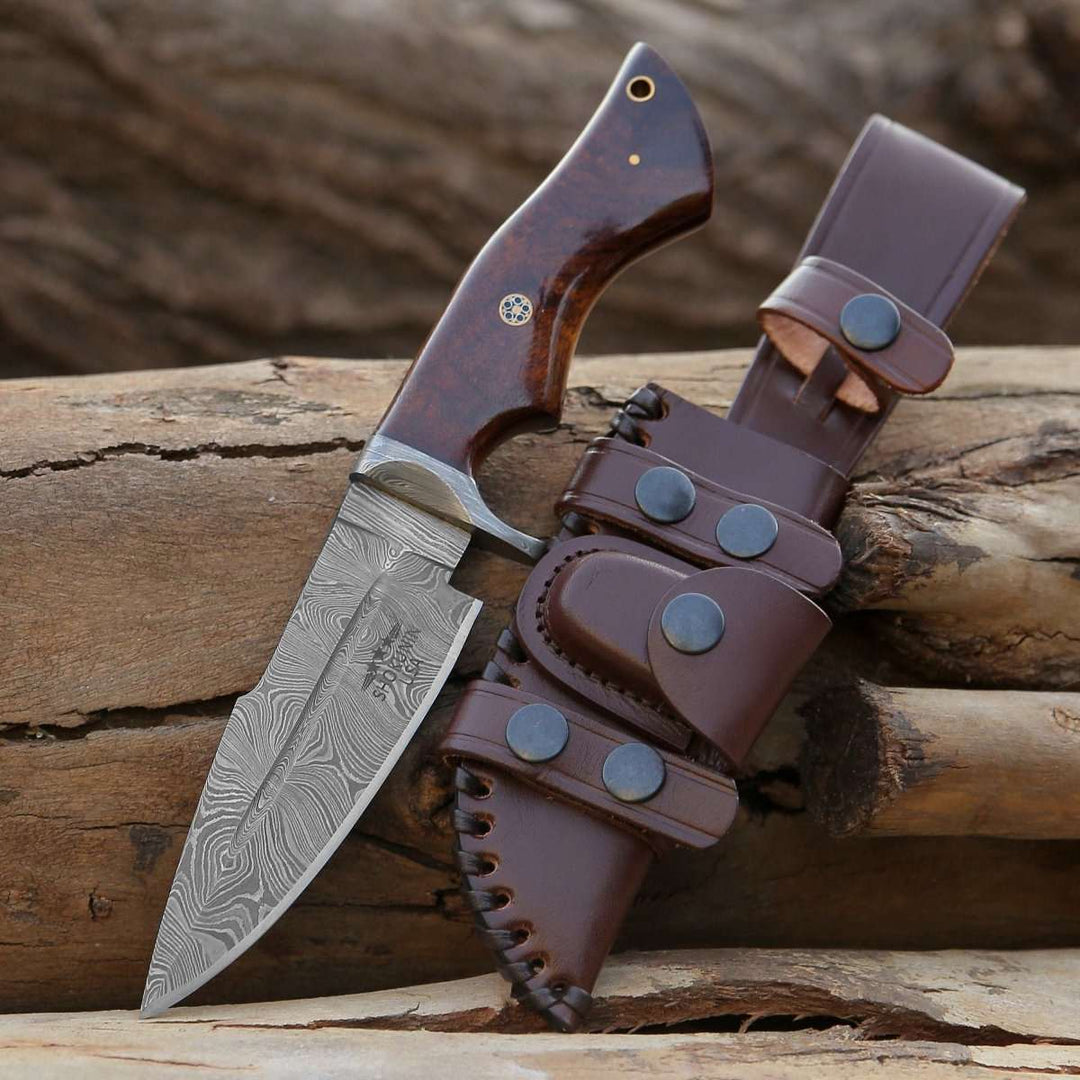
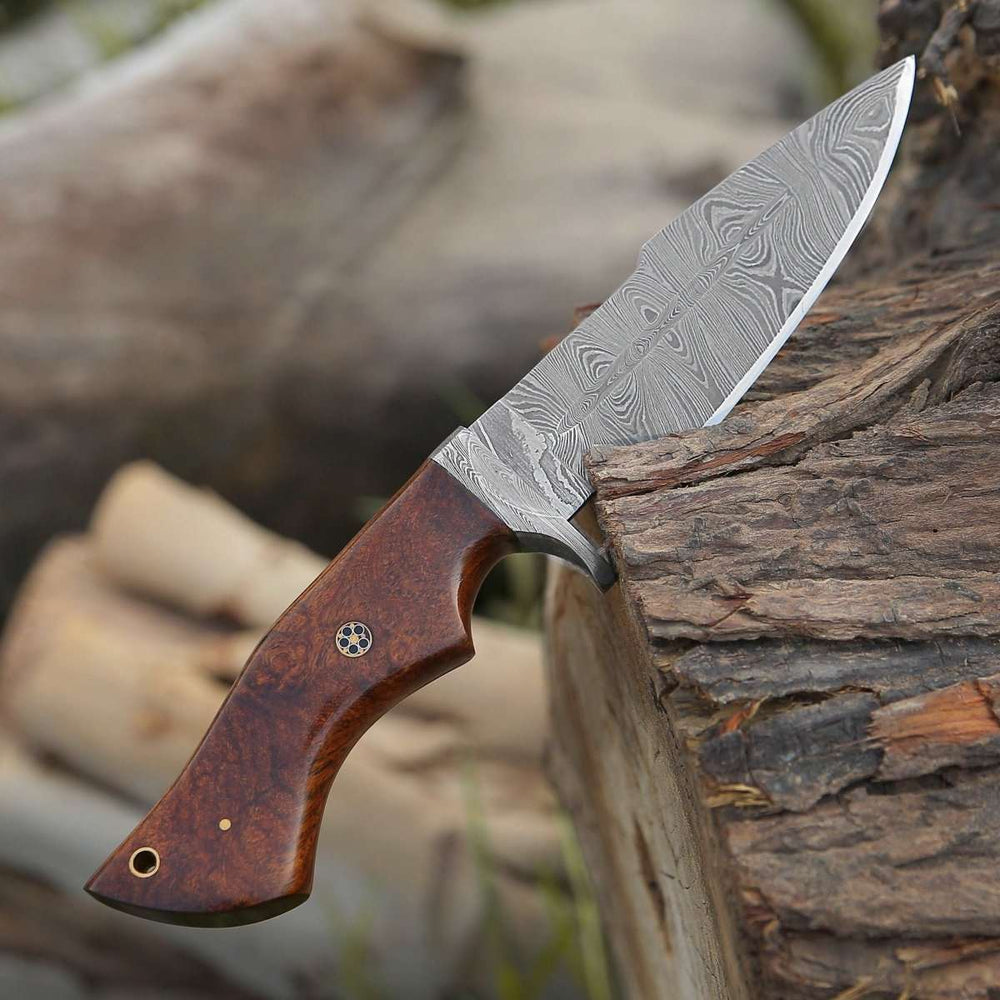
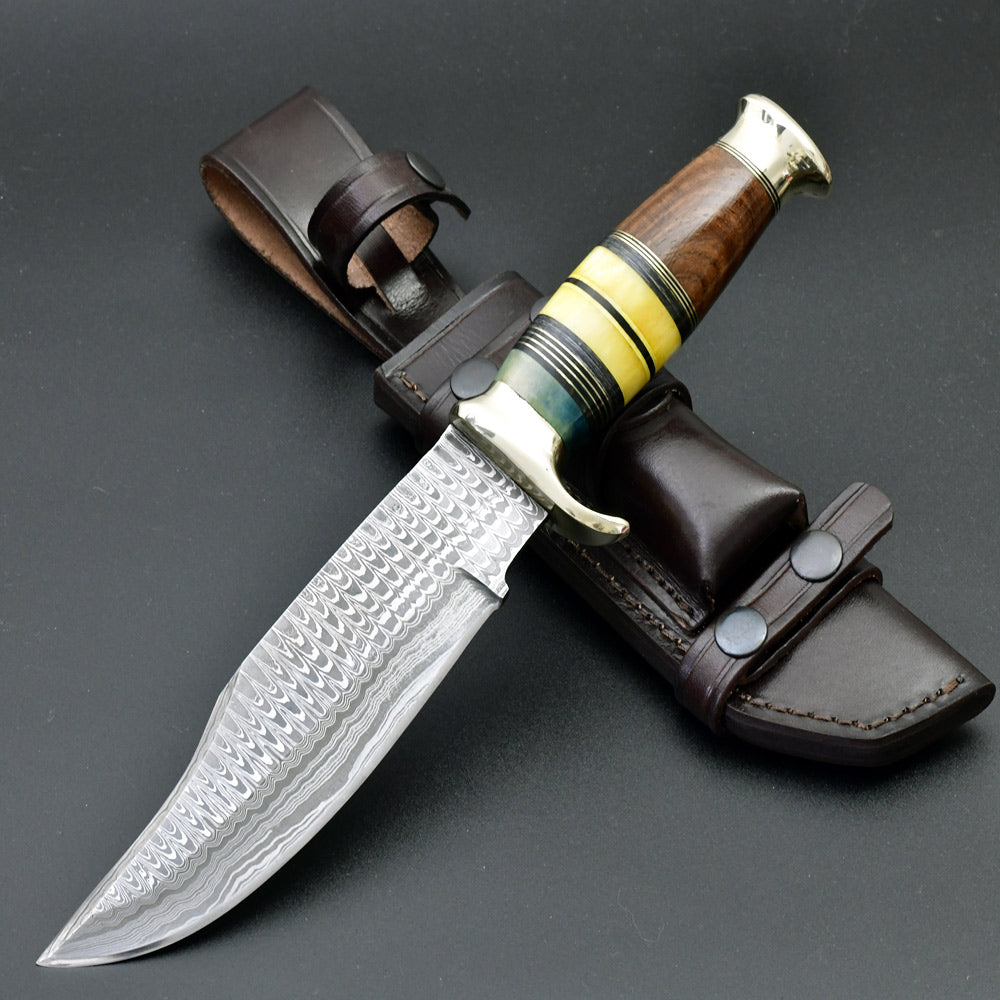
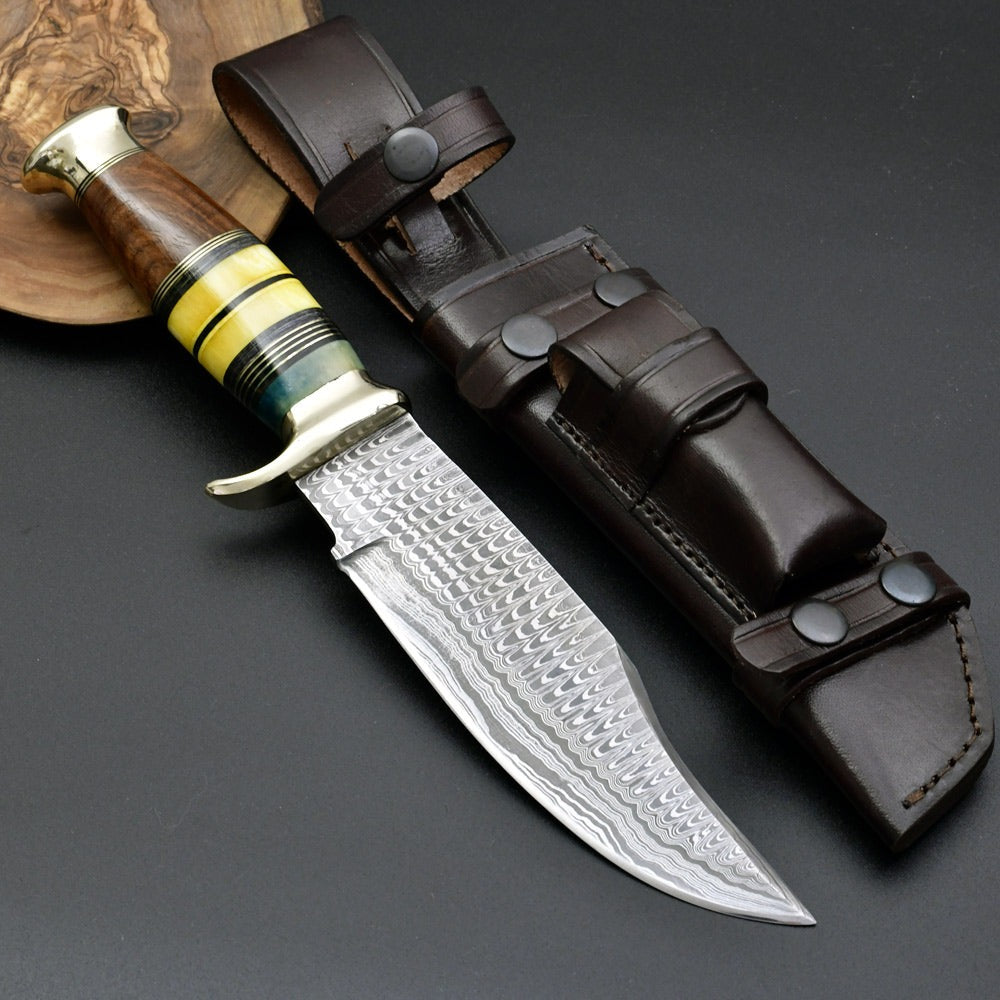
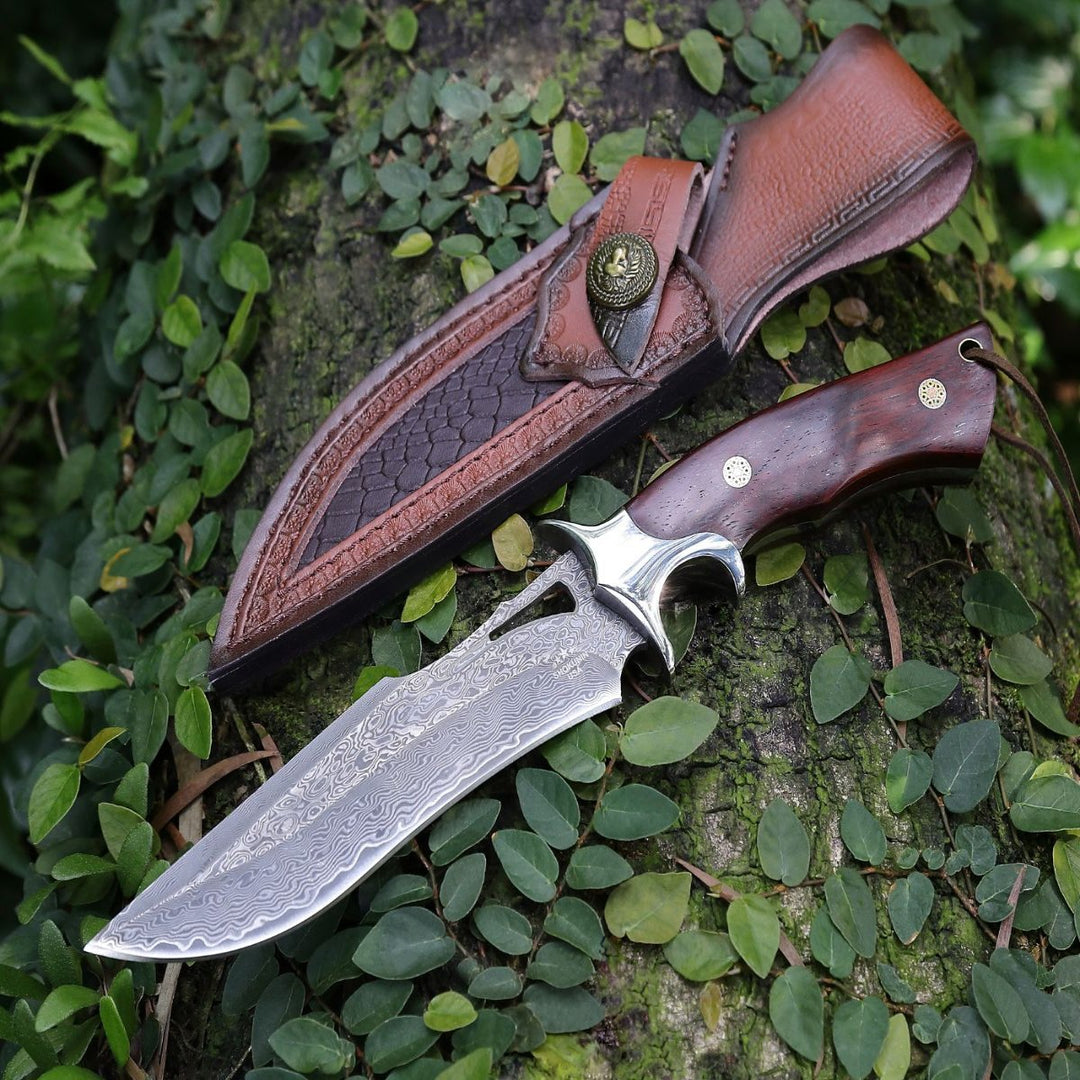
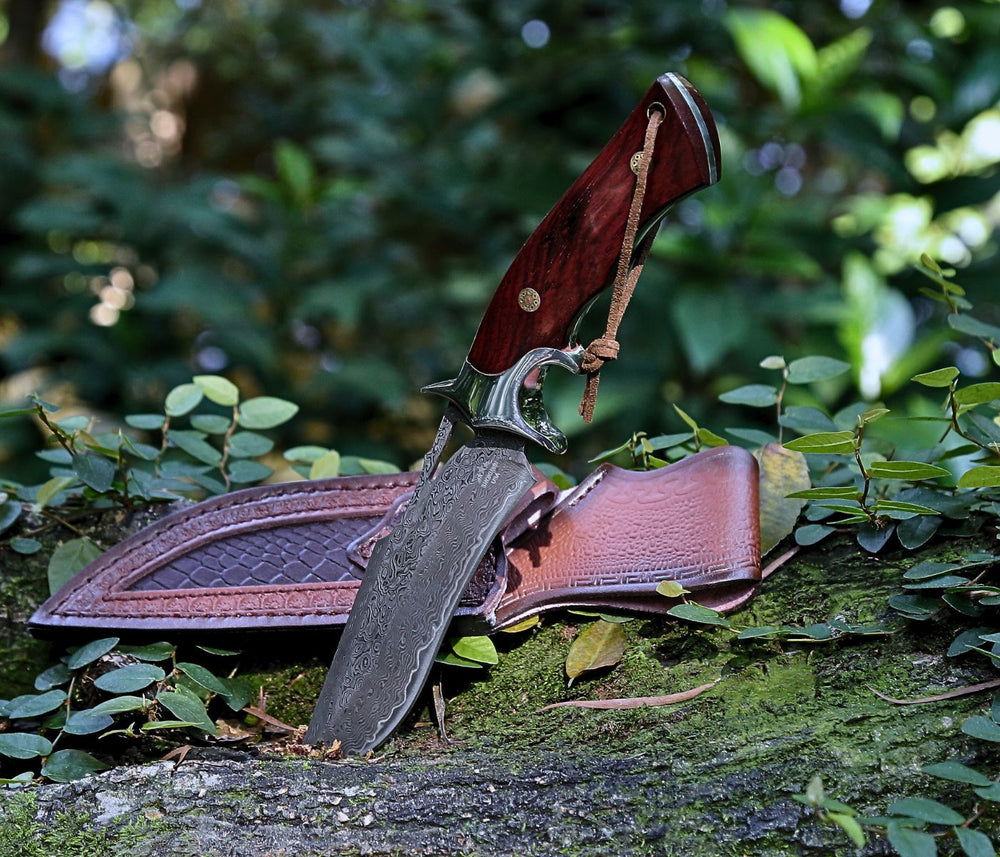
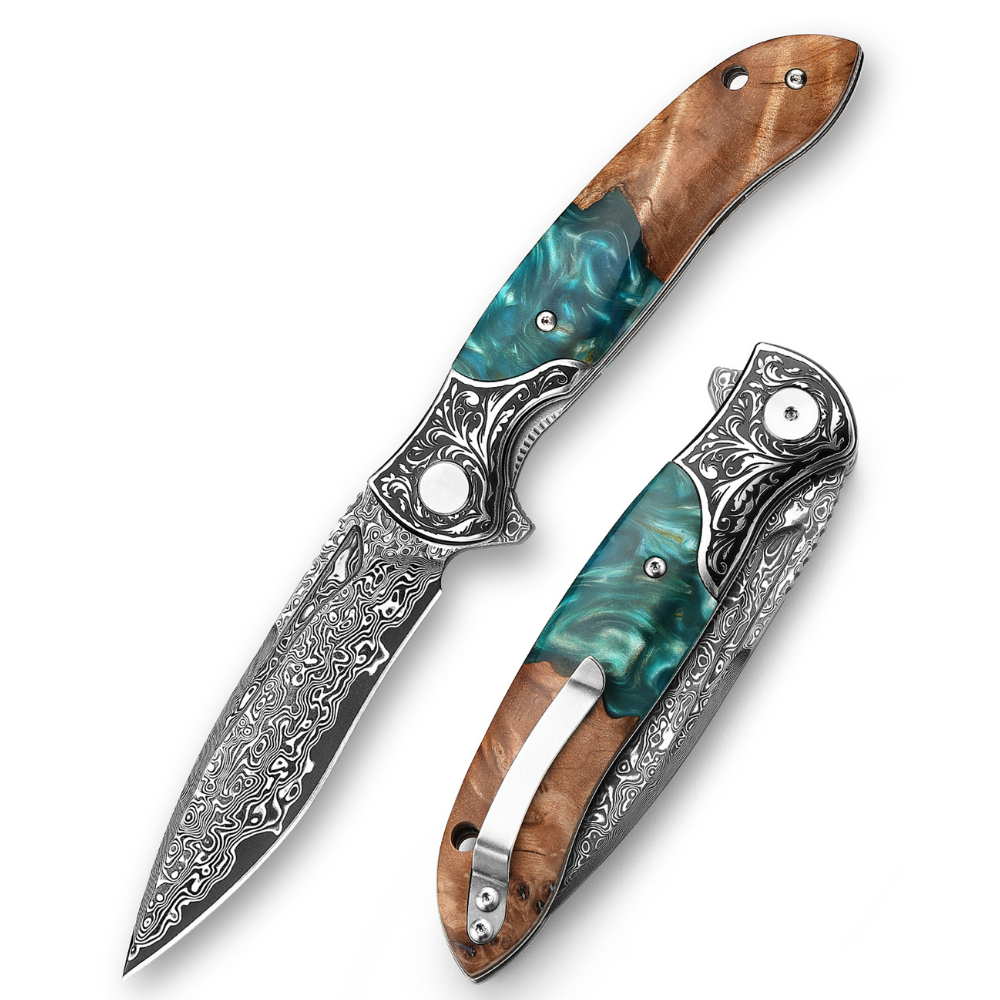
Steel is an alloy primarily made of iron and carbon. The proportions of these elements determine the type of steel. When it comes to pocket knives, high-carbon stainless steel and Damascus Steel are widely popular options. The latter is famed for its beautiful patterns and exceptional hardness, often featured in luxury folding pocket knives.
What is Titanium?
Titanium, on the other hand, is a chemical element known for its light weight and strength. It is a popular choice for knife handles, but more recent advancements have made it viable for blades as well. Titanium is often used in combination with other materials to maximize its benefits while minimizing weaknesses.
The Great Debate: Steel vs. Titanium
When debating steel versus titanium, it's essential to evaluate several key performance factors. Let’s break down how each material fares in different aspects of pocket knife design.
Durability and Strength
Durability is a vital consideration for anyone looking to invest in a quality pocket knife. Steel, particularly high-carbon varieties, is known for its formidable toughness; it holds up well under stress and handles heavy-duty tasks effectively. This makes it an excellent choice for those who need a knife to withstand rough usage.
Titanium, while impressively lightweight, has a softer edge and may not offer the same level of durability as high-carbon steel. However, titanium the material itself is corrosion-resistant and exceptionally strong for its weight. For users who prioritize a lightweight option for everyday carry without heavy tasks, titanium can be a meaningful choice.
Sharpness and Edge Retention
One of the most critical aspects of any pocket knife is how sharp the blade can be and how long it can hold that sharpness. High-quality Damascus Steel is renowned for its superior ability to maintain a sharp edge. It can be honed to a fine point, ensuring optimal performance for slicing and cutting.
Titanium blades can also be sharp, but typically they don’t hold their edge as well over time, especially when subjected to rigorous use. Many titanium knives feature a coating or blend with a harder steel to improve sharpness and edge retention.
Corrosion Resistance
When it comes to resisting corrosion, titanium has a clear advantage. Since it is inherently resistant to moisture and various elements, titanium handles environments that could corrode steel effectively. This makes titanium an excellent choice for marine activities or humid climates.
On the other hand, while high-carbon steels can corrode if not cared for properly, stainless steel varieties and Damascus Steel often feature protective coatings that significantly improve their corrosion resistance. Damasteel, which combines the beauty of Damascus Steel with enhanced durability, is becoming increasingly popular among pocket knife enthusiasts.
Weight and Portability
For many users, the weight of their pocket knife is a crucial factor. Heavy knives can be cumbersome and aren’t suitable for everyday carry. Titanium triumphs in this area, being much lighter than steel. As a result, titanium pocket knives can often be sleeker and more portable, perfect for users who don’t want added bulk in their pockets.
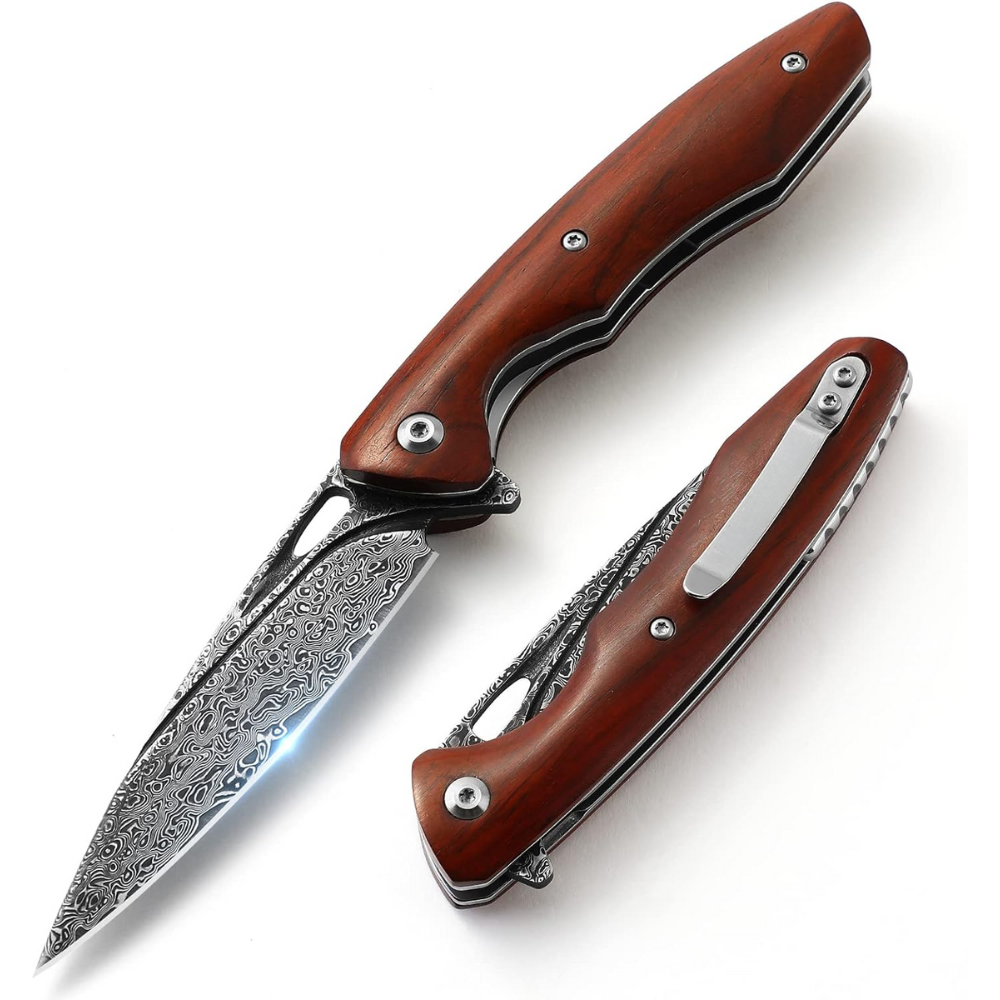
In contrast, steel knives tend to be heavier. However, many find the added weight comforting and appreciate the robust feel of a steel blade. A Damascus folding pocket knife often strikes a balance between aesthetic beauty and manageable weight, making it an attractive option for collectors and casual users alike.
Cost Considerations
When it comes to price, there can be a notable difference between steel and titanium pocket knives, particularly when looking at higher-quality options like Damascus Steel knives.
Steel knives generally come in a broader price range. Basic models can be relatively inexpensive, while high-end options, like those made with Damascus Steel, can command higher prices due to the craftsmanship involved.
Titanium knives tend to be on the pricier side due to the cost of the material itself. When investing in a titanium pocket knife, it’s essential to consider not just the price, but also the performance and intended use of the knife.
Finishing Touches: Aesthetic Appeal
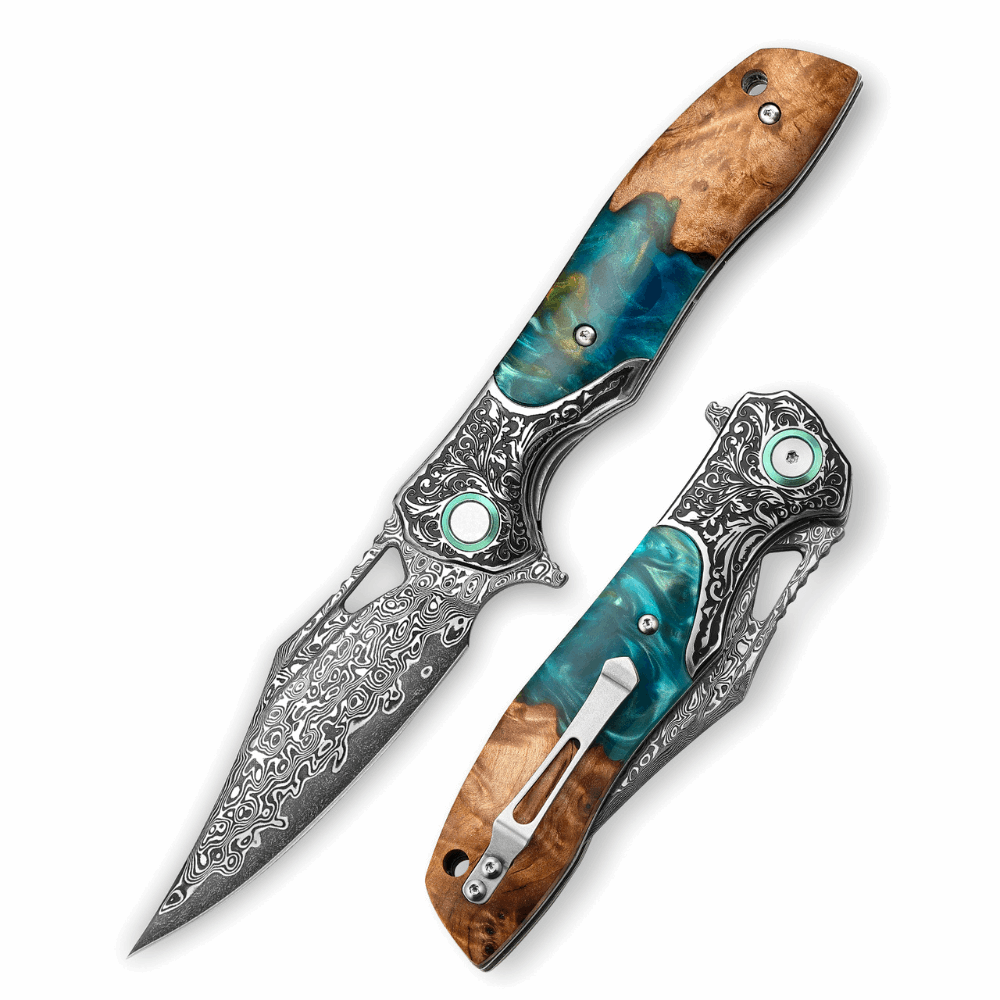
Both steel and titanium hold their unique charm. For many enthusiasts, the artistic patterns of Damascus Steel remain unmatched, creating an allure that’s hard to resist. The flowing patterns often tell a story of the blade's creation, making it not just a tool, but a work of art.
Titanium, with its modern appeal and variety of anodized colors, draws a different crowd. Users who appreciate contemporary design often prefer titanium for its sleek, minimalist aesthetic. The surface can be treated in various ways, resulting in a visually appealing finish that highlights the knife’s craftsmanship.
Choosing the Right Material for Your Needs
Ultimately, the decision between steel and titanium pocket knives comes down to personal preference and intended use. If heavy-duty performance is your top priority, a high-quality steel knife may be the way to go. If lightweight and corrosion resistance is critical, titanium could be a more fitting option. If you find yourself drawn to unique designs, you may want to explore the beautifully crafted patterns of a Damascus folding pocket knife.
How to Maintain Your Pocket Knife
Regardless of the material you choose, proper maintenance will ensure your pocket knife lasts for years. Here are some tips you can follow:
- Regular Cleaning: Always clean your knife after use to remove dirt, moisture, and debris.
- Oiling the Blade: Regularly oil your blade with a high-quality knife oil to prevent rust and keep it functioning smoothly.
- Sharpening: Keep your knife sharpened regularly, especially if you choose steel materials, to maintain optimal performance.
- Proper Storage: Store your knife in a dry place, preferably in a protective sheath or case to prevent damage.
Excitement Ahead: The Next Step
Now that you have a thorough understanding of the differences between steel and titanium in pocket knives, you're better equipped to choose the perfect one for your needs. Whether you lean toward the resilience and craftsmanship of a Damascus folding pocket knife or the lightweight allure of titanium, the options are plentiful. Explore with confidence and invest in a pocket knife that suits your lifestyle, ensuring that every cut, slice, and task is executed with efficiency and style.
Glossary
| Term | Meaning |
|---|---|
| Pocket Knife | A small, foldable knife designed for everyday use. |
| Steel | An alloy of iron and carbon, known for its durability and sharpness. |
| Titanium | A lightweight, strong metal often used in knife handles and blades. |
| Damascus Steel | A type of steel noted for its unique patterns and hardness. |
| Corrosion Resistance | The ability of a material to withstand rust and degradation from moisture. |
| Edge Retention | The capability of a blade to maintain its sharpness over time. |
| Weight | The heaviness of a knife, impacting portability and ease of carry. |
| Aesthetic Appeal | The visual attractiveness of a knife, influenced by its design and materials. |
| Maintenance | Care practices to ensure a knife remains functional and in good condition. |
| High-Carbon Steel | A strong type of steel that offers excellent sharpness and edge retention. |
Linked Product

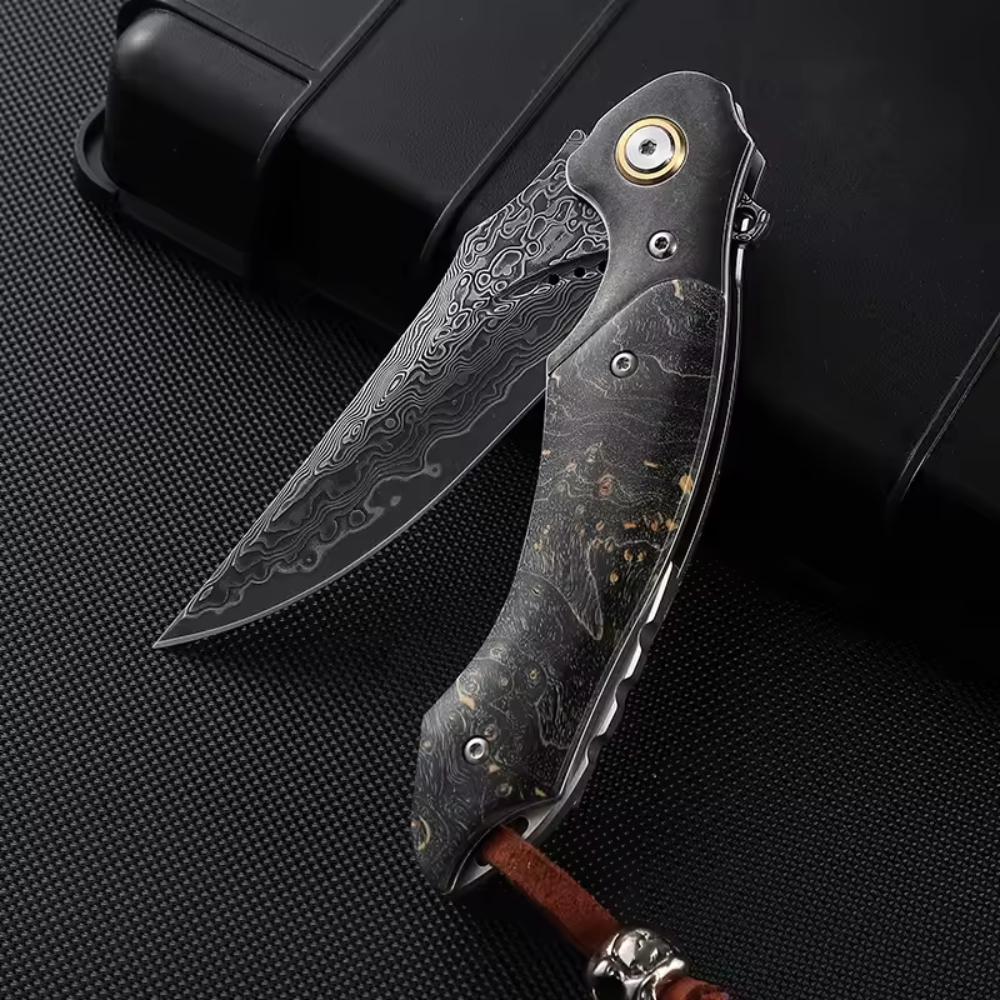
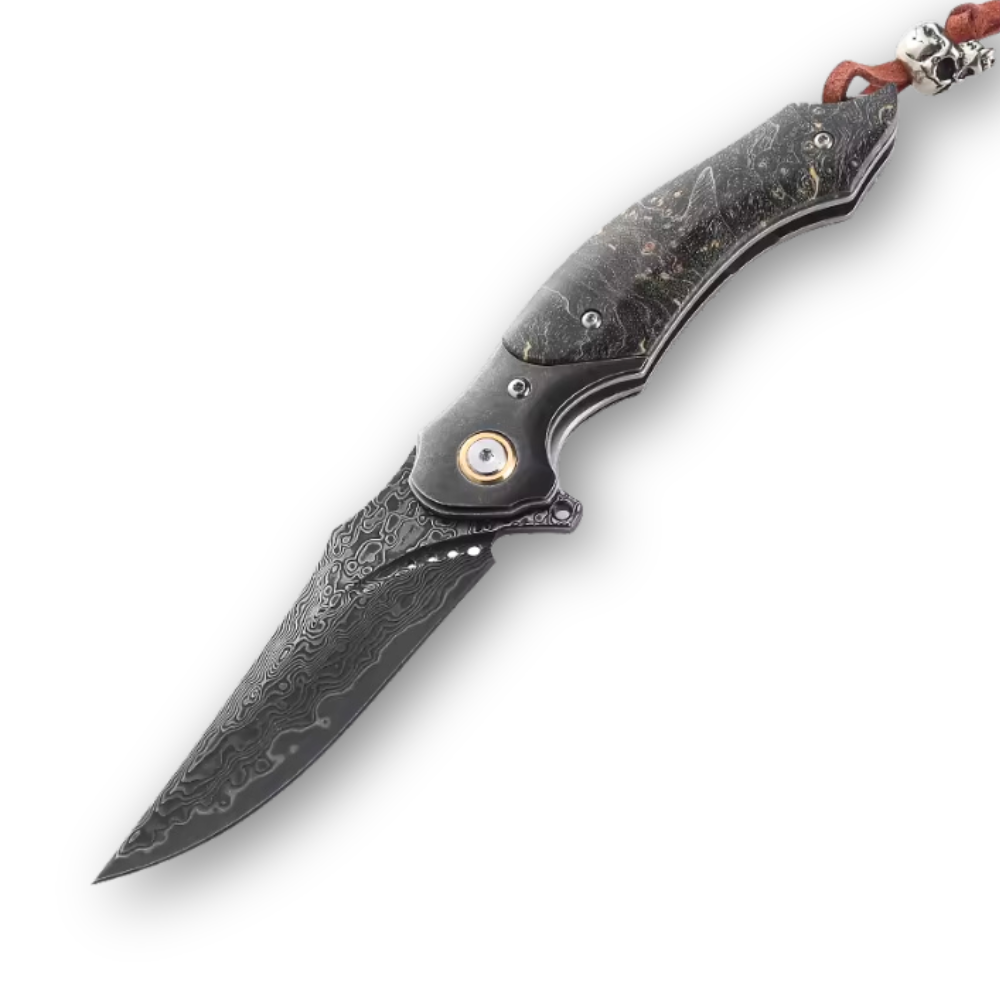
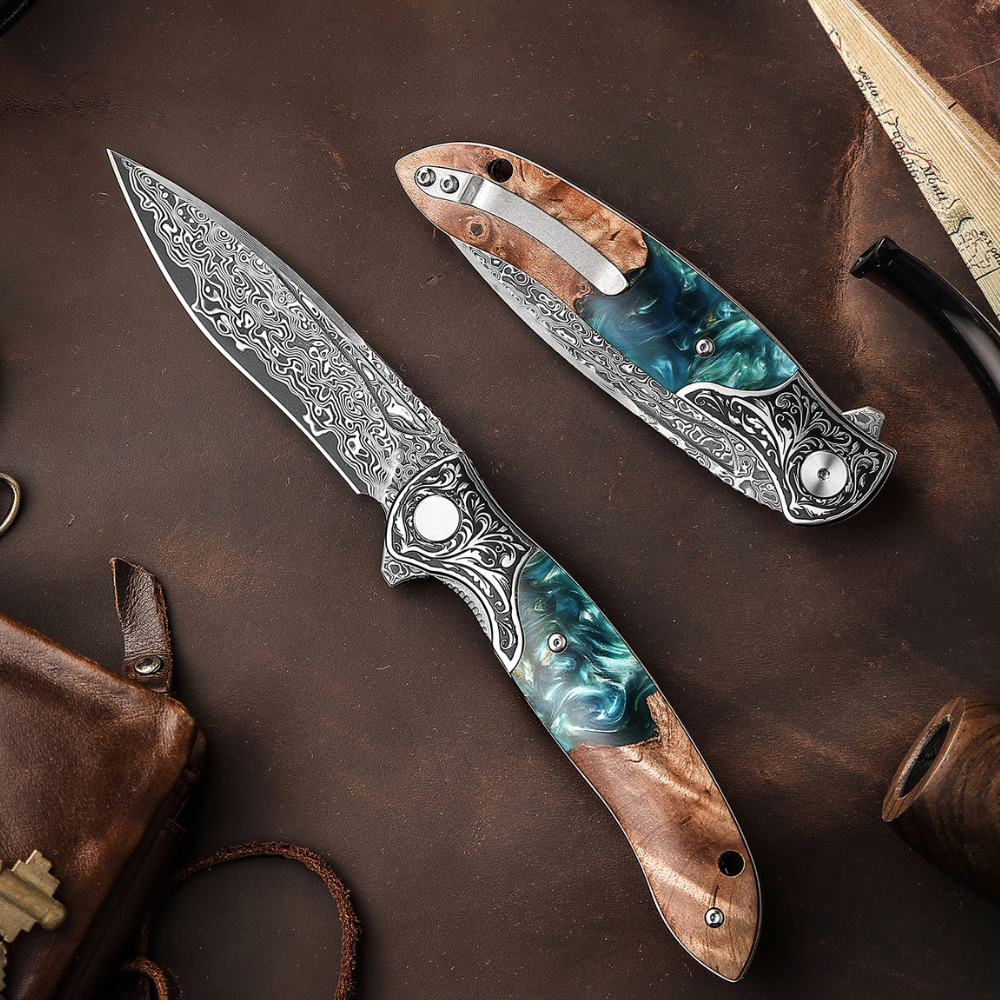
Goldshadow Handmade Damascus EDC Folding Pocket Knife with Leather Sheath & Micarta Handle
The Goldshadow Handmade Damascus EDC Folding Pocket Knife features a unique, handcrafted blade made from layered steel, providing both strength and distinctive artistry. Its ergonomic micarta handle ensures a comfortable grip, while the included leather sheath offers convenient portability. This knife is designed for everyday use, making routine tasks more efficient and enjoyable.
View Product






Leave a comment