


Overview
Pocket knives have a rich history from ancient tools to modern collectibles. This article explores their evolution, practical uses, and significance in craftsmanship and culture. It highlights the transition from utilitarian items to prized possessions, the impact of mass production, and the role of handmade knives in the collectible market. Tips for choosing the right pocket knife and starting a collection are also discussed, emphasizing the blend of tradition and innovation in today's pocket knives.
Table of Contents
- The Origins of Pocket Knives
- The Transition to Practical Tools
- The Influence of the Industrial Revolution
- Evolving Designs and Varieties
- The Rise of Collectibility
- The Role of Handmade Knives in the Collectible Market
- The Modern Pocket Knife: A Blend of Tradition and Innovation
- Tools for Everyday Life
- Embracing the Pocket Knife Culture
- Why Collect Pocket Knives?
- Choosing Your Perfect Pocket Knife
- Blade Material
- Handle Design
- Size and Weight
- Building Your Collection: A Lifelong Journey
- Stay Motivated
- Unleash Your Passion for Pocket Knives
Key Takeaways
- Historical Roots: Pocket knives date back to 3000 BCE, showcasing a rich history of functionality and design evolution.
- Industrial Impact: The Industrial Revolution transformed pocket knife production, making them widely accessible and establishing brands like Victorinox and Case.
- Variety of Designs: Modern pocket knives come in numerous styles, including single-blade, multi-functional, and artisan crafted options.
- Collectibility: The 20th century saw pocket knives transition into collectibles, with unique designs and craftsmanship appealing to enthusiasts.
- Handmade Value: Artisan crafted knives are valued for their one-of-a-kind designs and materials, often becoming cherished heirlooms.
- Modern Innovations: Today's pocket knives blend traditional craftsmanship with advanced manufacturing techniques and sustainable practices.
- Practical Use: Despite their collectible nature, pocket knives remain essential tools for everyday tasks, valued by adventurers and city-dwellers alike.
Pocket knives have a fascinating history that blends functionality with artistry. From ancient tools used by our ancestors to modern artisan crafted knives loved by collectors, the evolution of pocket knives is a captivating journey. In this article, we'll explore the rich history of pocket knives, their practical uses over time, and their rise as prized collectibles. Join us as we delve into the world of handmade knives, showcasing their significance and enduring appeal.
The Origins of Pocket Knives
The concept of a folding knife dates back thousands of years. Archaeological evidence suggests that knives resembling modern pocket knives were used as early as 3000 BCE. These primitive tools were often fashioned from stone, bone, and later metals, reflecting the materials available at the time. The ancient Greeks and Romans were known to carry folding knives, which they used for various tasks, from cutting food to self-defense.
The Transition to Practical Tools
As civilizations advanced, so did the pocket knife's design and purpose. By the Middle Ages, multi-functional tools began to emerge, often crafted by blacksmiths who recognized the need for portable, versatile implements. During this period, pocket knives were primarily utilitarian objects, used by tradesmen, farmers, and soldiers alike. The knife became an essential everyday item, cherished for its practicality.
The Influence of the Industrial Revolution
The Industrial Revolution in the 18th and 19th centuries marked a significant turning point for pocket knives. Innovations in manufacturing allowed for mass production, making knives more accessible to the general public. With advancements in steel production and the introduction of machines, knife-making transformed from a craft to an industry.
During this era, the first commercially produced pocket knives appeared, notably in the United States and Europe. Brands like Victorinox and Case began to gain prominence, creating durable products that consumers could rely on. Pocket knives quickly became not just tools, but also symbols of quality craftsmanship and reliability.
Evolving Designs and Varieties
With the rise of mass production, manufacturers introduced a variety of styles and designs, catering to different needs and preferences. The two-blade knife became popular for its versatility, while specialized models like camp knives, fishing knives, and chef knives started to emerge. The distinct features of each knife allowed users to choose a model that suited their lifestyle.
- Single-blade Knives: Simple and efficient, ideal for everyday tasks.
- Multi-functional Knives: Equipped with various tools, perfect for outdoor adventures.
- Artisan Crafted Knives: Handmade knives featuring unique designs, appealing to collectors.
The Rise of Collectibility
As the 20th century approached, pocket knives began to shift from purely functional tools to desirable collectibles. Hobbyists and enthusiasts started appreciating the artistry and craftsmanship behind handmade knives. The unique patterns, materials, and features made every knife distinct, elevating them to objects of display and admiration.
Specialty shows and knife collectors' clubs emerged during this period, allowing enthusiasts to connect with one another and share their passion. The community began documenting the history of pocket knives, creating a vintage market for rare and unique pieces, which stimulated interest among collectors.
The Role of Handmade Knives in the Collectible Market
Handmade knives crafted by skilled artisans have carved out a unique niche in the collectible market. Unlike mass-produced pocket knives, artisan crafted knives often feature one-of-a-kind designs, different blade materials, and intricate detailing. This artistry adds intrinsic value to the piece, making it more than just a tool—it becomes a work of art.
Collectors often seek these handmade knives not only for their functionality but also as part of a legacy to pass down through generations. Each piece tells a story of its creation, making it a cherished possession for the holder.
The Modern Pocket Knife: A Blend of Tradition and Innovation
Today, pocket knives embody a beautiful balance between traditional craftsmanship and modern technology. While many manufacturers still rely on tried-and-true methods, new technologies such as CNC machines and laser cutting are being embraced by artisans. These innovative techniques allow for precision and efficiency, pushing the boundaries of what can be achieved in knife design.
Moreover, sustainability practices have become increasingly important in the knife-making industry. Artisans often source materials responsibly, from recycled metals to sustainably harvested woods, ensuring the impact on the environment is minimal. This commitment to sustainability addresses a growing consumer demand for eco-friendly products, further enhancing the appeal of handmade knives.
Tools for Everyday Life
Despite their collectible status, pocket knives remain practical tools for everyday use. Many people rely on them for a variety of tasks—from opening boxes to preparing food and performing small repairs. Their compact size and portability ensure that they remain a go-to essential for adventurers and city-dwellers alike.
Embracing the Pocket Knife Culture
The culture surrounding pocket knives is rich and multifaceted, encompassing history, craftsmanship, and community. Knife shows, online forums, and social media groups have become vibrant platforms for enthusiasts to connect, share their collections, and discuss their passion for artisan crafted knives.
Joining these communities can enhance one’s appreciation and understanding of pocket knives, allowing individuals to find inspiration in both older styles and contemporary designs.
Why Collect Pocket Knives?
There are numerous reasons to start or expand your pocket knife collection:
- Craftsmanship: Each knife showcases the skill of the artisan, reflecting their dedication to quality.
- Historical Significance: Many knives carry historical backgrounds, connecting collectors to the past.
- Investment Potential: Rare and unique knives can appreciate in value over time, making them a savvy investment.
- Personal Connection: Many collectors form attachments to their knives, each having its own story and memories.
Choosing Your Perfect Pocket Knife
For those interested in starting their own collection, or simply looking for the perfect pocket knife for everyday use, selecting the right knife involves understanding various factors:
Blade Material
The material of the blade plays a crucial role in its durability and performance. Stainless steel, for instance, is popular for its resistance to rust and corrosion, making it ideal for versatile use. High carbon steel, on the other hand, is favored for its exceptional edge retention, although it may require more maintenance to keep it in optimal condition.
Handle Design
The handle of the pocket knife should also align with your personal comfort and style preferences. Materials can range from traditional wood to modern synthetic options. A well-designed handle not only enhances grip but also adds to the overall aesthetic of the knife.
Size and Weight
Consider your intended use and how you will carry your knife. Pocket knives come in various sizes, and a lightweight knife may be more suitable for everyday carry, while a robust model might be ideal for outdoor adventures. Choose a knife that balances functionality with convenience.
Building Your Collection: A Lifelong Journey
Embarking on the journey of collecting pocket knives can be immensely rewarding. It's an opportunity to learn about different cultures, craftsmanship styles, and historical contexts. Gathering diverse knives—ranging from artisan crafted masterpieces to practical workhorses—allows you to build a collection that reflects your personal tastes and experiences.
Start by setting a clear focus for your collection. You might choose to specialize in certain styles, materials, or eras. This focused approach can help you hone in on the knives that speak to you most, creating a cohesive and meaningful collection over time.
Stay Motivated
As you dive deeper into knife collecting, don’t forget to connect with fellow enthusiasts. Attend collector shows, participate in local knife-making workshops, and engage in online communities. Sharing your passion and learning from others can enhance your understanding while keeping the excitement alive.
Unleash Your Passion for Pocket Knives
The rich history of pocket knives is a story of innovation, craftsmanship, and personal connection. As you explore the past and present of these esteemed tools, you’ll not only gain a deeper appreciation for their utility but also for the artistry behind handmade knives. Whether you’re seeking practical tools for daily tasks or unique collectibles to admire, the world of pocket knives offers something for everyone.
So, grab your artisan crafted knife, immerse yourself in the culture of pocket knives, and let your collection become a testament to your passion and storytelling spirit. The adventure of collecting begins with each new knife, waiting to unveil its secrets and tales from the past.
Frequently Asked Questions
1. What is the history of pocket knives?
2. How did the Industrial Revolution impact pocket knife production?
3. What types of pocket knives are there?
4. Why should someone collect pocket knives?
5. What should be considered when choosing a pocket knife?
Glossary
| Term | Meaning |
|---|---|
| Pocket Knife | A small, folding knife designed for portability and everyday use. |
| Artisan Crafted | Handmade knives featuring unique designs and craftsmanship. |
| Collectible | An item valued for its rarity, craftsmanship, or historical significance. |
| Blade Material | The composition of the knife's blade, affecting durability and performance. |
| Handle Design | The shape and material of the knife's grip, influencing comfort and aesthetics. |
| Multi-functional Knife | A knife equipped with various tools for diverse tasks. |
| Historical Significance | The importance of an item in relation to historical events or contexts. |
| Investment Potential | The likelihood of an item appreciating in value over time. |
| Vintage Market | A marketplace for rare, old, or collectible items. |
| Sustainability Practices | Methods aimed at minimizing environmental impact in production. |
Linked Product

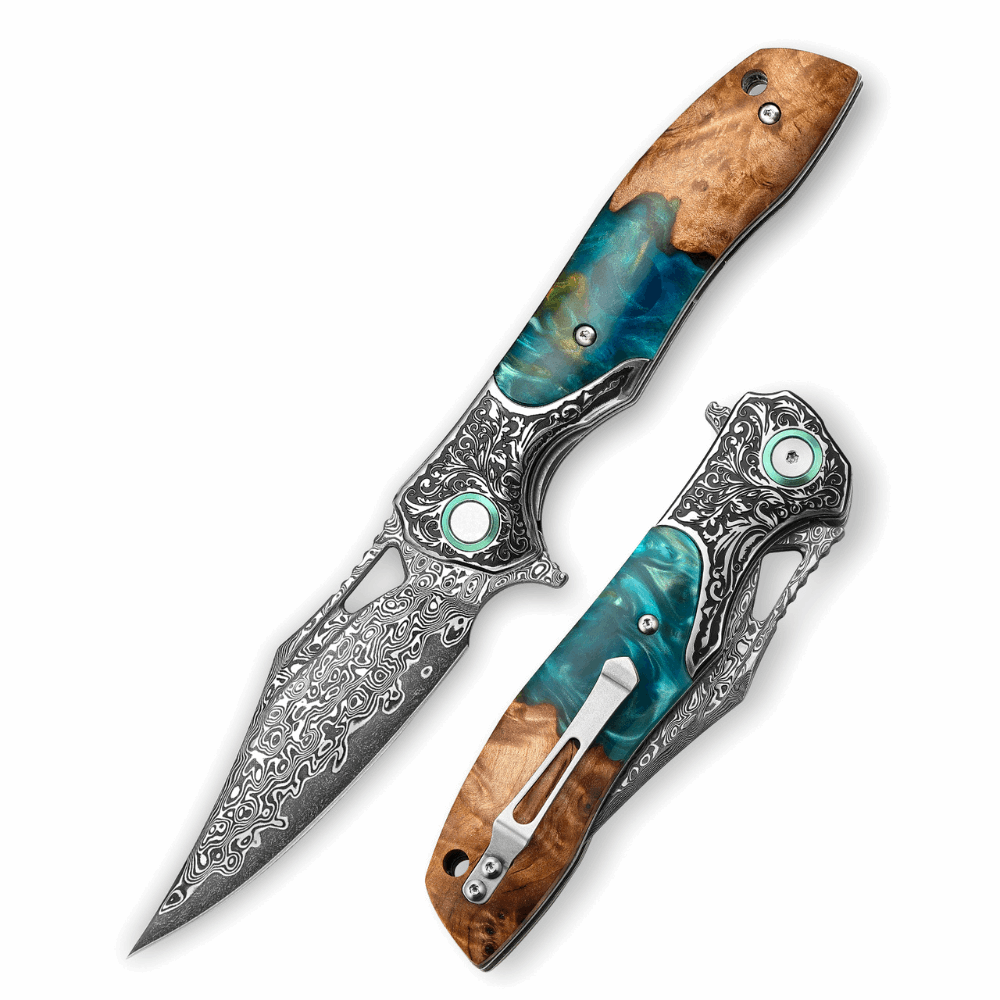
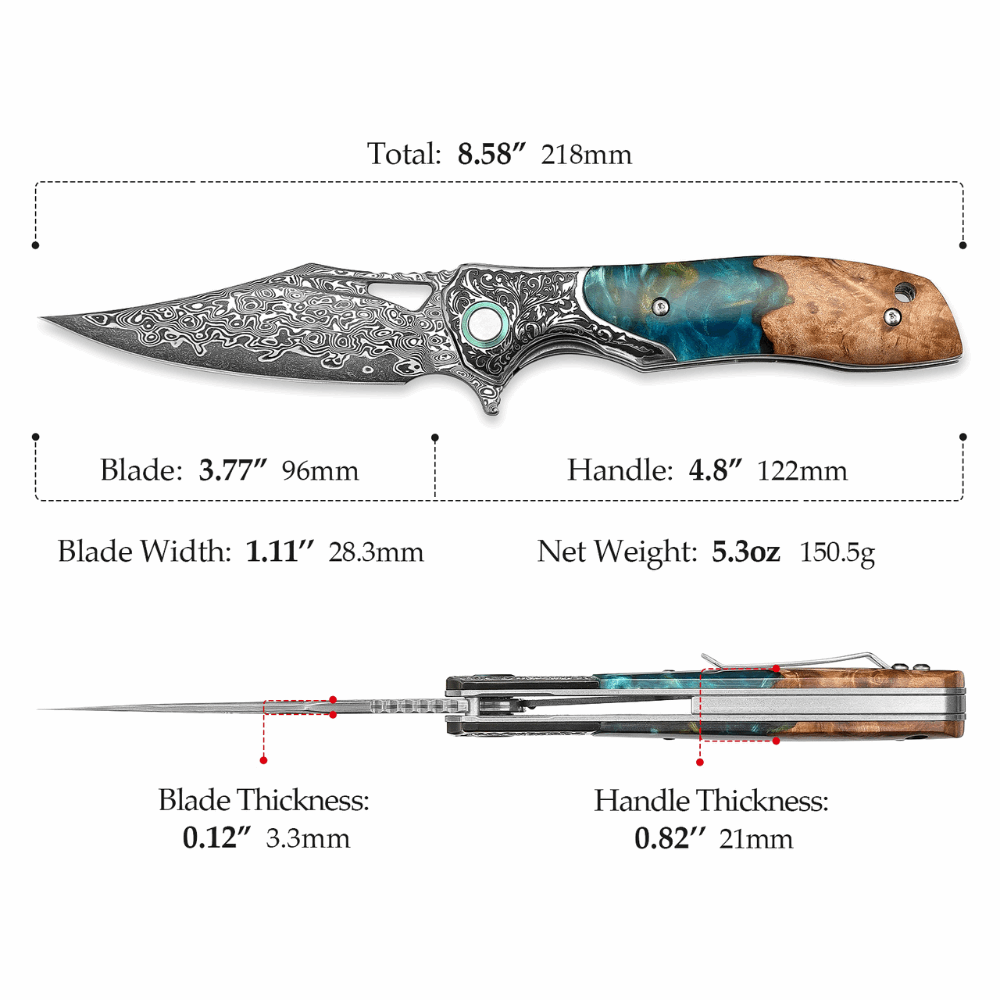
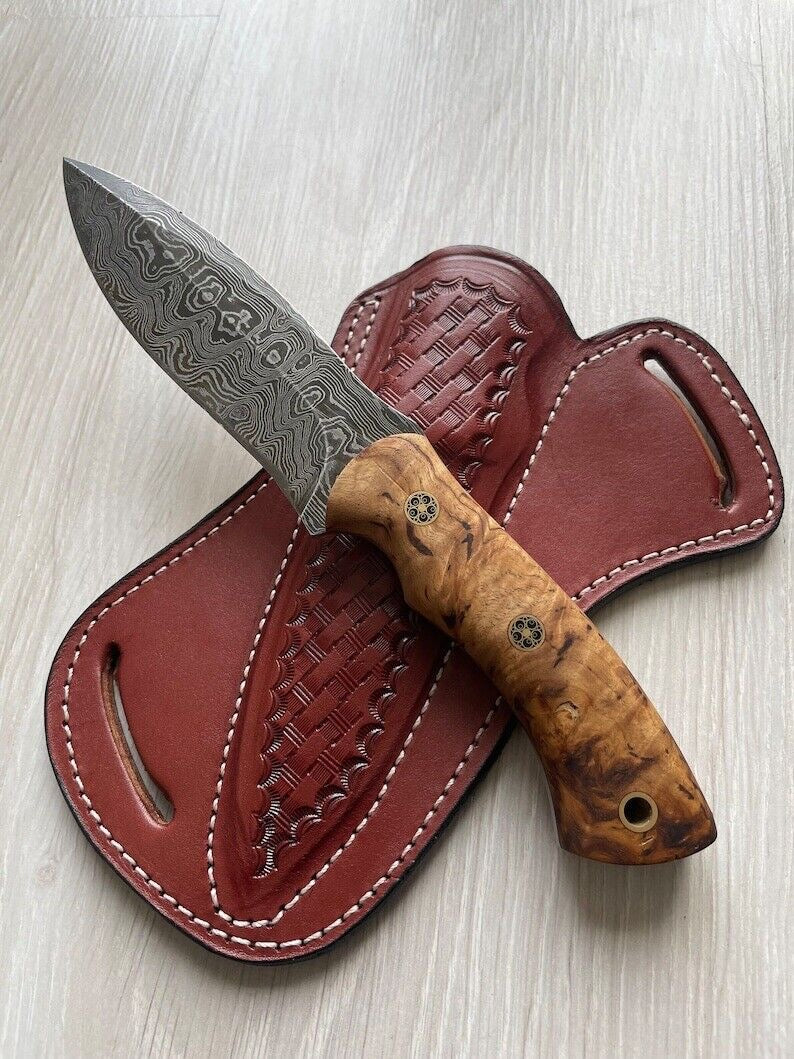
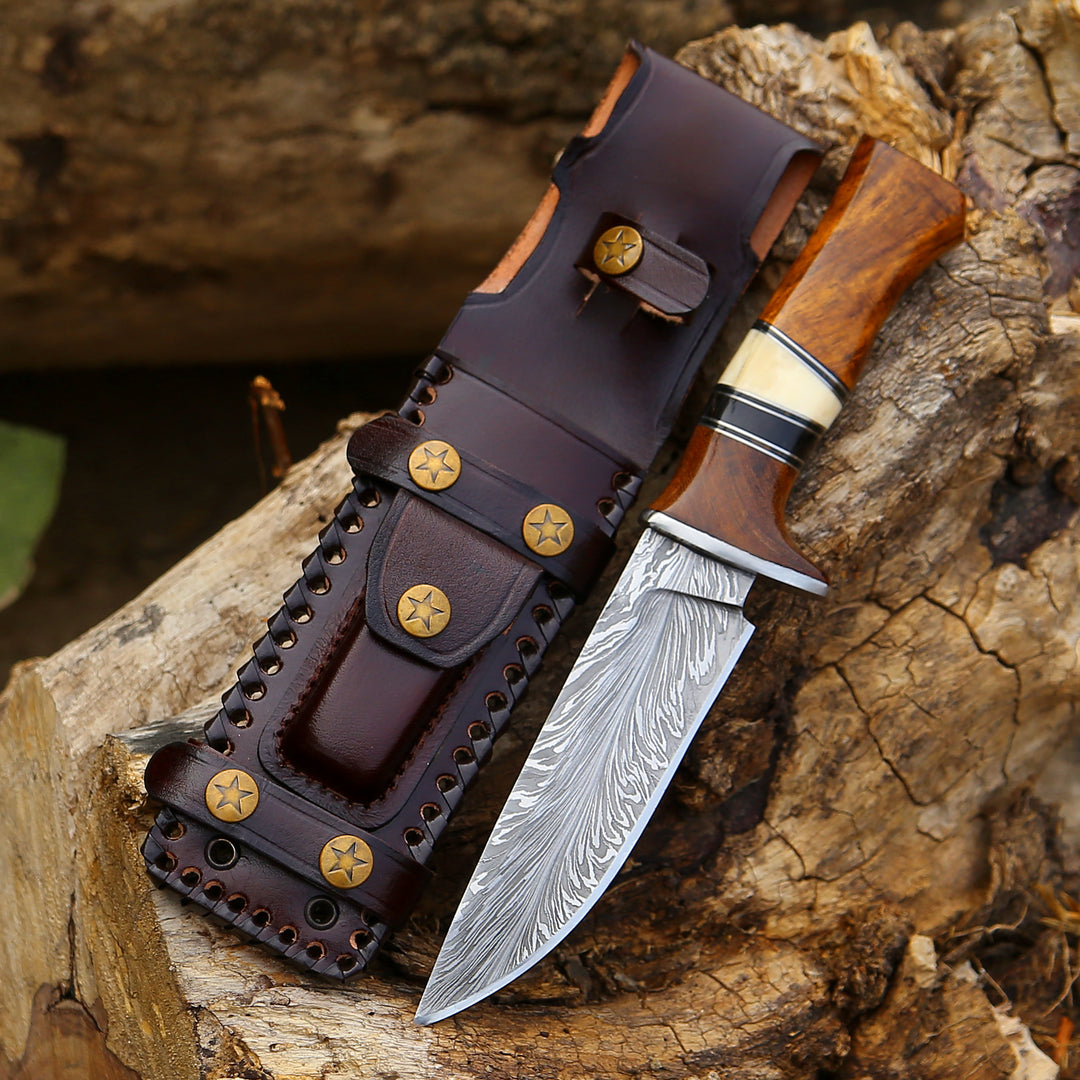
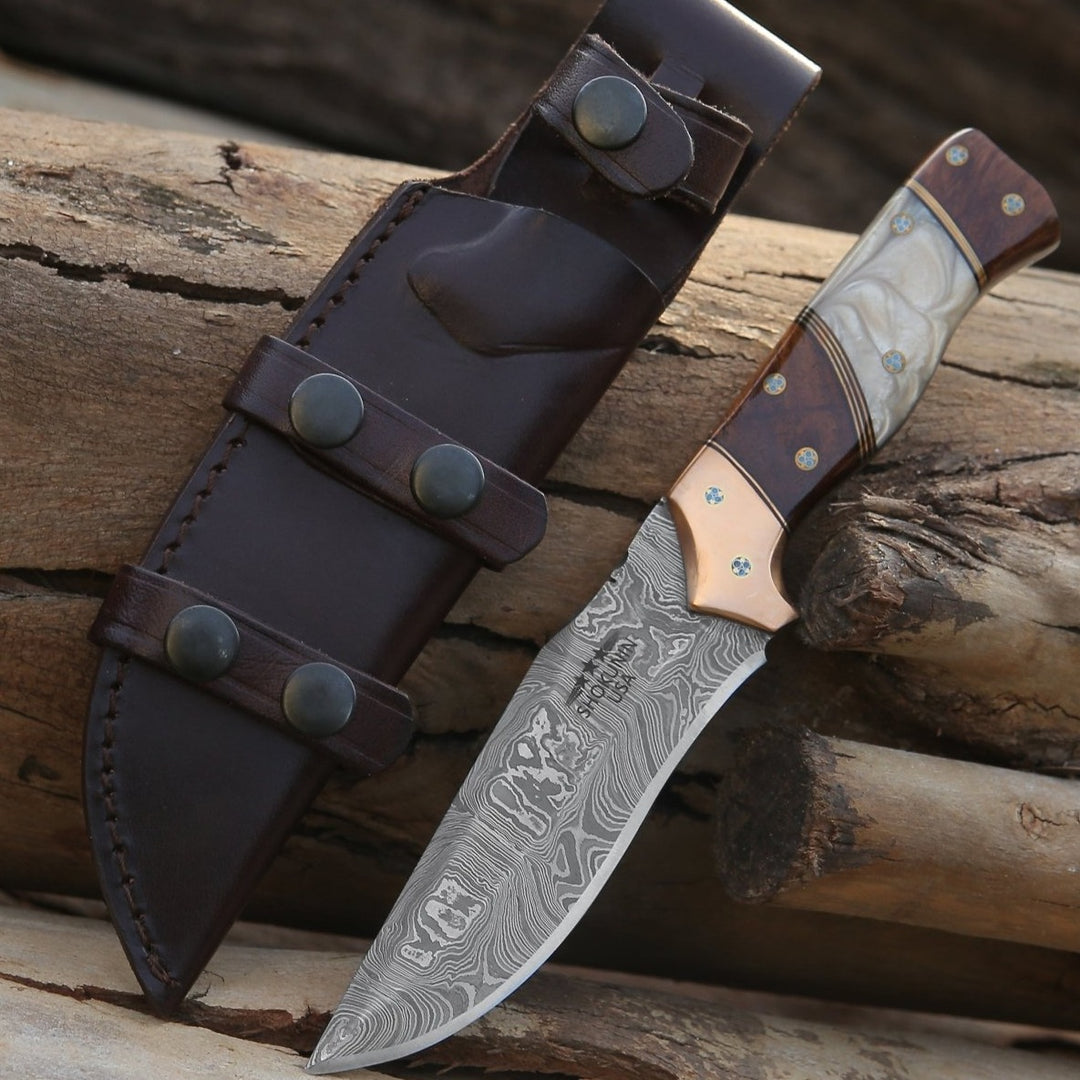
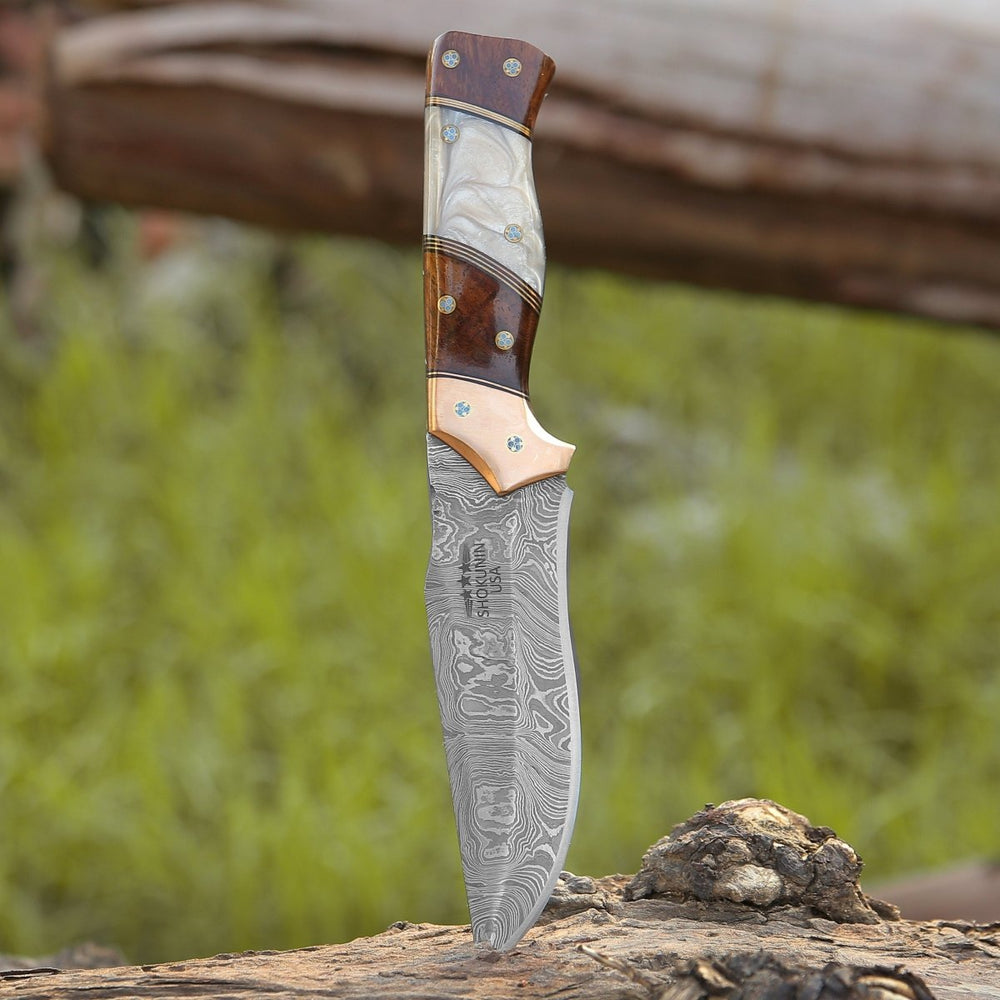
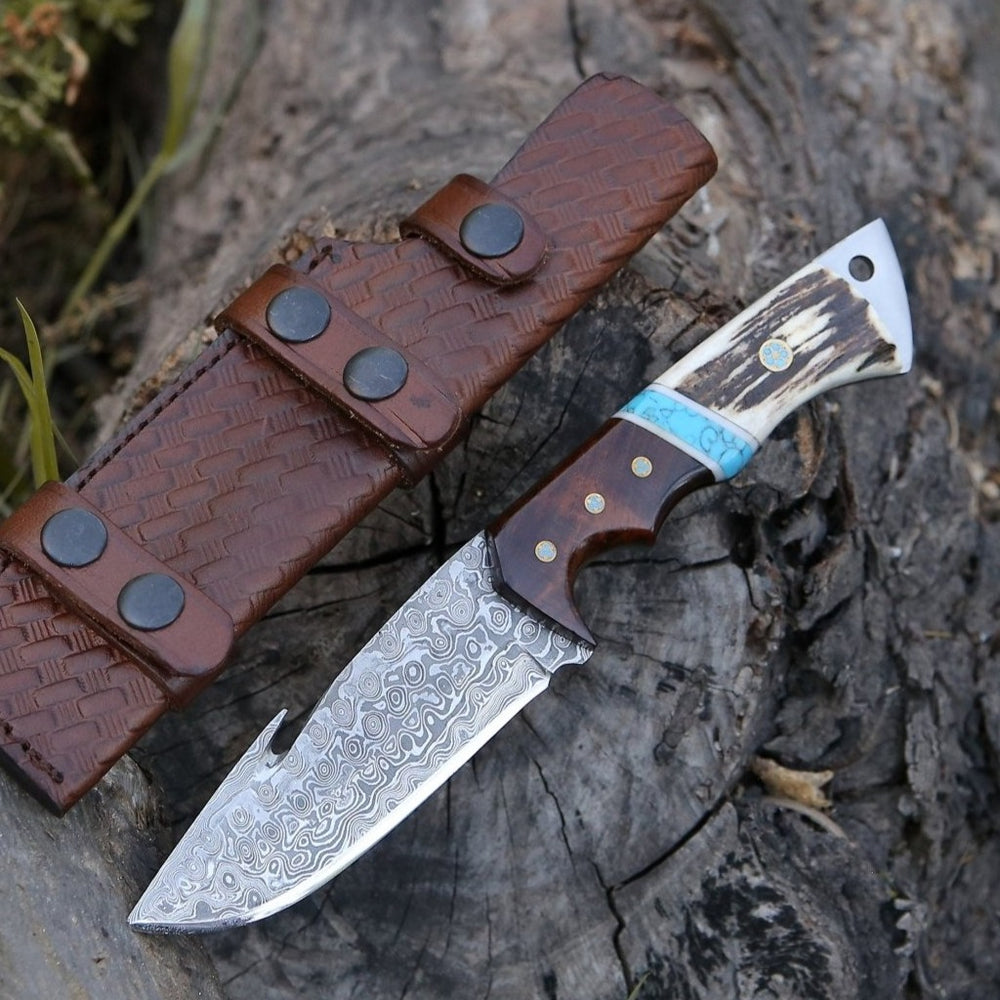
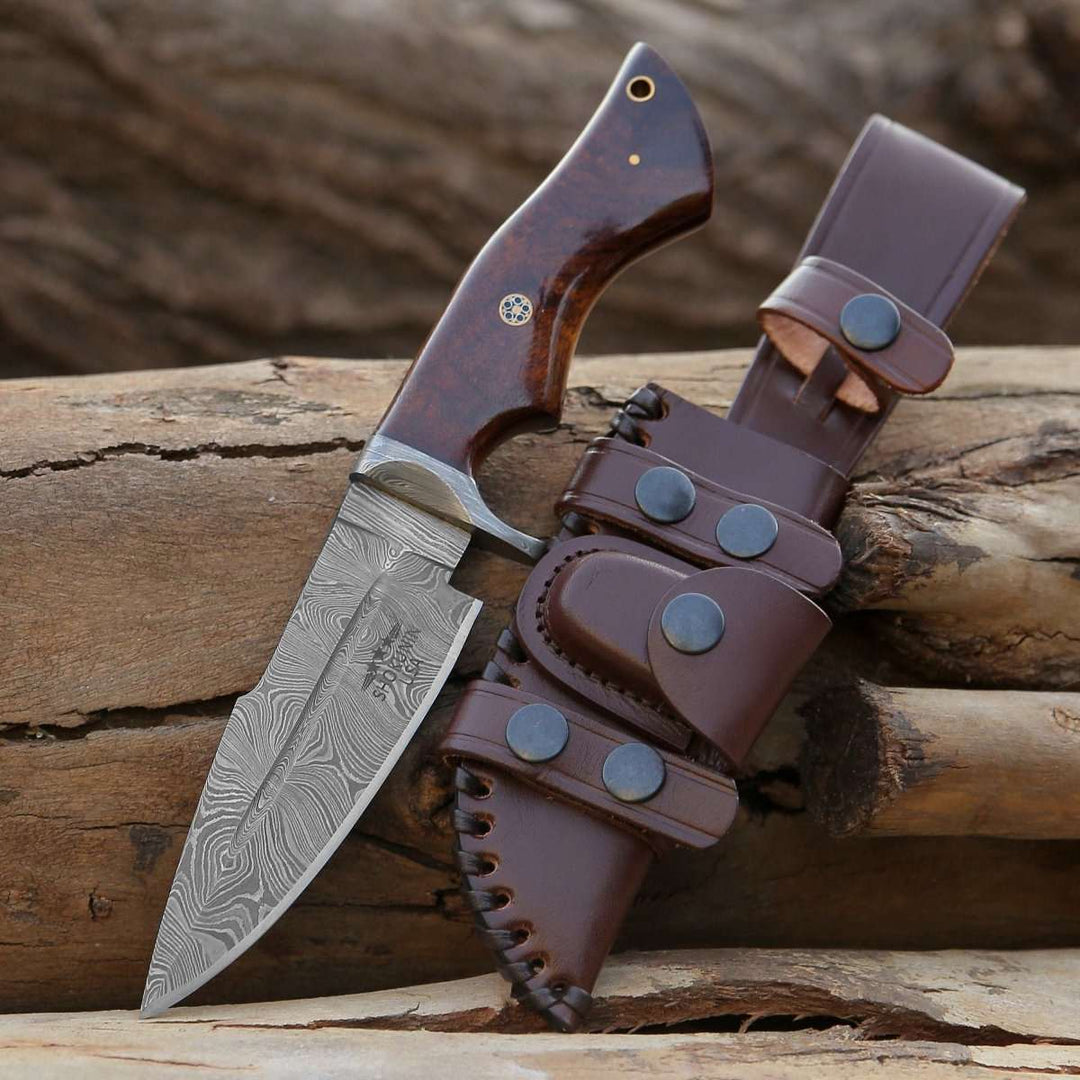
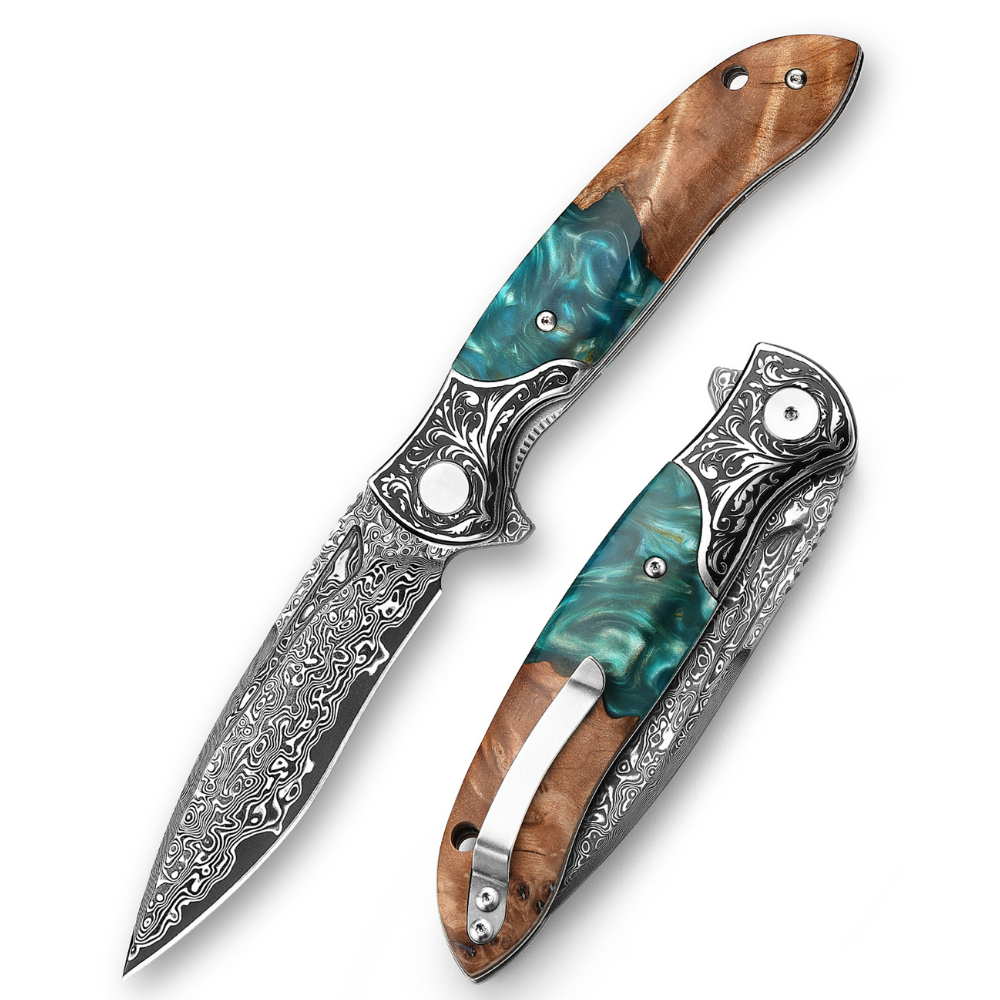
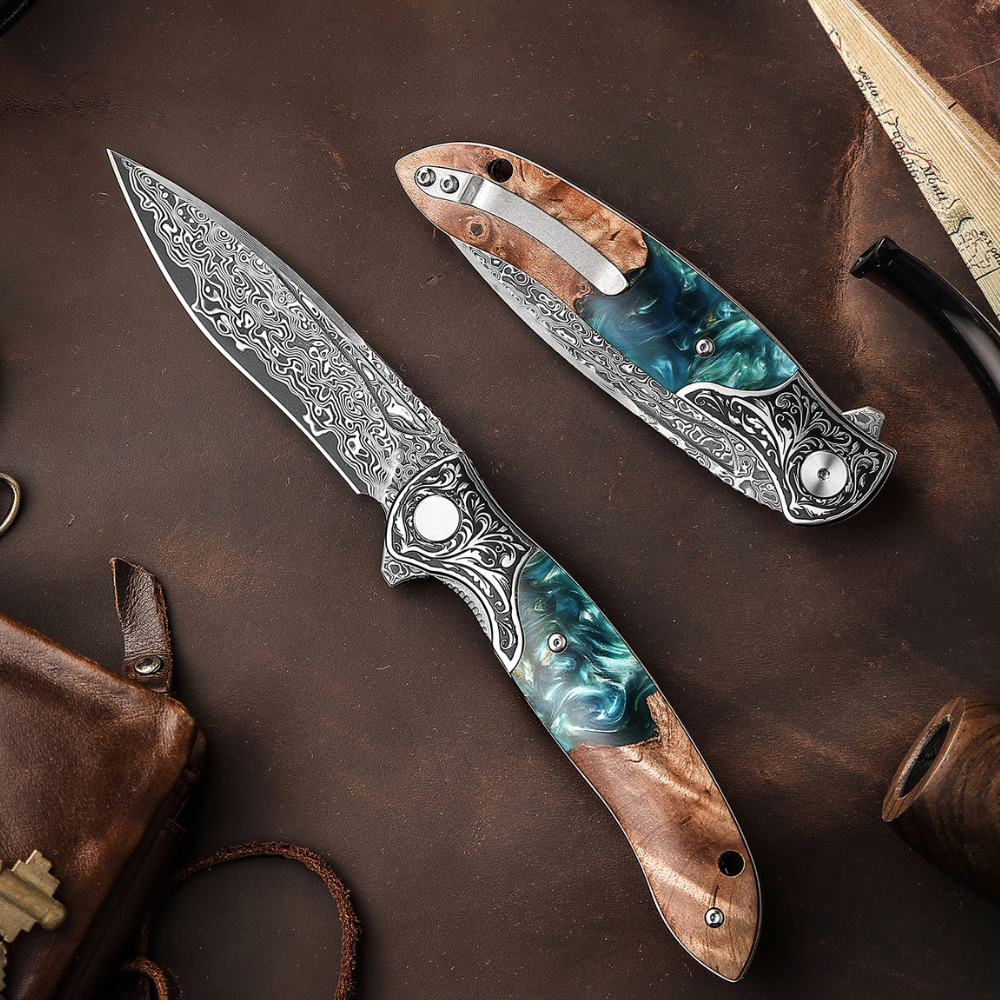
Ares Japanese Handmade Pocket Knife with Olive Burl Wood & Resin Handle
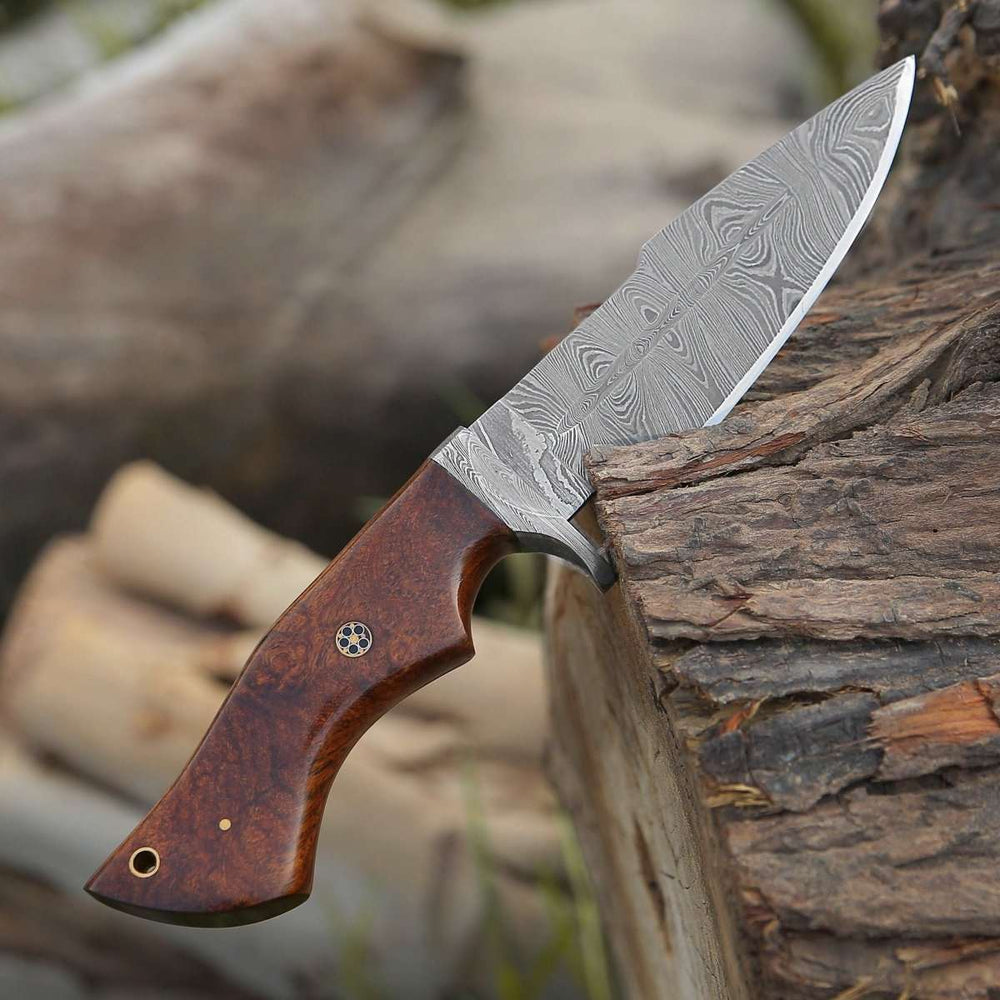
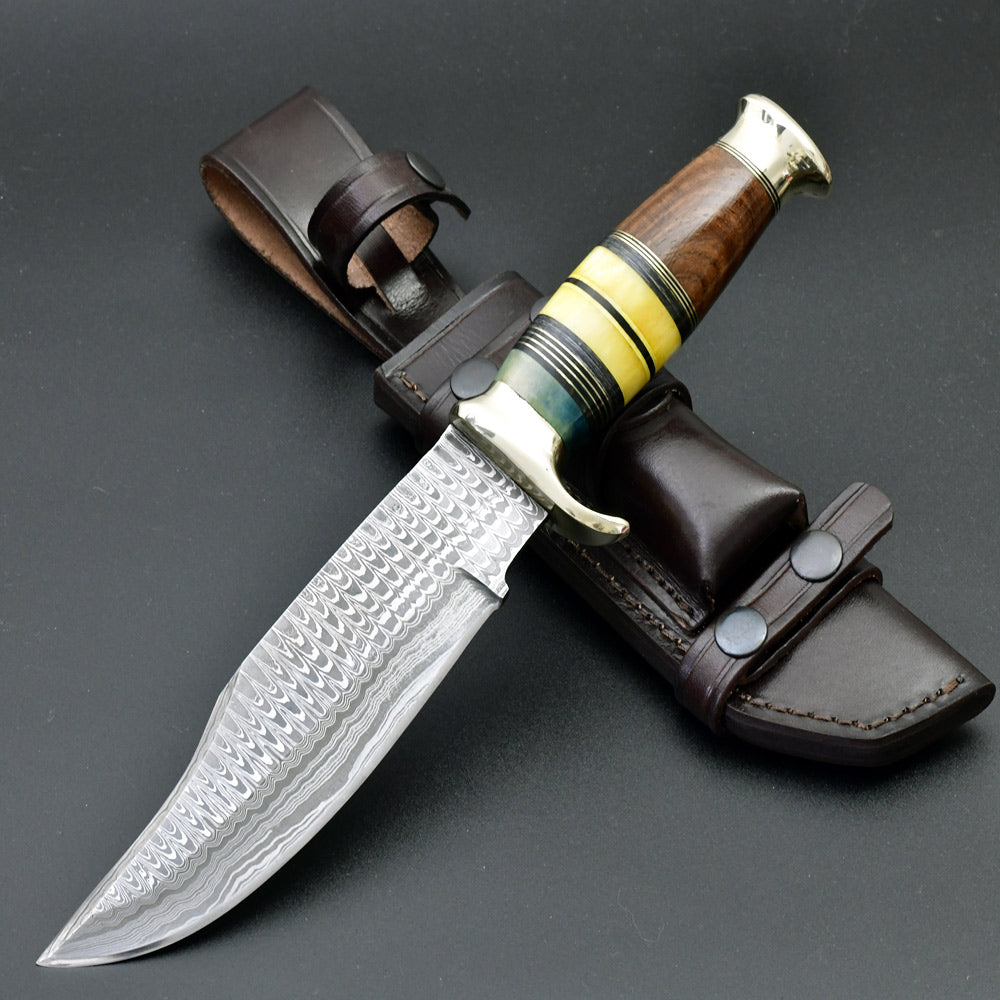
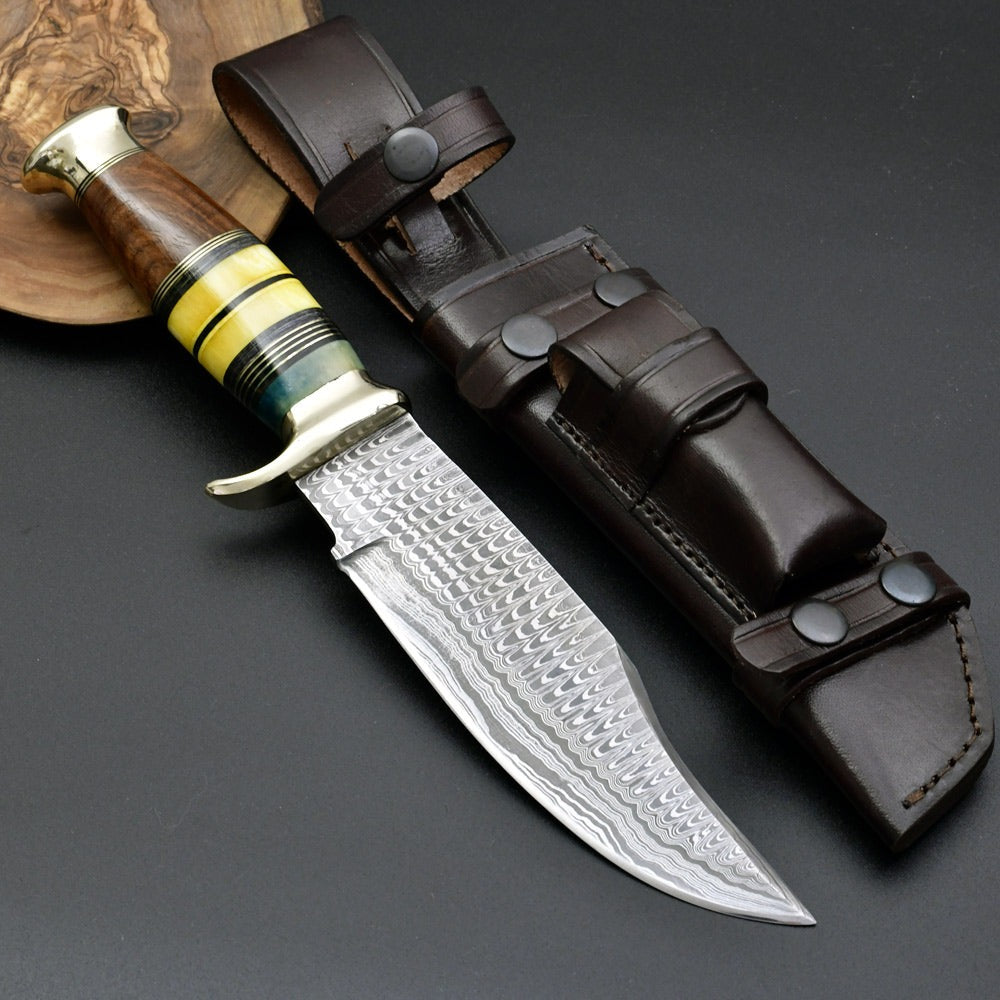
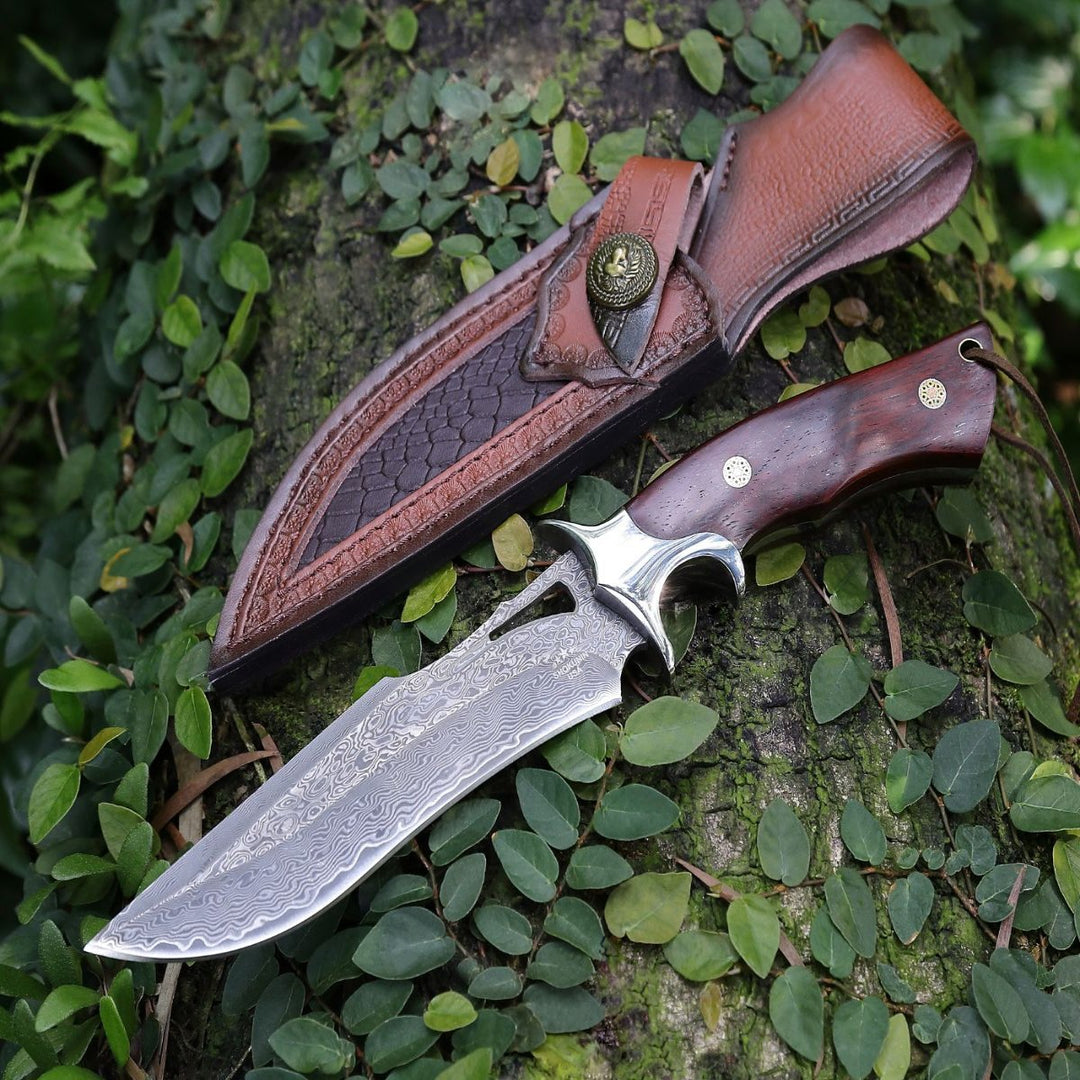
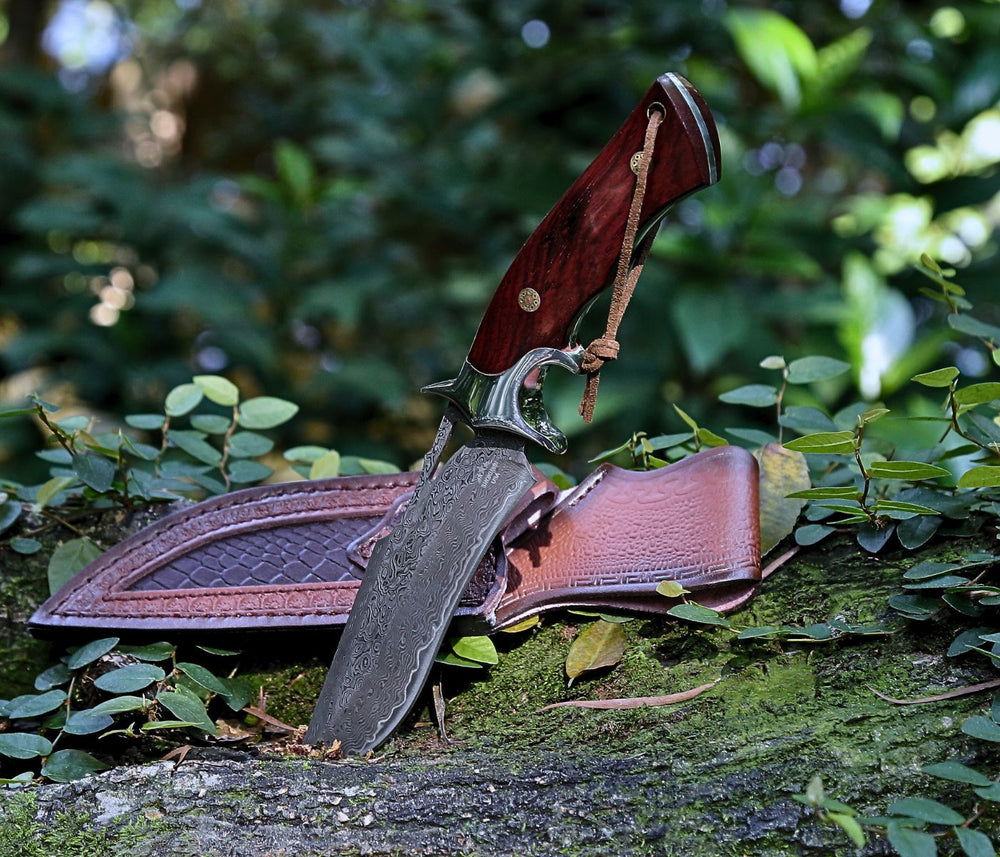
The Ares Japanese Handmade Pocket Knife combines exquisite craftsmanship with practical utility, featuring a unique Damascus steel blade known for its strength and edge retention. Its ergonomic design, highlighted by an olive burl wood and turquoise resin handle, ensures comfort during use, making it suitable for various outdoor activities such as camping and hiking. Additionally, this pocket knife comes with a hand-stitched leather sheath and includes sharpening tools, enhancing its functionality for everyday tasks.
View Product






Dejar un comentario