


Overview
Understanding pocket knife laws is essential for collectors and users, as regulations vary by state, city, and type of knife. Key aspects include knowing local laws, context of carry, and potential exemptions for certain professions. Staying informed through communities and legal resources helps ensure compliance while enjoying your pocket knives. Always check international regulations when traveling. Responsible ownership and awareness of the legal landscape are crucial for a safe experience.
Table of Contents
- The Basics of Pocket Knife Laws
- Understanding Definitions
- State-by-State Regulations
- California
- New York
- Texas
- Factors That Influence Knife Legislation
- Best Practices for Carrying Pocket Knives
- Research Local Laws
- Stay Informed
- Consider Context
- Keep it Concealed if Needed
- Exceptions to the Rules
- International Considerations
- Popular Destinations and Their Laws
- Engaging With the Knife Community
- Final Thoughts: Embrace Responsible Ownership
Key Takeaways
- Understand Local Regulations: Pocket knife laws vary significantly by state, county, and city, impacting blade length and carry permissions.
- Know Key Terminology: Familiarize yourself with terms like pocket knife, fixed blade, switchblade, and jurisdiction to navigate laws effectively.
- Research Before Carrying: Always check local laws and regulations before carrying your pocket knife to ensure compliance.
- Consider Context: The legality of carrying a knife can depend on the environment, such as urban vs. rural settings.
- Stay Informed: Join knife enthusiast communities or forums to keep updated on legal changes and best practices.
- Be Aware of Exceptions: Certain professions and activities may have exemptions that allow for carrying larger knives legally.
- International Travel Caution: Research knife regulations in foreign countries, as they can be much stricter than in the U.S.
In a world where outdoor adventures and daily tasks often require reliable tools, pocket knives play a significant role. However, navigating the legal landscape surrounding these versatile tools can be daunting. Whether you’re a collector, outdoor enthusiast, or everyday user, understanding pocket knife laws is crucial. In this article, we will delve deep into various regulations, factors to consider, and tips for staying compliant while enjoying your Striker Pocket Knife or any other handmade knives that you cherish.
The Basics of Pocket Knife Laws
First and foremost, it’s essential to recognize that pocket knife laws vary significantly from one location to another. Factors such as state, county, and even city can influence restrictions on blade length, types of knives, and where you can carry them. Generally, pocket knives are classified as “tools,” but in some jurisdictions, they fall under weapon laws.
Understanding Definitions
To effectively navigate pocket knife laws, you must understand the terminology involved. Here are a few common definitions:
- Pocket Knife: A small folding knife designed for everyday use and easy carrying.
- Fixed Blade: A knife with a blade that does not fold and is typically larger.
- Switchblade: A knife with a blade that opens automatically with the push of a button.
- Jurisdiction: A region with specific legal authority over pocket knife regulations.
Knowing these terms allows you to differentiate between what is allowed and what might get you into legal trouble.
State-by-State Regulations
The regulations surrounding pocket knives can change dramatically depending on which state you are in. Here’s a brief overview of regulations in a few key states:
California
In California, pocket knives are generally legal to carry, but there are regulations regarding size and type. For instance, folding knives are allowed, but if they have a blade over 2.5 inches, they may trigger weapon classifications. Additionally, California has restrictions on switchblades.
New York
New York has more stringent regulations, particularly in New York City, where carrying any knife with a blade that is more than four inches is illegal. The legal landscape changes drastically between urban and rural areas, so awareness is key.
Texas
Texas has lenient laws compared to other states. Generally, knives are legal to carry openly or concealed, but those over five inches must be carried openly. Texas laws prioritize the rights of knife owners.
Different areas have their nuances, and understanding the specific laws can help you avoid unintended consequences while carrying your Striker Pocket Knife or other handmade knives.
Factors That Influence Knife Legislation
Several factors contribute to the fluctuations in knife laws across different regions. Here are some of the most significant influences:
- Criminal Activity: Areas with a higher incidence of crime may impose stricter regulations to curb violence associated with weapons.
- Public Safety Concerns: Municipalities may ban specific types of knives in public spaces or during events for safety reasons.
- Political Climate: Changes in administrations can impact laws relating to firearms and knives, sometimes leading to more restrictive measures.
Keeping an eye on these factors will help you stay informed about potential legal updates regarding your knives.
Best Practices for Carrying Pocket Knives
Here are essential tips that will help you safely and legally carry your pocket knives, including your favorite Striker Pocket Knife:
Research Local Laws
Before carrying your pocket knife, always research the local laws specific to your area. Websites dedicated to legal statutes, as well as local law enforcement websites, can provide essential information to ensure you comply with all regulations.
Stay Informed
Laws can change frequently. Being part of a community or forum dedicated to knife enthusiasts can help keep you updated on legal developments. Engaging with experts or local law representatives is also a good way to stay informed.
Consider Context
Context matters in legal situations. Carrying a knife in a camping setting versus an urban environment may be viewed differently by law enforcement. Consider your surroundings and the reason for having a knife on hand.
Keep it Concealed if Needed
In jurisdictions with strict knife laws, consider opting for discreet carry. Many designs of pocket knives are suitable for covert carrying, helping you stay compliant while still having a handy tool available.
Exceptions to the Rules
Even in locations with strict regulations, there are often exceptions. For instance, many areas have carve-outs for specific professions or activities:
- Occupational Use: Many professionals, such as chefs or construction workers, often have exemptions when it comes to carrying larger knives as their work necessitates tools.
- Sporting Events: Many states allow exemptions for knives carried for specific activities such as hunting and fishing.
Understanding these exceptions can provide you with greater freedoms when utilizing your favorite handmade knives.
International Considerations
If you plan to travel internationally with your pocket knife, brace yourself for even more complexity. Many countries have stringent restrictions on carrying knives, and violating these regulations can result in severe penalties.
Popular Destinations and Their Laws
Here are some considered destinations and their knife regulations:
- United Kingdom: Generally, it’s illegal to carry a knife in public unless it’s deemed to be for a legitimate reason, with strict regulations on blade size.
- Australia: Knives are typically considered weapons, making it critical to understand the specific regulations in each state or territory.
- Canada: Canada allows the carrying of knives, but it's prohibited to carry them with an intent to use as a weapon.
Always remember to check in advance to avoid disciplinary actions, especially airport security checks.
Engaging With the Knife Community
Being part of a knife-enthusiast community can enhance your knowledge about regulations and best practices. Engaging with groups online, attending knife shows, or participating in local meet-ups can be invaluable:
- Online Forums: Platforms like Reddit and specialized forums can provide you with insights and support from fellow knife owners.
- Local Clubs: Look for local clubs or organizations dedicated to knife enthusiasts. They often have their expertise and knowledge regarding laws and best practices.
Cultivating a network of fellow knife users allows for sharing experiences and understanding the ever-evolving landscape of knife laws.
Final Thoughts: Embrace Responsible Ownership
Pocket knives, such as the Striker Pocket Knife and other handmade knives, are useful tools that can enhance your everyday experiences. However, responsible ownership is key to enjoying these tools without legal hiccups. By taking the time to educate yourself about the laws in your area and remaining engaged with the community, you can ensure that your passion for pocket knives remains enjoyable and compliant.
Stay caring for your tools and respect the regulations that govern their use. It’s not just about the knife itself but how and where you choose to carry it. Embrace this responsibility, and you can enjoy the artistry and craftsmanship behind each handmade knife while confidently navigating the laws surrounding them.
Frequently Asked Questions
1. What are the general laws regarding pocket knives?
2. What should I know about pocket knife definitions?
3. How do pocket knife regulations differ in states like California, New York, and Texas?
4. What are some best practices for carrying pocket knives legally?
5. Are there exceptions to pocket knife carrying rules?
Glossary
| Term | Meaning |
|---|---|
| Pocket Knife | A small folding knife designed for everyday use. |
| Fixed Blade | A knife with a non-folding blade, usually larger. |
| Switchblade | A knife that opens automatically with a button. |
| Jurisdiction | A region with specific legal authority over knife laws. |
| Regulations | Rules governing the legal carrying of knives. |
| Concealed Carry | Carrying a knife in a hidden manner for legal compliance. |
| Occupational Use | Exemptions for carrying larger knives for work purposes. |
| Public Safety | Concerns that can lead to stricter knife regulations. |
| Knife Community | Groups of enthusiasts sharing knowledge and experiences. |
| International Regulations | Rules governing knife carrying in different countries. |
Linked Product

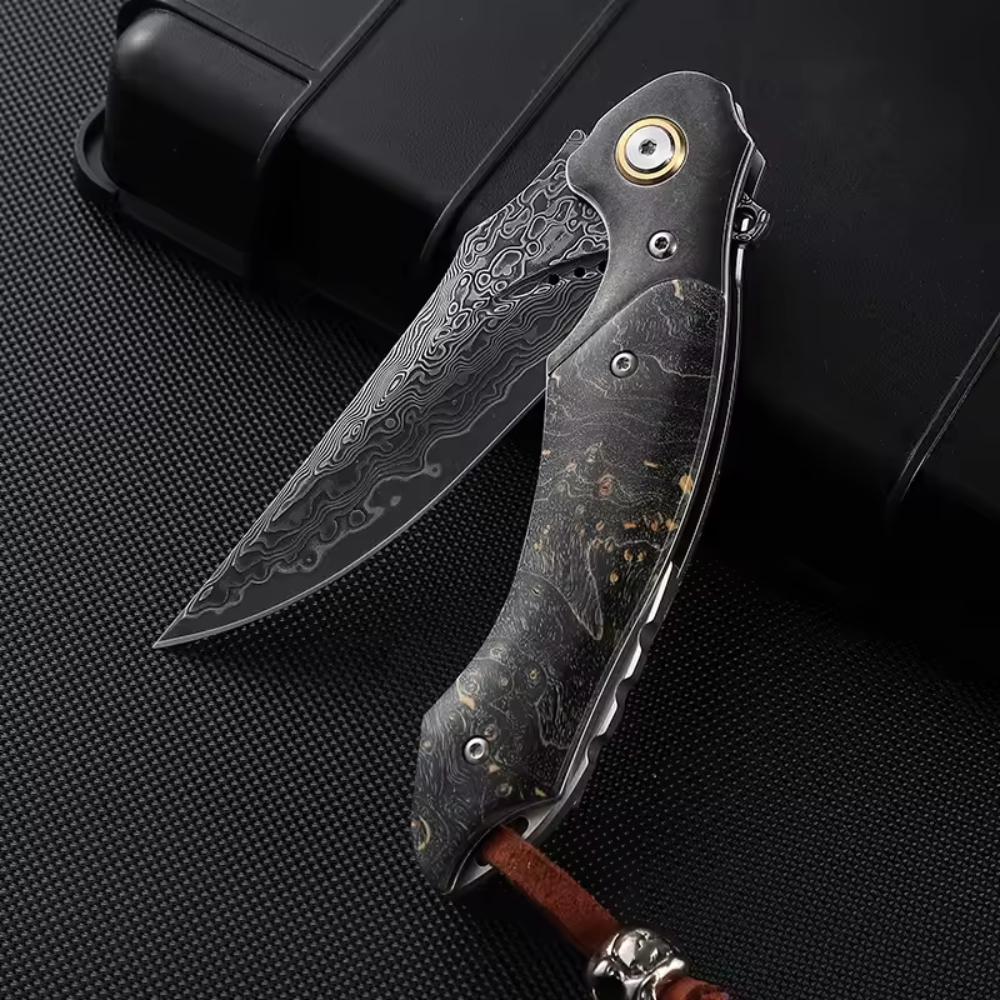
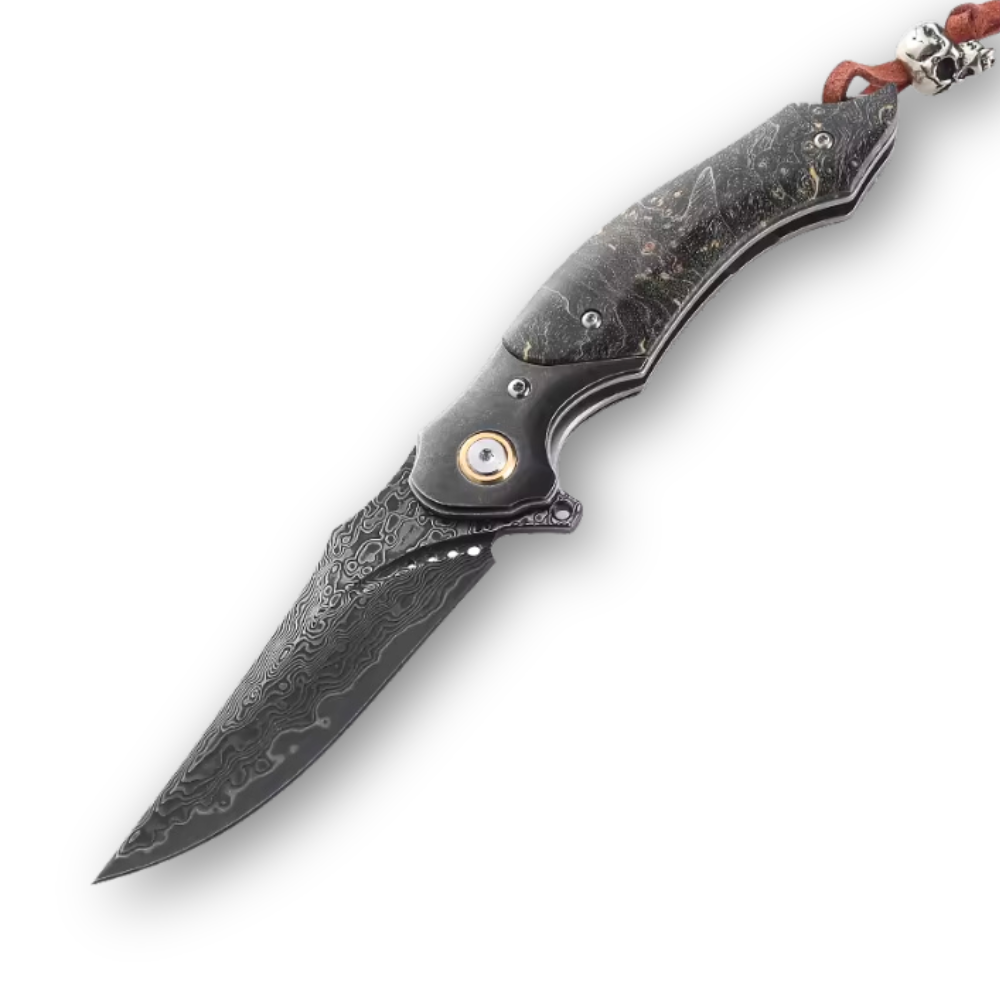
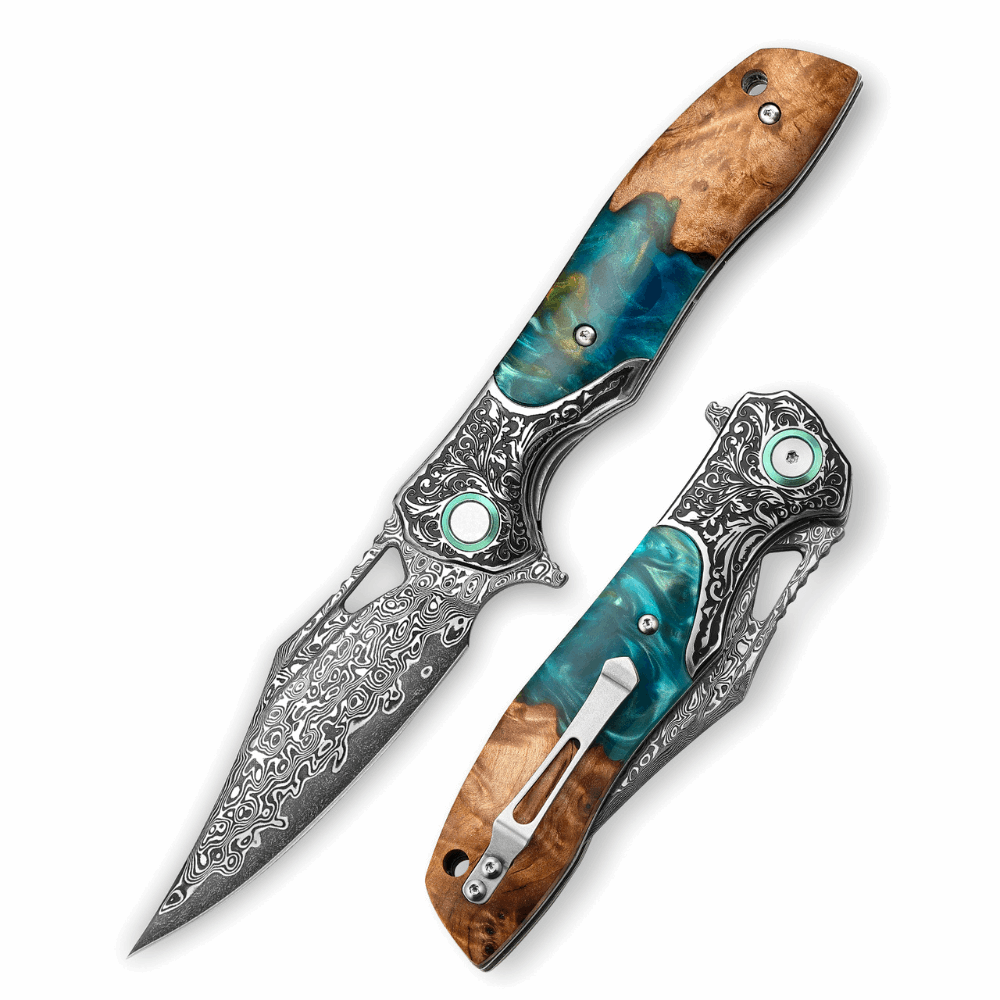
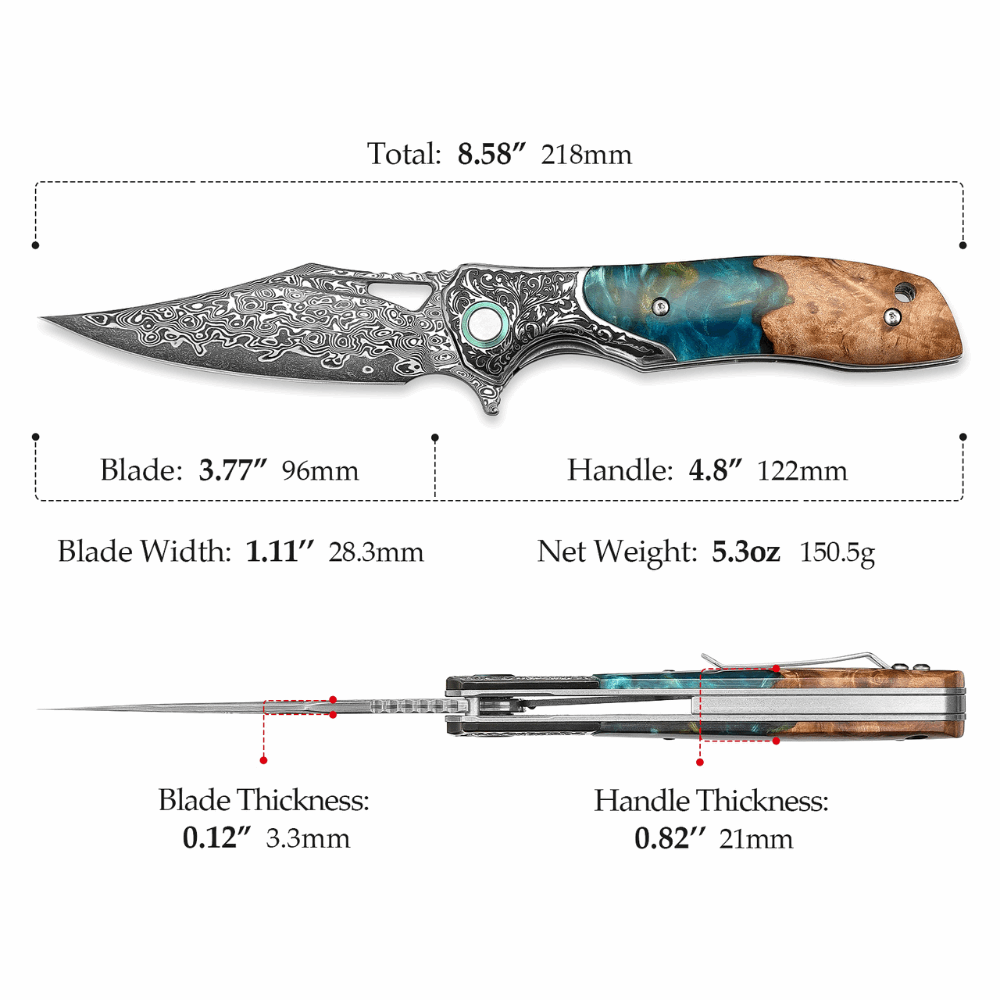
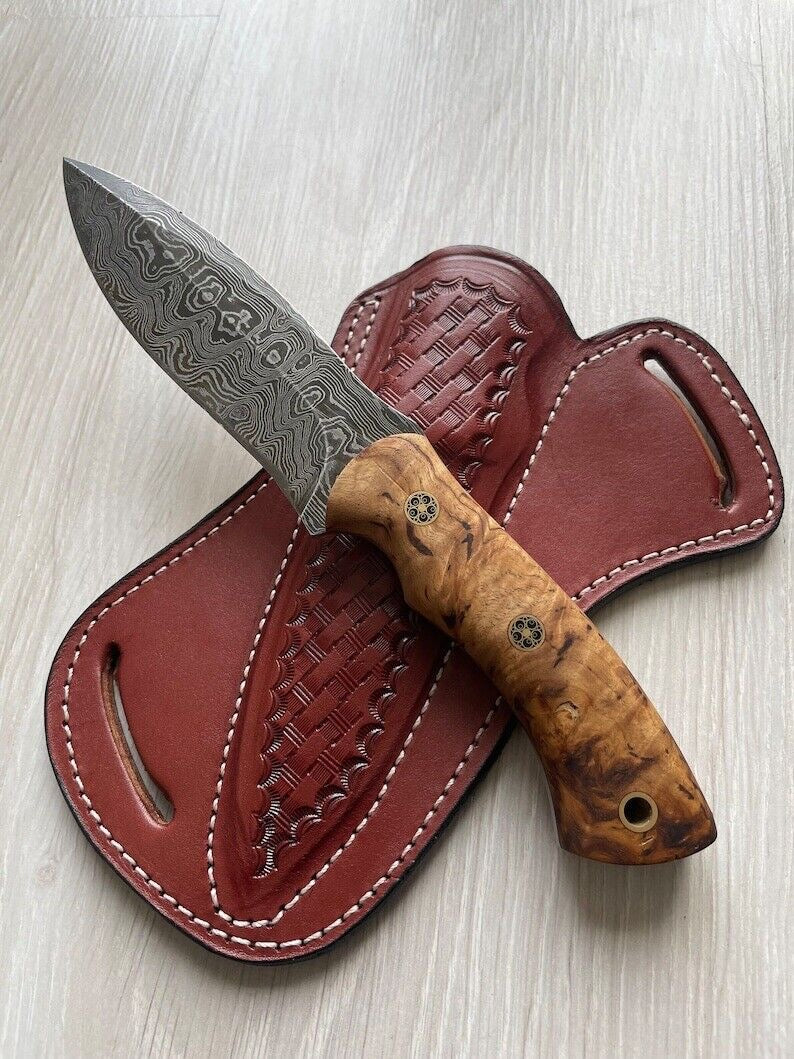
Striker Pocket Knife with Pine Cone Handle
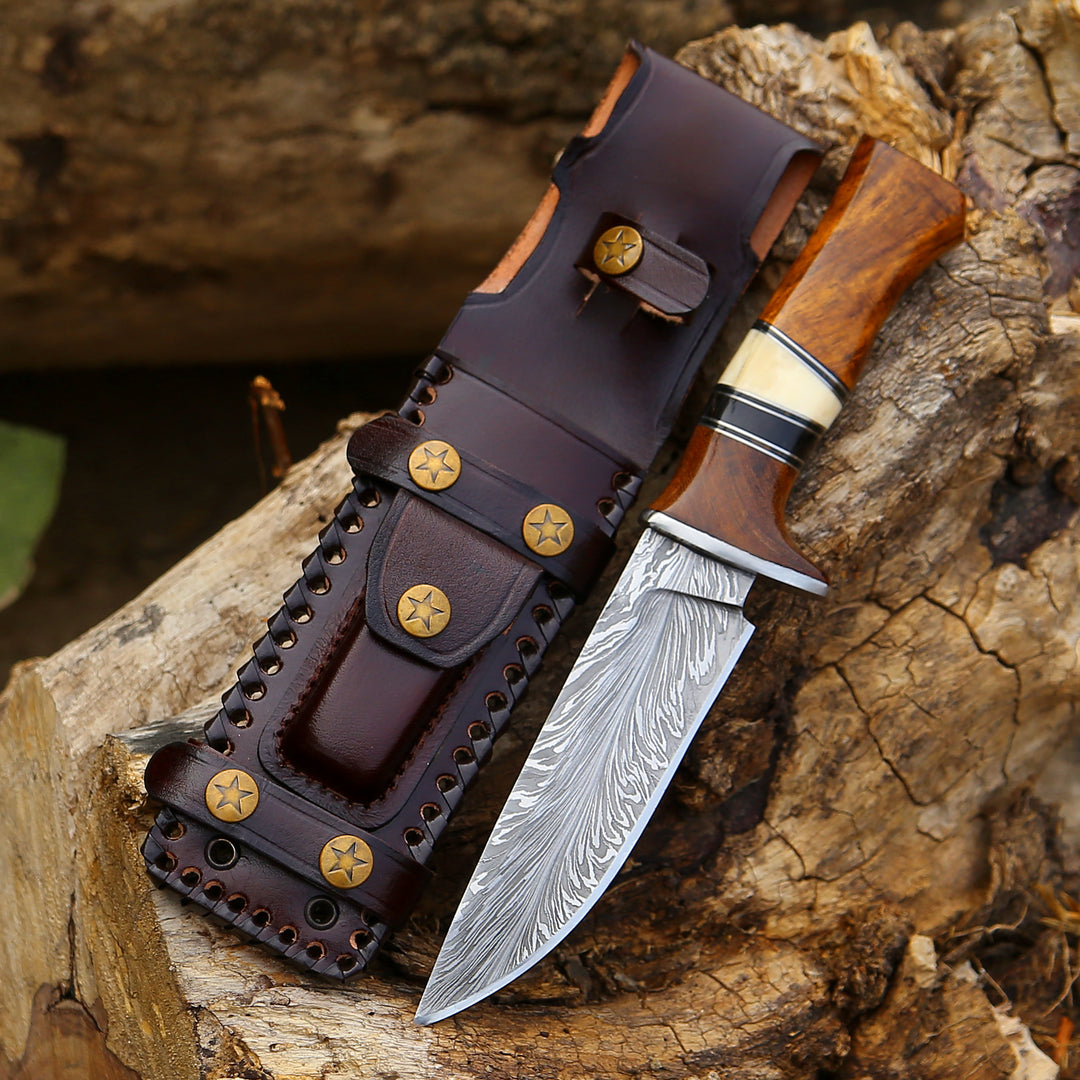
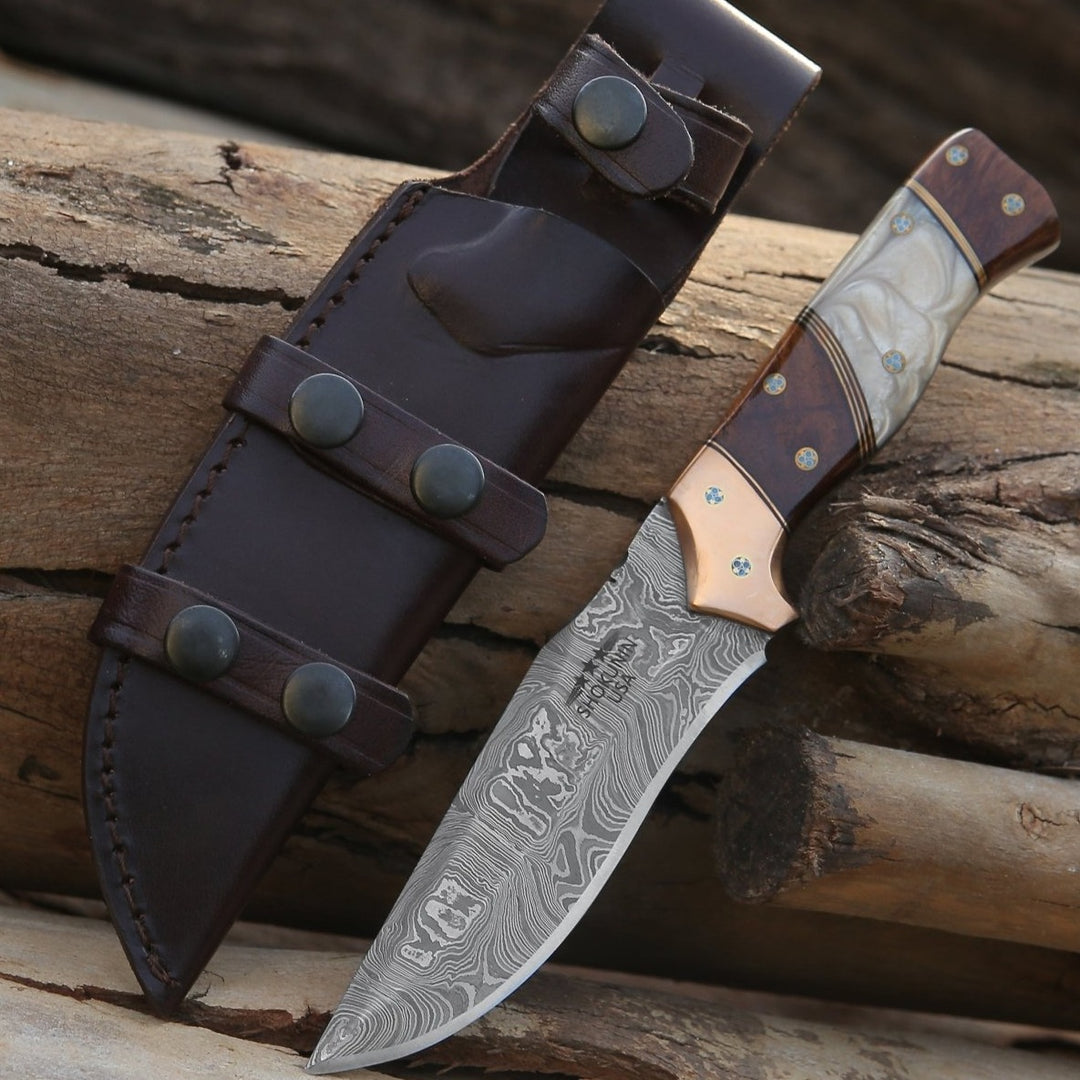
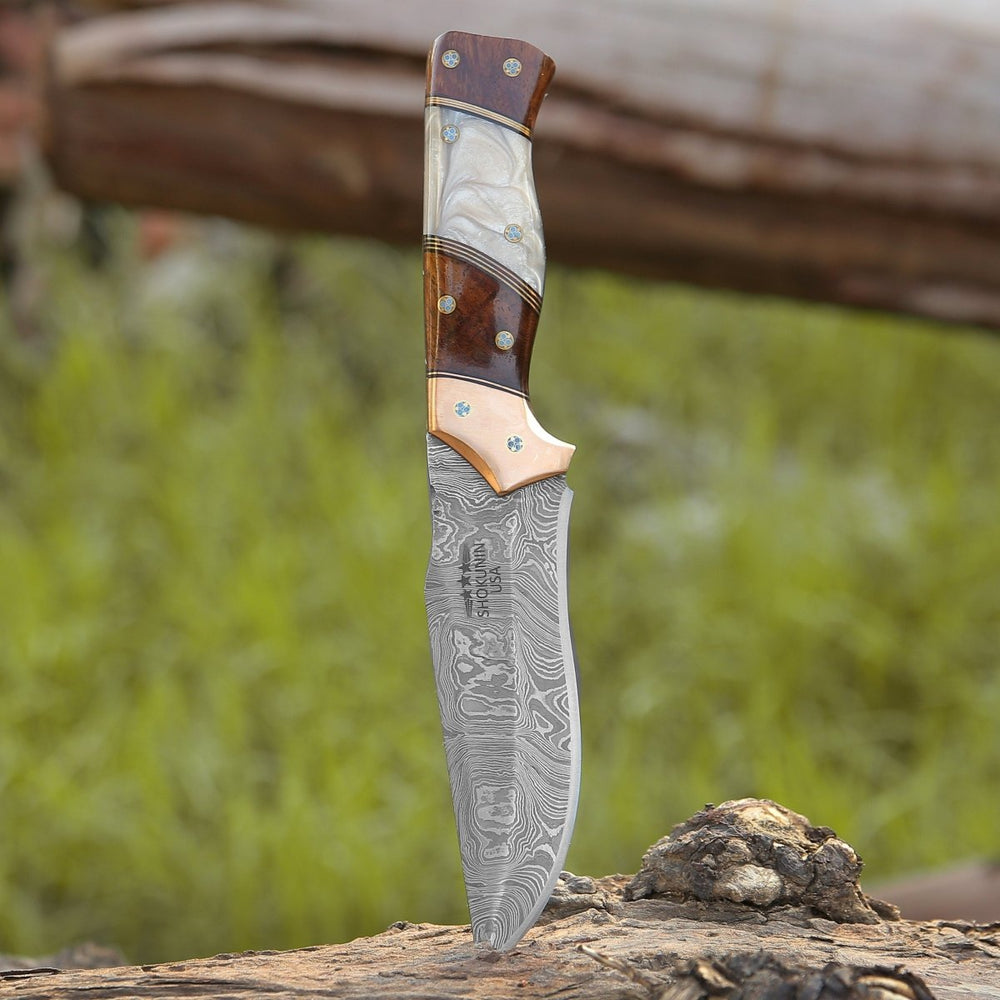
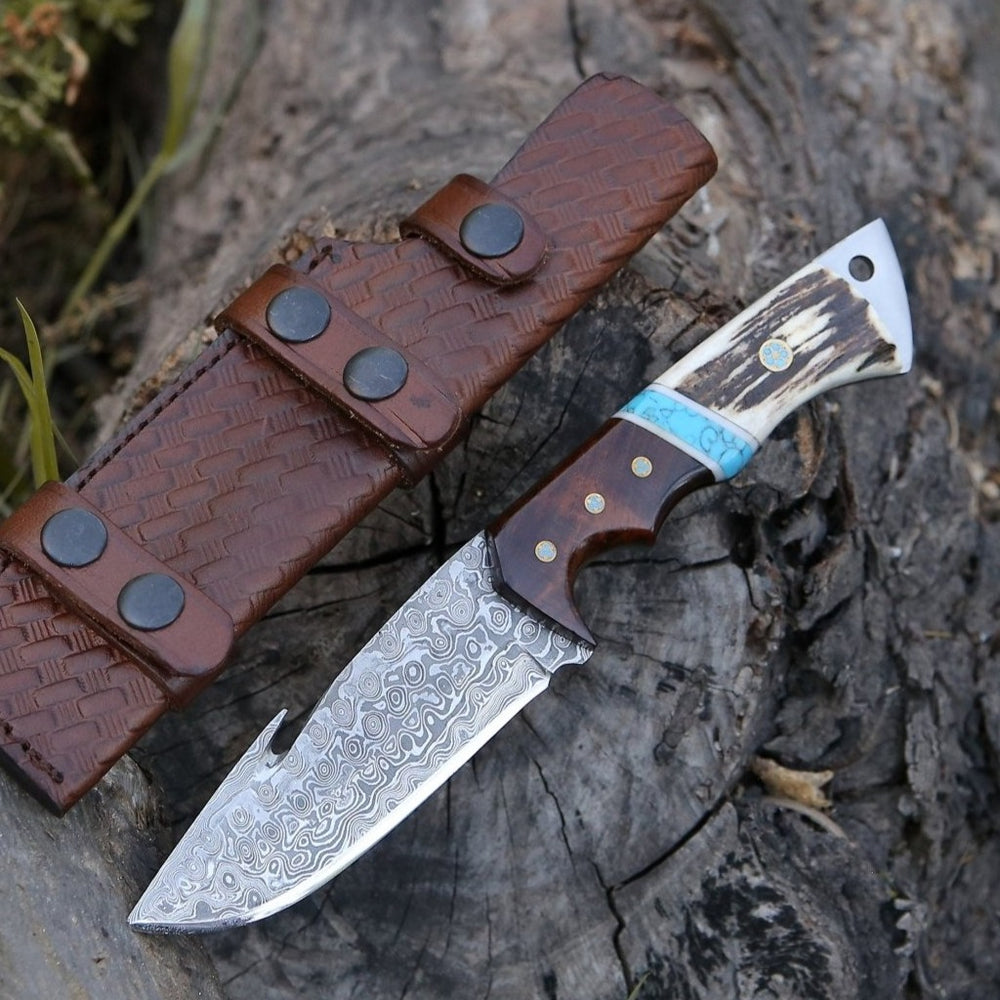
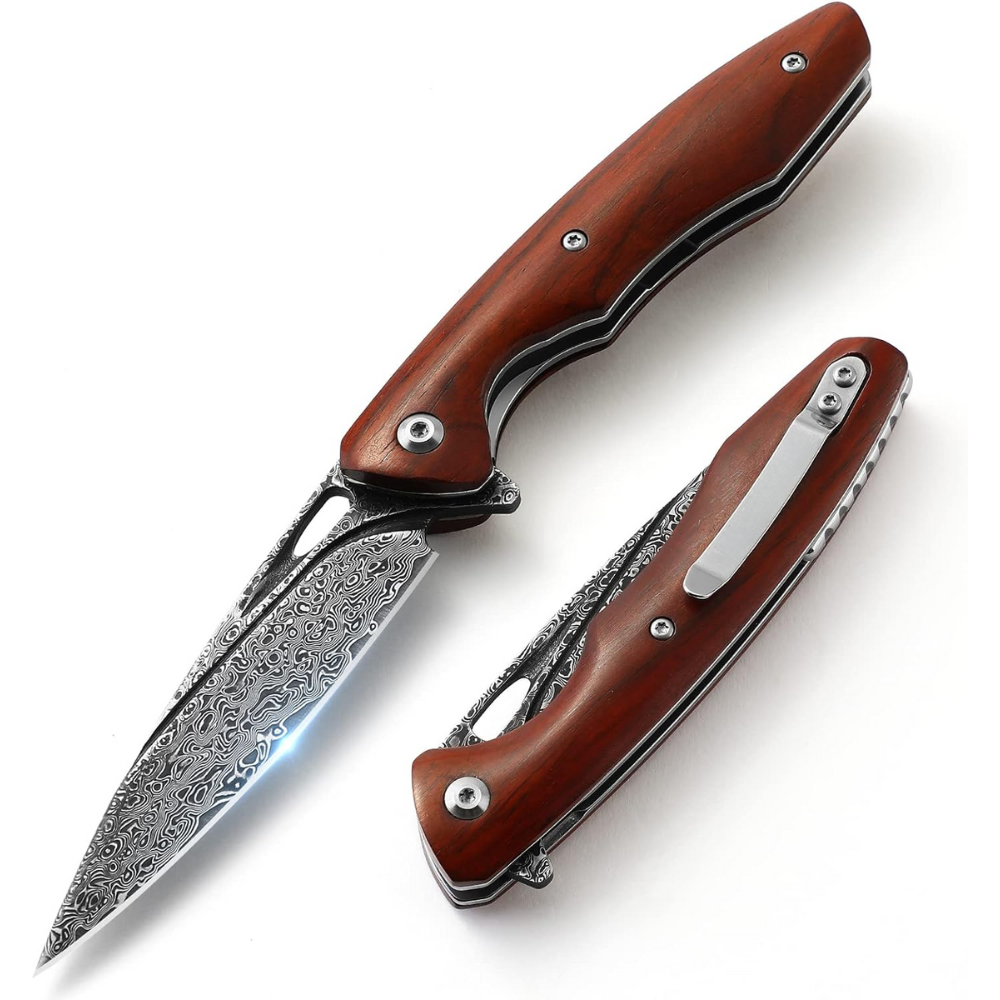
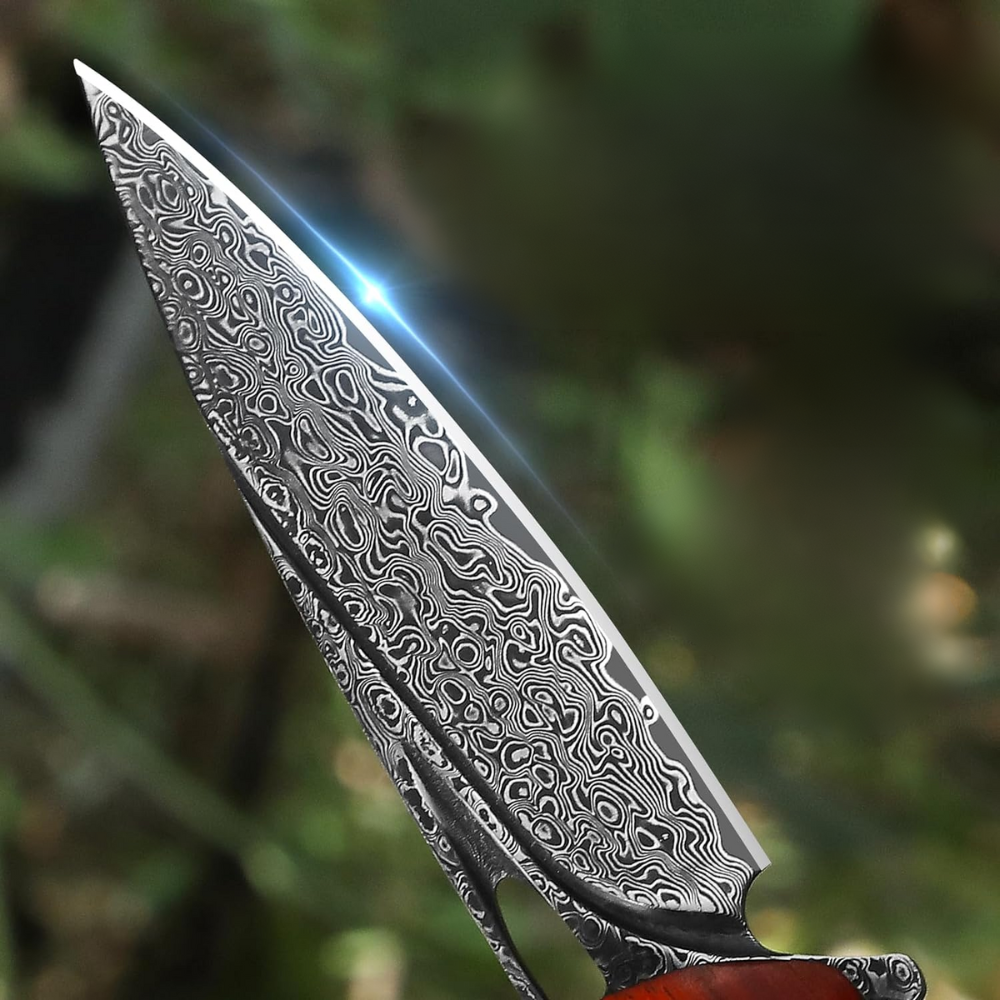
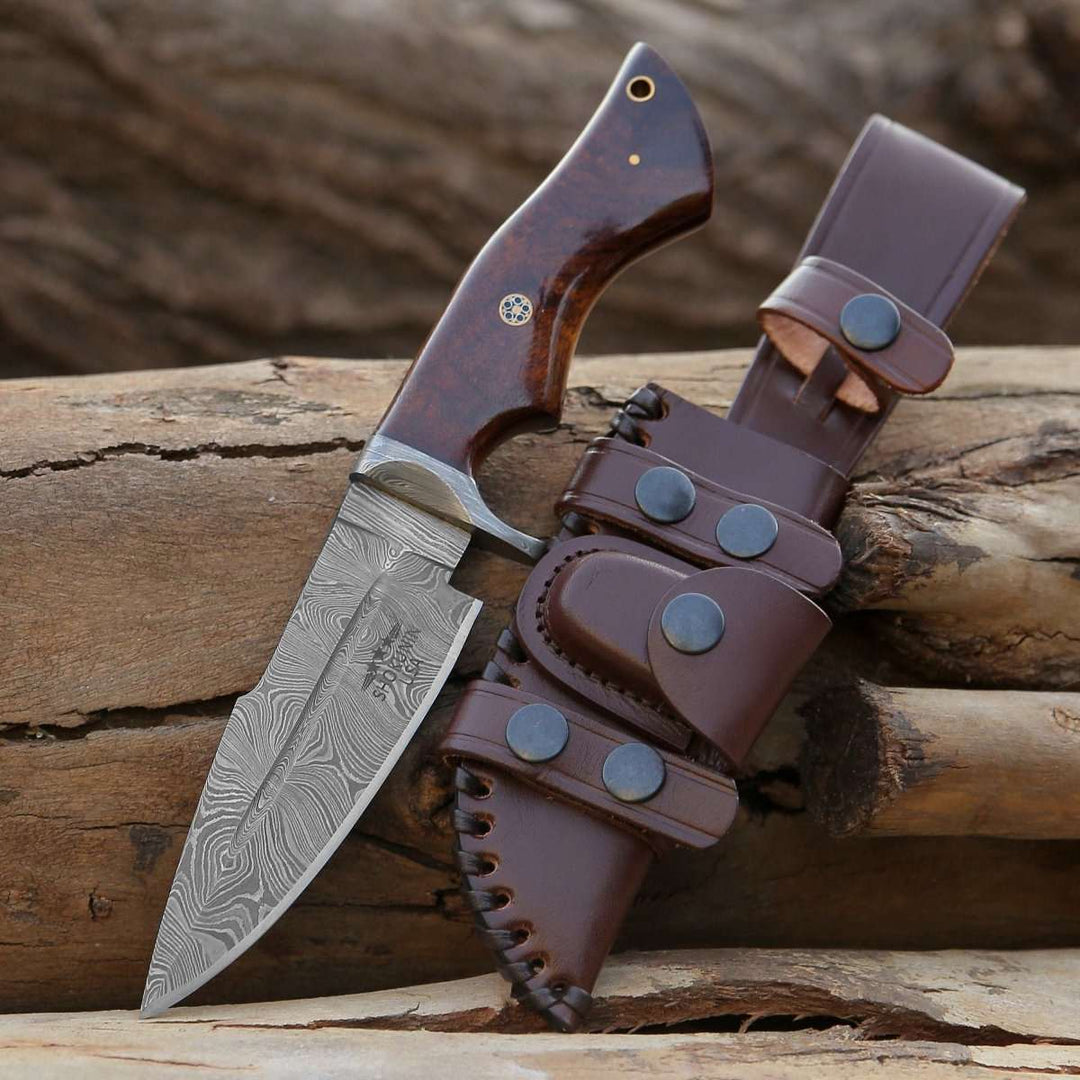
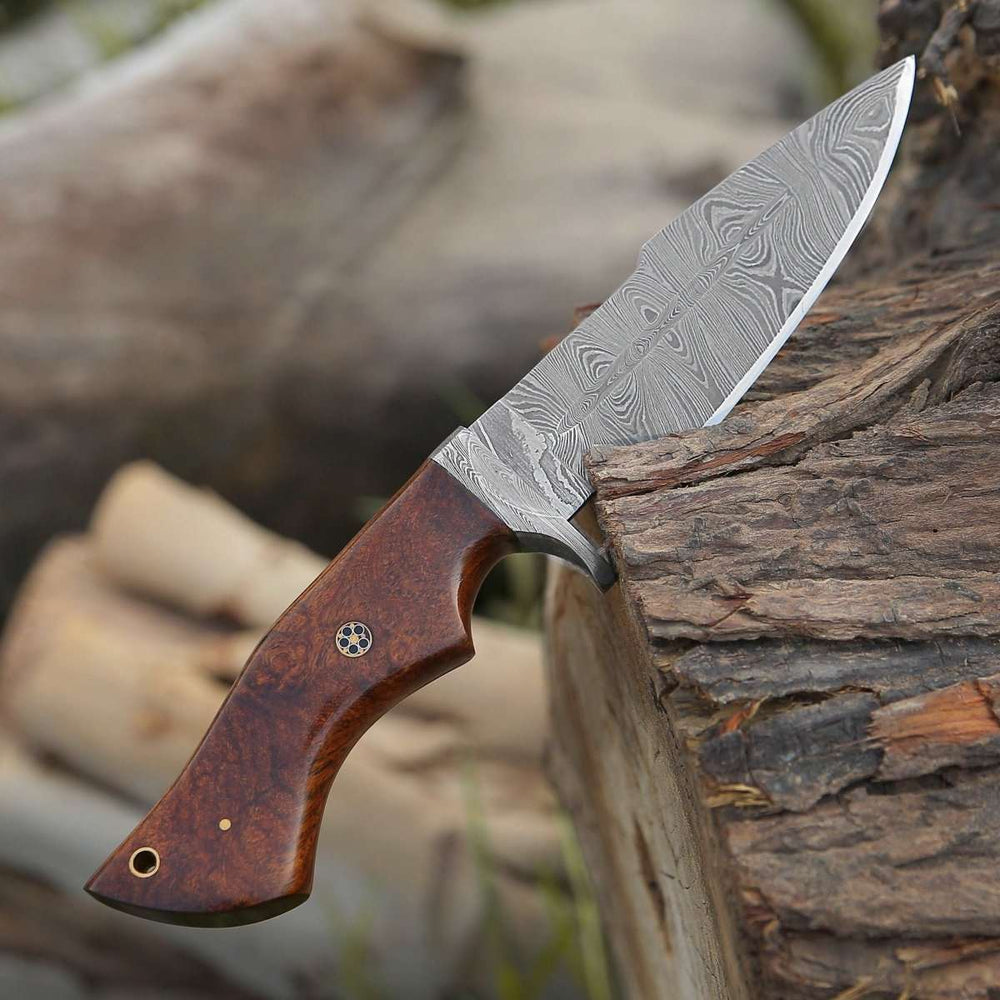
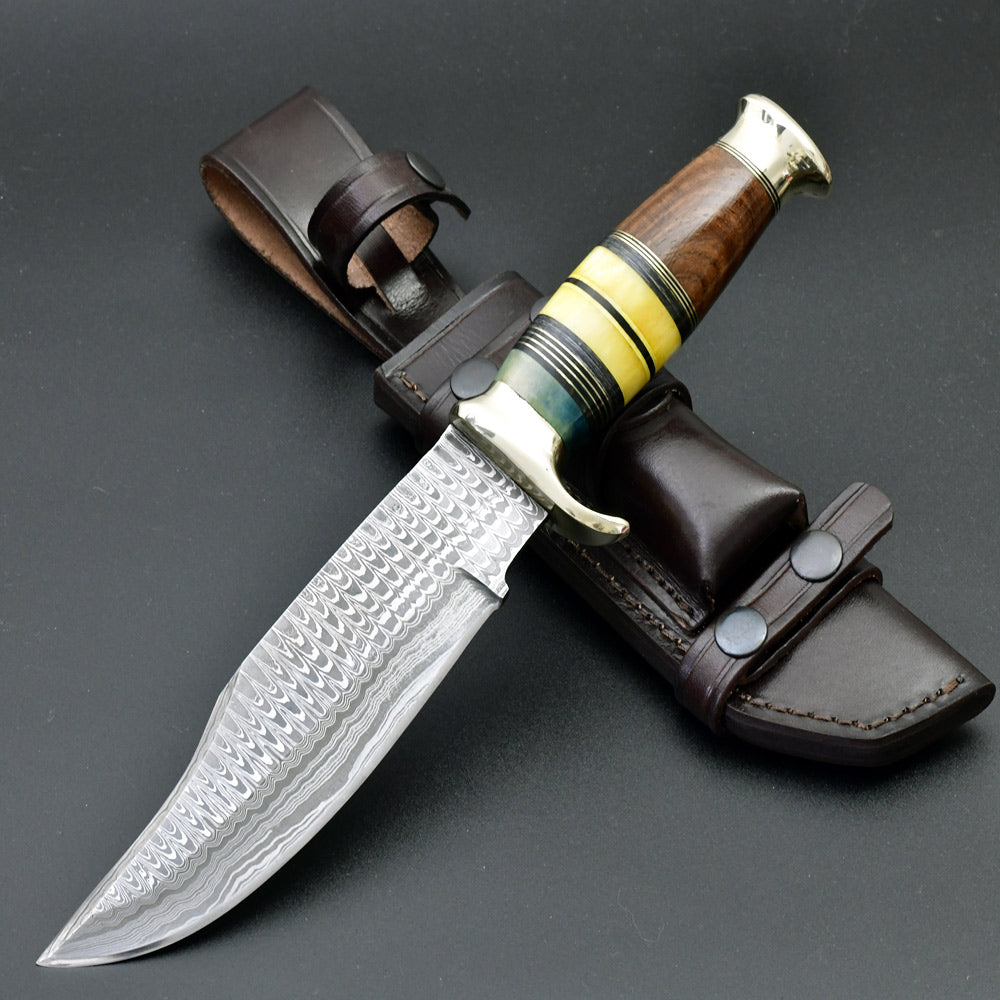
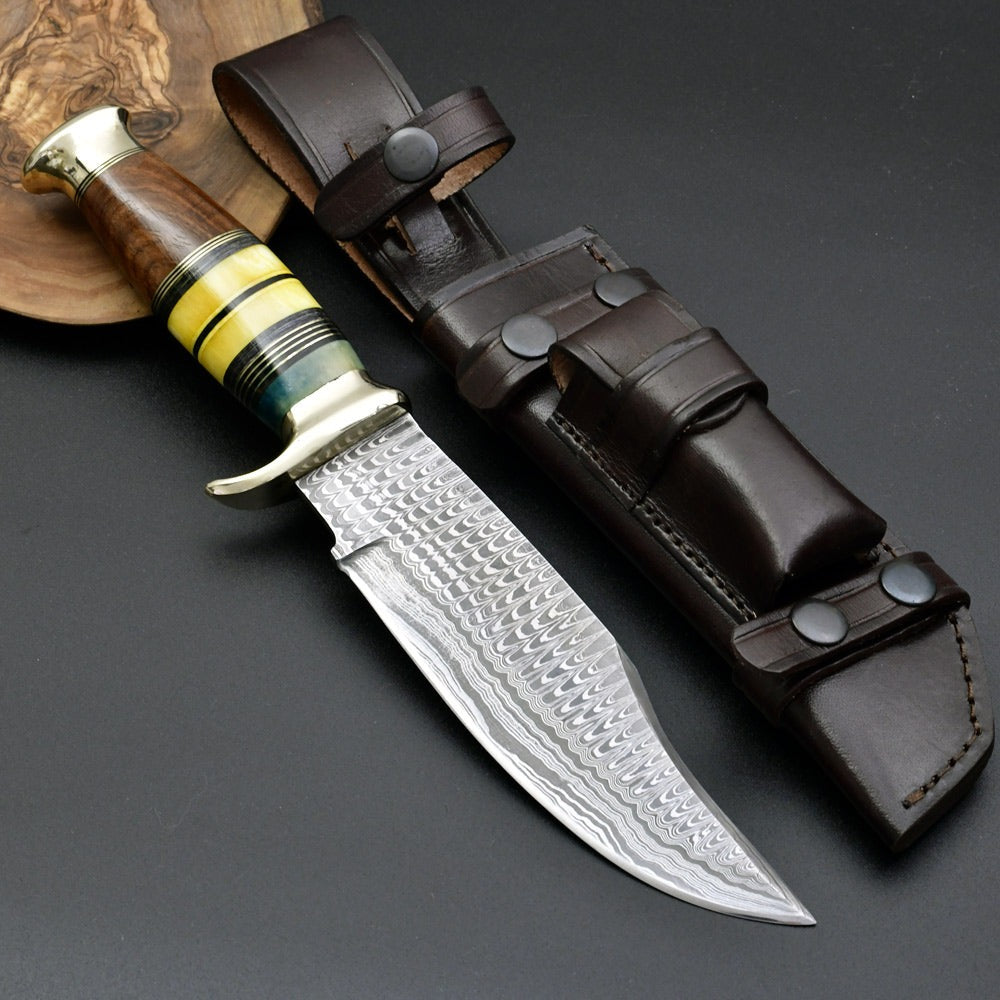
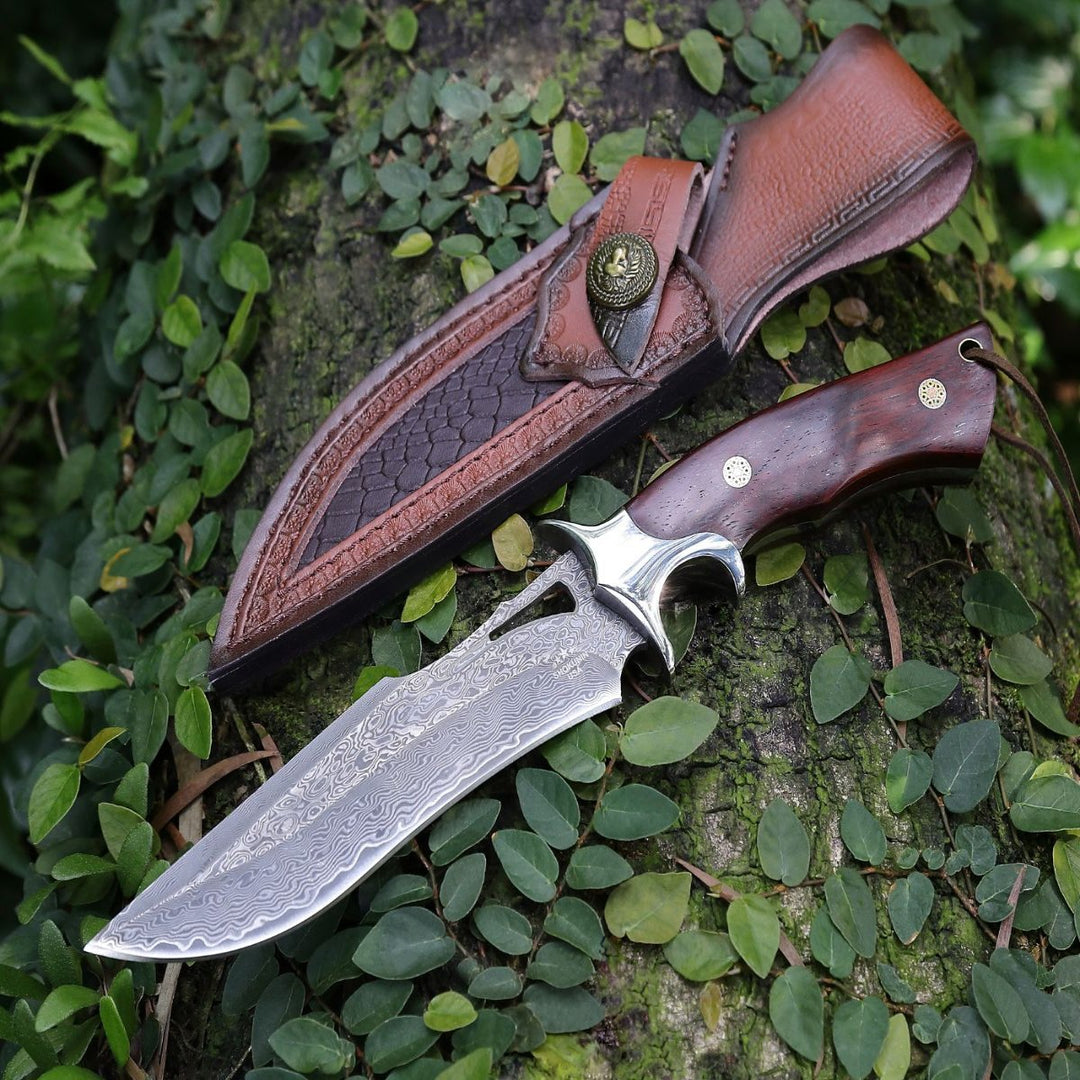
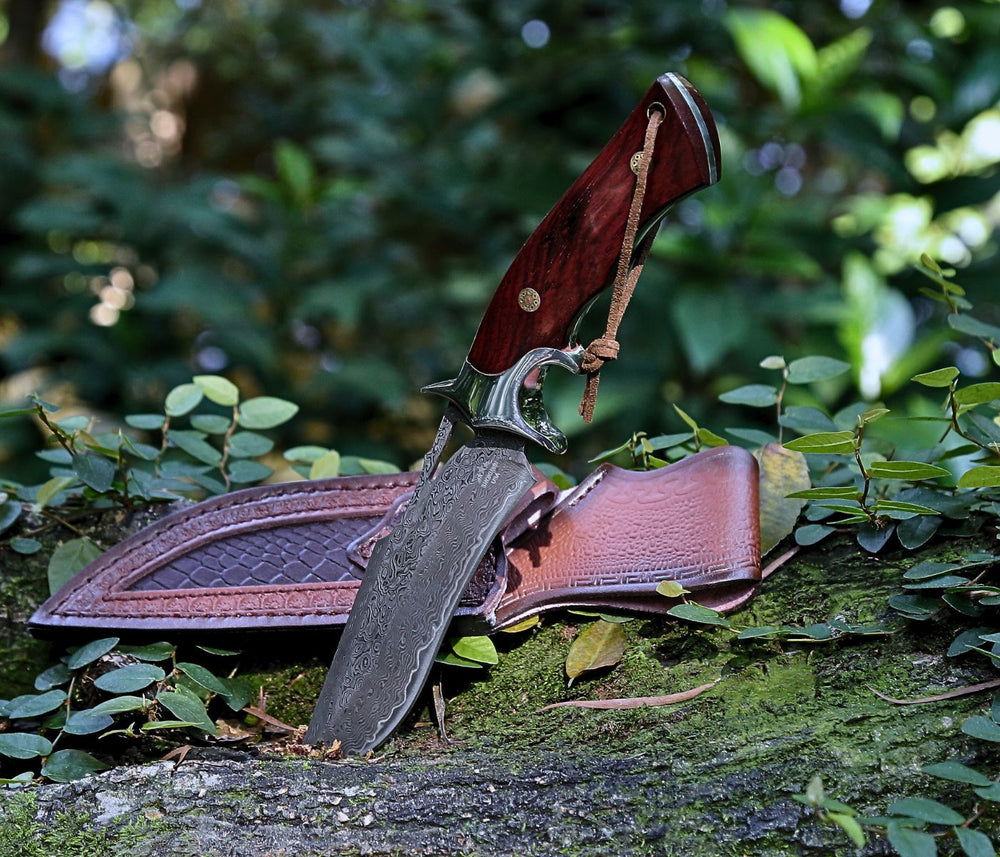
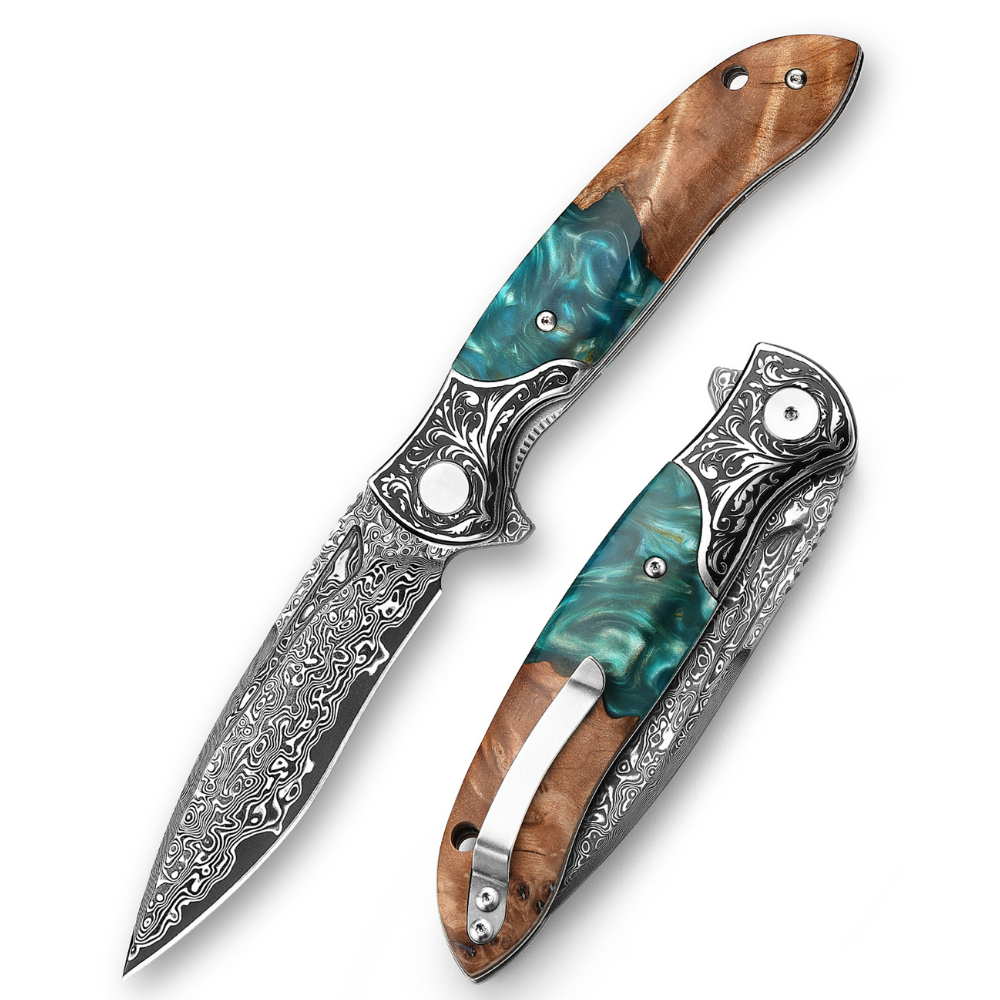
The Striker Pocket Knife with Pine Cone Handle features a handmade Damascus steel blade, offering exceptional strength and edge retention suitable for various tasks. Its ergonomic design and lightweight construction ensure comfortable use, while the durable handle is treated to withstand harsh conditions. This knife is ideal for outdoor enthusiasts and collectors, and comes with a hand-stitched leather sheath and a pocket knife sharpener for added convenience.
View Product







Dejar un comentario