


Overview
Starting a pocket knife collection can be rewarding and fun. This guide covers essential tips for beginners, including understanding different types of knives, setting collection goals, researching options, where to buy, storage solutions, maintenance tips, engaging with the knife community, and the importance of documentation. It also highlights the value of knowing when to sell or trade and suggests focusing on a niche to enhance your collection. Happy collecting!
Table of Contents
- Understanding Pocket Knives
- Setting Your Objectives as a Collector
- What interests you the most?
- Do you want to collect for utility or aesthetics?
- What is your budget?
- Researching Your Options
- Explore Online Resources
- Read Reviews and Watch Videos
- Start Collecting: Where to Buy
- Local Knife Shows and Expos
- Online Retailers
- Antique Shops and Flea Markets
- Storing Your Collection
- Knife Cases and Displays
- Humidity Control
- Understanding Knife Maintenance
- Regular Cleaning
- Sharpening Your Blades
- Engaging with the Knife Community
- Join Online Forums
- Participate in Local Knife Clubs
- Attend Workshops and Seminars
- The Importance of Documentation
- Knowing When to Sell or Trade
- Evaluating Condition and Value
- Network with Other Collectors
- Building a Unique Collection
- Focus on a Specific Type or Era
- Artisan and Handmade Knives
- A Final Sharpening of Enthusiasm!
Key Takeaways
- Understand Pocket Knives: Familiarize yourself with different types, such as traditional folding knives, lockback knives, multi-tools, and specialty knives.
- Set Clear Objectives: Determine your collecting goals, whether for utility, aesthetics, or a specific interest in craftsmanship.
- Research Thoroughly: Utilize online resources, read reviews, and watch videos to enhance your knowledge before making purchases.
- Know Where to Buy: Explore local knife shows, reputable online retailers, and antique shops for unique finds.
- Prioritize Proper Storage: Use dedicated knife cases and humidity control measures to protect and display your collection effectively.
- Engage with the Community: Join online forums, local clubs, and attend workshops to connect with fellow enthusiasts and deepen your knowledge.
- Document Your Collection: Keep detailed records of your knives, including purchase dates, prices, and personal notes to track their history and significance.
Starting a pocket knife collection can be an exciting and rewarding experience for both enthusiasts and casual hobbyists. With countless styles, materials, and uses, collecting pocket knives offers a unique glimpse into craftsmanship and history. This blog post serves as your comprehensive guide on how to start a pocket knife collection, covering tips, tricks, and insights that every beginner should know. Whether you're interested in a Titanium Damascus knife or preferring handmade knives, this guide will help you curate a collection you’ll cherish for years to come.
Understanding Pocket Knives
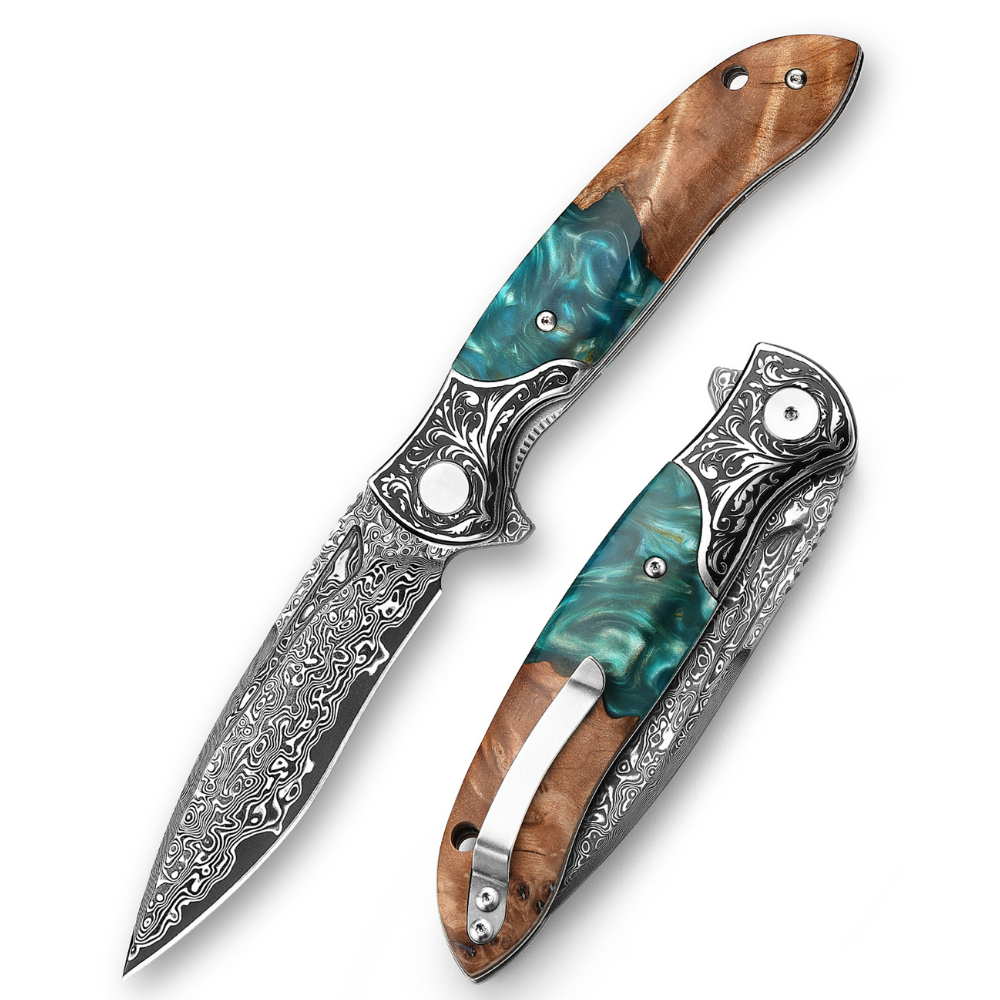
Before you dive into the world of pocket knife collecting, it’s crucial to understand what pocket knives are and what varieties exist. Pocket knives are foldable knives often used for everyday tasks, but many collectors seek them for their artistry and historical significance. Here are a few types you might encounter:
- Traditional Folding Knives: These knives usually feature a simple design and utilize a slip-joint mechanism.
- Lockback Knives: With a locking mechanism, these knives are generally more stable and secure when in use.
- Multi-tools: Combining various tools, these knives are practical and versatile.
- Specialty Knives: These include tactical knives, **collector’s editions**, and limited-release models.
Setting Your Objectives as a Collector
Before you start collecting, it’s essential to understand your goals. Consider the following questions:
What interests you the most?
Are you more interested in the craftsmanship of a Titanium Damascus knife or the stories that certain knives embody? Identifying your interests will help you focus your collection and avoid impulse purchases.
Do you want to collect for utility or aesthetics?
Your collection could range from practical tools for everyday use to artistic pieces that serve mainly decorative purposes. Knowing your intention is vital.
What is your budget?
Establishing a budget before you start can prevent overspending. Pocket knives can range significantly in price, from affordable everyday carry (EDC) options to luxurious handmade knives.
Researching Your Options
The world of pocket knives is vast, and proper research will help you make informed decisions. Here are some suggestions on how to familiarize yourself with various facets of knife collecting:
Explore Online Resources
Utilize online forums, blogs, and social media groups dedicated to knife collecting. Many seasoned collectors are willing to share their insights. Websites provide detailed information about various brands, types, and historical backgrounds that can enhance your knowledge.
Read Reviews and Watch Videos
Reviews can offer a perspective that written articles might miss. Watch YouTube videos for hands-on demonstrations and visual comparisons. This can significantly influence your decision-making process.
Start Collecting: Where to Buy
Knowing where to buy is crucial for every collector. Here are a few options to consider:
Local Knife Shows and Expos
Attending a local knife show can be one of the most rewarding ways to start your collection. You'll get the opportunity to handle knives in person, speak directly with sellers, and often find unique items that aren't available online.
Online Retailers
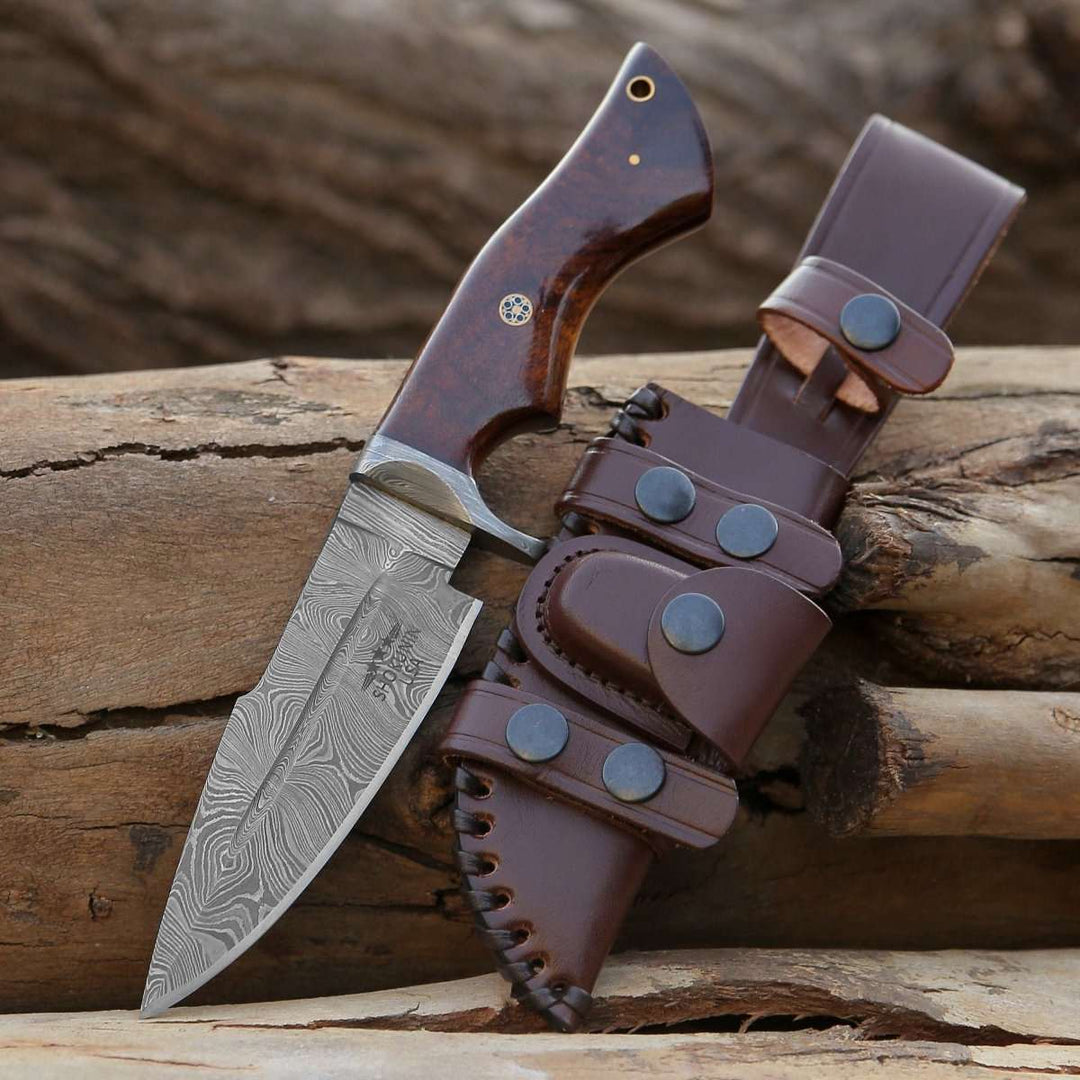
Many online retailers specialize in selling pocket knives, including handmade knives. Look for reputable sites that offer buyer protection and solid return policies. You can also find specific types like Titanium Damascus knives from various artisans or manufacturers online.
Antique Shops and Flea Markets
Don’t underestimate the treasures you can find at antique shops and flea markets. Vintage knives often tell a story and may even appreciate in value over time. Just remember to examine each piece thoroughly for authenticity and quality.
Storing Your Collection
Once you've started acquiring pocket knives, storage becomes a vital consideration. Proper storage protects your collection and keeps it organized. Here are some practical tips:
Knife Cases and Displays
Invest in dedicated knife cases or display stands. They not only keep your knives safe but also showcase them beautifully. Look for cases that allow for airflow to prevent moisture buildup, which may lead to rust.
Humidity Control
Especially if you live in a humid environment, consider using silica gel packets in your storage area. These packets absorb moisture and help keep your knives in prime condition.
Understanding Knife Maintenance
Maintenance is crucial for the longevity of your collection. Here are some essential maintenance tips:
Regular Cleaning
Keep your knives clean by wiping them down after each use. A simple mixture of soap and warm water is usually sufficient for cleaning. Avoid harsh chemicals that can damage the finish.
Sharpening Your Blades
Invest in a quality sharpening system or find a service that specializes in sharpening knives. Understanding how to sharpen blades properly will enhance their performance and maintain the integrity of the edge.
Engaging with the Knife Community
One of the most fulfilling aspects of collecting pocket knives is the community that surrounds it. Engaging with fellow enthusiasts can provide valuable insights and invigorate your passion for knives. Here are some ways to connect:
Join Online Forums
Websites like BladeForums offer discussion boards where collectors can interact, ask questions, and share their collections. It’s a great way to learn and meet fellow enthusiasts.
Participate in Local Knife Clubs
Look for local clubs or groups that focus on knife collecting. Joining a club can offer a wealth of knowledge and networking opportunities in a friendly environment.
Attend Workshops and Seminars
Some knife craftsmen offer workshops or seminars where you can learn about knife making, maintenance, and history. This hands-on experience can be inspiring and deepen your appreciation for the craft.
The Importance of Documentation
As your collection grows, keeping a detailed record can help you track your knives and their histories. Here are some essential details to include:
- Date of purchase
- Price paid
- Makers’ details
- Knife specifications
- Personal notes on the knife's story or significance
Knowing When to Sell or Trade
As you grow as a collector, you may find that some knives no longer fit your interests. Knowing when to sell or trade a knife can be just as important as acquiring new ones:
Evaluating Condition and Value
Regularly evaluate the condition and value of your collection. Some knives may appreciate significantly over time, while others may be better suited for trading or selling.
Network with Other Collectors
Connecting with fellow collectors can present opportunities to engage in trades or sales. Always be transparent about the condition and history of your knives.
Building a Unique Collection
To stand out as a collector, consider building a niche collection. Here are some suggestions:
Focus on a Specific Type or Era
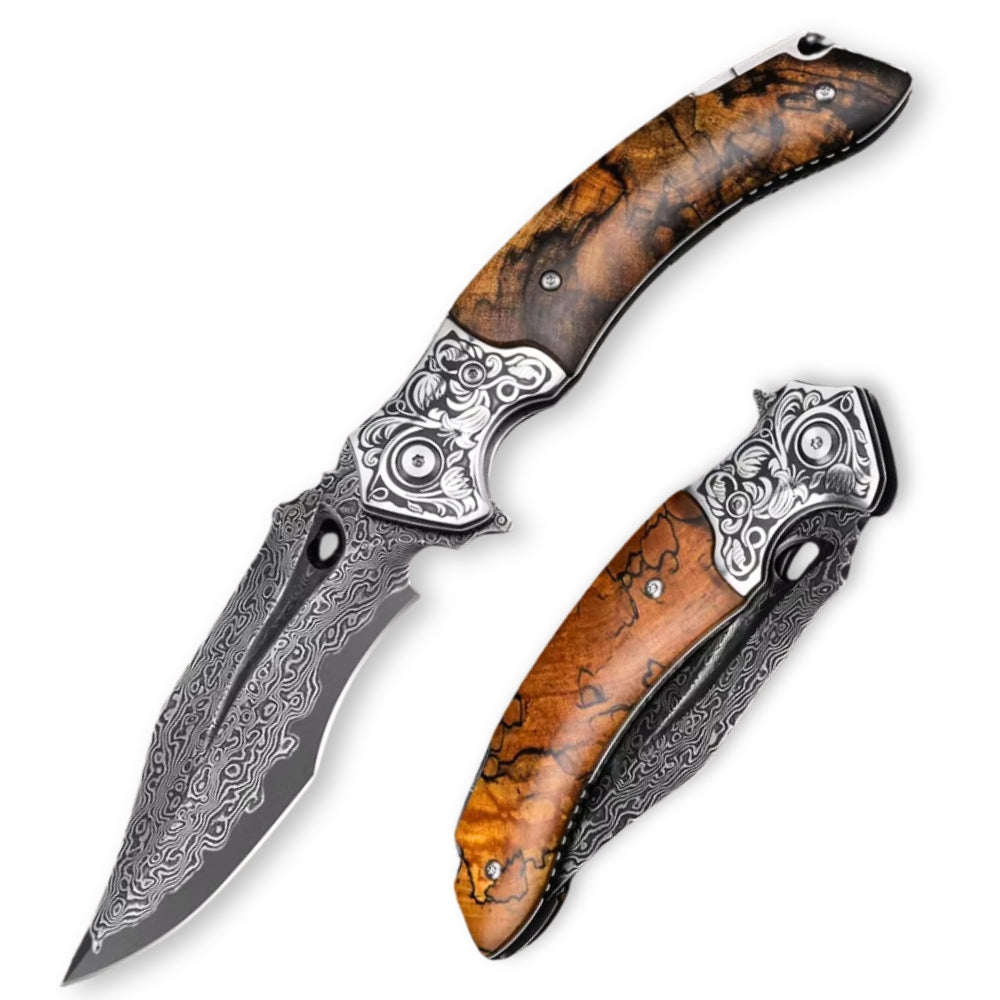
Consider narrowing down your collection to a specific type of knife, like Titanium Damascus knives, or perhaps an era in knife-making history. This focus can make collecting even more engaging and fulfilling.
Artisan and Handmade Knives
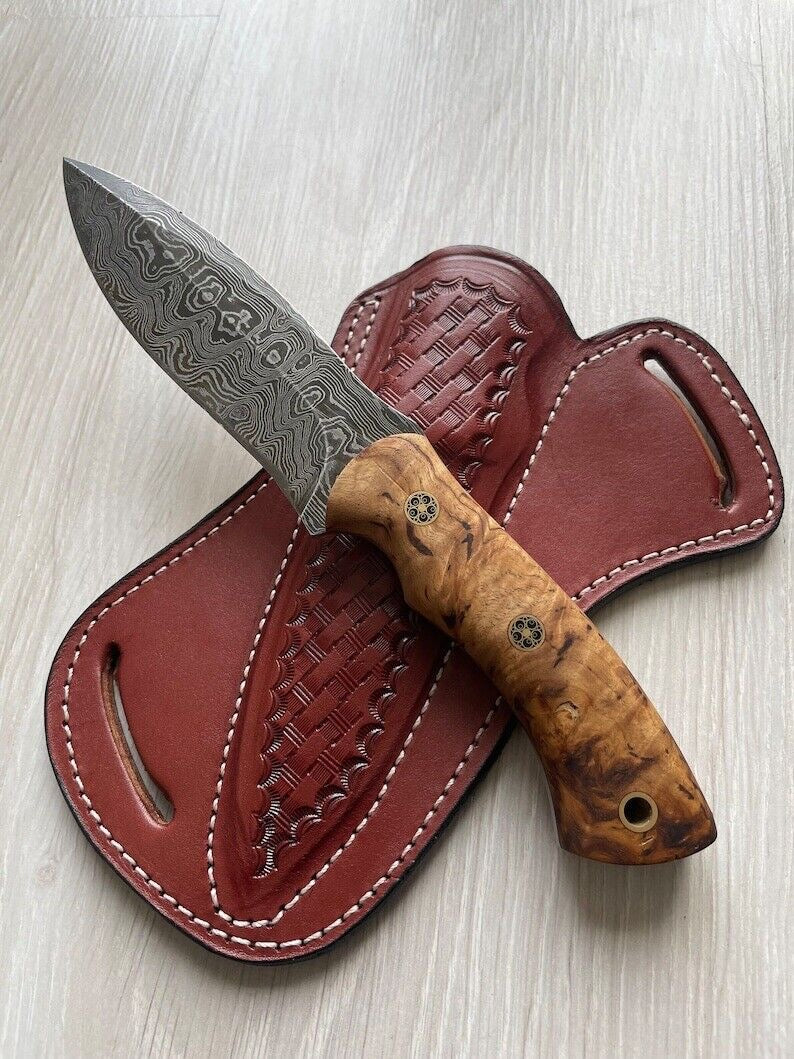
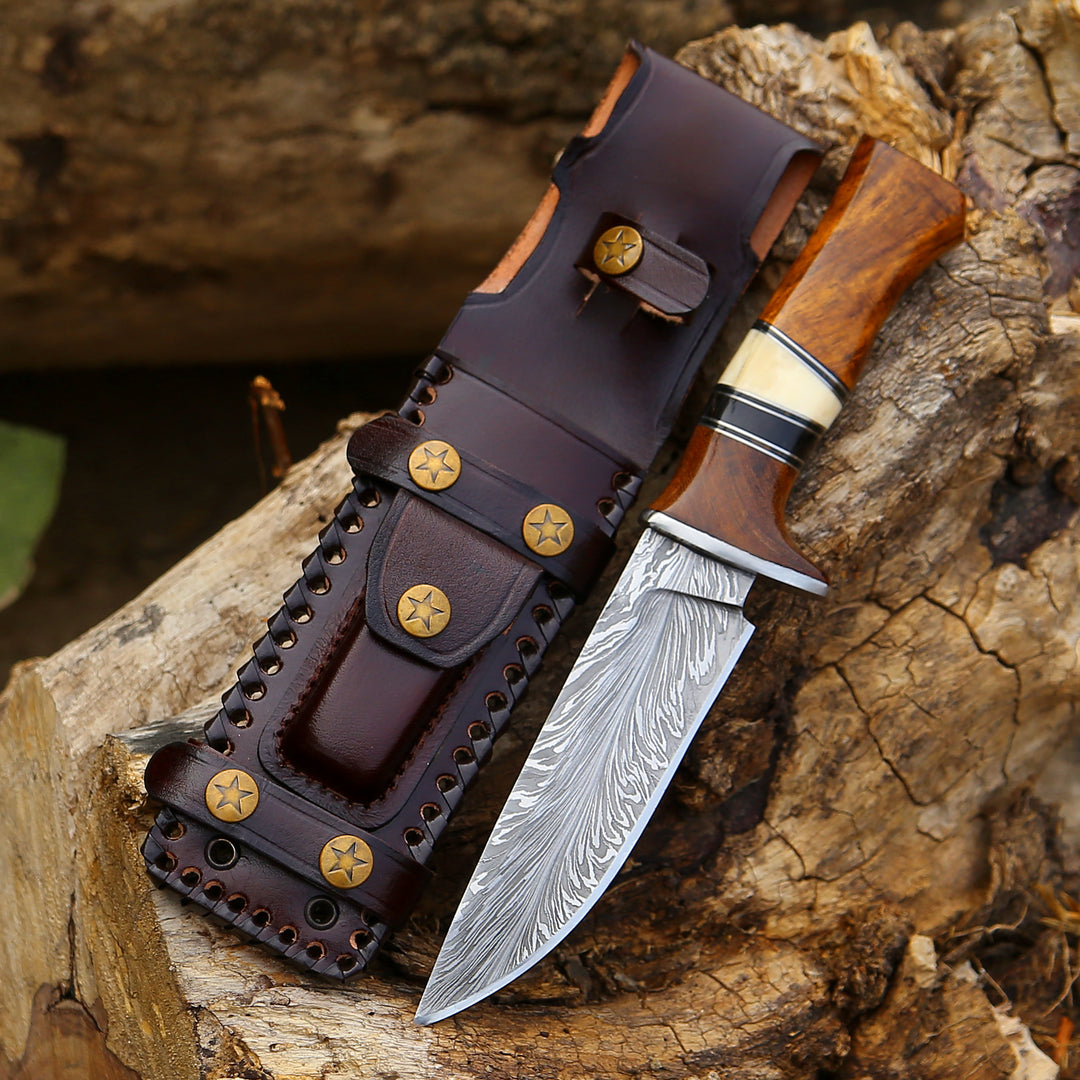
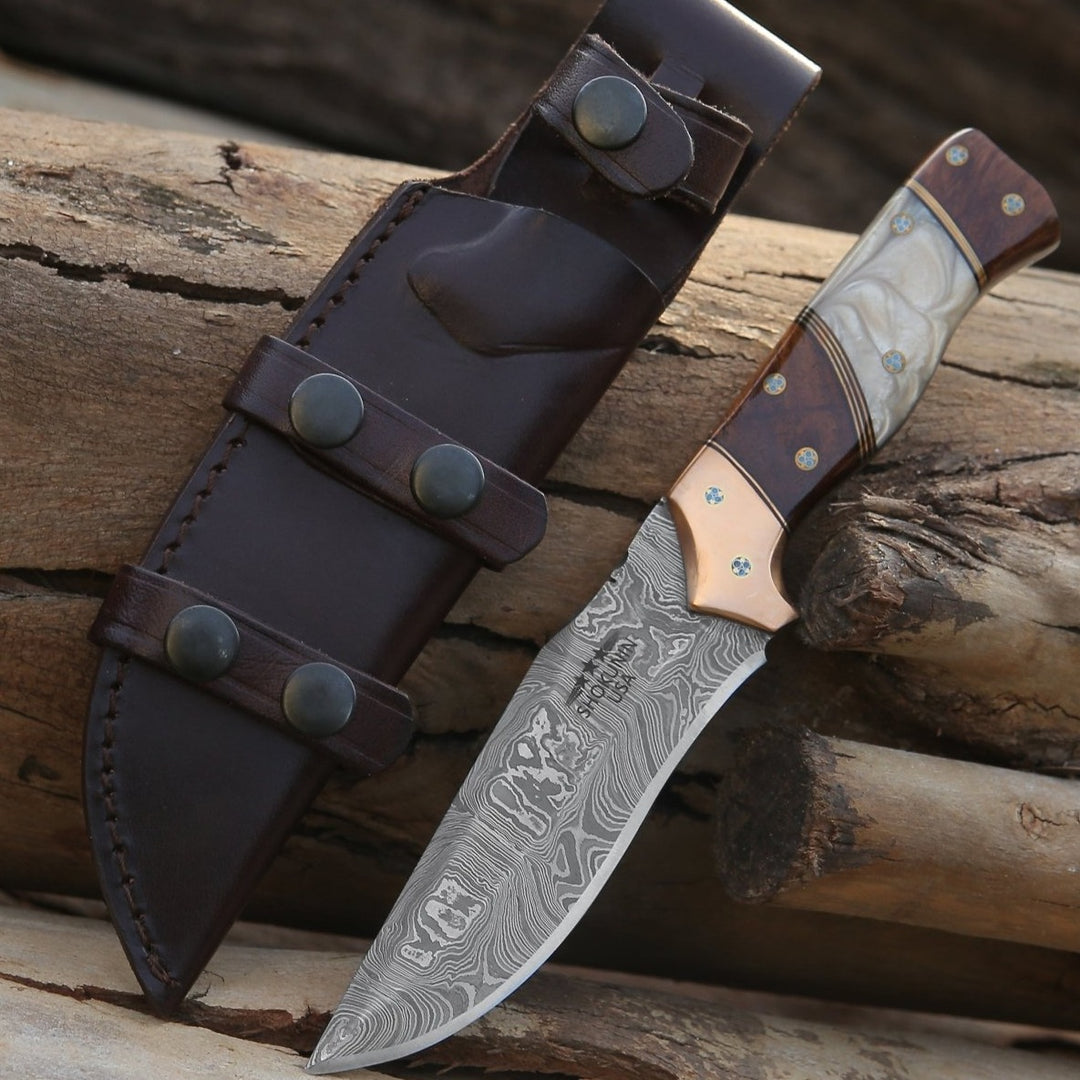
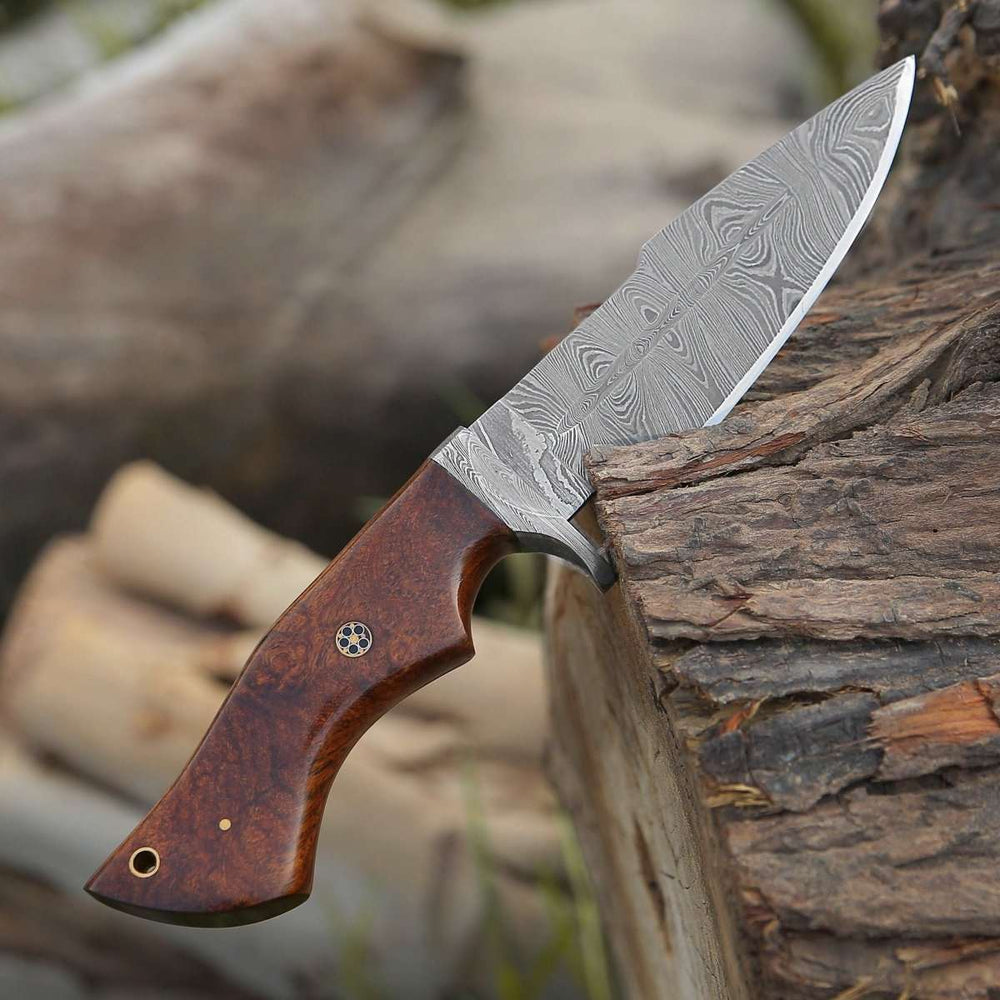
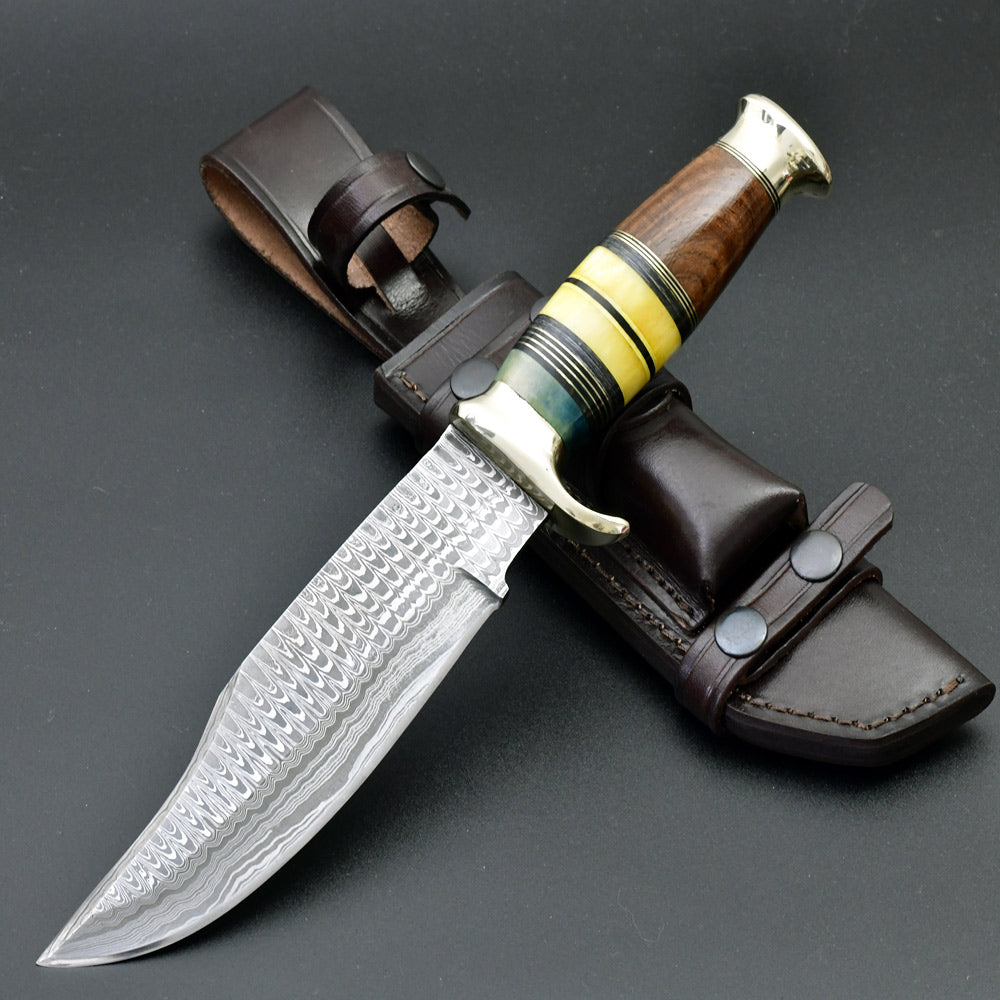
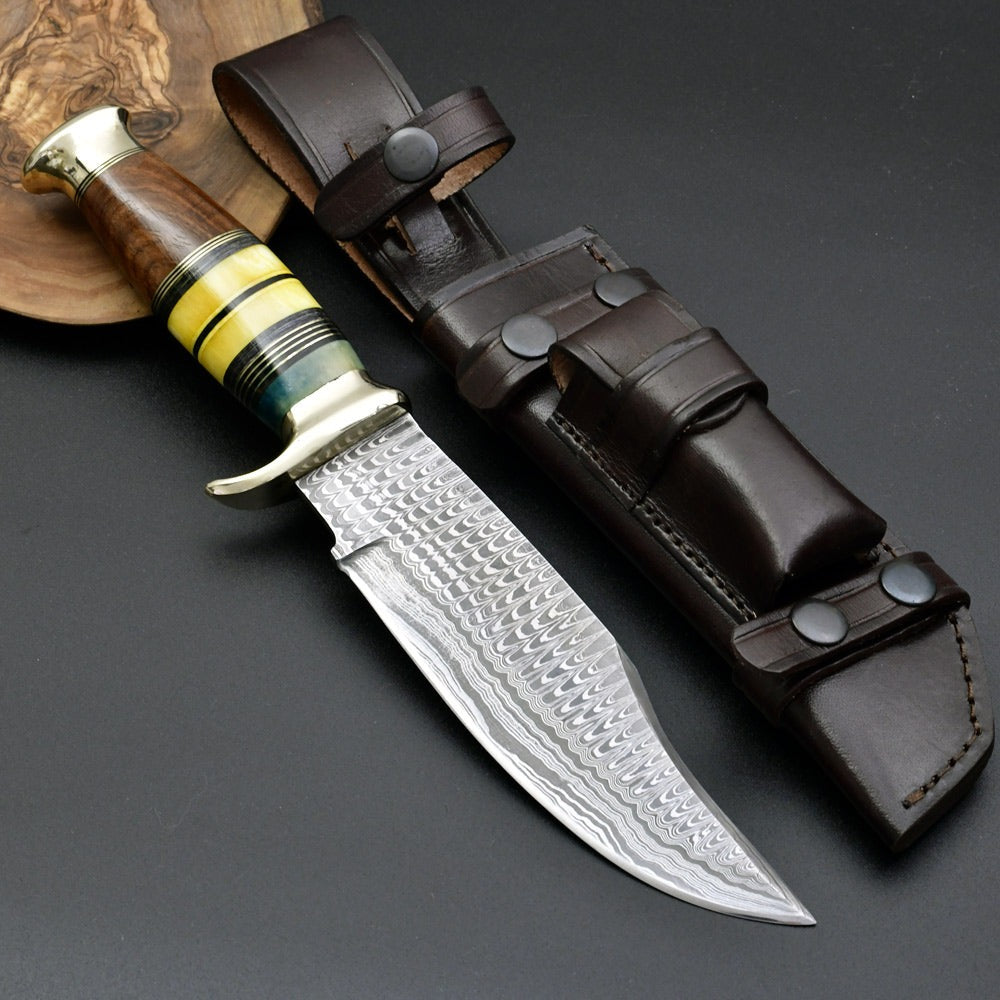
Explore handmade knives from various artisans. These knives often come with unique designs and stories, allowing you to collect pieces that are not only functional but also works of art.
A Final Sharpening of Enthusiasm!
Embarking on your pocket knife collection journey opens the door to a world rich in history, craftsmanship, and community. With every knife you acquire, you’ll deepen your appreciation for artistry and gain insights into the uniqueness of each blade. As you navigate this new landscape, remember to research, network, and enjoy your collection. Soon, you’ll find not only a hobby but a passion that can last a lifetime. Happy collecting!
Frequently Asked Questions
1. What are pocket knives?
2. What should I consider before starting a pocket knife collection?
3. Where can I find pocket knives to start my collection?
4. How should I maintain my pocket knife collection?
5. How can I engage with the pocket knife community?
Glossary
| Term | Meaning |
|---|---|
| Pocket Knife | A foldable knife used for everyday tasks and collecting. |
| Traditional Folding Knife | A simple design knife using a slip-joint mechanism. |
| Lockback Knife | A knife with a locking mechanism for added stability. |
| Multi-tool | A versatile knife that combines various tools in one. |
| Collector's Edition | A limited-release knife often sought after by enthusiasts. |
| EDC (Everyday Carry) | Knives designed for practical, daily use. |
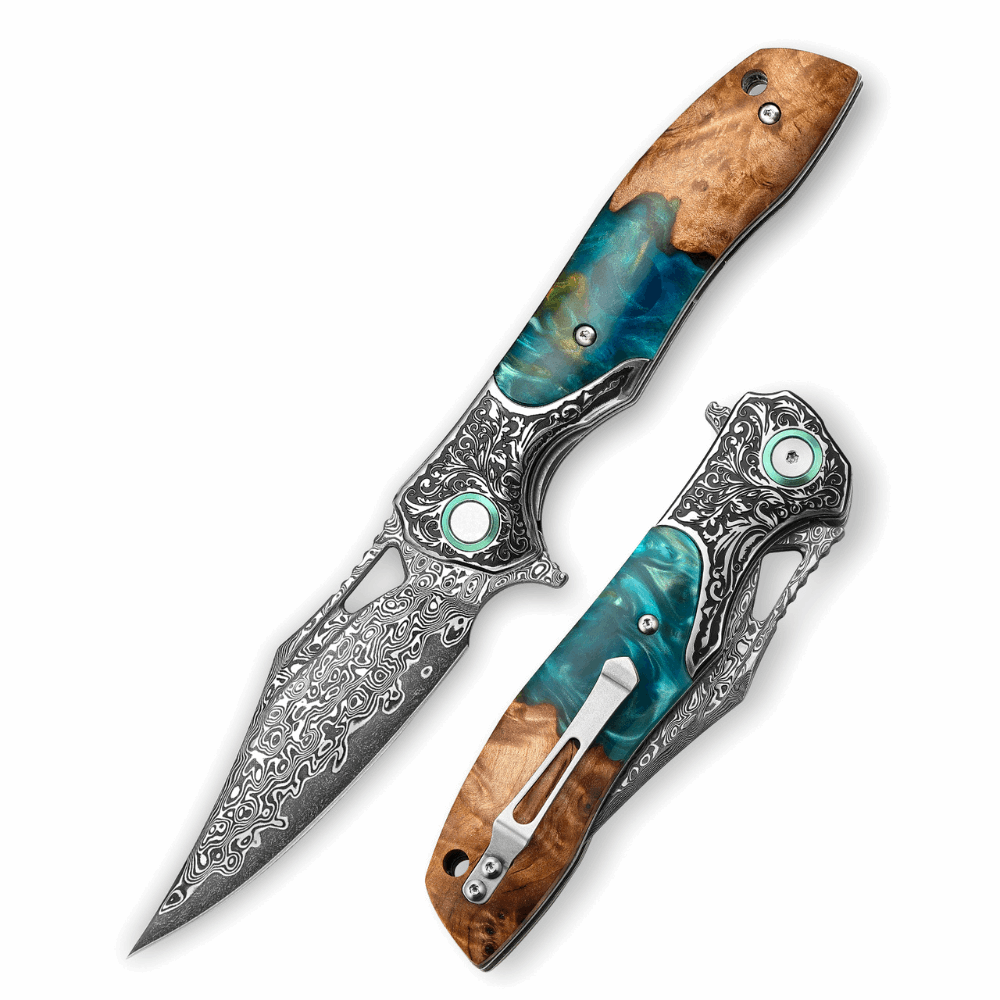
| Titanium Damascus | A type of knife known for its unique patterns and durability. |
| Knife Maintenance | Regular care to ensure the longevity and performance of knives. |
| Knife Community | A network of enthusiasts sharing knowledge and passion for knives. |
| Documentation | Keeping records of knife details, purchase dates, and histories. |
Linked Product

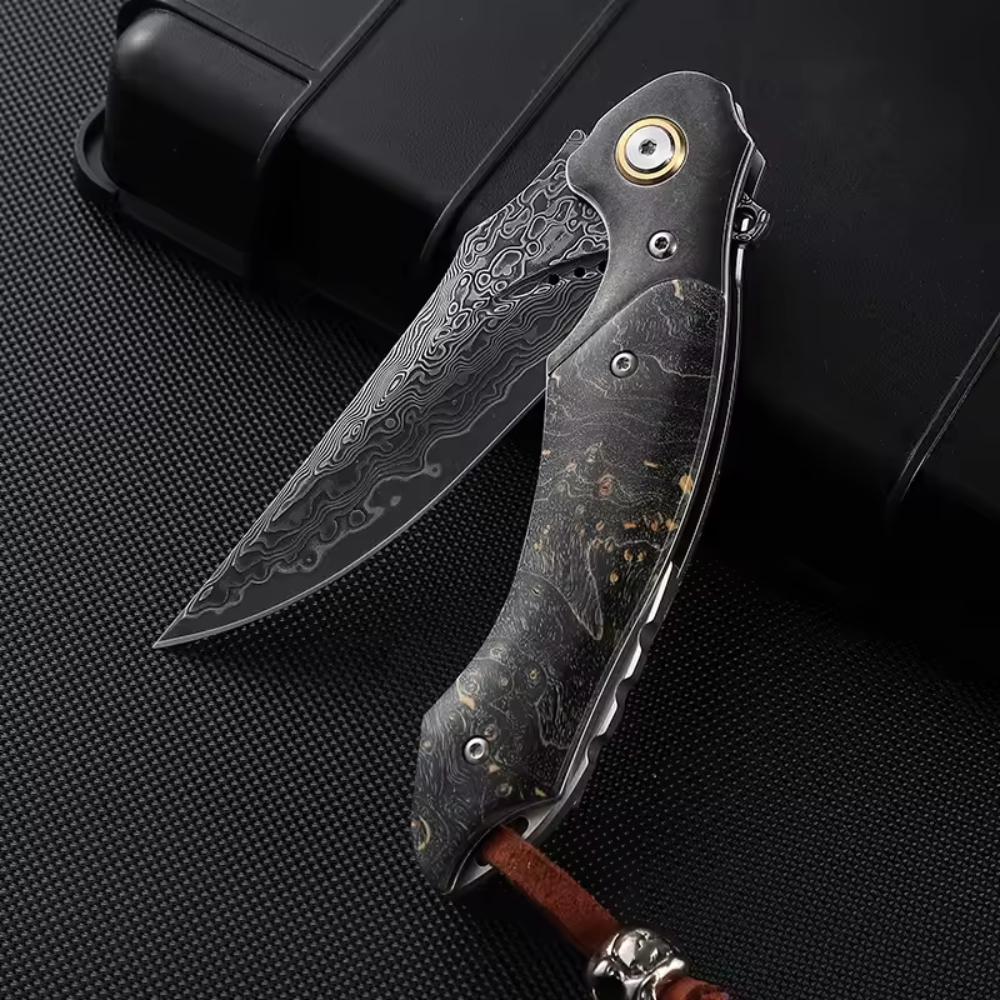
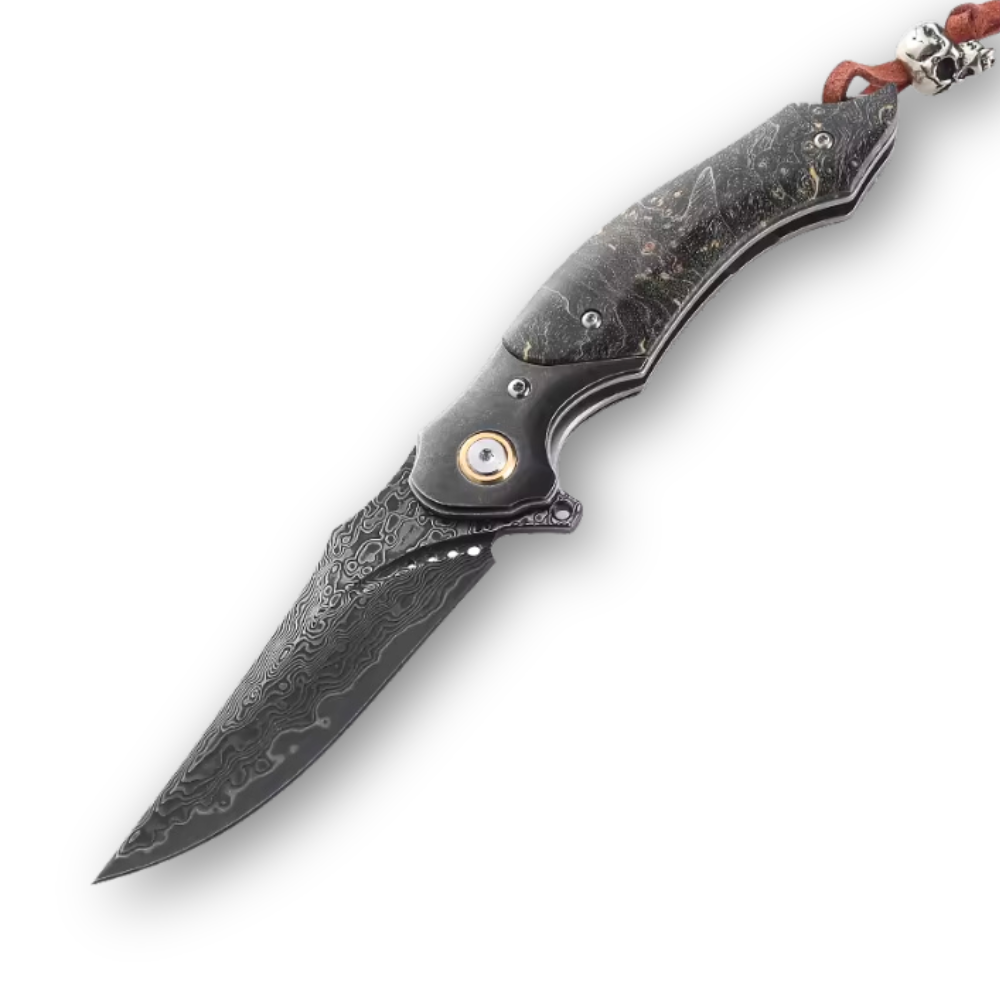
Centurion Titanium Damascus (Timascus) Pocket Knife with Carbon Fiber Handle & Sheath
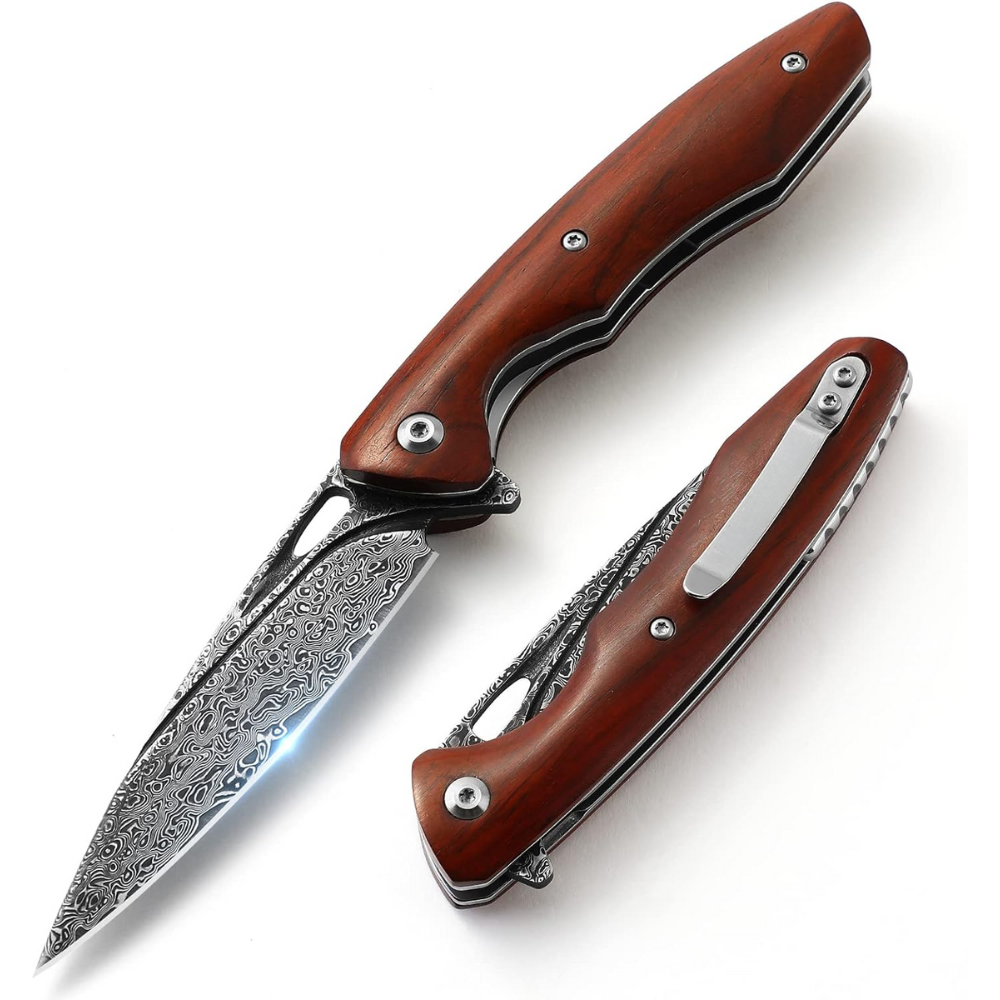
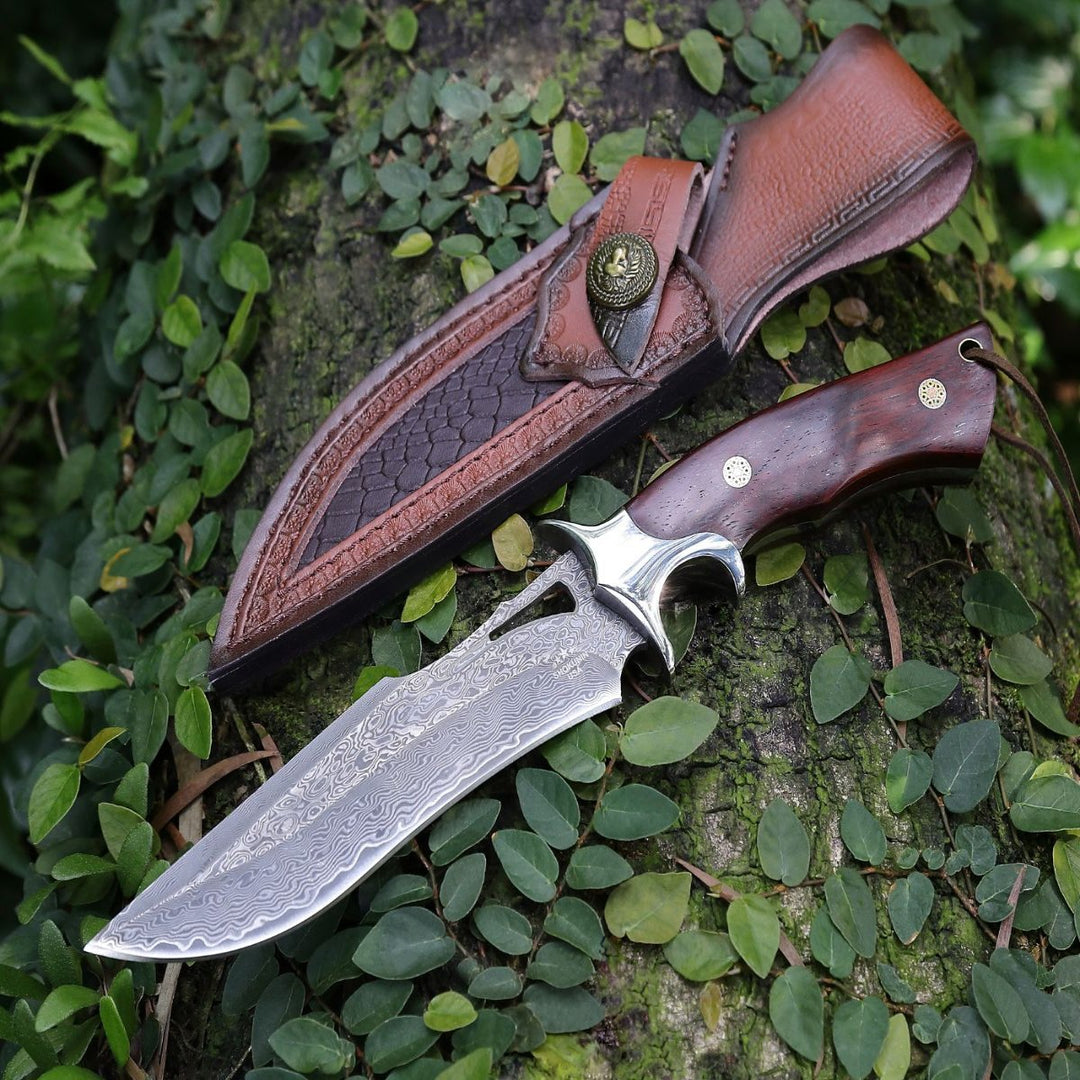
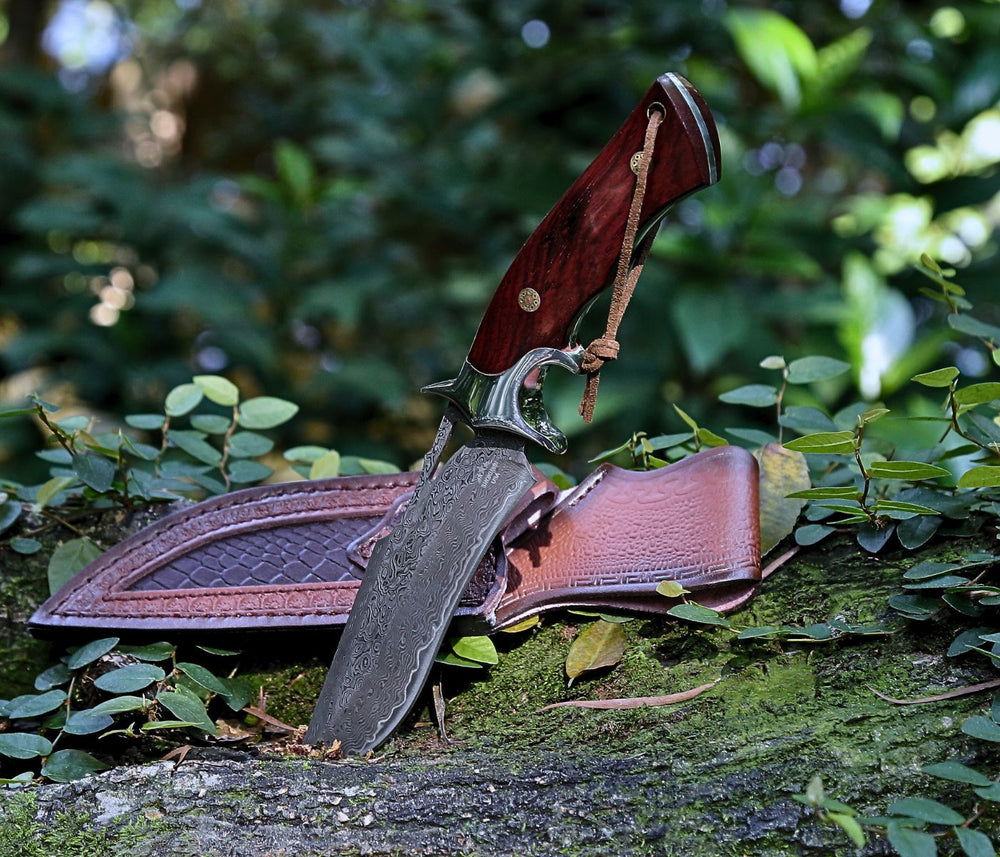
The Centurion Titanium Damascus Pocket Knife features a hand-forged Timascus steel blade that offers exceptional sharpness and edge retention, making it suitable for everyday tasks. Its durable crushed carbon fiber handle is designed for comfort and resilience, while the included hand-stitched leather sheath provides convenient storage and portability. This elegant folding knife combines practicality with aesthetic appeal, making it an excellent addition to any collection.
View Product





Hinterlassen Sie einen Kommentar