


Overview
Pocket knives have a rich history, evolving from ancient Roman designs to modern multi-tools. This article explores their craftsmanship, especially the artistry of Japanese pocket knives and the allure of Damascus Steel. The resurgence of traditional techniques highlights the cultural significance of these tools, which are now celebrated by enthusiasts and collectors. Factors to consider when choosing a pocket knife include purpose, size, blade material, handle design, and brand reputation. Each knife tells a unique story, blending functionality with artistry.
Table of Contents
- The Origins of Pocket Knives
- The Roman Influence
- The Renaissance and Advancements in Design
- Rise of the Folding Knife
- The Blade’s Composition: The Role of Damascus Steel
- Why Damascus Steel Stands Out
- The Golden Age of Pocket Knives
- The Birth of American Pocket Knives
- The Revival of Traditional Techniques
- Why Japanese Pocket Knives are Highly Regarded
- Modern Innovations and Designs
- Technological Advances
- The Contemporary Pocket Knife Culture
- Collecting Pocket Knives
- How to Choose the Right Pocket Knife
- A Legacy of Craftsmanship
Key Takeaways
- Historical Significance: Pocket knives date back to ancient civilizations, with early folding designs used by Romans around 500 B.C.
- Craftsmanship Evolution: The Renaissance period marked advancements in metallurgy, leading to more intricate designs and personalized knives.
- Damascus Steel: Known for its durability and unique aesthetic, Damascus Steel remains a favorite among knife enthusiasts for both function and beauty.
- American Innovation: The 19th century saw American craftsmen developing pocket knives suited for outdoor activities, reflecting the needs of pioneers and adventurers.
- Japanese Pocket Knives: Renowned for their precision and craftsmanship, Japanese pocket knives are favored by chefs and outdoor enthusiasts alike.
- Modern Designs: Today's pocket knives include a variety of styles, from multi-tools to artisanal pieces, catering to diverse user needs.
- Collecting Culture: The pocket knife community values limited editions and vintage pieces, celebrating the craftsmanship and stories behind each knife.
Frequently Asked Questions
1. What is the historical significance of pocket knives?
2. How did the Renaissance influence pocket knife design?
3. What is Damascus Steel and why is it important in knife making?
4. What characterizes Japanese pocket knives?
5. What factors should be considered when choosing a pocket knife?
Pocket knives have been indispensable tools throughout human history, serving a variety of purposes from utility to artistry. This article delves into the transformation of pocket knives, emphasizing their rich heritage, craftsmanship, and modern relevance. Among the most notable variations is the Japanese pocket knife, which is celebrated for its precision and artistry. We will also explore the significance of Damascus Steel in the world of knives and why it has captured the hearts of enthusiasts and collectors alike.
The Origins of Pocket Knives
The history of pocket knives can be traced back to ancient civilizations. The earliest known folding knives were used by the Romans around 500 B.C. These early designs were practical, designed for both function and portability, which allowed warriors and everyday citizens to carry them conveniently.
The Roman Influence
The Romans were instrumental in developing knife-making techniques that would influence future designs. They crafted knives with blades that could fold into the handle, a precursor to contemporary pocket knife designs. These knives served as essential tools for cutting, eating, and personal protection, showcasing the versatility that we still expect from them today.
The Renaissance and Advancements in Design
As time progressed, pocket knives evolved alongside advancements in metallurgy and design. The Renaissance period saw improved blade-making technologies, which allowed for more intricate designs. Knife makers began to embellish their blades with ornate patterns, and the age of artistry in knife making had begun.
Rise of the Folding Knife
The folding knife surged in popularity during the Renaissance. Craftsmen began experimenting with various types of metals, leading to the introduction of high-quality steel. This period also marked the inception of personalized pocket knives, which became symbols of status and luxury among nobility.
The Blade’s Composition: The Role of Damascus Steel
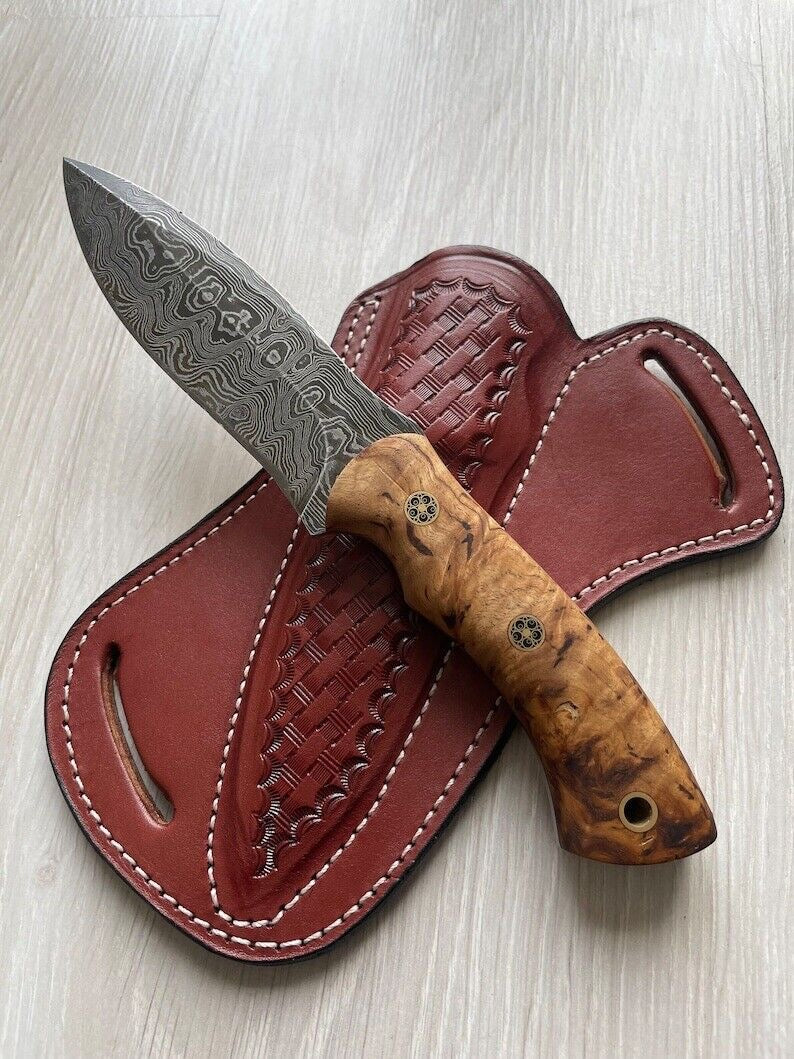
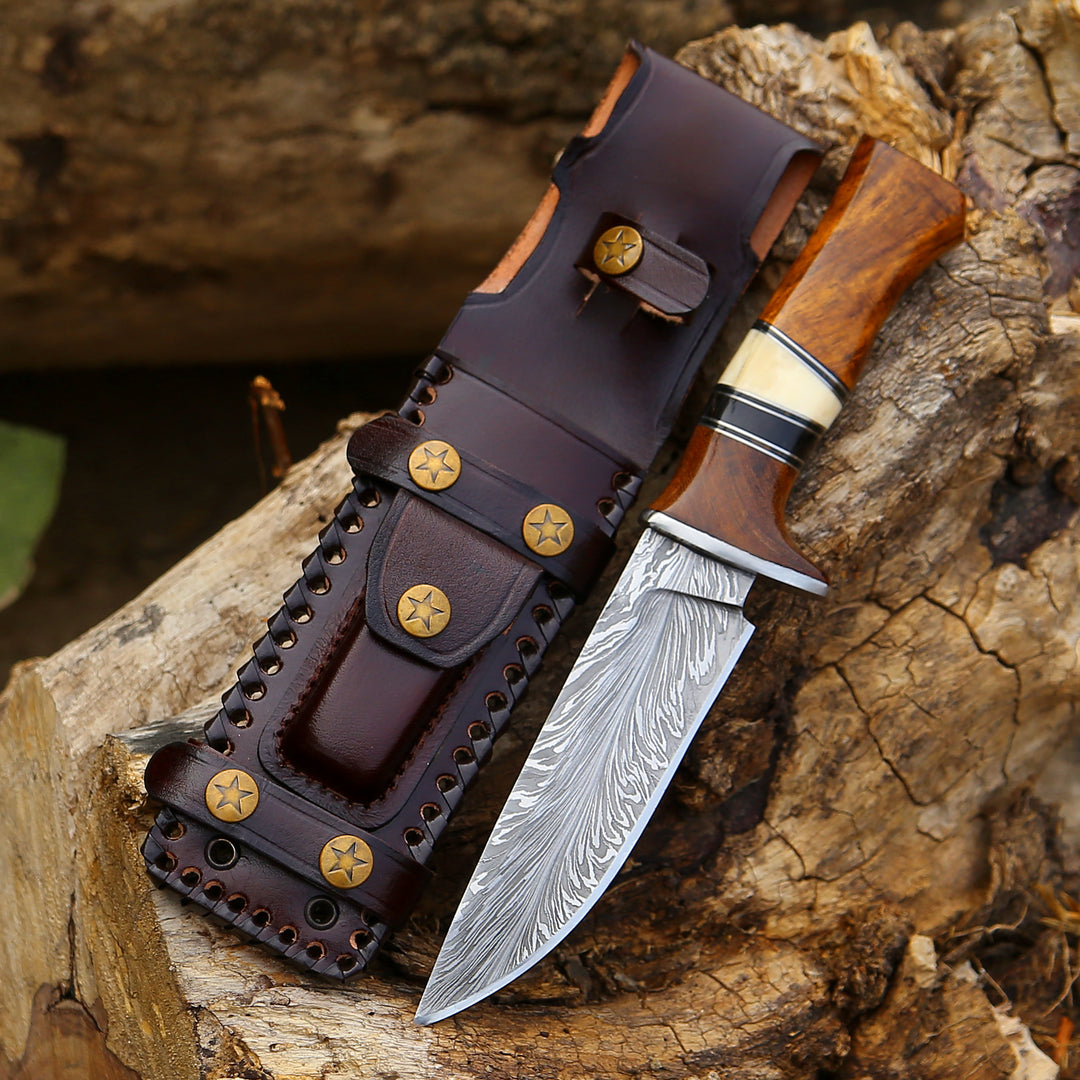
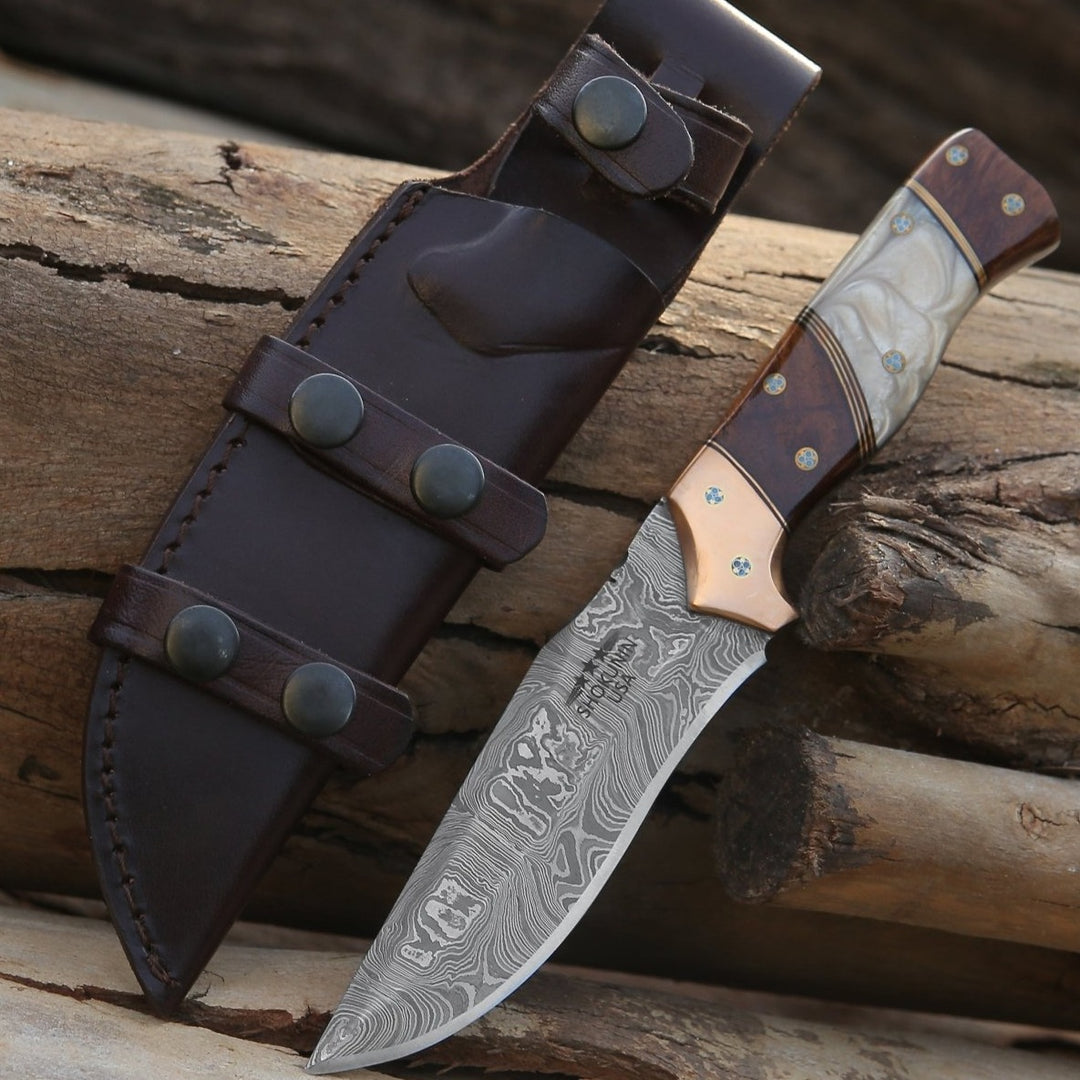
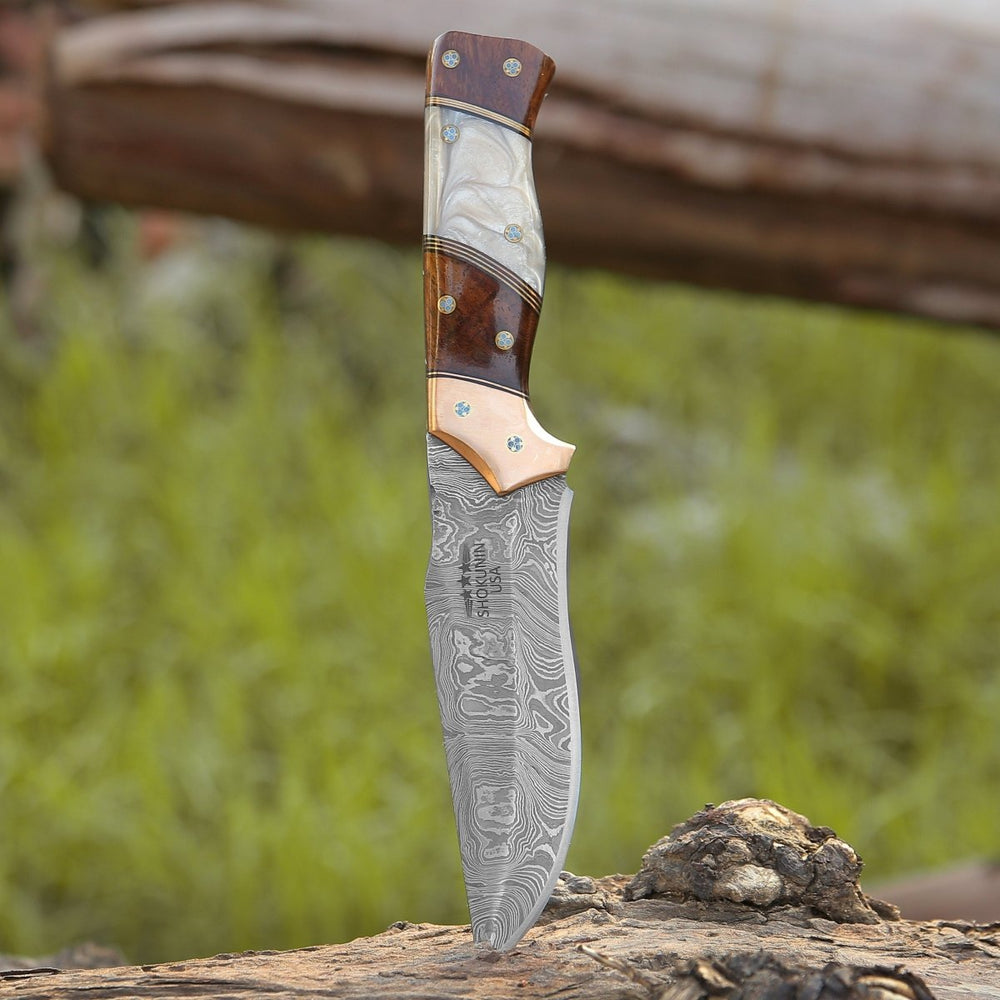
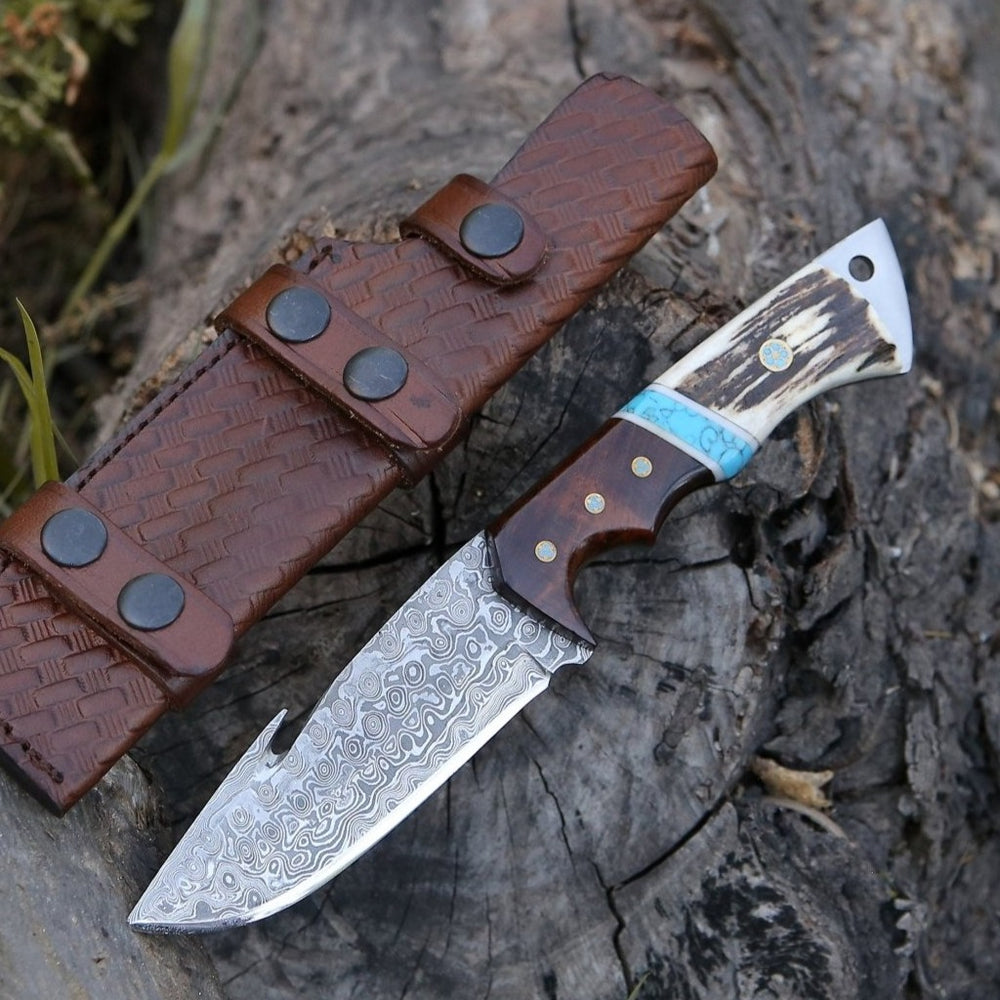
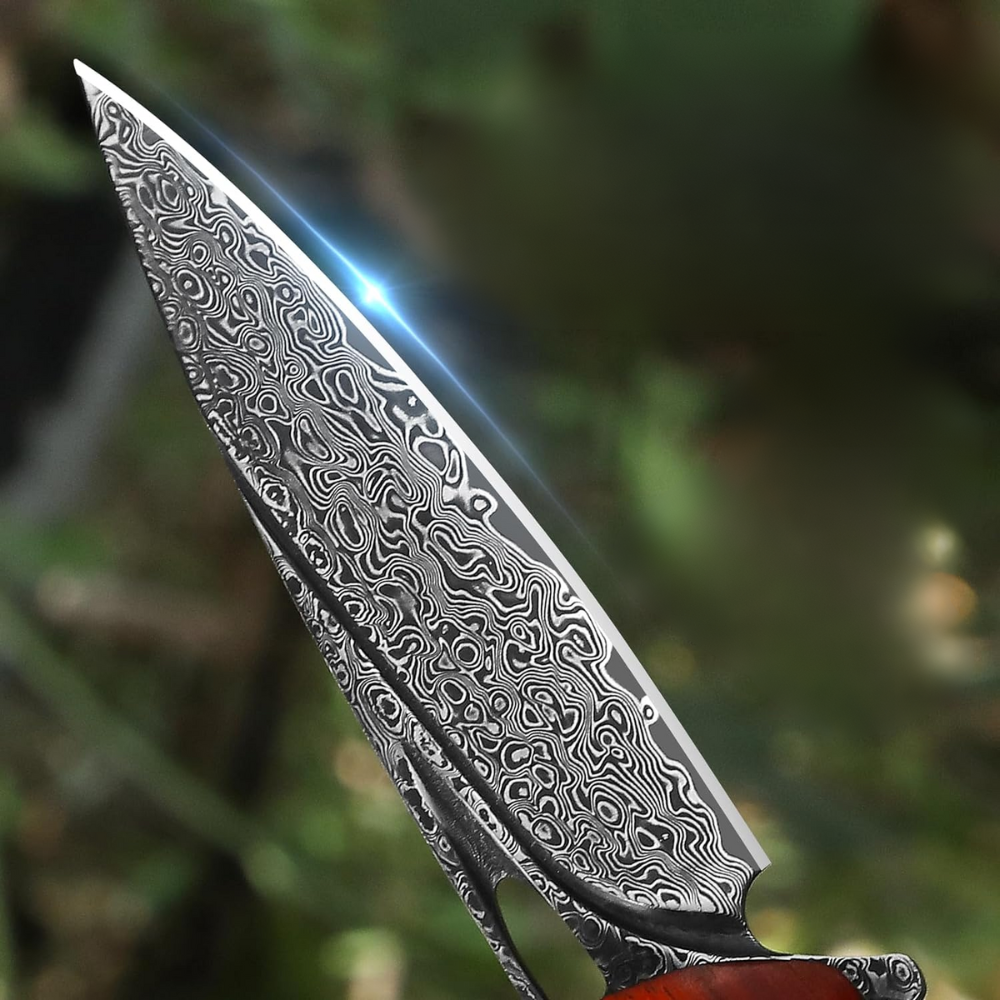
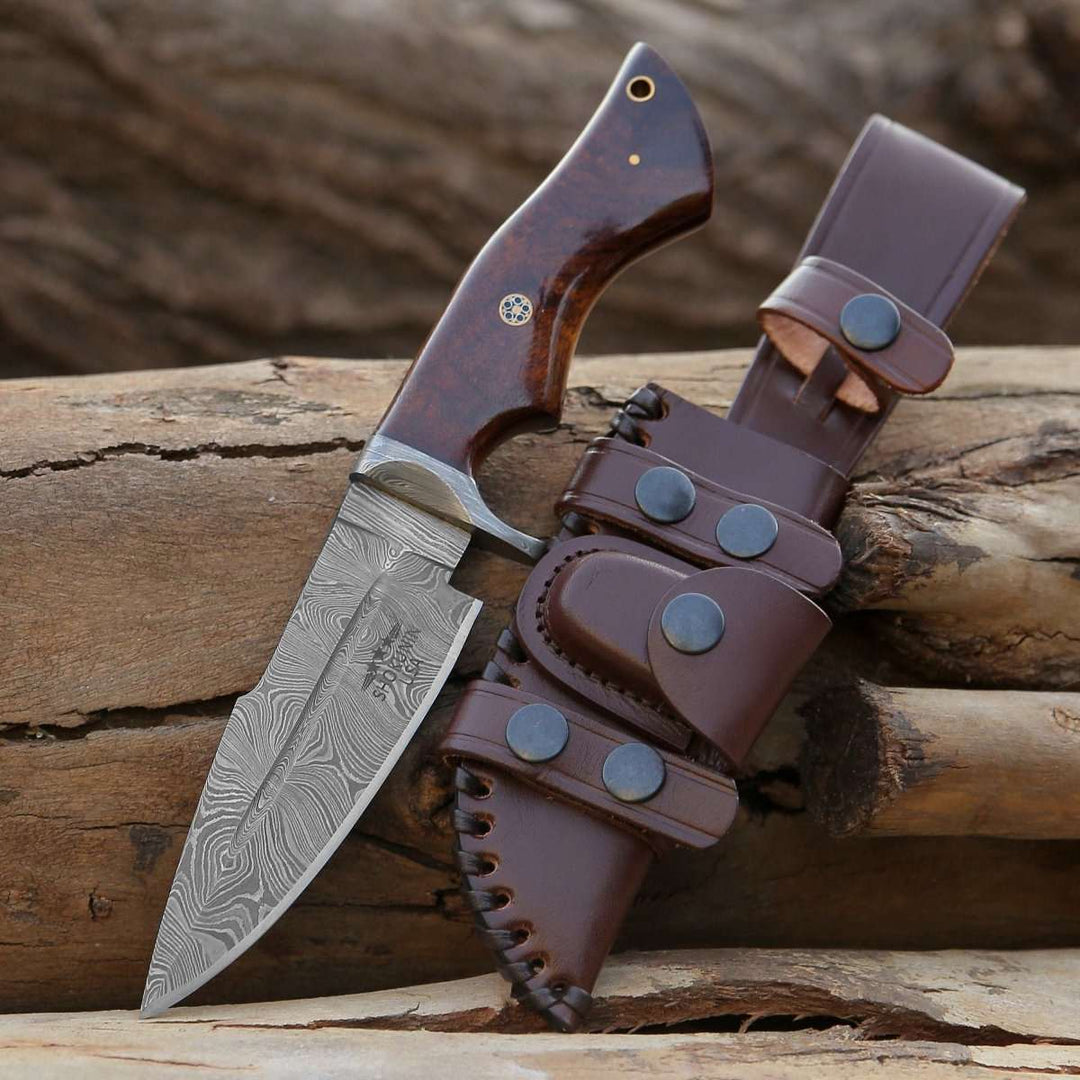
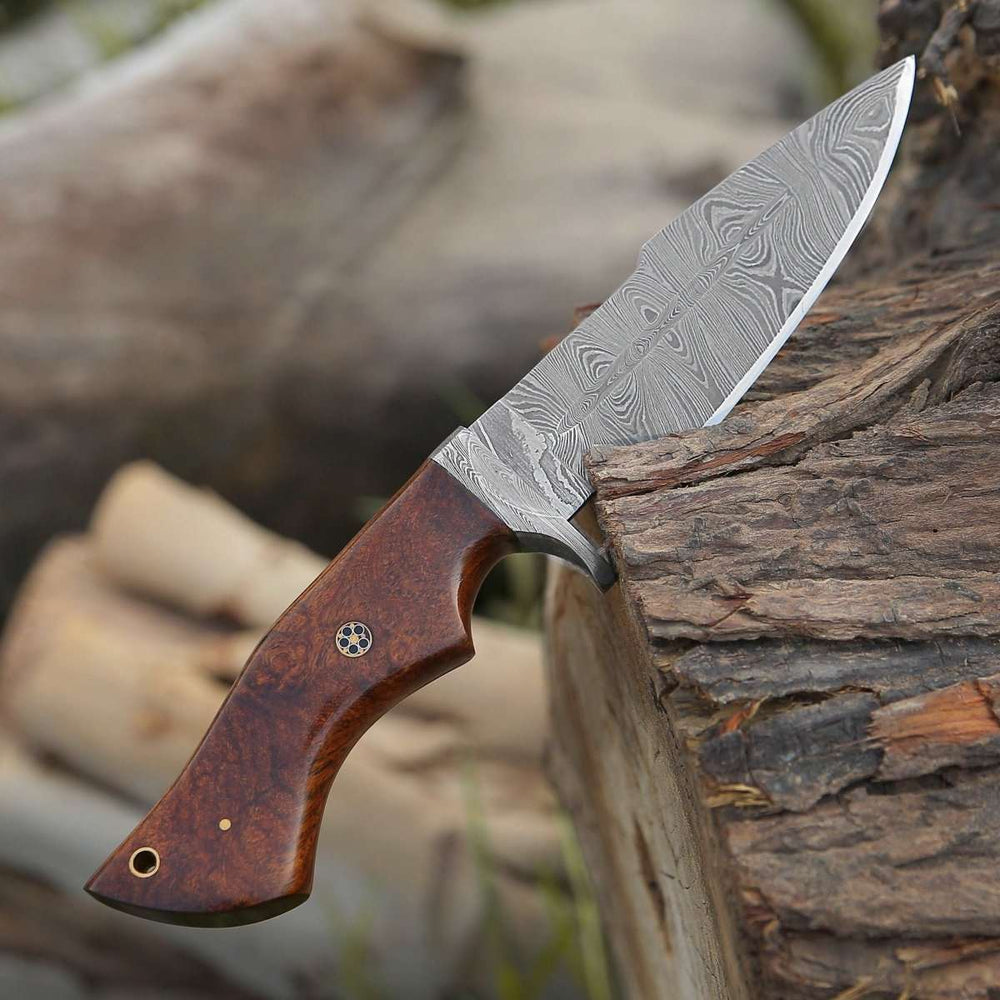
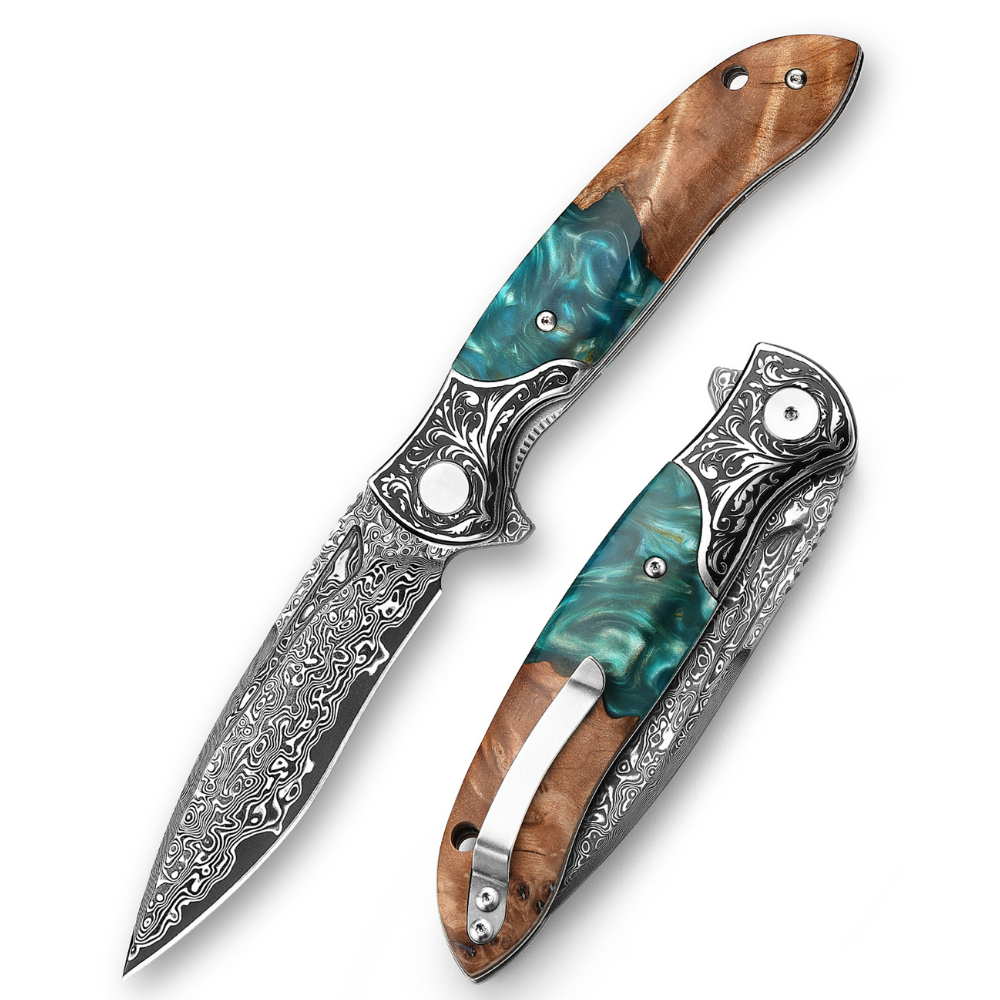
A pivotal development in pocket knife history was the use of Damascus Steel. This type of steel is renowned for its outstanding quality and distinctive patterned surface, often resembling flowing water. The unique composition of Damascus Steel, forged from multiple layers of steel, offers both resilience and aesthetic appeal.
Why Damascus Steel Stands Out
The functionality and beauty of knives made from Damascus Steel have made them incredibly popular among collectors and enthusiasts. The method of creating this steel involves welding together different types of metal, resulting in a blade that is not only sturdy but also holds an edge longer than many traditional steels. This combination of durability and artistry has placed Damascus Steel in high regard within the knife-making community.
The Golden Age of Pocket Knives
The 19th century was a defining period for pocket knives, particularly in the United States. With the growth in population and westward expansion, the demand for durable and versatile tools skyrocketed.
The Birth of American Pocket Knives
American craftsmen began producing pocket knives in various styles, often inspired by previous European designs. Brands such as Case and Buck began to emerge, creating sturdy knives suited for outdoor activities like hunting and fishing. It was during this period that the utilitarian aspects of pocket knives became more pronounced, catering to the needs of pioneers, soldiers, and adventurers alike.
The Revival of Traditional Techniques
In the late 20th century, there was a resurgence of interest in traditional knife-making techniques, akin to the revival seen in other artisanal crafts. Enthusiasts began to appreciate not only the utility of pocket knives but also the artistry behind them. The Japanese pocket knife gained popularity during this time, revered for its unique craftsmanship and exceptional balance.
Why Japanese Pocket Knives are Highly Regarded
The Japanese pocket knife is a reflection of the meticulous craftsmanship associated with Japanese culture. These knives often feature single-edged blades and are designed with a focus on precision and functionality. The aesthetics of these knives, combined with their extraordinary sharpness, make them a favorite among chefs and outdoor enthusiasts alike.
Modern Innovations and Designs
Today, the pocket knife has evolved into a diverse category encompassing various blades and features. From multi-tools to specialty knives, there is an option for every need.
Technological Advances
The introduction of modern materials like stainless steel and innovative handle materials has changed the way pocket knives are designed and manufactured. Additionally, modern production techniques allow for mass production without sacrificing quality. However, the allure of handcrafted knives has not diminished; many enthusiasts still seek out artisanal knives, particularly those made with Damascus Steel and other high-quality metals.
The Contemporary Pocket Knife Culture
In recent years, the pocket knife community has grown, with many enthusiasts building collections or engaging in outdoor hobbies. Online forums and social media groups have emerged, fostering a shared passion for pocket knives of all types. This vibrant culture promotes the significance of craftsmanship, and many amateur and professional makers have developed their own styles, often integrating ancient techniques.
Collecting Pocket Knives
Collecting pocket knives can be a rewarding pursuit. Enthusiasts often seek out limited editions or vintage pieces that represent specific eras or craftsmanship styles. The market now encompasses both historical pieces and modern creations, allowing collectors to appreciate the full spectrum of pocket knife evolution. This flourishing community also places a high value on the stories behind each knife, whether they are linked to famous makers or unique designs.
How to Choose the Right Pocket Knife
Choosing a pocket knife can seem daunting given the plethora of options available today. However, considering a few key factors can simplify the decision-making process:
- Purpose: Determine whether you'll use it for everyday carry, outdoor activities, or as a collector’s piece.
- Size: Pocket knives range in size from small, compact models to larger, multi-functional tools. Choose one that fits your needs.
- Blade Material: Consider the type of steel, such as Damascus Steel, which offers durability and aesthetic appeal.
- Handle Design: Look for comfort and grip; various materials are used, each offering different benefits.
- Brand Reputation: Research brands known for quality craftsmanship, especially those with a heritage in knife making.
A Legacy of Craftsmanship
The evolution of pocket knives showcases not only advancements in metallurgy and design but also reflects cultural values and craftsmanship traditions through the ages. From ancient utility tools to modern masterpieces incorporating Damascus Steel, pocket knives have become symbols of heritage, artistry, and progress.
As you explore the world of pocket knives, whether you are searching for the perfect Japanese pocket knife or a standout piece featuring Damascus Steel, remember that each knife carries a story of its own. The hands that forged it, the materials that form it, and the purpose it serves all play a role in creating a unique artifact that blends functionality with artistry. Now is the perfect time to appreciate this evolution and consider adding a timeless piece to your collection or everyday carry.
Your journey into the world of pocket knives is just beginning; embrace this legacy, and who knows what stories your knife will tell in the years to come!
Glossary
| Term | Meaning |
|---|---|
| Pocket Knife | A versatile folding knife used for various tasks. |
| Damascus Steel | A high-quality steel known for its distinctive patterns and durability. |
| Folding Knife | A knife with a blade that folds into its handle for portability. |
| Renaissance | A period of revival in art and craftsmanship, influencing knife design. |
| Japanese Pocket Knife | A knife celebrated for precision and exceptional craftsmanship. |
| Multi-Tool | A pocket knife that includes multiple functions or tools. |
| Artisanal | Handcrafted items made with traditional techniques. |
| Collector's Piece | A knife sought after for its rarity or historical significance. |
| Blade Material | The type of steel used in the knife blade, affecting performance. |
| Handle Design | The shape and material of the knife's grip, impacting comfort and use. |
Linked Product

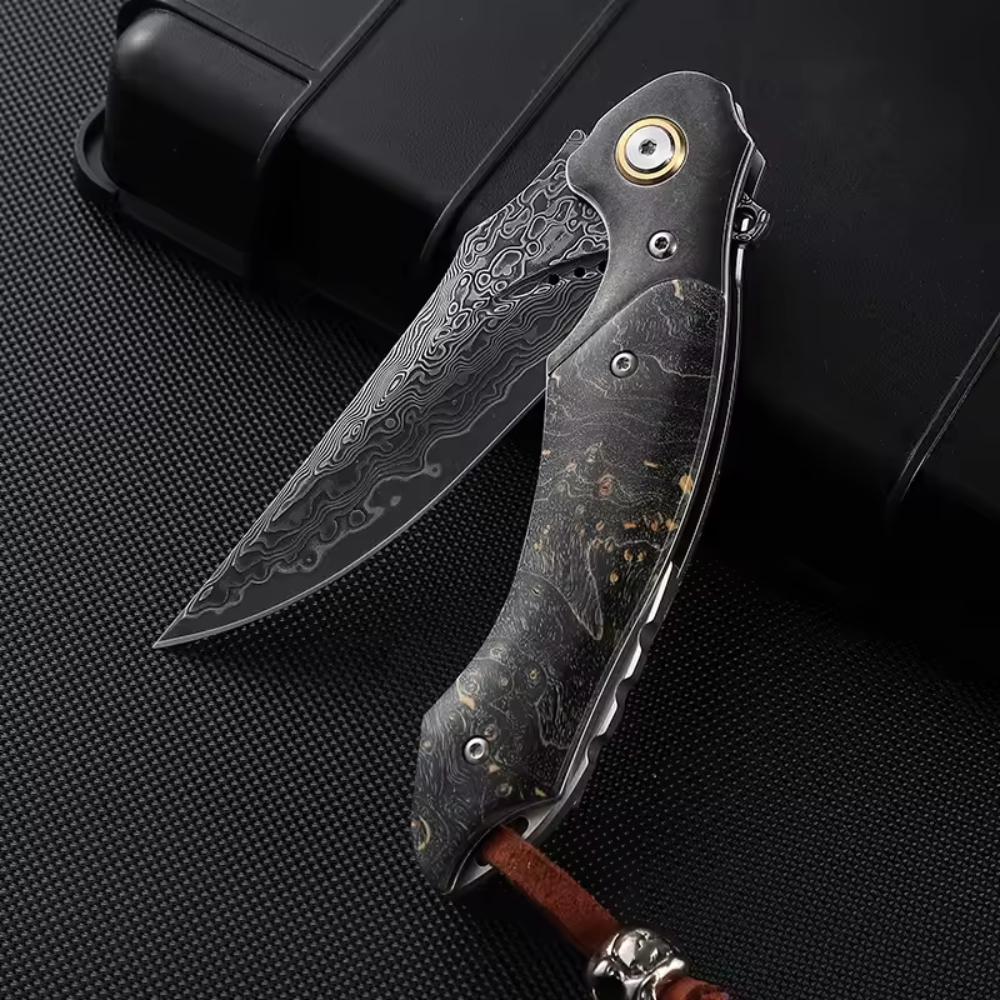
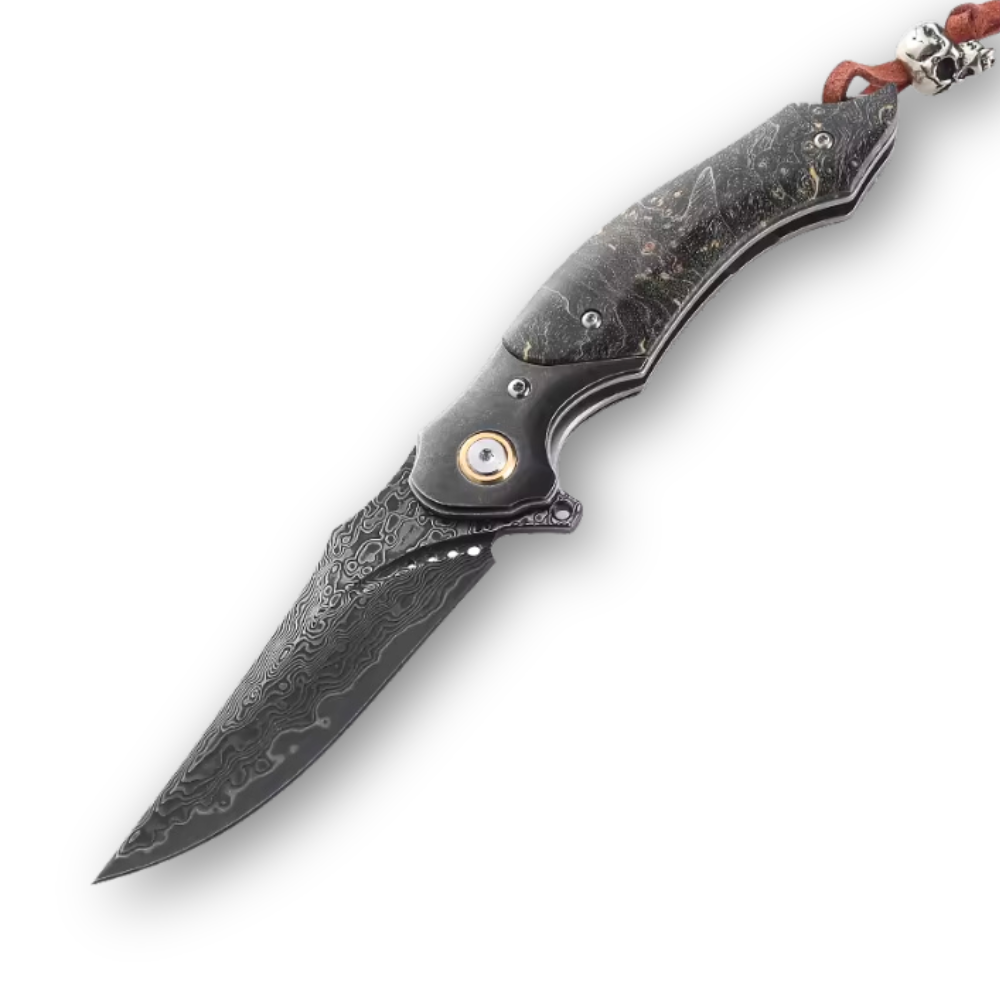
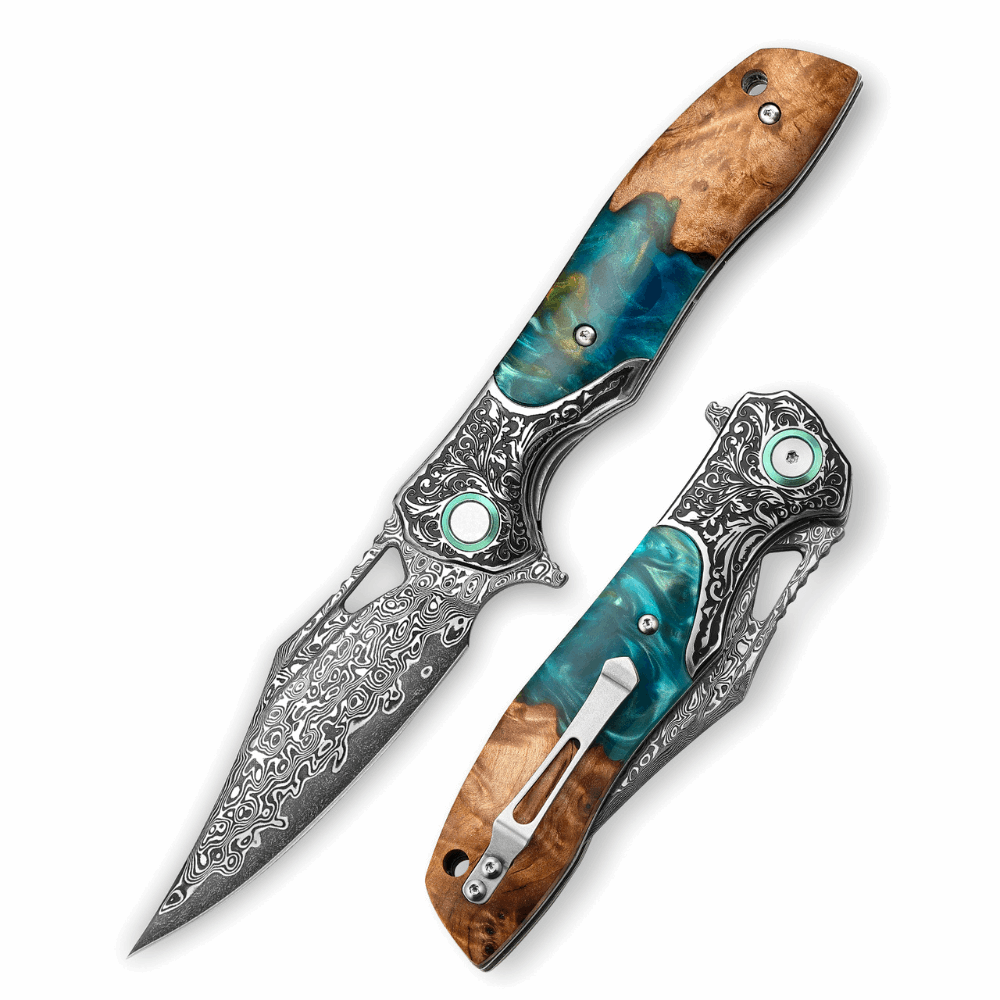
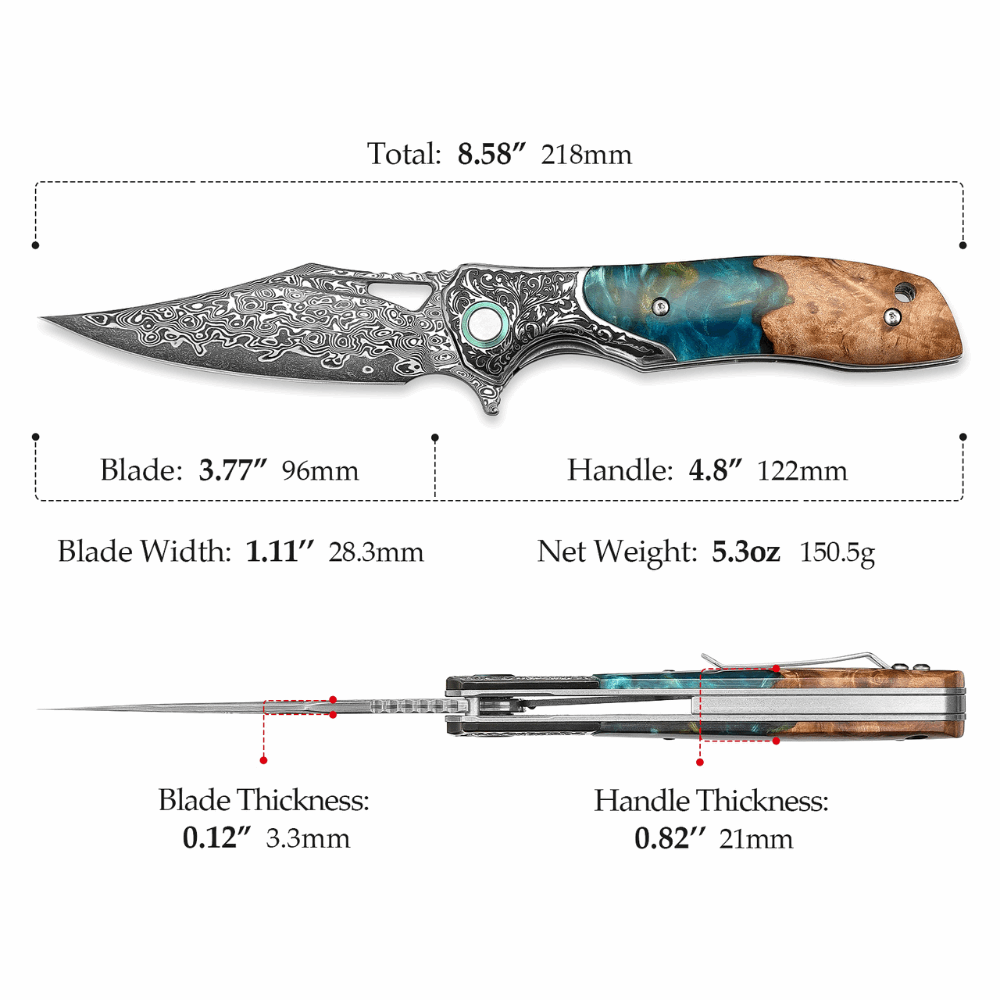
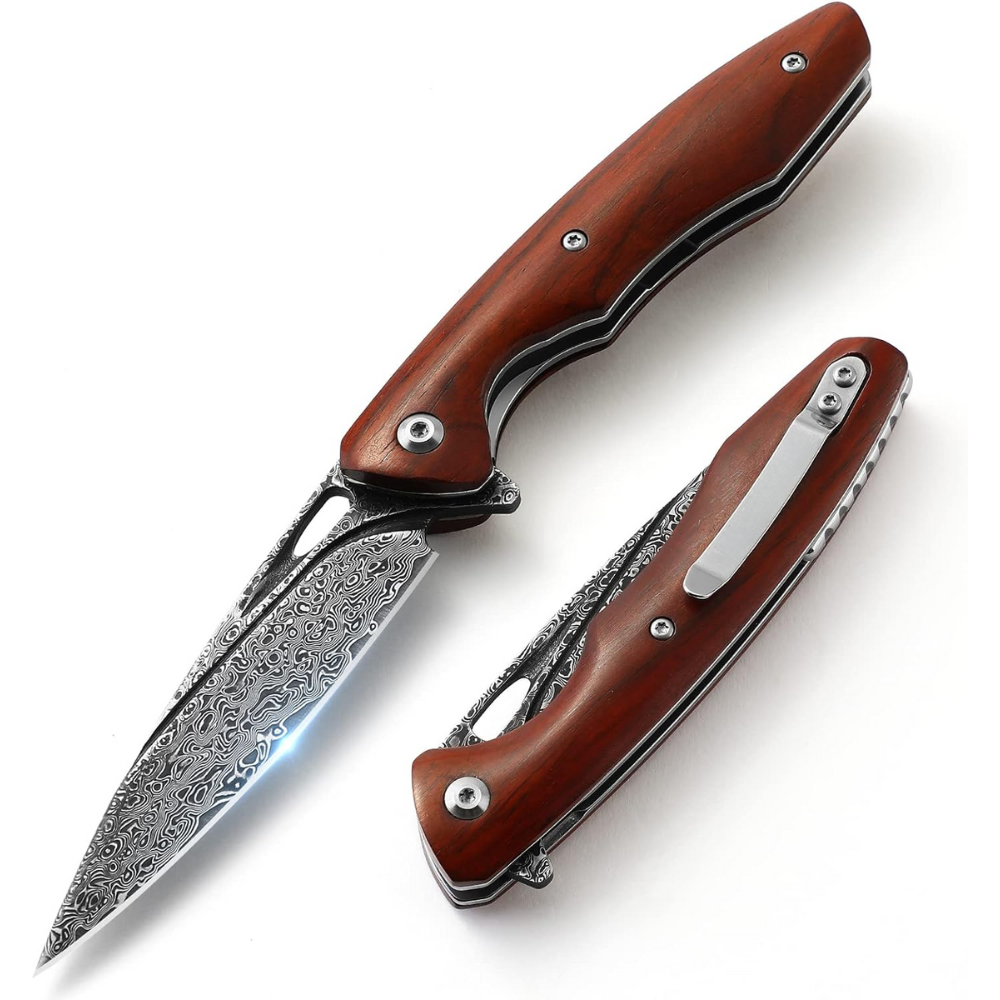
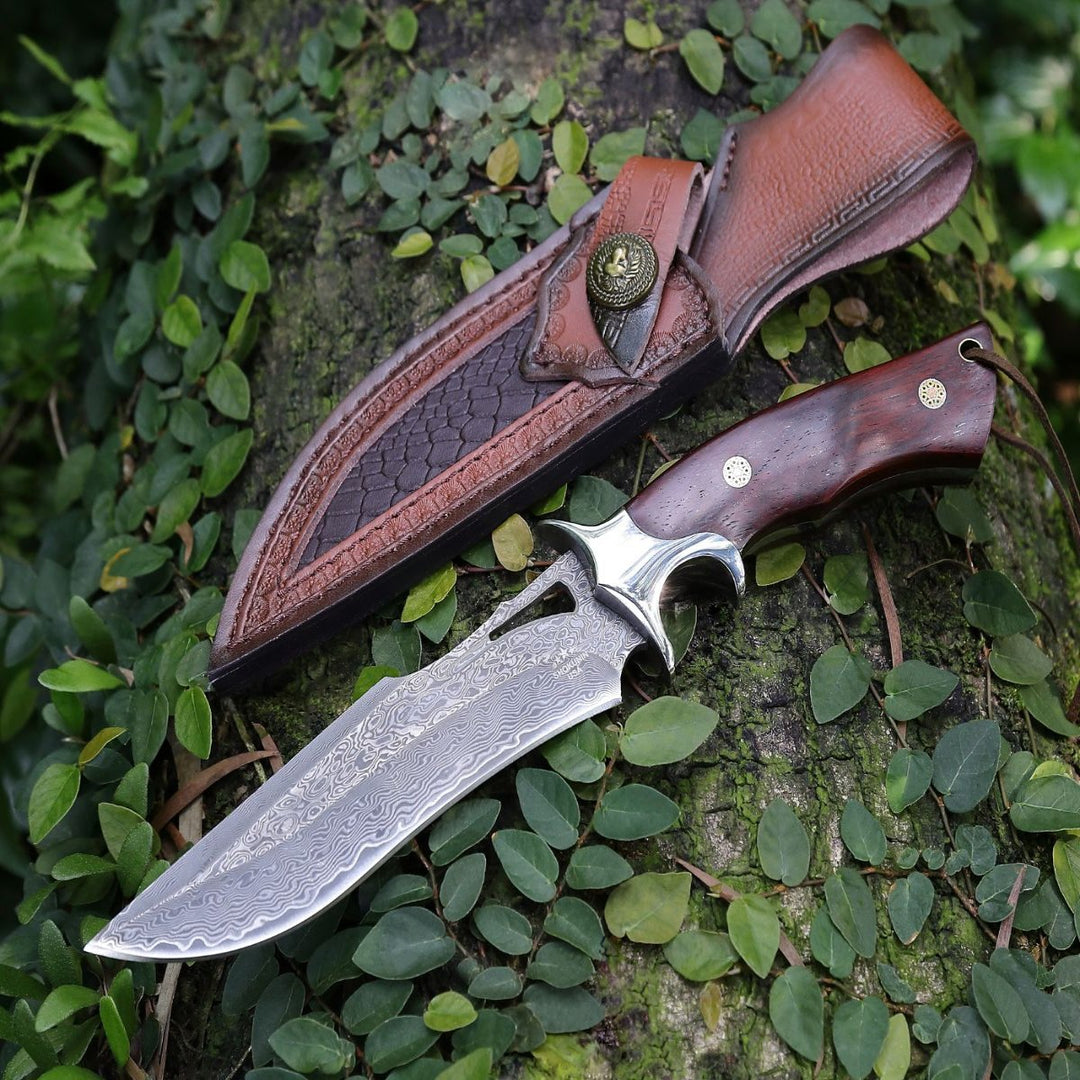
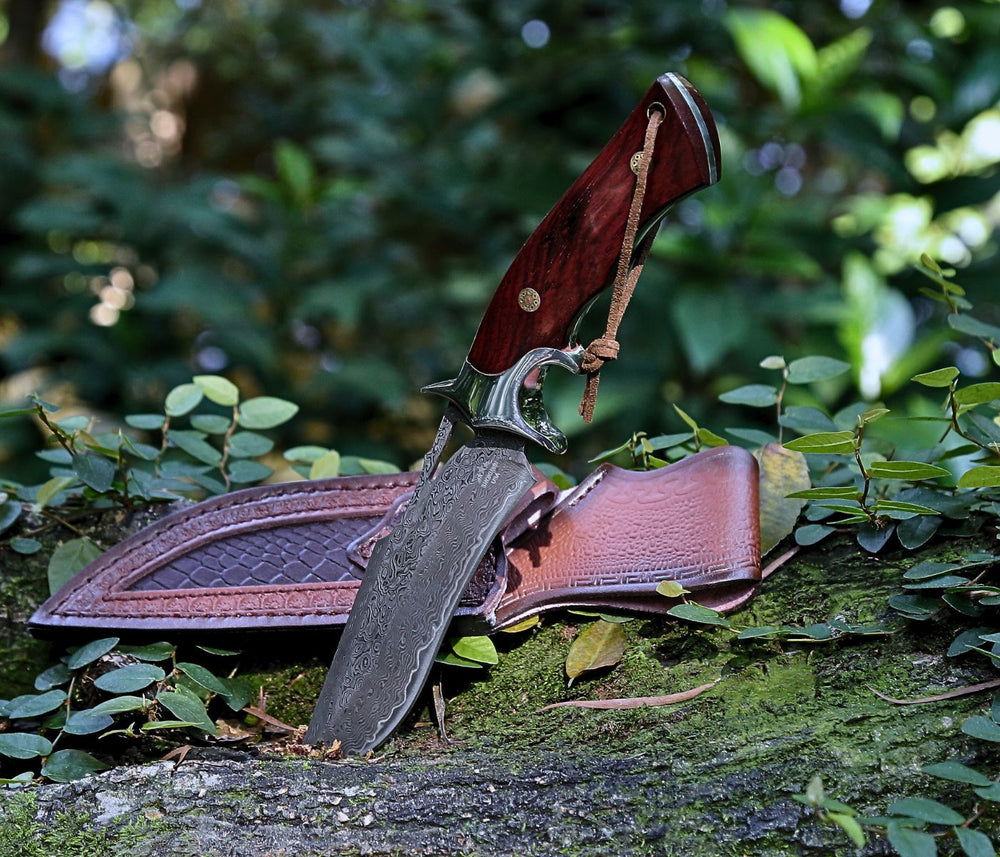
Ironbark Japanese Pocket Knife With VG-10 Damascus & Exotic Red Sandalwood Handle, Clip & Sheath
The Ironbark Japanese Pocket Knife combines a striking VG-10 Damascus blade with an exotic red sandalwood handle, offering both aesthetic appeal and practical functionality. Its lightweight design ensures comfortable use, making it suitable for everyday tasks or as a refined accessory. With a durable construction and included sharpening tools, this knife is crafted to maintain its performance over time.
View Product






Dejar un comentario