


Overview
The blog explores the environmental impact of pocket knife manufacturing, highlighting the importance of sustainability in design, materials, crafting techniques, and packaging. It emphasizes the role of consumers in supporting eco-friendly brands, encourages responsible disposal and repair, and discusses innovations in manufacturing that promote a circular economy. Ultimately, it calls for accountability and transparency in the knife industry to foster a more sustainable future.
Table of Contents
- The Basics of Knife Manufacturing
- Design and Material Selection
- Crafting Techniques
- Energy Consumption in Manufacturing
- The Role of Finishing Processes
- The Rise of Eco-Conscious Brands
- Transport and Logistics
- Packaging Practices
- The Importance of Responsible Disposal
- Encouraging Reparation and Upcycling
- The Future of Pocket Knife Manufacturing
- The Role of the Consumer
- Exploring Certifications and Standards
- Building a Community Around Sustainability
- Innovation and Technology in Knife Manufacturing
- Circular Economy in the Knife Industry
- The Call for Accountability and Transparency
- Combining Tradition with Sustainability
- The Ripple Effect of Ethical Choices
- Shopping Smart: A Consumer’s Guide
Key Takeaways
- Material Selection Matters: Choose pocket knives made from sustainable materials like responsibly sourced wood and high-grade stainless steel to reduce environmental impact.
- Support Eco-Conscious Brands: Opt for brands that prioritize sustainability and transparently communicate their practices, including waste reduction and resource conservation.
- Energy Consumption Awareness: Smaller workshops often use less energy and may incorporate renewable sources, making them a more eco-friendly choice compared to large-scale manufacturers.
- Consider Responsible Disposal: Educate yourself on how to properly recycle or dispose of old knives to minimize waste and environmental harm.
- Embrace Repair and Upcycling: Support artisans who offer repair services or upcycling options to extend the life of your pocket knife, reducing the need for new production.
- Look for Sustainability Certifications: Seek out brands that have certifications indicating their commitment to eco-friendly practices in materials sourcing, manufacturing, and packaging.
- Engage in the Conversation: Participate in discussions and community events focused on sustainability to encourage transparency and responsibility within the knife industry.
When we think of pocket knives, we often picture a trusty tool designed for a myriad of tasks, from opening boxes to camping adventures. While the utility of a pocket knife is undeniable, it’s crucial to consider the environmental impact associated with their manufacturing process. In this article, we delve into the intricate relationship between pocket knife production and the environment, emphasizing the importance of sustainability in the knife industry.
The Basics of Knife Manufacturing
Manufacturing varies significantly, but the process of creating pocket knives typically involves several key stages: design, material selection, crafting, finishing, and packaging. Each of these phases contributes to the overall environmental footprint.
Design and Material Selection
It starts with design. The initial design stage involves considerations about function and aesthetics, but modern knife makers are increasingly mindful of the materials they choose. For instance, some manufacturers opt for sustainable sources of metals and woods. The choice of materials has a direct impact on the environment and can influence if the knife is corrosion resistant, ensuring longevity and reducing waste.
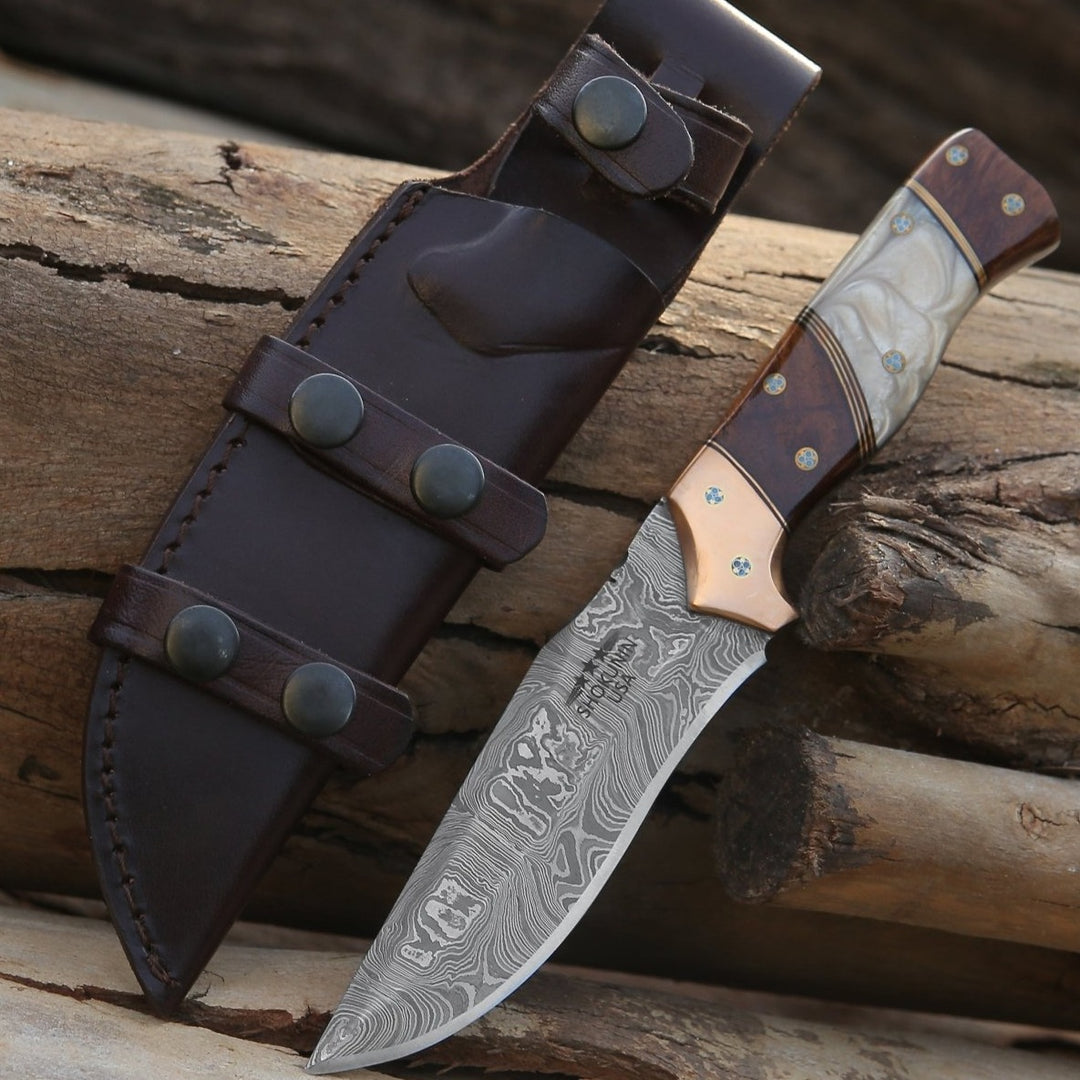
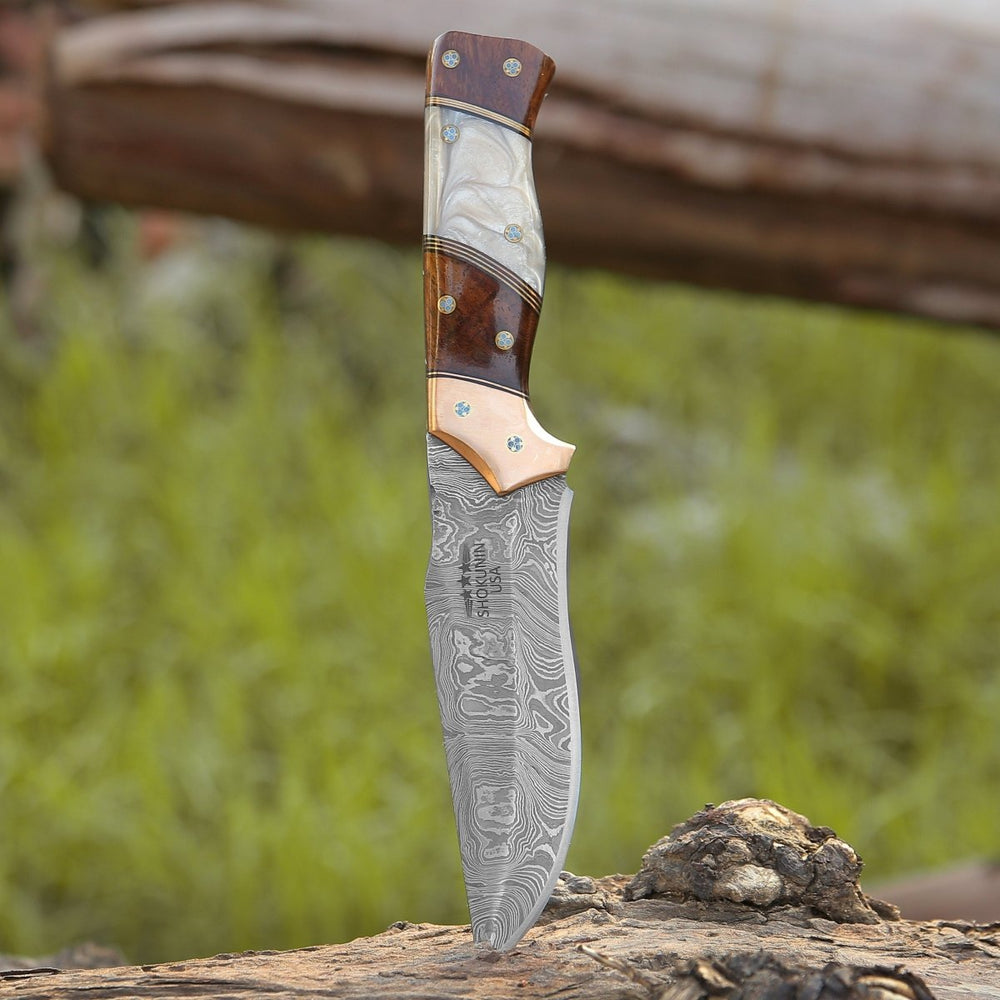
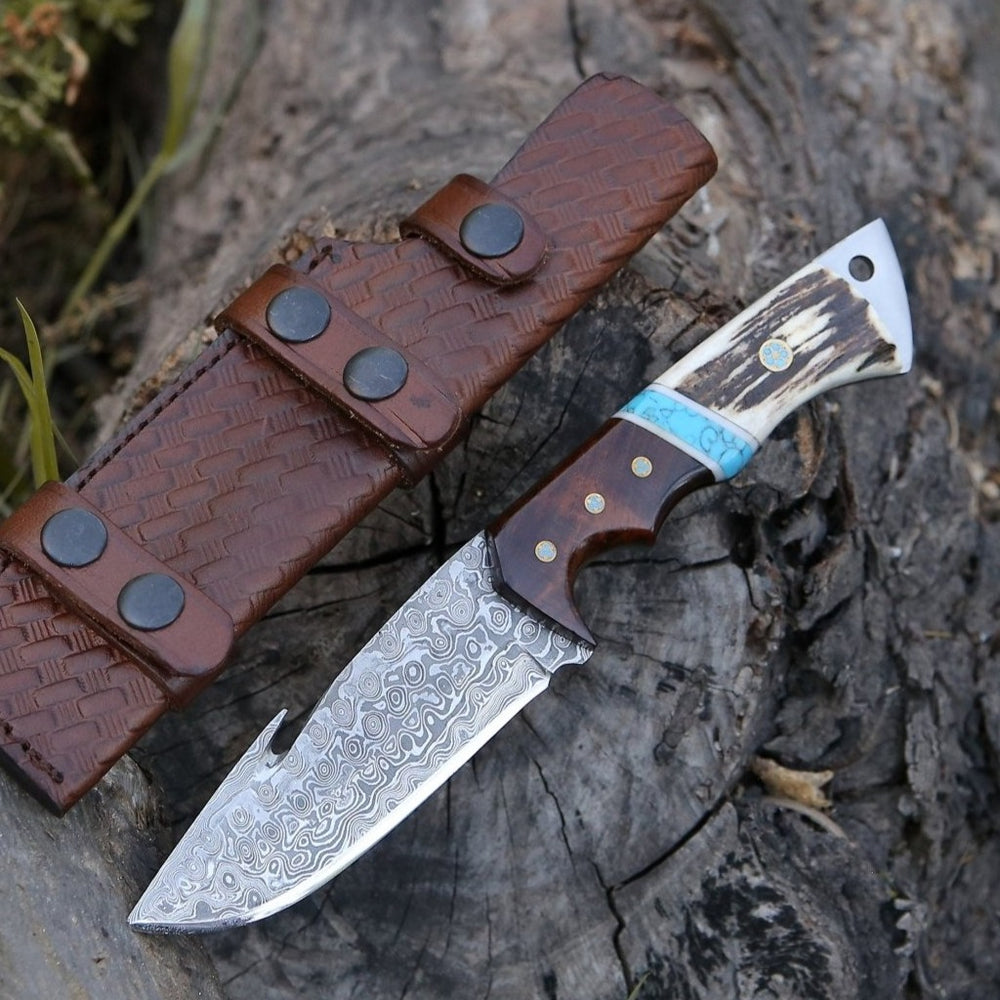
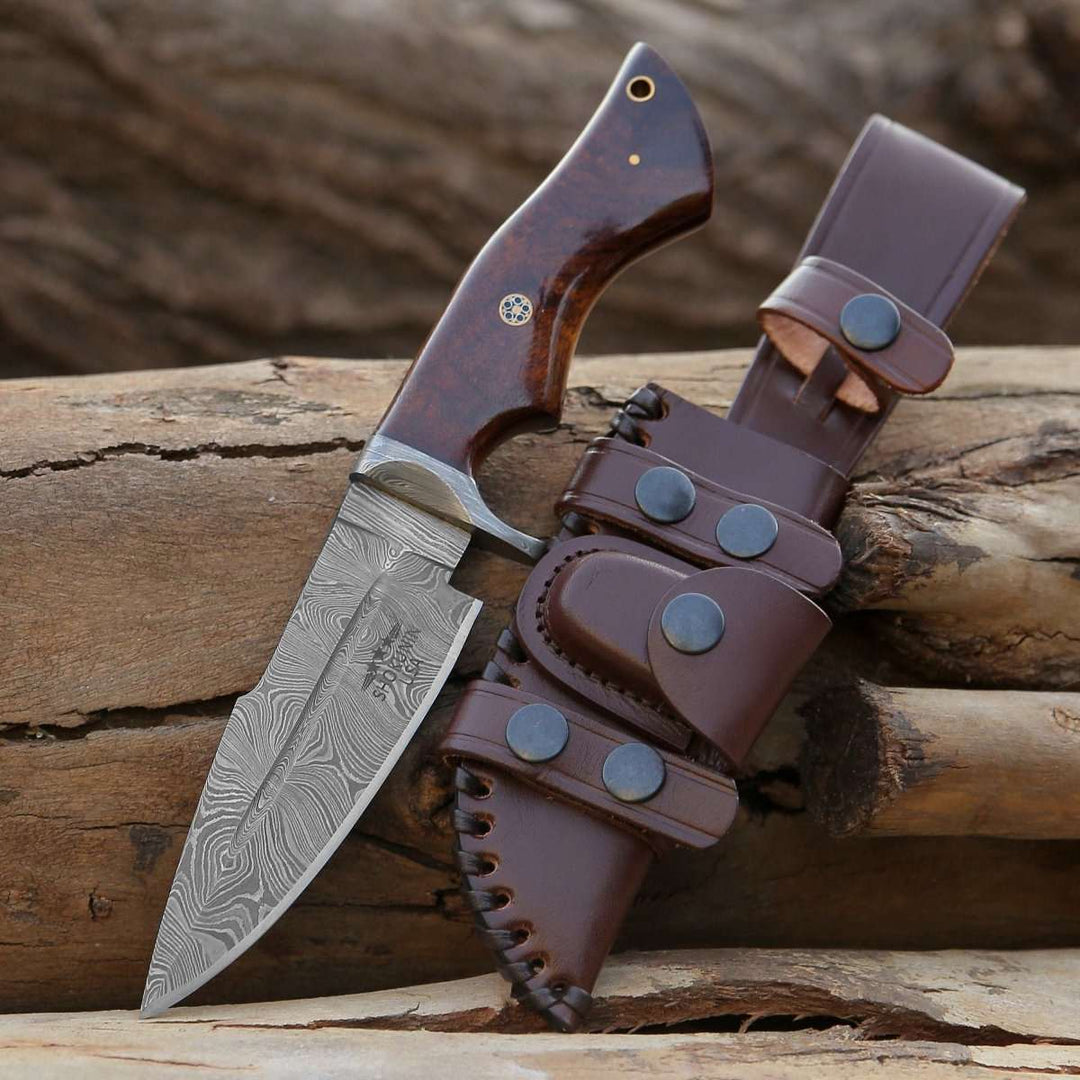
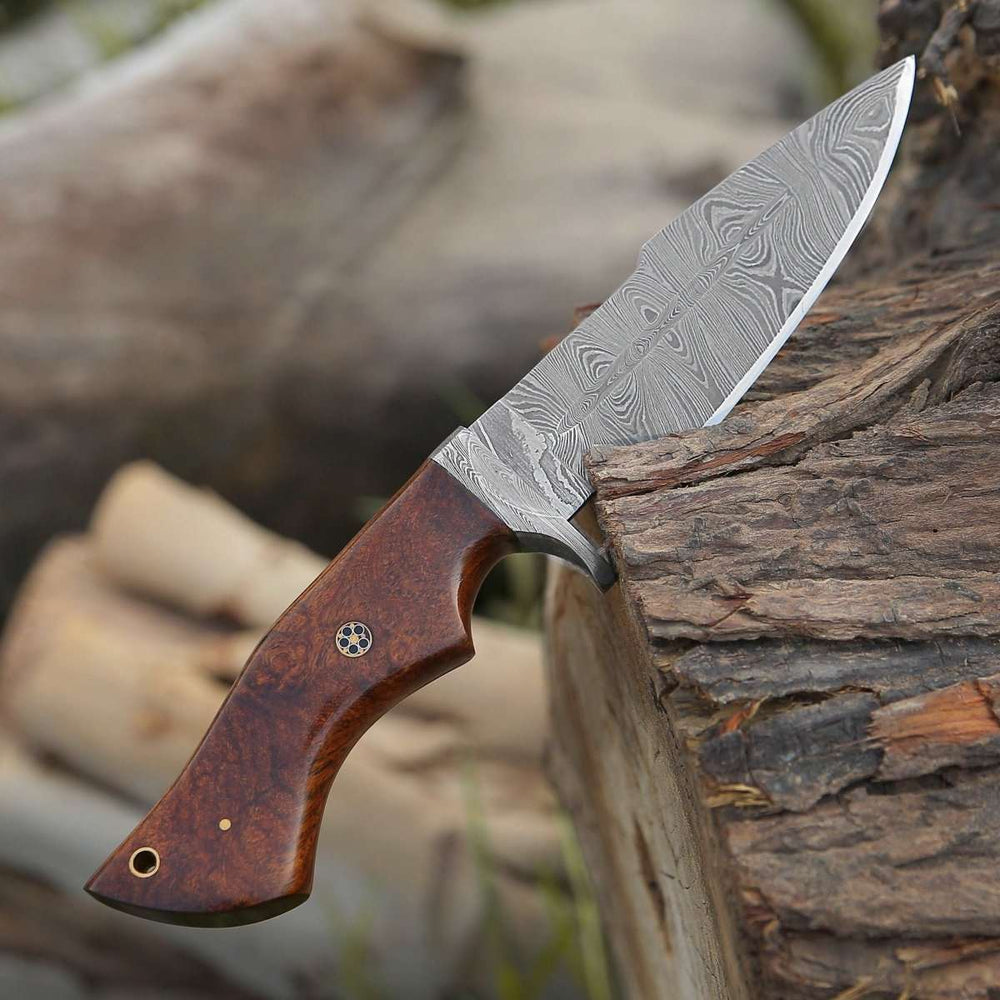
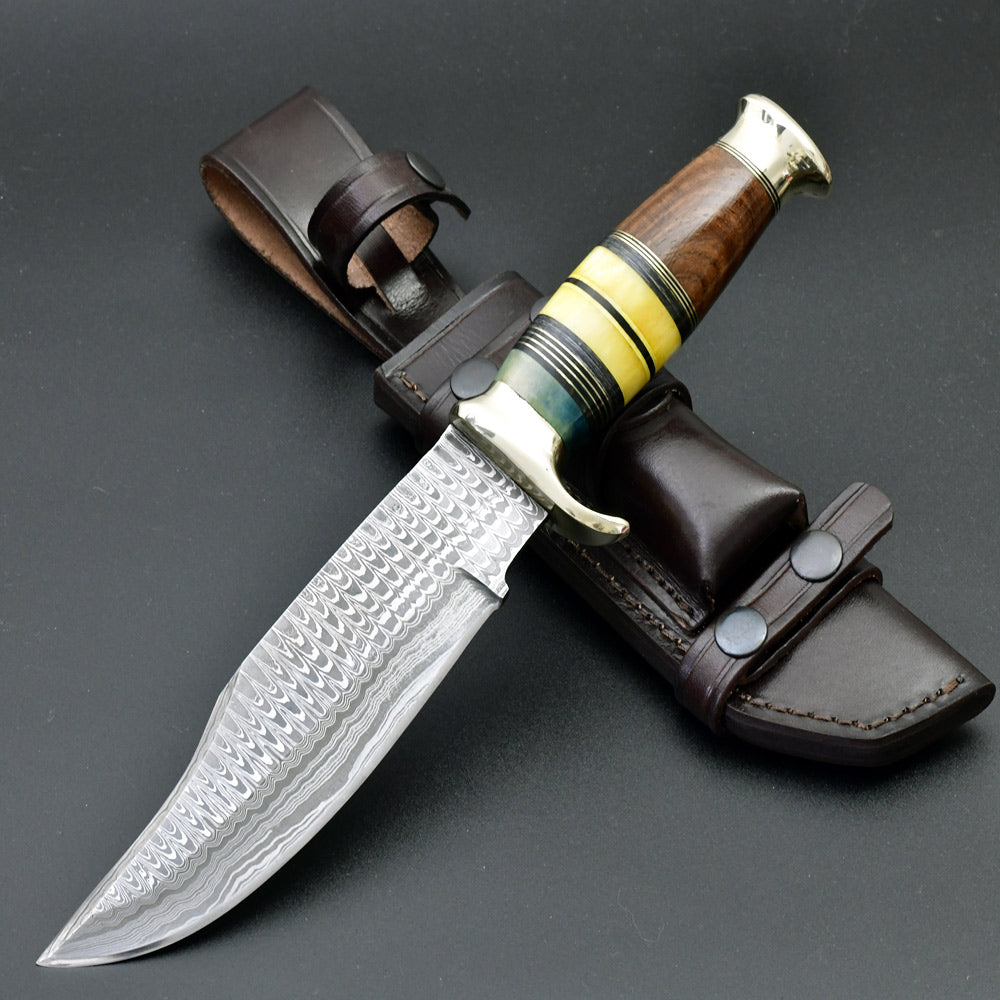
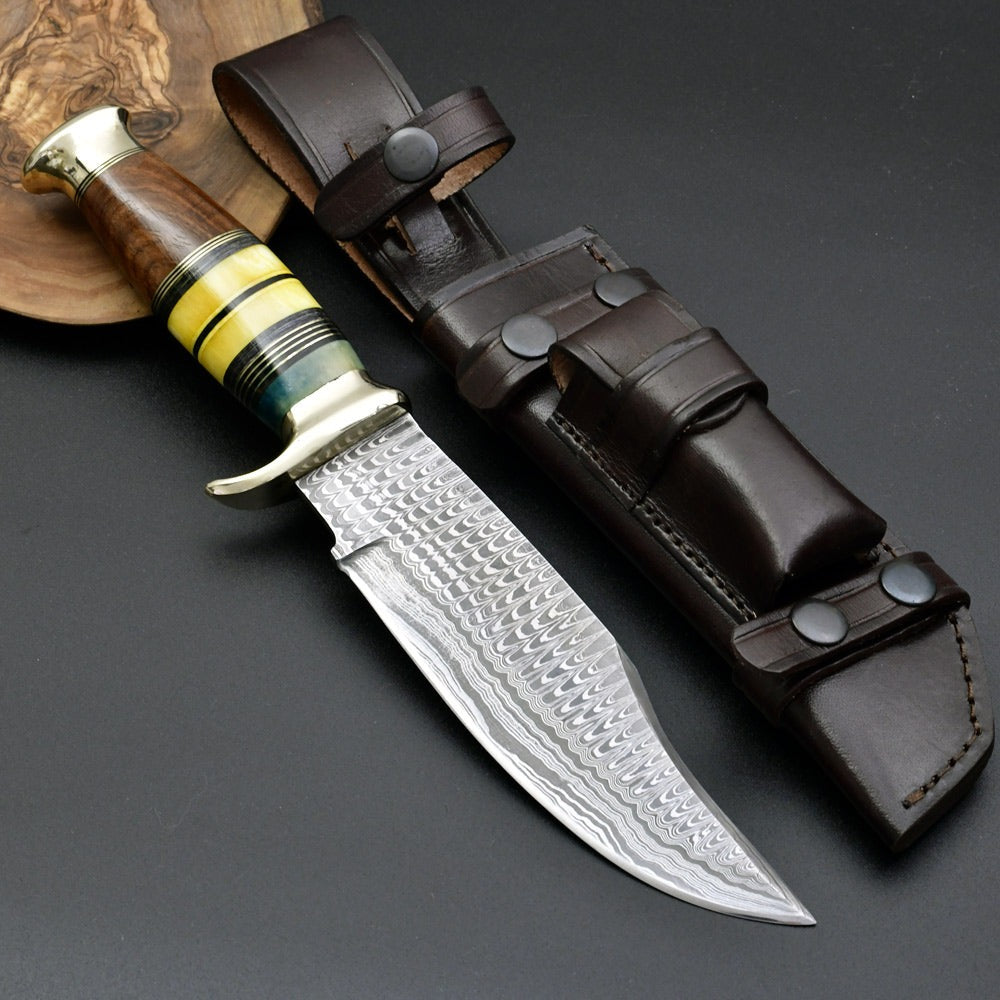
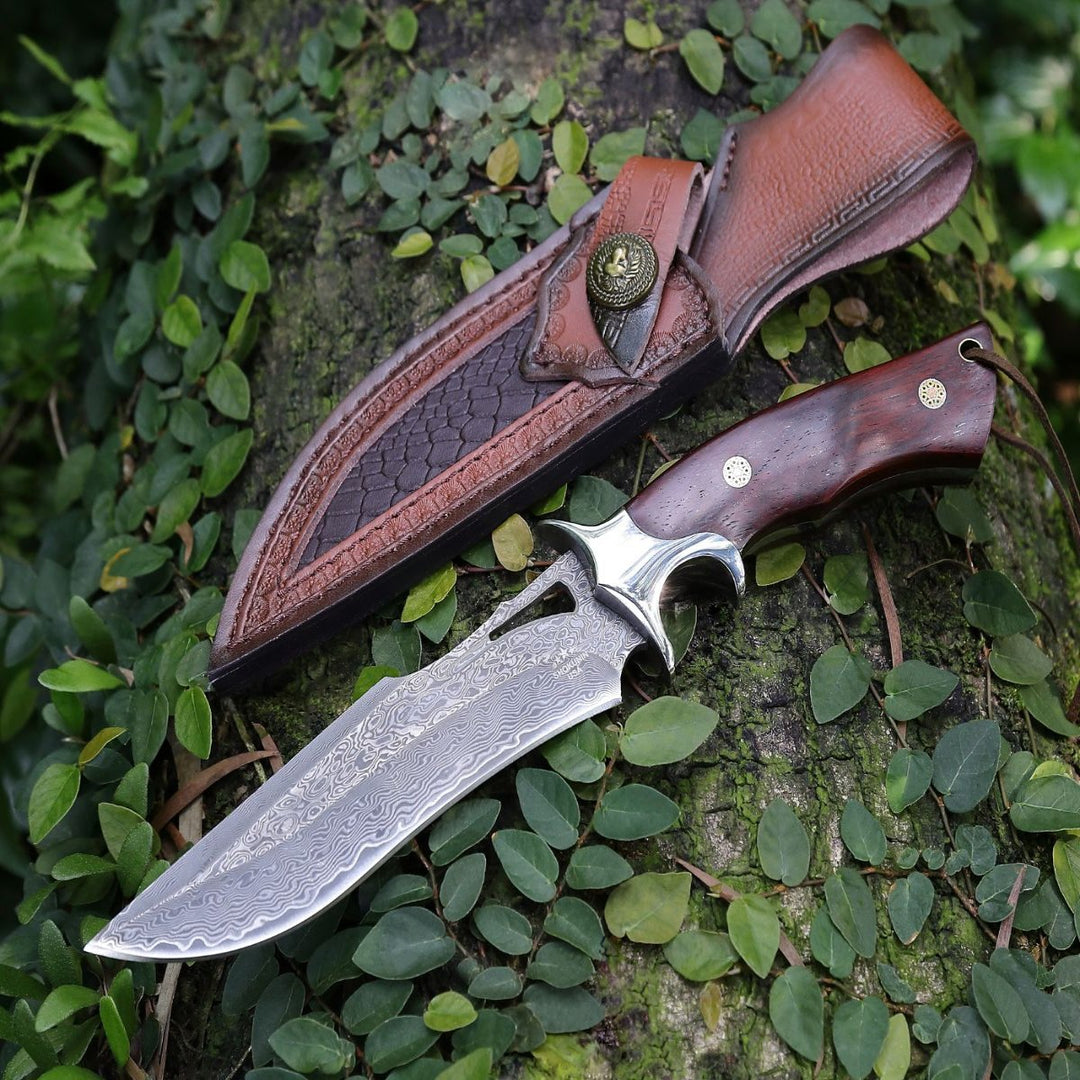
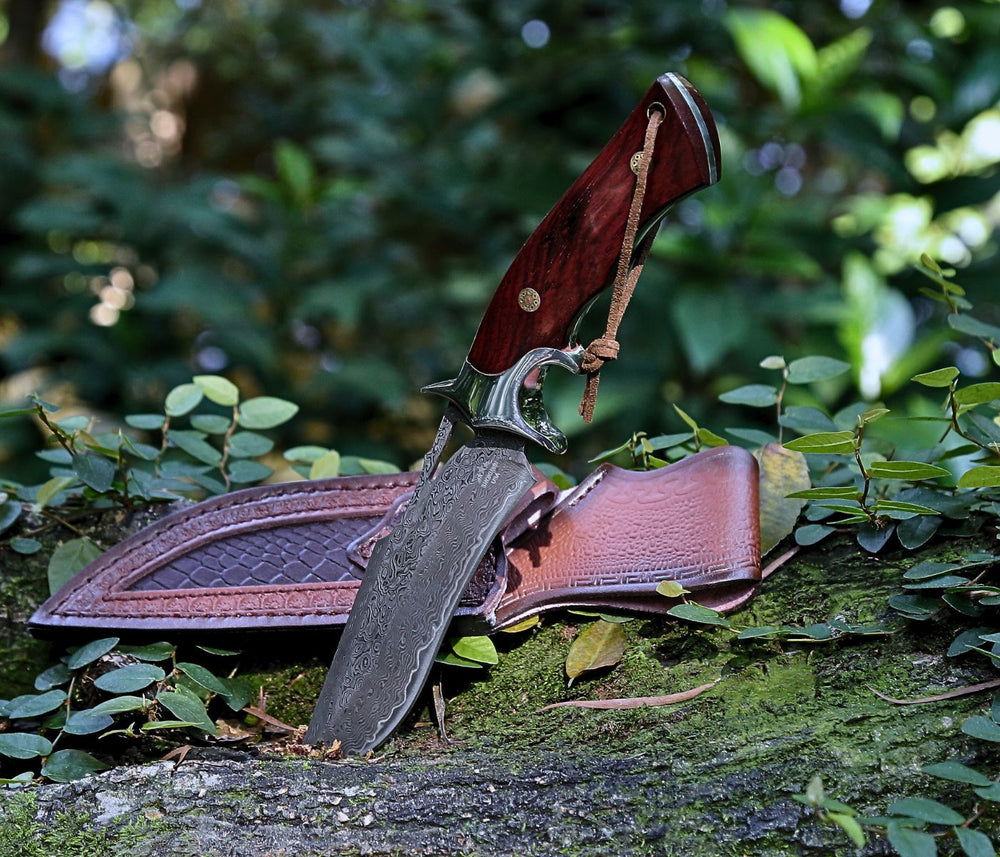
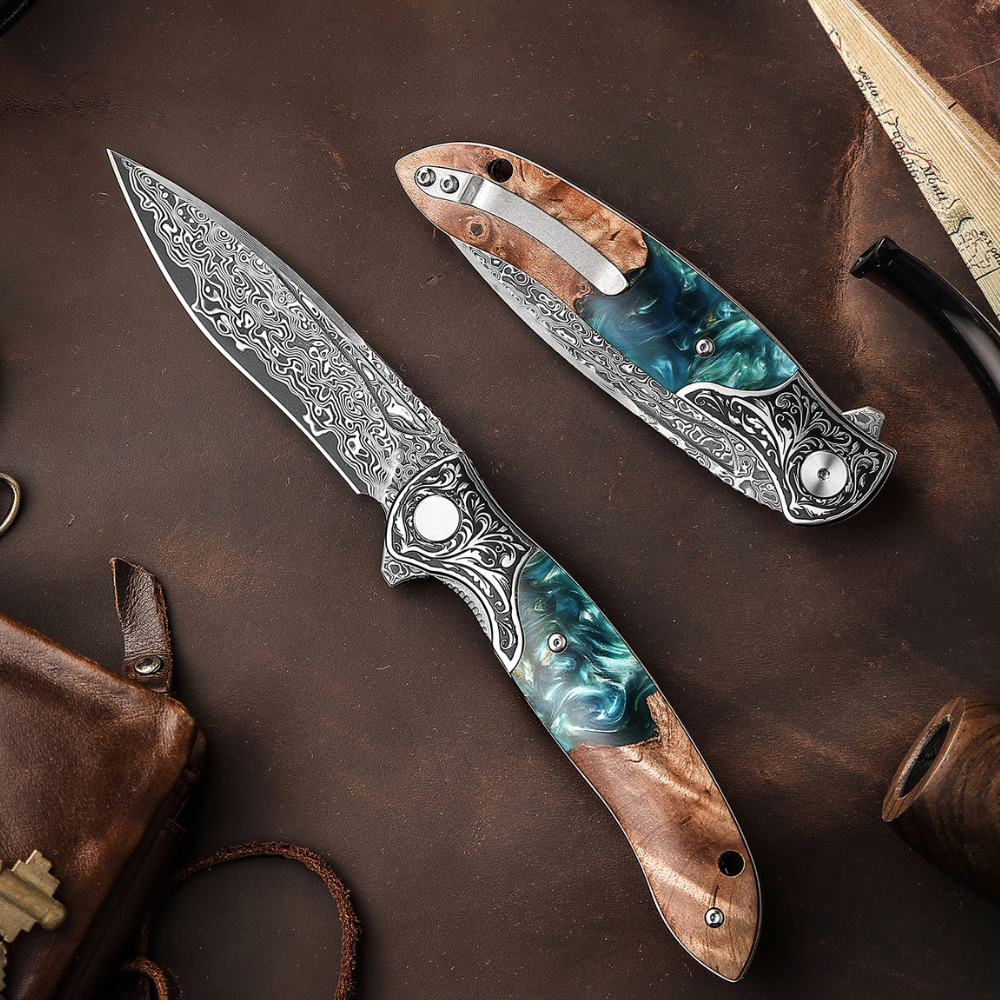
Handmade knives often prioritize eco-friendly materials. Many artisans use responsibly sourced wood for handles and high-grade stainless steel that’s designed to withstand the elements without succumbing to rust. This focus on quality helps reduce the need for replacement tools, thereby curbing waste in the long run.
Crafting Techniques
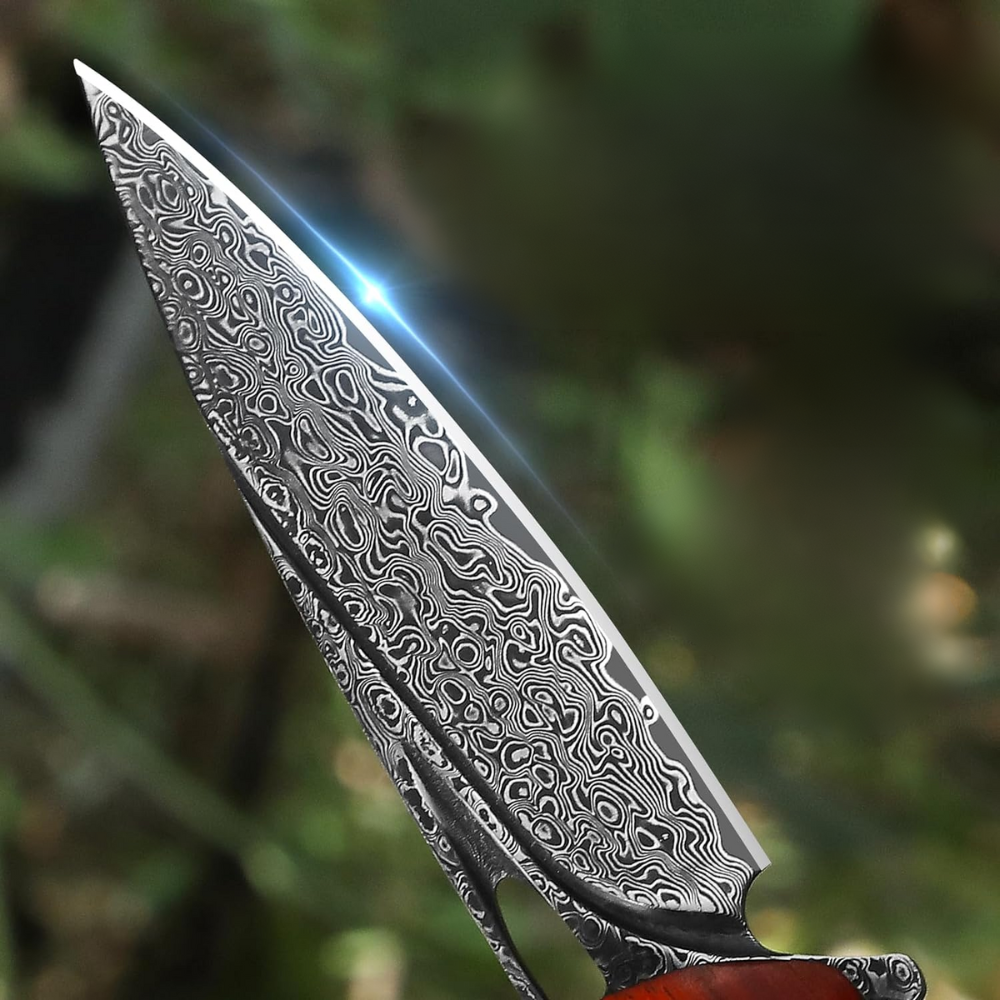
Once the design and materials are set, the crafting process begins. Traditional methods such as forging can produce beautiful handmade knives while using minimal machinery. This can lessen energy consumption and reduce carbon emissions. Since many handmade knives are crafted in smaller batches or even one at a time, artisans have better control over their production methods and environmental impacts.
Energy Consumption in Manufacturing
The environmental impact also arises from the energy consumption associated with manufacturing. Large-scale operations often rely on fossil fuels for power, which can lead to a significant carbon footprint. In contrast, smaller workshops may use less energy and can even incorporate renewable sources, further minimizing their ecological impact.
The Role of Finishing Processes
Finishing processes, which include polishing the blade and applying coatings, represent another stage where environmental effects can become significant. Some knife manufacturers utilize chemical cleaning agents and solvents that, if not disposed of properly, can lead to pollution. Opting for eco-friendly finishes can alleviate this concern.
The Rise of Eco-Conscious Brands
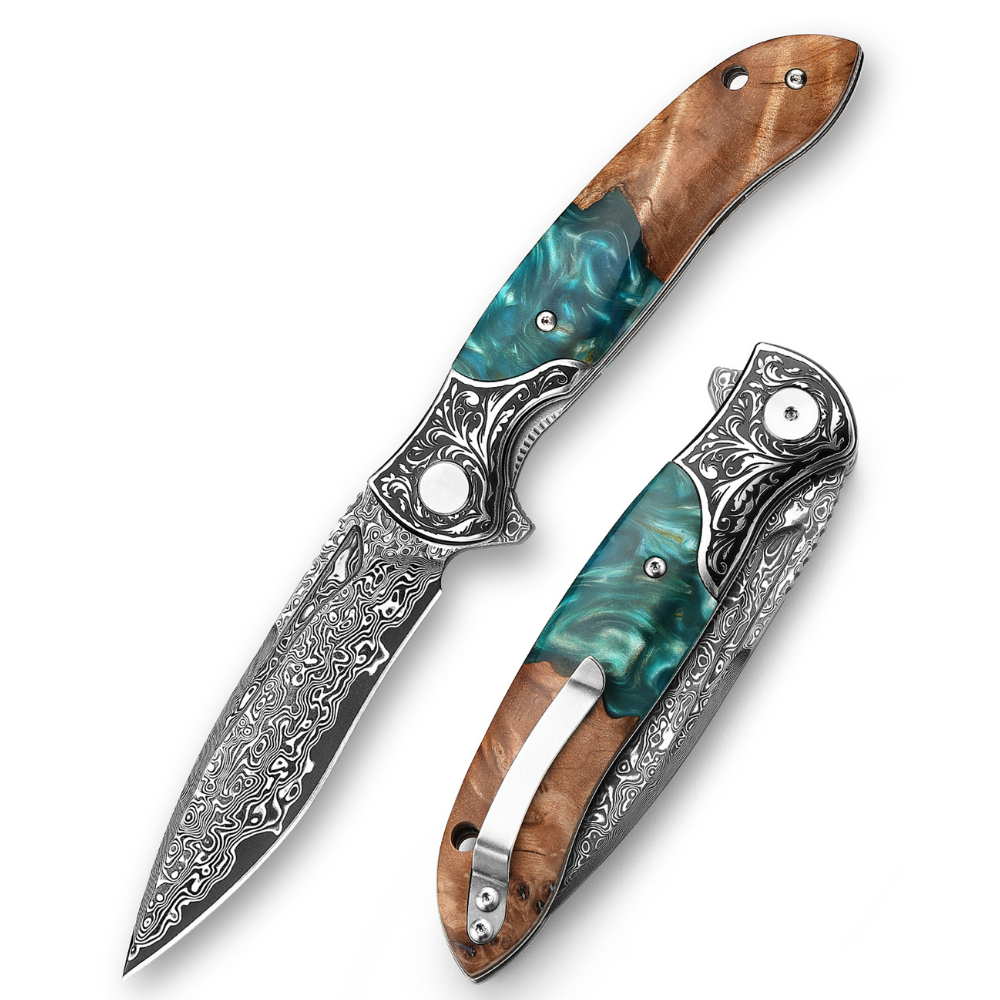
As consumers become increasingly environmentally aware, there's a noticeable shift toward eco-conscious brands in the knife industry. Many companies are now transparently communicating their sustainability initiatives, including waste reduction practices and resource conservation programs. Shokunin artisans exemplify this movement with their dedication to creating stylish yet environmentally friendly pocket knives.
Transport and Logistics
After manufacturing, the next concern is the logistics involved in delivering these knives to consumers. This phase can significantly exacerbate the knife's carbon footprint. The transportation of products often relies on fossil-fuel-based methods, contributing to global warming. A growing number of companies are evaluating their supply chains, focusing on localized production to lessen travel distances and thus minimize emissions.
Packaging Practices
Packaging is another vital area related to the environmental impact of pocket knife manufacturing. Many products come wrapped in layers of plastic and non-recyclable materials, adding to landfill waste. However, progressive brands are adopting sustainable packaging solutions, using recyclable or biodegradable materials that match their commitment to environmental responsibility.
The Importance of Responsible Disposal
Another aspect to consider is how consumers dispose of their knives once they are worn out or no longer needed. Many pocket knives can last a lifetime with proper care, and those crafted from corrosion resistant materials are especially durable. Educating consumers on how to properly dispose of or recycle knives can minimize their environmental impact significantly.
Encouraging Reparation and Upcycling
Promotion of upcycling and the repair of damaged knives is essential. Rather than discarding a broken blade, many artisans provide repair services to give your pocket knife a new lease on life. This practice not only far outweighs the environmental costs of manufacturing a new tool but also fosters a culture of sustainability.
The Future of Pocket Knife Manufacturing
As the environmental implications of products take center stage, the future of pocket knife manufacturing appears poised for profound changes. Innovations in materials science are paving the way for corrosion resistant knives that perform exceptionally well and feature a smaller environmental impact. For example, research into biodegradable metals and biocomposite materials could redefine what is possible in knife manufacturing.
The Role of the Consumer
Furthermore, the consumer plays a crucial role in driving change. By supporting brands that prioritize sustainability, customers can send a strong message to manufacturers about the importance of eco-friendly practices. Choosing to invest in handmade knives or products made from recycled materials is an effective way to advocate for a healthier planet.
Exploring Certifications and Standards
Sustainability certifications and standards are crucial to establishing trust within the market. Many brands now seek certifications for eco-friendly practices, indicating their commitment to minimizing harmful impacts. Consumers can look for labels that verify a company's adherence to sustainable practices related to materials sourcing, manufacturing processes, and packaging choices.
Building a Community Around Sustainability
The conversation around sustainability doesn't end with purchasing decisions. Building a community that openly discusses environmental impact encourages more transparency and responsibility within the industry. Engaging customers in discussions, workshops, and other forms of outreach can foster a sense of collective accountability.
Innovation and Technology in Knife Manufacturing
As we embrace technology, more efficient methods are becoming available to knife makers. Innovations in automation, laser cutting, and advanced production techniques help refine manufacturing processes in ways that promise to conserve resources and minimize waste. However, it’s essential to balance technology with traditional craftsmanship, ensuring that artisanal values remain intact.
Circular Economy in the Knife Industry
The concept of a circular economy, where materials are continually reused rather than discarded, is gaining traction. In the knife world, this could mean designing pocket knives that are easy to disassemble for recycling, or initiating take-back programs that return old knives to manufacturers for refurbishment.
The Call for Accountability and Transparency
As customers increasingly demand accountability from brands, manufacturers must be transparent about their practices. Communicating openly about sourcing materials, manufacturing processes, and environmental initiatives not only builds customer loyalty but also creates a more responsible industry standard.
Combining Tradition with Sustainability
The art of knife making has a long, storied history that many artisans are proud to uphold. Blending traditional techniques with modern sustainability principles creates a unique synergy that respects the past while safeguarding the future. These artisans are not just crafting knives; they are part of a broader movement toward restoring the relationship between craftsmanship and ecological responsibility.
The Ripple Effect of Ethical Choices
Every knife that comes into a consumer’s hand is ultimately a reflection of myriad choices made throughout its lifecycle. This extends beyond the manufacturers to suppliers, distributors, and consumers alike. Ethical choices throughout this chain can lead to a ripple effect, positively influencing not only the pocket knife industry but also inspiring other sectors to adopt more sustainable practices.
Shopping Smart: A Consumer’s Guide
To champion sustainability within the pocket knife market, consumers can take actionable steps. Begin by researching brands and asking questions regarding their materials and practices. Look for those who showcase a commitment to sustainability and prioritize handmade knives that are built to stand the test of time. Remember, every small choice contributes toward a larger impact.
Ultimately, the pocket knife of the future isn’t merely a tool but a testament to what it means to create responsibly. It carries with it not just the weight of its materials but also the weight of choices made throughout production. By educating ourselves on the environmental impact of these beloved tools, we can forge a pathway toward a more sustainable future. Together, let's sharpen our awareness and cut through the fog of ignorance with actionable knowledge. Your pocket knife can be part of that movement.
Frequently Asked Questions
1. What is the environmental impact of pocket knife manufacturing?
2. How do sustainable materials affect pocket knife production?
3. What role do consumers play in promoting sustainability in the knife industry?
4. What are some practices that eco-conscious knife brands adopt?
5. What is the concept of a circular economy in the knife industry?
Glossary
| Term | Meaning |
|---|---|
| Pocket Knife | A small, foldable knife designed for various tasks. |
| Sustainability | Practices that minimize environmental impact and promote resource conservation. |
| Eco-friendly Materials | Materials sourced responsibly to reduce ecological harm. |
| Crafting Techniques | Methods used to create knives, impacting quality and energy use. |
| Carbon Footprint | The total greenhouse gas emissions caused by a product's lifecycle. |
| Upcycling | Repurposing old items to create new products, reducing waste. |
| Circular Economy | An economic system aimed at minimizing waste through reuse and recycling. |
| Finishing Processes | Final steps in knife production that enhance appearance and durability. |
| Responsible Disposal | Proper ways to discard or recycle knives to minimize environmental impact. |
| Ethical Choices | Decisions made to support sustainability and responsible practices in production. |
Linked Product

Navigator CTS XHP High Performance Stainless Tool Steel Pocket Knife with Clip & G10 Fiber Handle
The Navigator CTS XHP Pocket Knife features a high-performance stainless tool steel blade, known for its excellent edge retention and corrosion resistance, making it suitable for hunting and tactical applications. Its G10 fiber handle offers durability and comfort, while the push button locking mechanism ensures secure, one-handed operation. This folding knife is an ideal choice for outdoor enthusiasts and collectors alike, combining craftsmanship with modern functionality.
View Product








Hinterlassen Sie einen Kommentar