


Overview
Collecting pocket knives is a rewarding hobby that combines craftsmanship, history, and artistry. Key aspects include understanding Damascus steel's appeal, starting your collection with a focus on personal interests, maintaining your knives, and engaging with the knife-collecting community. Consider custom pieces and exploring global markets for unique finds, and remember to document your collection and share your passion with others to create a lasting legacy.
Table of Contents
- The Allure of Pocket Knives
- Understanding Damascus Steel
- Starting Your Collection
- Visiting Knife Shows and Expos
- Collecting Versus Investing
- Maintaining Your Collection
- Spotting Quality Craftsmanship
- Finding Rare Collectibles
- The Community Aspect of Collecting
- Documenting Your Collection
- Unleash Your Creativity: Custom Knives
- Exploring the Global Knife Market
- Pass It On: The Legacy of Collecting
Key Takeaways
- Pocket knives are valued not just for their practicality but also for their craftsmanship and artistry.
- Damascus steel is highly sought after for its unique patterns and durability, making it a favorite among collectors.
- Starting a collection involves defining your interests, researching, and beginning with a few carefully selected pieces.
- Attending knife shows and expos is an excellent way to find unique knives and connect with fellow enthusiasts.
- Proper maintenance, including cleaning and oiling, is essential for preserving the quality of your collection.
- Understanding craftsmanship indicators, such as blade material and fit, can help you identify high-quality knives.
- Engaging with the knife collecting community can enhance your experience and foster valuable connections.
When it comes to collectibles, pocket knives hold a special place in the hearts of enthusiasts and hobbyists alike. These versatile tools have transcended their practical use, becoming cherished items of craftsmanship and artistry. Whether you're a seasoned collector or just stepping into this fascinating world, building your collection of pocket knives can be an incredibly rewarding experience. In this article, we'll explore the various facets of collecting pocket knives, highlighting the appeal of handmade Damascus knives and Damascus steel to enrich your collection.
The Allure of Pocket Knives
Pocket knives are not just practical tools; they are a testament to culture, history, and craftsmanship. Their compact design makes them easy to carry while offering a multitude of functions. Collectors find joy in curating different styles, shapes, and materials, each telling a unique story.
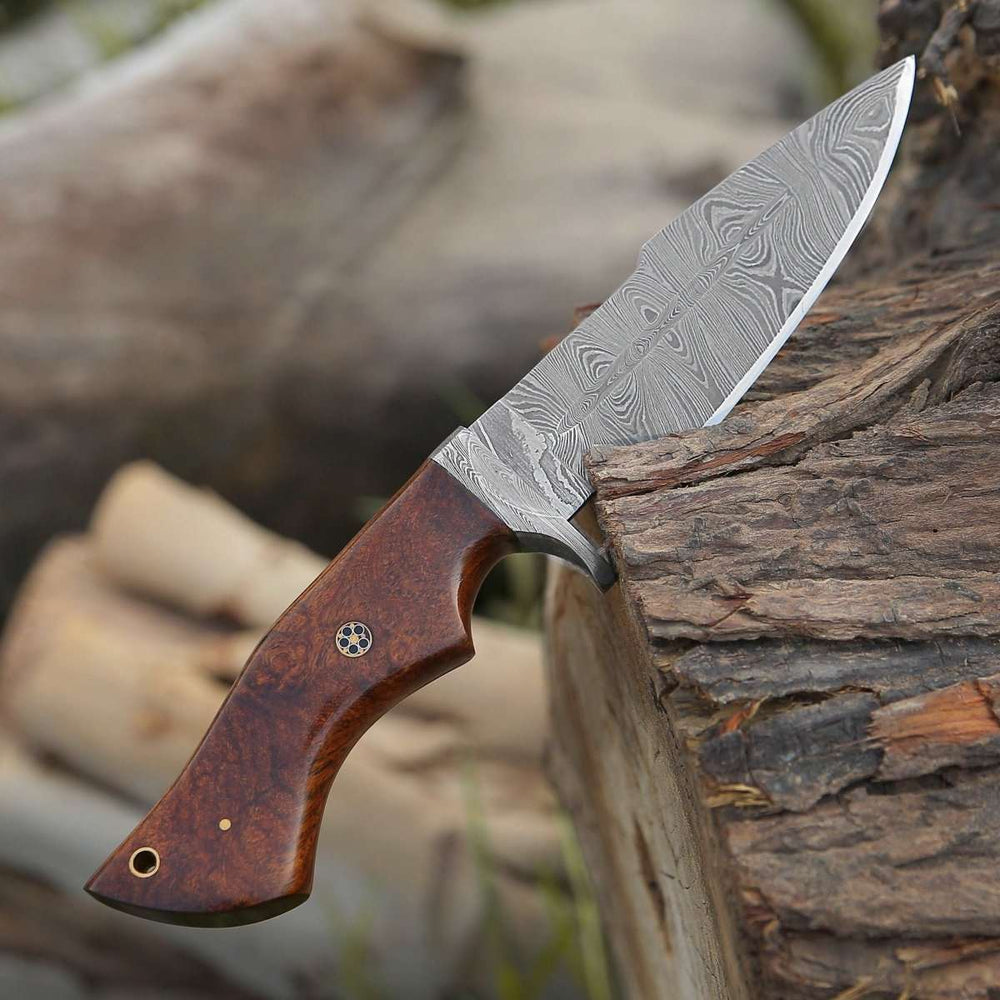
Collectors often appreciate the artistry involved in the creation of pocket knives. This is especially true when it comes to knives made with Damascus steel—a material renowned for its distinctive patterns and remarkable resilience. The unique aesthetic of Damascus steel makes it a sought-after option for many knife enthusiasts.
Understanding Damascus Steel
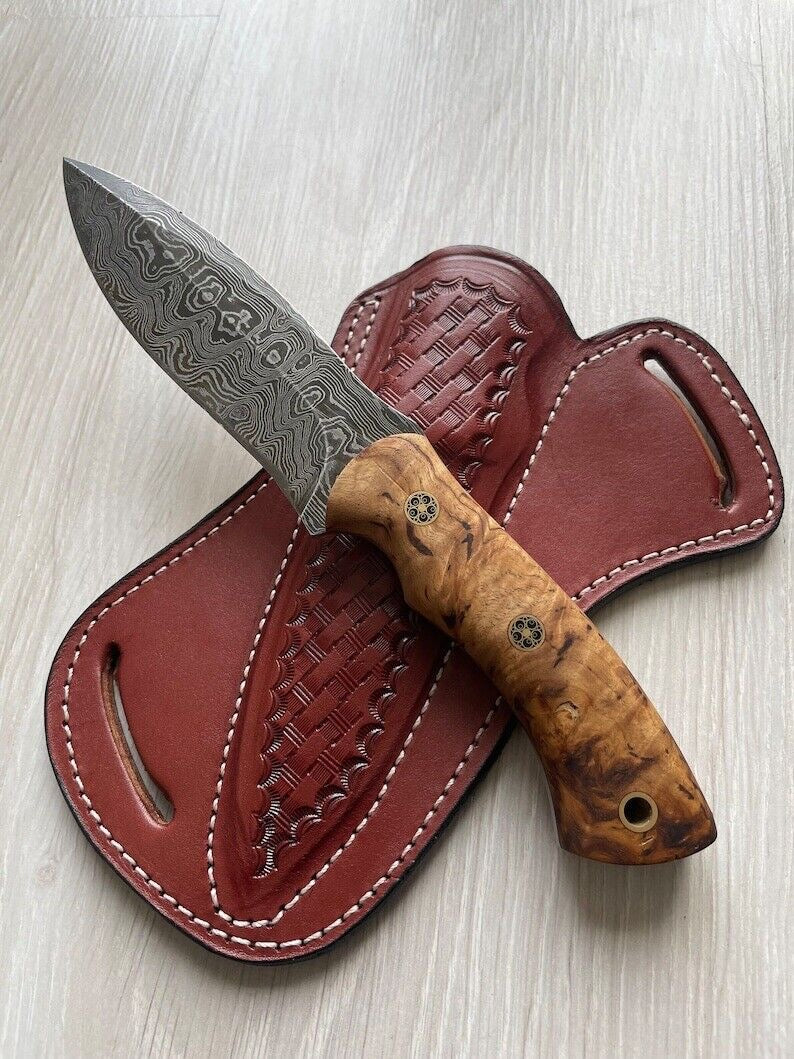
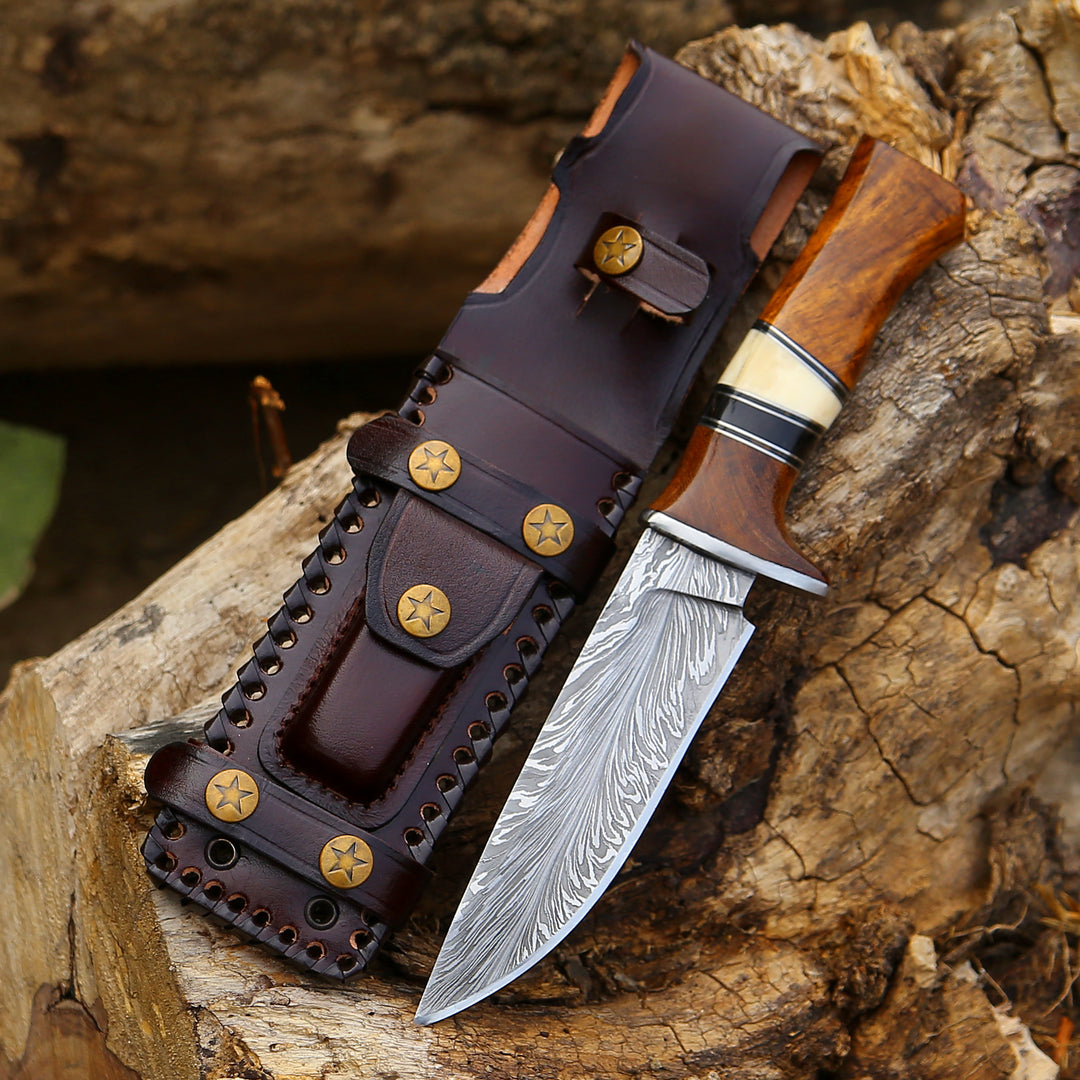
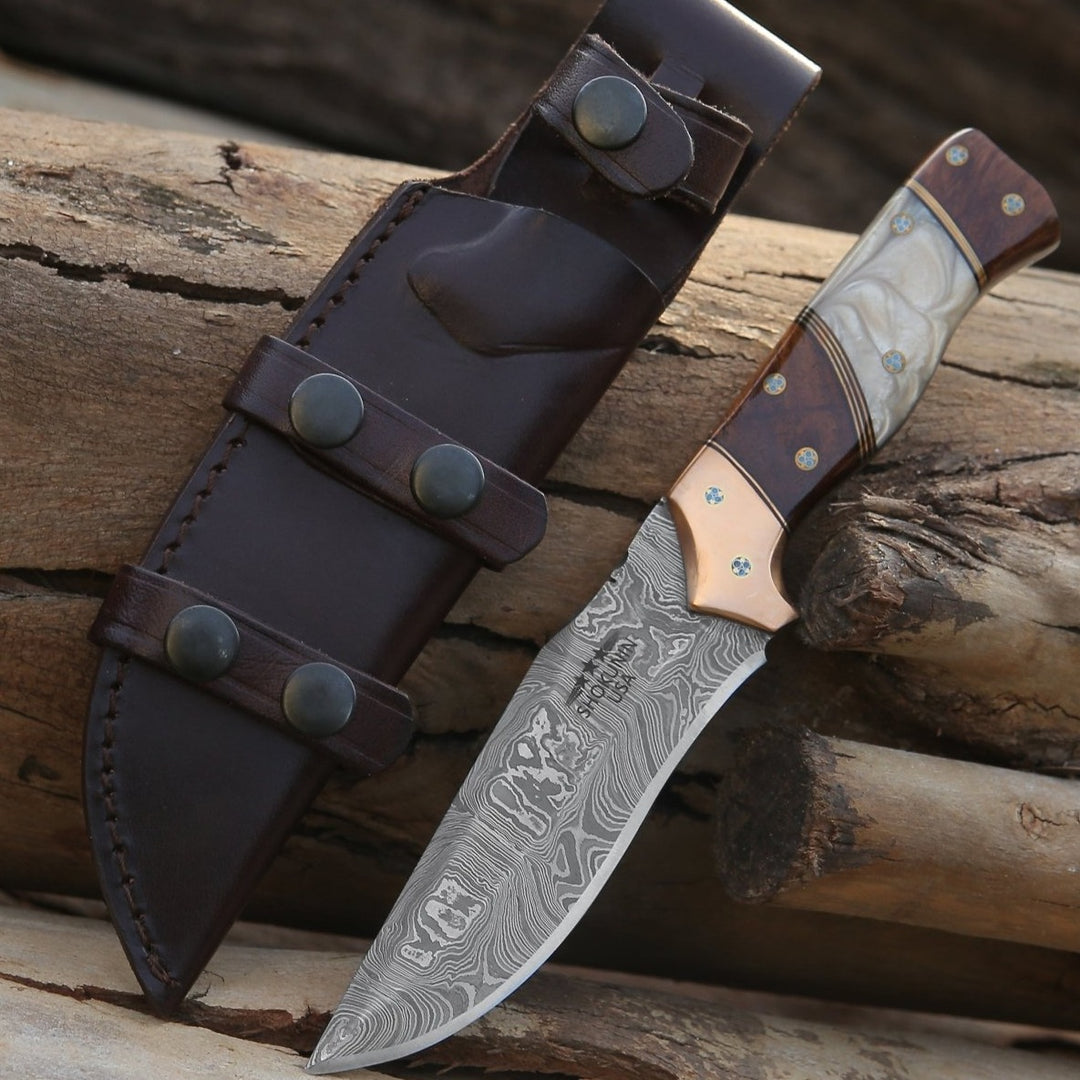
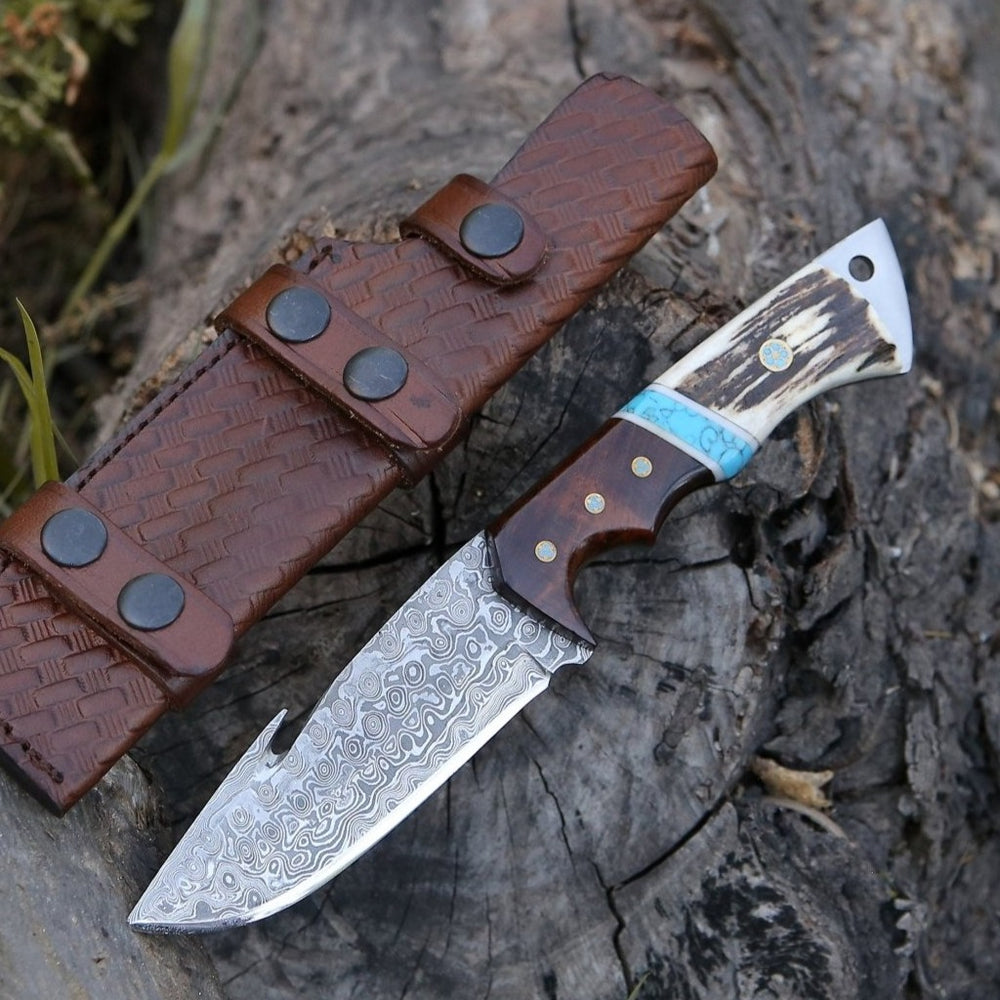
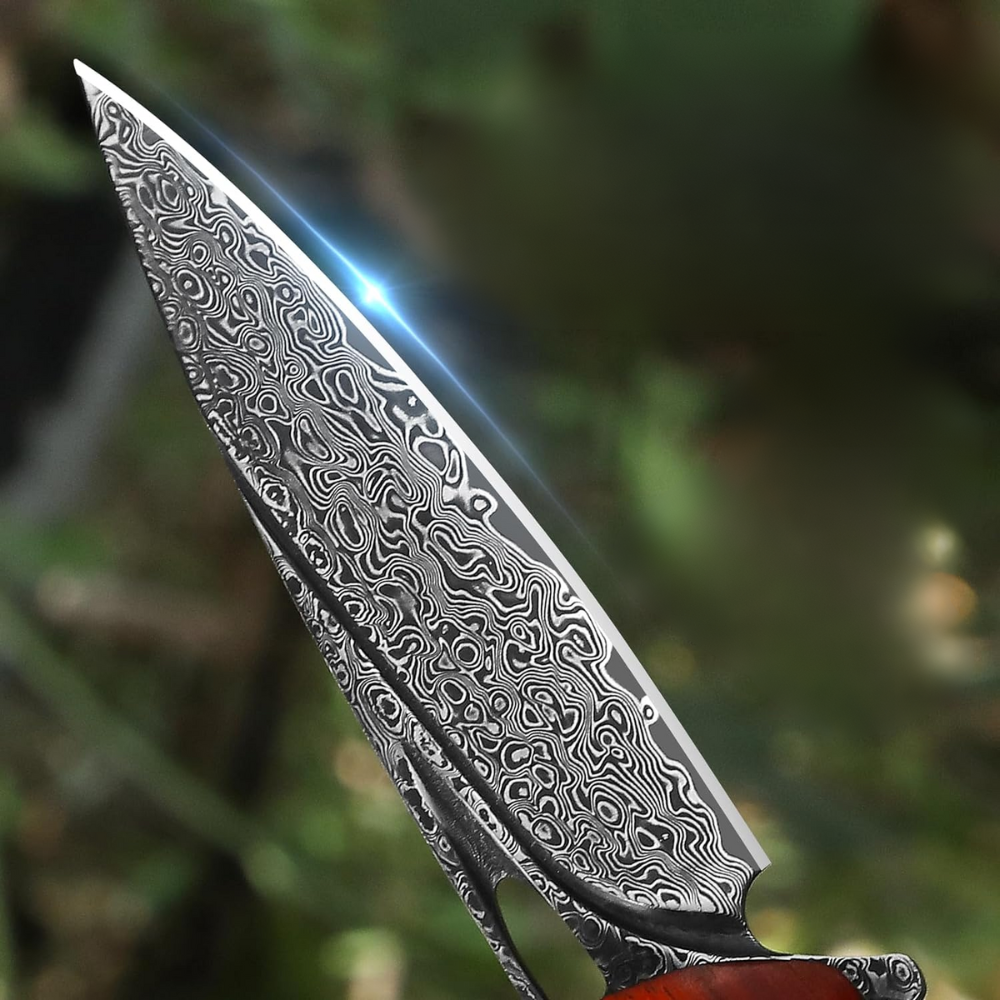
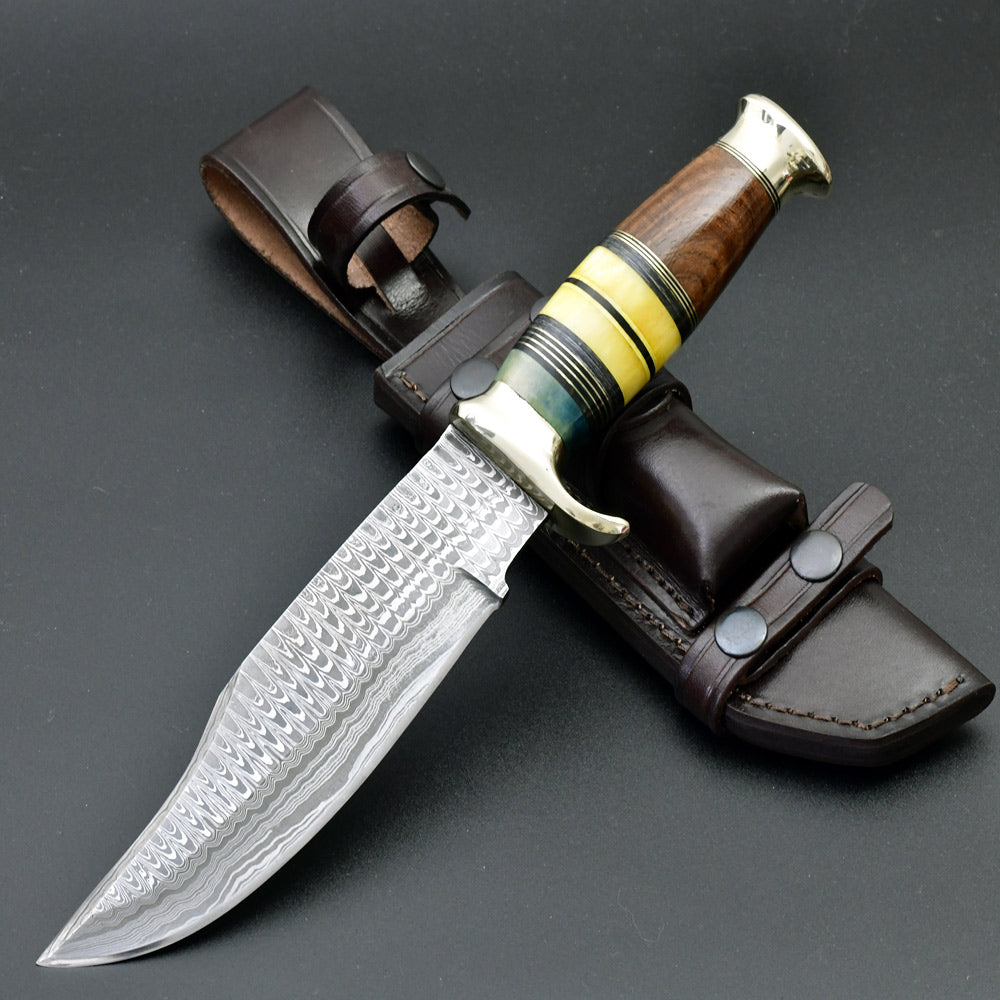
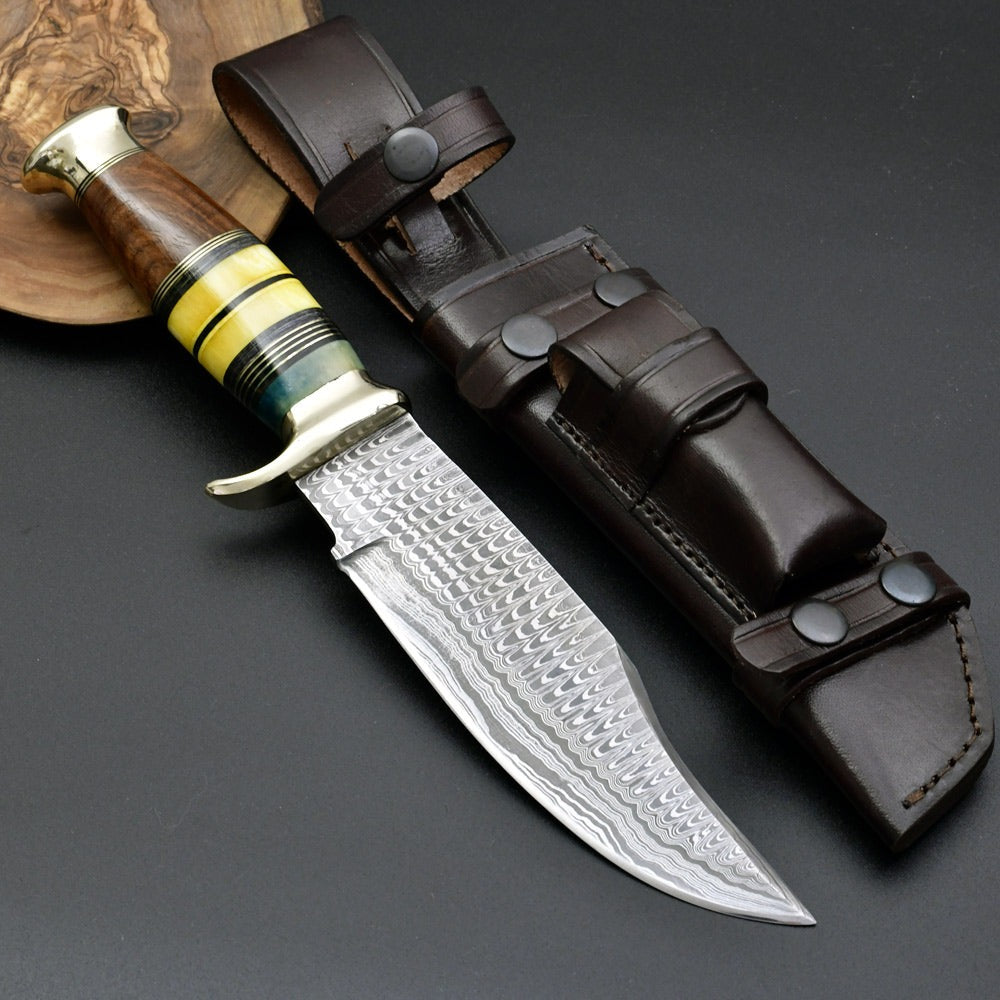
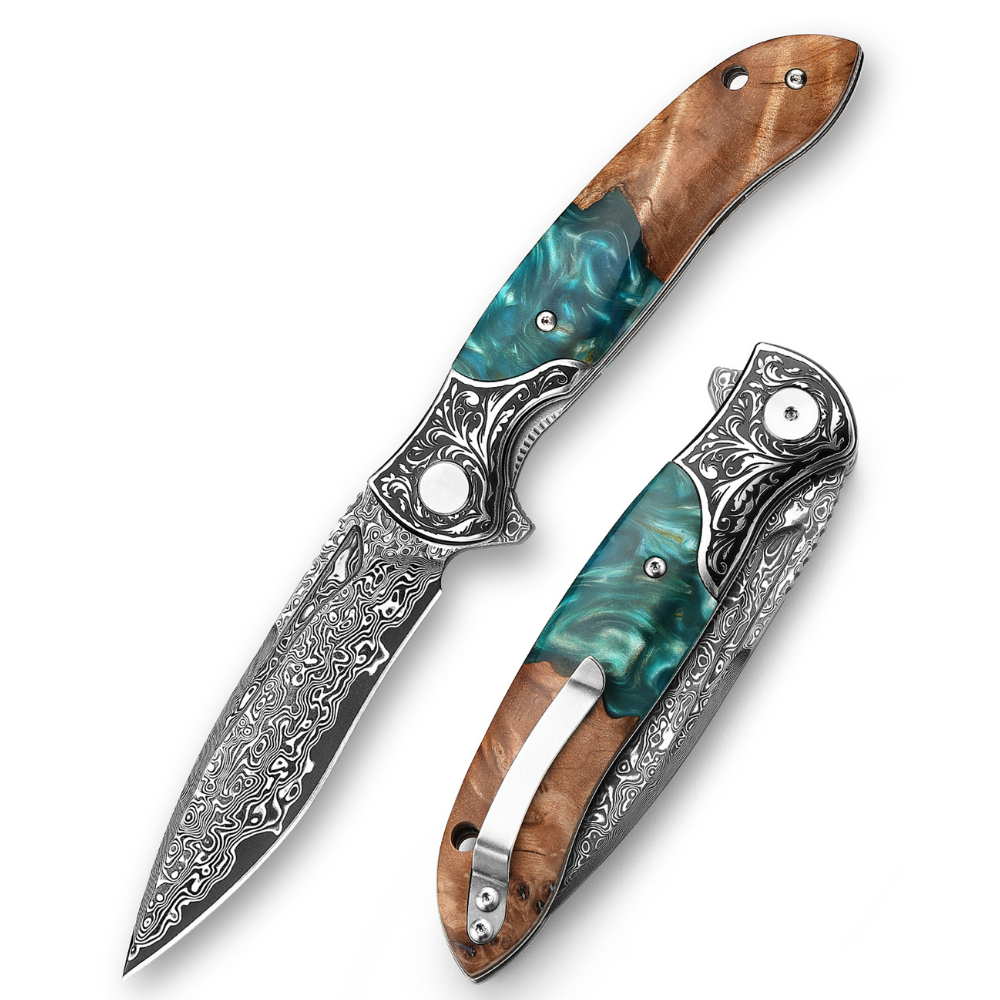
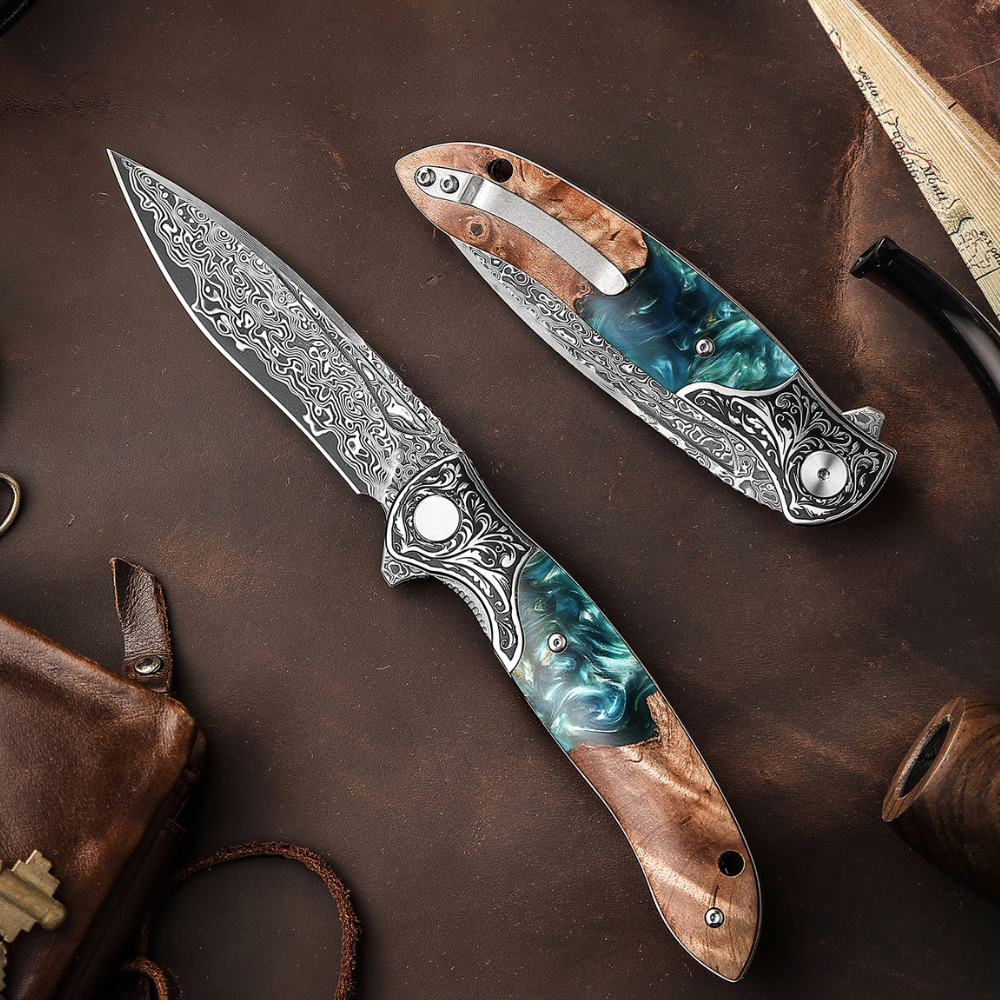
Damascus steel, originally used in manufacturing blades in the Middle Ages, is known for its serpentine patterns and strength. The steel is made by forging together different types of steel, resulting in a blade that is both beautiful and functional. Pocket knives made with handmade Damascus knives often feature intricate designs that appeal to collectors.
Aside from aesthetics, Damascus steel is also desired for its performance. Knives made from this material tend to hold an edge longer and are less prone to chipping or breaking. Collectors value not only the visual appeal of these knives but also their reliability and durability in everyday use.
Starting Your Collection
If you're interested in building your collection, consider the following tips:
- Define Your Interest: Reflect on what aspects of pocket knives intrigue you the most. Are you drawn to the craftsmanship, historical significance, or specific materials like Damascus steel?
- Research: Dive deep into the world of pocket knives. Read books, join online forums, or attend local knife shows. Understanding the landscape will help you identify what types resonate with you.
- Start Small: Begin your collection with a few well-chosen pieces. Opt for handmade Damascus knives or other specialty pocket knives that catch your eye.
- Learn the Terminology: Familiarizing yourself with knife jargon will help you navigate your collecting journey. Terms like "tang," "blade steel," and "handle material" are foundational for any collector.
Visiting Knife Shows and Expos
One of the best ways to grow your collection is by attending knife shows and expos. These events provide an opportunity to buy, sell, and trade knives while meeting fellow collectors. You can often find unique handmade Damascus knives at these gatherings, allowing you to add rare pieces to your collection.
Connecting with artisans and reputable sellers at these events is advantageous; they can offer valuable insights into the craftsmanship and uniqueness of specific pieces. Building a network of fellow enthusiasts will add to your collecting journey, providing support and camaraderie.
Collecting Versus Investing
As you dive into the world of pocket knife collecting, it's crucial to establish whether you're collecting purely for enjoyment or if you're also considering it as an investment. Collecting involves passion, enthusiasm, and a personal connection to the items. Investing, however, is based on the potential future value of a piece.
If you're focused on investing, pay close attention to factors like brand reputation, rarity, and overall demand for specific styles or materials. Some collectors take it a step further by focusing exclusively on handmade Damascus knives or limited-edition pieces that hold a greater likelihood of appreciating in value over time.
Maintaining Your Collection
Proper maintenance of your pocket knife collection is essential for preservation. Here are some maintenance tips to consider:
- Cleaning: Regularly clean your knives to prevent moisture buildup, especially on the blades. A simple soap-and-water wash, followed by thorough drying, works wonders.
- Oiling: Apply a light coating of oil to the blade and pivot areas to keep them lubricated and rust-free. Products designed for knife care are ideal for this purpose.
- Storage: Store your knives in a climate-controlled environment. Consider using a display case to keep them organized while showcasing their beauty.
Spotting Quality Craftsmanship
When expanding your collection, understanding quality craftsmanship is vital. Look for several indicators that can provide insight into a knife's build quality:
- Blade Material: The type of steel used can greatly impact a knife's performance and longevity. Damascus steel is a mark of superior craftsmanship.
- Fit and Finish: Inspect the overall fit of the blade and the handle. Gaps, uneven scales, or poor finishing can indicate lower quality.
- Handle Materials: High-quality handle materials like wood, bone, or synthetic composites not only enhance aesthetics but also affect durability.
- Lock Mechanism: A sturdy and reliable locking mechanism is vital for safety and usability.
Finding Rare Collectibles
As you become more familiar with the pocket knife landscape, you may want to seek out rare collectibles that can enhance your collection. Rare pieces, vintage knives, or limited-edition models made with Damascus steel can be found in various places:
- Online Auctions: Many rare knives are sold through online auction platforms like eBay. Keep an eye on listings to find unique items.
- Collectors' Forums: Join dedicated knife collecting forums to connect with others who might be willing to sell or trade their rare finds.
- Estate Sales and Flea Markets: These venues can sometimes yield incredible treasures, allowing you to discover hidden gems.
The Community Aspect of Collecting
One of the most rewarding parts of collecting pocket knives is the sense of community it fosters. Whether on social media platforms or in local clubs, connecting with fellow enthusiasts can enhance your experience and knowledge. You can share stories, trade tips, or even swap pieces for a refreshed collection.
Online forums and social media groups offer a platform for discussion, while local knife clubs provide opportunities for meet-ups and events. Engaging with others in the community can lead to discovering new interests, exploring different types of knives, and fostering friendships with like-minded individuals.
Documenting Your Collection
A well-documented collection adds depth and value to your hobby. For each knife, note its history, the maker, and any unique characteristics. Photos, along with purchase details and provenance, can be invaluable for both insurance purposes and future resale should you choose to part with certain pieces.
Unleash Your Creativity: Custom Knives
As you dive deeper into the world of collecting, consider branching out into custom knives. Collaborating with artisans who specialize in creating custom handmade Damascus knives can lead to one-of-a-kind pieces that reflect your style and preferences. A custom knife allows you to select your preferred handle material, blade design, and any additional features you'd like to include.
Custom knives often hold greater sentimental value, as they can be personalized to match your aesthetic preferences. Plus, they showcase the skill and artistry of talented craftsmen, adding a unique flair to your collection.
Exploring the Global Knife Market
Pocket knives come in various styles and designs from around the globe. Exploring international markets can yield hidden treasures that may not be widely available in your region. From traditional Japanese folding knives to European pocket knives, there is a myriad of options to consider.
When exploring global knife markets, keep an open mind and embrace the unique characteristics of different cultures. Each region has its distinct knife-making traditions that can bring diversity and depth to your collection.
Pass It On: The Legacy of Collecting
Once you've established your pocket knife collection, think about how you want to pass on this passion. Whether through family or friends, sharing your love for these artifacts and their stories can create lasting impacts. Consider hosting informal gatherings to introduce newcomers to the world of knife collecting!
Being an active part of the community reinforces the importance of preserving craftsmanship and culture. You can leave a lasting legacy by igniting the same passion for collecting in others. A well-curated collection isn't just about individual blades; it embodies shared experiences, stories, and friendships that make the journey truly memorable.
In a world where craftsmanship is often overlooked, your collection of pocket knives can become a testament to artistry and history, encapsulated within each handmade Damascus knife. By nurturing your collection, you embrace not just the ownership of beautiful items but also the rich narratives they embody—a legacy of passion that can bridge generations.
Frequently Asked Questions
1. What makes pocket knives popular among collectors?
2. Why is Damascus steel significant in pocket knife collecting?
3. What tips can I follow to start my pocket knife collection?
4. How can I find rare pocket knives to add to my collection?
5. What is the importance of community in pocket knife collecting?
Glossary
| Term | Meaning |
|---|---|
| Pocket Knife | A small, folding knife designed for portability and various tasks. |
| Damascus Steel | A type of steel known for its unique patterns and durability. |
| Collector | Someone who gathers and values items, often with a specific focus. |
| Blade Steel | The material used to make the knife blade, impacting performance. |
| Handle Material | The substance used for the knife's handle, affecting grip and aesthetics. |
| Knife Show | An event where collectors buy, sell, and trade knives. |
| Custom Knife | A knife made to a buyer's specifications, often unique. |
| Maintenance | Care practices to preserve the condition of knives. |
| Craftsmanship | The skill and artistry involved in creating a knife. |
| Legacy | The impact and stories passed on through generations of collectors. |
Linked Product

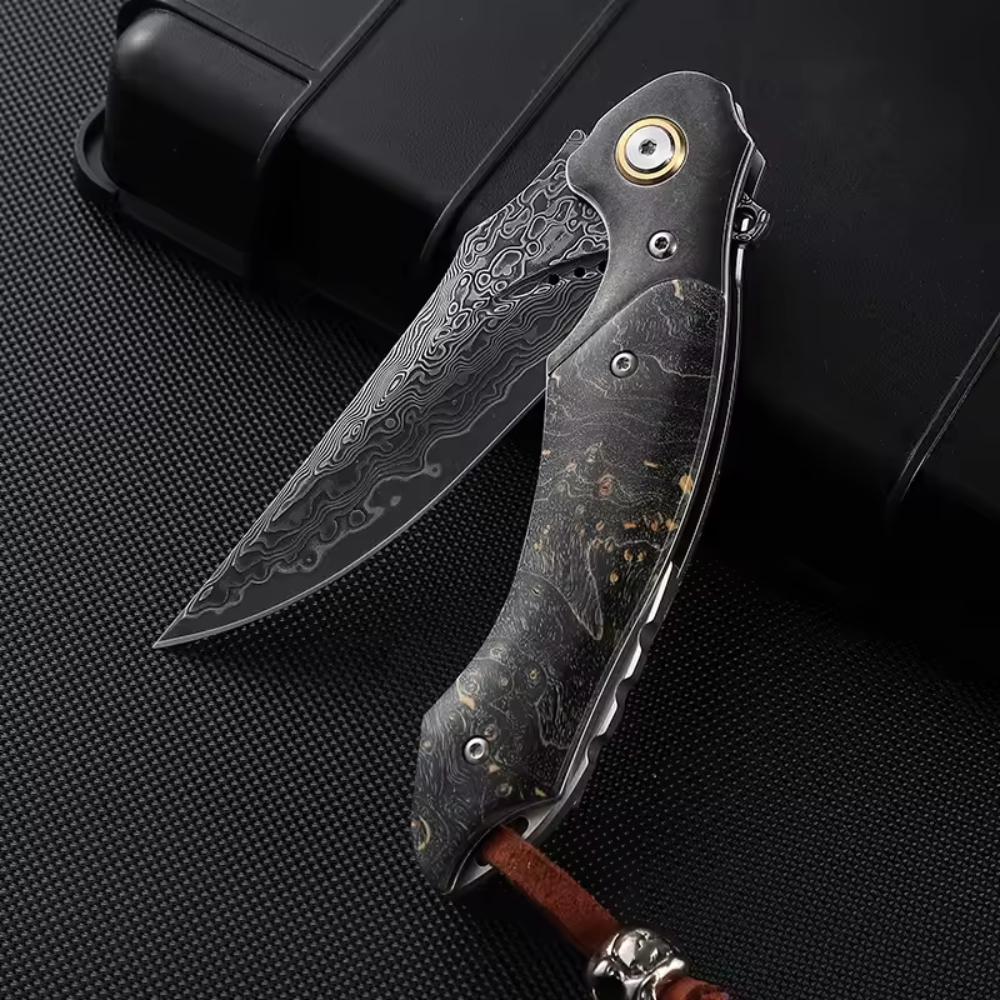
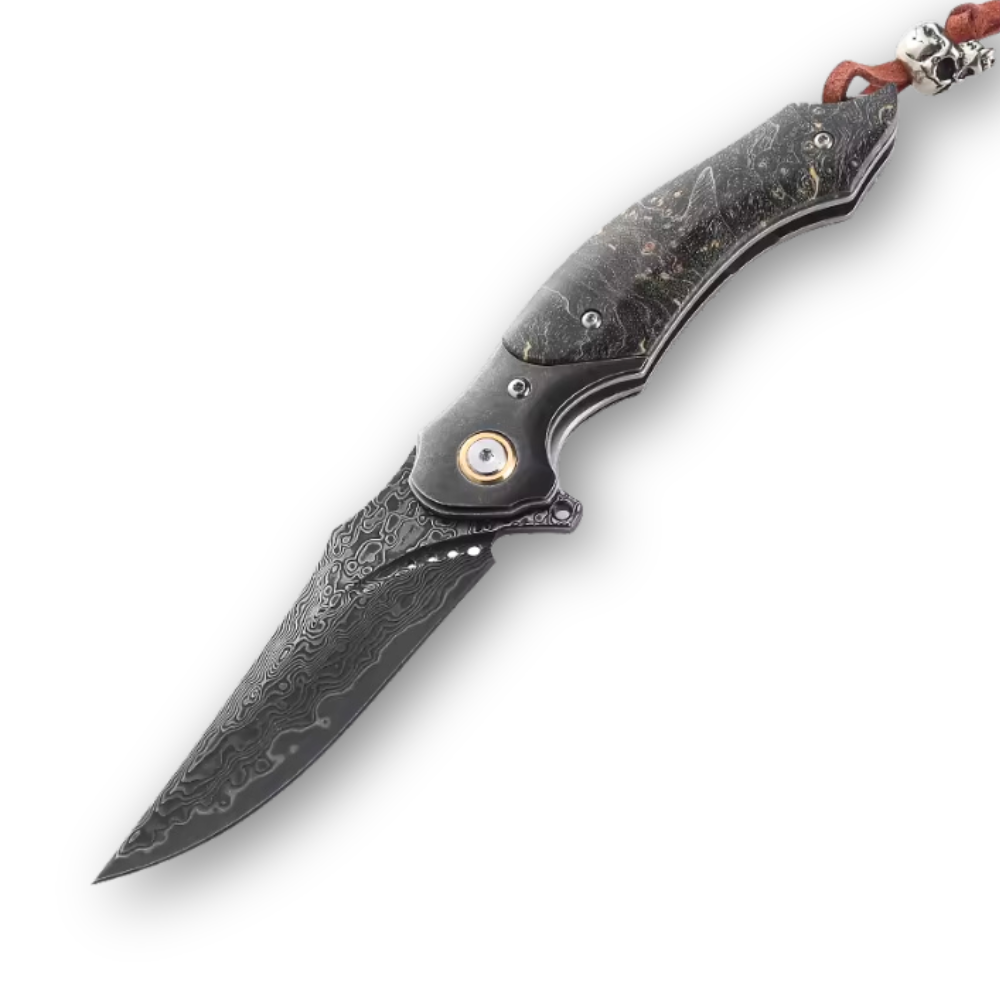
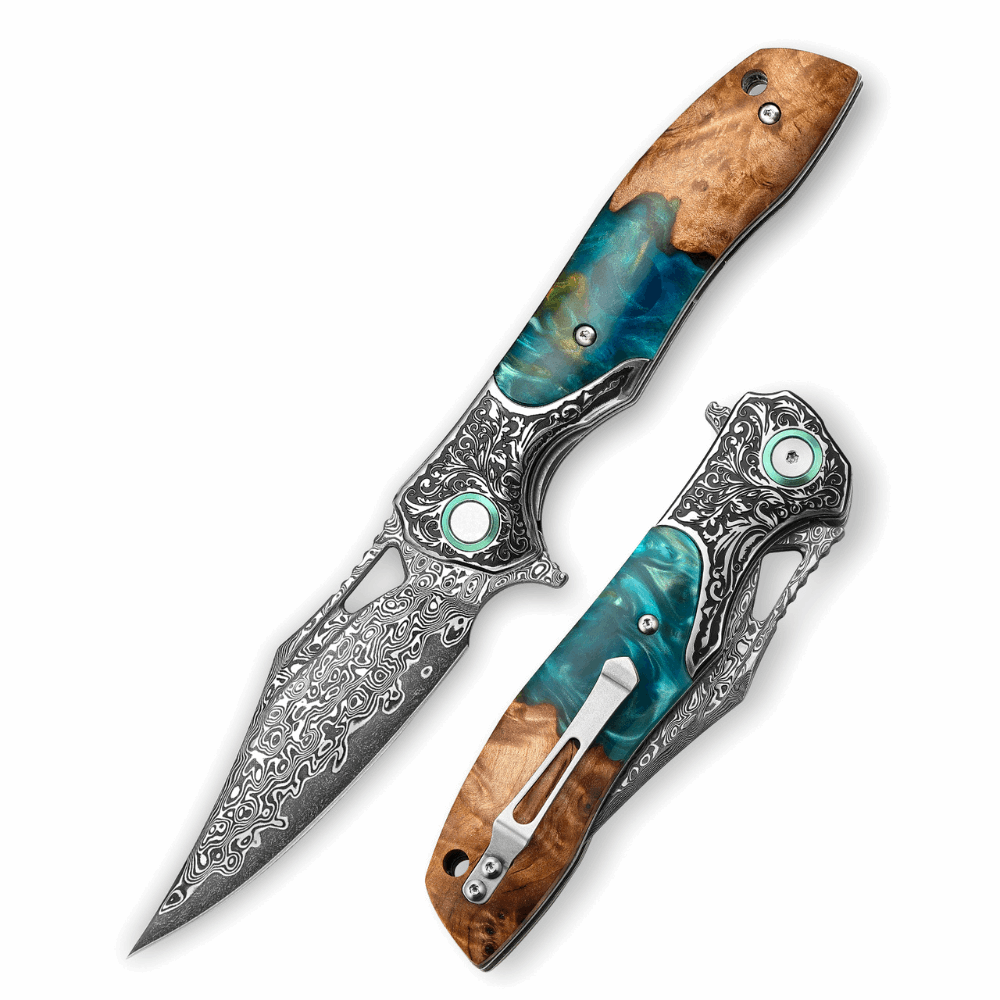
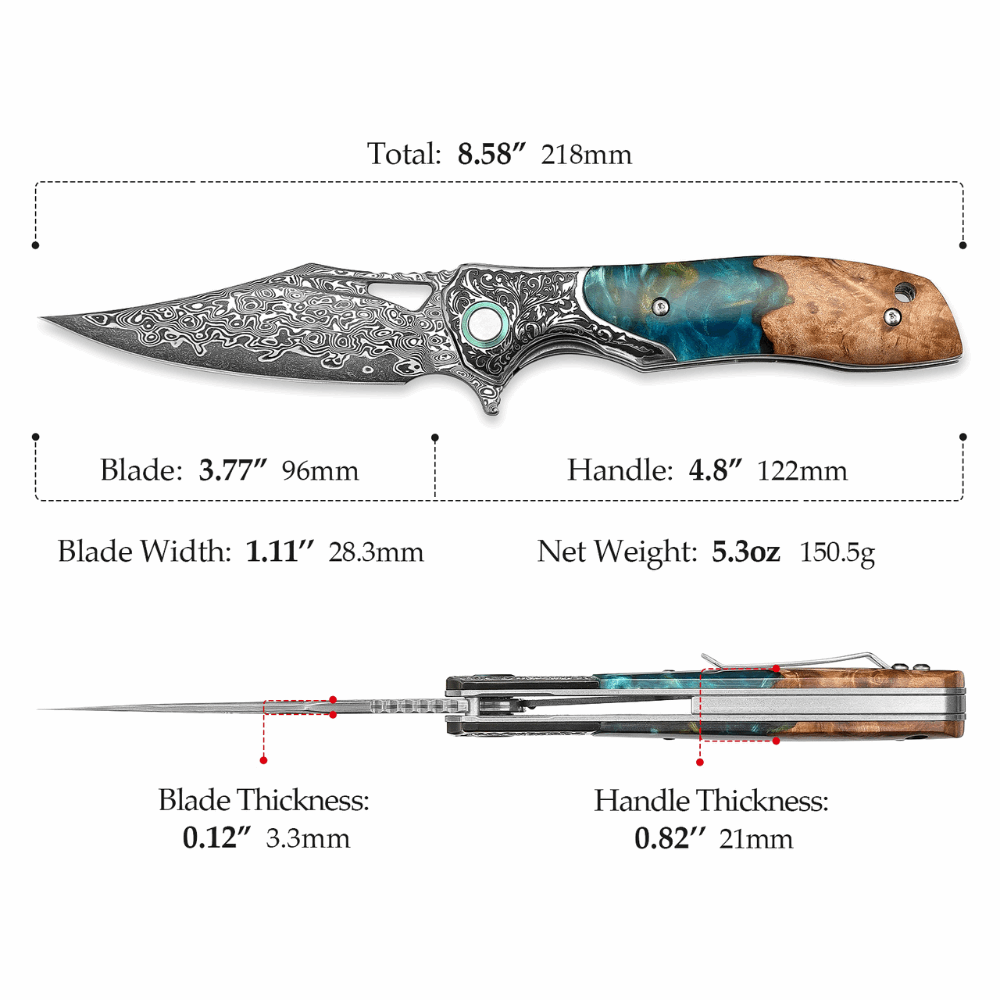
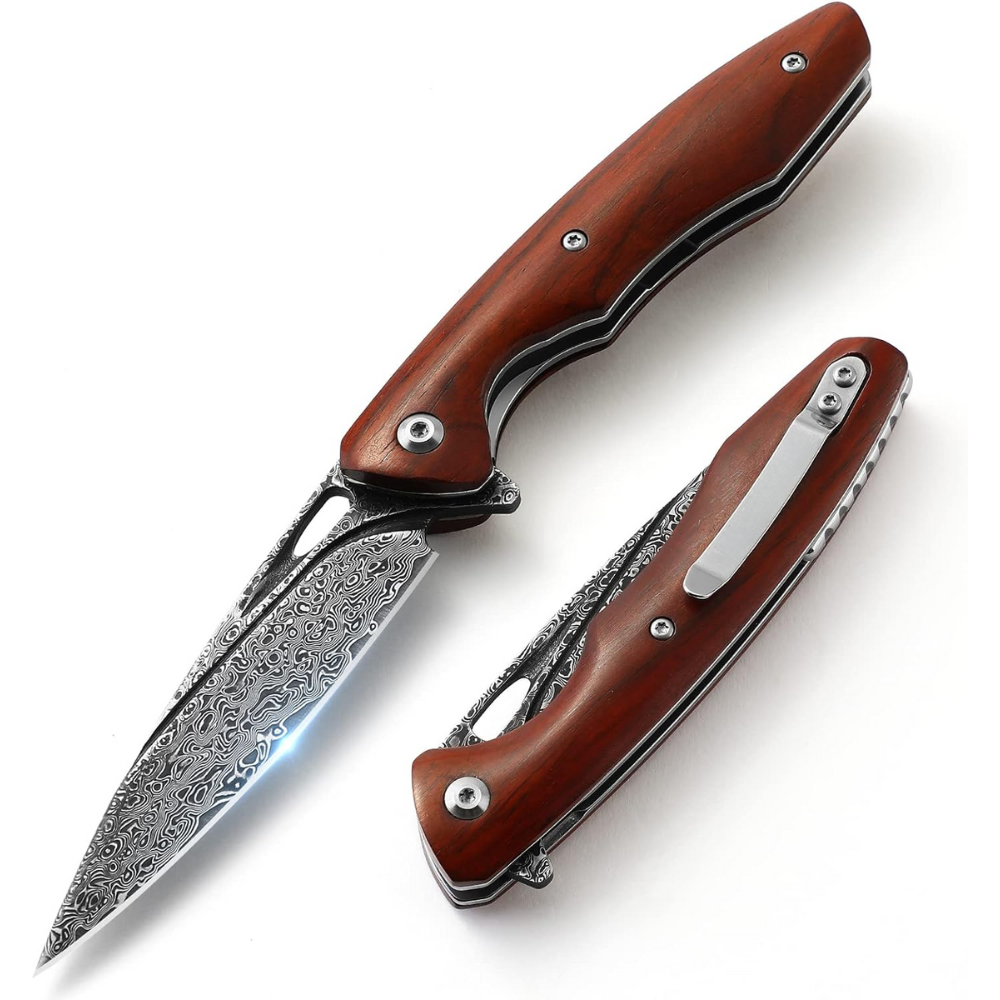
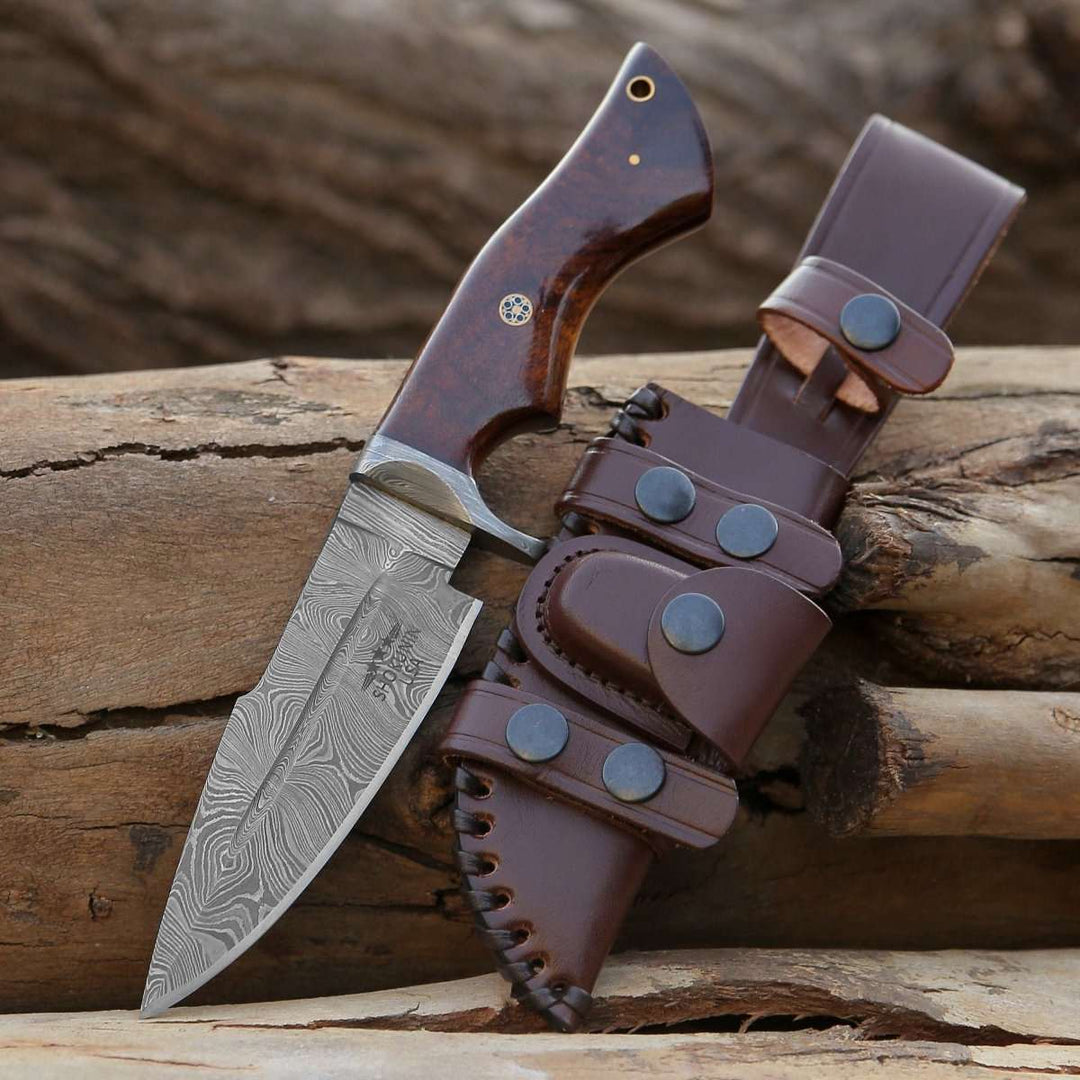
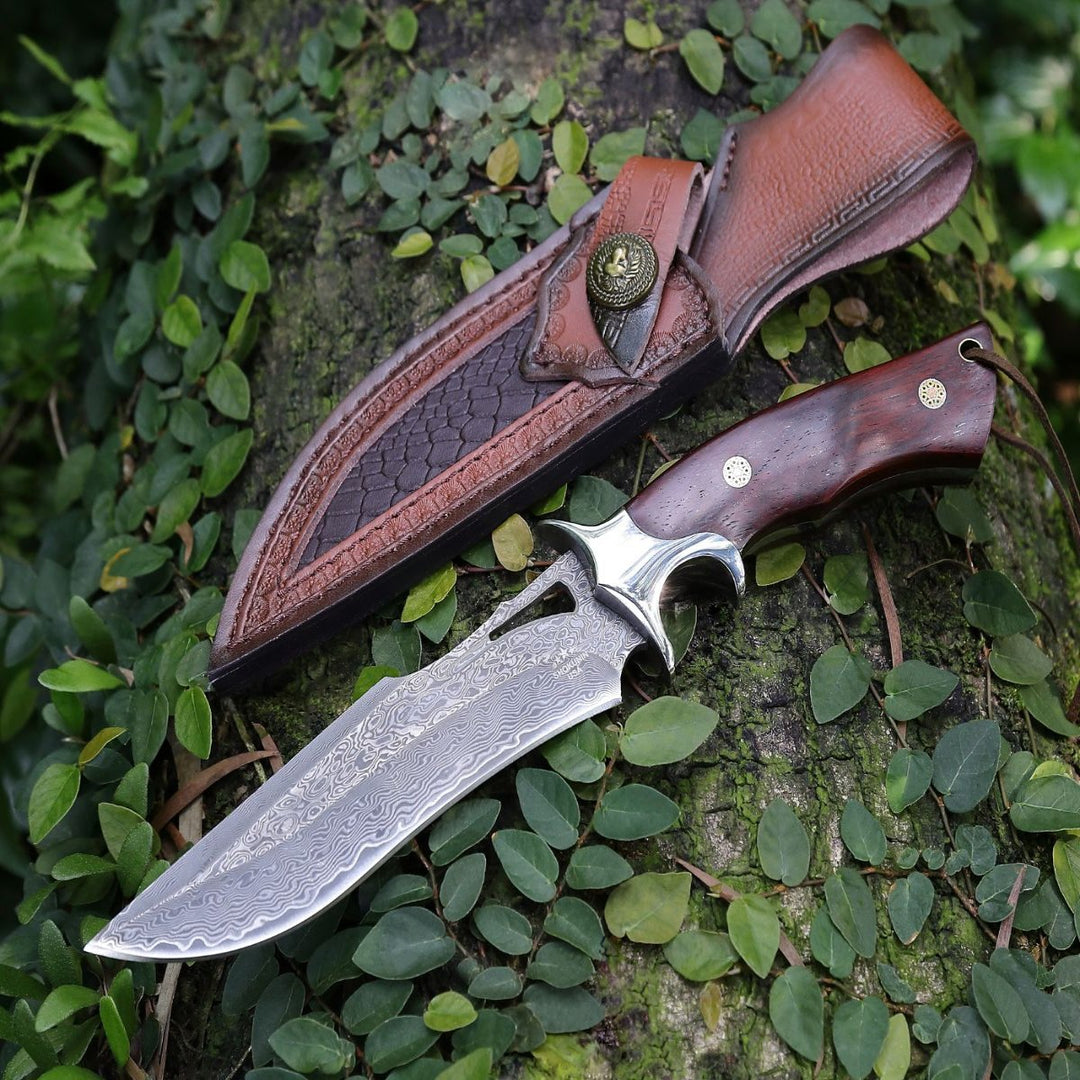
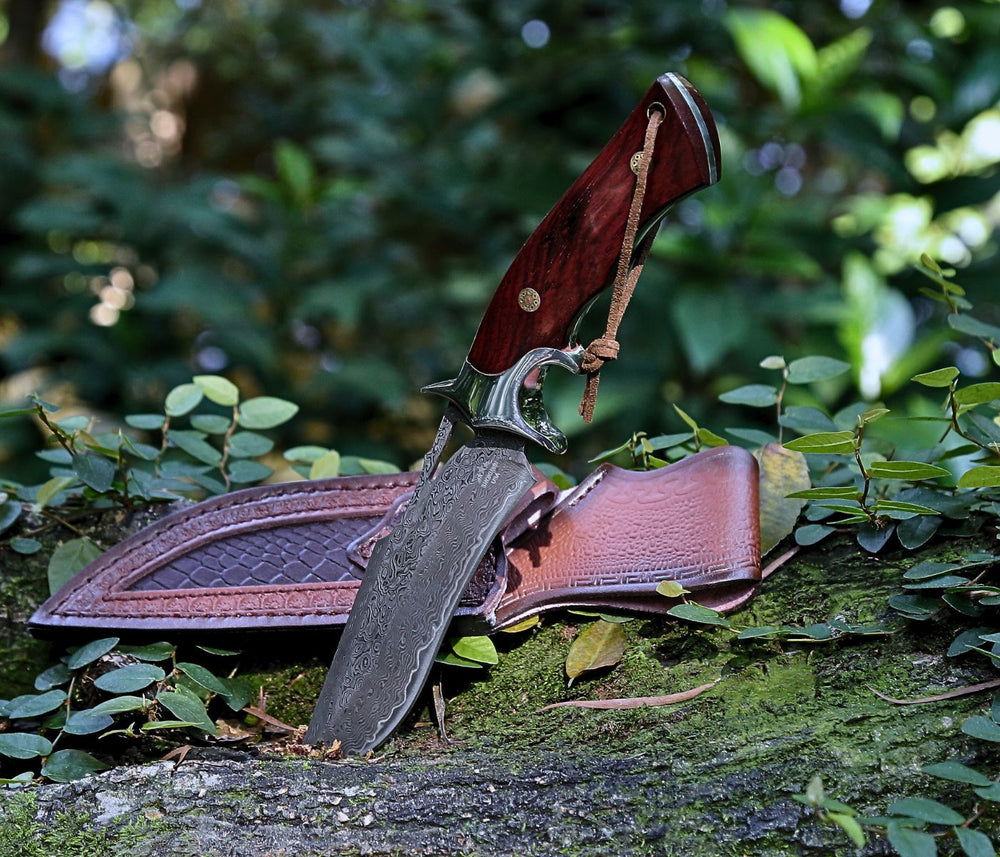
Panther Handmade Stainless Damascus Pocket Knife with Clip and Exotic Ebony Wood Handle
The Panther Handmade Stainless Damascus Pocket Knife features a unique blade crafted from layered VG10 and 15n20 steel, ensuring exceptional strength and durability. Its ergonomic design and textured exotic ebony wood handle provide comfort and balance during use, making it suitable for both everyday tasks and outdoor activities. This pocket knife also includes a hand-stitched leather sheath and a pocket knife sharpener, enhancing its practicality for collectors and enthusiasts alike.
View Product






Leave a comment