


Overview
This beginner's guide to pocket knives covers essential terminology, types (folding, fixed blade, and multi-tools), key features (blade grind, steel, handle materials, locking mechanisms), and maintenance tips. It also offers advice for collectors on setting goals, researching, and connecting with other enthusiasts. Understanding these basics will enhance your pocket knife experience and prepare you for informed purchasing and discussions.
Table of Contents
- Understanding Pocket Knife Types
- Folding Knives
- Fixed Blade Knives
- Multi-tools
- Key Terminology Every Beginner Should Know
- Blade Grind
- Blade Steel
- Handle Materials
- Essential Features of Pocket Knives
- Locking Mechanism
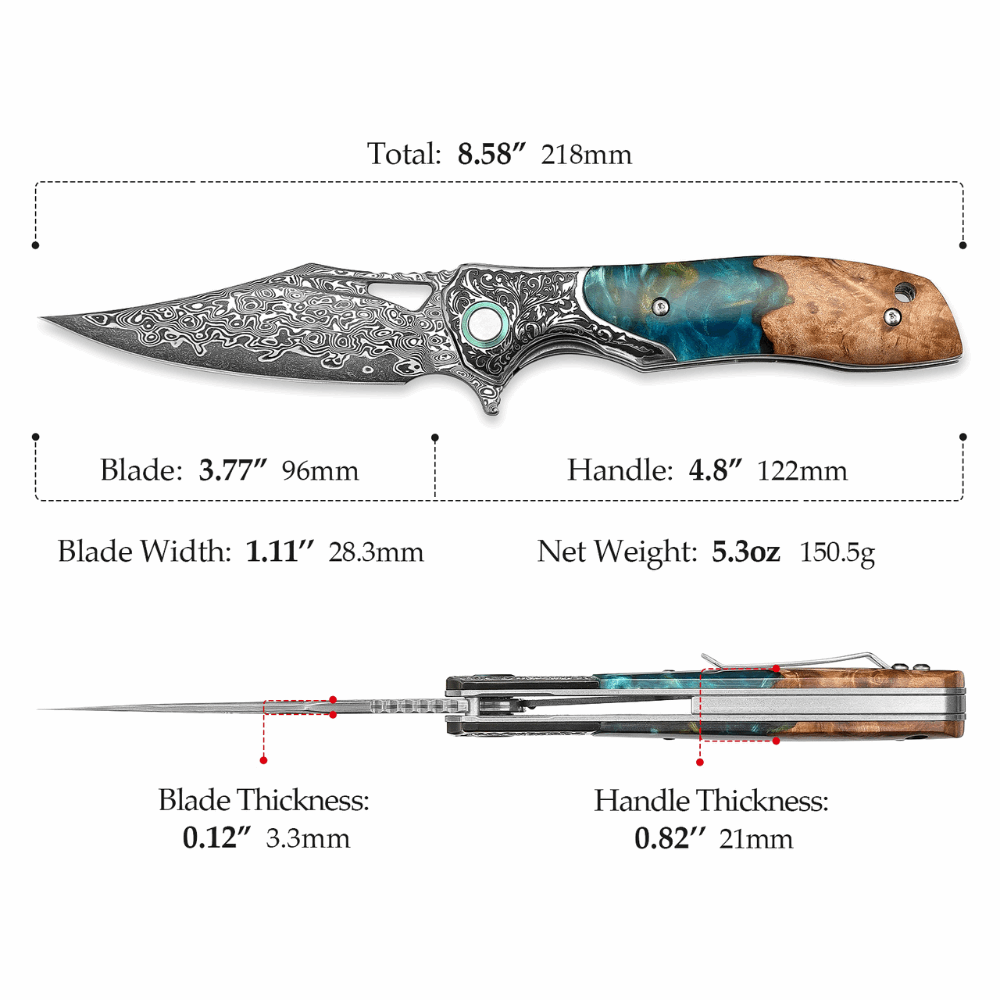
- Blade Length
- Weight and Portability
- Collecting Pocket Knives: The Basics
- Set Goals
- Research and Education
- Attend Knife Shows
- Maintaining Your Pocket Knife
- Regular Cleaning
- Sharpening
- Storage
- This Journey is Just the Beginning
Key Takeaways
- Types of Pocket Knives: Familiarize yourself with the main categories: folding knives, fixed blade knives, and multi-tools.
- Blade Grind: Understand different blade grinds like flat, hollow, and tanto, as they affect cutting capabilities.
- Blade Steel: Know the various steel types, such as stainless steel and high-carbon steel, for performance and durability.
- Locking Mechanisms: Learn about different locking mechanisms (liner locks, frame locks, lockbacks) for safety and ease of use.
- Weight and Portability: Consider the weight of the knife for daily carry and its impact on durability.
- Collecting Tips: Set collection goals, research, and attend knife shows to connect with other enthusiasts.
- Maintenance: Regularly clean, sharpen, and properly store your pocket knife to keep it in optimal condition.
For those new to the world of pocket knives, the terminology can seem overwhelming. Whether you’re hunting for the perfect Damascus folding pocket knife or simply trying to understand basic features, learning the lingo is essential. In this beginner's guide, we’ll break down the most common terms associated with pocket knives, ensuring you're well-prepared for your next purchase or discussion with fellow knife enthusiasts.
Understanding Pocket Knife Types
The first step in mastering pocket knife lingo is understanding the various types of pocket knives available. Here are some popular categories:
Folding Knives
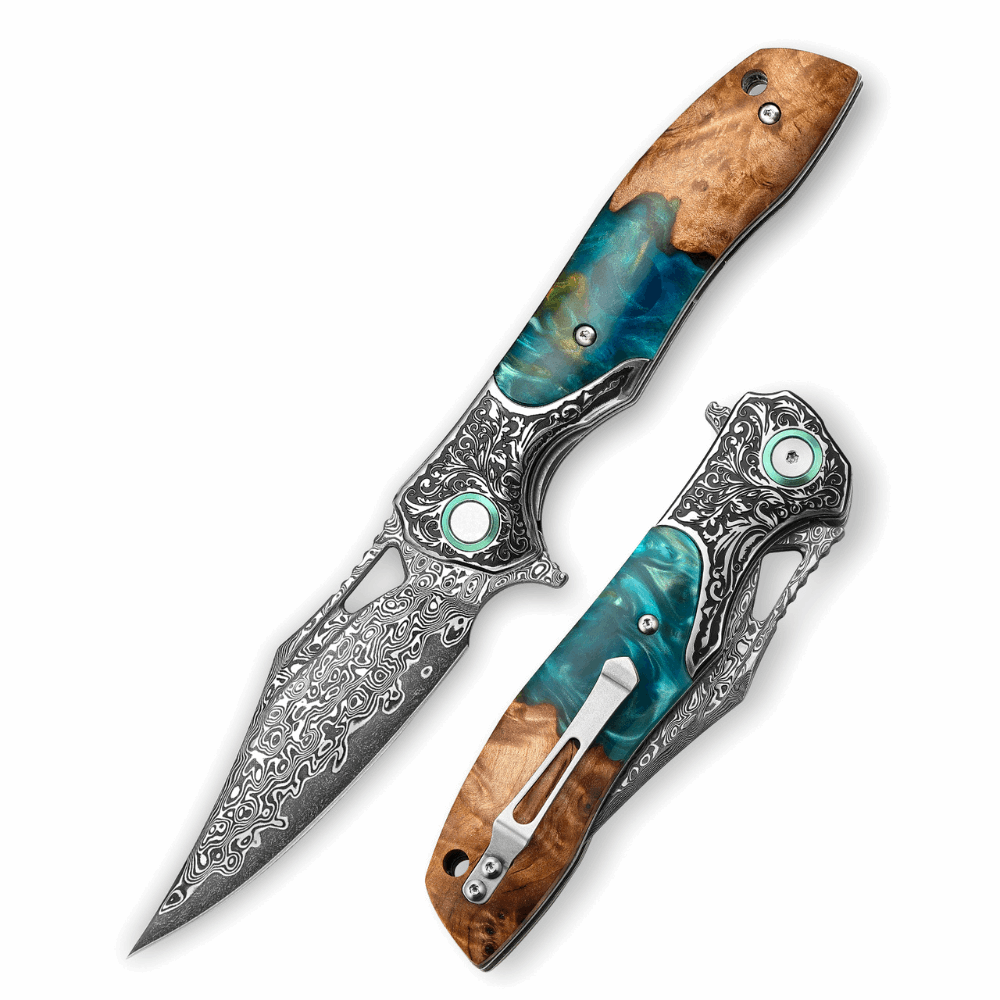
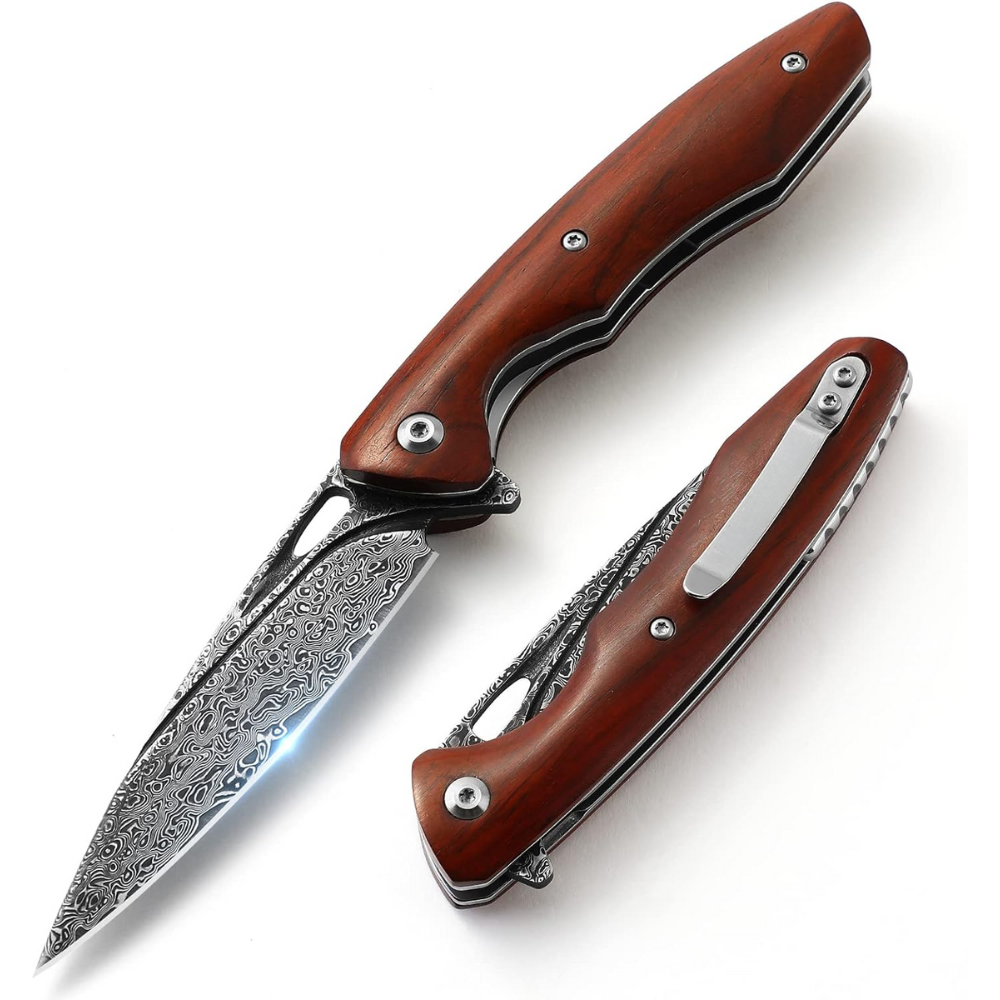
Folding knives are versatile and practical. The blade folds into the handle, making them compact and easy to carry. These are what most refer to when discussing pocket knives. Many enthusiasts look for folding models made with top-quality materials like stainless steel or even a Damascus folding pocket knife, which features a distinct layered design.
Fixed Blade Knives
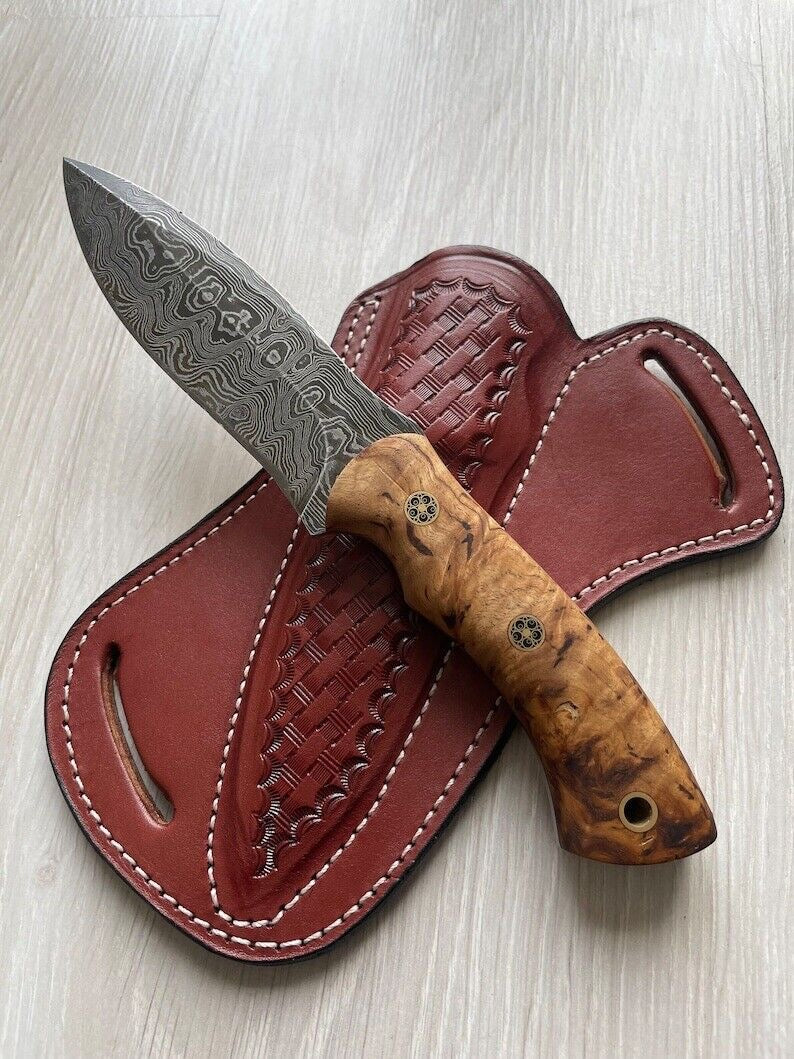
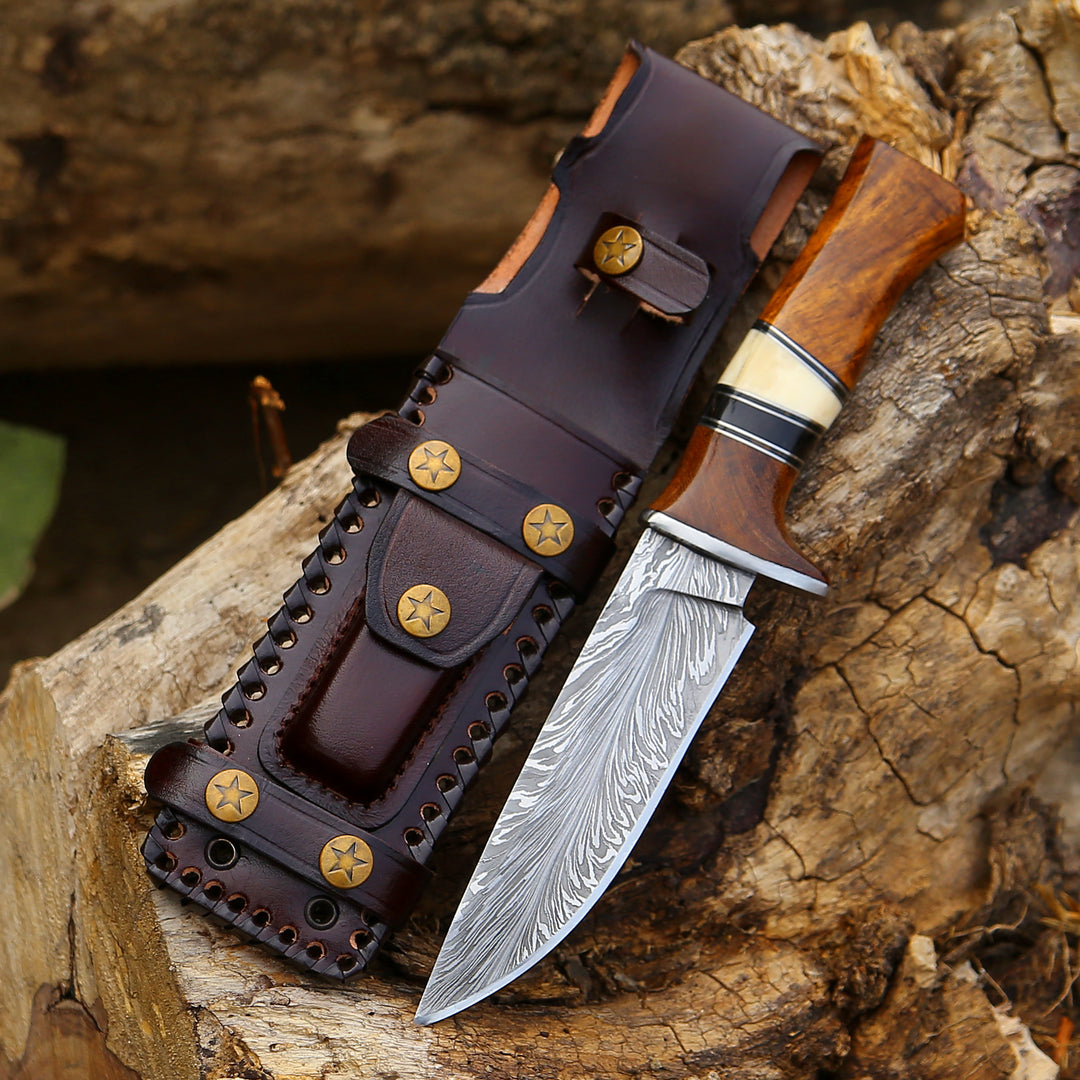
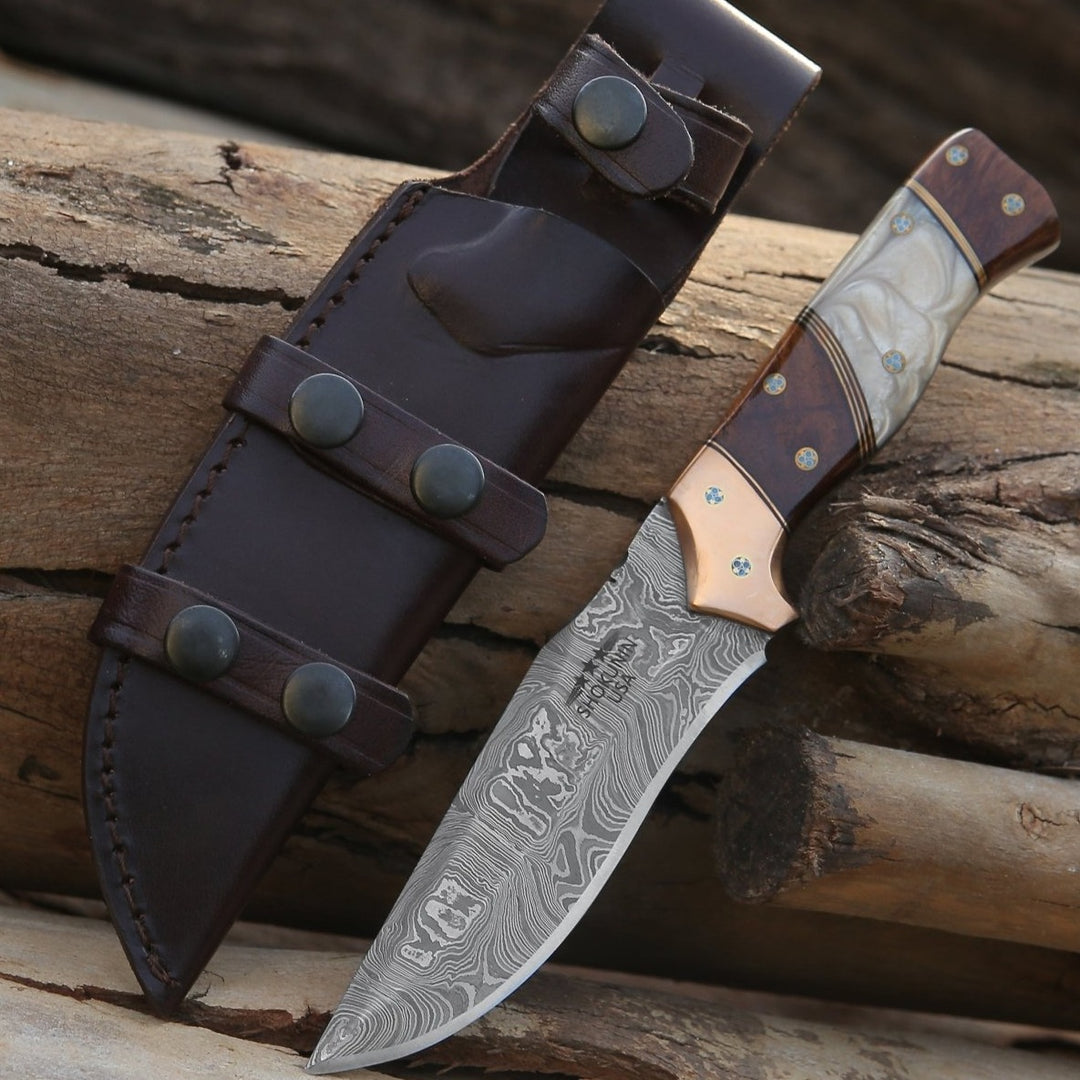
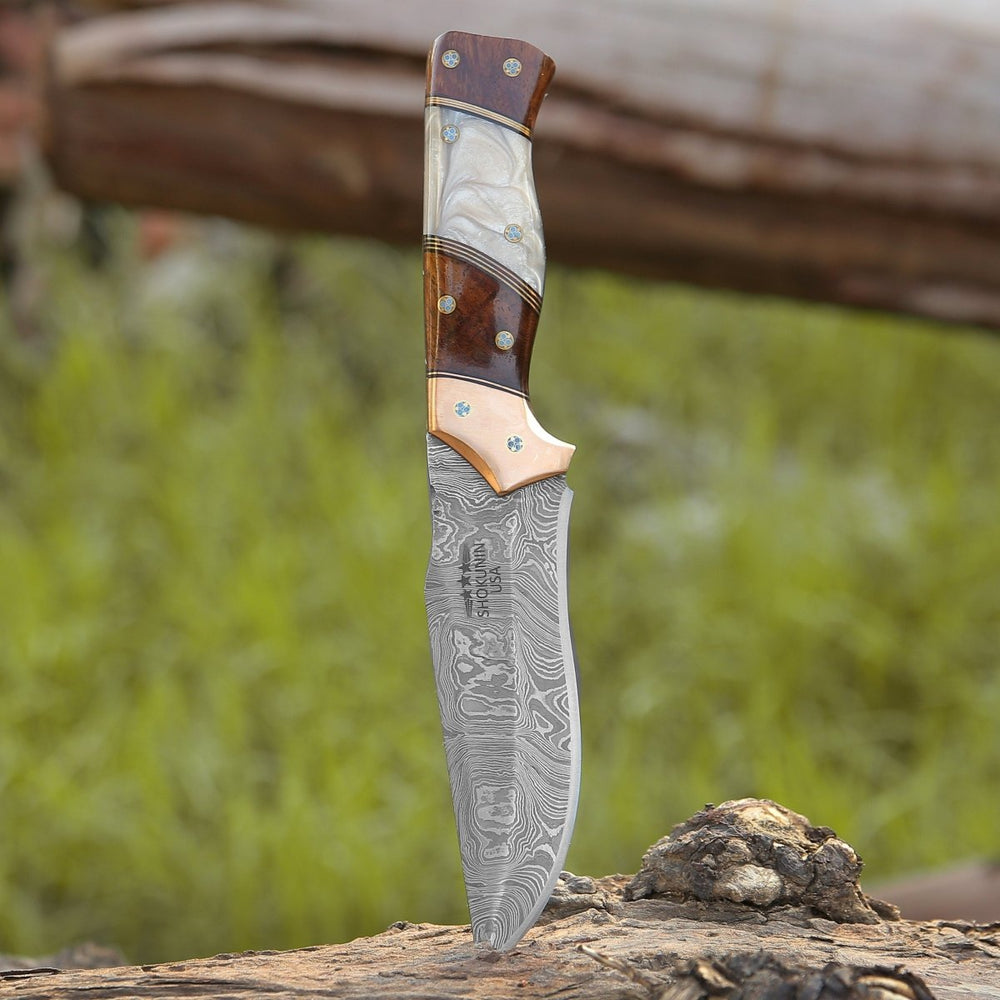
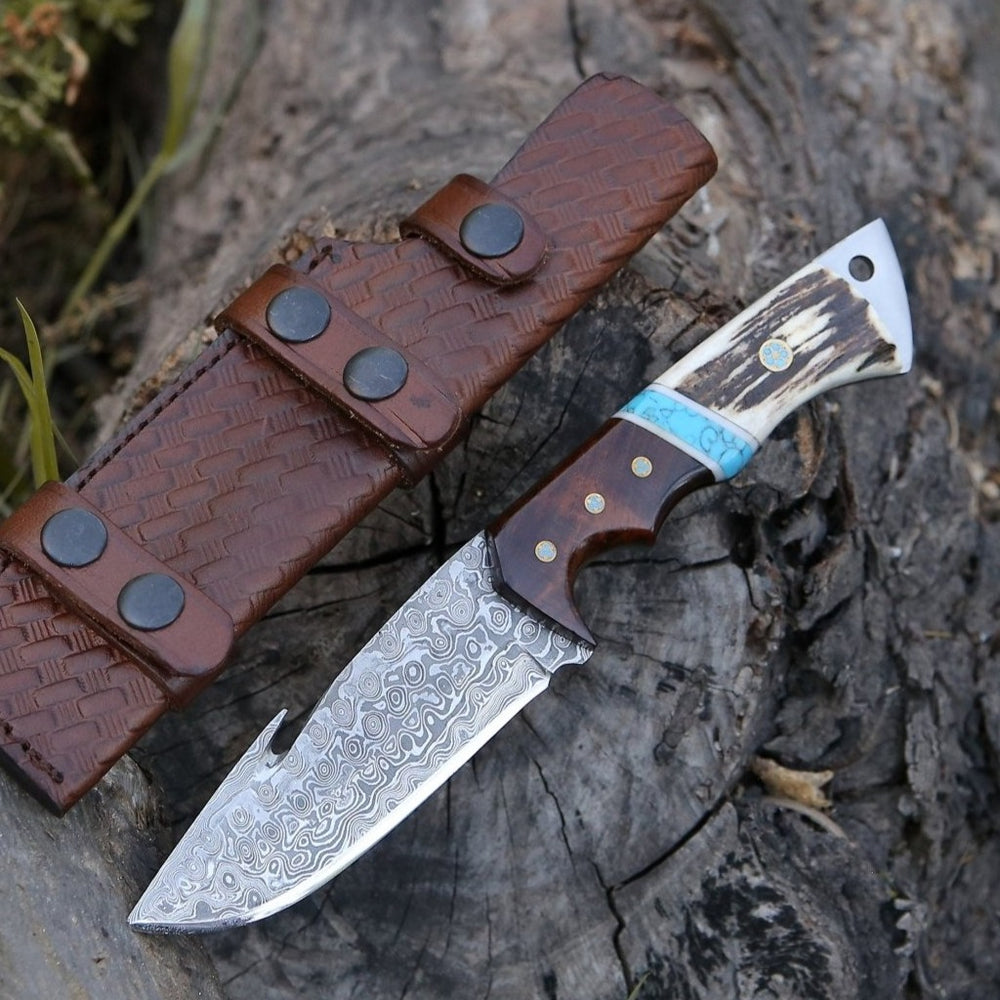
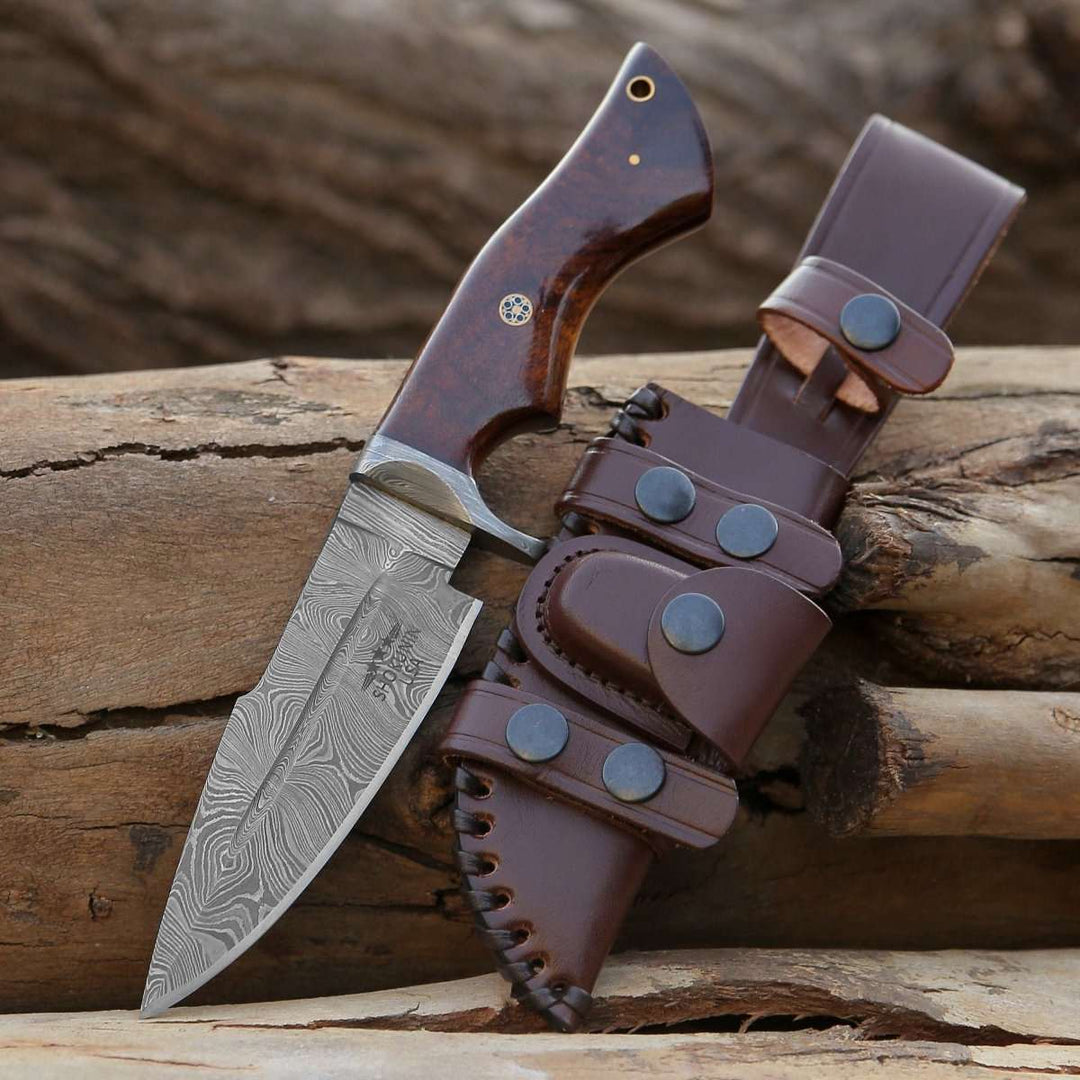
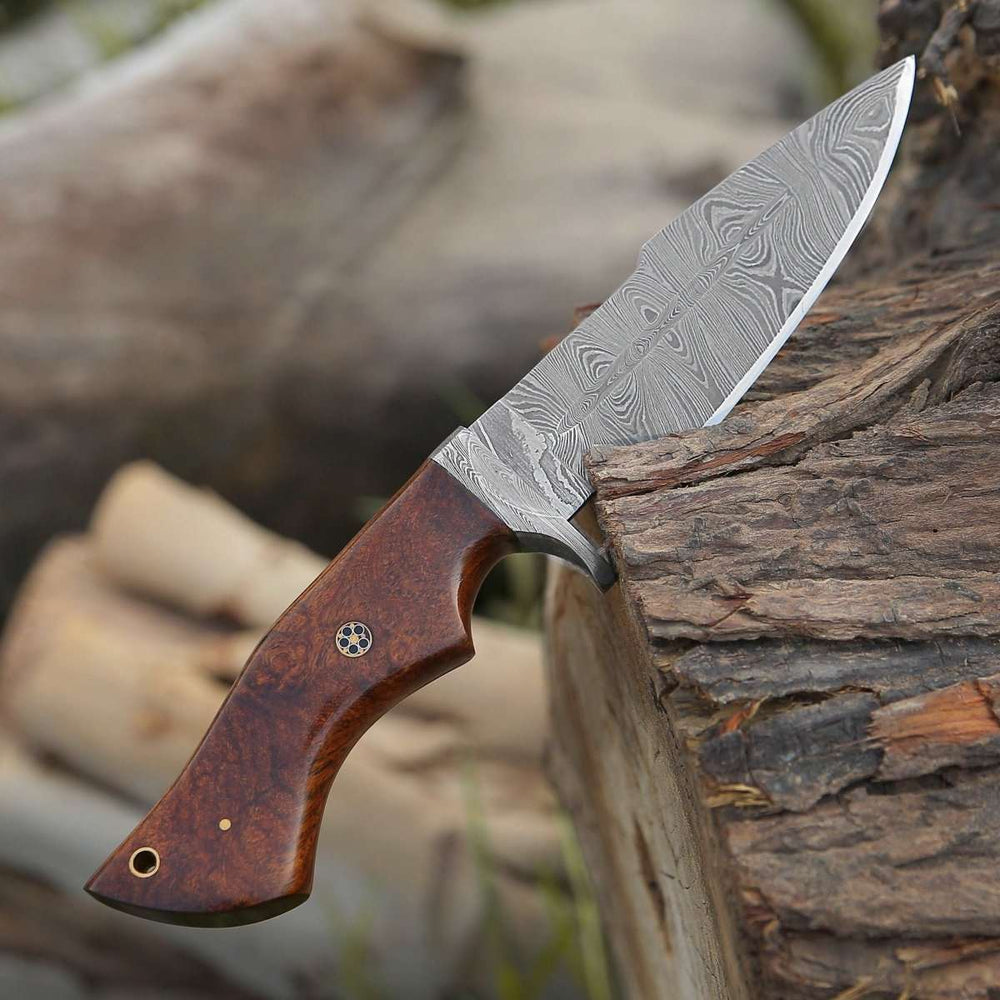
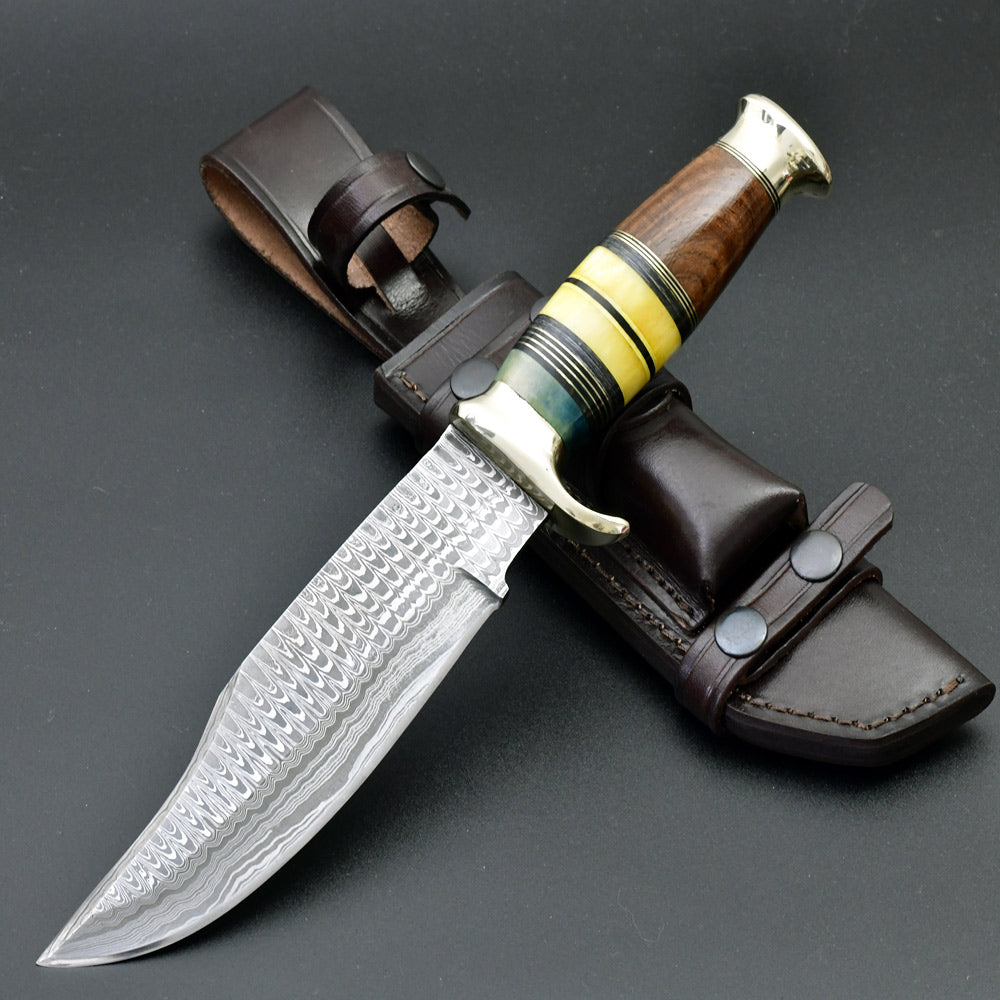
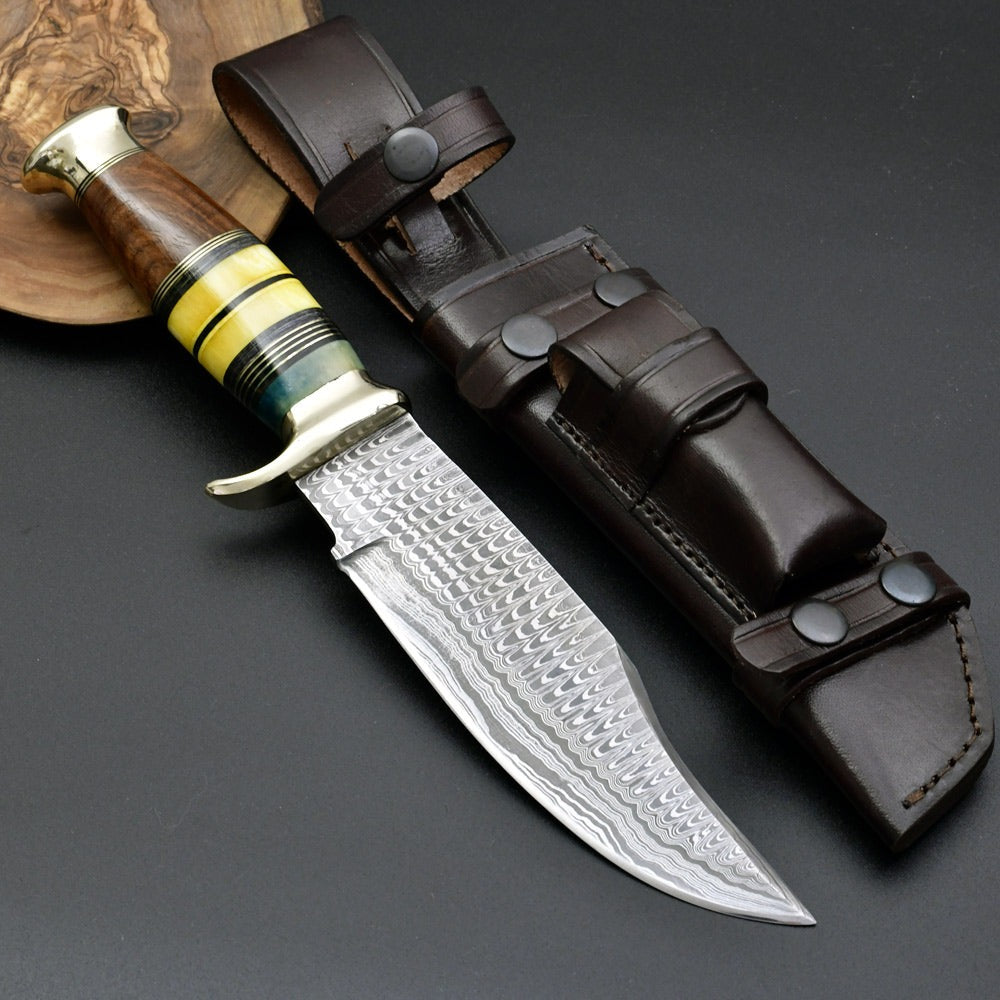
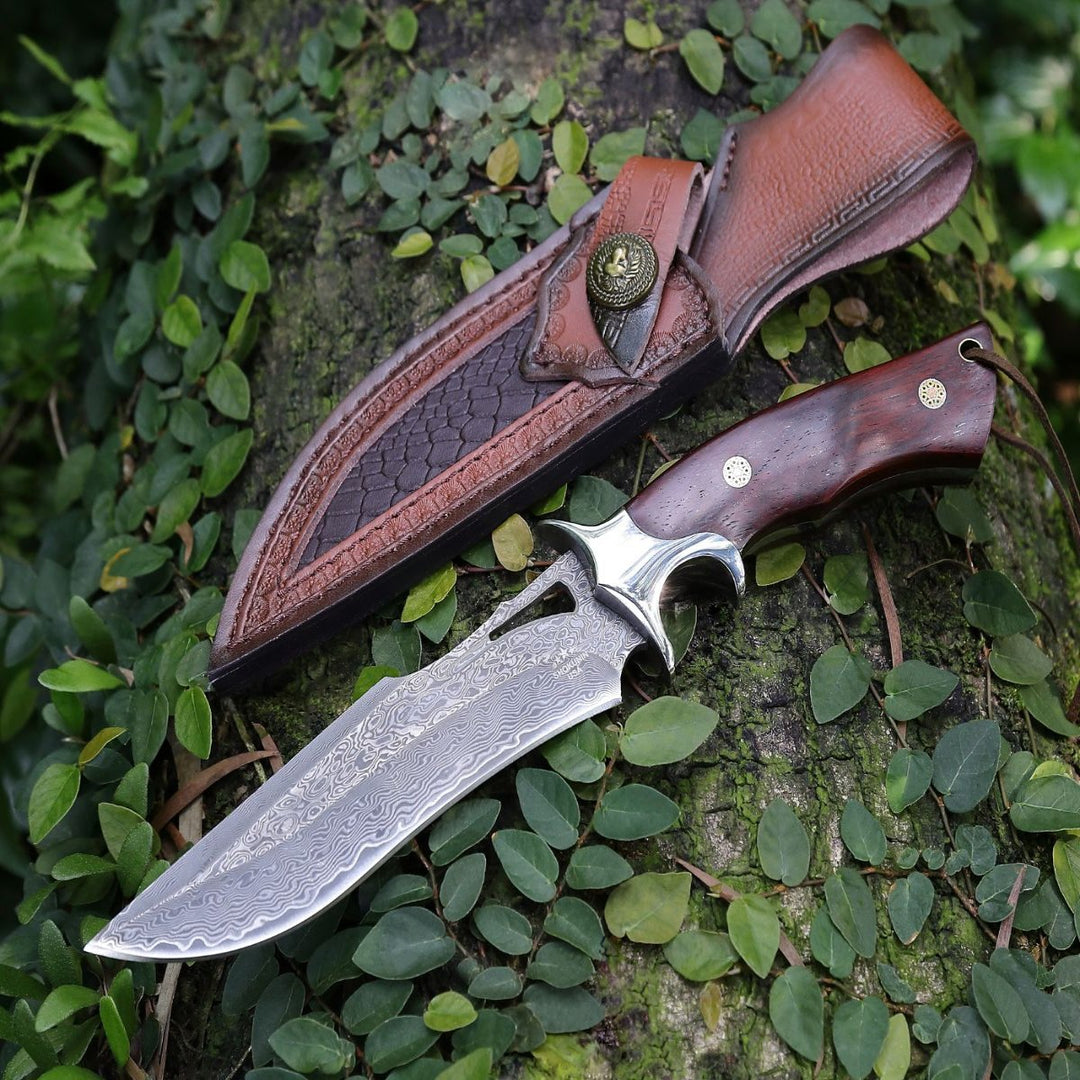
Unlike folding knives, fixed blade knives do not have a folding mechanism. They are sturdier and usually more reliable for heavy-duty tasks. Although they are less portable due to their size, they are excellent for outdoor activities like camping and hunting.
Multi-tools
Multi-tools are versatile tools that often include a knife blade along with other functions like screwdrivers, pliers, and more. They are popular among outdoor enthusiasts and can save the day in various situations.
Key Terminology Every Beginner Should Know
Now that you understand the different types of pocket knives, let’s explore key terms used in the pocket knife world.
Blade Grind
The term “blade grind” refers to the shape of the blade's edge and how it is ground. Different grinds, such as flat, hollow, or tanto, affect the knife’s cutting capabilities. Understanding blade grinds can help you choose a knife that suits your specific needs.
Blade Steel
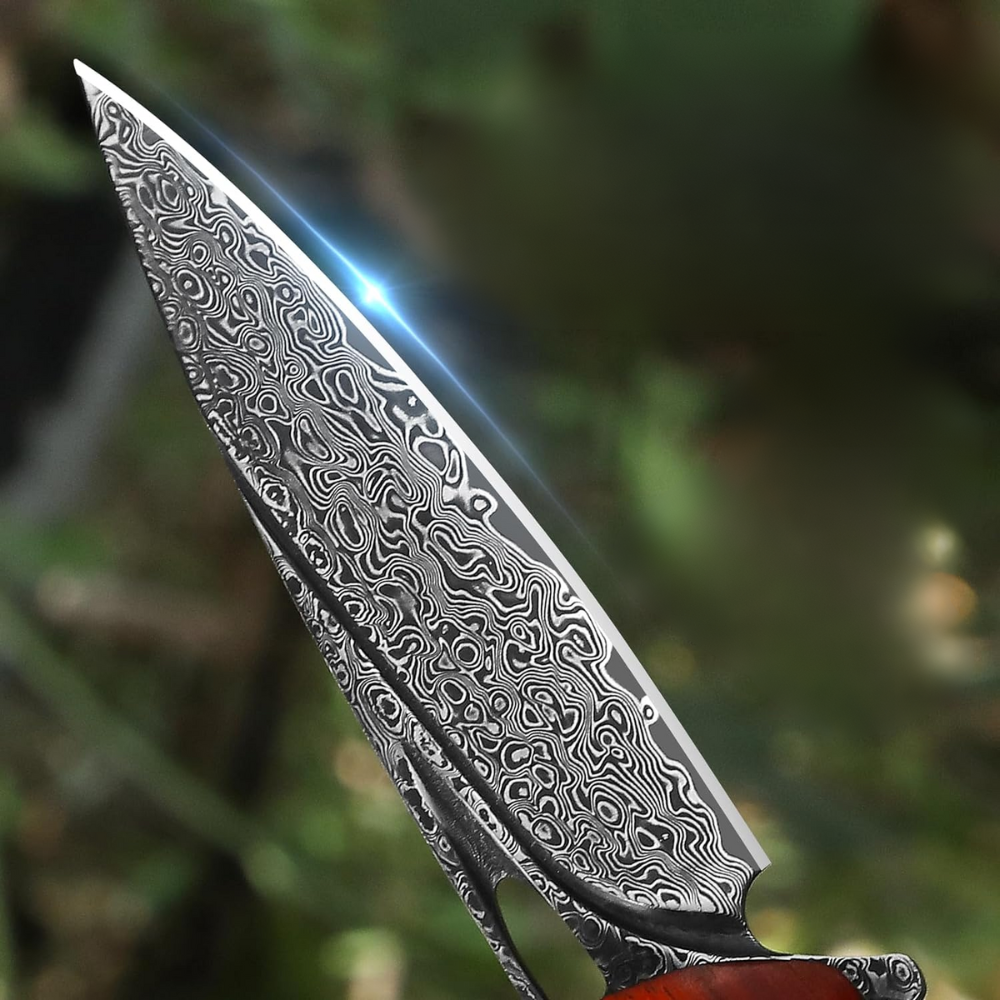
Blade steel is crucial to a pocket knife’s performance and durability. Pocket knives can feature a variety of steel types, each with its own set of properties. Common choices include stainless steel for corrosion resistance and high-carbon steel for its sharp edge retention. A Damascus folding pocket knife typically combines various metals for enhanced performance and unique aesthetics.
Handle Materials
Just as blade material affects performance, so does handle material. You’ll find pocket knives made with a range of materials including wood, G10, aluminum, and micarta. Each material has its own feel and durability, influencing how comfortable the knife is to use.
Essential Features of Pocket Knives
When choosing a pocket knife, understanding the features is just as important as knowing the lingo. Here are some essential features to look out for:
Locking Mechanism
Locking mechanisms are critical for safety and ease of use. Different types of locks include liner locks, frame locks, and lockbacks, each providing varying levels of security when the blade is deployed.
Blade Length
Blade length matters based on your intended use. Pocket knives typically come in a variety of lengths, from small everyday carry options to larger tactical or survival knives. Remember that some regions have restrictions on blade sizes, so always check local laws before making a purchase.
Weight and Portability
Since pocket knives are primarily carried, weight and portability are key features to consider. Lighter knives are easier to carry daily, while heavier ones may provide additional durability.
Collecting Pocket Knives: The Basics
If you find yourself enamored with pocket knives, you might be interested in collecting them. Here’s how you can get started:
Set Goals
Determine what you want to collect. Whether it’s focusing on Damascus folding pocket knives, vintage models, or collectible brands, setting a goal helps you maintain focus on your collection.
Research and Education
Knowledge is power. Read books, watch videos, and join online forums dedicated to pocket knives. The more you know, the better collector you’ll be.
Attend Knife Shows
Knife shows and expos are excellent places to connect with other enthusiasts, see rare knives, and learn more about your favorite types. Networking with fellow collectors can provide valuable insights and potential sources for expanding your collection.
Maintaining Your Pocket Knife
Finally, understanding maintenance is vital for ensuring your pocket knife remains in optimal condition. Here are some tips for maintaining your knife:
Regular Cleaning
After each use, clean your pocket knife to remove dirt, debris, and moisture. Use a soft cloth or brush tailored for knife care to avoid damaging the blade.
Sharpening
A dull knife is not just frustrating; it can also be dangerous. Regularly sharpen the blade to ensure it performs at its best. Use quality sharpening tools and follow the angle suited for your specific blade type.
Storage
Store your pocket knife in a dry location, preferably in a protective case or sheath. This prevents moisture accumulation and reduces the risk of blade dulling.
This Journey is Just the Beginning
As you delve deeper into the world of pocket knives, you'll find that understanding the lingo greatly enriches your experience. From the intricacies of a Damascus folding pocket knife to the robust variety of styles available, your newfound knowledge sets a solid foundation for exploring everything this hobby has to offer. Stay curious and engaged, and who knows? You might find yourself with an incredible collection of pocket knives in no time!
Frequently Asked Questions
1. What is the difference between folding knives and fixed blade knives?
2. What are multi-tools and why are they popular?
3. What should I know about blade steel when choosing a pocket knife?
4. What is a locking mechanism in pocket knives?
5. How can I start collecting pocket knives?
Glossary
| Term | Meaning |
|---|---|
| Folding Knife | A knife with a blade that folds into the handle for portability. |
| Fixed Blade Knife | A sturdy knife with a blade that does not fold, ideal for heavy-duty tasks. |
| Multi-tool | A versatile tool that includes a knife and other functions like screwdrivers. |
| Blade Grind | The shape of the blade's edge, affecting its cutting ability. |
| Blade Steel | The type of steel used in the blade, impacting performance and durability. |
| Handle Materials | Materials used for the knife handle, influencing comfort and durability. |
| Locking Mechanism | A feature that secures the blade when opened for safety. |
| Blade Length | The measurement of the blade, important for its intended use. |
| Weight and Portability | Considerations for how easy the knife is to carry daily. |
| Regular Cleaning | The practice of cleaning the knife after use to maintain its condition. |
Linked Product

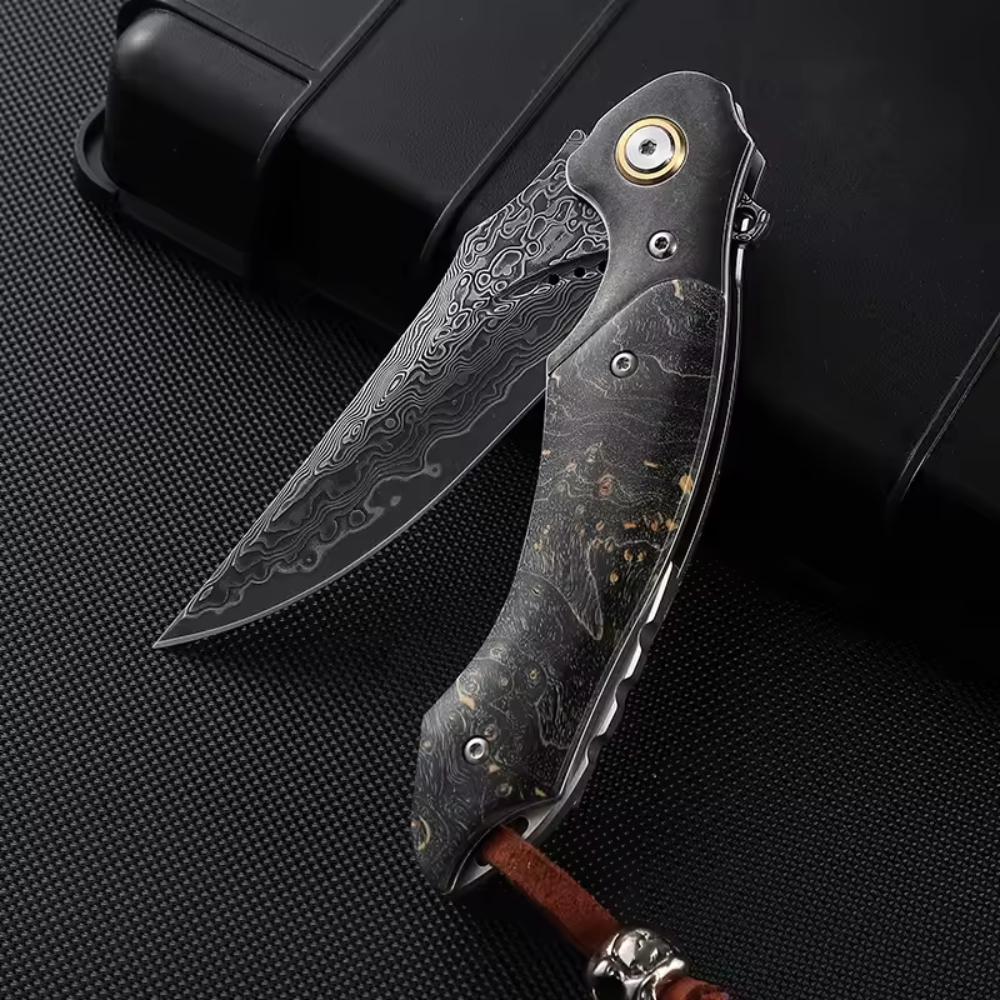
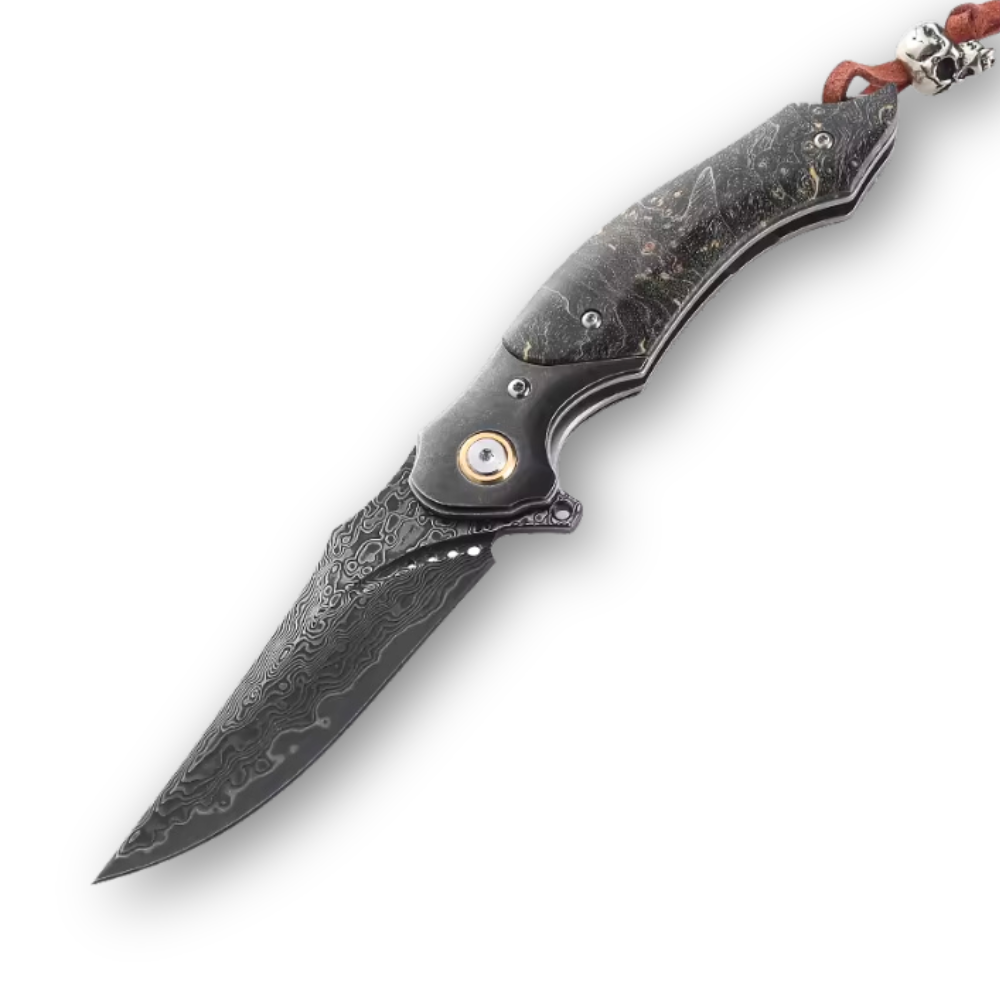
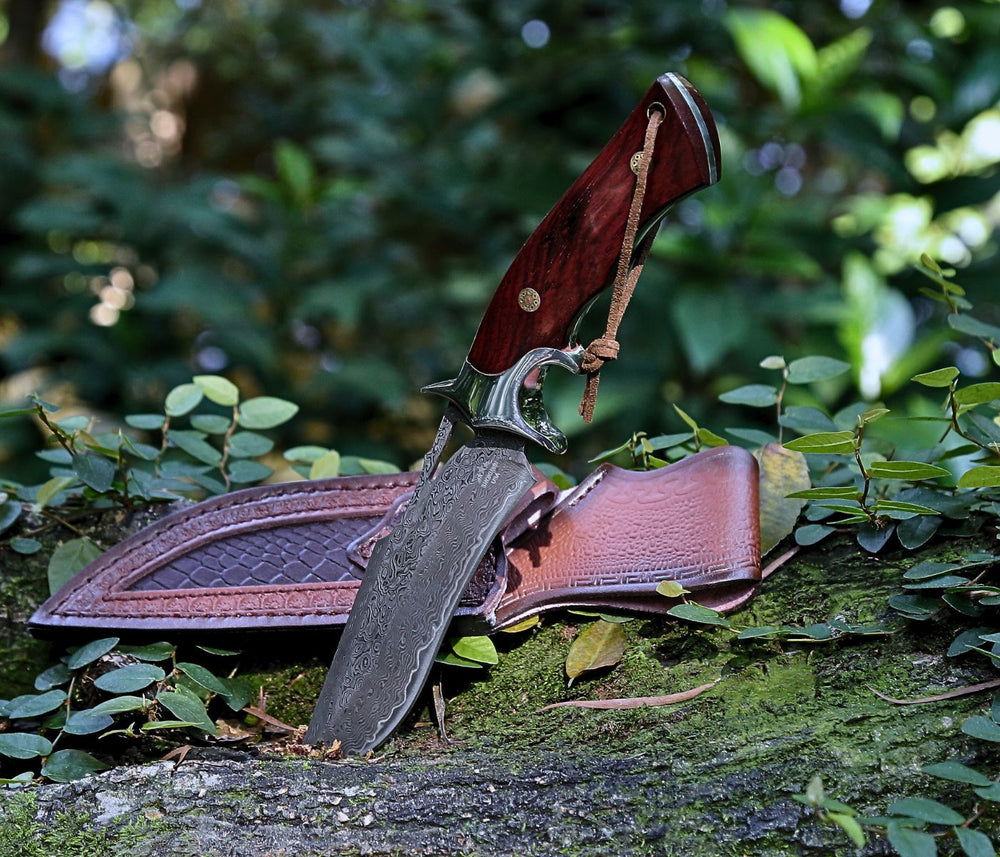
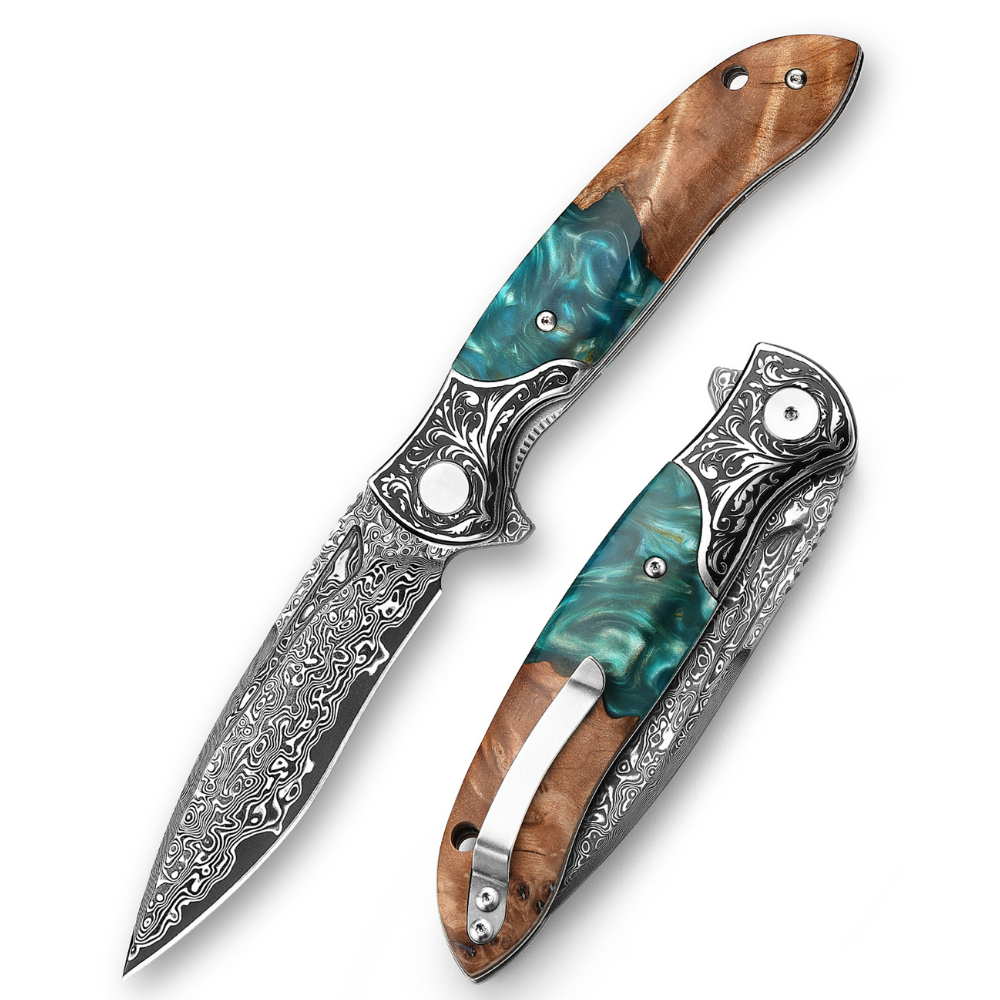
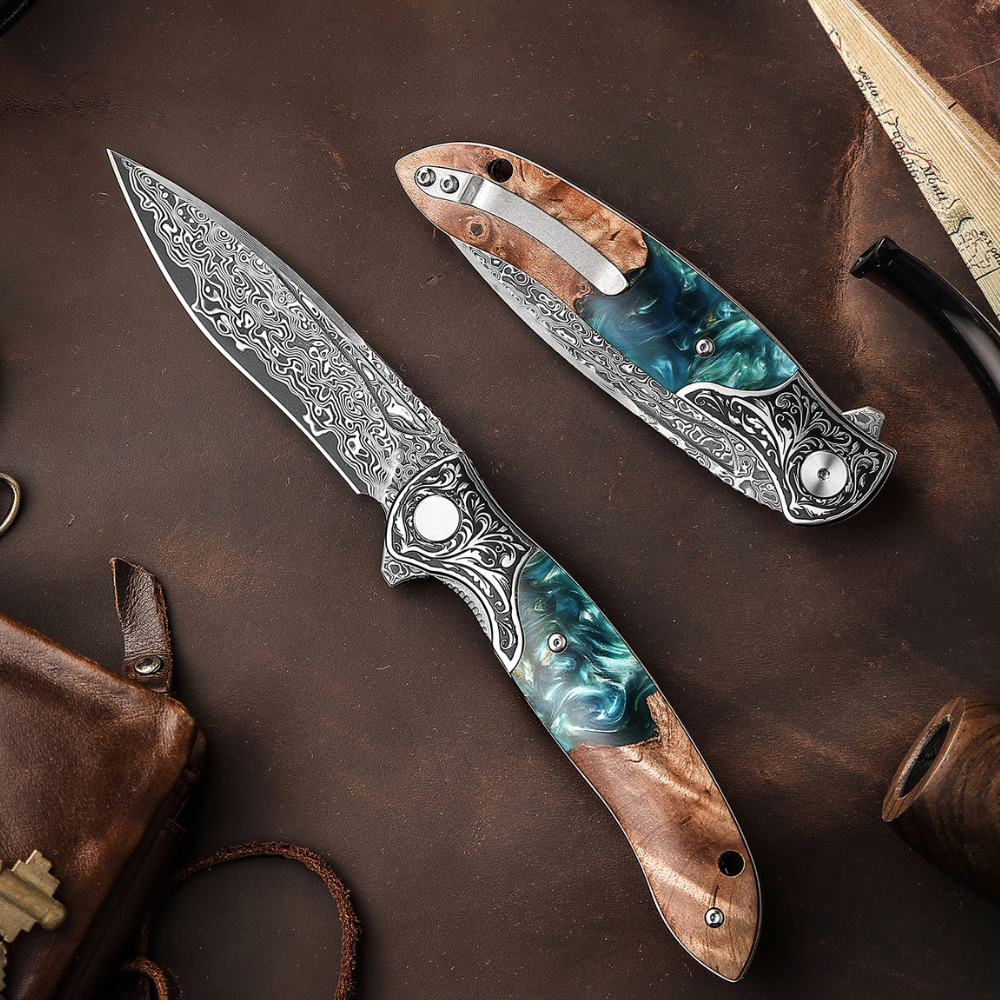
Goldshadow Handmade Damascus EDC Folding Pocket Knife with Leather Sheath & Micarta Handle
The Goldshadow Handmade Damascus EDC Folding Pocket Knife is a unique blend of artistry and functionality, featuring a hand-forged Damascus steel blade that offers exceptional sharpness and durability. With its ergonomic Micarta handle and included leather sheath, this knife is designed for both practical use and stylish carry. Ideal for everyday tasks, it combines performance with a distinctive aesthetic, making it a reliable companion for any gentleman.
View Product






Dejar un comentario