


Overview
Explore the art and craft of knife making, highlighting the process of creating custom pocket knives, the allure of Damascus steel, and essential techniques from design to finishing touches. Learn about the materials, maintenance, and the vibrant community surrounding this ancient craft. Investing in a custom knife means owning a unique tool that blends functionality with artistry, making it a cherished possession for years to come.
Table of Contents
- Understanding the Basics of Knife Making
- Choosing the Right Materials
- The Beauty of Damascus Steel
- The Crafting Process
- Designing the Knife
- Selecting and Preparing the Steel
- Shaping the Blade
- The Integral Role of Heat Treatment
- Crafting the Handle
- Materials for Custom Knives
- Finishing Touches and Personalization
- Maintenance and Care for Custom Knives
- The Community and Culture of Knife Making
- Why Invest in Custom Knives?
- Embrace the Craft of Knife Making
Key Takeaways
- Knife making is an ancient craft that combines traditional techniques with modern innovations, creating both functional tools and artistic masterpieces.
- Damascus steel is a popular material in knife making, known for its unique patterns, durability, and ability to achieve a razor-sharp edge.
- The design phase is crucial in crafting custom knives, influencing the knife’s shape, ergonomics, and overall personality.
- Heat treatment enhances the properties of the steel, increasing hardness and wear resistance, essential for daily-use custom pocket knives.
- Handle materials such as wood, G10, and bone can significantly affect the comfort and grip of the knife, making them vital to the overall design.
- Personalization through engravings and unique finishes allows each custom knife to reflect the owner's individuality and preferences.
- Proper maintenance is essential for custom knives, including regular cleaning, oiling, and sharpening to ensure longevity and performance.
Welcome to the fascinating world of knife making, where artistry meets functionality. Behind every custom knife lies a meticulous process that combines age-old techniques with modern innovation. This craft not only creates functional tools but also masterpieces of design and engineering. In this blog post, we will explore the intricacies of crafting custom pocket knives, the allure of Damascus steel, and the skills that bring these creations to life.
Understanding the Basics of Knife Making
Knives have been an essential tool throughout history, serving various purposes, from survival to culinary arts. Knife making is an ancient craft that has evolved significantly over time. The process typically involves selecting high-quality materials, shaping the blade and handle, and finally, honing for the perfect edge.
When creating custom pocket knives, the emphasis is placed on personalization, with each knife reflecting the unique style and preferences of the owner. This artistry transforms a simple tool into a cherished possession and a testament to the skill of the craftsman.
Choosing the Right Materials
The Beauty of Damascus Steel
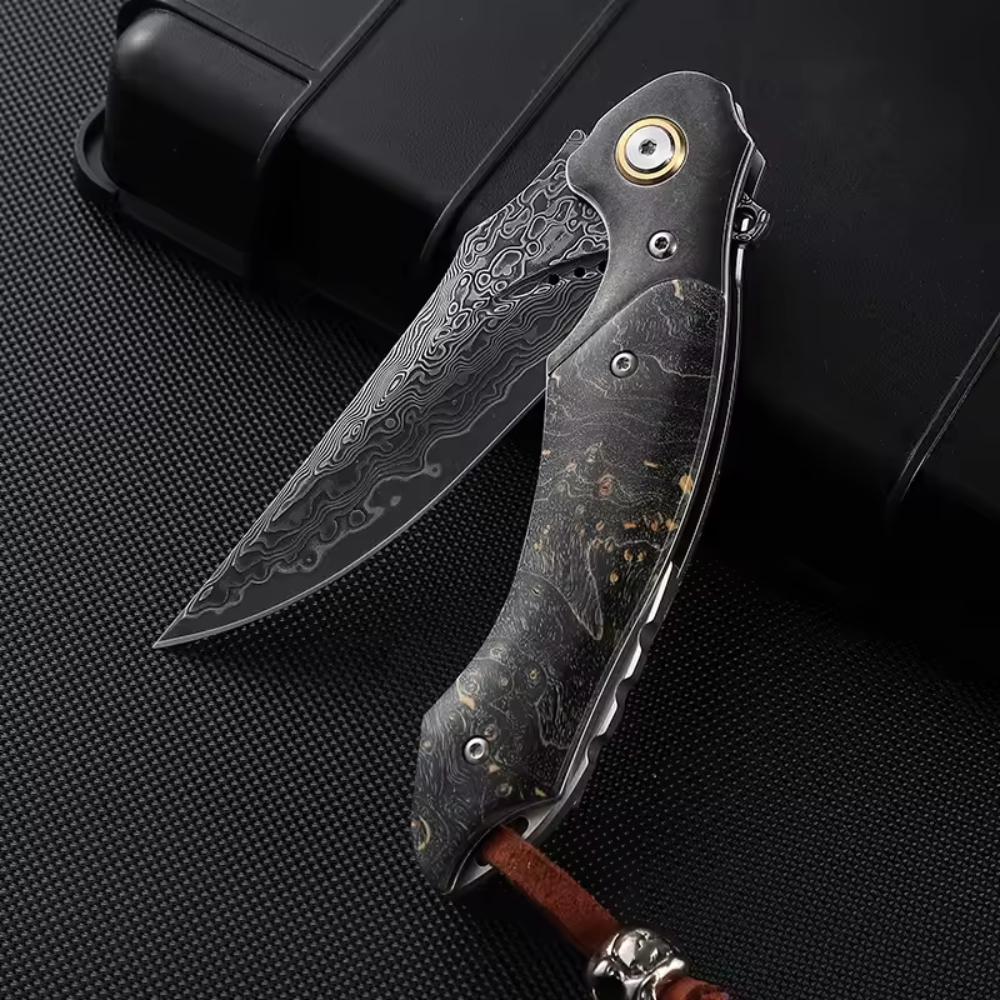
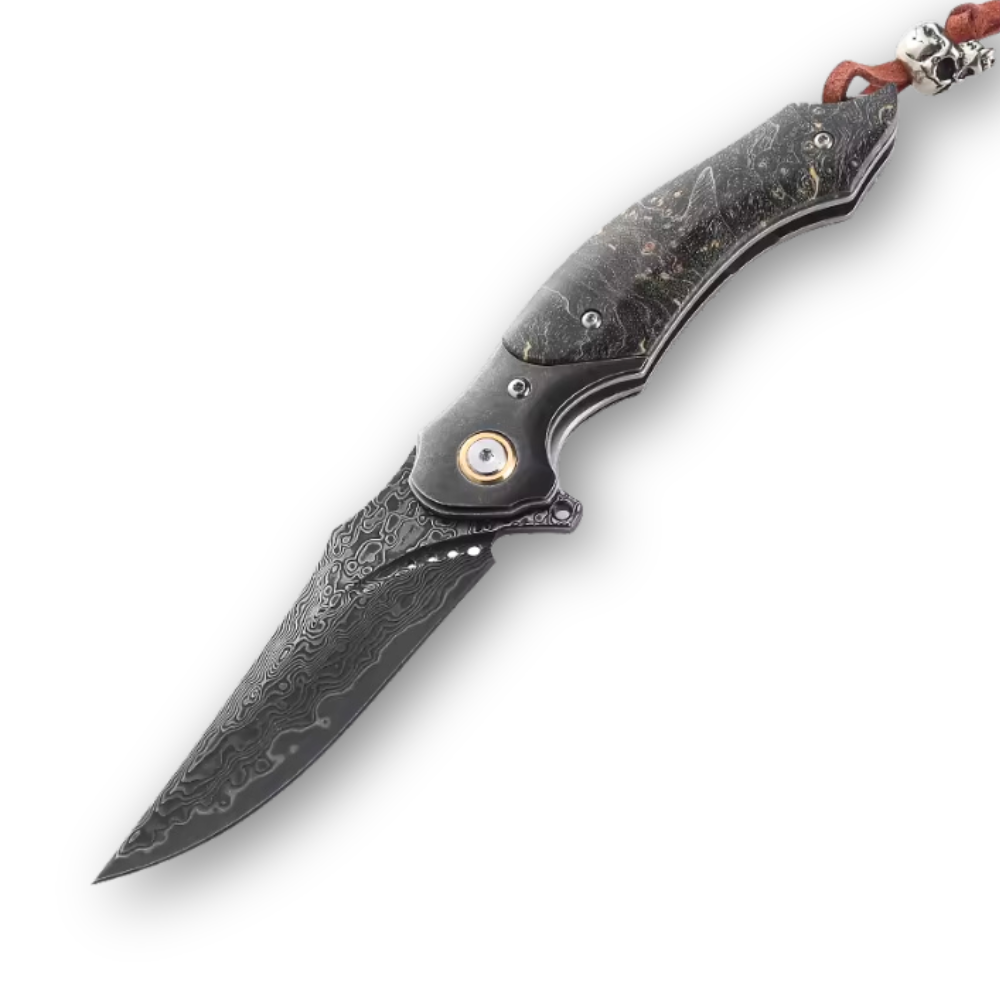
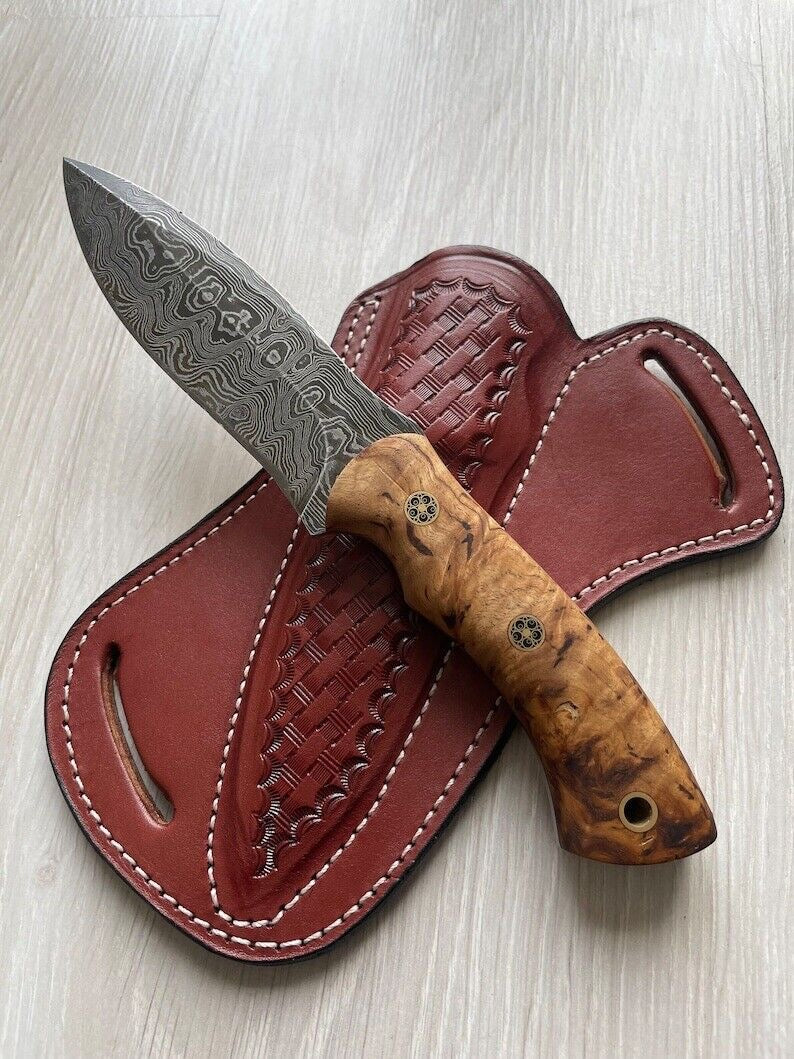
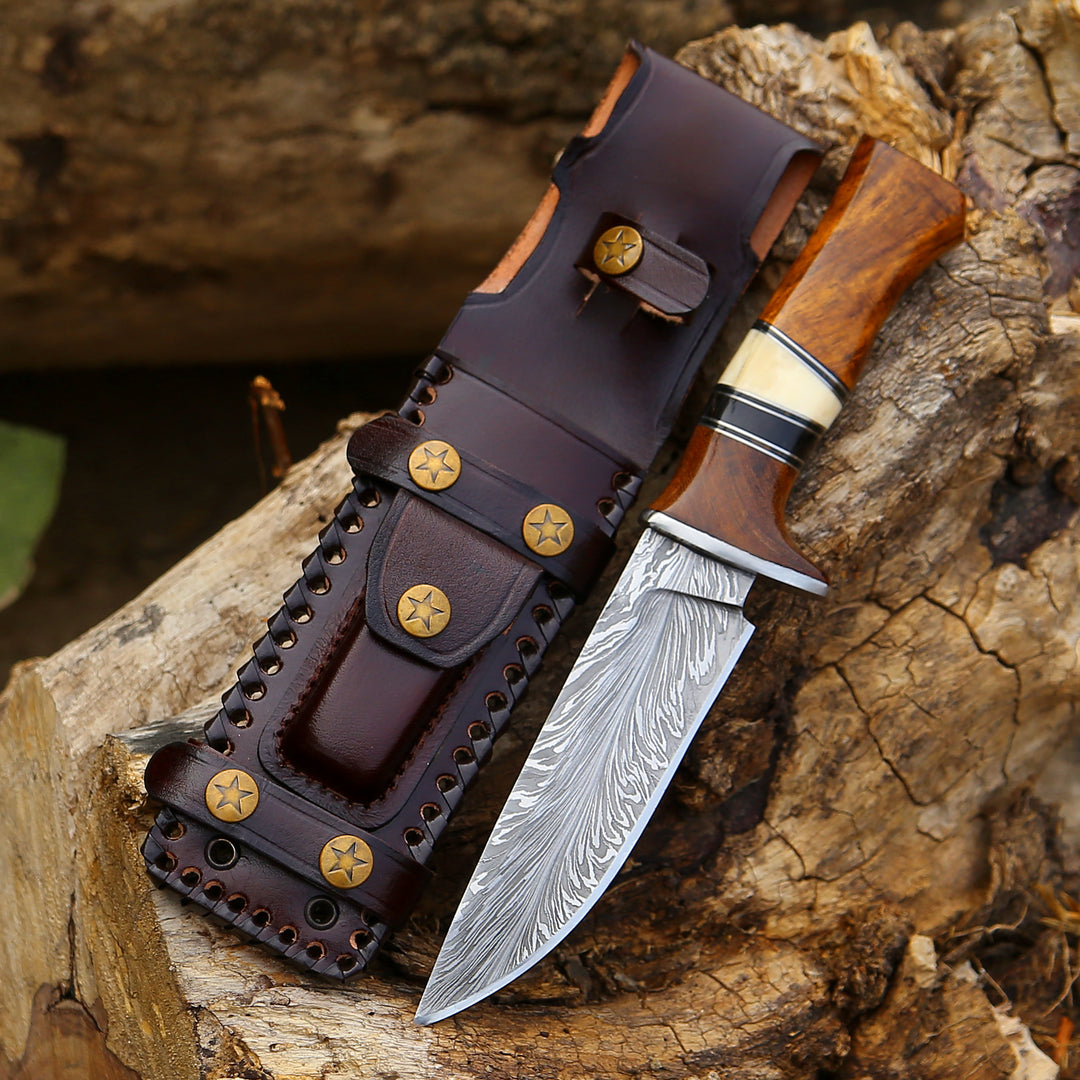
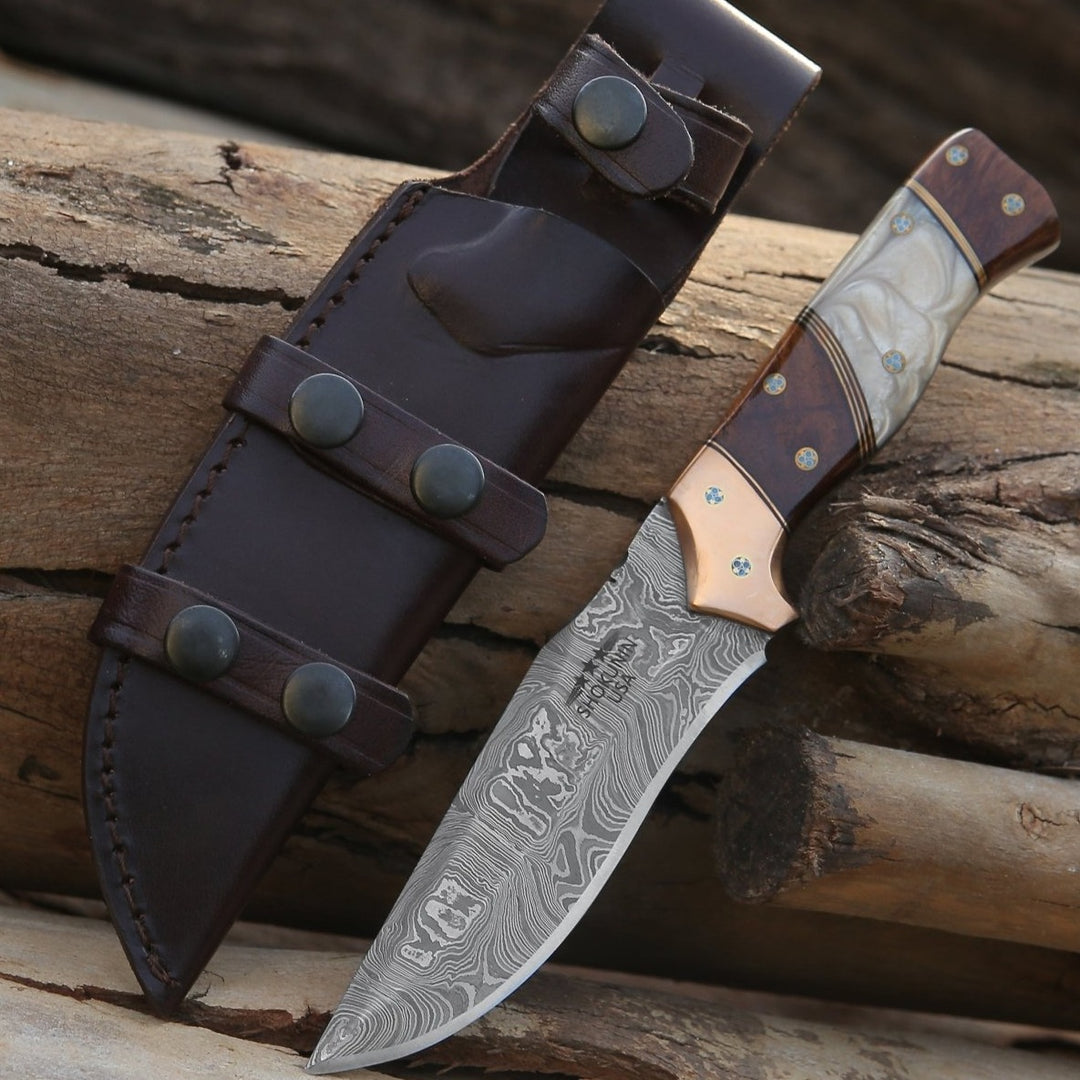
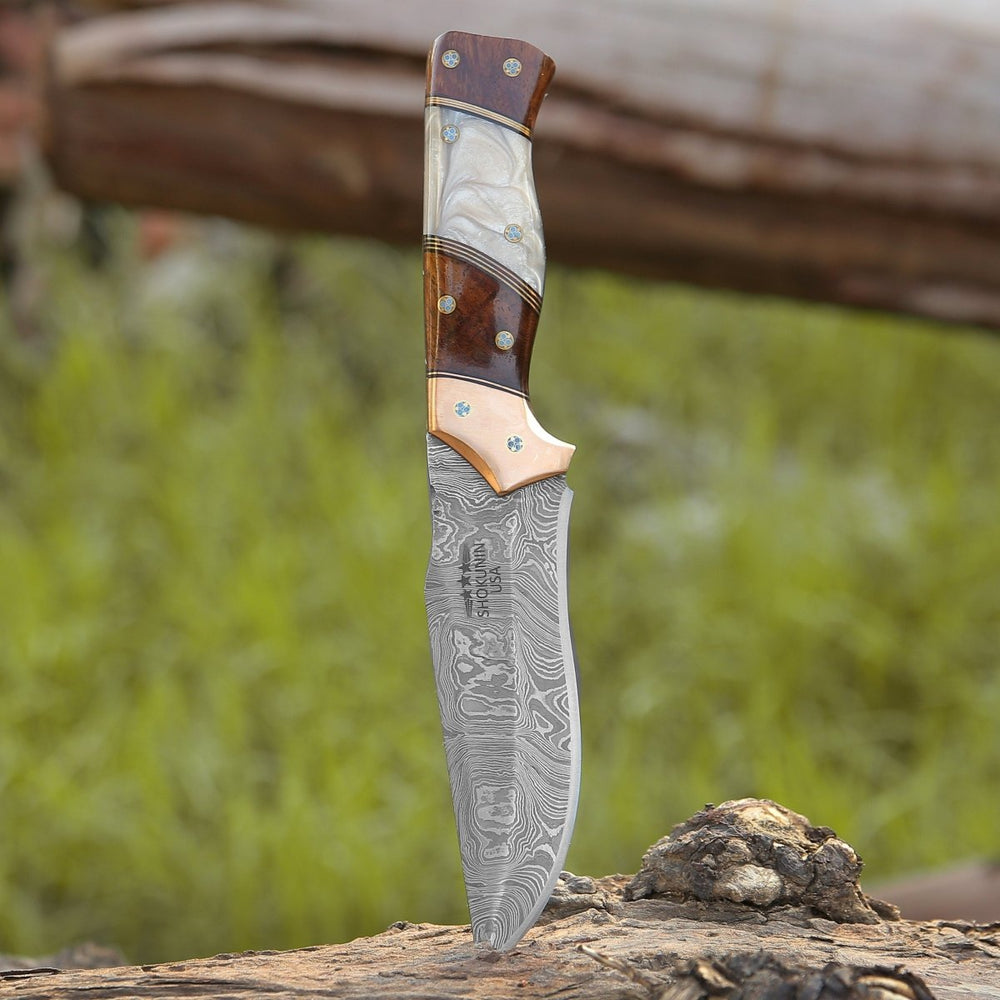
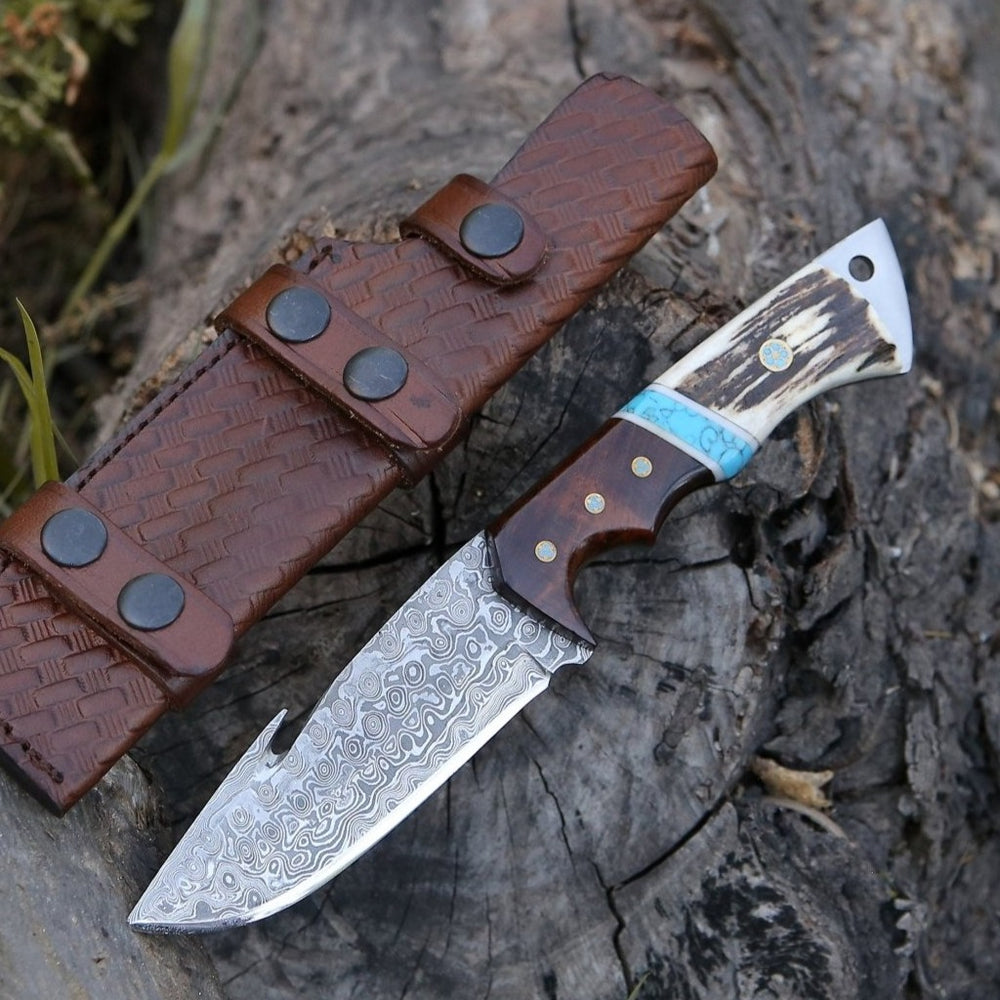
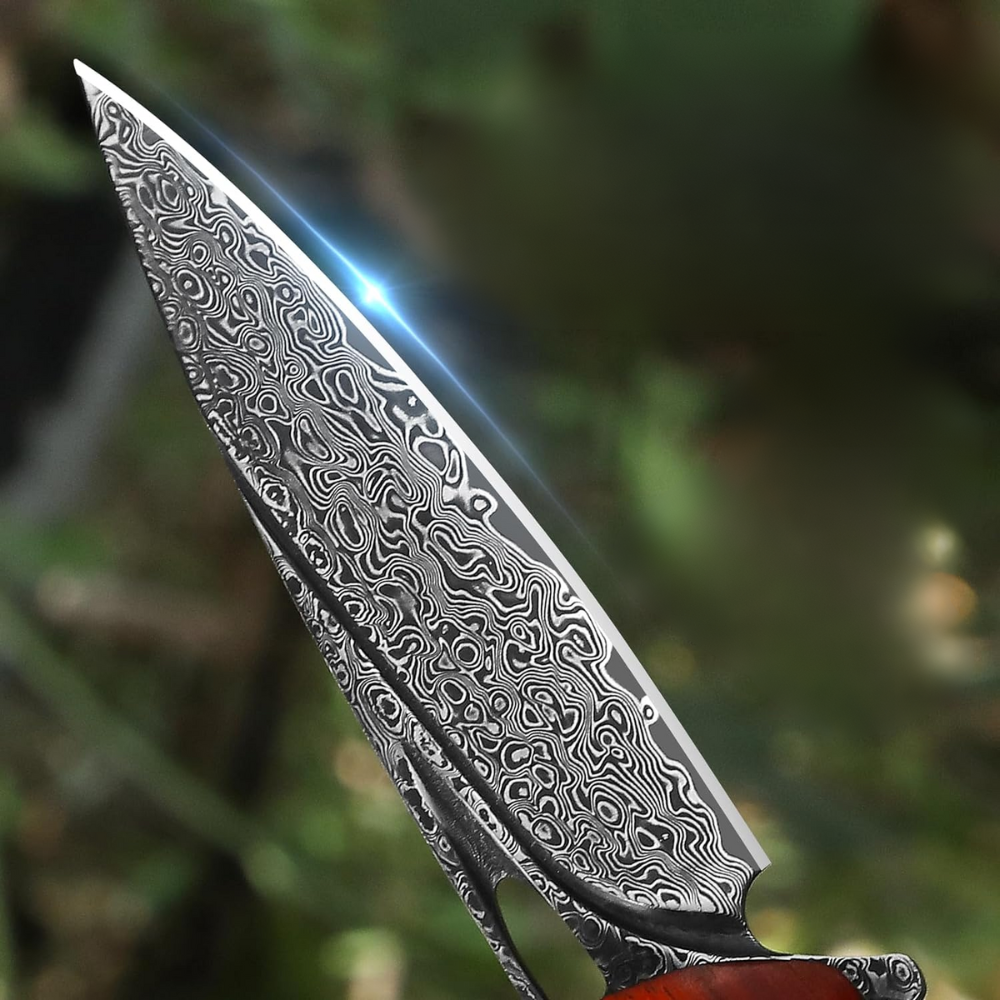
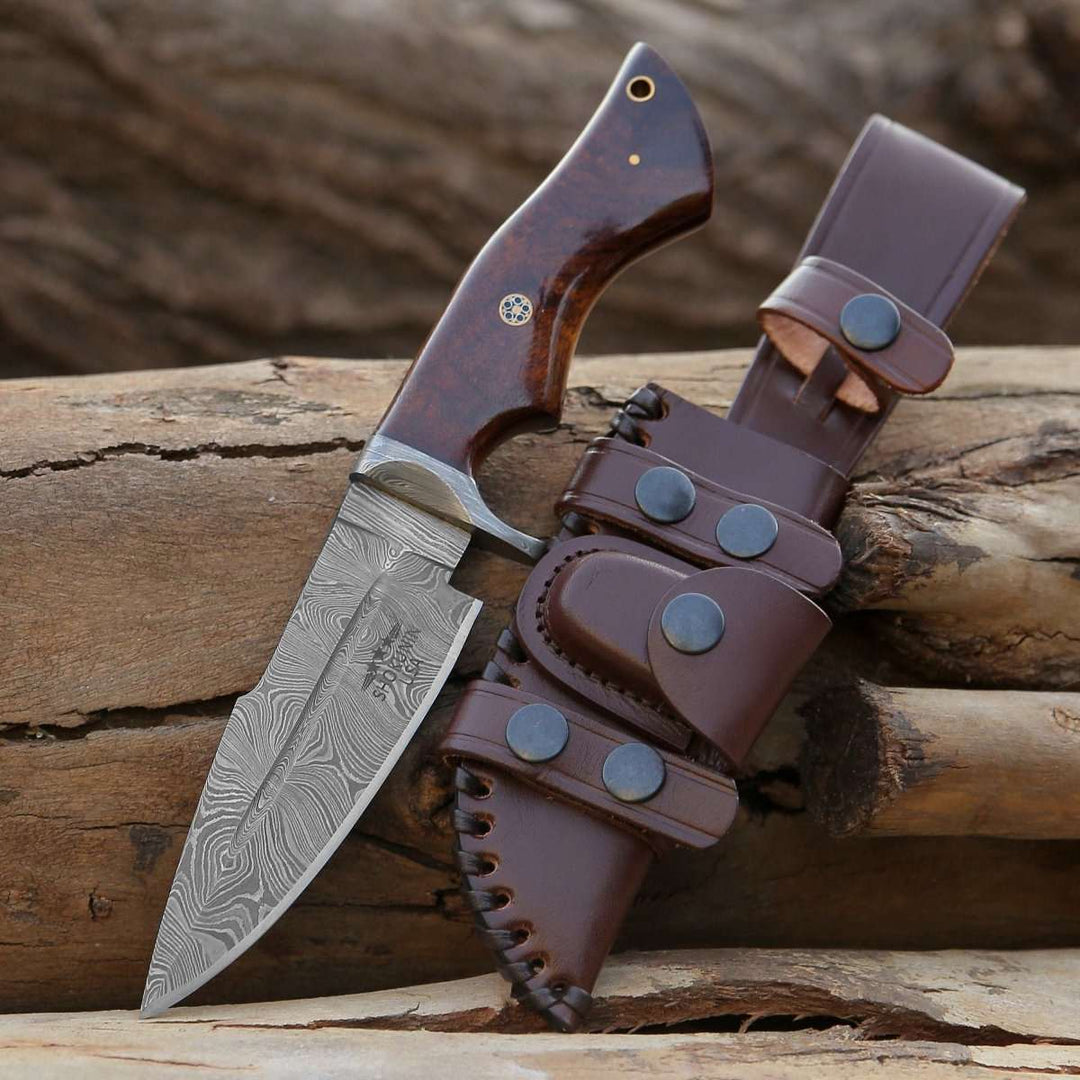
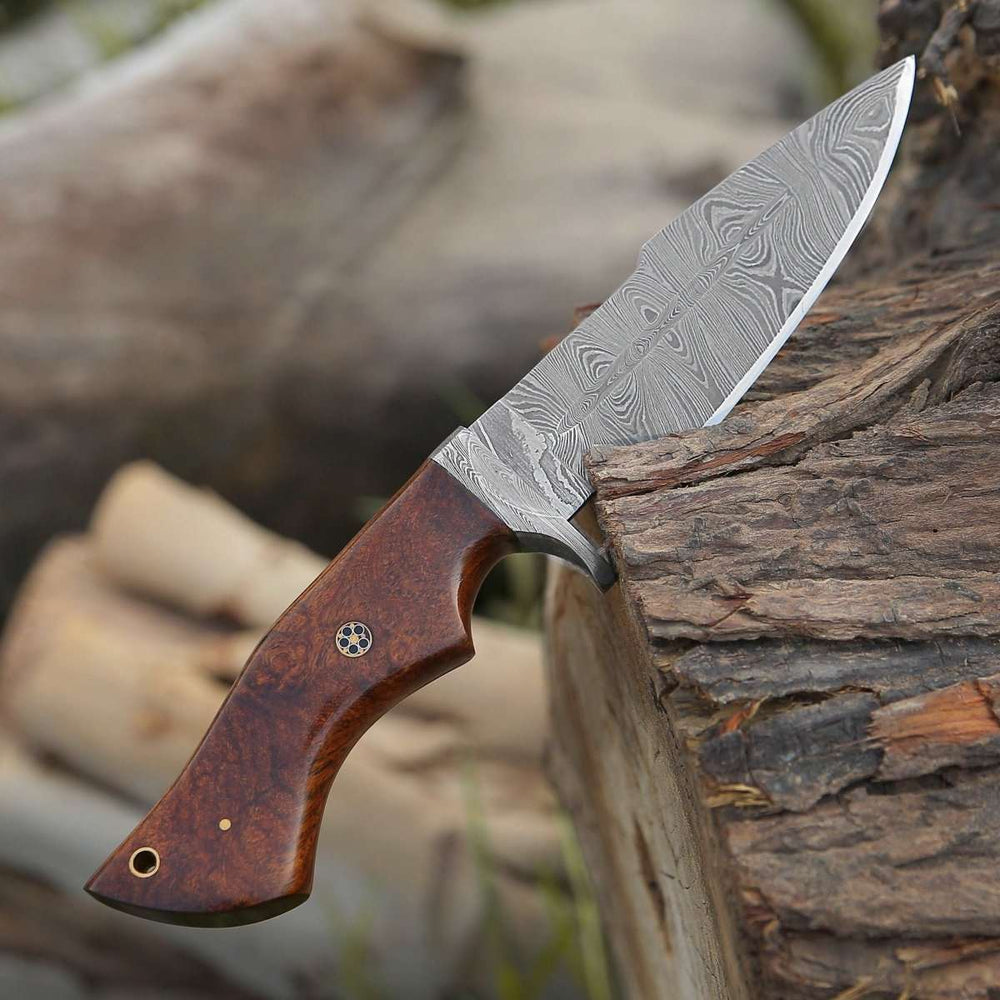
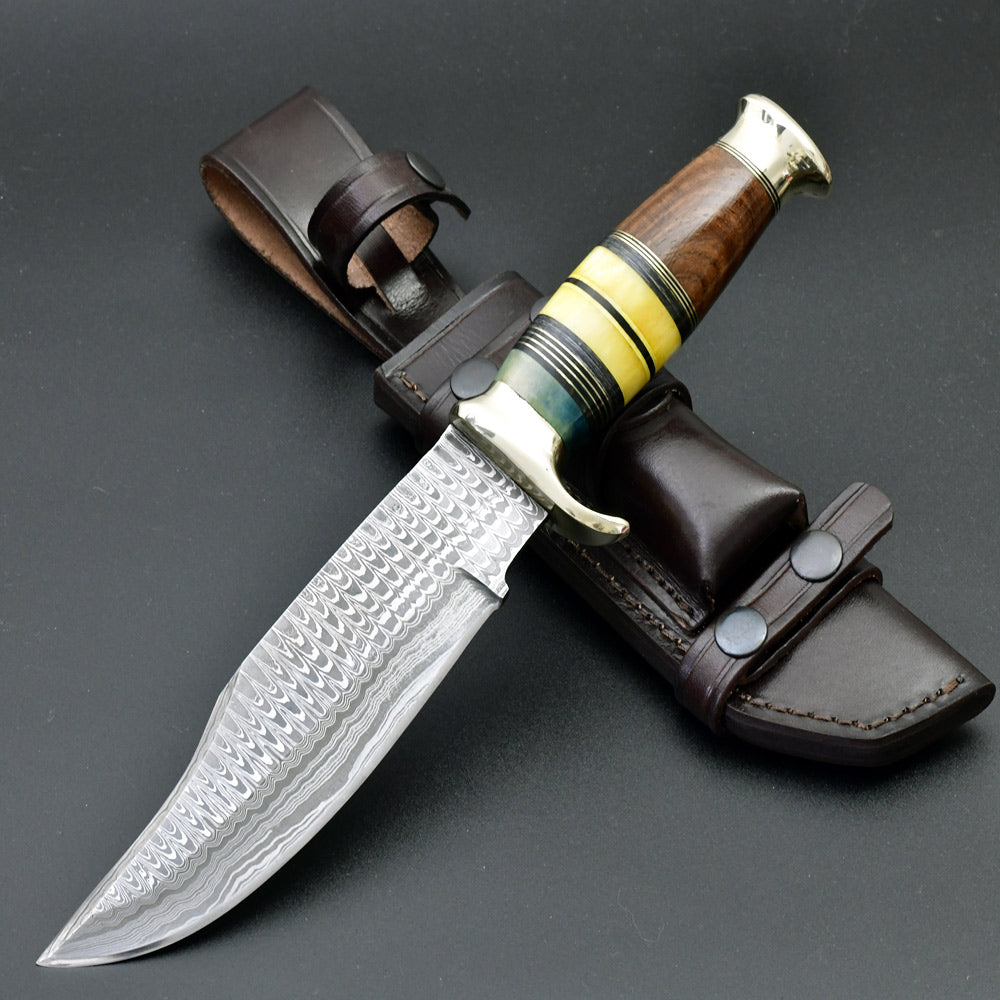
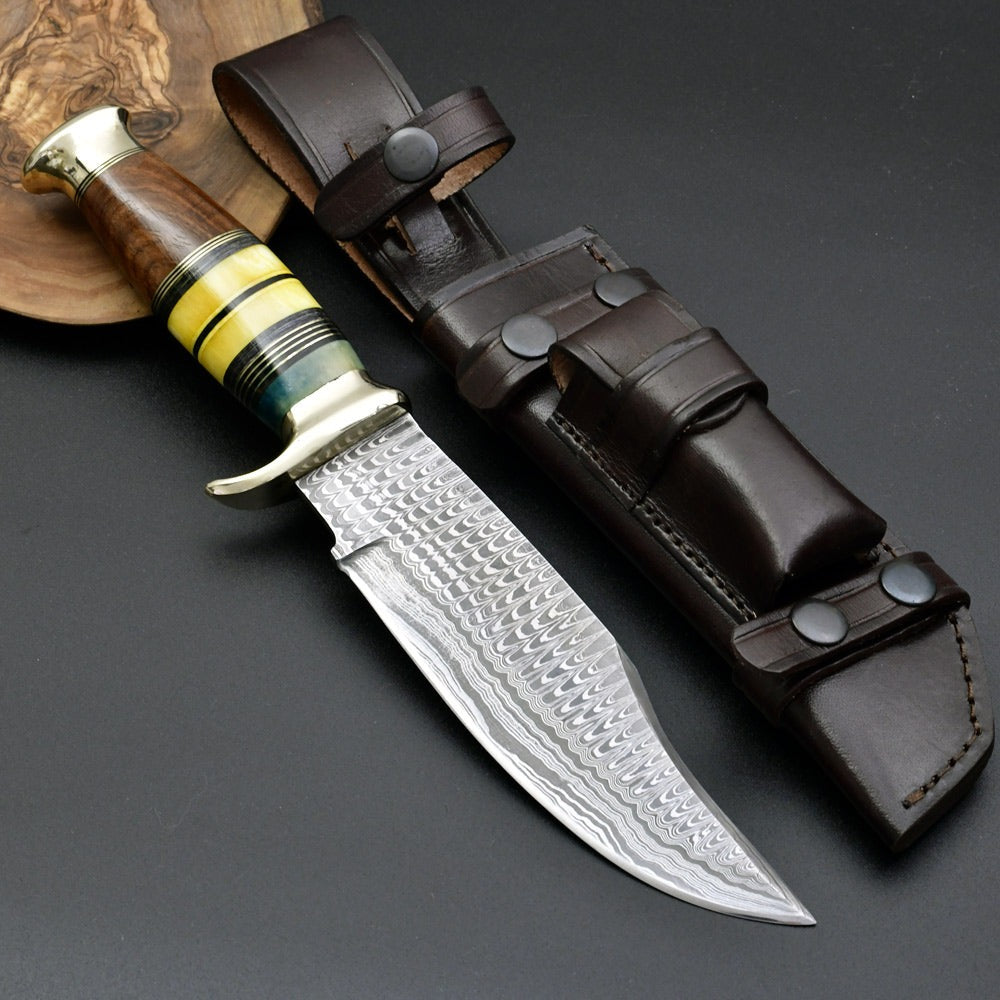
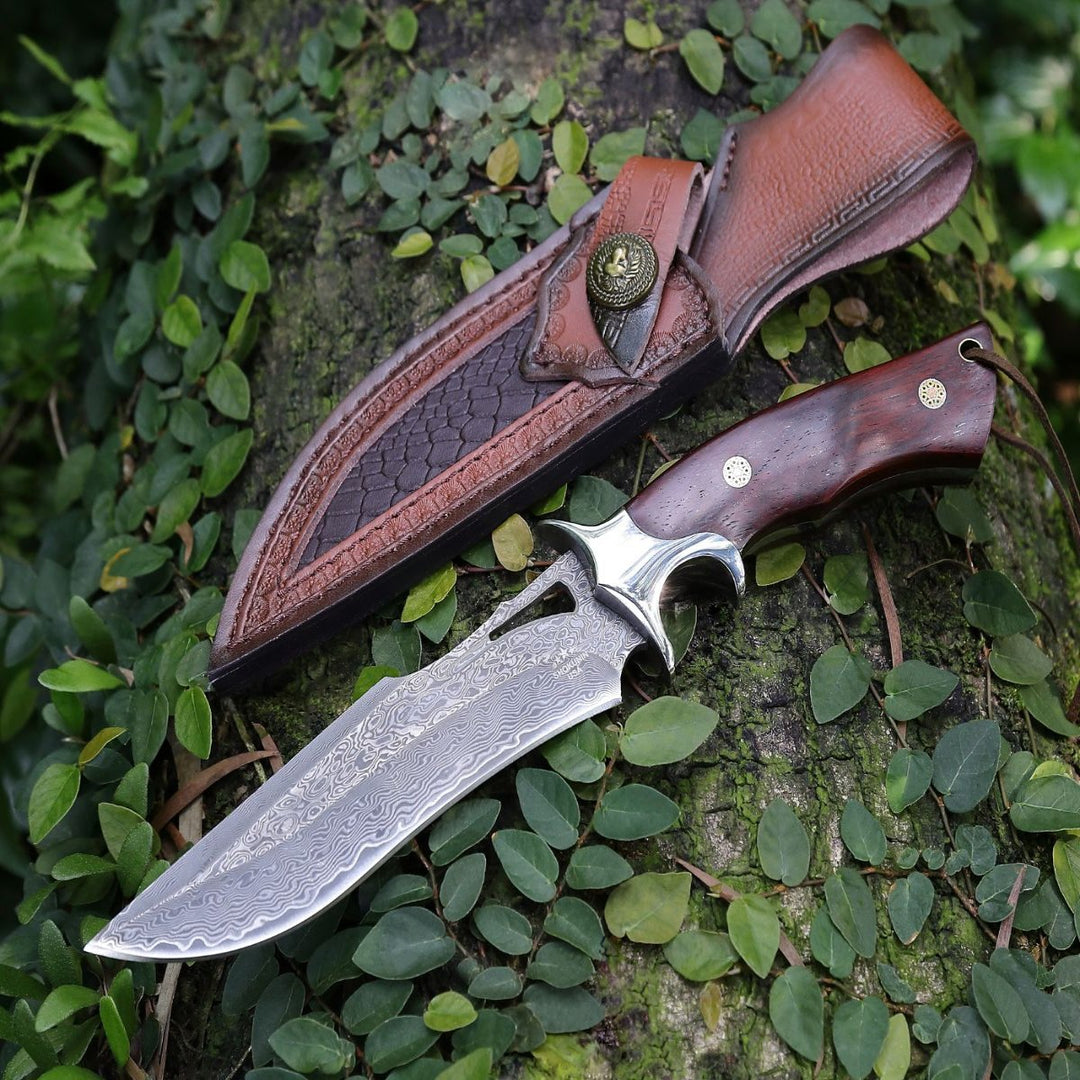
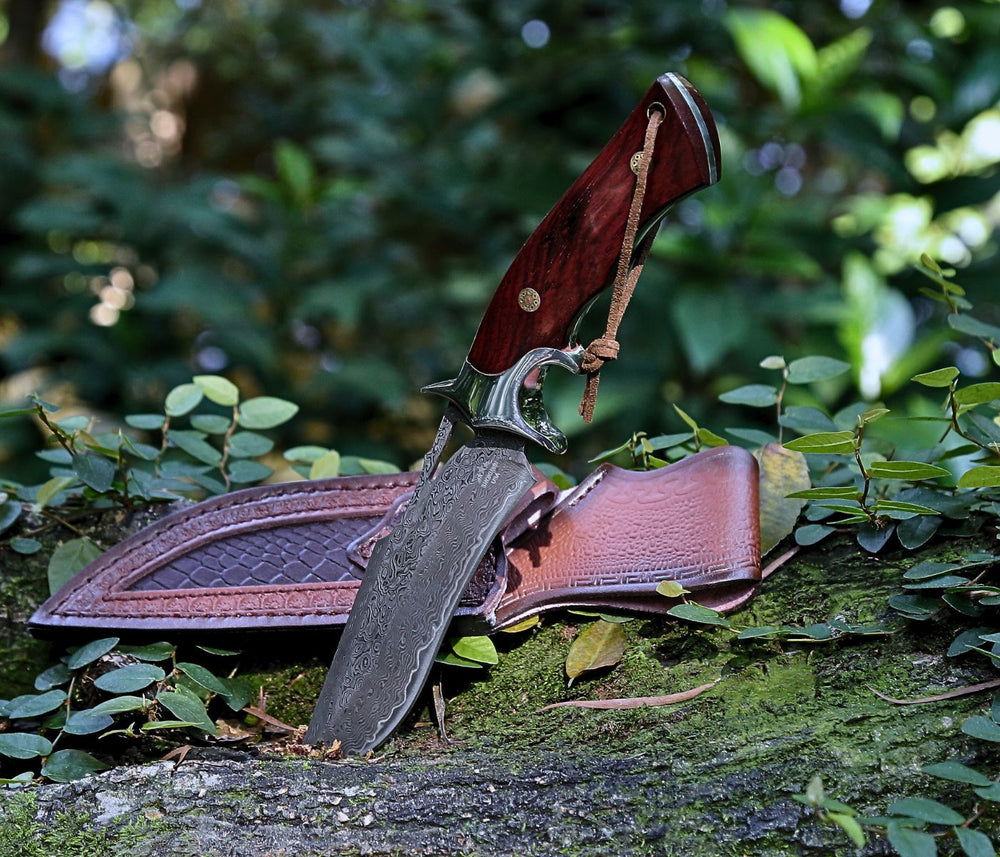
One material that stands out in the world of knife making is Damascus steel. Known for its stunning patterns and superior strength, Damascus steel has captivated knife enthusiasts and collectors alike. This steel is made by folding and welding several layers of steel together, creating a distinctive swirling pattern that is both beautiful and functional.
The unique qualities of Damascus steel include:
- Durability: The layered construction gives the steel enhanced toughness, making it less likely to chip or break.
- Sharpness: A well-crafted Damascus steel blade can achieve a razor-sharp edge, providing excellent cutting performance.
- Visual Appeal: The intricate patterns of Damascus steel not only enhance aesthetics but also highlight the craftsmanship involved.
When crafting custom pocket knives, Damascus steel allows makers to combine functionality with artistry, providing every knife with a unique character and style.
The Crafting Process
Designing the Knife
The journey of creating a custom knife begins with a design. Each knife maker has a distinct design philosophy that influences the shape and ergonomics of the blade and handle. This stage is crucial, as it establishes not only the knife's practicality but also its personality.
Many makers sketch their ideas on paper or use digital design software to visualize the outcome. Factors such as the intended use, weight, balance, and aesthetic elements all play a key role in determining the knife’s design.
Selecting and Preparing the Steel
Once the design is complete, the next step is selecting the appropriate steel. Knife makers often choose high-carbon steels or stainless steels, with Damascus steel being a popular choice for those seeking both beauty and performance. The steel must then be properly prepared, typically involving heat treatment and quenching to ensure optimal hardness and performance.
Shaping the Blade
Shaping the blade involves cutting, grinding, and forging the steel to match the design specifications. Many knife makers prefer to use hand-forging techniques, which not only results in a strong and durable blade but also allows for significant control over the final shape.
The process of forging involves heating the steel until it becomes malleable, then hammering it into the desired shape. After forging, the blade is ground to achieve its final edge profile.
The Integral Role of Heat Treatment
Heat treatment is a critical step in knife making that enhances the properties of the steel. This process typically involves heating the blade to a specific temperature and then rapidly cooling it, known as quenching. This method increases the hardness of the steel and improves wear resistance, which is vital for a custom pocket knife that will see daily use.
Post quenching, some makers will conduct an additional tempering process, wherein the blade is reheated to a lower temperature to relieve internal stresses and achieve a perfect balance between hardness and flexibility.
Crafting the Handle
Materials for Custom Knives
The handle of a knife is equally important as the blade. It must provide comfort and a secure grip, especially for custom pocket knives that are often used in various conditions. Knife makers can choose from a variety of materials, including:
- Wood: Traditional and aesthetically pleasing, wood handles can provide warmth and uniqueness to each knife.
- G10 and Micarta: These synthetic materials are durable, water-resistant, and add a modern touch to knife designs.
- Bone and Antler: These materials offer a rustic appeal and are often favored for custom pieces.
Once the material is chosen, the handle is shaped, drilled, and fitted to the blade, ensuring that it provides a comfortable and secure grip.
Finishing Touches and Personalization
The final step in crafting a custom knife involves adding personal touches that make each piece unique. This can include engraving the blade with the owner's initials, polishing the handle to a high shine, or even adding unique materials and colors. The aim is to create a knife that truly reflects the owner's personality and preferences.
Maintenance and Care for Custom Knives
Once you’ve acquired your custom pocket knife, proper maintenance is essential to ensure it remains in optimal condition. Here are some key tips:
- Regular Cleaning: Clean the blade after each use, particularly if it has come into contact with corrosive materials.
- Oiling the Blade: Applying a thin layer of oil can help prevent rust, especially on carbon steel knives.
- Sharpening: Regularly hone and sharpen the blade to maintain its cutting edge. A dull knife is not only ineffective but can also be dangerous.
Taking these steps will ensure that your custom pocket knife stands the test of time and continues to perform at its best.
The Community and Culture of Knife Making
Knife making is more than just a craft; it’s a vibrant community filled with passionate individuals. Many knife makers share their knowledge through workshops, online courses, and social media platforms, fostering a culture of learning and collaboration. These interactions not only elevate the craft but also create a supportive network where makers can exchange techniques, materials, and inspiration.
Moreover, knife shows and expos bring enthusiasts together, highlighting the diversity and creativity within the field. These events are not just about showcasing custom knives but also celebrate the skill and artistry of knife makers from around the globe. Attending such gatherings can ignite passion and spark ideas for aspiring craftsmen and women.
Why Invest in Custom Knives?
Choosing a custom knife is about more than just owning a tool; it is about appreciating artistry, originality, and craftsmanship. Every custom pocket knife tells a story, reflecting its maker's style while serving the owner's needs. Investing in a well-made knife can provide a lifetime of use and can become an heirloom piece to pass down through generations.
Moreover, the satisfaction of owning a knife that has been tailored to your specifications is unmatched. Whether for everyday tasks, collection, or gifting, a custom knife embodies personal taste and values. It merges functionality with aesthetics, which is a rarity in many modern tools.
Embrace the Craft of Knife Making
The journey of knife making is rich with history, artistry, and community. Each stage, from selecting the materials to crafting the final product, plays a vital role in shaping a unique tool that can also be a work of art. Embracing the craft can enrich your life, inspire creativity, and connect you with a community of passionate individuals who share your interest.
So, if you’re intrigued by the world of custom knives, why not take the plunge? Whether you want to craft your own or appreciate the skill of renowned makers, there’s no better time than now to explore the endless possibilities that await in the art of knife making.
Frequently Asked Questions
1. What is the significance of knife making?
2. What materials are commonly used in custom knife making?
3. What is the process of crafting a custom knife?
4. How can you maintain and care for custom knives?
5. What benefits come from investing in custom knives?
Glossary
| Term | Meaning |
|---|---|
| Knife Making | The craft of creating knives using various techniques and materials. |
| Damascus Steel | A type of steel known for its distinctive patterns and strength, made by folding layers of steel. |
| Blade | The cutting part of a knife, which is shaped and sharpened for performance. |
| Handle | The part of the knife held by the user, crucial for grip and comfort. |
| Heat Treatment | A process that enhances the hardness and durability of steel through heating and cooling. |
| Quenching | A rapid cooling process used in heat treatment to increase steel hardness. |
| Forging | The process of shaping metal through heating and hammering to create a blade. |
| Personalization | Customizing a knife to reflect the owner's style, often through engraving or unique materials. |
| Maintenance | Regular care practices to keep a knife in optimal condition, including cleaning and sharpening. |
| Community | A network of knife makers and enthusiasts sharing knowledge and skills in the craft. |
Linked Product

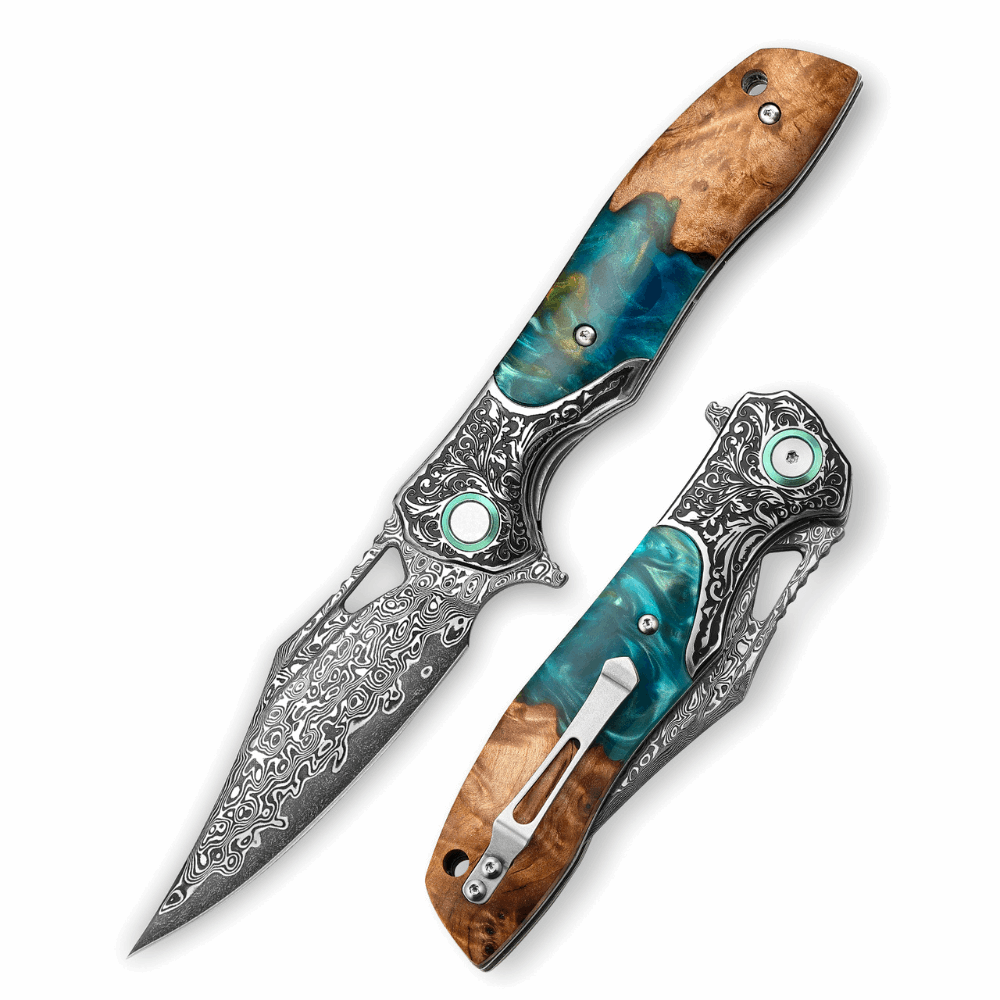
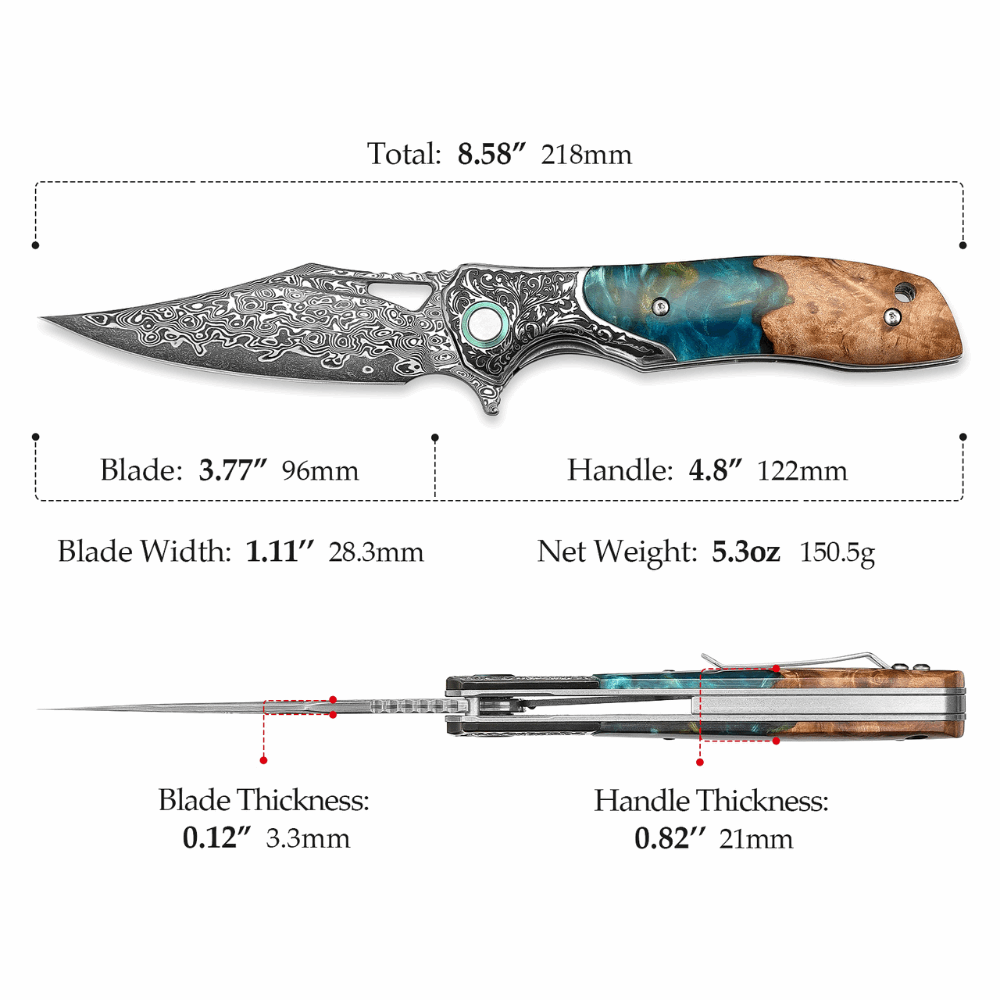
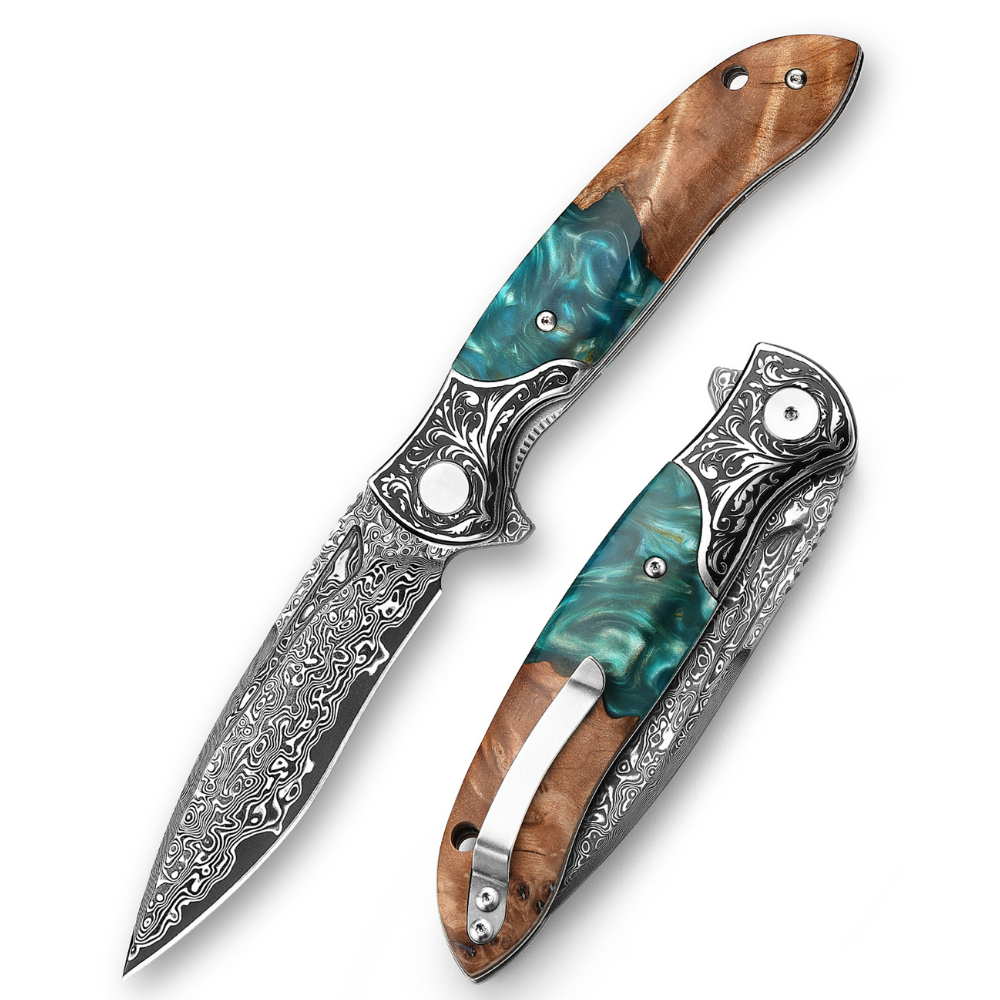
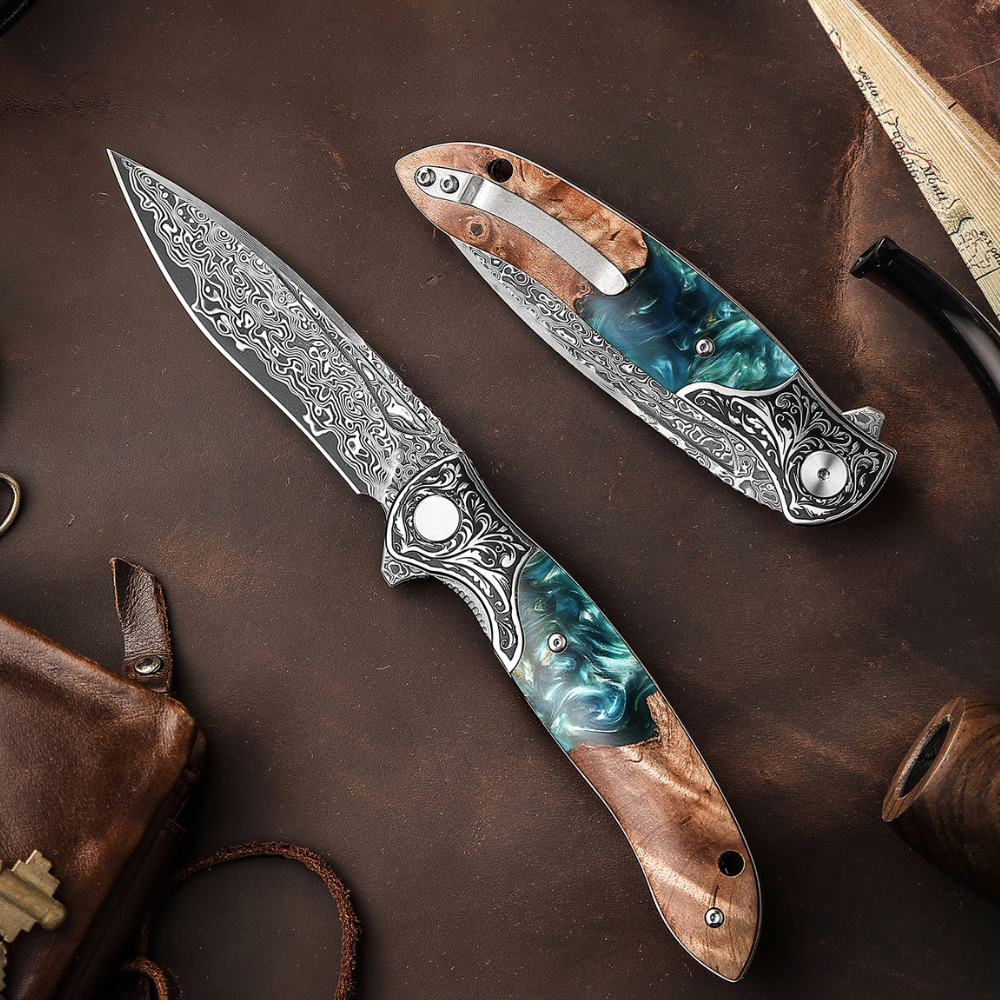
Elegance Handmade Personalized Damascus Folding Hunting Knife with Damascus Handle
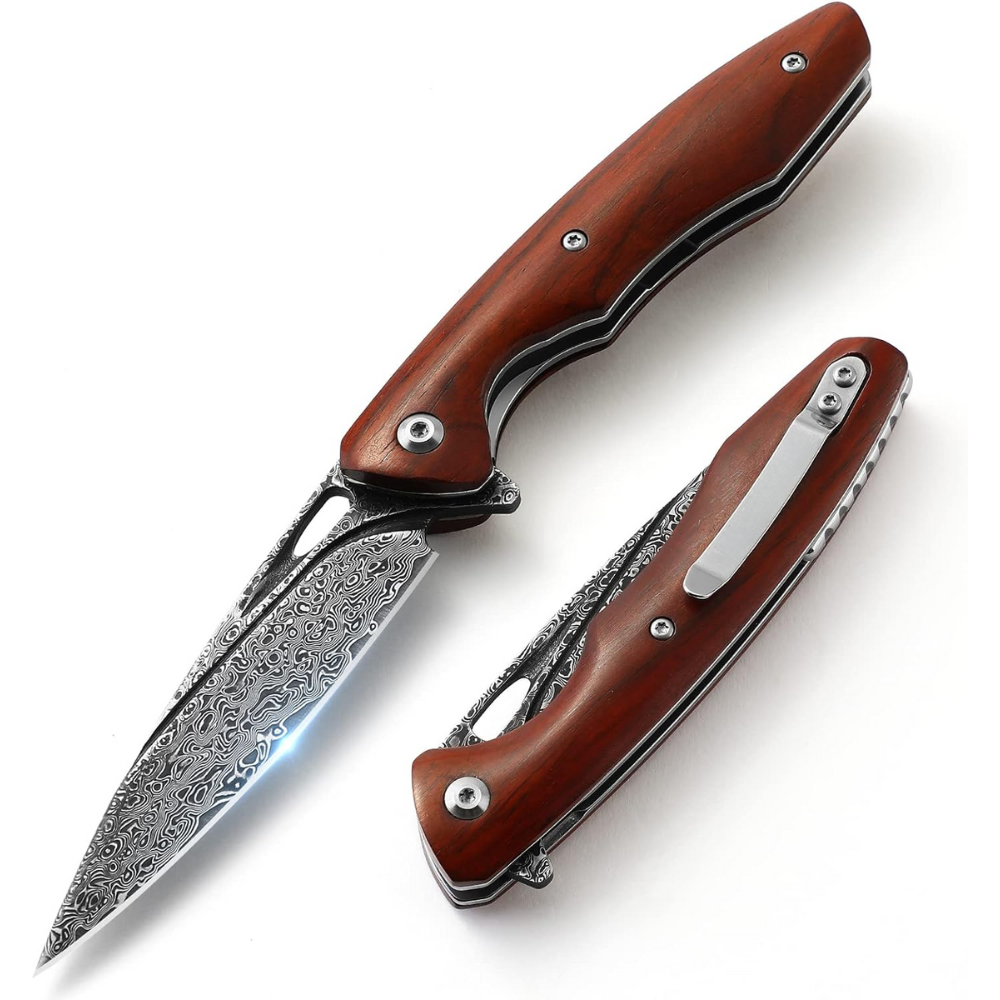
The Elegance Handmade Personalized Damascus Folding Hunting Knife features a unique Damascus steel blade, crafted through a meticulous layering process that ensures each knife is one-of-a-kind. With an overall length of 8.5 inches and a lightweight design, it offers a balanced and ergonomic grip, making it suitable for various outdoor activities such as hunting, fishing, and camping. This folding knife also comes with a hand-stitched leather sheath and a pocket knife sharpener, enhancing its practical use and convenience for outdoor enthusiasts.
View Product






Hinterlassen Sie einen Kommentar