

Overview
This article explores the captivating world of knife making, highlighting its rich history, traditional techniques, and modern innovations. Readers will gain insights into the craftsmanship involved in creating knives, the importance of materials, and the meticulous processes that ensure quality. Additionally, the piece emphasizes the significance of custom knives in enhancing culinary experiences and encourages readers to appreciate the artistry behind these essential kitchen tools.
Table of Contents
- The History of Knife Making
- Ancient Techniques
- Modern Innovations
- The Materials: Crafting the Perfect Blade
- Types of Steel
- Handle Materials
- The Crafting Process
- Forging the Blade
- Quenching and Tempering
- Grinding and Polishing
- Crafting the Handle
- Importance of Knife Maintenance
- A Journey into Custom Kitchen Knives
- Why Choose Custom Knives?
- Finding Your Ideal Custom Knife
- The Community of Knife Makers
- Learning the Craft
- Online Resources
- Elevate Your Culinary Experience
Key Takeaways
- Knife making has ancient roots: Originating thousands of years ago, early knives were made from materials like flint and bone.
- Damascus Steel is highly regarded: Known for its unique patterns and strength, it combines different steel types for superior performance.
- Materials matter: The choice of steel (high carbon, stainless, or Damascus) significantly affects the knife's durability and sharpness.
- Proper maintenance is essential: Hand washing, immediate drying, regular sharpening, and proper storage are crucial for knife longevity.
- Custom knives offer unique advantages: Personalized designs and high-quality craftsmanship allow chefs to express their individuality in the kitchen.
- Community involvement enhances appreciation: Engaging with knife makers through workshops and forums can deepen your understanding of the craft.
- Online resources are plentiful: Many platforms provide tutorials, materials information, and a marketplace for custom knives, aiding both beginners and enthusiasts.
The world of knife making is a mesmerizing blend of art and science, where skilled artisans create tools that are as functional as they are beautiful. For culinary enthusiasts, a well-crafted knife can enhance the cooking experience, transforming the mundane into the exceptional. This blog will take you on a deep dive into the art of knife making, from ancient techniques to modern innovations, providing insights into the materials, methods, and the remarkable craftsmanship involved in creating knives that last a lifetime.
The History of Knife Making
Knife making dates back thousands of years, with origins tracing to early human civilizations who needed sharp tools for survival. The first knives were simple tools made from flint or bone, evolving into various materials over time, including bronze, iron, and eventually, modern steels.
Ancient Techniques
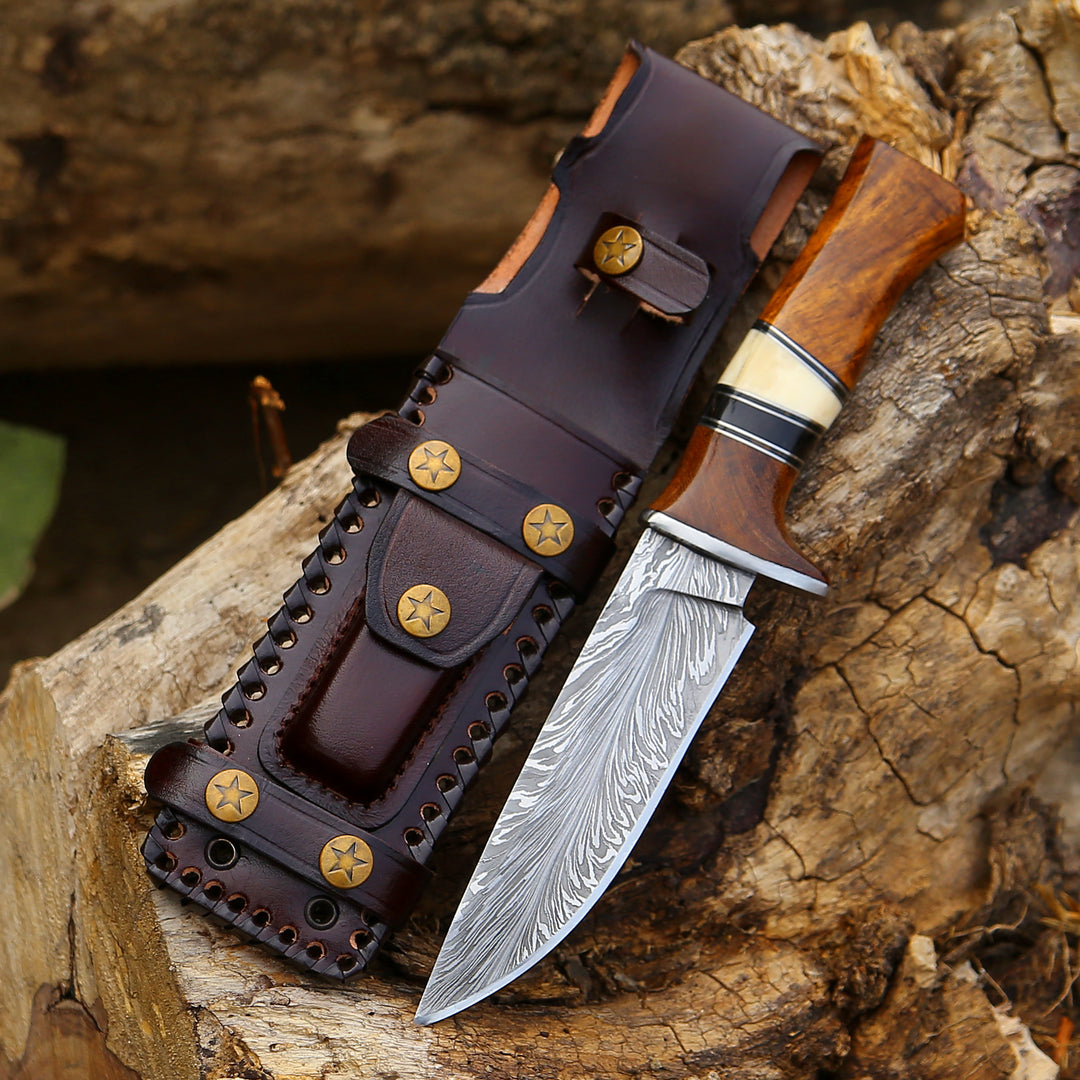
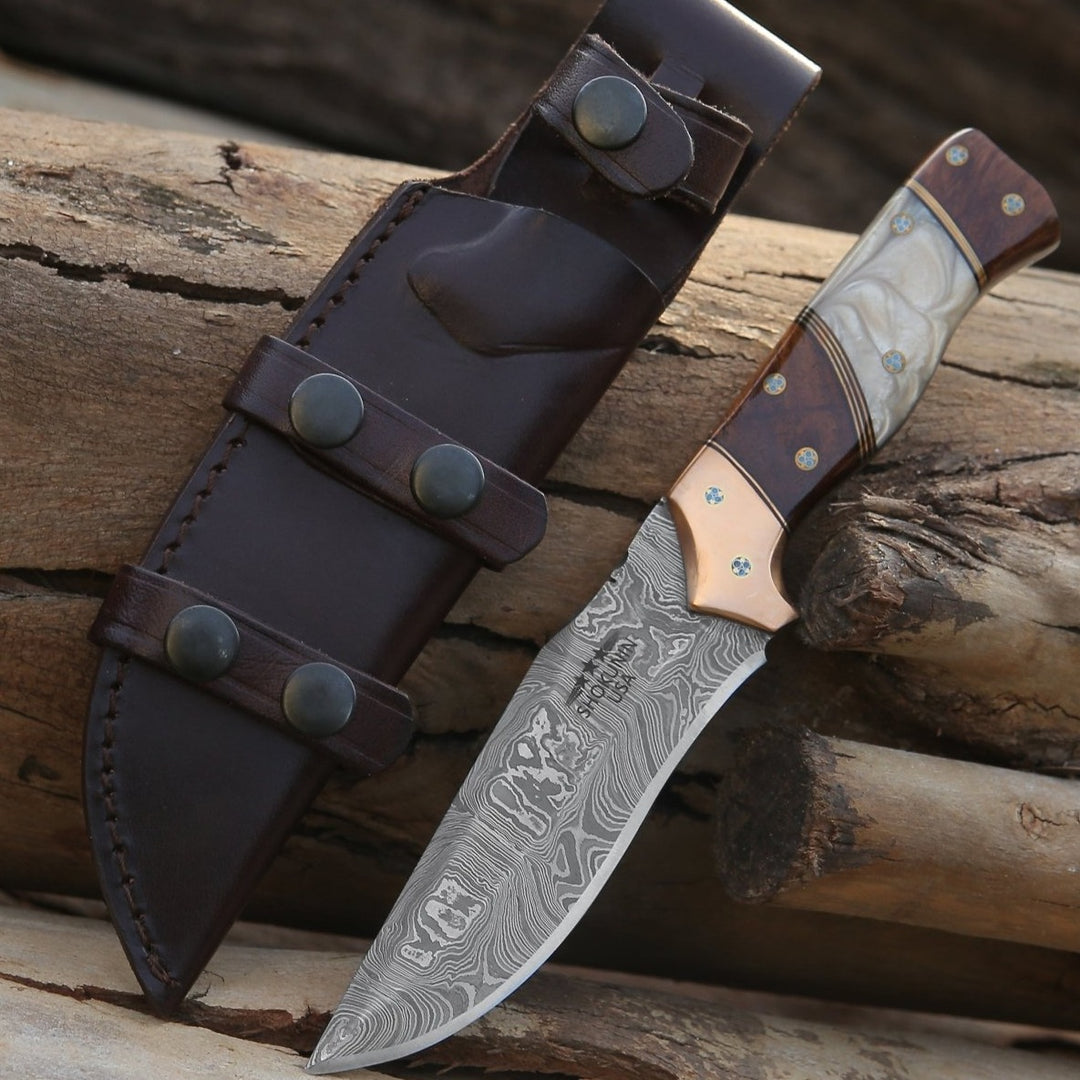
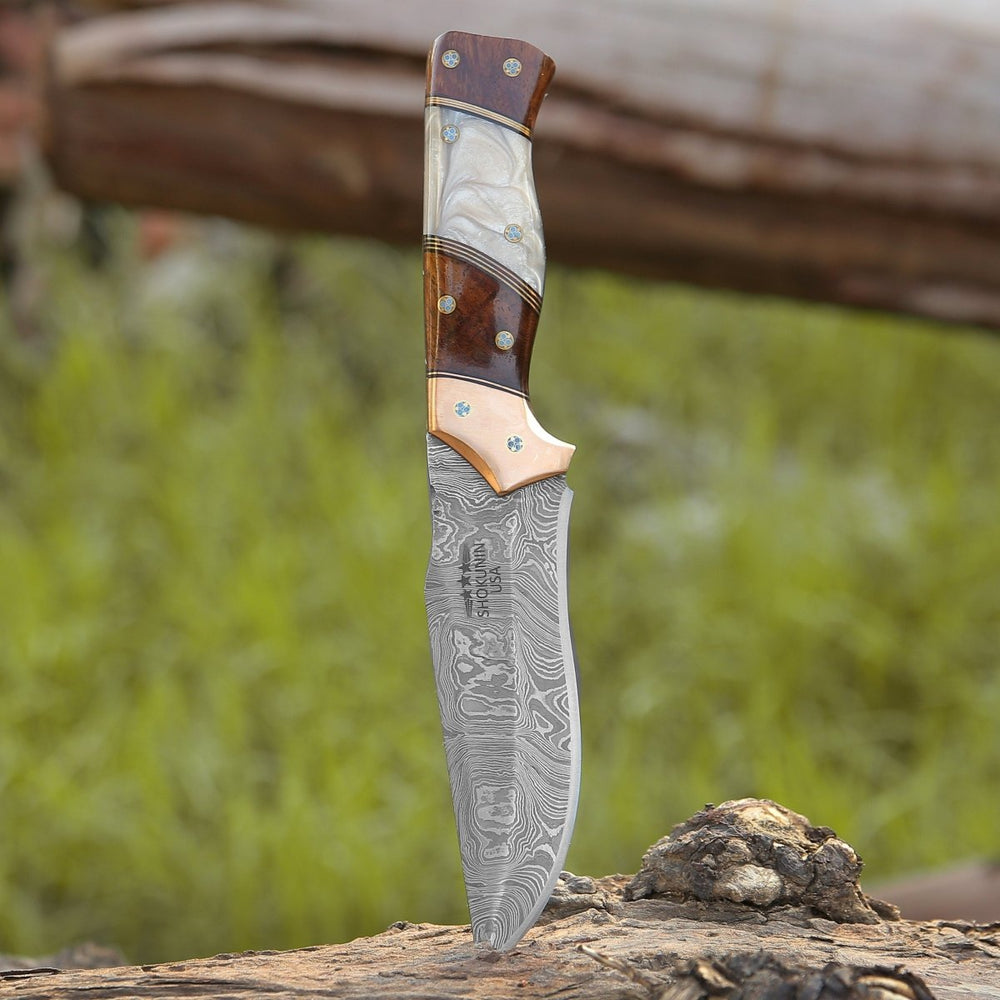
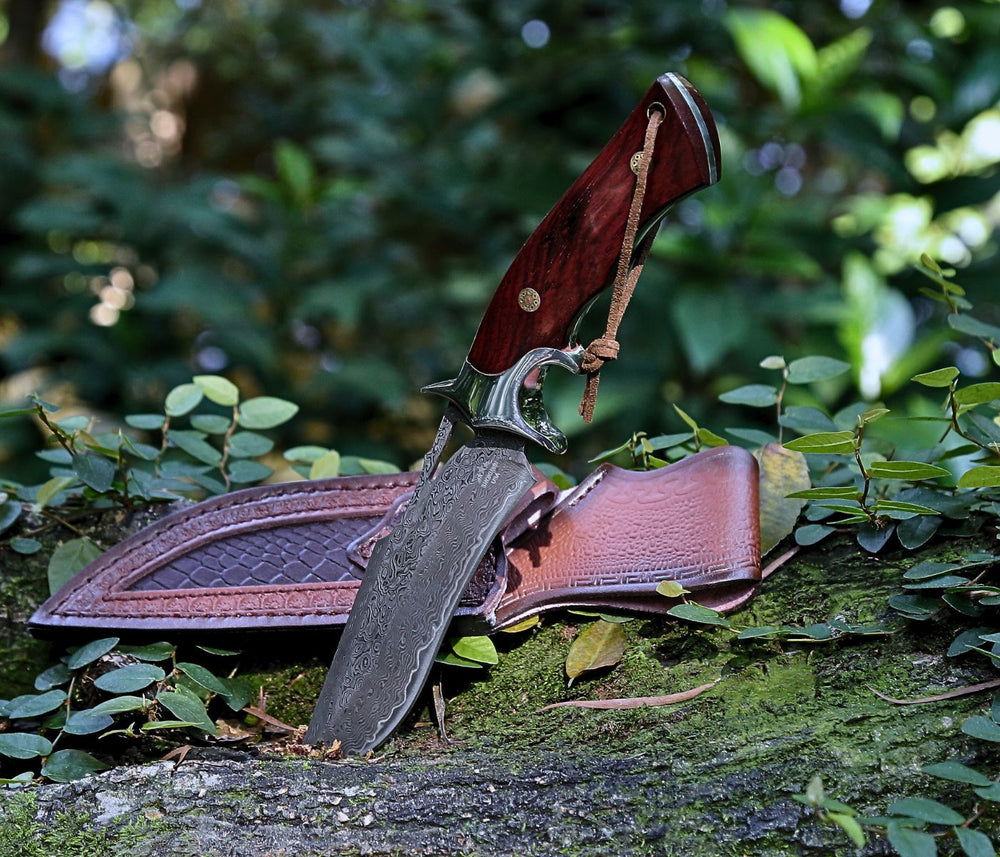
Many ancient cultures contributed to the development of knife making techniques. For example, the legendary Japanese knife makers employed methods such as folding and forging iron and steel, a practice that brings forth the famed Damascus Steel. This type of metal is known for its distinctive patterns and remarkable strength, making it a favorite among both collectors and chefs.
Modern Innovations
Today, knife making combines age-old techniques with cutting-edge technology. Artisan makers often lean towards traditional methods, maintaining the integrity and beauty of handmade knives while integrating advanced metallurgical practices that enhance functionality.
The Materials: Crafting the Perfect Blade
A knife is only as good as the materials used to make it. The choice of steel heavily impacts the knife's characteristics. One of the most popular materials in custom kitchen knife production is Damascus Steel. This metal is created by layering different steels and forging them together, yielding a blade that is not only durable but also visually stunning.
Types of Steel
- High Carbon Steel: Known for its razor-sharp edge and ease of sharpening, high carbon steel knives can corrode or rust if not properly maintained.
- Stainless Steel: Resistant to rust and corrosion, stainless steel knives require less maintenance but may not hold an edge as long as high carbon blades.
- Damascus Steel: A blend of different steel types that combines strength, sharpness, and aesthetic appeal, Damascus steel retains the best characteristics of both hard and soft steels.
Handle Materials
The handle of a knife is equally important, as it influences the comfort, control, and overall user experience. Many knife makers choose materials like:
- Wood: Traditional and beautiful, wood provides a warm feel and natural grip. Stabilized wood, such as curly maple burl, is often used to enhance durability and resist moisture.
- Composite materials: These materials offer varied textures and colors while maintaining resistance to wear and damage.
- Micarta: A durable synthetic handle made from layers of fabric and resin, providing a unique appearance and excellent grip.
The Crafting Process
Knife making is a meticulous process that involves several stages, each requiring precision and skill. Here’s a breakdown of the essential steps involved in crafting a custom kitchen knife:
Forging the Blade
The first step in knife making is forging the blade. Craftsmen start by heating the steel to high temperatures and then shaping it with a hammer or press. This step aligns the grain structure of the steel, enhancing its strength.
Quenching and Tempering
After forging, the blade is quenched in oil or water to rapidly cool it down. This process hardens the steel, giving it strength and edge retention. However, the blade can become brittle if not tempered afterward, which involves reheating it to a specific temperature to relieve stresses within the metal, making it less prone to cracking.
Grinding and Polishing
Once tempered, the blade is ground to achieve its final shape and sharpened to perfection. This step also involves polishing the metal to enhance its appearance, revealing the beautiful patterns characteristic of Damascus Steel.
Crafting the Handle
Simultaneously, the handle is crafted, often shaped to fit comfortably in the hand. It is attached to the blade, completing the knife. Some artisans also offer personalization options, allowing customers to engrave their names or special dates on the knife, making it a statement piece in their kitchen.
Importance of Knife Maintenance
A well-made knife can last a lifetime, but proper care is crucial to preserving its beauty and functionality. Here are some essential maintenance tips:
- Hand Wash: Always wash your knives by hand to prevent damage. Avoid putting them in the dishwasher, as harsh detergents and high temperatures can harm the steel and handle.
- Dry Immediately: After washing a knife, quickly dry it to prevent moisture from causing rust or corrosion.
- Sharpen Regularly: For optimal performance, use a whetstone or honing steel to sharpen your knife regularly, maintaining its edge.
- Store Properly: Consider using a knife block, magnetic strip, or a protective sheath to prevent damage when storing your knives.
A Journey into Custom Kitchen Knives
The trend of personalized knives has risen in popularity, and for a good reason. Custom kitchen knives allow chefs and home cooks alike to express their identity and passion for culinary arts. Crafting a knife tailored to your specifications can turn an ordinary kitchen tool into an extraordinary piece of art.
Why Choose Custom Knives?
- Unique Design: Custom knives can be designed to fit your needs, including personalized patterns and handles.
- Unmatched Quality: Artisan makers often use premium materials and traditional techniques, ensuring high-quality craftsmanship.
- Functional Art: Each knife tells a story. With a custom knife, you can own a unique piece that reflects your taste and cooking style.
Finding Your Ideal Custom Knife
When looking for a custom kitchen knife, consider factors such as blade material, handle comfort, and aesthetic appeal. Reputable makers often offer consultations, helping you create the perfect knife tailored to your culinary preferences.
The Community of Knife Makers
The world of knife making boasts a vibrant community of artisans, each passionate about their craft. These makers often participate in workshops, exhibitions, and forums, sharing knowledge and forging new connections. Getting involved in this community can enhance your appreciation of the art and may even inspire you to try knife making yourself.
Learning the Craft
If the idea of creating your own knives excites you, consider taking classes or workshops. Many skilled craftsmen offer their expertise to beginners, teaching the basics of forging, sharpening, and designing knives. The skills you gain will not only allow you to create unique kitchen tools but may also foster a deep respect for the craftsmanship involved in this art.
Online Resources
Numerous online platforms and forums are dedicated to knife making. These resources can provide valuable information on materials, techniques, and even tutorials, enabling newcomers to learn from experienced makers. Websites dedicated to knife enthusiasts often feature news, events, and a platform to buy and sell custom knives.
Elevate Your Culinary Experience
Engaging in the world of knife making offers more than just the joy of ownership; it enhances your cooking experience. Having the right knife—a custom kitchen knife forged with care and precision—can transform the way you prepare your meals. Whether you’re slicing, dicing, or chopping, the right tool makes all the difference.
As you explore the field of knife making, remember that each knife is a testament to skill and dedication. Investing in a quality knife not only benefits your culinary endeavors but supports artisans who pour their passion into every blade they create.
So embrace the art of knife making, whether by investing in a beautifully crafted blade or embarking on the journey to create your very own. With practice, dedication, and the right tools, you can elevate your kitchen into a realm of creativity and culinary excellence.
Frequently Asked Questions
1. What is the significance of knife making?
2. What are the main historical developments in knife making?
3. What types of steel are commonly used in knife making?
4. How important is knife maintenance?
5. What makes custom kitchen knives special?
Glossary
| Term | Meaning |
|---|---|
| Knife Making | The craft of creating knives, blending art and science. |
| Damascus Steel | A type of steel known for its unique patterns and strength. |
| High Carbon Steel | Steel that holds a sharp edge but can rust if not maintained. |
| Stainless Steel | Corrosion-resistant steel that requires less maintenance. |
| Forging | The process of shaping metal by heating and hammering. |
| Quenching | Rapid cooling of metal to harden it after forging. |
| Tempering | Reheating hardened steel to reduce brittleness. |
| Honing | Sharpening a knife's edge using a honing steel or whetstone. |
| Custom Knife | A personalized knife tailored to specific preferences. |
| Handle Materials | Materials used for knife handles, impacting comfort and grip. |
Linked Product

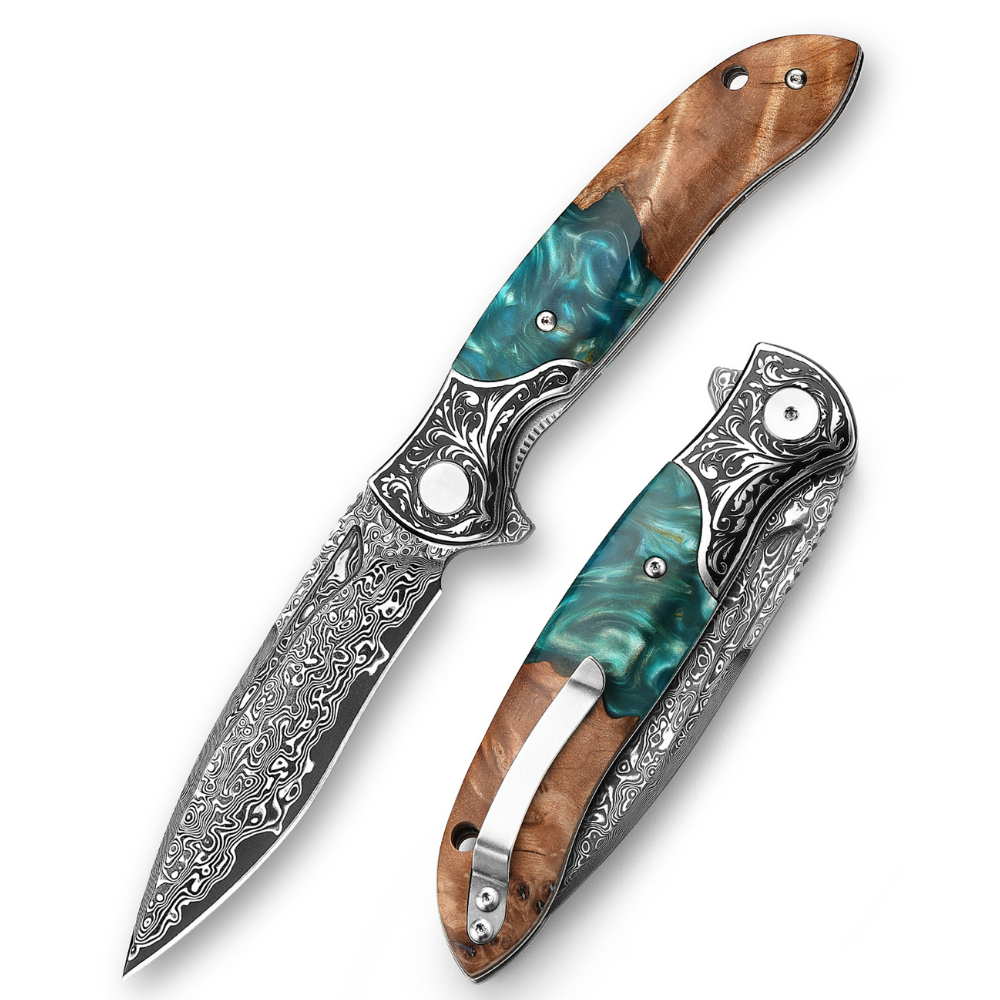
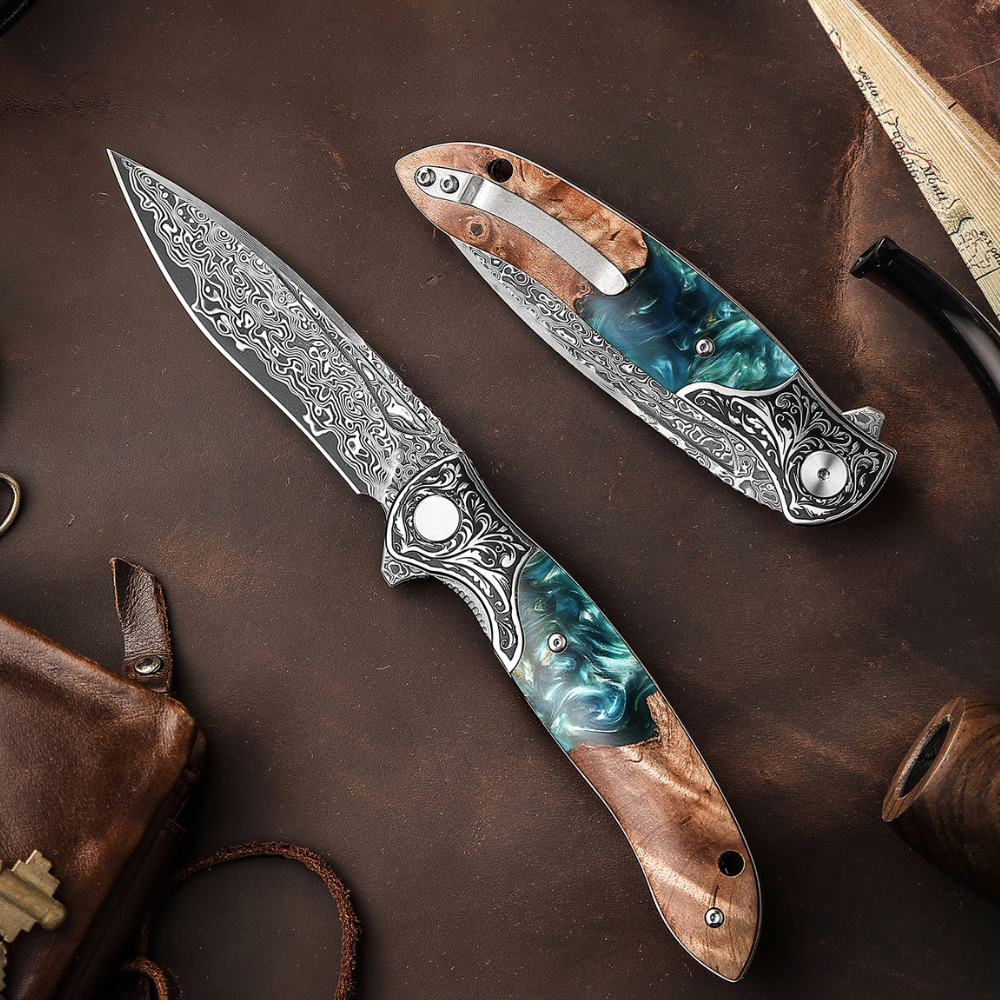
Luxe Japanese Damascus Chef Knife with Exotic Curly Maple Burl Wood Handle
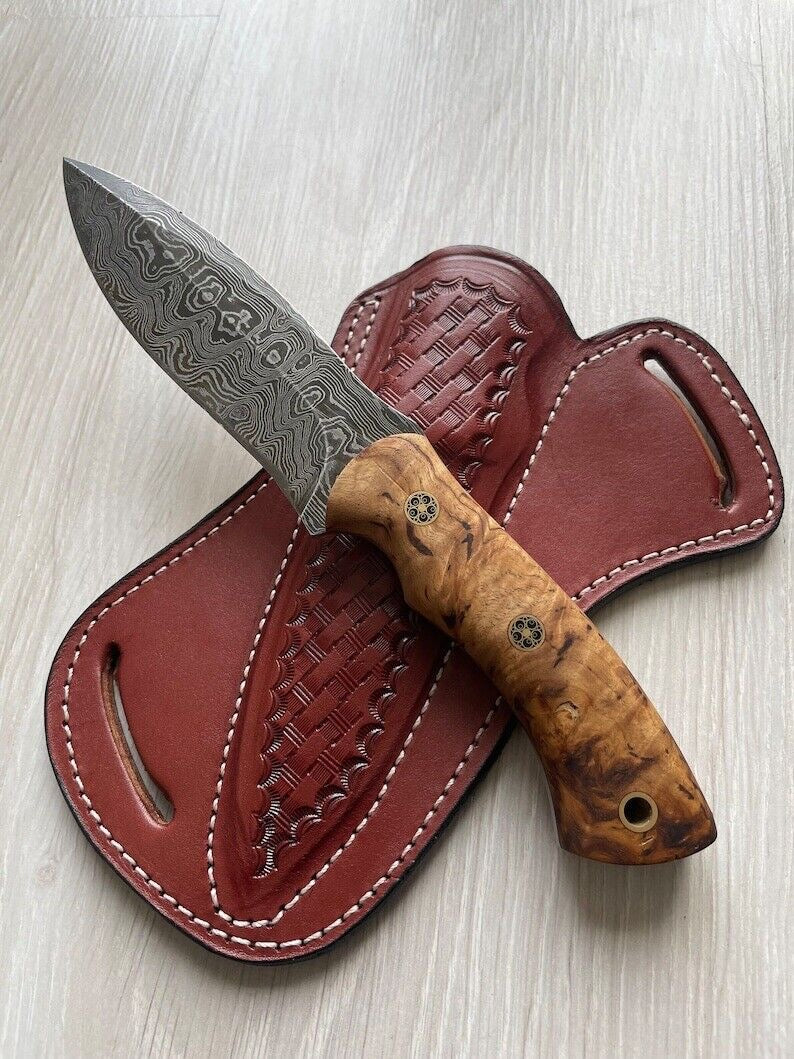
The Luxe Japanese Damascus Chef Knife features a hand-forged 110-layer Damascus steel blade, providing exceptional strength and edge retention for a variety of culinary tasks. Its ergonomic, stabilized curly maple burl wood handle ensures comfort and durability, making it suitable for both professional chefs and home cooks. This knife is designed not only for performance but also as a visually appealing addition to any kitchen.
View Product








Hinterlassen Sie einen Kommentar