

Overview
This article delves into the distinct characteristics of Japanese chef knives and field knives, highlighting their unique designs and intended uses. Readers will gain insights into the specific features that make each type of knife suitable for various tasks, whether in the kitchen or outdoors. By understanding these differences, you can make an informed choice that aligns with your cooking or outdoor needs.
Table of Contents
- What Are Field Knives?
- Key Characteristics of Field Knives
- Understanding Kitchen Knives
- Essential Types of Kitchen Knives
- Comparative Analysis: Field vs. Kitchen Knives
- Blade Material and Construction
- Functionality and Design
- Weight and Balance
- When to Use Field Knives
- When Kitchen Knives Shine
- Maintenance Tips for Your Knives
- Cleaning and Care
- Sharpening Techniques
- Storage Solutions
- The Culinary Experience with a Japanese Chef Knife
- Choosing the Right Knife for Your Needs
- Ready to Elevate Your Knife Game?
Key Takeaways
- Field knives are designed for outdoor activities such as camping, hiking, and hunting, featuring a rugged and sturdy construction.
- Kitchen knives are specialized tools for food preparation, with various types like chef's knives, paring knives, and utility knives.
- Japanese chef knives are known for their precision, sharpness, and ergonomic design, making them popular among professional chefs.
- Blade materials differ significantly; field knives often use high-carbon or stainless steel, while Japanese knives are frequently crafted from high-quality Damascus steel.
- Proper maintenance is crucial for both knife types, including cleaning, sharpening, and appropriate storage solutions to ensure longevity.
- Weight and balance are key considerations; field knives are generally heavier for outdoor tasks, while kitchen knives prioritize balance for efficient handling.
- Choosing the right knife depends on your activities: field knives are ideal for outdoor tasks, while kitchen knives excel in meal preparation and presentation.
When it comes to knives, two primary categories come to mind: field knives and kitchen knives. Each type has its distinct design, purposes, and applications. In this blog post, we will explore the unique characteristics of Japanese chef knives and field knives, helping you understand which one suits your specific needs best. Whether you're a passionate home cook or an adventurous outdoor enthusiast, it's vital to have the right knife for the job.
What Are Field Knives?
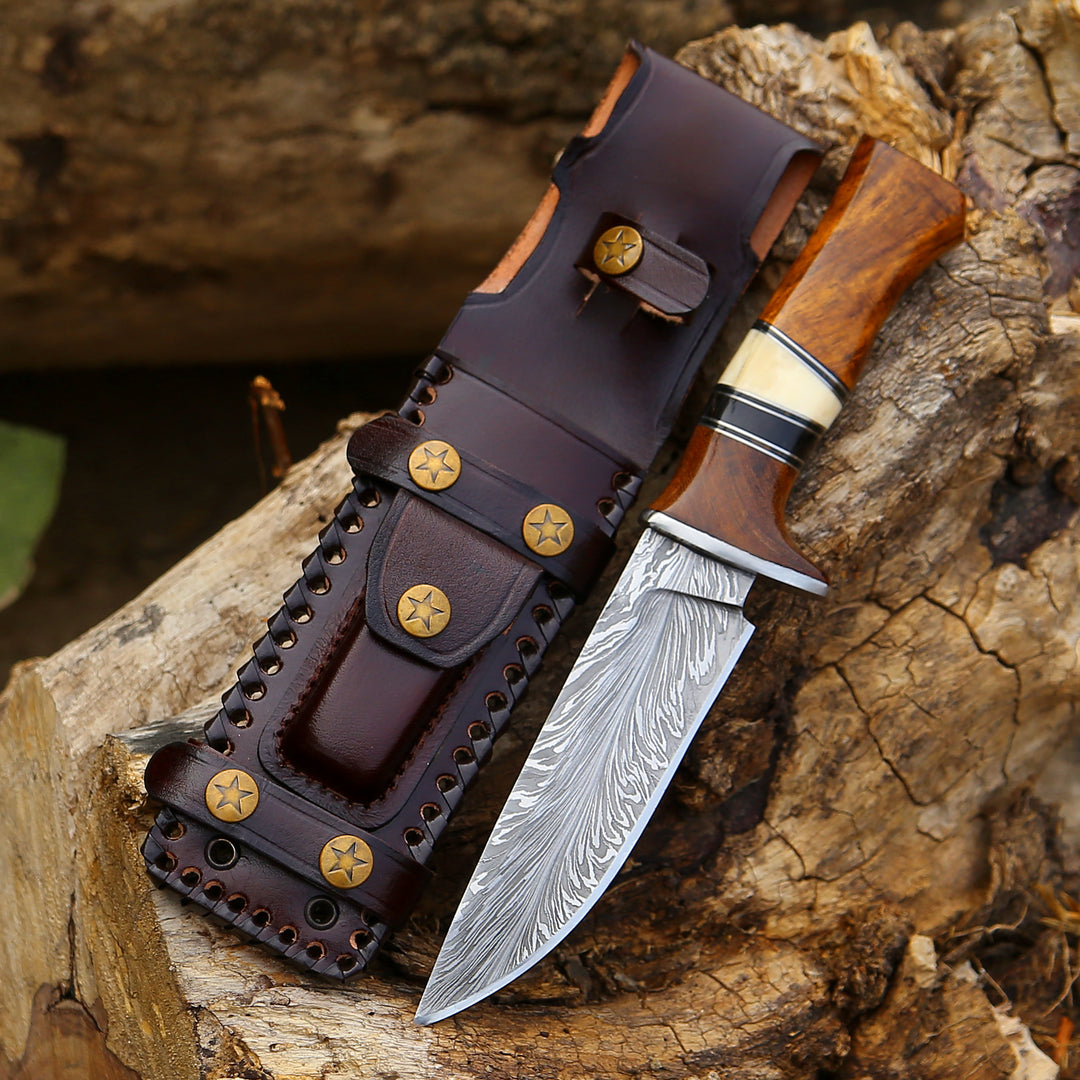
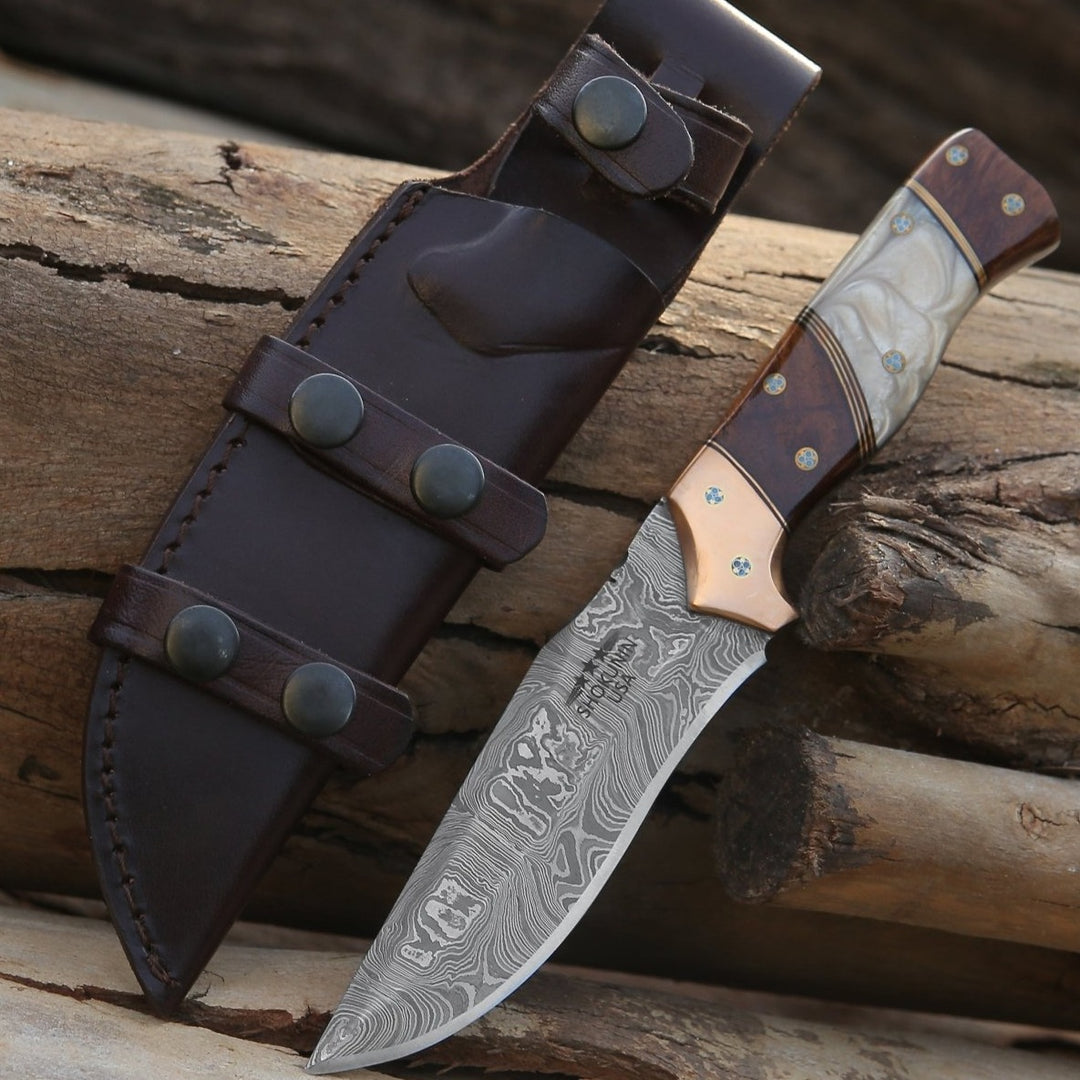
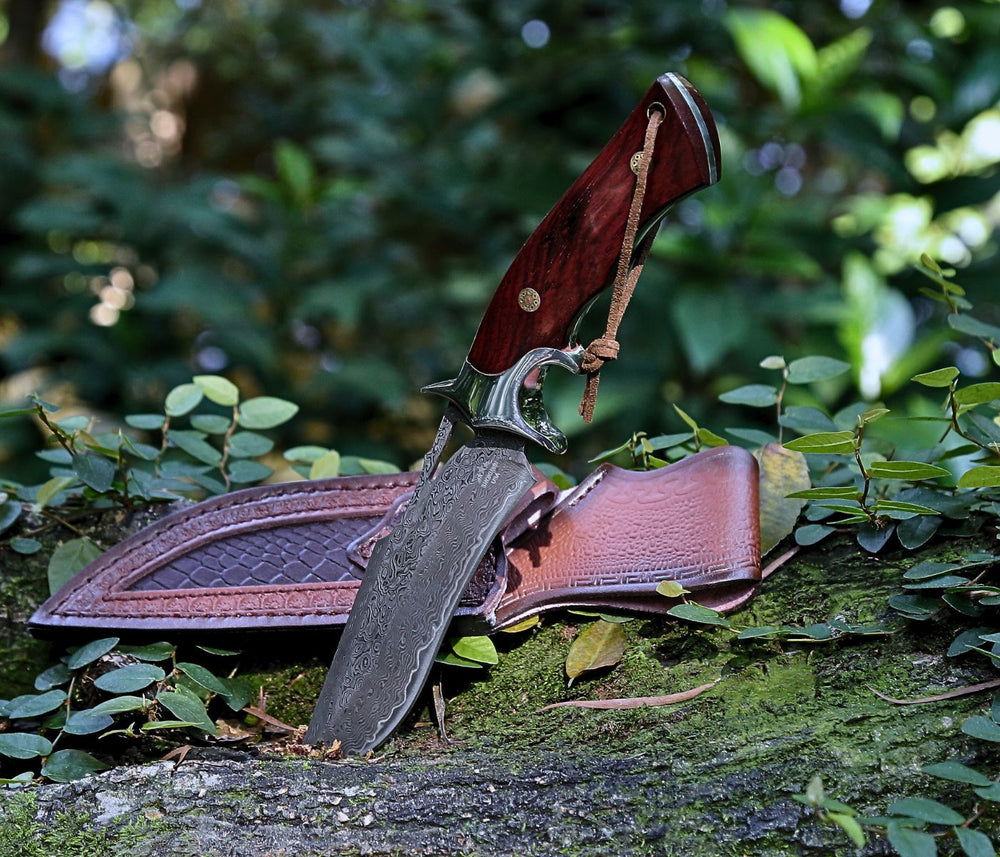
Field knives are versatile tools designed for outdoor use. They are primarily utilized in activities such as camping, hiking, and hunting. Their rugged design and sturdy construction enable them to perform well in challenging environments.
Key Characteristics of Field Knives
- Blade Design: Field knives typically have a thicker, sturdier blade. This makes them ideal for heavy-duty tasks like splitting wood or preparing food outdoors.
- Material: Many field knives are crafted from high-carbon steel or stainless steel, providing superior durability and resistance to corrosion.
- Versatility: These knives often feature a general-purpose design, allowing users to engage in a variety of tasks—from cutting rope to gutting game.
- Grip: Most field knives have textured handles made from materials like rubber or wood to provide a secure grip even in wet conditions.
Understanding Kitchen Knives
Unlike field knives, kitchen knives are specifically designed for culinary tasks. They arrive in various shapes and sizes, each tailored for particular types of food preparation.
Essential Types of Kitchen Knives
- Chef's Knife: Often referred to as the cornerstone of any kitchen, the chef's knife is a multi-functional tool great for chopping, slicing, and dicing.
- Paring Knife: A small knife intended for delicate tasks like peeling and trimming smaller fruits and vegetables.
- Utility Knife: This versatile knife serves as a middle ground between a chef’s knife and a paring knife, perfect for many miscellaneous tasks.
- Japanese Chef Knife: Known for its precision and sharpness, a Japanese chef knife adds an element of finesse to any cooking experience. With its ergonomic design and well-balanced blade, it's often favored by professional chefs.
Comparative Analysis: Field vs. Kitchen Knives
To understand the inherent differences between field and kitchen knives, let's delve into a direct comparison of several attributes.
Blade Material and Construction
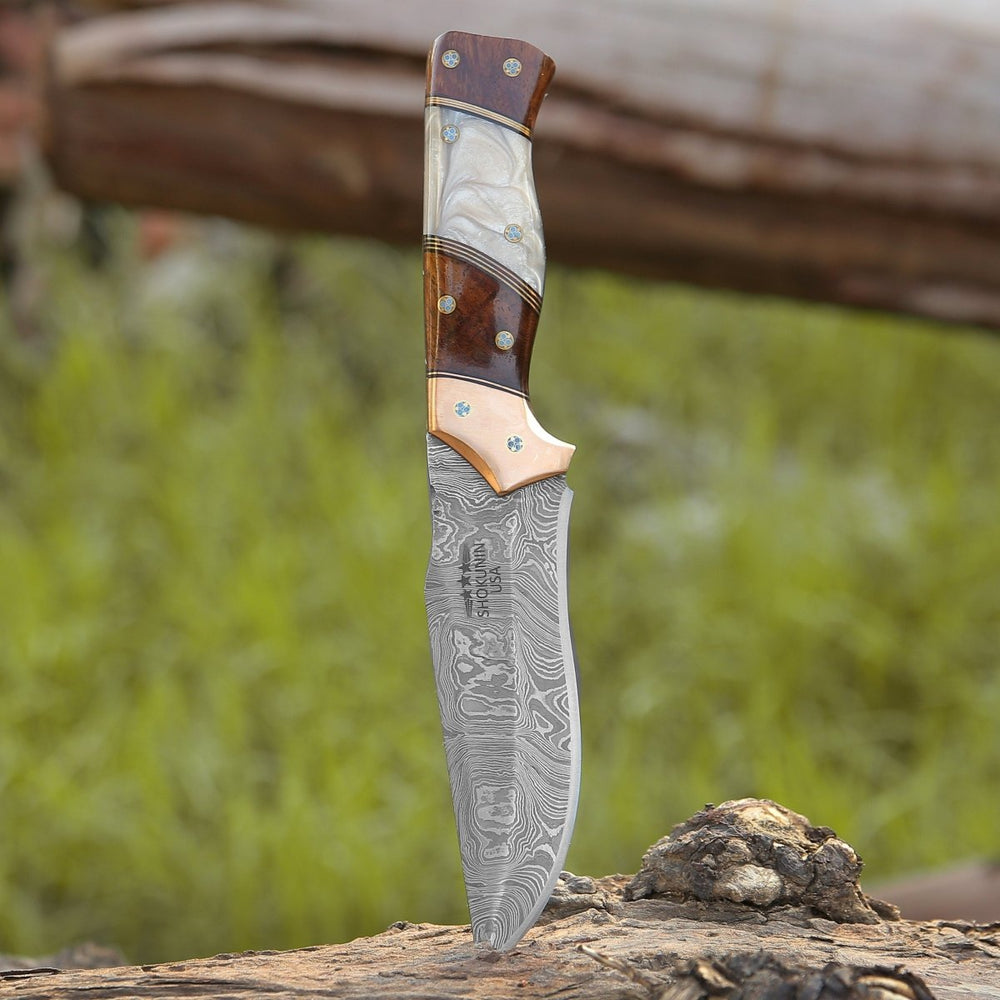
Field knives often boast blades made of high-carbon or stainless steel for durability, while kitchen knives like Japanese chef knives are typically hand-forged from specialized steel, offering exceptional edge retention and performance. For instance, many Japanese knives are crafted from intricate Damascus steel, known for its unique aesthetic and resilience.
Functionality and Design
Field knives are designed for versatility, capable of tackling heavy-duty tasks in outdoor settings. In contrast, kitchen knives center around food preparation, emphasizing efficiency and precision in cutting. A chef's knife, for example, features a wide blade that allows for rocking motions, making it easier to chop herbs and vegetables quickly.
Weight and Balance
Most field knives have a heavier weight, providing the heft needed for outdoor tasks. Kitchen knives, especially those like the Japanese chef knife, focus on balancing the weight between the blade and the handle. This balance is crucial for ensuring easy handling and minimizing fatigue during extended use.
When to Use Field Knives
Choosing the right knife for outdoor activities can enhance your overall experience. Field knives are ideal for:
- Camping: Perfect for preparing meals outdoors or performing various tasks around the campsite.
- Hiking: Useful for cutting ropes, opening packages, or general food prep.
- Hunting: Essential for skinning and processing game.
When Kitchen Knives Shine
Conversely, kitchen knives come into play during culinary endeavors, particularly when:
- Meal Preparation: Critical for quickly and efficiently chopping ingredients for your dishes.
- Fine Slicing: Ideal for proteins, vegetables, and herbs that require precision, particularly with a high-quality Japanese chef knife.
- Presentation: Using the right knife for delicate food can elevate the aesthetic of your meal, highlighting the skill involved in your cooking.
Maintenance Tips for Your Knives
Regardless of whether you choose a field knife or a kitchen knife, proper maintenance is essential to ensure longevity and optimal performance.
Cleaning and Care
Always clean your knives immediately after use. For kitchen knives, a simple wash with soap and warm water typically suffices. Avoid soaking them in water or placing them in the dishwasher, especially for high-quality Japanese chef knives. For field knives, ensure to clean off dirt and debris after each outing to prevent rust and deterioration.
Sharpening Techniques
Regular sharpening helps maintain the knife's effectiveness. For kitchen knives, honing steel is often enough to keep the edge aligned, while field knives may require more robust sharpening tools due to their thicker blades. A professional sharpening service is an option for high-quality knives to ensure proper technique.
Storage Solutions
Proper storage protects your knives and keeps them in functional condition. Knife blocks, magnetic strips, or sheaths are excellent options for kitchen knives. For field knives, consider carrying a sheath that provides both protection and ease of access.
The Culinary Experience with a Japanese Chef Knife
The Japanese chef knife stands out due to its craftsmanship and unique qualities. Many chefs swear by this knife, not only for its sharpness but also for its stunning design. The distinctive blade made from Damascus steel is not only a work of art but also one of the most functional materials available for culinary knives.
A high-quality Japanese chef knife is often characterized by:
- Exceptional Hardness: A high Rockwell hardness rating ensures that the knife retains its edge longer than others.
- Beautiful Aesthetics: The unique patterns of Damascus steel make each blade visually striking.
- Comfortable Handling: Ergonomically designed handles ensure that chefs can use the knife for extended periods without discomfort.
Choosing the Right Knife for Your Needs
When deciding between a field knife and a kitchen knife, consider what activities you will be pursuing. Outdoor enthusiasts may find field knives more versatile, while culinary artists will prefer the precision of kitchen knives, especially a Japanese chef knife.
For those who appreciate the beauty and functionality of knives, investing in high-quality options from reputable brands can elevate both outdoor experiences and culinary adventures. Your choice will reflect your individual needs and values, whether it's a sturdy field knife to accompany your next camping trip or a magnificent kitchen knife to enhance your cooking repertoire.
Ready to Elevate Your Knife Game?
Understanding the differences between field and kitchen knives empowers you to make an informed decision tailored to your lifestyle. Featured knives, like the exquisite Japanese chef knife, can add an unmatched level of sophistication to your cooking experience while ensuring you have the right tools for any outdoor activities. Embrace the art of quality cutlery, and elevate both your culinary skills and outdoor excursions like never before!
Frequently Asked Questions
1. What are the main differences between field knives and kitchen knives?
2. What are field knives used for?
3. What types of kitchen knives are essential for cooking?
4. How should I maintain my knives?
5. What makes a Japanese chef knife special?
Glossary
| Term | Meaning |
|---|---|
| Field Knife | A versatile outdoor tool used for camping, hiking, and hunting. |
| Kitchen Knife | A knife designed specifically for food preparation tasks in the kitchen. |
| Chef's Knife | A multi-functional kitchen knife ideal for chopping, slicing, and dicing. |
| Paring Knife | A small knife used for delicate tasks like peeling and trimming. |
| Utility Knife | A versatile knife that bridges the gap between chef's and paring knives. |
| Japanese Chef Knife | A precision knife known for its sharpness and ergonomic design. |
| Damascus Steel | A type of steel known for its unique patterns and excellent edge retention. |
| Blade Design | The specific shape and thickness of a knife's blade affecting its function. |
| Grip | The handle design that ensures a secure hold during use. |
| Maintenance | Care practices necessary to keep knives in optimal condition. |
Linked Product

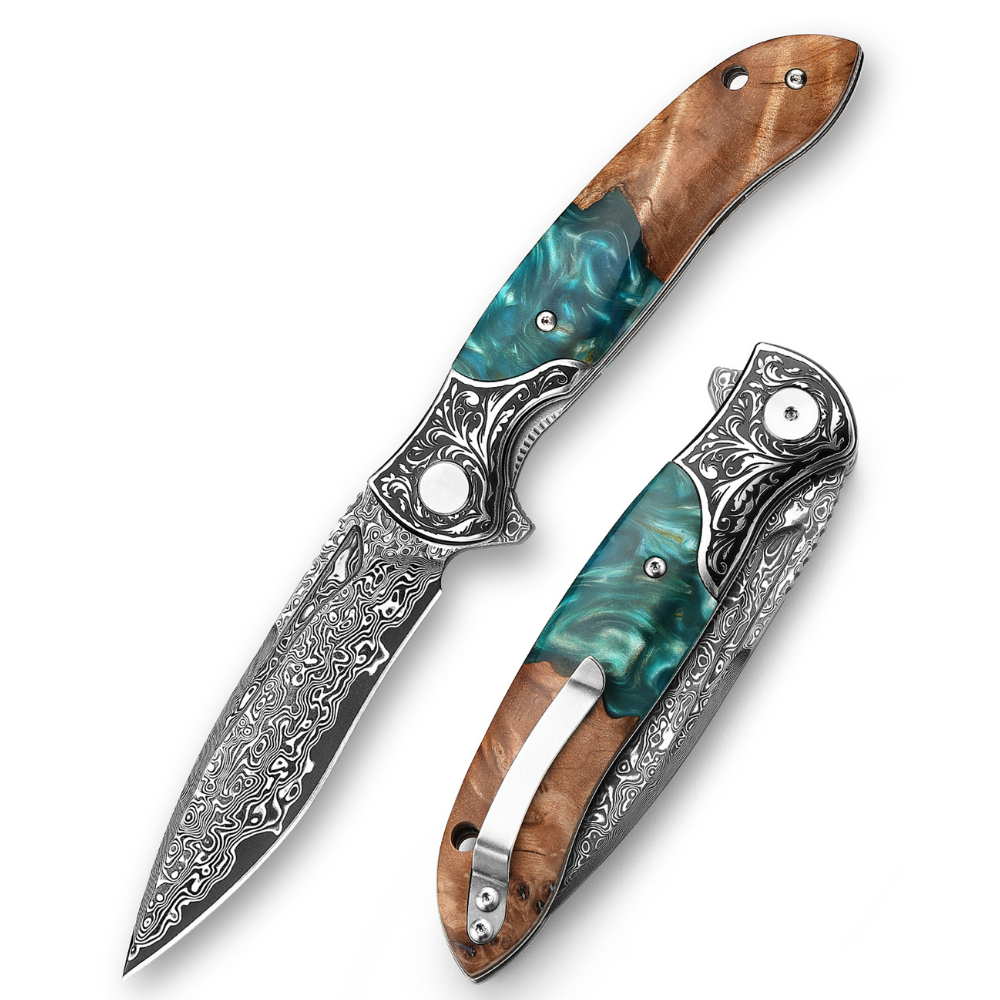
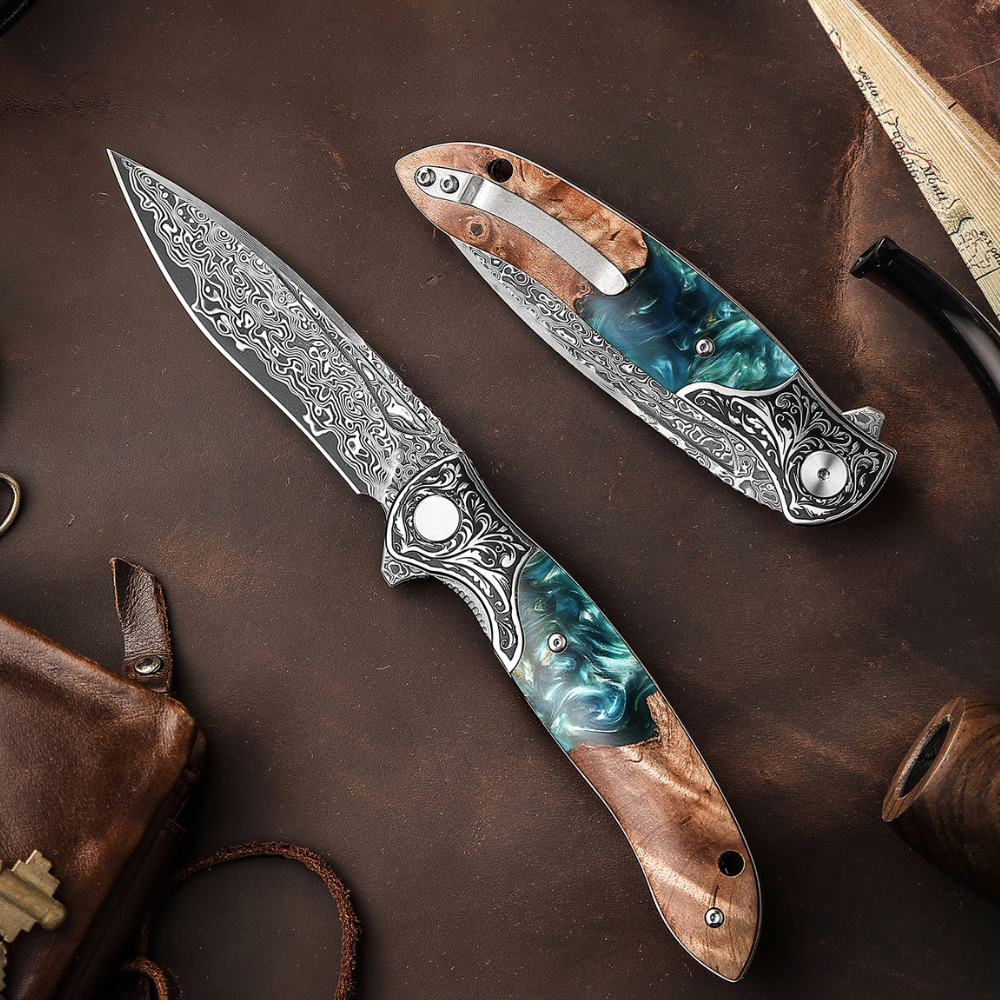
Luxe Japanese Damascus Chef Knife with Exotic Curly Maple Burl Wood Handle
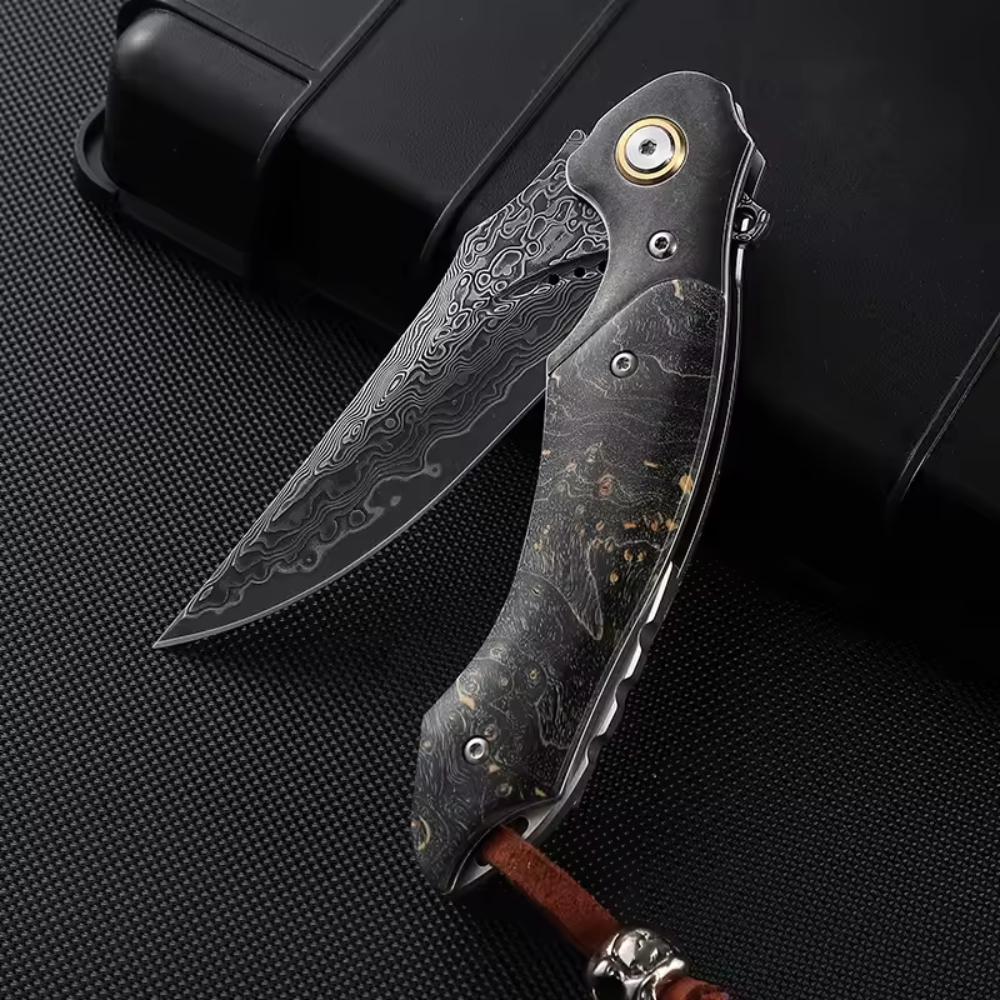
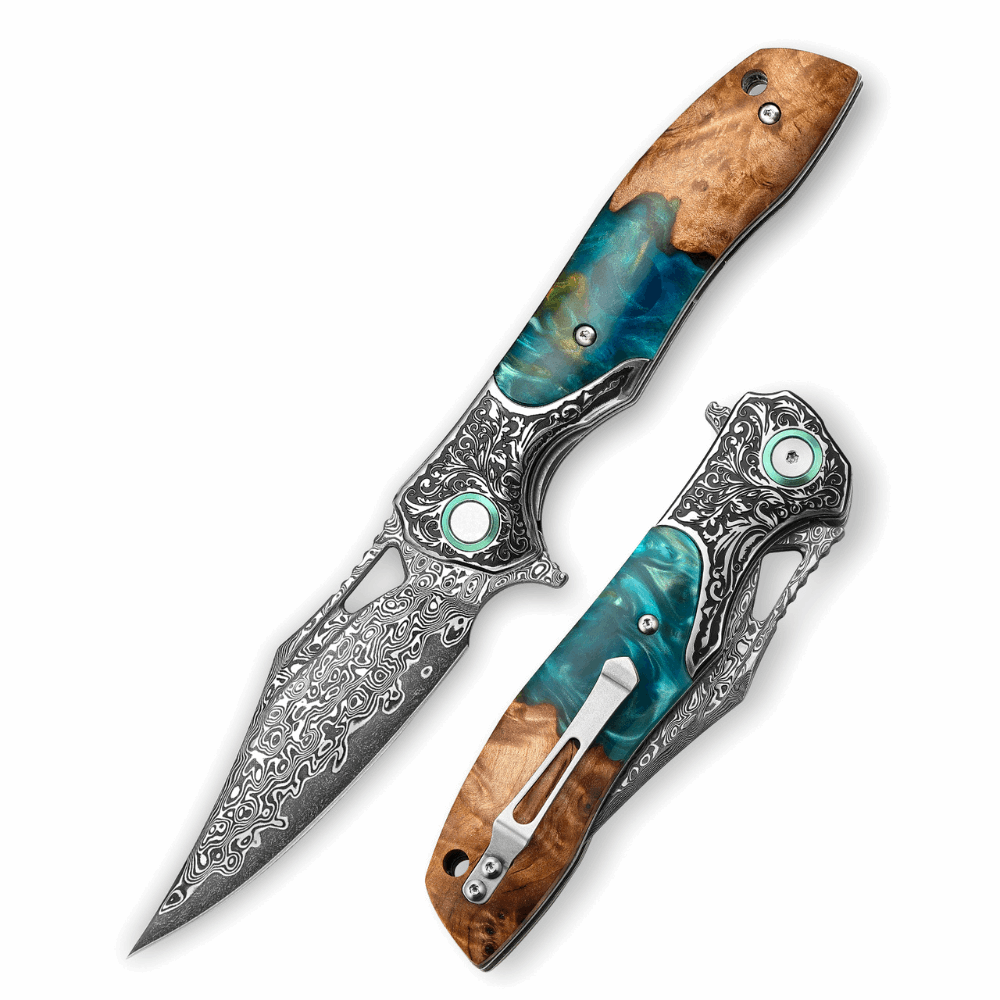
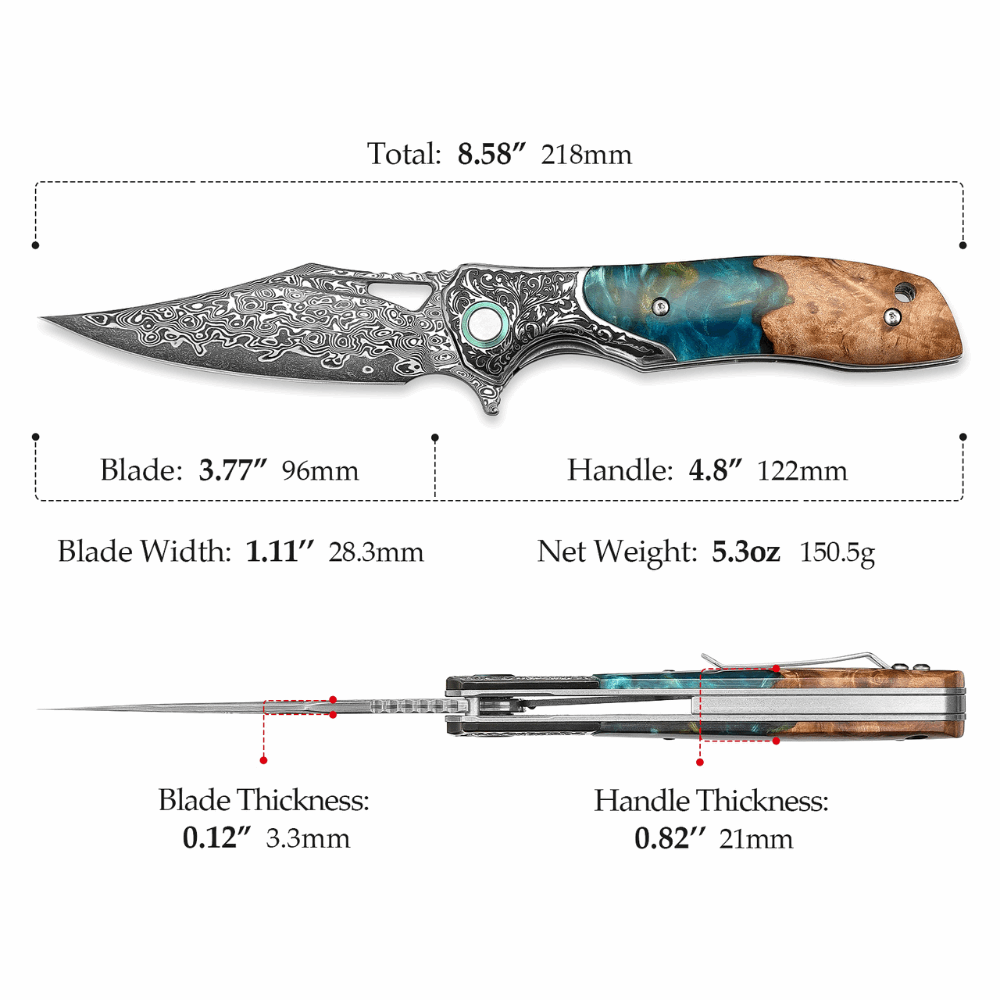
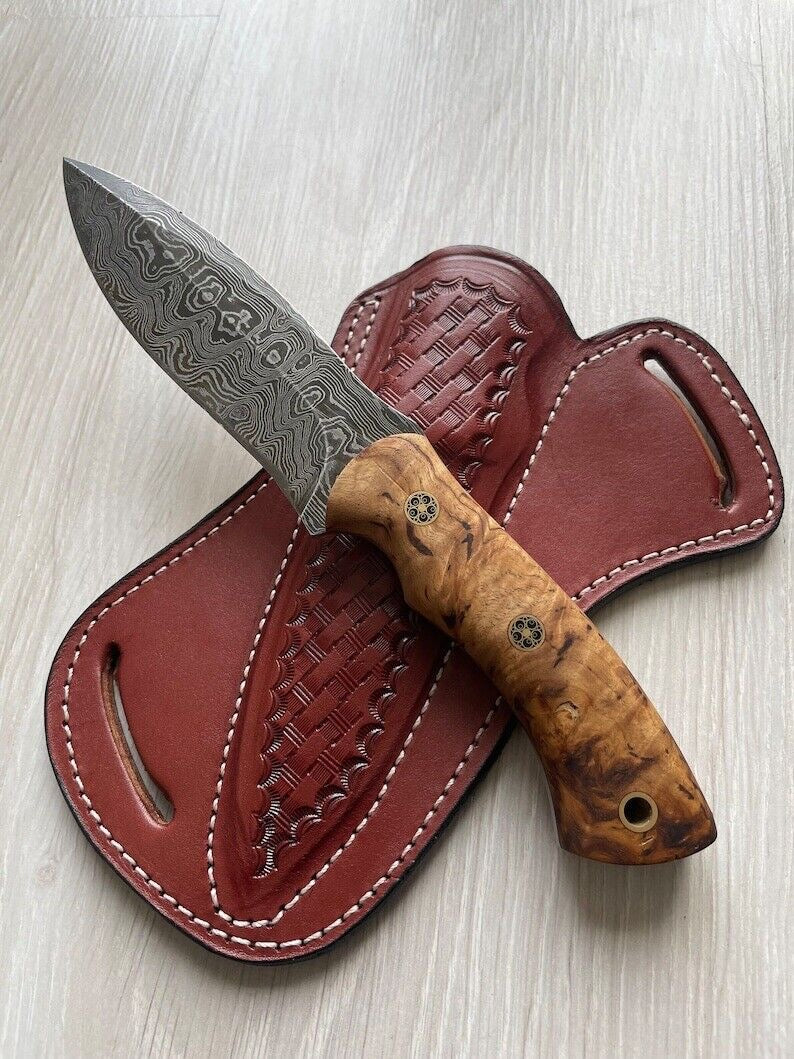
The Luxe Japanese Damascus Chef Knife features a hand-forged VG-10 and 15n20 Damascus steel blade, providing exceptional sharpness and edge retention for a variety of kitchen tasks. Its ergonomic, stabilized curly maple burl wood handle ensures comfort and durability, making it suitable for both professional chefs and home cooks. This knife is not only a functional tool but also a unique piece of art, perfect for enhancing any kitchen aesthetic.
View Product








Hinterlassen Sie einen Kommentar