

Overview
This article provides knife enthusiasts with practical techniques and tips for organizing and storing their knife collections effectively. Readers will learn about various storage solutions, proper handling techniques, and innovative ideas to enhance both functionality and aesthetics. By the end of the article, collectors will have a comprehensive understanding of how to maintain their knives and showcase their unique character, ensuring a well-preserved and visually appealing collection.
Table of Contents
- Understanding Your Knife Collection
- Choosing the Right Storage Solution
- Knife Blocks
- Magnetic Strips
- Knife Cases
- Drawer Organizers
- Proper Knife Handling Techniques
- Cleaning Your Knives
- Sharpening Your Collection
- Maximizing Space and Organization
- Group by Type
- Sort by Frequency of Use
- Consider the Aesthetics
- Environmental Considerations
- Humidity Control
- Temperature Management
- Innovative Storage Ideas
- DIY Knife Racks
- Shadow Boxes
- Knife Display Cases
- Tools for Maintaining Your Knife Collection
- Value the Unique Character of Your Collection
- Documentation
- Sharing Your Passion
- Final Thoughts on Knife Organization
Key Takeaways
- Assess Your Collection: Understand the types of knives you own, such as kitchen, collector's, outdoor, and specialty knives, to guide your storage decisions.
- Choose Appropriate Storage: Consider options like knife blocks, magnetic strips, knife cases, and drawer organizers to keep your knives safe and accessible.
- Maintain Cleanliness: Regularly clean your knives by hand to prevent corrosion, especially for carbon steel and Damascus Steel blades.
- Organize by Type and Use: Group knives by type and frequency of use to enhance accessibility and maintain an organized display.
- Control Environmental Factors: Store knives in a dry, stable environment to prevent rust and damage from humidity and temperature extremes.
- Innovative Storage Solutions: Explore creative options like DIY knife racks and shadow boxes for unique and aesthetic displays of your collection.
- Document Your Knives: Keep a log of each knife's history and maintenance, adding value and personal connection to your collection.
As knife enthusiasts, you understand the value of having a well-organized knife collection. Not only does it add aesthetic appeal to your space, but it also ensures that your knives are well-maintained and readily accessible when needed. Whether you own a Flint Damascus Knife or unique pieces of Damascus Steel from various barrels, knowing how to properly organize and store your collection can significantly enhance your experience. In this article, we will explore various techniques and tips to help you get the most out of your knife collection. Let’s dive in!
Understanding Your Knife Collection
Before you begin organizing your knife collection, take a moment to assess the items you have. Each knife can serve a distinct purpose, from simple kitchen tools to collectible pieces. Understanding the different types of knives in your inventory can serve as a guiding factor in how you choose to store them. Here are some knife types you might have:
- Kitchen Knives: These may include chef's knives, paring knives, and utility knives.
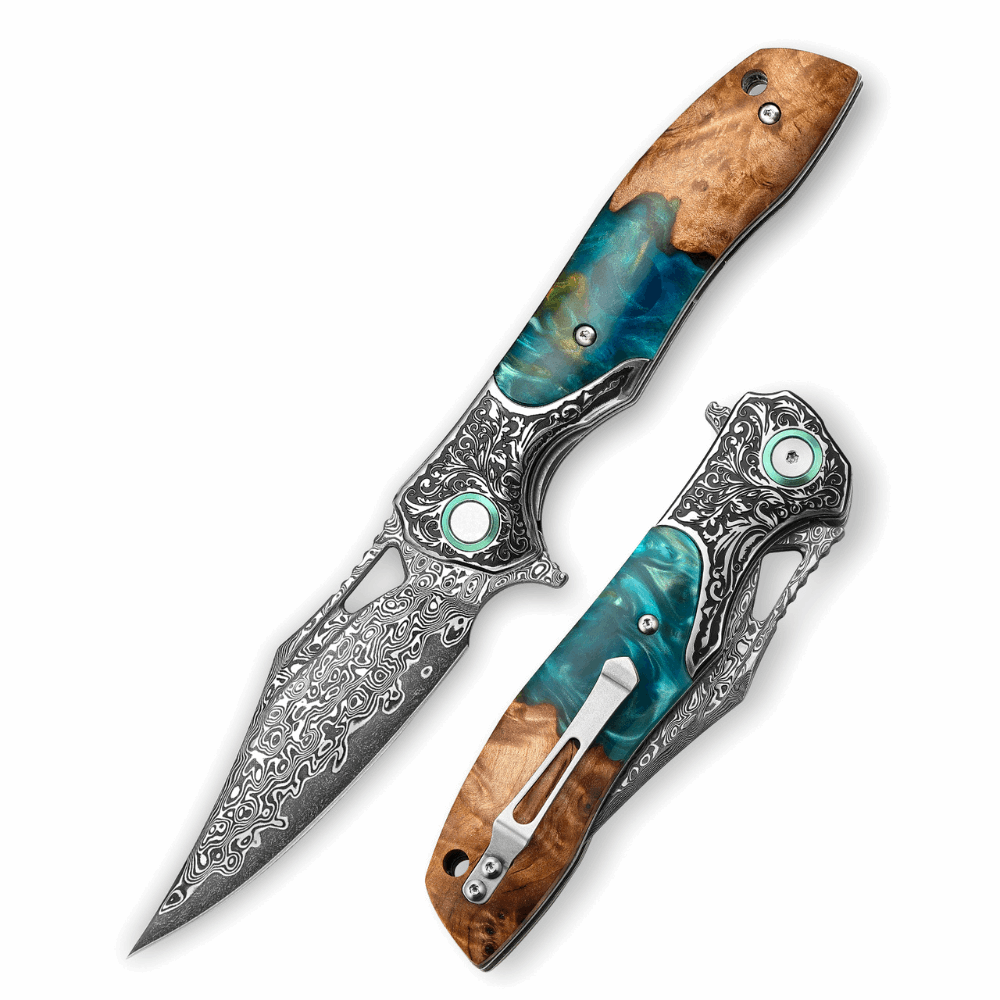
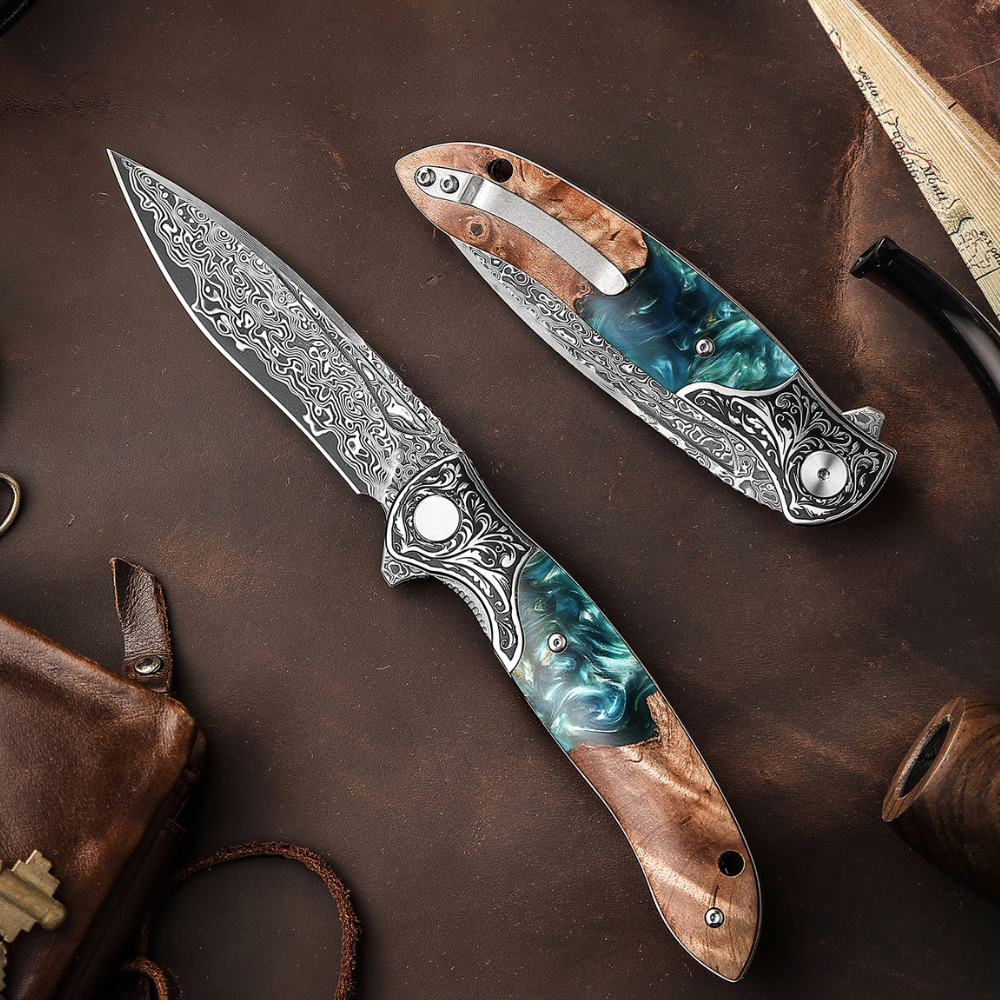
- Collector's Knives: Pieces that showcase unique designs, like the Flint Damascus Knife, often prized for both form and function.
- Outdoor Knives: Folding or fixed-blade knives, often used for camping or hunting.
- Specialty Knives: Knives designed for specific tasks, such as fillet knives for fish or carving knives for meats.
Choosing the Right Storage Solution
Once you understand your collection, it’s time to choose the right storage solution. Here are several options that every knife collector should consider:
Knife Blocks
Knife blocks are a popular choice for storing kitchen knives. They keep the blades protected and organized. Ensure that your knife block has enough slots to accommodate your entire collection without crowding.
Magnetic Strips
For a visually appealing option, consider installing magnetic strips on your wall. This method showcases your knives, allowing easy access while saving countertop space. Magnetic strips are particularly effective for displaying Damascus Steel blades, making them a centerpiece in your kitchen or workspace.
Knife Cases
If your collection includes high-value knives such as your Damascus Steel pieces, investing in a knife case may be the best option. These cases often come with padded interiors to protect your knives from scratches and keep them organized.
Drawer Organizers
Drawer organizers are an excellent way to store your knives out of sight. You can purchase custom inserts that fit your drawer dimensions or repurpose small containers to separate knives. This works great for keeping knives collected over the years, whether they are for work or personal use.
Proper Knife Handling Techniques
Before diving deeper into how to arrange your collection, it's essential to consider the proper handling techniques for your knives. Damage can occur if not handled appropriately, potentially affecting their usability and aesthetic.
Cleaning Your Knives
It’s crucial to keep your knives clean to prevent corrosion, especially with carbon steel knives or Damascus Steel blades. Always wash your knives by hand and dry them immediately. Avoid using a dishwasher, as the harsh conditions can dull blades and damage handles.
Sharpening Your Collection
Regular sharpening is vital for maintaining the performance of your knives. Use whetstones, honing rods, or specialized sharpeners. A well-maintained edge ensures easy slicing and reduces the risk of accidents.
Maximizing Space and Organization
When storing your knife collection, effective organization is key to maintaining functionality and aesthetics. Here’s how to maximize space:
Group by Type
Group knives based on their type or purpose. For example, keep all your kitchen knives together and separate from your outdoor knives. This helps in locating the right knife quickly while also maintaining an organized visual.
Sort by Frequency of Use
Store frequently used knives in an easily accessible location, such as the top drawer or a designated part of your block or magnetic strip. Reserve less commonly used knives for harder-to-reach areas.
Consider the Aesthetics
Your knife collection is not just a set of tools; it’s a representation of your interests and personality. Consider how your collection looks on display. You can organize knives by size, color, or design. Just as a Flint Damascus Knife has artful characteristics, your storage can reflect this palette.
Environmental Considerations
Storing your knives in the right environment ensures their longevity. Here are some factors to keep in mind:
Humidity Control
Damascus Steel and other metal substances can be prone to rust if exposed to excessive humidity. Ensure that your storage area is dry. You might consider dehumidifiers if you live in a particularly humid area.
Temperature Management
Extremes in temperature can affect the material integrity of your knives. Maintain a stable temperature in the area where you store your knives to prevent warping or cracking, particularly for handles made from organic materials.
Innovative Storage Ideas
While traditional methods work, thinking outside the box can lead to unique storage solutions. Here are a few creative ideas to inspire your organization:
DIY Knife Racks
Consider crafting your own knife rack. Repurposed wood or even a metal conduit can make stylish racks that align with the aesthetics of your home. You can carve out slots or holes tailored specifically for your favorite knives, much like a bespoke display for your prized Damascus Steel knives.
Shadow Boxes
Create a shadow box for displaying and storing your knives. This adds an artistic touch to your space, with the potential to highlight the beauty of your most treasured knives, such as your Flint Damascus Knife.
Knife Display Cases
If you own particularly rare or exquisite pieces, consider a glass display case. This method keeps knives protected while allowing full visibility of their beauty. If designed correctly, it can serve as a stunning focal point in any room.
Tools for Maintaining Your Knife Collection
Ensuring your knife collection stays in prime condition requires the right tools. Below are essential items to consider:
- Knife Sharpeners: Invest in quality sharpeners or whetstones to keep your blades in top shape.
- Cleaning Supplies: Keep supplies handy for cleaning and maintaining your knives, including mild soap, oils, and cloths.
- Protective Covers: Use knife sleeves or sheaths for additional protection, especially for outdoor or specialty knives.
Value the Unique Character of Your Collection
Each knife in your collection tells a story, whether it’s passed down through generations or acquired through personal endeavors. This unique character adds value to your collection beyond just monetary worth.
Documentation
Create a log for each knife documenting its history, features, and maintenance. This can be a fun way to engage with your collection and can be especially valuable for resale down the line.
Sharing Your Passion
Consider sharing your collection with fellow enthusiasts. Join forums or communities dedicated to knives where you can share your insights, tips, and stories. This engagement can enhance your experience and help you learn more about the art of knife collecting.
Final Thoughts on Knife Organization
Organizing and storing your knife collection is not just about function; it’s about celebrating your passion. An organized collection not only enhances your cooking experience but also showcases the beauty of your knives, including stunning pieces like the Flint Damascus Knife. By following the above tips and techniques, you can honor your collection while ensuring each knife remains in excellent condition for years to come!
Frequently Asked Questions
1. Why is it important to organize my knife collection?
2. What are some common types of knives to include in a collection?
3. What are effective storage solutions for knife collections?
4. How can I maintain the condition of my knives?
5. What innovative storage ideas can I consider for my knife collection?
Glossary
| Term | Meaning |
|---|---|
| Knife Block | A storage solution that protects and organizes kitchen knives. |
| Magnetic Strip | A wall-mounted strip that holds knives using magnets for easy access. |
| Knife Case | A padded container designed to protect and organize valuable knives. |
| Drawer Organizer | Custom inserts or containers used to store knives in a drawer. |
| Sharpening | The process of honing knife edges for optimal performance. |
| Humidity Control | Managing moisture levels to prevent rust on metal knives. |
| DIY Knife Rack | A custom-built rack for displaying and storing knives creatively. |
| Shadow Box | A display case that showcases knives while providing storage. |
| Protective Covers | Sheaths or sleeves used to safeguard knife blades when not in use. |
| Documentation | Keeping a log of each knife's history and maintenance for reference. |
Linked Product

Flint Gentlemen's Damascus Pocket Knife with G10 Handle
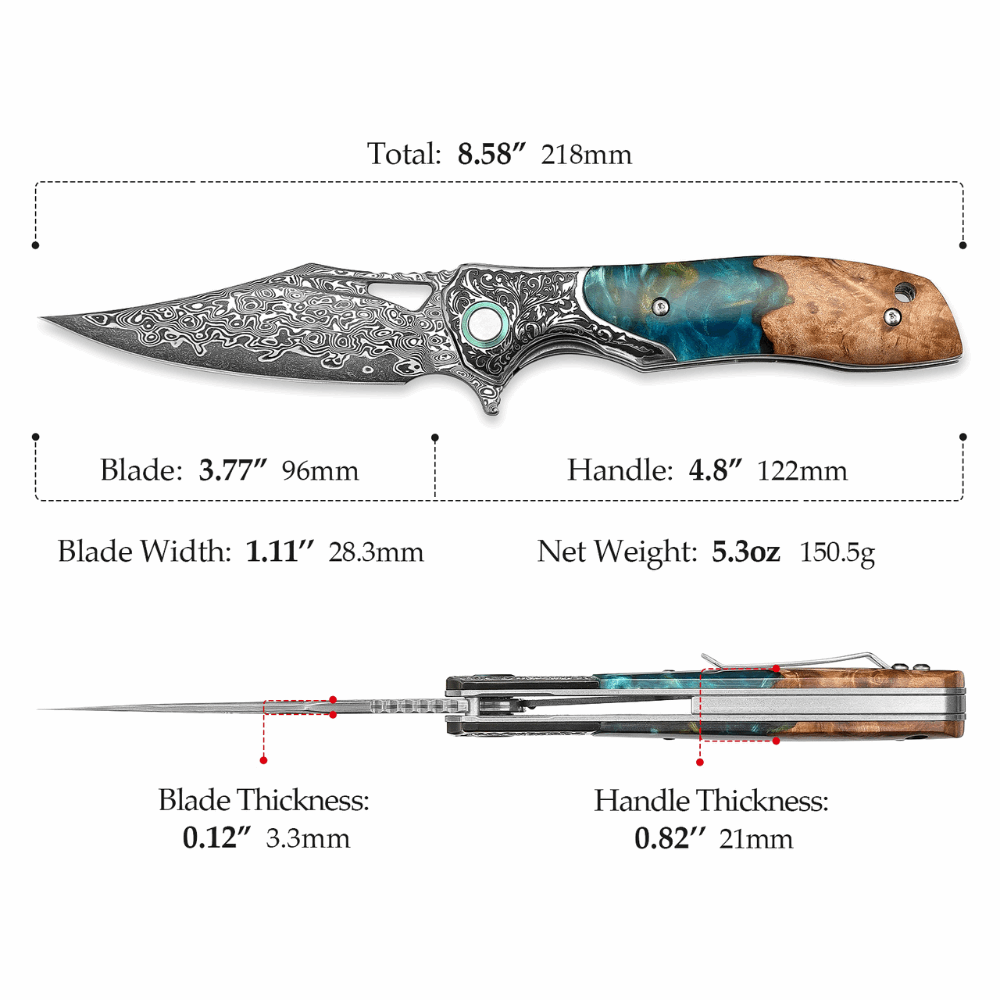
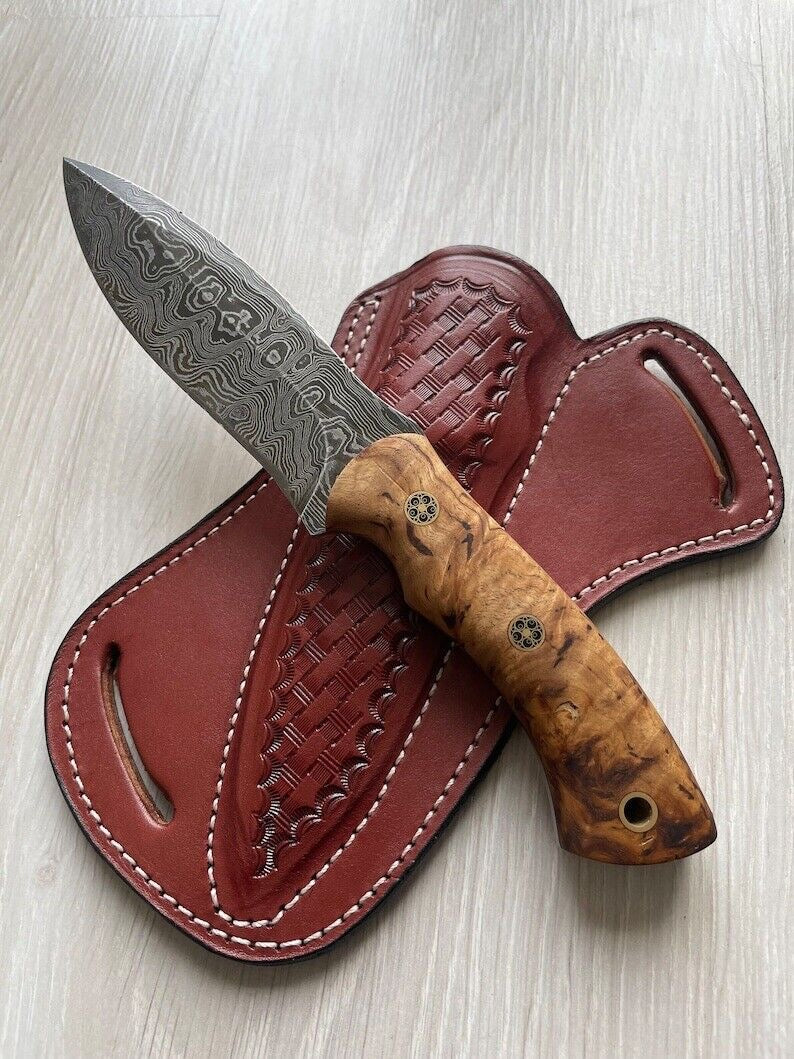
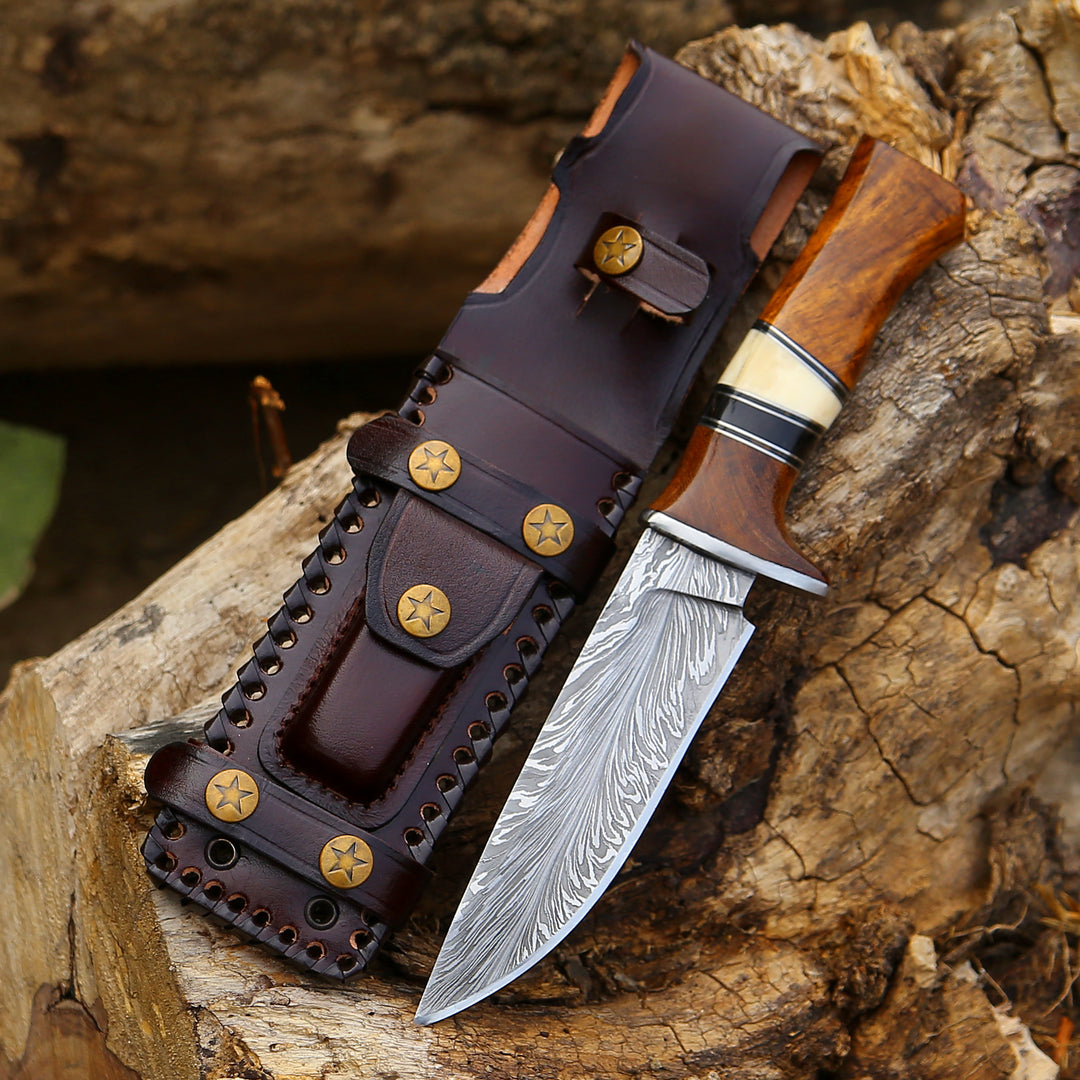
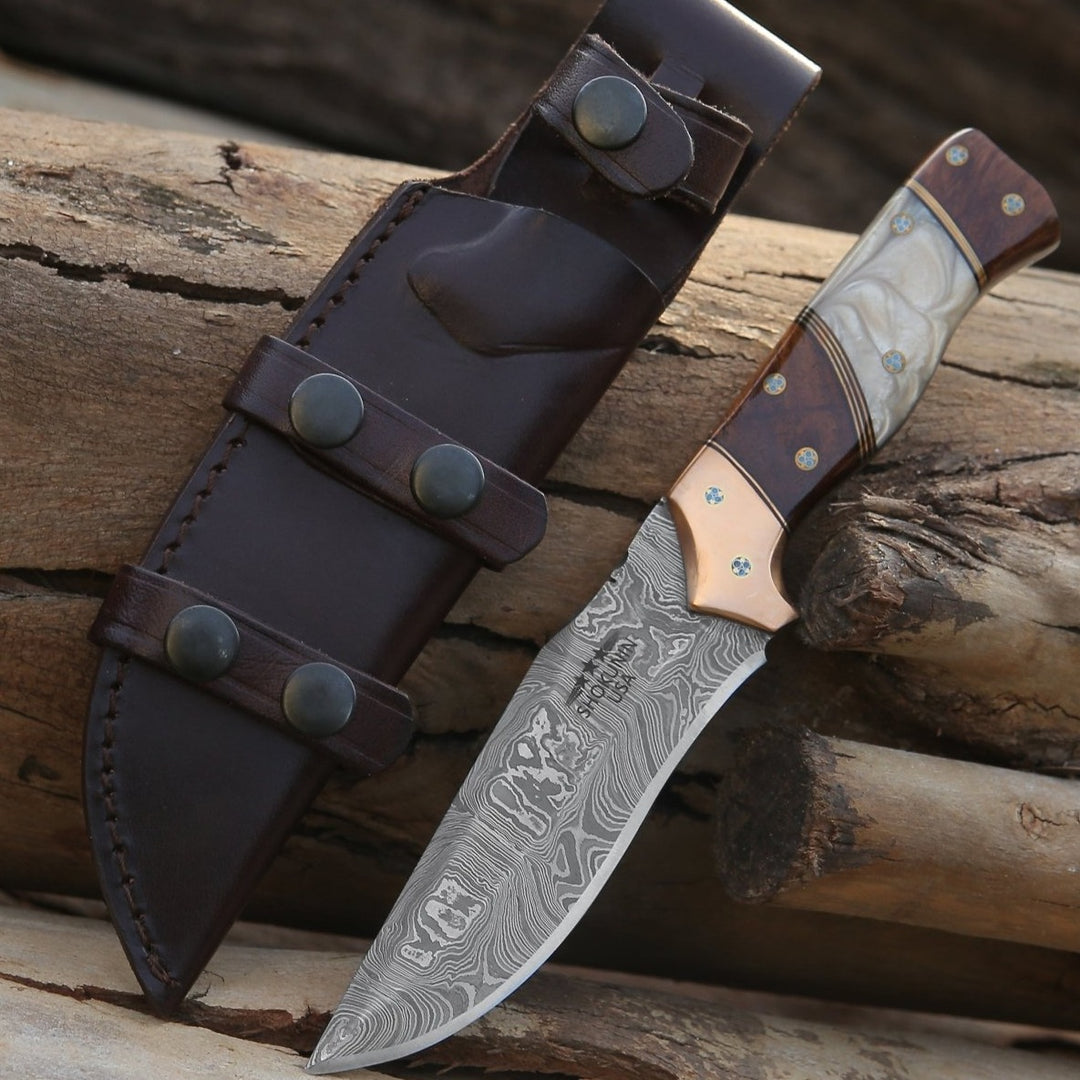
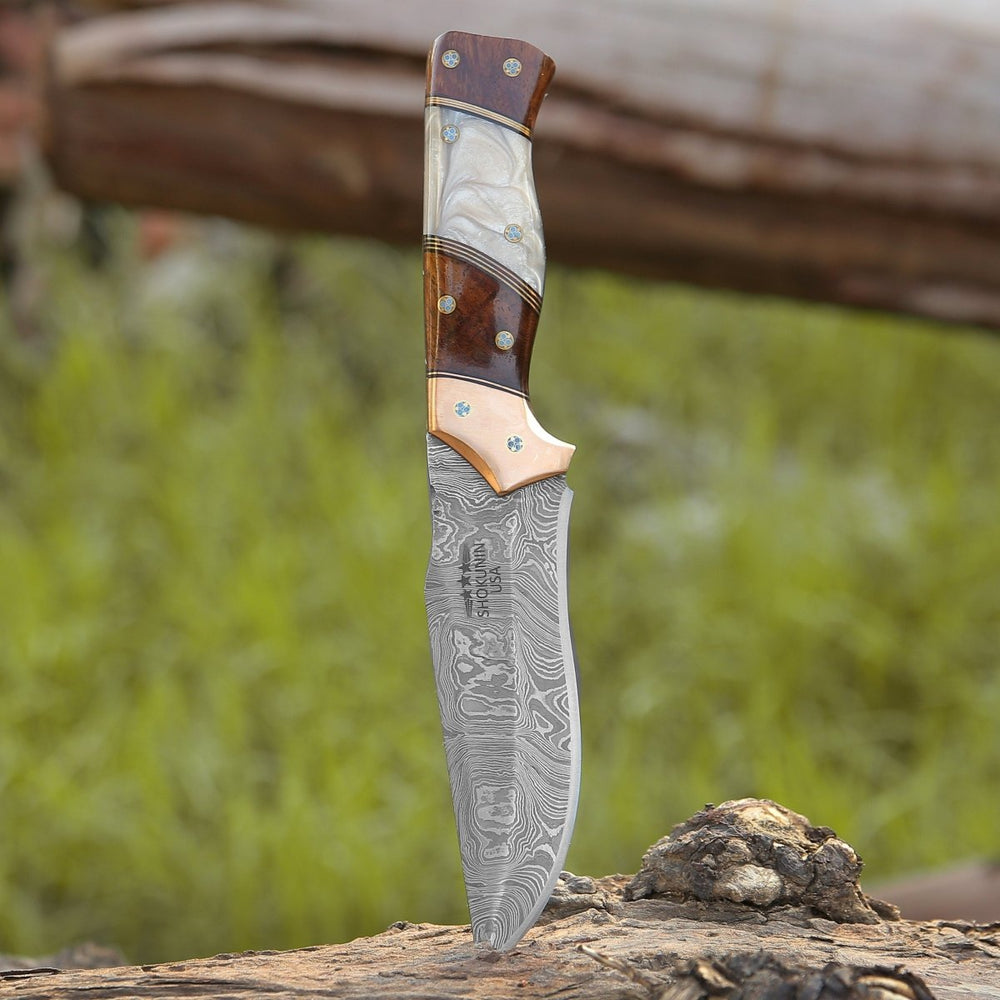
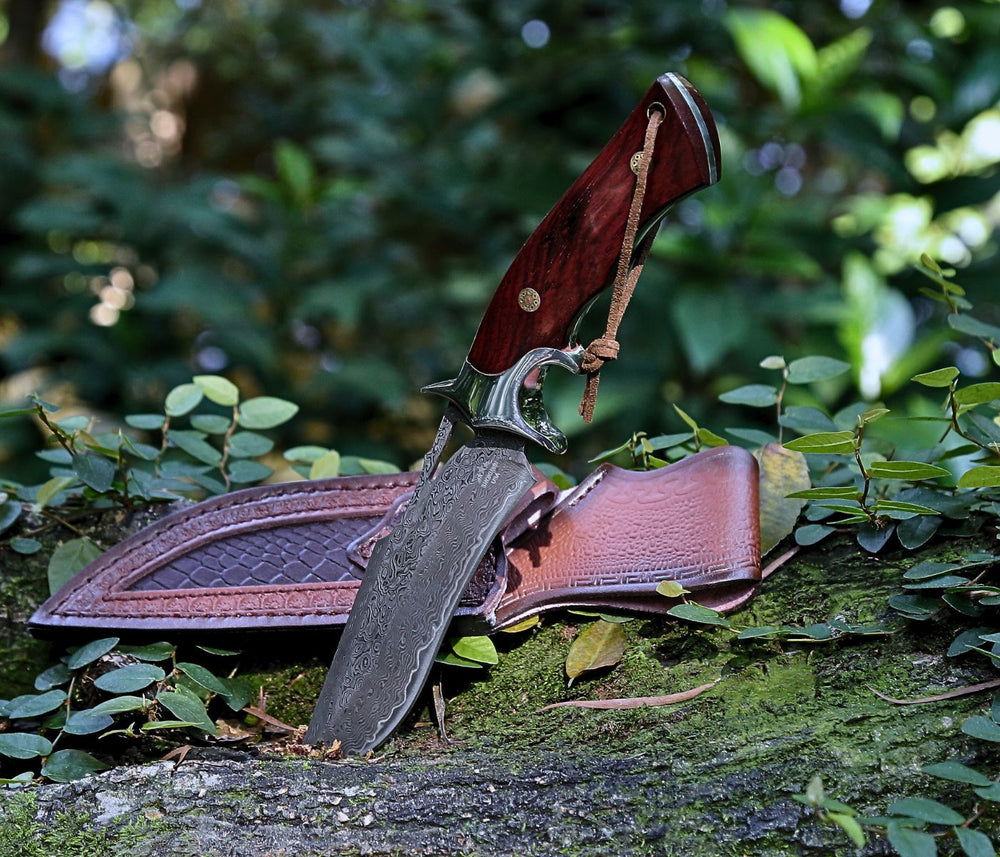
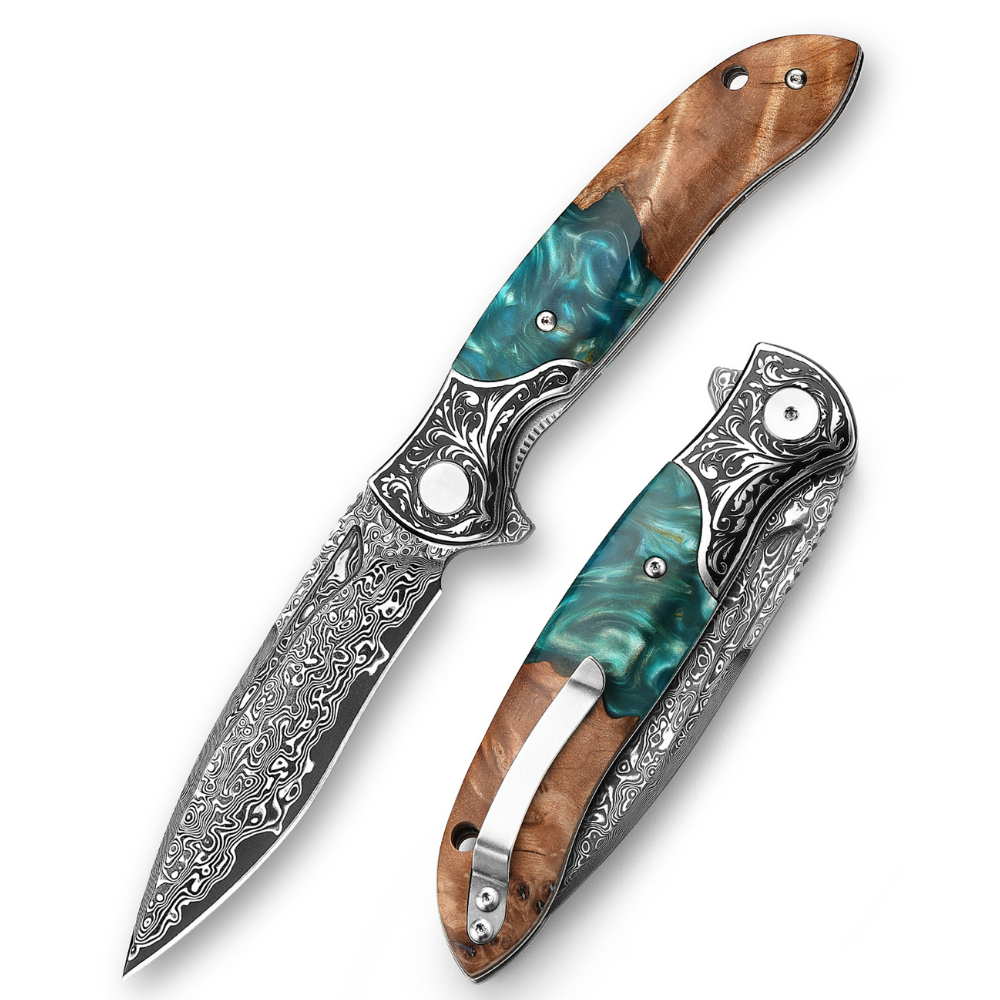
the ideal companion for various outdoor activities. The Flint Gentlemen's Damascus Pocket Knife features a unique hand-forged Damascus steel blade that offers exceptional sharpness and durability, making it suitable for tasks ranging from everyday use to outdoor adventures. Its ergonomic G10 handle ensures a comfortable grip, while the included leather sheath provides convenient storage and easy access.
View Product









Hinterlassen Sie einen Kommentar